.webp)
%2B(7).webp)
.png)
At a Glance
Balancing sodium and potassium is essential for energy, heart health, and preventing bloating. This guide shares four practical, realistic strategies to incorporate more potassium rich foods into your daily routine while cutting back on hidden sodium sources. You'll learn simple swaps, label-reading tricks, and hydration strategies that work with your busy lifestyle.
4 Effortless Ways to Add Low Sodium, High Potassium Foods to Your Diet
Feeling bloated, tired, or just a bit 'off'? The secret might be hiding in your salt shaker. The delicate dance between sodium and potassium is crucial for your energy, heart health, and overall well-being. But figuring out how to balance sodium and potassium without eating boring food can feel overwhelming. Let's simplify it with easy, realistic swaps that fit into your busy life.
The relationship between these two minerals is more important than you might realize. Potassium helps your body excrete excess sodium through urine, which is why the potassium sodium ratio matters so much for blood pressure regulation [1]. Most American women consume far too much sodium (averaging over 3,400 mg daily) while falling short on potassium (getting only about 2,400 mg instead of the recommended 2,600-3,400 mg) [2].
1. Upgrade Your Plate with Potassium-Rich Produce
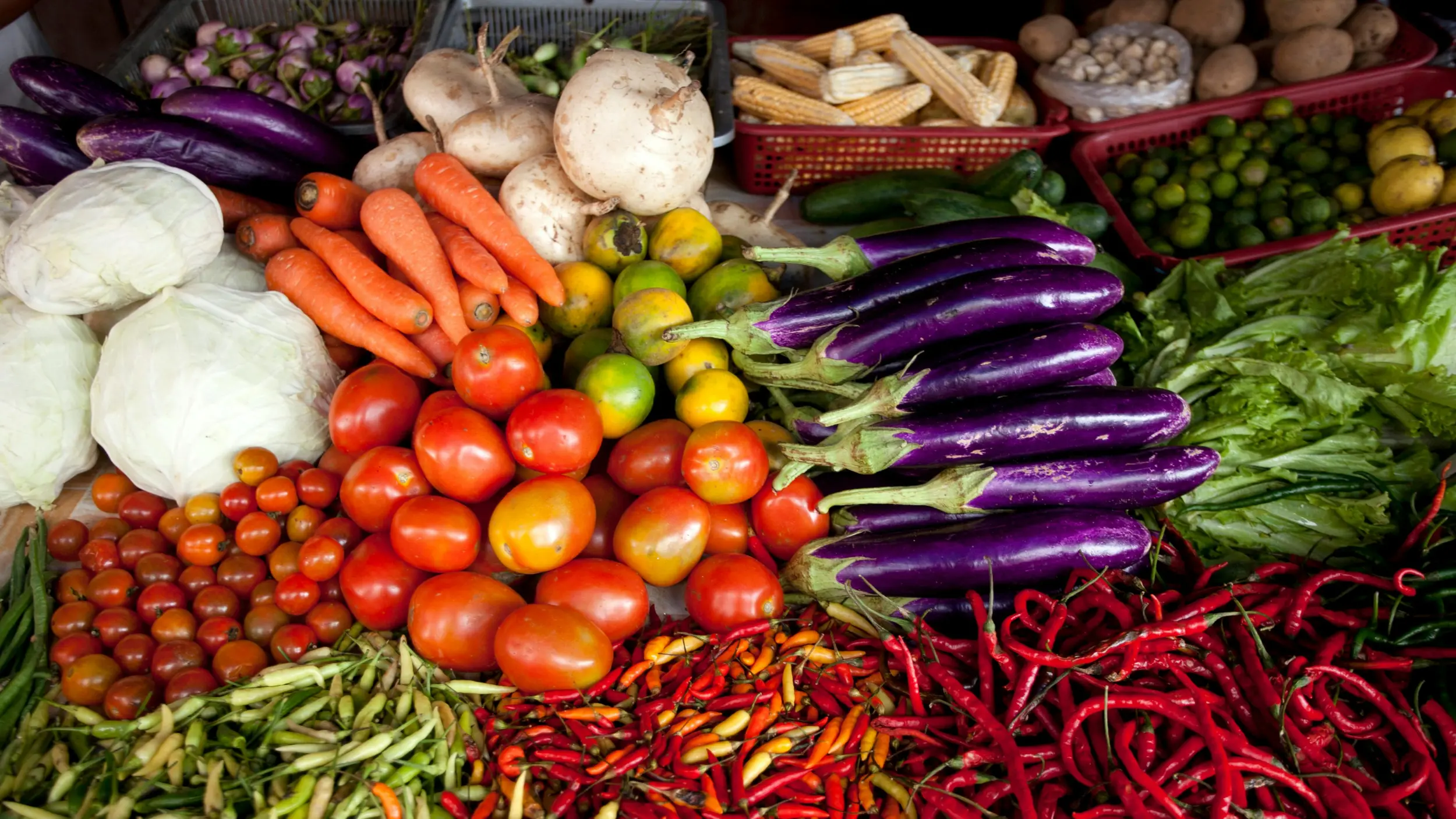
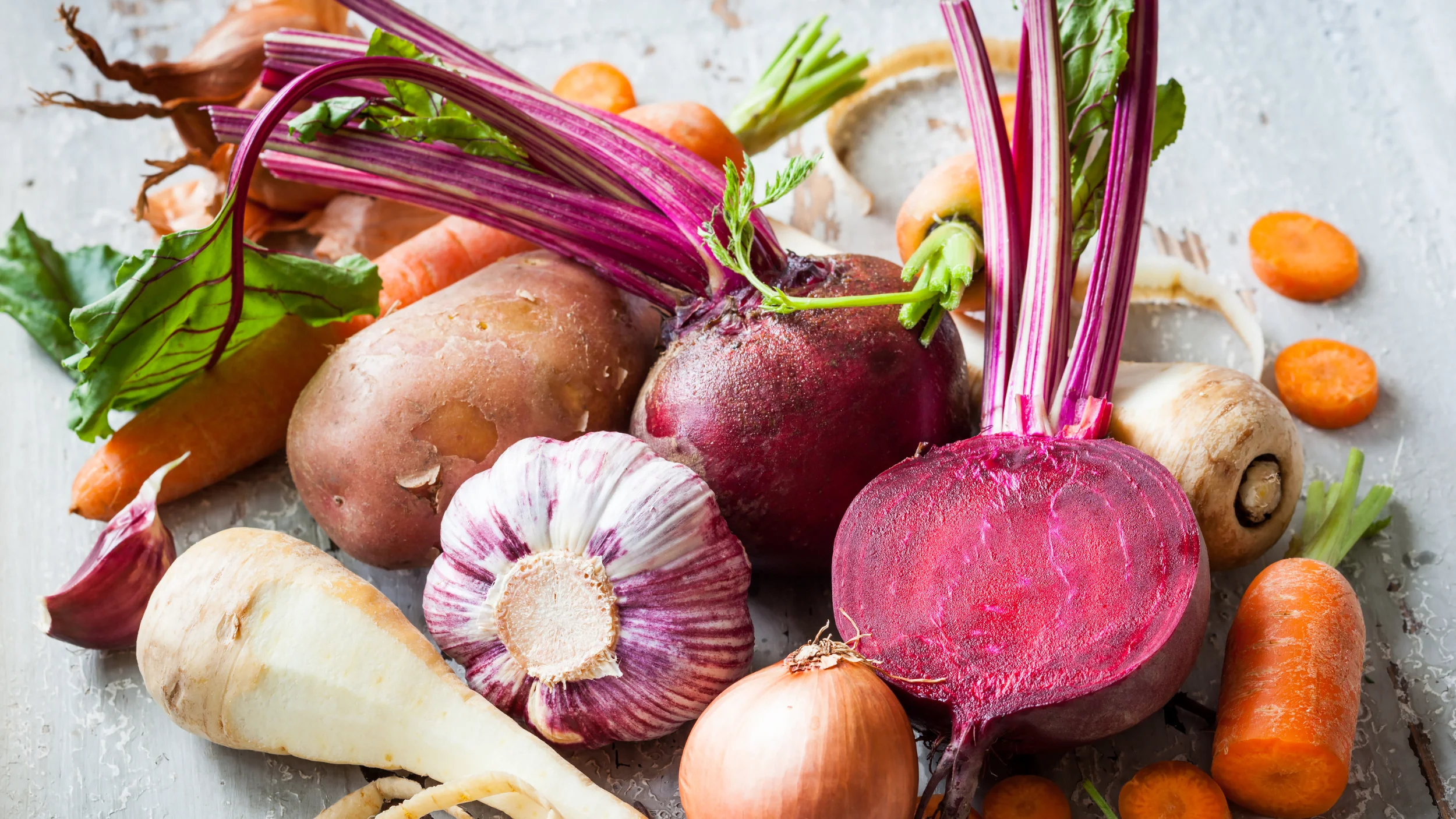
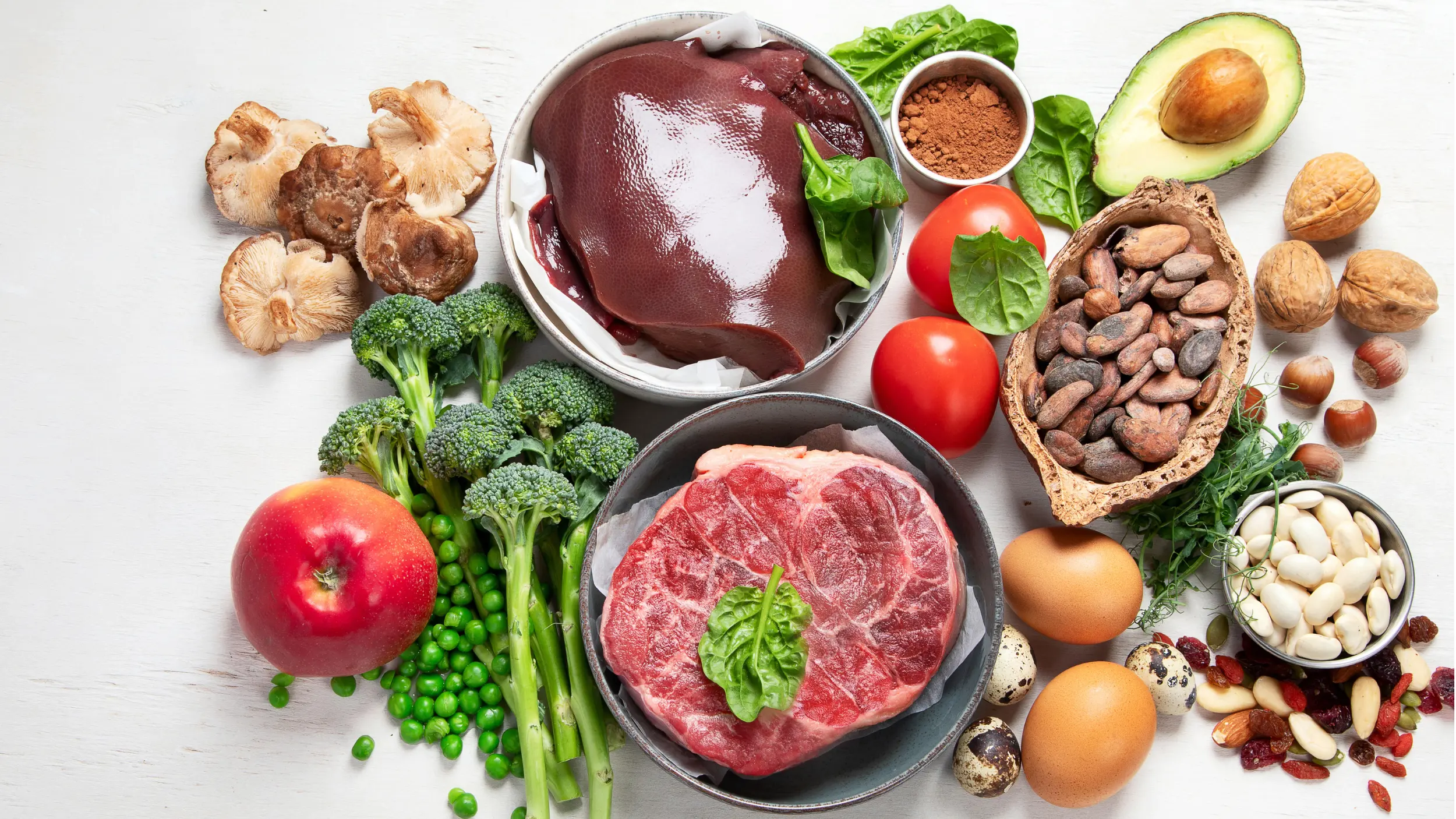
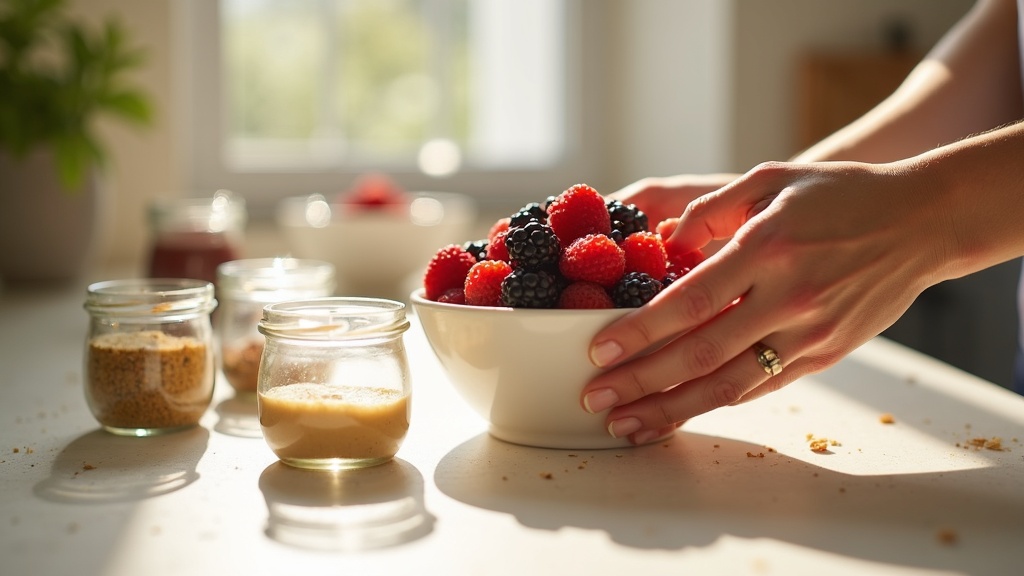
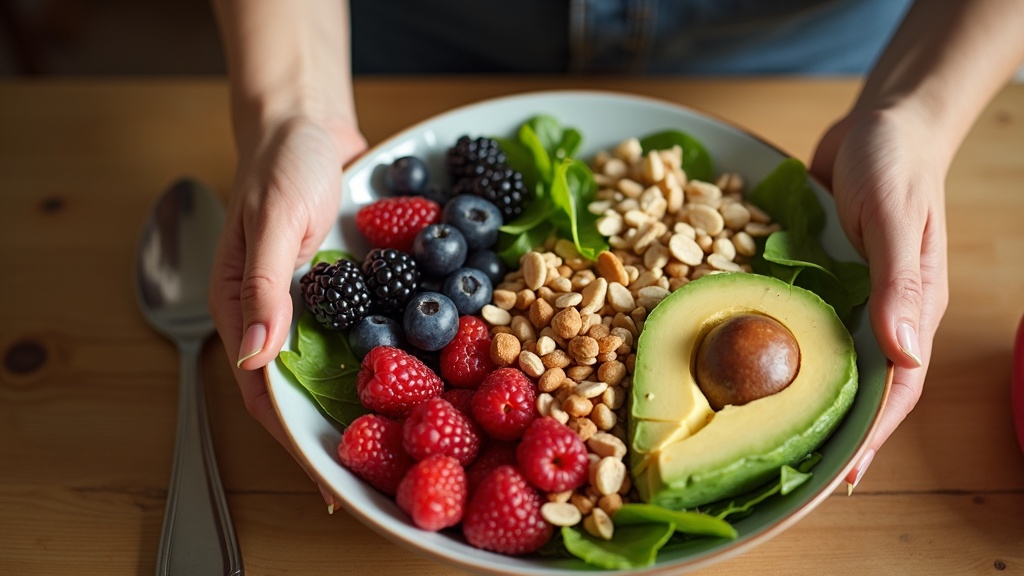
Instead of focusing only on what to remove, let's start by adding powerful, nutrient-dense foods. Crowding out high-sodium options with delicious, potassium-packed fruits and veggies is the easiest first step. This naturally helps improve your potassium sodium ratio without a complete diet overhaul.
Here's your go-to potassium rich foods list for produce:
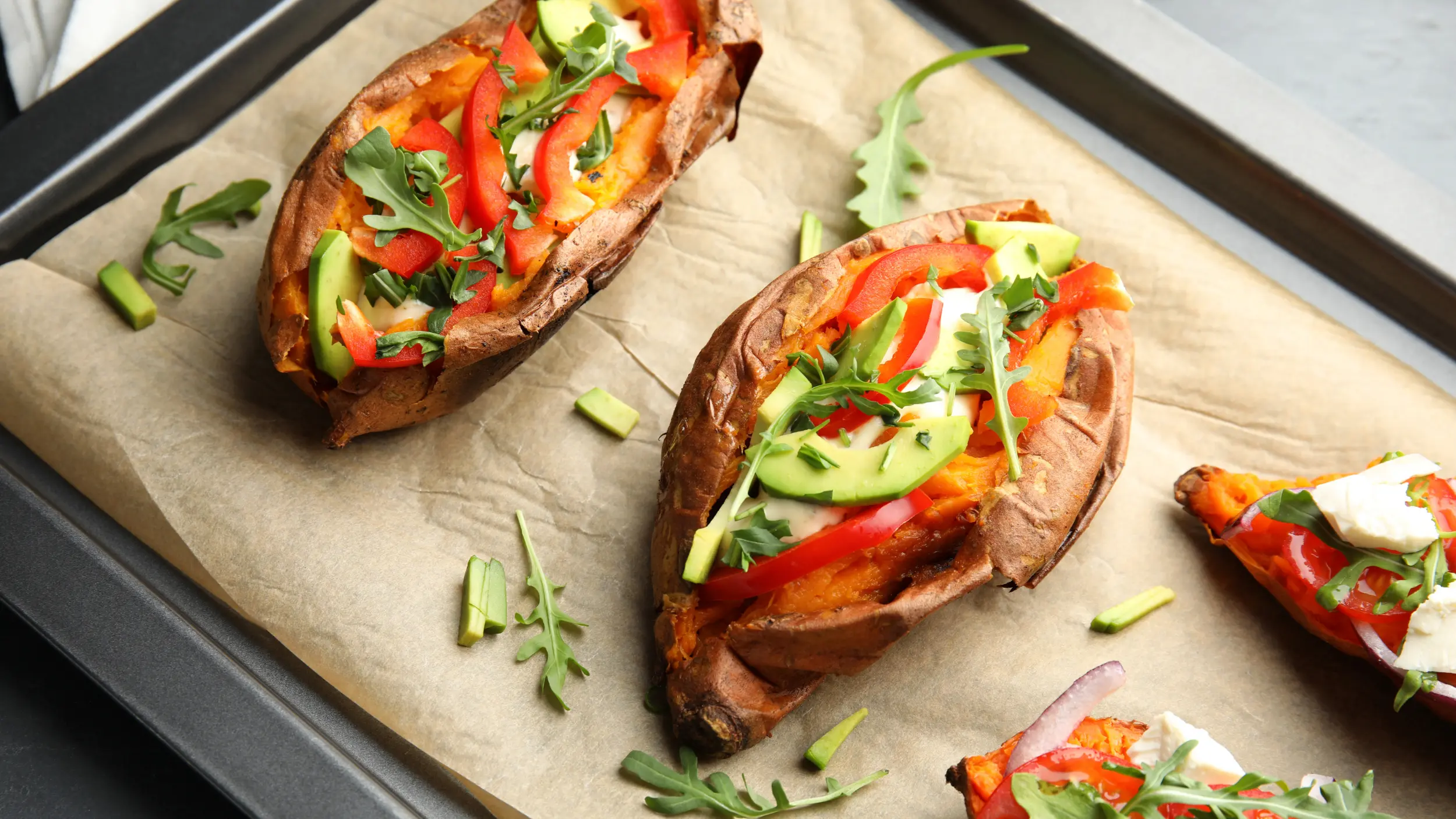
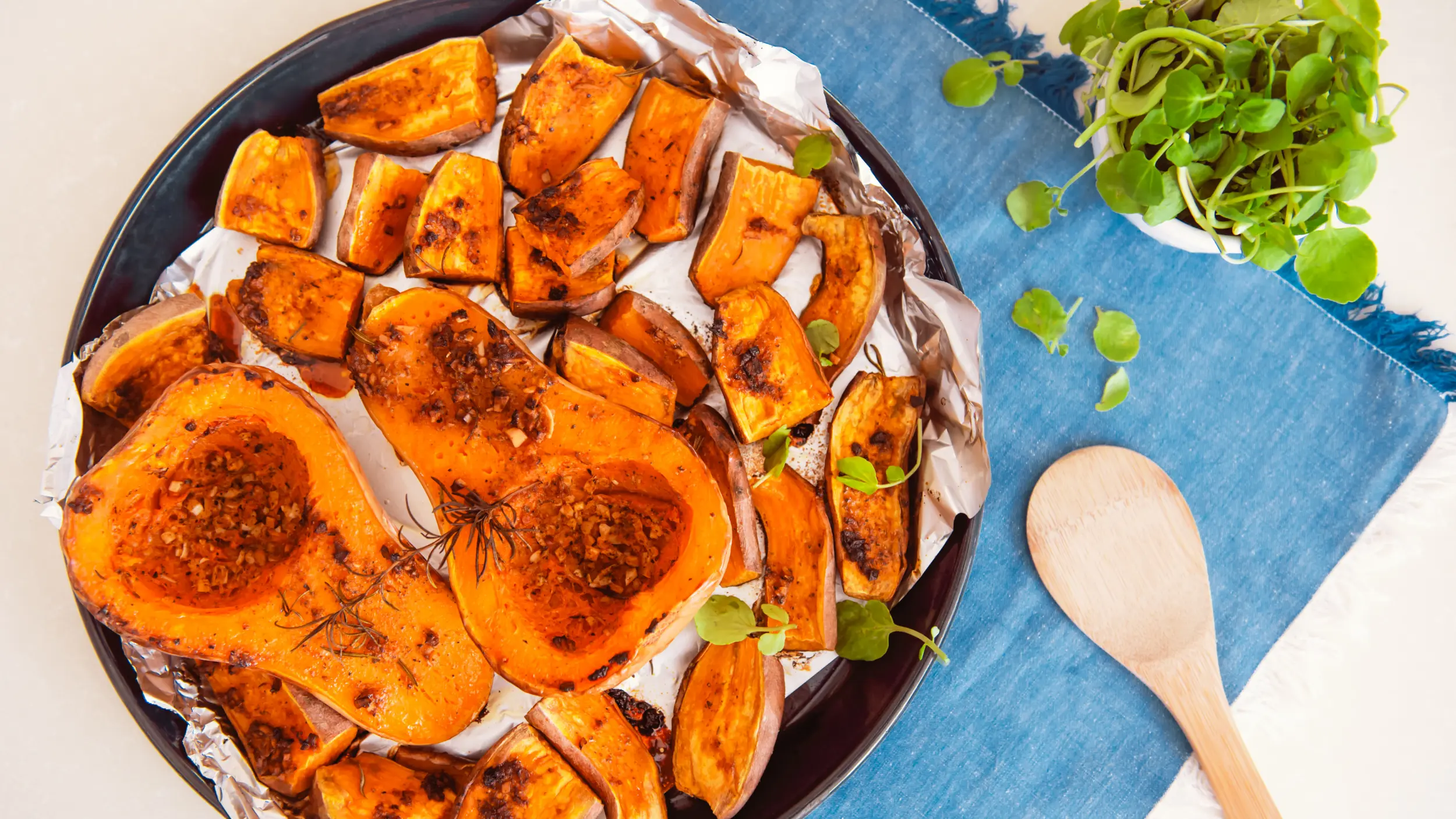
- Sweet potatoes: One medium baked sweet potato delivers a whopping 542 mg of potassium [3]
- Spinach: A cooked cup provides 839 mg of potassium plus iron and folate
- Avocados: Half an avocado contains 487 mg of potassium and heart-healthy fats
- Bananas: The classic potassium powerhouse with 422 mg per medium fruit
- Tomatoes: One cup of tomato sauce packs 728 mg of potassium
- White beans: A half-cup serving gives you 502 mg of potassium plus fiber
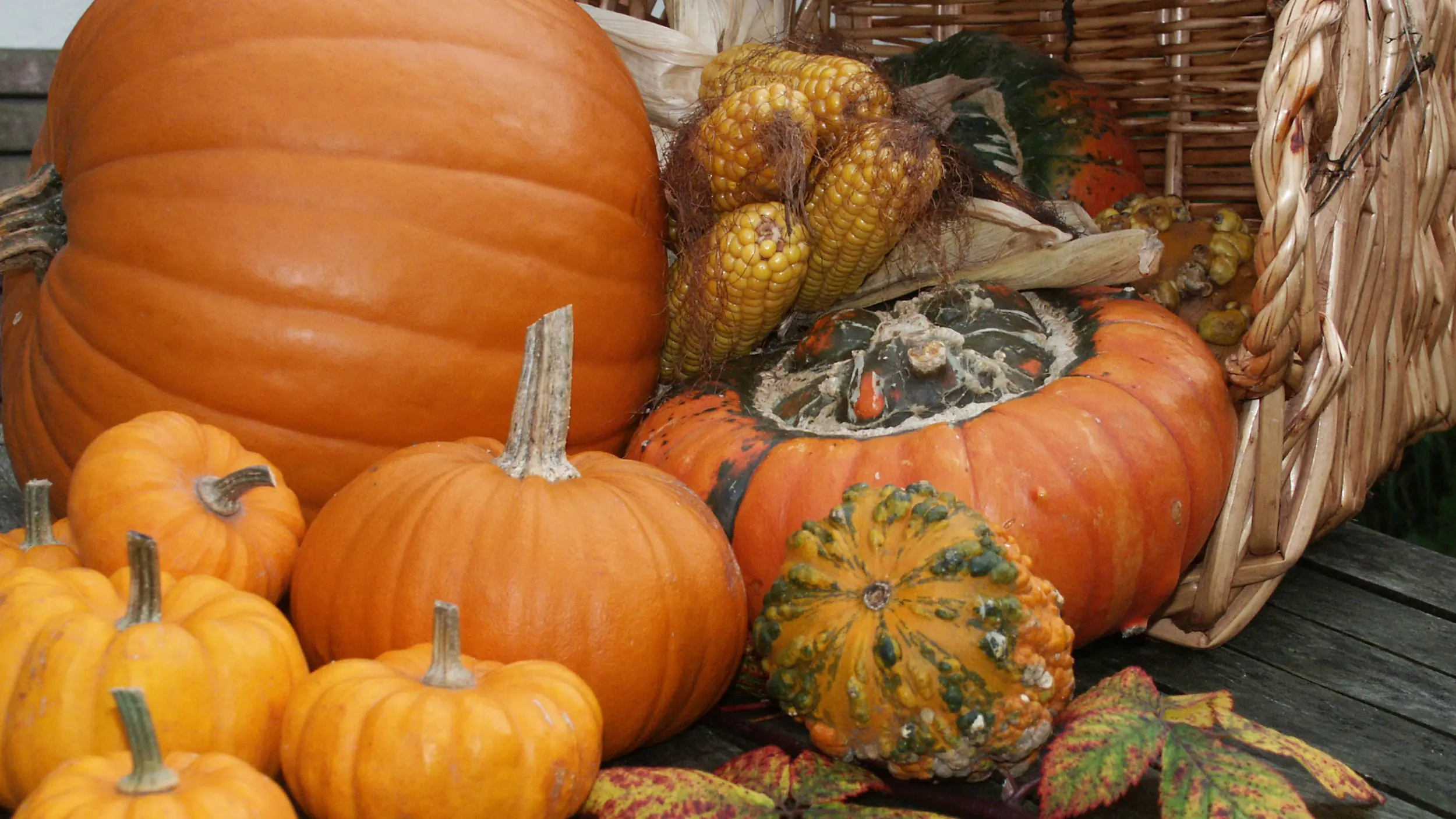
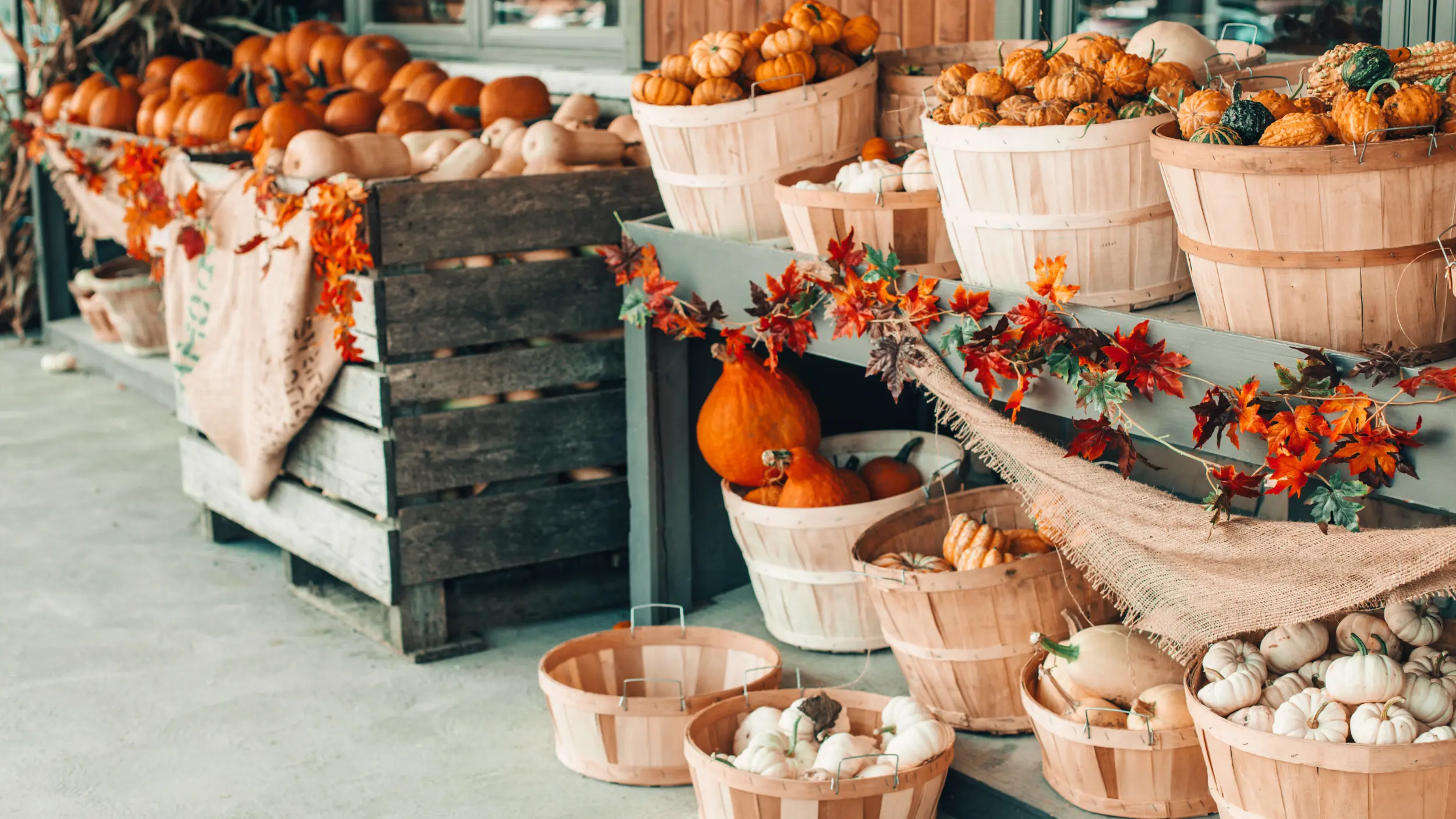
- Acorn squash: One cup of cooked squash delivers 896 mg of potassium
- Dried apricots: Just a quarter cup provides 378 mg of potassium
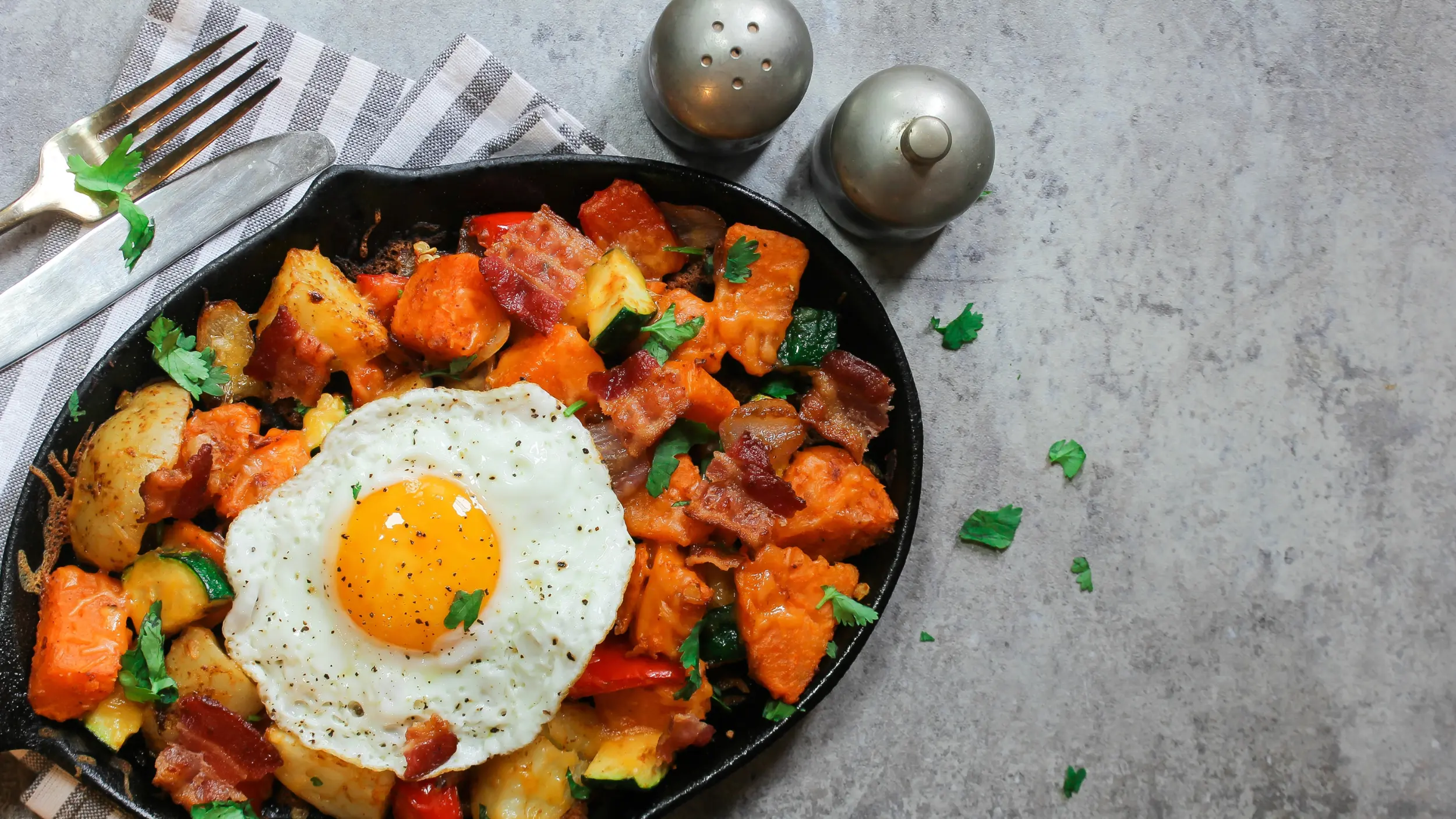
The beauty of this approach? You're not depriving yourself. You're simply adding more nutrient density to meals you already love. Toss spinach into your morning eggs, add avocado to your sandwich, or roast sweet potatoes as a side dish. These small additions make a massive difference in your daily potassium intake.
If you're dealing with specific health concerns like high blood pressure, working with a specialized dietitian can help you create a targeted plan that addresses your unique needs.
2. Get Smart About Packaged Foods & Condiments
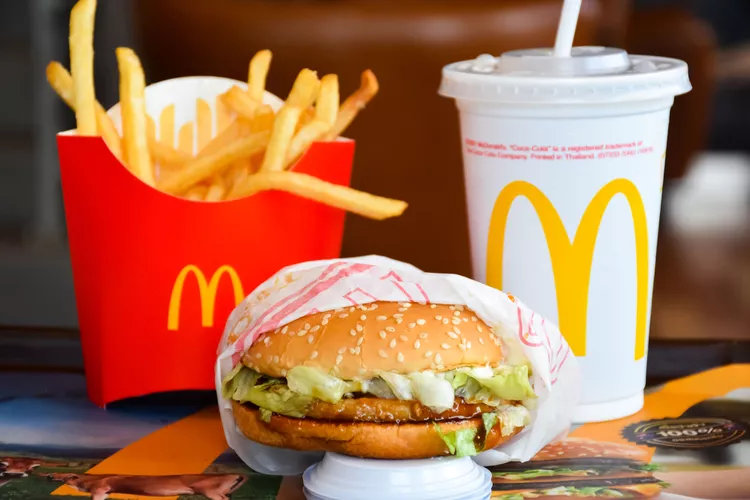
This is where sodium loves to hide. We're not asking you to give up convenience, just to be a little more mindful. Learn to quickly scan labels for sodium content, and start making simple swaps. This is a key part of any sustainable low sodium diet.
Packaged and processed foods contribute about 70% of the sodium in the typical American diet [4]. The sneakiest culprits aren't always what you'd expect:
- Bread and rolls: One slice can contain 100-200 mg of sodium
- Deli meats: Just 2 ounces of processed turkey can pack 500-1,000 mg
- Canned soups: A single serving often exceeds 800 mg of sodium
- Soy sauce: One tablespoon contains about 900 mg of sodium
- Salad dressings: Two tablespoons can deliver 300-500 mg
- Cottage cheese: One cup of regular cottage cheese has around 700 mg
- Frozen meals: Many contain 600-1,800 mg per serving
Your smart swaps for a better sodium and potassium relationship:
- Choose low-sodium soy sauce or coconut aminos (reduce sodium by 50-70%)
- Rinse canned beans, vegetables, and tuna under cold water (removes up to 40% of sodium) [5]
- Make your own salad dressing with olive oil, lemon juice, and herbs
- Look for "no salt added" versions of canned tomatoes and broths
- Use fresh or dried herbs, garlic, citrus zest, and spices instead of salt
- Check labels and choose products with less than 140 mg sodium per serving
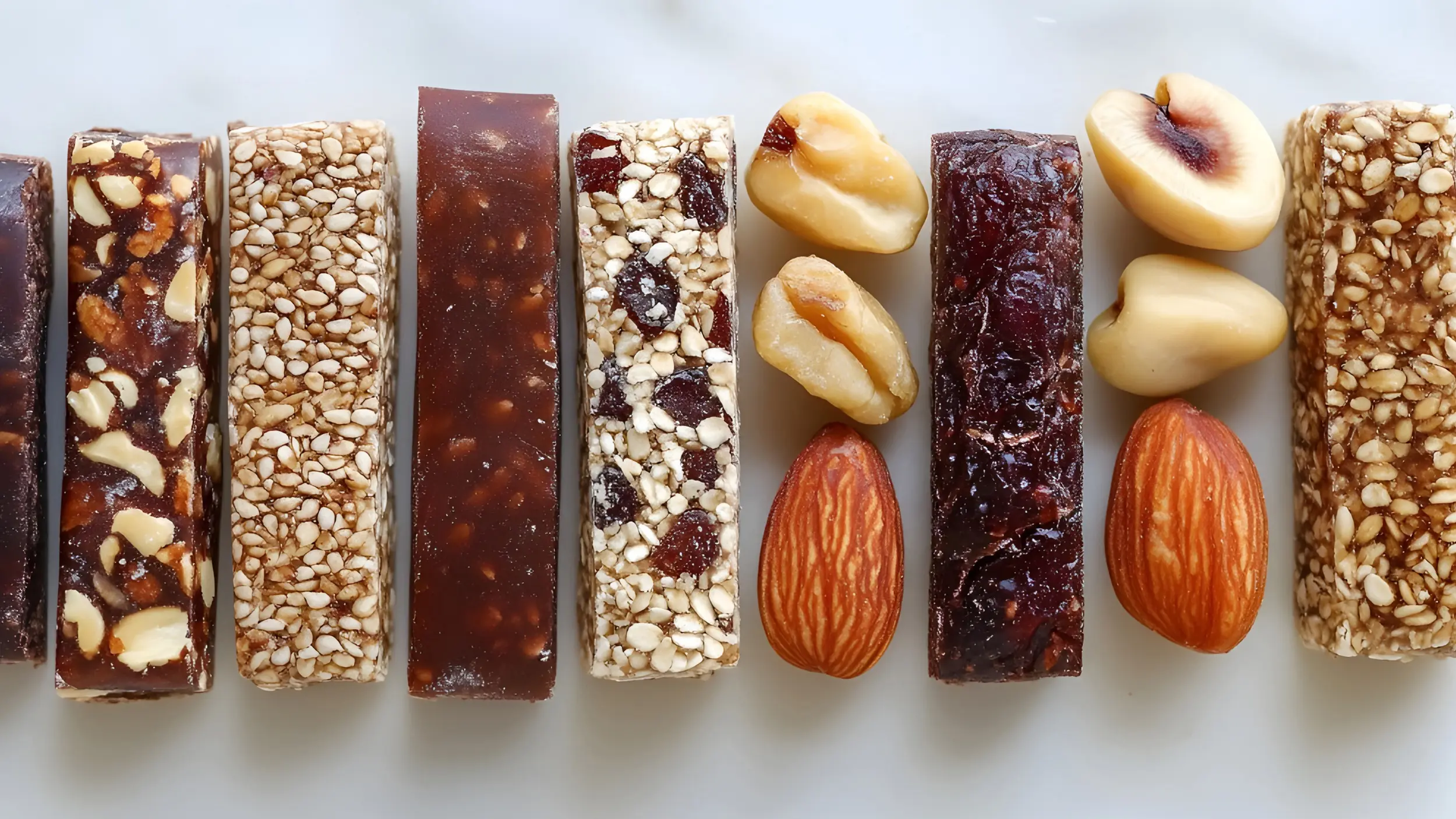
One of my clients recently discovered that her "healthy" morning smoothie bowl topping (granola) contained 180 mg of sodium per serving. By switching to unsalted nuts and seeds, she cut 180 mg of sodium while actually increasing her potassium intake. Small changes, big impact.
3. Rethink Your Protein and Dairy Choices
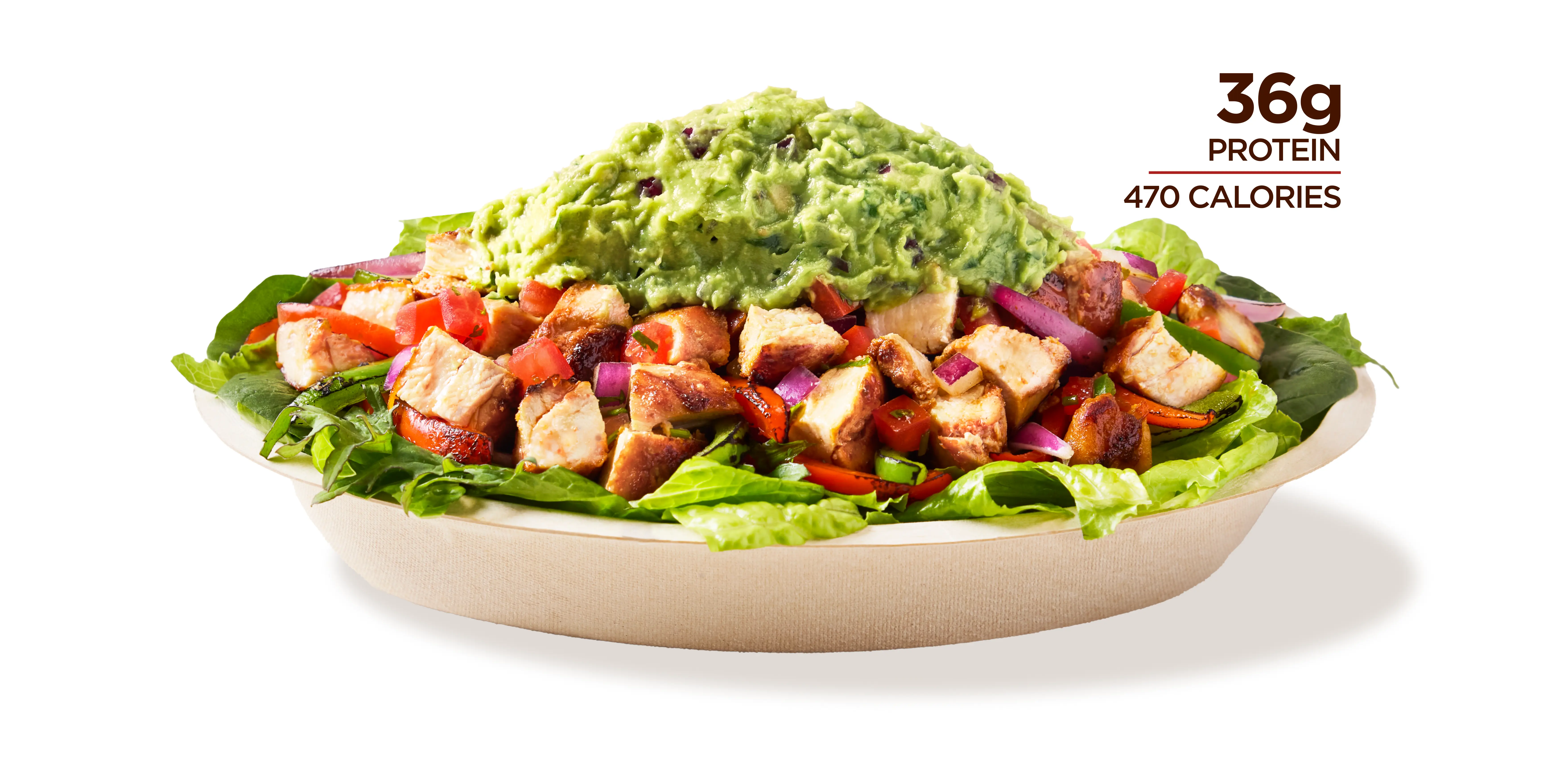
Certain proteins and dairy products can be significant sources of sodium. Cured meats, processed cheeses, and some frozen meals are common culprits. Try switching to fresh options to build a high potassium diet that supports your goals.
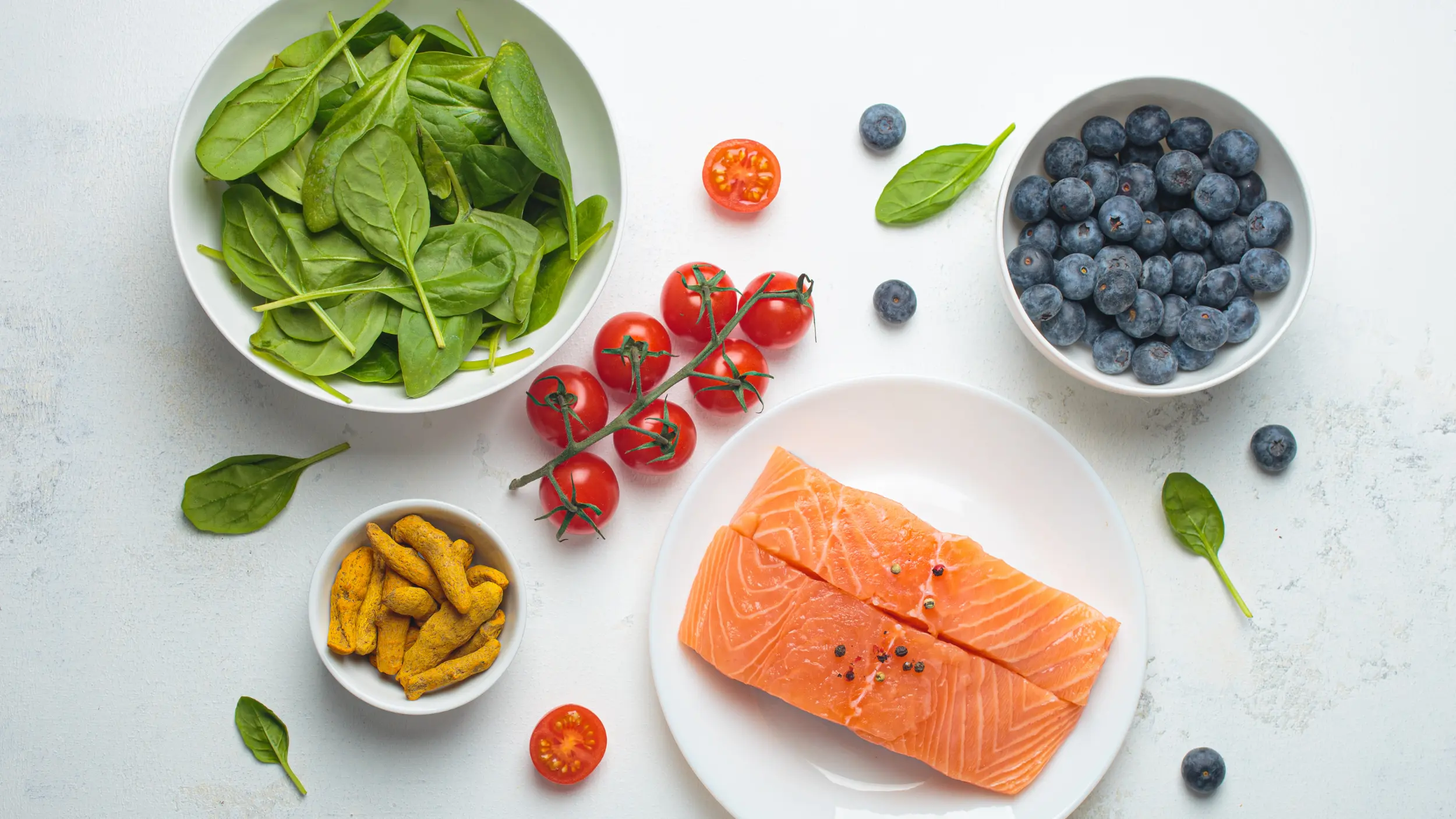
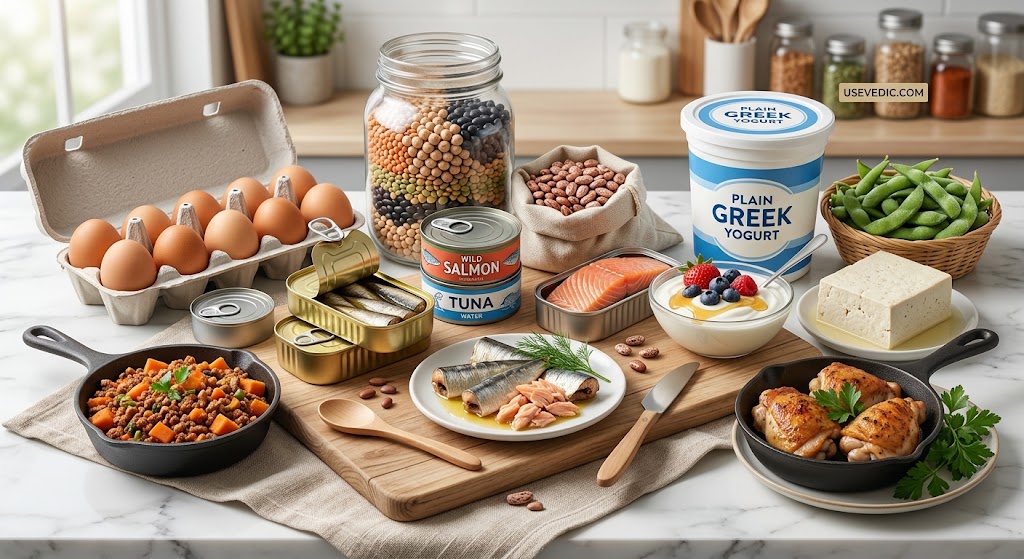
Let's talk about foods high in potassium within the protein category:
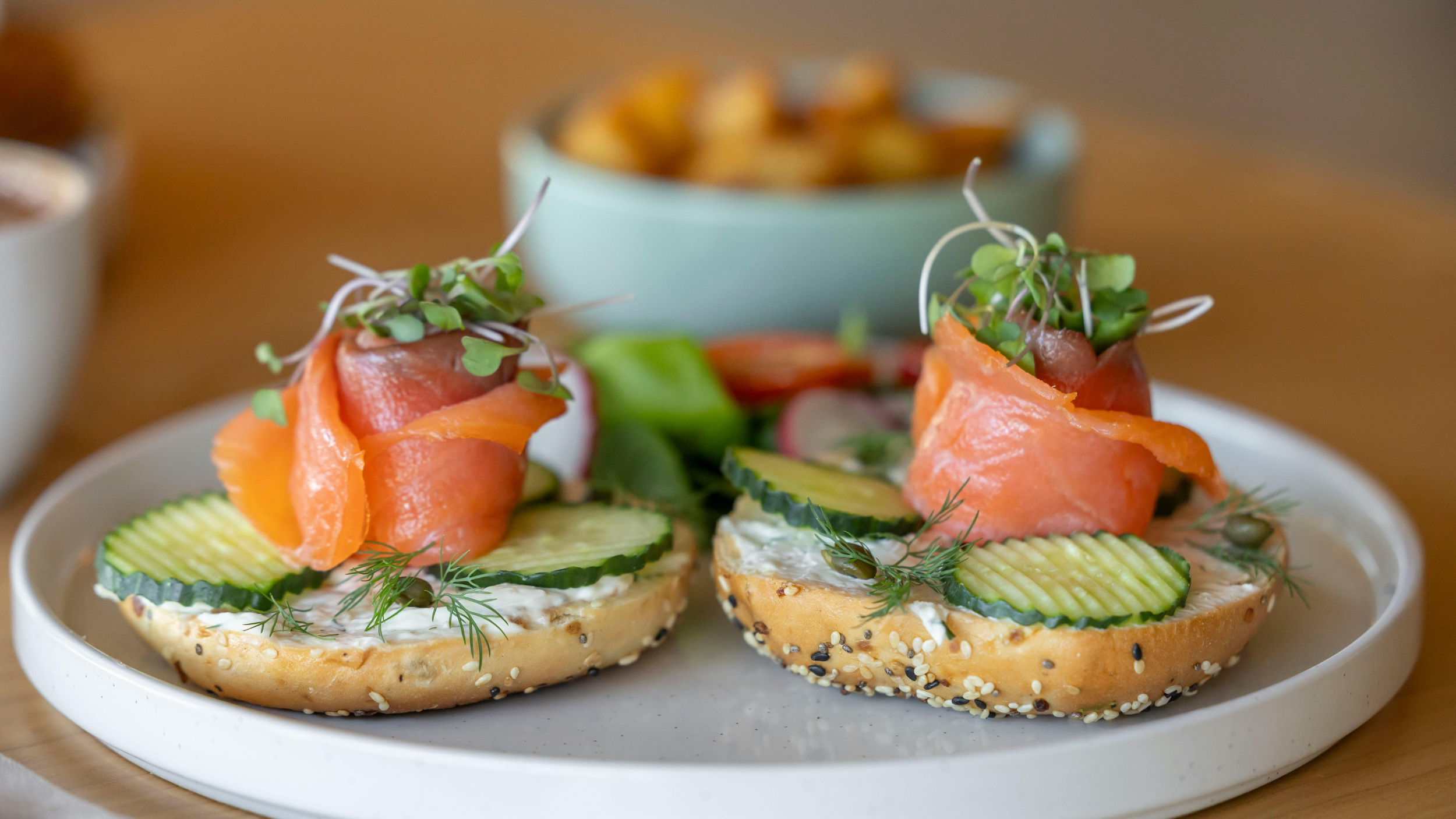
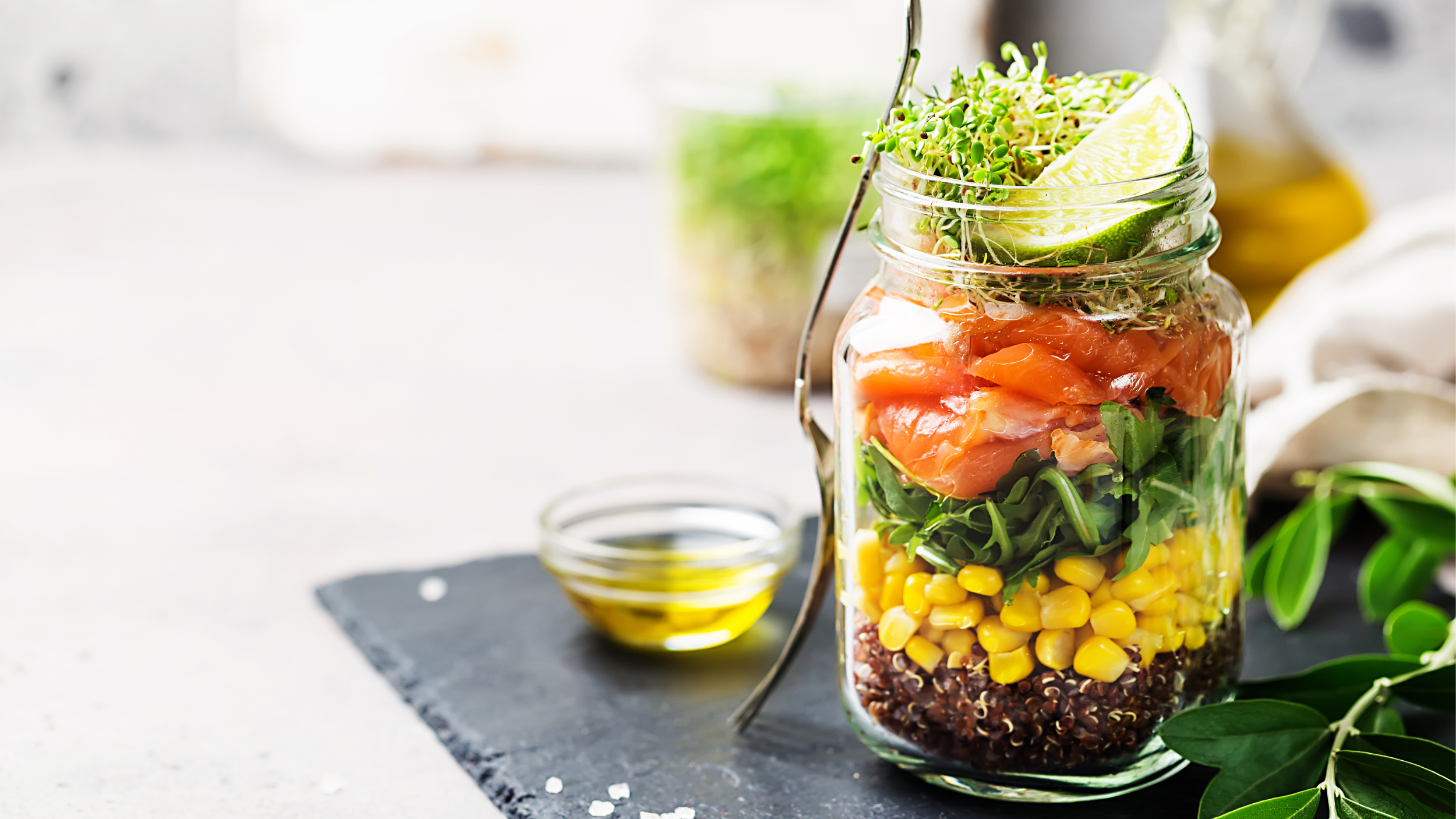
- Salmon: A 3-ounce serving provides 326 mg of potassium and heart-healthy omega-3s
- Chicken breast: Fresh (not pre-seasoned) delivers 332 mg per 3 ounces
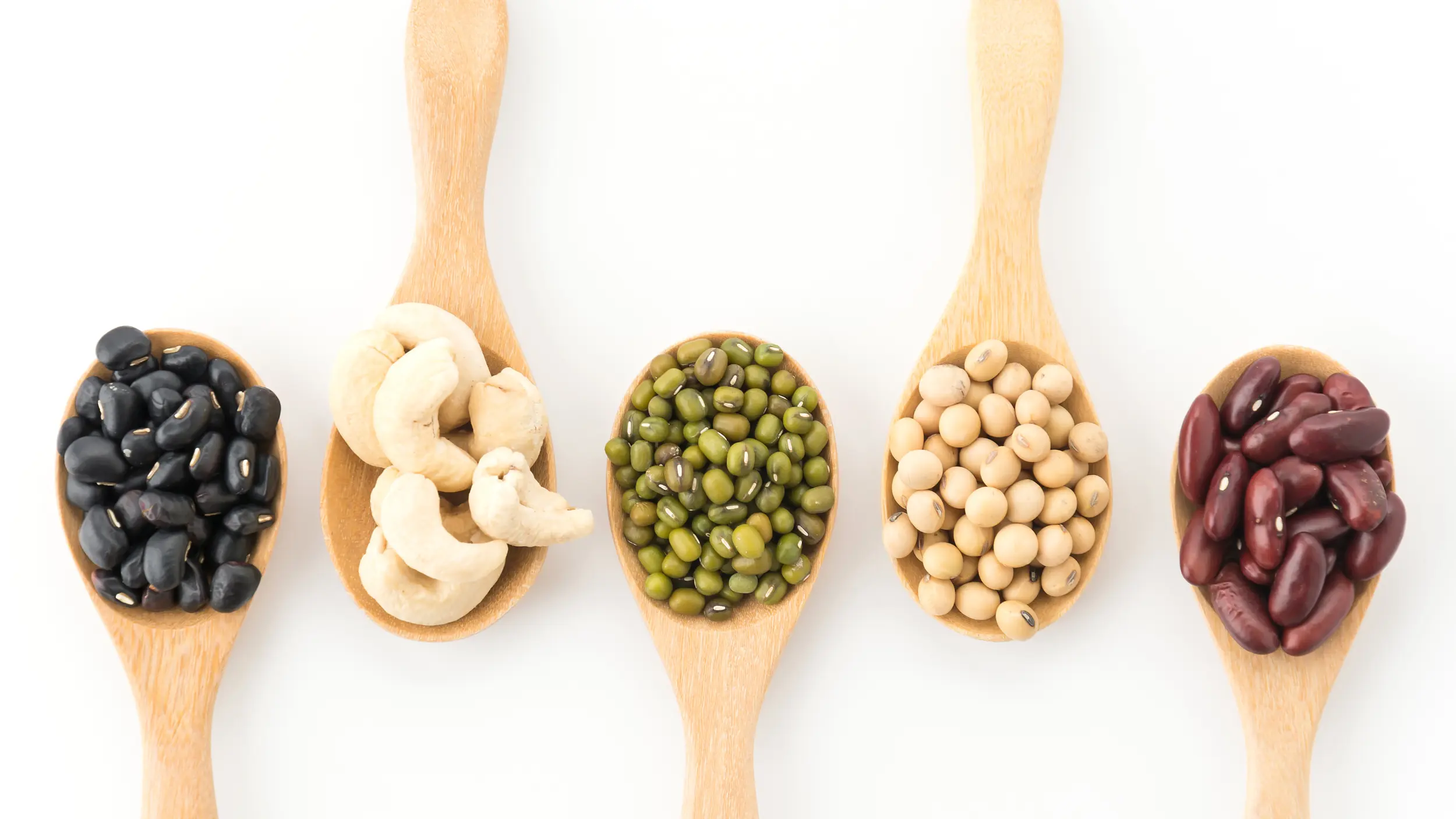
- Lentils: One cooked cup contains 731 mg of potassium plus 18g of protein
- Edamame: One cup of these soybeans gives you 676 mg of potassium
- Plain Greek yogurt: One cup provides about 300 mg of potassium with minimal sodium
- Black beans: A half cup delivers 305 mg of potassium
Protein swaps that slash sodium while boosting potassium:
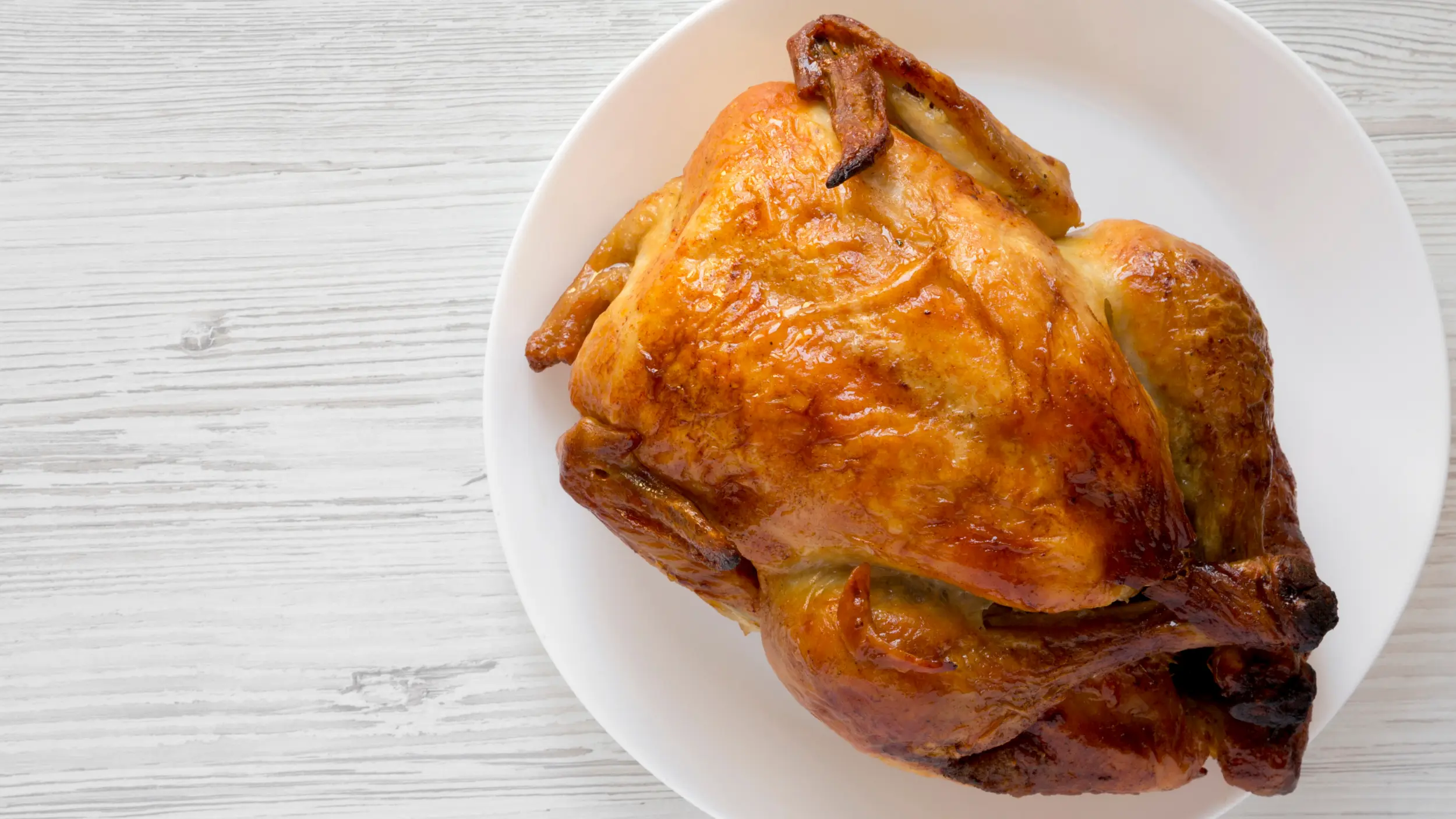
- Replace deli turkey with freshly roasted chicken breast (save 400+ mg sodium per serving)
- Choose Swiss cheese over American cheese (Swiss has about 50 mg sodium per ounce vs. 400+ mg for processed cheese)
- Swap bacon for avocado on sandwiches (eliminate 400 mg sodium, add 487 mg potassium)
- Use dried beans instead of canned refried beans (reduce sodium by 75% when you cook from scratch)
- Select fresh fish over breaded, frozen varieties
If you're working on balancing hormones through nutrition, this protein strategy becomes even more important, as excess sodium can worsen hormonal bloating and water retention.
4. Hydrate Intelligently for Better Balance
Proper hydration is key to helping your body flush out excess sodium. While drinking plenty of plain water is fantastic, you can also include potassium-rich beverages. This strategy contributes to your daily potassium intake and helps restore balance.
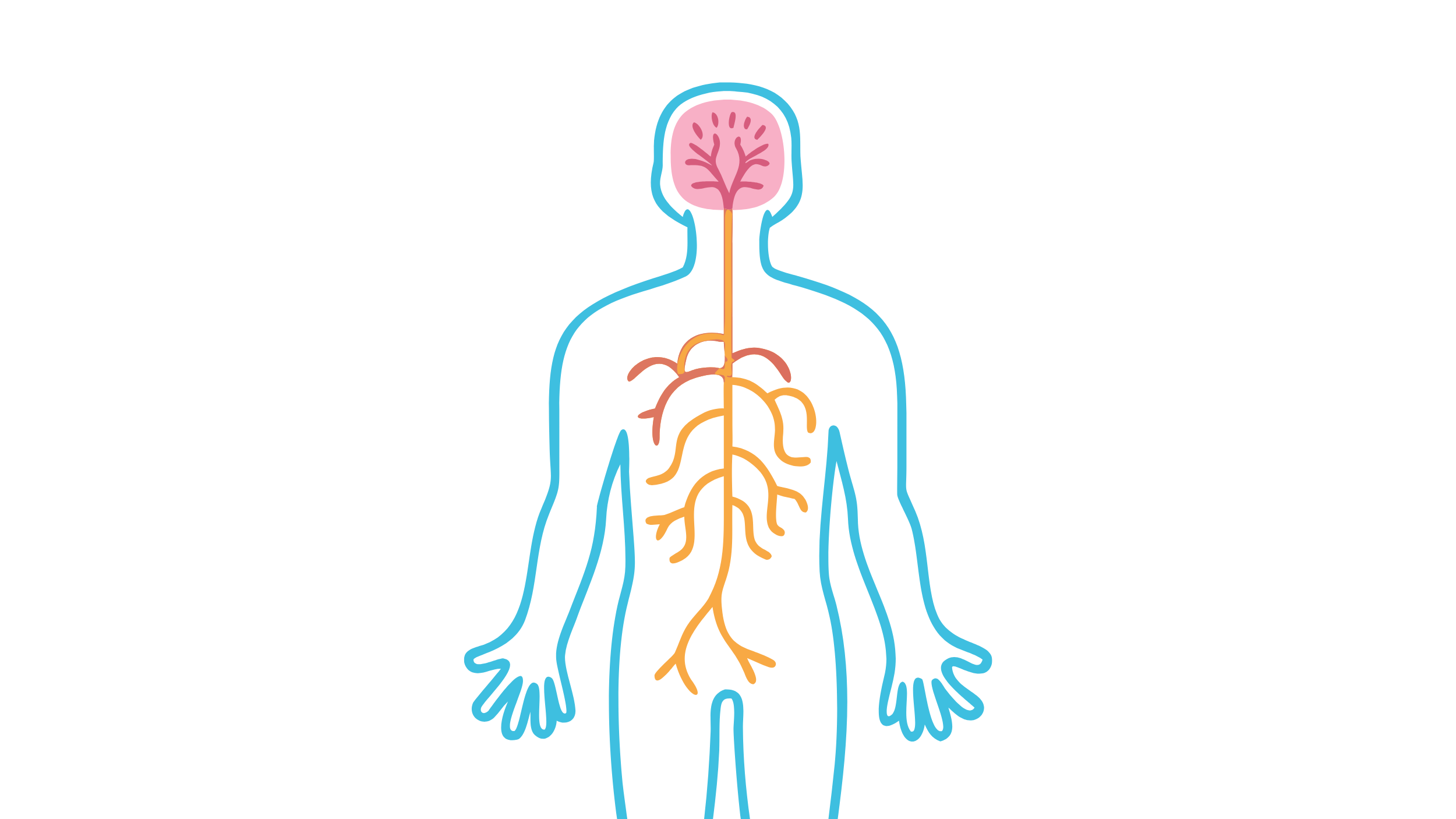
Your kidneys regulate the sodium-potassium balance, and adequate hydration supports this critical function [6]. When you're dehydrated, your body holds onto sodium, which can worsen bloating and increase blood pressure.
Smart hydration choices for foods to lower blood pressure:
- Coconut water: One cup contains about 600 mg of potassium (choose unsweetened varieties)
- Low-sugar orange juice: Eight ounces provides roughly 450 mg of potassium
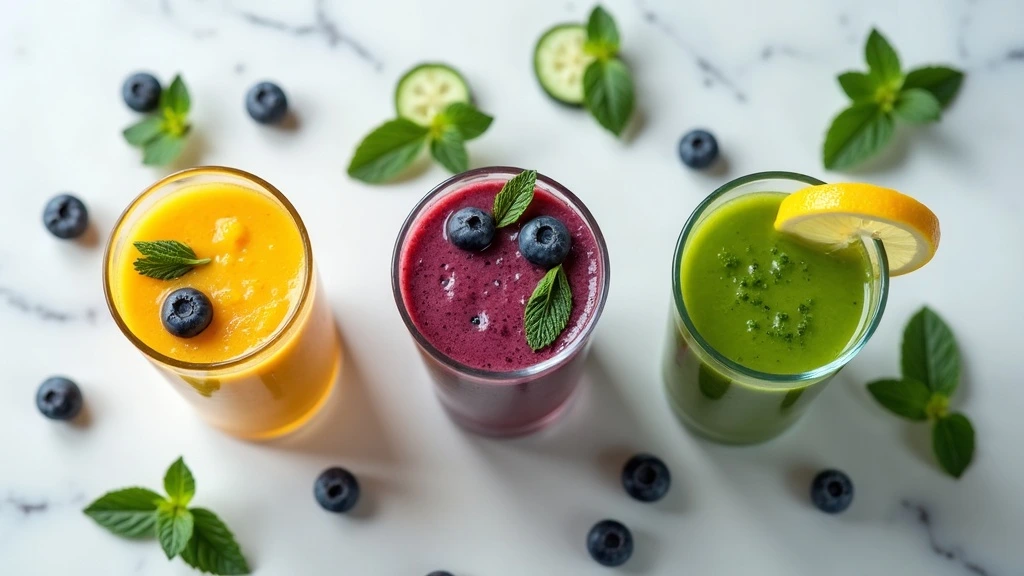
- Smoothies with leafy greens: Blend spinach, banana, and berries for a potassium powerhouse
- Homemade vegetable broth: Use potassium-rich veggies like tomatoes, celery, and carrots
- Plain water with lemon or lime: Adds flavor and a small potassium boost
One practical tip: After a high-sodium restaurant meal, drink an extra 16-24 ounces of water and have a potassium-rich snack within a few hours. This helps your kidneys process and eliminate the excess sodium more efficiently.
It's worth noting that if you're experiencing digestive issues alongside bloating, the sodium-potassium balance might be just one piece of the puzzle. A comprehensive approach often yields the best results.
Frequently Asked Questions
What are the top 3 signs my sodium intake is too high?
Common signs of too much sodium include:
- Persistent bloating or puffiness: Especially noticeable in your hands, feet, and around your eyes in the morning
- Frequent thirst: Your body tries to dilute excess sodium by signaling you to drink more
- Headaches: High sodium levels can affect blood pressure and trigger tension headaches
Over time, chronically high sodium intake contributes to hypertension (high blood pressure), which affects nearly half of American adults [7]. Other subtle signs include feeling unusually tired, difficulty concentrating, and increased urination as your kidneys work overtime.
Can I just take a potassium supplement instead?
While supplements exist, getting potassium from whole foods is always the best approach. Food provides a matrix of other essential nutrients like fiber, vitamins, and antioxidants that work synergistically. Plus, it's much harder to reach dangerously high potassium levels (hyperkalemia) from food compared to supplements.
The FDA limits over-the-counter potassium supplements to just 99 mg per dose because excessive supplementation can be harmful, especially for people with kidney issues [8]. Your kidneys can efficiently handle potassium from food, but concentrated supplements bypass natural regulatory mechanisms. Always consult with your healthcare provider before starting any supplement regimen.
What's the fastest way to feel better after a high-sodium meal?
Drink plenty of water to help your body flush the excess sodium—aim for 16-24 ounces within the first hour. Eating a potassium-rich snack like a banana (422 mg), a handful of dried apricots (378 mg per quarter cup), or a small sweet potato (542 mg) can also help counteract the effects and restore balance more quickly.
Light movement like a 15-20 minute walk can also help by promoting circulation and supporting your lymphatic system. Avoid adding more sodium for the rest of the day, and focus on fresh, whole foods. Most people notice reduced bloating within 24-48 hours when they follow this approach.
Ready to Create a Plan That Works For You?
Balancing your sodium and potassium intake doesn't have to be complicated or restrictive. By focusing on adding nutrient-dense produce, reading labels strategically, choosing smarter proteins, and hydrating intelligently, you can support your heart health, energy levels, and overall wellness without overhauling your entire lifestyle.
The key is consistency, not perfection. Start with one or two swaps from each category, and build from there. Your body will thank you with better energy, less bloating, and improved cardiovascular health.
Feeling overwhelmed trying to balance it all? You don't have to do it alone. Book a one-on-one consultation with one of our dietitians to get a personalized, realistic plan that helps you feel your best. We'll work together to create strategies that fit your unique lifestyle, preferences, and health goals.
References
[1] Aburto NJ, Hanson S, Gutierrez H, et al. Effect of increased potassium intake on cardiovascular risk factors and disease: systematic review and meta-analyses. BMJ, 2013.
[2] U.S. Department of Agriculture and U.S. Department of Health and Human Services. Dietary Guidelines for Americans, 2020-2025. 9th Edition, 2020.
[3] U.S. Department of Agriculture, Agricultural Research Service. FoodData Central. 2024.
[4] Centers for Disease Control and Prevention. Sodium and Food Sources. 2023.
[5] Kupper J, Fuhrmann H. Effect of rinsing canned beans on sodium content. Journal of Culinary Science & Technology, 2011.
[6] National Kidney Foundation. Sodium and Your CKD Diet: How to Spice Up Your Cooking. 2024.
[7] American Heart Association. The Facts About High Blood Pressure. 2023.
[8] National Institutes of Health Office of Dietary Supplements. Potassium: Fact Sheet for Health Professionals. 2022.
.svg)
.svg)


.jpg)
.jpg)




.webp)




















.webp)
.webp)
.webp)
.webp)
.webp)
.webp)
.webp)
.png)
.webp)
.webp)
.webp)
.png)
.webp)
.webp)
.webp)
.webp)
.webp)
.webp)
.webp)
.webp)
.webp)


.webp)
.png)