.webp)
%2B(7).webp)
.png)
At a Glance
This Texas seasonal produce guide breaks down exactly what fruits and vegetables are at their peak each month, so you can shop smarter and eat better. Seasonal eating means more nutrients, bigger flavors, and lower grocery bills while supporting local Texas farmers. We'll walk you through spring, summer, fall, and winter produce with simple tips to make it work in your real life.
The Ultimate Texas Seasonal Produce Guide (Month by Month)
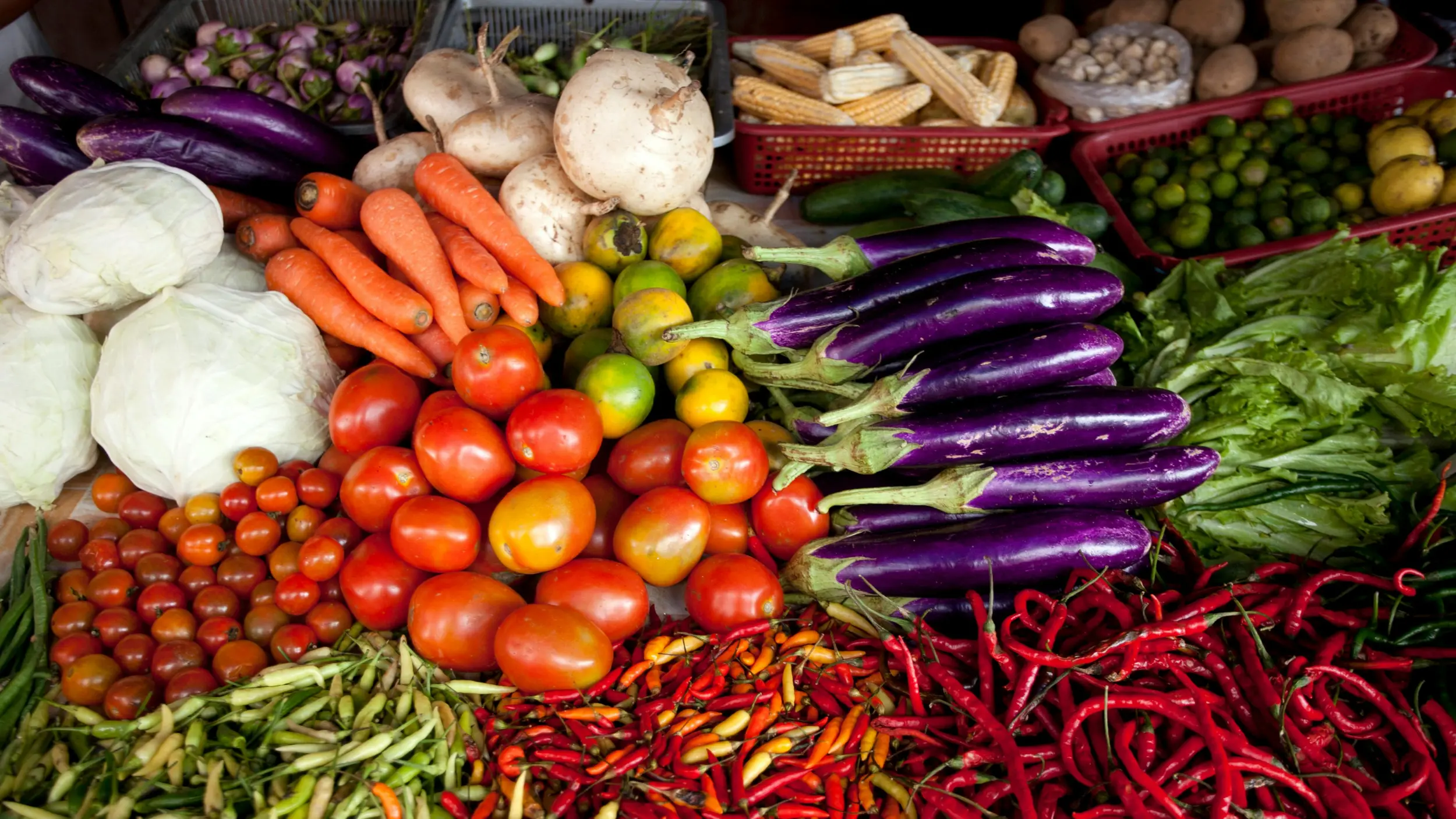
Ready to stop wandering the produce aisle and start eating fresh, delicious food that's packed with nutrients? Eating seasonally in Texas is the secret. It means enjoying fruits and vegetables at their peak flavor while supporting local farmers and even saving money. Let's walk through how to make seasonal eating in Texas a simple, joyful part of your routine, month by month.
Here's the truth: produce that's harvested at its natural peak contains significantly higher levels of vitamins, minerals, and antioxidants compared to items picked early and shipped across the country [1]. When you bite into a June peach from a Texas orchard versus one flown in from Chile in January, you're not just tasting the difference—you're getting more actual nutrition. Plus, you're cutting down on the environmental impact of long-distance food transport and keeping your dollars in the local economy.
Your Guide to Spring & Summer Produce in Texas
When the weather warms up, Texas markets burst with color and life. This is the time for juicy fruits and vibrant vegetables perfect for light, refreshing meals. Think crisp salads, grilled veggies, and sweet berries that taste like pure sunshine. The spring and summer seasons in Texas offer some of the most nutrient-dense options of the year, especially when it comes to vitamin C, folate, and protective plant compounds called polyphenols [2].
Spring Produce in Texas (March-May)
Spring is when Texas starts to wake up after the cooler months. This is prime time for tender greens and early-season fruits that are mild, sweet, and incredibly versatile.
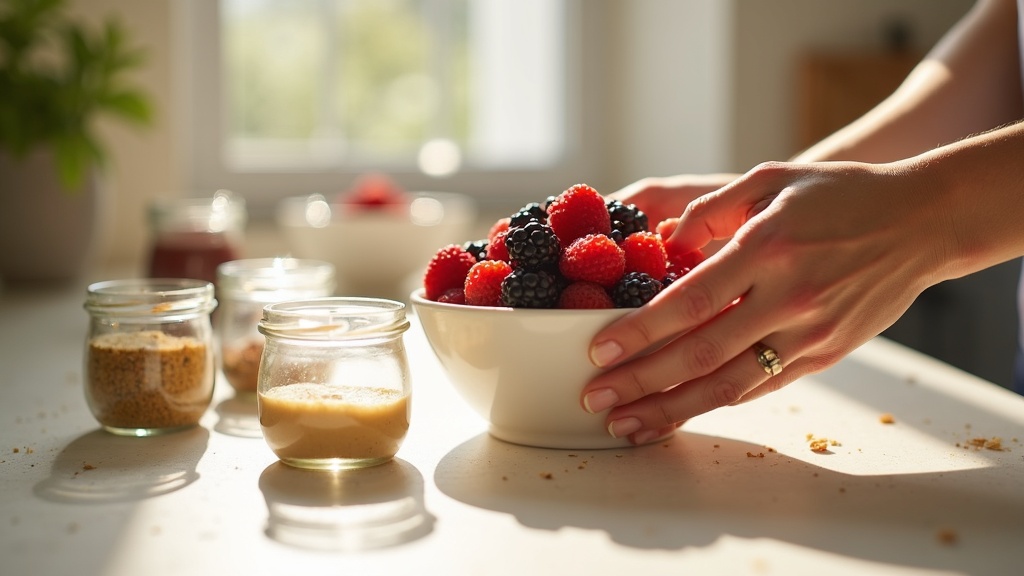
- Strawberries: Texas strawberries hit their peak in April and May. They're loaded with vitamin C and antioxidants that support immune function and skin health. Toss them in salads, blend into smoothies, or just eat them by the handful.
- Asparagus: These tender spears are rich in folate, which is essential for cellular health and especially important if you're planning a pregnancy. Roast them with olive oil and lemon, or add to frittatas.
- Leafy Greens: Arugula, spinach, and lettuce thrive in the mild spring weather. They're packed with iron, calcium, and fiber. Use them as the base for grain bowls or sauté with garlic as a quick side.
- Radishes: Crunchy and peppery, radishes add texture and a vitamin C boost to salads and tacos.
- Spring Onions: Milder than regular onions, these are perfect for grilling or using raw in fresh salsas.
If you're looking for more ways to incorporate fresh vegetables into balanced meals, check out how to build anti-inflammatory meals that support your overall wellness.
Summer Produce in Texas (June-August)
Summer in Texas means heat, but it also means an absolute explosion of produce. This is peak season for so many iconic Texas crops. The abundance during these months makes it the perfect time to preserve, freeze, and enjoy produce at its nutritional best.
- Peaches: Texas peaches are legendary for a reason. They're sweet, juicy, and rich in beta-carotene and vitamin C. Grill them for dessert, add to overnight oats, or eat them over the sink.
- Watermelon: Hydrating and naturally sweet, watermelon is over 90% water, making it perfect for hot Texas days. It also contains lycopene, an antioxidant linked to heart health [3].
- Tomatoes: Heirloom varieties shine in Texas summer. They're packed with vitamin C, potassium, and lycopene. Use them in fresh salsa, caprese salads, or roasted with herbs.
- Corn: Sweet corn is at its peak. It's a good source of fiber and B vitamins. Grill it, cut it into salads, or make a simple corn and tomato salad with basil.
- Peppers: Bell peppers and hot peppers are everywhere. They're loaded with vitamin C and add flavor and crunch to everything from stir-fries to fajitas.
- Squash: Yellow squash and zucchini are mild, versatile, and perfect for quick sautés or spiralizing into noodles.
Navigating Fall & Winter Produce Like a Pro
As the air cools, the produce offerings shift to hearty, comforting options. This is the season for roasting, creating warm soups, and enjoying the rich, deep flavors of fall and winter harvests. From September to February, you'll find produce that's perfect for nourishing meals that keep you cozy and healthy during the cooler months.
The cooler seasons in Texas offer produce that's particularly high in fiber, vitamin A, and immune-supporting nutrients—exactly what your body craves as the weather shifts.
Fall Produce in Texas (September-November)
Fall is when Texas gardens and farms transition to heartier crops. This is the season for roasting, baking, and enjoying deeper, earthier flavors.
- Apples: Texas apples start appearing in late summer and peak in fall. They're high in soluble fiber, which supports digestive health and blood sugar balance.
- Pears: Sweet and juicy, pears are another great fiber source. Slice them into salads or roast with cinnamon.
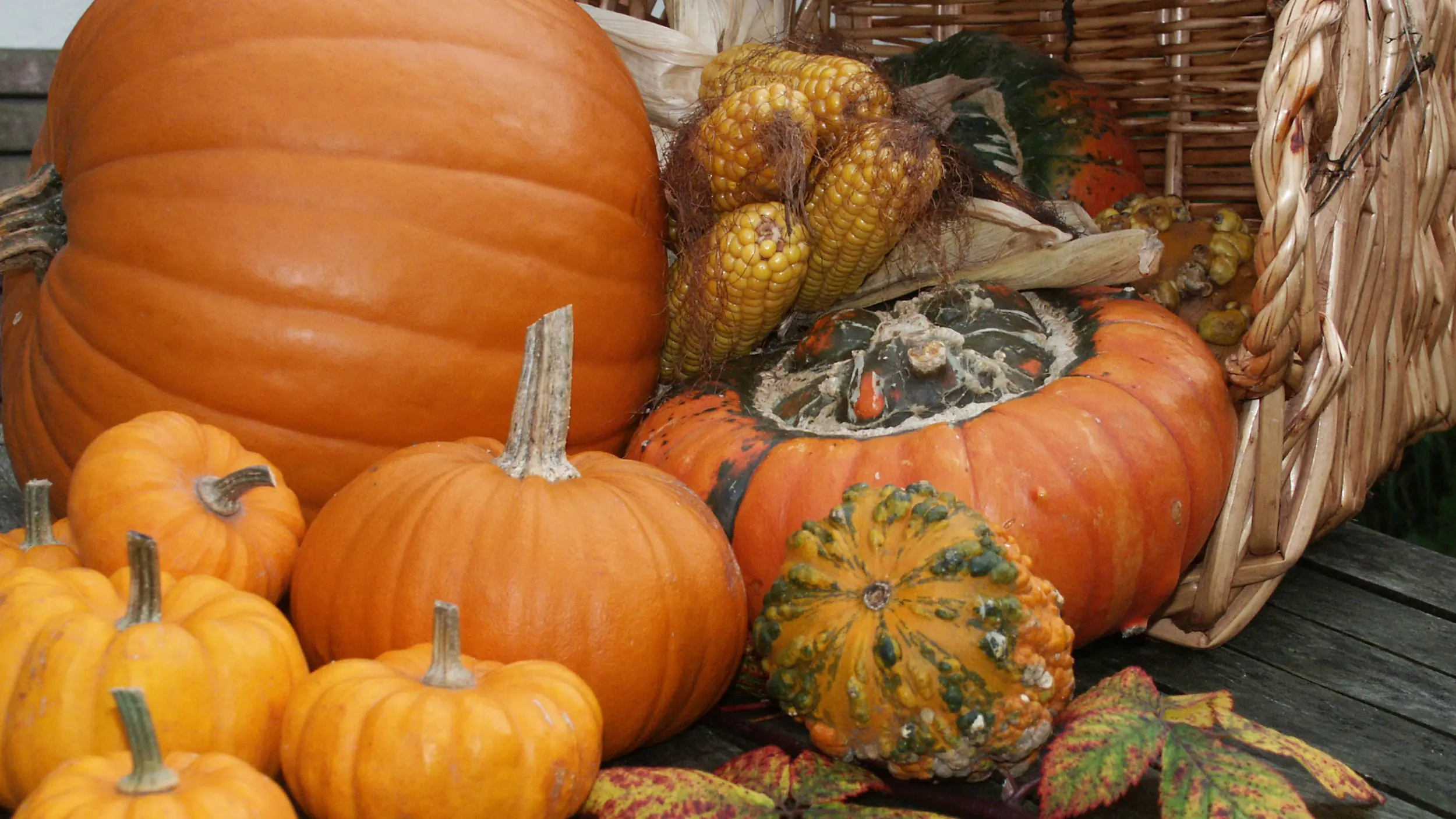
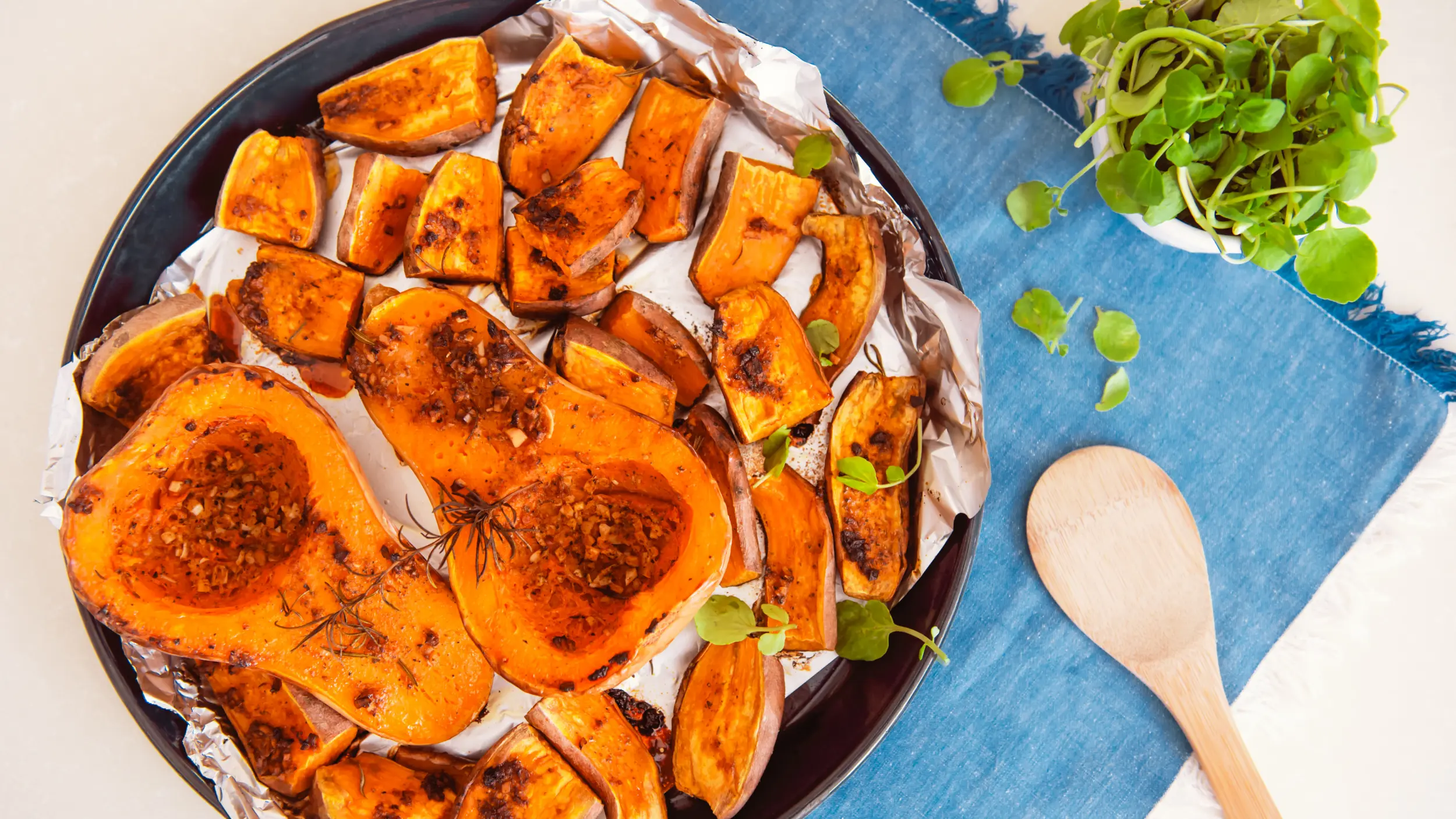
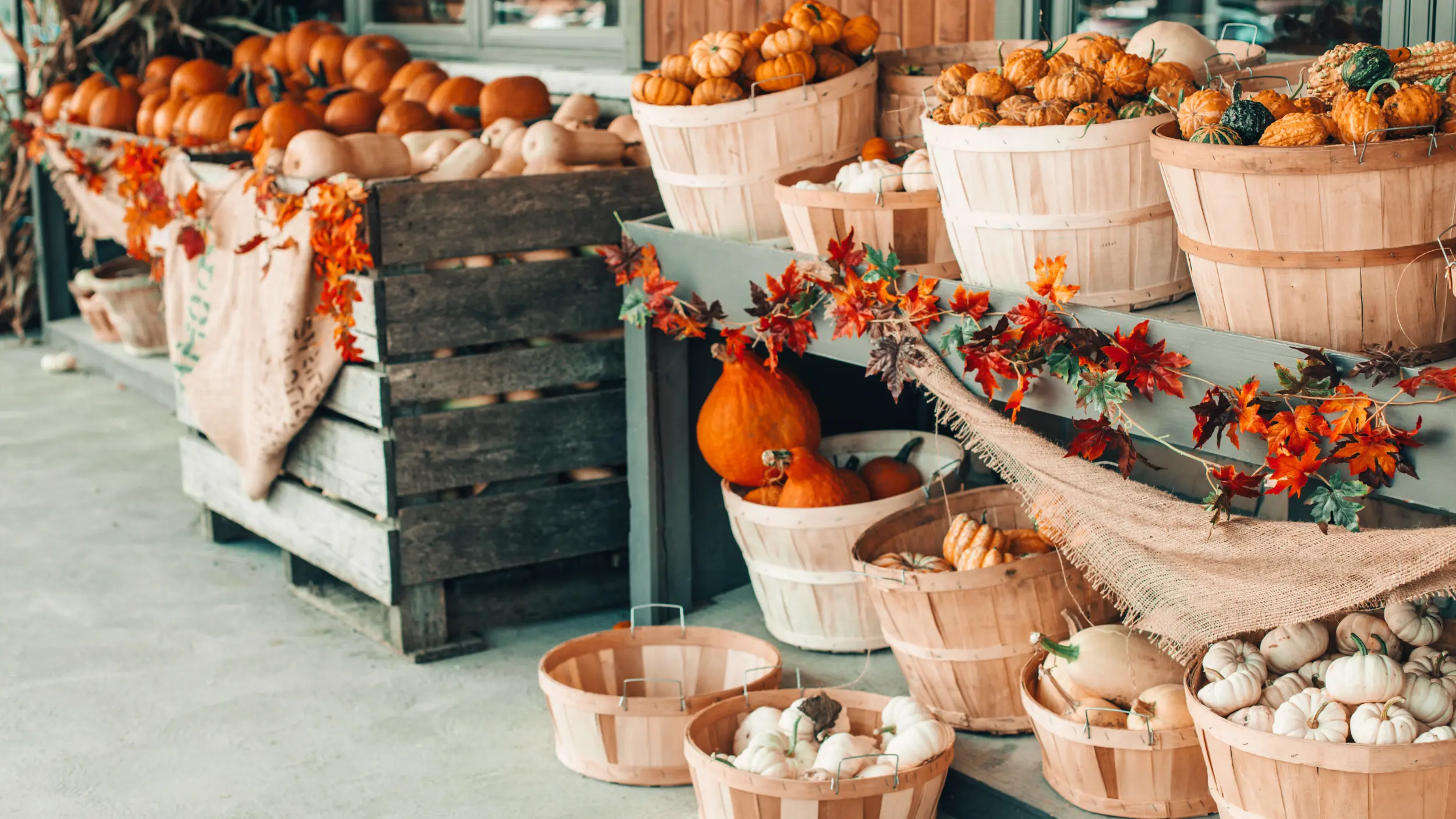
- Pumpkins: Beyond pie, pumpkins are nutrient powerhouses. They're rich in beta-carotene, which your body converts to vitamin A for immune and skin health. Roast the flesh for soups or bowls.
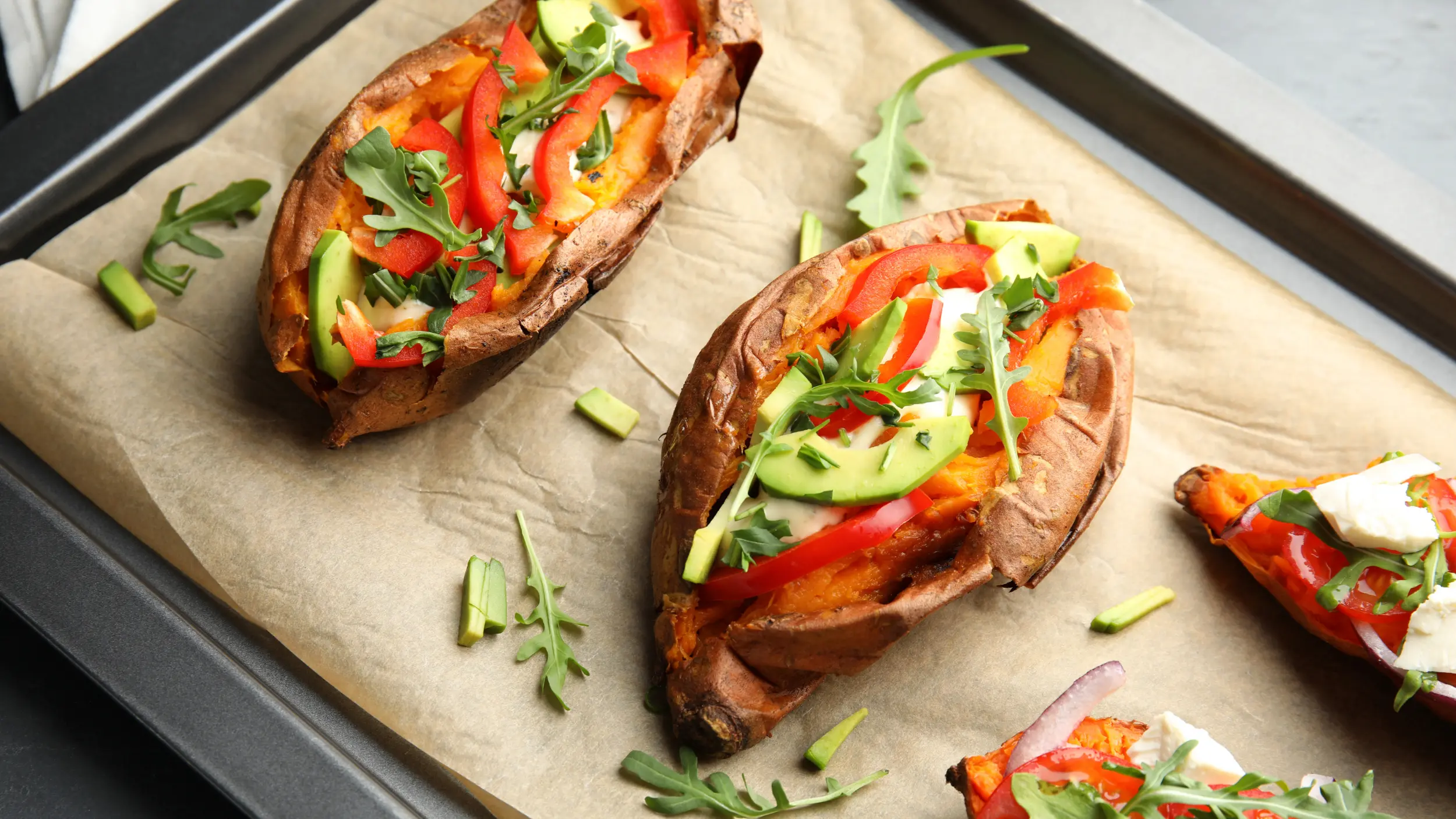
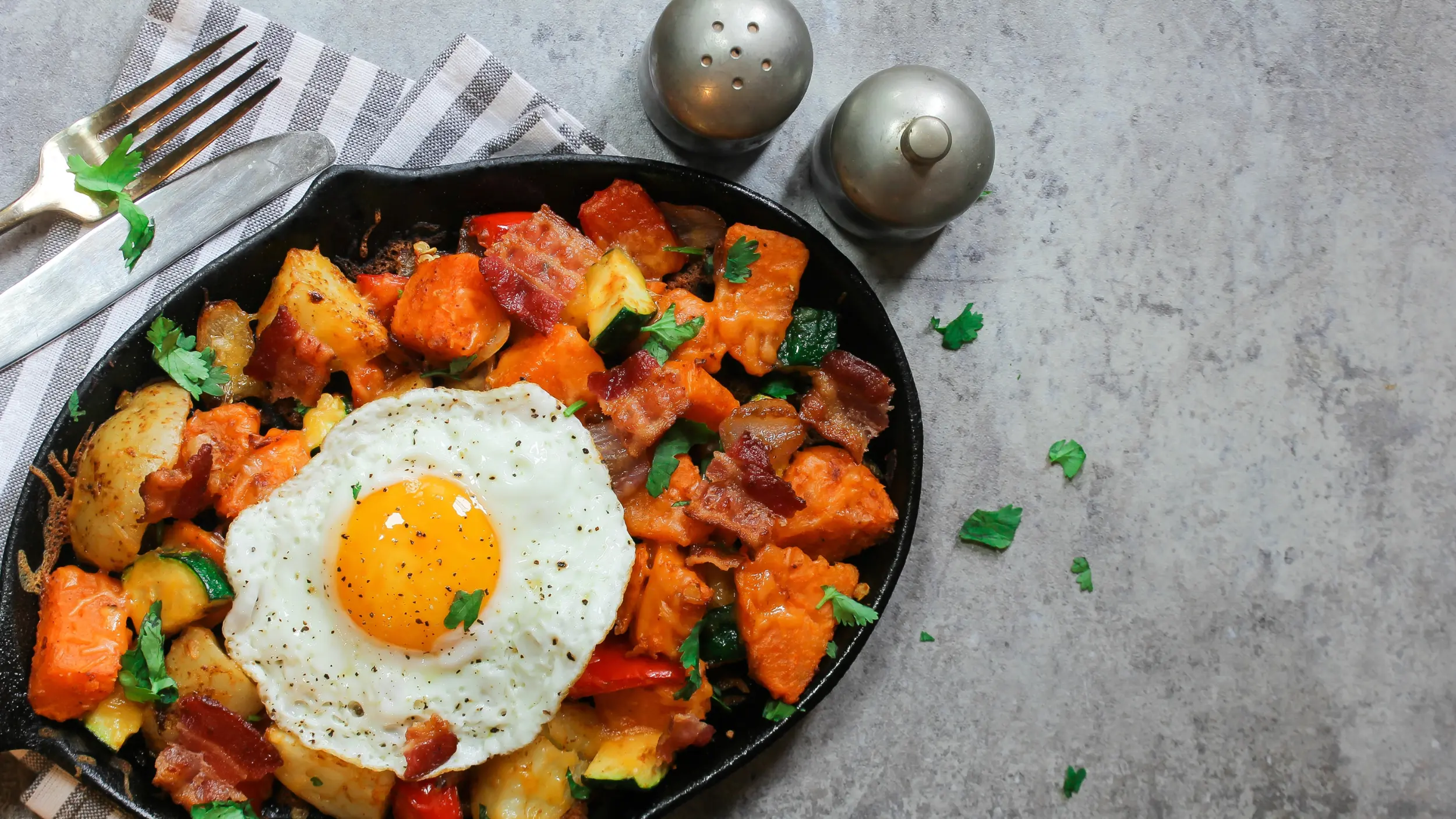
- Sweet Potatoes: These are a Texas staple in fall. They're loaded with fiber, potassium, and vitamin A. Roast them whole, mash them, or cube and toss into sheet pan dinners.
- Brussels Sprouts: These little cruciferous vegetables are packed with vitamin K and fiber. Roast them until crispy for maximum flavor.
For more ideas on using fall produce to support your energy and metabolism, explore how to balance blood sugar naturally with whole foods.
Winter Produce in Texas (December-February)
Winter in Texas is mild compared to much of the country, which means we get to enjoy fresh citrus and hardy greens when other regions are relying on storage crops.
- Texas Grapefruit and Oranges: Texas is famous for its Ruby Red grapefruit. Citrus fruits are at their peak from December through February and are loaded with vitamin C, which supports immune function and collagen production [4].
- Kale and Collard Greens: These hearty greens actually taste sweeter after a frost. They're rich in vitamins A, C, and K, plus calcium. Sauté with garlic, add to soups, or massage with lemon juice for salads.
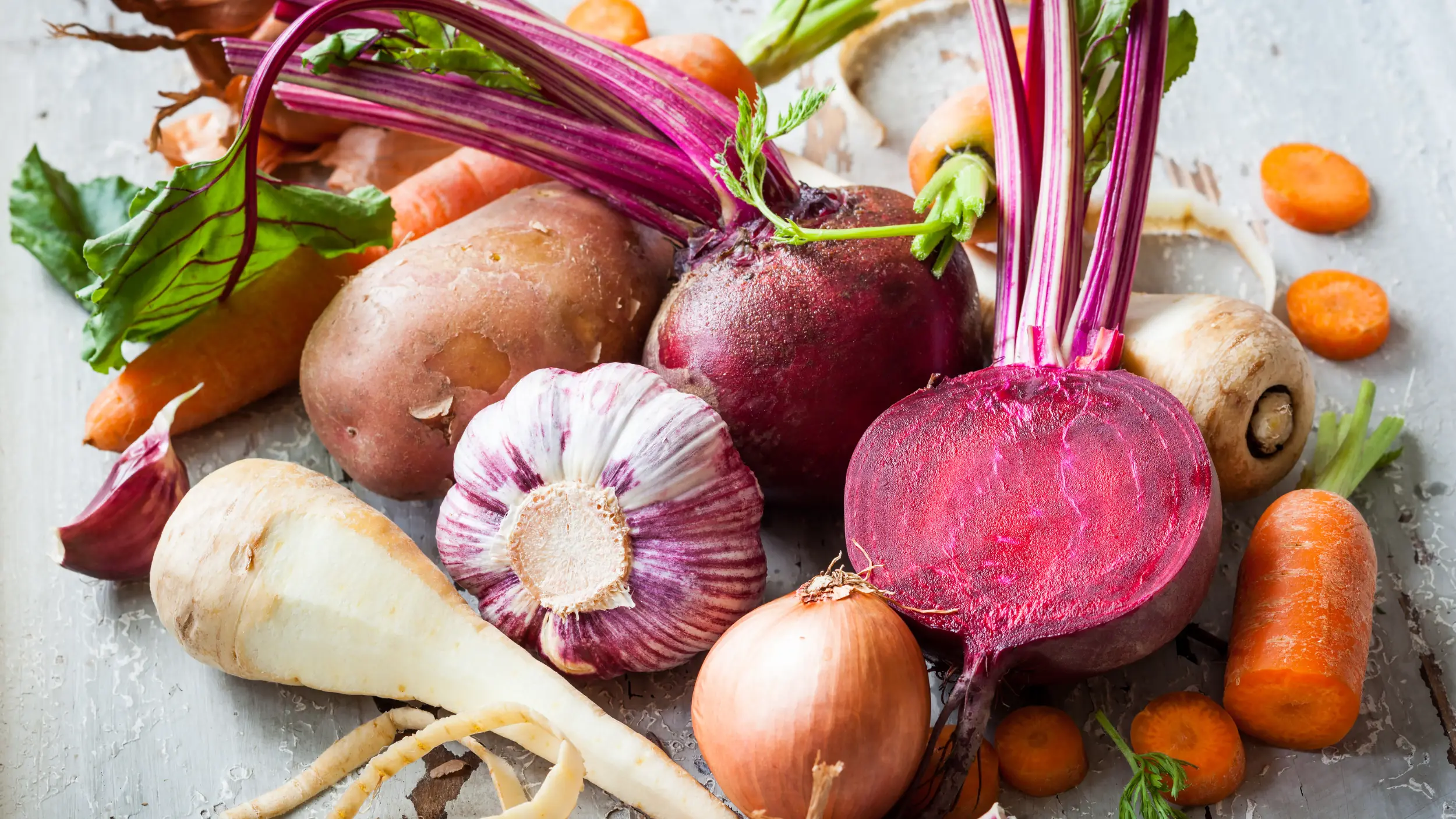
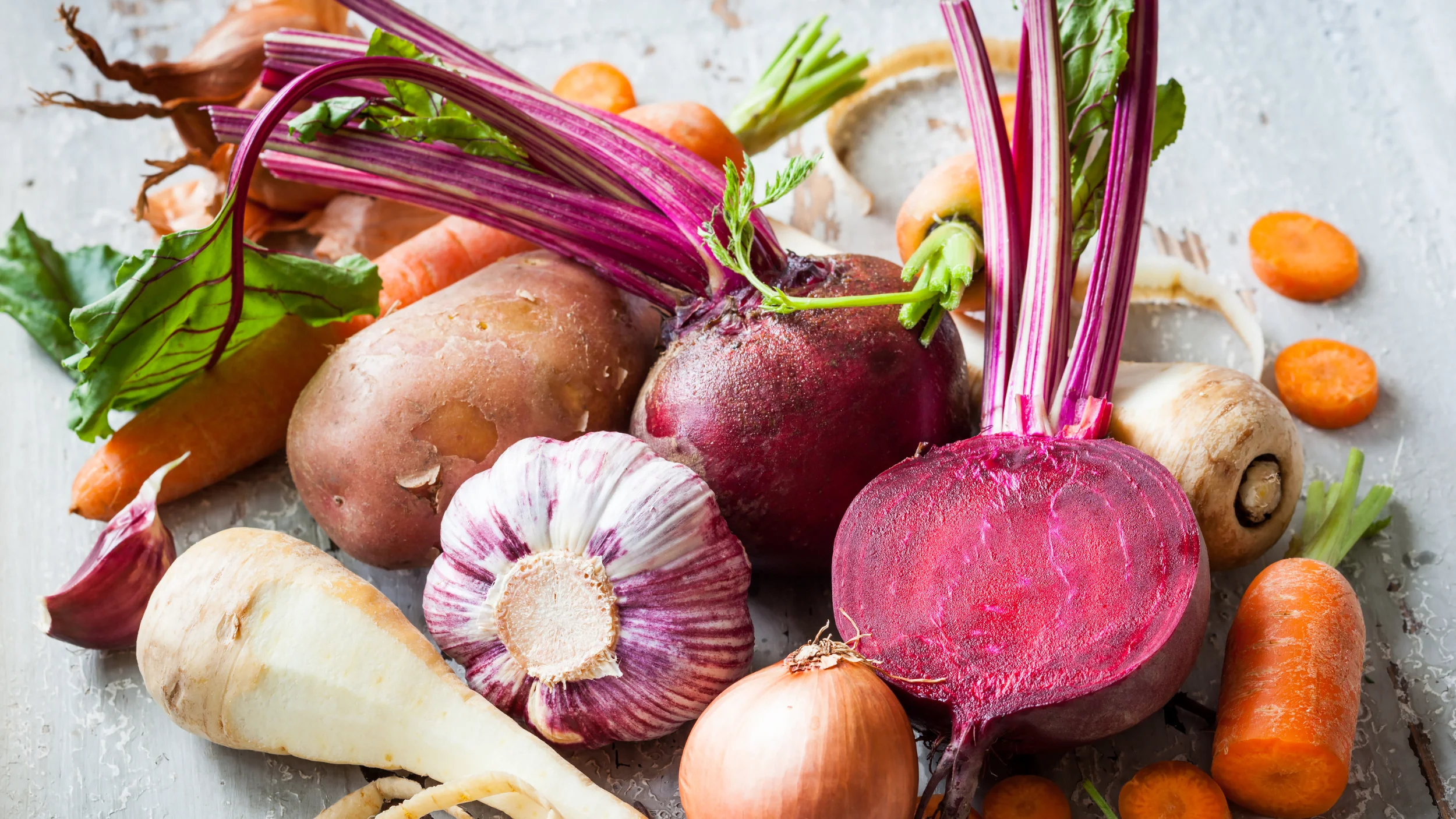
- Turnips and Beets: Root vegetables are perfect for roasting or adding to stews. Beets are particularly high in nitrates, which support cardiovascular health.
- Cabbage: Inexpensive and incredibly versatile, cabbage is great for slaws, stir-fries, and fermented foods like sauerkraut.
- Broccoli and Cauliflower: Both are winter stars in Texas. They're cruciferous vegetables that support detoxification pathways in the body and are loaded with fiber and vitamin C.
FAQs About Eating Seasonally in Texas
Why does eating seasonal produce matter?
When you eat seasonally, produce is harvested at its peak, which means it's more nutrient-dense and flavorful. It also supports the local economy and is better for the environment because the food travels shorter distances from farm to table. Seasonal produce has been shown to retain higher levels of vitamins and phytonutrients compared to out-of-season varieties that are shipped long distances [5].
Where can I find local, seasonal produce in Texas?
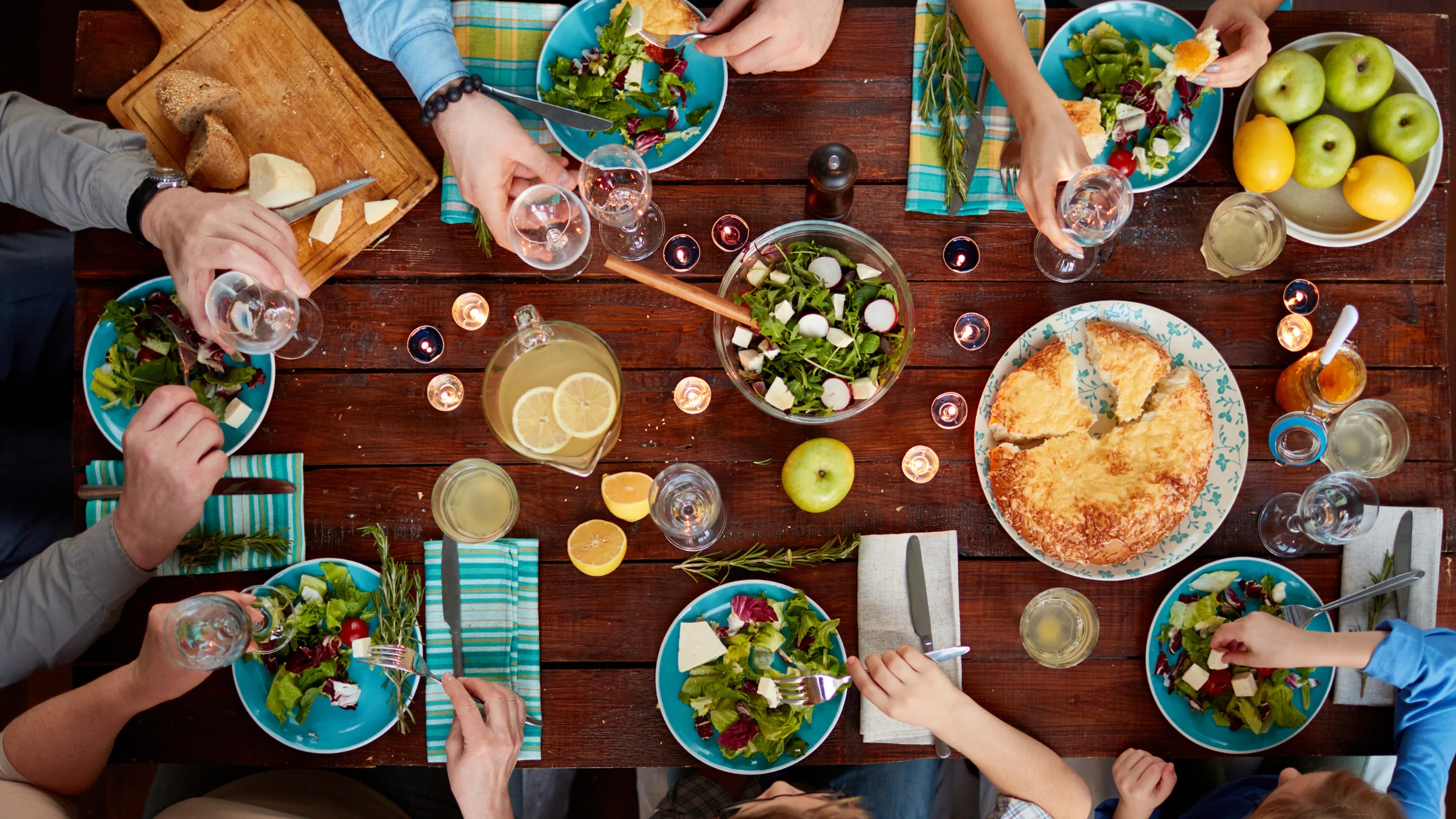
You can find local produce at farmers markets, farm stands, and through Community Supported Agriculture (CSA) programs where you subscribe to a 'share' of a local farm's harvest. Many cities in Texas also have seasonal produce co-ops and delivery services that connect you directly with local growers.
Is it more expensive to eat seasonally?
It can actually be more affordable. When produce is in season, there's an abundance of it, which often drives prices down. Shopping at local markets can also be cheaper than specialty grocery stores, especially if you go toward the end of the market day or buy directly from farms.
Ready to Create a Personalized Healthy Eating Plan?
Feeling inspired but not sure where to start? Let's work together to build a simple, delicious meal plan that fits your lifestyle, using all the amazing seasonal produce Texas has to offer. Book a consultation today at www.usevedic.com to get started on a plan that's tailored just for you.
References
[1] Favell DJ. A comparison of the vitamin C content of fresh and frozen vegetables. Food Chemistry, 1998.
[2] Liu RH. Potential synergy of phytochemicals in cancer prevention: mechanism of action. Journal of Nutrition, 2004.
[3] Story EN, et al. An update on the health effects of tomato lycopene. Annual Review of Food Science and Technology, 2010.
[4] Carr AC, Maggini S. Vitamin C and Immune Function. Nutrients, 2017.
[5] Wunderlich SM, et al. Nutritional quality of organic, conventional, and seasonally grown broccoli using vitamin C as a marker. International Journal of Food Sciences and Nutrition, 2008.
.svg)
.svg)


.jpg)
.jpg)





.webp)


























.webp)
.webp)
.webp)
.webp)
.webp)
.webp)
.webp)
.png)
.webp)
.webp)
.webp)
.png)
.webp)
.webp)
.webp)
.webp)
.webp)
.webp)
.webp)
.webp)
.webp)


.webp)
.png)