.webp)
%2B(7).webp)
.png)
At a Glance
Iron deficiency is the most common nutritional deficiency worldwide, affecting nearly 30% of women of reproductive age [1]. You might be experiencing persistent fatigue, brain fog, or shortness of breath without realizing low iron is the culprit. The good news: with the right dietary strategies and personalized treatment, you can restore your iron levels and reclaim your energy.
Iron Deficiency: Are You Getting Enough? Your Dietitian's Guide
Feeling tired all the time? It might be more than just a busy schedule. Iron deficiency is incredibly common, especially for women, and it can significantly impact your energy levels, mood, and overall health. As your dietitian, I want to help you understand what might be going on and how we can address it together.
What is Iron Deficiency and Why Does It Matter So Much?
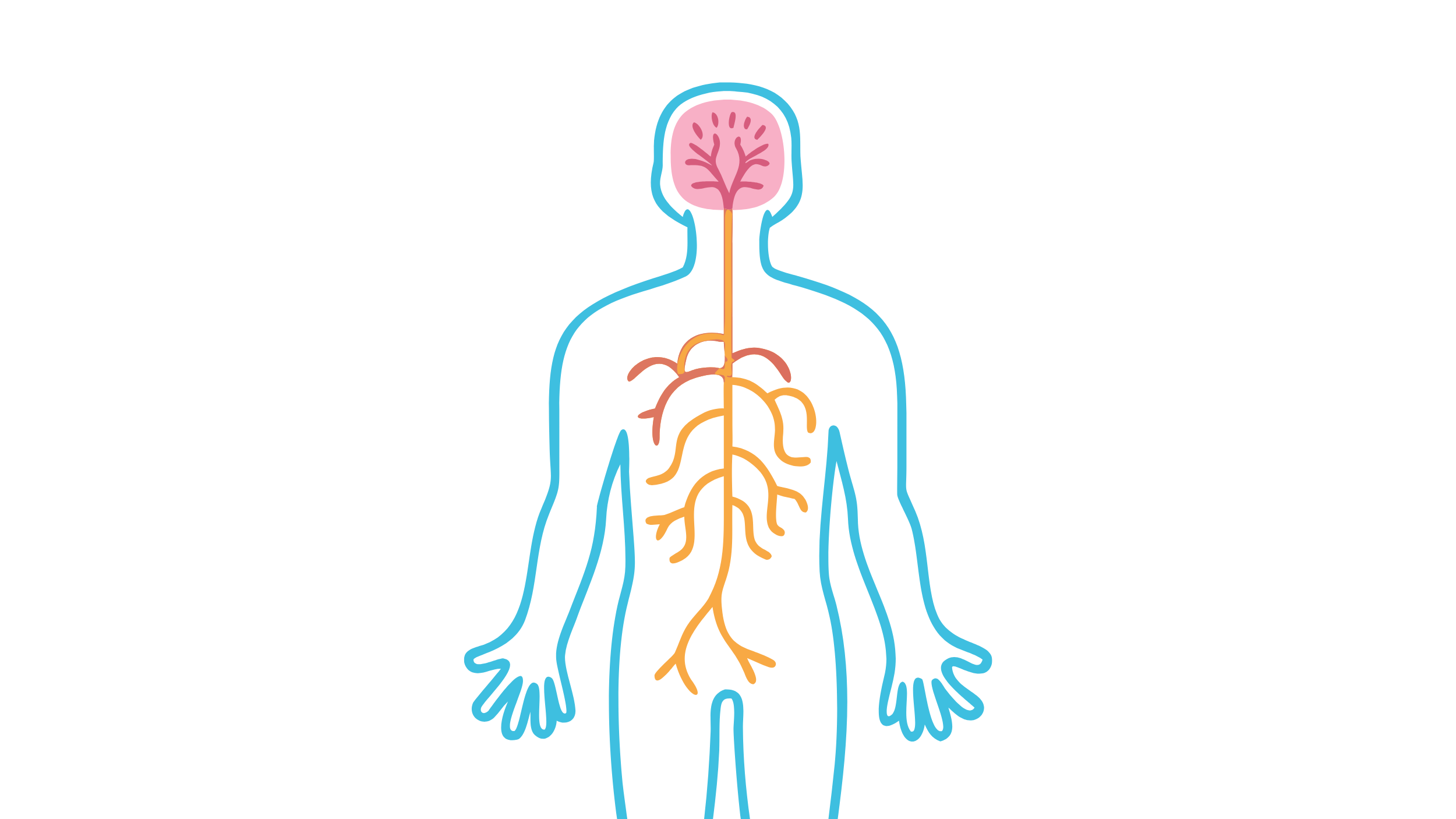
Let me be straight with you: iron deficiency isn't just about feeling a little run down. This mineral is absolutely essential for producing hemoglobin, the protein in your red blood cells that carries oxygen throughout your entire body [2]. When your iron stores drop too low, every single cell in your body gets less oxygen than it needs to function optimally.
Women in their 20s, 30s, and 40s are particularly vulnerable. Menstrual blood loss alone can deplete 30-45 mg of iron per cycle [3], and if you're not consistently replenishing those stores through your diet, you'll gradually slide into deficiency territory.
The progression typically happens in three stages: depleted iron stores (low ferritin), early functional deficiency (reduced circulating iron), and finally iron deficiency anemia (low hemoglobin) [4].
Common iron deficiency symptoms include:
- Persistent fatigue that doesn't improve with sleep
- Unusual shortness of breath during normal activities
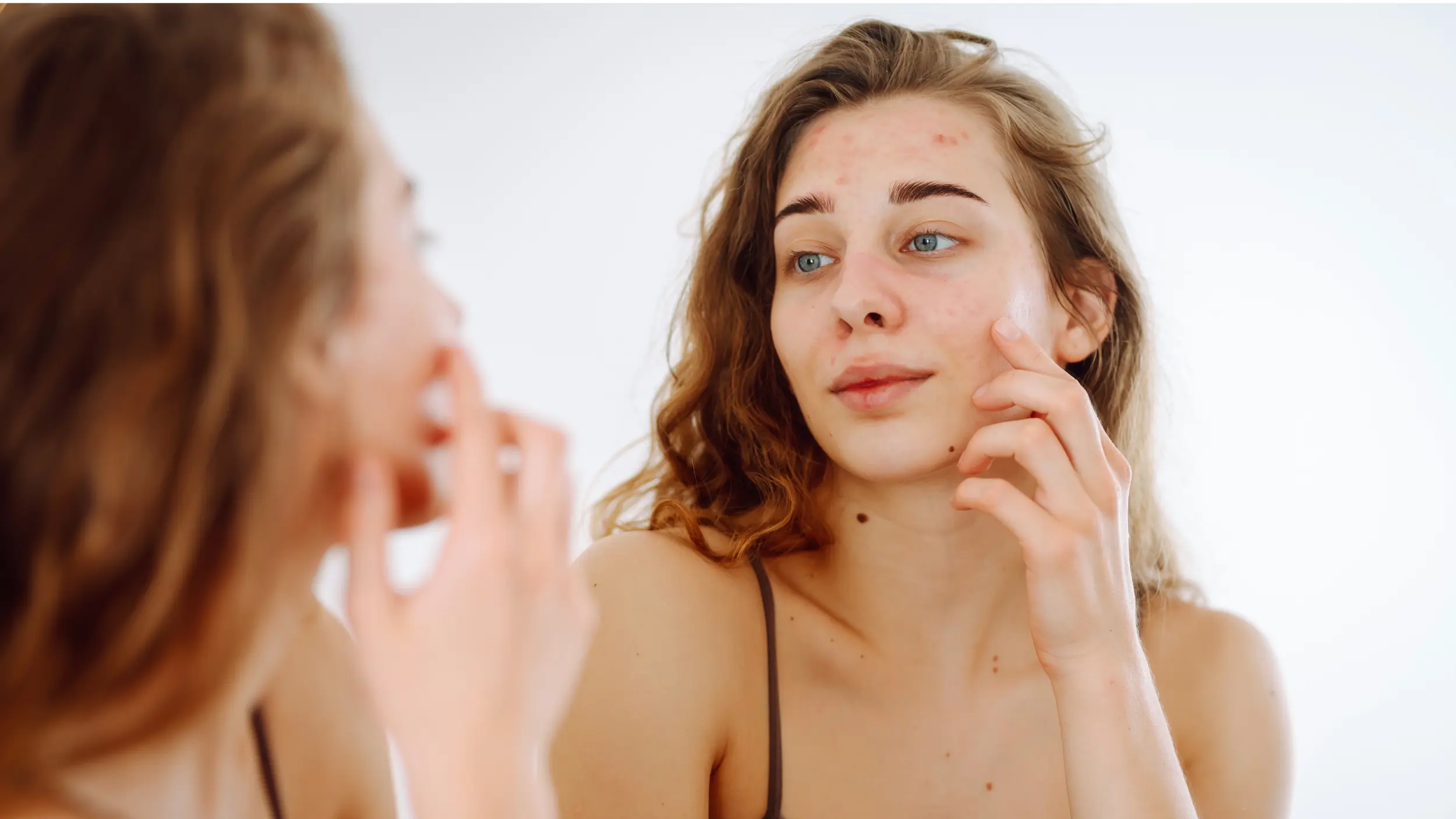
- Noticeable paleness in your skin, nail beds, or inner eyelids
- Frequent headaches or dizziness
- Cold hands and feet, even in warm environments
- Brittle nails or unusual hair loss
- Difficulty concentrating or brain fog
- Restless leg syndrome or unusual cravings for ice or non-food items (pica) [5]
Here's what makes this tricky: these low iron symptoms often develop so gradually that you might chalk them up to stress, poor sleep, or just getting older. But your body is literally telling you it needs more oxygen-carrying capacity.
The anemia symptoms that appear in more advanced stages—extreme exhaustion, rapid heartbeat, chest pain—indicate your body is working overtime to compensate for reduced oxygen delivery [6]. We definitely don't want to get to that point.
Unpacking the Causes: Why Are You Low in Iron?
Let's get to the bottom of what's actually depleting your iron levels. Understanding the root cause is crucial for creating an effective treatment plan.
1. Insufficient dietary intake
This is probably the most straightforward cause. The recommended daily intake is 18 mg for premenopausal women and 8 mg for postmenopausal women [7]. If you're not consistently eating iron-rich foods, you're simply not giving your body the raw materials it needs.
Plant-based eaters face an additional challenge: non-heme iron (from plants) has significantly lower bioavailability than heme iron (from animal sources), with absorption rates of 2-20% versus 15-35% respectively [8].
2. Increased iron losses
Heavy menstrual periods are the leading cause of iron deficiency in women. If you're soaking through a pad or tampon every 1-2 hours, or your period lasts longer than seven days, you're likely losing more iron than the average intake can replace [9].
Other sources of blood loss—like frequent blood donation, gastrointestinal bleeding from ulcers or polyps, or even regular use of NSAIDs like ibuprofen—can silently drain your iron stores [10].
3. Poor iron absorption
Your small intestine is where iron absorption happens, and several conditions can interfere with this process. Celiac disease, inflammatory bowel disease, and H. pylori infections can all reduce your ability to absorb iron from food [11].
Certain medications also block absorption. Proton pump inhibitors (PPIs) for acid reflux, some antibiotics, and even calcium supplements taken at the same time as iron-rich meals can significantly reduce how much iron you actually absorb [12].
4. Increased iron requirements
Pregnancy dramatically increases your iron needs—up to 27 mg daily—because you're building an entirely new blood supply for your growing baby [13]. Athletes, particularly endurance runners, also have higher requirements due to increased red blood cell turnover and iron loss through sweat [14].
Getting a proper iron deficiency diagnosis
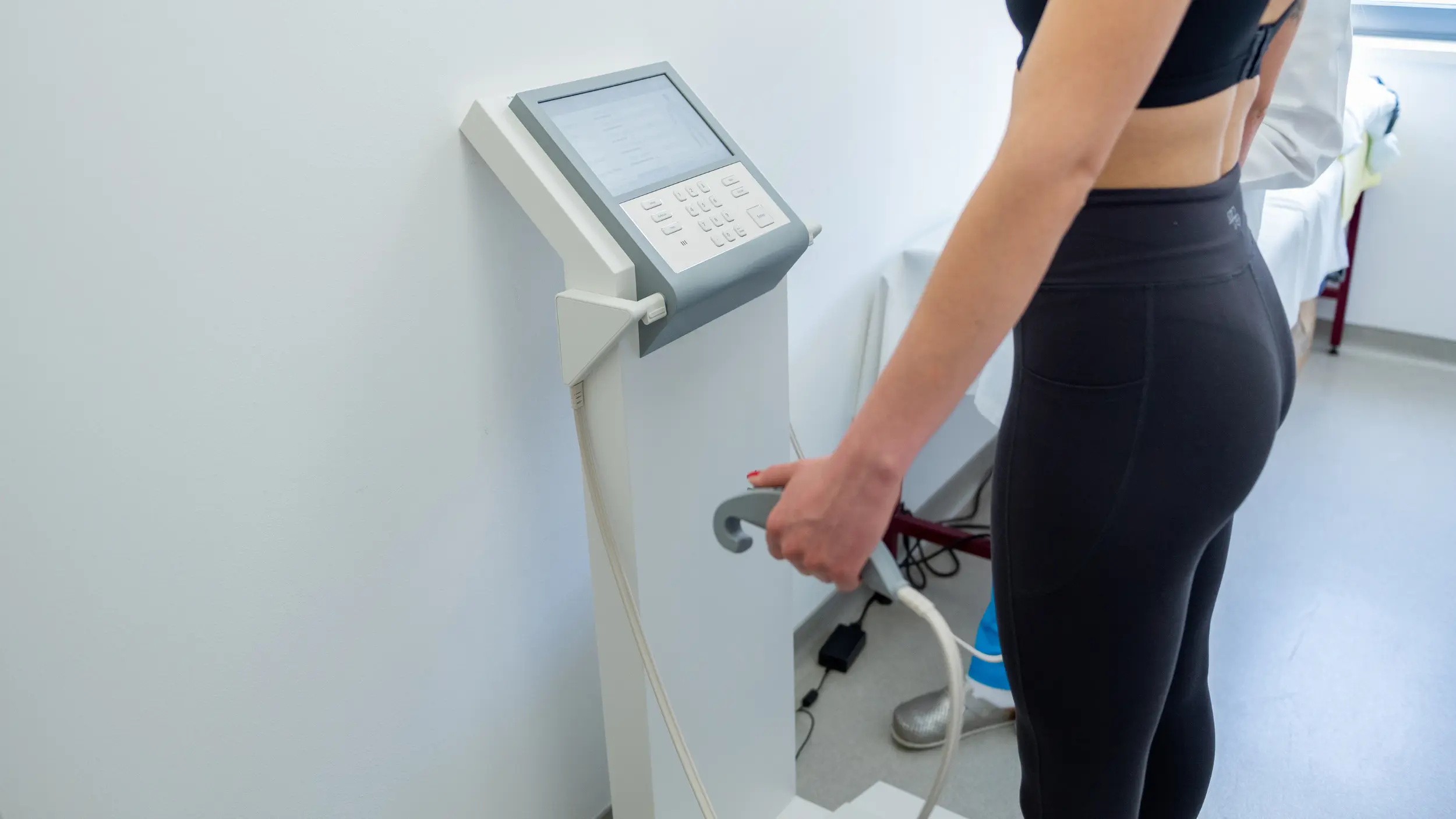
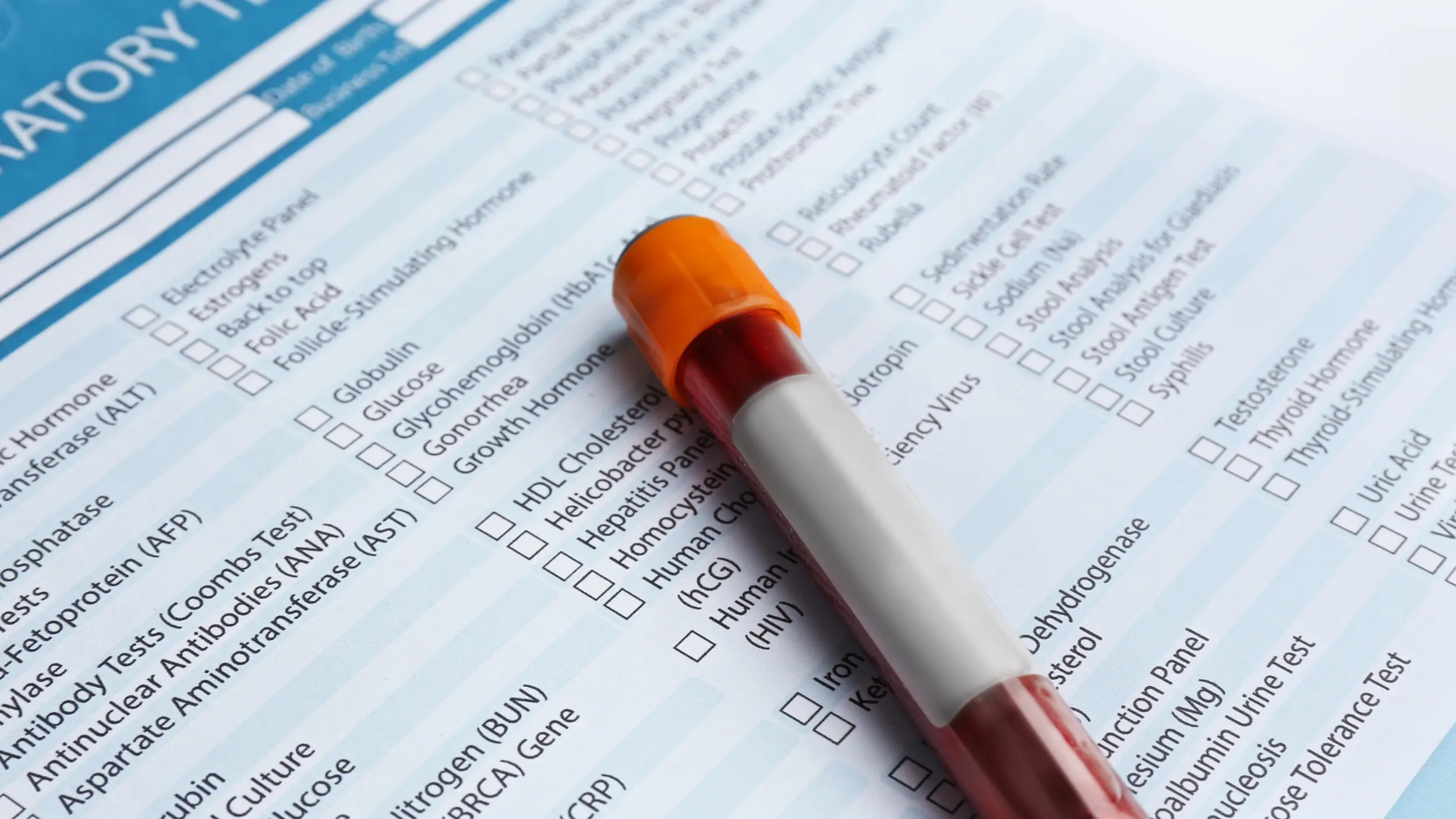
Don't guess—test. I always recommend a comprehensive iron panel, not just a basic CBC (complete blood count). You need to see:
- Serum ferritin (your iron storage levels—optimal range is 50-100 ng/mL for women, though labs often report anything above 15 as "normal") [15]
- Serum iron and total iron-binding capacity (TIBC)
- Transferrin saturation (how much of your iron transport protein is actually carrying iron)
- Hemoglobin and hematocrit (to assess for anemia)
Ferritin is typically the first marker to drop, often declining months or even years before you develop full-blown anemia. That's why I want to catch deficiency early, when it's easier to correct.
If you're experiencing symptoms and struggling with energy despite eating well, it's absolutely worth investigating your iron status.
Your Action Plan: Boosting Iron Through Diet and More
Okay, let's talk solutions. Iron deficiency treatment typically involves a two-pronged approach: optimizing your diet and, when necessary, strategic supplementation.
Iron-rich foods: Your dietary foundation
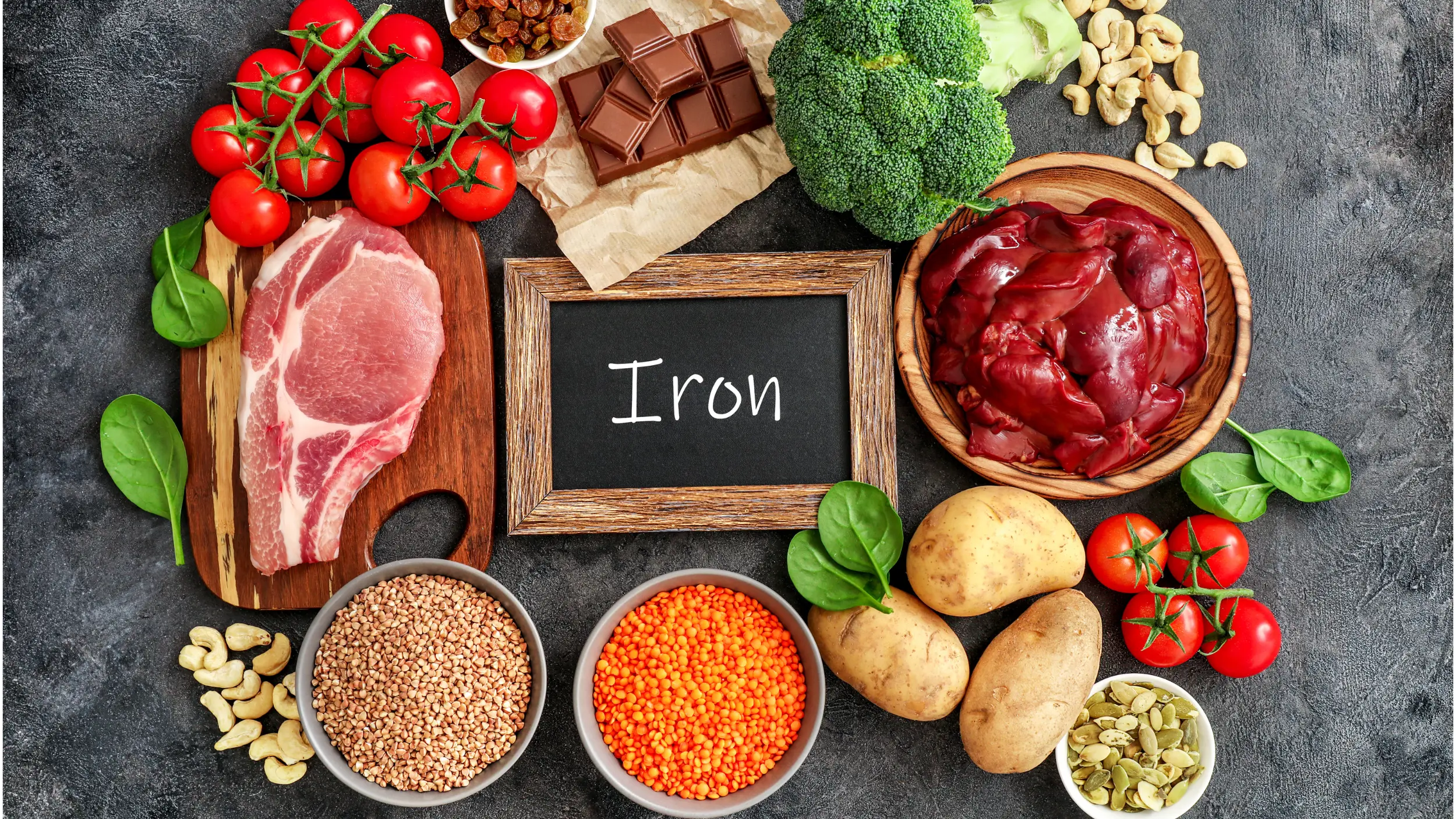
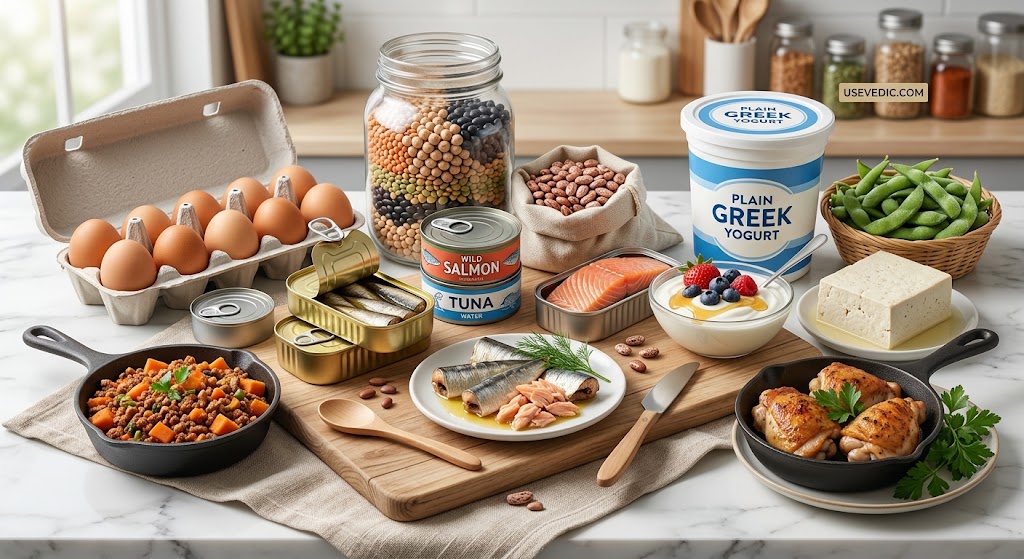
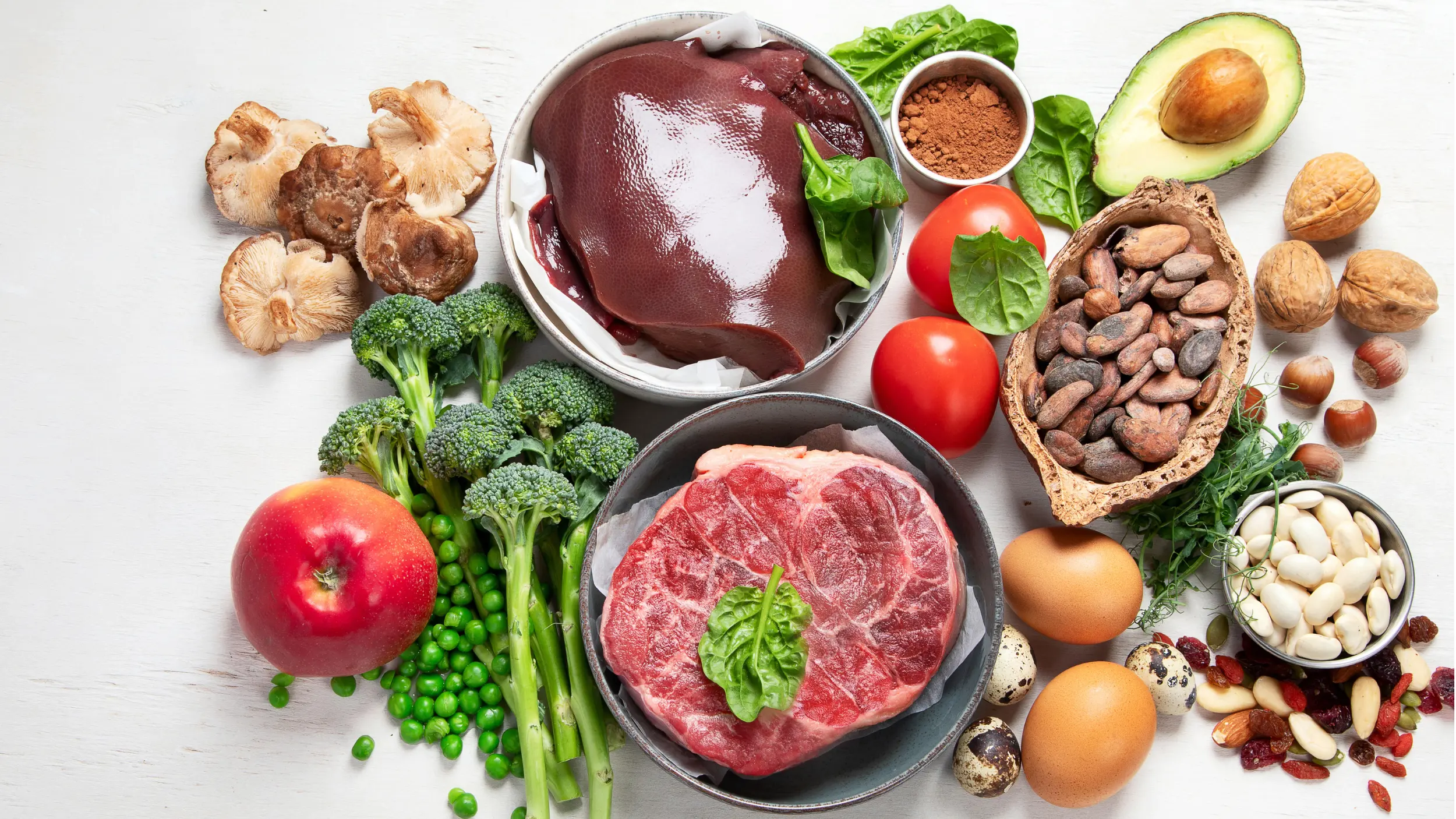
The absolute best dietary sources of highly absorbable heme iron are:
- Beef liver (5 mg per 3 oz serving)
- Oysters (8 mg per 3 oz)
- Beef (2-3 mg per 3 oz)
- Sardines (2.5 mg per 3 oz)
- Turkey or chicken, especially dark meat (1-2 mg per 3 oz) [16]
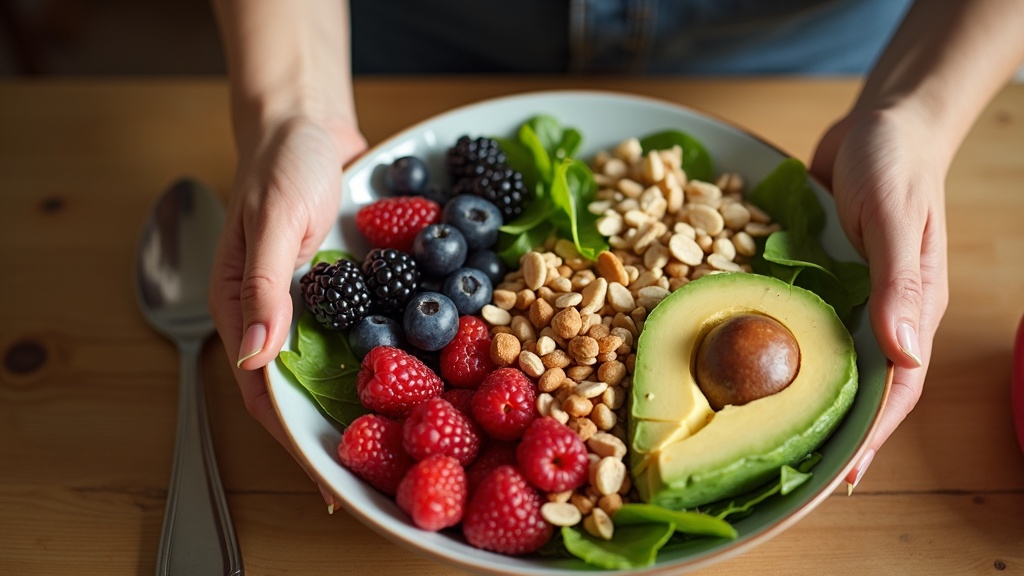
For plant-based non-heme iron sources, focus on:
- Fortified cereals (up to 18 mg per serving, check labels)
- Post Grape-Nuts
- General Mills Wheat Chex
- General Mills Total Whole Grain
- Post Bran Flakes
- Quaker Plain Instant Packets
- Cooked spinach (3 mg per 1/2 cup)
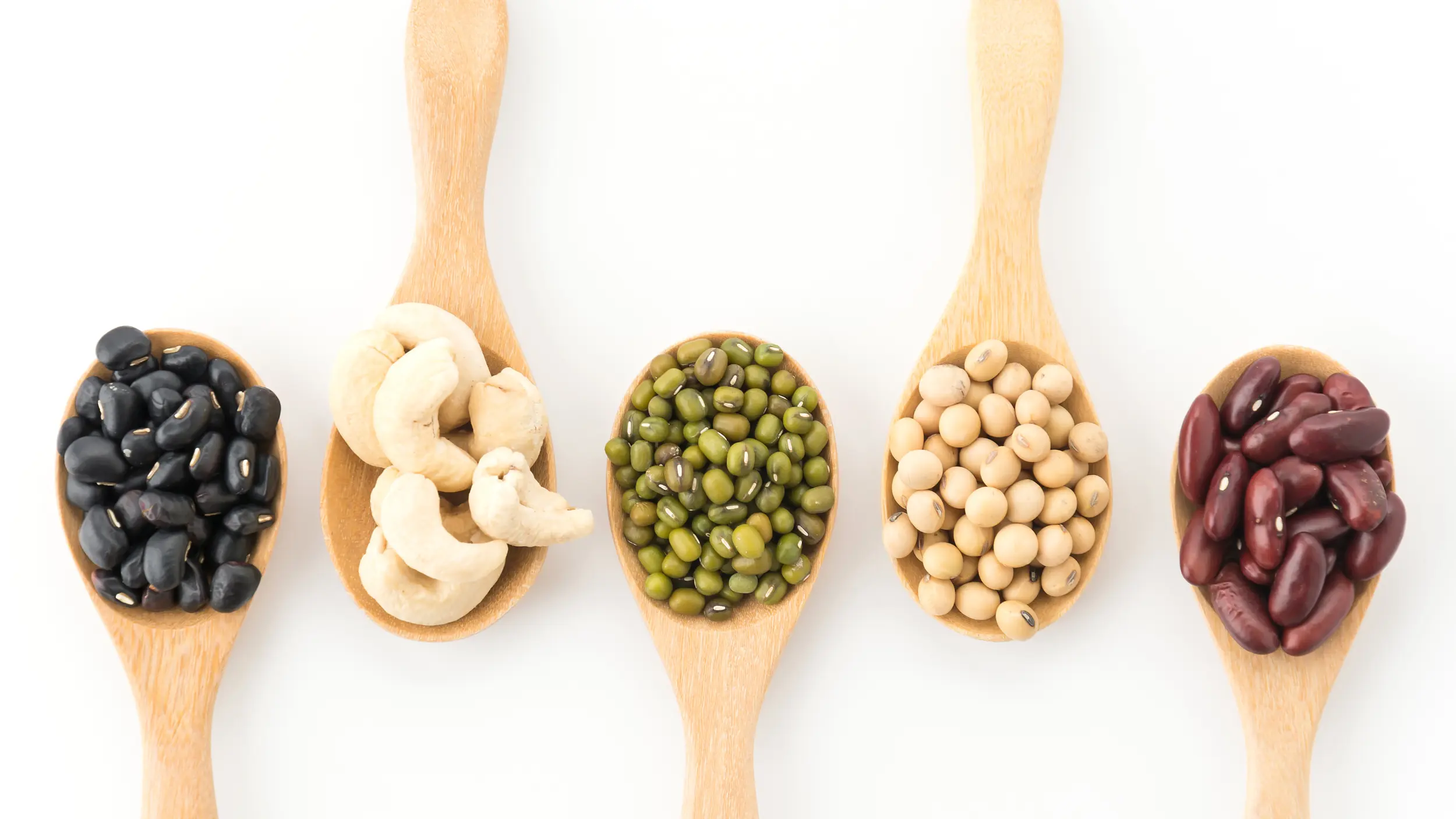
- White beans (4 mg per 1/2 cup)
- Blackstrap milasses (3.6 mg per 1 tbsp)
- Lentils (3 mg per 1/2 cup)
- Tofu (3 mg per 1/2 cup)
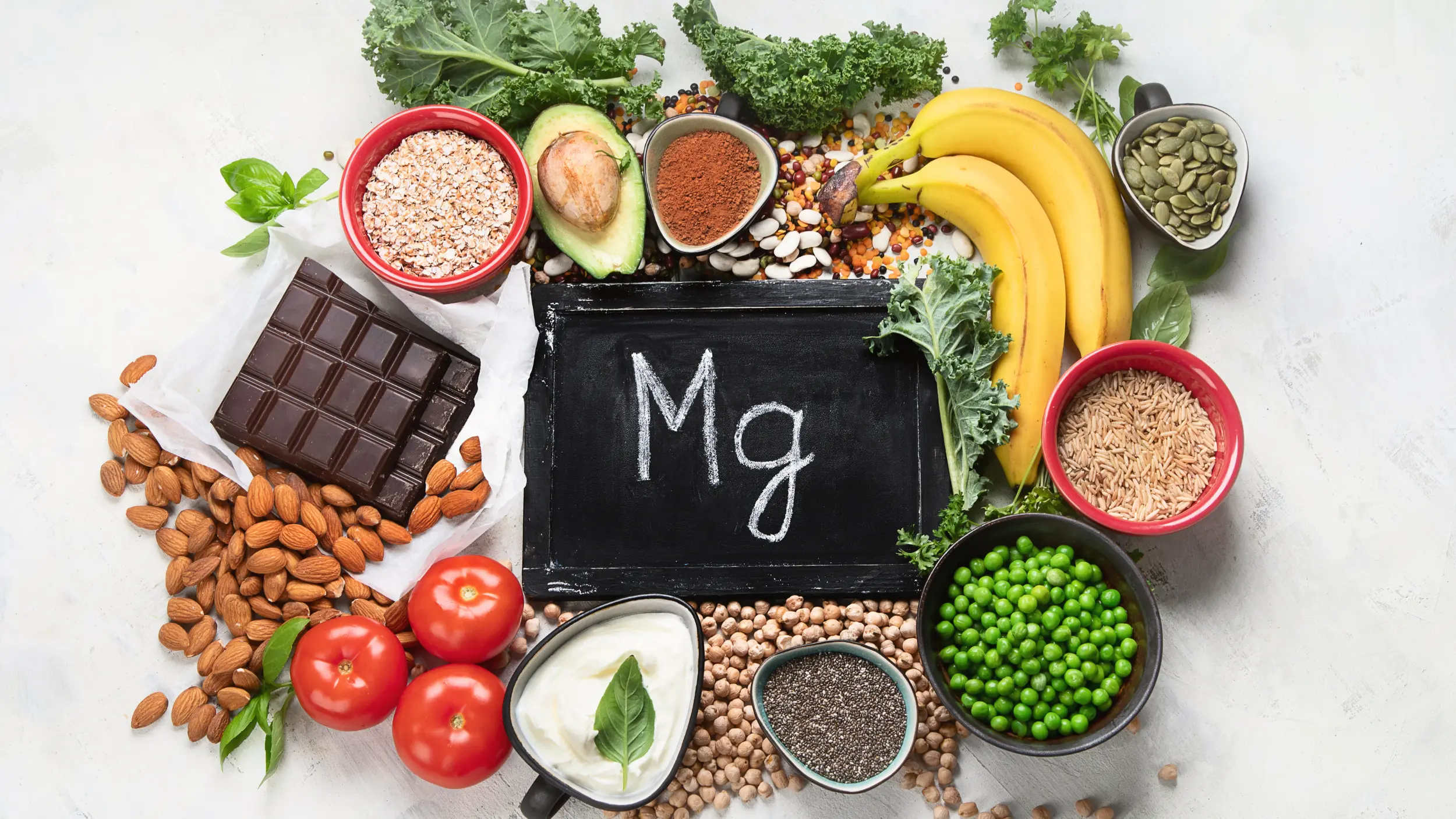
- Dark chocolate, 70% cacao (3.3 mg per 1 oz)
- Sesame seeds (4.2 mg per 1 oz)
- Hemp hearts (3.8 mg per 3 tbsp)
- Pumpkin seeds / Pepitas (2.5 mg per 1 oz)
- Chia seeds (2.2 mg per 1 oz)
- Cashews (1.9 mg per 1 oz)
- Flax seeds, ground (1.6 mg per 2 tbsp)
- Pine nuts (1.6 mg per 1 oz)
- Hazelnuts (1.3 mg per 1 oz)
- Pistachios (1.1 mg per 1 oz)
- Almonds (1 mg per 1 oz)
Here's the insider trick to maximize absorption:
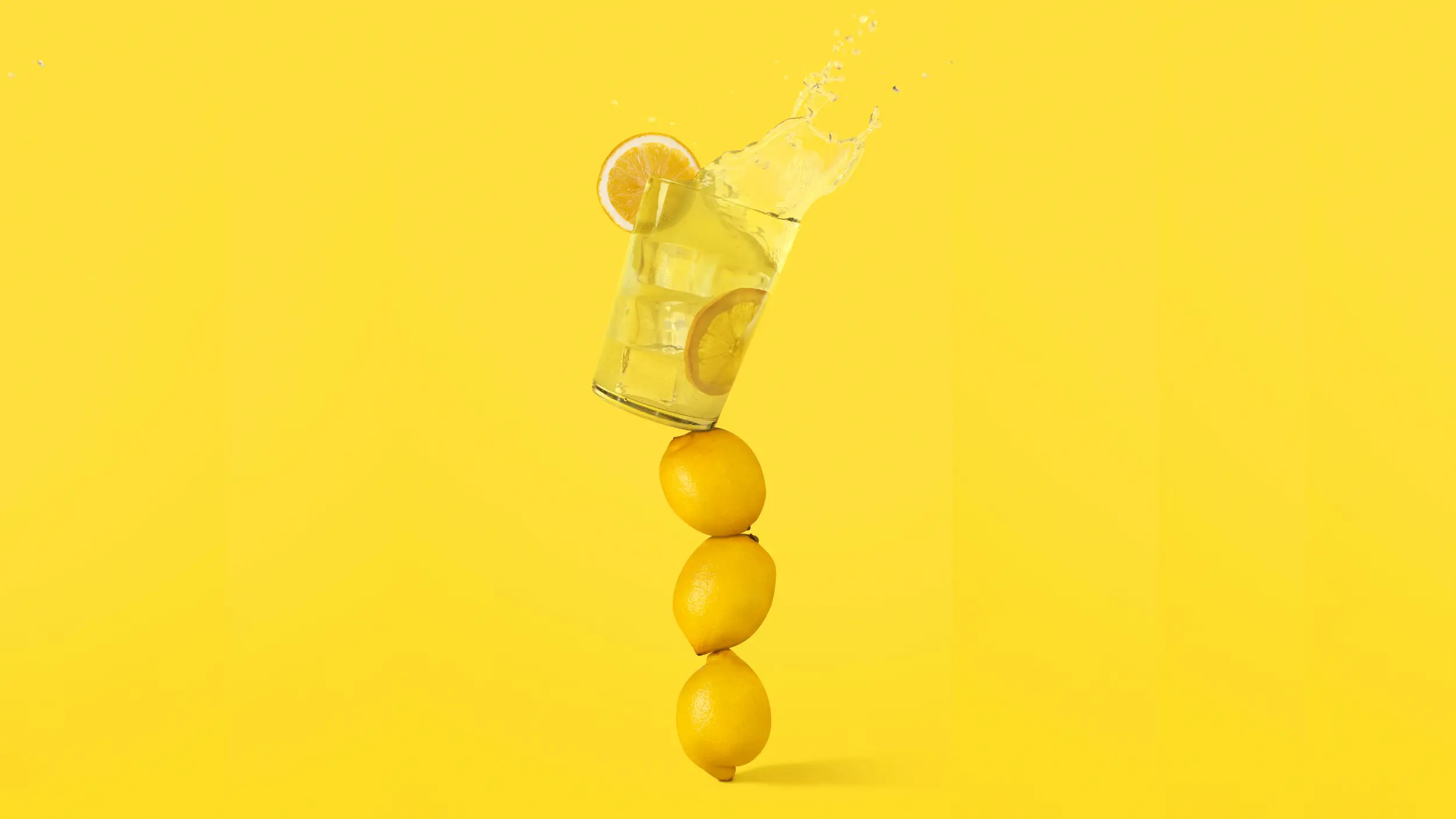
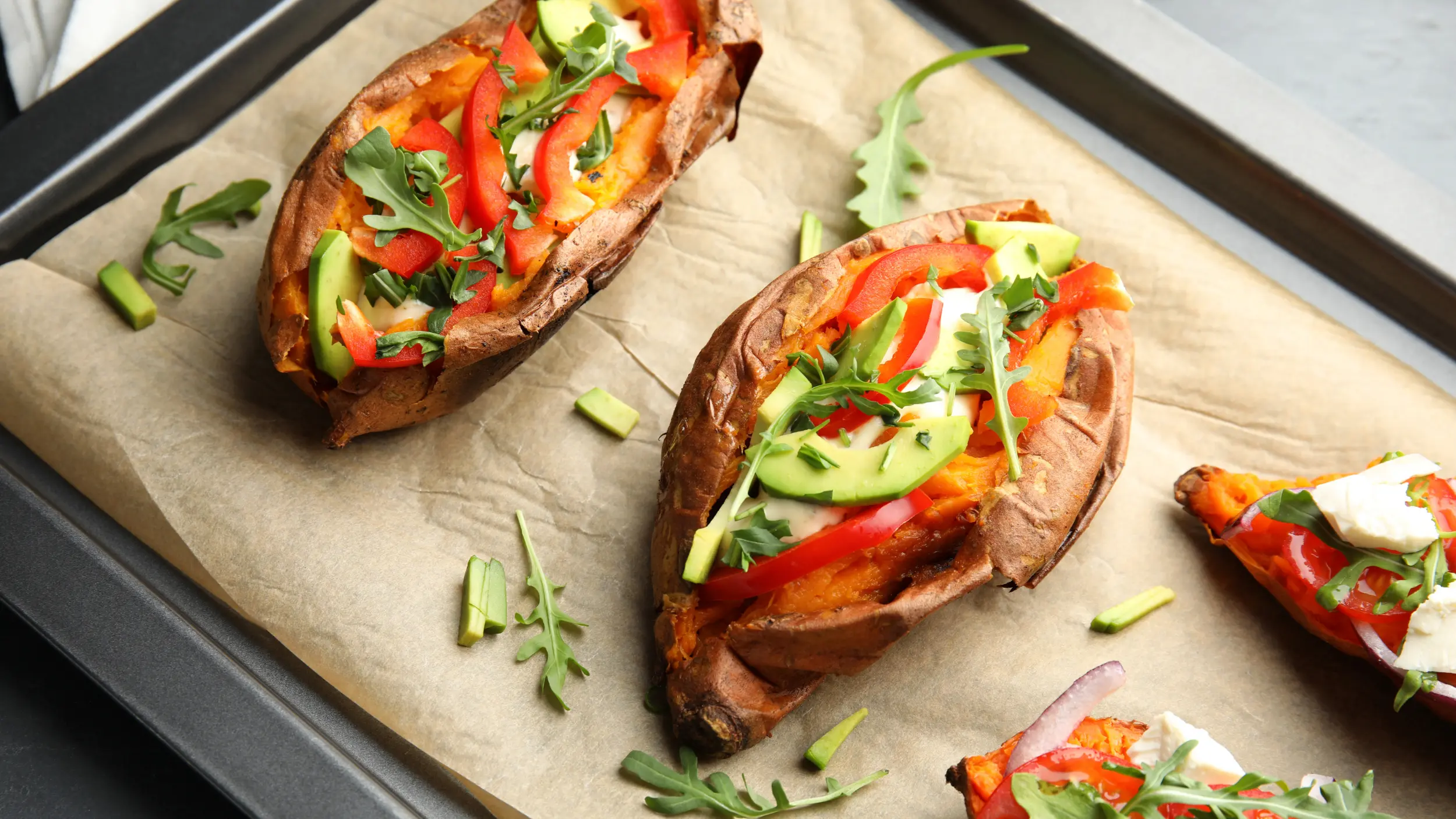
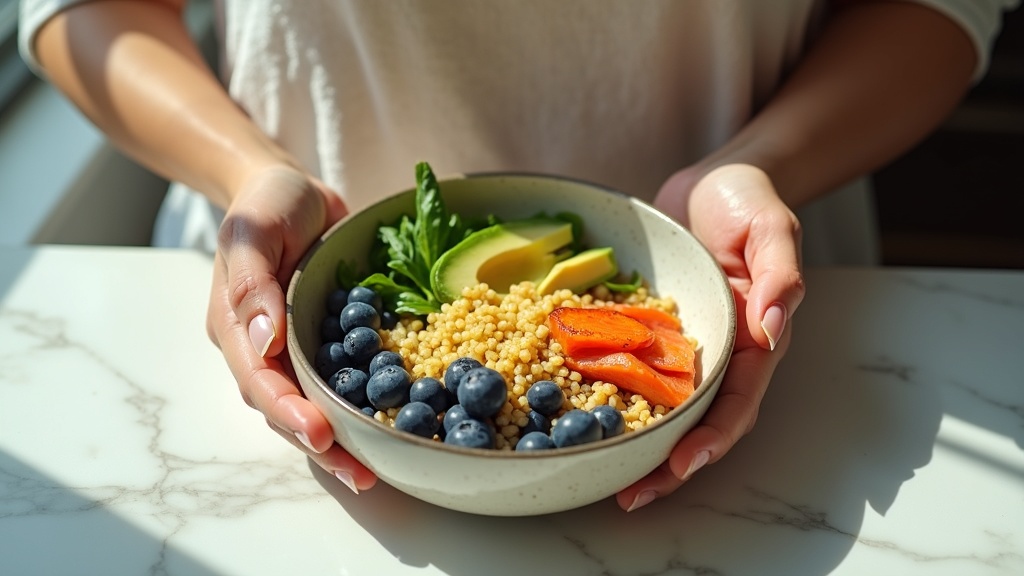
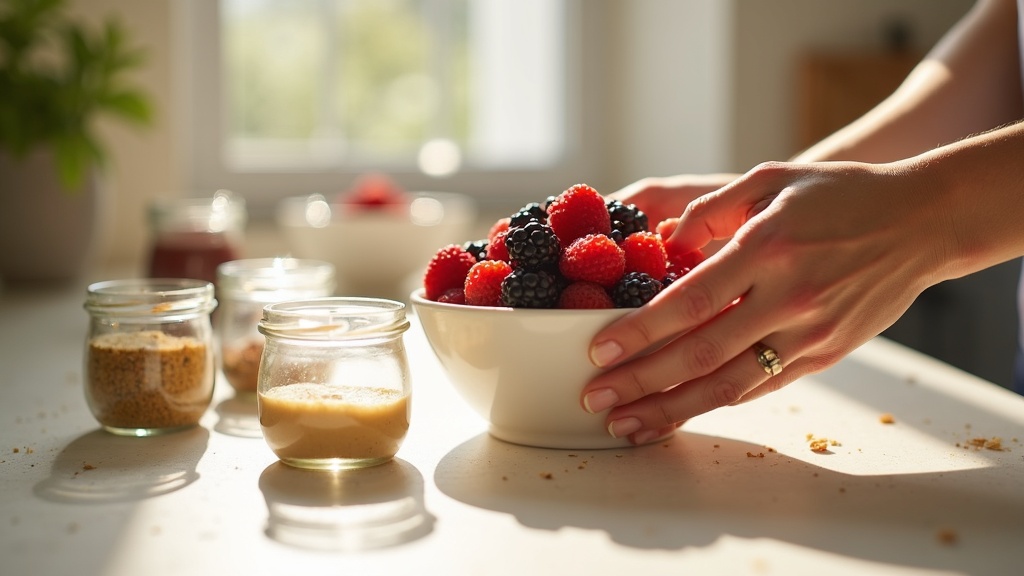
Pair your iron-rich foods with vitamin C sources. Adding just 25-75 mg of vitamin C to a meal can increase non-heme iron absorption by up to 300% [18]. Think a squeeze of lemon on your spinach salad, strawberries with your fortified oatmeal, or bell peppers in your lentil soup.
Conversely, avoid these absorption blockers around iron-rich meals:
Coffee, tea, and red wine contain polyphenols that can reduce iron absorption by 50-70% when consumed with meals [19]. Wait at least one hour after eating before having your morning coffee. Calcium also competes with iron for absorption, so don't take calcium supplements or consume large amounts of dairy at the same time as your iron-rich meals [20].
If optimizing your gut health is part of your wellness strategy, remember that a healthy digestive system is essential for proper iron absorption.
How to increase iron with supplements
When diet alone isn't cutting it—which is common with heavy periods, pregnancy, or diagnosed anemia—iron supplements become necessary.
The most commonly prescribed forms are ferrous sulfate (65 mg elemental iron per 325 mg tablet), ferrous gluconate, and ferrous fumarate [21]. For better tolerability, newer formulations like iron bisglycinate or polysaccharide-iron complex cause fewer gastrointestinal side effects while maintaining good absorption [22].
My supplement protocol recommendations:
- Take iron on an empty stomach (one hour before or two hours after meals) for maximum absorption
- Pair with 250-500 mg of vitamin C
- Start with a lower dose (30-60 mg elemental iron) and gradually increase to reduce constipation and nausea
- Take every other day rather than daily—recent research shows this approach actually improves absorption and reduces side effects [23]
- Expect 4-6 weeks before you feel symptom improvement, and 3-6 months to fully replenish your stores [24]
Your personalized recovery timeline
Be patient with the process. Your hemoglobin should start rising within 2-3 weeks of starting treatment, but ferritin (your storage iron) takes much longer to rebuild [25]. I typically retest labs at 8-12 weeks to assess response and adjust the treatment plan accordingly.
If your levels aren't improving despite supplementation, we need to investigate absorption issues or ongoing blood loss that's preventing recovery.
Balancing your iron intake is just one component of overall hormonal and metabolic health. If you're interested in a comprehensive approach, check out my guide on hormone balance through diet.
Frequently Asked Questions
What are the first signs of iron deficiency?
The earliest symptoms are often subtle: persistent fatigue that doesn't improve with rest, decreased exercise tolerance, and difficulty concentrating. You might notice you're getting winded going up stairs that never used to bother you, or that your usual workout feels inexplicably harder. Physical signs like paleness, brittle nails, and hair loss typically appear later as deficiency progresses [26].
Can I get enough iron from plant-based foods?
Yes, absolutely—but it requires more intentional planning. Since non-heme iron from plants is less readily absorbed, you'll need to consume more total iron (about 1.8 times the RDA) and consistently pair it with vitamin C-rich foods [27]. Focus on fortified cereals and grains, legumes, dark leafy greens, and seeds. Many of my plant-based clients do need to supplement, especially during high-demand life stages like pregnancy or heavy training periods.
How long does it take to recover from iron deficiency?
This depends on the severity of your deficiency and how well you respond to treatment. With appropriate supplementation, you should start feeling more energetic within 4-6 weeks as your hemoglobin rises. However, fully replenishing your iron stores typically takes 3-6 months of consistent treatment [28]. Don't stop supplementing as soon as you feel better—you need to rebuild those stores to prevent rapid recurrence.
Ready to regain your energy and feel your best? Let's chat! Book a consultation with me today at www.usevedic.com to discuss your specific concerns and create a personalized plan to address your iron levels.
References
[1] World Health Organization. Anaemia. WHO, 2023.
[2] Abbaspour N, Hurrell R, Kelishadi R. Review on iron and its importance for human health. Journal of Research in Medical Sciences, 2014.
[3] Harvey LJ, Armah CN, Dainty JR, et al. Impact of menstrual blood loss and diet on iron deficiency among women in the UK. British Journal of Nutrition, 2005.
[4] Camaschella C. Iron-deficiency anemia. New England Journal of Medicine, 2015.
[5] Soppi ET. Iron deficiency without anemia - a clinical challenge. Clinical Case Reports, 2018.
[6] Lopez A, Cacoub P, Macdougall IC, Peyrin-Biroulet L. Iron deficiency anaemia. The Lancet, 2016.
[7] Institute of Medicine. Dietary Reference Intakes for Vitamin A, Vitamin K, Arsenic, Boron, Chromium, Copper, Iodine, Iron, Manganese, Molybdenum, Nickel, Silicon, Vanadium, and Zinc. National Academies Press, 2001.
[8] Hurrell R, Egli I. Iron bioavailability and dietary reference values. American Journal of Clinical Nutrition, 2010.
[9] Warner PE, Critchley HO, Lumsden MA, et al. Menorrhagia I: measured blood loss, clinical features, and outcome in women with heavy periods. American Journal of Obstetrics and Gynecology, 2004.
[10] Goddard AF, James MW, McIntyre AS, Scott BB. Guidelines for the management of iron deficiency anaemia. Gut, 2011.
[11] Hershko C, Hoffbrand AV, Keret D, et al. Role of autoimmune gastritis, Helicobacter pylori and celiac disease in refractory or unexplained iron deficiency anemia. Haematologica, 2005.
[12] Hutchinson C, Geissler CA, Powell JJ, Bomford A. Proton pump inhibitors suppress absorption of dietary non-haem iron in hereditary haemochromatosis. Gut, 2007.
[13] American College of Obstetricians and Gynecologists. Anemia in Pregnancy: ACOG Practice Bulletin. Obstetrics & Gynecology, 2021.
[14] Pedlar CR, Brugnara C, Bruinvels G, Burden R. Iron balance and iron supplementation for the female athlete: A practical approach. European Journal of Sport Science, 2018.
[15] Pasricha SR, Tye-Din J, Muckenthaler MU, Swinkels DW. Iron deficiency. The Lancet, 2021.
[16] U.S. Department of Agriculture. FoodData Central. USDA, 2024.
[17] National Institutes of Health. Iron: Fact Sheet for Health Professionals. NIH Office of Dietary Supplements, 2023.
[18] Teucher B, Olivares M, Cori H. Enhancers of iron absorption: ascorbic acid and other organic acids. International Journal for Vitamin and Nutrition Research, 2004.
[19] Hurrell RF, Reddy M, Cook JD. Inhibition of non-haem iron absorption in man by polyphenolic-containing beverages. British Journal of Nutrition, 1999.
[20] Hallberg L, Rossander-Hulthen L, Brune M, Gleerup A. Calcium and iron absorption: mechanism of action and nutritional importance. European Journal of Clinical Nutrition, 1992.
[21] DeLoughery TG. Iron Deficiency Anemia. Medical Clinics of North America, 2017.
[22] Tolkien Z, Stecher L, Mander AP, et al. Ferrous sulfate supplementation causes significant gastrointestinal side-effects in adults: a systematic review and meta-analysis. PLoS One, 2015.
[23] Stoffel NU, Cercamondi CI, Brittenham G, et al. Iron absorption from oral iron supplements given on consecutive versus alternate days and as single morning doses versus twice-daily split dosing in iron-depleted women: two open-label, randomised controlled trials. The Lancet Haematology, 2017.
[24] Short MW, Domagalski JE. Iron deficiency anemia: evaluation and management. American Family Physician, 2013.
[25] Dignass AU, Gasche C, Bettenworth D, et al. European consensus on the diagnosis and management of iron deficiency and anaemia in inflammatory bowel diseases. Journal of Crohn's and Colitis, 2015.
[26] Brownlie T, Utermohlen V, Hinton PS, Haas JD. Tissue iron deficiency without anemia impairs adaptation in endurance capacity after aerobic training in previously untrained women. American Journal of Clinical Nutrition, 2004.
[27] Saunders AV, Craig WJ, Baines SK, Posen JS. Iron and vegetarian diets. Medical Journal of Australia, 2013.
[28] Auerbach M, Adamson JW. How we diagnose and treat iron deficiency anemia. American Journal of Hematology, 2016.
.svg)
.svg)


.jpg)
.jpg)




.webp)




















.webp)
.webp)
.webp)
.webp)
.webp)
.webp)
.webp)
.png)
.webp)
.webp)
.webp)
.png)
.webp)
.webp)
.webp)
.webp)
.webp)
.webp)
.webp)
.webp)
.webp)

.webp)
.png)