.webp)
%2B(7).webp)
.png)
At a Glance
Your immune system thrives on specific nutrients found in everyday foods, from vitamin C-rich citrus to gut-nourishing fermented options. Research shows that strategic nutrition choices can significantly enhance your body's defense mechanisms against infections and illness[1]. This guide breaks down the most effective immune system support foods and exactly how to incorporate them into your daily routine.
Feeling a bit run down? Let's talk about how the delicious foods you eat can become your body's best defense system. As your dietitian, I'm here to guide you through simple, enjoyable ways to strengthen your immunity through nutrition. This isn't about drastic changes, but smart, everyday choices that make a big difference.
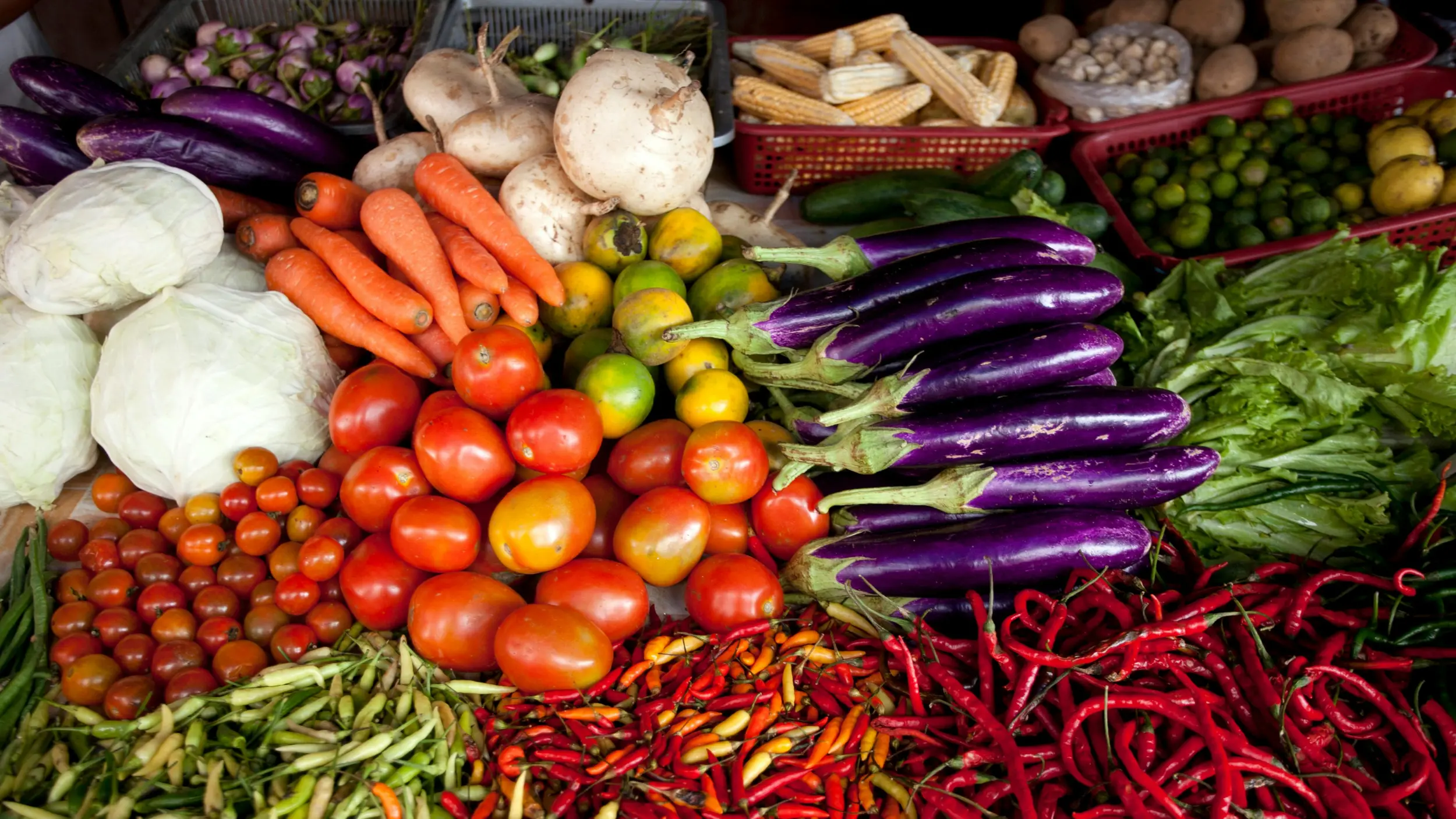
Power Up with Antioxidant-Rich Fruits and Veggies
Think of these colorful powerhouses as your internal shield. They're packed with vitamins and minerals that fight off the bad guys. The phytonutrients in plant foods literally help your immune cells communicate more effectively and respond faster to threats[2].
Vitamin C Champions
Vitamin C increases the production of white blood cells, which are essential for fighting infections[3]. Your body can't store this water-soluble vitamin, so you need consistent daily intake.
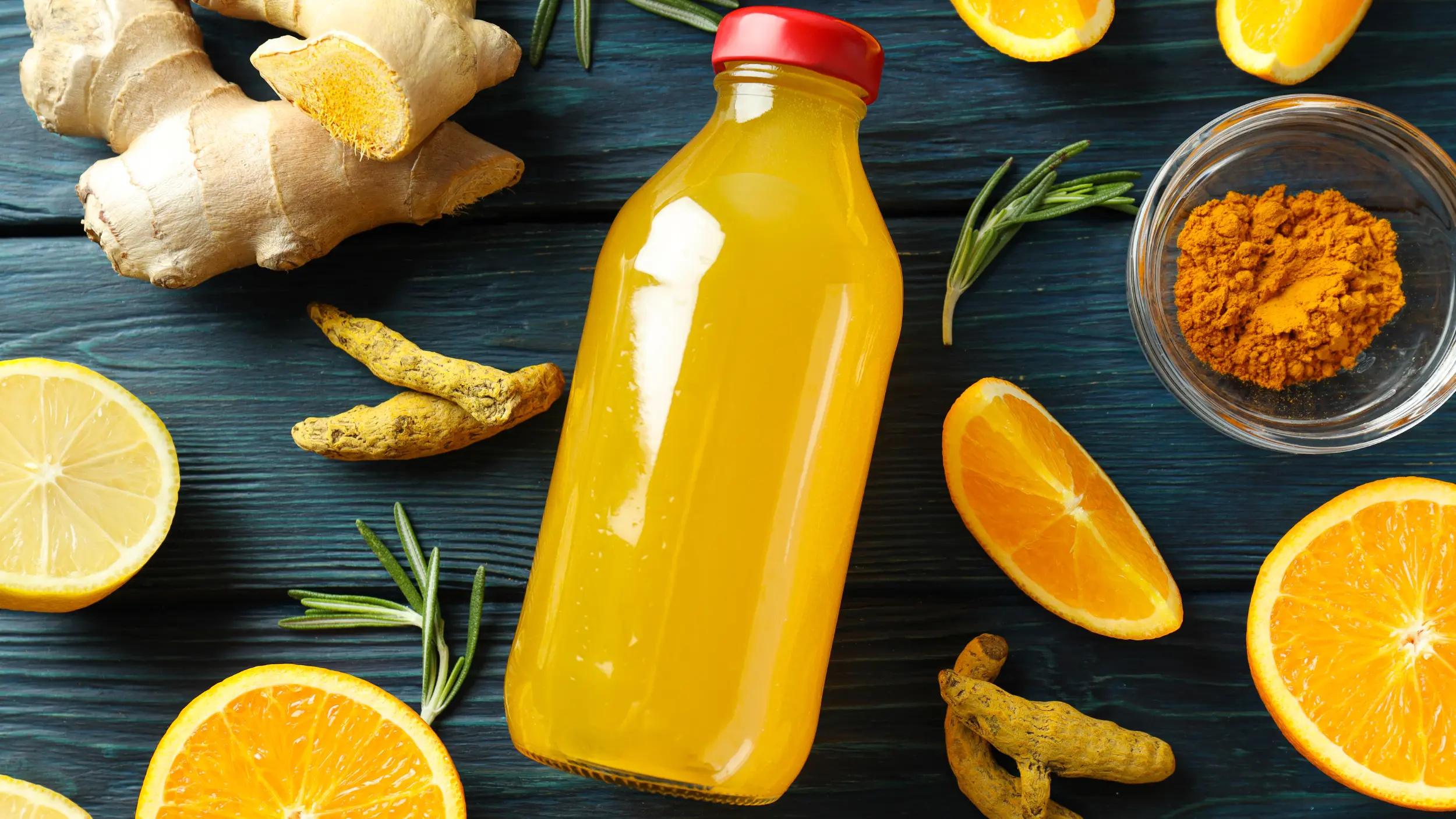
- Citrus fruits: Oranges, grapefruits, and lemons provide 70-90 mg of vitamin C per serving, meeting most of your daily needs in one go.
- Bell peppers: Red bell peppers actually contain more vitamin C than oranges—up to 190 mg per cup.
- Strawberries: One cup delivers about 85 mg of vitamin C plus powerful anti-inflammatory compounds.
- Kiwi: Two medium kiwis pack 130 mg of vitamin C and support respiratory health.
- Broccoli: This cruciferous veggie offers vitamin C alongside sulforaphane, which activates antioxidant pathways[4].
Beta-Carotene Boosters
Your body converts beta-carotene into vitamin A, which maintains the integrity of your skin and mucous membranes—your first line of defense against pathogens[5].
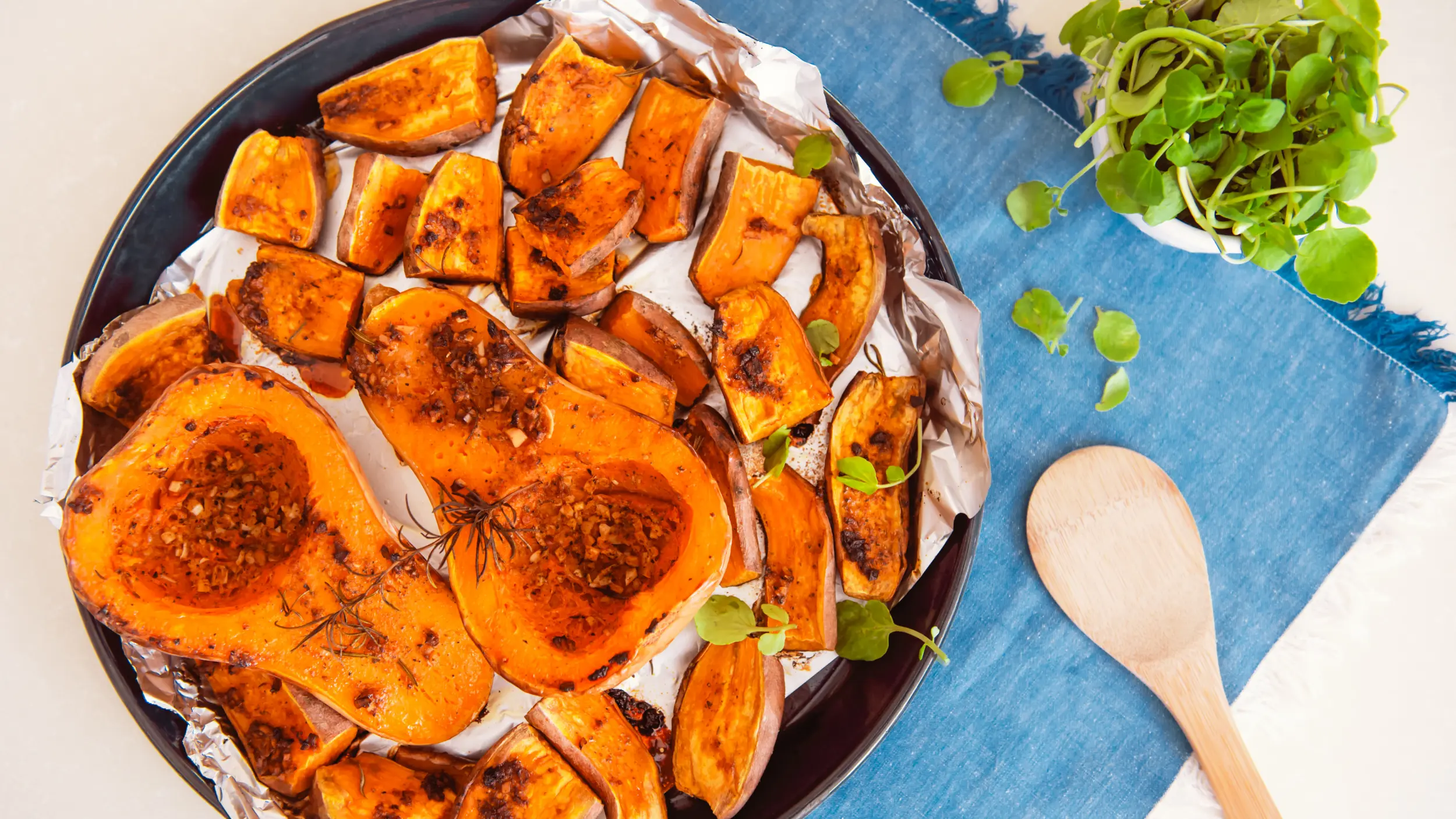
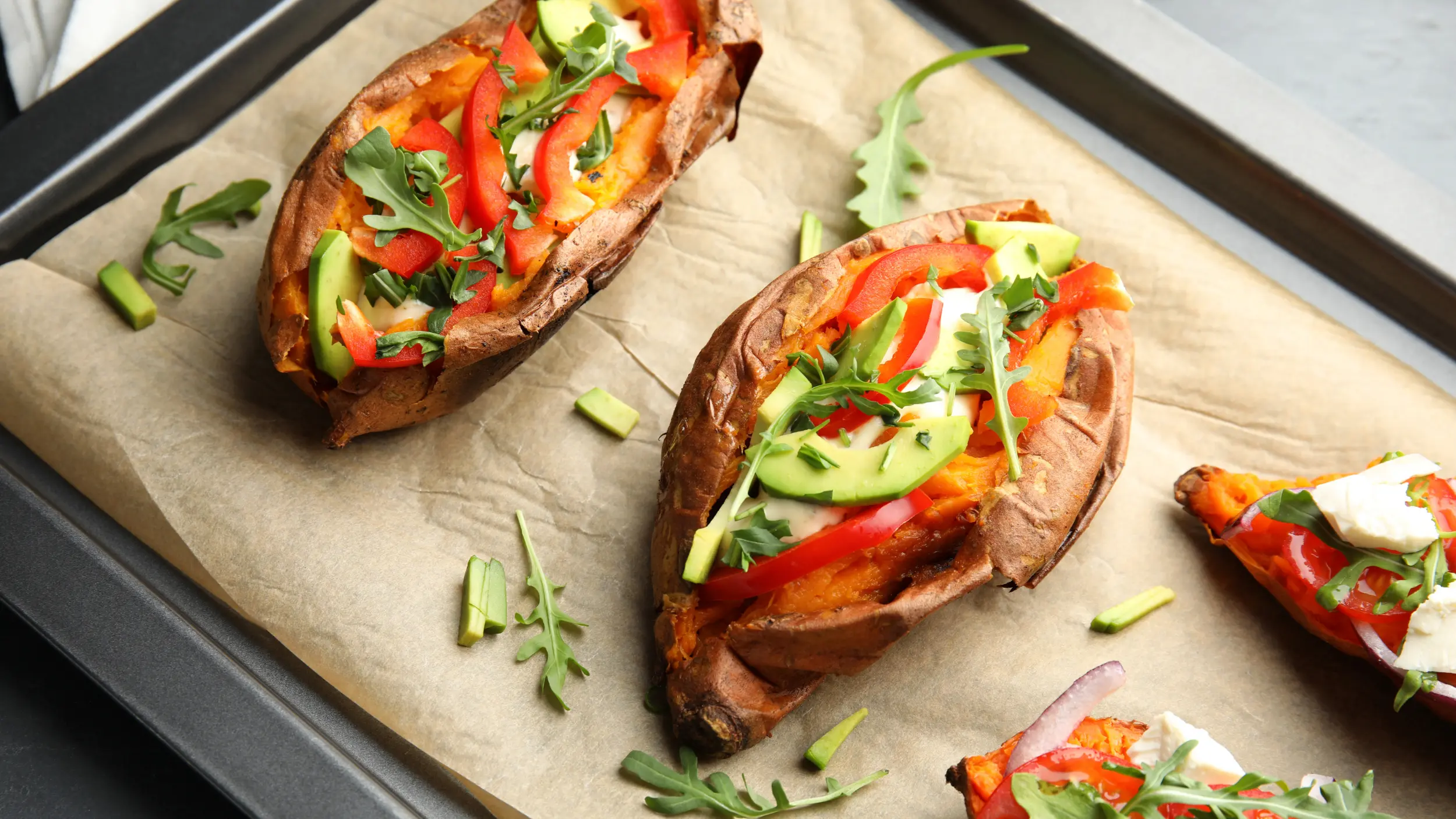
- Sweet potatoes: One medium sweet potato provides over 400% of your daily vitamin A needs.
- Carrots: Rich in beta-carotene that supports immune cell function and antibody responses.
- Spinach: Contains beta-carotene plus vitamin E, another critical immune supporter.
- Butternut squash: Delivers immune-protective carotenoids in a naturally sweet, satisfying form.
- Kale: Offers beta-carotene alongside vitamin K and anti-inflammatory compounds.
Lycopene Leaders
Lycopene is a potent antioxidant that reduces oxidative stress and enhances immune cell activity[6].
- Tomatoes: Cooking tomatoes actually increases lycopene bioavailability, so marinara sauce counts.
- Watermelon: Provides lycopene plus hydration, which is essential for immune function.
- Pink grapefruit: Combines lycopene with vitamin C for dual immune benefits.
- Papaya: Contains lycopene, vitamin C, and digestive enzymes that support gut immunity.
Embrace Gut-Loving Foods for a Resilient Immune System
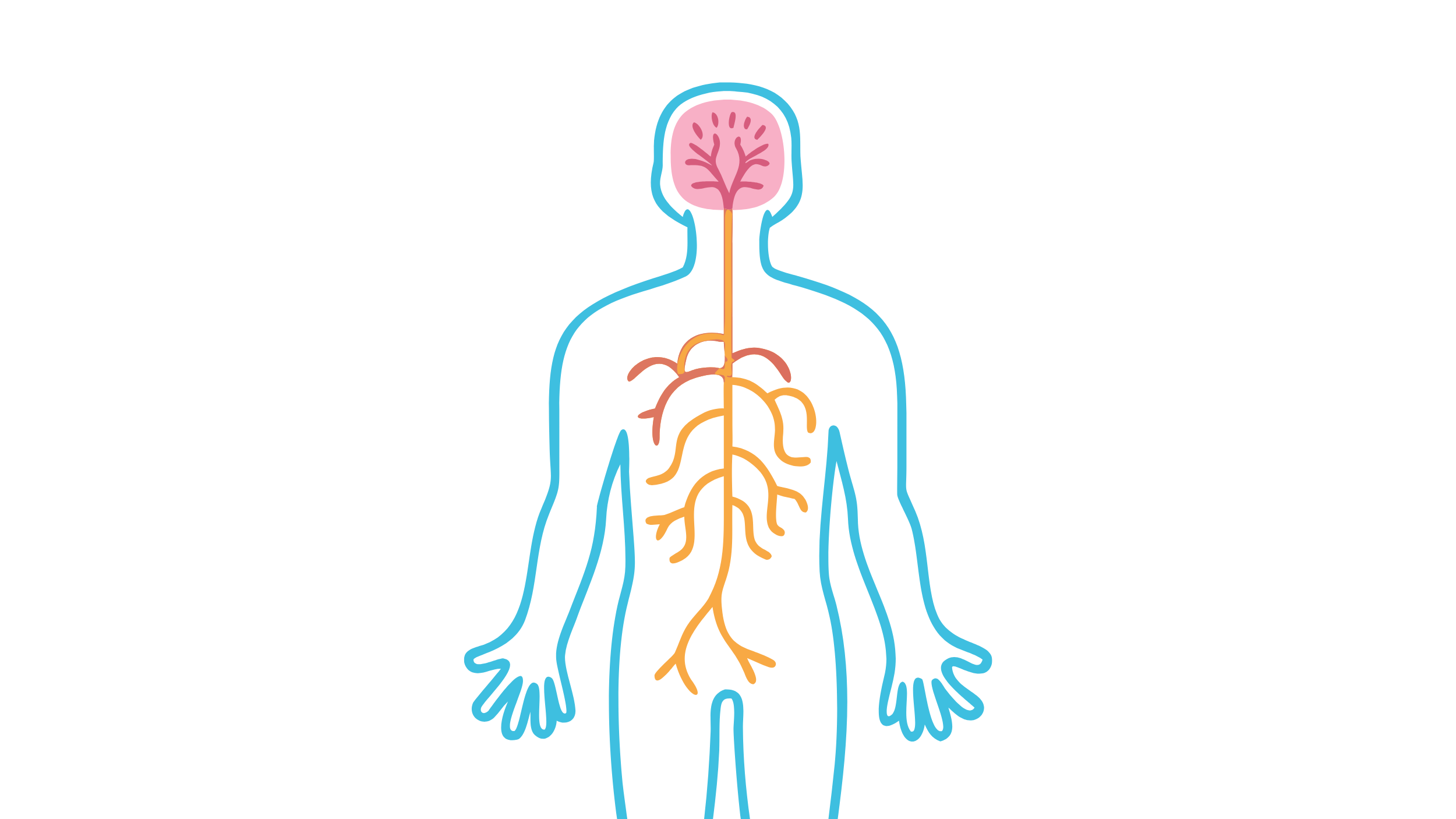
Here's something that surprises many of my clients: approximately 70% of your immune system lives in your gut[7]. A happy gut means a happy immune system! The microbiome—those trillions of beneficial bacteria in your digestive tract—literally trains your immune cells to distinguish between harmless substances and genuine threats.
Fermented Friends
Fermented foods introduce beneficial probiotic bacteria that strengthen your gut barrier and produce immune-regulating compounds[8].
- Yogurt with live cultures: Look for labels stating "live and active cultures" with strains like Lactobacillus and Bifidobacterium.
- Kefir: This drinkable yogurt contains up to 61 different probiotic strains compared to yogurt's 5-10.
- Sauerkraut: Raw, unpasteurized versions provide probiotics plus vitamin C that survives fermentation.
- Kimchi: Korean fermented vegetables offer probiotics, fiber, and anti-inflammatory compounds.
- Miso: This fermented soybean paste supports gut diversity and provides immune-boosting antioxidants.
- Kombucha: Fermented tea that delivers probiotics and organic acids supporting gut health.
Prebiotic Powerhouses
Prebiotics are special fibers that feed your beneficial gut bacteria, helping them thrive and multiply[9]. If you're wondering how to optimize your gut health for better overall wellness, combining prebiotics with probiotics is essential.
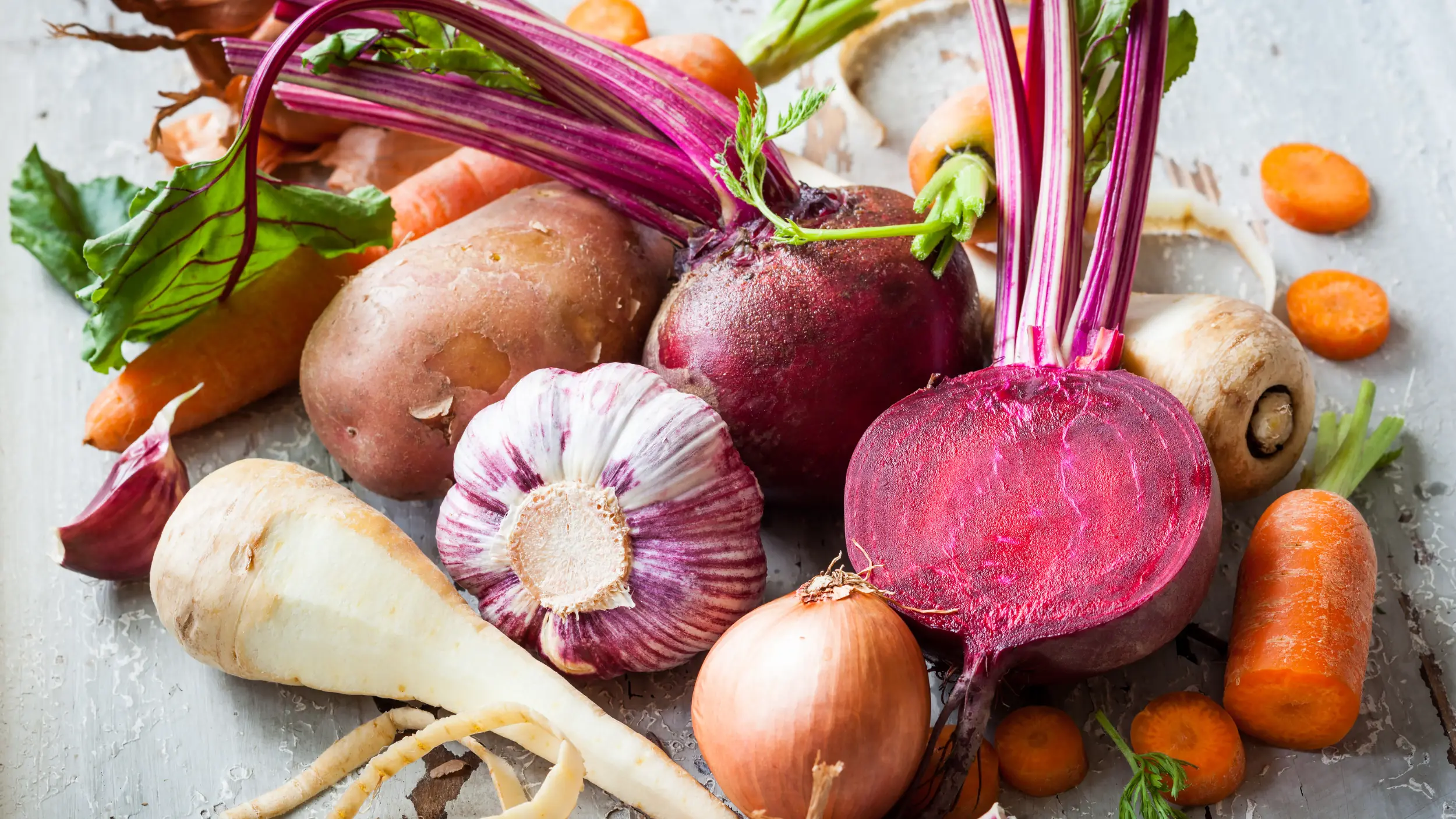
- Garlic: Contains inulin fiber that feeds beneficial bacteria while offering antimicrobial properties.
- Onions: Rich in fructooligosaccharides (FOS) that selectively nourish good bacteria.
- Leeks: Provide prebiotic fiber plus flavonoids that reduce inflammation.
- Asparagus: Contains inulin and supports the growth of Bifidobacteria.
- Bananas: Slightly underripe bananas offer resistant starch, a powerful prebiotic.
- Oats: Beta-glucan fiber in oats feeds gut bacteria and directly activates immune cells[10].
Fiber-Rich Choices
Dietary fiber supports immune function through multiple mechanisms, including short-chain fatty acid production that regulates immune responses[11].
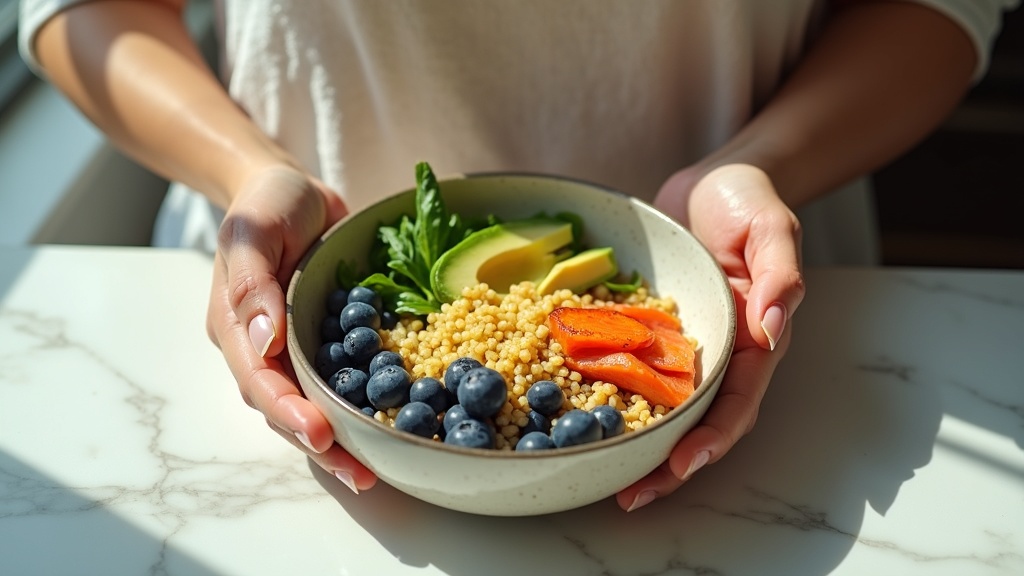
- Whole grains: Quinoa, brown rice, and whole wheat provide fiber plus immune-supporting minerals.
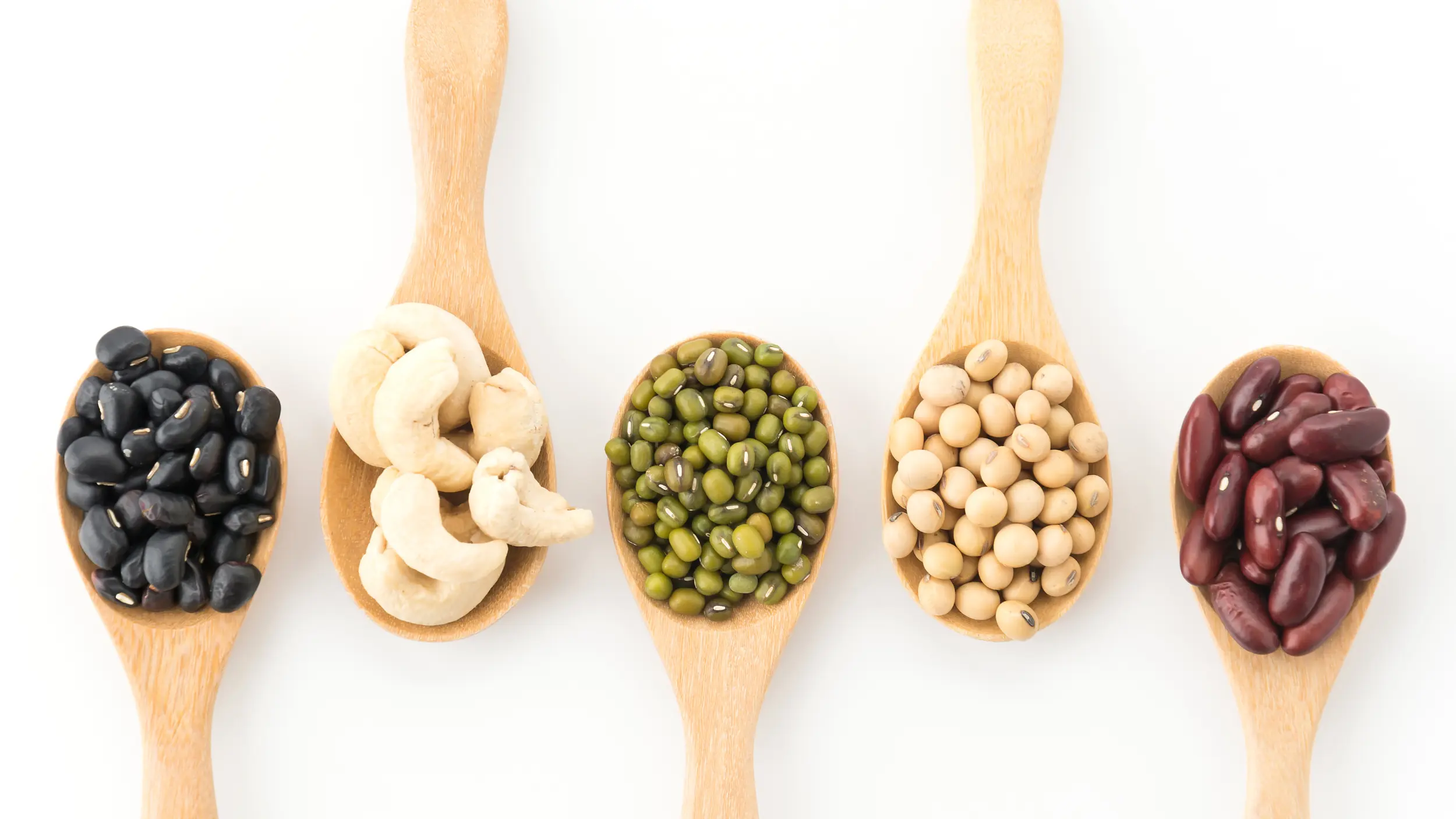
- Legumes: Beans, lentils, and chickpeas offer fiber, protein, and zinc in one package.
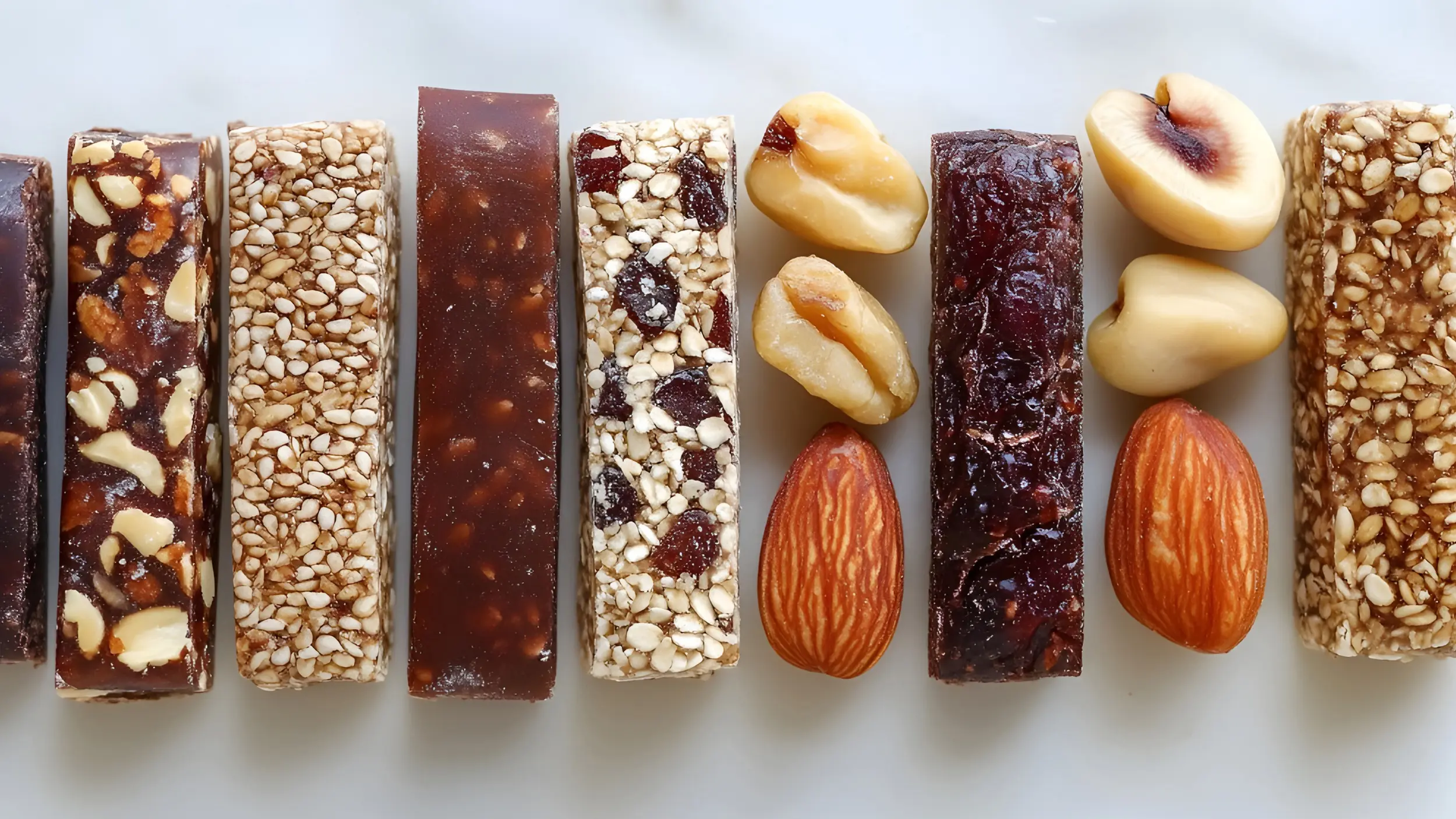
- Nuts: Almonds, walnuts, and cashews provide fiber, vitamin E, and healthy fats for immune cell membranes.
- Seeds: Chia, flax, and pumpkin seeds deliver fiber, omega-3s, and zinc.
Essential Nutrients for Daily Immune Support
Certain nutrients play a starring role in keeping your immune system functioning smoothly, day in and day out. These micronutrients act as cofactors for hundreds of enzymatic reactions that keep your defense systems sharp.
Vitamin D: The Sunshine Vitamin
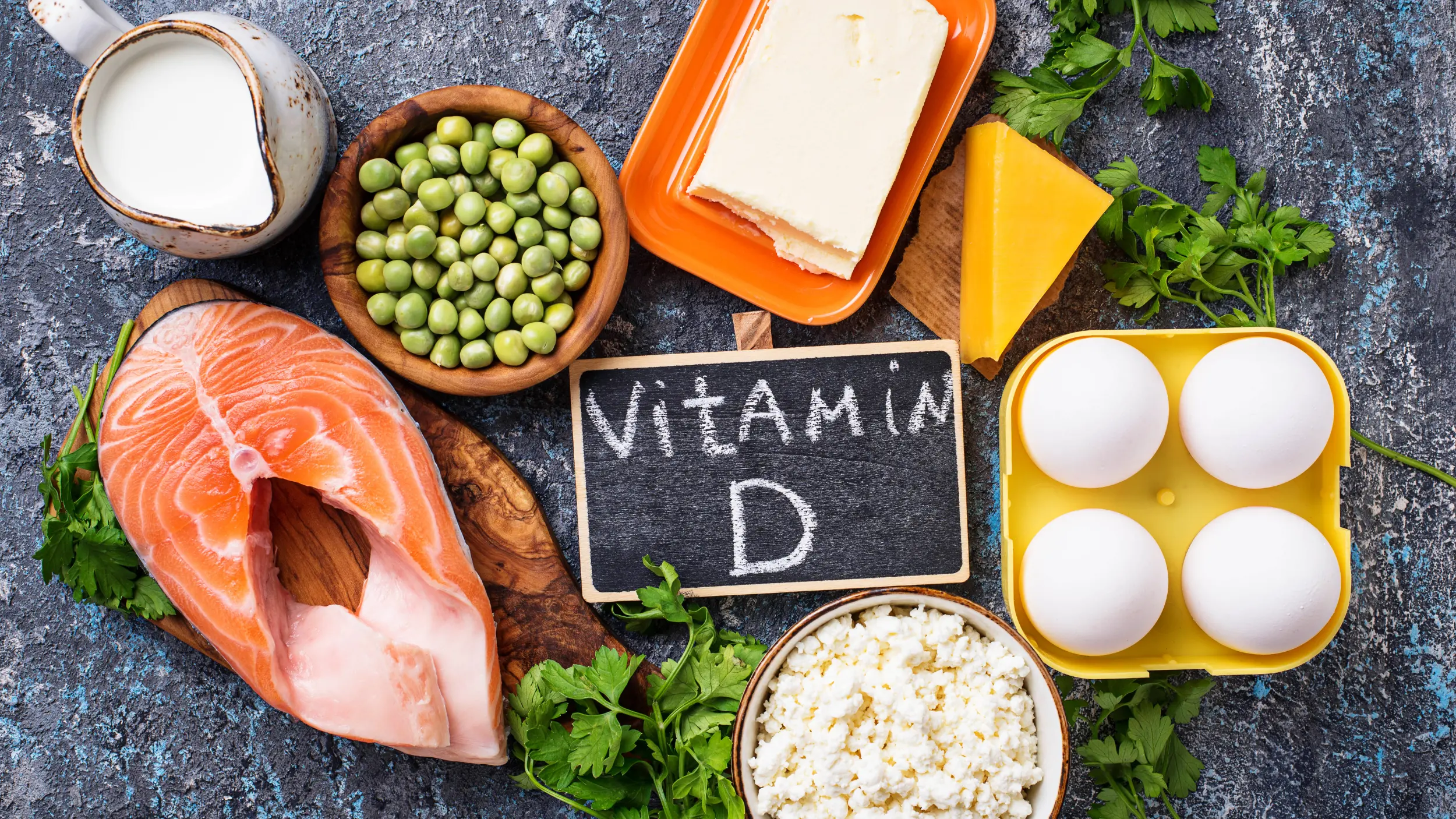
Vitamin D deficiency is associated with increased susceptibility to infections[12]. This fat-soluble vitamin actually functions more like a hormone, influencing over 200 genes related to immune function.
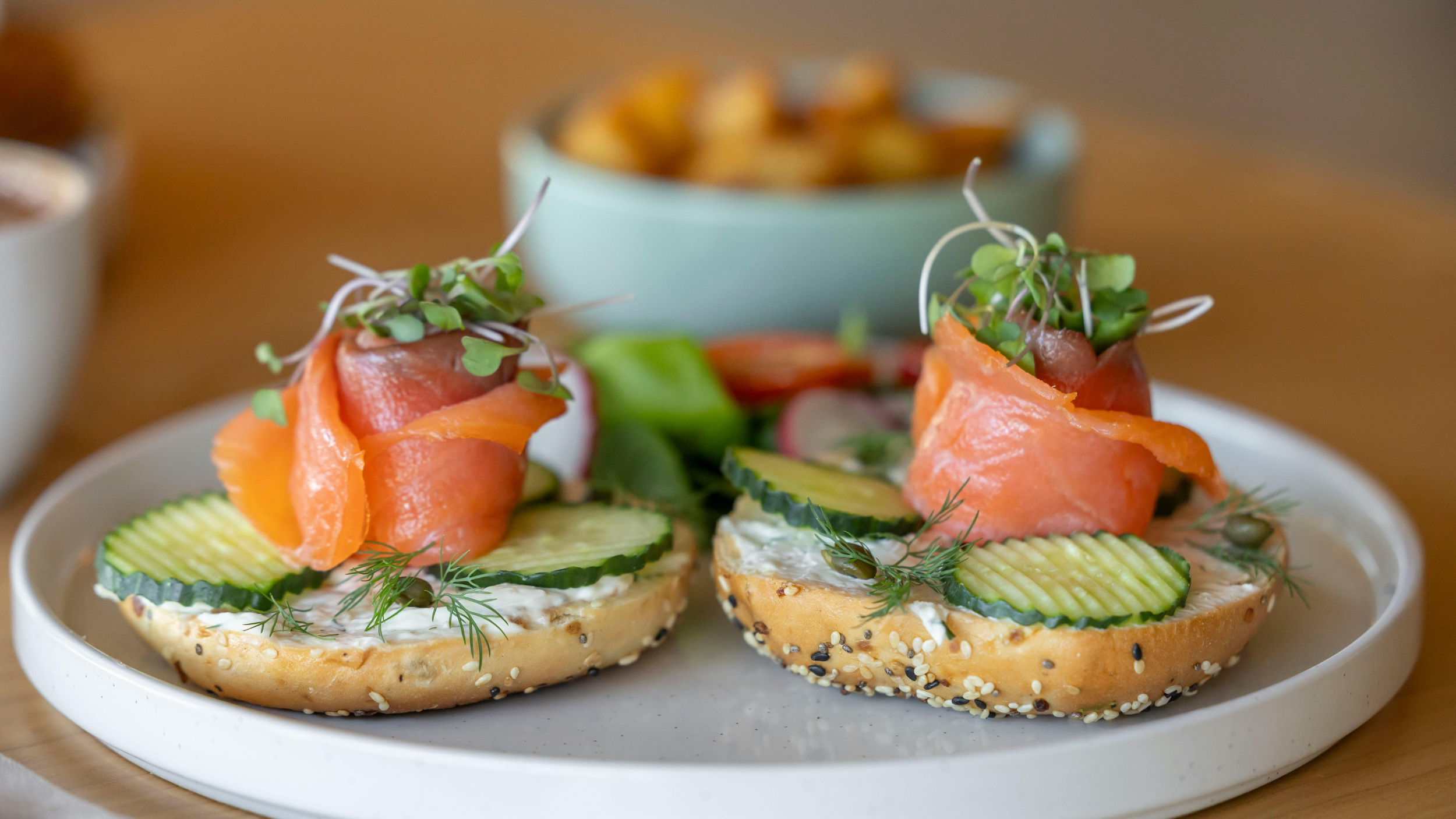
- Fatty fish: Salmon, mackerel, and sardines provide 400-1,000 IU of vitamin D per serving.
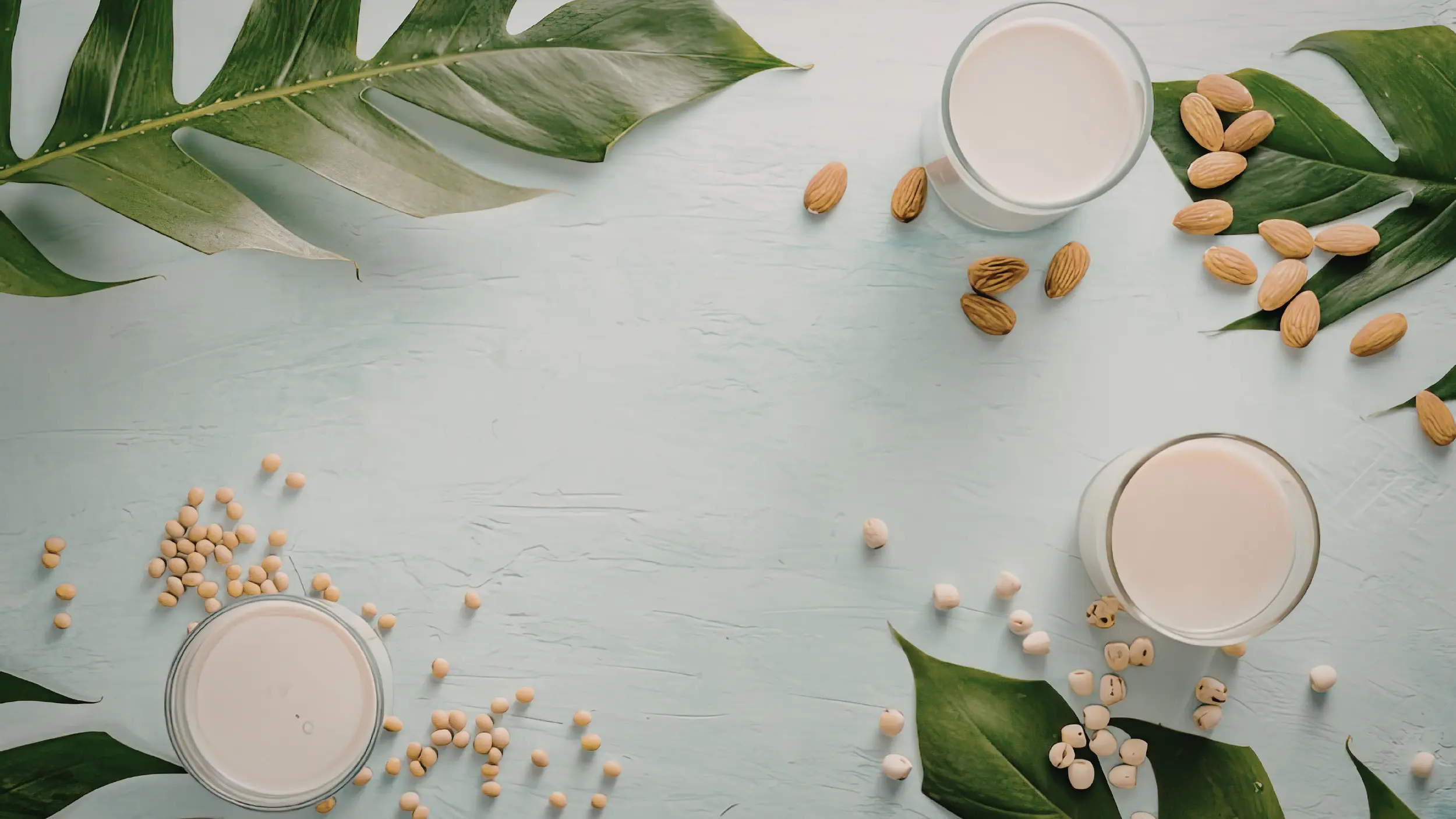
- Fortified milk: Dairy and plant-based milks typically offer 100-120 IU per cup.
- Egg yolks: One egg provides about 40 IU plus other immune-supporting nutrients.
- Fortified cereals: Check labels for options providing 40-100 IU per serving.
- Mushrooms: Especially UV-exposed varieties can provide significant vitamin D2.
For many women, especially those living in northern climates, food sources alone may not be sufficient. If you're experiencing symptoms of hormonal imbalance, low vitamin D could be a contributing factor worth investigating with your healthcare provider.
Zinc Zest
Zinc is critical for immune cell development and communication[13]. Even mild zinc deficiency can impair immune function significantly.
- Oysters: The absolute zinc champions, providing 74 mg per 3-ounce serving.
- Lean beef: A 3-ounce serving offers about 7 mg of highly bioavailable zinc.
- Pumpkin seeds: Quarter-cup provides 2.5 mg of zinc plus healthy fats.
- Cashews: One ounce delivers 1.6 mg of zinc and satisfying crunch.
- Chickpeas: One cup of cooked chickpeas provides 2.5 mg of zinc plus fiber.
- Fortified cereals: Many breakfast cereals provide 25-100% of your daily zinc needs.
Selenium Stars
Selenium supports both innate and adaptive immune responses and has potent antioxidant properties[14].
- Brazil nuts: Just 1-2 nuts daily provide your entire selenium requirement (55 mcg).
- Tuna: A 3-ounce serving offers about 92 mcg of selenium.
- Halibut: Provides 47 mcg per 3-ounce serving plus omega-3 fatty acids.
- Eggs: One large egg contains 15 mcg of selenium.
- Brown rice: One cup of cooked brown rice provides 19 mcg.
Omega-3 Fatty Acids
These anti-inflammatory fats help regulate immune responses and prevent excessive inflammation[15]. If you're looking to reduce inflammation naturally through nutrition, omega-3s are non-negotiable.
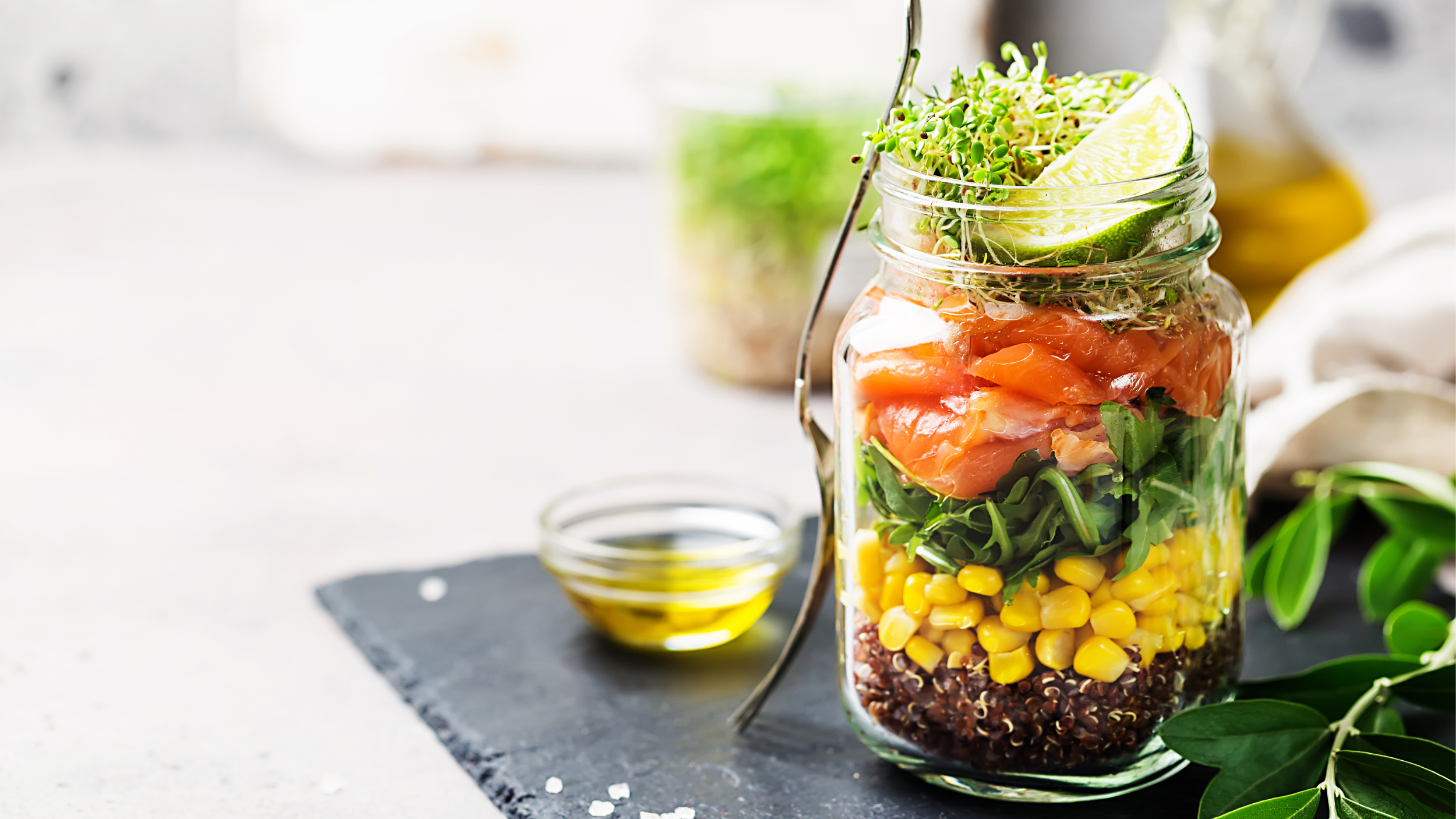
- Wild salmon: Provides 1,500-2,000 mg of EPA and DHA per 3-ounce serving.
- Sardines: Affordable option delivering about 1,000 mg of omega-3s per serving.
- Walnuts: Plant-based omega-3 source (ALA) with 2.5 grams per ounce.
- Flaxseeds: Ground flaxseeds offer 1.8 grams of ALA per tablespoon.
- Chia seeds: One ounce provides 5 grams of omega-3 ALA.
Frequently Asked Questions
What are the quickest foods to boost my immune system?
While no food provides instant immunity, certain options work relatively fast. Yogurt with live cultures can begin positively influencing your gut microbiome within days[16]. Vitamin C-rich foods like citrus fruits, bell peppers, and strawberries support immune cell function within hours of consumption. Garlic contains compounds that enhance immune cell activity when eaten regularly. For the fastest impact, focus on combining multiple immune boosting foods throughout your day rather than relying on a single superfood.
Can I boost my immunity naturally without supplements?
Absolutely! A varied, nutrient-dense diet provides the foundation for robust immune function. Eating a rainbow of fruits and vegetables, incorporating fermented foods, consuming adequate protein, and staying hydrated can significantly strengthen your immune system without supplements[17]. However, certain populations—including pregnant women, older adults, or those with specific deficiencies—may benefit from targeted supplementation under professional guidance. Focus on whole foods first, then consider supplements to fill specific gaps identified through lab work.
What foods should I avoid to keep my immune system strong?
Excess added sugar can suppress immune function for several hours after consumption[18]. Highly processed foods often lack the nutrients your immune system needs and may promote inflammation. Excessive alcohol impairs immune cell function and disrupts gut barrier integrity. Trans fats found in some processed foods can increase inflammation. That said, occasional treats won't destroy your immunity—it's about overall patterns. Focus on what to add (nutrient-dense immune system support foods) rather than creating a restrictive list of banned items.
Your Next Steps to Stronger Immunity
Building a resilient immune system through nutrition doesn't require perfection or complicated meal plans. Start by adding one serving of fermented foods daily, eating a variety of colorful produce, and ensuring adequate protein intake. Small, consistent changes create lasting results.
Ready to take control of your health and build a more resilient immune system? Let's create a personalized nutrition plan that fits your lifestyle, addresses your specific needs, and makes immune-supporting nutrition effortless. Book your consultation today to get started!
References
[1] Calder PC. Nutrition, immunity and COVID-19. BMJ Nutrition, Prevention & Health, 2020.
[2] Joseph SV, Edirisinghe I, Burton-Freeman BM. Fruit Polyphenols: A Review of Anti-inflammatory Effects in Humans. Critical Reviews in Food Science and Nutrition, 2016.
[3] Carr AC, Maggini S. Vitamin C and Immune Function. Nutrients, 2017.
[4] Dinkova-Kostova AT, Kostov RV. Glucosinolates and isothiocyanates in health and disease. Trends in Molecular Medicine, 2012.
[5] Huang Z, Liu Y, Qi G, Brand D, Zheng SG. Role of Vitamin A in the Immune System. Journal of Clinical Medicine, 2018.
[6] Cheng HM, Koutsidis G, Lodge JK, Ashor A, Siervo M, Lara J. Tomato and lycopene supplementation and cardiovascular risk factors: A systematic review and meta-analysis. Atherosclerosis, 2017.
[7] Wiertsema SP, van Bergenhenegouwen J, Garssen J, Knippels LMJ. The Interplay between the Gut Microbiome and the Immune System in the Context of Infectious Diseases throughout Life and the Role of Nutrition in Optimizing Treatment Strategies. Nutrients, 2021.
[8] Mazziotta C, Tognon M, Martini F, Torreggiani E, Rotondo JC. Probiotics Mechanism of Action on Immune Cells and Beneficial Effects on Human Health. Cells, 2023.
[9] Davani-Davari D, Negahdaripour M, Karimzadeh I, Seifan M, Mohkam M, Masoumi SJ, Berenjian A, Ghasemi Y. Prebiotics: Definition, Types, Sources, Mechanisms, and Clinical Applications. Foods, 2019.
[10] Jayachandran M, Chen J, Chung SSM, Xu B. A critical review on the impacts of β-glucans on gut microbiota and human health. Journal of Nutritional Biochemistry, 2018.
[11] Koh A, De Vadder F, Kovatcheva-Datchary P, Bäckhed F. From Dietary Fiber to Host Physiology: Short-Chain Fatty Acids as Key Bacterial Metabolites. Cell, 2016.
[12] Aranow C. Vitamin D and the Immune System. Journal of Investigative Medicine, 2011.
[13] Wessels I, Maywald M, Rink L. Zinc as a Gatekeeper of Immune Function. Nutrients, 2017.
[14] Avery JC, Hoffmann PR. Selenium, Selenoproteins, and Immunity. Nutrients, 2018.
[15] Calder PC. Omega-3 fatty acids and inflammatory processes: from molecules to man. Biochemical Society Transactions, 2017.
[16] Wastyk HC, Fragiadakis GK, Perelman D, Dahan D, Merrill BD, Yu FB, et al. Gut-microbiota-targeted diets modulate human immune status. Cell, 2021.
[17] Childs CE, Calder PC, Miles EA. Diet and Immune Function. Nutrients, 2019.
[18] Della Corte KW, Perrar I, Penczynski KJ, Schwingshackl L, Herder C, Buyken AE. Effect of Dietary Sugar Intake on Biomarkers of Subclinical Inflammation: A Systematic Review and Meta-Analysis of Intervention Studies. Nutrients, 2018.
.svg)
.svg)


.jpg)
.jpg)








.webp)

























.webp)
.webp)
.webp)
.webp)
.webp)
.webp)
.webp)
.png)
.webp)
.webp)
.webp)
.png)
.webp)
.webp)
.webp)
.webp)
.webp)
.webp)
.webp)
.webp)
.webp)


.webp)
.png)