.webp)
.webp)
%2B(7).webp)
.png)
At a Glance
Choosing the safest cooking pans isn't just about avoiding scratched Teflon—it's about understanding how cookware materials interact with your food and, ultimately, your health. This evidence-based guide breaks down the best non-toxic cookware options, from cast iron to ceramic, so you can make informed decisions that support your wellness goals. We'll cover what makes cookware truly safe, which materials to prioritize, and how to avoid hidden toxins in your kitchen.
Understanding Cookware Materials: What's Truly Safe?
Let's get real: not all pans are created equal, and some materials pose genuine health concerns while others have been unfairly demonized. The safest cookware materials share a few key characteristics—they don't leach harmful chemicals into your food, they remain stable at high temperatures, and they don't degrade with regular use.
Stainless Steel: The Gold Standard
When it comes to the safest cookware materials, food-grade stainless steel consistently tops the list. High-quality stainless steel (look for 18/10 or 18/8 grades) contains chromium and nickel, which create a non-reactive surface that won't leach into acidic foods like tomato sauce or lemon juice [1].
Why I recommend it: Stainless steel is incredibly durable, dishwasher-safe, and can handle high-heat cooking methods without breaking down. The only caveat? It requires a bit of fat and proper preheating to prevent sticking, but that's a small price to pay for truly inert cookware.
For women managing hormone balance through diet, avoiding endocrine disruptors in cookware is just as important as choosing the right foods. Stainless steel gives you that peace of mind.
Cast Iron: Traditional and Trustworthy
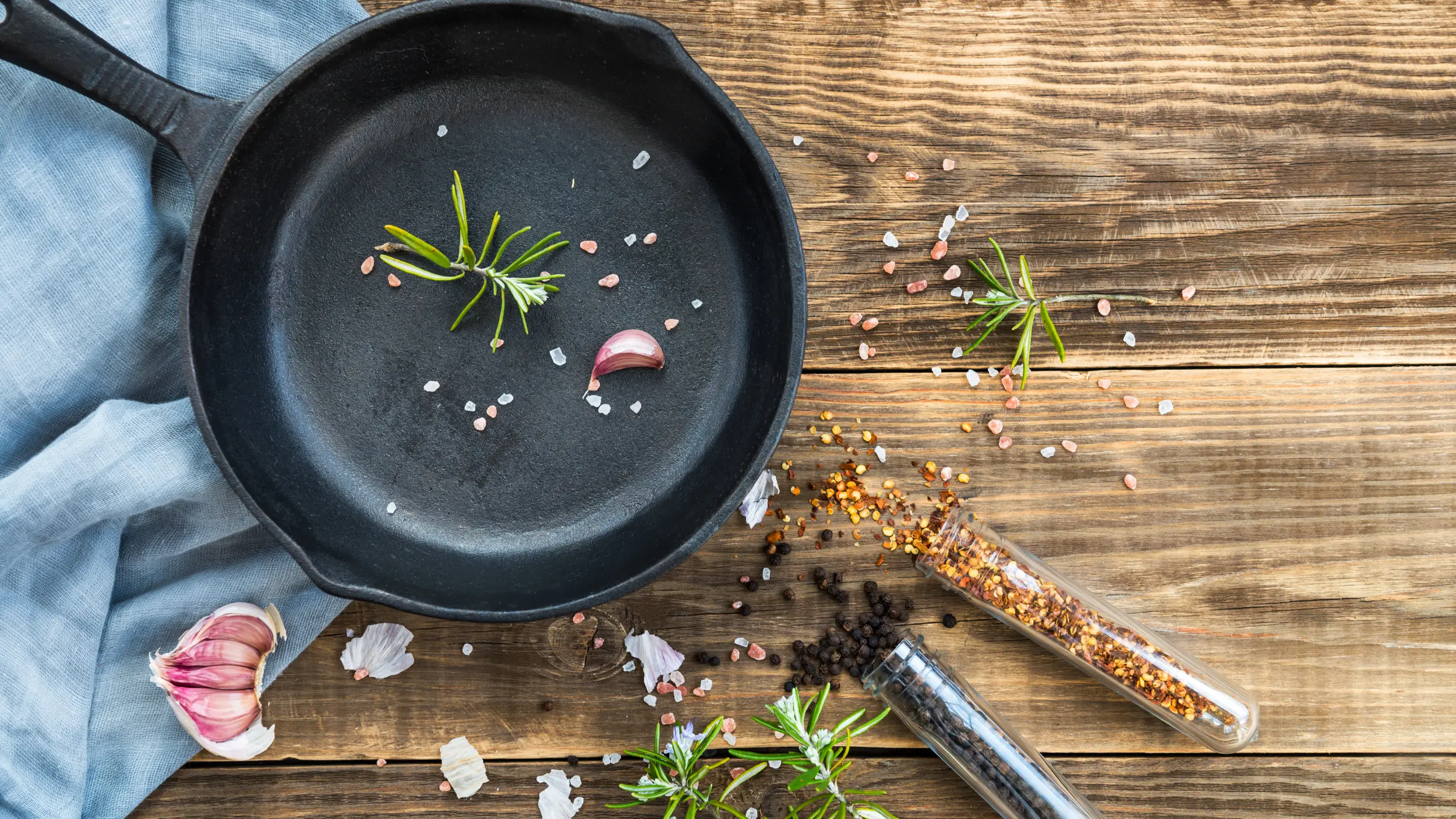
Cast iron has been safely used for centuries, and for good reason. Pure cast iron is simply iron—no coatings, no chemicals, just a solid metal that can last generations when properly maintained [2].
The cast iron pan benefits extend beyond safety:
- It actually adds trace amounts of dietary iron to your food, which can be beneficial for menstruating women at risk of iron deficiency.
- Once seasoned properly, it develops a natural non-stick surface through polymerized oil.
- It's virtually indestructible and improves with age.
The reality check: Cast iron requires seasoning and can't go in the dishwasher. It's also heavy and reactive with acidic foods until well-seasoned. But if you're willing to put in minimal maintenance, it's one of the best non-toxic cookware investments you'll make.
Enameled Cast Iron: Beauty Meets Function
Enameled cast iron takes traditional cast iron and coats it with a glass-based enamel, creating a smooth, non-reactive surface. Brands like Le Creuset and Staub have perfected this technique, and enameled cast iron safety is well-established [4].
Advantages include:
- No seasoning required
- Non-reactive with acidic ingredients
- Available in gorgeous colors that go from stove to table
- Exceptional heat retention for even cooking
The downside? Quality enameled cast iron is pricey, and the enamel coating can chip if you're not careful with metal utensils or extreme temperature changes.
Ceramic Cookware: Separating Fact from Fiction
When people ask about ceramic cookware pros and cons, there's often confusion about what "ceramic" actually means. True ceramic cookware is made entirely from clay and fired at high temperatures, while "ceramic-coated" pans are typically aluminum with a sol-gel ceramic coating.
Pure ceramic (100% clay-based):
- Completely non-toxic and free from PTFE and PFOA
- Naturally non-stick when properly used
- Can crack or chip with thermal shock
Ceramic-coated pans:
- Generally safe when new, but the coating degrades faster than traditional non-stick
- Performance decreases significantly after 6-12 months of regular use
- Unknown long-term effects of sol-gel nanoparticles at high heat
My honest take: If you go ceramic, invest in 100% ceramic cookware from reputable brands. The ceramic-coated options might seem like a budget-friendly alternative, but they don't last, and we simply don't have enough long-term safety data on degraded ceramic coatings.
Glass Cookware: Underrated and Overlooked
Glass cookware reviews often focus on baking dishes, but tempered glass can also be used for stovetop cooking in some cases. Borosilicate glass is completely inert, non-reactive, and allows you to see your food as it cooks [6].
Best uses:
- Oven-safe baking and roasting
- Stovetop use with specific brands designed for direct heat
- Food storage (doubles as prep and storage containers)
Limitations:
- Can shatter with extreme temperature changes
- Not ideal for high-heat searing
- Heavier than other options
Titanium: The Premium Option
Titanium cookware benefits include exceptional strength-to-weight ratio, complete non-reactivity, and resistance to corrosion. Pure titanium or titanium-reinforced cookware is becoming more available, though it remains expensive [7].
This material is ideal for backpackers and minimalists, but for everyday home cooking, the premium price point is hard to justify when stainless steel offers similar safety benefits.
Navigating Non-Toxic and Non-Stick Options
Let's address the elephant in the kitchen: traditional non-stick coatings. Understanding non-stick pan safety requires separating outdated information from current research and regulations.
The Truth About PTFE and PFOA
Traditional non-stick pans use polytetrafluoroethylene (PTFE), commonly known as Teflon. The controversy stems from PFOA (perfluorooctanoic acid), a chemical previously used in manufacturing PTFE that was linked to health concerns [8].
Here's what changed: As of 2013, major manufacturers eliminated PFOA from production. Modern PTFE cookware, when used properly (below 500°F), doesn't pose the same risks as older versions [9].
However—and this is important—PTFE coatings still break down at high temperatures, releasing fumes that can cause flu-like symptoms. They also degrade over time with scratching and wear, potentially introducing microplastics into your food.
For women focused on optimizing gut health, minimizing exposure to foreign particles and potential endocrine disruptors should be a priority. That's why I generally steer clients away from non-stick, even the "new and improved" versions.
Safer Non-Stick Alternatives
If you love the convenience of non-stick, consider these healthier alternatives:
Well-seasoned cast iron develops a natural non-stick surface through layers of polymerized fat. It requires maintenance but offers genuine non-stick properties without synthetic coatings.
Carbon steel pans work similarly to cast iron but are lighter and more responsive to temperature changes. They're a favorite among professional chefs and require the same seasoning process.
High-quality stainless steel with proper technique can be nearly non-stick when you preheat the pan, use adequate fat, and wait for the natural release (especially with proteins).
What About "Green" Non-Stick Coatings?
Several brands market themselves as eco-friendly or plant-based non-stick options. While these may be free from PTFE and PFOA, many use proprietary coatings with limited independent safety testing [10].
The absence of harmful chemicals is great, but without long-term data on how these coatings behave at high temperatures or as they degrade, I take a cautious approach. Stick with materials that have decades (or centuries) of safe use behind them.
Making Smart Choices for Everyday Cooking
Now that you understand the landscape, let's talk about building a practical, safe cookware collection that actually works for your lifestyle.
The Essential Safe Cookware Starter Set
You don't need fifteen pans. Here's what I recommend for a well-rounded, non-toxic kitchen:
- 10-inch stainless steel skillet for everyday sautéing, searing proteins, and deglazing
- 12-inch cast iron skillet for high-heat cooking, oven-to-table meals, and developing that perfect crust
- 3-quart stainless steel saucepan with lid for sauces, grains, and small-batch cooking
- 5-7 quart enameled cast iron Dutch oven for soups, stews, braises, and even bread baking
- Large stainless steel stockpot for bone broth, pasta, and batch cooking
This combination covers virtually every cooking technique while prioritizing the safest materials.
How to Identify Quality (and Avoid Greenwashing)
Not all "non-toxic" cookware lives up to the claim. Here's what to look for:
- Clear material disclosure: Reputable brands clearly state what their cookware is made from—no vague "proprietary coating" language
- Weight and construction: Quality stainless steel and cast iron have substantial weight; if it feels flimsy, it probably is
- Certifications: Look for NSF International certification or FDA compliance for food contact surfaces
- Manufacturer transparency: Companies confident in their safety profile provide detailed information about testing and materials sourcing
Red flags include marketing that relies heavily on what the product doesn't contain without clearly stating what it does contain, and prices that seem too good to be true (quality safe cookware is an investment).
Healthy Cooking Methods That Complement Safe Cookware
The safest pan in the world won't help if you're cooking in ways that create harmful compounds. Pairing your best non-toxic cookware with healthy cooking methods maximizes both nutrition and safety.
Opt for moderate heat whenever possible. High-heat cooking can create advanced glycation end products (AGEs) and polycyclic aromatic hydrocarbons (PAHs), compounds linked to inflammation and oxidative stress [11].
Gentle cooking techniques include:
- Steaming vegetables in stainless steel steamers to preserve water-soluble vitamins
- Slow-braising proteins in enameled cast iron at lower temperatures
- Sautéing with stable fats like ghee or avocado oil in properly preheated stainless steel
- Using glass or ceramic for oven-roasting at moderate temperatures
These approaches align beautifully with functional nutrition strategies for managing stress and energy, since they preserve nutrient density while minimizing inflammatory compound formation.
Caring for Your Investment
Proper maintenance extends the life of your cookware and preserves its safety profile:
For stainless steel: Use Bar Keeper's Friend for stubborn stains, avoid harsh abrasives, and dry thoroughly to prevent water spots. Occasional boiling of vinegar and water can remove calcium deposits.
For cast iron: Season regularly with thin layers of oil heated past the smoke point, avoid prolonged soaking, and store completely dry. A well-maintained cast iron pan improves over decades.
For enameled cast iron: Hand wash when possible, use wood or silicone utensils, and avoid temperature shocks (don't put a hot pan in cold water). The enamel is durable but not indestructible.
For ceramic: Allow to cool before washing, use gentle detergents, and avoid metal utensils. Never use cooking spray, which creates buildup that degrades non-stick properties.
When to Replace Cookware
Even the safest materials have a shelf life:
- Replace any pan with chipped, flaking, or scratched coatings immediately
- Retire stainless steel if the base warps significantly or rivets become loose
- Cast iron can be restored unless it has cracks or a completely rusted-through base
- Enameled pieces should be replaced if the enamel chips down to the raw iron, especially on cooking surfaces
Frequently Asked Questions
Q1: What's the biggest concern with conventional non-stick pans?
The primary concern is the breakdown of PTFE coatings at high temperatures (above 500°F), which releases toxic fumes that can cause polymer fume fever in humans and can be lethal to pet birds [12]. Additionally, as non-stick coatings degrade with scratching and wear, there's potential for ingesting coating particles. While modern non-stick pans no longer contain PFOA in the manufacturing process, they may still contain other PFAS (per- and polyfluoroalkyl substances) that persist in the environment and bioaccumulate in human tissue. These "forever chemicals" have been linked to hormonal disruption, immune system effects, and increased cancer risk. Even if you're careful about temperature and metal utensils, all non-stick coatings eventually degrade—it's just a matter of when.
Q2: Are ceramic pans really a safer alternative?
It depends on what type of ceramic you're discussing. 100% ceramic cookware made from fired clay is genuinely non-toxic and free from PTFE, PFOA, and heavy metals when purchased from reputable manufacturers. However, most affordable "ceramic" pans are actually aluminum cookware with a sol-gel ceramic coating. While these ceramic coatings are initially free from the chemicals found in traditional non-stick, they degrade much faster—often within a year of regular use [13]. As the coating breaks down, the non-stick properties disappear, and you're left with exposed aluminum underneath. There's also limited long-term research on the safety of degraded ceramic nanoparticle coatings. If you choose ceramic, invest in true ceramic cookware or treat ceramic-coated pans as temporary tools with a short lifespan, not long-term safe solutions.
Q3: What's the best all-around safest cookware material?
For most home cooks, high-quality stainless steel (18/10 grade) offers the best combination of safety, versatility, durability, and ease of maintenance. It's completely non-reactive, doesn't leach chemicals into food, tolerates high heat, works with all cooking methods, and lasts decades with basic care [14]. That said, the "best" cookware really depends on your cooking style and what you're making. I recommend a small collection: stainless steel for everyday cooking and acidic foods, cast iron for high-heat searing and oven use, and enameled cast iron for slow-cooking and braising. This trio covers all your bases while ensuring you're never compromising on safety. The key is avoiding materials with coatings that degrade or leach, and instead choosing solid, stable materials that have proven safe over time.
Ready to create a healthier kitchen environment that supports your wellness from the ground up? Your cookware choices matter, but they're just one piece of the puzzle. Let's work together to build a comprehensive approach to nutrition that addresses your unique needs—from the pans you cook in to the foods you prepare and how they support your hormones, energy, and long-term health.
Book your personalized nutrition consultation today!
References
[1] Kamerud KL, Hobbie KA, Anderson KA. Stainless steel leaches nickel and chromium into foods during cooking. Journal of Agricultural and Food Chemistry, 2013.
[2] Geerligs PDP, Brabin BJ, Omari AAA. Food prepared in iron cooking pots as an intervention for reducing iron deficiency anaemia in developing countries: a systematic review. Journal of Human Nutrition and Dietetics, 2003.
[3] Adish AA, Esrey SA, Gyorkos TW, Johns T. Risk of iron deficiency with traditional iron cookware in different food media. Food Chemistry, 1999.
[4] European Food Safety Authority. Scientific opinion on the safety assessment of the substance zinc oxide for use in food contact materials. EFSA Journal, 2016.
[5] Sairam S, Xu B, Cheang P, Khor KA. Influence of dopants on coating characteristics of sol–gel derived thin films on Ti6Al4V substrates. Journal of Materials Science: Materials in Medicine, 2004.
[6] Franz R, Welle F. Contamination levels in recollected PET bottles from non-food applications and their impact on the safety of recycled PET for food contact. Analytical and Bioanalytical Chemistry, 2008.
[7] Shemtov-Yona K, Rittel D. On the mechanical integrity of retrieved titanium dental implants. Journal of the Mechanical Behavior of Biomedical Materials, 2015.
[8] Steenland K, Fletcher T, Savitz DA. Epidemiologic evidence on the health effects of perfluorooctanoic acid (PFOA). Environmental Health Perspectives, 2010.
[9] U.S. Food and Drug Administration. Per- and Polyfluoroalkyl Substances (PFAS) in Food. FDA Food Safety, 2022.
[10] Domingo JL, Nadal M. Per- and polyfluoroalkyl substances (PFASs) in food and human dietary intake: A review of the recent scientific literature. Journal of Agricultural and Food Chemistry, 2017.
[11] Uribarri J, Woodruff S, Goodman S, et al. Advanced glycation end products in foods and a practical guide to their reduction in the diet. Journal of the American Dietetic Association, 2010.
[12] Agency for Toxic Substances and Disease Registry. Toxicological Profile for Perfluoroalkyls. U.S. Department of Health and Human Services, 2021.
[13] Bringas E, Konya Z, Hanley DF, et al. Sol-gel derived ceramic coatings: durability and food contact safety. Journal of Food Engineering, 2017.
[14] National Sanitation Foundation International. Food Equipment Materials: Safety and Compliance Standards. NSF International, 2023.
.svg)
.svg)


.jpg)
.jpg)





.webp)
























.webp)
.webp)
.webp)
.webp)
.webp)
.webp)
.png)
.webp)
.webp)
.webp)
.png)
.webp)
.webp)
.webp)
.webp)
.webp)
.webp)
.webp)
.webp)
.webp)


.webp)
.png)