.webp)

%2B(7).webp)
.png)
At a Glance
The restrict-binge cycle is a physiological and psychological response to food deprivation that traps many women in patterns of control and chaos. Weight-neutral satiety focuses on honoring hunger cues and fullness cues rather than manipulating body size. This evidence-based approach helps you cultivate food freedom, emotional resilience, and lasting peace with eating.
Understanding the "Why" Behind the Cycle
Let's talk about what's actually happening in your body when you restrict. Whether you're cutting calories, eliminating food groups, or just skipping meals because life got busy, your brain interprets restriction as a threat [1]. This isn't a character flaw—it's ancient survival wiring doing exactly what it was designed to do.
When you limit food intake, several biological mechanisms kick into high gear:
- Your body increases production of neuropeptide Y, a powerful appetite stimulant that drives you toward high-calorie foods [2]
- Leptin levels drop while ghrelin (your hunger hormone) spikes, creating an intense drive to eat [3]
- Your prefrontal cortex—the part of your brain responsible for rational decision-making—gets hijacked by primal survival instincts
The restrict-binge cycle isn't about willpower. It's your body's sophisticated response to perceived famine.
Diet culture adds another layer of complexity here. We're constantly bombarded with messages that certain bodies are "good" and others need fixing. This external pressure creates what researchers call "cognitive dietary restraint"—the mental act of trying to eat less than your body needs [4]. Even if you're eating adequate calories, the psychological restriction of labeling foods as forbidden can trigger the same binge response.
Many of my clients describe feeling like they have two versions of themselves: the "good" version who follows all the rules, and the "out of control" version who can't stop eating once they start. This splitting is a direct result of the cycle, not a personality trait. When you finally do eat restricted foods, your brain floods with dopamine and you experience temporary relief from the constant mental battle [5].
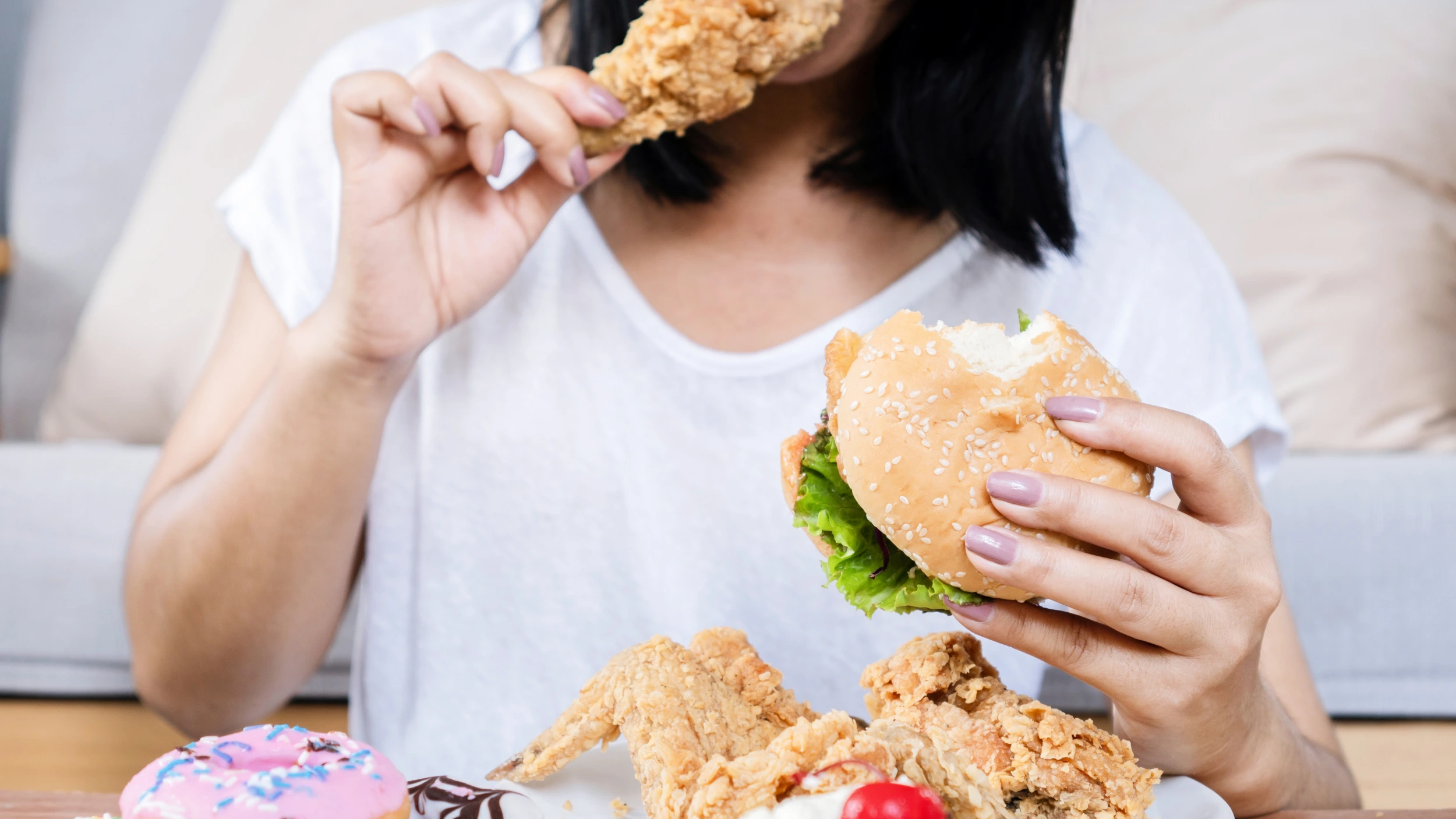
The aftermath? Shame, guilt, and a renewed commitment to restrict even harder next time. And the cycle continues.
Understanding that this pattern is biological first and behavioral second changes everything. You're not broken. Your body is functioning exactly as it should when faced with restriction. Managing stress and supporting your body's natural rhythms becomes essential when healing from this cycle.
Cultivating Weight-Neutral Satiety and Intuitive Eating
Here's where we flip the script entirely. Weight-neutral satiety means tuning into your body's internal signals for hunger and fullness without attaching those signals to a weight outcome. This is the foundation of intuitive eating—a framework that helps you rebuild trust with your body after years of override [6].
Recognizing Your Hunger Cues
True physical hunger shows up in distinct ways. You might notice stomach growling, difficulty concentrating, irritability, low energy, or slight lightheadedness. These are your body's gentle (and sometimes not-so-gentle) nudges that it needs fuel.
The challenge? Years of ignoring these signals can dull your awareness. If you've been following external rules about when and what to eat, you've likely overridden your hunger cues so consistently that they feel muted or confusing.
Start here: Check in with your body every 2-3 hours and rate your hunger on a scale of 1-10. No judgment, just observation. You're collecting data about your unique patterns.
Honoring Fullness Without Fear
Fullness cues are equally important but often ignored in diet culture, which celebrates eating as little as possible. Comfortable satiety means feeling energized, satisfied, and free from food thoughts for several hours. You're not stuffed, but you're genuinely content.
Practical strategies for mindful eating that enhance satiety:
- Eat without distractions for at least the first several bites—notice the temperature, texture, aroma, and flavor complexity
- Put your fork down between bites to create natural pauses
- Ask yourself mid-meal: "Am I still enjoying this? What does my body need right now?"
The sensory experience of food directly impacts satisfaction. When you eat quickly or while distracted, your brain doesn't register the full eating experience, leaving you feeling unsatisfied even when physically full [7]. This often triggers continued eating or cravings shortly after meals.
Building Mechanical Eating Skills
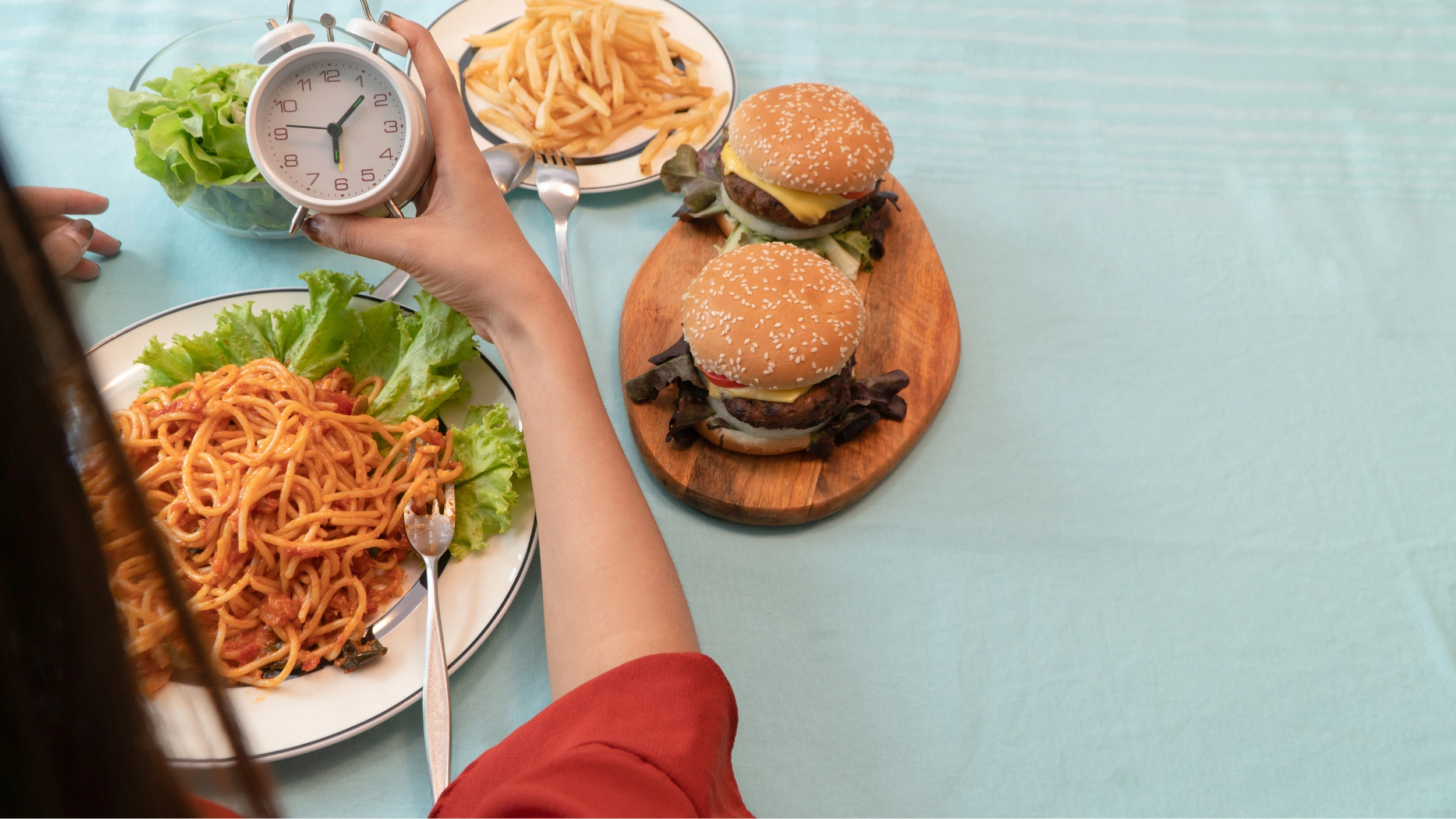
If your hunger cues are still quiet from chronic dieting, you might need a bridge approach. Mechanical eating means setting regular meal times (roughly every 3-4 hours) to ensure consistent nourishment while your internal signals recalibrate. This isn't another diet rule—it's scaffolding that prevents the extreme hunger that triggers binges.
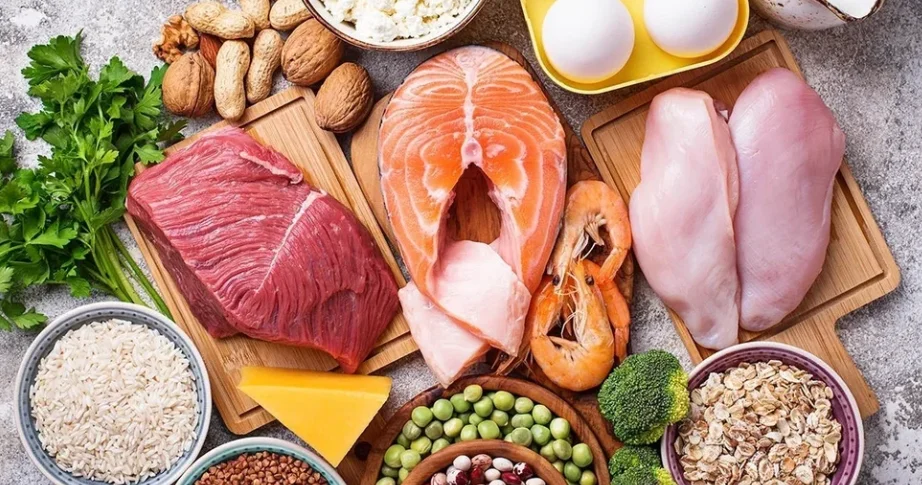
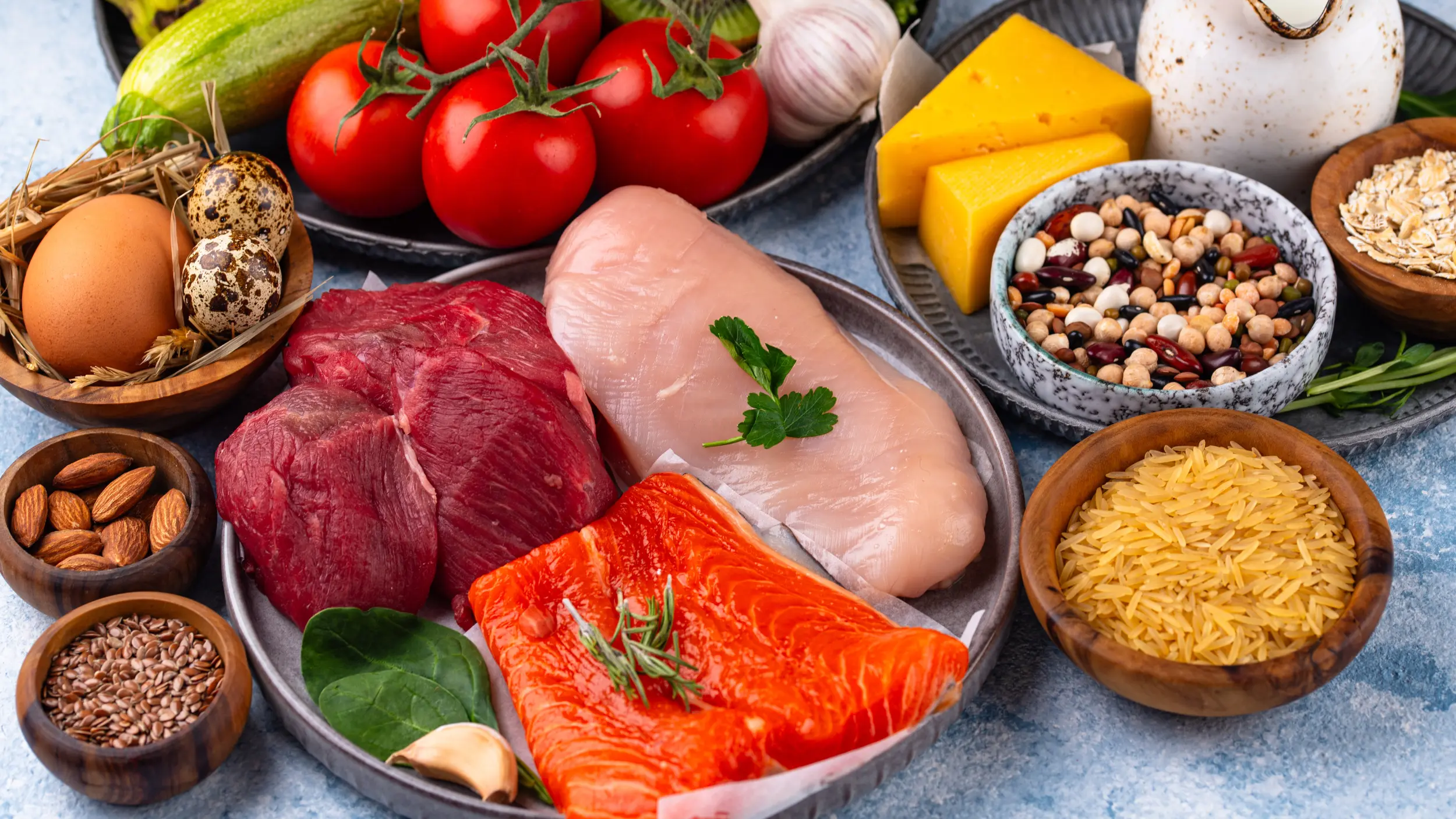
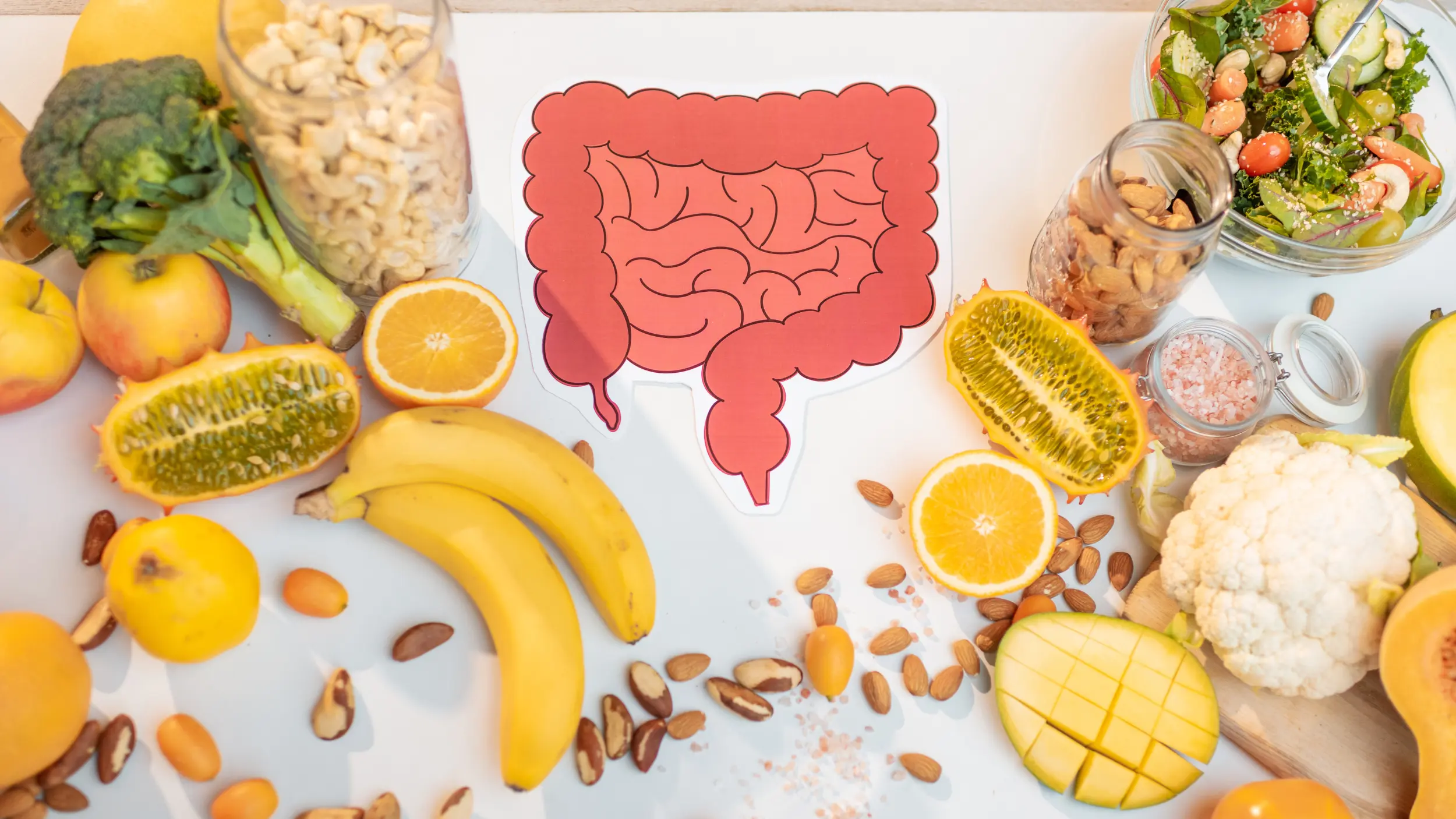
Balance your plates with a variety of macronutrients. Protein, fat, and fiber all contribute to satiety through different mechanisms [8]. Carbohydrates provide quick energy and satisfaction. You need all of it. Supporting your gut health also plays a crucial role in hunger hormone regulation and overall satiety signaling.
The Weight-Neutral Foundation
This approach asks you to temporarily put weight concerns aside—not forever, but long enough to heal your relationship with food. Research consistently shows that weight-neutral interventions reduce binge eating frequency and improve psychological well-being without the metabolic adaptation that occurs with restrictive dieting [9].
Body respect means caring for your body now, not waiting until it looks a certain way. This includes nourishing it adequately, moving it in ways that feel good, resting when needed, and speaking to yourself with compassion.
Practical Tools for Emotional Eating and Food Freedom
Let's address the elephant in the room: sometimes you eat when you're not physically hungry. And that's completely human. Food serves many purposes beyond physical nourishment—it's comfort, celebration, connection, and tradition.
The goal isn't to never eat emotionally. The goal is to expand your coping toolkit so food isn't your only option.
Distinguishing Physical Hunger from Emotional Cravings
Physical hunger:
- Builds gradually over time
- Opens you to a variety of foods
- Stops when you're comfortably full
- Doesn't trigger guilt or shame
Emotional cravings:
- Come on suddenly and feel urgent
- Focus on specific foods (often those you've restricted)
- Persist even after physical fullness
- Often followed by negative self-talk
Neither is wrong or bad. They're just different needs requiring different responses.
Self-Compassion as a Clinical Intervention
Self-compassion isn't fluffy—it's evidence-based medicine. Studies show that women who practice self-compassion have significantly reduced binge eating episodes compared to those who engage in self-criticism [10]. When you respond to a binge with harsh judgment, you actually increase cortisol and stress hormones, which perpetuates the cycle.
Try this reframe: Instead of "I have no control," practice "I'm learning to meet my needs in new ways." Instead of "I ruined everything," try "This is information about what my body or emotions needed in that moment."
Building Your Emotional Resilience Toolkit
Create a personalized menu of coping strategies that address the root emotion:
- For anxiety: Box breathing (4 counts in, 4 hold, 4 out, 4 hold), progressive muscle relaxation, or calling a friend
- For sadness: Journaling, taking a warm shower, watching something that makes you laugh, or allowing yourself to cry
- For boredom: Engaging in a hobby, going for a walk, texting someone you haven't connected with lately
- For loneliness: Reaching out for connection, joining an online community, spending time in public spaces
The trick is having these identified before the emotion hits. When you're in the middle of overwhelm, it's hard to think creatively.
Challenging Diet Culture Narratives
You're swimming in diet culture messaging every single day—it's in your social feeds, your family gatherings, your doctor's office, and your own internal voice. Part of achieving food freedom means actively challenging these narratives.
When you notice a diet culture thought ("I shouldn't eat carbs after 6pm"), get curious: Where did I learn this? Is there actual science supporting it? Does following this rule improve my quality of life?
Often the answer is no. These arbitrary rules create the restriction that feeds the cycle.
Rebuilding Trust Takes Time
I won't lie to you—healing from the restrict-binge cycle isn't linear. Some days you'll feel completely in tune with your body. Other days you'll eat past fullness or find yourself restricting again. This doesn't mean you're failing. It means you're human, and you're unlearning years of conditioning.
Food freedom is the ability to eat flexibly—sometimes for hunger, sometimes for pleasure, sometimes for emotion—without it derailing your mental health or consuming your thoughts. It's eating the cookie and moving on with your day. It's missing a meal because life happened and not panicking. It's trusting that your body can handle variety and change.
Balancing your hormones naturally can also support stable moods and reduced cravings as you work through emotional eating patterns.
Frequently Asked Questions
What are the signs I'm stuck in the restrict-binge cycle?
You might be in the cycle if you notice these patterns: following strict food rules during the day but losing control at night, labeling yourself as "good" or "bad" based on what you ate, feeling terrified of certain foods, experiencing intense guilt after eating, constantly thinking about your next meal or what you should avoid, or swinging between "on the wagon" and "off the wagon" mentality. Physical signs include irregular hunger cues, digestive distress, fatigue, and difficulty concentrating.
How can I start eating intuitively if I'm afraid of gaining weight?
This fear is completely valid and extremely common. Here's the truth: your body may change during intuitive eating, or it may not. Some women gain weight initially as their bodies recover from restriction, while others lose weight as binge eating decreases. Many stay roughly the same. What research shows is that weight stabilizes at your body's natural set point when you consistently honor hunger and fullness without restriction [11].
The real question is: what's the alternative? Continuing the cycle means staying in physical and emotional distress. Intuitive eating offers freedom, improved metabolic health, better body image, and reduced anxiety around food—regardless of weight outcome. Consider working with a weight-neutral dietitian who can support you through the fear while you rebuild trust with your body.
What's the difference between hunger and emotional craving?
Physical hunger is your body's biological need for energy and nutrients. It builds gradually, creates physical sensations (stomach emptiness, low energy, difficulty focusing), and can be satisfied by a variety of foods. Once you've eaten adequately, physical hunger subsides.
Emotional cravings stem from psychological needs—comfort, distraction, soothing, celebration, or rebellion against restriction. They typically come on suddenly, focus on specific foods (especially those you've forbidden), and don't resolve with eating because the underlying emotion remains unaddressed. You might still feel the urge to eat even when physically full.
Both are valid experiences. The goal is expanding your awareness so you can choose your response consciously rather than automatically.
Ready to stop the exhausting cycle and find actual peace with food? You deserve support from someone who understands the nuance of this work. Book a session at www.usevedic.com to create your personalized plan for weight-neutral satiety and lasting well-being.
References
[1] Polivy J, Herman CP. Dieting and binging: A causal analysis. American Psychologist, 1985.
[2] Mittelman-Smith MA, Williams H, Krajewski-Hall SJ, et al. Role for kisspeptin/neurokinin B/dynorphin (KNDy) neurons in cutaneous vasodilatation and the estrogen modulation of body temperature. Proceedings of the National Academy of Sciences, 2012.
[3] Sumithran P, Prendergast LA, Delbridge E, et al. Long-term persistence of hormonal adaptations to weight loss. New England Journal of Medicine, 2011.
[4] Stice E, Davis K, Miller NP, Marti CN. Fasting increases risk for onset of binge eating and bulimic pathology: a 5-year prospective study. Journal of Abnormal Psychology, 2008.
[5] Avena NM, Rada P, Hoebel BG. Evidence for sugar addiction: behavioral and neurochemical effects of intermittent, excessive sugar intake. Neuroscience & Biobehavioral Reviews, 2008.
[6] Tribole E, Resch E. Intuitive Eating: A Revolutionary Anti-Diet Approach. St. Martin's Press, 2020.
[7] Robinson E, Aveyard P, Daley A, et al. Eating attentively: a systematic review and meta-analysis of the effect of food intake memory and awareness on eating. American Journal of Clinical Nutrition, 2013.
[8] Blundell J, de Graaf C, Hulshof T, et al. Appetite control: methodological aspects of the evaluation of foods. Obesity Reviews, 2010.
[9] Schaefer JT, Magnuson AB. A review of interventions that promote eating by internal cues. Journal of the Academy of Nutrition and Dietetics, 2014.
[10] Braun TD, Park CL, Gorin A. Self-compassion, body image, and disordered eating: A review of the literature. Body Image, 2016.
[11] Van Dyke N, Drinkwater EJ. Review article: Relationships between intuitive eating and health indicators: literature review. Public Health Nutrition, 2014.
.svg)
.svg)

















.webp)
.webp)
.webp)
.webp)

.webp)

.webp)
.webp)
.webp)

.webp)

.webp)
.webp)
.webp)
.webp)

.webp)