.webp)
.webp)
%2B(7).webp)
.png)
At a Glance
Microplastics in food are tiny plastic particles that have infiltrated our food supply through packaging, processing, and environmental contamination. While research is still emerging, these particles may disrupt hormones, trigger inflammation, and accumulate in our bodies over time. The good news? Simple dietary swaps and mindful choices can significantly reduce your exposure starting today.
Understanding Microplastics in Our Diet
Let me be straight with you: microplastics are showing up in places we never expected. These are plastic fragments smaller than 5 millimeters that have broken down from larger plastic products, and they're now detected in approximately 90% of table salt samples worldwide [1].
What Exactly Are Dietary Microplastics?
They come in two forms:
- Primary microplastics are intentionally manufactured small (like microbeads that were once in face scrubs)
- Secondary microplastics result from larger plastic items breaking down over time through sun exposure, heat, and mechanical wear
The microplastic pollution we're seeing today stems from decades of plastic production, and our food supply has become a major exposure route [2].
The Health Effects We're Watching Closely
Here's where my clinical radar goes up. While we're still building the evidence base, current research suggests several concerning patterns:
- Endocrine disruption – Chemicals within plastics can interfere with your hormone signaling, which is especially relevant for women in reproductive years [3]. If you're already working on hormone balance through diet, reducing plastic exposure is a natural extension.
- Inflammatory responses – Studies show microplastics may trigger low-grade inflammation in the gut lining [4]. This matters because chronic inflammation underlies so many health concerns we see in practice.
- Potential bioaccumulation – Unlike some toxins your body can metabolize and excrete, microplastics may accumulate in tissues over time [5].
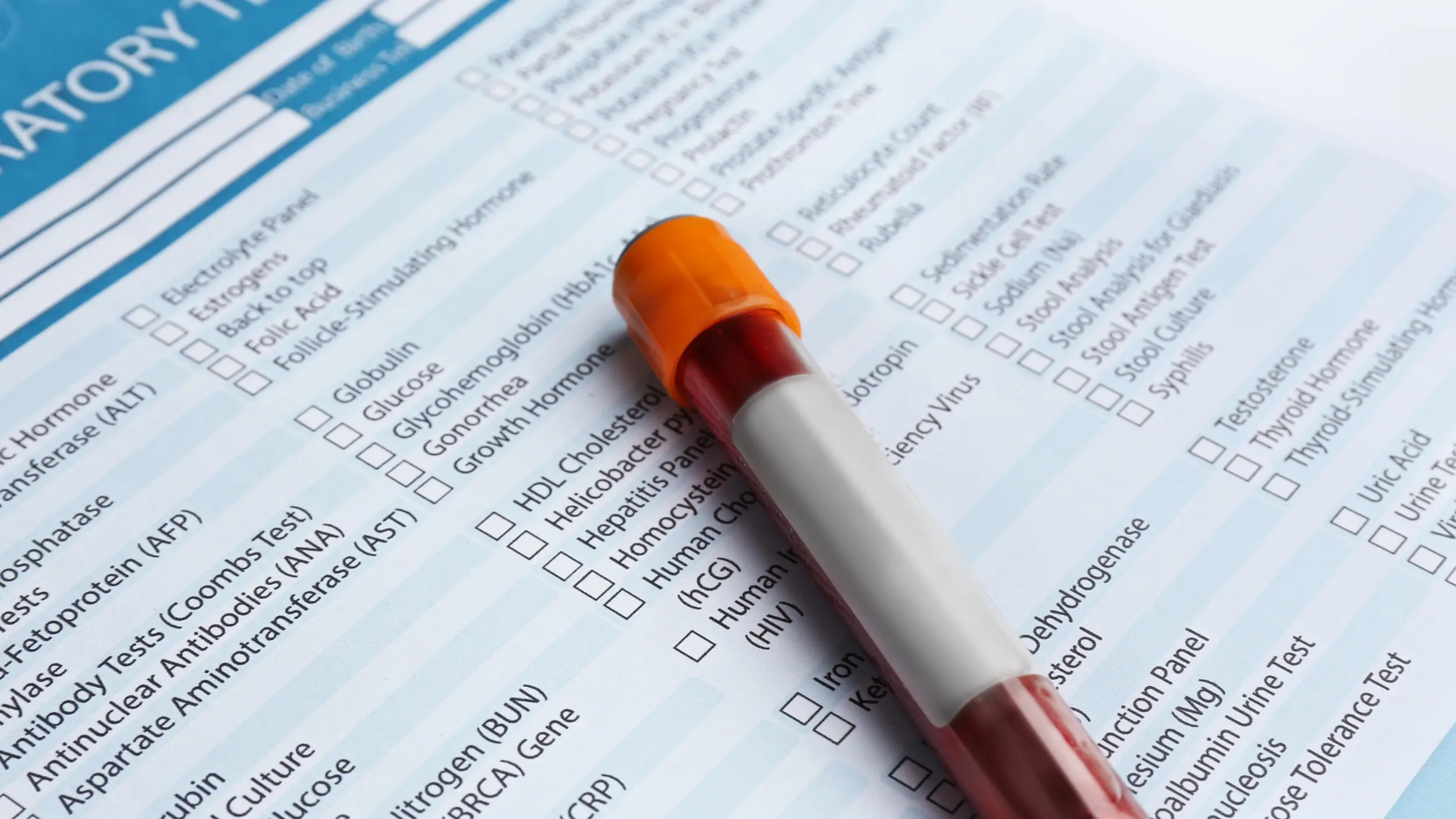
The reality? We're all carrying some level of microplastic burden. One 2024 study detected microplastics in human blood samples, with particles found in nearly 80% of participants tested [6].
Where These Particles Hide in Your Food
Sources of microplastics in food are more widespread than most people realize. Let me break down the main culprits:
Seafood sits at the top of the list. Fish and shellfish ingest microplastics from ocean water, and when we eat them whole (think: mussels, oysters, small fish), we're consuming those particles too [7]. Microplastics in seafood aren't just a coastal issue—even freshwater fish show contamination.
Your drinking water matters immensely. Research consistently finds microplastics in water, with bottled water showing significantly higher contamination than filtered tap water [8]. That convenient plastic bottle? It's likely contributing microplastics with every sip, especially if it's been sitting in a hot car.
Table salt is another sneaky source. The microplastics in salt come primarily from ocean contamination, with sea salt showing higher levels than rock salt [1].
Beyond these big three, plastic contamination shows up in:
- Honey (likely from airborne particles settling during processing)
- Beer and other beverages stored in plastic
- Tea bags made with plastic fibers
- Food stored or heated in plastic containers
Practical Steps to Reduce Your Microplastic Intake
Alright, let's talk solutions. I'm all about actionable changes that actually fit into your real life. Reducing microplastic intake doesn't require a complete lifestyle overhaul—it's about strategic swaps and smarter habits.
Kitchen Swaps That Actually Make a Difference
Start where you have the most control: your kitchen.
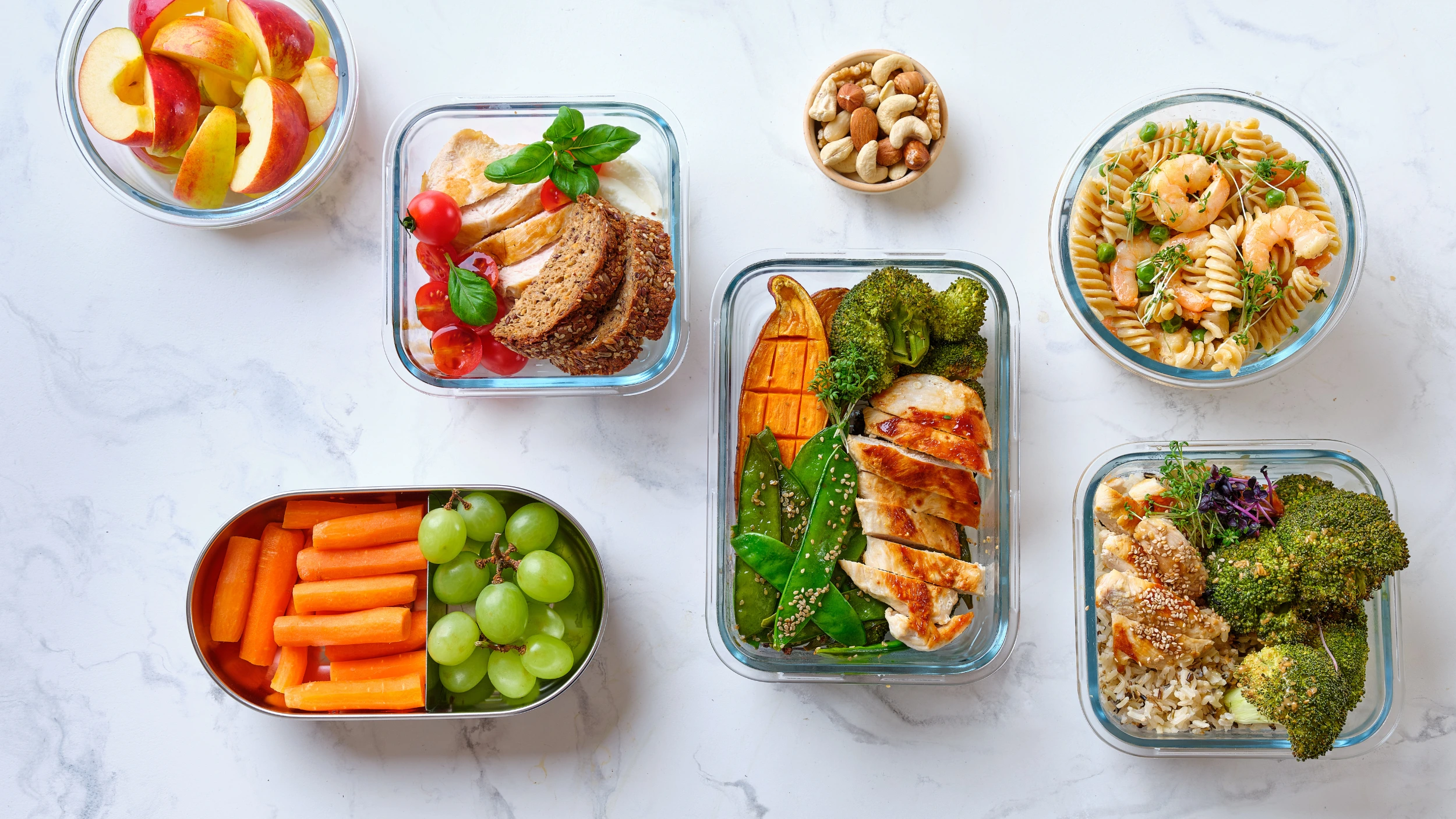
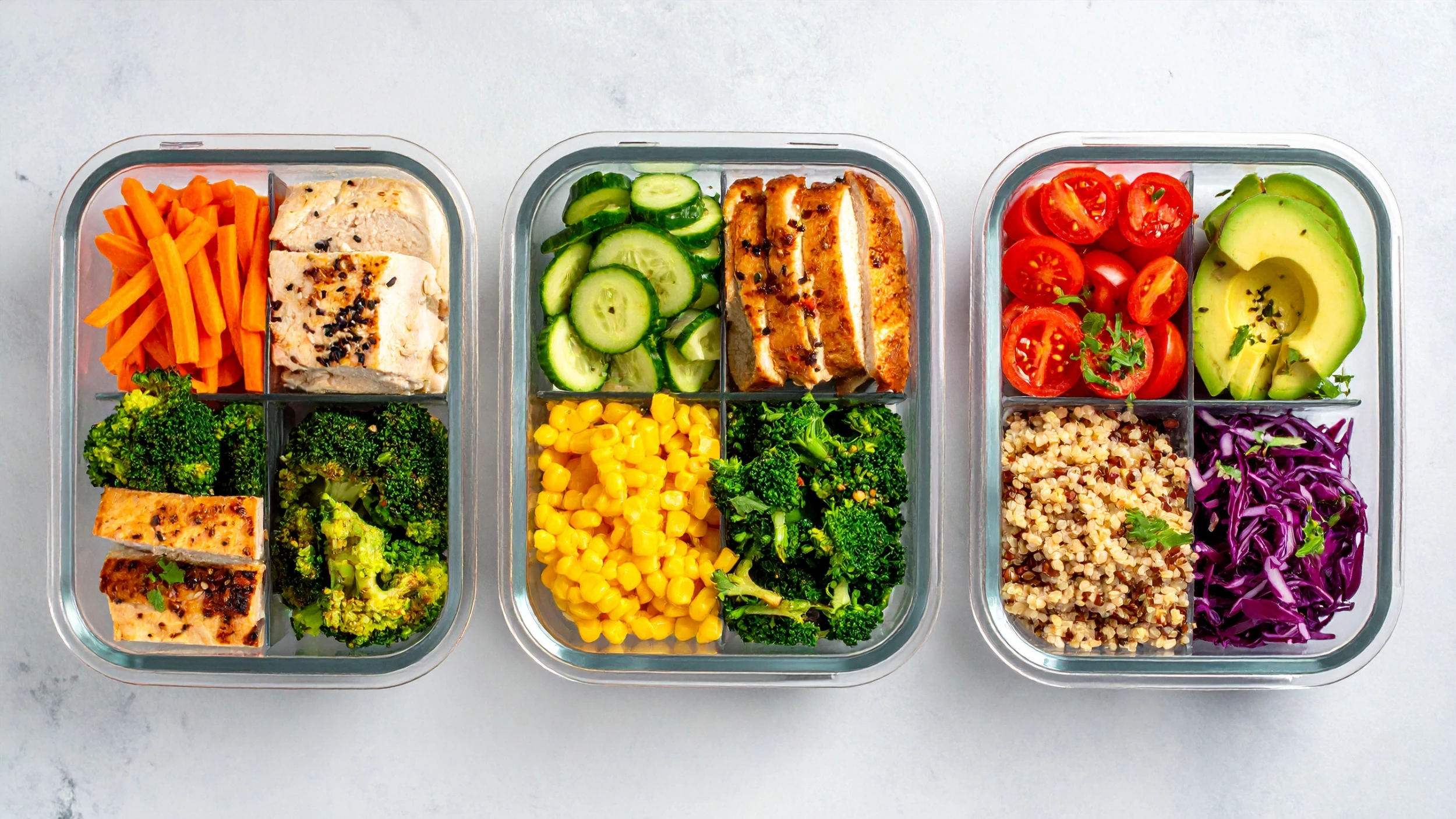
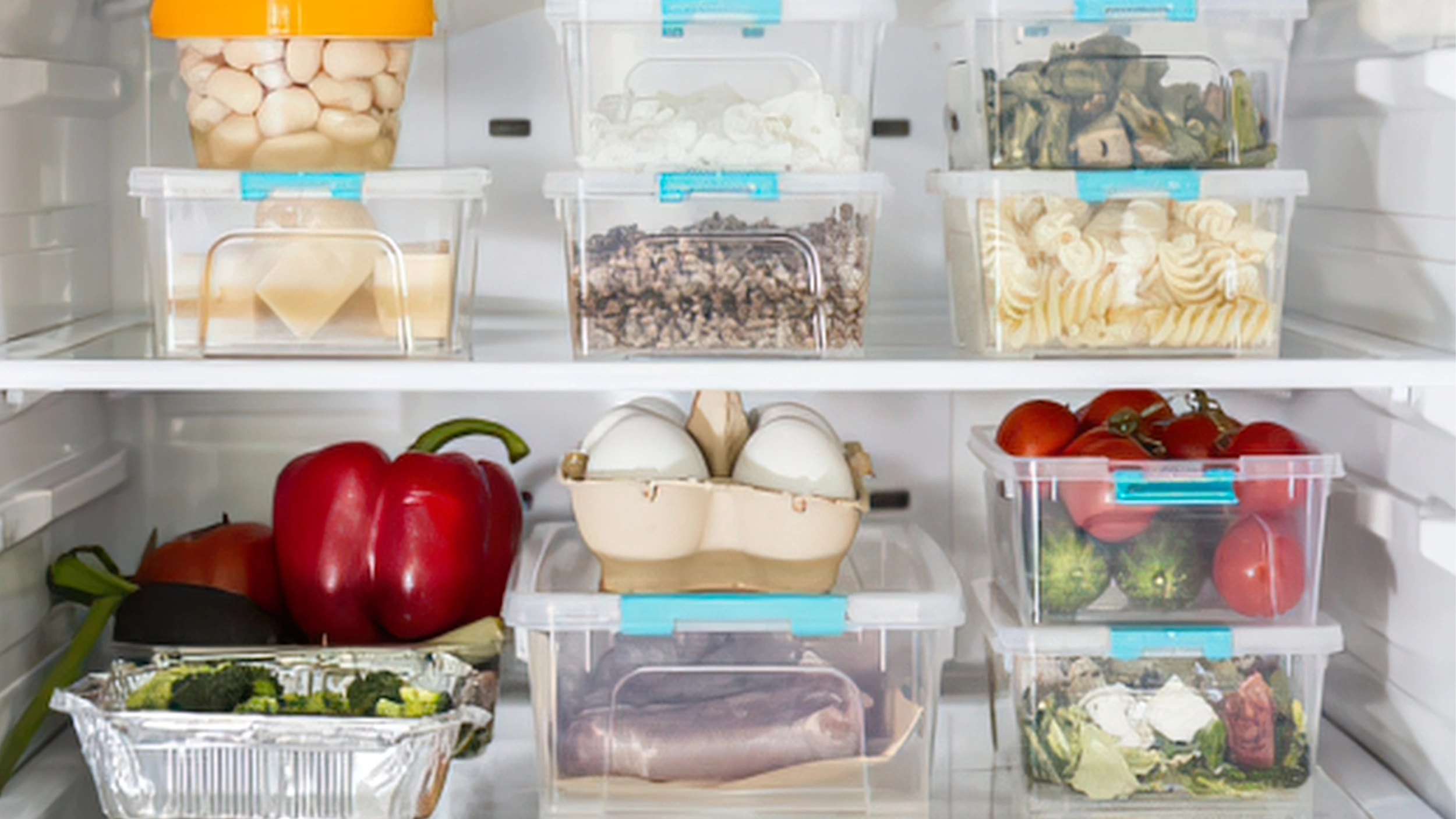
Glass and stainless steel are your new best friends. Replace plastic food storage containers with glass alternatives, especially for anything acidic (tomato sauce, citrus, vinegar-based dressings). Acidic foods can leach more plastic particles from containers [9].
Never microwave food in plastic containers. Heat accelerates the migration of plastic particles into your food exponentially. Even "microwave-safe" plastic releases particles when heated [10]. Transfer leftovers to glass or ceramic before reheating.
Choose loose-leaf tea over bagged varieties. Many tea bags contain plastic fibers that release billions of microplastic particles when steeped in hot water [11]. A simple stainless steel infuser solves this completely.
Water Filtration: Your Daily Defense
Given that we need to drink water throughout the day, avoiding microplastics here has outsized impact.
- Install a reverse osmosis or activated carbon filter for your drinking water—both systems effectively reduce microplastic content [12]
- Ditch single-use plastic bottles entirely; carry a stainless steel or glass water bottle
- If you must buy bottled water, choose glass bottles and store them away from heat
Shopping Strategies for Lower Exposure
Your grocery choices create ripple effects. Here's how to navigate the store with microplastic reduction in mind:
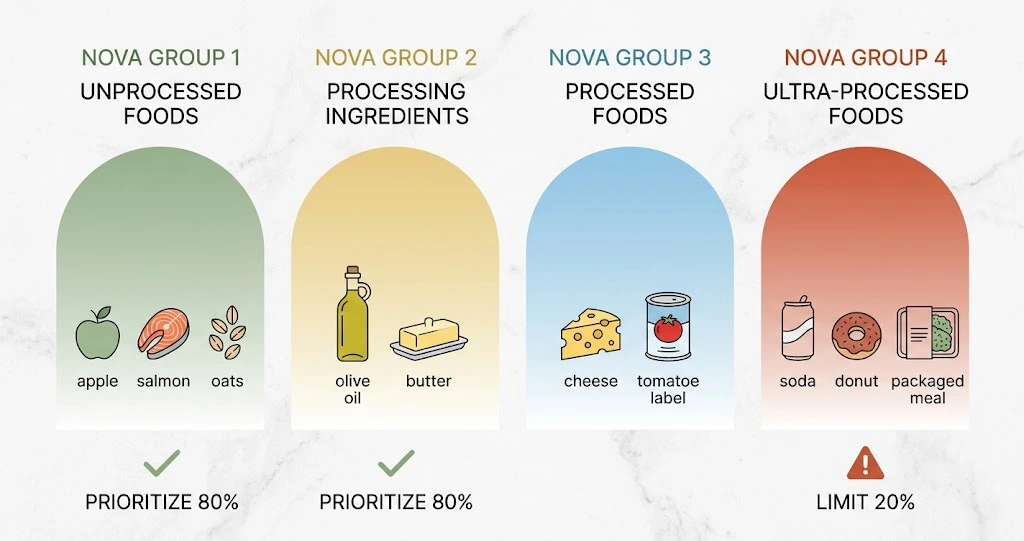
- Prioritize fresh, whole foods over heavily packaged processed items. The more processing and packaging, the higher the potential exposure.
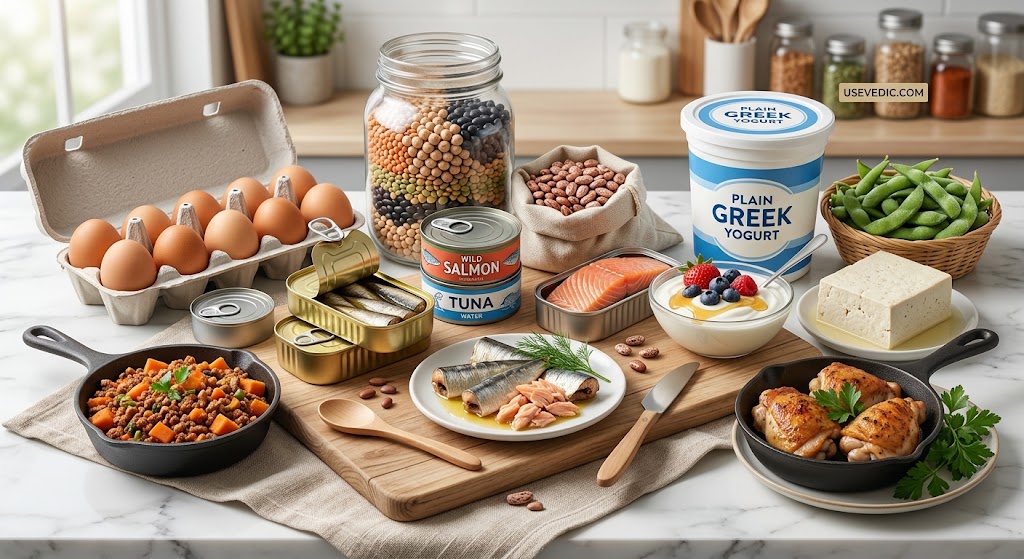
- Select smaller fish species when choosing seafood. Sardines, anchovies, and wild-caught salmon tend to have lower contamination than larger predatory fish, plus they offer better omega-3 profiles [13].
- Buy in bulk using your own containers when possible. Many stores now allow customers to bring reusable bags and jars for dry goods.
- Choose Himalayan pink salt or mined rock salt instead of sea salt to minimize microplastic intake from this source [1].
Look for products in glass jars, paper packaging, or aluminum cans rather than plastic when you have the option. Yes, it costs slightly more sometimes, but you're investing in long-term health.
Cooking Methods Matter
How you prepare food influences your exposure too.
- Use wooden, silicone, or stainless steel utensils instead of plastic while cooking
- Avoid non-stick cookware with damaged coatings, which can release plastic-like particles
- Skip plastic cutting boards for food prep, especially when working with hot foods
Building Healthy Habits in a Plastic World
Let's be honest: we can't eliminate every single microplastic from our lives, and driving yourself crazy trying isn't productive. What we can do is build sustainable habits that reduce exposure while supporting your body's natural detoxification systems.
Focus on What You Can Control
The 80/20 principle applies beautifully here. Focus your energy on the highest-impact changes:
- Your home environment is where you have maximum control. Prioritize plastic reduction in your kitchen, dining, and food storage practices.
- Your water source affects every beverage you drink and much of the food you cook. Investing in quality filtration pays dividends.
- Your purchasing power sends market signals. Every time you choose glass over plastic, you're voting with your wallet.
Support Your Body's Natural Defenses
While we work to reduce incoming microplastics, we can simultaneously support the body systems that help process environmental toxins.
Gut health is foundational here. A diverse, thriving microbiome supports your intestinal barrier function and may help mitigate inflammatory responses to foreign particles [14]. If you're looking to optimize gut health, you're already doing double duty—supporting both digestive wellness and resilience against environmental exposures.
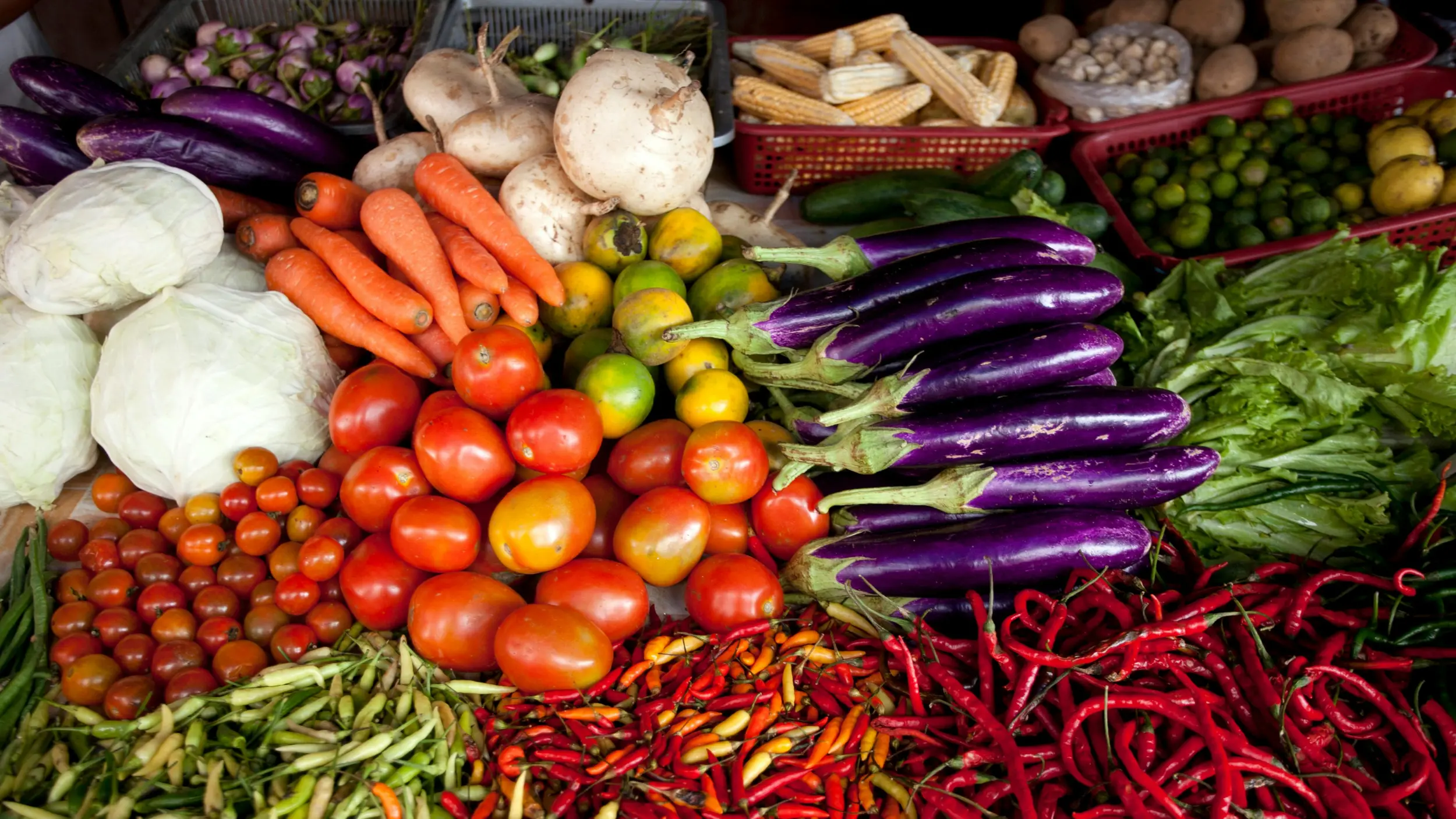
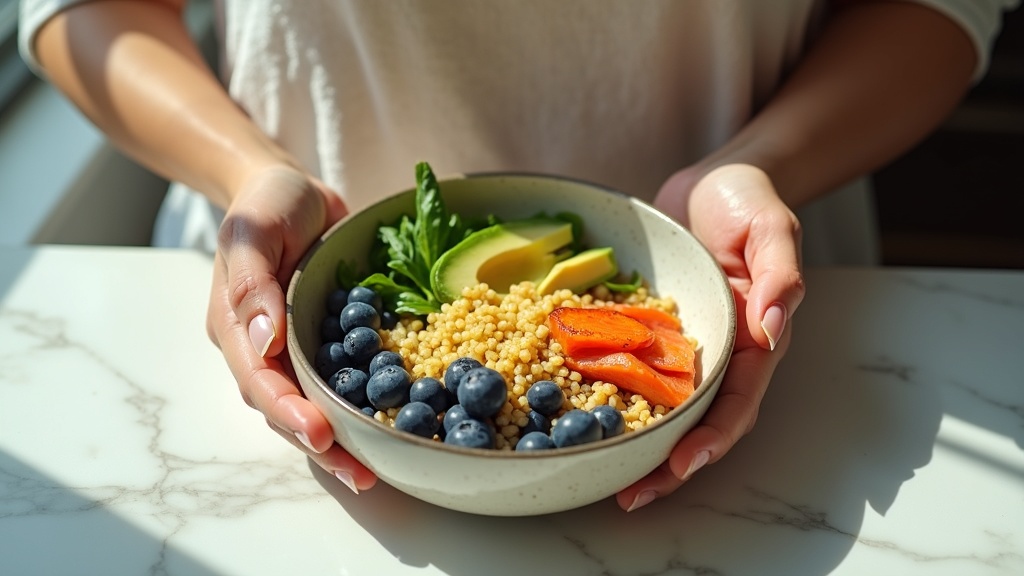
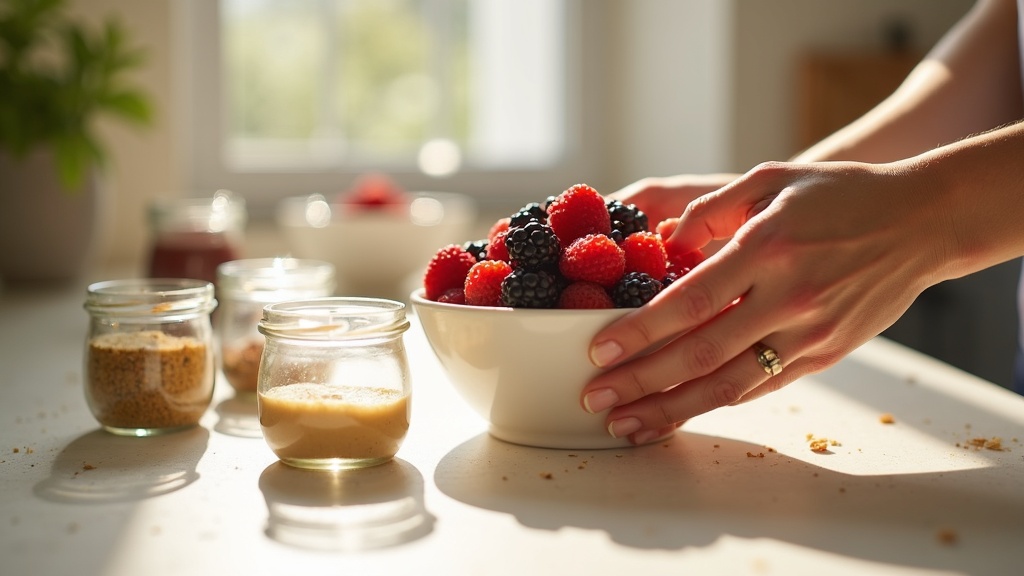
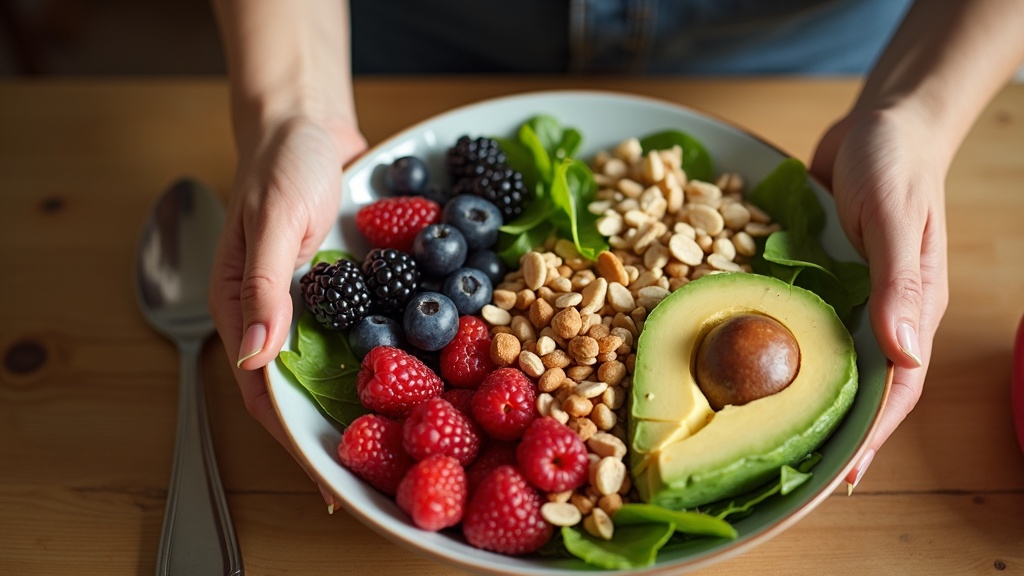
Eat the rainbow. Colorful plant foods provide antioxidants and phytonutrients that combat oxidative stress and inflammation. Think berries, leafy greens, cruciferous vegetables, and deeply pigmented produce.
Adequate fiber intake (25-35 grams daily for most women) supports regular elimination, which is one pathway the body uses to excrete what it can [15].
Practice Mindful, Not Stressful, Awareness
Here's something I tell my clients regularly: chronic stress is also inflammatory. If worrying about microplastics is spiking your cortisol daily, we need to recalibrate.
Make changes incrementally. Maybe this month you switch to filtered water and glass storage. Next month you tackle tea bags and cooking utensils. Slow, consistent progress beats anxious perfection every time.
Remember that your overall dietary pattern matters enormously. A nutrient-dense, anti-inflammatory diet built on whole foods will always serve you better than a processed-food diet eaten from glass containers. Context matters.
If you're dealing with chronic stress alongside environmental concerns, understanding how functional nutrition supports stress and energy can help you address multiple health priorities simultaneously.
Small Shifts, Big Impact
The changes you make today create compounding benefits over time. When you reduce your microplastic intake, you're also likely:
- Eating more whole foods and fewer ultra-processed items
- Drinking more filtered water and fewer sugary beverages
- Cooking at home more often
- Building greater awareness of what you're putting in your body
These habits cascade into broader health improvements that extend far beyond just plastic exposure. That's the beautiful thing about nutrition interventions—they rarely exist in isolation.
Frequently Asked Questions
What are the main health risks associated with eating microplastics?
The primary concerns center on endocrine disruption, chronic inflammation, and potential accumulation in tissues over time [3][4]. Plastics contain additives like phthalates and bisphenols that can interfere with hormone function, which is particularly relevant for women's reproductive health, metabolism, and thyroid function. We're also watching emerging research on microplastics' potential effects on gut barrier integrity and metabolic health. While we don't yet have decades of human studies, the precautionary principle suggests minimizing exposure makes sense.
What foods are most likely to contain microplastics?
Seafood—especially shellfish and small fish consumed whole—consistently shows the highest contamination levels [7]. Table salt, particularly sea salt, is another major source [1]. Bottled water contains significantly more microplastics than filtered tap water [8]. Beyond these, any food stored, processed, or heated in plastic packaging can pick up particles. Honey, beer, and bagged tea also show detectable levels in testing.
How can I easily reduce my daily microplastic consumption?
Start with three high-impact changes: First, filter your drinking water and stop buying bottled water in plastic. Second, never heat food in plastic containers—switch to glass or ceramic for storage and reheating. Third, replace plastic food storage containers with glass or stainless steel alternatives, especially for acidic foods. These three shifts alone can dramatically reduce your daily exposure. From there, choose loose-leaf tea, buy fresh whole foods over heavily packaged processed items, and opt for products in glass or paper packaging when available.
Ready to take control of your health with personalized nutrition guidance? Understanding how to protect yourself from environmental exposures is just one piece of building optimal wellness. If you're looking for individualized support to address your unique health goals—whether that's hormone balance, gut health, energy optimization, or navigating the overwhelm of conflicting nutrition advice—I'm here to help. Book a personalized consultation today, and let's create a nutrition plan tailored specifically to your body, your lifestyle, and your goals.
References
[1] Kim JS, Lee HJ, Kim SK, Kim HJ. Global Pattern of Microplastics in Salt: A Systematic Review and Meta-Analysis. Environmental Science & Technology, 2018.
[2] Smith M, Love DC, Rochman CM, Neff RA. Microplastics in Seafood and the Implications for Human Health. Current Environmental Health Reports, 2018.
[3] Campanale C, Massarelli C, Savino I, Locaputo V, Uricchio VF. A Detailed Review Study on Potential Effects of Microplastics and Additives of Concern on Human Health. International Journal of Environmental Research and Public Health, 2020.
[4] Fournier SB, D'Errico JN, Adler DS, Kollontzi S, Goedken MJ, Fabris L, Yuya PA, Stapleton PA. Nanopolystyrene Translocation and Fetal Deposition After Acute Lung Exposure During Late-Stage Pregnancy. Particle and Fibre Toxicology, 2020.
[5] Ragusa A, Svelato A, Santacroce C, Catalano P, Notarstefano V, Carnevali O, Papa F, Rongioletti MCA, Baiocco F, Draghi S, D'Amore E, Rinaldo D, Matta M, Giorgini E. Plasticenta: First Evidence of Microplastics in Human Placenta. Environment International, 2021.
[6] Leslie HA, van Velzen MJM, Brandsma SH, Vethaak AD, Garcia-Vallejo JJ, Lamoree MH. Discovery and Quantification of Plastic Particle Pollution in Human Blood. Environment International, 2022.
[7] Barboza LGA, Dick Vethaak A, Lavorante BRBO, Lundebye AK, Guilhermino L. Marine Microplastic Debris: An Emerging Issue for Food Security, Food Safety and Human Health. Marine Pollution Bulletin, 2018.
[8] Mason SA, Welch VG, Neratko J. Synthetic Polymer Contamination in Bottled Water. PLOS ONE, 2018.
[9] Nerín C, Aznar M, Carrizo D. Food Contamination During Food Process. Analytical and Bioanalytical Chemistry, 2016.
[10] Zimmermann L, Dierkes G, Ternes TA, Völker C, Wagner M. Benchmarking the in Vitro Toxicity and Chemical Composition of Plastic Consumer Products. Environmental Science & Technology, 2019.
[11] Hernandez LM, Xu EG, Larsson HCE, Tahara R, Maisuria VB, Tufenkji N. Plastic Teabags Release Billions of Microplastics and Nanoparticles into Tea. Environmental Science & Technology, 2019.
[12] Pivokonsky M, Cermakova L, Novotna K, Peer P, Cajthaml T, Janda V. Occurrence of Microplastics in Raw and Treated Drinking Water. Science of The Total Environment, 2018.
[13] Akhbarizadeh R, Moore F, Keshavarzi B. Investigating a Probable Relationship Between Microplastics and Potentially Toxic Elements in Fish Muscles from Northeast of Persian Gulf. Environmental Pollution, 2018.
[14] Tan H, Yue T, Xu Y, Zhao J, Gibson GR, Zhang H, Chen W. Microplastics Reduce Net Energy Gain of Marine Fish by Disrupting the Mitochondrial Electron Transport Chain. mSystems, 2022.
[15] Reynolds A, Mann J, Cummings J, Winter N, Mete E, Te Morenga L. Carbohydrate Quality and Human Health: A Series of Systematic Reviews and Meta-Analyses. The Lancet, 2019.
.svg)
.svg)


.jpg)
.jpg)







.webp)























.webp)
.webp)
.webp)
.webp)
.webp)
.webp)
.png)
.webp)
.webp)
.webp)
.png)
.webp)
.webp)
.webp)
.webp)
.webp)
.webp)
.webp)
.webp)
.webp)


.webp)
.png)