.webp)

%2B(7).webp)
.png)
At a Glance
Your dinner plate might be the missing piece in your quest for quality rest. Sleep nutrition—the strategic use of specific foods and nutrients to support your circadian rhythm—offers a science-backed path to deeper, more restorative nights. This guide unpacks the biological mechanisms behind diet and sleep, delivers actionable food recommendations, and shows you how to build a personalized eating pattern that works with your body's natural sleep-wake cycle.
Feeling tired even after a full night's rest? It might be time to explore the powerful connection between what you eat and how well you sleep. As your dietitian, I'm here to guide you through the fascinating world of sleep nutrition and how it can transform your nights and days.
Here's the truth: poor sleep isn't always about screen time or stress alone. The foods you choose throughout the day directly influence your body's production of sleep-regulating hormones like melatonin and serotonin [1]. When you understand this nutrition and sleep connection, you gain a tangible tool to reclaim both your nights and your energy levels.
Nourishing Your Body for Restful Nights
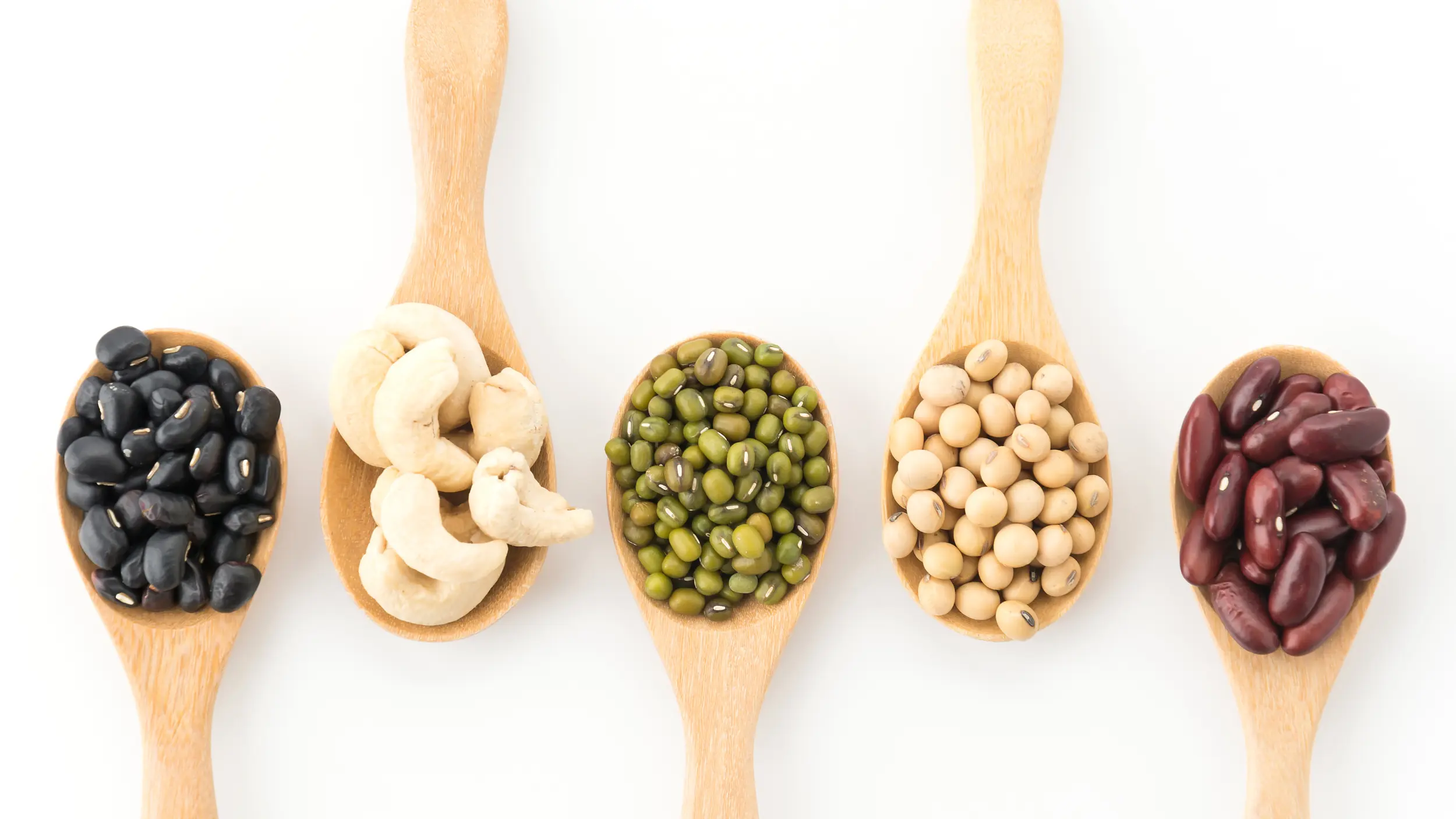
Your brain needs specific raw materials to manufacture the neurotransmitters that regulate sleep. Tryptophan, an essential amino acid found in protein-rich foods, serves as the precursor to serotonin, which then converts to melatonin—your primary sleep hormone [2]. But here's where it gets interesting: tryptophan can't work alone.
Complex carbohydrates play a supporting role by triggering insulin release, which helps clear competing amino acids from your bloodstream and allows tryptophan better access to your brain [3]. This is why the sleep diet isn't about cutting carbs entirely—it's about choosing the right carbs at the right times.
Key nutrients for sleep include:
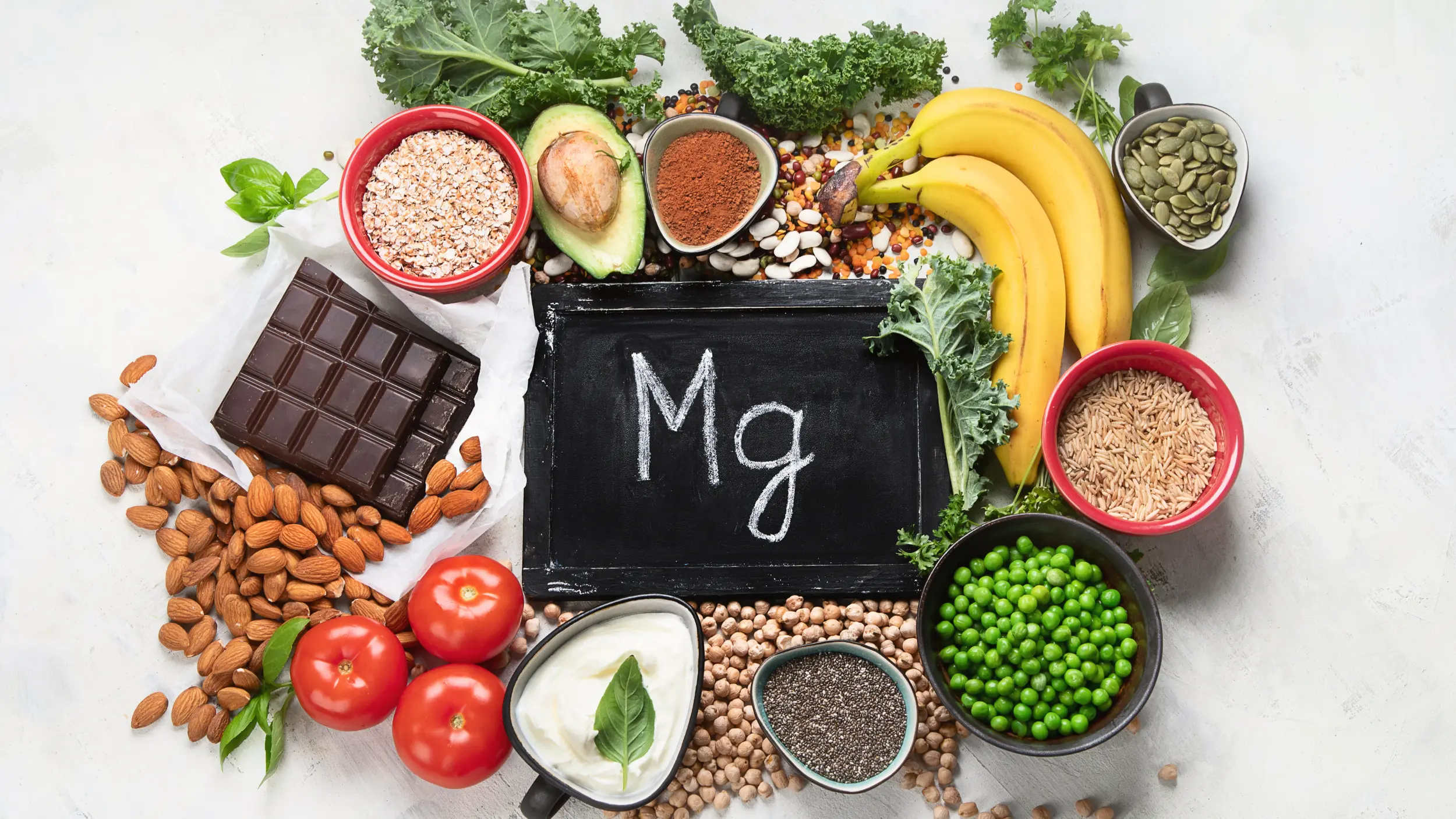
- Magnesium — This mineral regulates GABA receptors in your brain, promoting relaxation and reducing the time it takes to fall asleep [4]. Women between 24-45 often fall short on magnesium due to hormonal fluctuations and dietary gaps.
- Vitamin B6 — Essential for converting tryptophan into serotonin, B6 deficiency has been linked to increased sleep disturbances [5].
- Omega-3 fatty acids — DHA, in particular, supports melatonin secretion and has been associated with longer sleep duration and better sleep quality [6].
When you prioritize sleep-promoting foods rich in these nutrients, you're not just eating for today's energy—you're investing in tonight's recovery. And if you're dealing with hormonal imbalances that affect sleep, understanding hormone balance through nutrition can offer additional support.
Foods That Help You Sleep Soundly
Let's get practical. You don't need exotic superfoods or expensive supplements to support better sleep. The best foods for sleep are likely already in your kitchen—or easily accessible at your local grocery store.
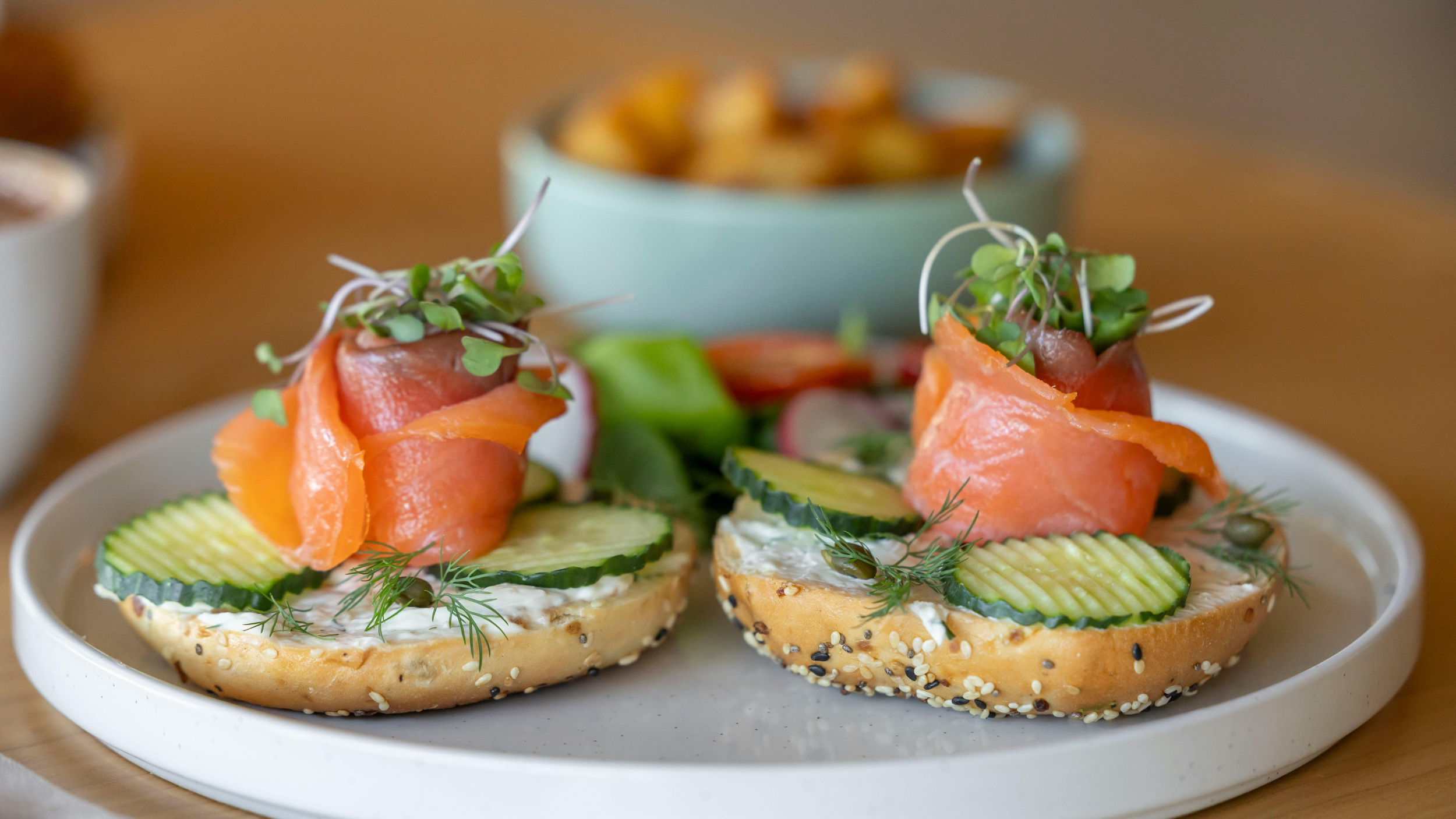
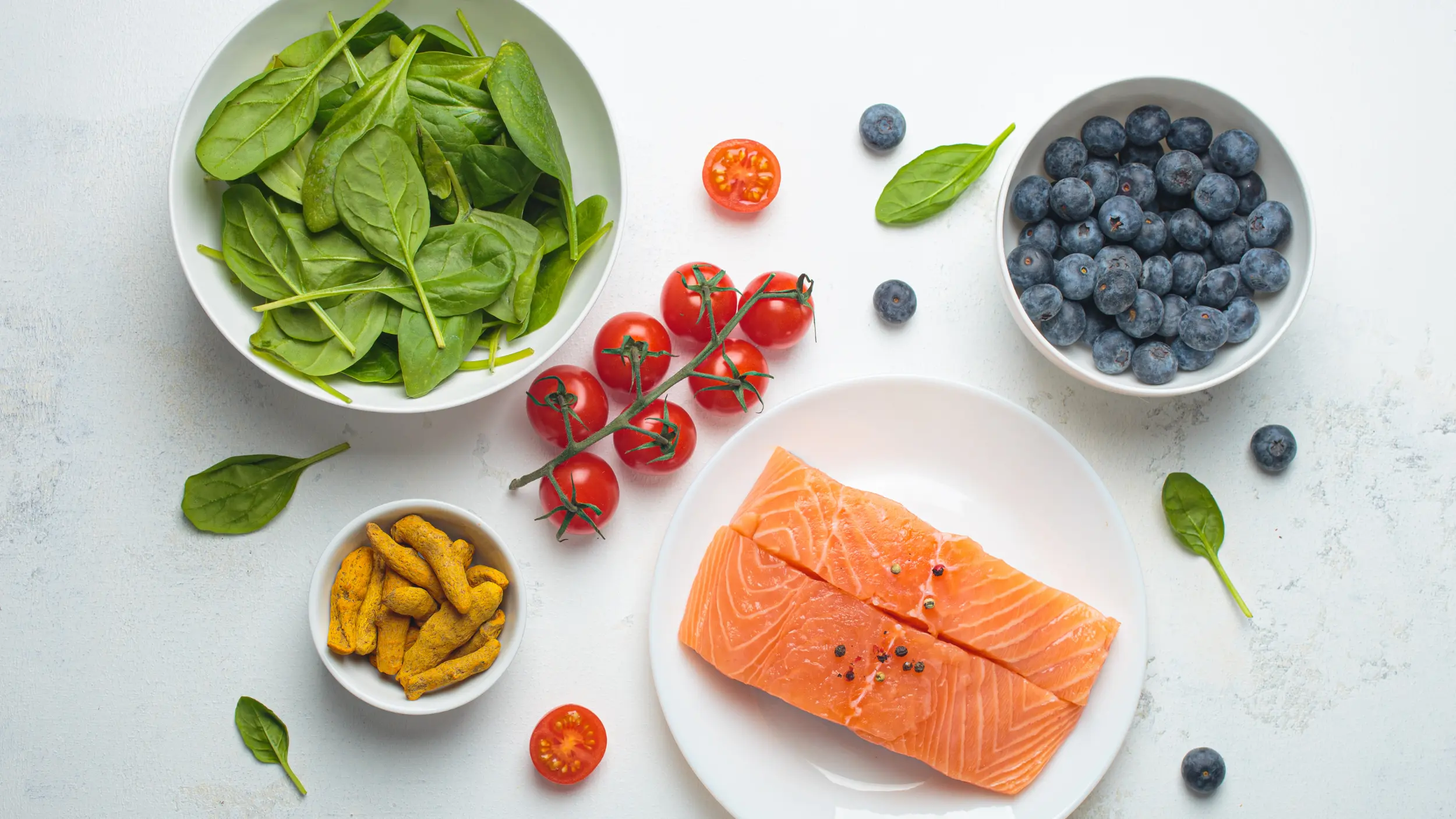
Fatty fish like salmon, mackerel, and sardines
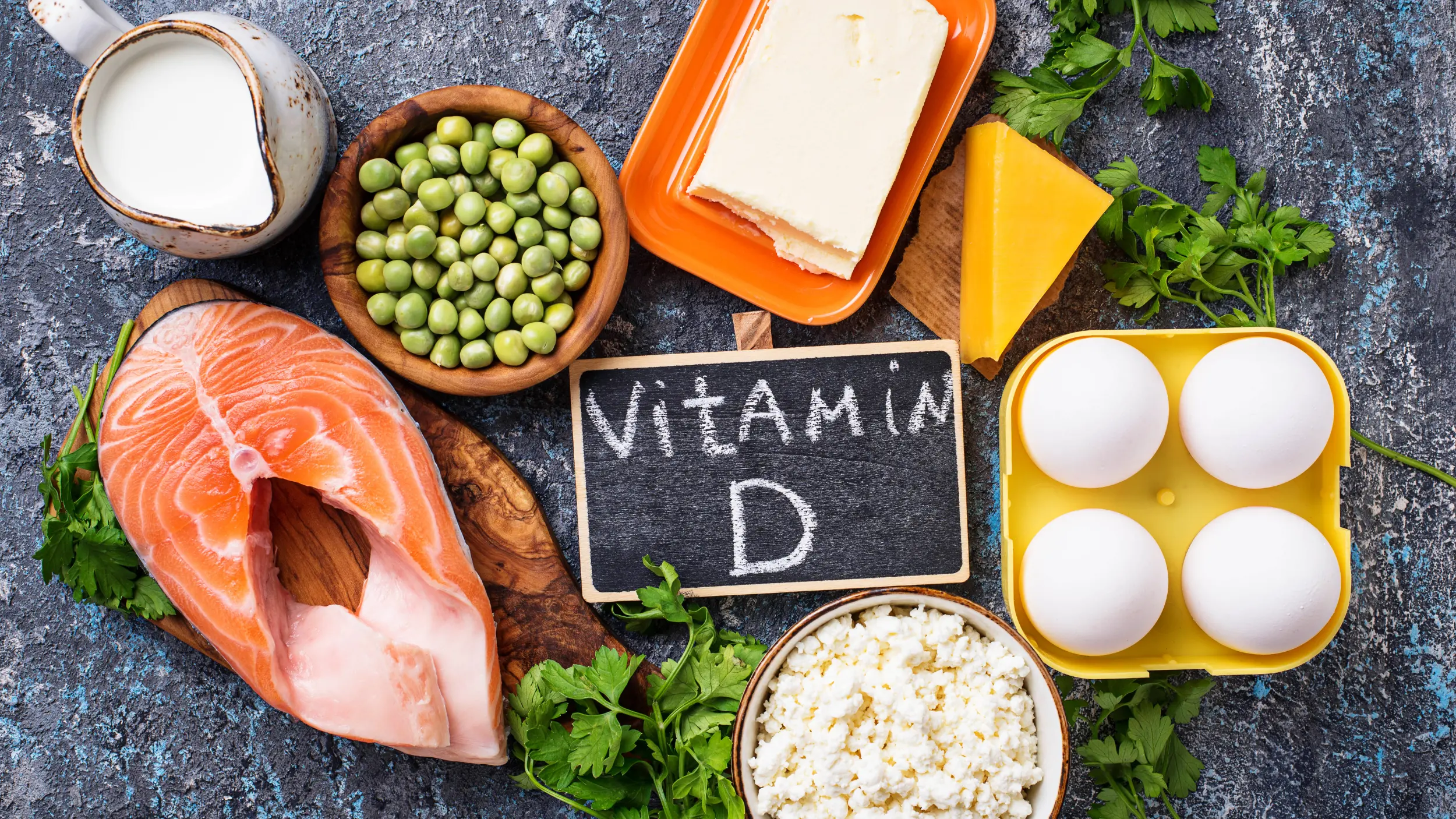
These provide both vitamin D and omega-3 fatty acids, a combination that has been shown to increase serotonin production and improve sleep quality [7]. Aim for 2-3 servings per week, prioritizing dinner to maximize sleep benefits.
Tart cherry juice
One of the few natural food sources of melatonin, tart cherries also contain anti-inflammatory compounds that may extend sleep duration [8]. A small glass (about 8 ounces) consumed 1-2 hours before bed can be particularly effective.
Kiwi fruit
Research shows that eating two kiwis one hour before bedtime for four weeks improved sleep onset, duration, and quality [9]. The mechanism likely involves high serotonin and antioxidant content.
Additional sleep food stars:
- Almonds and walnuts — packed with magnesium and melatonin
- Chamomile tea — contains apigenin, an antioxidant that binds to specific brain receptors promoting sleepiness [10]
- Turkey and chicken — excellent tryptophan sources when paired with complex carbs
- Oats — contain melatonin and complex carbohydrates that facilitate tryptophan transport
- Bananas — rich in potassium and magnesium, which help relax muscles and nerves
What about timing? Eating your largest meal too close to bedtime can interfere with sleep by increasing core body temperature and causing digestive discomfort [11]. I recommend finishing dinner 2-3 hours before bed, with a small, strategic snack if needed.
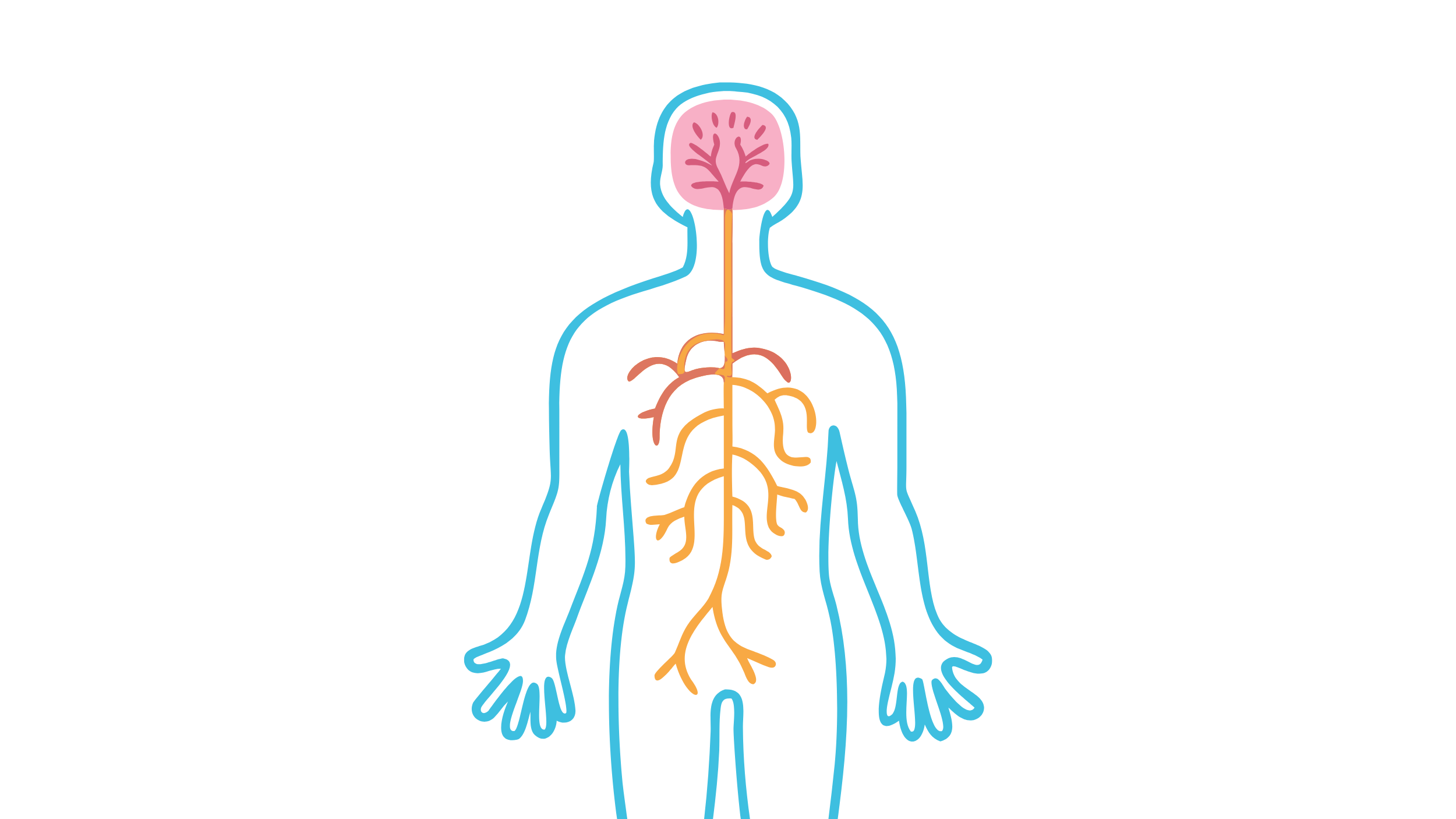
Your gut health also plays a surprising role here. The gut-brain axis influences neurotransmitter production, and an imbalanced microbiome can disrupt sleep patterns [12]. If you're experiencing both sleep and digestive issues, exploring strategies to optimize your gut microbiome might offer dual benefits.
Creating Your Personalized Sleep-Enhancing Diet
You've seen the research and the food lists—now let's build a realistic framework that fits your life. This isn't about obsessing over every bite or following rigid meal plans. It's about establishing patterns that consistently support both your overall health and your sleep quality.
Morning foundation
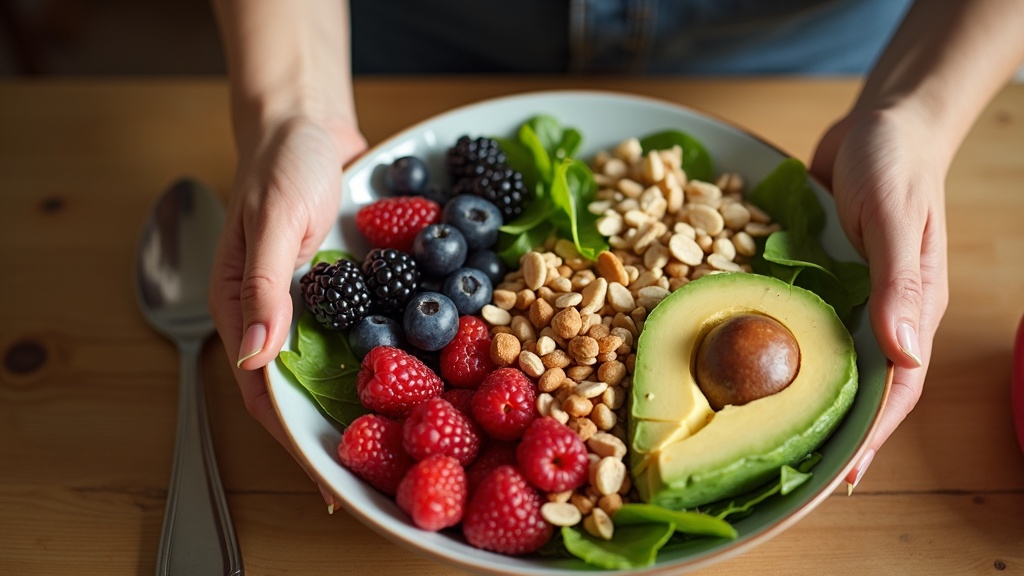
Start with protein-rich breakfasts that stabilize blood sugar throughout the day. Chronic blood sugar swings can trigger cortisol spikes that interfere with your natural sleep-wake rhythm [13]. Think Greek yogurt with berries and nuts, eggs with whole grain toast, or a smoothie with protein powder, spinach, and chia seeds.
Afternoon strategy
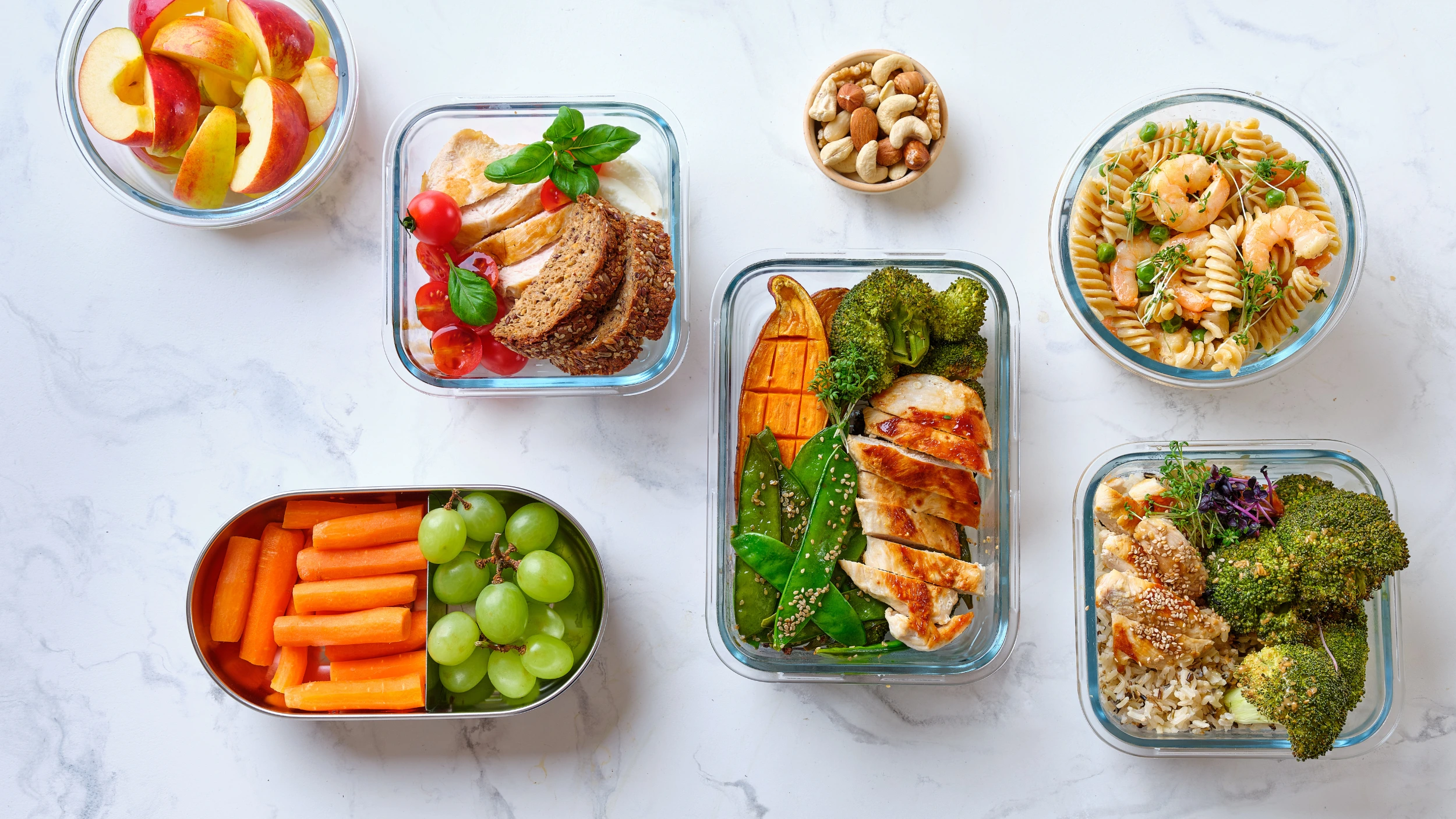
This is when many women reach for caffeine to combat the post-lunch slump. While moderate caffeine (up to 400mg daily) is generally safe, consuming it after 2 PM can significantly reduce total sleep time and sleep efficiency [14]. Switch to herbal teas or have a small protein-carb snack instead—apple slices with almond butter or hummus with vegetables.
Evening optimization
Your dinner should include:
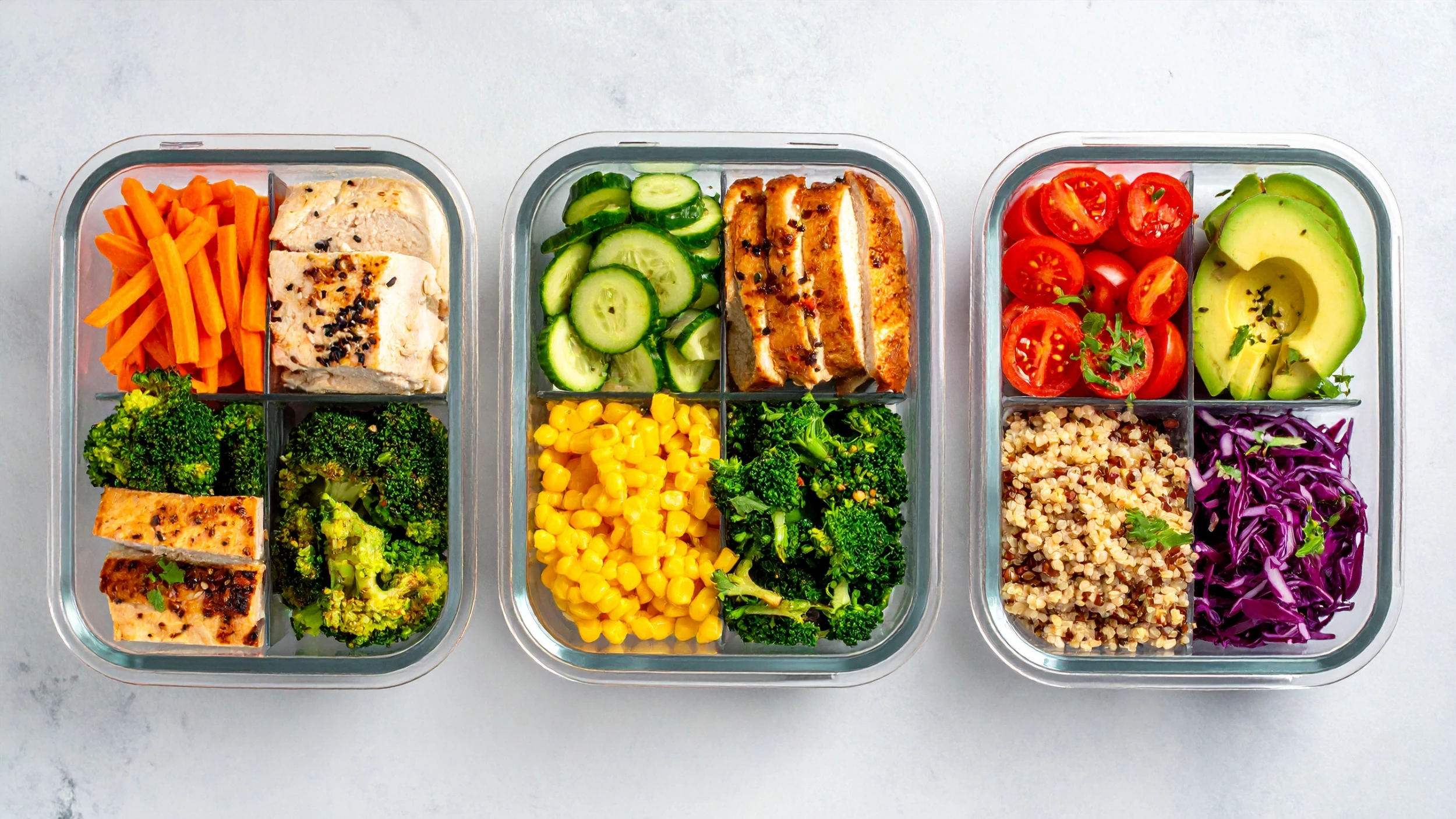
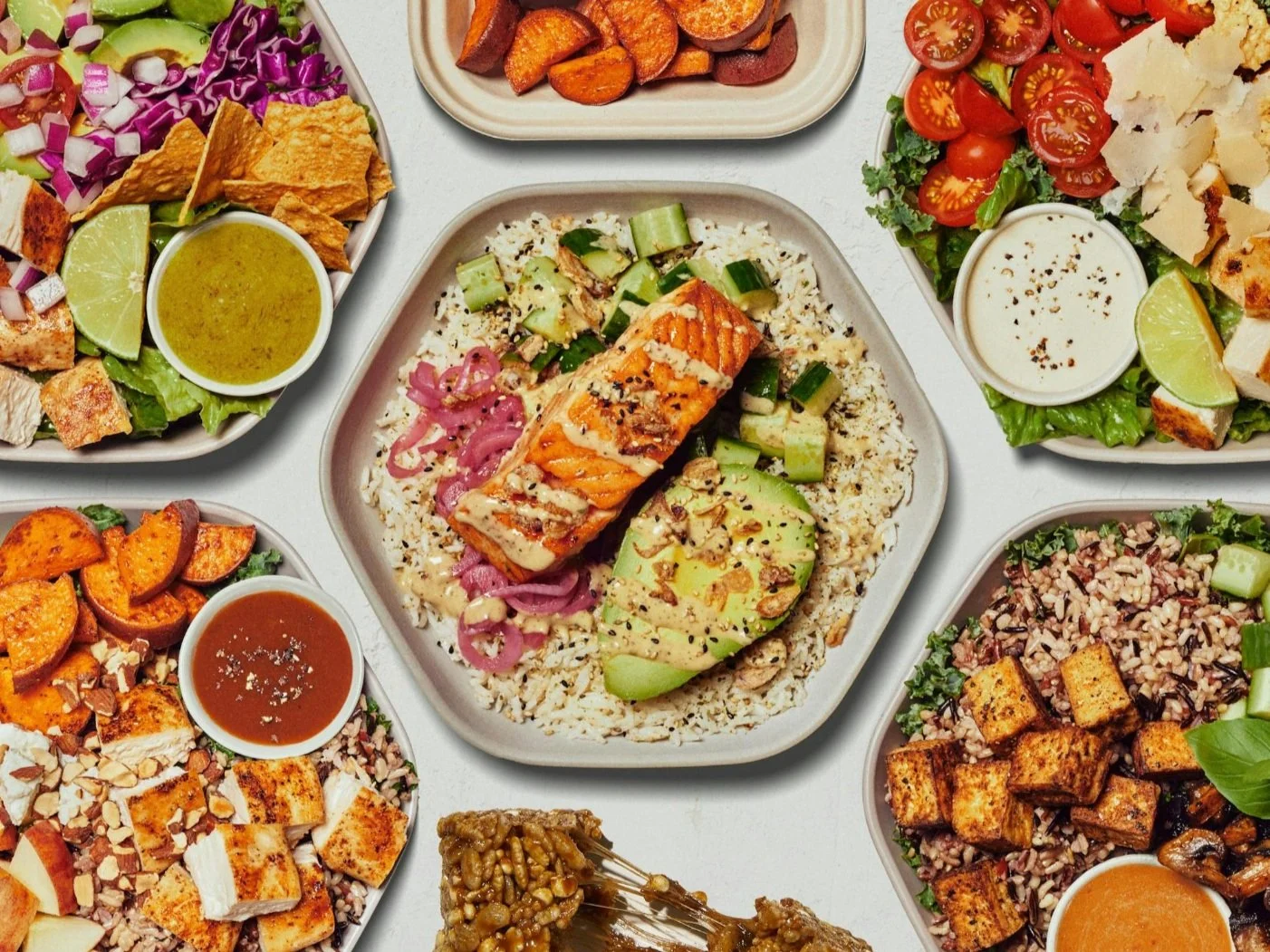
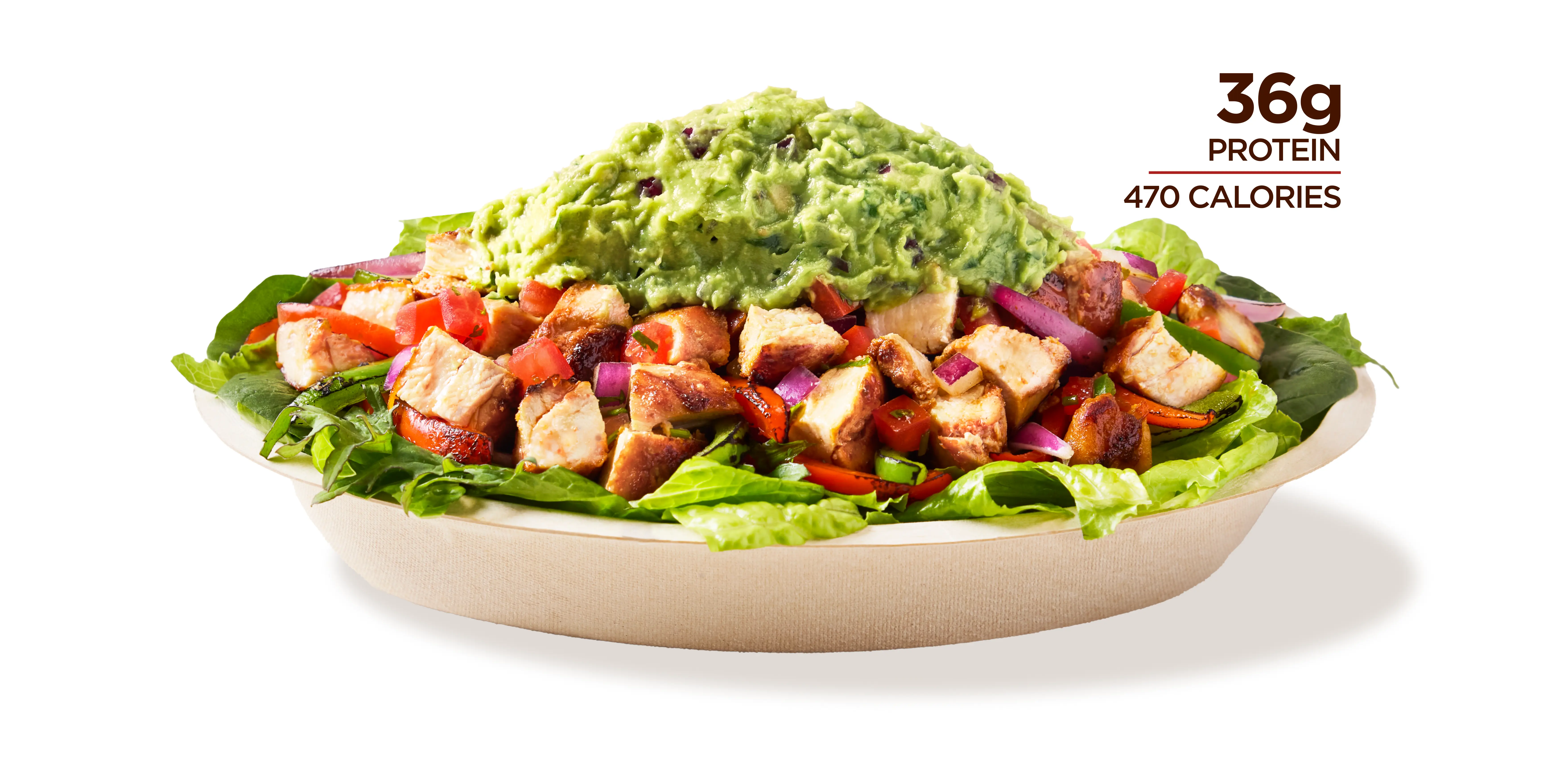
- A palm-sized portion of tryptophan-rich protein (salmon, chicken, tofu, lentils)
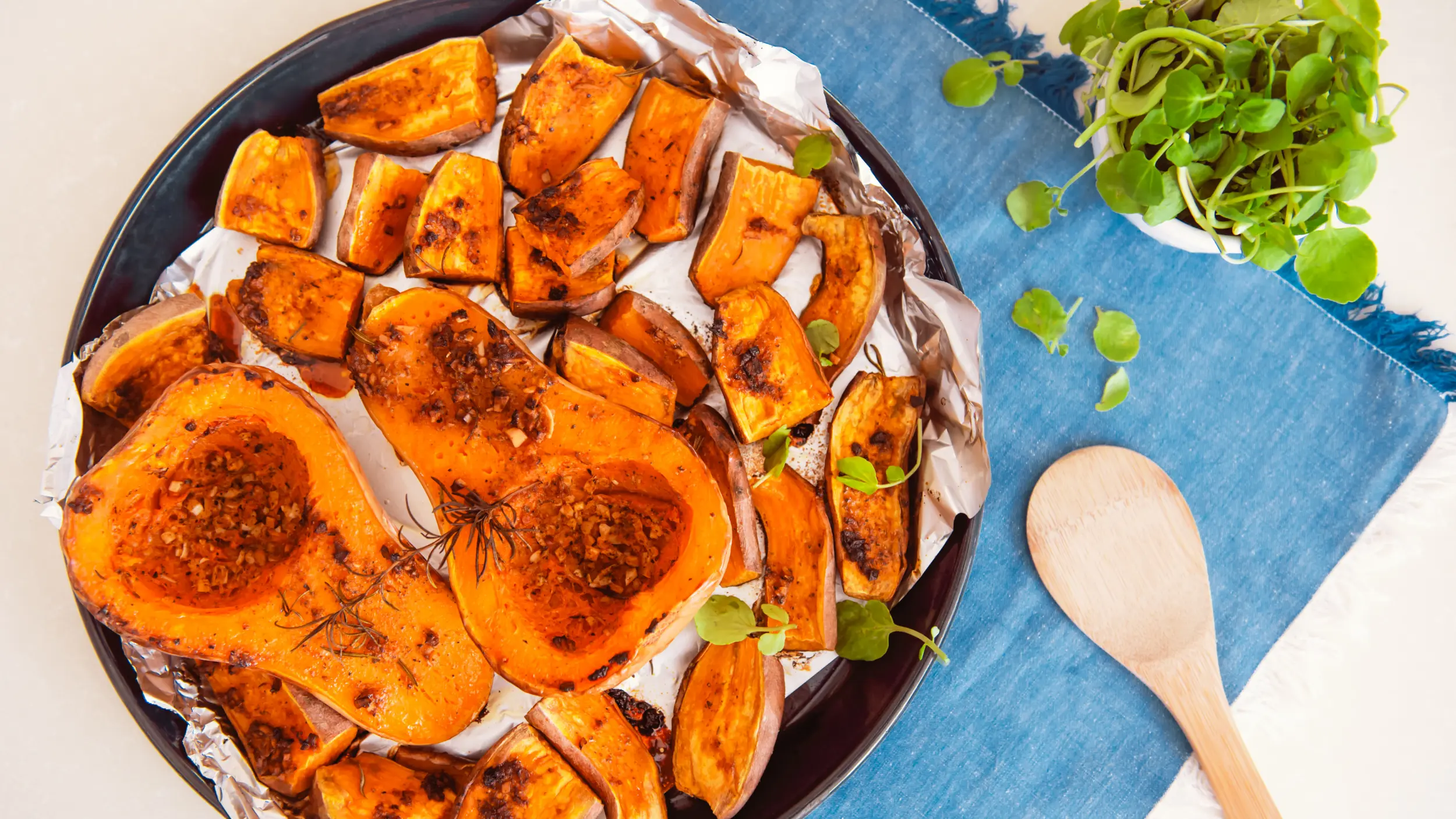
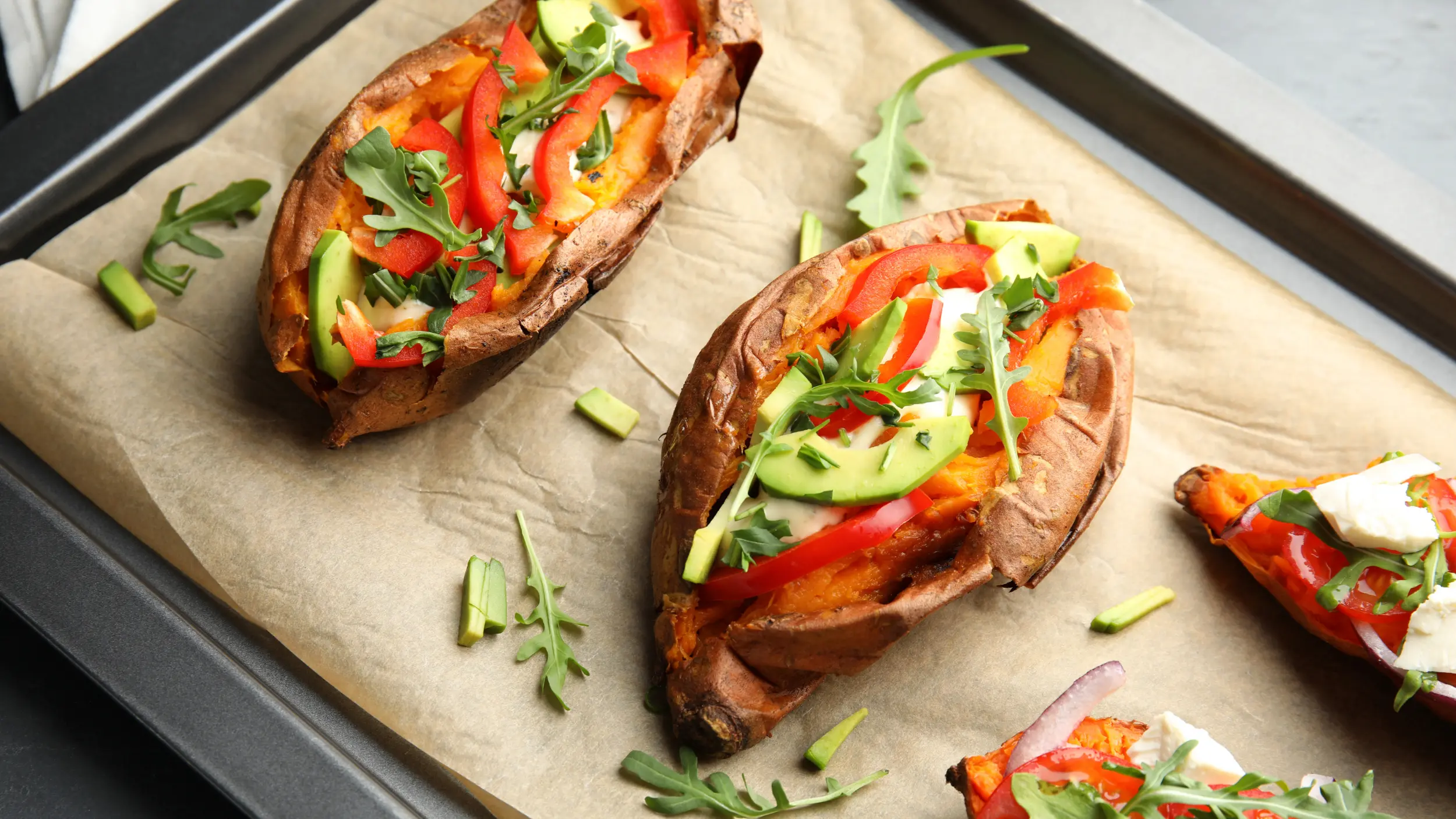
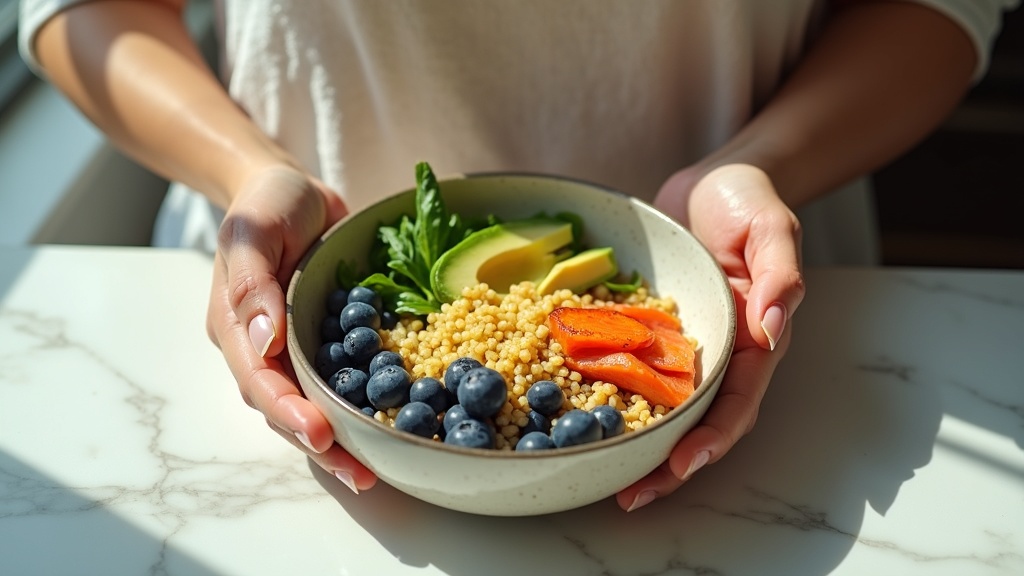
- A fist-sized portion of complex carbohydrates (sweet potato, quinoa, brown rice)
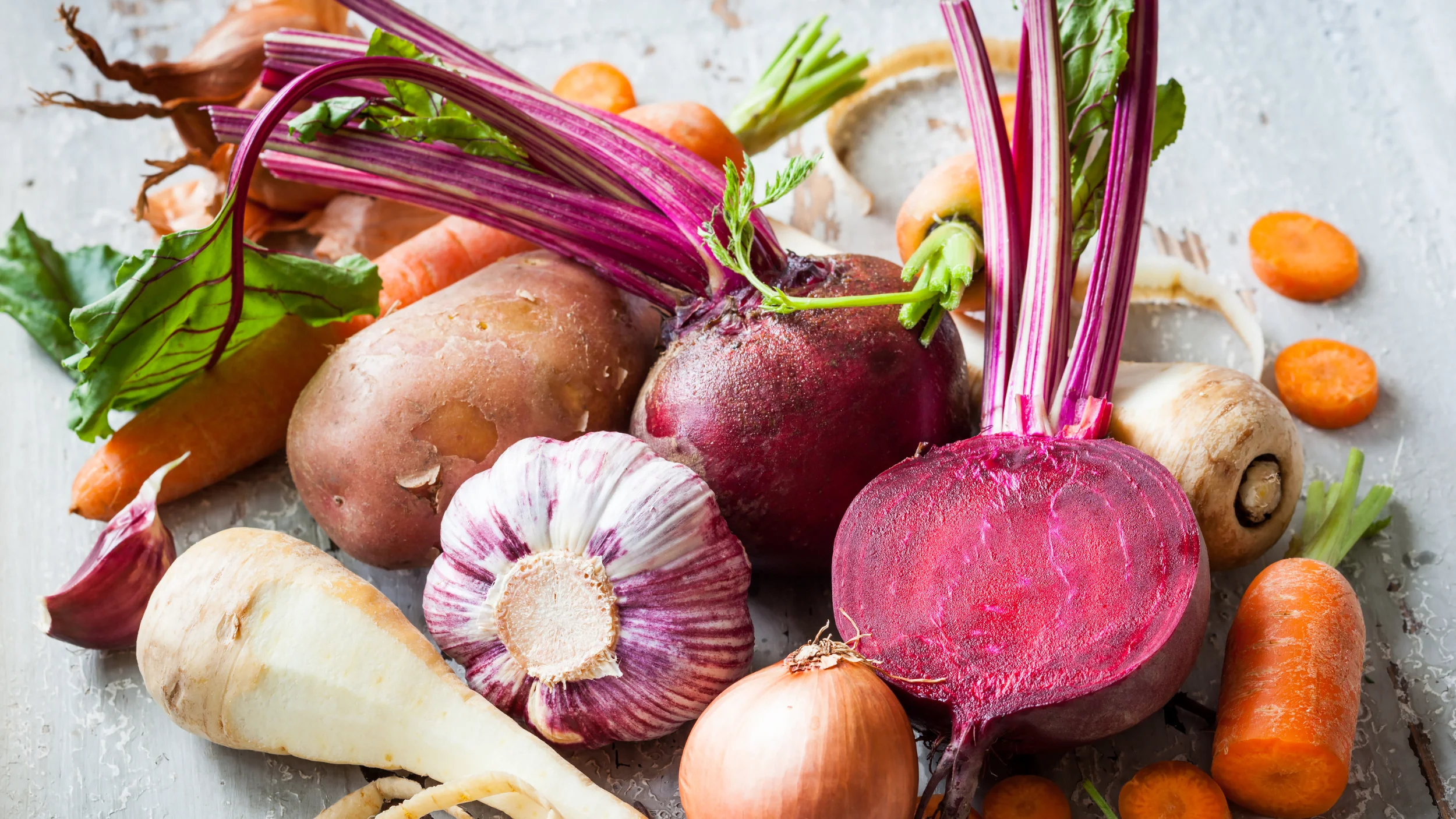
- Plenty of colorful vegetables for magnesium and B vitamins
If you need an evening snack (about 1-2 hours before bed), try:
- A small bowl of oatmeal with sliced banana and cinnamon
- Whole grain crackers with cheese
- A handful of tart cherries or cherry juice
- Chamomile tea with a few walnuts
Foods and substances to limit for better sleep:
- Alcohol — while it may help you fall asleep faster, it fragments sleep architecture and reduces REM sleep [15]
- High-fat, heavy meals close to bedtime — these delay gastric emptying and can cause reflux
- Spicy foods in the evening — may raise body temperature and cause discomfort
- Excessive fluids after 7 PM — to minimize nighttime bathroom trips
Remember that stress and energy levels are deeply connected to both nutrition and sleep quality. If you're feeling chronically exhausted despite improving your sleep nutrition, consider a more comprehensive approach to functional nutrition for stress and energy.
Implementation timeline
Week 1-2: Focus on timing—establish consistent meal times and move dinner earlier if needed.
Week 3-4: Add in 2-3 targeted sleep-promoting foods daily.
Week 5-6: Fine-tune portions and identify your personal sleep food triggers (some women are sensitive to specific foods in the evening).
Track your sleep quality using a simple journal or app, noting what and when you ate. You'll start to see patterns that inform your personal sleep nutrition protocol.
Frequently Asked Questions
Q: What are the top 3 foods that will immediately help me sleep better?
Based on the strongest clinical evidence, I recommend starting with fatty fish (2-3 times per week at dinner), tart cherry juice (8 oz about 1-2 hours before bed), and kiwi fruit (2 kiwis one hour before bedtime). These foods have demonstrated measurable improvements in sleep onset, duration, and quality in controlled studies [7][8][9]. That said, consistency matters more than any single food—your overall eating pattern and meal timing will have the greatest long-term impact on sleep nutrition.
Q: Can changing my diet really improve my sleep issues?
Yes, but with an important caveat: diet is one powerful piece of the sleep puzzle, not the entire solution. Research shows that specific nutrients directly influence neurotransmitter production and circadian rhythm regulation [1][2]. For women with mild to moderate sleep disruptions, dietary changes can produce noticeable improvements within 2-4 weeks. However, if you have diagnosed sleep disorders like sleep apnea or severe insomnia, nutrition should complement—not replace—medical treatment. Think of foods to improve sleep as foundational support that makes other interventions (like better sleep hygiene or stress management) more effective.
Q: How soon can I expect to see results from focusing on sleep nutrition?
Most of my clients notice subtle shifts within 1-2 weeks—falling asleep slightly faster or waking less frequently. More significant changes typically emerge around the 3-4 week mark as your body adapts to consistent nutrient intake and stable blood sugar patterns [13]. Keep in mind that women in their 30s and 40s may experience hormone-related sleep disruptions that require a bit more patience and a comprehensive approach. If you haven't seen any improvement after 6 weeks of consistent healthy eating for sleep, it's worth investigating other factors like stress, activity levels, or underlying health conditions with a healthcare provider.
Ready to take control of your sleep? Let's craft a personalized plan to help you sleep better and feel your best. Book a consultation today!
References
[1] St-Onge MP, Mikic A, Pietrolungo CE. Effects of Diet on Sleep Quality. Advances in Nutrition, 2016.
[2] Richard DM, Dawes MA, Mathias CW, et al. L-Tryptophan: Basic Metabolic Functions, Behavioral Research and Therapeutic Indications. International Journal of Tryptophan Research, 2009.
[3] Wurtman RJ, Wurtman JJ, Regan MM, et al. Effects of Normal Meals Rich in Carbohydrates or Proteins on Plasma Tryptophan and Tyrosine Ratios. American Journal of Clinical Nutrition, 2003.
[4] Abbasi B, Kimiagar M, Sadeghniiat K, et al. The Effect of Magnesium Supplementation on Primary Insomnia in Elderly: A Double-Blind Placebo-Controlled Clinical Trial. Journal of Research in Medical Sciences, 2012.
[5] Shen C, Huang Y, Liu X, et al. Association Between Vitamin B6 Intake and Sleep Quality: A National Cross-Sectional Study. Nutrients, 2020.
[6] Patan MJ, Kennedy DO, Husberg C, et al. Supplementation with Omega-3 Fatty Acids and Sleep Quality in Healthy Adults: A Systematic Review. Journal of Sleep Research, 2021.
[7] Hansen AL, Dahl L, Olson G, et al. Fish Consumption, Sleep, Daily Functioning, and Heart Rate Variability. Journal of Clinical Sleep Medicine, 2014.
[8] Howatson G, Bell PG, Tallent J, et al. Effect of Tart Cherry Juice on Melatonin Levels and Enhanced Sleep Quality. European Journal of Nutrition, 2012.
[9] Lin HH, Tsai PS, Fang SC, Liu JF. Effect of Kiwifruit Consumption on Sleep Quality in Adults with Sleep Problems. Asia Pacific Journal of Clinical Nutrition, 2011.
[10] Srivastava JK, Shankar E, Gupta S. Chamomile: A Herbal Medicine of the Past with Bright Future. Molecular Medicine Reports, 2010.
[11] Crispim CA, Zimberg IZ, dos Reis BG, et al. Relationship Between Food Intake and Sleep Pattern in Healthy Individuals. Journal of Clinical Sleep Medicine, 2011.
[12] Smith RP, Easson C, Lyle SM, et al. Gut Microbiome Diversity is Associated with Sleep Physiology in Humans. PLOS ONE, 2019.
[13] Gangwisch JE, Hale L, St-Onge MP, et al. High Glycemic Index and Glycemic Load Diets as Risk Factors for Insomnia: Analyses from the Women's Health Initiative. American Journal of Clinical Nutrition, 2020.
[14] Drake C, Roehrs T, Shambroom J, Roth T. Caffeine Effects on Sleep Taken 0, 3, or 6 Hours Before Going to Bed. Journal of Clinical Sleep Medicine, 2013.
[15] Ebrahim IO, Shapiro CM, Williams AJ, Fenwick PB. Alcohol and Sleep I: Effects on Normal Sleep. Alcoholism: Clinical and Experimental Research, 2013.
.svg)
.svg)



.jpg)
.jpg)













.webp)
























.webp)
.webp)
.webp)
.webp)
.webp)
.webp)
.webp)
.png)
.webp)
.webp)

.webp)
.png)
.webp)
.webp)
.webp)
.webp)
.webp)
.webp)
.webp)
.webp)
.webp)


.webp)
.png)