.webp)
%2B(7).webp)
.png)
At a Glance
Exotic fruits like cherimoya, rambutan, and jaboticaba offer unique flavor profiles and impressive nutritional benefits that go beyond your typical grocery store selections. These rare tropical fruits are packed with antioxidants, vitamins, and fiber that support everything from immune function to skin health. Let's explore five unusual fruits that can diversify your diet and bring new excitement to your weekly meal plan.
It's so easy to get stuck in a rut, buying the same apples, bananas, and berries every week. While those are fantastic staples, there's a whole world of unique, nutrient-packed fruits that can seriously upgrade your health and delight your taste buds. Let's explore a few delicious fruits you've probably never seen at your local grocery store but are absolutely worth seeking out for their amazing benefits.
1. Cherimoya: The Creamy, Satisfying "Ice Cream Fruit"
.jpg)
Ready for a fruit that tastes like a decadent dessert? Cherimoya, also called the "ice cream fruit," has a creamy, custard-like texture and a flavor blend of banana, pineapple, and vanilla. Native to the Andean highlands, this tropical treasure is not just delicious—it's genuinely impressive from a nutritional standpoint.
One cup of cherimoya delivers about 60% of your daily vitamin C needs [1], which is crucial for immune function, collagen synthesis, and antioxidant protection. As a dietitian, I love that it also provides nearly 5 grams of fiber per serving, supporting healthy digestion and blood sugar regulation.
The fruit is also rich in B-complex vitamins, particularly vitamin B6, which plays an essential role in neurotransmitter production and mood regulation [2]. If you're someone who struggles with hormonal balance and mood fluctuations, the B6 content in cherimoya can be a helpful dietary addition.
How to enjoy it:
- Chill the fruit for a few hours in the refrigerator
- Cut it in half lengthwise
- Scoop out the creamy flesh with a spoon, avoiding the large black seeds
- Eat it plain or blend it into smoothies for a naturally sweet, creamy base
The texture is truly unlike anything else—think somewhere between a ripe pear and banana pudding. It's an absolute crowd-pleaser for anyone with a sweet tooth who wants to keep things nutritious.
2. Rambutan: The Sweet & Hydrating Energy Booster
.jpg)
Don't be intimidated by its hairy-looking red shell! Inside, rambutan hides a sweet, juicy, grape-like fruit that's incredibly refreshing. This Southeast Asian fruit is part of the same family as lychee and longan, and it's become increasingly popular in international markets across the U.S.
Rambutan is about 82% water, making it a fantastic source of hydration [3]—especially important for women who often underestimate their fluid needs. The natural sugars provide a quick energy lift without the crash you'd get from processed sweets, and the fruit contains notable amounts of vitamin C, iron, and copper.
What really excites me about rambutan is its antioxidant profile. The fruit is rich in flavonoids and phenolic compounds that help protect your cells from oxidative damage [4]. If you're focused on reducing inflammation naturally, adding weird fruits like rambutan to your rotation can contribute to that goal.
How to peel and eat rambutan:
- Hold the fruit firmly and make a shallow cut around the middle with a knife
- Gently squeeze or twist to pop the shell open
- Remove the translucent white flesh (it will easily separate from the shell)
- Bite carefully around the seed in the center, or cut the flesh away from it
The taste is subtly sweet with a hint of floral notes—think a cross between a grape and a lychee. It's perfect as a standalone snack or tossed into fruit salads for textural variety.
3. Jaboticaba: The Antioxidant Powerhouse That Grows on Trunks
.jpg)
This one is truly unique! Jaboticaba is a Brazilian fruit that grows directly on the tree's trunk and branches—a growth pattern called cauliflory that looks absolutely wild when you see it in person. The fruit has a dark purple, almost black skin and a sweet, translucent pulp that tastes a bit like a grape or a lychee with subtle wine-like notes.
From a nutritional standpoint, jaboticaba is exceptional. It's loaded with powerful antioxidants, particularly anthocyanins—the same compounds that give blueberries and blackberries their deep color [5]. These anthocyanins are amazing for skin health, cardiovascular protection, and fighting chronic inflammation.
Research has shown that anthocyanin-rich fruits can help improve skin elasticity and reduce oxidative stress markers [6]. For women in their late twenties through mid-forties who are thinking about preventative aging and skin health, incorporating high-anthocyanin unusual fruits like jaboticaba can be a smart move.
The fruit is also surprisingly high in calcium and iron compared to other tropical fruits, which is worth noting if you're managing nutrient deficiencies common in women.
How to eat jaboticaba:
- Eat them fresh by popping the whole fruit in your mouth and squeezing out the pulp
- Spit out or discard the skin and seeds
- Use them to make jams, jellies, or wine for a longer-lasting way to enjoy their benefits
- Freeze them for smoothie additions
Because jaboticaba is highly perishable and rarely exported fresh, you're most likely to find it frozen, in preserves, or as a juice concentrate if you're outside Brazil.
4. Mangosteen: The "Queen of Fruits" with Anti-Inflammatory Powers
.jpg)
Mangosteen has earned its royal nickname. This Southeast Asian fruit has a thick purple rind that you crack open to reveal snow-white, segmented flesh that's delicately sweet with a hint of tanginess. The flavor is often described as a mix of peach, strawberry, and citrus—complex and utterly delicious.
What makes mangosteen stand out nutritionally is its incredibly high concentration of xanthones, a class of bioactive compounds with potent anti-inflammatory and antimicrobial properties [7]. These compounds have been studied extensively for their potential role in reducing inflammatory markers and supporting immune function.
Mangosteen is also a good source of vitamin C, folate, and fiber. The fiber content is particularly beneficial for digestive health and maintaining stable blood sugar levels throughout the day—something I'm always emphasizing with my clients who want sustained energy.
Selecting and eating mangosteen:
- Choose fruits that feel heavy for their size with slightly soft rinds (too hard means underripe)
- Press gently around the middle and twist to crack open the thick rind
- Pull apart the shell to reveal the white segments inside
- Eat the segments whole, being mindful of any seeds in larger pieces
The taste is subtle and refreshing—not overly sweet, which makes it perfect for pairing with other tropical fruits or enjoying as a light, hydrating snack.
5. Cupuaçu: The Amazonian Superfruit You Need to Know
.jpg)
Cupuaçu (pronounced koo-poo-ah-SOO) is a tropical fruit native to the Amazon rainforest that's related to cacao. The fruit has a unique, complex flavor profile—tangy, creamy, and slightly tropical with notes of chocolate, pineapple, and pear. The pulp is often described as having a texture similar to a soft, creamy yogurt.
Nutritionally, cupuaçu is impressive. It contains high levels of polyphenols and flavonoids that provide antioxidant benefits [8]. The fruit is also rich in essential fatty acids, B vitamins (especially B1, B2, and B3), and amino acids that support everything from energy metabolism to neurotransmitter production.
What I find particularly interesting about cupuaçu is its potential role in supporting cognitive function and mood. The combination of healthy fats, B vitamins, and bioactive compounds may help support brain health [9]—an area many of my clients are increasingly concerned about.
How to use cupuaçu:
- Fresh cupuaçu is difficult to find outside South America, so look for frozen pulp or puree
- Blend the pulp into smoothies for a creamy, tangy base
- Use it in desserts, ice creams, or mousse-style treats
- Mix it into yogurt bowls or overnight oats for a tropical twist
The flavor takes a bit of getting used to if you're not familiar with Amazonian fruits, but once you acquire the taste, it's absolutely addictive.
How to Find & Incorporate These Nutritional Treasures
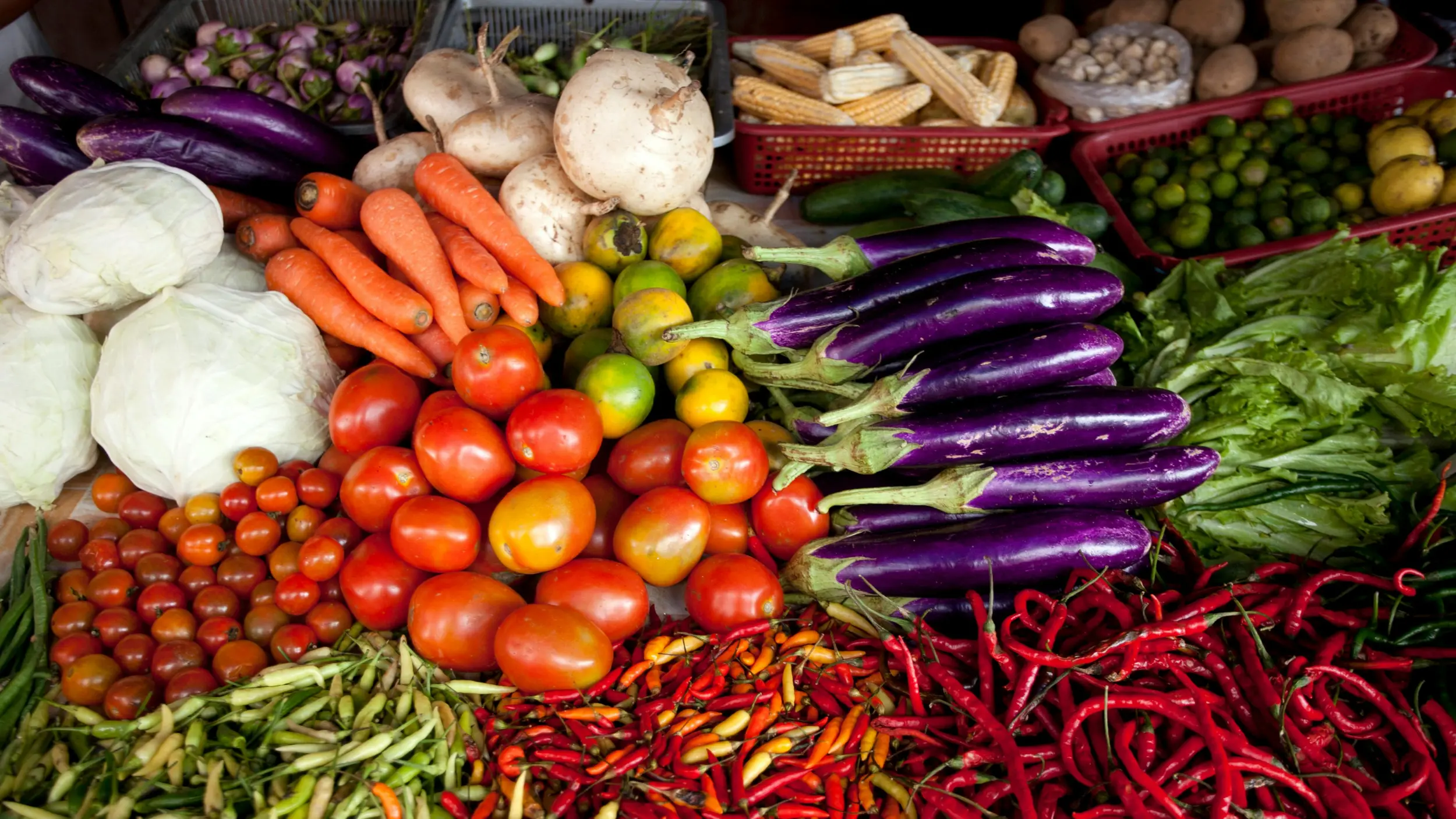
Feeling excited but wondering where on earth to find these rare fruits? It's easier than you think in 2026! The growing interest in global cuisine and functional foods has made exotic fruits much more accessible.
Where to shop for unusual fruits:
- Asian grocery stores: Markets like H Mart, 99 Ranch, or local Southeast Asian grocers often carry rambutan, mangosteen, and other tropical fruits list items
- Latin American markets: Look for cherimoya, jaboticaba products, and other Central and South American specialties
- Online fruit delivery services: Companies like Miami Fruit, Melissa's Produce, and Tropical Fruit Box ship fresh exotic fruits directly to your door
- Farmer's markets: Depending on your region, you might find local growers experimenting with tropical fruits, especially in warmer climates like California, Florida, or Hawaii
- Specialty grocery stores: Whole Foods and other upscale markets increasingly stock rotating selections of exotic produce
Storage and preparation tips:
- Most tropical fruits continue to ripen at room temperature; refrigerate only once fully ripe
- Store delicate fruits like rambutan and mangosteen in the refrigerator crisper drawer to extend freshness
- Freeze pulp from fruits like cupuaçu and jaboticaba in ice cube trays for easy smoothie additions
- When trying a new fruit, start with a small amount to ensure you don't have any sensitivities
Incorporating these fruits into your diet doesn't have to be complicated. Add them to your morning smoothie, enjoy them as an afternoon snack, or use them to create impressive fruit platters when you're entertaining. The variety alone will help you hit a broader spectrum of nutrients and keep healthy eating feeling fresh and exciting.
FAQ: Your Top Questions Answered
Are exotic fruits more nutritious than common fruits?
Not necessarily "better," but they often contain a unique and diverse profile of vitamins, minerals, and antioxidants that can complement a diet rich in more common fruits. Variety is key to getting a wide spectrum of nutrients! Each fruit family offers different phytochemicals and bioactive compounds, so rotating through different options—both familiar and exotic—gives your body the most comprehensive nutritional support.
Where is the best place to buy rare or exotic fruits?
Your best bet is often a local international grocery store, particularly Asian or Latin American markets. These stores typically have direct supply chains from regions where these fruits are grown. Failing that, several online retailers specialize in shipping fresh exotic fruits directly to your home. I've had great success with Miami Fruit and Melissa's Produce, which both prioritize quality and proper handling during shipping.
What's the easiest exotic fruit to try first?
I'd recommend starting with rambutan or cherimoya. Rambutan is sweet, easy to peel once you get the hang of it, and has a familiar grape-like texture that most people love immediately. Chilled cherimoya is a crowd-pleaser for its dessert-like qualities—it literally tastes like healthy ice cream. Both are relatively mild and approachable compared to some of the more acquired-taste options.
Can I eat exotic fruits if I'm pregnant or breastfeeding?
Generally, yes—these whole food fruits are safe during pregnancy and breastfeeding when consumed in normal food amounts. However, as with any new food, introduce them gradually and watch for any unusual reactions. If you have specific concerns or a high-risk pregnancy, chat with your healthcare provider before adding new foods to your diet.
Do exotic fruits cause blood sugar spikes?
Like all fruits, exotic varieties contain natural sugars, but most also provide fiber, which helps slow sugar absorption. Fruits like cherimoya and mangosteen have moderate glycemic loads when eaten in reasonable portions. If you're managing blood sugar concerns, pair fruit with a protein or healthy fat source (like nuts or Greek yogurt) to further stabilize your glucose response.
Ready to Diversify Your Diet?
Exploring new foods is a powerful way to enhance your nutrition and discover new passions. These exotic fruits offer not just novel flavors but genuine nutritional benefits that can complement your existing healthy habits. Whether you're looking to boost your antioxidant intake, increase dietary variety, or simply make eating well more exciting, these tropical gems are worth seeking out.
If you're ready to build a vibrant, personalized eating plan that feels exciting and nourishing—one that goes beyond generic advice and actually fits your unique life, preferences, and health goals—let's chat. Book a 1-on-1 consultation with our expert dietitians today!
References
[1] USDA FoodData Central. Cherimoya, Raw: Nutritional Profile and Vitamin C Content. U.S. Department of Agriculture, 2024.
[2] Kennedy DO. B Vitamins and the Brain: Mechanisms, Dose and Efficacy—A Review. Nutrients, 2016.
[3] Wall MM. Functional Lipid Characteristics, Oxidative Stability, and Antioxidant Activity of Rambutan. Food Chemistry, 2006.
[4] Hernández Y, et al. Antioxidant Properties and Phenolic Compound Profiles of Rambutan Fruits. Journal of Food Science, 2014.
[5] Wu SB, et al. Anti-inflammatory and Antioxidant Activities of Jaboticaba Fruit Extract. Food Research International, 2013.
[6] Yoon HS, et al. Supplementation with Dietary Anthocyanins Improves Skin Photoprotection and Elasticity. Nutrients, 2016.
[7] Pedraza-Chaverri J, et al. Medicinal Properties of Mangosteen: Xanthones and Their Anti-inflammatory Effects. Food and Chemical Toxicology, 2008.
[8] Yang H, et al. Antioxidant Capacity and Total Phenolic Content of Cupuaçu. Food Chemistry, 2003.
[9] Kennedy DO, Wightman EL. Herbal Extracts and Phytochemicals: Plant Secondary Metabolites and the Enhancement of Human Brain Function. Advances in Nutrition, 2011.
.svg)
.svg)



.jpg)













.webp)





























.webp)
.webp)
.webp)
.webp)
.webp)
.webp)
.webp)
.png)
.webp)
.webp)
.webp)
.png)
.webp)
.webp)
.webp)
.webp)
.webp)
.webp)
.webp)
.webp)
.webp)


.webp)
.png)