.webp)
%2B(7).webp)
.png)
At a Glance
- Getting enough protein doesn't require premium prices or fancy ingredients. Strategic shopping for economical protein sources like eggs, canned fish, and legumes can slash your grocery bills while supporting your energy, muscle health, and metabolic function. With smart meal planning and simple swaps, you'll discover that high-quality nutrition and budget-friendly eating aren't mutually exclusive.
The Importance of Protein
- Protein is absolutely essential for women in their 20s through 40s. It supports everything from muscle maintenance and metabolic health to hormone production and satiety [1].
- The recommended dietary allowance sits at 0.8 grams per kilogram of body weight daily, though many active women benefit from higher intakes around 1.2-1.6 g/kg for optimal body composition and energy levels [2].
- The challenge? Premium protein sources can feel financially out of reach when you're managing rent, student loans, and everyday expenses.
- The good news is that protein on a budget is completely achievable. You don't need grass-fed steaks or organic chicken breasts at every meal to hit your targets. Strategic choices and smart planning can transform your grocery budget while keeping your nutrition on point.
Smart Swaps for Savvy Protein Shopping
- Navigating the grocery store for affordable protein can feel overwhelming. We'll look at the most cost-effective protein powerhouses that offer great value and versatility. Think beyond the usual expensive cuts and discover hidden gems that will keep you satisfied and your budget happy.
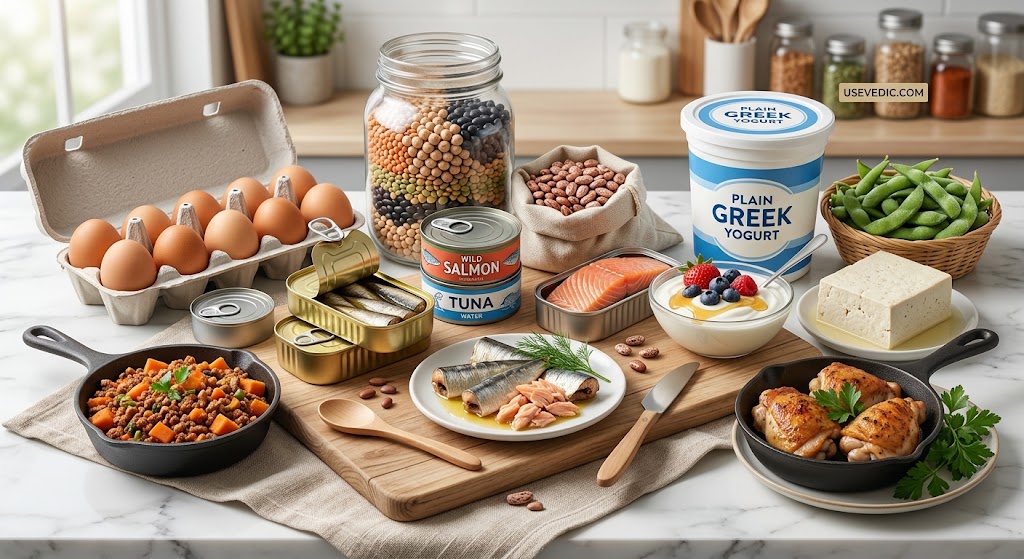
- Eggs remain unbeatable. At roughly $3-4 per dozen in 2026, you're looking at about 6 grams of complete protein per egg for less than 35 cents. They're incredibly versatile, shelf-stable for weeks, and packed with nutrients like choline for brain health and B vitamins for energy metabolism [3]. Hard-boil a batch on Sunday for grab-and-go breakfasts or quick salad toppers throughout the week.
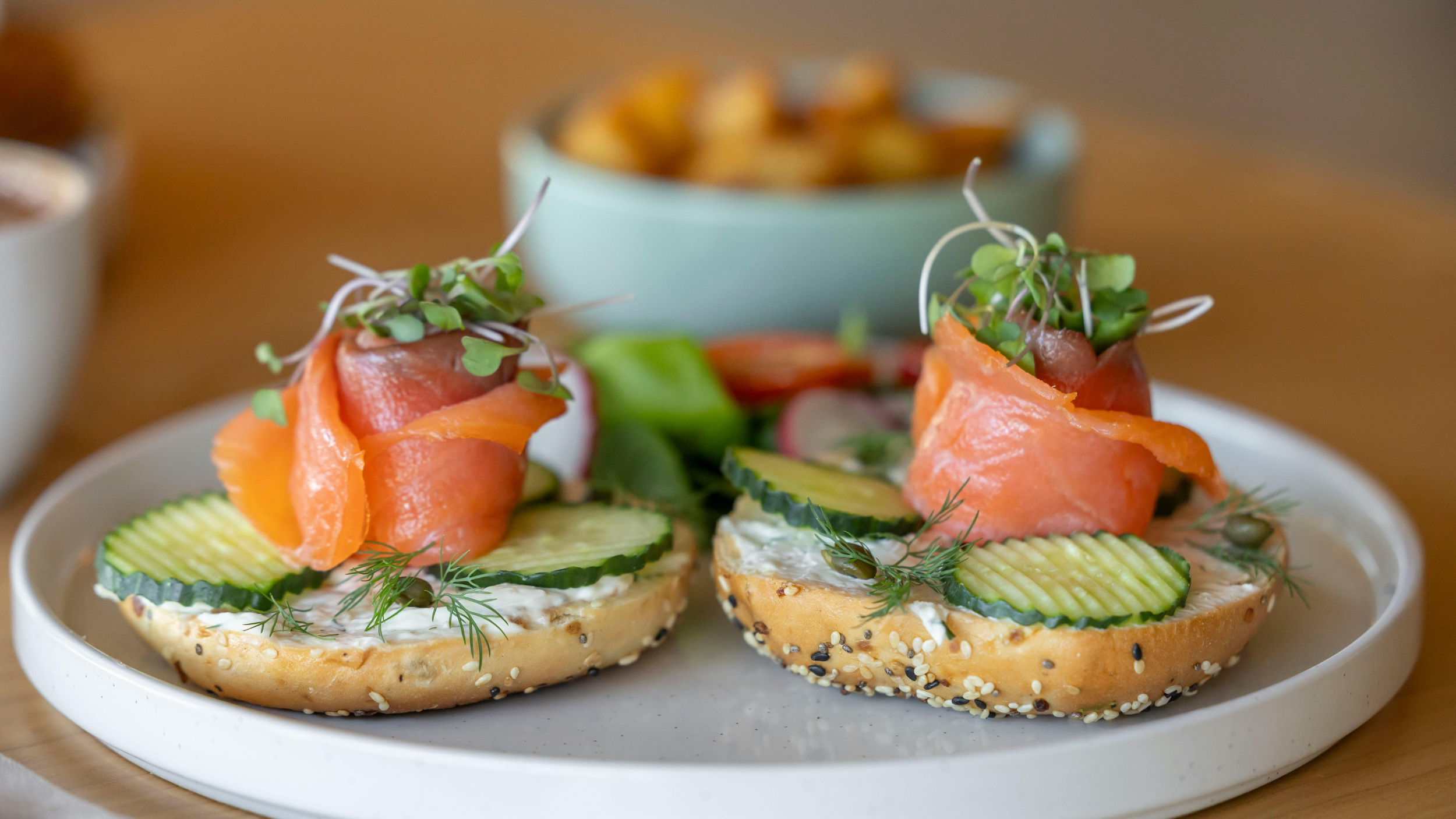
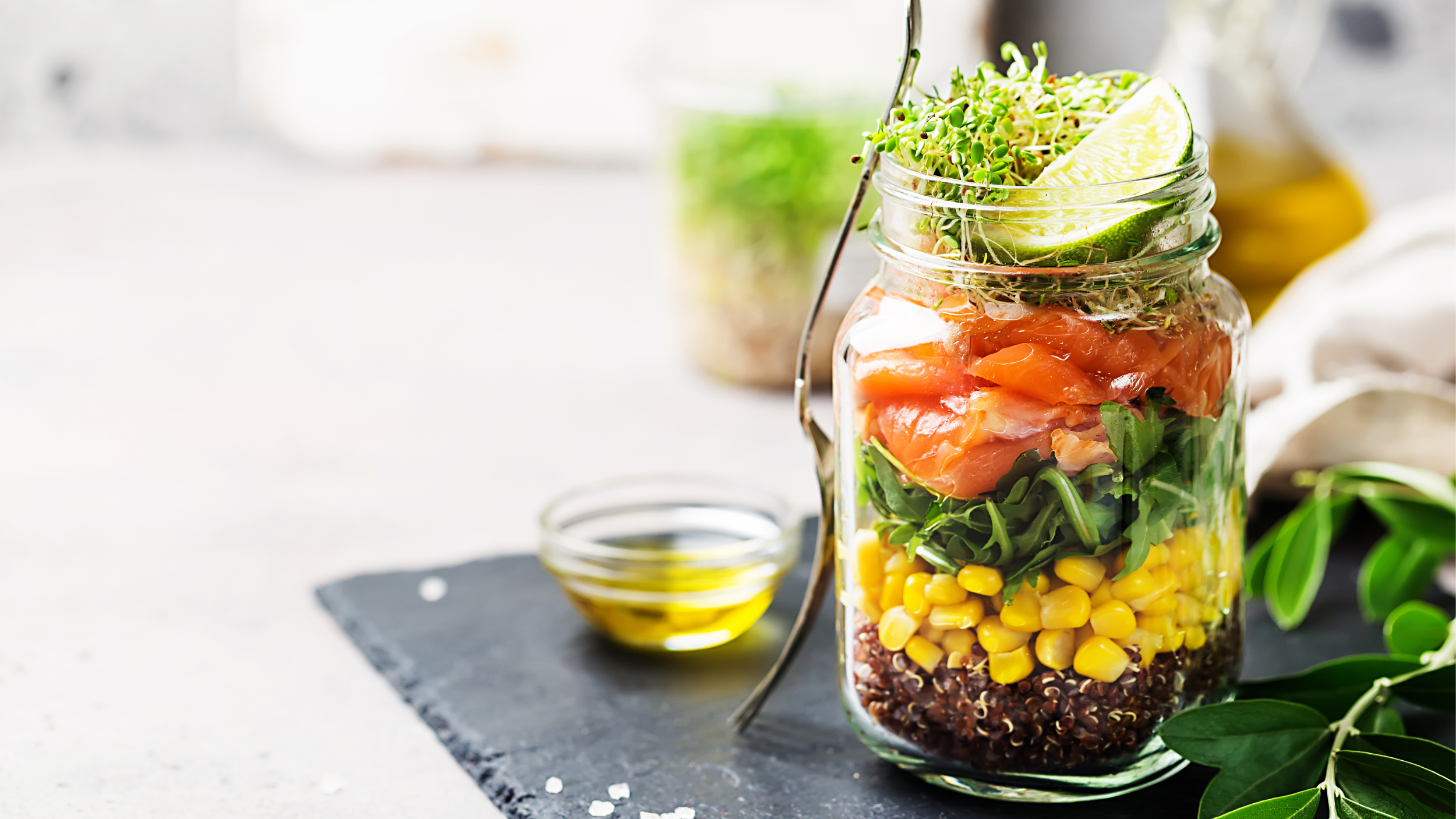
- Canned fish is your secret weapon. Canned tuna, salmon, and sardines deliver 20-25 grams of protein per can at $1-3 each, plus omega-3 fatty acids that support hormone balance and overall wellness. Look for sales and stock up—these shelf-stable proteins last for years in your pantry.
- Legumes and pulses offer extraordinary value:
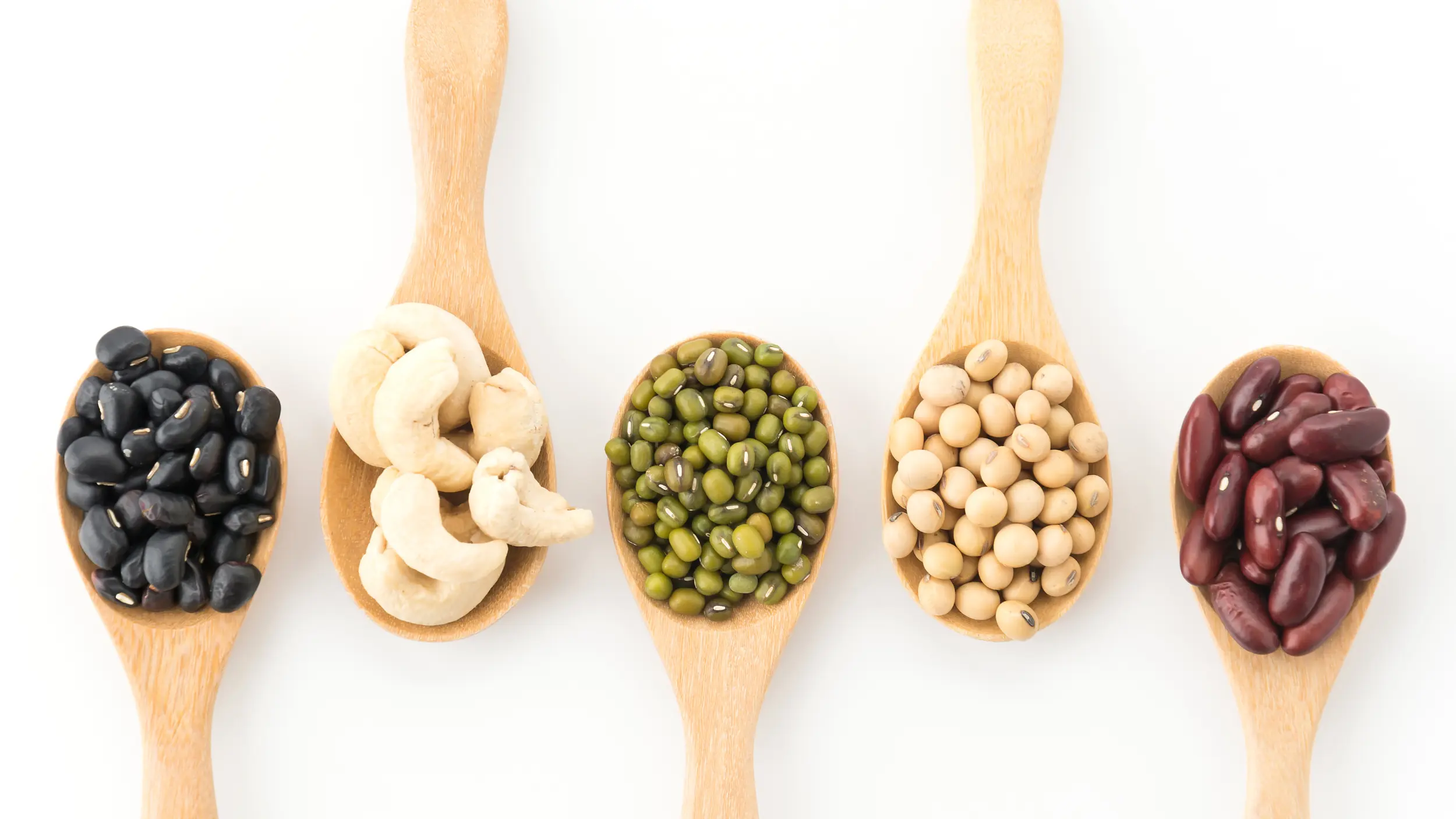
- Dried beans, lentils, and chickpeas cost $1-2 per pound and provide 15-18 grams of protein per cooked cup
- They're loaded with fiber that supports your gut microbiome and digestive health
- Canned versions (around $1 per can) save time when you need convenience
- They're incredibly shelf-stable, so you can buy in bulk during sales
- Greek yogurt over regular yogurt. Plain Greek yogurt delivers double the protein (15-20g per cup versus 8-10g) for only slightly more cost. Buy larger containers rather than individual servings to save 30-40% per ounce.
- Chicken thighs instead of breasts. Bone-in, skin-on thighs often cost $1-2 less per pound while providing the same quality protein. The higher fat content keeps you fuller longer and adds incredible flavor.
- Ground turkey or chicken. These ground poultry options frequently go on sale for $3-4 per pound and stretch beautifully in casseroles, stir-fries, and meal prep bowls.
- Cottage cheese makes a comeback. With 14 grams of protein per half-cup serving, this retro staple costs significantly less than protein powders or bars. The casein protein digests slowly, providing sustained amino acid release [4].
- Frozen edamame, tofu, and tempeh round out your cheap protein sources. Tofu runs about $2-3 per pound and absorbs whatever flavors you throw at it, while frozen shelled edamame provides a quick 17 grams of plant protein per cup for around $3 per bag.
Delicious & Economical Protein Meals
Having a list of budget-friendly protein foods is one thing, but knowing what to do with them is another! Let's get creative in the kitchen with simple, delicious recipes that are packed with protein but won't cost a fortune.
Breakfast that works harder for you:
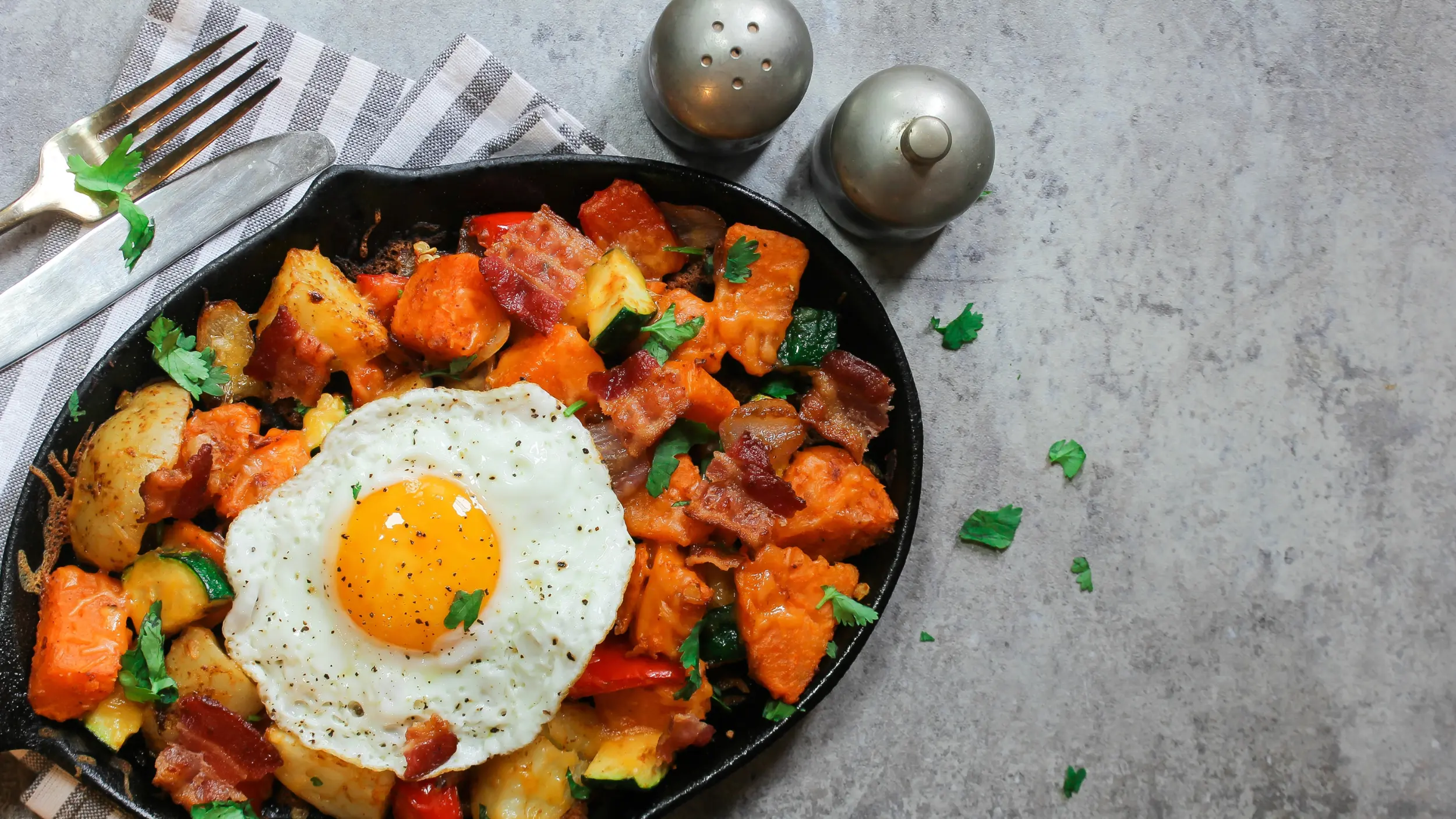
- Start your day with veggie-packed egg muffins. Whisk 8-10 eggs with sautéed spinach, bell peppers, and a handful of shredded cheese, then bake in a muffin tin. Each muffin delivers 6-7 grams of protein for pennies, and they reheat beautifully all week. Pair with whole grain toast and you've got a balanced, energizing breakfast that supports stable blood sugar and sustained focus [5].
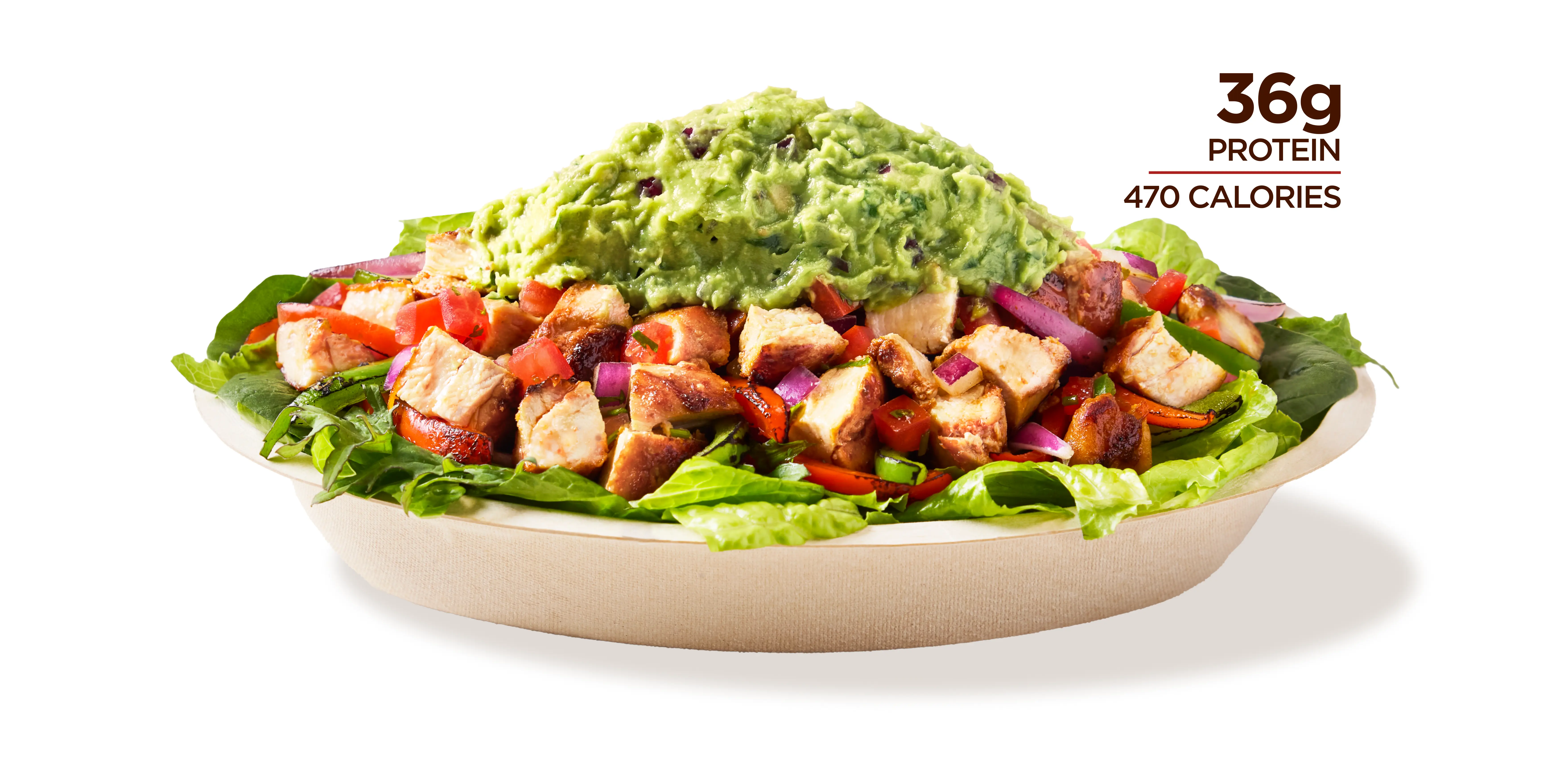
- Greek yogurt bowls transform with strategic toppings. Mix in a scoop of affordable peanut butter (8g protein per 2 tablespoons), hemp seeds (10g per 3 tablespoons), and whatever fruit is on sale. This combination provides 30+ grams of protein plus healthy fats that keep you satisfied until lunch.
Lunch solutions that scale:
- Chickpea salad sandwiches mimic tuna salad at a fraction of the cost. Mash one can of chickpeas with Greek yogurt, mustard, diced celery, and your favorite seasonings. Spread on whole grain bread for a filling meal with 15-20 grams of protein that costs under $2.
- Lentil soup makes budget protein meals incredibly simple. Simmer dried lentils with vegetable broth, canned tomatoes, carrots, and spices for a hearty lunch that yields 6-8 servings. Each bowl provides 12-15 grams of protein plus gut-supporting fiber. Freeze individual portions for those nights when cooking feels impossible.
Dinner strategies that satisfy:
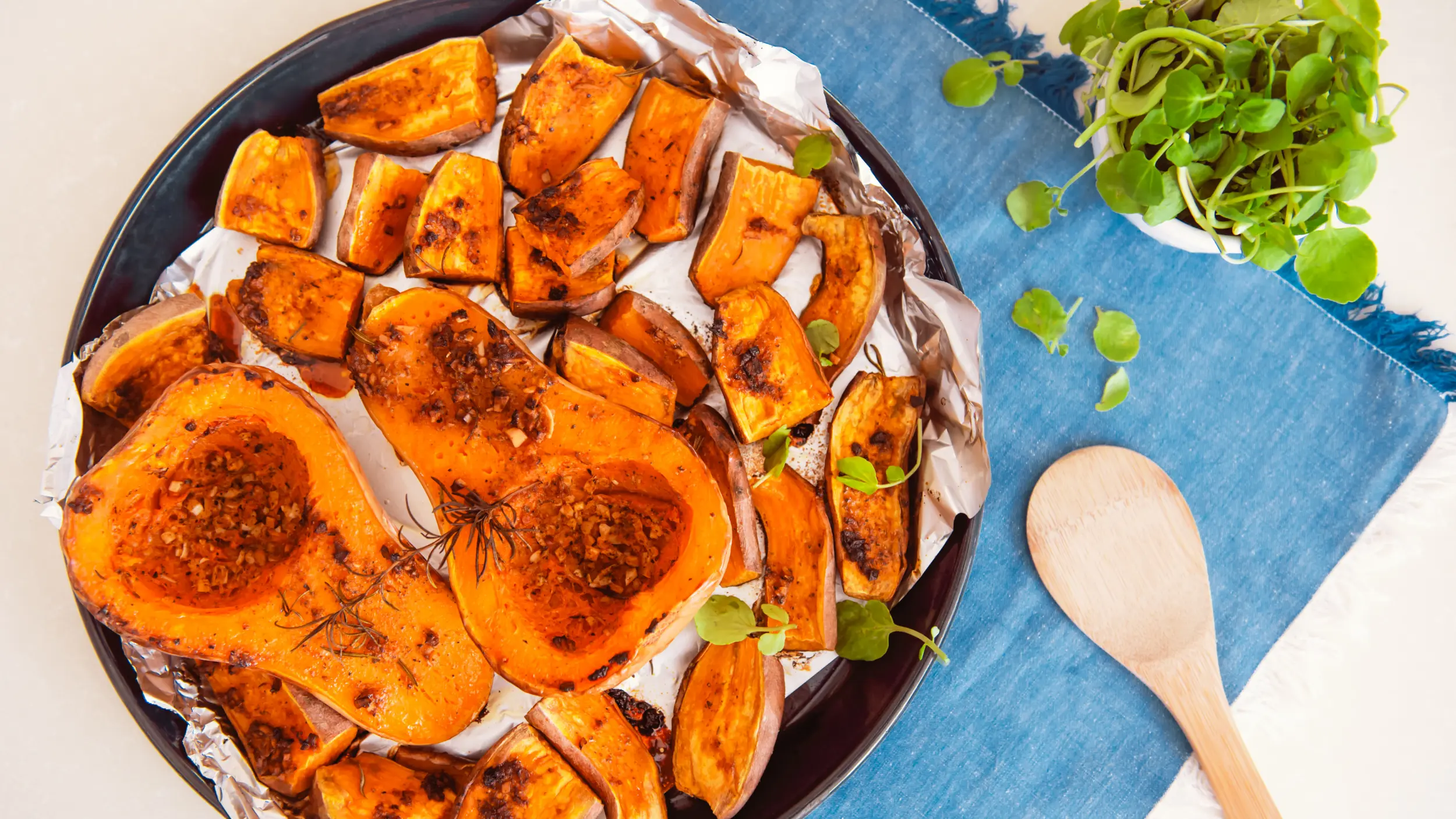
- Sheet pan chicken thighs with roasted vegetables epitomize affordable protein done right. Season bone-in thighs with olive oil, garlic, and herbs, then roast alongside Brussels sprouts, sweet potatoes, and onions. The rendered fat flavors the vegetables while you're getting 25-30 grams of protein per serving.
- Black bean and egg breakfast-for-dinner bowls combine two protein powerhouses. Layer seasoned black beans over brown rice, top with a fried or poached egg, add salsa and avocado if budget allows. You're looking at 20-25 grams of complete protein for less than $3 per serving.
- Stir-fries maximize protein for less by combining eggs, tofu, or affordable chicken with whatever vegetables are on sale. A single block of tofu ($2.50) plus eggs ($0.60 for two) in a veggie-loaded stir-fry over rice feeds 3-4 people with substantial protein at each serving.
- Canned salmon patties stretch expensive fish beautifully. Mix one can of salmon with breadcrumbs, an egg, and seasonings, then pan-fry into four patties. Each provides 15-18 grams of protein plus those beneficial omega-3s for brain and hormone health.
Maximizing Protein Intake on a Tight Budget
- It's all about making smart choices and understanding how to stretch your food budget further. We'll discuss strategies for planning your meals, minimizing waste, and finding the best deals on protein-rich foods.
- Plan around sales cycles. Grocery stores typically discount proteins on a predictable rotation. When chicken, ground meat, or fish hits a deep discount, buy extra and freeze immediately in meal-sized portions. Investing in a small vacuum sealer or quality freezer bags prevents freezer burn and extends storage life to 3-6 months.
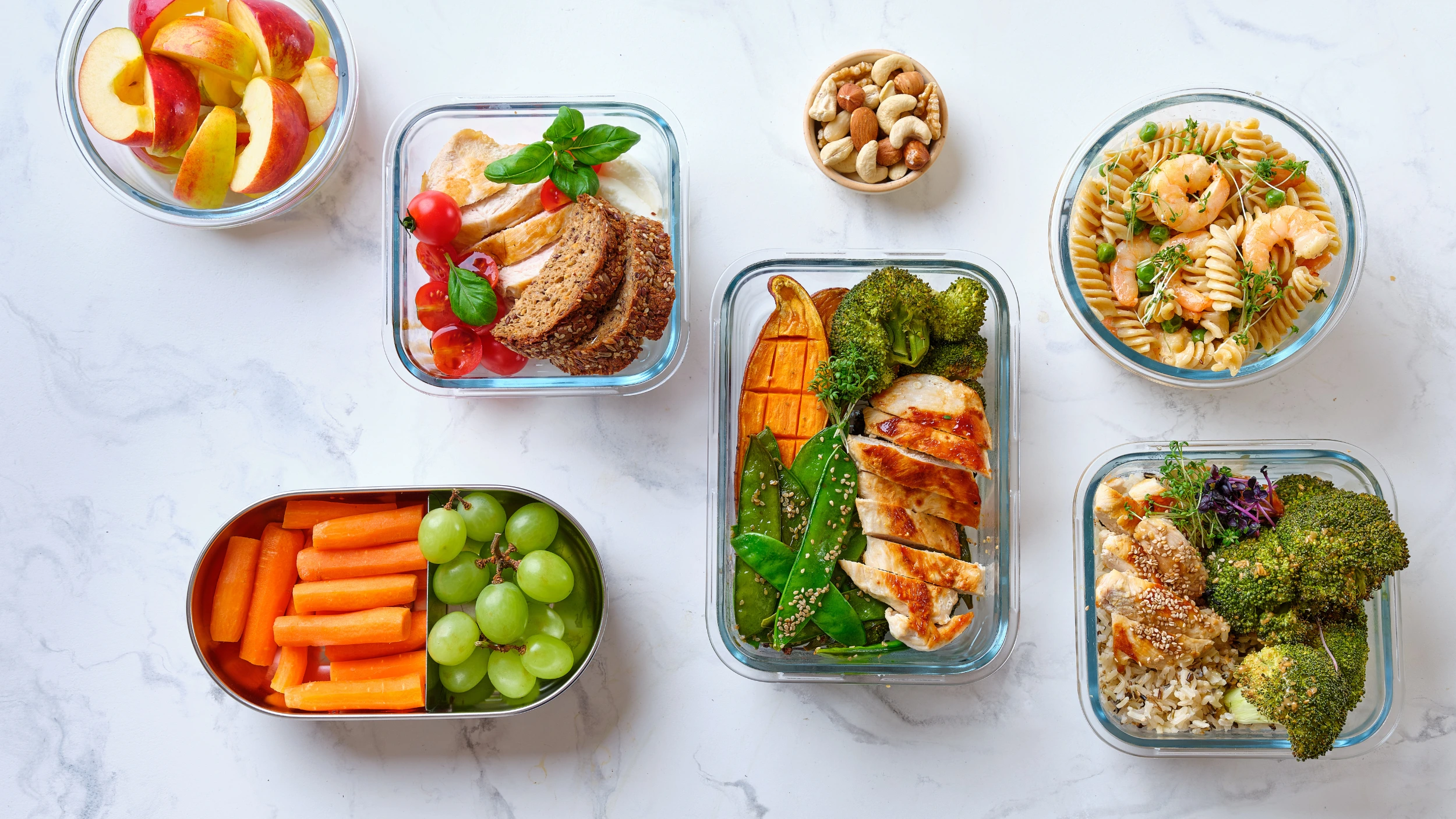
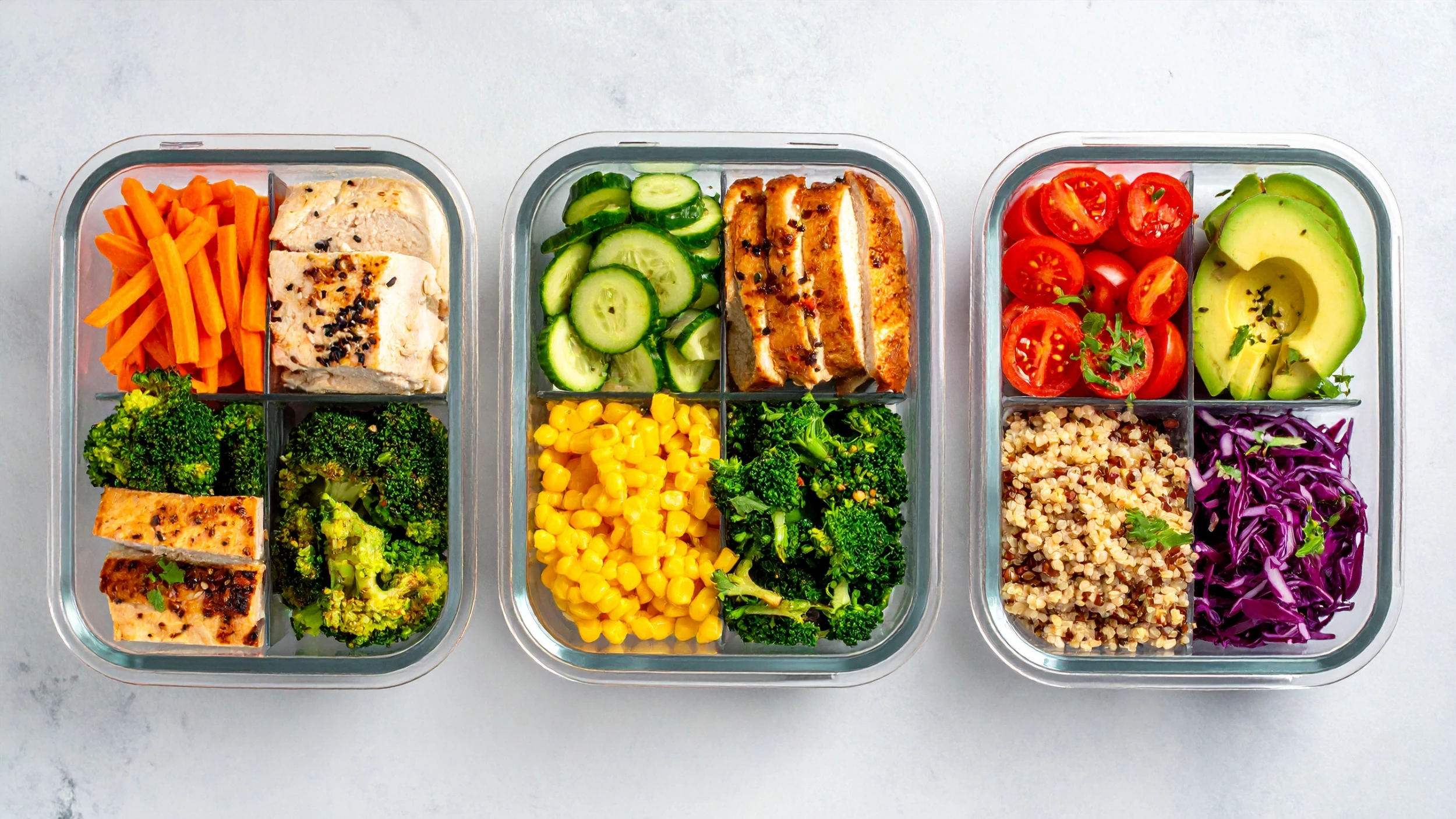
- Batch cooking transforms both your time and money management. Dedicate 2-3 hours on Sunday to prepare:
- A large pot of beans or lentils
- Baked or grilled chicken thighs
- Hard-boiled eggs
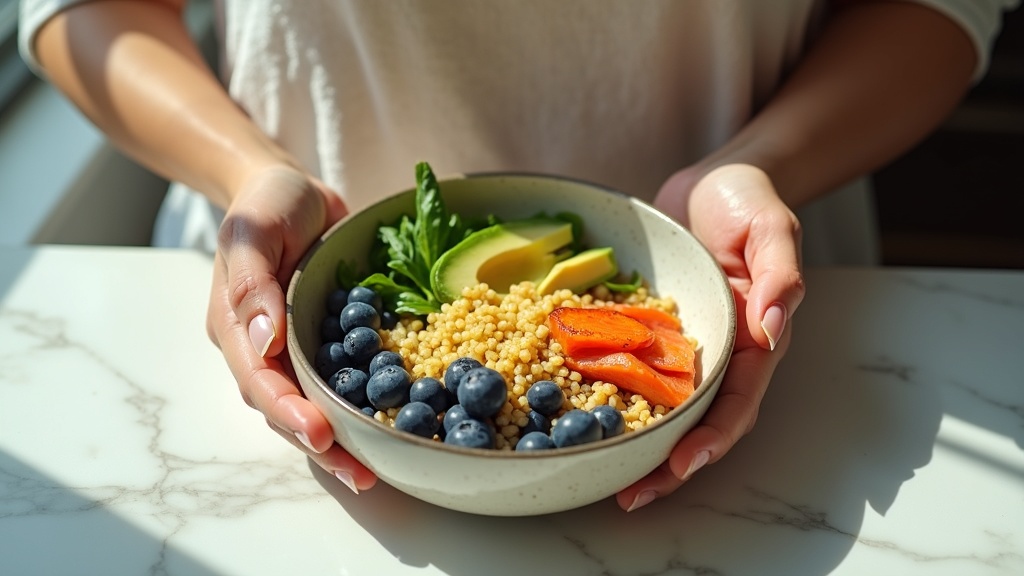
- A grain like quinoa or brown rice
- These components mix and match throughout the week into different meals, preventing both food waste and the temptation of expensive takeout when stress depletes your energy and decision-making capacity.
Strategic shopping habits that compound:
- Buy protein-rich staples in bulk when your budget allows. Warehouse stores offer significant per-unit savings on items like canned fish, Greek yogurt, eggs, and frozen chicken. Split bulk purchases with a friend if storage is limited.
- Compare unit prices religiously, not just the sticker price. The larger container of plain Greek yogurt nearly always beats individual cups. Dried beans cost a fraction of canned per serving, though canned versions still beat most meat proteins on price.
- Rotate plant and animal proteins intentionally. Aiming for 2-3 plant-based high protein meals weekly (lentil soup, bean burritos, tofu stir-fry) can cut your protein costs by 40-50% compared to animal protein at every meal, while boosting your fiber intake and supporting metabolic diversity [6].
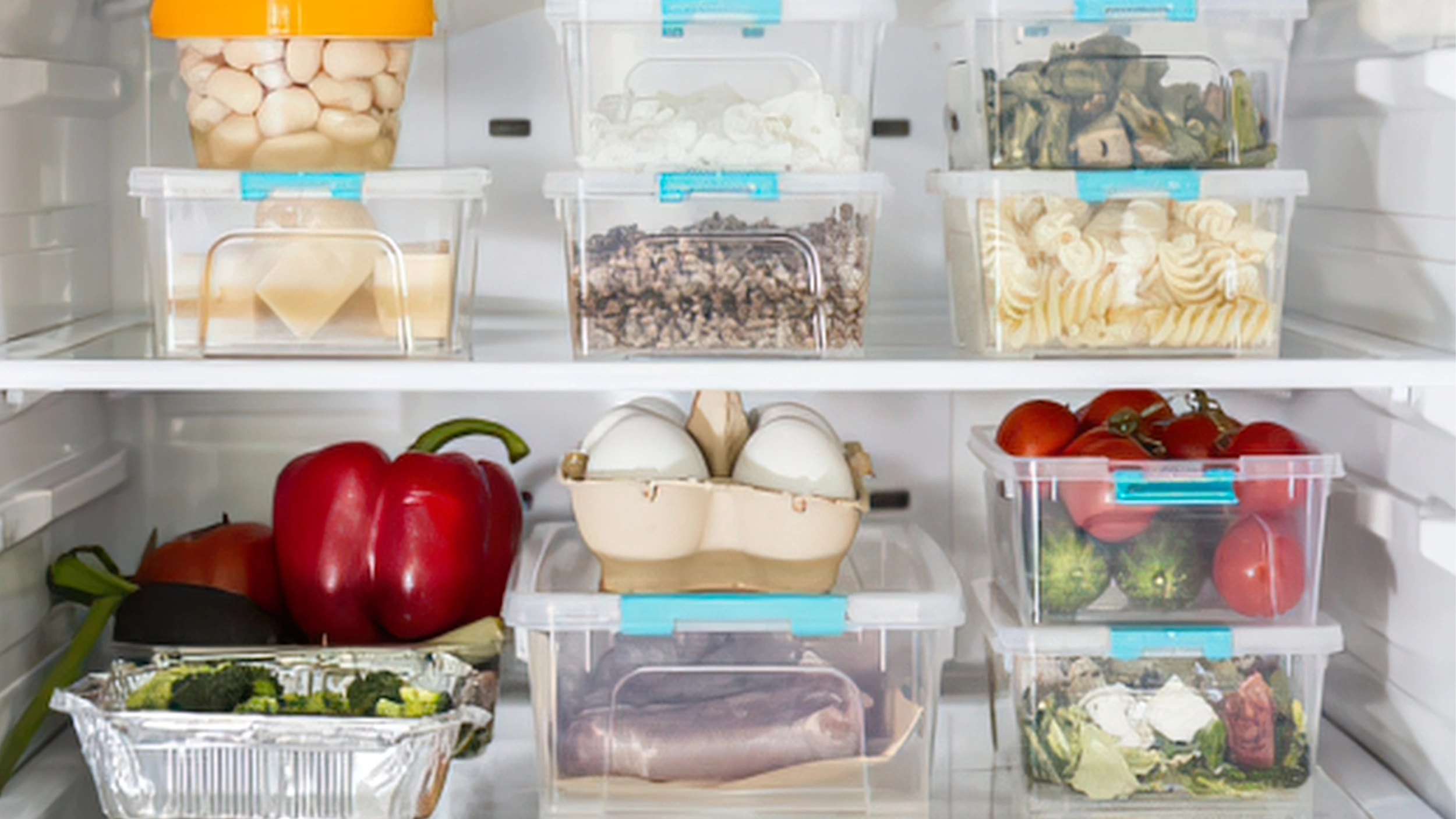
- Minimize waste through proper storage: Raw chicken and fish stay fresh 1-2 days in the fridge, so freeze what you won't use immediately. Cooked proteins last 3-4 days refrigerated in airtight containers. Eggs keep for 3-5 weeks past the pack date when stored properly. Greek yogurt remains good for 1-2 weeks past the sell-by date if unopened.
- Repurpose leftovers creatively rather than letting them languish. Last night's roasted chicken thighs become today's chicken salad or tomorrow's soup protein. Cooked beans transform from taco filling to salad topper to soup base throughout the week.
- Shop your pantry first before buying more. That forgotten can of chickpeas or bag of lentils represents protein you've already invested in.
- Use apps and loyalty programs that offer digital coupons and cash-back rewards on protein purchases. These small savings add up to $20-40 monthly.
- Consider store brands for items like canned fish, Greek yogurt, and cottage cheese. The protein quality is identical to name brands at 20-30% less cost.
Frequently Asked Questions
- What are the cheapest sources of lean protein?
Eggs, canned tuna, chicken thighs, dried lentils, and Greek yogurt consistently offer the best protein-per-dollar value. Eggs and dried legumes often provide complete or complementary amino acids for under $0.25 per serving, while canned fish delivers high-quality protein plus omega-3s for $1-2 per serving. Buying larger containers of Greek yogurt rather than individual cups can cut your cost per gram of protein in half.
- How can I increase my protein intake without spending a lot?
Focus on adding protein-rich foods to meals you're already eating rather than overhauling everything at once. Stir a scoop of Greek yogurt into your morning oatmeal, toss chickpeas into your lunch salad, add an egg to your dinner grain bowl, or keep hard-boiled eggs for snacks. Strategic supplementation with affordable options like edamame, cottage cheese, or peanut butter between meals helps you reach your targets without expensive protein powders or specialty products.
- Are there any protein-rich foods I should avoid when on a budget?
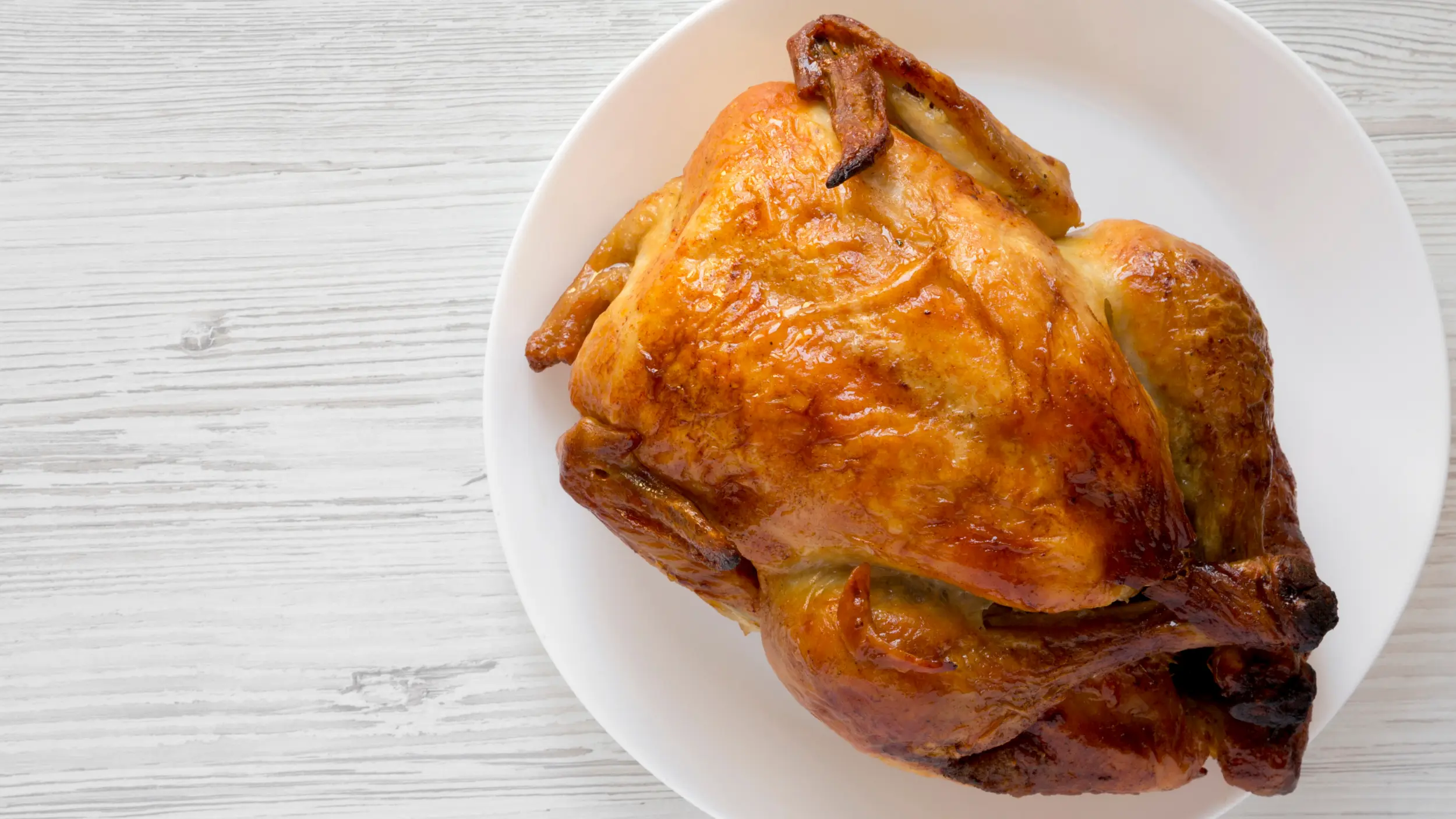
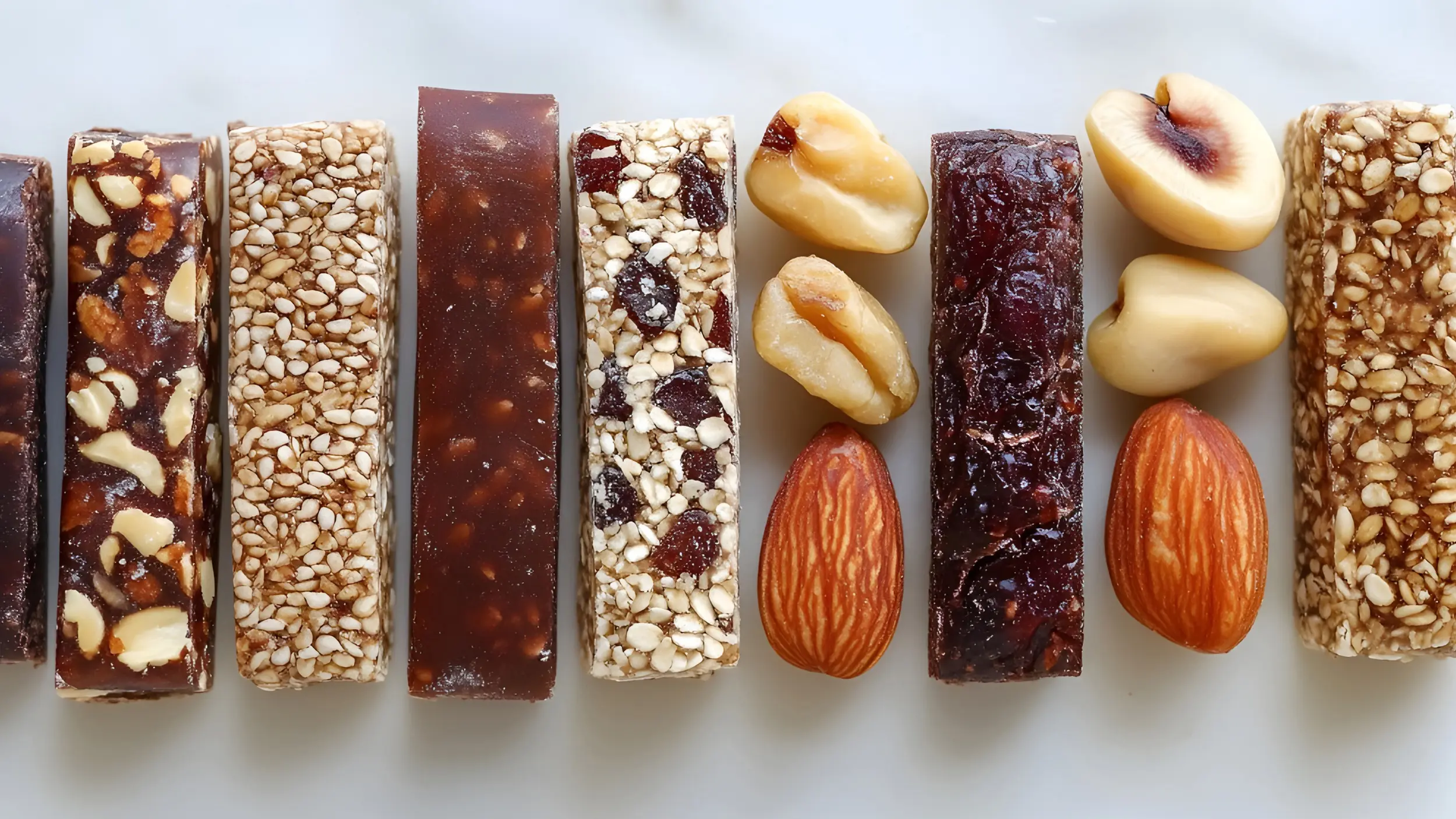
Skip pre-seasoned, pre-cooked, or individually packaged proteins that charge a premium for convenience you can easily create yourself. Rotisserie chickens, while tasty, cost 2-3 times more per pound than buying whole chickens on sale and roasting them yourself. Protein bars, shakes, and powders rarely compete with whole food sources on cost unless you're buying during deep sales. Organic and grass-fed labels, while beneficial in some contexts, aren't necessary for adequate protein intake and significantly increase costs without proportionally increasing protein content or bioavailability.
Ready to take control of your nutrition and your budget? Let's work together to create a personalized plan that fits your lifestyle and your wallet. The strategies we've covered here are just the beginning of what's possible when you have expert guidance tailored to your unique needs, preferences, and goals. Book a consultation with me at www.usevedic.com to start building your sustainable, affordable, and health-supporting nutrition plan today!
References
[1] Carbone JW, Pasiakos SM. Dietary Protein and Muscle Mass: Translating Science to Application and Health Benefit. Nutrients, 2019.
[2] Jäger R, Kerksick CM, et al. International Society of Sports Nutrition Position Stand: Protein and Exercise. Journal of the International Society of Sports Nutrition, 2017.
[3] Réhault-Godbert S, Guyot N, Nys Y. The Golden Egg: Nutritional Value, Bioactivities, and Emerging Benefits for Human Health. Nutrients, 2019.
[4] Res PT, Groen B, et al. Protein Ingestion Before Sleep Improves Postexercise Overnight Recovery. Medicine & Science in Sports & Exercise, 2012.
[5] Leidy HJ, Clifton PM, et al. The Role of Protein in Weight Loss and Maintenance. American Journal of Clinical Nutrition, 2015.
[6] Satija A, Bhupathiraju SN, et al. Healthful and Unhealthful Plant-Based Diets and the Risk of Coronary Heart Disease. JAMA Internal Medicine, 2017.
.svg)
.svg)


.jpg)
.jpg)











.webp)

























.webp)
.webp)
.webp)
.webp)
.webp)
.webp)
.webp)
.png)
.webp)
.webp)

.webp)
.png)
.webp)
.webp)
.webp)
.webp)
.webp)
.webp)
.webp)
.webp)
.webp)


.webp)
.png)