.webp)
%2B(7).webp)
.png)
At a Glance
Sea moss is a red algae packed with minerals and prebiotic fiber that's gone viral for its potential gut and skin benefits. However, its extremely high and inconsistent iodine content poses serious thyroid risks, especially for women with existing thyroid conditions. Before adding this trendy seaweed to your routine, you need to understand both the science-backed benefits and the very real safety concerns.
You've seen it all over social media, from vibrant smoothie bowls to skincare tutorials. But what actually is sea moss, and can it live up to the superfood hype? As dietitians, we're here to cut through the noise. This guide will walk you through the real science behind sea moss, its potential role in women's health, and how you can (or perhaps shouldn't) make it a part of your wellness routine.
What Is Sea Moss, Exactly?
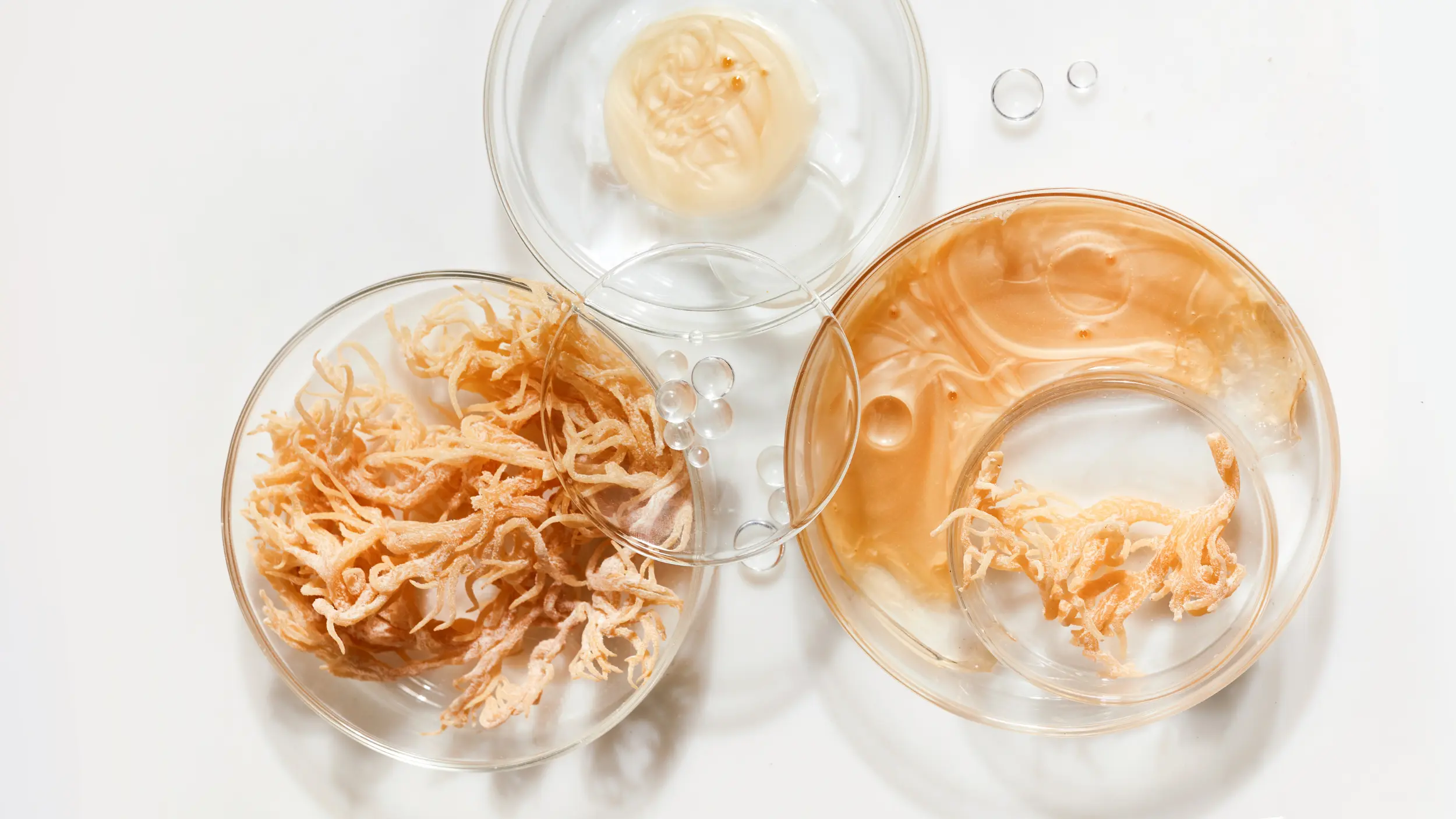
Sea moss—also called Irish moss or by its scientific name, Chondrus crispus—is a species of red algae that grows along the rocky Atlantic coastlines of North America, Europe, and the Caribbean [1]. It's been used for centuries in traditional Irish and Jamaican cuisine, often boiled down into a gel-like consistency for thickening soups, stews, and beverages.
What makes sea moss nutrition stand out is its impressive mineral density. This seaweed naturally absorbs nutrients from the ocean water it grows in, creating a concentrated source of iodine, magnesium, calcium, potassium, and smaller amounts of iron and zinc [2]. It also contains carrageenan, a sulfated polysaccharide that gives it that signature gel texture and has been studied for its potential prebiotic properties.
But here's what most influencers won't tell you: the nutrient content of sea moss isn't standardized. The minerals present—and their concentrations—can vary wildly depending on where it was harvested, the water quality, and how it was processed. That inconsistency is a crucial detail we'll come back to when we talk about safety.
Beyond the Hype: What Does the Science Say About Sea Moss Benefits?
Let's get real about what this viral seaweed actually does. While the internet would have you believe sea moss cures everything from brain fog to hormonal acne, the clinical evidence is far more modest. That said, there are some genuinely interesting potential benefits worth discussing.
Sea Moss for Gut Health
One of the most promising areas of research involves sea moss's prebiotic fiber content, specifically its carrageenan compounds. Prebiotics are non-digestible fibers that feed your beneficial gut bacteria, and early research suggests that the polysaccharides in sea moss may support a healthier gut microbiome [3].
A 2015 study found that carrageenan from red seaweeds demonstrated prebiotic-like effects, potentially promoting the growth of beneficial bacteria strains [3]. If you're already working on supporting your gut health through nutrition, sea moss could theoretically be a complementary addition—but it's not a magic bullet, and whole food sources of prebiotics like garlic, onions, and oats have much more robust evidence behind them.
Sea Moss Benefits for Skin
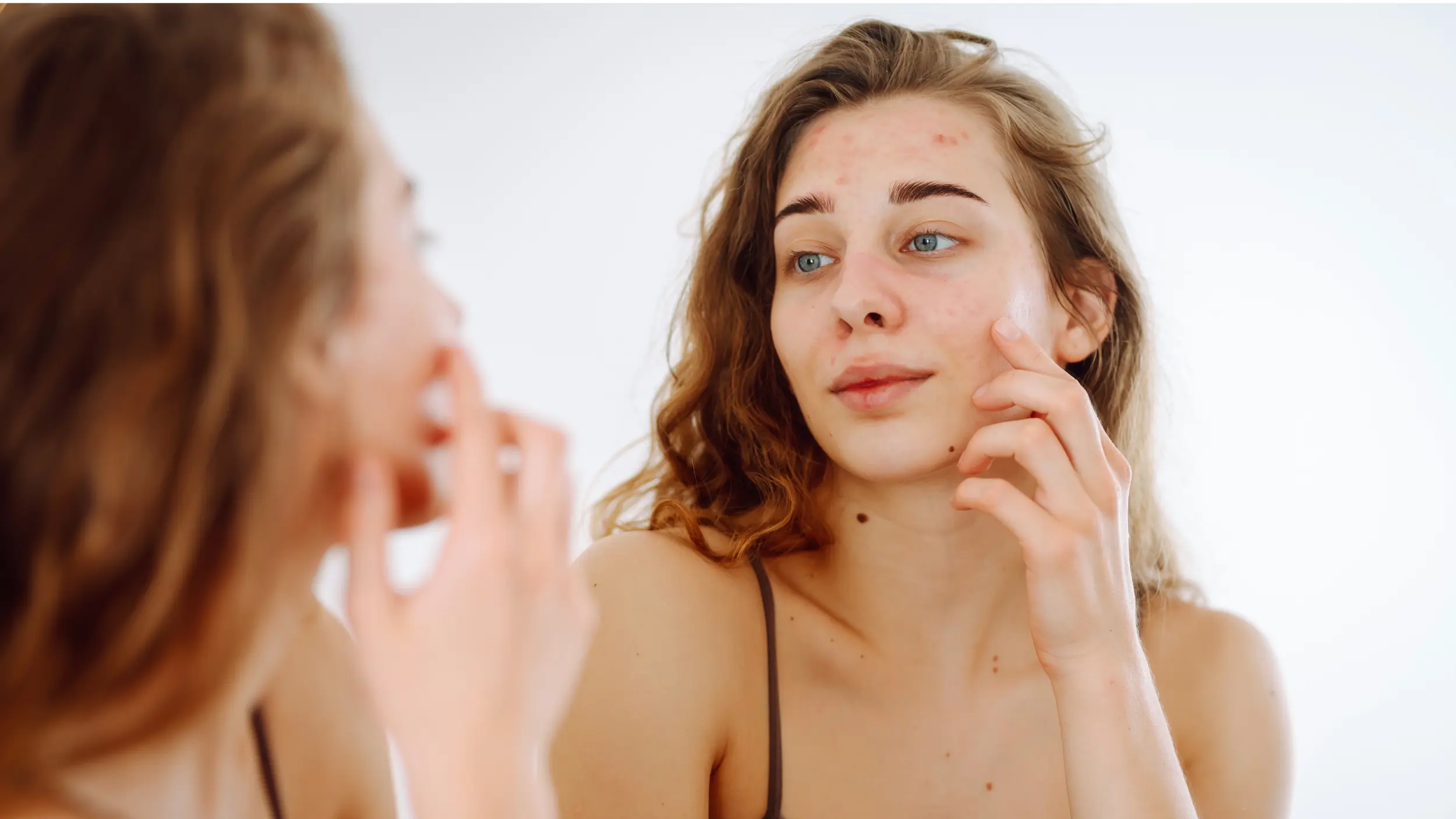
The sea moss for skin trend isn't entirely unfounded. Red algae extracts, including those from sea moss, contain antioxidant compounds like phycocyanins and flavonoids that may help protect skin cells from oxidative stress [4]. Some small studies have shown that topical application of carrageenan-containing compounds can support skin hydration and barrier function.
However, most of the skin benefits you're seeing online are anecdotal or based on in-vitro (test tube) studies—not clinical trials on humans applying sea moss gel to their faces. The gel's moisturizing effect is likely due to its thick, mucilaginous texture rather than any unique bioactive compounds you can't get from other sources.
Sea Moss Gel Benefits: Mineral Support
When it comes to sea moss nutrition, the mineral content is both its biggest selling point and its biggest risk. A typical serving of sea moss gel (about 2 tablespoons) may provide meaningful amounts of iodine, magnesium, and calcium. For women who struggle to meet their mineral needs through diet alone—especially if you're plant-based or have restrictive eating patterns—this concentrated source could theoretically help fill gaps.
But here's the critical nuance: most women in the United States already get adequate iodine from iodized salt and dairy products [5]. Adding a high-iodine supplement like sea moss can actually tip you into excess, which brings us to the most important conversation about safety.
Is Sea Moss Right for You? Key Considerations & Potential Side Effects
This is where we need to pump the brakes. Just because something is "natural" doesn't mean it's right for everyone—or even safe. Sea moss side effects are real, and the risks are especially significant for women.
Sea Moss and Thyroid: The Iodine Problem
Here's the big one: iodine content in sea moss is extremely high and wildly inconsistent. While iodine is essential for thyroid hormone production, both too little and too much can disrupt thyroid function [6]. The safe upper limit for iodine intake is 1,100 micrograms per day for adults, but some samples of sea moss have been found to contain several thousand micrograms in just a small serving [2].
Excessive iodine intake can trigger or worsen thyroid conditions, including:
- Hyperthyroidism: Overproduction of thyroid hormones leading to anxiety, rapid heartbeat, weight loss, and heat intolerance
- Hypothyroidism: Paradoxically, chronic excess iodine can actually suppress thyroid function in susceptible individuals
- Thyroid medication interference: If you're taking levothyroxine or other thyroid medications, high iodine intake can make your dosing unstable and ineffective [6]
If you have Hashimoto's thyroiditis, Graves' disease, thyroid nodules, or any thyroid condition, you should avoid sea moss entirely unless explicitly approved by your endocrinologist. Even if you have a family history of thyroid issues but no current diagnosis, it's worth being extremely cautious. This is especially relevant for women, as we're already at higher risk for thyroid disorders than men.
Other Sea Moss Side Effects to Consider
Beyond thyroid concerns, there are additional risks:
- Heavy metal contamination: Seaweed can absorb heavy metals like arsenic, lead, and mercury from polluted ocean water. Without third-party testing, you have no idea what you're actually consuming [7]
- Digestive upset: The high fiber content can cause bloating, gas, or diarrhea, especially when you first start taking it or consume large amounts
- Medication interactions: Sea moss may interact with blood thinners due to its vitamin K content, and its iodine can interfere with thyroid medications
- Pregnancy and breastfeeding: There's insufficient safety data on sea moss during pregnancy and lactation, so it's best to avoid it during these critical periods
If you're managing PCOS, hormonal imbalances, or other endocrine conditions, adding a high-iodine supplement without professional guidance could complicate your health picture rather than improve it.
A Practical Start: How to Choose and Use Sea Moss Safely
Feeling curious and ready to give it a try? Let's make it simple and safe. If you've consulted with your healthcare provider and gotten the green light, here's how to approach sea moss responsibly.
How to Choose Quality Sea Moss
Not all sea moss products are created equal. Here's what to look for:
- Third-party testing: Choose brands that provide certificates of analysis (COA) showing testing for heavy metals, microbial contamination, and iodine content
- Sourcing transparency: Look for products that clearly state where the sea moss was harvested and how it was processed
- Organic certification: While not foolproof, organic certification can indicate cleaner growing conditions
- Realistic claims: Run from any brand promising that sea moss will "cure" thyroid issues, balance all your hormones, or eliminate chronic disease
How to Use Sea Moss: Practical Applications
If you've decided to experiment with sea moss gel benefits, start low and slow. Here are some dietitian-approved ways to incorporate it:
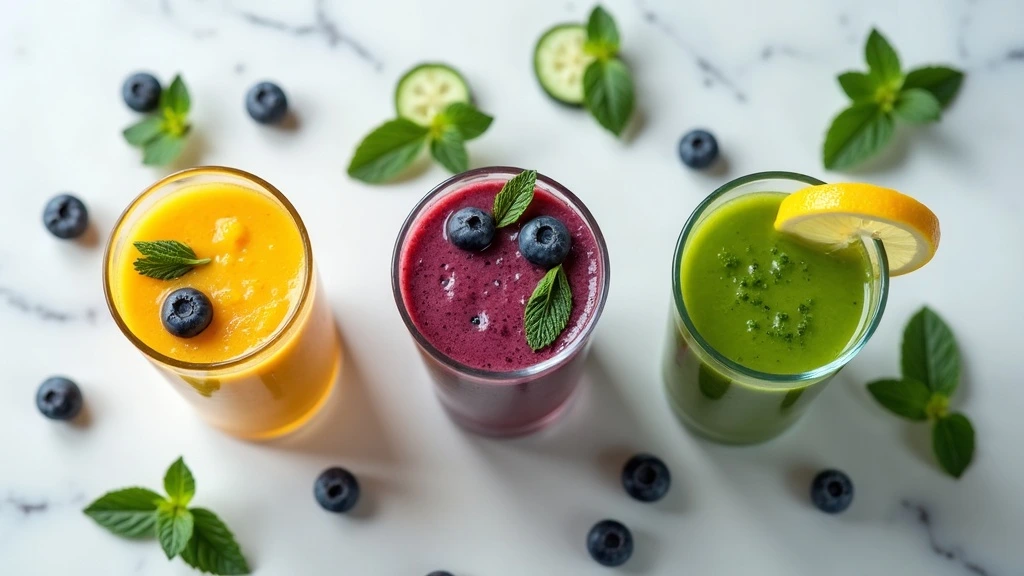
- Morning smoothies: Blend 1 tablespoon of sea moss gel into your usual smoothie recipe for added thickness and minerals
- Soups and stews: Stir a spoonful into warm soups as a natural thickener
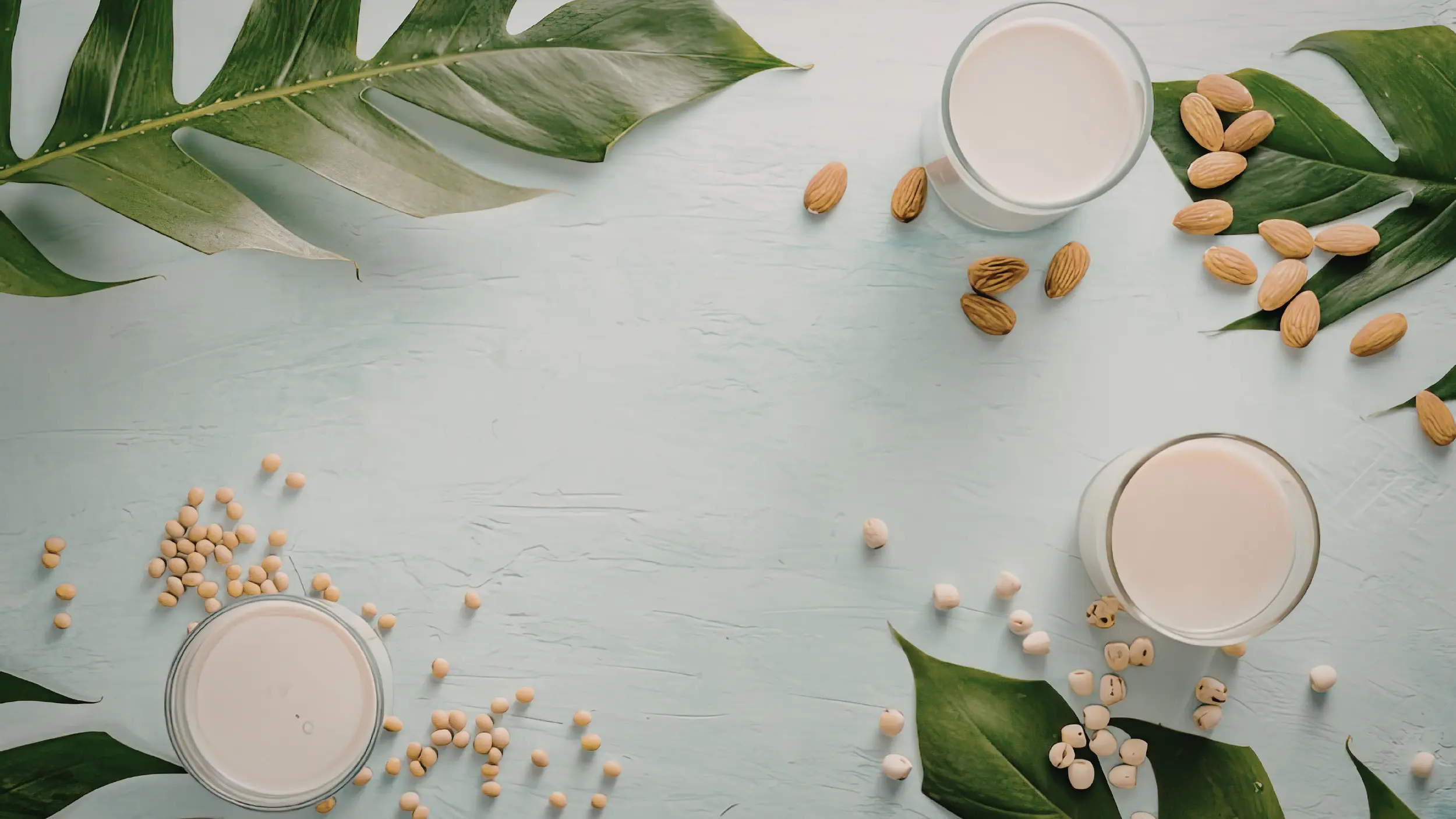
- Homemade nut milk: Add to almond or oat milk for a creamier texture
- Salad dressings: Blend into vinaigrettes for a smooth, emulsified consistency
Start with just 1 tablespoon of sea moss gel per day and monitor how your body responds over 1-2 weeks. Pay attention to any changes in energy, digestion, or mood. If you notice symptoms like rapid heartbeat, increased anxiety, or unusual fatigue, discontinue use and check in with your doctor—these could be signs of thyroid dysfunction.
FAQ: Your Quick Questions Answered
1. How much sea moss can I safely take each day?
While there's no official guideline, most sources suggest starting with 1-2 tablespoons of sea moss gel per day to see how your body responds and to avoid consuming too much iodine. However, because iodine content varies so dramatically between batches, even this amount could be excessive. If possible, choose a product with listed iodine content per serving and ensure your total daily iodine intake (from all sources) stays well below 1,100 micrograms.
2. I have a thyroid condition. Should I avoid sea moss?
Yes, you should be extremely cautious. Due to its high and variable iodine content, sea moss can interfere with thyroid function and medications [6]. It's essential to speak with your doctor or endocrinologist before trying it. For most women with diagnosed thyroid conditions, the risks far outweigh any potential benefits.
3. What's the difference between sea moss gel and capsules?
Sea moss gel is the hydrated, blended form of raw sea moss, often used in foods and drinks. Capsules contain dried, powdered sea moss. The gel may offer some soothing topical benefits, while capsules provide a more convenient, pre-measured dose, but both carry the same nutritional profile and precautions. Neither form is inherently safer or more effective—what matters most is the quality of sourcing and testing.
The Bottom Line on Irish Sea Moss
Sea moss isn't the miracle superfood social media makes it out to be, but it's not completely without merit either. For women without thyroid conditions who want to experiment with a mineral-rich whole food supplement, it can be incorporated cautiously and mindfully. The potential gut health and skin benefits are intriguing, even if the evidence is still preliminary.
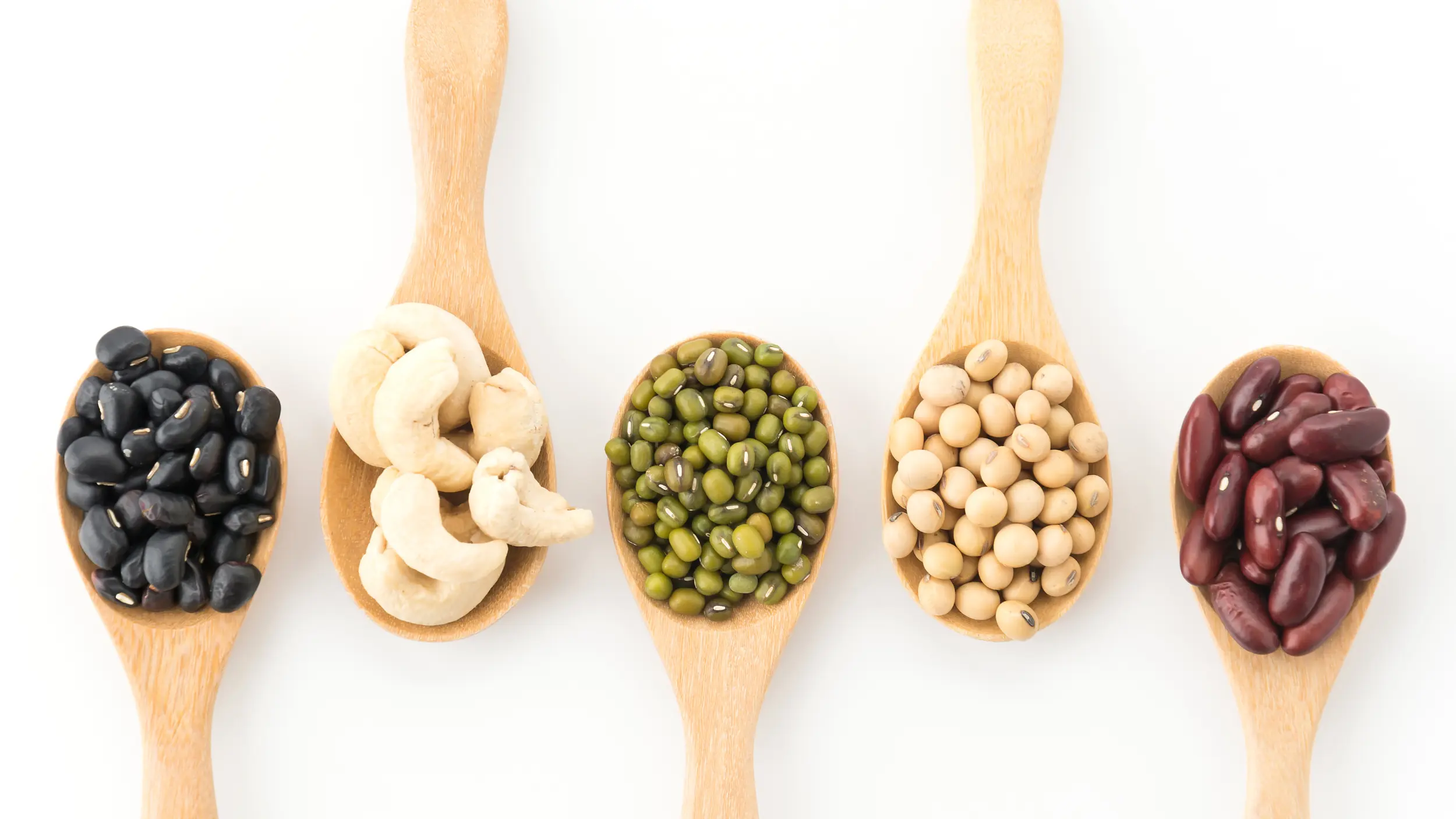
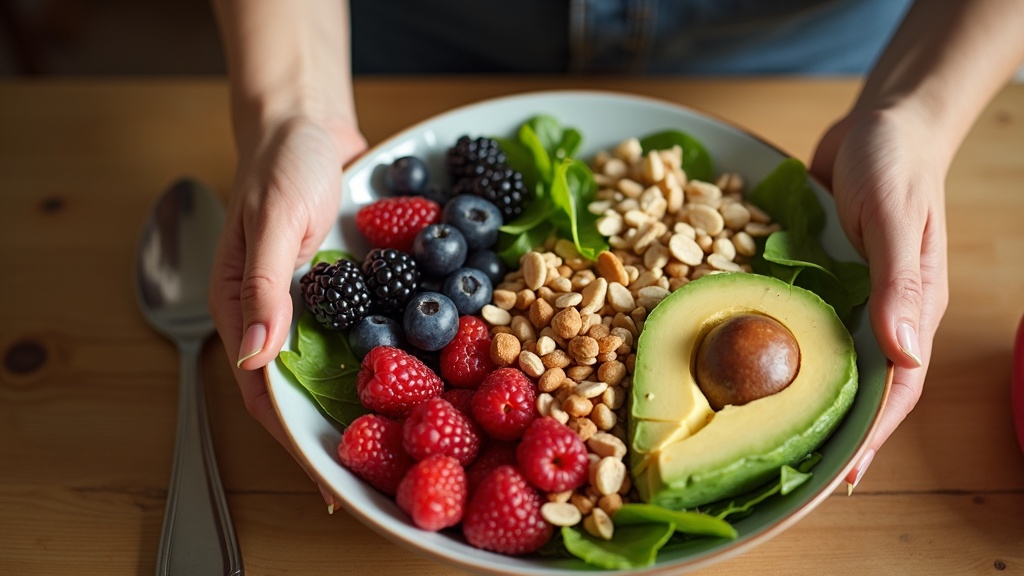
But let's be honest: you can get similar or better benefits from eating a varied, whole-foods diet rich in leafy greens, legumes, nuts, seeds, and other vegetables. The risks associated with inconsistent iodine content and potential contamination mean sea moss should never be a dietary staple or replacement for proven nutrition strategies.
If you're drawn to sea moss because you're feeling exhausted, struggling with skin issues, or dealing with digestive concerns, those symptoms deserve proper investigation—not just a trendy supplement Band-Aid.
Your Personalized Nutrition Blueprint
Feeling overwhelmed by the latest wellness trends? You don't have to navigate it alone. If you want to understand how supplements like sea moss could fit into your unique health goals—or whether there are safer, more effective alternatives for your specific concerns—let's chat.
Book a one-on-one consultation with our dietitians at www.usevedic.com to create a personalized plan that works for you. We'll help you cut through the marketing hype and build a sustainable, evidence-based approach to feeling your absolute best.
References
[1] Lomartire S, Marques JC, Gonçalves AMM. An Overview to the Health Benefits of Seaweeds Consumption. Marine Drugs, 2021.
[2] Roleda MY, Skjermo J, Marfaing H, Jónsdóttir R, Rebours C, Gietl A, Stengel DB, Nitschke U. Iodine content in bulk biomass of wild-harvested and cultivated edible seaweeds: Inherent variations determine species-specific daily allowable consumption. Journal of Applied Phycology, 2018.
[3] Vieira Santos AC, Willmersdorf NB, de Cordova Nascimento T, Cavalcanti Pisani LP. Carrageenan as a prebiotic for the modulation of the gut microbiota. Food Chemistry, 2015.
[4] Jesumani V, Du H, Aslam M, Pei P, Huang N. Potential Use of Seaweed Bioactive Compounds in Skincare—A Review. Marine Drugs, 2019.
[5] National Institutes of Health Office of Dietary Supplements. Iodine: Fact Sheet for Health Professionals. NIH, 2022.
[6] Leung AM, Braverman LE. Consequences of excess iodine. Nature Reviews Endocrinology, 2014.
[7] Besada V, Andrade JM, Schultze F, González JJ. Heavy metals in edible seaweeds commercialised for human consumption. Chemosphere, 2009.
.svg)
.svg)




.jpg)
.jpg)











.webp)



























.webp)
.webp)
.webp)
.webp)
.webp)
.webp)
.webp)
.png)
.webp)
.webp)
.webp)
.png)
.webp)
.webp)
.webp)
.webp)
.webp)
.webp)
.webp)
.webp)
.webp)


.webp)
.png)