.webp)
%2B(7).webp)
.png)
At a Glance
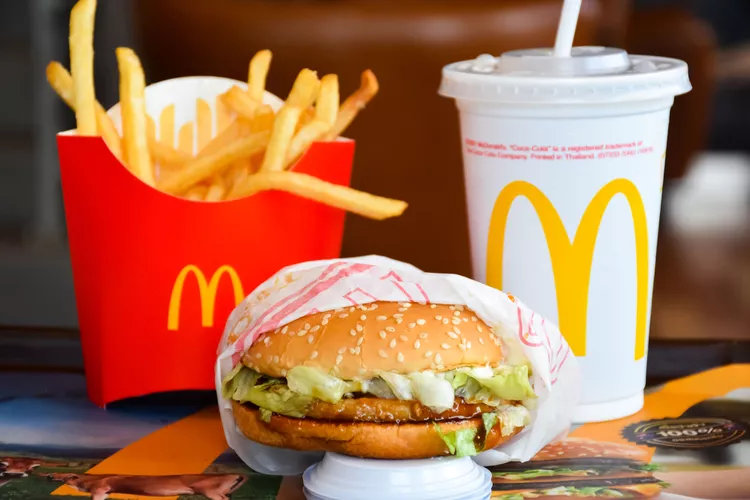
Navigating the McDonald's menu doesn't have to sabotage your health goals. With strategic ordering techniques and an understanding of how to balance macronutrients, you can enjoy fast-food convenience while honoring your nutritional needs. This evidence-based guide breaks down exactly what to order at McDonald's, from breakfast through dinner, with specific meal combinations that support metabolic health and satiety.
Making Healthier Choices on the Go
Let's be real: life gets chaotic, and sometimes McDonald's is the most practical option between meetings, errands, or long drives. The key isn't perfection—it's making informed decisions that align with your body's needs.
When you're scanning the McDonald's menu, your first strategic move is understanding portion control and macronutrient distribution. Research shows that meals containing adequate protein (20-30g) significantly improve satiety and reduce subsequent calorie intake throughout the day [1]. This matters because fast-food environments are specifically engineered to encourage overconsumption through strategic menu design and combo meal pricing.
Here's your foundational approach:
- Lead with protein. Aim for grilled options over breaded or fried whenever possible.
- Add produce. Even McDonald's salads or apple slices contribute fiber and phytonutrients that slow glucose absorption [2].
- Rethink the drink. Sugar-sweetened beverages can add 150-300 empty calories to any meal. Unsweetened iced tea or water protects your metabolic health without feeling restrictive.
Menu Strategies
- Breakfast Options: The Egg McMuffin (310 calories, 17g protein) provides stable morning energy compared to high-sugar pastries.
- Lunch & Dinner Customization: Deconstruct combo meals. Removing mayo from a McChicken saves 80 calories of fat. Pairing items with a side salad instead of fries increases fiber and manages sodium.
- Gut Health: Adding apple slices or extra veggies supports microbial balance that influences immunity and mood [3].
Balancing Your McDonald's Meal: Proteins, Veggies, and Smart Carbs
Building a balanced McDonald's meal isn't about restriction. It's about strategic composition that keeps your blood sugar stable, your hunger hormones regulated, and your energy consistent for hours after eating.
The ideal fast-food plate follows this framework:
- 40% protein source – Anchors the meal and triggers satiety hormones peptide YY and GLP-1 [4].
- 30% non-starchy vegetables or fruit – Fiber slows gastric emptying and feeds gut bacteria.
- 30% quality carbohydrates – Pairing carbs (like a bun or small fries) with protein and fat prevents glucose spikes.
My top balanced McDonald's meals:
- Artisan Grilled Chicken Sandwich (no mayo) + Side Salad: 370 calories, 35g protein, 5g fiber. Supports muscle protein synthesis with leucine-rich protein.
- 6-Piece Chicken McNuggets + Apple Slices + Small Fries: ~430 calories, 17g protein. Provides satisfaction without overindulgence.
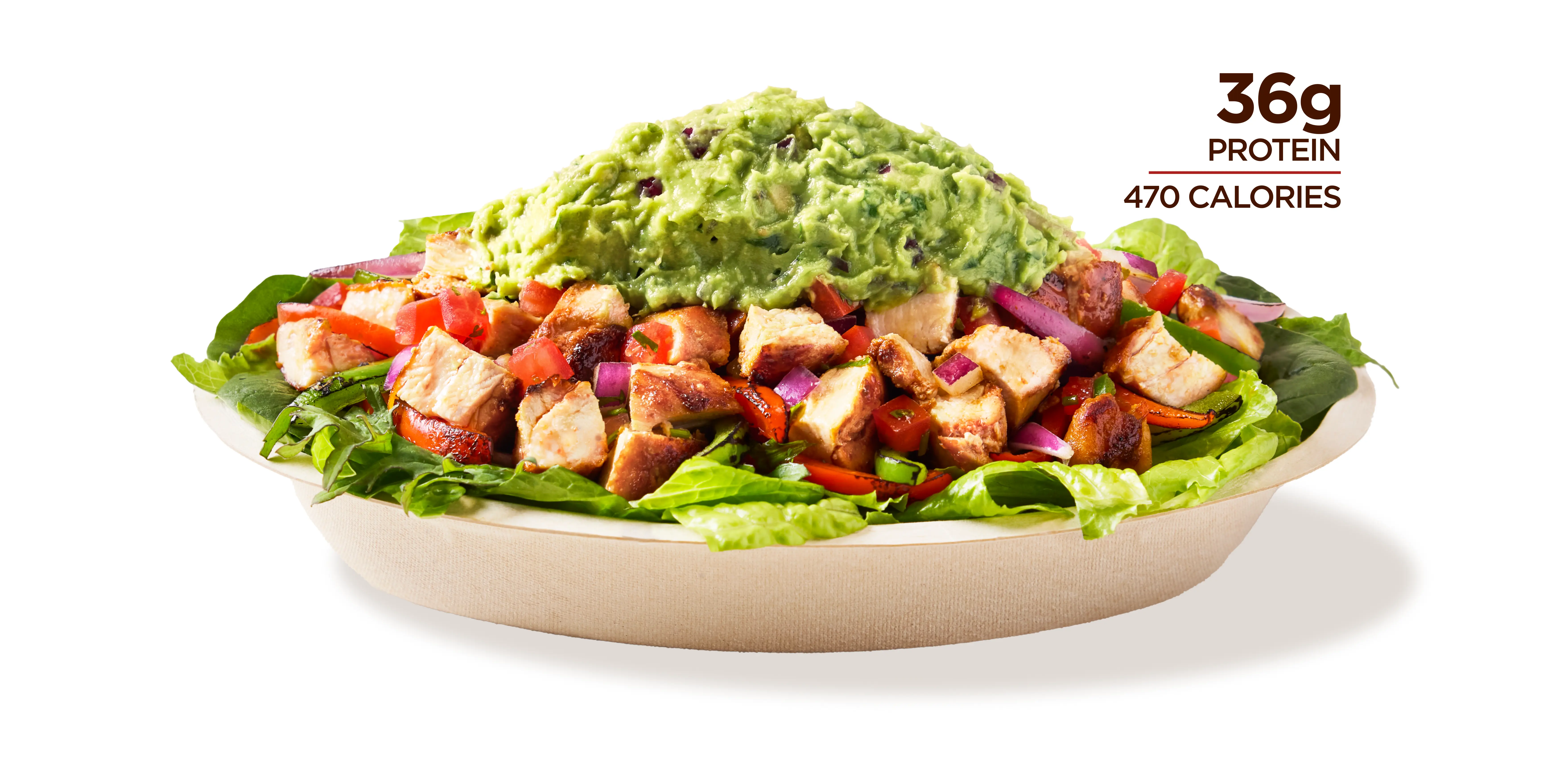
- Southwest Grilled Chicken Salad with Balsamic: 350 calories, 37g protein, 6g fiber. Contains resistant starch and antioxidant phytonutrients [5].
Guilt-Free Favorites and Sneaky Good Options
Let's dismantle the guilt narrative right now. Eating at McDonald's occasionally doesn't make you "bad" or derail your health. What matters is the overall pattern of your eating—not one meal, one day, or one week.
The sneaky good options at McDonald's are items that deliver better nutrition than their reputation suggests:
- Egg White Delight McMuffin: 250 calories, 18g protein. Low saturated fat and 3g fiber from the whole-grain muffin.
- Plain Hamburger: 250 calories, 12g protein. Satisfies cravings with balanced macros when paired with a salad.
- Fruit 'N Yogurt Parfait: 150 calories. Provides probiotics and fiber; good as a snack or protein pairing.
Frequently Asked Questions
Q: What are the healthiest breakfast options at McDonald's?
The Egg White Delight McMuffin and the classic Egg McMuffin are your best bets for balanced McDonald's breakfast choices. Both provide 17-18g of protein, which research confirms helps regulate appetite hormones and reduces calorie intake at subsequent meals [8]. Pair either with apple slices instead of hash browns to add fiber and reduce overall sodium. The Fruit & Maple Oatmeal (without brown sugar) is another solid option at 310 calories with 6g fiber, though you'll want to add a protein source like a side of scrambled eggs to improve satiety.
Q: Can I eat at McDonald's and still lose weight?
Absolutely. Weight loss fundamentally comes down to sustained calorie balance over time, not the elimination of specific restaurants or food groups. The key is strategic ordering and portion awareness. Studies consistently show that people who include occasional treats and convenience foods in their eating patterns demonstrate better long-term adherence to health goals compared to those following highly restrictive approaches [9]. Focus on protein-forward meals under 500 calories, skip sugar-sweetened beverages, and balance your McDonald's meal with plenty of vegetables and whole foods throughout the rest of your day. A single 400-calorie McDonald's lunch within a daily intake appropriate for your needs will not prevent fat loss.
Q: What are some low-calorie meals I can order at McDonald's?
Here are complete McDonald's meals under 400 calories that still provide adequate satiety:
- Hamburger + Side Salad with Balsamic (295 cal, 14g protein)
- 6-Piece Chicken McNuggets + Apple Slices (285 cal, 15g protein)
- Southwest Grilled Chicken Salad (350 cal, 37g protein)
- Artisan Grilled Chicken Sandwich (no mayo) + Apple Slices (350 cal, 33g protein)
Remember that "low-calorie" isn't automatically better. Prioritize meals that provide adequate protein and fiber to maintain stable blood sugar and prevent the restrict-binge cycle that sabotages sustainable weight management.
Making informed choices at McDonald's is completely achievable when you understand the principles of balanced eating and strategic menu navigation. You don't need to be perfect—you need to be consistent with choices that honor both your health goals and your real-world constraints.
Ready to create a personalized nutrition strategy that fits your actual life, including occasional fast-food meals? Let's work together to build an approach that feels sustainable, not restrictive. Book your consultation at www.usevedic.com and get a custom plan designed specifically for your metabolism, schedule, and goals.
References
[1] Leidy HJ, Clifton PM, et al. The role of protein in weight loss and maintenance. American Journal of Clinical Nutrition, 2015.
[2] Weickert MO, Pfeiffer AFH. Metabolic effects of dietary fiber consumption and prevention of diabetes. Journal of Nutrition, 2008.
[3] Sonnenburg ED, Sonnenburg JL. The ancestral and industrialized gut microbiota and implications for human health. Nature Reviews Microbiology, 2019.
[4] Chaudhri OB, Salem V, Murphy KG, Bloom SR. Gastrointestinal satiety signals. Annual Review of Physiology, 2008.
[5] Joseph SV, Edirisinghe I, Burton-Freeman BM. Fruit polyphenols: A review of anti-inflammatory effects in humans. Critical Reviews in Food Science and Nutrition, 2016.
[6] Astrup A, Magkos F, et al. Saturated fats and health: A reassessment and proposal for food-based recommendations. Journal of the American College of Cardiology, 2020.
[7] Sumithran P, Prendergast LA, et al. Long-term persistence of hormonal adaptations to weight loss. New England Journal of Medicine, 2011.
[8] Vander Wal JS, Marth JM, et al. Short-term effect of eggs on satiety in overweight and obese subjects. Journal of the American College of Nutrition, 2005.
[9] Stewart TM, Williamson DA, White MA. Rigid vs. flexible dieting: association with eating disorder symptoms in nonobese women. Appetite, 2002.
.svg)
.svg)


.jpg)
.jpg)
















.webp)
























.webp)
.webp)
.webp)
.webp)
.webp)
.webp)
.webp)
.png)
.webp)
.webp)

.webp)
.png)
.webp)
.webp)
.webp)
.webp)
.webp)
.webp)
.webp)
.webp)
.webp)


.webp)
.png)