.webp)
%2B(7).webp)
.png)
At a Glance
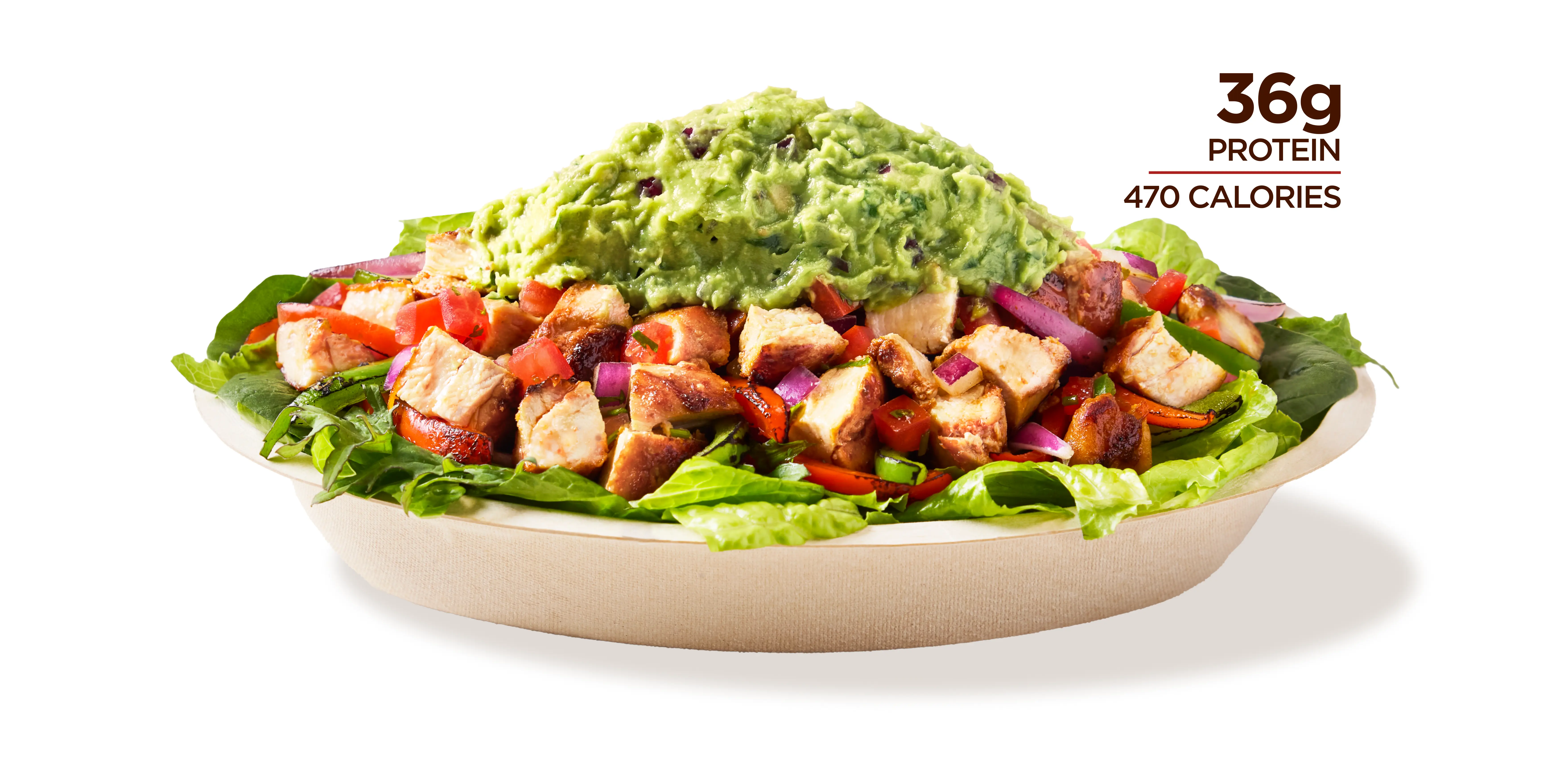
Chipotle can absolutely fit into a nutrient-dense eating plan when you know how to navigate the menu strategically. This guide breaks down the best protein options, smart carb choices, and customization hacks to build a balanced bowl that supports your energy, satiety, and wellness goals. You'll learn exactly what to order at Chipotle to maximize nutrition without sacrificing flavor.
Building Your Balanced Chipotle Bowl
Let's get real: ordering at Chipotle can either set you up for sustained energy or leave you in a post-lunch slump. The foundation of any healthy Chipotle order starts with understanding macronutrient balance and how to structure your bowl for optimal satiety.
Choosing Your Protein
Protein is non-negotiable when you're building a meal that actually keeps you full. Chipotle offers several solid options, but they're not all created equal from a nutritional standpoint.
- Sofritas: delivers 10 grams of plant-based protein per serving and provides an excellent fiber boost, making it a fantastic choice for gut health optimization [1]. The organic tofu base is minimally processed and seasoned with poblano peppers and spices.
- Chicken: remains the leanest animal protein at roughly 180 calories and 32 grams of protein per serving [2]. It's antibiotic-free and provides a complete amino acid profile that supports muscle maintenance and metabolic function.
- Steak: offers about 150 calories and 21 grams of protein, plus additional iron and B vitamins that many menstruating women need more of. The grass-fed sourcing means you're also getting a better omega-3 to omega-6 fatty acid ratio [3].
- Barbacoa: contains similar protein levels to steak but tends to be slightly higher in sodium due to the braising process. If you're managing blood pressure or fluid retention, this might be one to rotate rather than default to.
- Carnitas: clocks in around 210 calories with 23 grams of protein. While delicious, the fat content is higher, so pair it strategically with lighter toppings if this is your choice.
Selecting Your Base
Your base choice dramatically impacts the fiber content, glycemic load, and overall satiety of your bowl. This is where customization becomes your superpower.
- Salad greens (romaine): provide volume, crunch, and virtually zero calories while adding folate, vitamin K, and water content. If you're focusing on Chipotle for weight loss, starting with greens as your base is a strategic move.
- Brown rice: delivers 23 grams of carbohydrates and 2 grams of fiber per serving. It has a lower glycemic index than white rice, meaning slower glucose release and better blood sugar stability [5]. This matters especially if you're working on hormone balance through dietary interventions.
- White rice: isn't inherently "bad," but it lacks the fiber and micronutrients of brown rice. If you're an athlete or need quick-digesting carbs around training, white rice has its place.
- Skip the base entirely: double up on fajita veggies for a lower-carb, higher-fiber option that still feels substantial.
My recommendation? Use a half-and-half base strategy: half greens, half brown rice. You get the fiber and micronutrients from both while keeping portions moderate.
Smart Carb & Veggie Selections
Carbohydrates aren't the enemy—poorly chosen carbohydrates are. At Chipotle, your bean and veggie choices can either support stable energy or trigger cravings an hour later.
The Bean Breakdown
Both black beans and pinto beans provide resistant starch, which feeds beneficial gut bacteria and improves insulin sensitivity [6]. Here's how they compare:
- Black beans: contain about 120 calories, 8 grams of protein, and 7 grams of fiber per serving. They're particularly high in anthocyanins, the same antioxidant compounds found in blueberries.
- Pinto beans: offer similar macros with slightly more folate, making them an excellent choice if you're in your reproductive years or managing MTHFR genetic variants.
Both options work beautifully for Chipotle healthy options. The real question is whether you need both beans and rice. For most women I work with, choosing one complex carb source and loading up on vegetables creates better satiety without the post-meal energy crash.
Vegetable Maximization
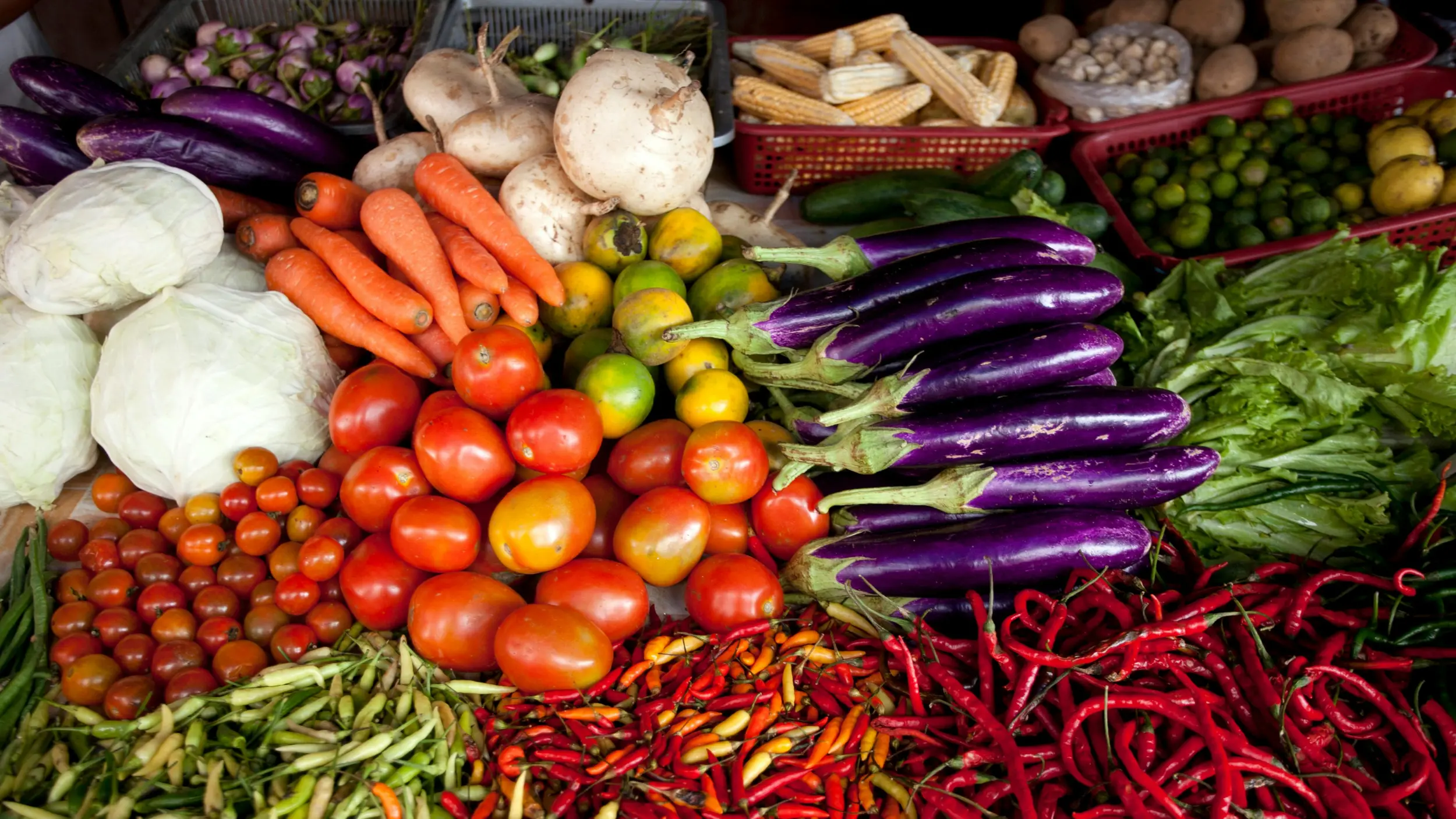
Fajita vegetables are criminally underutilized. They're free, they add volume and nutrients, and they count toward your daily vegetable intake without adding significant calories. Bell peppers provide over 150% of your daily vitamin C needs, supporting collagen synthesis and immune function [7].
The key with Chipotle vegetarian options is building adequate protein through strategic layering: sofritas plus beans creates a complete amino acid profile while keeping the meal plant-forward.
Fresh tomato salsa (pico de gallo) adds another vegetable serving with minimal sodium compared to other salsas. The raw onions and cilantro also provide quercetin and other polyphenols that support detoxification pathways.
Sauces, Salsas, and Smarter Add-ons
This is where healthy Chipotle bowls can quickly become calorie bombs if you're not paying attention. But it's also where flavor happens, so we're not skipping this section—we're optimizing it.
Salsa Strategy
All four salsas clock in under 25 calories, making them extremely nutrient-dense flavor additions:
- Tomatillo green-chili salsa: is the lowest sodium option and provides a bright, tangy flavor.
- Tomatillo red-chili salsa: offers moderate heat with similar nutrition.
- Fresh tomato salsa: gives you that raw vegetable crunch.
- Corn salsa: adds a touch of sweetness plus additional fiber.
I typically recommend choosing two salsas to layer flavors without needing heavier toppings.
The Guacamole Question
Guacamole adds 230 calories and 22 grams of primarily monounsaturated fat. Is it worth it? Absolutely, when used strategically. Avocado improves the absorption of fat-soluble vitamins from your vegetables and provides oleic acid, which supports cardiovascular health [8].
The catch: if you're also getting cheese and sour cream, you're stacking multiple fat sources, which can push your bowl past satiety into uncomfortable fullness.
Cheese and Sour Cream
Cheese adds 110 calories and 8 grams of fat, plus 240 mg of sodium. Sour cream contributes 110 calories and 9 grams of fat. Neither provides significant protein relative to their calorie density.
My clinical recommendation: choose one rich topping per bowl. Guacamole usually wins from a nutritional standpoint, but if cheese brings you genuine satisfaction and you're skipping the sour cream, that's a perfectly valid choice. This is about functional nutrition that reduces stress, not restriction.
The Burrito vs. Bowl Decision
A flour tortilla adds 320 calories and 50 grams of refined carbohydrates with minimal fiber. Nutritionally, the bowl format allows you to control portions better and typically provides more vegetables. If you genuinely love the tortilla experience, consider getting it on the side and using it to scoop bites rather than wrapping everything inside.
Chipotle customization is your biggest advantage here—there's no rule saying you have to follow the standard build.
Sample Orders That Actually Work
- The Balanced Classic: Half romaine base, half brown rice, chicken, black beans, fajita veggies, fresh tomato salsa, corn salsa, and guacamole.
- The Plant-Based Powerhouse: Full romaine base, sofritas, pinto beans, fajita veggies, all four salsas, and guacamole.
- The Lower-Carb Option: Double romaine base, steak, no beans, no rice, fajita veggies, cheese, and tomatillo green-chili salsa.
Chipotle Mindful Eating Practices
Beyond what you order, how you eat matters. Eating quickly while scrolling or working means you'll likely overeat and digest poorly. Take the lid off your bowl, notice the colors and textures, and chew thoroughly. Your satiety hormones need about 20 minutes to signal fullness to your brain [9].
If you're ordering for dinner, consider whether you're actually hungry or just defaulting to a large portion because it's there. Sometimes a half portion with extra vegetables serves you better than powering through a full bowl out of habit.
Frequently Asked Questions
Q: What is the healthiest protein at Chipotle?
Chicken provides the most protein per calorie, making it ideal for muscle maintenance and satiety. However, sofritas offers superior fiber and gut health benefits. The "healthiest" choice depends on your specific nutritional needs—if you're low in iron, steak might be your best option. Rotate proteins weekly for nutritional diversity.
Q: How can I make a Chipotle bowl low-carb?
Use a full romaine lettuce base instead of rice, skip the beans, load up on fajita veggies, choose a protein like chicken or steak, and add guacamole for healthy fats. Include multiple salsas for flavor without adding carbs. This approach keeps net carbs under 20 grams while maintaining high fiber and satiety.
Q: Is it possible to eat healthy at Chipotle if I have dietary restrictions?
Absolutely. Chipotle accommodates gluten-free (skip flour tortilla and request clean prep surfaces), dairy-free (skip cheese, sour cream, and queso), vegetarian, and vegan eating patterns easily. Their ingredient transparency is excellent, and staff are generally trained to handle allergy requests. The customization model makes it one of the most inclusive fast-casual options available.
Ready to create your perfect, healthy Chipotle order? If you want personalized meal planning that goes beyond generic restaurant guides and actually addresses your unique metabolism, hormone health, and lifestyle, let's work together. Book a session to build a tailored nutrition protocol that fits your real life.
References
[1] Satija A, et al. Plant-Based Dietary Patterns and Incidence of Type 2 Diabetes in US Men and Women: Results from Three Prospective Cohort Studies. PLOS Medicine, 2016.
[2] USDA FoodData Central. Chicken, Broilers or Fryers, Breast, Meat Only, Cooked, Roasted. U.S. Department of Agriculture, 2024.
[3] Daley CA, et al. A Review of Fatty Acid Profiles and Antioxidant Content in Grass-Fed and Grain-Fed Beef. Nutrition Journal, 2010.
[4] Heiman ML, Greenway FL. A Healthy Gastrointestinal Microbiome is Dependent on Dietary Diversity. Molecular Metabolism, 2016.
[5] Sun Q, et al. White Rice, Brown Rice, and Risk of Type 2 Diabetes in US Men and Women. Archives of Internal Medicine, 2010.
[6] Robertson MD, et al. Insulin-Sensitizing Effects of Dietary Resistant Starch and Effects on Skeletal Muscle and Adipose Tissue Metabolism. American Journal of Clinical Nutrition, 2005.
[7] Carr AC, Maggini S. Vitamin C and Immune Function. Nutrients, 2017.
[8] Dreher ML, Davenport AJ. Hass Avocado Composition and Potential Health Effects. Critical Reviews in Food Science and Nutrition, 2013.
[9] Kokkinos A, et al. Eating Slowly Increases the Postprandial Response of the Anorexigenic Gut Hormones, Peptide YY and Glucagon-Like Peptide-1. Journal of Clinical Endocrinology & Metabolism, 2010.
.svg)
.svg)


.jpg)
.jpg)






.webp)



















.webp)
.webp)
.webp)
.webp)
.webp)
.webp)
.webp)
.png)
.webp)
.webp)
.webp)
.png)
.webp)
.webp)
.webp)
.webp)
.webp)
.webp)
.webp)
.webp)
.webp)


.webp)
.png)