.webp)
%2B(7).webp)
.png)
At a Glance
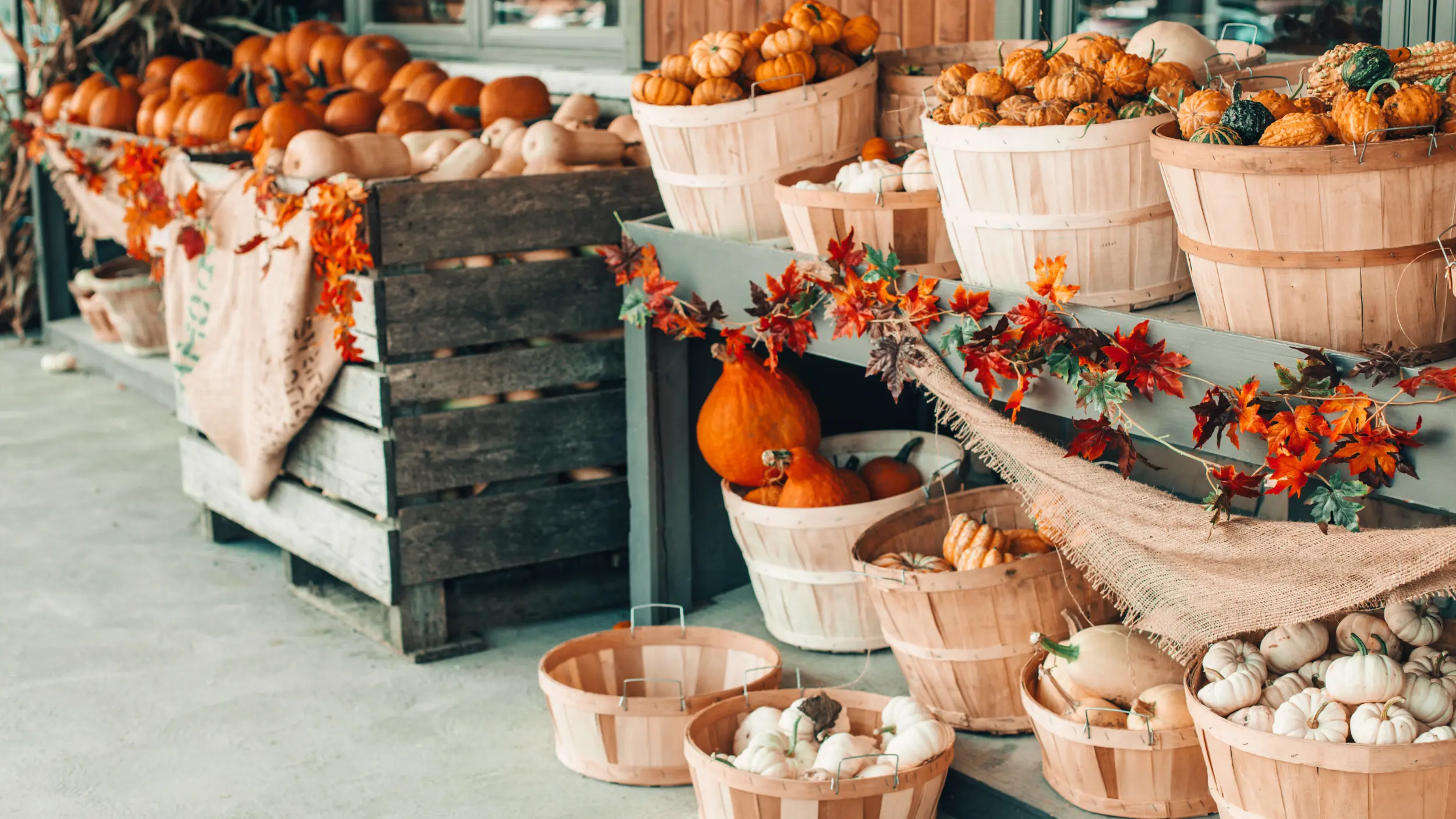
Autumn brings a harvest of nutrient-dense foods perfectly designed to support your immune system, gut health, and energy levels as the seasons change. This guide breaks down the top 10 fall superfoods backed by science, from beta-carotene-rich pumpkin to omega-3-packed walnuts, with simple, practical ways to incorporate them into your daily routine. These seasonal powerhouses aren't just trendy—they're your evidence-based toolkit for feeling vibrant all season long.
As the air gets crisper and the days get shorter, it's the perfect time to lean into the nourishing, grounding foods of the season. Let's move beyond just pumpkin spice and explore the powerhouse nutrients autumn has to offer, focusing on simple ways to boost your immunity and gut health for the colder months ahead. These aren't just trendy foods; they're your toolkit for feeling your best all season long.
1. Boost Your Immunity with Vitamin-Rich Powerhouses
Feeling run down as the seasons change is common, but your plate can be your first line of defense. The shift from warm to cool weather places unique demands on your immune system, and strategic nutrition can make all the difference. Let's pack your meals with vibrant, immune-supporting staples that deliver real results.
The potent antioxidants in autumn superfoods like pumpkin, cranberries, and pomegranates help protect your cells from oxidative stress and inflammation—two key factors that can weaken immune response [1]. This isn't about quick fixes; it's about giving your body the raw materials it needs to function optimally.
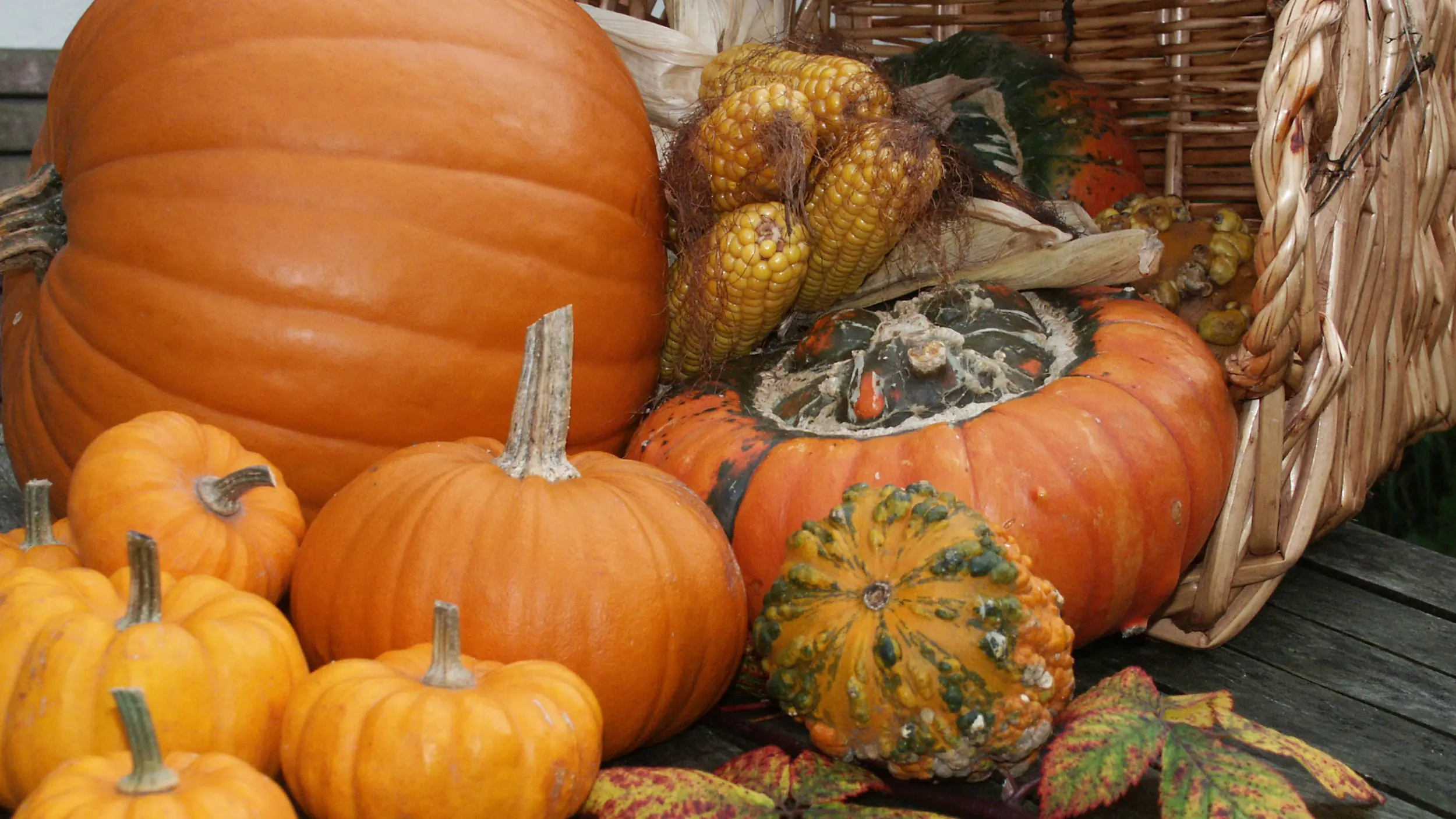
Pumpkin & Butternut Squash
- Pumpkin: Just one cup of cooked pumpkin delivers over 200% of your daily Vitamin A needs [2]. Your body converts the beta-carotene in pumpkin into active Vitamin A, which is essential for maintaining the integrity of your respiratory tract lining—your first barrier against pathogens. The pumpkin benefits extend beyond immunity too; this fall favorite supports eye health and provides a solid dose of fiber for digestive wellness.
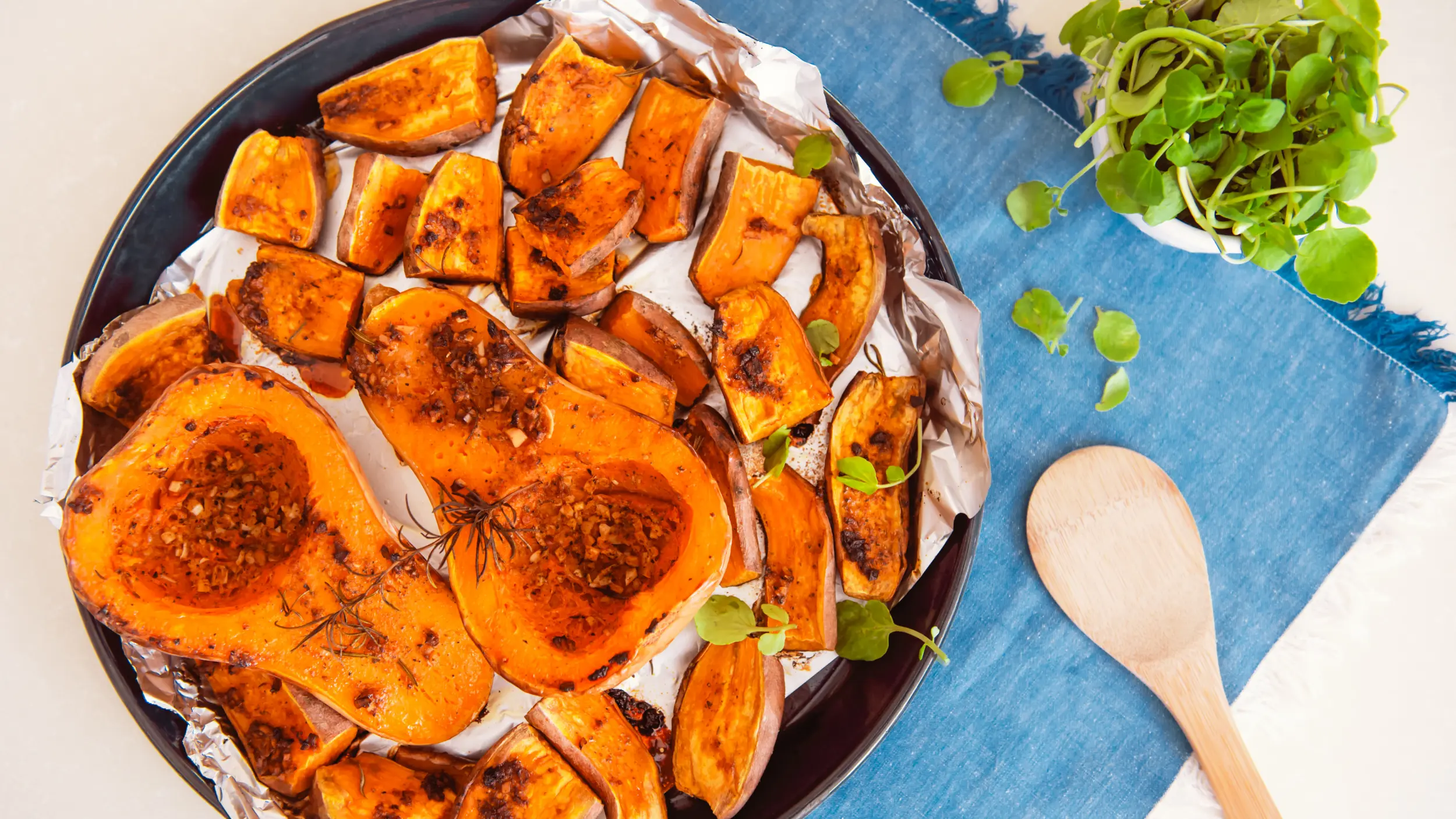
- Butternut Squash: Similar to pumpkin in its nutritional profile, butternut squash offers impressive amounts of Vitamin C alongside beta-carotene. One cup provides about 50% of your daily Vitamin C, supporting collagen production and immune cell function [3]. The squash nutrition profile also includes potassium for blood pressure regulation and B vitamins for energy metabolism.
Cranberries & Pomegranate Seeds
- Cranberries: These tart berries are loaded with proanthocyanidins, unique antioxidants that prevent harmful bacteria from adhering to cells in your urinary tract and gut [4]. Fresh or frozen cranberries are excellent additions to smoothies, oatmeal, or homemade trail mix. They're also rich in Vitamin C, supporting immune cell production and function.
- Pomegranate Seeds: The jewel-like arils pack three times the antioxidant activity of green tea [5]. Pomegranates contain punicalagins and anthocyanins, powerful compounds that reduce inflammation and may help protect against seasonal illness. Plus, they add a gorgeous pop of color and sweet-tart crunch to salads, yogurt bowls, and grain dishes.
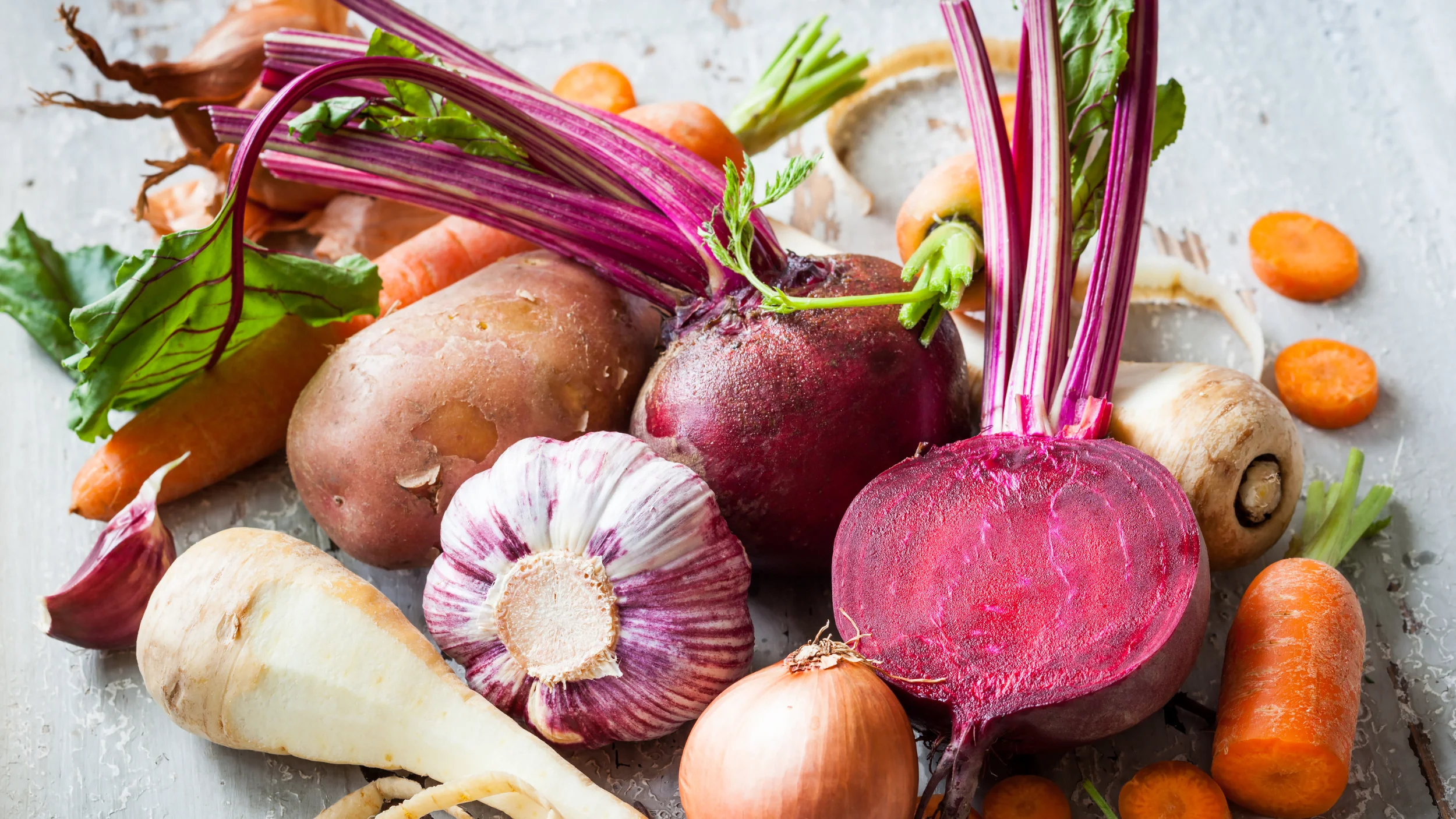
2. Nourish Your Gut with Fiber-Rich Harvest Staples
A happy gut is the cornerstone of overall wellness, from your immune system to your mood. About 70% of your immune cells actually reside in your gut [6], making digestive health inseparable from your ability to fight off infections and feel energized. This season's harvest is full of fiber-packed options that feed your beneficial gut bacteria and support a thriving microbiome.
The fall vegetables list is particularly rich in both soluble and insoluble fiber, each playing distinct roles in digestive health. Soluble fiber feeds your good bacteria, while insoluble fiber keeps things moving smoothly. If you're looking to understand more about the gut-hormone connection, check out how to support your gut health through nutrition.
Brussels Sprouts & Cauliflower
- Brussels Sprouts: These mini cabbages are cruciferous vegetables packed with glucosinolates, sulfur-containing compounds that support your liver's natural detoxification pathways [7]. One cup of cooked Brussels sprouts provides 4 grams of fiber and over 100% of your daily Vitamin K needs for bone health. Roast them with olive oil and a sprinkle of sea salt for a caramelized, crispy side dish that even skeptics love.
- Cauliflower: This versatile vegetable delivers 3 grams of fiber per cup along with choline, a nutrient essential for liver function and cellular health [8]. Cauliflower is incredibly adaptable—rice it for grain-free bowls, roast it whole as a stunning centerpiece, or blend it into creamy soups for added nutrition without extra calories.
Apples & Pears
- Apples: The saying "an apple a day" has real merit. Apples contain pectin, a type of soluble fiber that acts as a prebiotic, feeding beneficial bacteria like Lactobacillus and Bifidobacteria [9]. Keep the skin on for maximum fiber and antioxidant benefits. Pair sliced apples with almond butter for a balanced snack that stabilizes blood sugar.
- Pears: With about 6 grams of fiber per medium fruit, pears are one of the highest-fiber fruits available. They're particularly rich in insoluble fiber, which promotes regular bowel movements and may reduce the risk of diverticular disease [10]. Fresh pears add natural sweetness to salads when paired with arugula, walnuts, and a light vinaigrette.
3. Ground Yourself with Warming Roots, Spices & Healthy Fats
Autumn calls for cozy, warming foods that make you feel good from the inside out. This isn't just about comfort; it's about incorporating anti-inflammatory ingredients that support your brain, heart, and joint health through the colder months. The healthy autumn foods in this category provide sustained energy, reduce inflammation, and support cognitive function—all crucial as we head into the busier fall season.
These immune boosting fall foods work synergistically, meaning their benefits multiply when eaten together. For instance, the healthy fats in walnuts enhance absorption of fat-soluble vitamins from sweet potatoes.
Sweet Potatoes
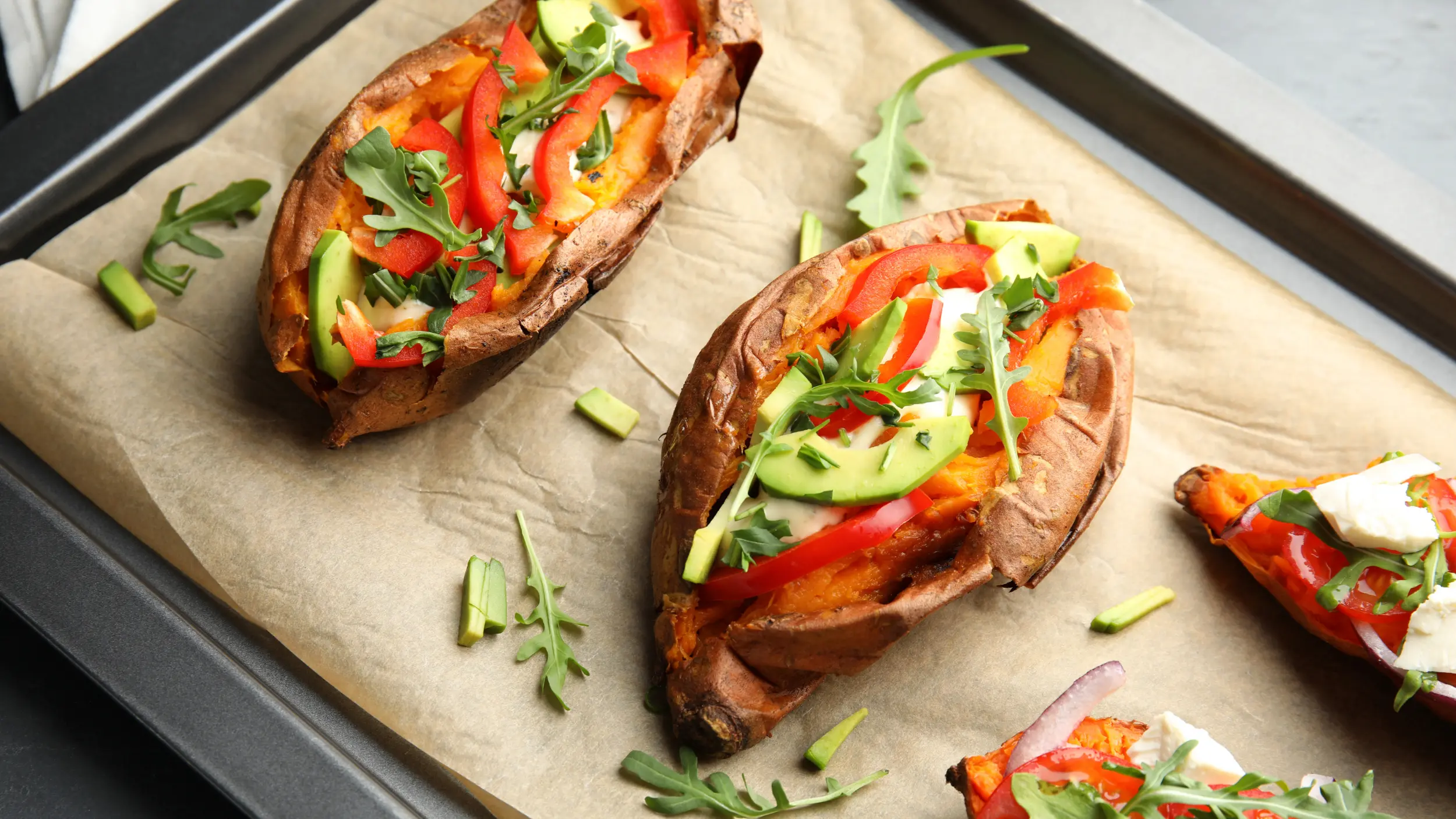
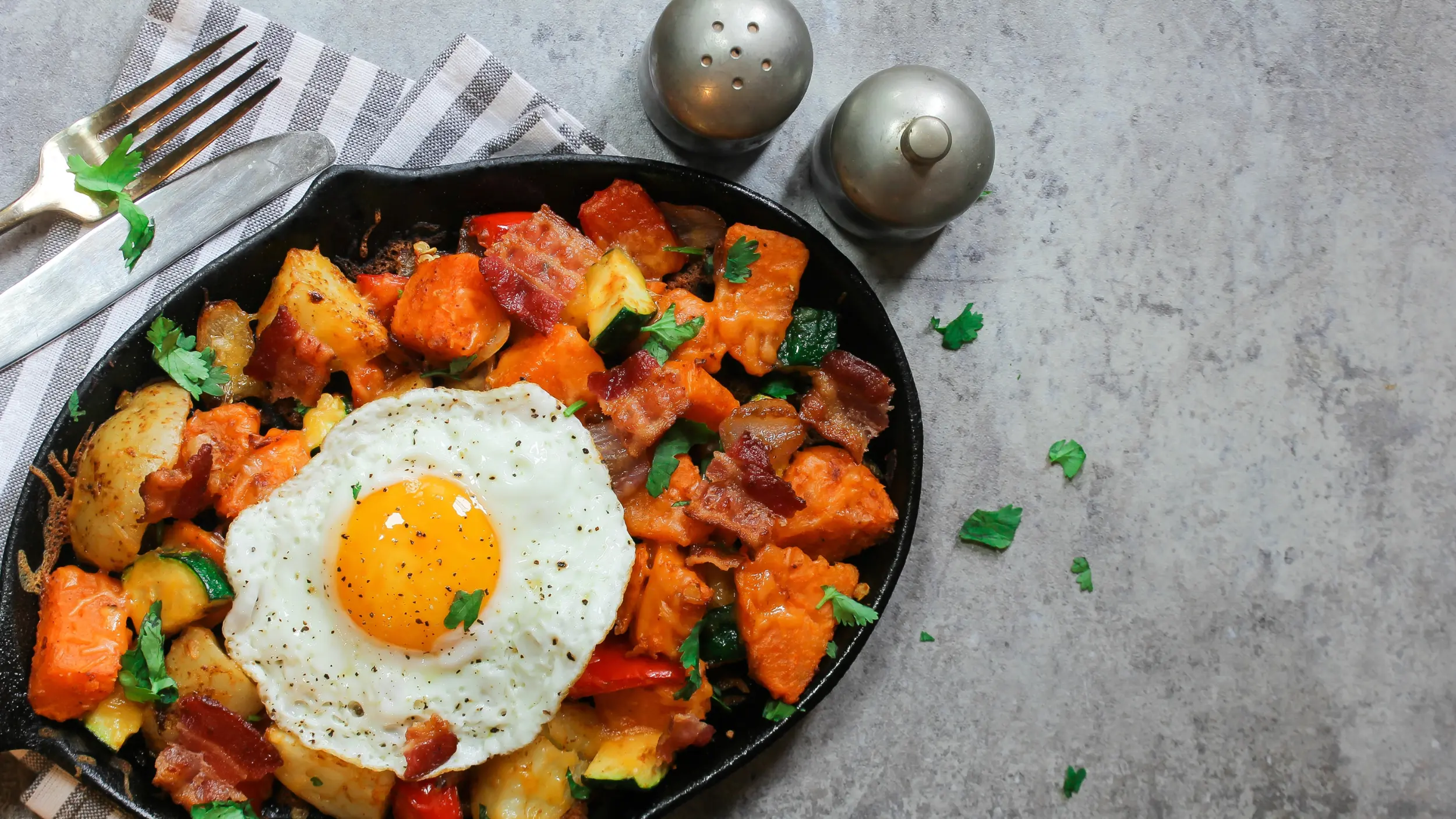
- Sweet Potatoes: A true autumn staple, sweet potatoes offer complex carbohydrates that provide steady energy without the blood sugar spike you'd get from refined grains. One medium sweet potato contains 4 grams of fiber, over 400% of your daily Vitamin A, and significant amounts of potassium and manganese [11]. The resistant starch in cooled, cooked sweet potatoes also feeds beneficial gut bacteria. Try roasting cubed sweet potatoes with cinnamon and a drizzle of tahini, or mash them as a creamy base for Buddha bowls.
Walnuts
- Walnuts: These brain-shaped nuts aren't just a fun coincidence—they're genuinely brain-protective. Walnuts are the only tree nut with a significant amount of alpha-linolenic acid (ALA), a plant-based omega-3 fatty acid that reduces inflammation and supports cardiovascular health [12]. Research shows that regular walnut consumption is associated with improved cognitive function and may reduce risk of neurodegenerative diseases. Aim for about 1 ounce (roughly 14 walnut halves) daily. They're perfect in salads, oatmeal, or homemade energy balls.
Cinnamon & Ginger
- Cinnamon: This warming spice does more than add flavor. Cinnamon contains cinnamaldehyde and other bioactive compounds that improve insulin sensitivity and help regulate blood sugar levels [13]. Studies show that as little as half a teaspoon daily can reduce fasting blood glucose in people with metabolic concerns. Sprinkle it on oatmeal, stir it into coffee, or add it to roasted vegetables for a subtle warmth. If you're managing blood sugar concerns, you might find this guide on balancing hormones naturally particularly helpful.
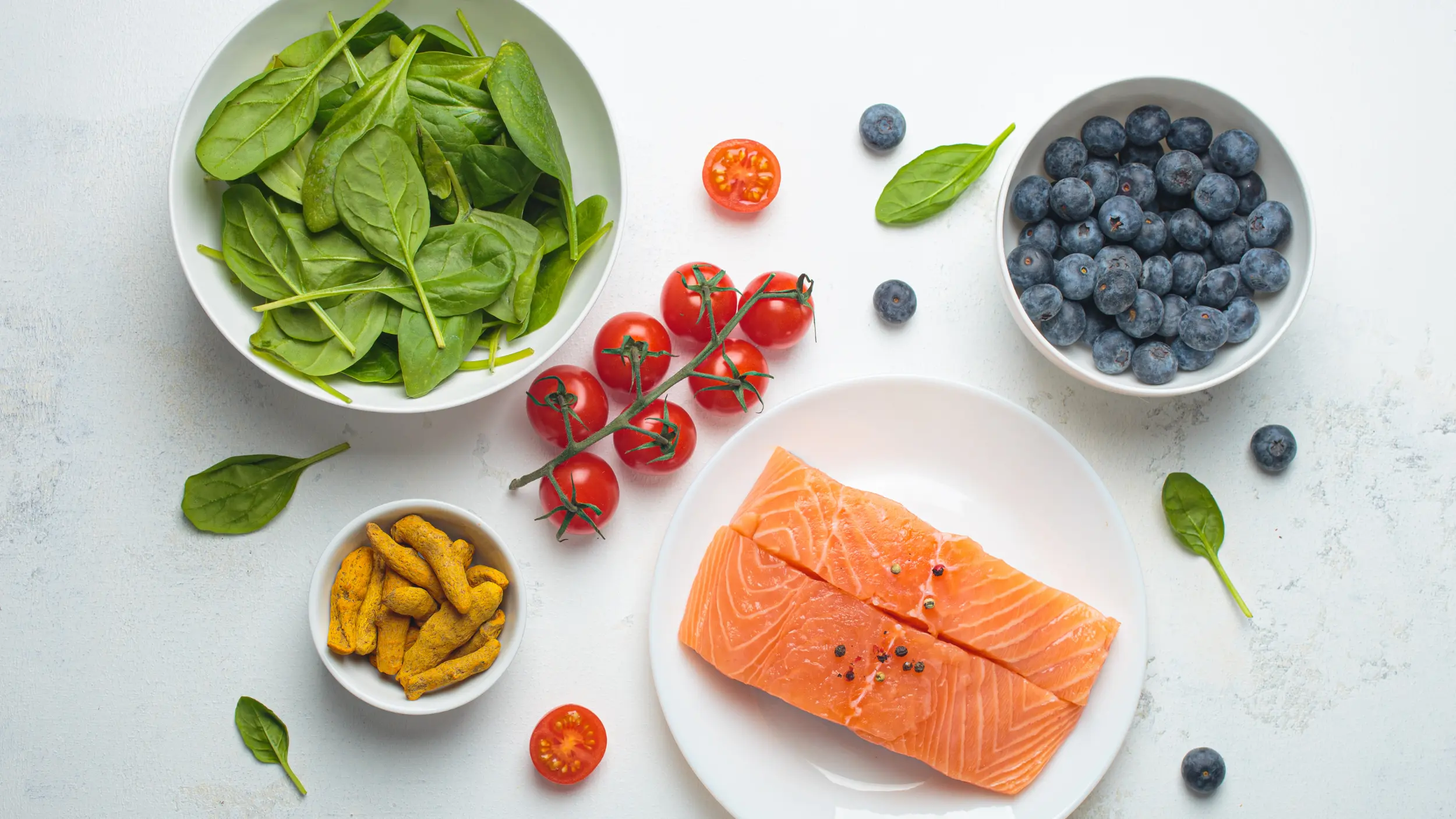
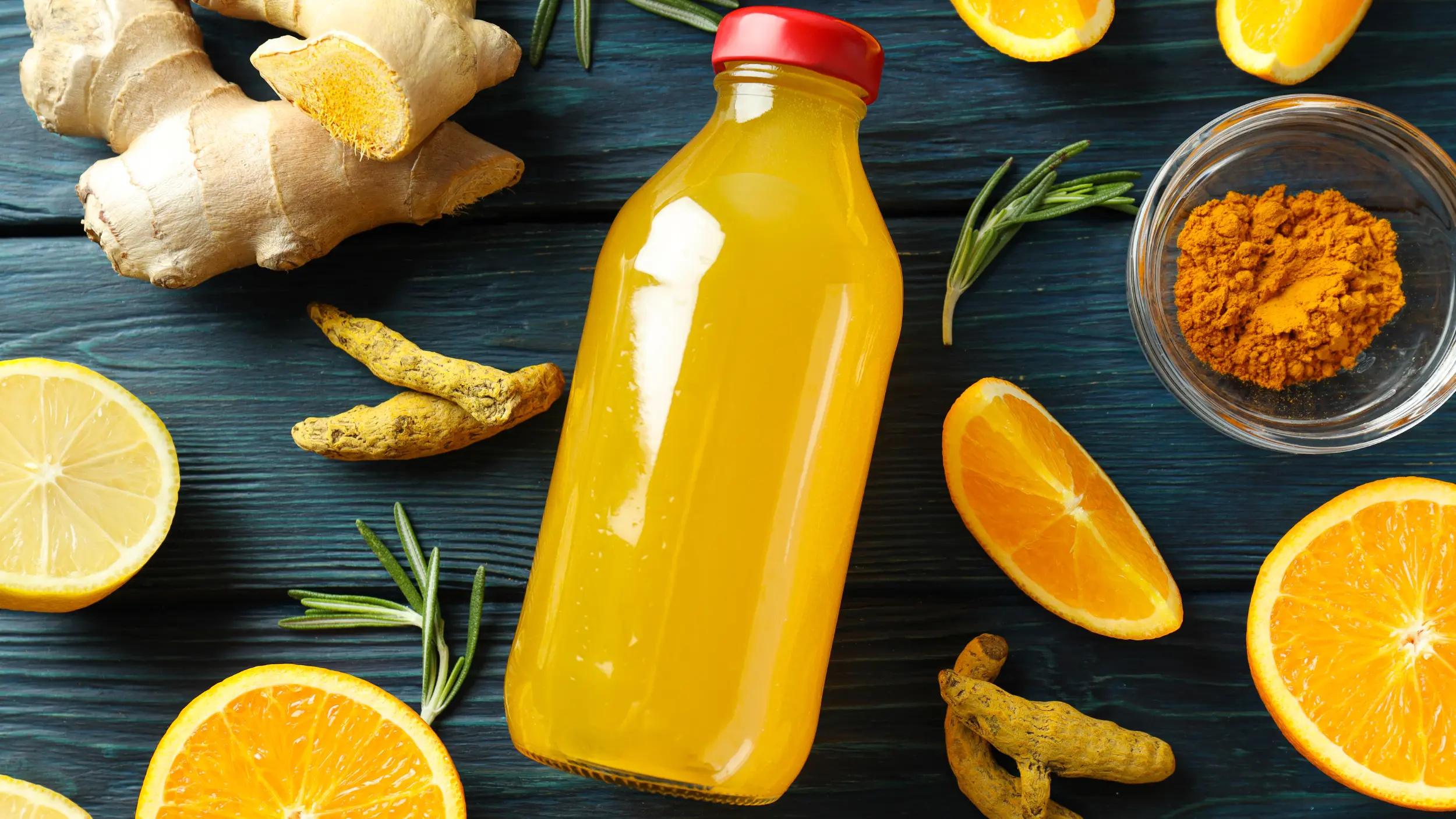
- Ginger: Fresh ginger root contains gingerol, a powerful anti-inflammatory compound that can ease muscle soreness, reduce nausea, and support digestive comfort [14]. Ginger also exhibits antimicrobial properties that may help ward off seasonal infections. Grate fresh ginger into stir-fries, steep it in hot water for tea, or blend it into smoothies for a spicy kick.
Simple Ways to Incorporate These Fall Superfoods
Knowing what to eat is one thing; actually getting these healthy fall recipes and ingredients into your daily routine is another. Here are my go-to strategies for making seasonal eating effortless:
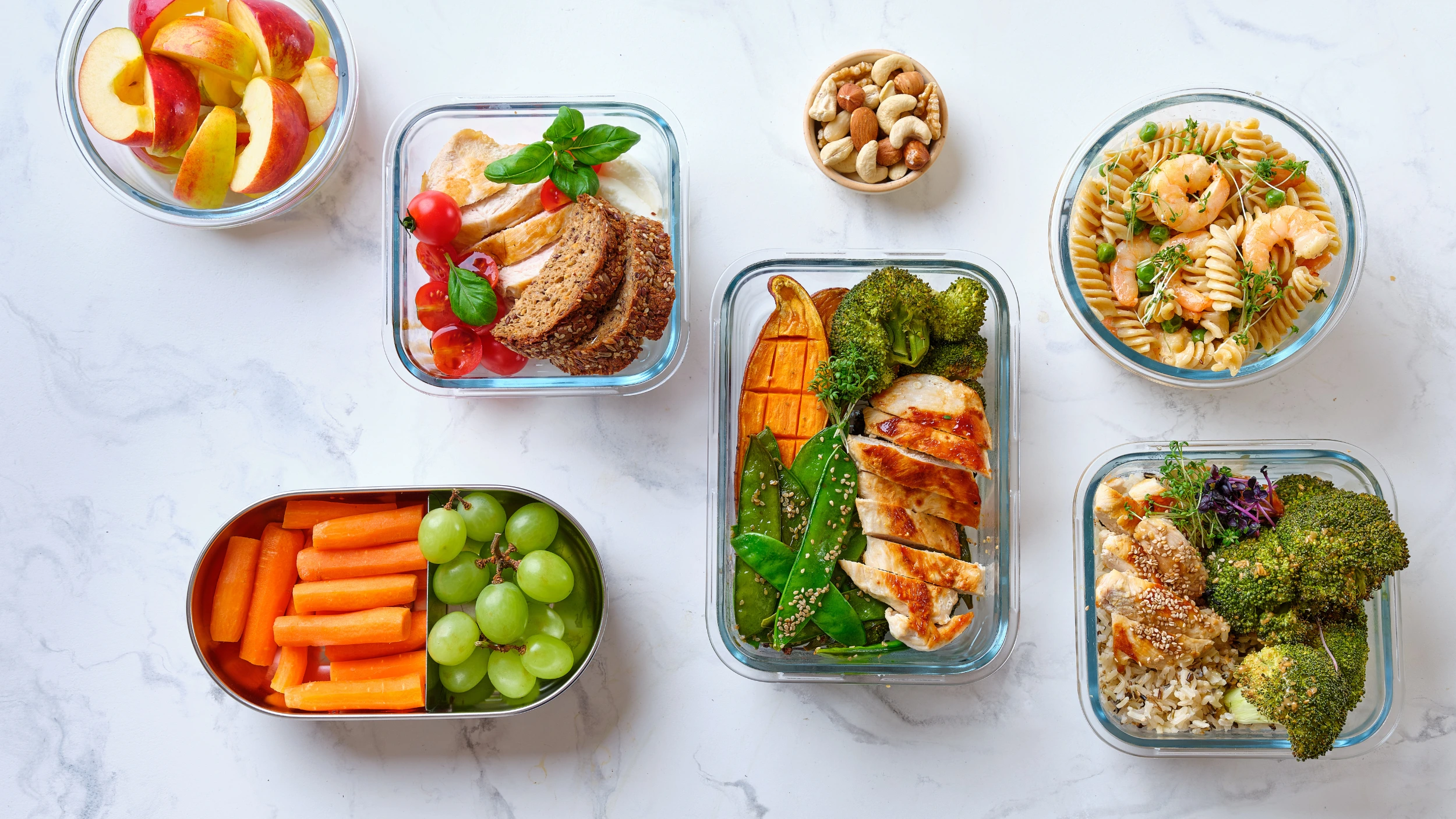
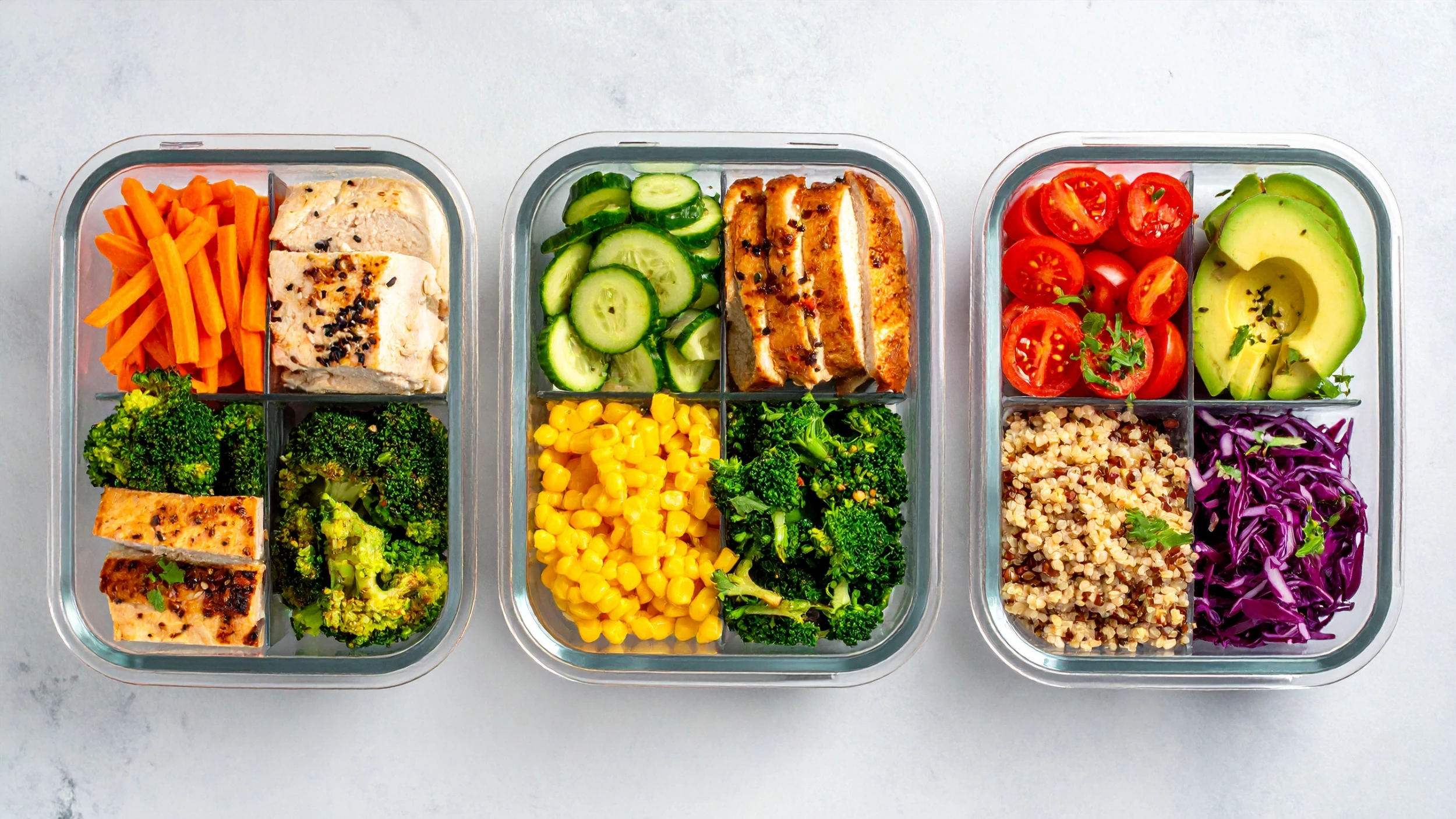
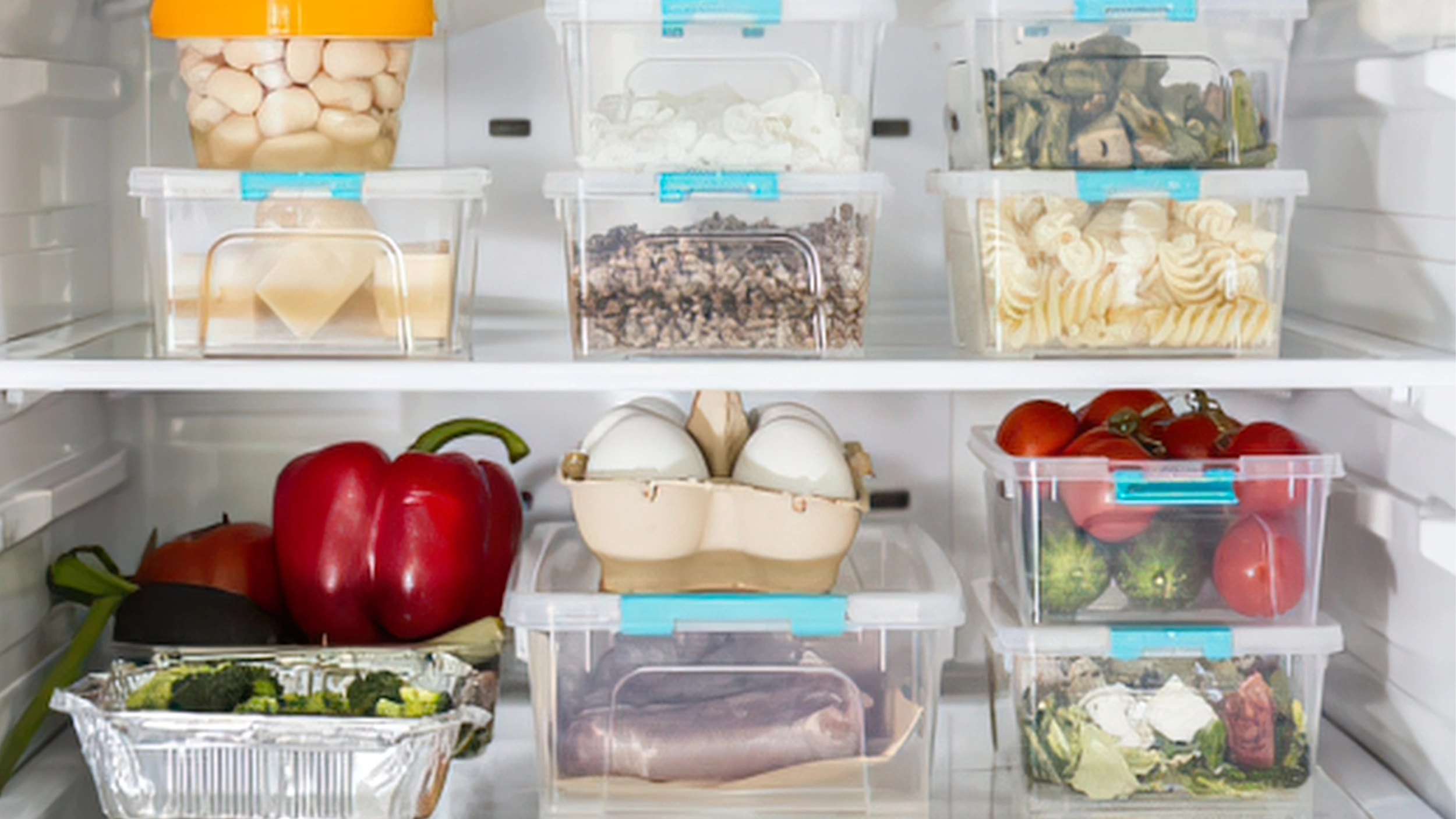
Weekly Meal Prep Ideas
- Roast a variety: Dedicate one hour on Sunday to roasting a large batch of Brussels sprouts, butternut squash, and sweet potatoes. Toss them with olive oil, sea salt, and your favorite herbs. These keep for 4-5 days and can be added to grain bowls, salads, or eaten as quick sides.
- Prep smoothie packs: Portion out frozen cranberries, diced apples, cinnamon, and a handful of greens into individual freezer bags. In the morning, dump the contents into your blender with your choice of liquid and protein powder for an instant breakfast.
- Make a big pot of soup: Combine roasted butternut squash, vegetable broth, ginger, and a touch of coconut milk for a creamy, anti-inflammatory soup that freezes beautifully. This is perfect for those nights when cooking feels impossible.
Snack Combinations That Work
- Apple slices + walnut butter + cinnamon: This trio delivers fiber, healthy fats, and blood-sugar-stabilizing cinnamon in one satisfying snack.
- Pomegranate seeds + plain Greek yogurt + a drizzle of honey: A protein-rich snack that also supports gut health with probiotics and antioxidants.
- Roasted pumpkin seeds (pepitas): Season them with cinnamon and a tiny bit of maple syrup, then roast until crispy. They're rich in zinc, which supports immune function [15].
Frequently Asked Questions About Fall Superfoods
What is the number one superfood for fall?
While it's hard to pick just one, pumpkin is a true standout among what are fall superfoods. It's incredibly versatile and packed with Vitamin A, fiber, and antioxidants like beta-carotene, making it a fantastic addition for immune, eye, and gut health. You can use pure pumpkin puree in both sweet and savory dishes—from oatmeal and smoothies to curries and pasta sauces.
How can I easily add more fall superfoods to my diet?
Start simple and build from there:
- Add 2-3 tablespoons of pure pumpkin puree to your morning oatmeal or yogurt
- Toss roasted Brussels sprouts or cauliflower with your dinner protein
- Snack on an apple with a handful of walnuts for balanced energy
- Sprinkle pomegranate seeds on salads, grain bowls, or even avocado toast
- Swap regular potatoes for sweet potatoes in your favorite recipes
- Add cinnamon and ginger to your coffee, tea, or smoothies
The key is to choose one or two swaps per week rather than overhauling everything at once. For more guidance on building sustainable eating habits, explore evidence-based nutrition strategies for women.
Are canned or frozen fall vegetables still healthy?
Absolutely, and I actually recommend them for convenience and budget-friendliness. Canned pumpkin (make sure it's 100% pure pumpkin, not pie filling with added sugars) retains virtually all of its nutritional value and is available year-round. Frozen Brussels sprouts, cauliflower, and butternut squash are flash-frozen at peak ripeness, which preserves their vitamin and mineral content remarkably well [16]. In fact, frozen produce sometimes contains more nutrients than "fresh" produce that's been sitting in transit or on shelves for days. Just avoid products with added sauces, salt, or sweeteners—stick with plain frozen vegetables.
Your Personalized Autumn Wellness Starts Here
These best fall foods for health aren't just nutritional powerhouses—they're also delicious, comforting, and deeply satisfying. By strategically incorporating these autumn superfoods into your routine, you're investing in your immunity, gut health, energy levels, and overall vitality as we move into the colder months.
Remember, nutrition doesn't exist in a vacuum. Your unique health history, hormonal balance, stress levels, and lifestyle all influence how your body responds to different foods. What works beautifully for your best friend might not be the perfect fit for you, and that's completely normal.
Ready to Create Your Personalized Autumn Wellness Plan?
Feeling inspired but not sure where to start? Let's work together to build a simple, delicious eating plan that helps you meet your specific health goals this season. Whether you're looking to balance hormones, support fertility, boost energy, or simply feel more vibrant, personalized nutrition guidance makes all the difference.
Book a one-on-one consultation with a dietitian today and get a customized roadmap designed specifically for your body, your schedule, and your goals. You deserve to feel amazing this fall—let's make it happen together.
References
[1] Calder PC, Carr AC, Gombart AF, Eggersdorfer M. Optimal Nutritional Status for a Well-Functioning Immune System Is an Important Factor to Protect Against Viral Infections. Nutrients, 2020.
[2] USDA FoodData Central. Pumpkin, Cooked, Boiled, Drained, Without Salt. U.S. Department of Agriculture, 2024.
[3] Carr AC, Maggini S. Vitamin C and Immune Function. Nutrients, 2017.
[4] Howell AB, Reed JD, Krueger CG, Winterbottom R, Cunningham DG, Leahy M. A-type Cranberry Proanthocyanidins and Uropathogenic Bacterial Anti-adhesion Activity. Phytochemistry, 2005.
[5] Seeram NP, Aviram M, Zhang Y, Henning SM, Feng L, Dreher M, Heber D. Comparison of Antioxidant Potency of Commonly Consumed Polyphenol-Rich Beverages in the United States. Journal of Agricultural and Food Chemistry, 2008.
[6] Wiertsema SP, van Bergenhenegouwen J, Garssen J, Knippels LMJ. The Interplay Between the Gut Microbiome and the Immune System in the Context of Infectious Diseases Throughout Life and the Role of Nutrition in Optimizing Treatment Strategies. Frontiers in Immunology, 2021.
[7] Traka MH. Health Benefits of Glucosinolates. Advances in Botanical Research, 2016.
[8] Zeisel SH, da Costa KA. Choline: An Essential Nutrient for Public Health. Nutrition Reviews, 2009.
[9] Koutsos A, Tuohy KM, Lovegrove JA. Apples and Cardiovascular Health—Is the Gut Microbiota a Core Consideration? Nutrients, 2015.
[10] Dahl WJ, Stewart ML. Position of the Academy of Nutrition and Dietetics: Health Implications of Dietary Fiber. Journal of the Academy of Nutrition and Dietetics, 2015.
[11] USDA FoodData Central. Sweet Potato, Cooked, Baked in Skin, Flesh, Without Salt. U.S. Department of Agriculture, 2024.
[12] Ros E. Health Benefits of Nut Consumption. Nutrients, 2010.
[13] Zare R, Heshmati F, Fallahzadeh H, Nadjarzadeh A. Effect of Cinnamon Intake on Glycemic Control: A Systematic Review and Meta-Analysis of Randomized Controlled Trials. Clinical Nutrition, 2019.
[14] Mashhadi NS, Ghiasvand R, Askari G, Hariri M, Darvishi L, Mofid MR. Anti-Oxidative and Anti-Inflammatory Effects of Ginger in Health and Physical Activity: Review of Current Evidence. International Journal of Preventive Medicine, 2013.
[15] Prasad AS. Zinc in Human Health: Effect of Zinc on Immune Cells. Molecular Medicine, 2008.
[16] Bouzari A, Holstege D, Barrett DM. Vitamin Retention in Eight Fruits and Vegetables: A Comparison of Refrigerated and Frozen Storage. Journal of Agricultural and Food Chemistry, 2015.
.svg)
.svg)


.jpg)
.jpg)







.webp)


























.webp)
.webp)
.webp)
.webp)
.webp)
.webp)
.webp)
.png)
.webp)
.webp)
.webp)
.png)
.webp)
.webp)
.webp)
.webp)
.webp)
.webp)
.webp)
.webp)
.webp)


.webp)
.png)