.webp)
%2B(7).webp)
.png)
At a Glance
Yes, you can absolutely enjoy Taco Bell while honoring your health goals. This dietitian-approved guide breaks down the best taco bell orders, teaches you powerful customization strategies, and reveals which menu items deliver satisfying flavor without derailing your nutrition. Let's make fast food work for you, not against you.
Hi there! Let's navigate Taco Bell together.
I get it—sometimes you need that late-night craving satisfied, or you're road-tripping and Taco Bell is the most accessible option. The good news? You don't have to choose between convenience and nourishing your body. As a Registered Dietitian specializing in women's health, I've helped hundreds of clients learn what to eat at Taco Bell without the guilt spiral that often follows fast food.
The reality is that Taco Bell offers more flexibility than most quick-service chains, especially when you understand how to work the menu. We're not aiming for perfection here—we're aiming for informed choices that align with your wellness goals while still delivering on taste. Whether you're managing your weight, supporting your hormone balance through strategic nutrition, or simply trying to feel energized instead of sluggish after eating, this guide will show you exactly how to order.
Let's be real: the standard Taco Bell menu wasn't designed with optimal nutrition in mind. But with some strategic swaps and a solid understanding of what you're actually eating, you can absolutely make it work. I'm going to walk you through the healthiest taco bell options, the customizations that matter most, and how to build a meal that won't leave you feeling bloated or regretful an hour later.
Making Healthier Choices: Smart Swaps & Savvy Selections
The difference between a nutritionally questionable Taco Bell meal and a reasonably balanced one often comes down to just a few simple modifications. Here's what I want you to focus on:
Prioritize protein-forward items. The menu items built around seasoned beef, grilled chicken, or black beans will keep you fuller longer and provide more sustained energy than carb-heavy options. Research shows that adequate protein intake (around 25-30g per meal) significantly improves satiety signals and helps regulate blood sugar [1].
Ditch the extras that don't serve you. We're talking about sour cream, nacho cheese sauce, and those crunchy red strips. Each adds 50-80 calories of mostly saturated fat without contributing meaningful nutrition. Instead, load up on:
- Pico de gallo (adds flavor, vitamin C, and virtually no calories)
- Shredded lettuce (volume and fiber)
- Diced tomatoes (lycopene and moisture)
- Jalapeños (capsaicin may actually support metabolism [2])
Choose fresco style automatically. This single modification replaces cheese and creamy sauces with fresh pico de gallo, typically cutting 20-50 calories and several grams of saturated fat per item. It's the easiest healthy taco bell hack that requires zero additional thought.
Watch your sodium like a hawk. Fast food notoriously overshoots recommended sodium limits, and excessive intake can contribute to water retention, bloating, and increased blood pressure [3]. A single Taco Bell meal can easily hit 1,500-2,000mg—that's nearly your entire daily recommended limit. To manage this:
- Skip the seasoned rice (crazy high in sodium)
- Avoid adding extra sauce packets
- Request "light" or "easy" on the seasoned beef
- Balance your day—if you're eating Taco Bell for lunch, keep dinner veggie-focused and low-sodium
These swaps aren't about deprivation. They're about getting more of what actually nourishes you (protein, fiber, micronutrients) and less of what just adds empty calories and inflammatory fats.
Building Your Ideal Taco Bell Order
Let me give you my top recommendations for what to order at Taco Bell when you want to keep things in check nutritionally. These are the items I'd personally choose and recommend to my clients:
The Power Trio (Best Overall Options):
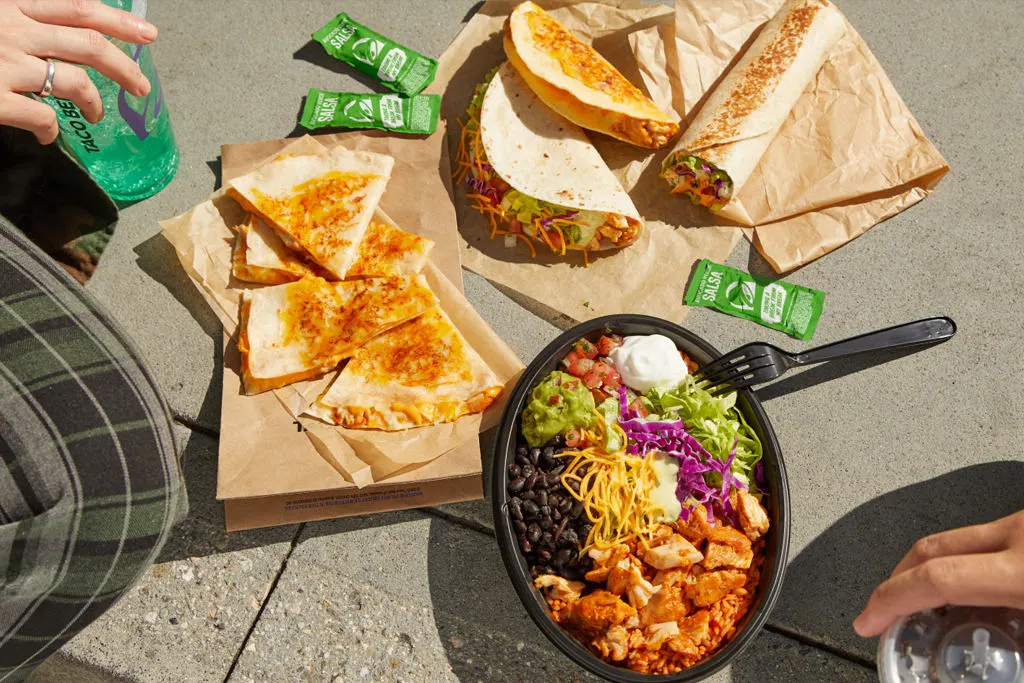
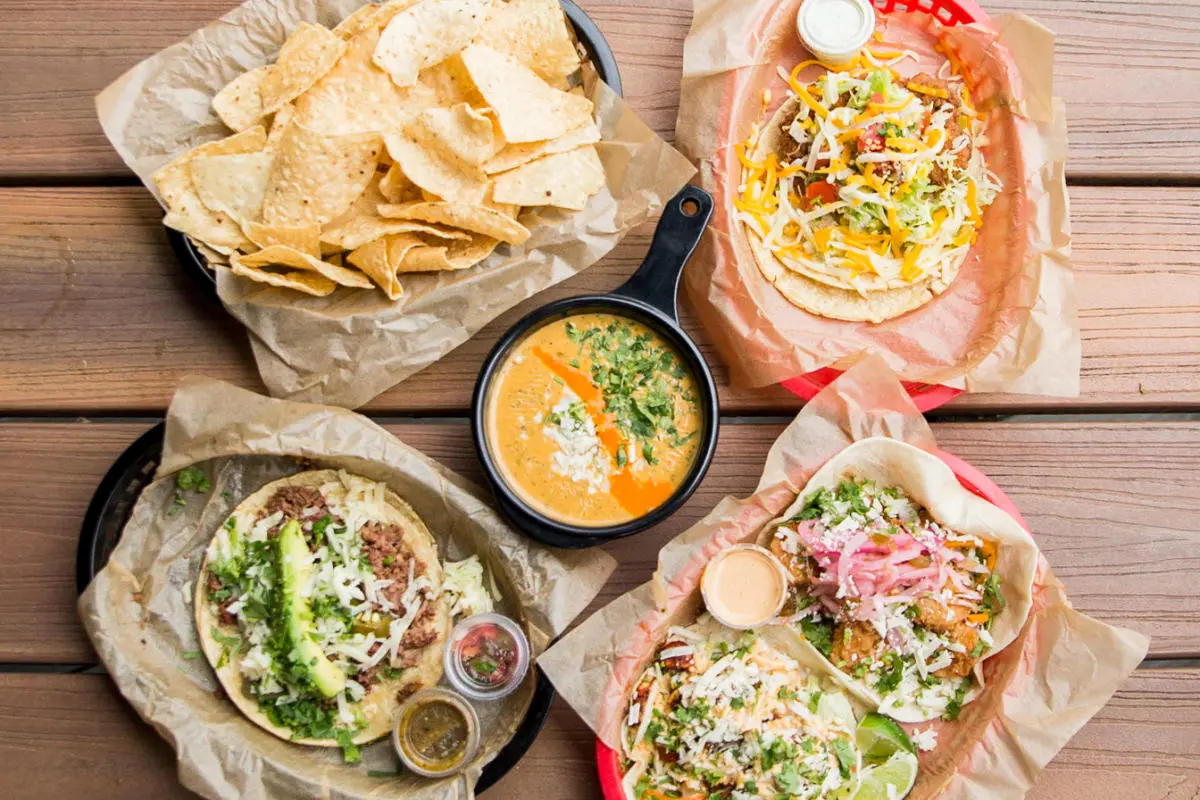
Chicken Soft Taco, Fresco Style – Coming in around 140 calories with 11g protein, this is your go-to base option. The grilled chicken provides lean protein, and fresco style keeps it light. Order two of these with a side of black beans (extra fiber and plant protein) for a surprisingly balanced meal under 400 calories.
Black Bean Crunchwrap Supreme (Modified) – Ask for it fresco style, no nacho cheese, add extra lettuce and tomatoes. You'll get the satisfying crunch and portion size without the caloric bomb. This modification drops it from around 530 calories to approximately 380-400 calories while maintaining 13g of fiber-rich plant protein.
Chicken Power Menu Bowl (Customized) – This is actually one of the better taco bell healthy choices straight off the menu. Request it without the avocado ranch (saves 80 calories of unnecessary fat), add extra pico de gallo, and you've got a veggie-packed bowl with solid protein. It delivers around 450 calories with 26g protein and provides the satisfaction of a complete meal
What to Generally Avoid:
I'm not going to tell you that you can never have these items, but they're nutritionally problematic and should be occasional treats rather than regular orders:
The XXL Grilled Stuft Burrito packs over 850 calories with 2,000+mg sodium—that's a full day's worth of sodium in one item. Similarly, anything labeled "Nachos" or "Loaded" is typically a nutrition disaster. The Nachos BellGrande, for example, delivers 730 calories with 1,280mg sodium and 38g fat, most of it saturated.
Quesadillas at Taco Bell are deceptively high-calorie because of the excessive cheese and the grilled tortilla's oil content. Even the Chicken Quesadilla hits 510 calories with limited protein payoff for that caloric investment.
Customization is Key: Tailoring Your Meal
This is where taco bell customization becomes your superpower. Unlike many fast-food chains, Taco Bell's ordering system is built for modifications—use this to your advantage.
Protein Swaps That Matter:
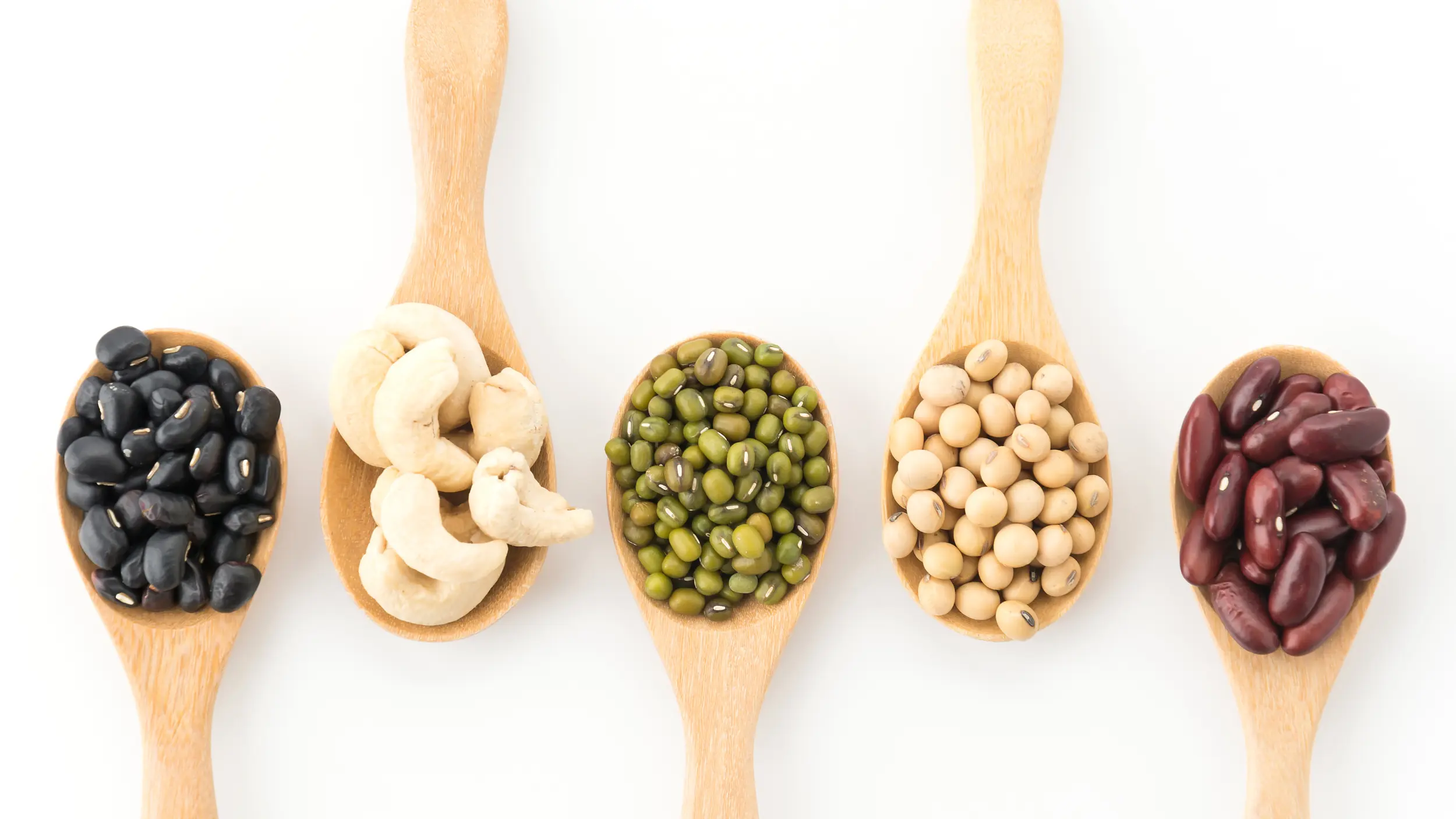
Grilled chicken is your leanest option (about 70 calories per serving with 12g protein). Seasoned beef comes in around 100 calories per serving with 8g protein but significantly more saturated fat. Black beans offer the best fiber content (8g per serving) and are perfect for plant-based eating, though they're slightly lower in protein at 7g per serving.
Steak sounds premium but actually offers the worst nutritional profile—highest in saturated fat with no protein advantage over chicken. Unless you genuinely prefer the flavor, skip it.
Strategic Sauce Selection:
Sauces can make or break your taco bell order ideas from a nutrition standpoint. Here's your hierarchy from best to worst:
Green sauce and hot sauce are virtually calorie-free and add fantastic flavor. Use liberally. Pico de gallo and salsa are similarly low-impact. The red sauce is slightly higher in sodium but still reasonable at about 10 calories per serving.
Avoid: Nacho cheese (30 calories per pump, mostly from saturated fat), sour cream (30 calories, 3g fat), creamy jalapeño sauce (70 calories per serving), and avocado ranch dressing (80 calories).
The "Add" Strategy:
Instead of focusing only on what to remove, think about what nutritious elements you can add for minimal cost:
Extra lettuce and tomatoes are free and add volume, making your meal more satisfying. Black beans can be added to most items for about $0.50 and deliver fiber that supports your gut microbiome health. Jalapeños are free and contain capsaicin, which may have modest thermogenic effects.
This abundance mindset—focusing on adding good stuff rather than just restricting—makes the whole experience feel less punishing and more sustainable.
Building a Balanced Combo:
If you're genuinely hungry and need a full meal, here's my framework:
- Choose one protein-forward entrée (Chicken Power Bowl or 2 Chicken Soft Tacos)
- Add one fiber source (side of black beans or swap to a bean-based item)
- Include vegetables however possible (extra lettuce, tomatoes, pico)
- Stay hydrated with water or unsweetened iced tea (not soda—those empty calories add up fast)
This combination typically lands you around 450-550 calories with 25-30g protein and adequate fiber to keep your blood sugar stable and prevent the energy crash that often follows fast food consumption.
Frequently Asked Questions
What are the top 3 healthiest items at Taco Bell?
Based purely on nutritional profile, I'd rank them as: (1) Chicken Soft Tacos, Fresco Style—excellent protein-to-calorie ratio with minimal saturated fat, (2) Chicken Power Menu Bowl without the avocado ranch—delivers vegetables, protein, and a complete meal feel, and (3) Black Bean Crunchwrap Supreme, modified fresco style—satisfying portion size with good fiber content from the beans. All three can be further optimized through the customizations I've outlined above.
How can I make a Taco Bell order lower in calories and sodium?
Start by automatically ordering everything fresco style, which eliminates cheese and creamy sauces. Choose grilled chicken over beef, skip the seasoned rice (sodium bomb), and avoid adding sauce packets. Request "light" seasoning on proteins, add extra vegetables for volume without calories, and never supersize or "upgrade" your order. If you're drinking something, choose water or unsweetened tea—a large regular soda adds 280 empty calories. These small modifications can easily cut 200-400 calories and 500-800mg sodium from a typical order without sacrificing satisfaction.
Can I eat at Taco Bell while trying to lose weight?
Absolutely, yes—with intentionality. Weight management is ultimately about your overall caloric intake and nutritional patterns over time, not about demonizing specific restaurants [4]. If eating at Taco Bell occasionally helps you stick to your plan because it satisfies a specific craving or provides convenience during a hectic day, that's actually a win for adherence. The key is treating it as one meal within a week of mostly whole-food, nutrient-dense eating. Use the strategies I've outlined to keep your order around 400-500 calories with solid protein content, balance it with lighter meals earlier or later in the day, and avoid the scarcity mindset that leads to overeating. If you find yourself relying on fast food multiple times weekly, that might signal a need for better meal planning support or addressing stress-related eating patterns, but occasional strategic Taco Bell orders? Totally compatible with your goals.
Ready to create your personalized Taco Bell plan? If you're looking for individualized nutrition guidance that actually fits your real life—including how to navigate fast food, social eating, and cravings without guilt—I'd love to work with you. Book a consultation at www.usevedic.com to get tailored advice and support for your wellness goals. Let's build a sustainable approach to eating that doesn't require perfection, just informed, empowered choices.
References
[1] Leidy HJ, Clifton PM, Astrup A, et al. The role of protein in weight loss and maintenance. American Journal of Clinical Nutrition, 2015.
[2] Zheng J, Zheng S, Feng Q, Zhang Q, Xiao X. Dietary capsaicin and its anti-obesity potency: from mechanism to clinical implications. Bioscience Reports, 2017.
[3] Grillo A, Salvi L, Coruzzi P, Salvi P, Parati G. Sodium Intake and Hypertension. Nutrients, 2019.
[4] Hall KD, Kahan S. Maintenance of Lost Weight and Long-Term Management of Obesity. Medical Clinics of North America, 2018.
.svg)
.svg)


.jpg)
.jpg)











.webp)
























.webp)
.webp)
.webp)
.webp)
.webp)
.webp)
.webp)
.png)
.webp)
.webp)
.webp)
.png)
.webp)
.webp)
.webp)
.webp)
.webp)
.webp)
.webp)
.webp)
.webp)


.webp)
.png)