.webp)
%2B(7).webp)
.png)
At a Glance
Chronic inflammation is linked to everything from fatigue and joint pain to hormonal imbalances and digestive discomfort. The good news? Strategic anti-inflammatory eating can measurably reduce inflammatory markers in your body within weeks. This guide breaks down the science-backed foods that fight inflammation, practical meal strategies, and what to avoid for optimal results.
What is Inflammation and Why Should We Care?
Inflammation isn't inherently bad. It's your immune system's first responder when you cut your finger or catch a cold. Acute inflammation is protective, necessary, and temporary.
The problem emerges when inflammation becomes chronic—a low-grade, persistent activation of your immune system that silently damages tissues over months and years [1]. This type of inflammation is strongly associated with insulin resistance, cardiovascular disease, autoimmune conditions, and accelerated aging [2].
For women in their reproductive and perimenopausal years, chronic inflammation can disrupt ovulation, worsen PMS symptoms, and interfere with the delicate balance between estrogen, progesterone, and cortisol [3]. If you're experiencing unexplained weight gain, brain fog, or persistent fatigue, your body might be sending inflammatory signals that your current eating pattern isn't supporting your physiology. Understanding how to eat for hormone balance starts with managing inflammation at the cellular level.
The standard American diet—high in refined carbohydrates, industrial seed oils, and ultra-processed foods—drives this chronic inflammatory state. But here's where it gets exciting: targeted nutrition interventions can significantly lower circulating inflammatory markers like C-reactive protein (CRP) and interleukin-6 (IL-6) in as little as three to six weeks [4].
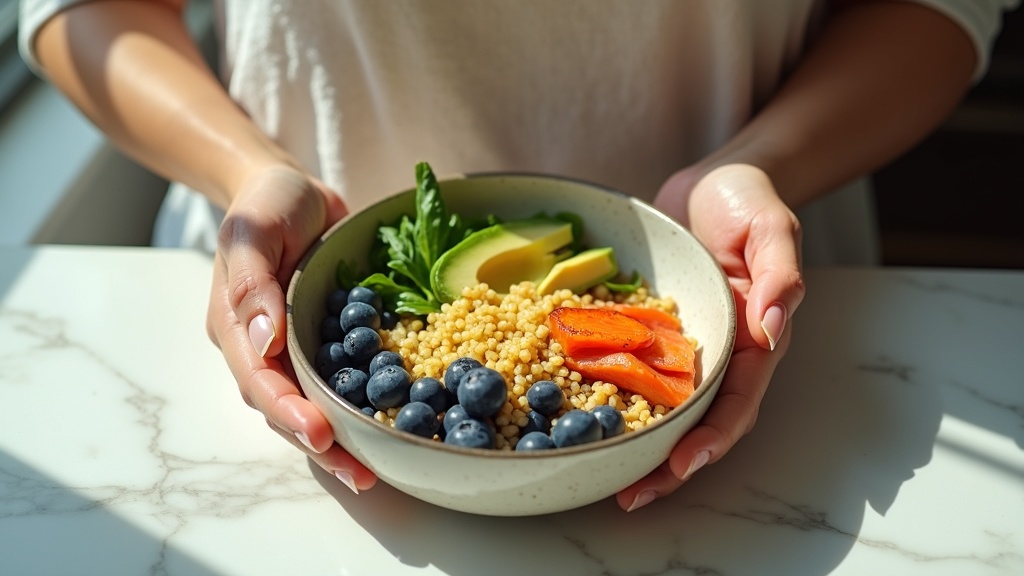
Your Delicious Plate of Peace: Foods That Fight Inflammation
Building an anti-inflammatory diet isn't about restriction or bland eating. It's about crowding your plate with nutrient-dense, whole foods that actively downregulate inflammatory pathways.
The Power Players: Best Anti Inflammatory Foods
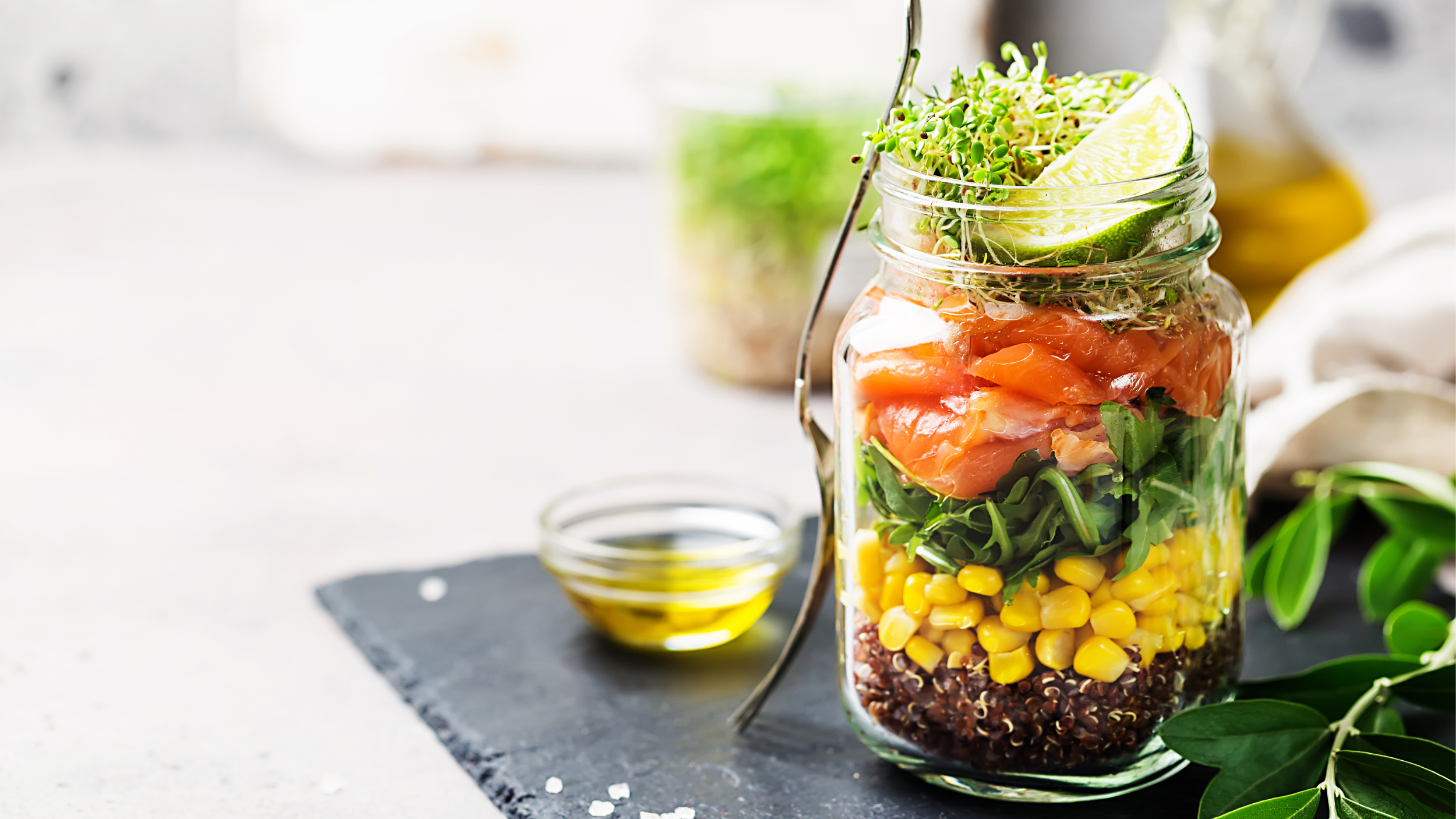
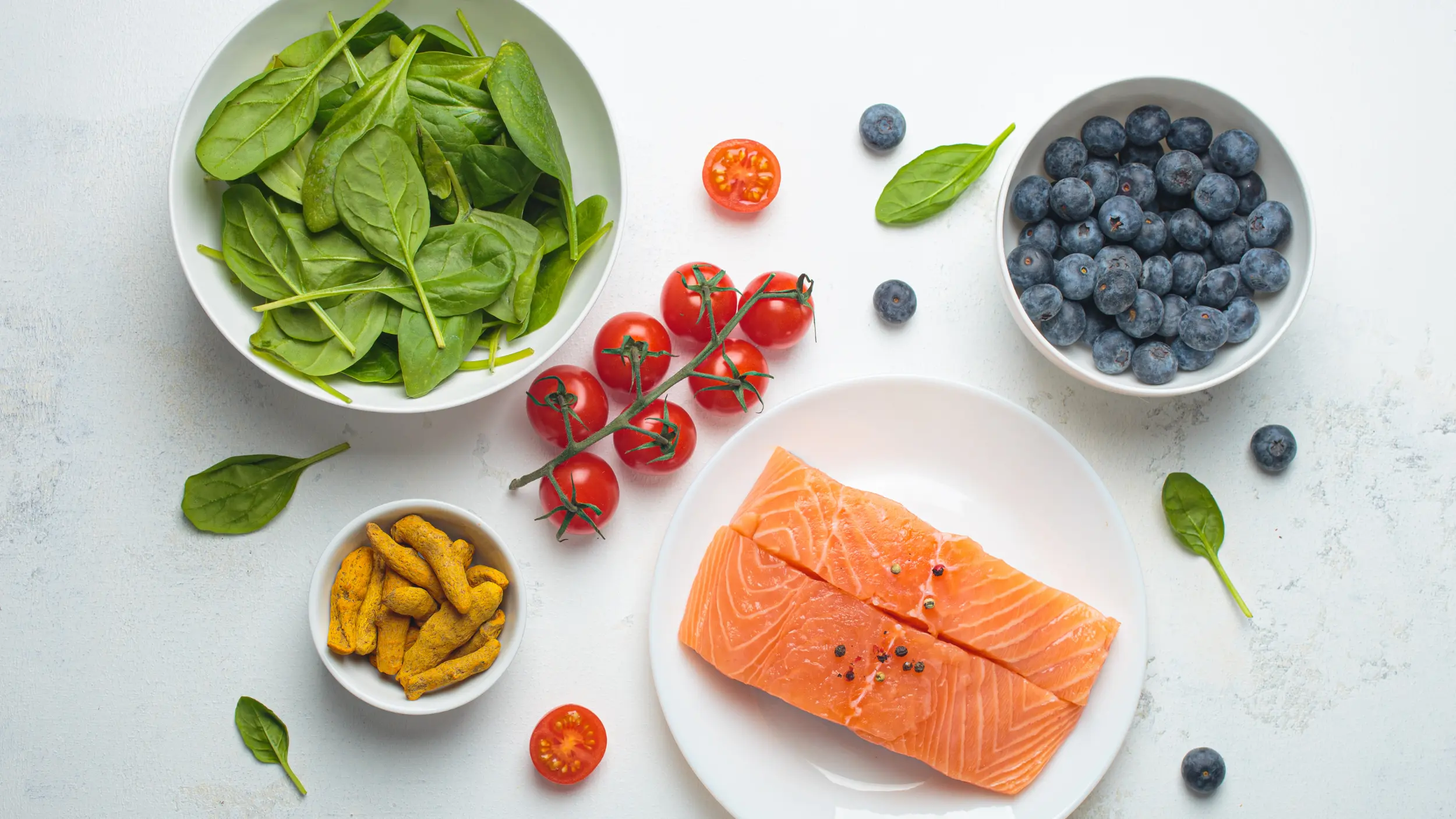
- Fatty Fish: Salmon, sardines, mackerel, and anchovies deliver EPA and DHA—omega-3 fatty acids that serve as precursors to specialized pro-resolving mediators (SPMs), molecules that actively shut down inflammatory responses [5]. Aim for at least three 4-ounce servings per week.
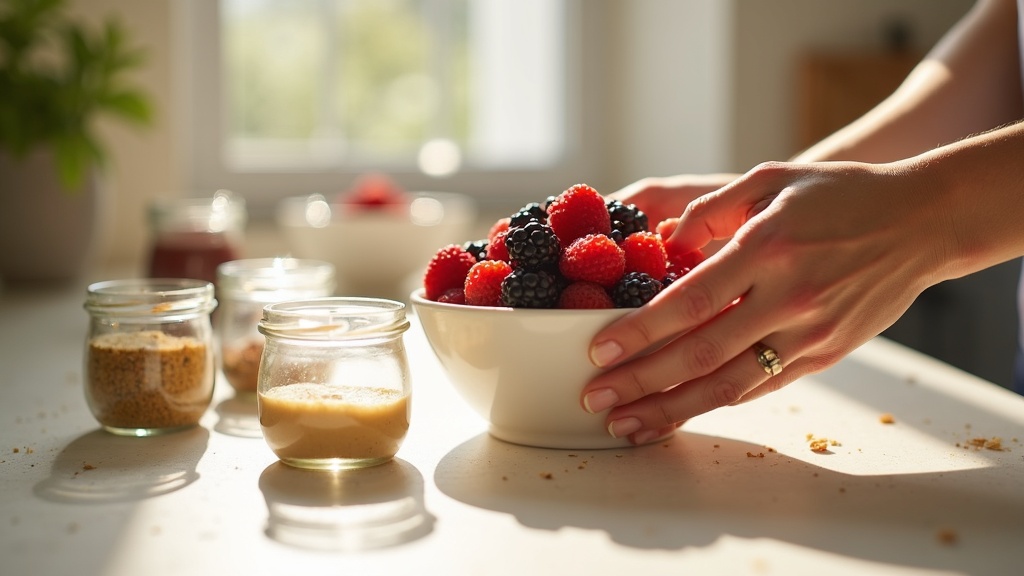
- Berries: Blueberries, strawberries, blackberries, and raspberries are loaded with anthocyanins, polyphenols that reduce oxidative stress and inhibit NF-κB, a protein complex that controls inflammatory gene expression [6].
- Leafy Greens and Cruciferous Vegetables: Spinach, kale, arugula, broccoli, and Brussels sprouts provide folate, magnesium, and sulforaphane—compounds that support detoxification pathways and reduce systemic inflammation [7].
- Extra Virgin Olive Oil: Rich in oleocanthal, a phenolic compound with anti-inflammatory effects comparable to low-dose ibuprofen [8]. Choose cold-pressed, high-quality EVOO and use it liberally on salads and cooked vegetables.
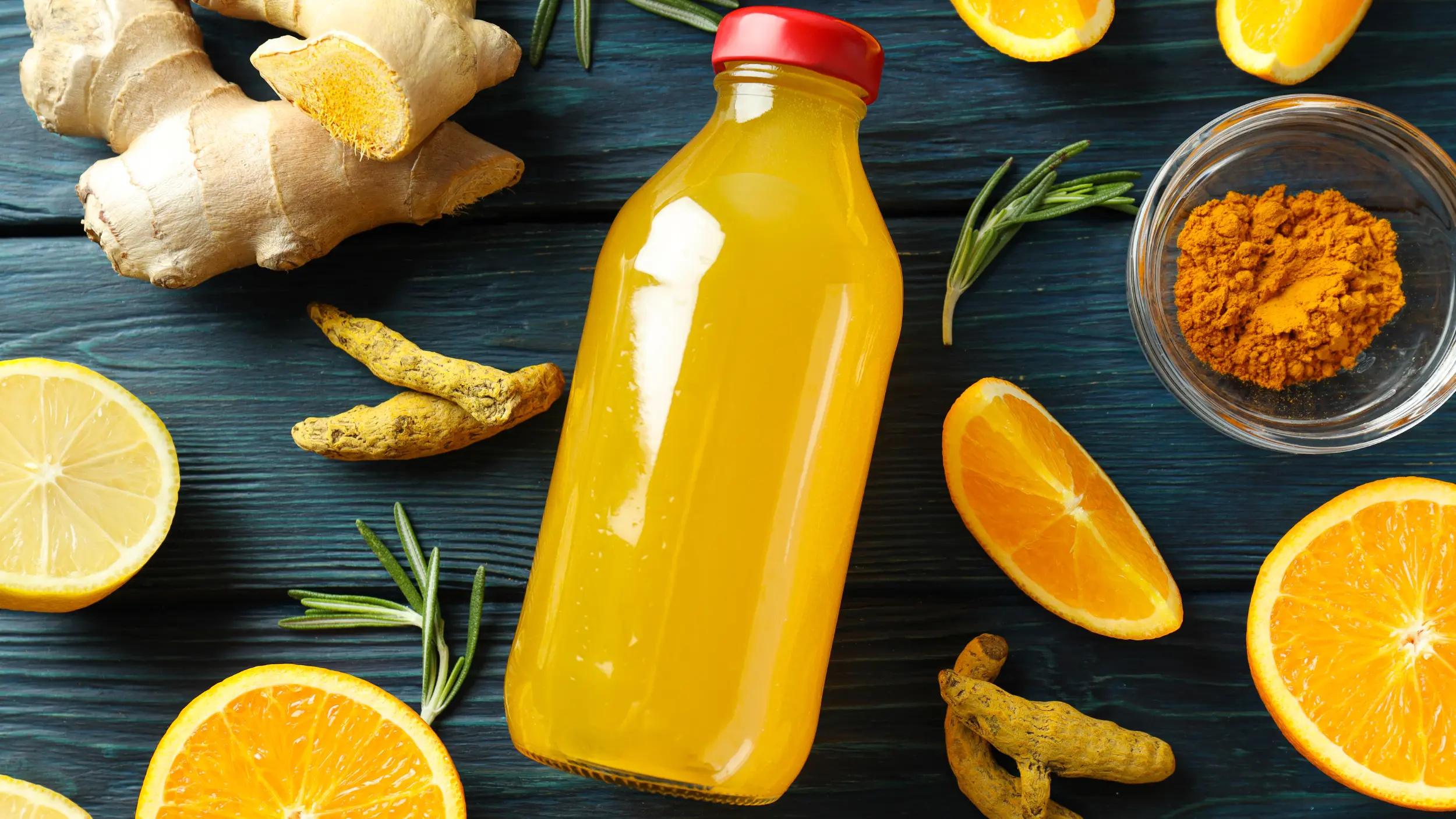
- Turmeric and Ginger: Curcumin (from turmeric) and gingerols (from ginger) inhibit COX-2 enzymes and reduce pro-inflammatory cytokine production [9]. Pair turmeric with black pepper to increase bioavailability by up to 2,000%.
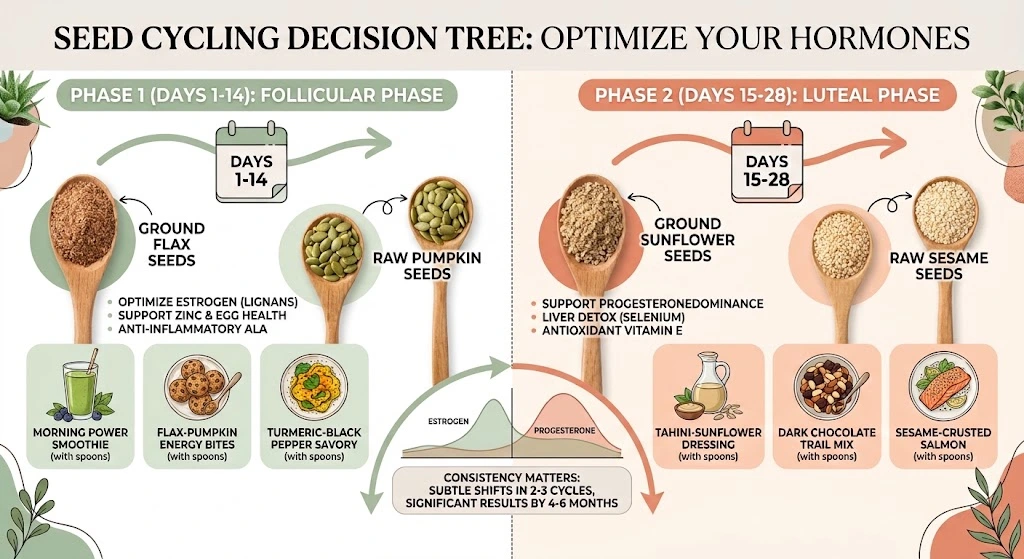
- Walnuts and flaxseeds offer plant-based omega-3s (ALA) that convert to EPA and DHA, though less efficiently than marine sources.
- Green tea contains epigallocatechin gallate (EGCG), a catechin with potent anti-inflammatory and antioxidant properties [10].
- Dark chocolate (70% cacao or higher) provides flavonoids that improve endothelial function and reduce inflammatory markers.
Anti Inflammatory Foods to Avoid: The Inflammation Igniters
Just as important as what you add is what you remove. These inflammatory foods consistently elevate inflammatory biomarkers:
- Refined sugars and high-fructose corn syrup trigger insulin spikes and promote advanced glycation end products (AGEs) [11]
- Trans fats and highly processed vegetable oils (soybean, corn, cottonseed) have unfavorable omega-6 to omega-3 ratios
- Excessive alcohol consumption increases intestinal permeability and activates inflammatory pathways in the liver [12]
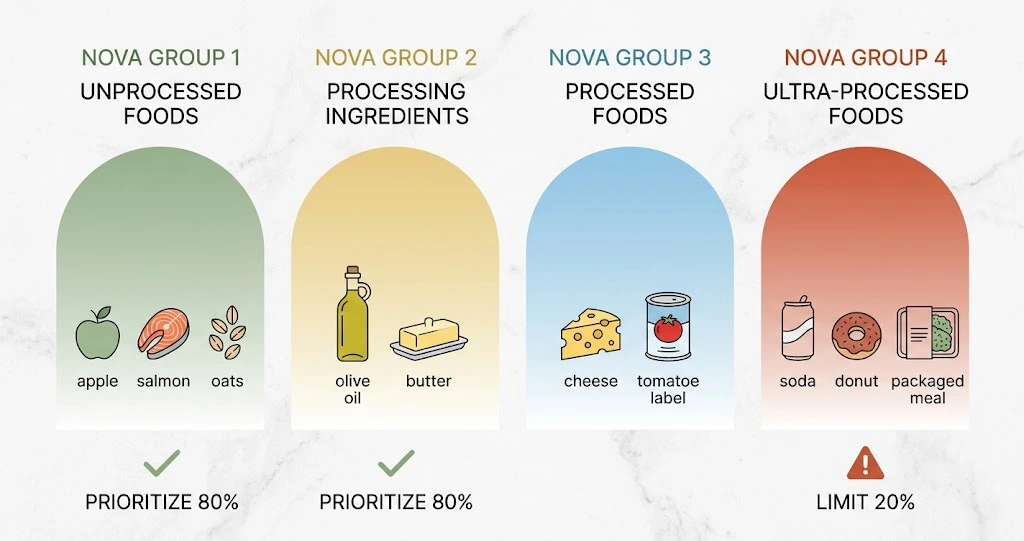
- Ultra-processed foods containing emulsifiers, artificial sweeteners, and preservatives that disrupt the gut microbiome
If you're working on optimizing your gut health, reducing these inflammatory triggers becomes even more critical, as intestinal inflammation can compromise the integrity of your gut lining and trigger systemic immune responses.
Fueling Up: Essential Anti-Inflammatory Foods and Recipes
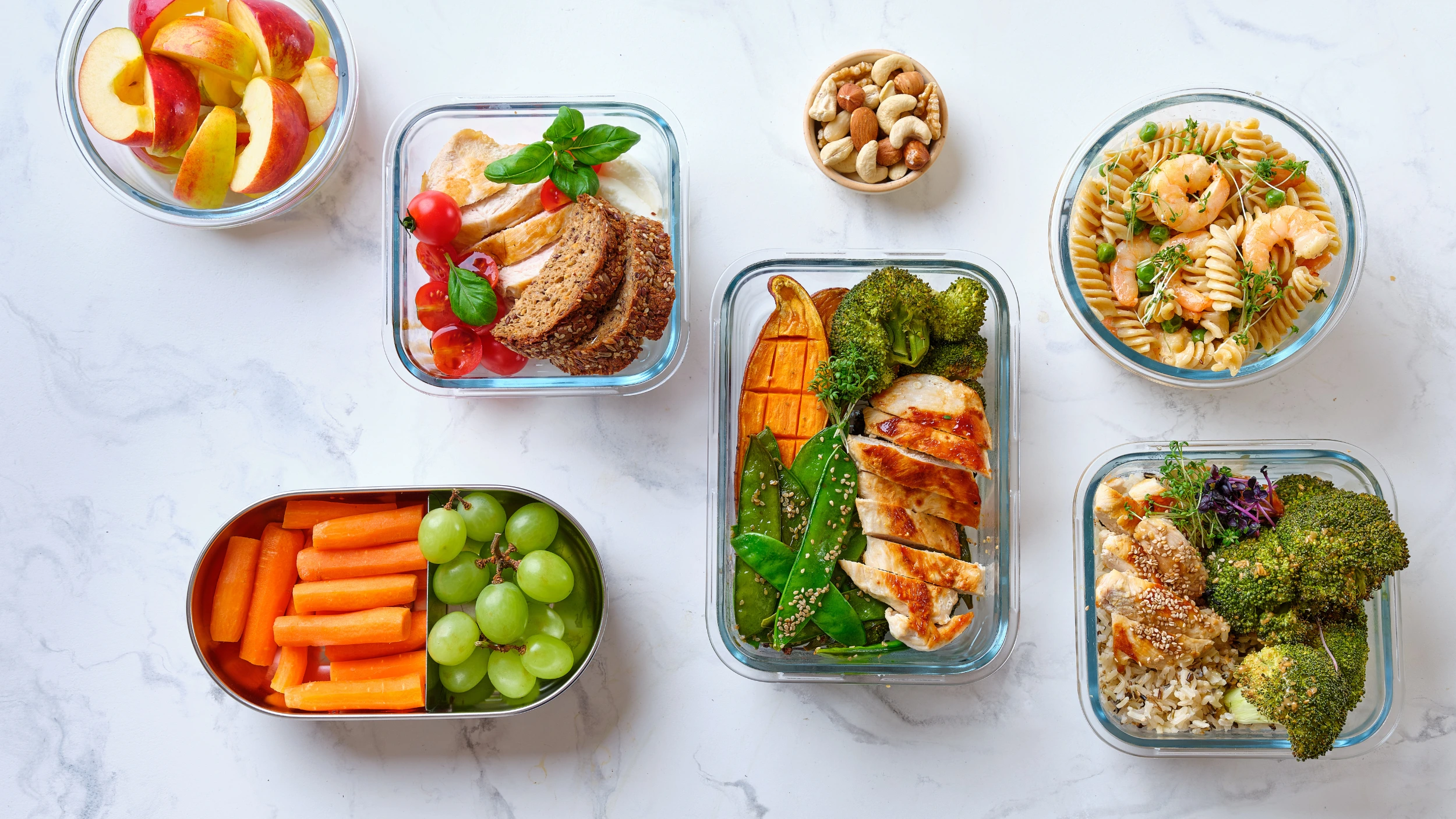
Let's make this practical. An anti-inflammatory eating pattern isn't a temporary diet—it's a sustainable template that fits your lifestyle, preferences, and nutritional needs.
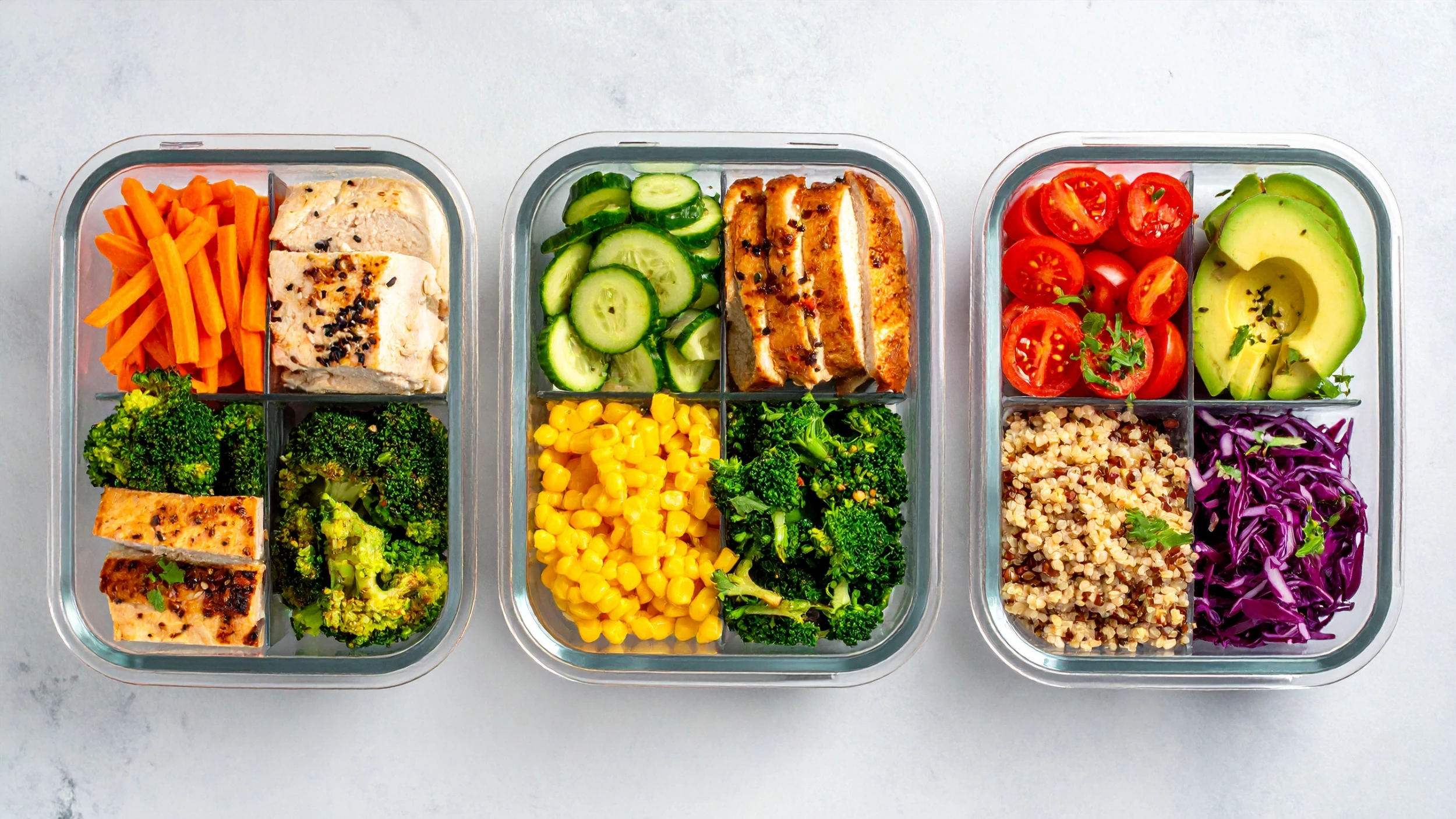
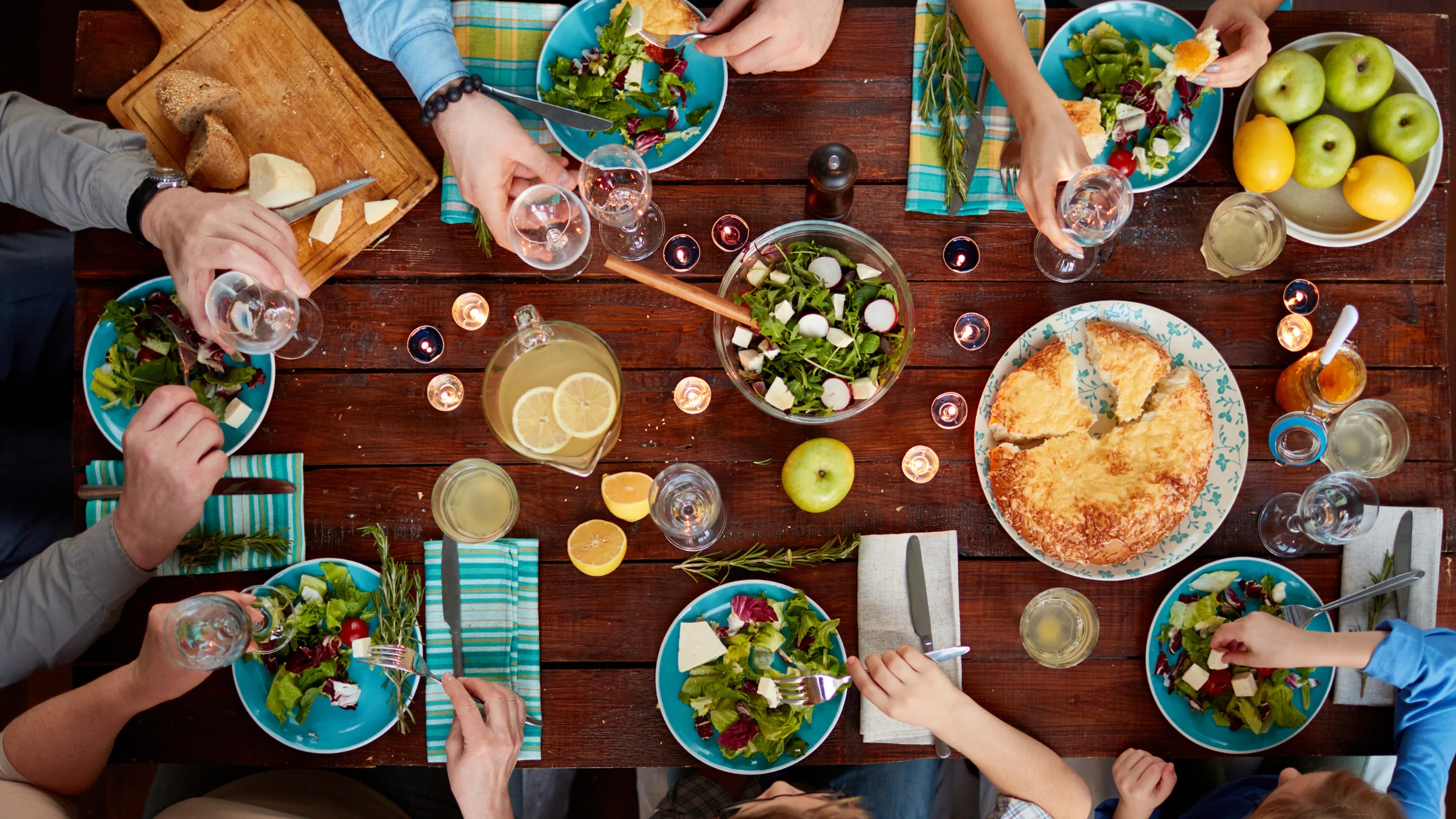
Building Your Anti-Inflammatory Plate
Start with this framework for every meal:
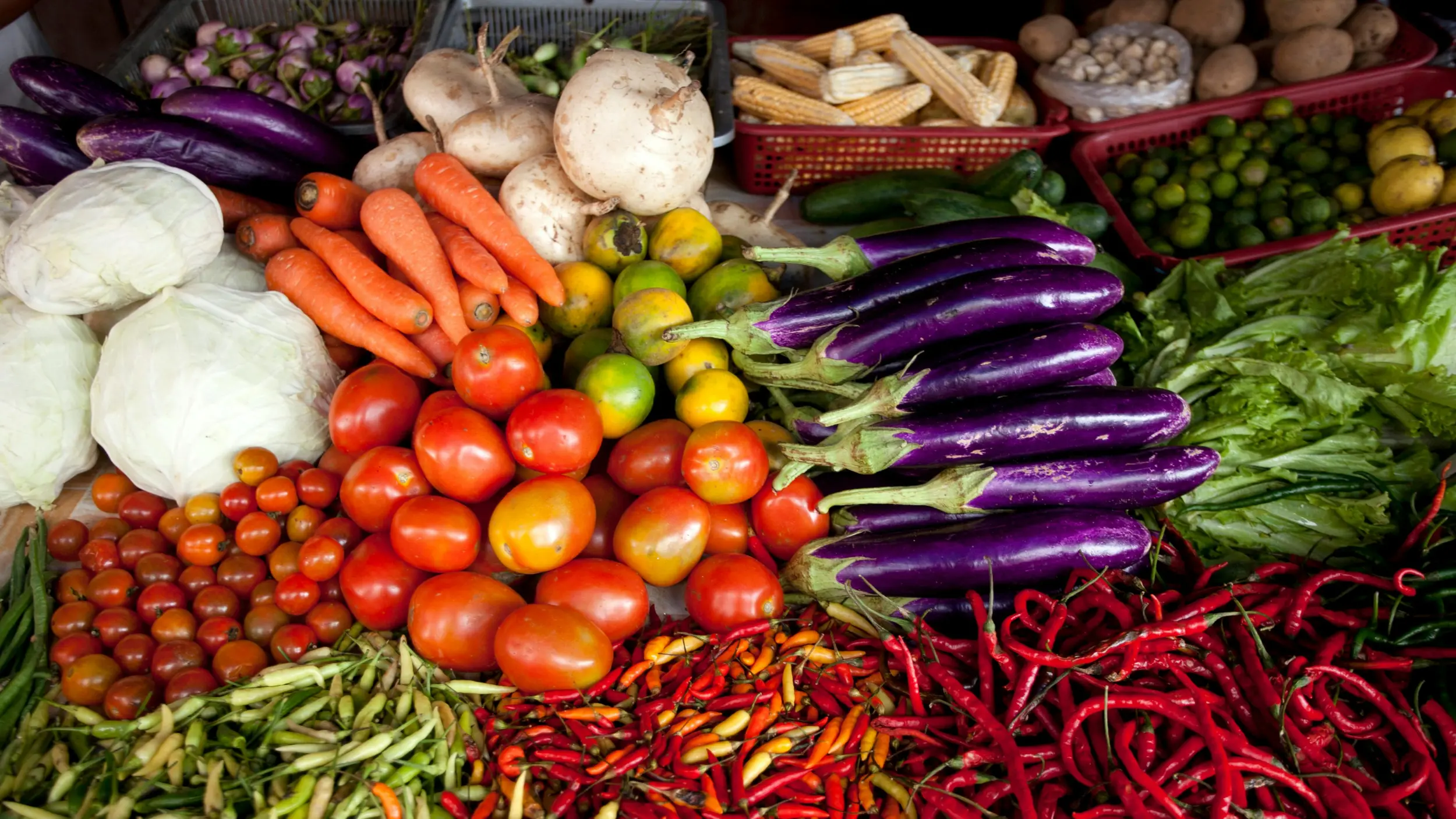
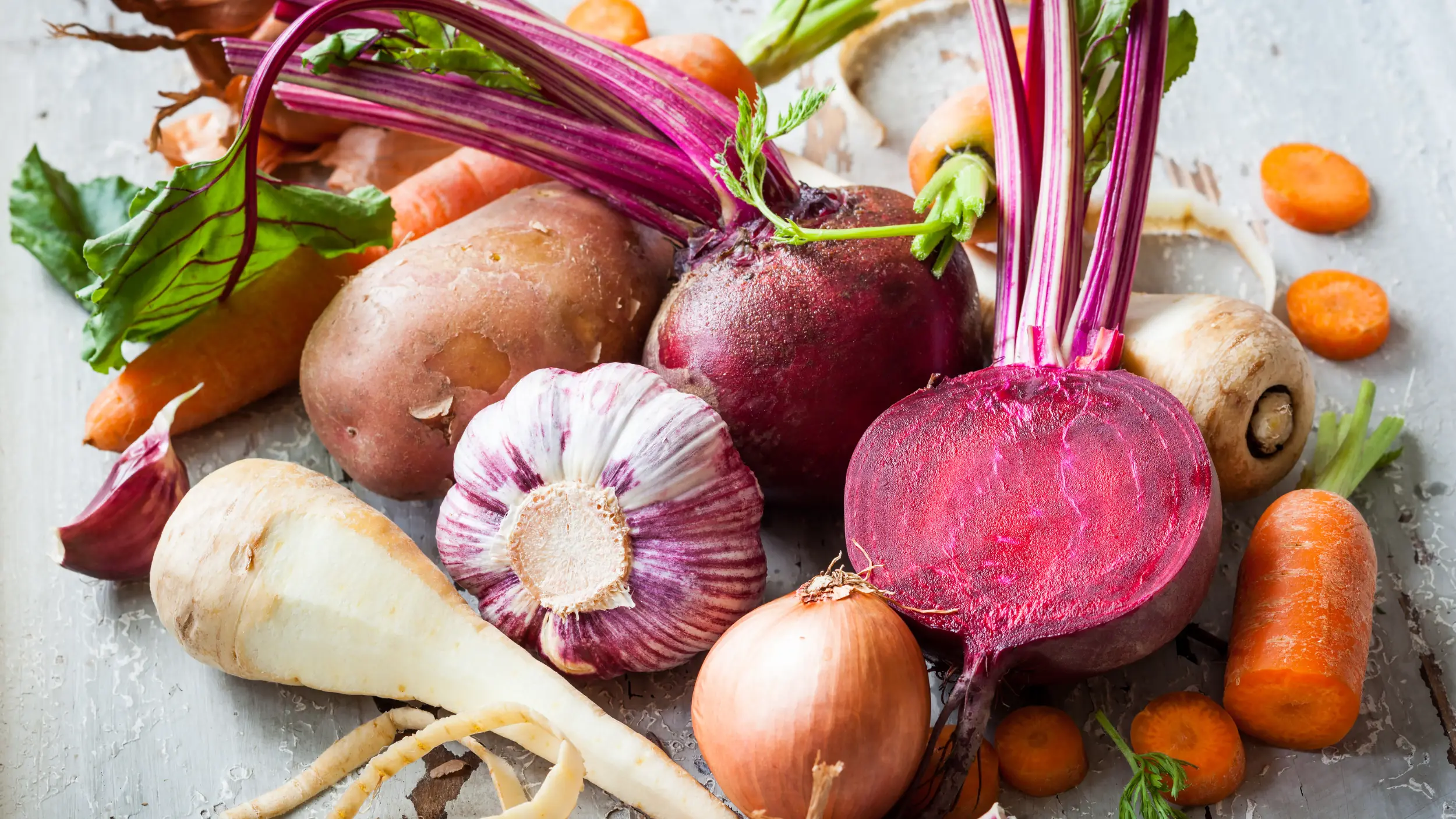
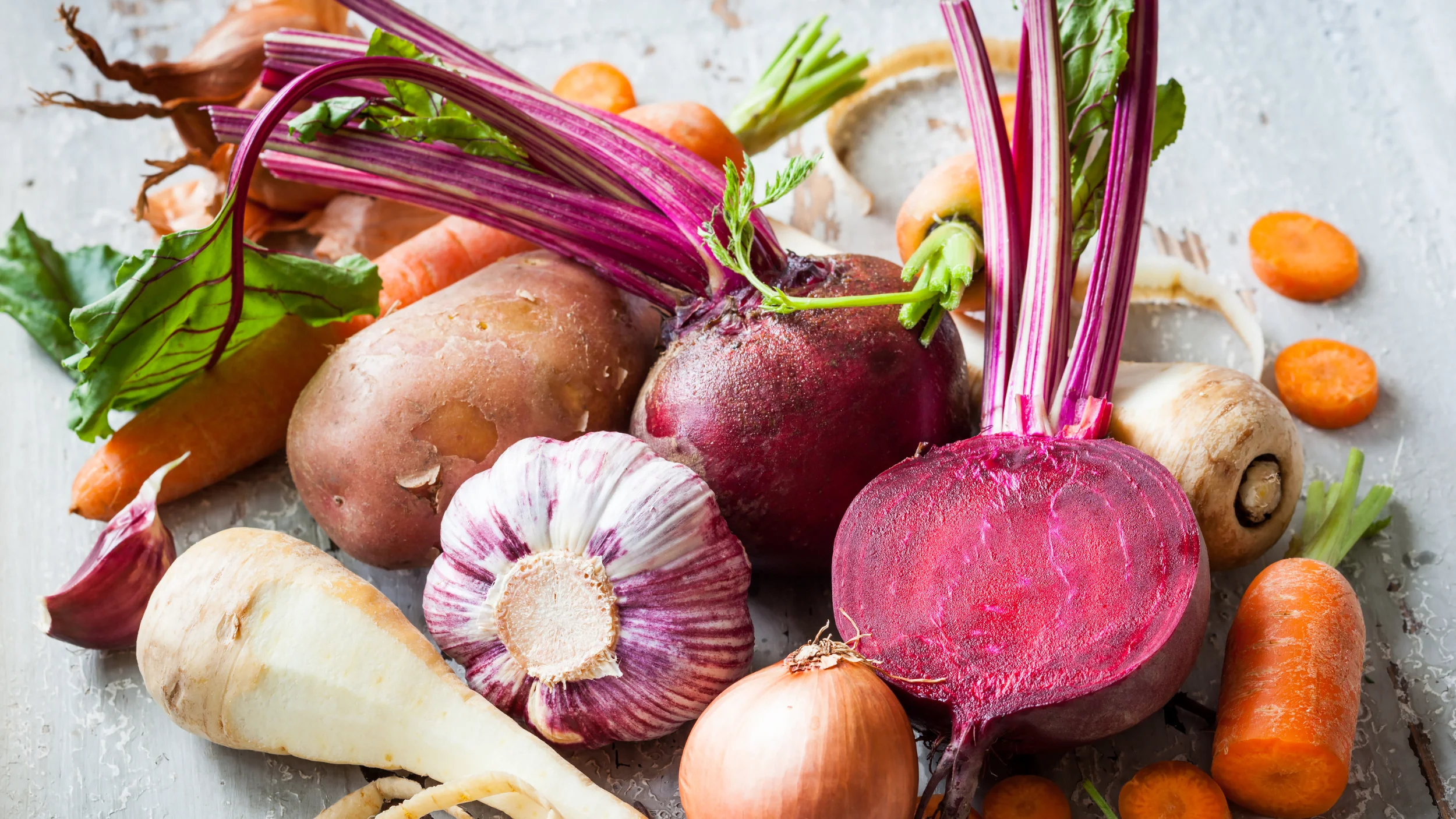
- 50% non-starchy vegetables (raw, roasted, sautéed, or steamed) provide fiber, antioxidants, and phytonutrients that modulate immune function.
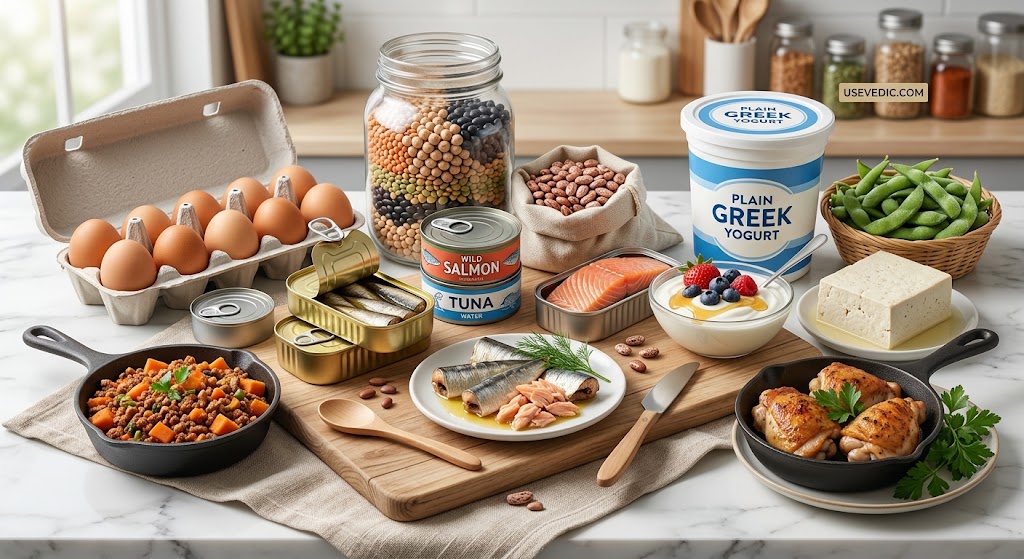
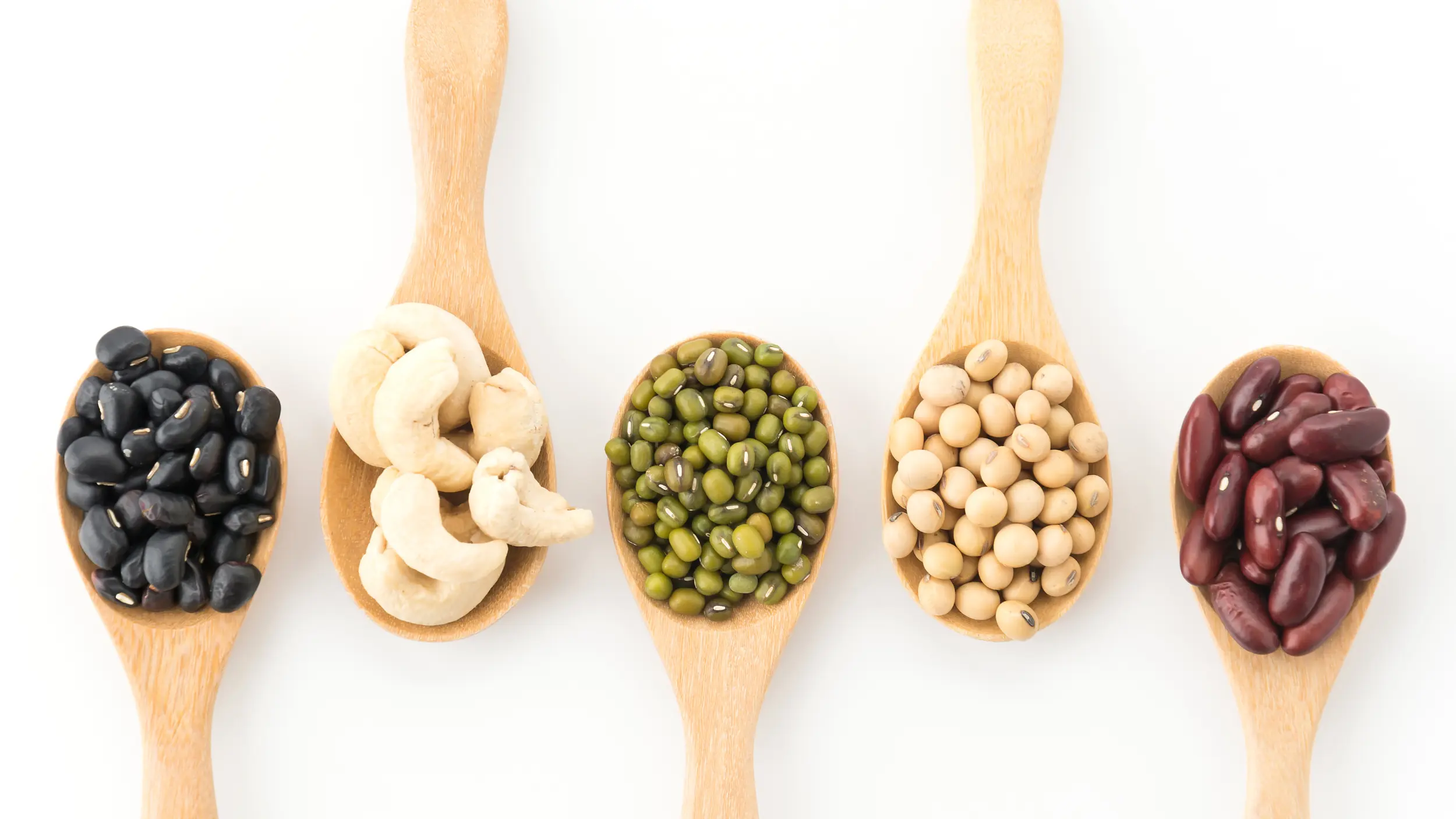
- 25% high-quality protein from wild-caught fish, pastured eggs, organic poultry, or plant-based sources like lentils and tempeh supports tissue repair and satiety.
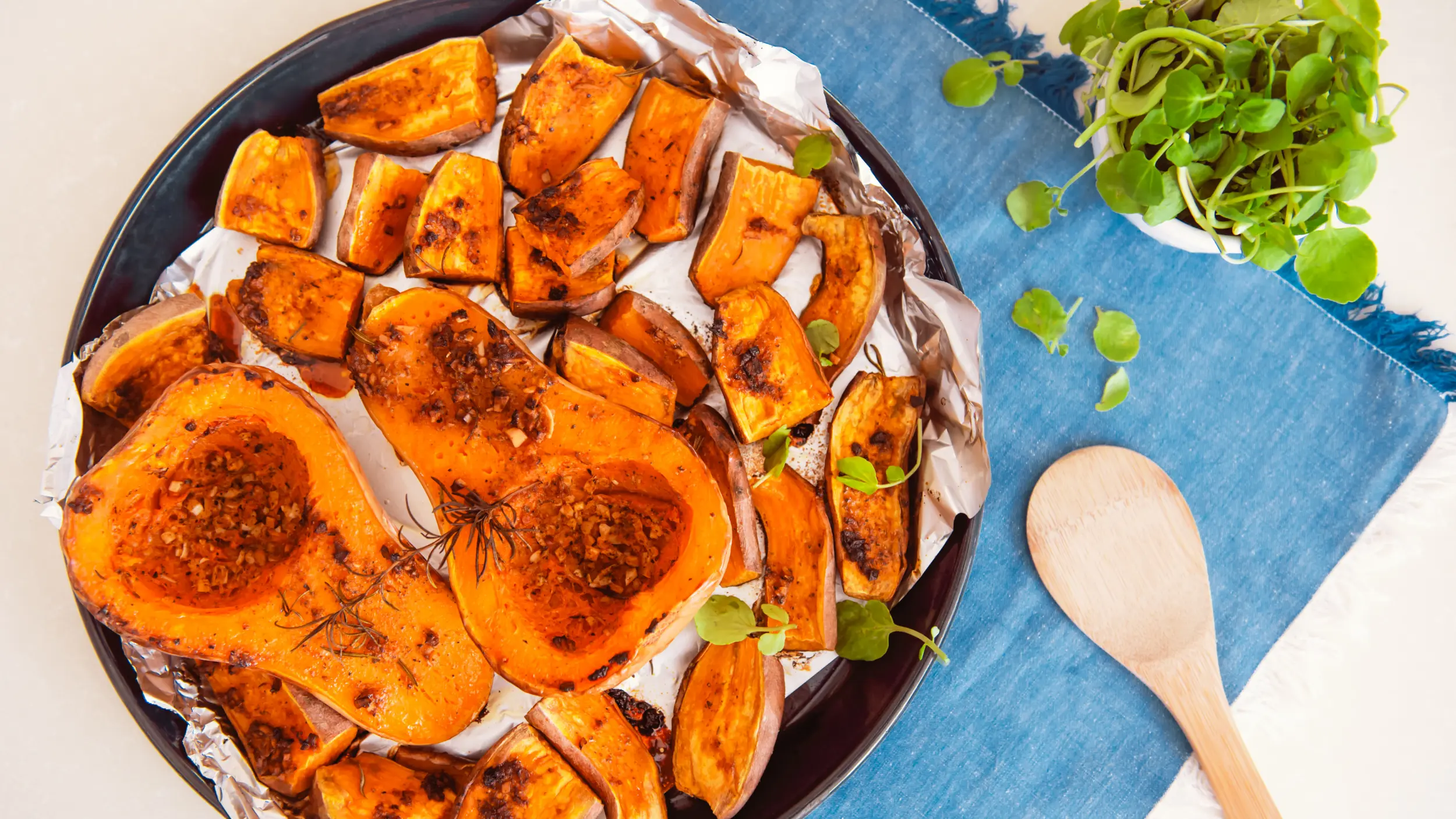
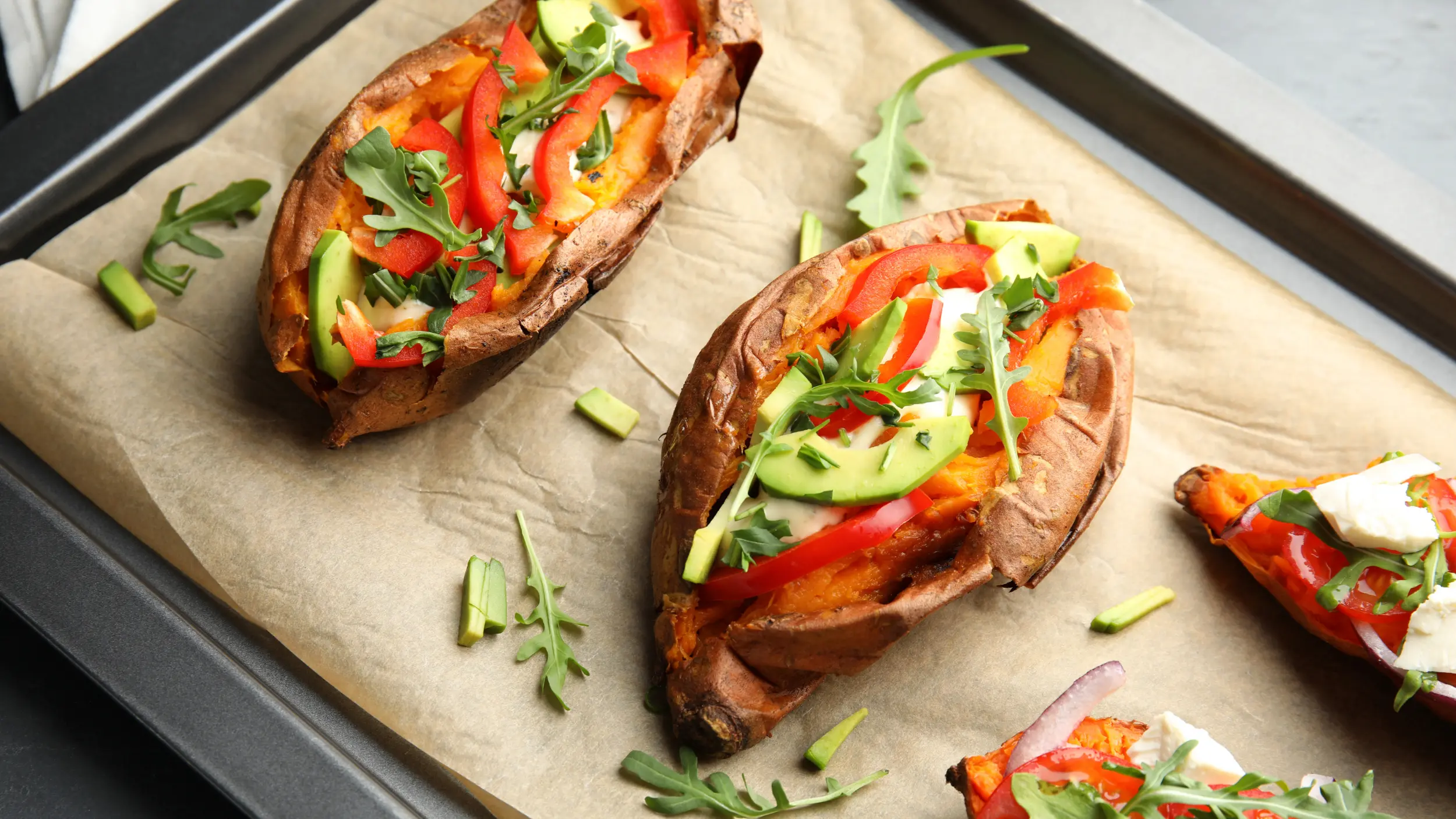
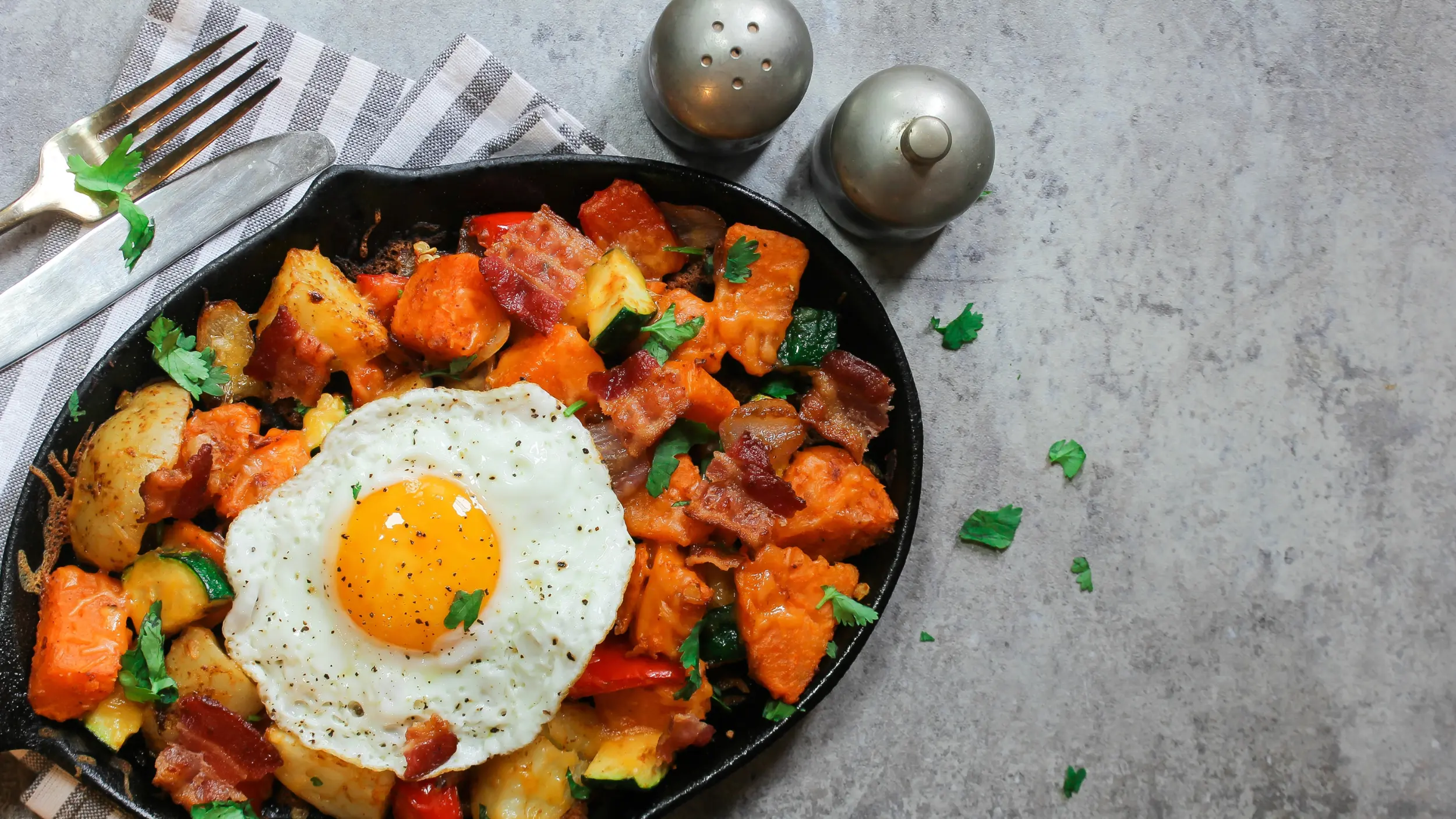
- 25% complex carbohydrates such as quinoa, sweet potatoes, or black rice offer sustained energy without blood sugar spikes.
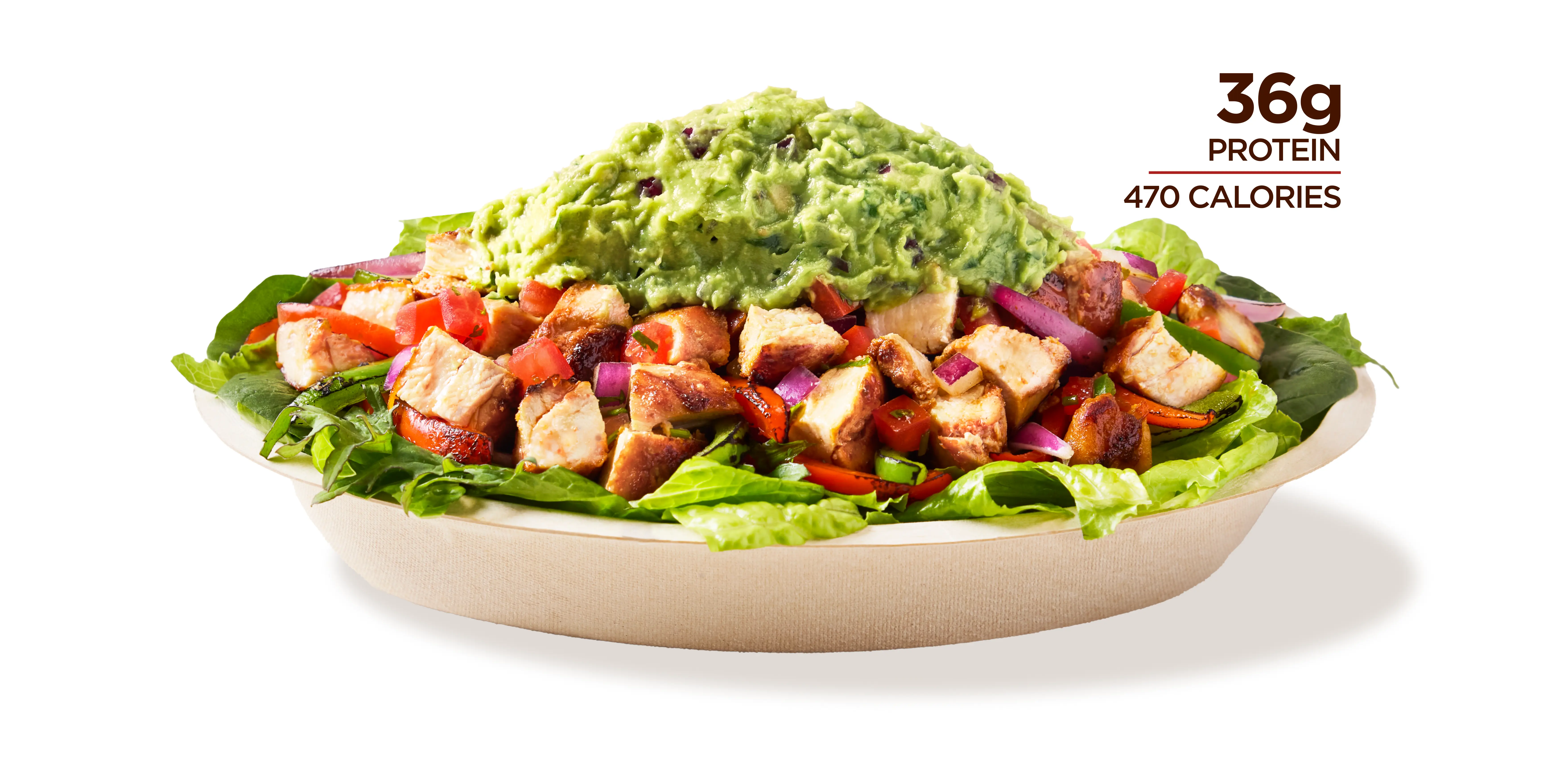
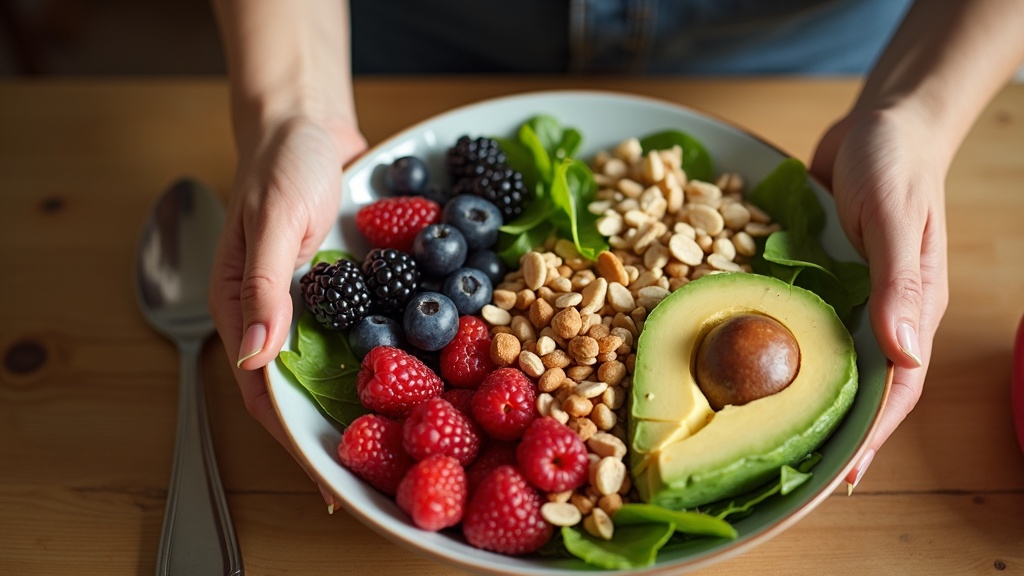
- Healthy fats like avocado, nuts, seeds, and olive oil enhance nutrient absorption and provide anti-inflammatory fatty acids.
Simple Inflammation-Fighting Meal Ideas
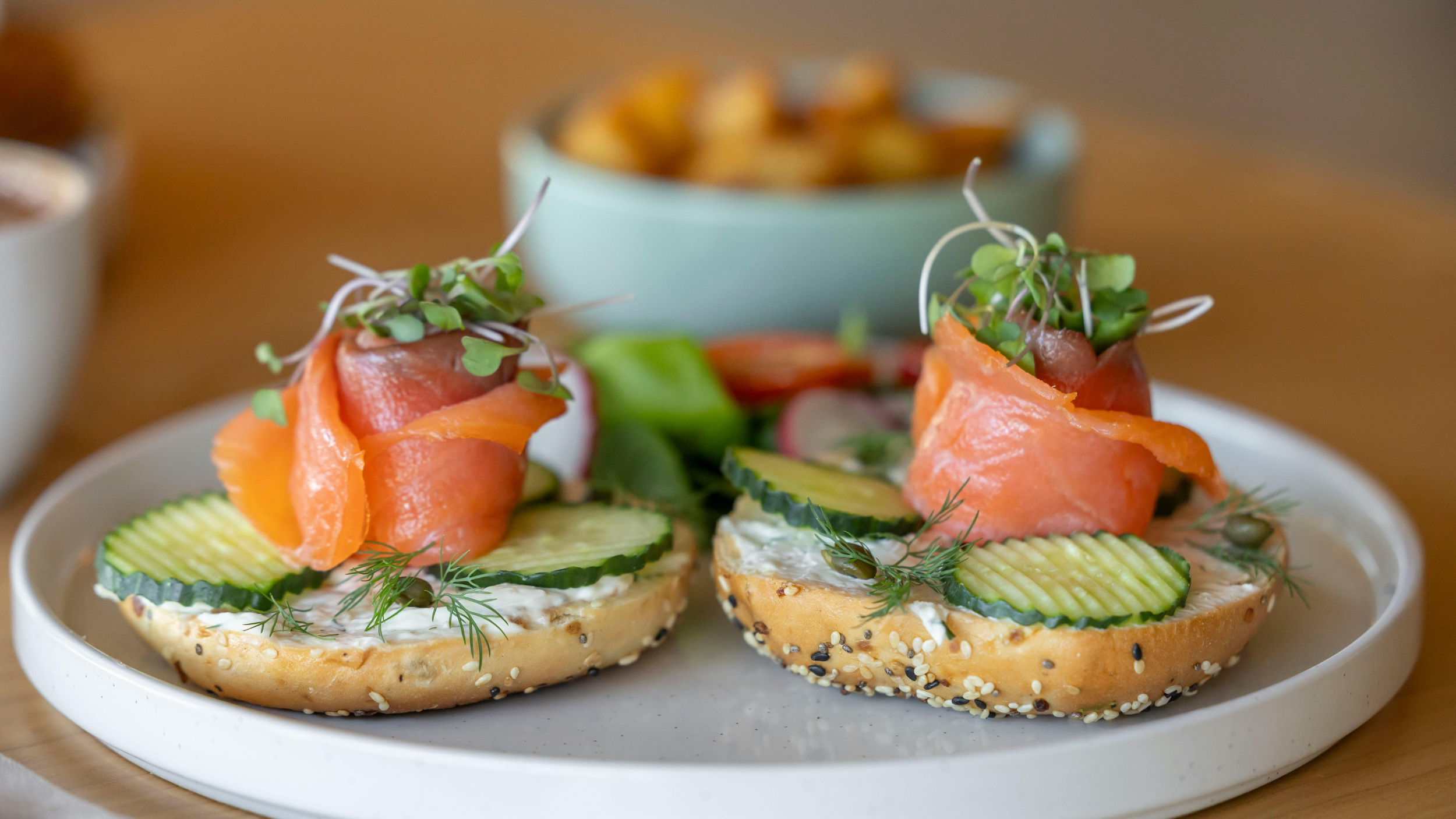
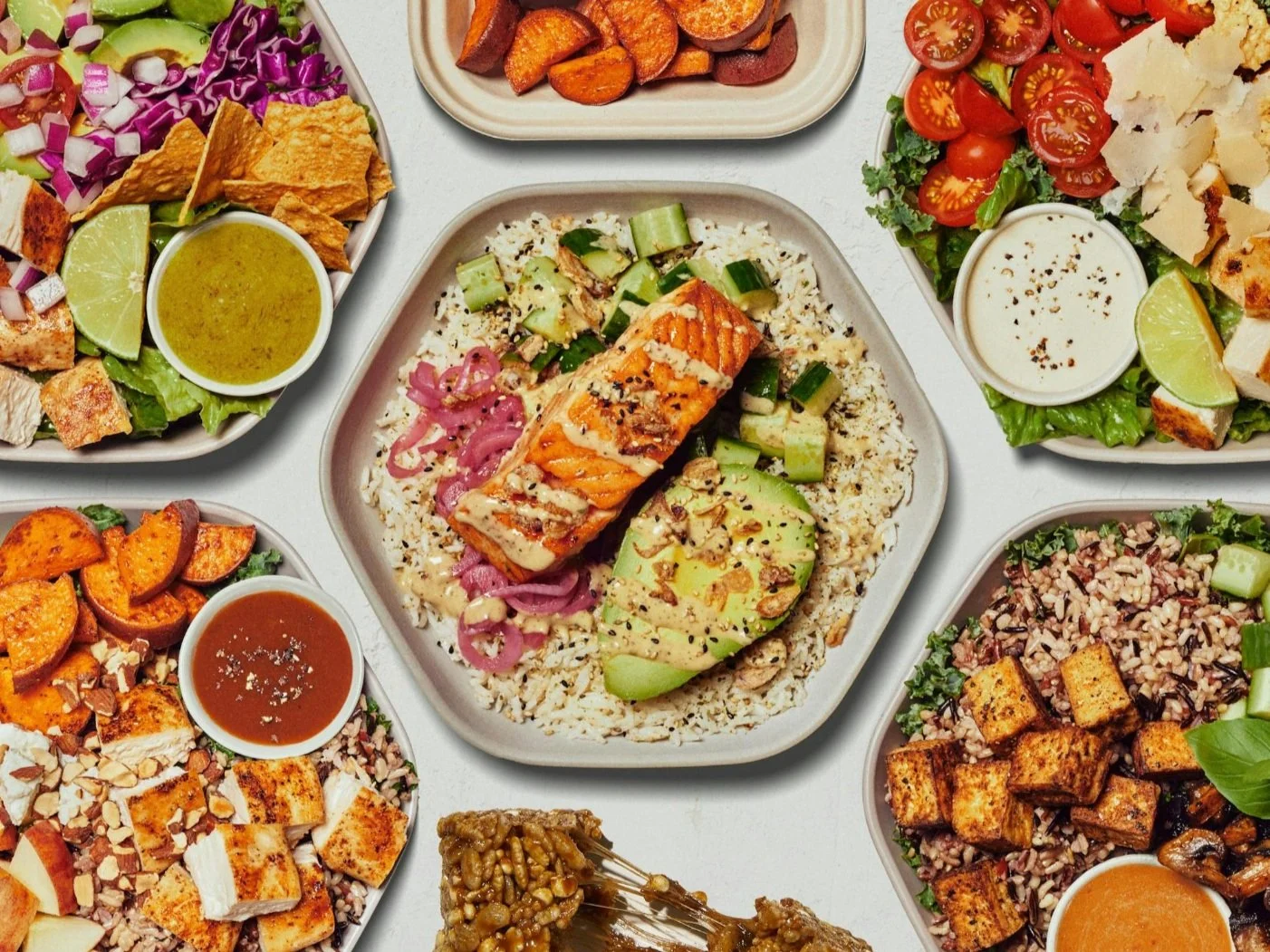
- Breakfast: Smoked salmon on sprouted grain toast with avocado, microgreens, and a squeeze of lemon. Pair with mixed berries and green tea.
- Lunch: Massaged kale salad with roasted chickpeas, shredded purple cabbage, walnuts, and a turmeric-tahini dressing. Add leftover grilled chicken or sardines.
- Dinner: Pan-seared wild salmon with roasted broccoli and cauliflower, served over cauliflower rice with a ginger-miso glaze.
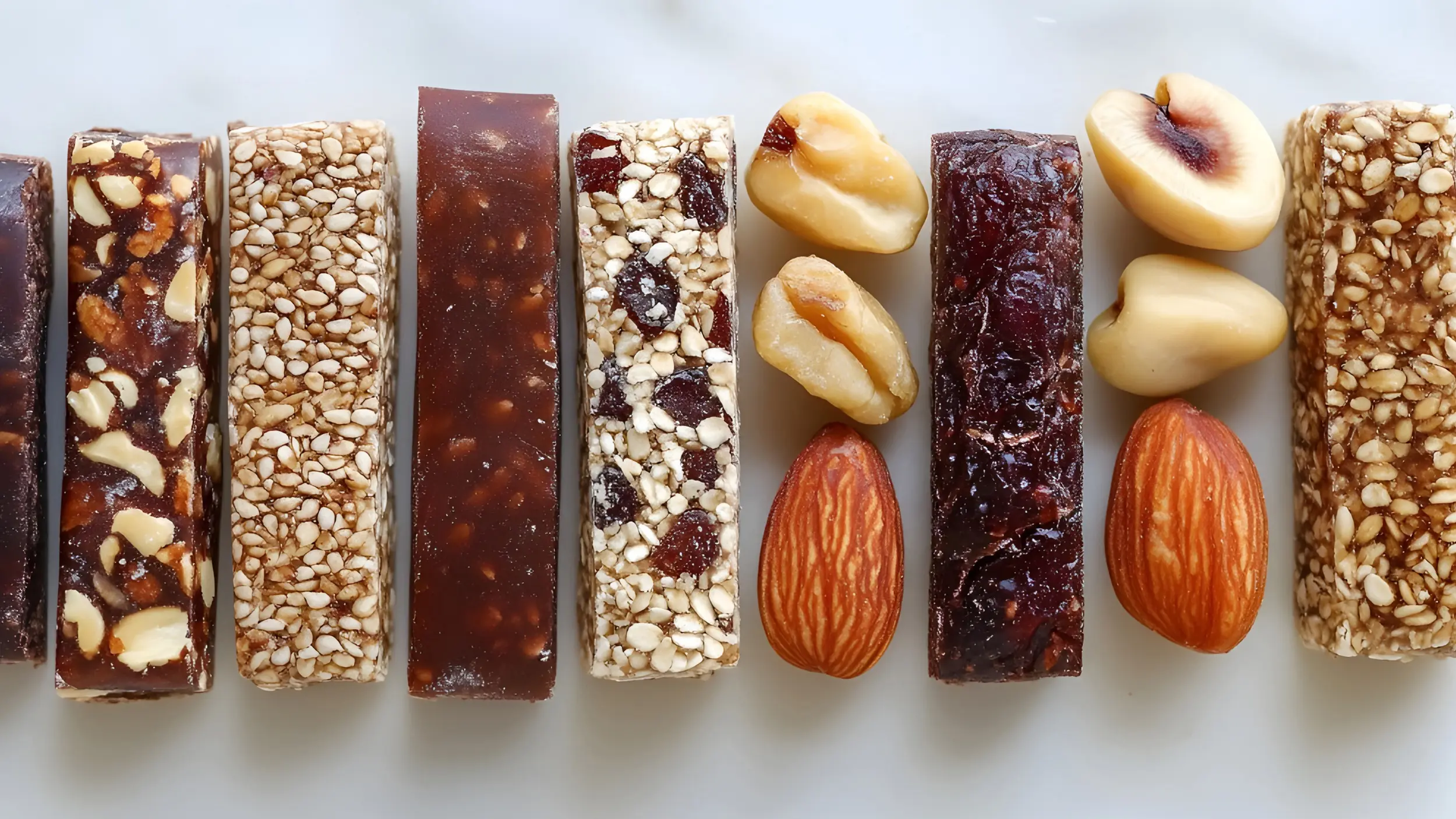
- Snacks: Apple slices with almond butter, raw vegetables with hummus, or a small handful of dark chocolate-covered almonds.
Culinary Tips for Maximum Anti-Inflammatory Impact
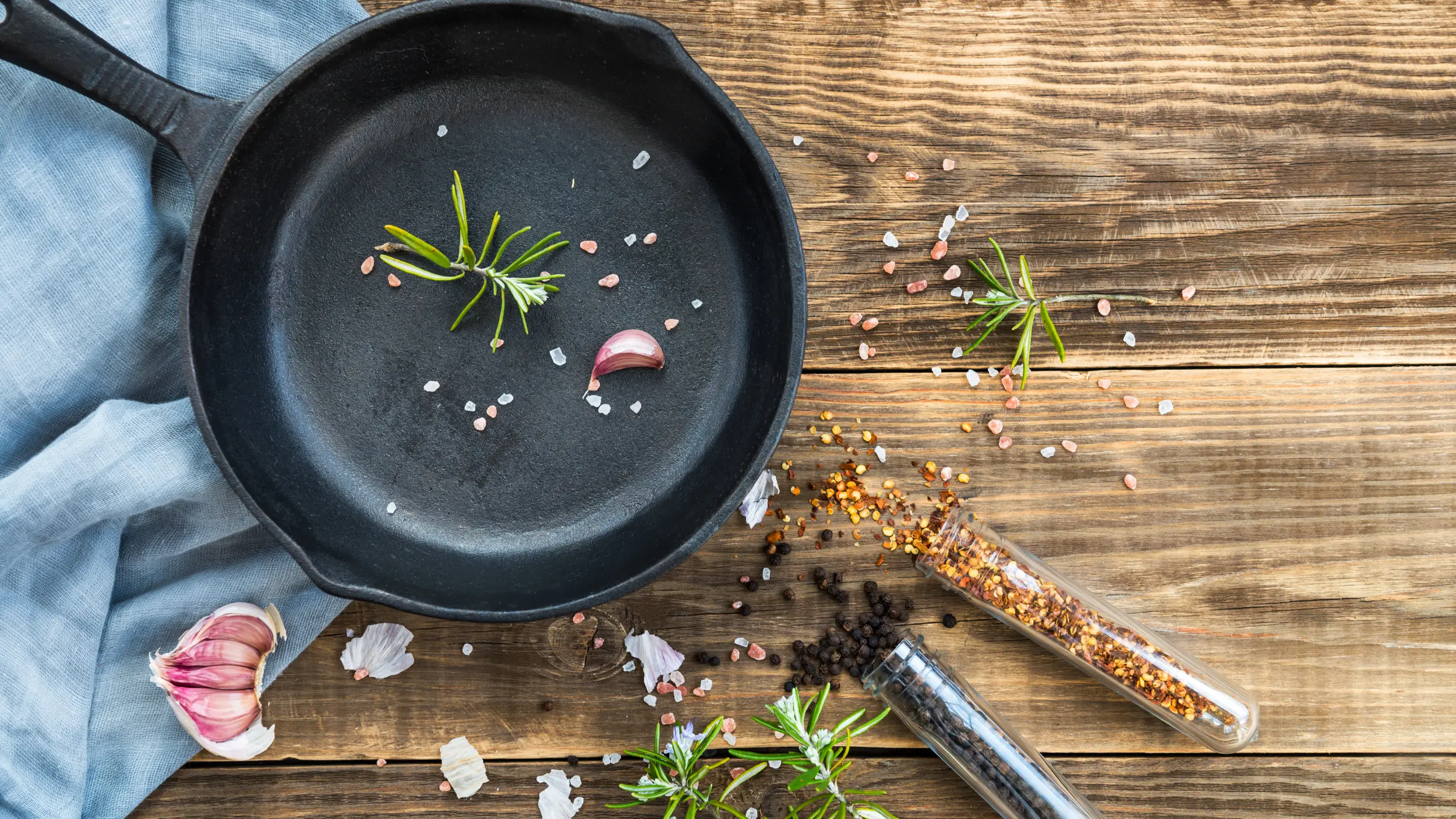
- Cook with herbs and spices liberally—rosemary, oregano, cinnamon, and garlic all possess anti-inflammatory compounds
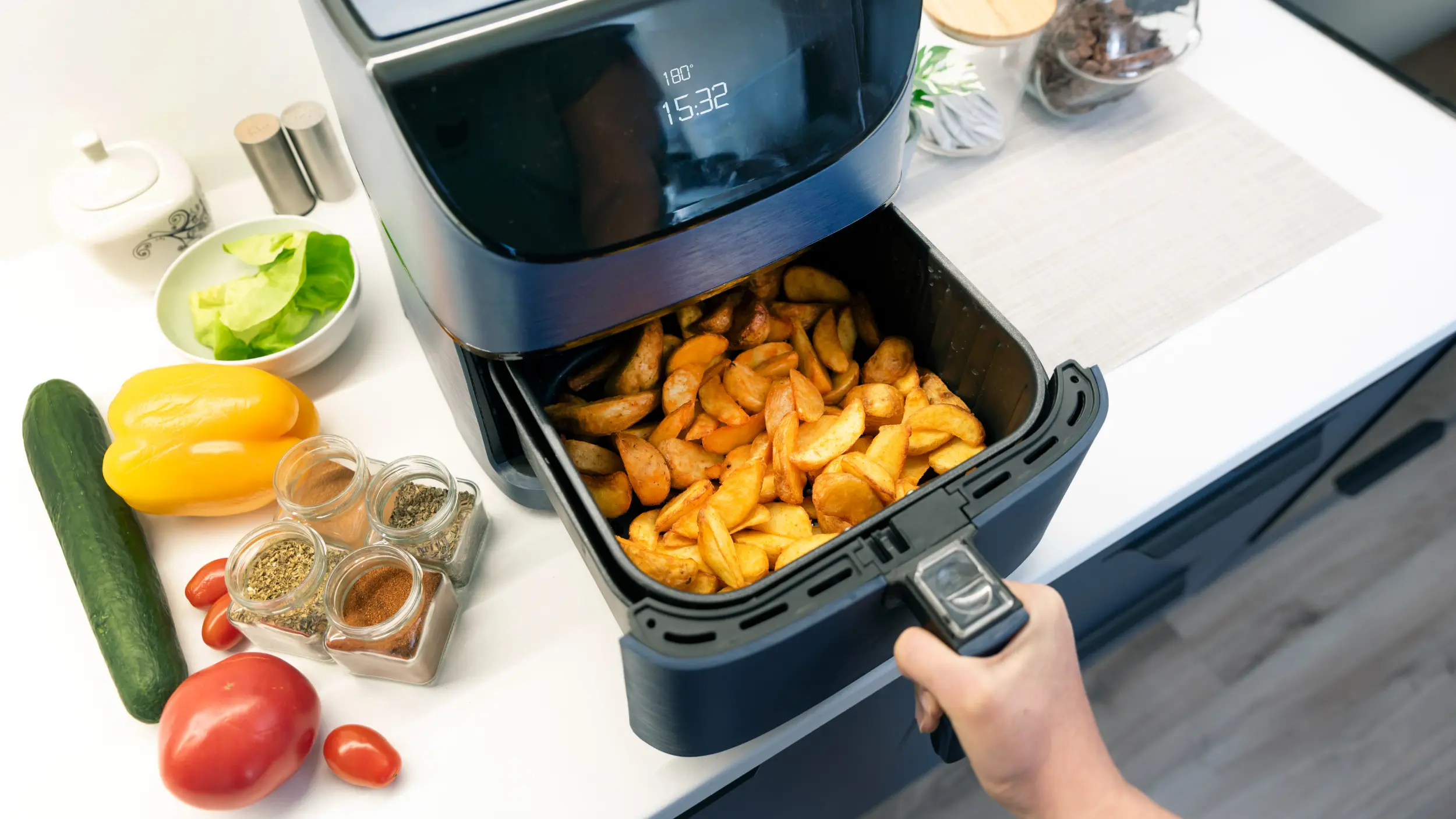
- Choose cooking methods that preserve nutrients: steaming, light sautéing, and gentle roasting rather than deep frying or charring
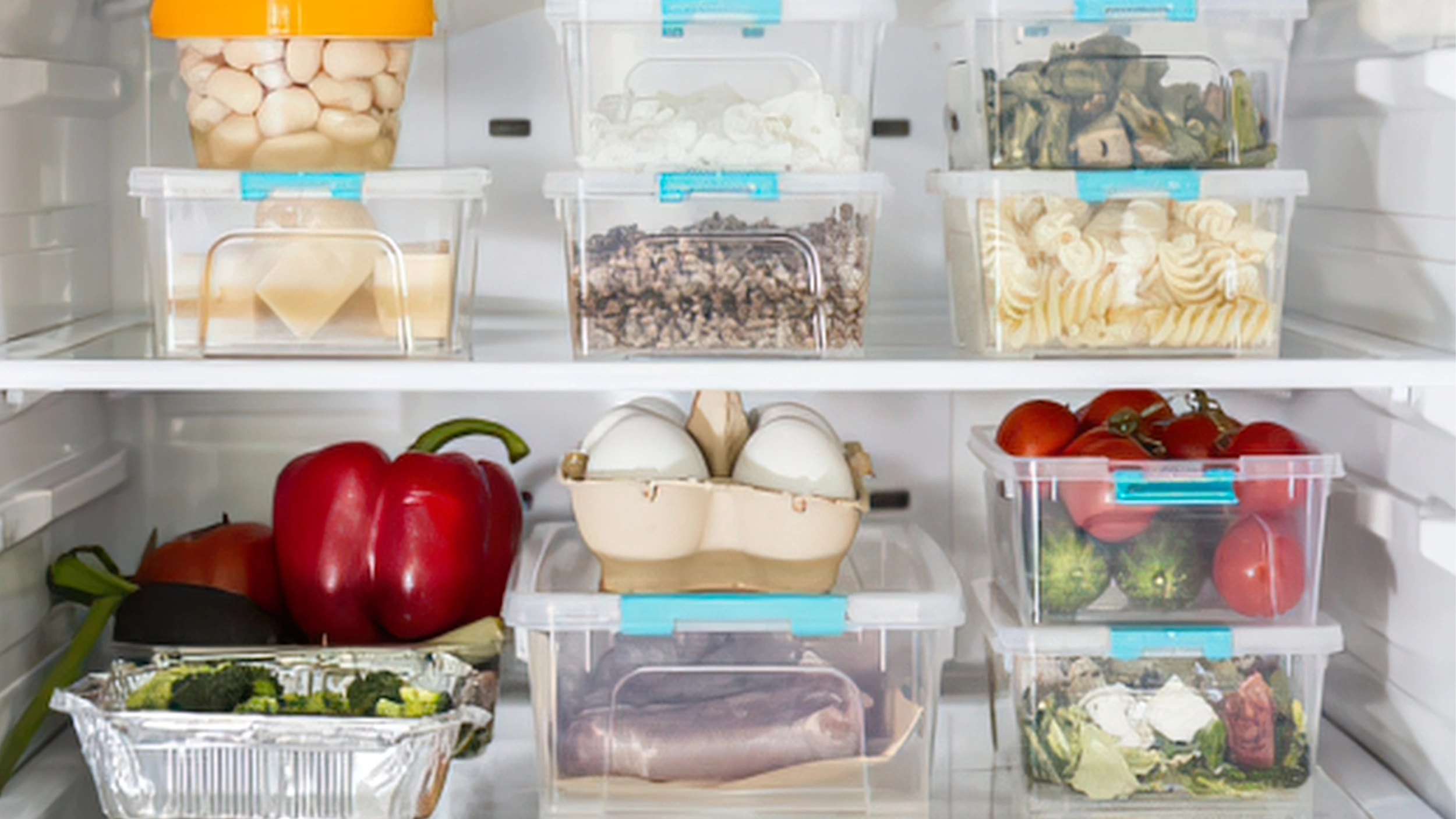
- Prep a large batch of anti-inflammatory "flavor boosters" each week: pesto made with basil and walnuts, golden milk paste with turmeric and ginger, or a big jar of homemade vinaigrette with EVOO and herbs
This way of eating naturally supports your body's stress response systems, energy production, and hormonal signaling. If you're dealing with chronic fatigue or difficulty managing stress, functional nutrition strategies that prioritize anti-inflammatory foods can make a measurable difference in how you feel day to day.
Frequently Asked Questions
Q1: What are the top 5 anti-inflammatory foods I should eat daily?
Focus on these five inflammation-fighting foods: (1) fatty fish like salmon or sardines for omega-3s, (2) mixed berries for anthocyanins, (3) leafy greens like spinach or arugula for folate and magnesium, (4) extra virgin olive oil for oleocanthal, and (5) turmeric paired with black pepper for curcumin. Rotating these into your daily meals creates a strong anti-inflammatory foundation.
Q2: Can an anti-inflammatory diet help with joint pain?
Absolutely. Multiple clinical trials demonstrate that anti-inflammatory eating patterns significantly reduce joint pain, stiffness, and swelling in individuals with rheumatoid arthritis and osteoarthritis [13]. The combination of omega-3 fatty acids, polyphenols, and antioxidants helps modulate inflammatory cytokines that contribute to joint degradation. Many of my clients report noticeable improvements in mobility and morning stiffness within four to eight weeks.
Q3: How long does it take to see results from an anti-inflammatory diet?
You might notice subjective improvements—better energy, less bloating, improved sleep—within the first week or two. Measurable changes in inflammatory biomarkers (like CRP) typically appear within three to six weeks of consistent anti-inflammatory eating [4]. For chronic conditions like autoimmune disease or metabolic dysfunction, it may take three to six months to see significant clinical improvements. The key is consistency and addressing other lifestyle factors like sleep quality, stress management, and movement.
Ready to take control of your health through personalized nutrition? Whether you're managing inflammation, balancing hormones, or optimizing your energy, targeted dietary strategies can transform how you feel. Book your one-on-one dietitian consultation at www.usevedic.com and let's create an anti-inflammatory eating plan designed specifically for your body, lifestyle, and goals.
References
[1] Furman D, et al. Chronic inflammation in the etiology of disease across the life span. Nature Medicine, 2019.
[2] Libby P. Inflammatory mechanisms: the molecular basis of inflammation and disease. Nature Reviews Immunology, 2007.
[3] Cervellati C, et al. Oxidative stress and inflammation in cardiovascular disease in menopause. Maturitas, 2014.
[4] Schwingshackl L, et al. Mediterranean diet and inflammatory markers: a systematic review and meta-analysis. Nutrition Reviews, 2017.
[5] Calder PC. Omega-3 fatty acids and inflammatory processes: from molecules to man. Biochemical Society Transactions, 2017.
[6] Joseph SV, et al. Berries: anti-inflammatory effects in humans. Journal of Agricultural and Food Chemistry, 2014.
[7] Townsend JR, et al. The impact of cruciferous vegetable isothiocyanates on inflammation. Frontiers in Nutrition, 2019.
[8] Beauchamp GK, et al. Phytochemistry: ibuprofen-like activity in extra-virgin olive oil. Nature, 2005.
[9] Kunnumakkara AB, et al. Chronic diseases, inflammation, and spices: how are they linked?. Journal of Translational Medicine, 2018.
[10] Oz HS, et al. Green tea polyphenols and inflammation: mechanisms and clinical implications. Antioxidants, 2021.
[11] Luevano-Contreras C, et al. Dietary advanced glycation end products and aging. Nutrients, 2013.
[12] Bishehsari F, et al. Alcohol and gut-derived inflammation. Alcohol Research: Current Reviews, 2017.
[13] Alwarith J, et al. The role of nutrition in inflammatory arthritis: a systematic review. Frontiers in Nutrition, 2019.
.svg)
.svg)


.jpg)
.jpg)





.webp)























.webp)
.webp)
.webp)
.webp)
.webp)
.webp)
.webp)
.png)
.webp)
.webp)
.webp)
.png)
.webp)
.webp)
.webp)
.webp)
.webp)
.webp)
.webp)
.webp)
.webp)


.webp)
.png)