.webp)
%2B(7).webp)
.png)
At a Glance
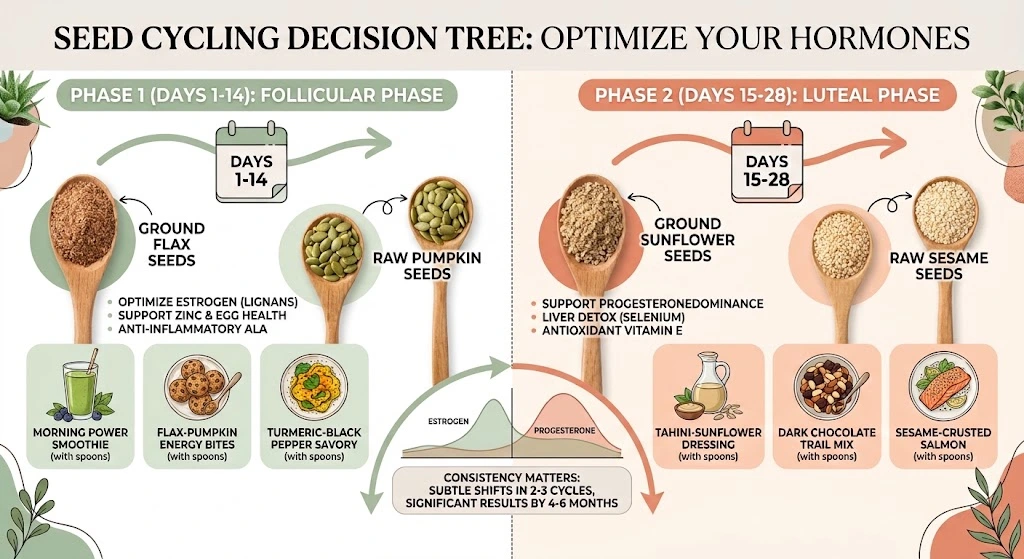
Seed cycling is a food-based protocol that strategically rotates specific seeds across your menstrual cycle to support natural hormone balance. By consuming flax and pumpkin seeds during your follicular phase and sunflower and sesame seeds during your luteal phase, you're providing targeted nutrients that help optimize estrogen and progesterone production [1]. This gentle, evidence-informed approach has shown promise for women managing PCOS, endometriosis, irregular cycles, and fertility challenges.
Understanding the Basics: What is Seed Cycling and How Does it Work?
Seed cycling is the practice of eating specific seeds during distinct phases of your menstrual cycle to support hormonal fluctuations. Think of it as giving your body the raw materials it needs exactly when it needs them.
Here's how the protocol breaks down:
- Phase 1 (Follicular Phase - Days 1-14): During the first half of your cycle, from the first day of menstruation through ovulation, you'll consume 1 tablespoon each of ground flax seeds and raw pumpkin seeds daily. Flax seeds are particularly rich in lignans, which are phytoestrogens that can help modulate estrogen metabolism [2]. Pumpkin seeds provide zinc, which supports progesterone receptor function and prepares your body for the luteal phase ahead.
- Phase 2 (Luteal Phase - Days 15-28): After ovulation through the start of your next period, switch to 1 tablespoon each of ground sunflower seeds and raw sesame seeds daily. Sunflower seeds contain selenium, a mineral crucial for liver detoxification of excess hormones, while sesame seeds are loaded with lignans that support healthy progesterone levels [3]. This combination helps your body maintain the progesterone dominance needed during the second half of your cycle.
The mechanism isn't about the seeds directly becoming hormones. Instead, these nutrient-dense foods provide cofactors—like vitamin E, selenium, zinc, and essential fatty acids—that your endocrine system requires for optimal hormone synthesis and metabolism [4].
For women without a regular cycle or those in perimenopause, you can follow the moon cycle instead: consume Phase 1 seeds from the new moon to the full moon, then Phase 2 seeds from the full moon back to the new moon.
Unlocking the Benefits: More Than Just Hormone Balance
While supporting hormone balance is the primary goal, the ripple effects of seed cycling extend into several areas of women's health.
Natural Fertility Support
If you're working to improve fertility naturally, seed cycling offers a non-invasive starting point. The omega-3 fatty acids in flax seeds help reduce inflammation in reproductive tissues, while the zinc from pumpkin seeds is essential for healthy egg development and implantation [5]. Many of my clients report more predictable ovulation patterns and improved cervical mucus quality after 3-4 consistent cycles.
PCOS Symptom Management
For women with polycystic ovary syndrome, seed cycling for PCOS targets two major concerns: excess androgens and insulin resistance. The lignans in flax seeds can help bind excess testosterone and support its elimination through the gut [6]. Additionally, the fiber content (around 3 grams per tablespoon of flax) helps stabilize blood sugar—a critical factor since insulin resistance drives androgen production in PCOS.
- Reduced hirsutism (excess hair growth) over 4-6 months
- More regular menstrual cycles in women with oligomenorrhea
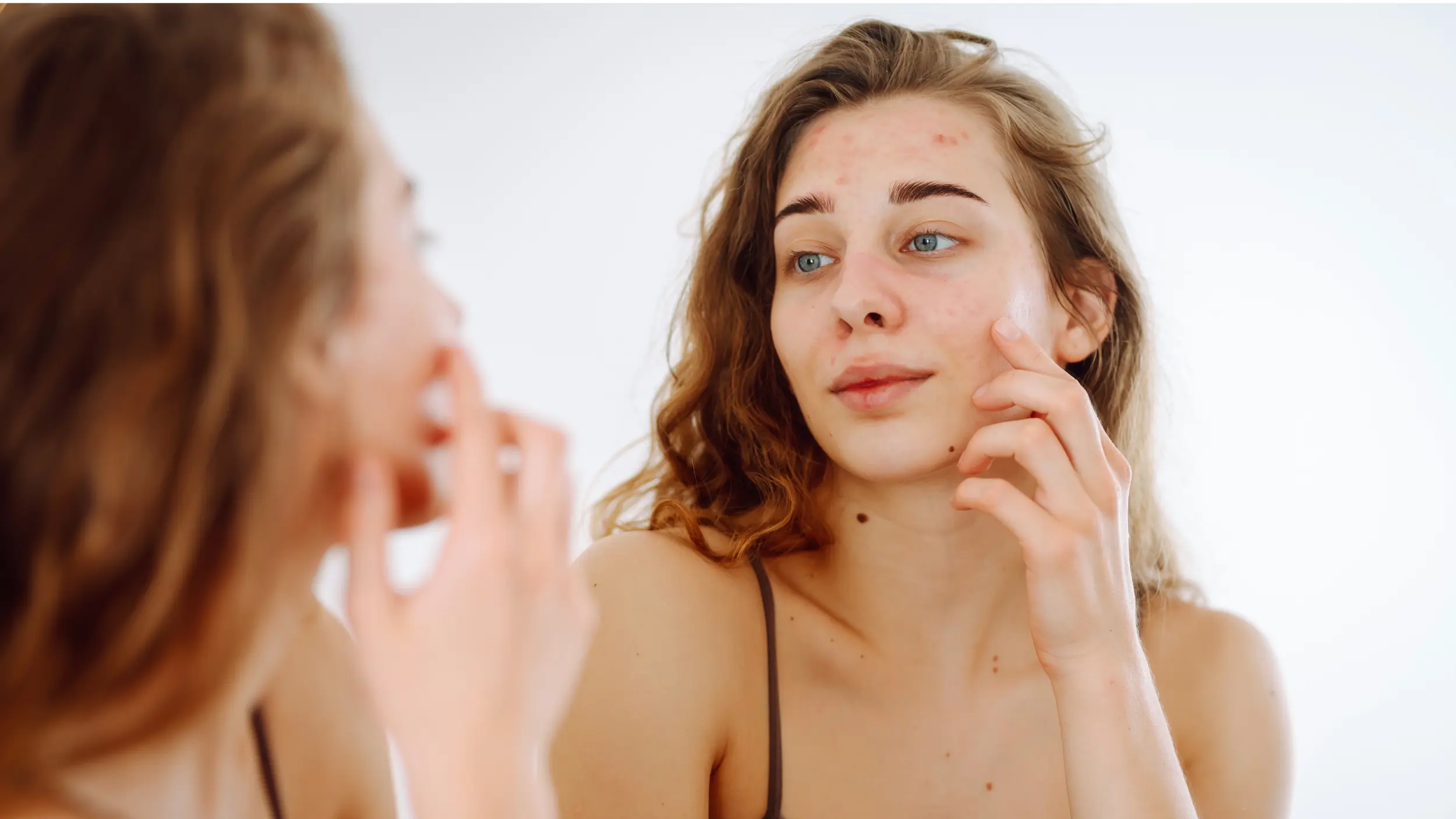
- Improved skin clarity as androgen levels normalize
Combining seed cycling with a comprehensive hormone balance diet amplifies these benefits significantly.
Endometriosis & Inflammation
Seed cycling for endometriosis works primarily through anti-inflammatory pathways. The alpha-linolenic acid (ALA) in flax and the vitamin E in sunflower seeds both help reduce prostaglandin E2—an inflammatory mediator that contributes to endometrial pain [7]. While seed cycling alone won't cure endometriosis, it's a valuable piece of a larger anti-inflammatory nutrition strategy.
I've watched clients experience noticeably lighter periods and reduced cramping intensity after just two cycles of consistent seed rotation.
Progesterone Support During Phase 2
Low progesterone is incredibly common, especially in our late 30s and 40s. Seed cycling progesterone support works by providing the building blocks your corpus luteum needs. Sesame seeds contain sesamin and sesamolin—lignans that may help preserve progesterone by reducing its breakdown [8]. Pair this with the selenium from sunflower seeds, which supports thyroid function (essential for progesterone production), and you've got a powerful luteal phase toolkit.
Maintaining healthy gut health and microbiome function is equally important here, since your gut bacteria actually regulate estrogen metabolism through the estrobolome.
Putting it into Practice: Delicious Recipes & Your Cycle
The biggest mistake I see women make with seed cycling? Treating it like a chore. Let's make this delicious and sustainable.
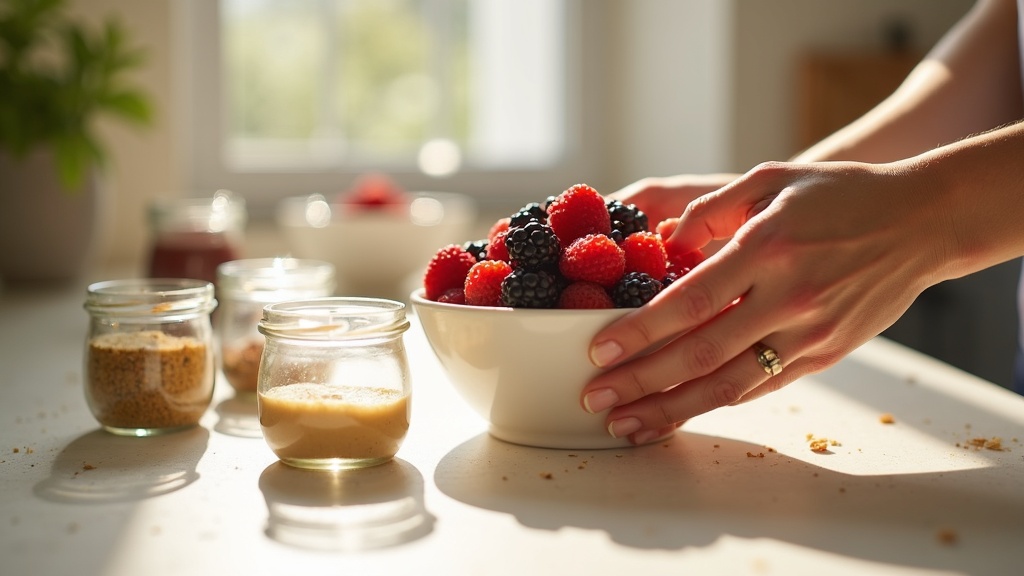
Phase 1 Seed Cycling Recipes (Days 1-14)
Morning Power Smoothie
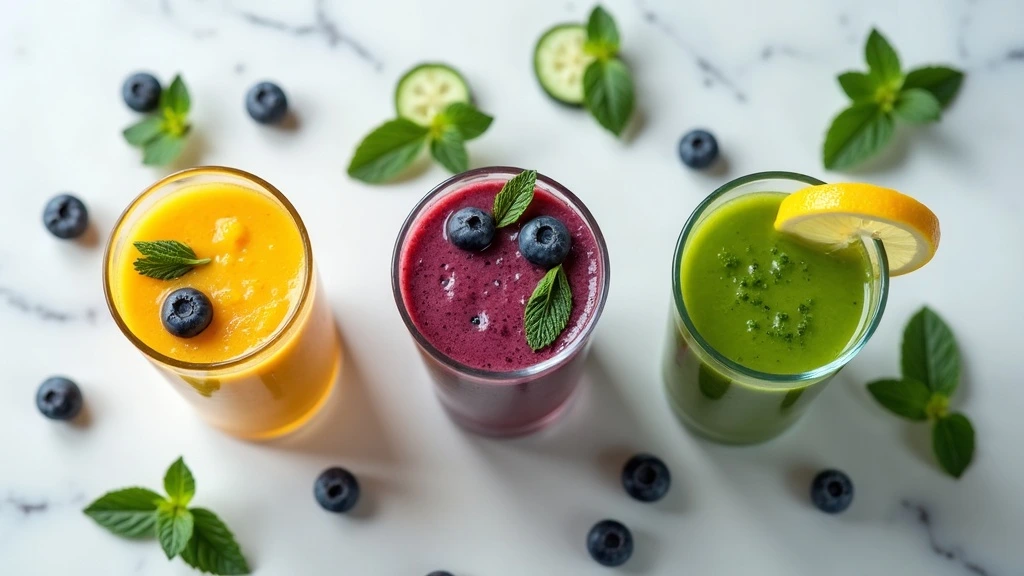
Blend 1 cup unsweetened almond milk, 1 tablespoon ground flax seeds, 1 tablespoon pumpkin seeds, 1/2 frozen banana, a handful of spinach, and 1 scoop vanilla protein powder. The healthy fats help you absorb the fat-soluble vitamins in the greens.
Flax-Pumpkin Energy Bites
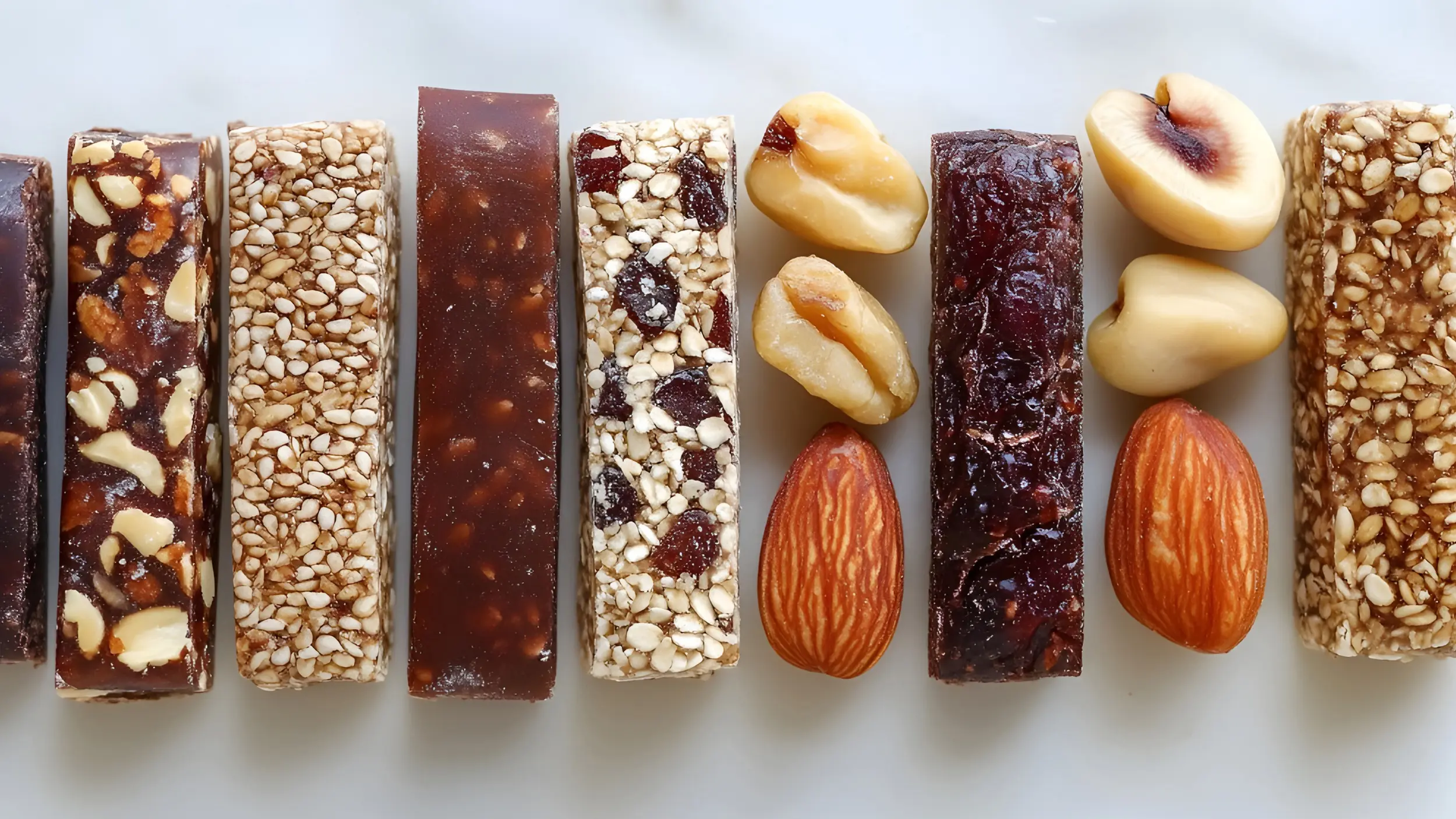
Mix 1 cup Medjool dates (pitted), 1/2 cup ground flax seeds, 1/2 cup pumpkin seeds, 2 tablespoons almond butter, 1 teaspoon vanilla, and a pinch of sea salt in a food processor. Roll into balls and refrigerate. These keep for two weeks and make perfect mid-afternoon snacks.
Savory Seed Topper
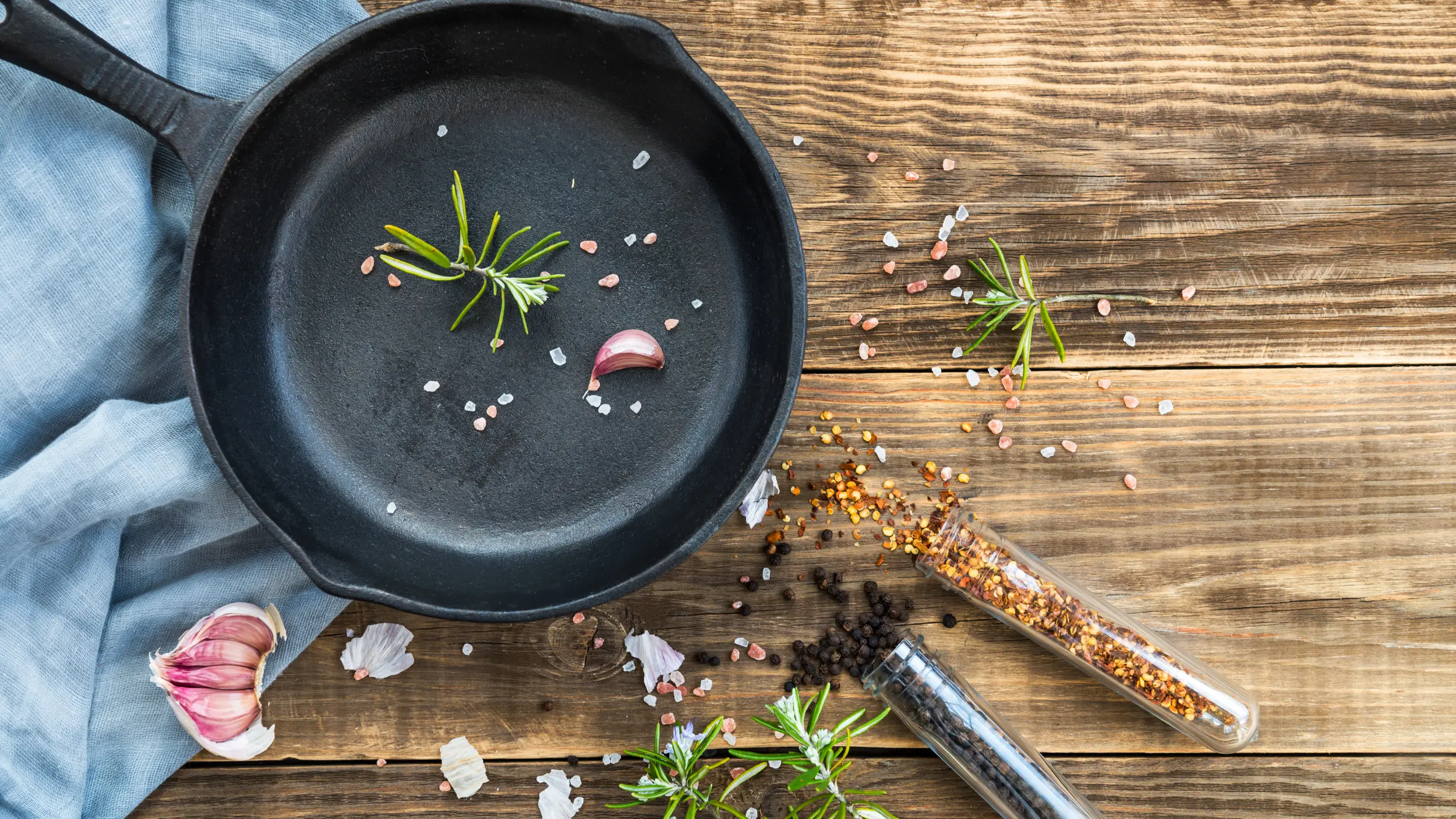
Toast pumpkin seeds with turmeric, black pepper, and a drizzle of olive oil. Sprinkle over salads or roasted vegetables, then add a tablespoon of ground flax to your dressing for seamless integration.
Phase 2 Seed Cycling Recipes (Days 15-28)
Tahini-Sunflower Seed Dressing
Whisk together 3 tablespoons tahini (made from sesame seeds), 2 tablespoons sunflower seed butter, juice of 1 lemon, 1 minced garlic clove, and water to thin. This covers both your sesame and sunflower seed requirements while adding incredible flavor to grain bowls or roasted veggies.
Hormone-Balancing Trail Mix
Combine 1/4 cup sunflower seeds, 1/4 cup sesame seeds (lightly toasted), 1/4 cup unsweetened coconut flakes, and a handful of dark chocolate chips. Portion into small containers for grab-and-go convenience during your luteal phase.
Sesame-Crusted Salmon
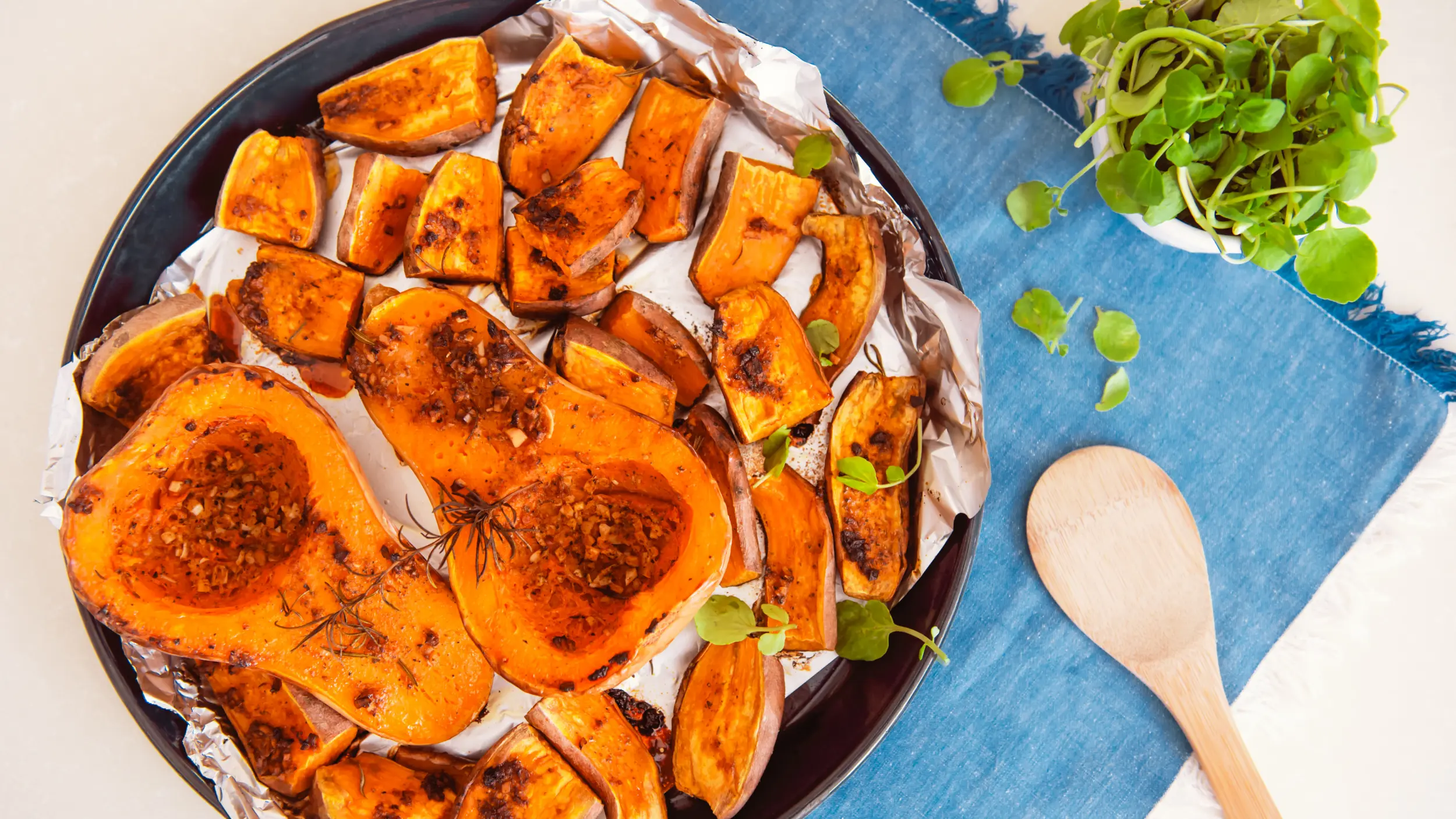
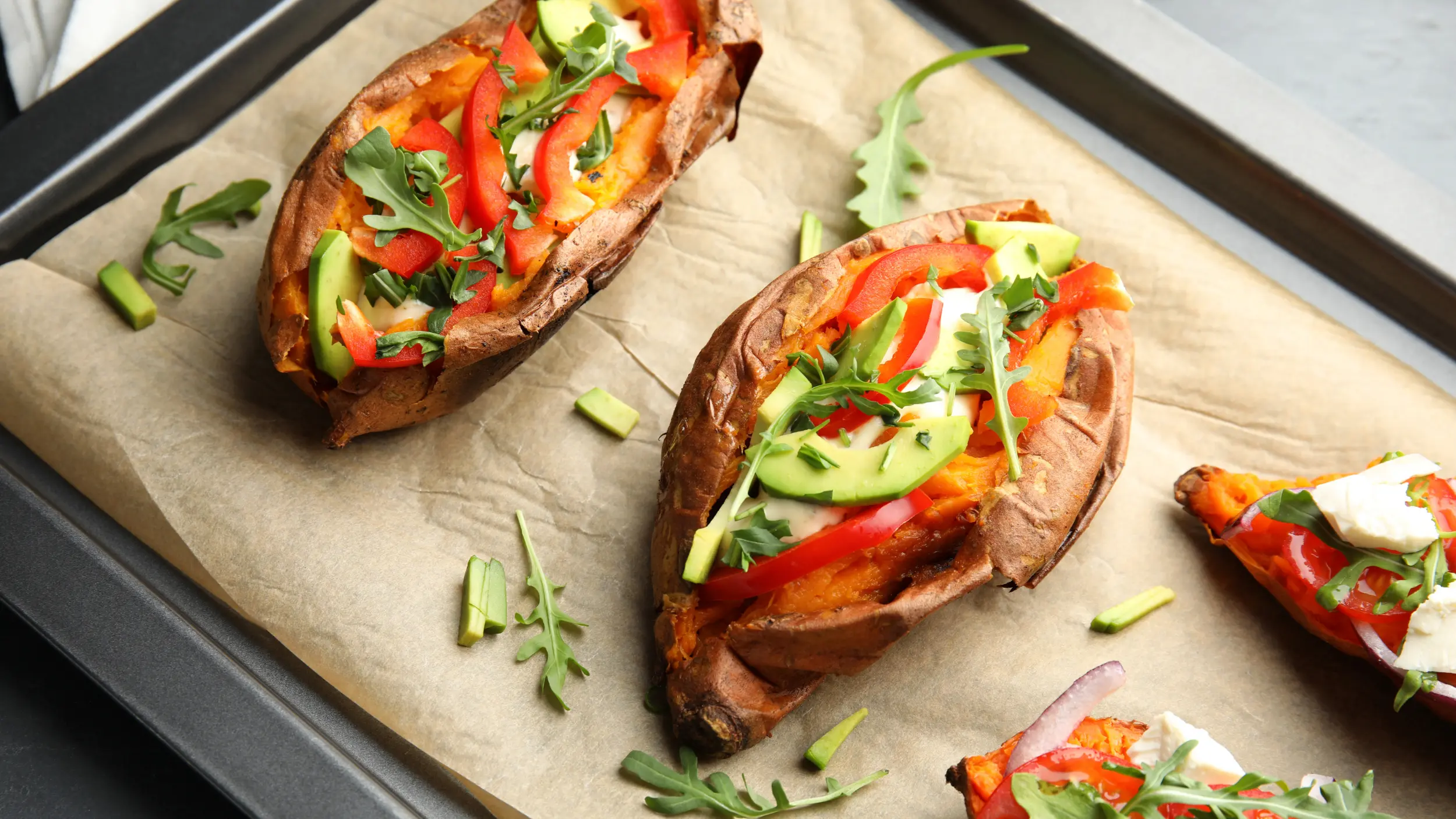
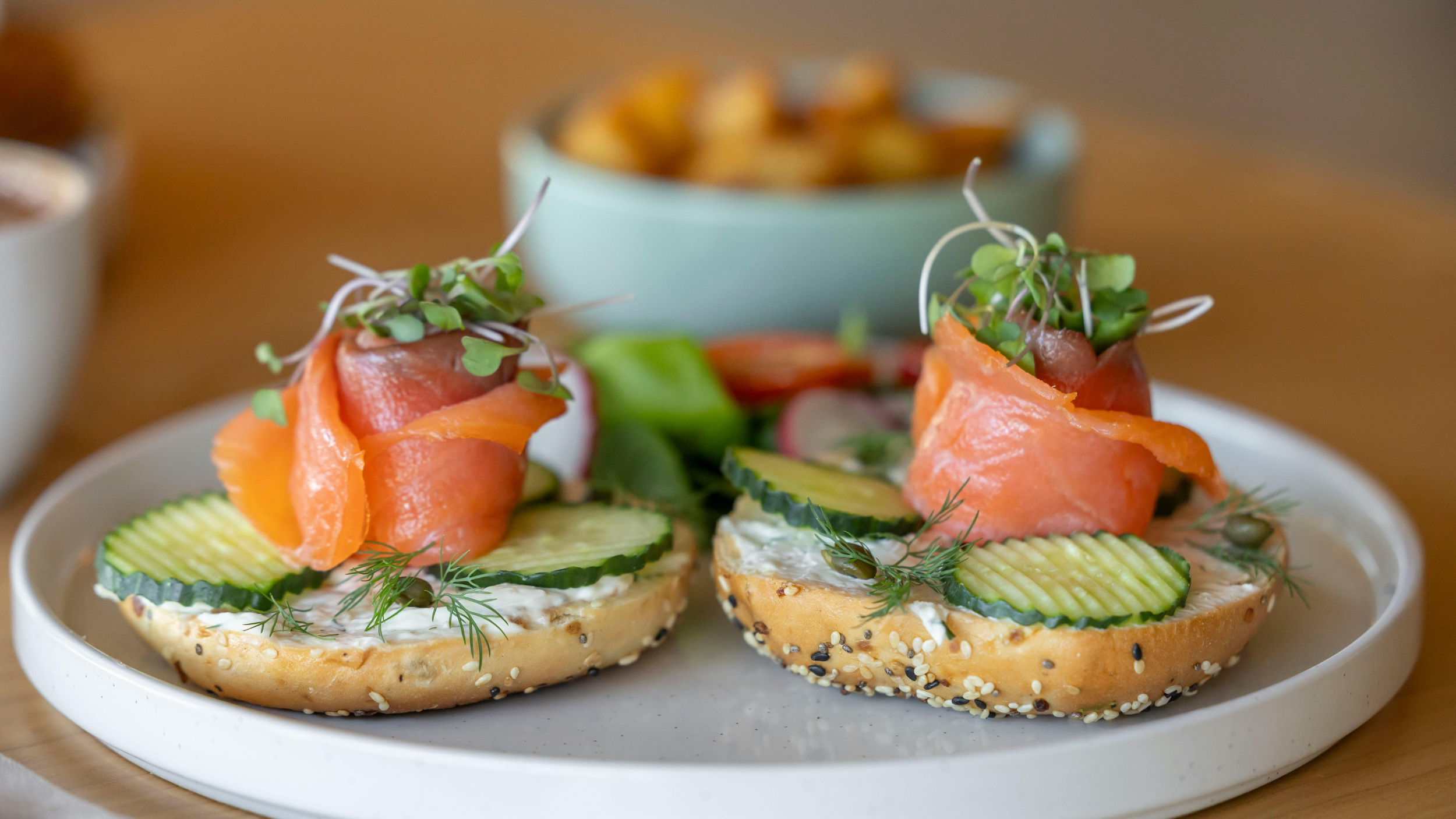
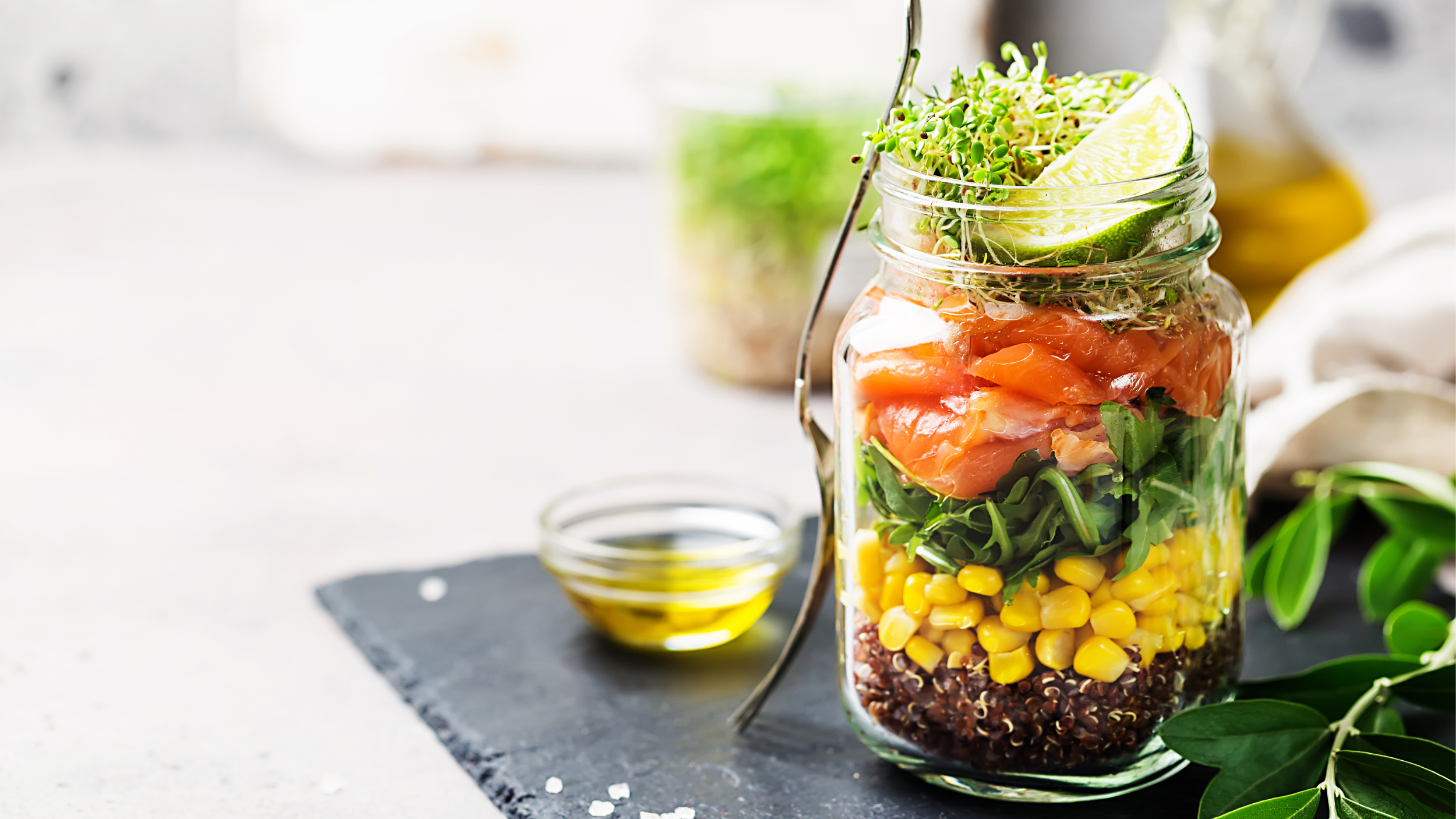
Coat wild-caught salmon in a mixture of black and white sesame seeds, then pan-sear. Serve alongside roasted sweet potato topped with sunflower seed butter. This meal delivers omega-3s, selenium, and lignans in one sitting—perfect seed cycling phase 2 nutrition.
Practical Implementation Tips
- Always grind flax seeds fresh (or buy pre-ground and store in the freezer) to preserve the omega-3 content
- Raw seeds retain more nutrients than roasted, though light toasting improves digestibility for some women
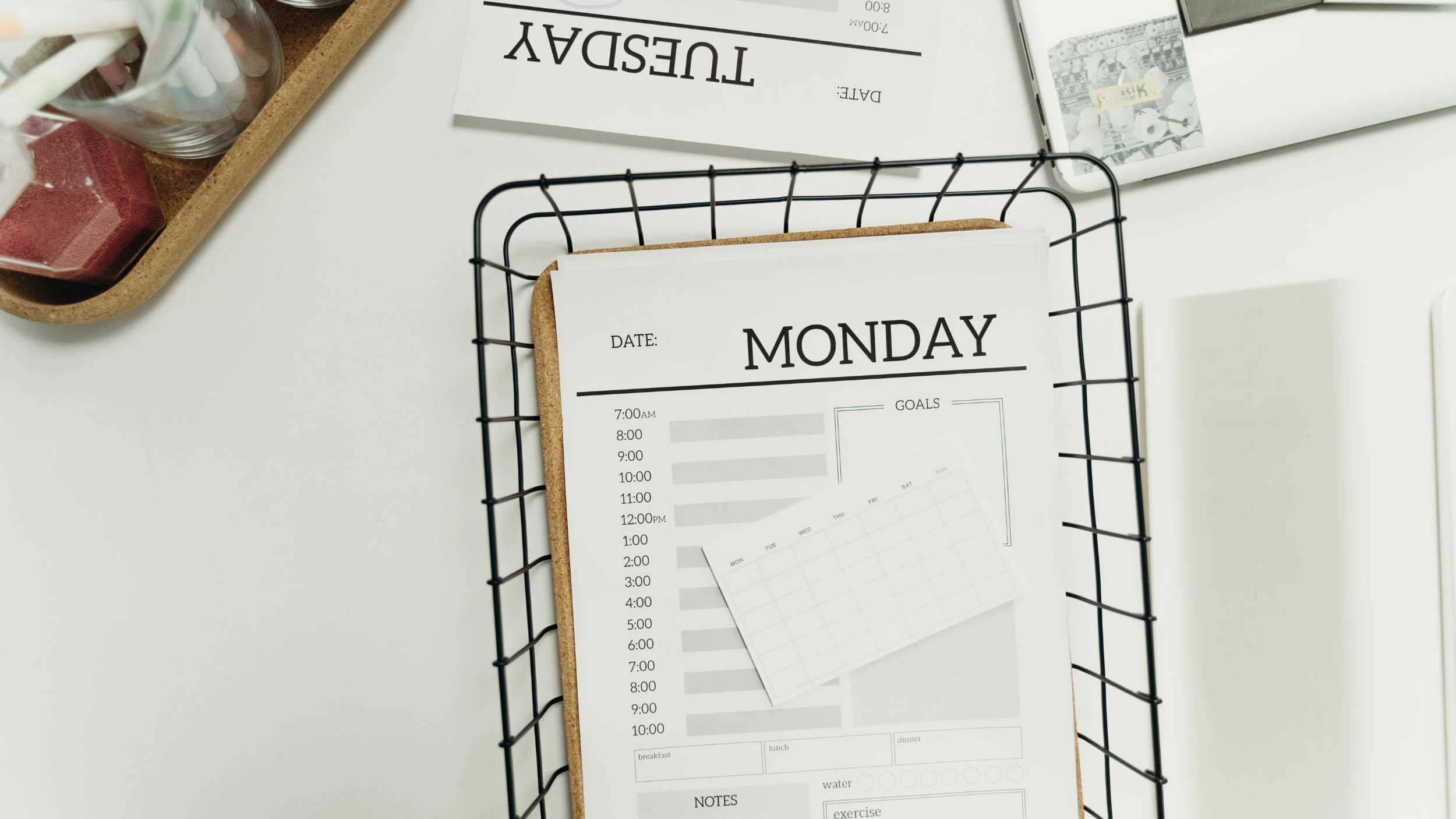
- Set a phone reminder for the day you need to switch seed types—consistency matters more than perfection
- If you forget a day, don't stress; just continue where you left off
For women dealing with chronic stress that's disrupting their cycles, I often recommend pairing seed cycling with functional nutrition strategies for stress and energy to address the root cause.
Frequently Asked Questions
What are the main benefits of seed cycling for women?
The primary seed cycling benefits include more regular menstrual cycles, reduced PMS symptoms (especially breast tenderness and mood swings), improved hormonal acne, better ovulation quality for fertility, and support for conditions like PCOS and endometriosis. Most women notice subtle shifts within 2-3 cycles, with more significant changes appearing around the 4-6 month mark [9].
Can seed cycling help with PCOS symptoms?
Yes, seed cycling can be a valuable component of PCOS management. The lignans in flax seeds help reduce circulating androgens by binding to sex hormone-binding globulin (SHBG) [10]. The fiber content supports blood sugar regulation, while the anti-inflammatory omega-3s address the chronic low-grade inflammation common in PCOS. That said, seed cycling works best when combined with a comprehensive approach that includes blood sugar management, stress reduction, and appropriate supplementation.
How long does it take to see results from seed cycling?
Most women begin noticing subtle improvements within 2-3 menstrual cycles—think slightly less painful periods, more predictable cycle length, or reduced breast tenderness. More significant changes, like dramatically improved PMS or clearer skin, typically emerge around the 4-6 month mark. Hormonal shifts take time, and your body needs several cycles to recalibrate. The women who see the best results are those who pair seed cycling with other hormone-supportive lifestyle changes and remain consistent for at least six months.
Ready to take control of your hormonal health? Seed cycling is just one piece of the puzzle. Book a personalized consultation with our Registered Dietitian today to create a comprehensive hormone balance plan tailored specifically to your body, symptoms, and health goals.
References
[1] Phipps WR, Martini MC, Lampe JW, Slavin JL, Kurzer MS. Effect of flax seed ingestion on the menstrual cycle. Journal of Clinical Endocrinology & Metabolism, 1993.
[2] Thompson LU, Robb P, Serraino M, Cheung F. Mammalian lignan production from various foods. Nutrition and Cancer, 1991.
[3] Morisset AS, Lemieux S, Veilleux A, Bergeron J, Weisnagel SJ, Tchernof A. Impact of a lignan-rich diet on adiposity and insulin sensitivity in post-menopausal women. British Journal of Nutrition, 2009.
[4] Mumford SL, Chavarro JE, Zhang C, Perkins NJ, Sjaarda LA, Pollack AZ, Schliep KC, Michels KA, Zarek SM, Plowden TC, Radin RG, Messer LC, Frankel RA, Wactawski-Wende J. Dietary fat intake and reproductive hormone concentrations and ovulation in regularly menstruating women. American Journal of Clinical Nutrition, 2016.
[5] Nasiadek M, Stragierowicz J, Klimczak M, Kilanowicz A. The role of zinc in selected female reproductive system disorders. Nutrients, 2020.
[6] Nowak DA, Snyder DC, Brown AJ, Demark-Wahnefried W. The effect of flaxseed supplementation on hormonal levels associated with polycystic ovarian syndrome: a case study. Current Topics in Nutraceutical Research, 2007.
[7] Halpern G, Schor E, Kopelman A. Nutritional aspects related to endometriosis. Revista da Associação Médica Brasileira, 2015.
[8] Kamal-Eldin A, Appelqvist LÅ. The chemistry and antioxidant properties of tocopherols and tocotrienols. Lipids, 1996.
[9] Rodriguez-Leyva D, Bassett CM, McCullough R, Pierce GN. The cardiovascular effects of flaxseed and its omega-3 fatty acid, alpha-linolenic acid. Canadian Journal of Cardiology, 2010.
[10] Adlercreutz H, Mousavi Y, Clark J, Höckerstedt K, Hämäläinen E, Wähälä K, Mäkelä T, Hase T. Dietary phytoestrogens and cancer: in vitro and in vivo studies. Journal of Steroid Biochemistry and Molecular Biology, 1992.
.svg)
.svg)


.jpg)
.jpg)


.webp)






















.webp)
.webp)
.webp)
.webp)
.webp)
.webp)
.webp)
.webp)
.png)
.webp)
.webp)
.webp)
.png)
.webp)
.webp)
.webp)
.webp)
.webp)
.webp)
.webp)
.webp)
.webp)
.webp)
.webp)
.webp)