.webp)
.webp)
%2B(7).webp)
.png)
At a Glance
Hypothalamic amenorrhea (HA) occurs when your brain stops signaling your ovaries to menstruate, typically due to inadequate energy intake, excessive exercise, or chronic stress. Recovery requires strategic nutritional rehabilitation, modified movement patterns, and comprehensive lifestyle adjustments. Most women can restore their menstrual cycles within 3-6 months with proper nutritional and behavioral interventions.
Understanding Hypothalamic Amenorrhea (HA) and Why Your Period Stopped
Your period didn't just disappear randomly. Hypothalamic amenorrhea is your body's protective shutdown mechanism when it perceives insufficient resources to support reproductive function [1]. Think of it as your brain making an executive decision: "We don't have enough fuel on board to safely support a pregnancy, so let's pause ovulation until conditions improve."
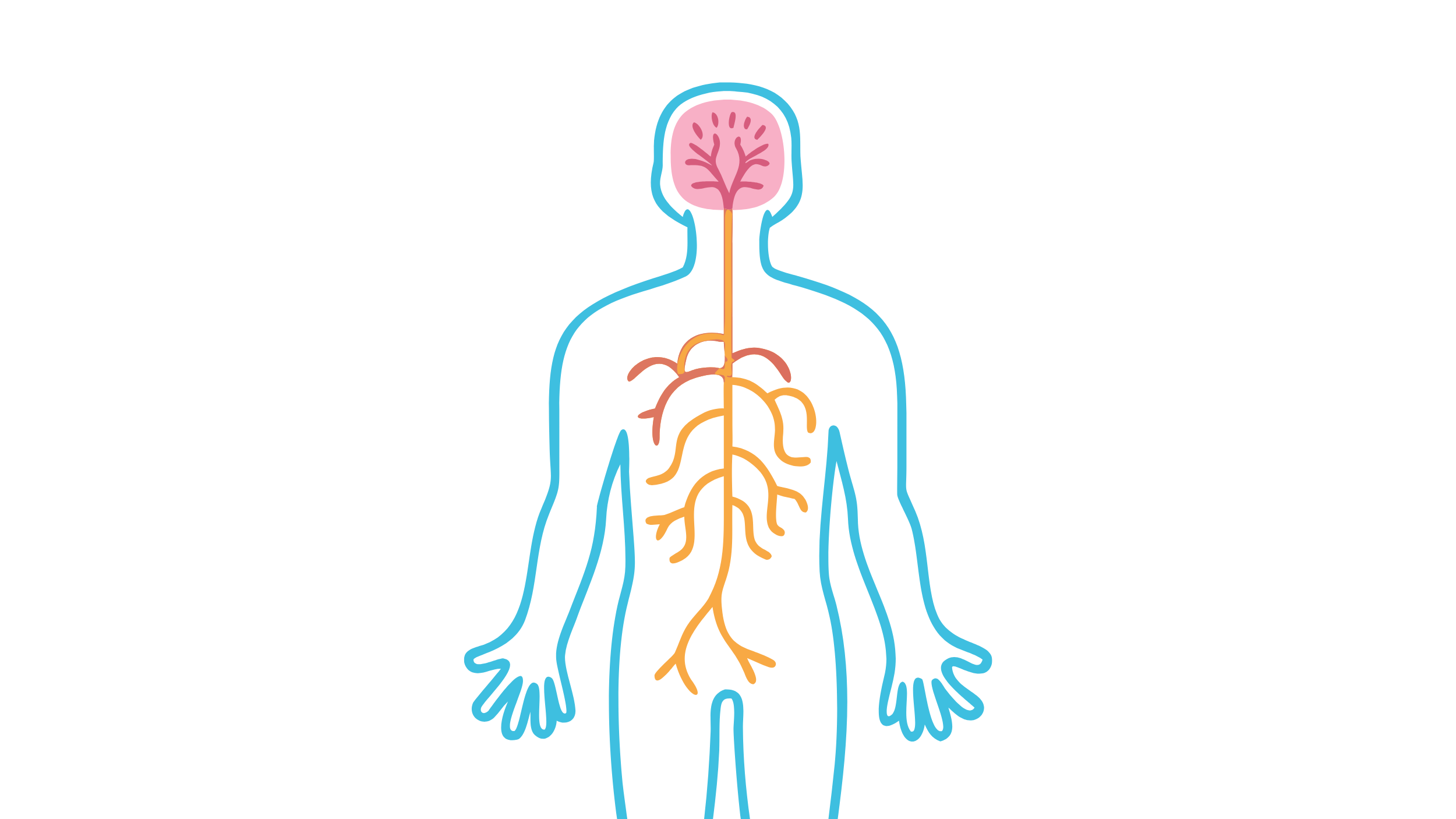
The hypothalamus—a walnut-sized region in your brain—monitors your body's energy status constantly. When energy availability drops too low, it suppresses gonadotropin-releasing hormone (GnRH), which cascades into reduced luteinizing hormone (LH) and follicle-stimulating hormone (FSH) [2]. Without adequate LH and FSH, your ovaries don't receive the signal to ovulate, and your period stops.
Hypothalamic Amenorrhea Causes: The Three Pillars
HA typically stems from one or a combination of these factors:
- Energy Deficit: Undereating—whether intentional or unintentional—is the most common trigger. You don't need to be visibly underweight. Many women with HA maintain what appears to be a "healthy" weight but are consuming fewer calories than their bodies require for baseline metabolic functions plus daily activity. The critical metric isn't your weight on the scale but your energy availability—the fuel left over after accounting for exercise expenditure.
- Exercise Excess: High training volumes, particularly when combined with inadequate fueling, create a significant energy drain. Endurance athletes, CrossFit enthusiasts, and women doing intense cardio 6-7 days weekly are particularly vulnerable. Your body doesn't distinguish between training for a marathon and fleeing from danger—it just registers persistent physical stress.
- Psychological Stress: Chronic psychological stress elevates cortisol, which directly suppresses the hypothalamic-pituitary-ovarian axis. Work pressure, relationship strain, perfectionism, and anxiety all contribute. This explains why some women lose their periods during high-stress life phases even without dietary restriction or excessive exercise.
Hypothalamic Amenorrhea Symptoms: Beyond the Missing Period
Absent menstruation is the hallmark symptom, but HA affects multiple body systems:
- Low energy levels and persistent fatigue
- Cold intolerance (always needing an extra layer)
- Sleep disturbances despite feeling exhausted
- Decreased libido and vaginal dryness
- Mood changes, irritability, or depression
- Hair thinning or increased hair shedding
- Difficulty concentrating or brain fog
The absence of periods also means absent ovulation, which deprives your body of progesterone—a hormone essential for bone health, cardiovascular protection, and mood regulation [5]. This isn't just about fertility; it's about your long-term metabolic and skeletal health.
Many women initially feel relieved when their periods stop—no more cramping, no more tampons, no more inconvenience. But this "convenience" comes at a steep cost. HA is associated with accelerated bone density loss, increased fracture risk, endothelial dysfunction, and elevated future cardiovascular disease risk [6].
Nourishing Your Body for Menstrual Cycle Restoration
Here's the truth: you cannot supplement, meditate, or yoga your way out of HA if the root cause is energy deficit. The foundation of hypothalamic amenorrhea treatment is adequate, consistent nutritional intake. This isn't about eating "clean" or hitting your macros perfectly—it's about providing sufficient energy to signal safety to your hypothalamus.
The HA Recovery Diet: Energy Availability is Everything
Your primary objective is achieving adequate energy availability, typically defined as at least 45 kcal/kg of fat-free mass daily [7]. For most women, this translates to a minimum of 2,200-2,500+ calories daily, even if you're not exercising intensely.
Yes, I know that number might feel uncomfortable. Many women with HA have been restricting intake for months or years, and increasing consumption can trigger significant mental resistance and fear of weight gain. That fear is valid, and we need to acknowledge it—and move forward anyway because your health depends on it.
What your HA recovery diet should include:
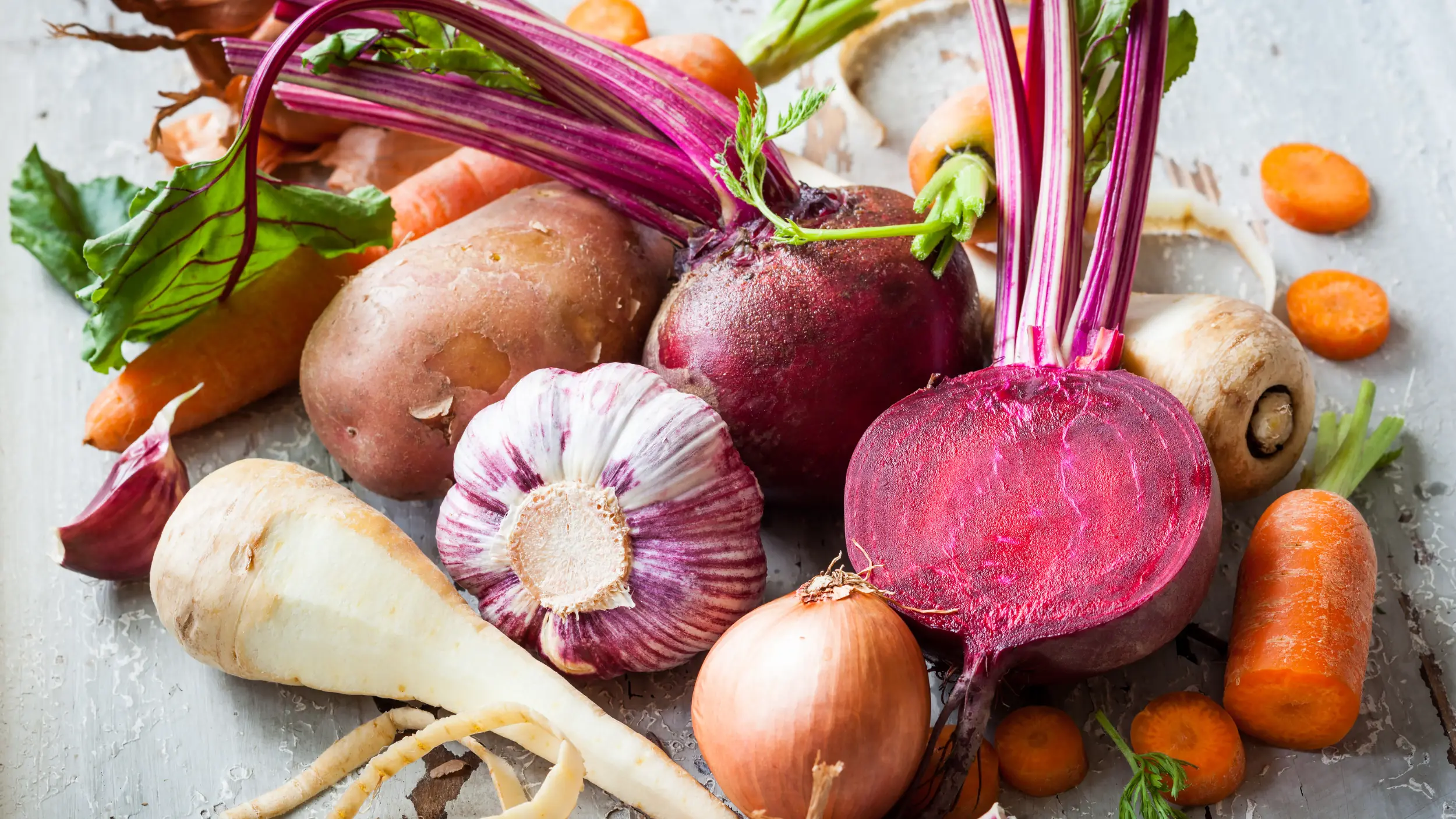
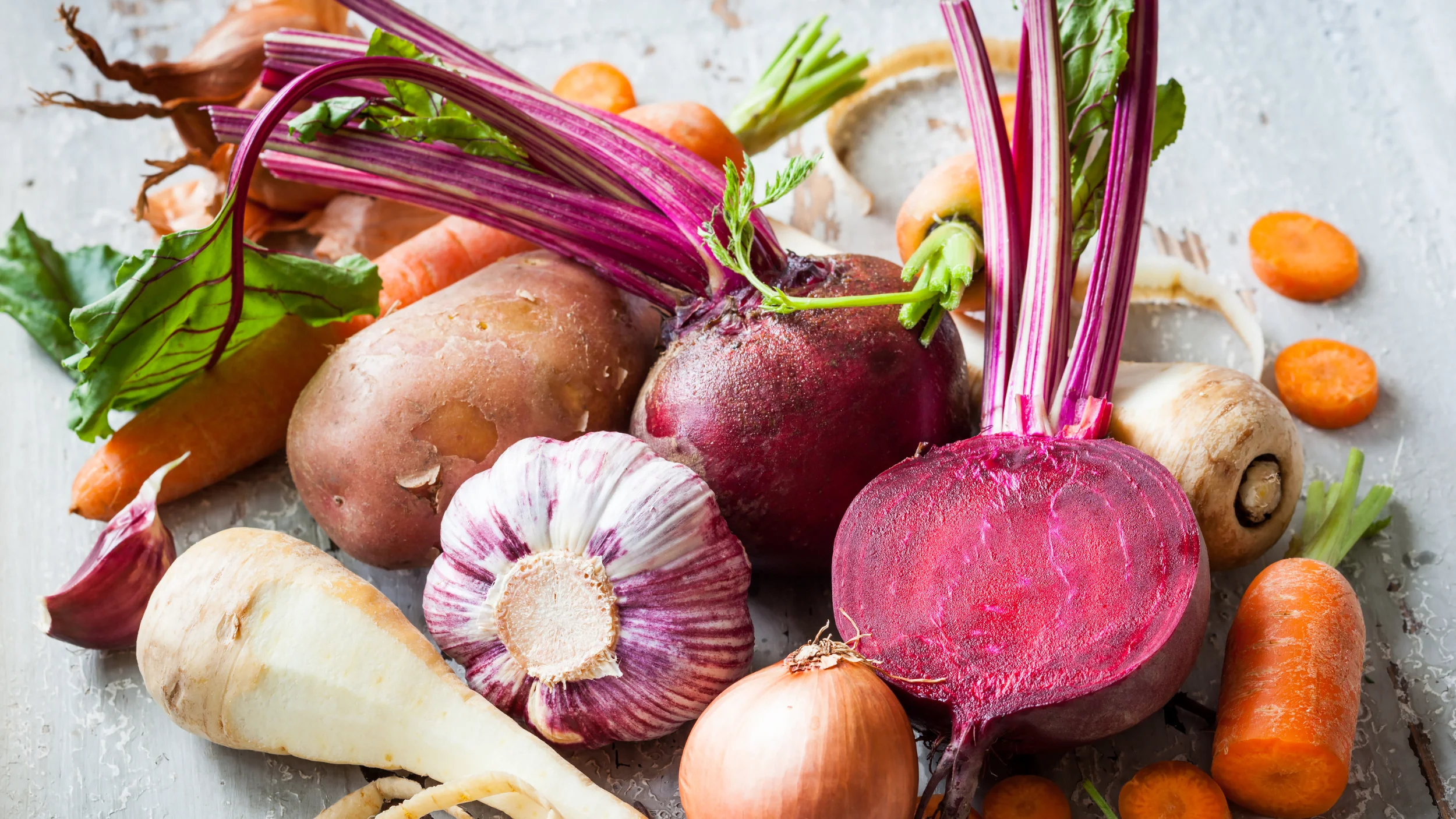
Carbohydrates are non-negotiable. Your brain runs on glucose, and adequate carbohydrate intake helps normalize cortisol patterns and support thyroid function. Aim for at least 200-250g daily from sources like oats, rice, potatoes, bread, pasta, and fruit. Carbs aren't "bad" or "inflammatory"—they're the preferred fuel source for your reproductive system.
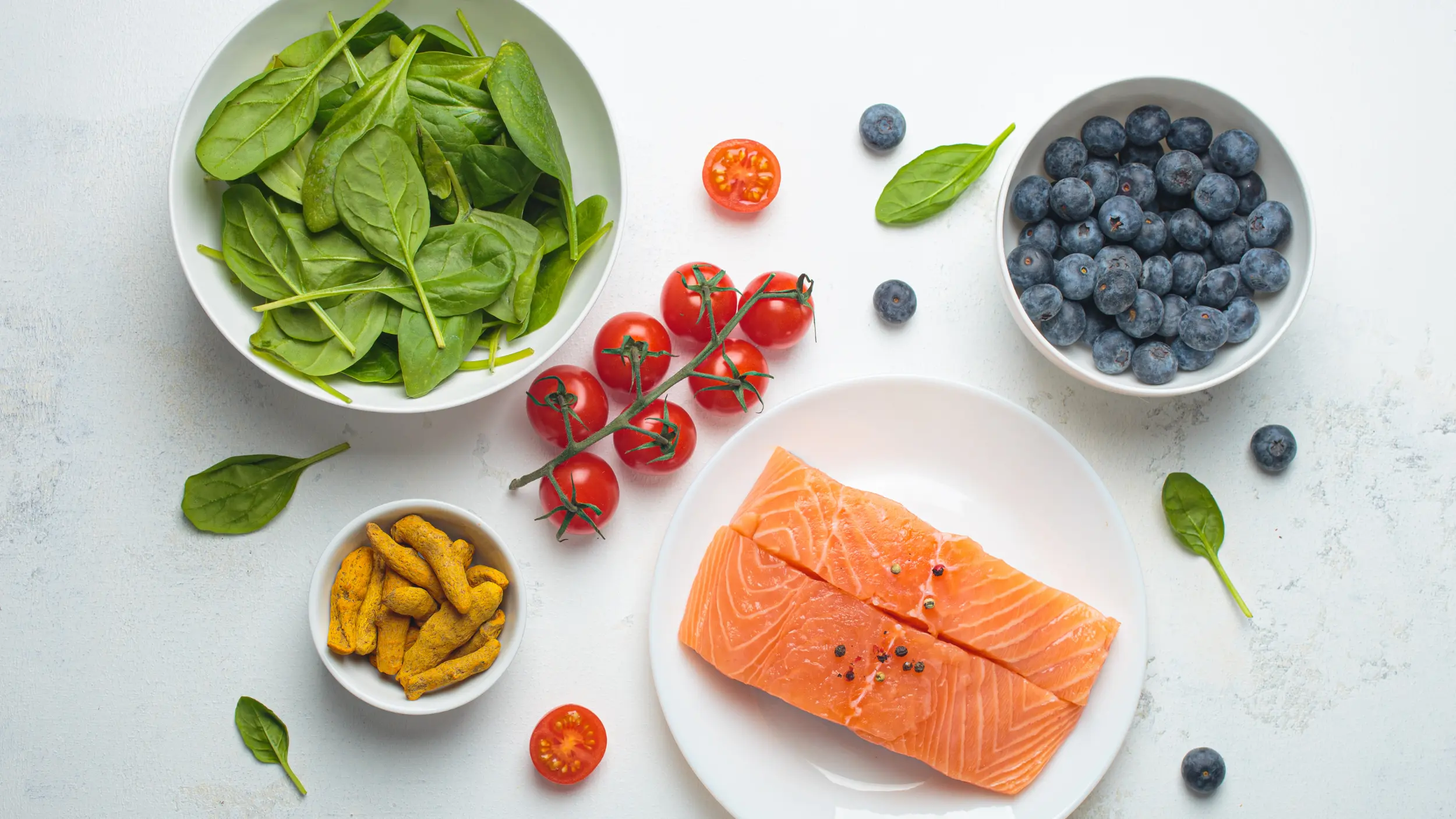
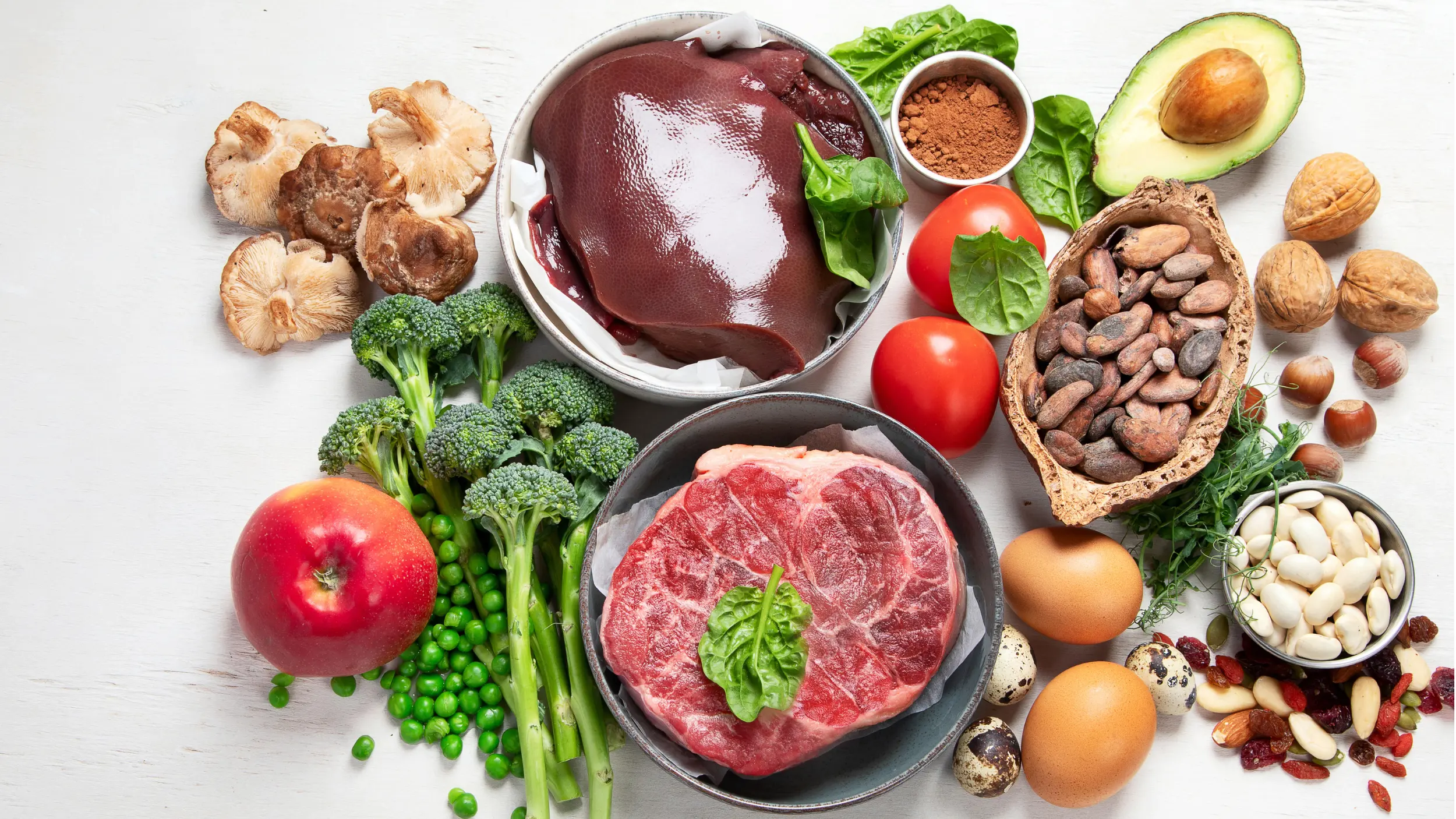
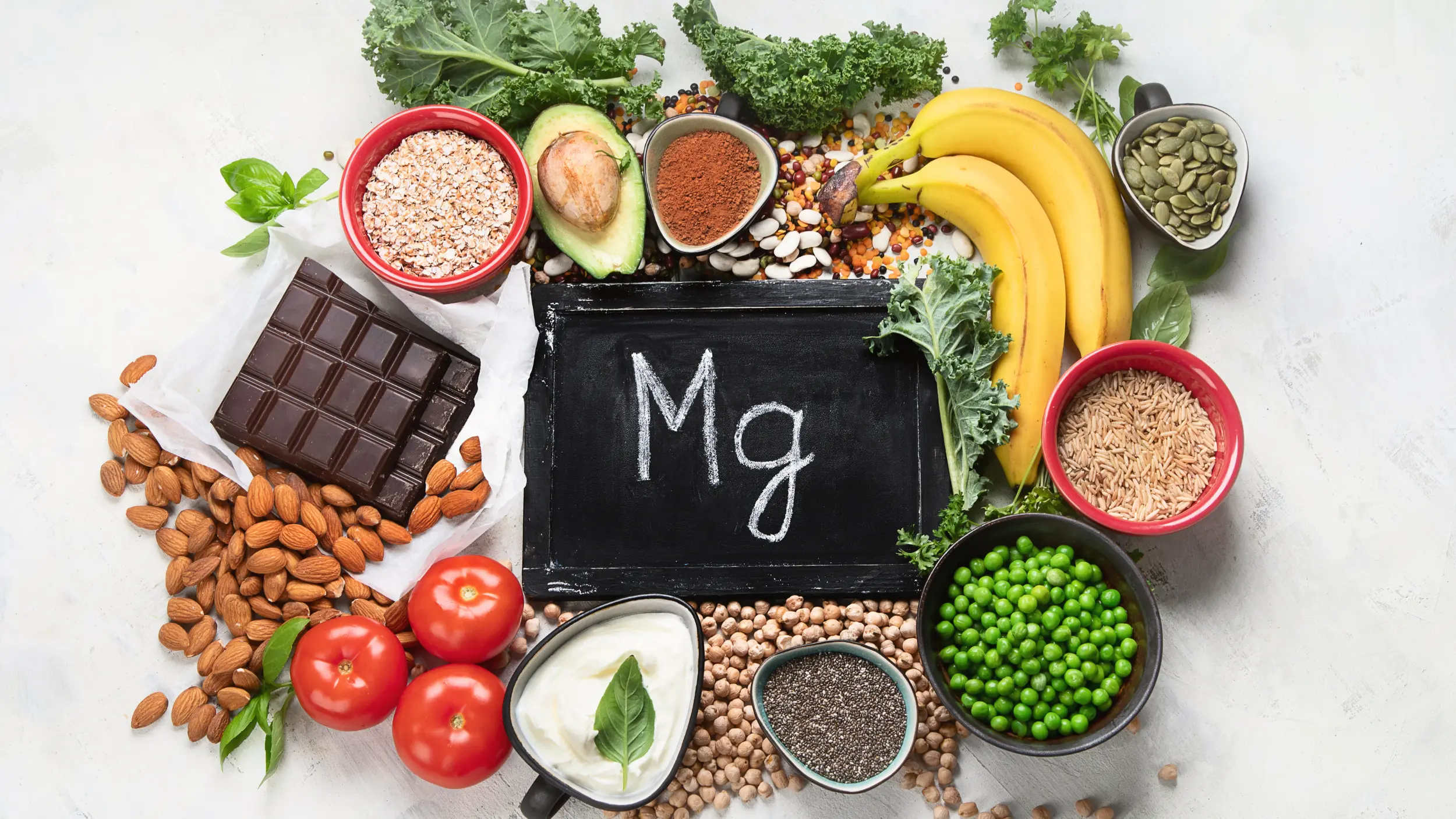
Dietary fat supports hormone production. Since reproductive hormones are synthesized from cholesterol, adequate fat intake is essential. Target 60-80g daily from sources like olive oil, avocados, nuts, seeds, fatty fish, and yes, butter and full-fat dairy. The low-fat era did women's hormonal health zero favors.
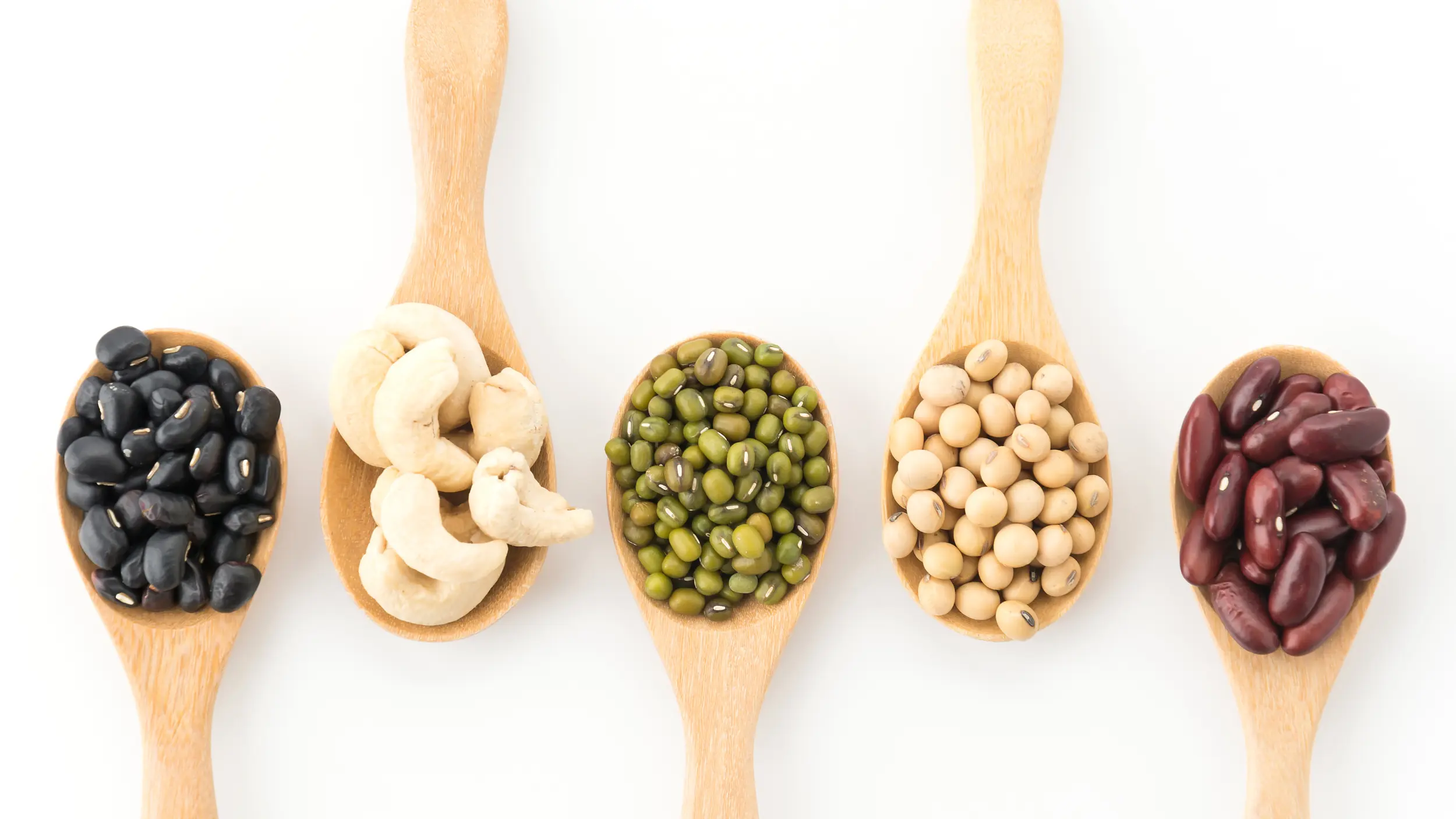
Protein supports tissue repair and satiety. Aim for approximately 1.2-1.6g per kg body weight, distributed across meals. Include animal proteins (if you eat them), legumes, dairy, and eggs. Protein isn't the villain, but it also can't compensate for inadequate total energy intake.
Hypothalamic Amenorrhea Nutrition: Meal Pattern Strategies
Consistent meal timing helps regulate circadian rhythms and metabolic signaling. Your eating pattern matters almost as much as total intake.
- Eat within an hour of waking to break the overnight fast and signal energy availability to your hypothalamus
- Consume substantial meals every 3-4 hours (three meals plus 2-3 snacks is standard)
- Avoid prolonged fasting periods—intermittent fasting is contraindicated during HA recovery
- Include bedtime snacks to prevent overnight energy deficit
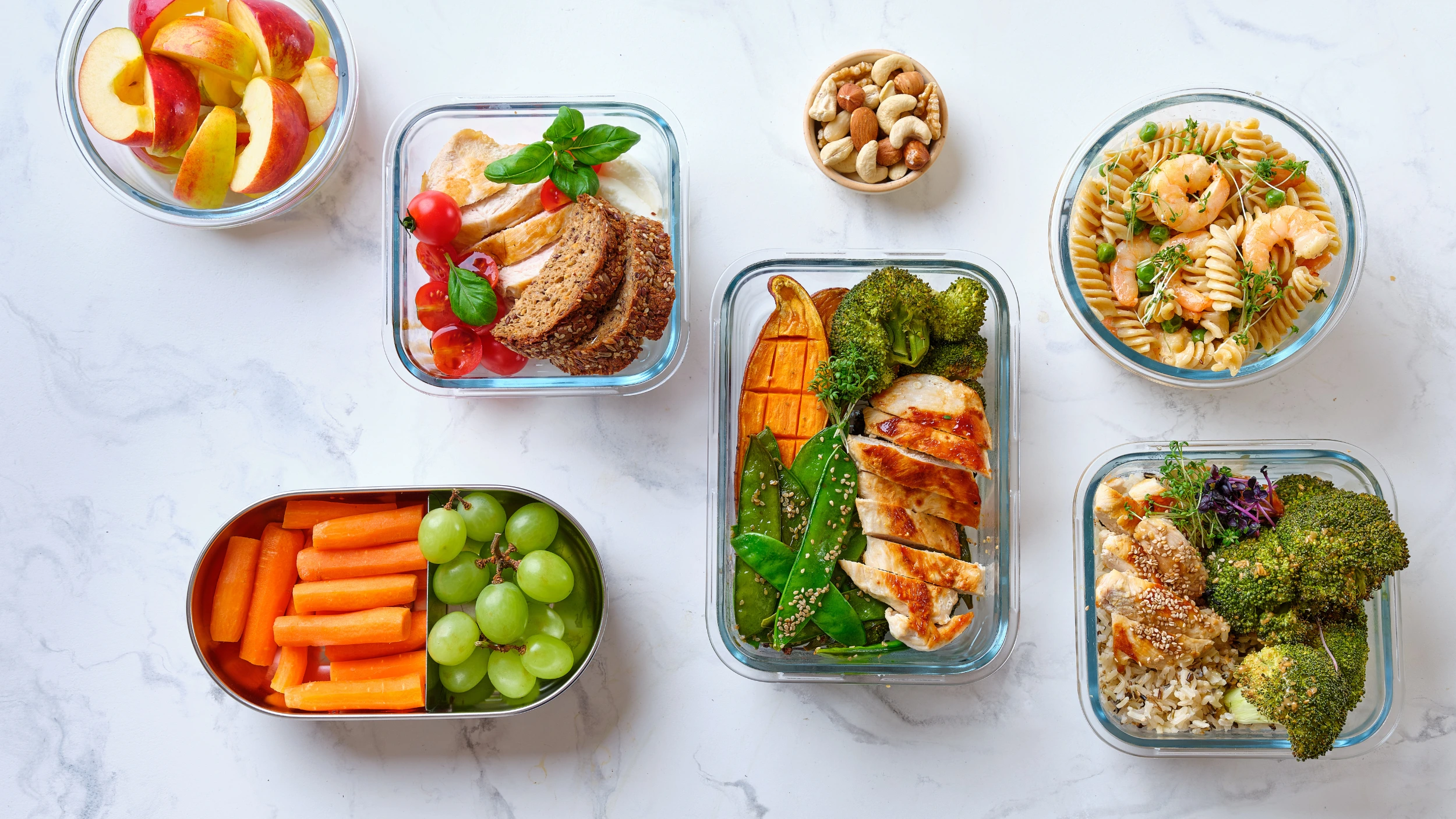
A sample day might include a large breakfast with protein, carbs, and fat; a substantial lunch; an afternoon snack with both protein and carbohydrates; a generous dinner; and an evening snack before bed. This isn't about grazing all day—it's about consistent, adequate fueling.
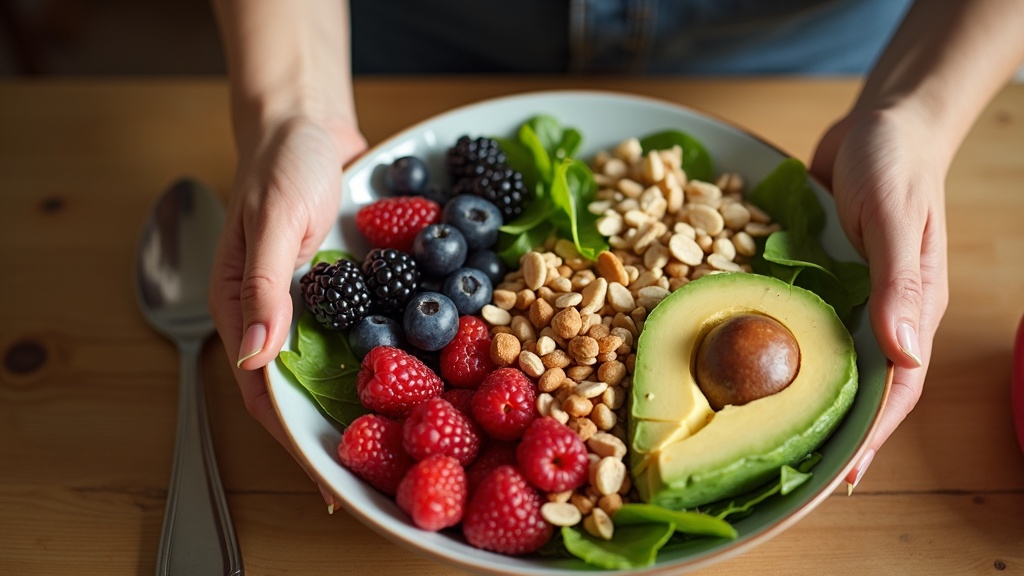
Hypothalamic Amenorrhea Food: What Your Plate Should Look Like
Forget tiny portions and sad desk salads. Your meals need to be substantial and satisfying.
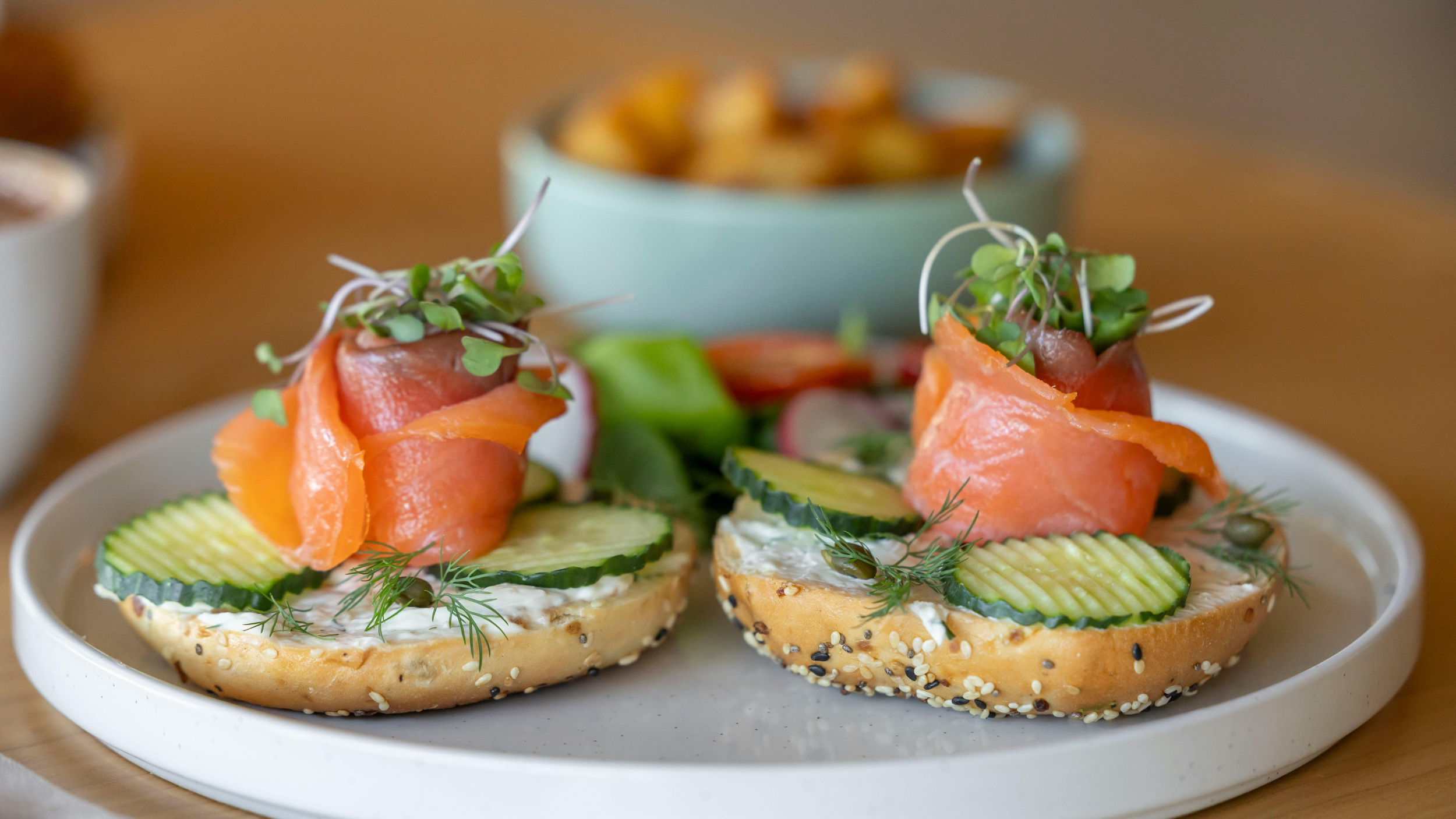
Breakfast: Greek yogurt bowl with granola, banana, berries, nut butter, and honey (not a "light" 200-calorie yogurt cup—a real 500+ calorie meal)
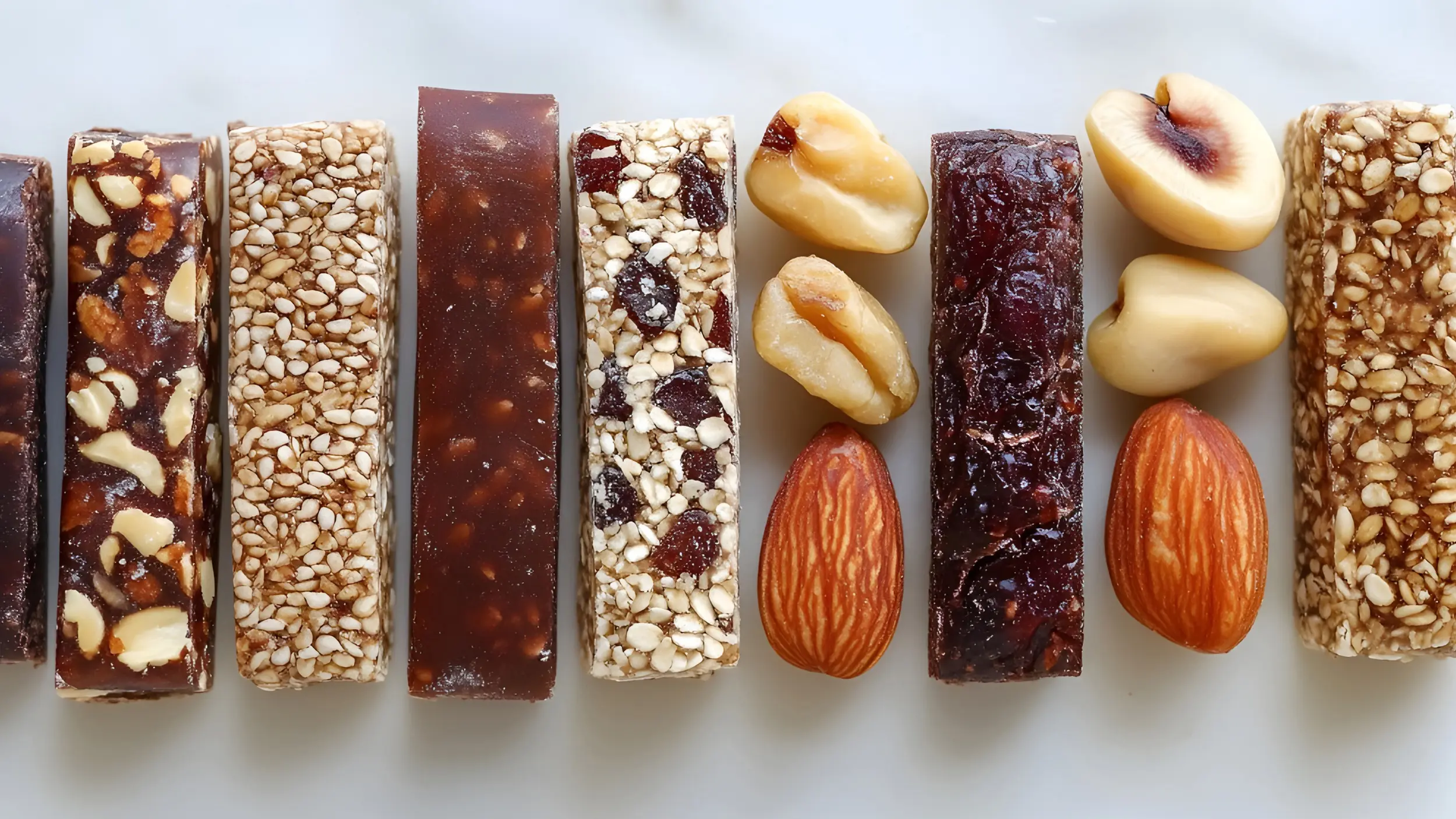
Snack: Apple with 2-3 tablespoons almond butter and a handful of dark chocolate chips
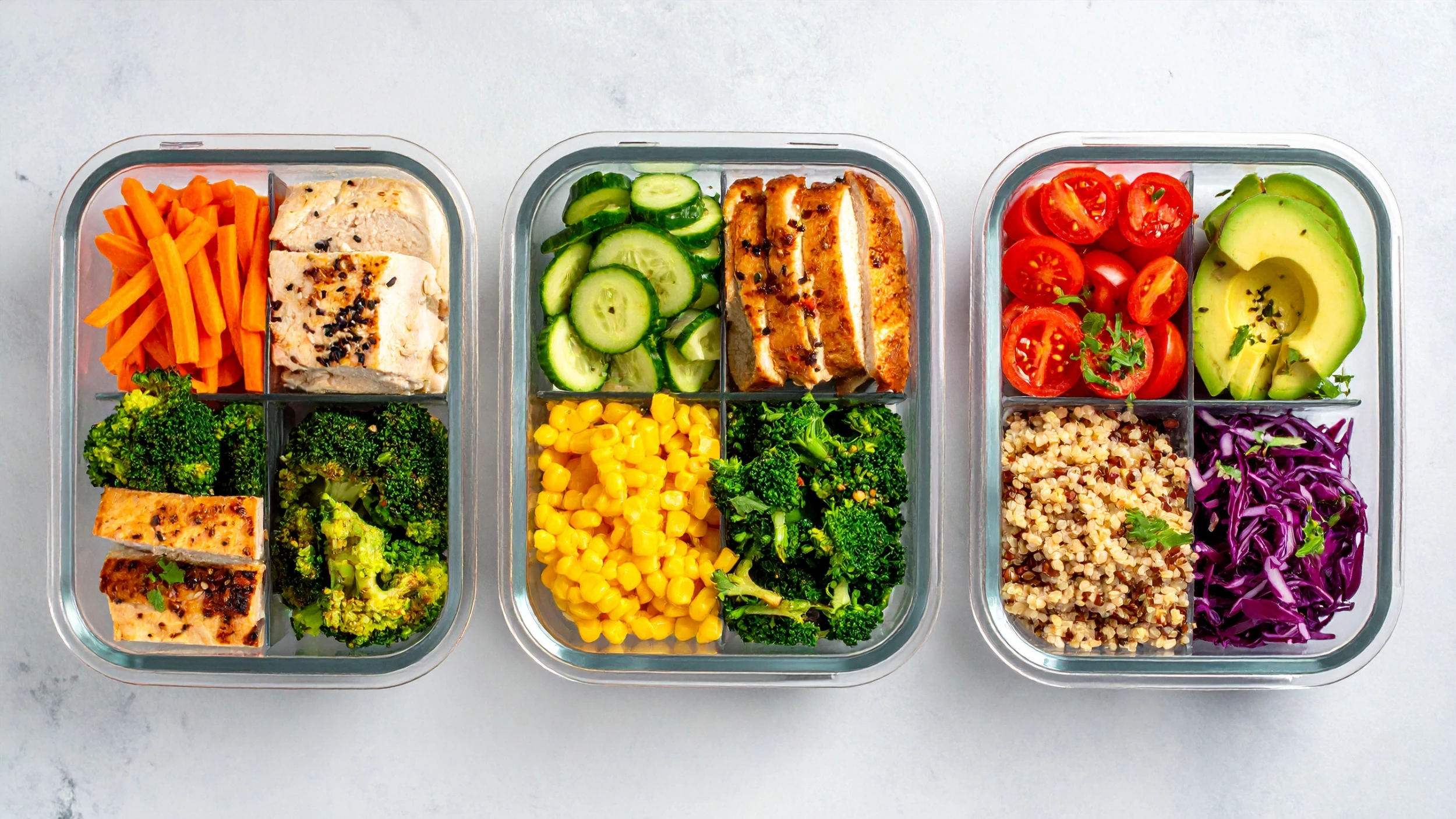
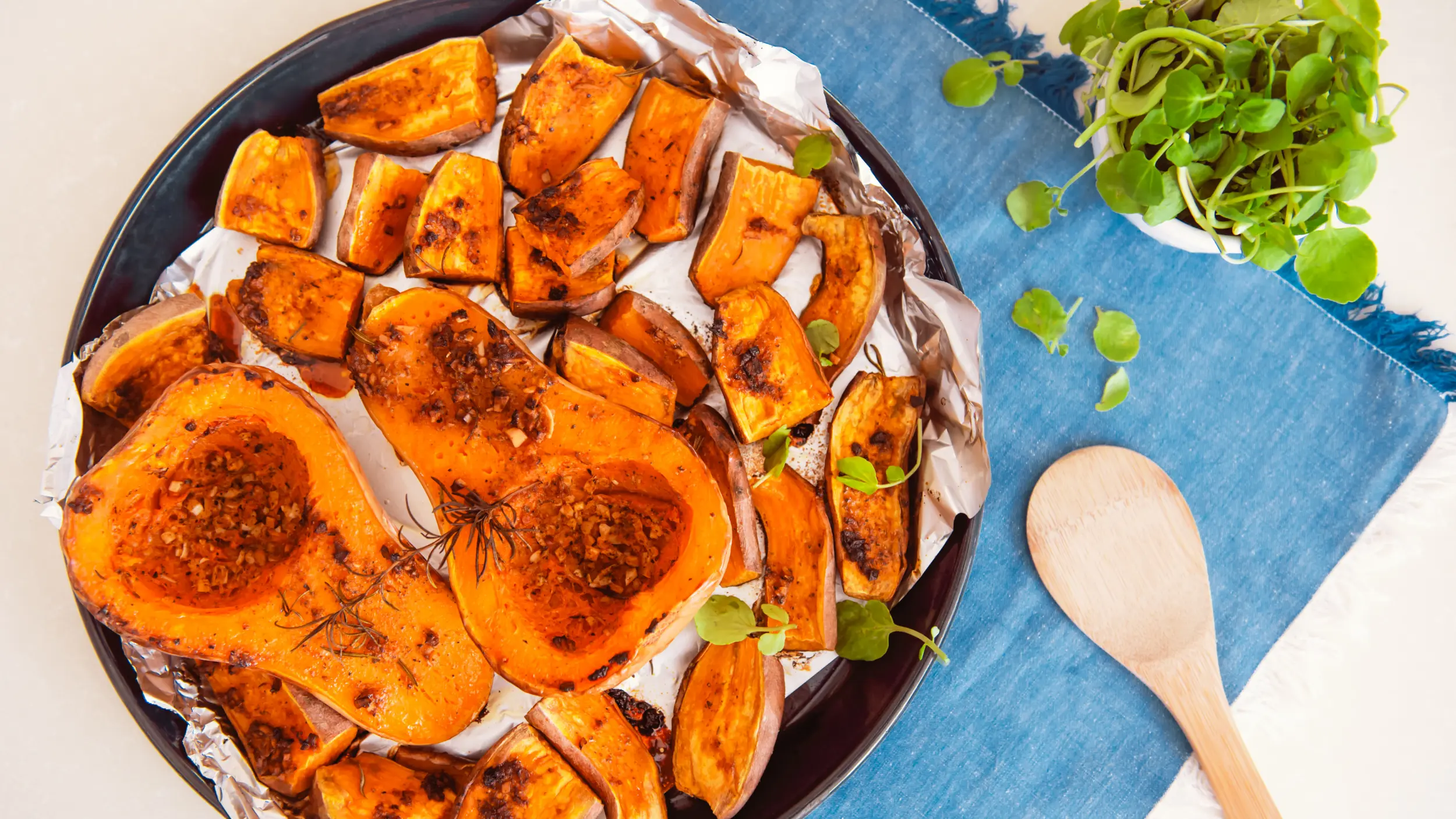
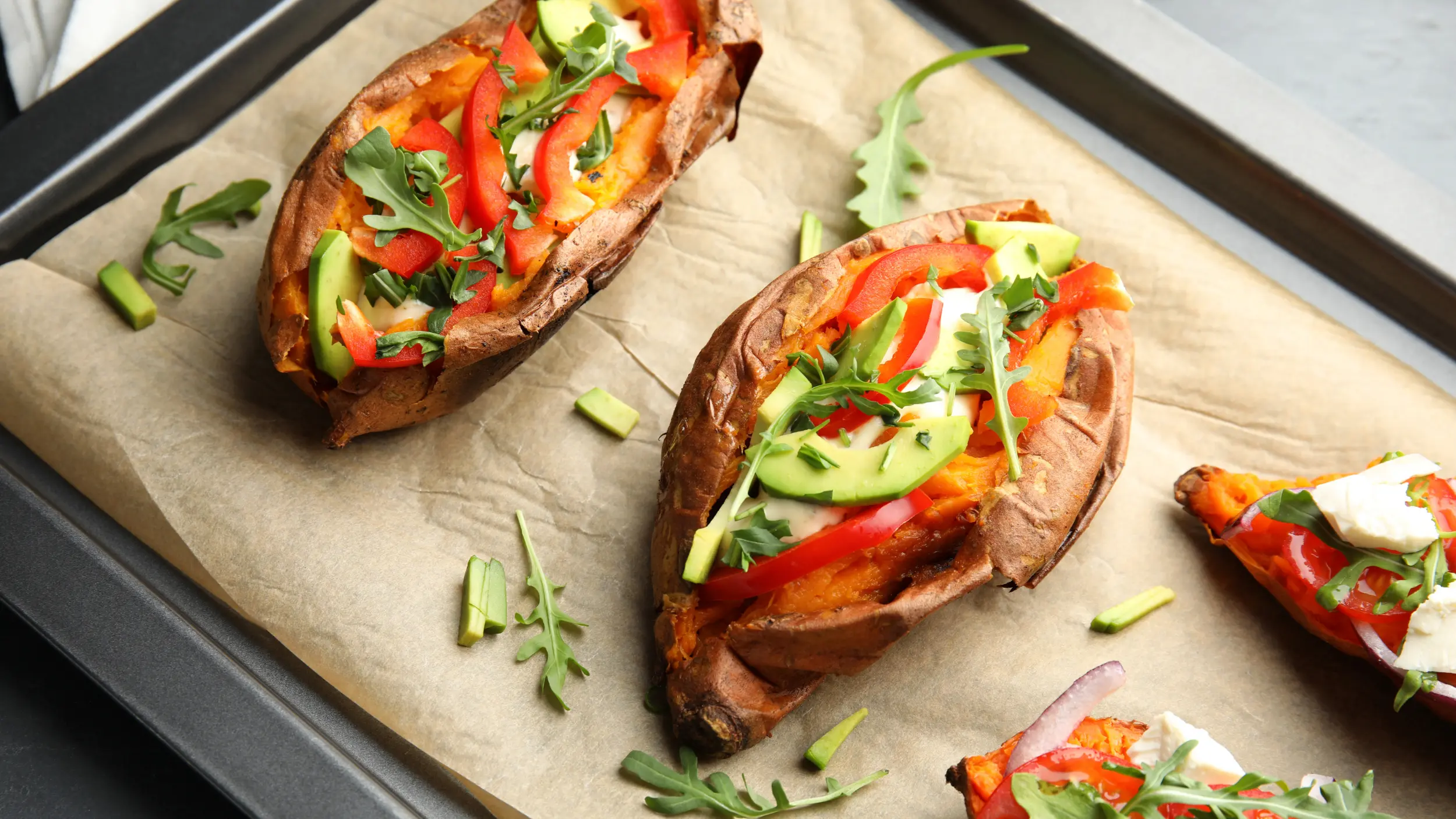
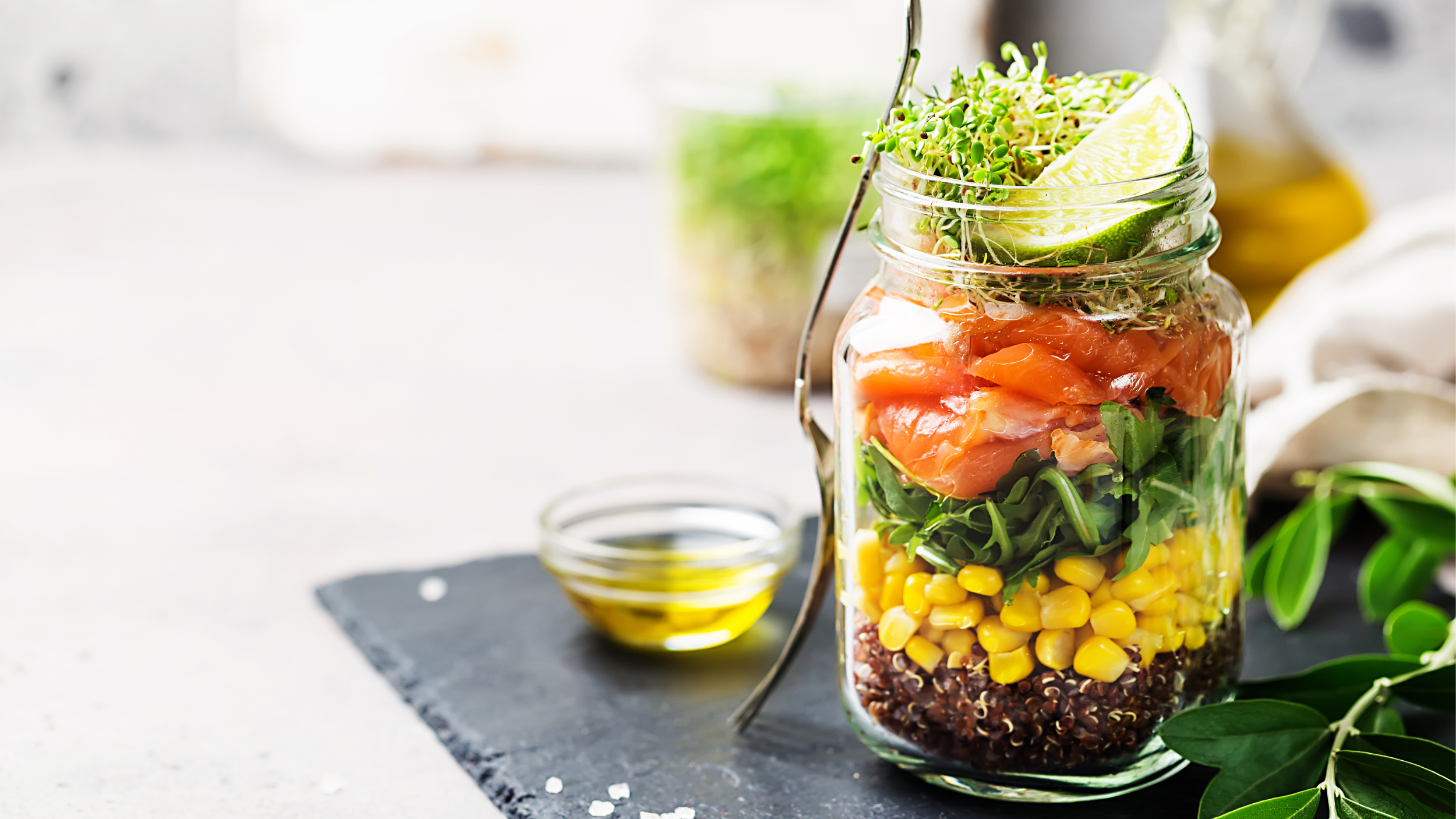
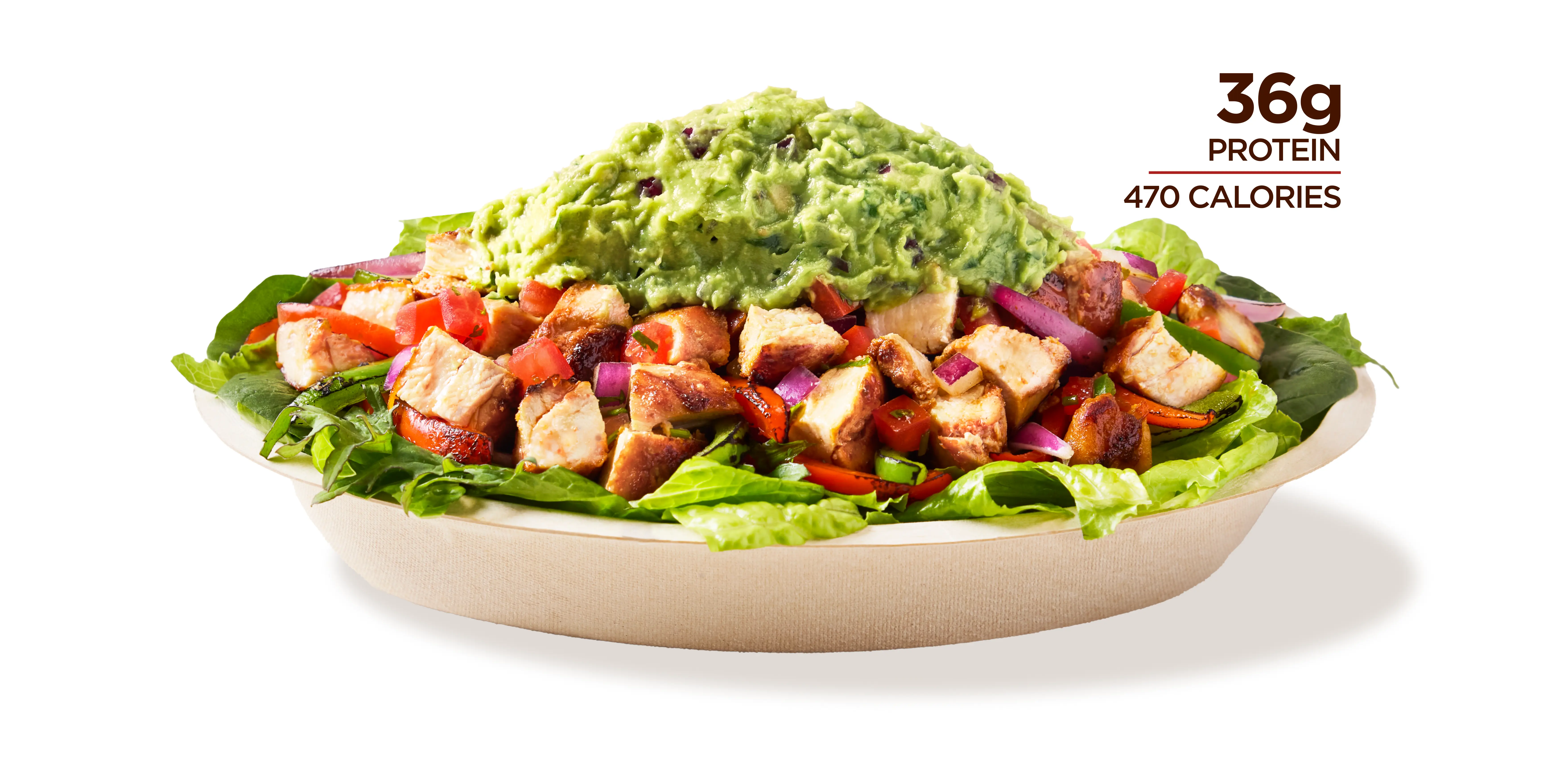
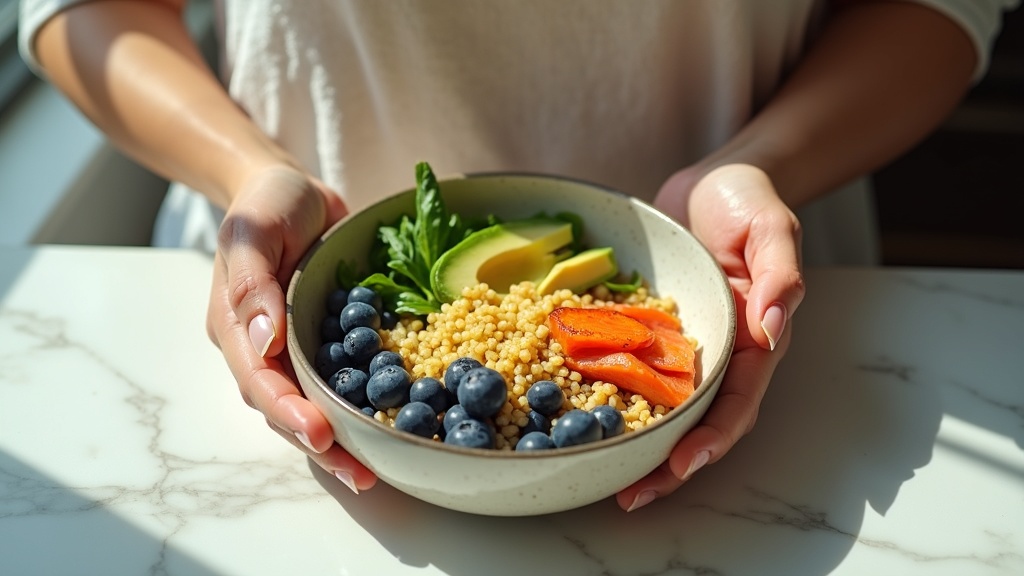
Lunch: Grain bowl with quinoa or rice, roasted vegetables, chickpeas or chicken, avocado, tahini dressing, and pita bread
Snack: Trail mix with nuts, dried fruit, and whole grain crackers with cheese
Dinner: Pasta with meat sauce or pesto, side salad with olive oil dressing, garlic bread
Evening snack: Toast with nut butter and jam, or a smoothie with banana, oats, protein powder, and full-fat milk
Notice these aren't restriction-focused meals. They're abundant, varied, and include previously "fear foods" for many women. Recovery requires expanding your food flexibility, not perfecting your restriction.
Hypothalamic Amenorrhea Exercises: The Movement Modification You Need
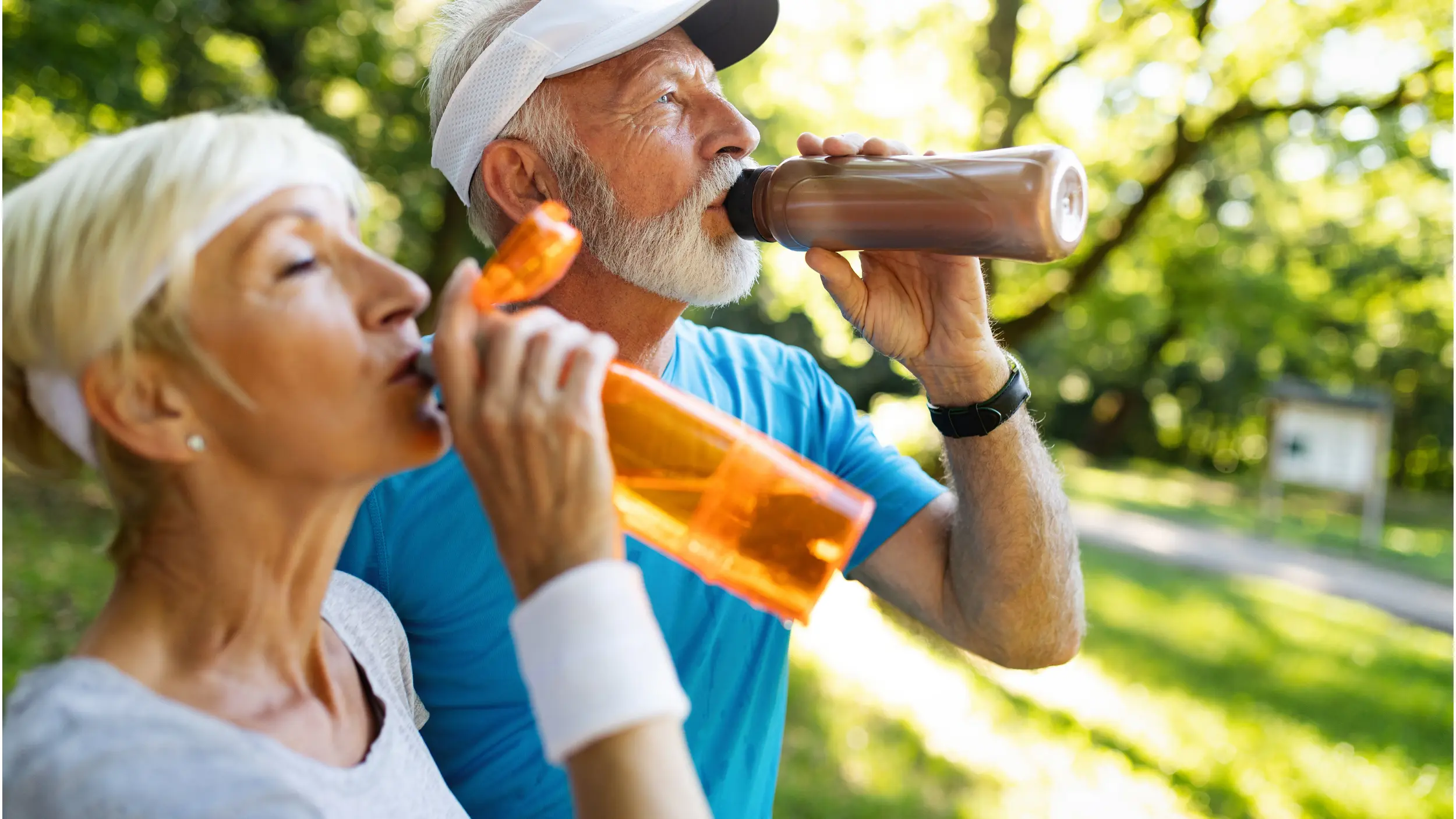
This is often the hardest part for active women, but it's essential: you need to significantly reduce exercise intensity, frequency, and duration during active recovery [8].
For many women, complete exercise cessation for 2-3 months yields the fastest recovery. If that feels impossible (I hear you), minimum modifications include:
- Limit total exercise to 3-4 sessions weekly
- Cap sessions at 30-40 minutes maximum
- Prioritize low-impact activities: walking, gentle yoga, recreational swimming
- Eliminate all high-intensity interval training, long runs, and intense strength training
- Stop tracking steps, pace, calories burned, or heart rate zones
Movement can remain part of your life, but it cannot be compensatory, punitive, or excessive. Exercise is a stressor, and right now your body is already stressed. Think of this phase as strategic rest that enables future performance—because trying to train through HA only extends your recovery timeline.
If you're an athlete or competitive exerciser, consider working with both a dietitian specializing in HA recovery and a sports psychologist. The identity shift from "athlete" to "person recovering health" requires significant mental work that goes beyond nutritional intervention.
To better understand how to balance your overall metabolic health during this recovery period, check out our guide on hormone balance through diet.
Lifestyle Factors and Long-Term HA Management
Nutrition and exercise modifications form the foundation, but comprehensive recovery addresses the full picture of your daily life.
Stress Management: Lowering Your Cortisol Load
Chronic stress perpetuates hypothalamic suppression even when nutrition is adequate [9]. Your recovery plan must include active stress reduction strategies.
Practical implementation looks like:
- Establishing clear work boundaries
- Reducing exposure to triggering social media content
- Practicing daily nervous system regulation through breathwork or meditation
- Seeking therapy (CBT or ACT)
Many high-achieving women resist this guidance because slowing down feels like failure. Reframe it: strategic rest is the most productive action you can take right now. Your body cannot heal in survival mode.
Our article on functional nutrition approaches to stress and energy offers additional strategies for managing the stress-metabolism connection.
Sleep Hygiene: The Underrated Recovery Tool
Inadequate or poor-quality sleep disrupts reproductive hormone secretion and amplifies perceived stress [10]. Prioritize 7.5-9 hours of sleep nightly in a cool, completely dark room.
Sleep optimization strategies:
- Improved energy levels and reduced fatigue
- Increased body temperature and reduced cold sensitivity
- Return of cervical mucus production
If anxiety keeps you awake, work with a mental health professional. Melatonin supplements might help short-term, but they don't address root causes.
Building Your Support System
HA recovery is isolating. You're potentially gaining weight, reducing exercise, and watching friends continue behaviors that contributed to your condition. Having a support system is not optional.
Consider connecting with:
Avoid communities that glorify extreme fitness, restrictive eating, or achieving the leanest possible physique. These environments actively undermine recovery.
Monitoring Progress: How to Get Period Back After HA
Recovery isn't linear, and the timeline varies significantly between individuals. Most women regain menstruation within 3-6 months of implementing comprehensive nutritional and lifestyle changes, though some require 8-12 months [11].
Early positive indicators include:
- Improved energy levels and reduced fatigue
- Better sleep quality and fewer sleep disturbances
- Increased body temperature and reduced cold sensitivity
- Return of cervical mucus production
- Mood stabilization and reduced anxiety
- Renewed libido
You may experience an anovulatory bleed (bleeding without ovulation) before your first true ovulatory cycle returns. Don't panic—this is common and part of the restoration process.
Tracking basal body temperature can help identify when ovulation resumes. A sustained temperature elevation in the second half of your cycle indicates progesterone production from a corpus luteum, confirming ovulation occurred.
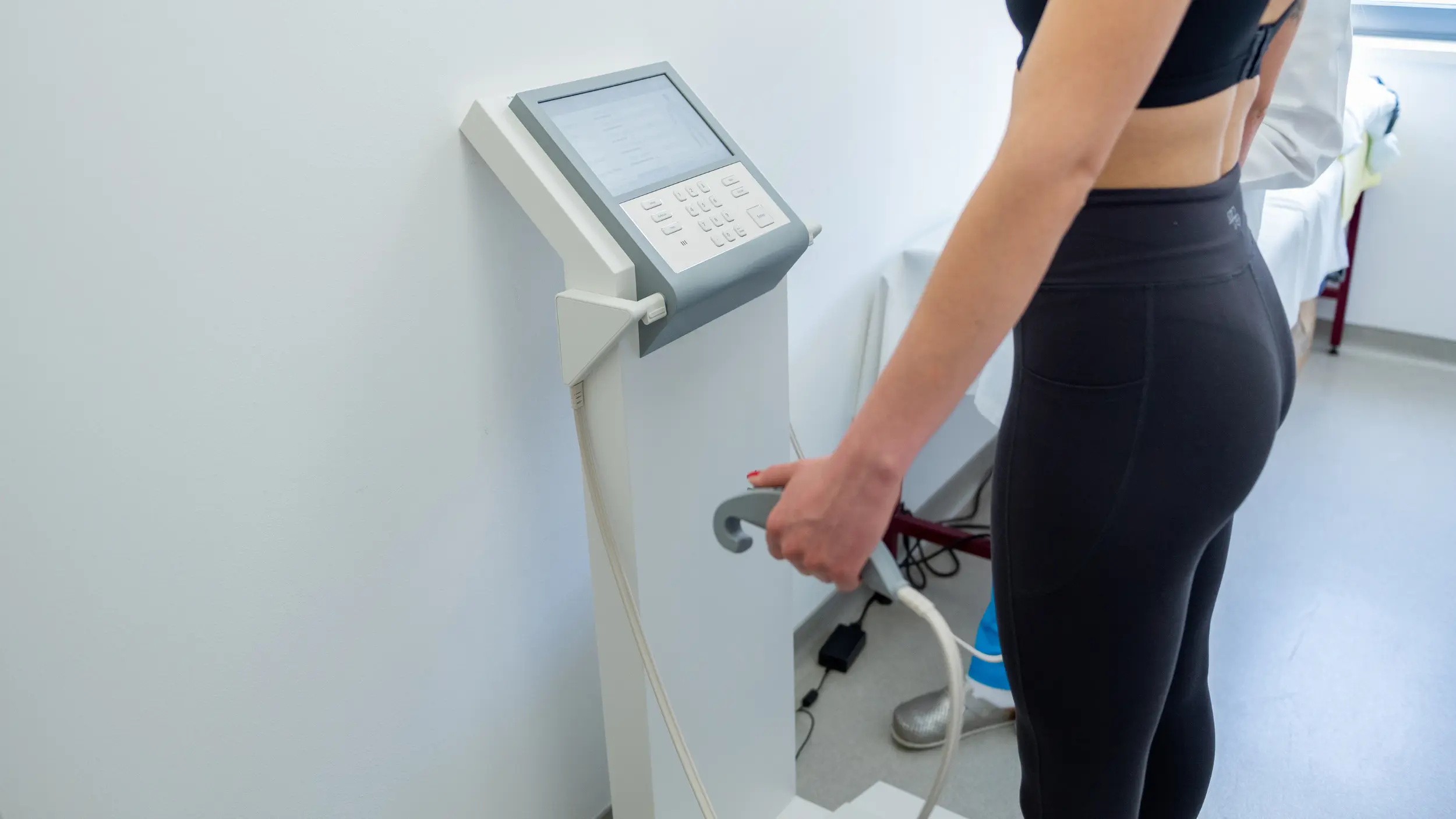
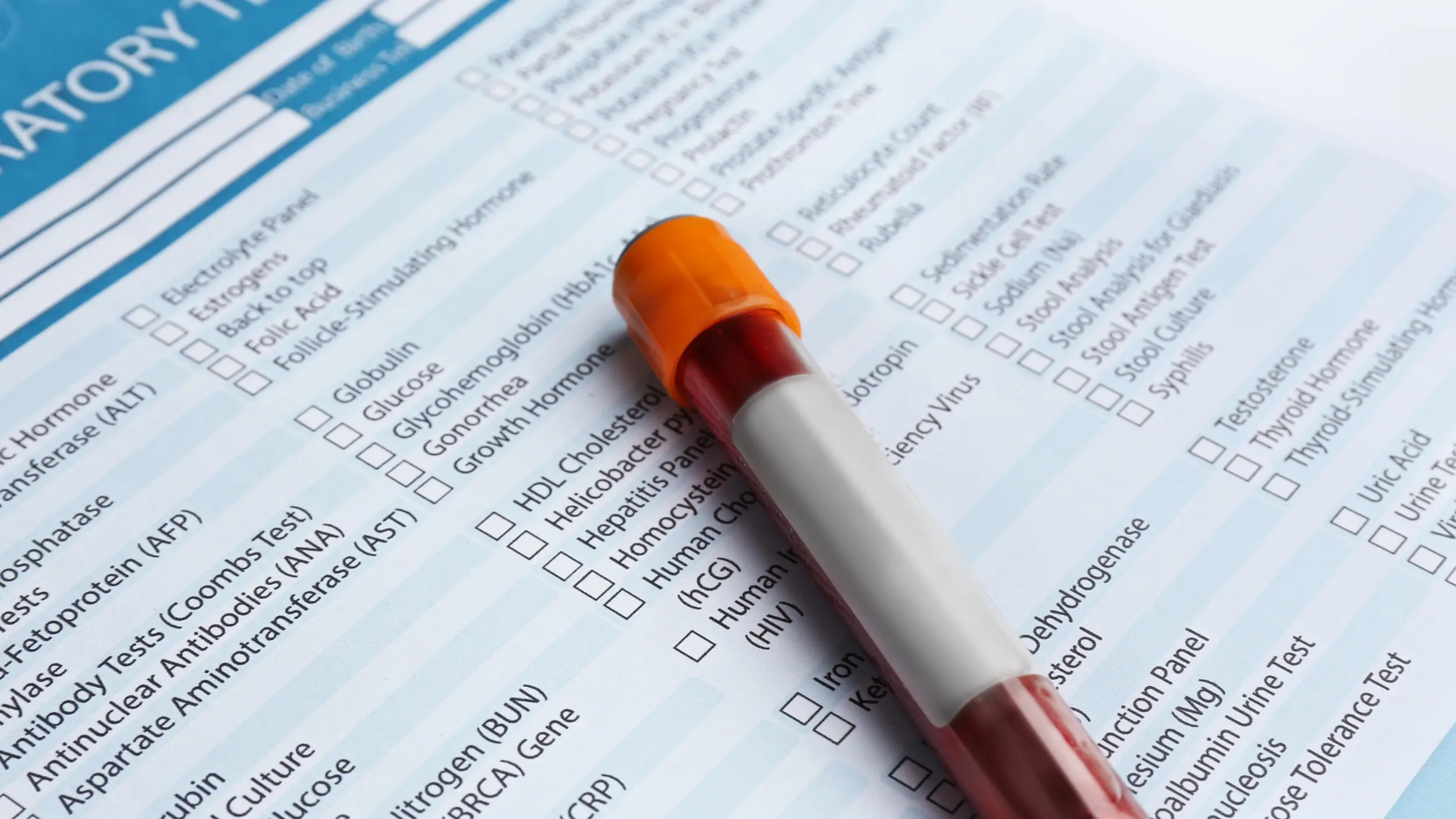
Some practitioners recommend bloodwork to monitor LH, FSH, estradiol, and progesterone levels, though clinical symptoms often provide sufficient feedback. Bone density screening via DEXA scan is recommended if you've had HA for more than 6-12 months to assess for osteopenia or osteoporosis.
Since gut health influences hormone metabolism and immune function during recovery, you might benefit from reading about optimizing your microbiome.
Hypothalamic Amenorrhea Lifestyle Changes: What Happens After Recovery
Once your period returns, your work isn't finished. HA has a recurrence rate of approximately 25-30% if previous behaviors resume [12].
Long-term maintenance requires:
- Continuing adequate energy intake relative to activity level
- Maintaining exercise at moderate levels without compensation or compulsion
- Regular cycle tracking to identify early warning signs of hypothalamic suppression
- Ongoing stress management and psychological support
- Annual bone density monitoring if you experienced significant bone loss
Some women can gradually increase exercise intensity once cycles are regular for 3-6 consecutive months, but this should be done cautiously with professional guidance. The goal is sustainable health, not returning to the exact patterns that caused HA initially.
Frequently Asked Questions
What are the first signs I should look for to know HA recovery is working?
Before your period returns, you'll likely notice improved energy levels, better sleep quality, warmer body temperature, stabilized mood, and possibly some weight gain (typically 5-15 pounds). Many women report feeling significantly better overall—less anxious, less obsessive about food and exercise, and more mentally clear. Cervical mucus production may return several weeks before your first bleed. These changes indicate your hypothalamus is receiving adequate energy signals and beginning to restore normal function.
How long does it typically take to get your period back after starting recovery?
Most women regain menstruation within 3-6 months of implementing comprehensive nutritional rehabilitation and lifestyle modifications, though individual timelines vary from 2-12 months [13]. Factors influencing timeline include how long you've had HA (longer duration typically means longer recovery), severity of energy deficit, baseline body composition, stress levels, and genetic factors. Complete exercise cessation and rapid weight restoration tend to accelerate recovery compared to gradual approaches. If you haven't resumed menstruation after 9-12 months of proper recovery efforts, work with your healthcare team to rule out other underlying conditions.
Can stress alone cause hypothalamic amenorrhea, or is nutrition always a factor?
Yes, psychological stress alone can absolutely cause HA, even with adequate nutrition and normal body weight [14]. Chronic stress elevates cortisol, which directly suppresses GnRH secretion from the hypothalamus. However, in clinical practice, most HA cases involve multiple contributing factors—often a combination of subtle energy deficit, moderate exercise, and psychological stress. Even if stress appears to be the primary driver, ensuring robust nutritional intake creates metabolic resilience that helps buffer against stress-induced hypothalamic suppression. Address all three pillars simultaneously for optimal recovery outcomes.
Ready to restore your menstrual cycle and reclaim your hormonal health? Recovery from hypothalamic amenorrhea requires personalized guidance that addresses your unique nutritional needs, exercise habits, and lifestyle factors. Book a consultation at www.usevedic.com to work one-on-one with a specialized dietitian who understands the complexities of HA recovery and can create a tailored protocol for your situation.
References
[1] Gordon CM, Ackerman KE, Berga SL, et al. Functional Hypothalamic Amenorrhea: An Endocrine Society Clinical Practice Guideline. Journal of Clinical Endocrinology & Metabolism, 2017.
[2] Meczekalski B, Katulski K, Czyzyk A, Podfigurna-Stopa A, Maciejewska-Jeske M. Functional hypothalamic amenorrhea and its influence on women's health. Journal of Endocrinological Investigation, 2014.
[3] De Souza MJ, Nattiv A, Joy E, et al. 2014 Female Athlete Triad Coalition Consensus Statement on Treatment and Return to Play of the Female Athlete Triad. British Journal of Sports Medicine, 2014.
[4] Brundu B, Loucks TL, Adler LJ, Cameron JL, Berga SL. Increased cortisol in the cerebrospinal fluid of women with functional hypothalamic amenorrhea. Fertility and Sterility, 2006.
[5] Prior JC. Progesterone for treatment of symptomatic menopausal women. Climacteric, 2017.
[6] Soleymani T, Daniel S, Garvey WT. Weight maintenance: challenges, tools and strategies for primary care physicians. Obesity Reviews, 2016.
[7] Loucks AB, Kiens B, Wright HH. Energy availability in athletes. Journal of Sports Sciences, 2011.
[8] Mallinson RJ, Williams NI, Olmsted MP, Scheid JL, Riddle ES, De Souza MJ. A case report of recovery of menstrual function following a nutritional intervention in two exercising women with amenorrhea of varying duration. Journal of the International Society of Sports Nutrition, 2013.
[9] Berga SL, Marcus MD, Loucks TL, Hlastala S, Ringham R, Krohn MA. Recovery of ovarian activity in women with functional hypothalamic amenorrhea who were treated with cognitive behavior therapy. Fertility and Sterility, 2003.
[10] Baker FC, Driver HS. Circadian rhythms, sleep, and the menstrual cycle. Sleep Medicine, 2007.
[11] Arends JC, Cheung MY, Barrack MT, Nattiv A. Restoration of menses with nonpharmacologic therapy in college athletes with menstrual disturbances: a 5-year retrospective study. International Journal of Sport Nutrition and Exercise Metabolism, 2012.
[12] Perkins RB, Hall JE, Martin KA. Functional hypothalamic amenorrhea: clinical features and management. UpToDate, 2023.
[13] Kindler JM, Lobene AJ, Vogel KA, et al. Adiposity, Insulin Resistance, and Bone Mass in Children and Adolescents. Journal of Clinical Endocrinology & Metabolism, 2019.
[14] Williams NI, Leidy HJ, Hill BR, Lieberman JL, Legro RS, De Souza MJ. Magnitude of daily energy deficit predicts frequency but not severity of menstrual disturbances associated with exercise and caloric restriction. American Journal of Physiology-Endocrinology and Metabolism, 2015.
.svg)
.svg)




.jpg)
.jpg)










.webp)

























.webp)
.webp)
.webp)
.webp)
.webp)
.webp)
.png)
.webp)
.webp)

.webp)
.png)
.webp)
.webp)
.webp)
.webp)
.webp)
.webp)
.webp)
.webp)
.webp)


.webp)
.png)