.webp)
.webp)
%2B(7).webp)
.png)
At a Glance
Supporting your adrenal glands through targeted nutrition can dramatically improve energy levels, stress resilience, and hormonal balance. This evidence-based guide breaks down the specific foods, meal timing strategies, and nutrient combinations that research shows can optimize adrenal function. You'll also learn how to create an adrenal cocktail—a mineral-rich beverage gaining traction for its fatigue-fighting benefits.
Understanding Your Adrenals and Why They Matter
Your adrenal glands sit atop your kidneys, and while they're only about the size of a walnut, they produce over 50 different hormones that regulate everything from your stress response to blood sugar stability [1]. These tiny but mighty glands are responsible for cortisol production, aldosterone (which manages sodium and potassium balance), and even small amounts of sex hormones [2].
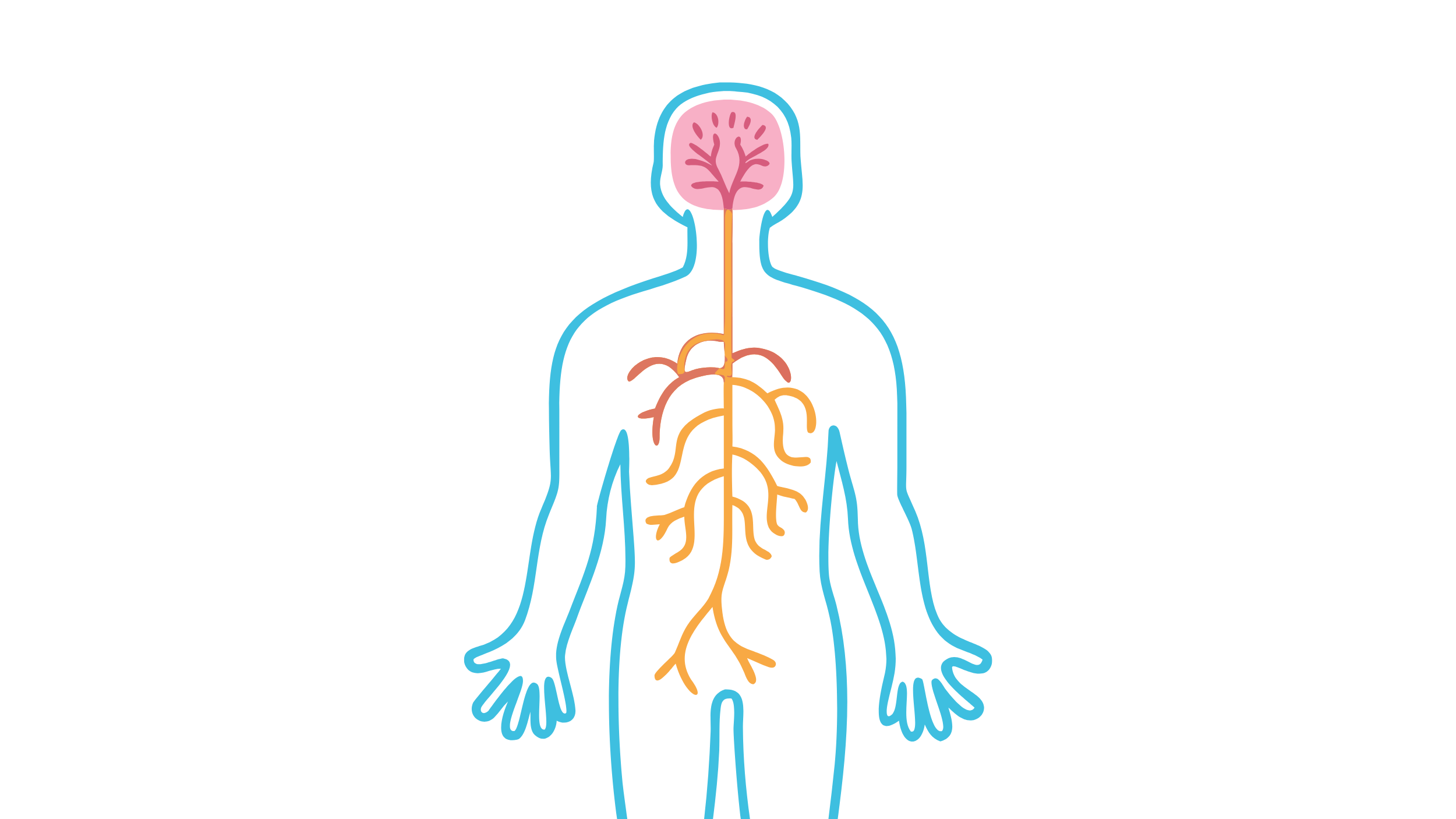
When we talk about an adrenal health diet, we're really addressing how your food choices directly influence your hypothalamic-pituitary-adrenal (HPA) axis—the communication highway between your brain and adrenal glands [3]. This matters because chronic stress, blood sugar dysregulation, and inflammatory dietary patterns can all contribute to what many experience as "adrenal fatigue"—though the medical community more accurately refers to this as HPA axis dysfunction [4].
The symptoms are real and frustrating:
- Persistent exhaustion that doesn't improve with sleep
- Difficulty waking up in the morning, even after 8+ hours
- Afternoon energy crashes around 2-3 PM
- Salt cravings that feel almost uncontrollable
- Brain fog and difficulty concentrating
While true adrenal insufficiency (Addison's disease) is a rare medical condition requiring pharmaceutical intervention [5], the subclinical HPA axis disruption many women experience responds remarkably well to dietary modification. That's where a thoughtfully designed adrenal support diet becomes transformative.
Research demonstrates that specific micronutrients—particularly vitamin C, B vitamins, magnesium, and sodium—are rapidly depleted during periods of chronic stress [6]. Your adrenal glands have one of the highest concentrations of vitamin C in the entire body, and cortisol production depends on adequate B5 (pantothenic acid) availability [7]. This isn't woo-woo wellness talk; it's basic biochemistry that we can leverage through strategic eating patterns.
Fueling Your Body: Foods That Support Adrenal Health
Let's get specific about building your personalized adrenal diet plan. The foundation rests on three pillars: blood sugar stability, micronutrient density, and anti-inflammatory food choices.
Blood Sugar Stability Is Non-Negotiable
Every time your blood sugar crashes, your adrenals release cortisol to raise it back up [8]. This creates a exhausting biochemical rollercoaster that taxes your HPA axis. Your adrenal fatigue diet needs to prioritize:
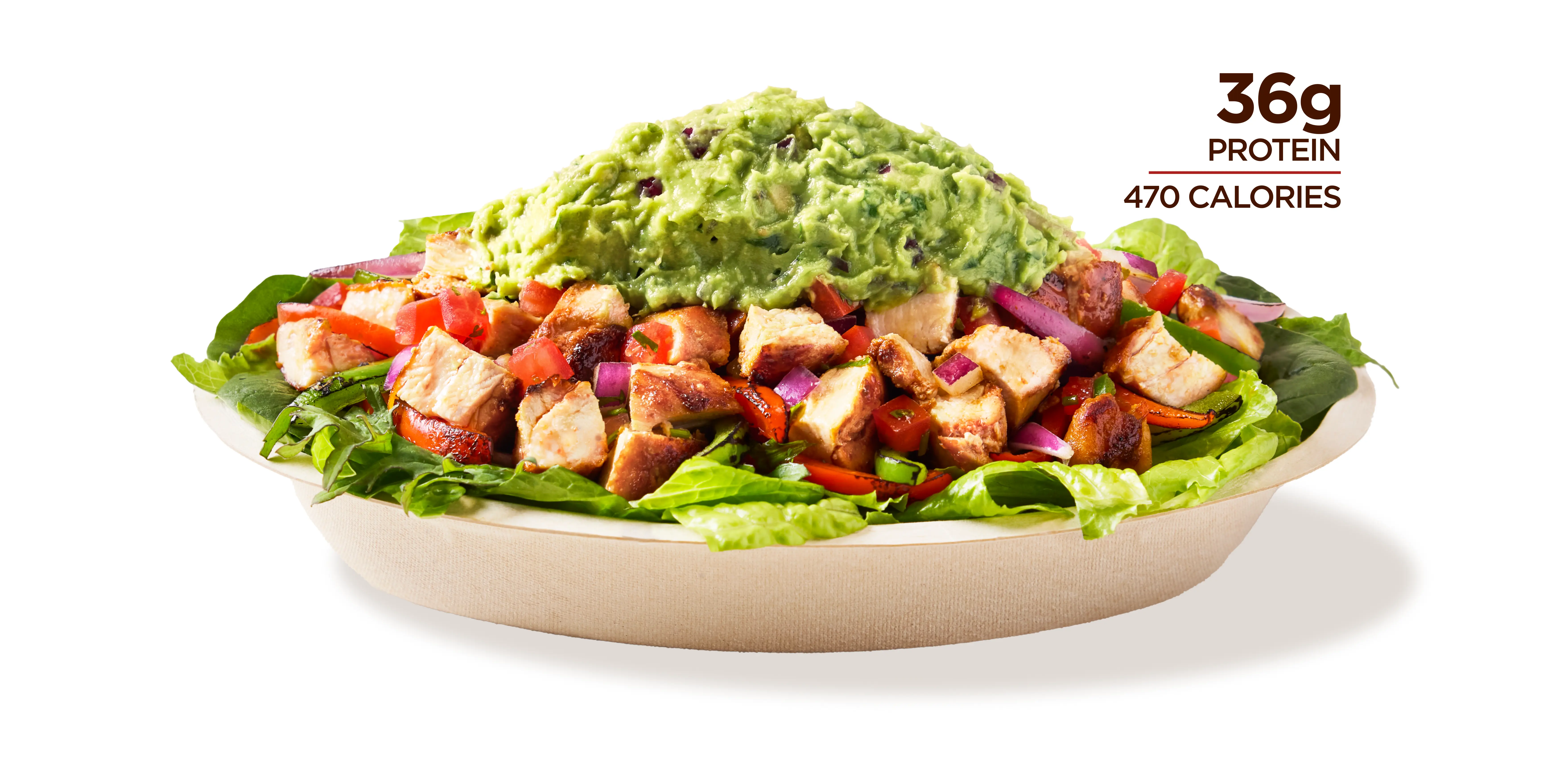
- Protein at every single meal and snack (aim for 25-35g at main meals)
- Complex carbohydrates paired with fat and fiber
- Eating within 60 minutes of waking to break the overnight cortisol spike
- Avoiding gaps longer than 4 hours between eating during the day
The most common mistake I see? Women skipping breakfast or having just coffee, then wondering why they're exhausted and anxious by 10 AM. Your cortisol naturally peaks upon waking [9]—if you don't provide food-based fuel, your body interprets this as a stressor and keeps cortisol elevated.
Micronutrient-Dense Foods for Adrenal Health
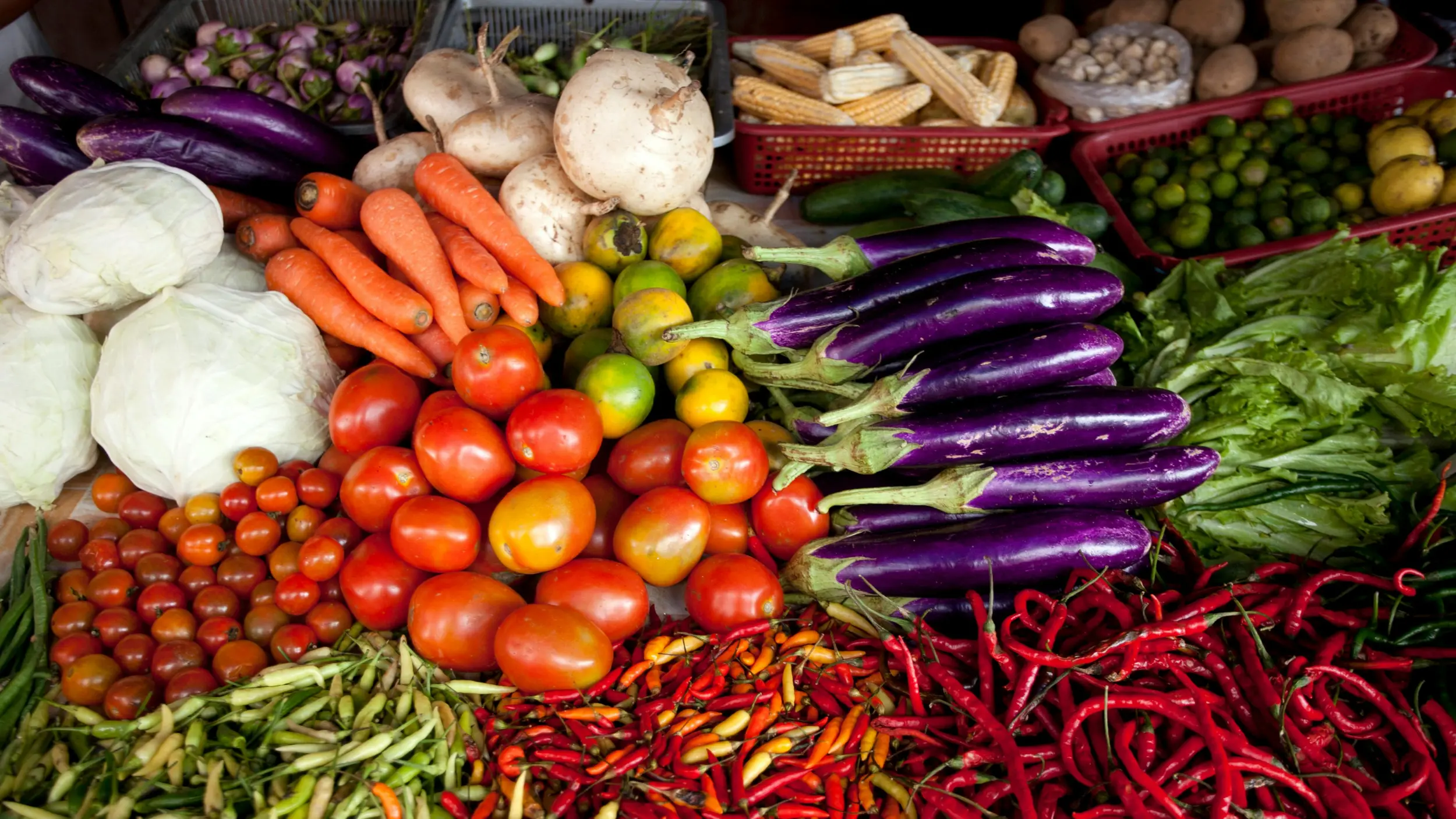
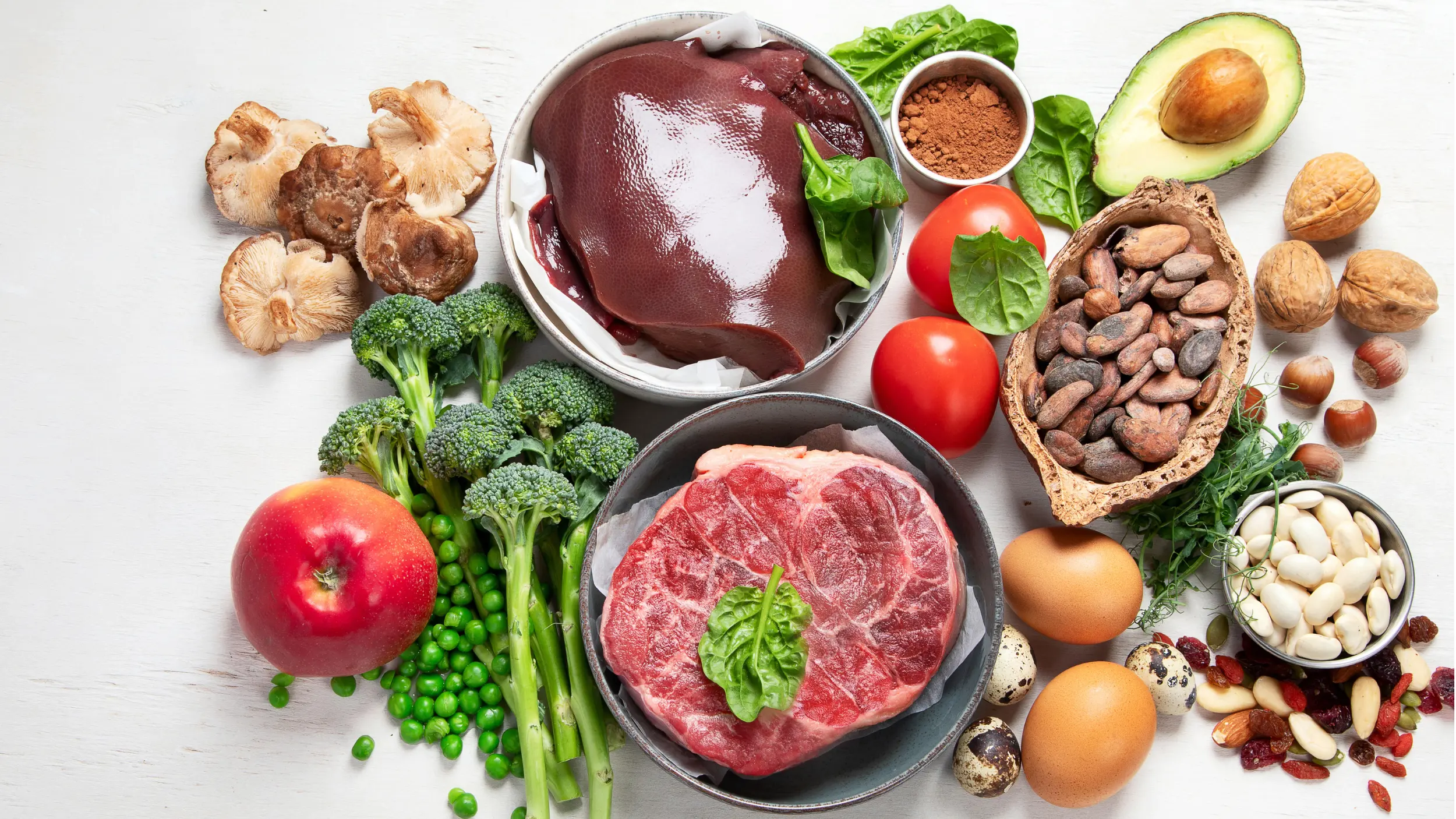
These are your MVPs—the foods that directly supply the raw materials your adrenals need:
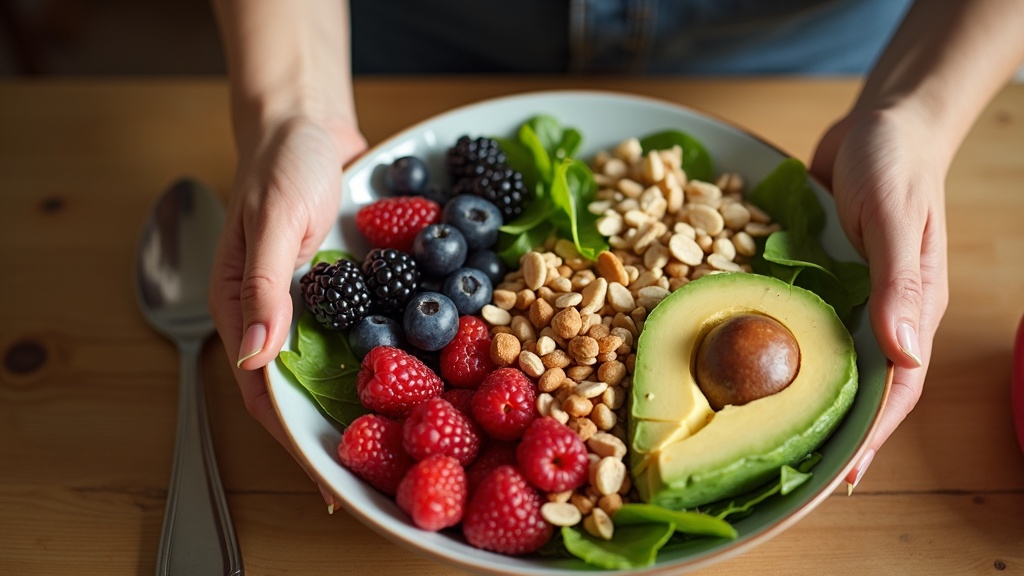
- Citrus fruits, bell peppers, and strawberries provide the vitamin C your adrenal cortex requires for steroid hormone synthesis [10]
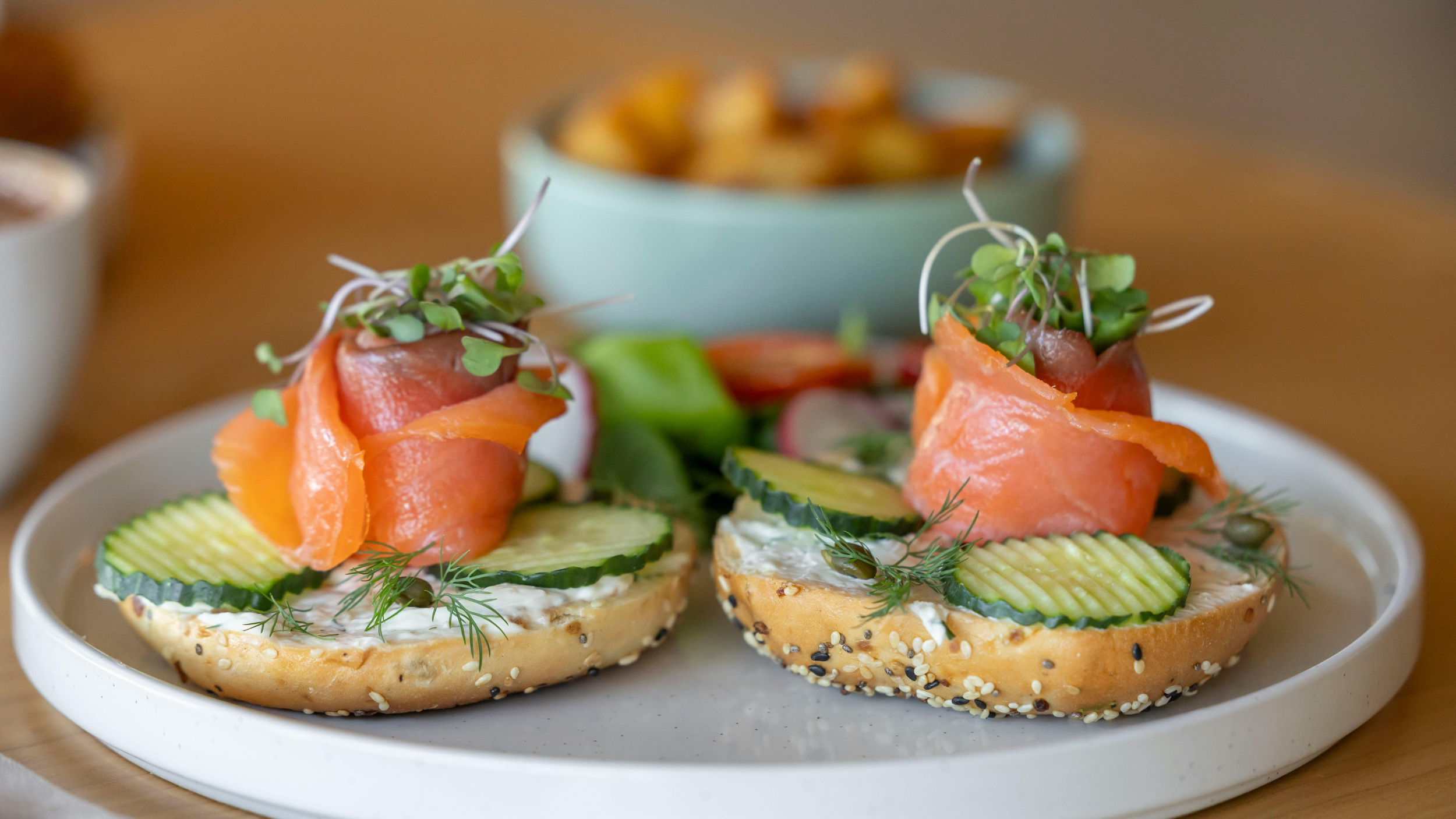
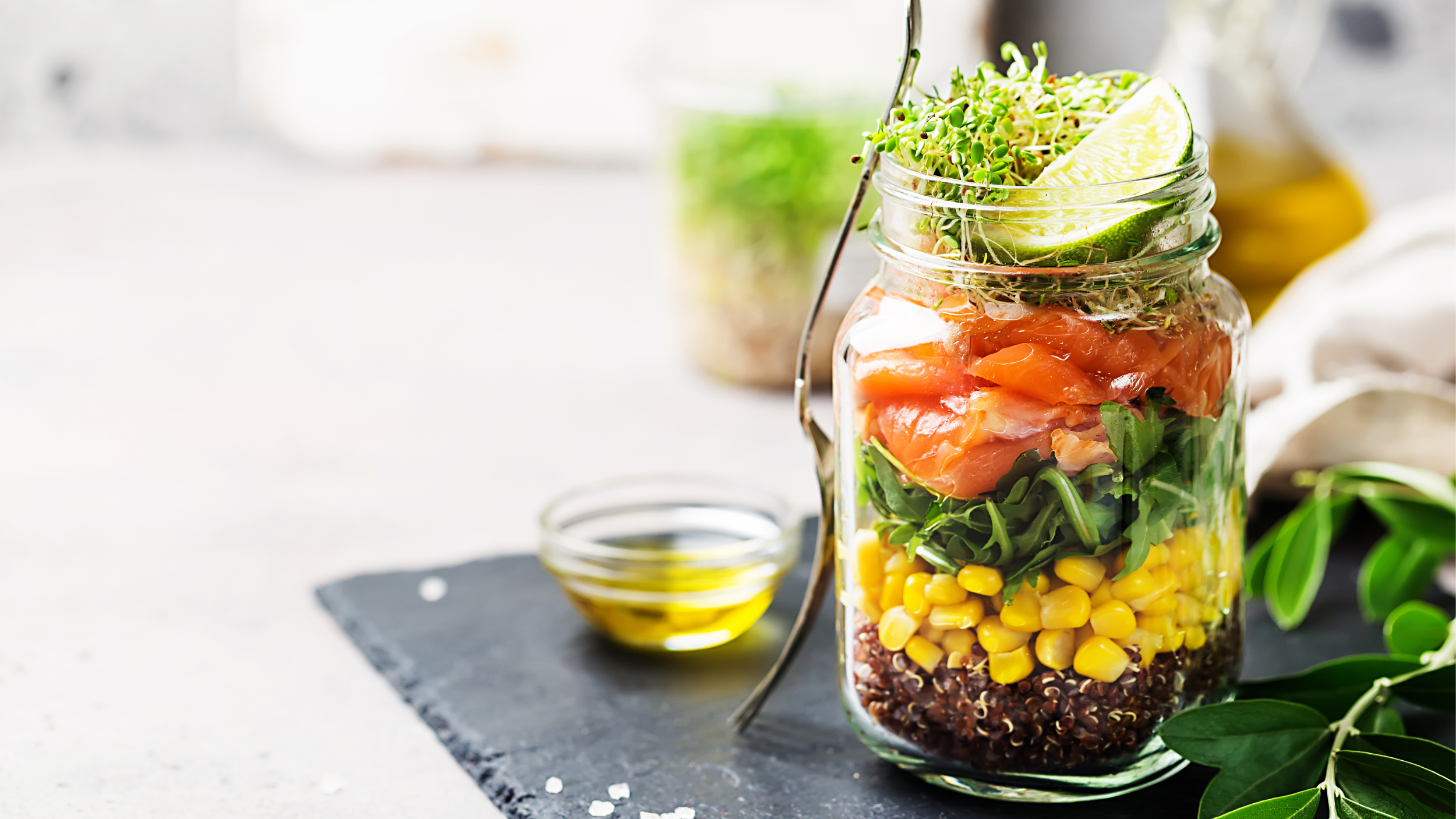
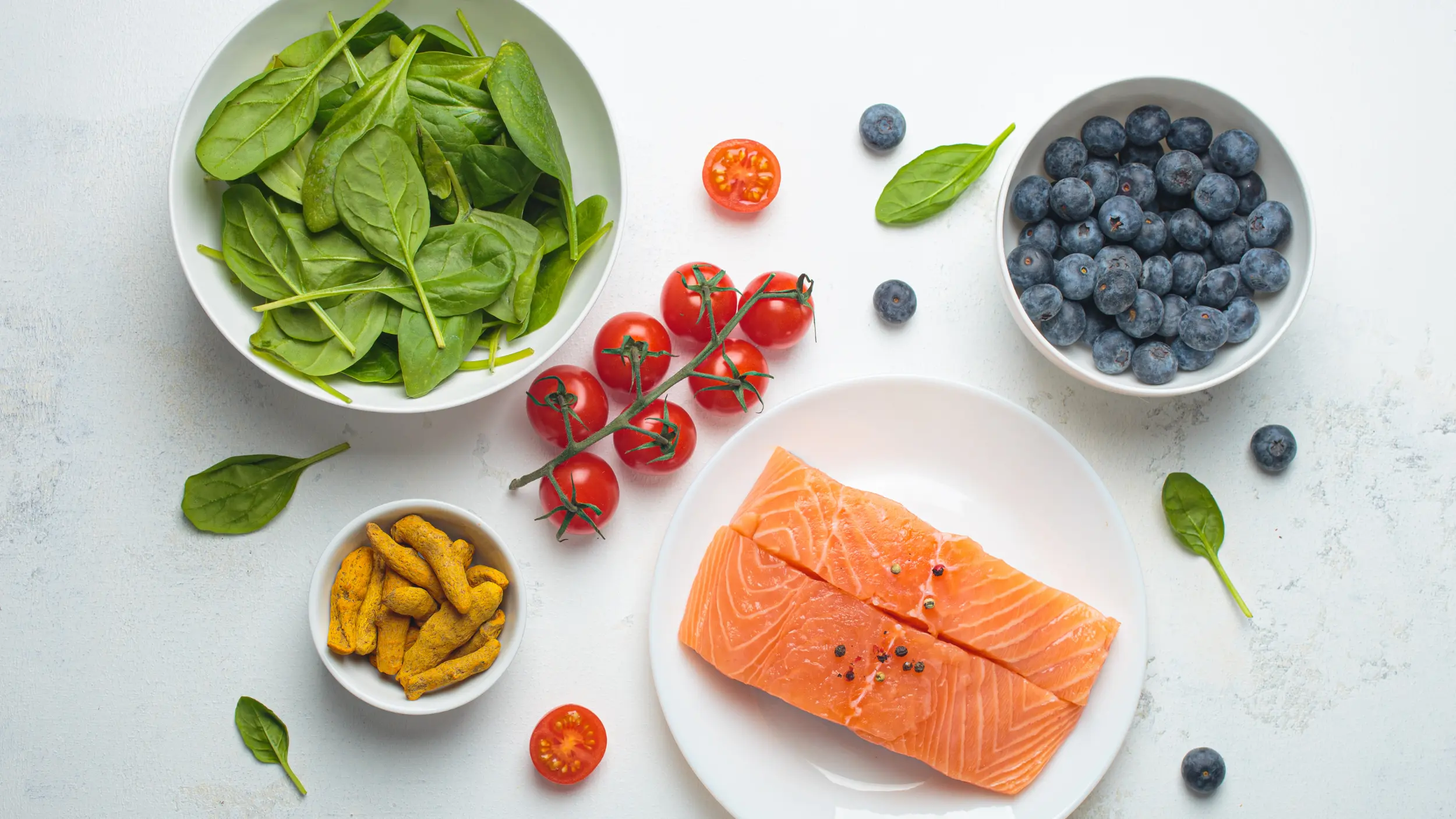
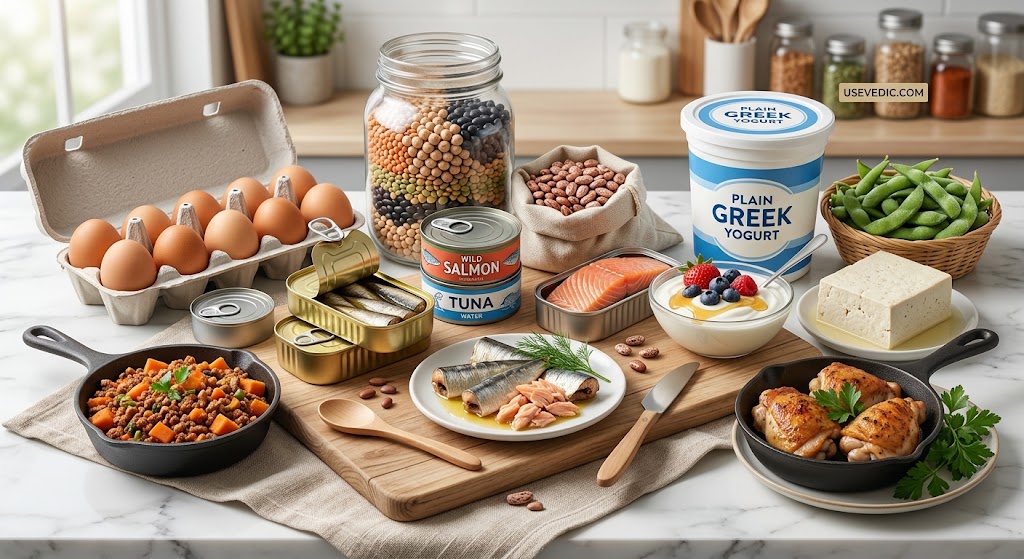
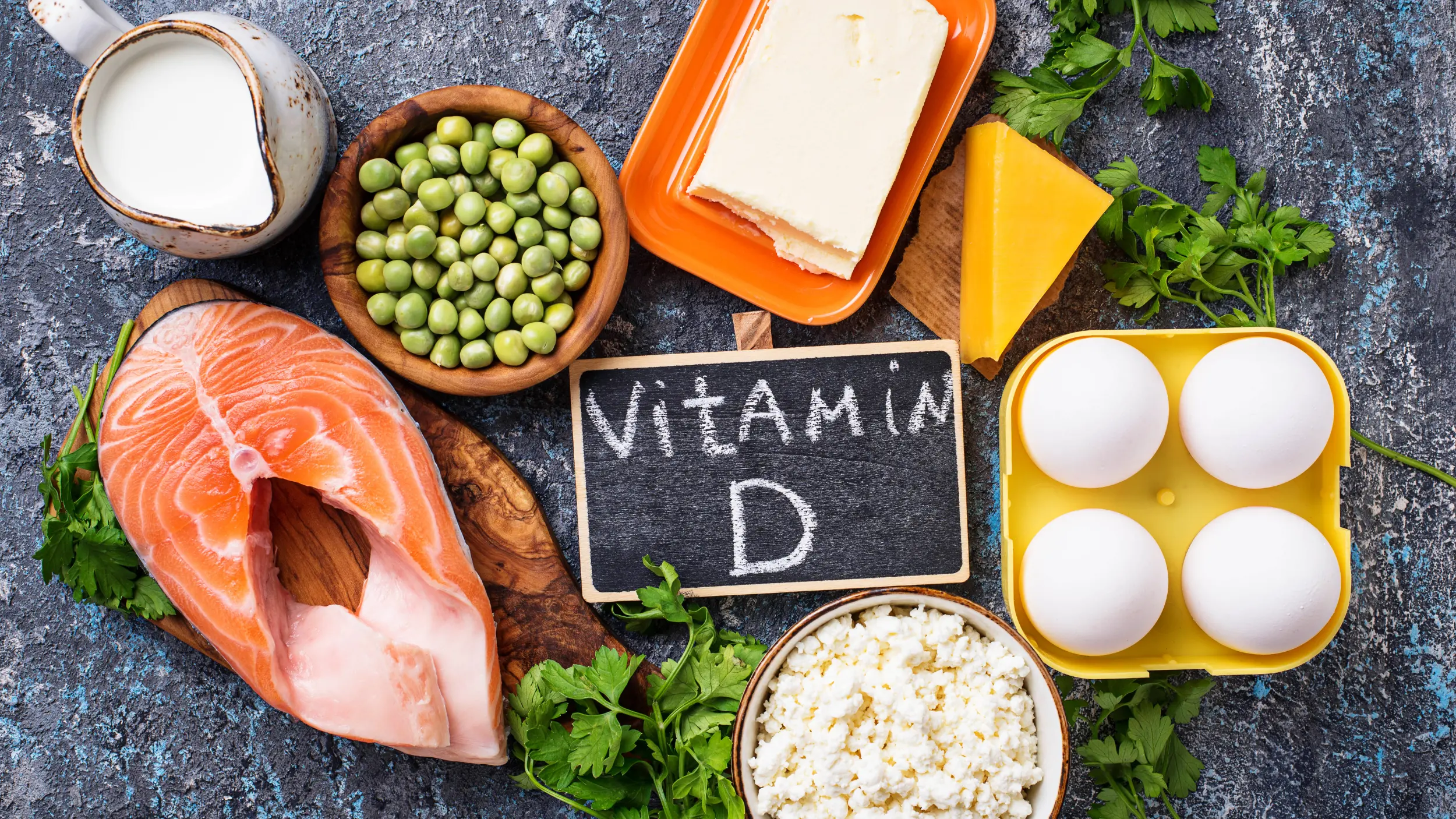
- Wild-caught salmon, grass-fed beef, and pastured eggs deliver omega-3 fatty acids that dampen inflammatory signaling to the HPA axis [11]
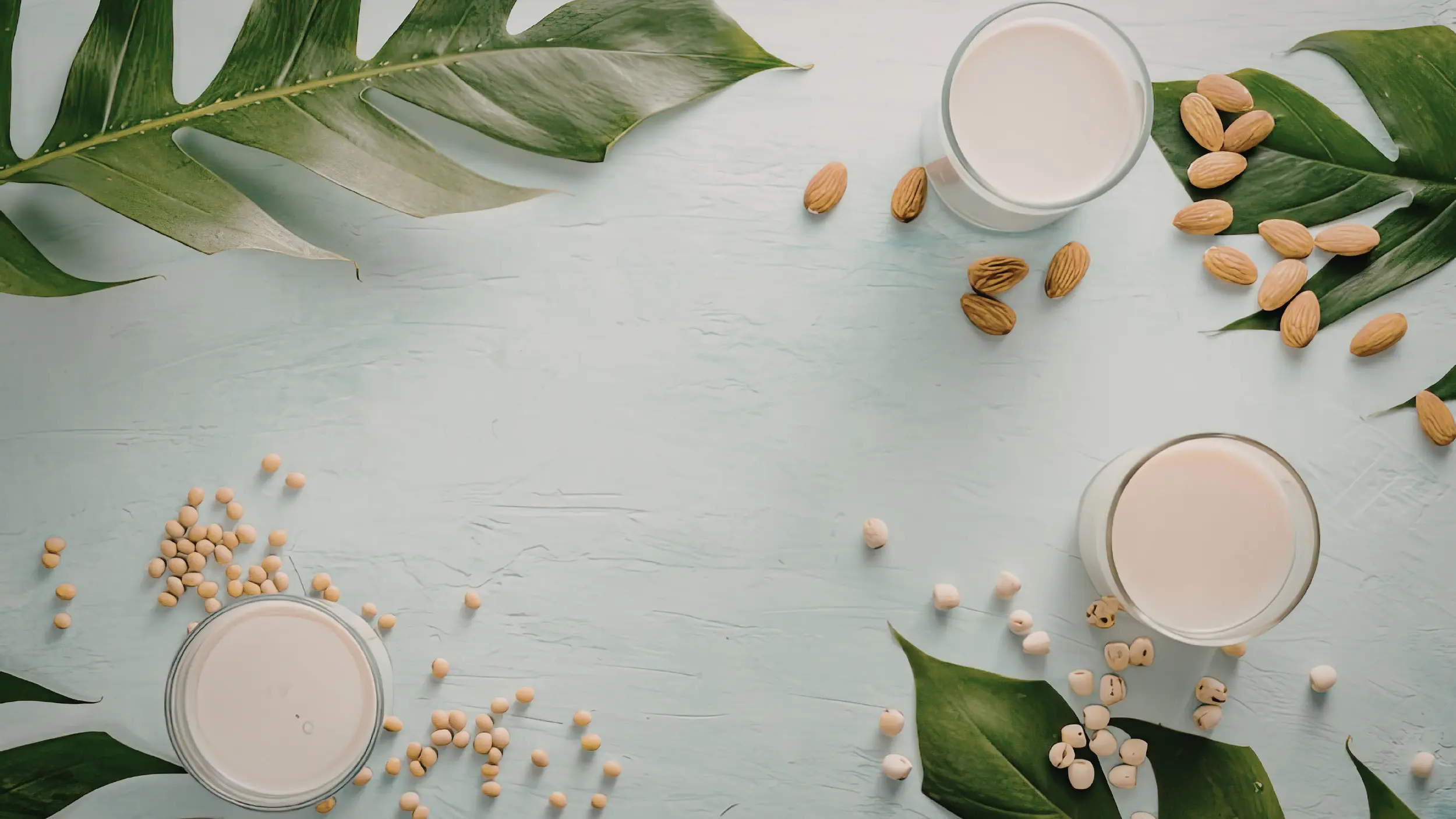
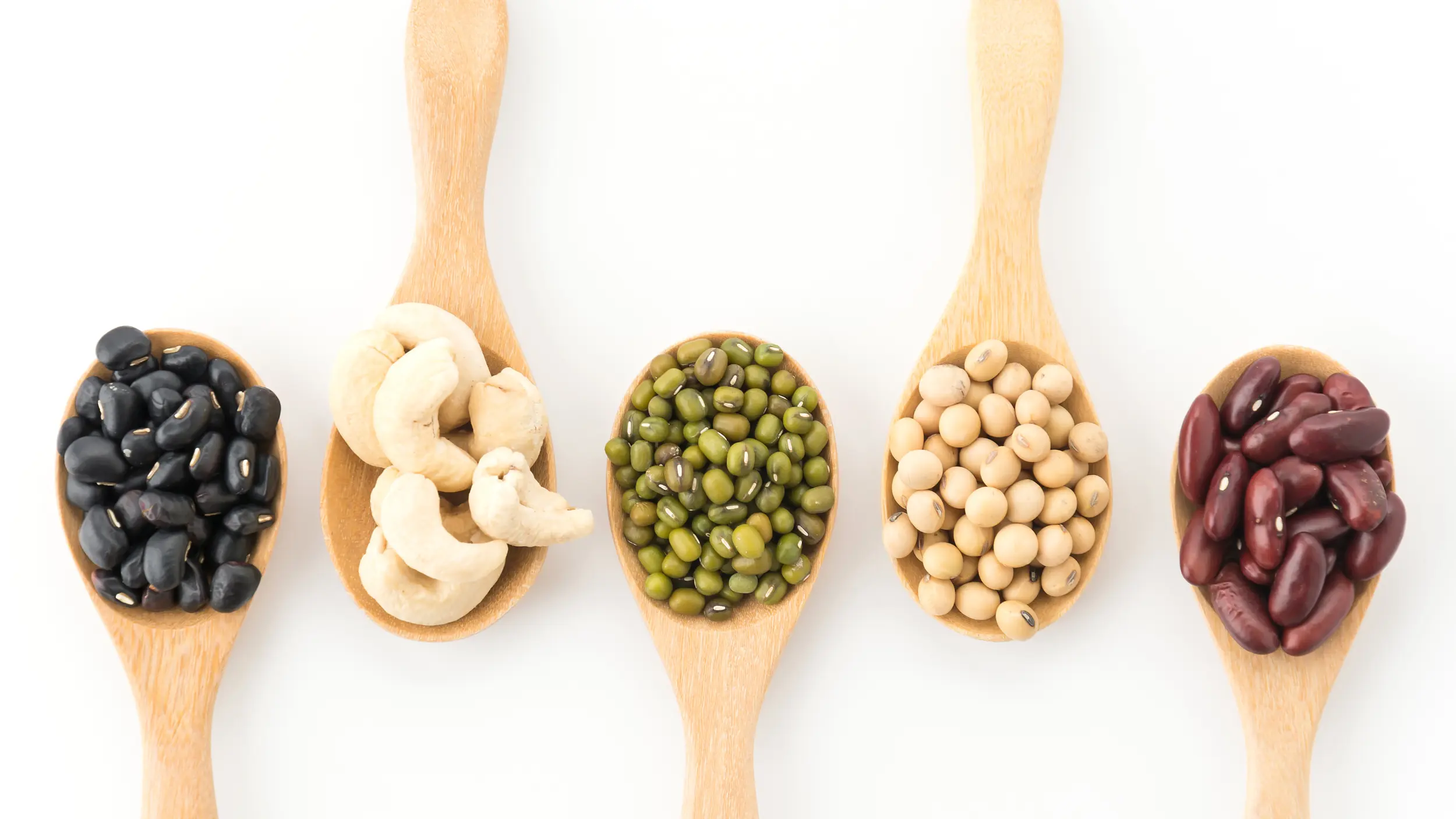
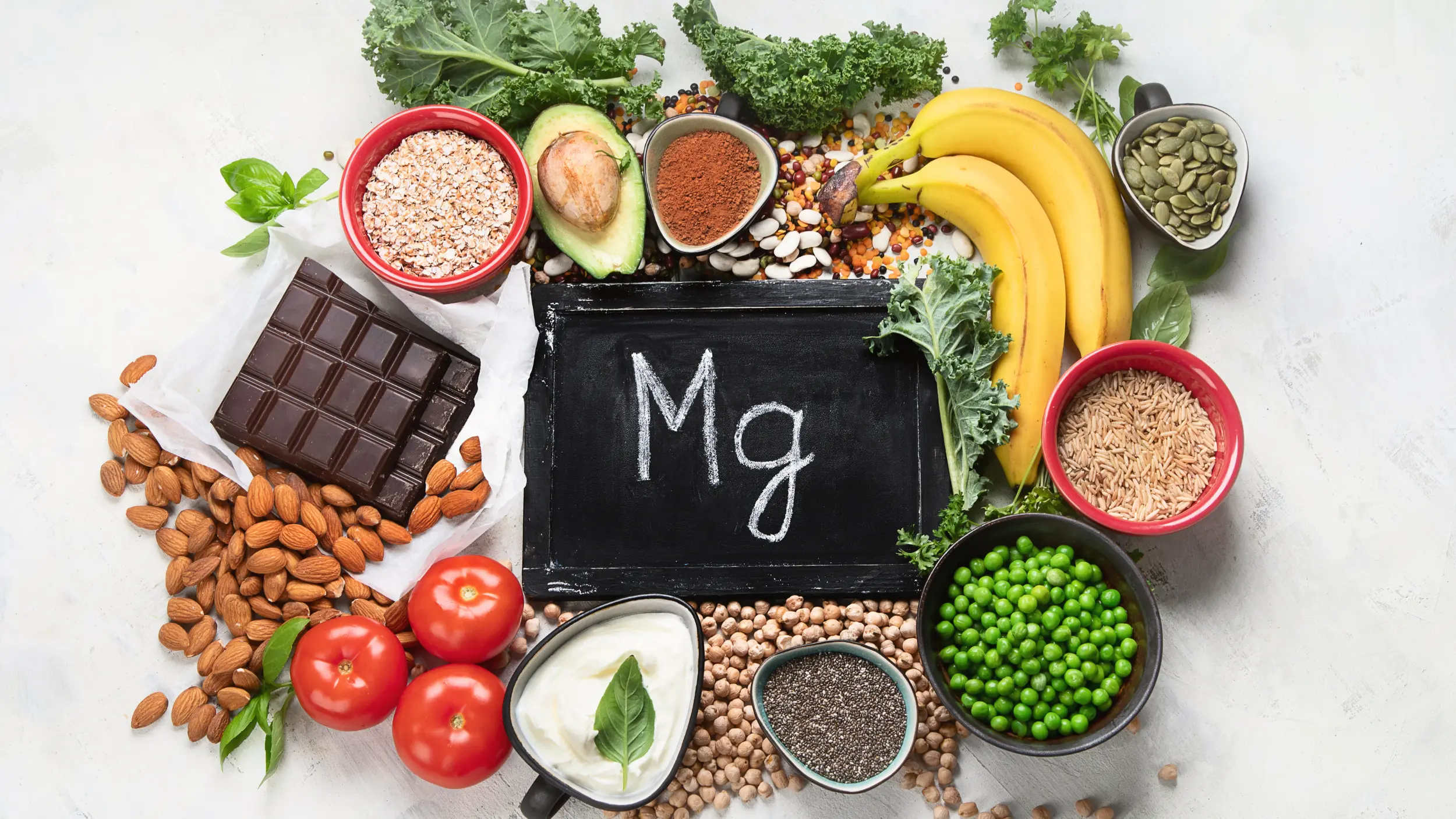
- Pumpkin seeds, dark leafy greens, and almonds offer magnesium, which modulates cortisol receptor sensitivity [12]
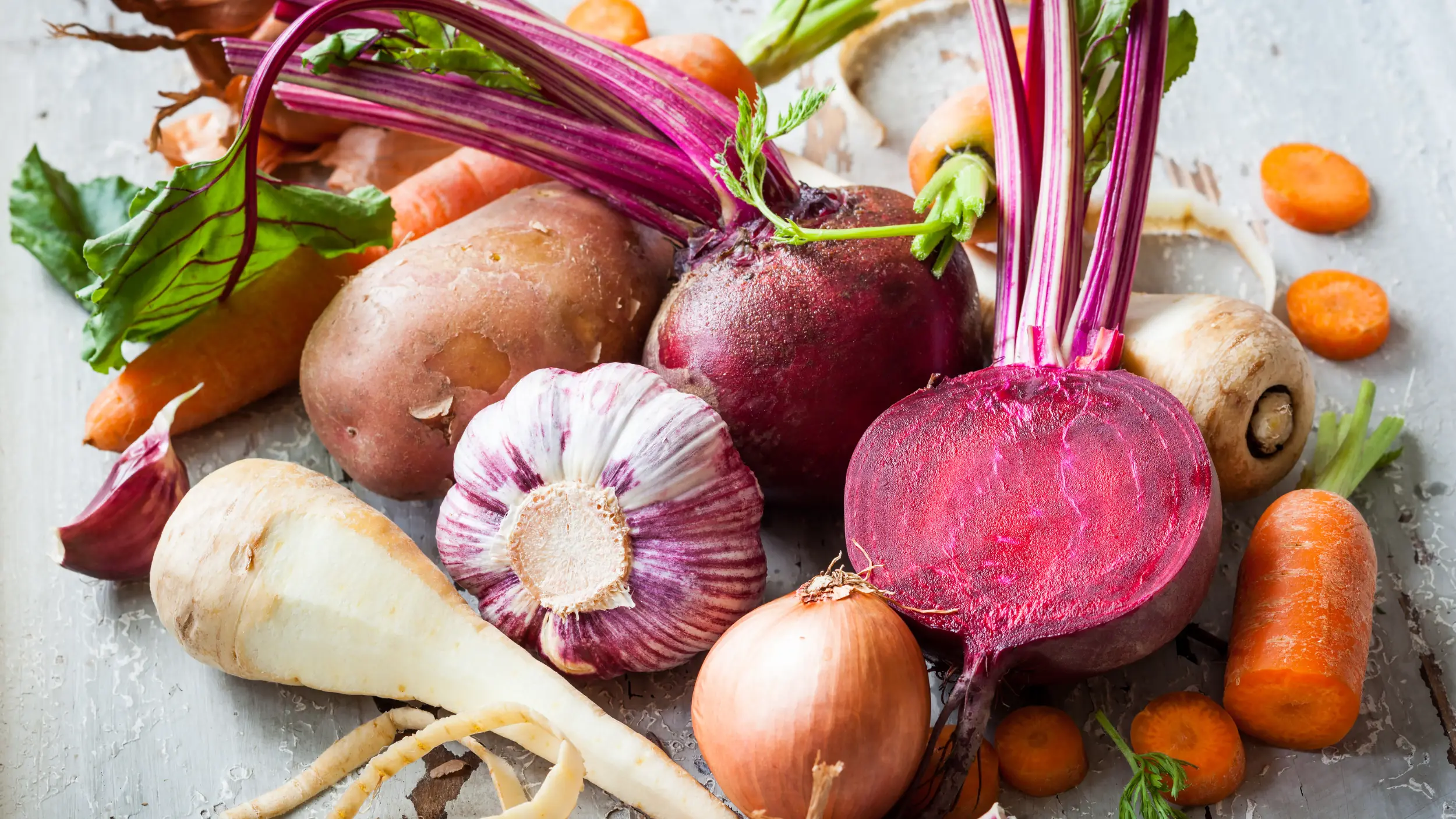
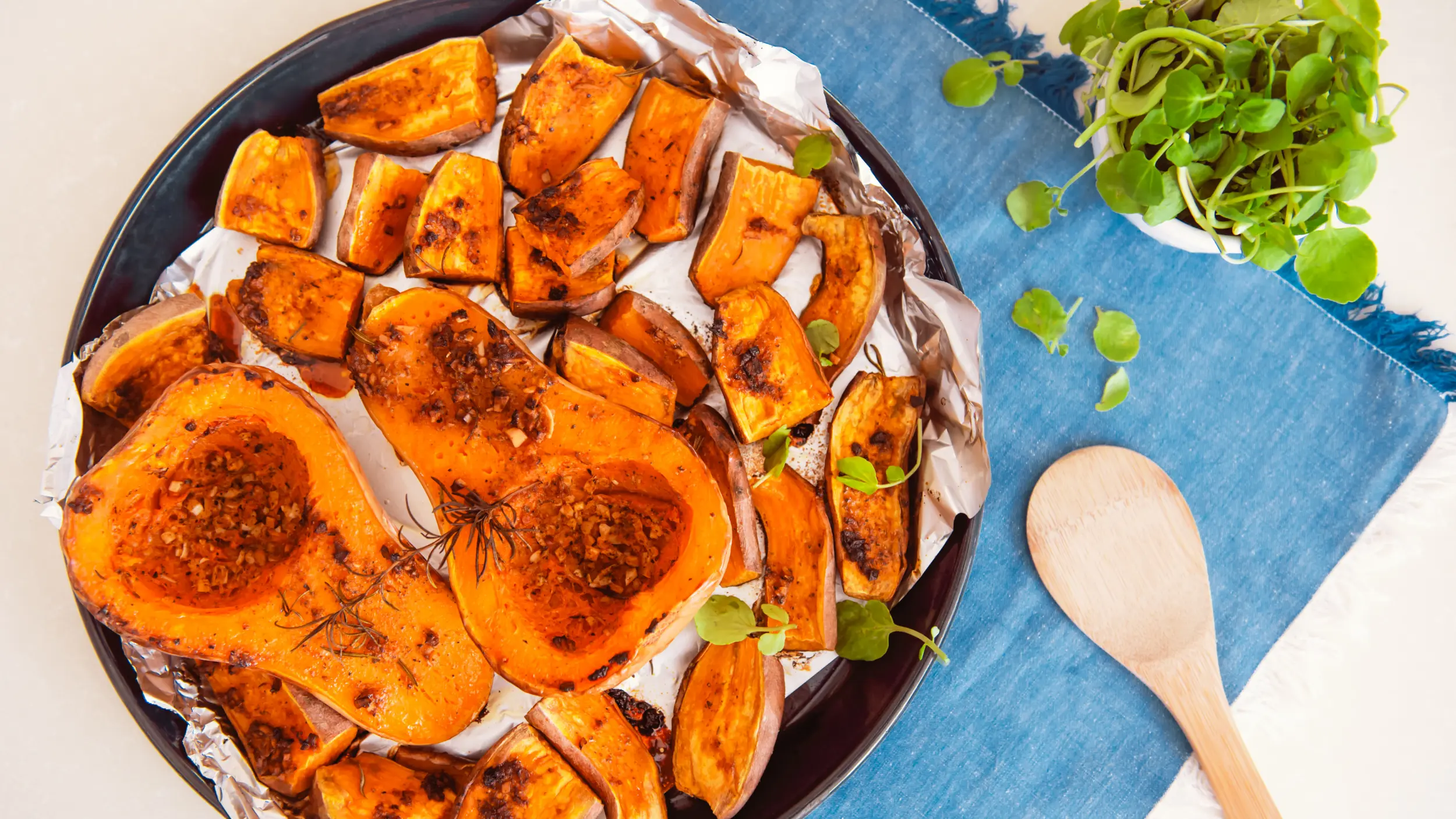
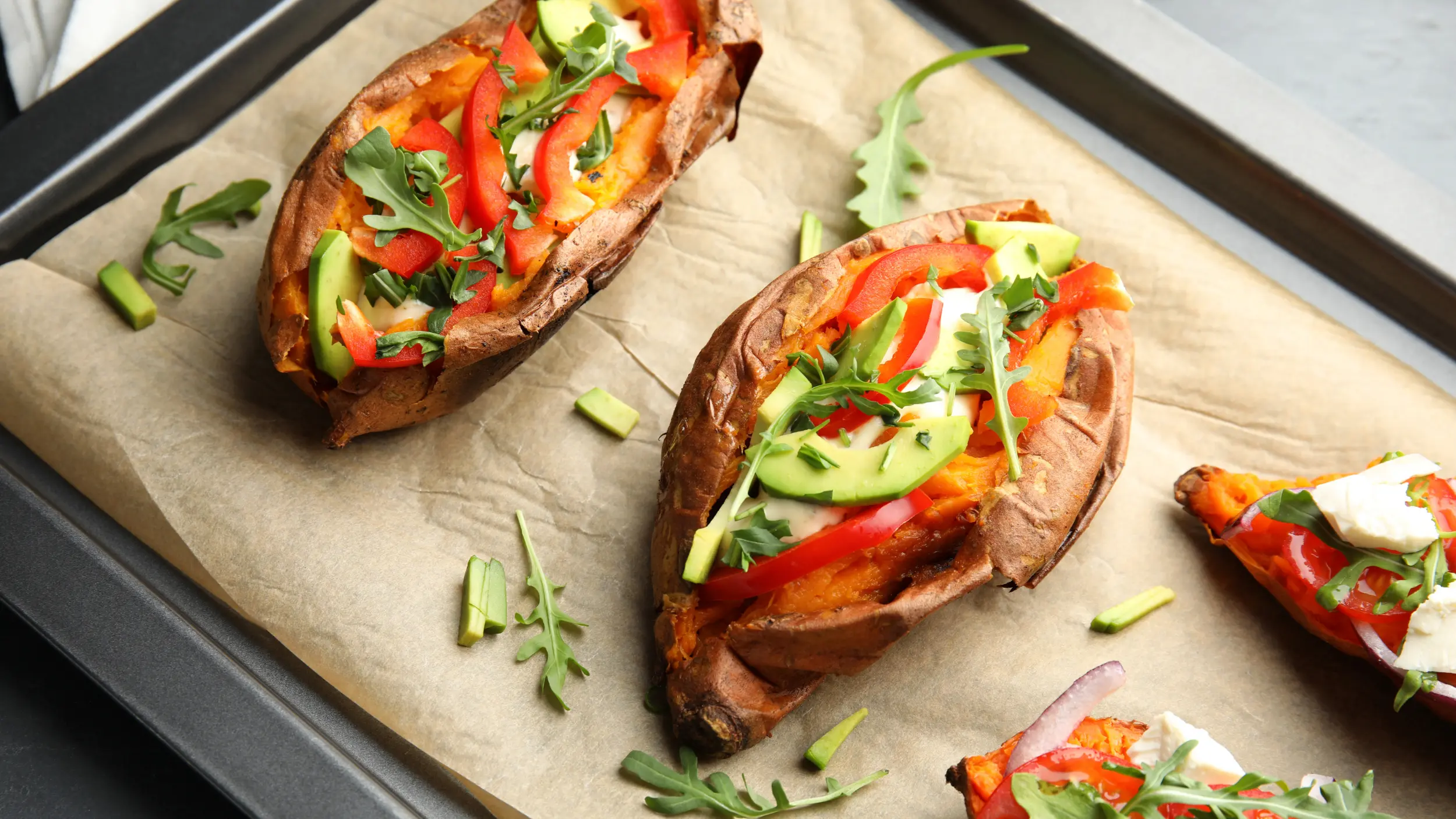
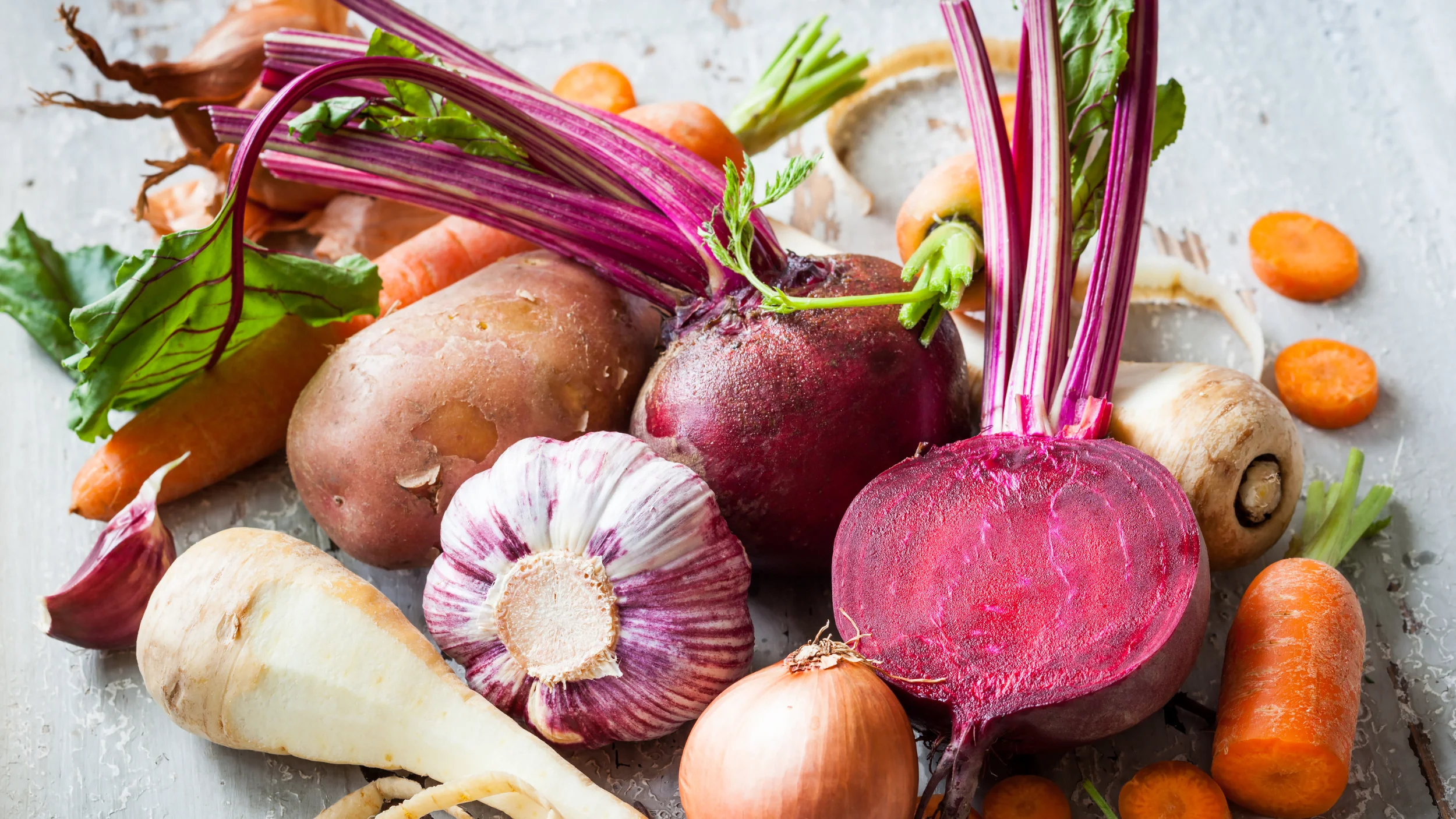
- Sweet potatoes, butternut squash, and beets provide glucose in a fiber-rich package that supports sustained energy
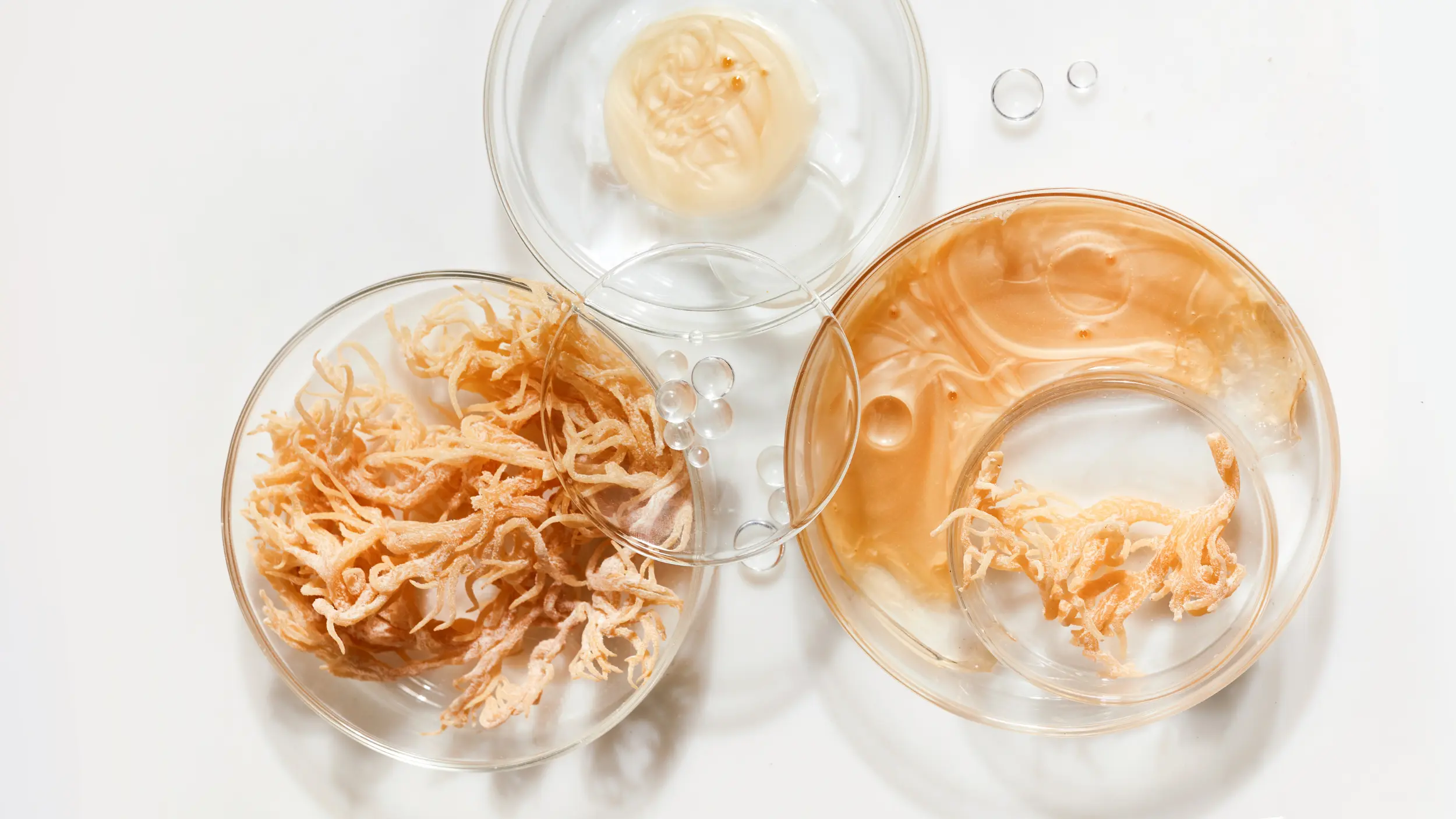
- Bone broth, seaweed, and quality sea salt supply sodium and trace minerals essential for aldosterone function [13]
Notice I'm not telling you to eliminate entire food groups or follow some restrictive protocol. An effective adrenal support diet is about strategic additions, not deprivation.
You'll also want to consider how hormone balance relies on comprehensive nutrition, since your adrenal hormones work in concert with thyroid, insulin, and reproductive hormones.
What to Limit (But Not Obsess Over)
Certain dietary patterns can aggravate HPA axis dysfunction:
- Caffeine beyond one morning cup, especially on an empty stomach [14]
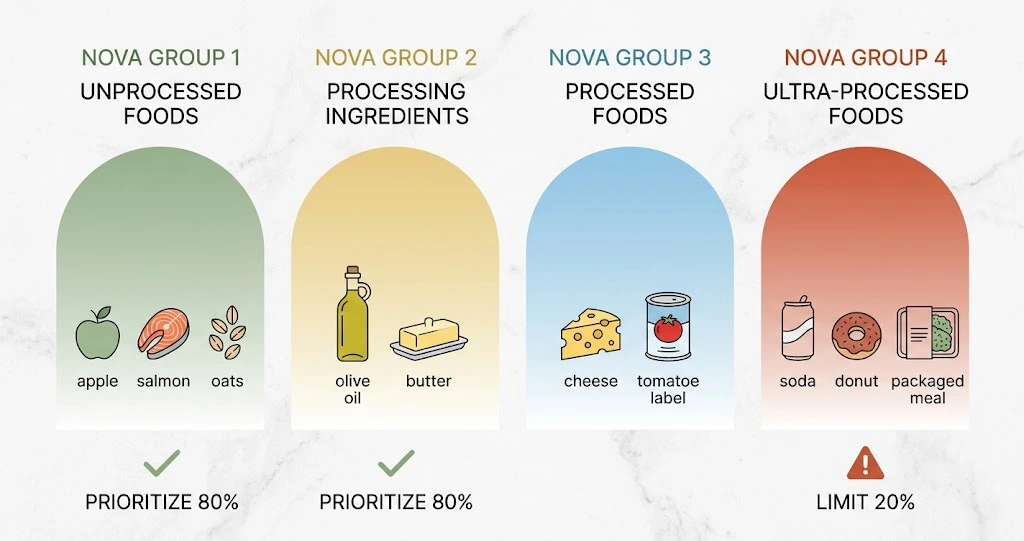
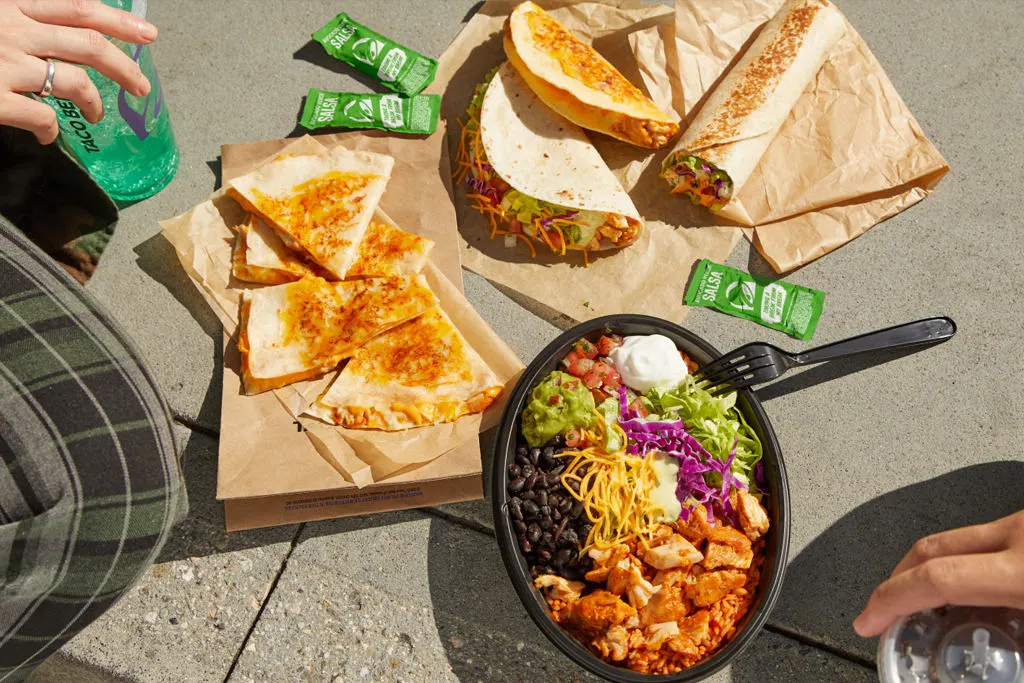
- Refined sugars and processed carbohydrates that spike insulin
- Excessive alcohol, which disrupts cortisol rhythms [15]
- Very low-carbohydrate diets if you're already stressed (they can increase cortisol in some women) [16]
Here's the truth: Becoming hypervigilant about "perfect" eating is itself a stressor. I want you informed, not anxious. The 80/20 principle applies beautifully to an adrenal health diet.
Practical Strategies for an Adrenal-Friendly Lifestyle
The Adrenal Cocktail: Hype or Helpful?
Let's talk about the wellness trend you've probably seen all over social media—the adrenal cocktail. But instead of blindly following a recipe, let's understand the why behind it.
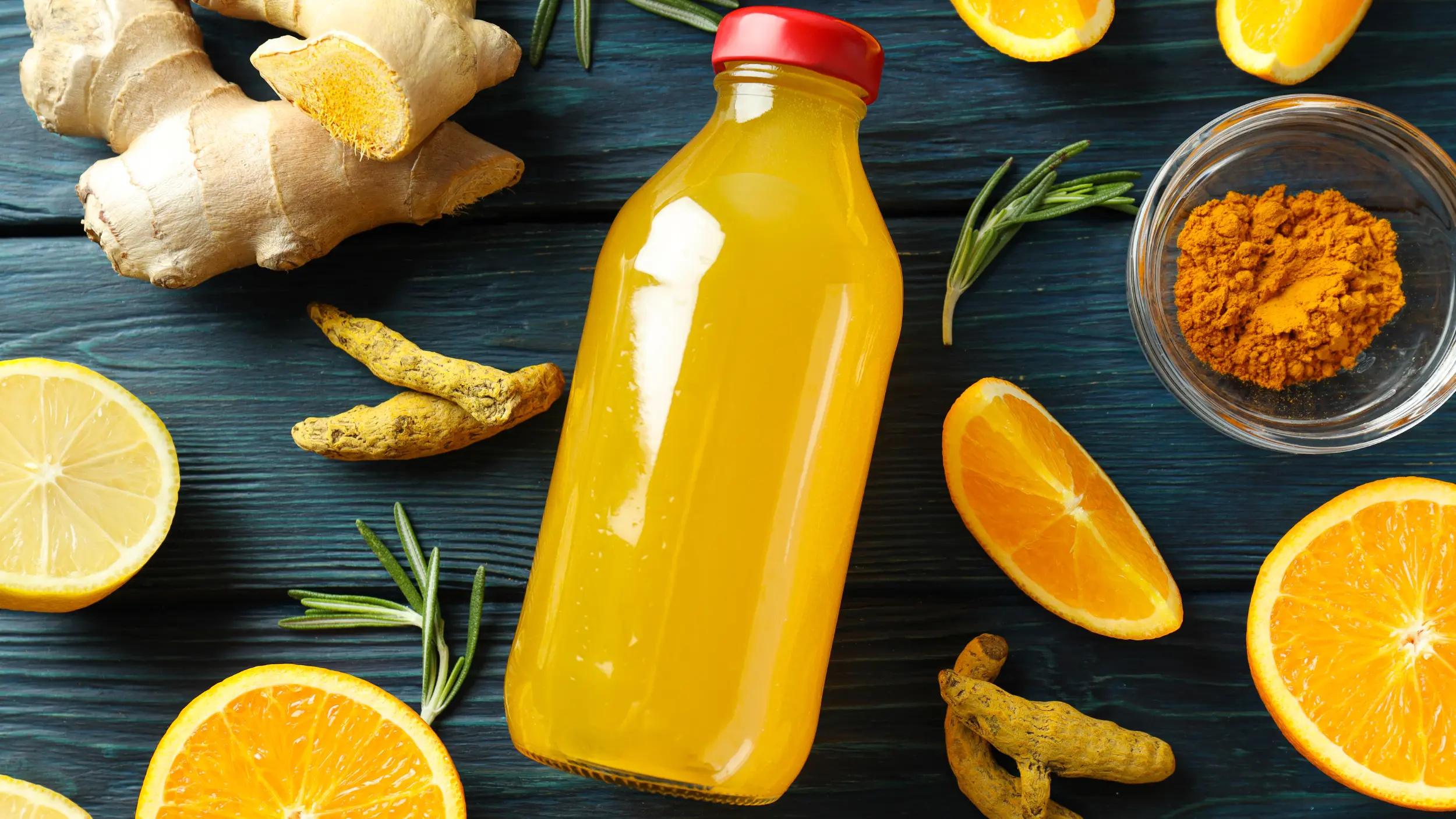
An adrenal cocktail is essentially a mineral-rich beverage designed to support electrolyte balance and provide quick-absorbing vitamin C [17]. The classic adrenal cocktail ingredients include:
- 4-6 oz orange juice (for vitamin C and glucose)
- ¼ teaspoon cream of tartar or 4 oz coconut water (for potassium)
- ¼ teaspoon sea salt (for sodium)
The adrenal cocktail benefits center on supporting aldosterone function—this hormone regulates sodium and potassium balance, which directly affects blood pressure, hydration status, and cellular energy production [18]. Many women with HPA axis dysfunction experience salt cravings because their aldosterone signaling is impaired.
My Clinical Take on the Adrenal Cocktail
Does it work? For many women, yes—particularly those experiencing salt cravings, orthostatic hypotension (dizziness upon standing), or afternoon fatigue. The adrenal cocktail for fatigue can provide a genuine energy lift without the cortisol spike of coffee [19].
However, I modify the traditional adrenal cocktail recipe for better blood sugar management:
- Use 2 oz orange juice diluted with 2-4 oz water or herbal tea
- Add a scoop of collagen protein or a handful of nuts
- Include ¼ tsp quality sea salt
- Add ¼ tsp cream of tartar or use coconut water as the liquid base
Timing matters: Most women feel best having their adrenal cocktail around 2-3 PM, right when that cortisol dip typically happens. It's not magic, but it's strategic nutrition that addresses a real biochemical need.
Building Adrenal-Supportive Meals
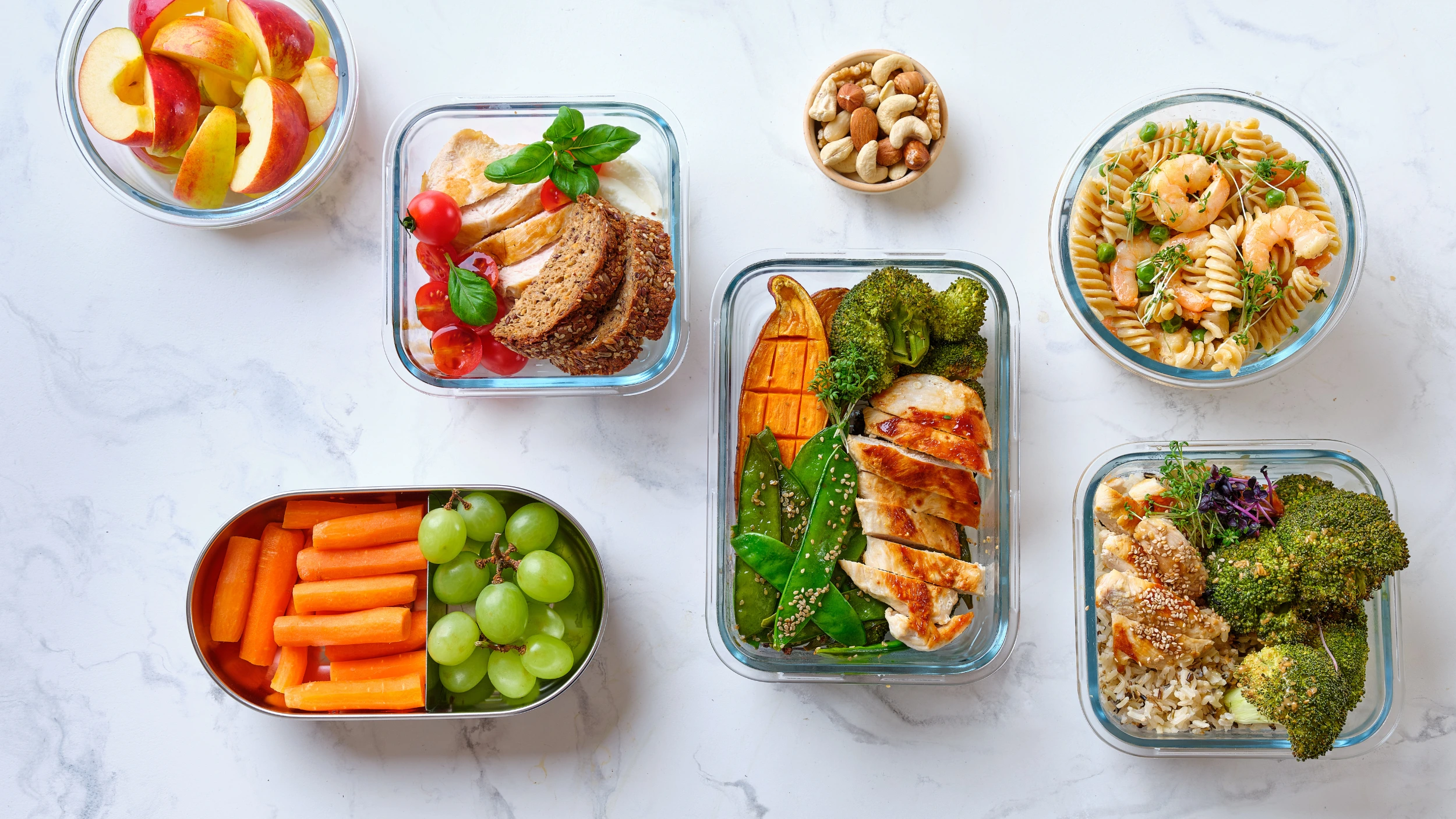
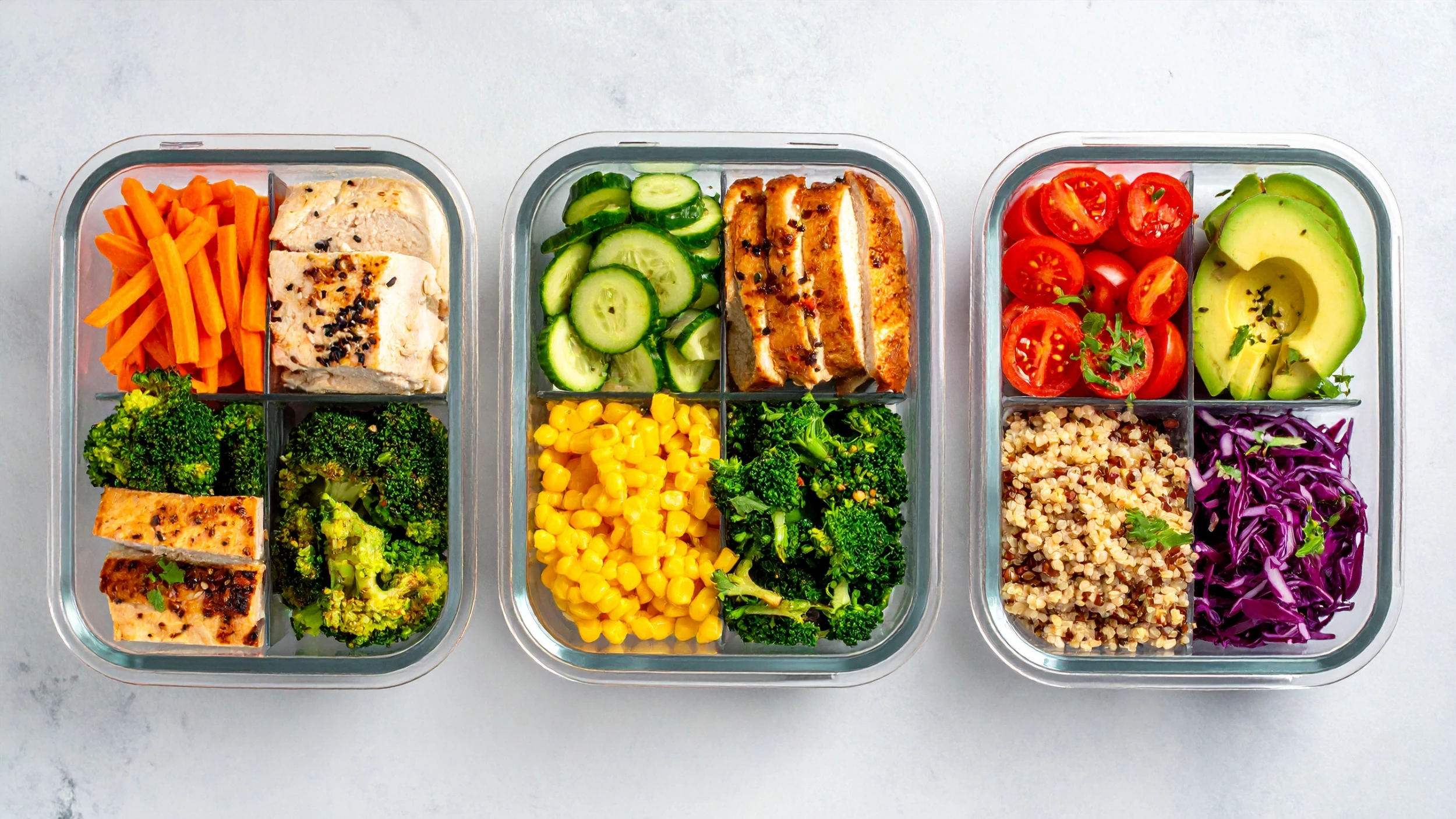
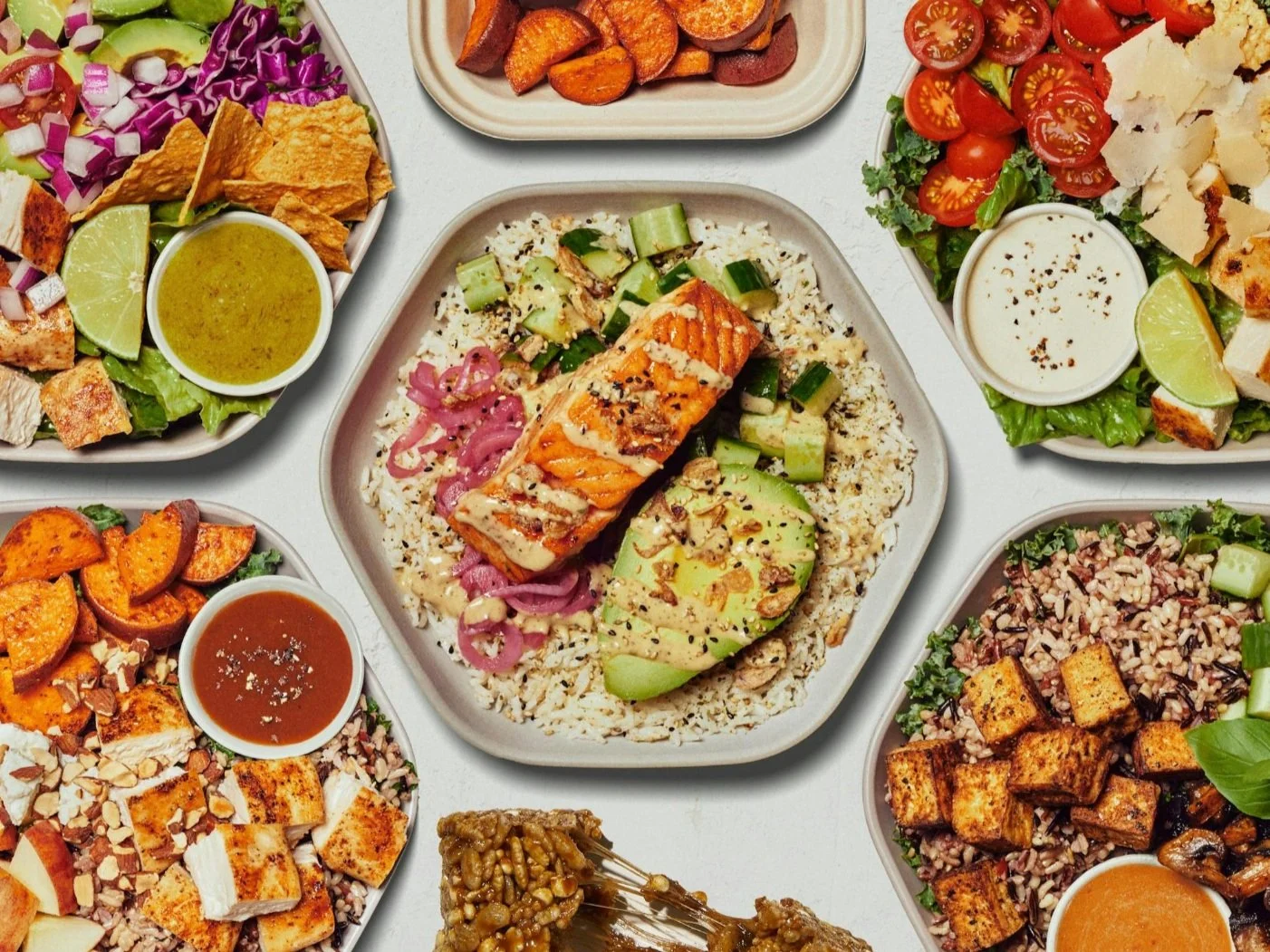
Let's make this practical. Here's what three days of an adrenal insufficiency diet might look like:
Day 1
- Breakfast (within 60 min of waking): Three-egg scramble with sautéed spinach, bell peppers, and half an avocado; side of berries
- Mid-morning: Apple slices with almond butter and sea salt
- Lunch: Grilled salmon over mixed greens with roasted sweet potato, pumpkin seeds, and olive oil dressing
- Afternoon: Adrenal cocktail plus a small handful of olives
- Dinner: Grass-fed beef stir-fry with broccoli, carrots, and brown rice
Day 2
- Breakfast: Protein smoothie with banana, spinach, collagen, almond butter, sea salt, and coconut milk
- Mid-morning: Hard-boiled eggs with cherry tomatoes
- Lunch: Turkey and avocado wrap with sprouts, side of orange slices
- Afternoon: Adrenal cocktail with a few squares of dark chocolate
- Dinner: Baked cod with roasted Brussels sprouts and quinoa
Day 3
- Breakfast: Full-fat Greek yogurt with walnuts, blueberries, and a drizzle of honey
- Mid-morning: Veggies with hummus
- Lunch: Chicken bone broth soup with vegetables, white beans, and sourdough bread
- Afternoon: Adrenal cocktail with cheese and crackers
- Dinner: Grass-fed burger (yes, with the bun!) topped with sautéed mushrooms and a side salad
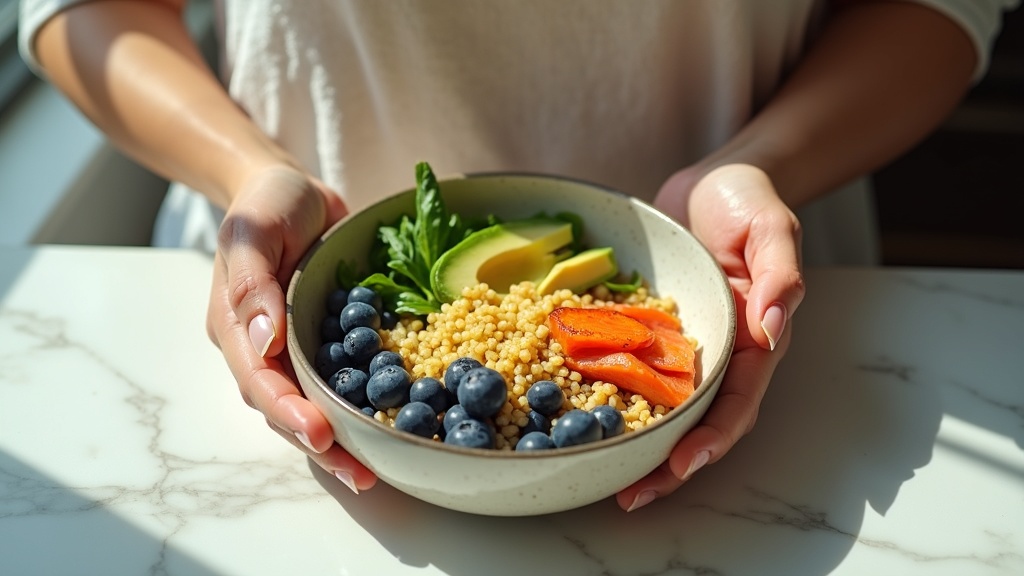
Notice the pattern? Protein at every meal, regular eating intervals, plenty of produce, quality fats, and strategic sodium inclusion. This isn't restrictive or complicated—it's foundational.
Since gut health significantly impacts hormone metabolism, including fermented foods like sauerkraut, kimchi, or kefir several times weekly can enhance your results.
Lifestyle Factors That Amplify Your Nutrition Efforts
Your adrenal health diet will work exponentially better when paired with:
- Consistent sleep and wake times (even on weekends) to normalize cortisol rhythms [20]
- Moderate exercise rather than intense HIIT if you're already exhausted [21]
- Stress management practices that activate your parasympathetic nervous system [22]
- Adequate water intake with electrolytes, especially if you're active
This is where functional nutrition for stress and energy becomes so valuable—you're not just treating symptoms; you're addressing root causes.
Frequently Asked Questions
What are the key benefits of an adrenal cocktail for fatigue?
The adrenal cocktail benefits include rapid electrolyte replenishment, vitamin C delivery to support cortisol synthesis, and blood sugar stabilization through easily absorbed carbohydrates [23]. Most women notice improved energy within 15-30 minutes of consumption, without the jittery feeling coffee can cause. It's particularly helpful for afternoon energy dips and can reduce salt cravings when consumed regularly.
What are the top 5 foods to eat for adrenal health?
Based on their micronutrient profiles and research supporting HPA axis function:
- Wild-caught salmon (omega-3s and B vitamins)
- Pumpkin seeds (magnesium and zinc)
- Citrus fruits (vitamin C)
- Sweet potatoes (complex carbs and potassium)
- Pastured eggs (complete protein, choline, and B vitamins)
These foods for adrenal health provide the specific nutrients most commonly depleted during chronic stress [24].
How quickly can I expect to see results from an adrenal health diet?
This depends on the severity of your HPA axis dysfunction and how consistently you implement changes. Many women notice improved energy and reduced afternoon crashes within 1-2 weeks of stabilizing blood sugar and increasing mineral-rich foods [25]. More significant improvements in sleep quality, stress resilience, and morning energy typically become apparent around the 4-6 week mark. However, complete HPA axis recovery can take 6-12 months of consistent nutritional support, especially if you've been dealing with chronic stress for years.
Remember, your adrenals didn't become depleted overnight, and they won't fully recover overnight either—but every nourishing meal is moving you in the right direction.
You deserve to feel energized, balanced, and resilient. Your body has an incredible capacity to heal when given the right nutritional support. If you're ready to create a personalized adrenal health diet plan that fits your unique biochemistry and lifestyle, I'd love to work with you. Let's build a strategy that actually works for your life. Book your consultation today and let's get started.
References
[1] - https://www.ncbi.nlm.nih.gov/books/NBK538281/
[2] - https://www.ncbi.nlm.nih.gov/pmc/articles/PMC5963222/
[3] - https://www.ncbi.nlm.nih.gov/pmc/articles/PMC7213601/
[4] - https://www.ncbi.nlm.nih.gov/pmc/articles/PMC4997656/
[5] - https://www.ncbi.nlm.nih.gov/books/NBK441994/
[6] - https://www.ncbi.nlm.nih.gov/pmc/articles/PMC7551626/
[7] - https://www.ncbi.nlm.nih.gov/pmc/articles/PMC5872761/
[8] - https://www.ncbi.nlm.nih.gov/pmc/articles/PMC5568065/
[9] - https://www.ncbi.nlm.nih.gov/pmc/articles/PMC3686647/
[10] - https://www.ncbi.nlm.nih.gov/pmc/articles/PMC8839686/
[11] - https://www.ncbi.nlm.nih.gov/pmc/articles/PMC5481805/
[12] - https://www.ncbi.nlm.nih.gov/pmc/articles/PMC5452159/
[13] - https://www.ncbi.nlm.nih.gov/pmc/articles/PMC6470663/
[14] - https://www.ncbi.nlm.nih.gov/pmc/articles/PMC4462044/
[15] - https://www.ncbi.nlm.nih.gov/pmc/articles/PMC6761699/
[16] - https://www.ncbi.nlm.nih.gov/pmc/articles/PMC5513193/
[17] - https://www.ncbi.nlm.nih.gov/pmc/articles/PMC6571659/
[18] - https://www.ncbi.nlm.nih.gov/pmc/articles/PMC5870276/
[19] - https://www.ncbi.nlm.nih.gov/pmc/articles/PMC7796270/
[20] - https://www.ncbi.nlm.nih.gov/pmc/articles/PMC5479630/
[21] - https://www.ncbi.nlm.nih.gov/pmc/articles/PMC4013452/
[22] - https://www.ncbi.nlm.nih.gov/pmc/articles/PMC5871848/
[23] - https://www.ncbi.nlm.nih.gov/pmc/articles/PMC6212924/
[24] - https://www.ncbi.nlm.nih.gov/pmc/articles/PMC6266553/
[25] - https://www.ncbi.nlm.nih.gov/pmc/articles/PMC5855626/
.svg)
.svg)


.jpg)
.jpg)









.webp)

























.webp)
.webp)
.webp)
.webp)
.webp)
.webp)
.webp)
.png)
.webp)
.webp)

.webp)
.png)
.webp)
.webp)
.webp)
.webp)
.webp)
.webp)
.webp)
.webp)


.webp)
.png)