.webp)

%2B(7).webp)
.png)
At a Glance
Feeling exhausted during the second half of your cycle? Luteal phase energy dips are rooted in hormonal fluctuations, but strategic nutrition and lifestyle adjustments can make a dramatic difference. This guide provides clinical, evidence-based protocols to help you maintain sustained energy from ovulation through menstruation.
Understanding Your Cycle: Why the Luteal Phase Feels Different
Let's talk about what's actually happening in your body during those 10-14 days between ovulation and your period. After you ovulate, progesterone surges while estrogen drops, creating a hormonal environment that directly impacts your metabolic rate, neurotransmitter production, and insulin sensitivity [1].
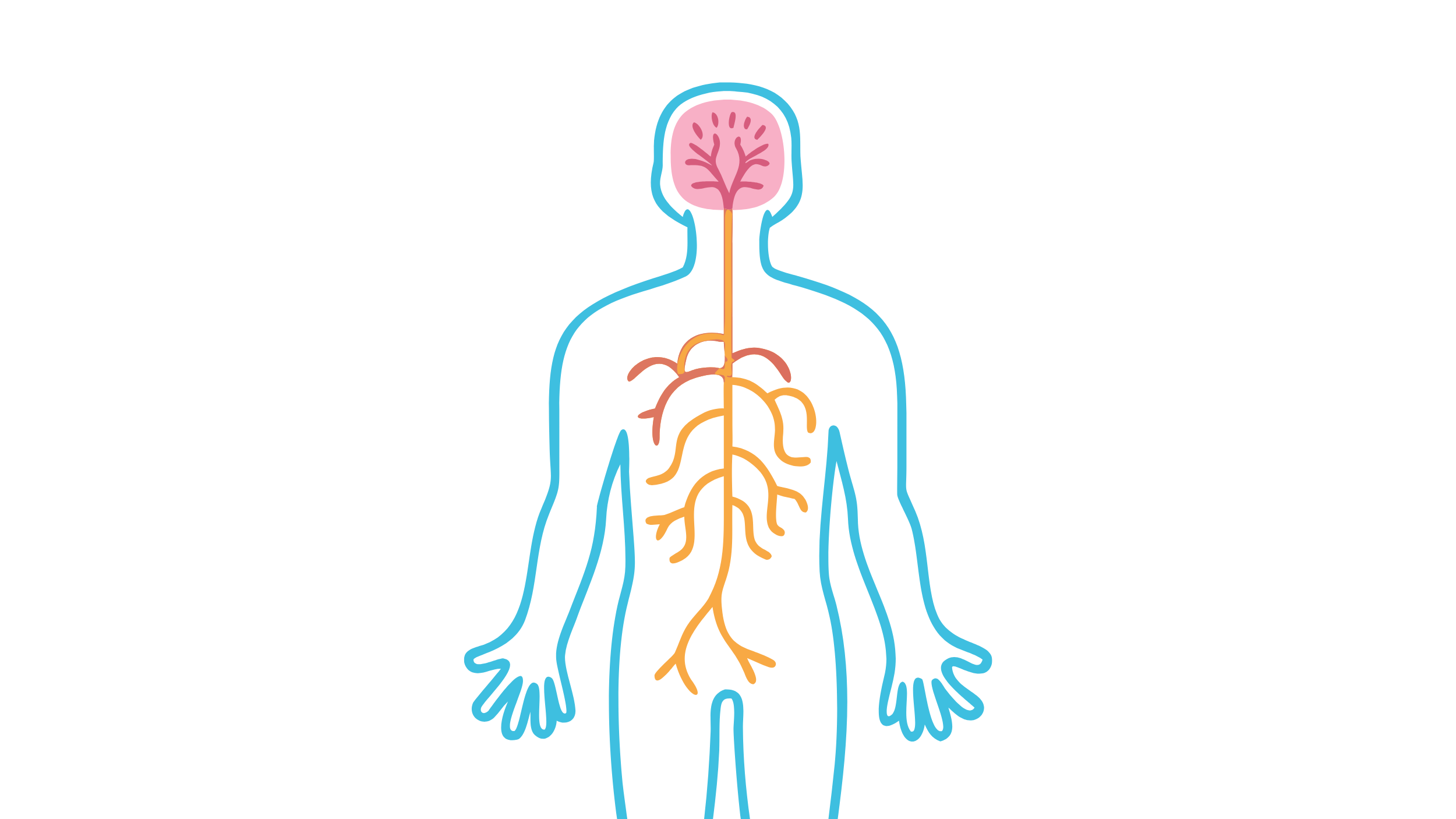
Progesterone itself has a sedative effect on your central nervous system, which is why many women report feeling naturally more fatigued or mentally foggy during this window [2]. Your basal metabolic rate actually increases by approximately 5-10% during the luteal phase, meaning your body burns roughly 100-300 more calories per day [3]. This explains those intense cravings and the sensation that you're running on empty despite eating your normal meals.
Insulin resistance also tends to rise during the luteal phase, making it harder for your cells to efficiently use glucose for energy [4]. The result? Blood sugar rollercoasters that leave you reaching for quick fixes like coffee and sweets, which only perpetuate the energy slump luteal phase cycle.
Here's the empowering part: once you understand these physiological shifts, you can work with your body instead of against it. Managing luteal phase energy isn't about fighting your biology—it's about supporting it strategically.
Nourishing Your Body for Sustained Energy
Nutrition is your most powerful tool for stabilizing energy in luteal phase. Because your metabolic needs genuinely increase and insulin sensitivity decreases during this time, the foods you choose become even more critical.
Prioritize Complex Carbohydrates with Protein
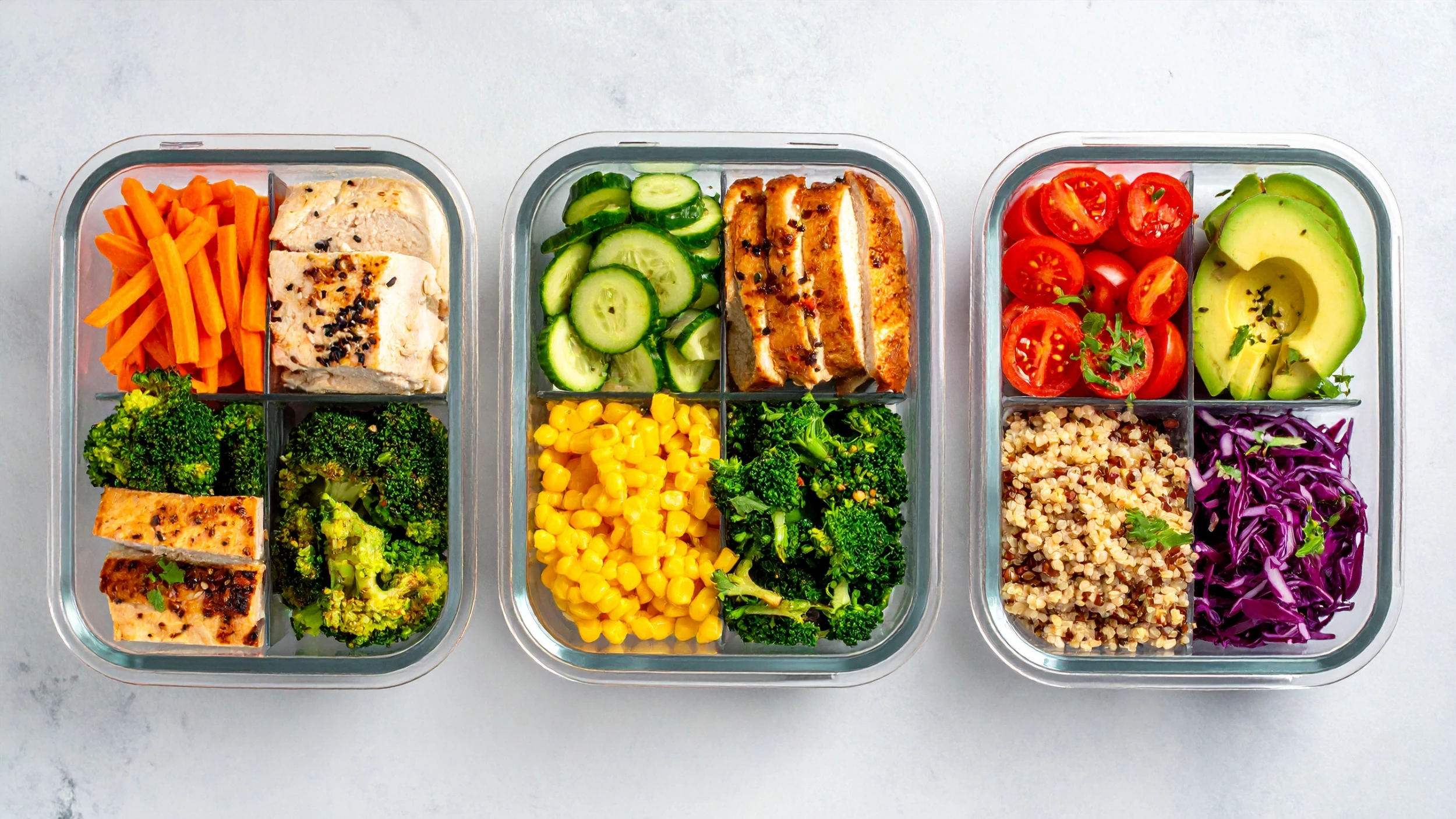
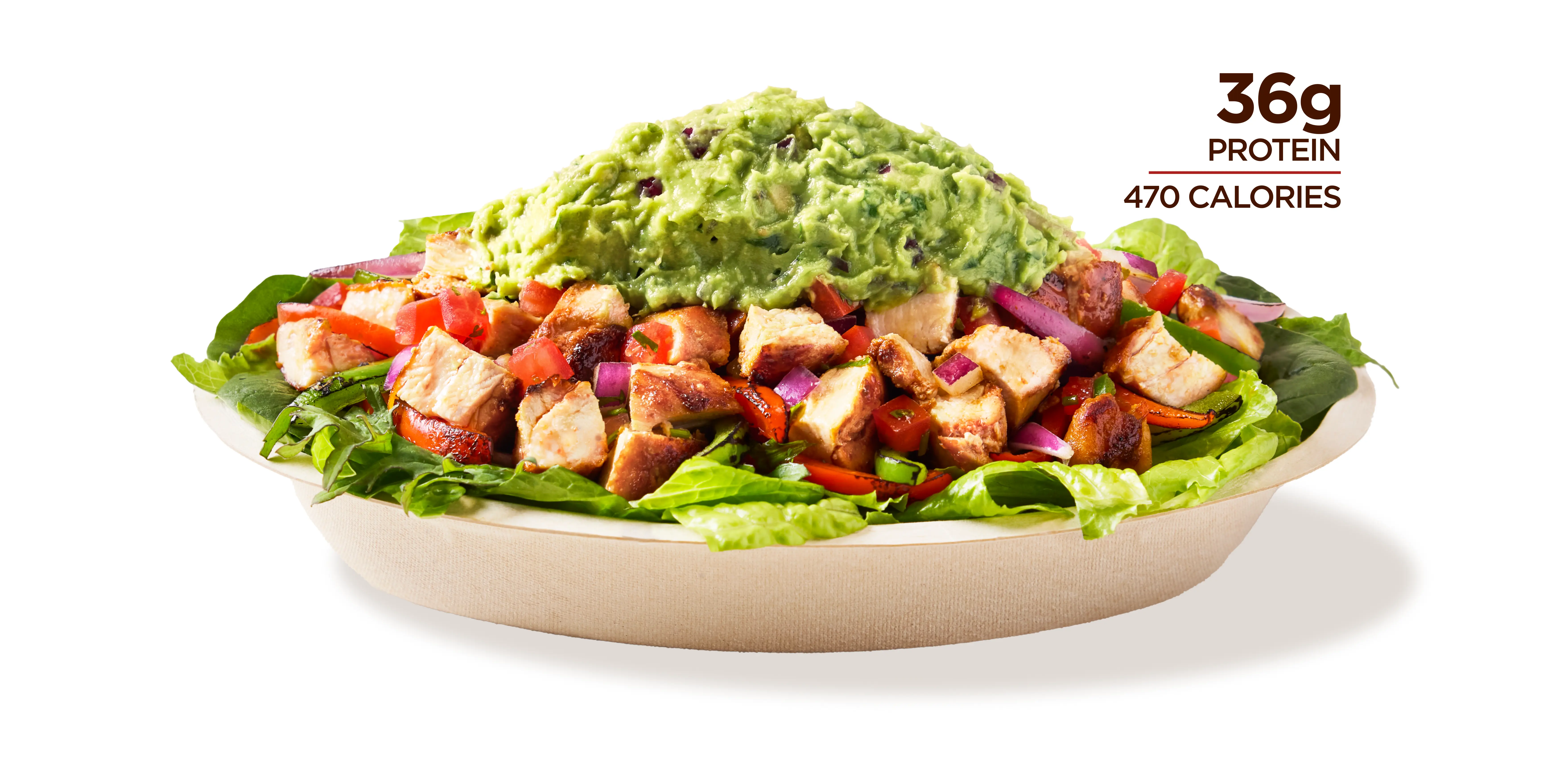
Your brain relies heavily on glucose, and with increased metabolic demands, you need steady fuel. Pair complex carbohydrates with quality protein at every meal to buffer against blood sugar crashes. Think:
- Rolled oats with almond butter and berries
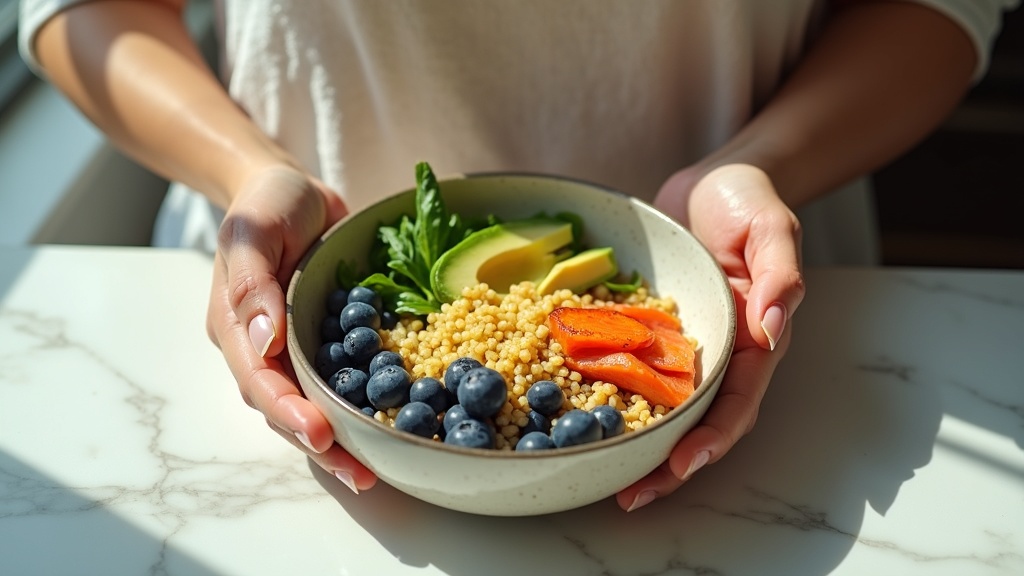
- Quinoa bowls with roasted chickpeas and tahini
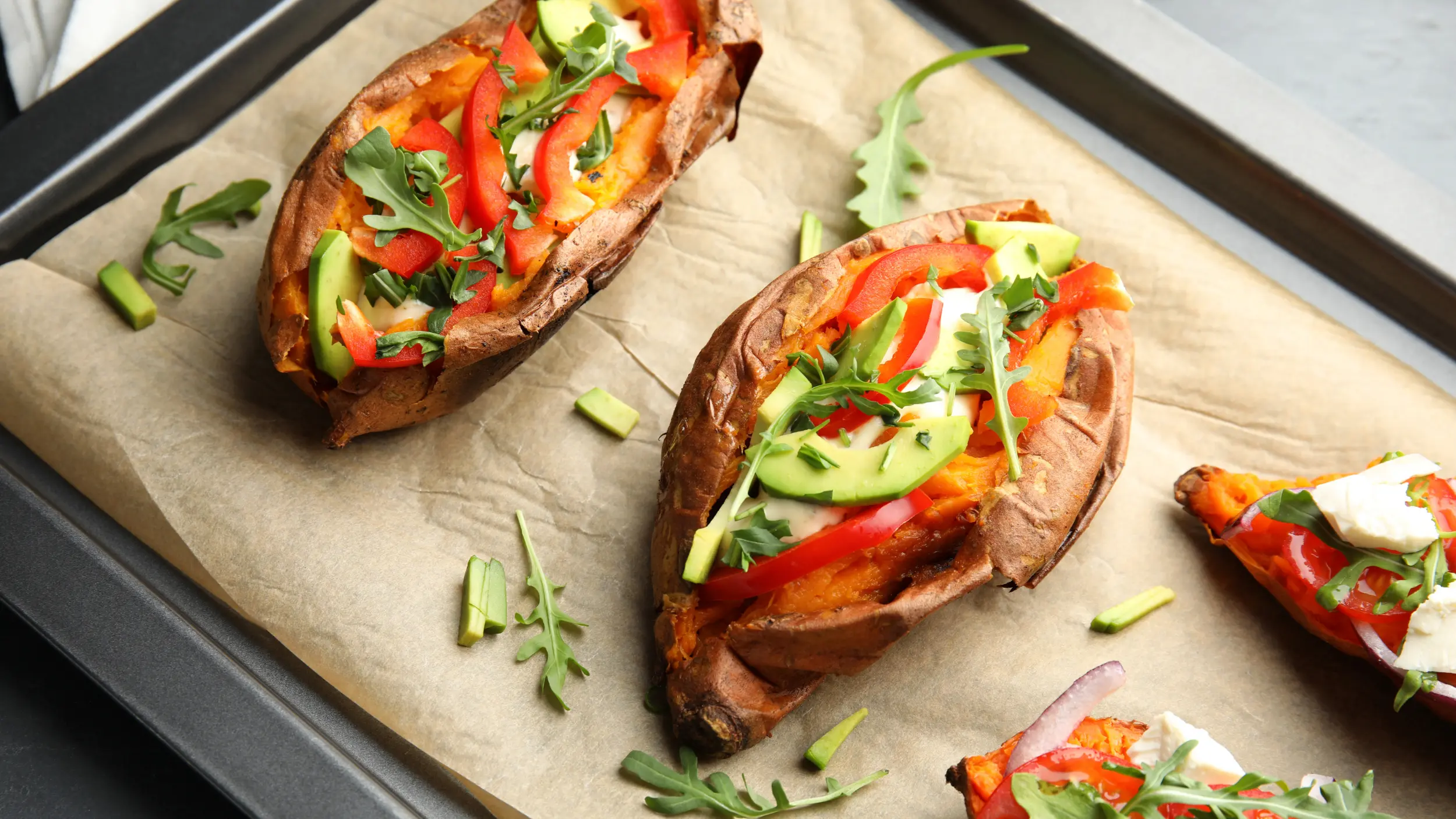
- Sweet potato toast topped with mashed avocado and a poached egg
This combination slows glucose absorption and provides sustained energy without the spike-and-crash pattern that worsens luteal phase fatigue [5].
Load Up on Magnesium-Rich Foods
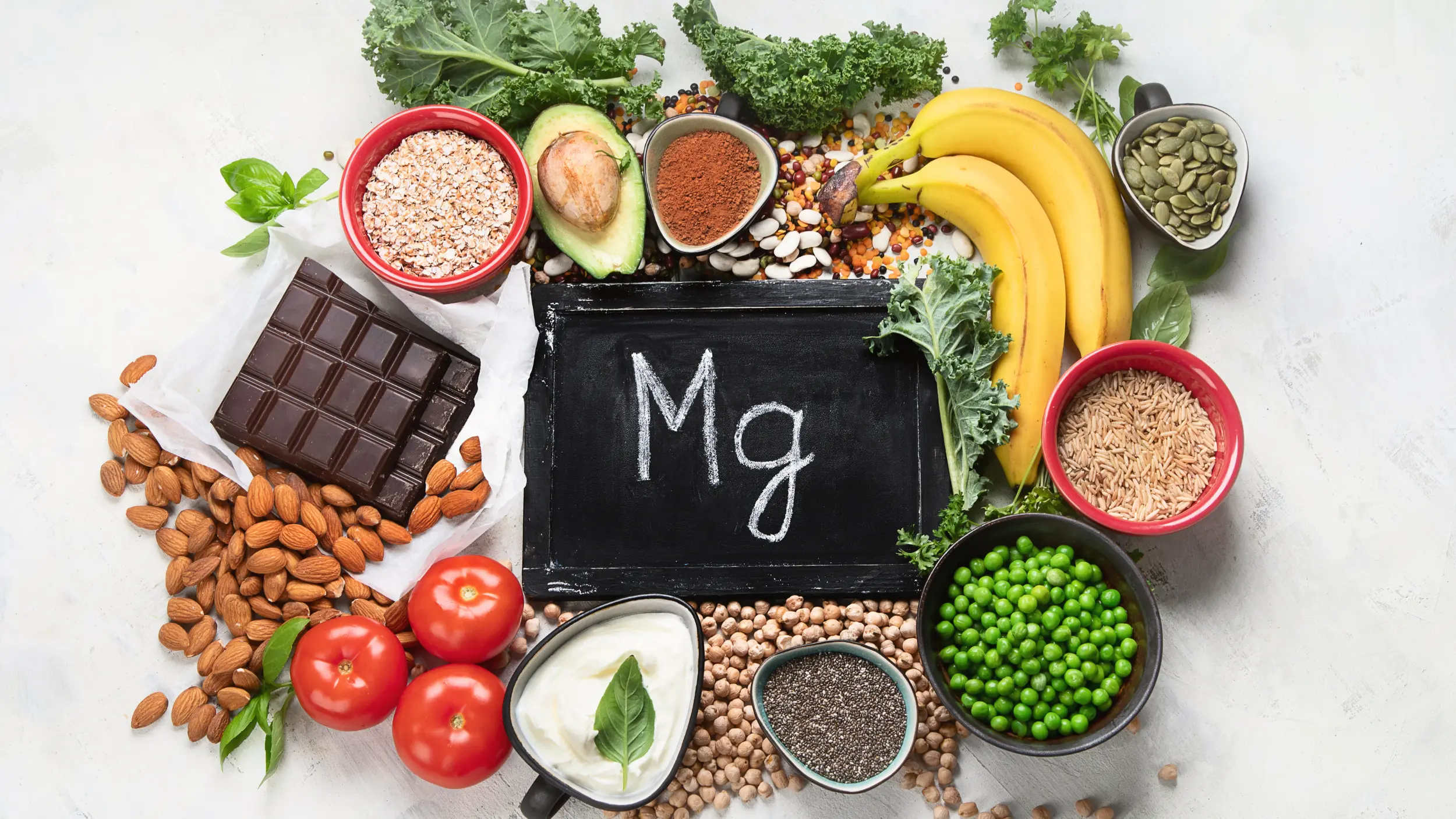
Magnesium deficiency is incredibly common in women, and progesterone actually increases urinary magnesium excretion during the luteal phase [6]. Low magnesium directly correlates with fatigue, muscle tension, and mood disturbances. These are some of the best luteal phase energy foods:
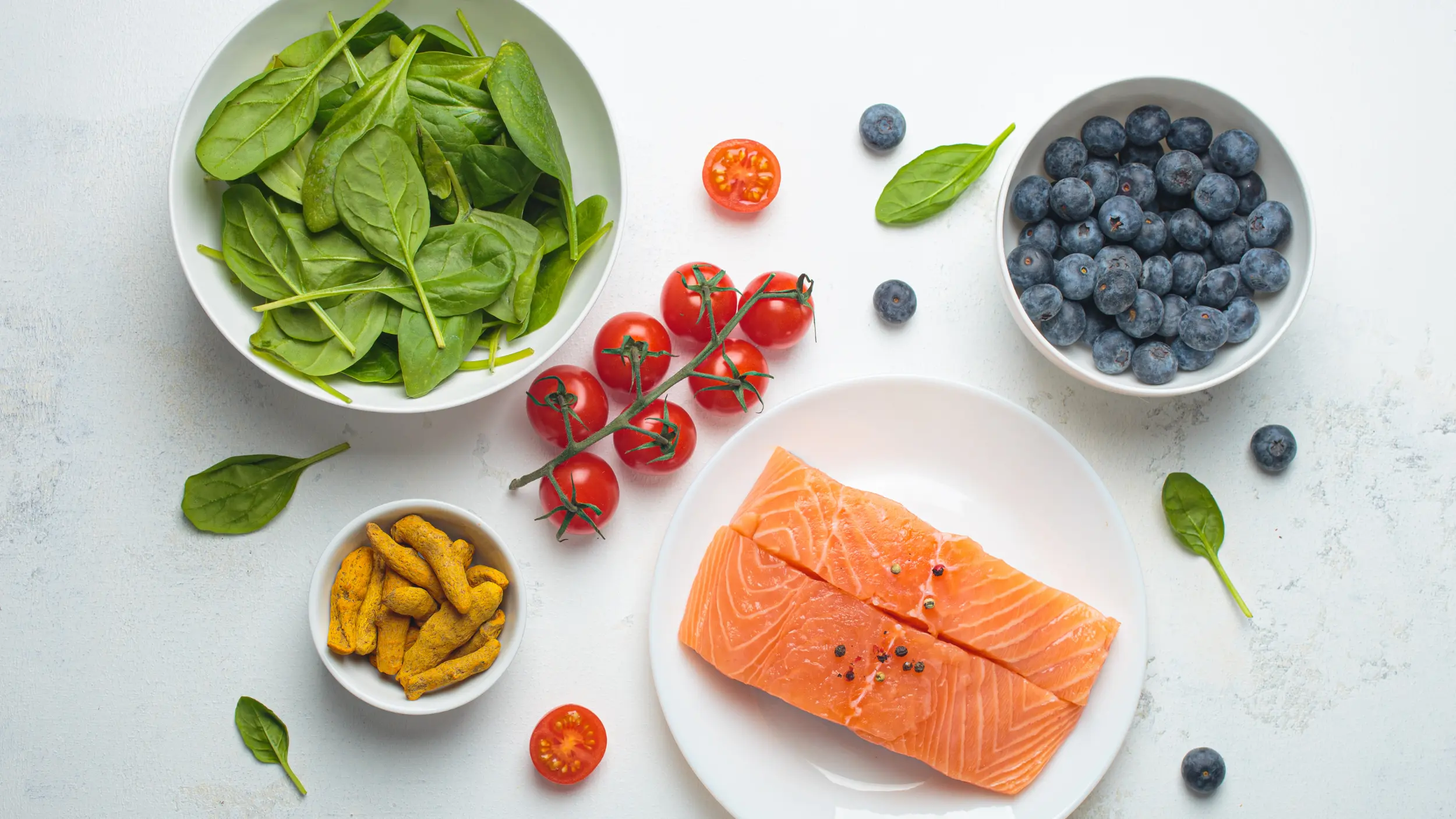
- Dark leafy greens like spinach and Swiss chard
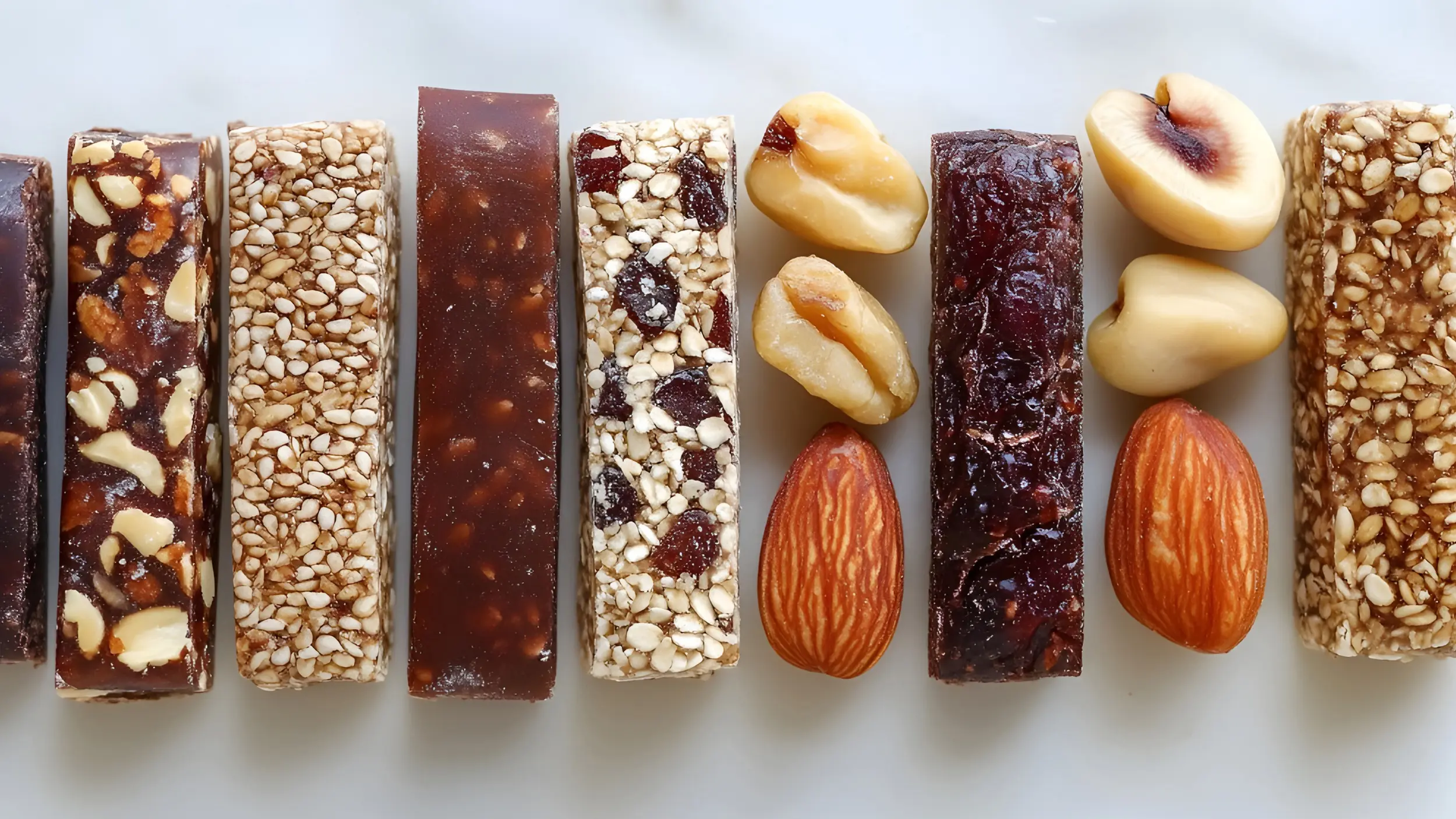
- Pumpkin seeds and almonds
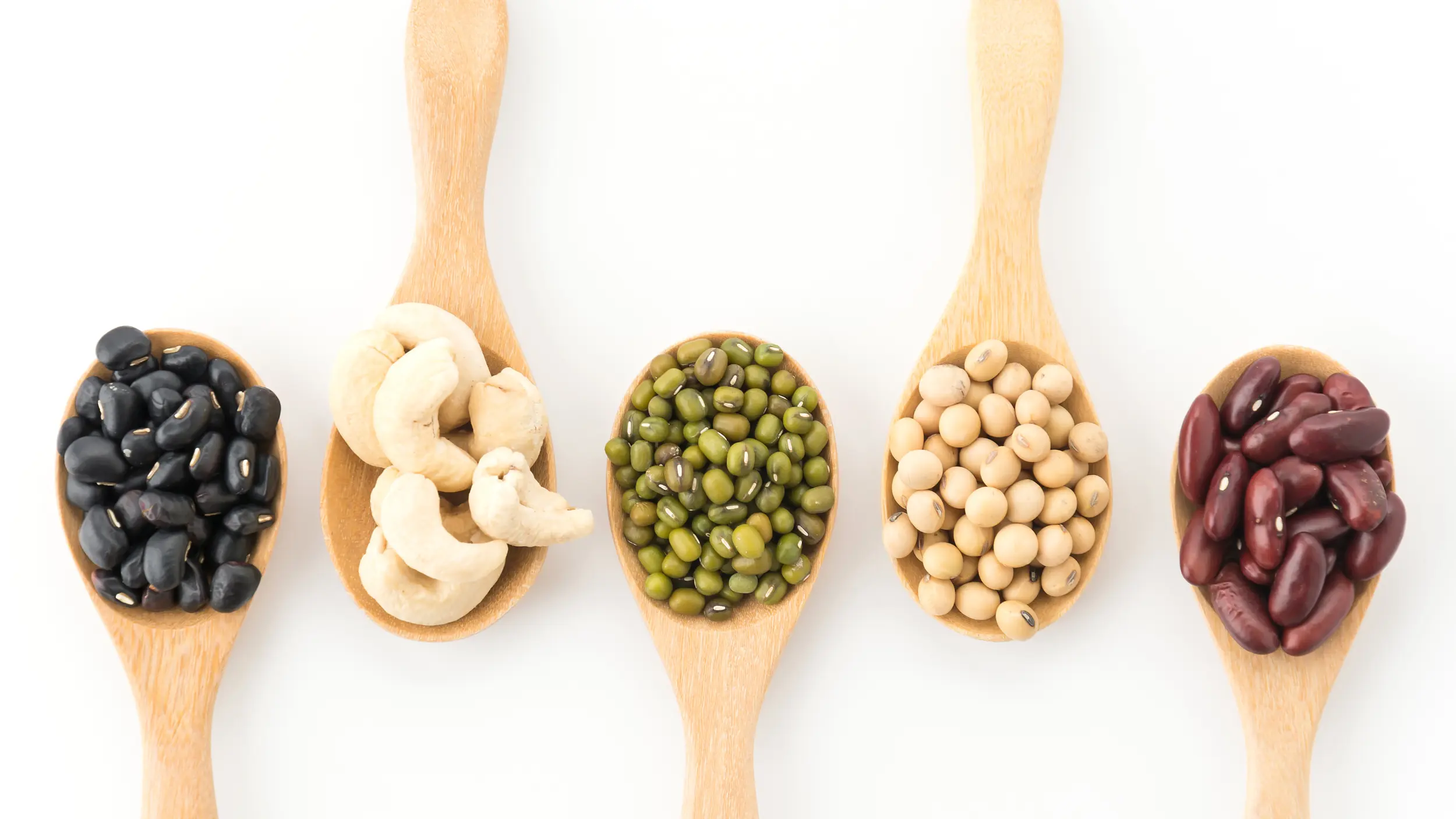
- Black beans and lentils
- Dark chocolate (70% cacao or higher)
Aim for at least 320 mg daily through food sources, or consider supplementation if you're consistently symptomatic.
Increase Your B-Vitamin Intake
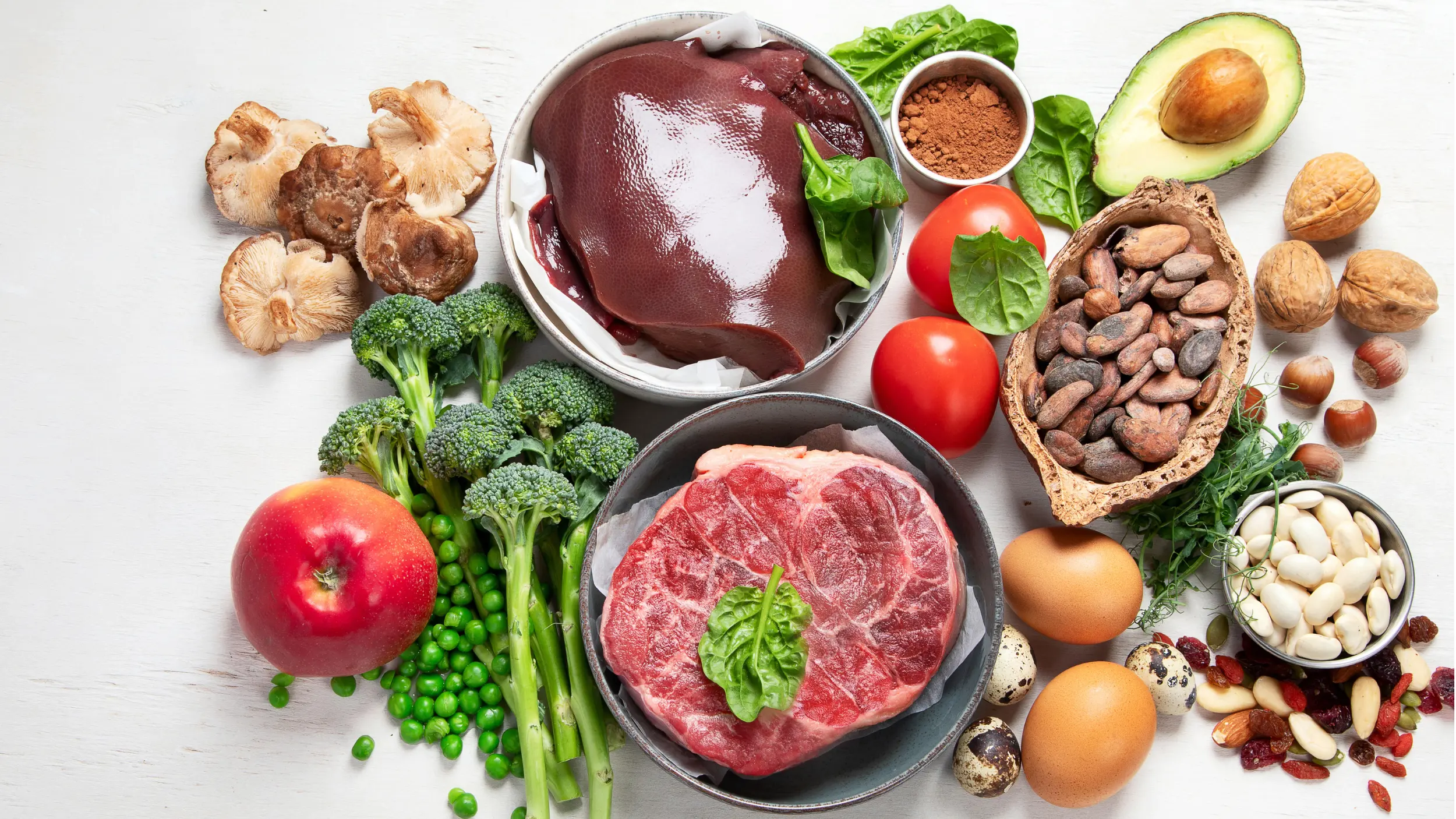
B vitamins—especially B6, B12, and folate—are essential cofactors in energy production and neurotransmitter synthesis [7]. During the luteal phase, your body's demand for these nutrients increases. Focus on:
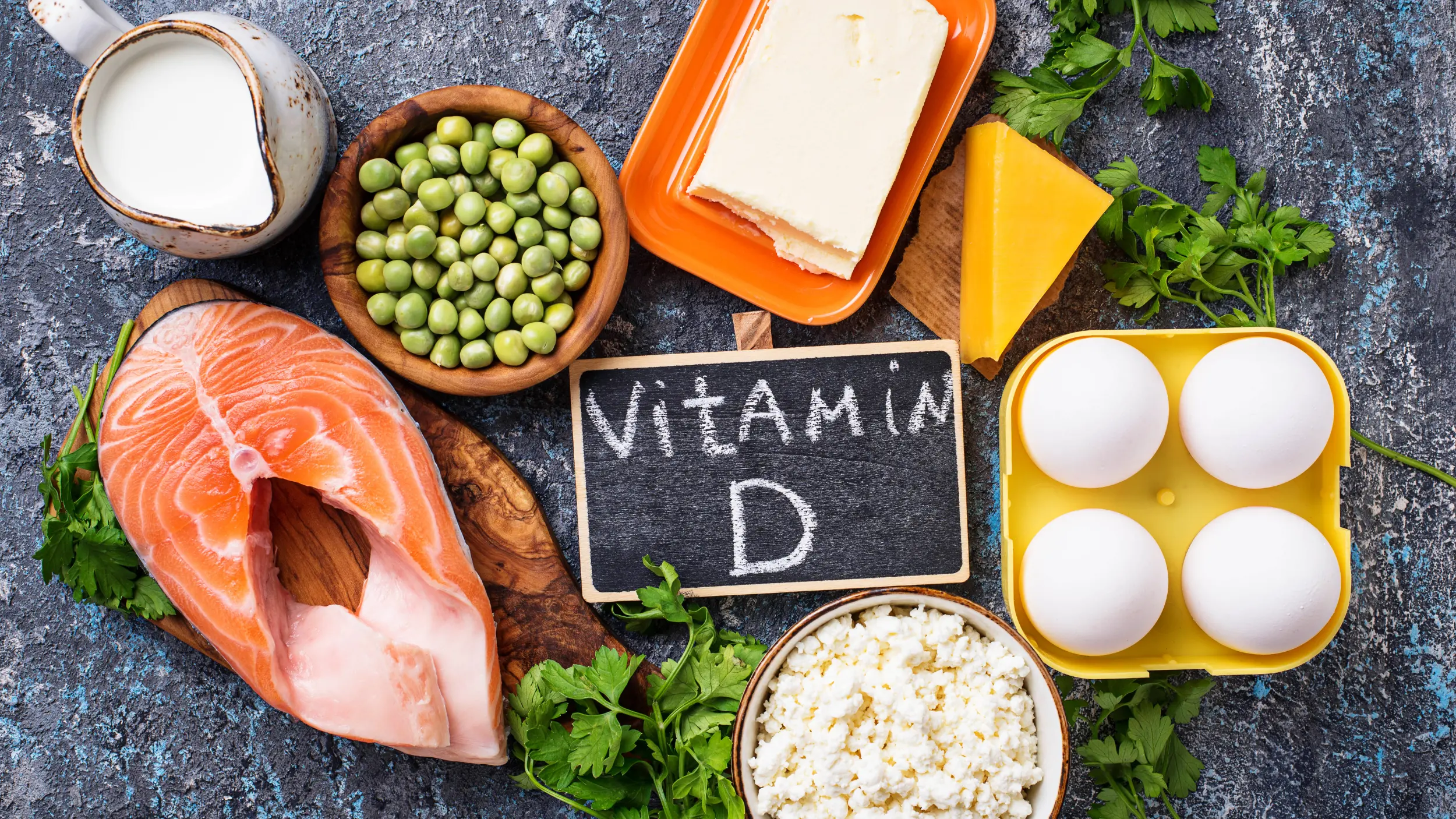
- Wild-caught salmon and sardines for B12
- Pasture-raised eggs for B6 and choline
- Leafy greens and legumes for folate
- Nutritional yeast as a plant-based powerhouse
If you follow a plant-based diet, supplementing with methylated B-complex can be particularly beneficial for natural luteal phase energy support.
Don't Fear Healthy Fats
Your body needs adequate dietary fat to produce steroid hormones, including progesterone. Insufficient fat intake can worsen hormonal imbalances and exacerbate fatigue. Include sources like:
- Extra virgin olive oil
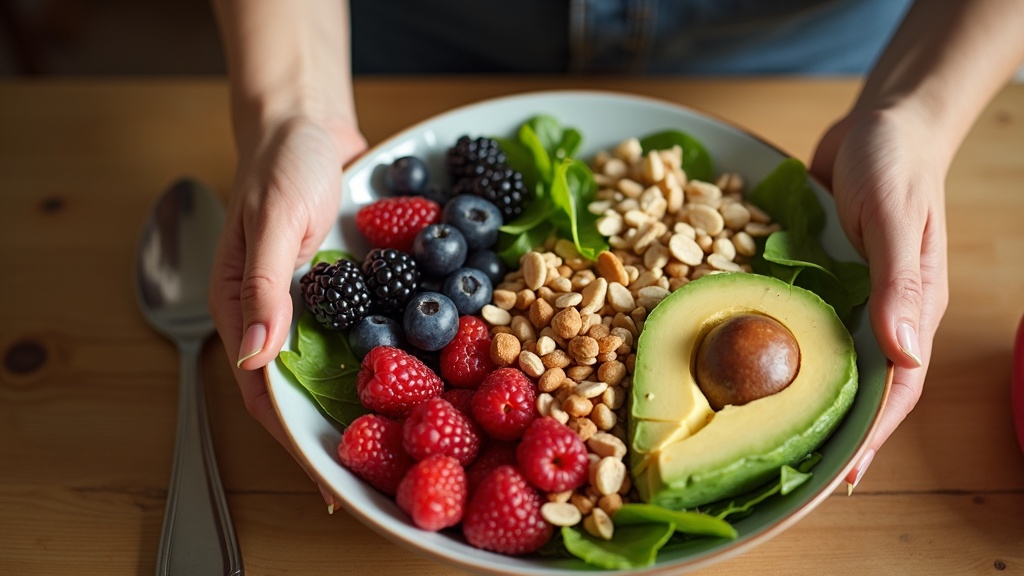
- Avocados
- Raw nuts and seeds
- Fatty fish rich in omega-3s
These fats also improve satiety and help stabilize blood sugar, both critical for managing luteal phase energy throughout the day. For more on how nutrition impacts your hormonal landscape, check out this comprehensive hormone balance diet guide.
Strategic Supplementation for Luteal Phase Energy Boost
While food should always be your foundation, certain luteal phase energy supplements can provide additional support:
Magnesium glycinate (300-400 mg before bed) improves sleep quality and reduces muscle tension [8].
Vitamin B6 (50-100 mg daily) has been shown to reduce PMS symptoms including fatigue when taken during the luteal phase [9].
Omega-3 fatty acids (1-2g EPA/DHA daily) support anti-inflammatory pathways and improve mood and cognitive function [10].
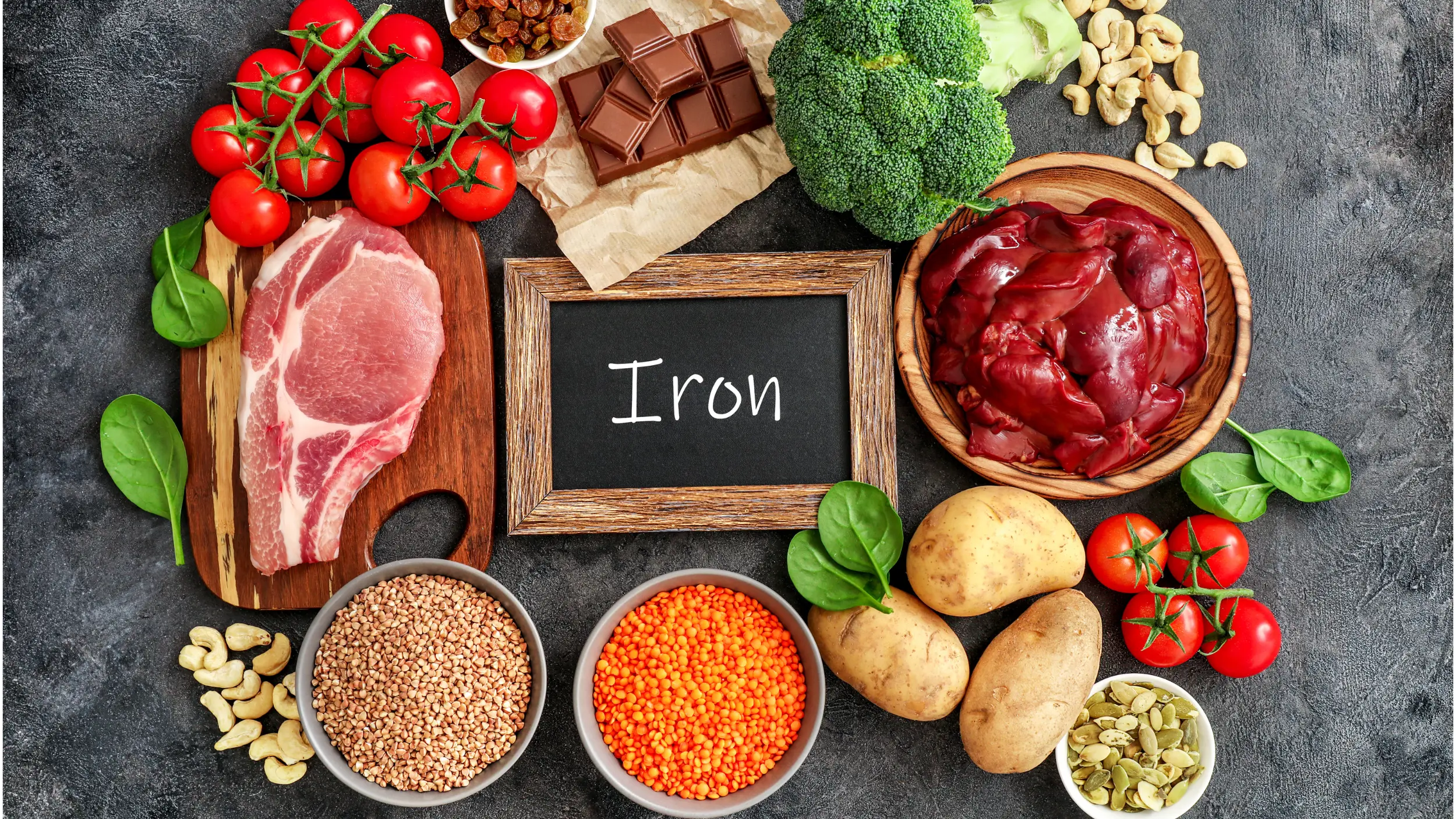
Iron (if you have confirmed deficiency) is crucial, as many menstruating women are depleted. Low iron directly causes fatigue and impairs oxygen delivery to tissues [11].
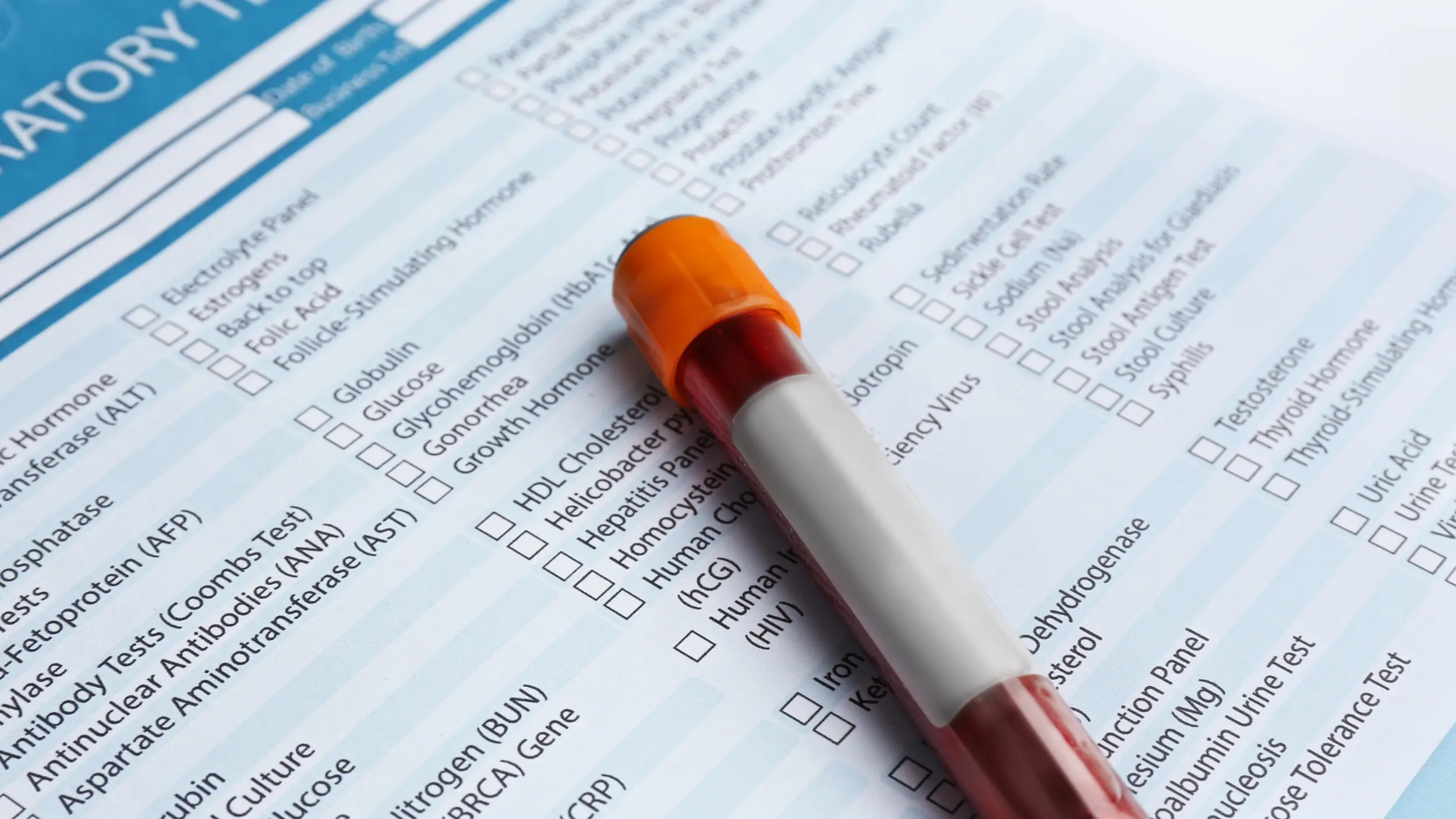
Always work with a qualified practitioner to determine your individual needs through proper testing.
Lifestyle Tweaks for a Brighter Luteal Phase
Nutrition sets the foundation, but your daily habits either amplify or undermine your efforts. These evidence-based lifestyle strategies work synergistically with your dietary changes.
Adjust Your Movement Patterns
Should you change your exercise routine during the luteal phase? Absolutely. Your body is in a more catabolic state with higher cortisol sensitivity, meaning intense HIIT sessions or heavy lifting may leave you feeling depleted rather than energized [12].
Instead, focus on:
- Moderate-intensity strength training with slightly lower volume
- Pilates or barre classes that build strength without excessive systemic stress
- Yoga flows that incorporate both movement and nervous system regulation
- Walking outdoors, ideally in morning sunlight to support your circadian rhythm
This doesn't mean becoming sedentary—it means honoring where your body is metabolically and adjusting intensity accordingly. Movement still supports insulin sensitivity and mood, both crucial for combating luteal phase fatigue.
Prioritize Sleep Architecture
Progesterone's sedative effects might make you feel sleepy, but many women actually experience disrupted sleep during the luteal phase due to increased body temperature and nighttime awakenings [13].
Implement these sleep hygiene practices:
- Keep your bedroom temperature between 65-68°F to counteract progesterone-induced heat
- Establish a consistent sleep-wake schedule, even on weekends
- Limit blue light exposure 2 hours before bed
- Consider magnesium glycinate supplementation 30 minutes before sleep
Quality sleep is non-negotiable for managing luteal phase energy. Even one night of poor sleep significantly impairs glucose metabolism and increases cortisol the following day [14].
Manage Your Stress Response
Your hypothalamic-pituitary-adrenal (HPA) axis is more reactive during the luteal phase, meaning your stress response is heightened [15]. Chronic stress depletes the very nutrients—magnesium, B vitamins, vitamin C—that you need most during this time.
Incorporate daily stress management practices:
- 10-15 minutes of breathwork or meditation
- Gentle stretching or restorative yoga
- Journaling or creative expression
- Time in nature without digital devices
These aren't "nice to have" luxuries—they're essential metabolic interventions. For a deeper exploration of how stress impacts your nutritional needs, this functional nutrition approach to stress and energy provides additional clinical insights.
Support Your Gut-Hormone Connection
Your gut microbiome plays a critical role in estrogen metabolism and inflammatory regulation, both of which directly impact how you experience the luteal phase [16]. Prioritize:
- Probiotic-rich foods like sauerkraut, kimchi, and full-fat yogurt
- Prebiotic fibers from garlic, onions, asparagus, and Jerusalem artichokes
- Adequate hydration (at least half your body weight in ounces daily)
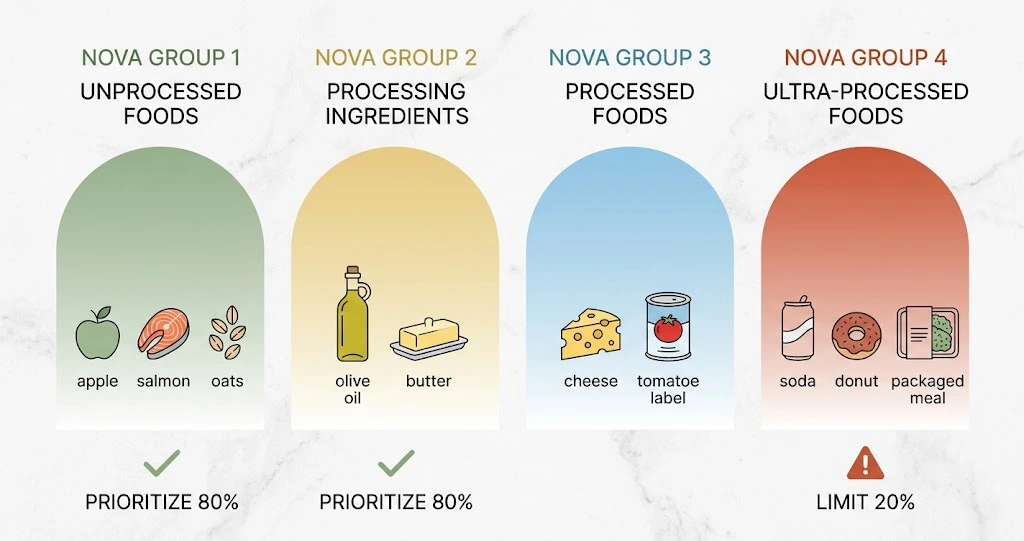
- Minimizing inflammatory triggers like excess alcohol, processed foods, and refined sugars
A healthy gut microbiome improves nutrient absorption and reduces systemic inflammation, both essential for optimal energy production. Learn more about optimizing your gut health for hormonal wellness.
Honor Your Body's Signals
Here's something I tell every client: listening to your body isn't laziness—it's biological intelligence. If you're genuinely exhausted, rest. If you need more food, eat. If you need to decline social obligations to preserve your energy, that's completely appropriate.
The luteal phase is naturally more introspective and restorative. Instead of pushing through with sheer willpower, work with these rhythms. You'll find that honoring your needs during this phase actually improves your energy and productivity during the follicular phase that follows.
Frequently Asked Questions
What are the best foods to boost luteal phase energy?
The most effective luteal phase energy foods include complex carbohydrates paired with protein (like oatmeal with nut butter), magnesium-rich options (dark leafy greens, pumpkin seeds, dark chocolate), B-vitamin sources (eggs, salmon, nutritional yeast), and healthy fats (avocados, olive oil, nuts). These foods stabilize blood sugar, support increased metabolic demands, and provide the raw materials for hormone production.
How can I combat luteal phase fatigue naturally?
Natural strategies for combating luteal phase fatigue include eating sufficient calories to match your increased metabolic rate (approximately 100-300 more calories daily), prioritizing sleep quality, reducing exercise intensity, managing stress through breathwork or meditation, and ensuring adequate intake of magnesium, B vitamins, and iron. The key is supporting your body's physiological needs rather than fighting against them.
Should I change my exercise routine during the luteal phase?
Yes, adjusting your exercise routine during the luteal phase is beneficial. Your body is more catabolic and cortisol-sensitive during this time, so intense HIIT workouts or heavy lifting may worsen fatigue rather than improve energy. Focus instead on moderate-intensity strength training, Pilates, yoga, and walking. Movement remains important for insulin sensitivity and mood, but the intensity should match your hormonal state.
When should I consider working with a dietitian for cycle-related energy issues?
If you've implemented these dietary and lifestyle strategies for 2-3 cycles without improvement, or if your luteal phase fatigue significantly impairs your daily functioning, it's time to work with a specialized practitioner. A registered dietitian can assess for underlying issues like iron deficiency, thyroid dysfunction, or PCOS that require targeted intervention. Personalized support ensures you're addressing root causes rather than just managing symptoms.
Ready to feel your best all month long? Every woman's cycle is unique, and what works for your body may differ from generic recommendations. If you're still struggling with energy slumps despite implementing these strategies, personalized nutrition assessment can identify the specific imbalances holding you back. Let's create a customized protocol that honors your individual biochemistry and lifestyle. Book a consultation today and start experiencing consistent energy throughout your entire cycle.
References
[1] Prior JC. Progesterone for the prevention and treatment of osteoporosis in women. Climacteric, 2018.
[2] Schiller CE, et al. The role of reproductive hormones in postpartum depression. CNS Spectrums, 2015.
[3] Webb P. 24-hour energy expenditure and the menstrual cycle. American Journal of Clinical Nutrition, 1986.
[4] Valdes CT, Elkind-Hirsch KE. Intravenous glucose tolerance test-derived insulin sensitivity changes during the menstrual cycle. Journal of Clinical Endocrinology & Metabolism, 1991.
[5] Ludwig DS. The glycemic index: physiological mechanisms relating to obesity, diabetes, and cardiovascular disease. JAMA, 2002.
[6] Rosanoff A, et al. Essential Nutrient Interactions: Does Low or Suboptimal Magnesium Status Interact with Vitamin D and/or Calcium Status? Advances in Nutrition, 2016.
[7] Kennedy DO. B Vitamins and the Brain: Mechanisms, Dose and Efficacy—A Review. Nutrients, 2016.
[8] Abbasi B, et al. The effect of magnesium supplementation on primary insomnia in elderly: A double-blind placebo-controlled clinical trial. Journal of Research in Medical Sciences, 2012.
[9] Wyatt KM, et al. Efficacy of vitamin B-6 in the treatment of premenstrual syndrome: systematic review. BMJ, 1999.
[10] Sublette ME, et al. Meta-analysis of the effects of eicosapentaenoic acid (EPA) in clinical trials in depression. Journal of Clinical Psychiatry, 2011.
[11] Camaschella C. Iron-deficiency anemia. New England Journal of Medicine, 2015.
[12] Wikström-Frisén L, et al. Effects on power, strength and lean body mass of menstrual/oral contraceptive cycle based resistance training. Journal of Sports Medicine and Physical Fitness, 2017.
[13] Baker FC, Lee KA. Menstrual Cycle Effects on Sleep. Sleep Medicine Clinics, 2018.
[14] Leproult R, Van Cauter E. Role of sleep and sleep loss in hormonal release and metabolism. Endocrine Development, 2010.
[15] Girdler SS, et al. Menstrual cycle and stress modulate premenstrual symptoms. Psychosomatic Medicine, 1998.
[16] Baker JM, et al. Estrogen-gut microbiome axis: Physiological and clinical implications. Maturitas, 2017.
.svg)
.svg)




.jpg)
.jpg)















.webp)


























.webp)
.webp)
.webp)
.webp)
.webp)
.webp)
.webp)
.png)
.webp)
.webp)

.webp)
.png)
.webp)
.webp)
.webp)
.webp)
.webp)
.webp)
.webp)
.webp)
.webp)


.webp)
.png)