.webp)
%2B(7).webp)
.png)
At a Glance
Magnesium powers over 300 enzymatic reactions in your body, from energy production to neurotransmitter synthesis, yet nearly 50% of women don't meet their daily needs. Low magnesium levels can trigger fatigue, muscle cramps, anxiety, and sleep disruptions that often go undiagnosed. This guide breaks down magnesium benefits, how to spot deficiency symptoms, which foods pack the biggest punch, and how to choose the right supplement form for your specific health goals.
Understanding Magnesium: What It Is and Why It Matters
Magnesium is the fourth most abundant mineral in your body, and honestly, it deserves way more recognition than it gets. This powerhouse mineral is a cofactor in more than 300 biochemical reactions—think of it as the backstage crew making sure every performance runs smoothly [1].
Here's what magnesium health benefits actually look like in your daily life:
- Energy metabolism: Magnesium converts the food you eat into ATP, your cells' actual energy currency. Without adequate levels, you're essentially running on a drained battery.
- Nervous system regulation: It acts as a natural calcium blocker in your nerve cells, helping to calm overactive neural firing that contributes to anxiety and restlessness.
- Muscle function: Every muscle contraction and relaxation cycle depends on the magnesium-calcium balance. When magnesium dips too low, calcium floods your muscle cells and causes those annoying cramps and spasms.
Your magnesium intake directly impacts bone density, cardiovascular health, blood sugar regulation, and even DNA synthesis [5]. For women in their reproductive years, adequate magnesium becomes especially critical—it supports healthy estrogen metabolism and can ease PMS symptoms like bloating and mood swings [6].
The recommended dietary allowance sits at 310-320 mg daily for women ages 19-30, and 320-360 mg for those over 30 [7]. Yet studies show that the typical American diet provides only about 250 mg per day, leaving a significant gap [8].
This shortfall isn't always obvious because magnesium deficiency symptoms develop gradually. But once you understand what to look for, you can catch it early and course-correct before it impacts your quality of life.
Recognizing the Signs: Are You Getting Enough Magnesium?
Magnesium deficiency is sneaky. It rarely shows up as a dramatic health crisis, but rather as a collection of frustrating symptoms you might chalk up to stress or just "getting older." Let's get specific about what low magnesium actually feels like.
Common magnesium deficiency symptoms include:
- Persistent fatigue that doesn't improve with sleep
- Muscle cramps, especially in your calves at night
- Eyelid twitching or muscle fasciculations
- Difficulty falling or staying asleep
- Increased anxiety or feeling "wired and tired"
- Brain fog and trouble concentrating
- Irregular heartbeat or palpitations
- Constipation that doesn't respond well to fiber
Research shows that subclinical magnesium deficiency affects approximately 45% of the U.S. population, with women at particularly high risk due to hormonal fluctuations, lower caloric intake, and certain dietary patterns [9].
Several magnesium causes can deplete your stores faster than you can replenish them. Chronic stress is a major culprit—when cortisol spikes, your kidneys excrete more magnesium through urine [10]. High sugar intake and alcohol consumption also increase magnesium loss [11].
Certain medications create additional challenges. Proton pump inhibitors (PPIs) for acid reflux, oral contraceptives, and diuretics can all interfere with magnesium absorption or increase excretion [12]. If you're on any of these medications long-term, monitoring your magnesium status becomes even more important.
Digestive issues matter too. Conditions like celiac disease, Crohn's disease, or even general gut inflammation can significantly reduce your ability to absorb magnesium from food [13]. This is one reason why optimizing your gut health and microbiome creates such a strong foundation for overall nutrient status.
The Best Magnesium Foods to Add to Your Plate
Before you rush to buy a supplement, let's talk about getting more magnesium through real food. Whole food sources come packaged with complementary nutrients that enhance absorption and utilization.
Top magnesium foods to prioritize:
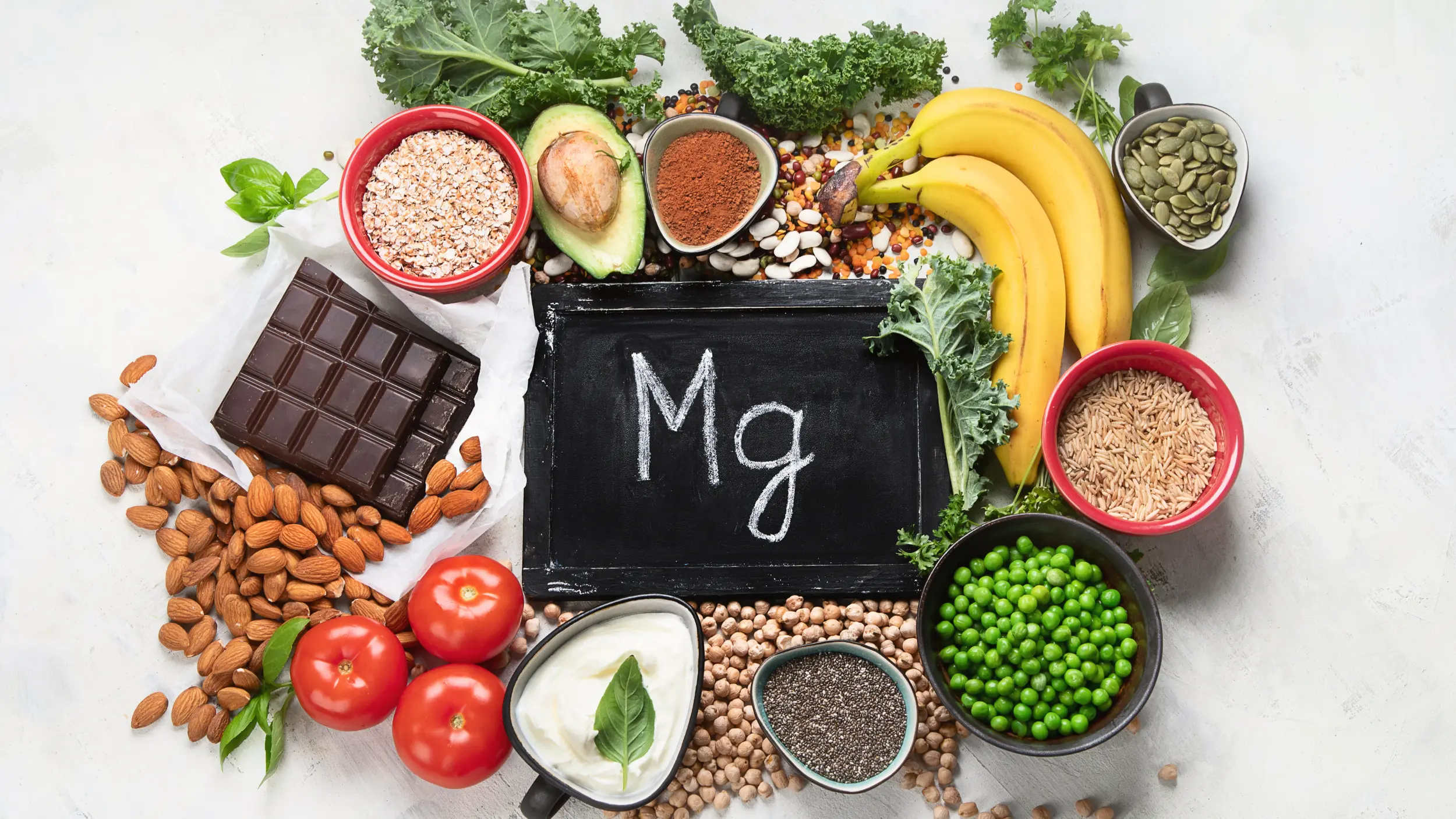
- Dark leafy greens: Spinach (157 mg per cooked cup), Swiss chard (150 mg), and kale deliver significant amounts. The chlorophyll molecule literally has magnesium at its center.
- Nuts and seeds: Pumpkin seeds lead the pack at 156 mg per ounce, followed by almonds (80 mg), cashews (74 mg), and Brazil nuts (64 mg).
- Legumes: Black beans (120 mg per cup), edamame (100 mg), and lentils (71 mg) provide both magnesium and fiber.
- Whole grains: Quinoa (118 mg per cooked cup), brown rice (86 mg), and oats (61 mg) contribute steady amounts.
- Dark chocolate: Yes, really—one ounce of 70-85% cacao contains about 64 mg of magnesium.
- Avocado: A medium avocado provides 58 mg along with healthy fats that support hormone production.
- Fatty fish: Mackerel, salmon, and halibut offer 30-50 mg per 3-ounce serving, plus omega-3s.
A diet rich in these magnesium foods naturally supports your needs, but achieving optimal intake through diet alone can be challenging if you're dealing with increased requirements from stress, intense exercise, or hormonal shifts. This is especially relevant when you're working to balance your hormones through nutrition.
Choosing Wisely: Types of Magnesium and When to Supplement
Not all magnesium supplements are created equal, and this is where things get interesting. The form of magnesium you choose determines how well your body absorbs it and what specific benefits you'll experience.
Understanding Different Magnesium Types
Magnesium glycinate is bound to the amino acid glycine, creating a chelated form with excellent bioavailability (meaning your body actually absorbs and uses it efficiently) [15]. This form is incredibly gentle on your digestive system and won't cause the loose stools that other forms trigger. Glycine itself has calming properties, making magnesium glycinate the best choice for anxiety, sleep issues, and muscle tension. I recommend this form most often to my clients dealing with stress-related symptoms.
Magnesium citrate combines magnesium with citric acid. It has good absorption rates and a mild laxative effect, which makes it useful if you're dealing with constipation [16]. However, this same property means it's not ideal if you already have loose stools or IBS-D. Take it with food to minimize digestive upset.
Other forms worth knowing about:
- Magnesium L-threonate crosses the blood-brain barrier effectively and shows promise for cognitive function and memory, though it's pricier
- Magnesium malate pairs with malic acid to support energy production and may help with fibromyalgia-related fatigue
- Magnesium oxide has poor absorption (only about 4%) and primarily works as a laxative—skip this one for repletion purposes
- Magnesium taurate combines with the amino acid taurine to support cardiovascular health and blood pressure regulation
When You Actually Need a Magnesium Supplement
I'm a food-first dietitian, but there are legitimate scenarios where a magnesium supplement becomes necessary:
You're experiencing clear deficiency symptoms despite eating magnesium-rich foods. Your stress levels are chronically elevated and you're noticing the physical toll. You have a diagnosed condition that impairs absorption. You're on medications that deplete magnesium. Your sleep quality has tanked and you've ruled out other causes.
A typical starting dose ranges from 200-400 mg of elemental magnesium daily, taken with food [21]. The upper tolerable limit from supplements is 350 mg for adults, though food sources don't count toward this cap [22].
Timing matters. Magnesium glycinate works beautifully taken 30-60 minutes before bed to support sleep. If you're using magnesium citrate for its gentle laxative effect, taking it in the evening allows it to work overnight. Split larger doses throughout the day to enhance absorption and minimize digestive effects.
One quick note: magnesium can interact with certain antibiotics and medications. If you're on prescription drugs, chat with your healthcare provider about timing to avoid interference [23].
Your Personalized Magnesium Plan
Optimizing your magnesium status isn't about following a one-size-fits-all protocol. It's about understanding your unique biochemistry, lifestyle factors, and health goals, then creating a targeted approach.
Start by assessing your current magnesium intake through food. Track what you eat for 3-5 days using a nutrition app that calculates mineral content. Compare your average daily intake to the RDA for your age group. This gives you a baseline.
Next, evaluate your risk factors. Are you managing chronic stress? Do you exercise intensely more than four times per week (which increases magnesium needs)? Are you dealing with PMS, insomnia, or anxiety? Do you consume alcohol regularly or eat a high-sugar diet? Each "yes" increases your likelihood of needing additional support.
If you're falling short through diet alone:
- First, increase magnesium foods by adding a handful of pumpkin seeds to your morning yogurt, swapping white rice for quinoa, or including a generous portion of sautéed spinach with dinner.
- If symptoms persist after 2-3 weeks of dietary changes, add a high-quality magnesium glycinate supplement starting at 200 mg before bed.
- Monitor your response over 4-6 weeks. Improved sleep quality, reduced muscle tension, better stress resilience, and normalized bowel movements are all positive signs.
- Consider testing if you want objective data. Serum magnesium is widely available but only reflects about 1% of total body stores. RBC (red blood cell) magnesium provides a more accurate picture of intracellular status
Your magnesium needs will shift with your life circumstances. During high-stress periods, intense training cycles, or hormonal transitions, you may need to temporarily increase intake. When you're managing your stress and energy levels through functional nutrition, magnesium optimization becomes a cornerstone strategy.
Pay attention to how you feel. Your body gives you constant feedback if you're willing to listen. Better sleep, fewer headaches, improved exercise recovery, and stable energy throughout the day all signal that you've found your sweet spot.
Frequently Asked Questions
What are the top 5 signs of magnesium deficiency?
The five most common indicators include persistent muscle cramps (especially at night), chronic fatigue that doesn't improve with rest, difficulty falling or staying asleep, increased anxiety or irritability, and eyelid twitching or muscle fasciculations [25]. These symptoms often appear together rather than in isolation, creating a constellation of frustrating issues that impact daily quality of life.
Can magnesium help with sleep and anxiety?
Absolutely. Magnesium regulates GABA receptors in your brain—the neurotransmitter system responsible for calming neural activity [26]. It also modulates the HPA axis (your stress response system) and reduces cortisol levels when they're inappropriately elevated [27]. Studies show that magnesium supplementation significantly improves subjective measures of insomnia, including sleep efficiency and sleep time [28]. For anxiety, magnesium has demonstrated effectiveness in reducing symptoms, particularly in people with mild to moderate anxiety or stress-related tension [29].
What is the best form of magnesium to take?
Magnesium glycinate wins for most people due to its high bioavailability, gentle effect on digestion, and calming properties from the glycine component [30]. If you're specifically dealing with constipation, magnesium citrate serves double duty by supporting both magnesium levels and bowel regularity. For cognitive support, magnesium L-threonate shows unique benefits. The "best" form ultimately depends on your primary health concern, digestive tolerance, and budget.
Ready to Feel Your Best?
Magnesium optimization is one of the most impactful nutritional interventions you can make, but it works best as part of a comprehensive, personalized nutrition strategy. If you're tired of guessing and ready for a science-backed plan tailored to your unique biochemistry, hormones, and lifestyle, I'd love to support you.
Book a consultation at www.usevedic.com to create your personalized nutrition roadmap. Together, we'll identify your specific nutrient gaps, address the root causes of your symptoms, and build sustainable habits that actually fit your real life. You deserve to feel energized, balanced, and fully yourself.
References
[1] Jahnen-Dechent W, Ketteler M. Magnesium basics. Clinical Kidney Journal, 2012.
[2] Volpe SL. Magnesium in disease prevention and overall health. Advances in Nutrition, 2013.
[3] Kirkland AE, Sarlo GL, Holton KF. The Role of Magnesium in Neurological Disorders. Nutrients, 2018.
[4] Garrison SR, et al. Magnesium for skeletal muscle cramps. Cochrane Database of Systematic Reviews, 2012.
[5] Rude RK, Shils ME. Magnesium in health and disease. Modern Nutrition in Health and Disease, 2005.
[6] Facchinetti F, et al. Oral magnesium successfully relieves premenstrual mood changes. Obstetrics and Gynecology, 1991.
[7] National Institutes of Health Office of Dietary Supplements. Magnesium Fact Sheet for Health Professionals. NIH, 2022.
[8] Rosanoff A, Weaver CM, Rude RK. Suboptimal magnesium status in the United States: are the health consequences underestimated? Nutrition Reviews, 2012.
[9] DiNicolantonio JJ, O'Keefe JH, Wilson W. Subclinical magnesium deficiency: a principal driver of cardiovascular disease and a public health crisis. Open Heart, 2018.
[10] Pickering G, et al. Magnesium Status and Stress: The Vicious Circle Concept Revisited. Nutrients, 2020.
[11] Barbagallo M, Dominguez LJ. Magnesium metabolism in type 2 diabetes mellitus, metabolic syndrome and insulin resistance. Archives of Biochemistry and Biophysics, 2007.
[12] Lam JR, et al. Proton pump inhibitor and histamine 2 receptor antagonist use and vitamin B12 deficiency. JAMA, 2013.
[13] Berni Canani R, et al. The influence of the gut microbiota on obesity. Nutrition, Metabolism and Cardiovascular Diseases, 2015.
[14] USDA FoodData Central. Food Composition Databases. USDA, 2024.
[15] Schuette SA, et al. Bioavailability of magnesium diglycinate vs magnesium oxide in patients with ileal resection. Journal of Parenteral and Enteral Nutrition, 1994.
[16] Lindberg JS, et al. Magnesium bioavailability from magnesium citrate and magnesium oxide. Journal of the American College of Nutrition, 1990.
[17] Slutsky I, et al. Enhancement of learning and memory by elevating brain magnesium. Neuron, 2010.
[18] Russell IJ, et al. Treatment of fibromyalgia syndrome with Super Malic: a randomized, double blind, placebo controlled, crossover pilot study. Journal of Rheumatology, 1995.
[19] Firoz M, Graber M. Bioavailability of US commercial magnesium preparations. Magnesium Research, 2001.
[20] Zhang X, et al. Effects of Magnesium Supplementation on Blood Pressure. Hypertension, 2016.
[21] Eby GA, Eby KL. Rapid recovery from major depression using magnesium treatment. Medical Hypotheses, 2006.
[22] Institute of Medicine (US) Standing Committee on the Scientific Evaluation of Dietary Reference Intakes. Dietary Reference Intakes for Calcium, Phosphorus, Magnesium, Vitamin D, and Fluoride. National Academies Press, 1997.
[23] Neuvonen PJ. Interactions with the absorption of tetracyclines. Drugs, 1976.
[24] Elin RJ. Assessment of magnesium status. Clinical Chemistry, 1987.
[25] Costello RB, et al. Perspective: The Case for an Evidence-Based Reference Interval for Serum Magnesium. Advances in Nutrition, 2016.
[26] Moykkynen T, et al. Magnesium potentiation of the function of native and recombinant GABAA receptors. NeuroReport, 2001.
[27] Murck H. Magnesium and affective disorders. Nutritional Neuroscience, 2002.
[28] Abbasi B, et al. The effect of magnesium supplementation on primary insomnia in elderly: A double-blind placebo-controlled clinical trial. Journal of Research in Medical Sciences, 2012.
[29] Boyle NB, Lawton C, Dye L. The Effects of Magnesium Supplementation on Subjective Anxiety and Stress—A Systematic Review. Nutrients, 2017.
[30] Coudray C, et al. Study of magnesium bioavailability from ten organic and inorganic Mg salts in Mg-depleted rats using a stable isotope approach. Magnesium Research, 2005.
.svg)
.svg)






.jpg)
.jpg)
























.webp)



































.webp)
.webp)
.webp)
.webp)
.webp)
.webp)
.webp)
.png)
.webp)
.webp)

.webp)
.png)
.webp)
.webp)
.webp)
.webp)
.webp)
.webp)
.webp)
.webp)
.webp)



.webp)
.png)