

At a Glance
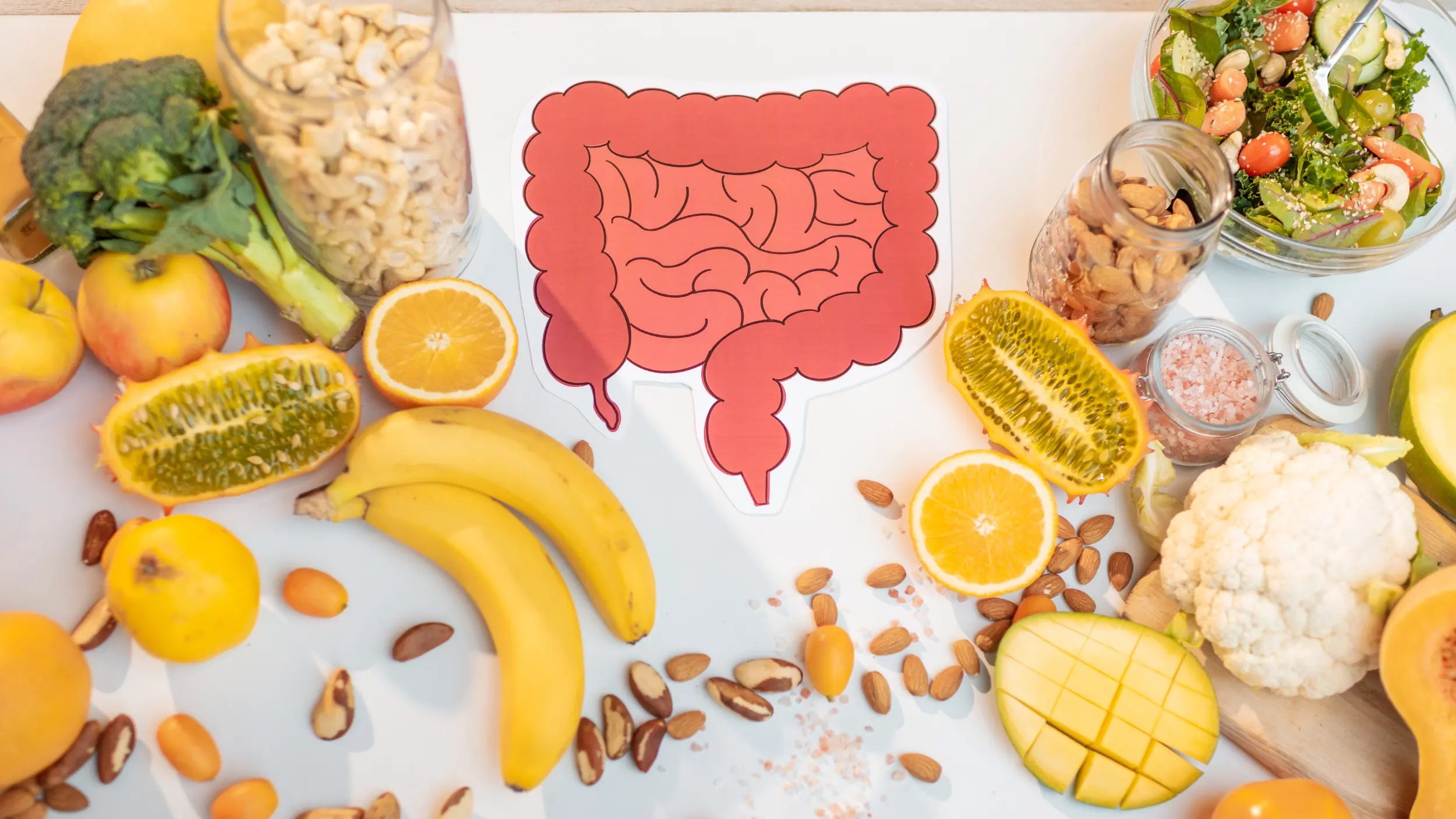
If you're dealing with gastritis and acid reflux, the right diet can genuinely transform how you feel. This evidence-based guide walks you through the exact foods that soothe inflammation, the common triggers making things worse, and the eating habits that support true healing. You'll leave with a clear, sustainable action plan—not just another restrictive list.
Understanding the 'Why': Core Principles for a Happy Gut
Okay, let's get real about what's happening in your stomach. Gastritis is inflammation of your stomach lining, while acid reflux (or GERD) occurs when stomach acid flows back into your esophagus [1]. Both conditions share overlapping triggers and symptoms—burning pain, nausea, bloating—and both respond beautifully to strategic dietary changes [2].
The core goal of a diet for gastritis and acid reflux isn't deprivation. It's protection. We're creating an internal environment that reduces acid production, minimizes mechanical irritation, and gives inflamed tissues the space they desperately need to repair. Think of it as wrapping your stomach in a soft, healing blanket instead of scrubbing it with steel wool.
A low-acid diet works by limiting foods that either directly irritate the stomach lining or trigger excessive acid secretion [3]. When you consistently choose gentle, anti-inflammatory foods, you're not just masking symptoms—you're addressing the root cause and supporting genuine tissue regeneration. This is how you move from temporary relief to long-term wellness.
Many women I work with are shocked to learn that their eating patterns—not just food choices—play a massive role. Eating too quickly, consuming large portions, or lying down immediately after meals can all worsen reflux, even if you're eating "safe" foods. Your gastritis healing diet needs to account for the whole picture.
Your Daily Plate: Building Meals to Soothe and Heal
Let's talk about what actually goes on your plate. When you're navigating a gastritis diet or acid reflux diet, clarity is everything. You need concrete answers, not vague advice. Here's exactly what to prioritize and what to pull back on while your gut heals.
Foods to Embrace
These are your nutritional allies—the foods that nourish without aggravating. They're naturally low in acid, easy to digest, and packed with nutrients that support mucosal healing.
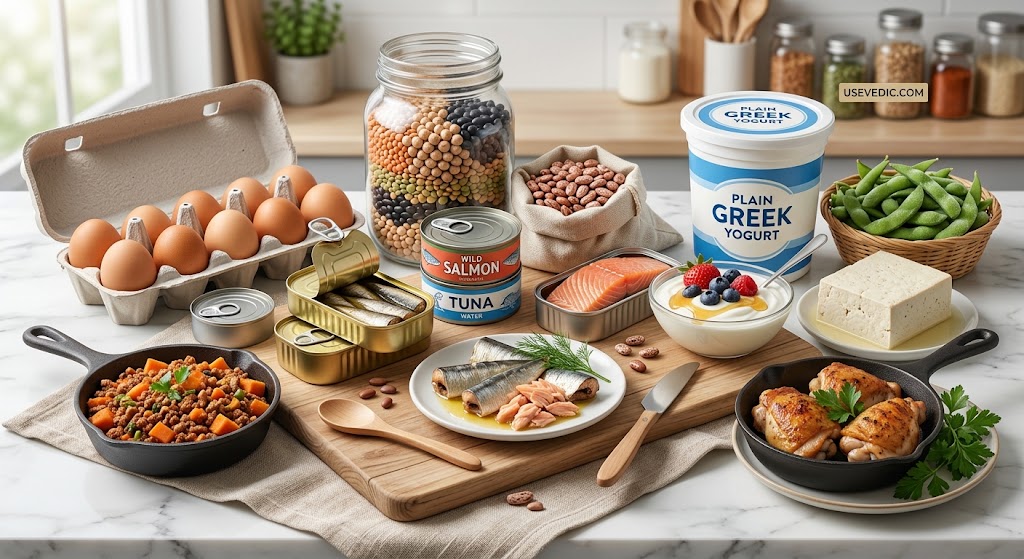
Lean Proteins:
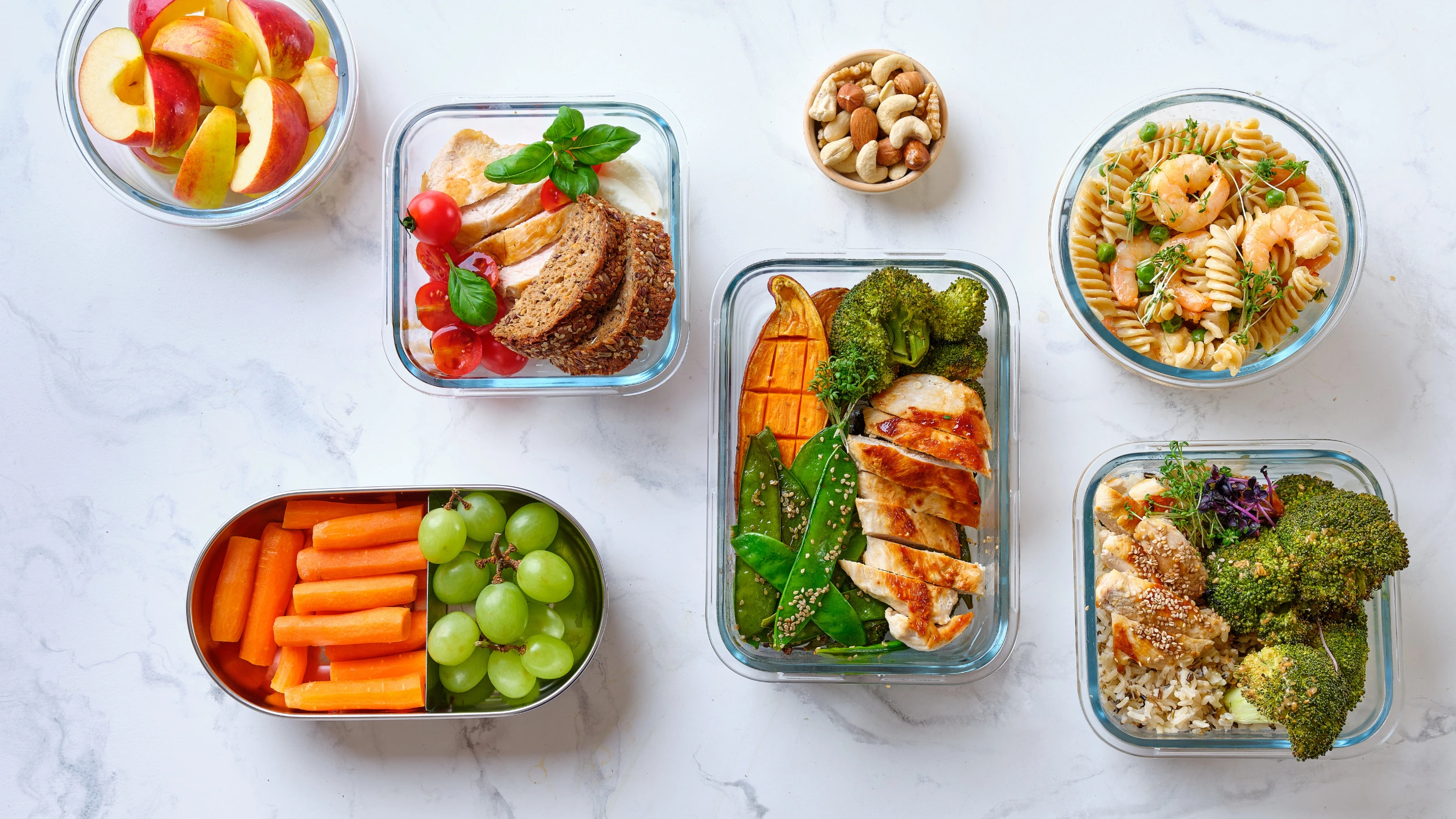
- Skinless chicken breast: Incredibly gentle and versatile for meal prep
- Turkey: Another low-fat option that won't trigger excess acid
- White fish (cod, tilapia, halibut): Mild, anti-inflammatory, and easy on your system
- Eggs: Particularly when poached or soft-boiled rather than fried
Non-Citrus Fruits:
- Bananas: Naturally alkaline and soothing to the stomach lining [4]
- Melons (cantaloupe, honeydew): Low-acid and hydrating
- Pears: Gentle fiber without the acidity of apples
- Papaya: Contains enzymes that support digestion
Soothing Vegetables:
- Leafy greens (spinach, kale, romaine): Nutrient-dense and alkalizing
- Cucumbers: Cooling and anti-inflammatory
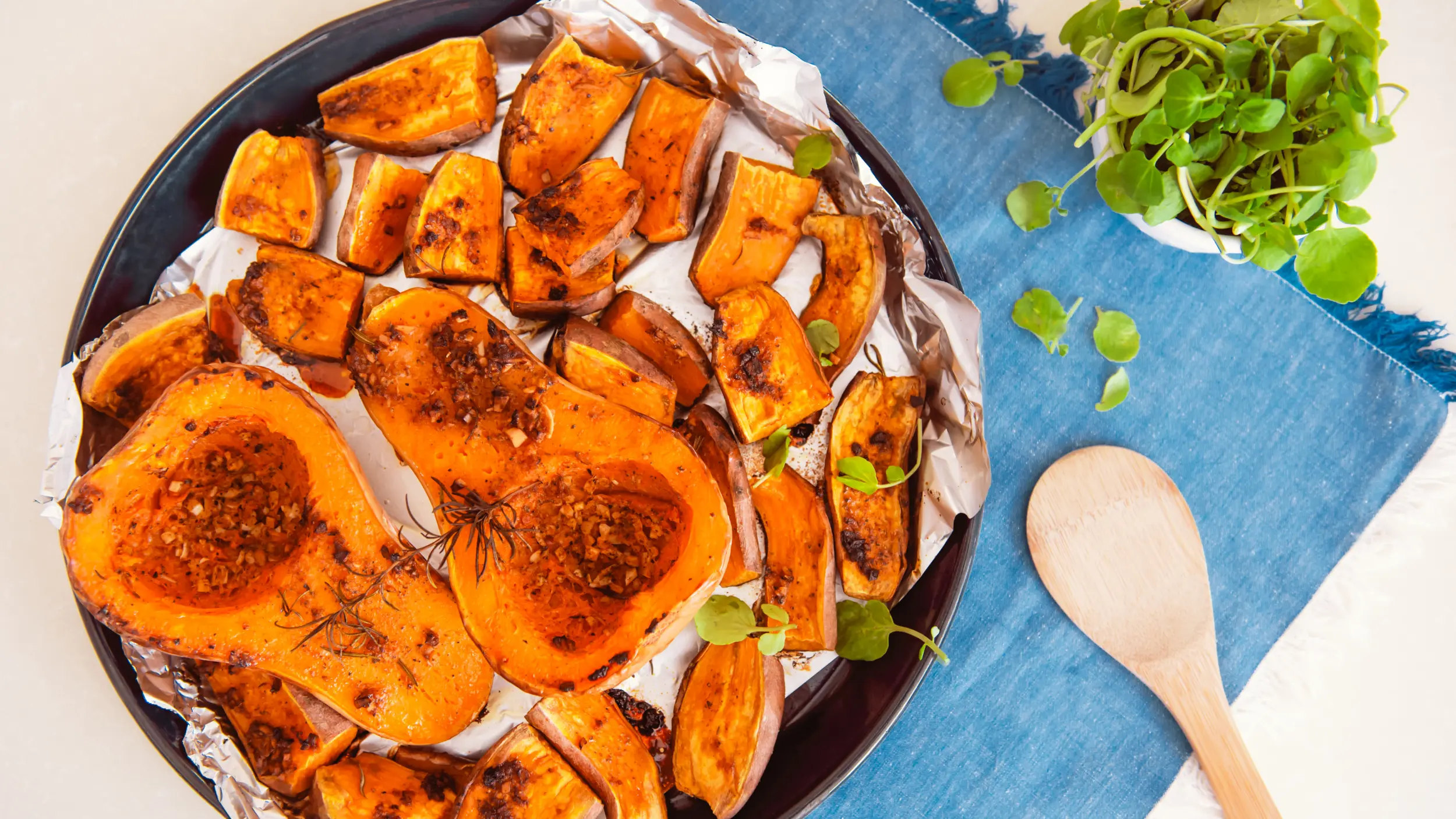
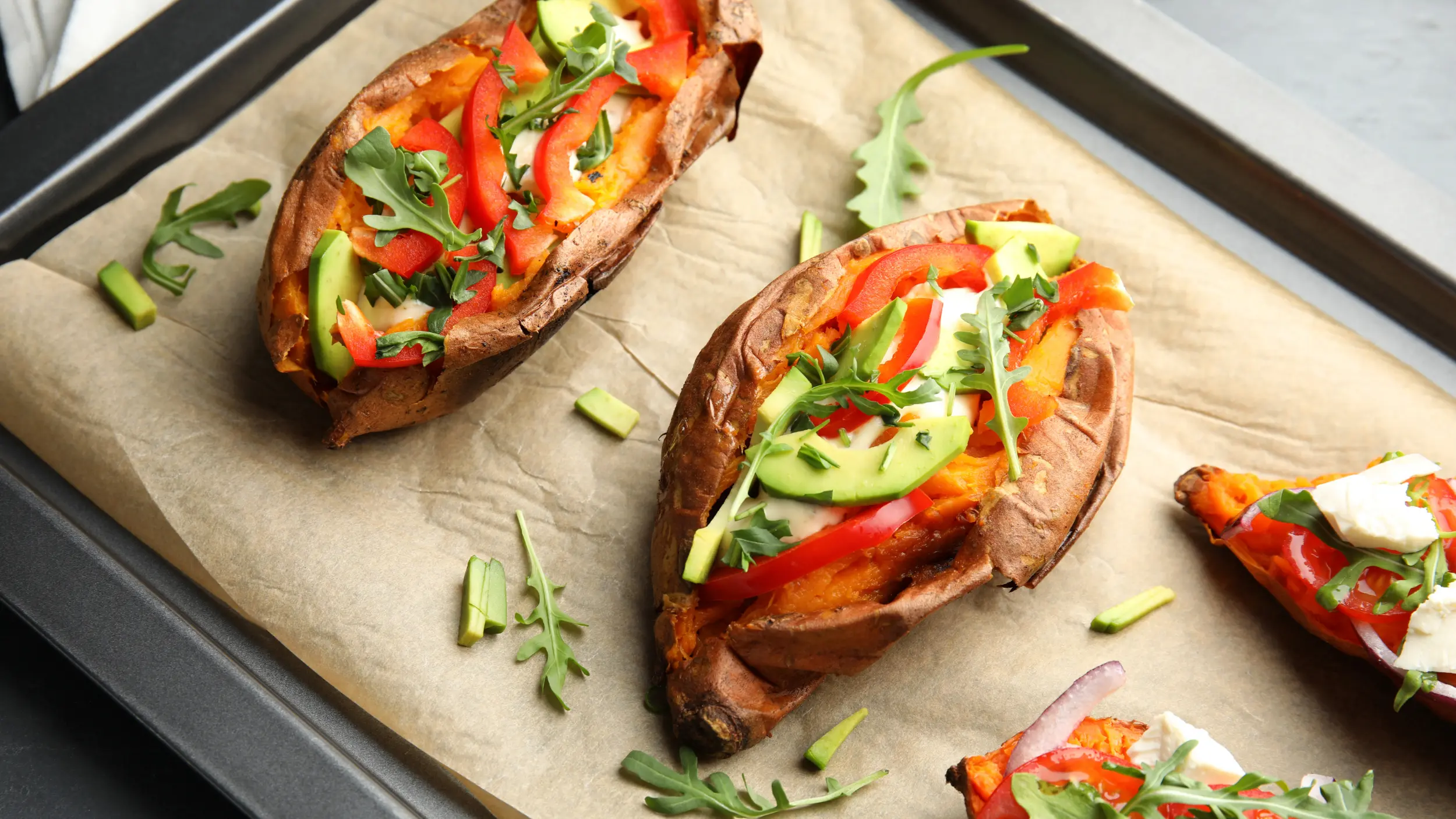
- Sweet potatoes: Complex carbs that don't spike acid production
- Zucchini and squash: Soft, easy to digest, and fiber-rich
Healthy Fats:
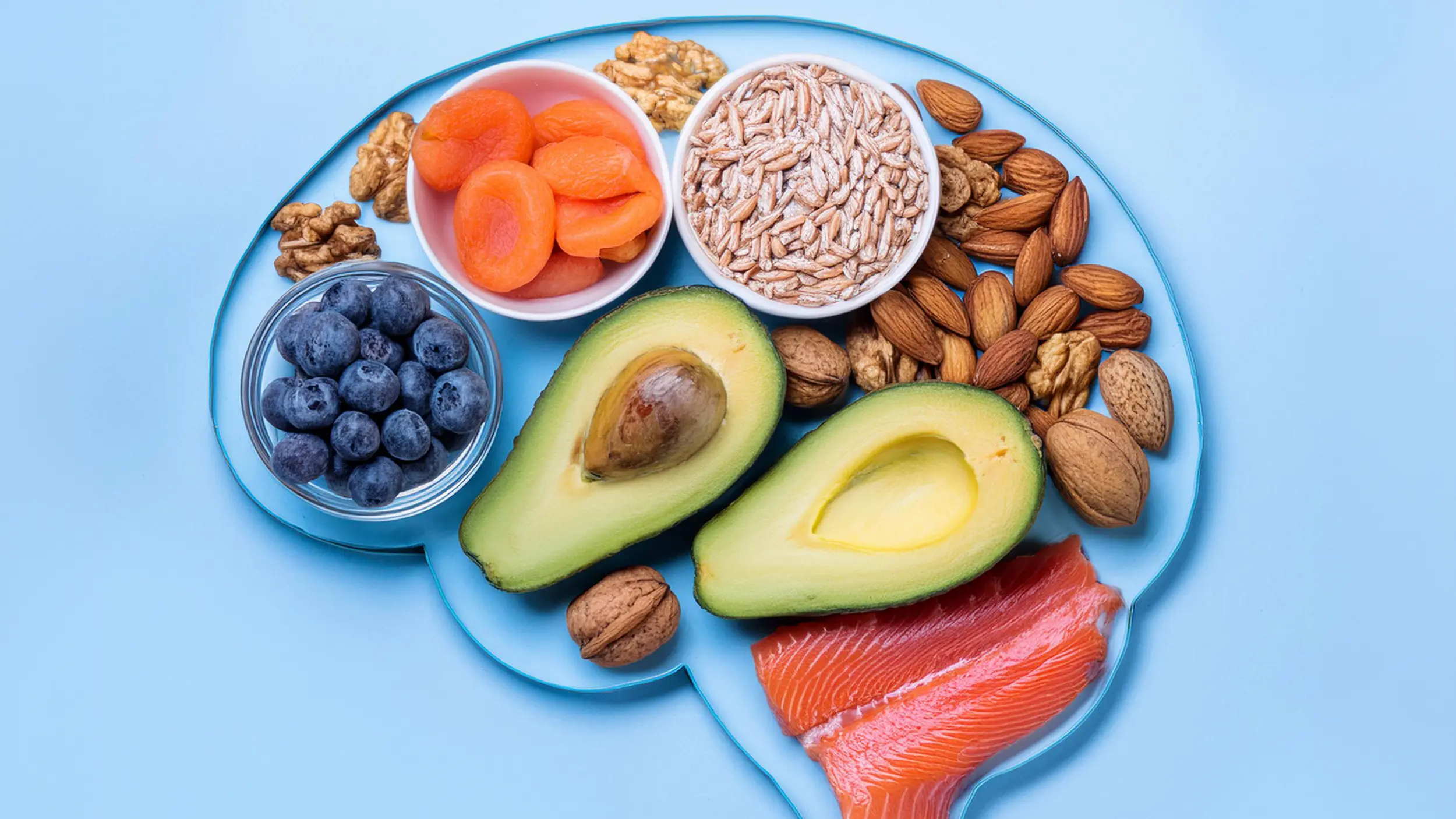
- Avocado: Creamy, satisfying, and packed with anti-inflammatory compounds
- Olive oil: Use in moderation for cooking and dressings
- Nut butters (almond, cashew): Small amounts can work well for most people
Whole Grains:
- Oatmeal: A breakfast staple for any GERD diet plan
- Brown rice: Gentle and filling
- Quinoa: Complete protein with soothing properties
If you're also managing blood sugar concerns alongside digestive issues, understanding how different foods affect glucose levels can help you make even smarter choices.
Common Triggers to Limit
These are the foods that cause acid reflux and gastritis flare-ups in most people. I'm not saying you'll never enjoy them again, but during your healing phase, it's worth pulling back significantly.
High-Fat and Fried Foods:
- Fried chicken, french fries, onion rings: Delay gastric emptying and increase reflux risk [5]
- Fatty cuts of red meat: Hard to digest and inflammatory
- Heavy cream sauces: Trigger excess acid production
Acidic Foods:
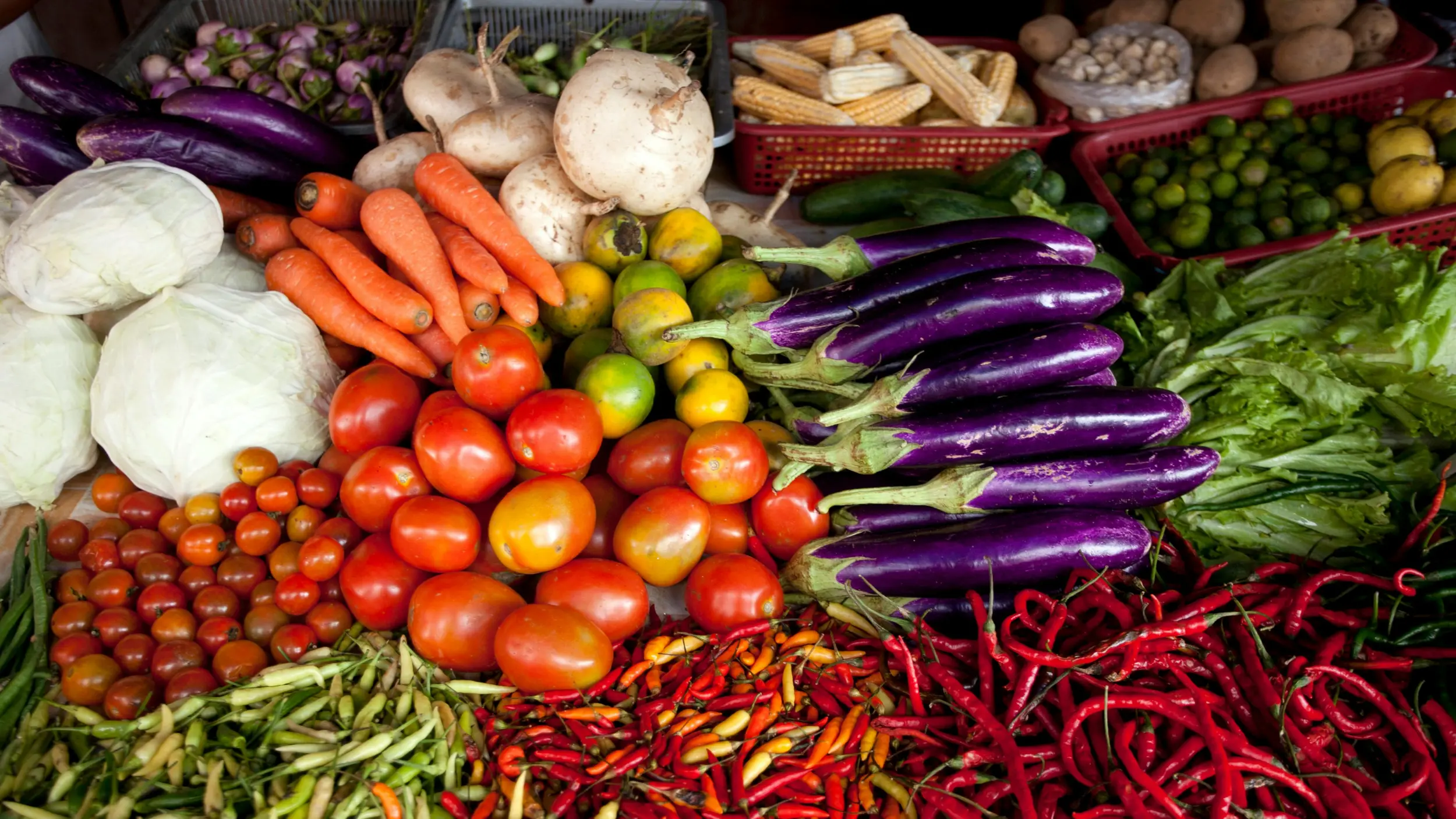
- Tomatoes and tomato-based products: High in citric and malic acid
- Citrus fruits (oranges, grapefruits, lemons): Directly irritate inflamed tissue
- Vinegar-based dressings: Can worsen burning sensations
Spicy Foods:
- Hot peppers, chili powder, cayenne: Contain capsaicin that irritates the stomach lining
- Spicy sauces and condiments: Often combine multiple triggers
Beverages to Avoid:
- Coffee and caffeinated tea: Relax the lower esophageal sphincter, allowing acid to escape [6]
- Alcohol: Increases acid production and damages mucosal barriers
- Carbonated drinks: Create pressure and bloating that worsens reflux
- Citrus juices: Highly acidic and irritating
Other Common Culprits:
- Chocolate: Contains methylxanthines that relax the esophageal sphincter
- Mint (peppermint, spearmint): Surprisingly, can worsen reflux despite feeling soothing
- Garlic and onions: Trigger symptoms in many sensitive individuals
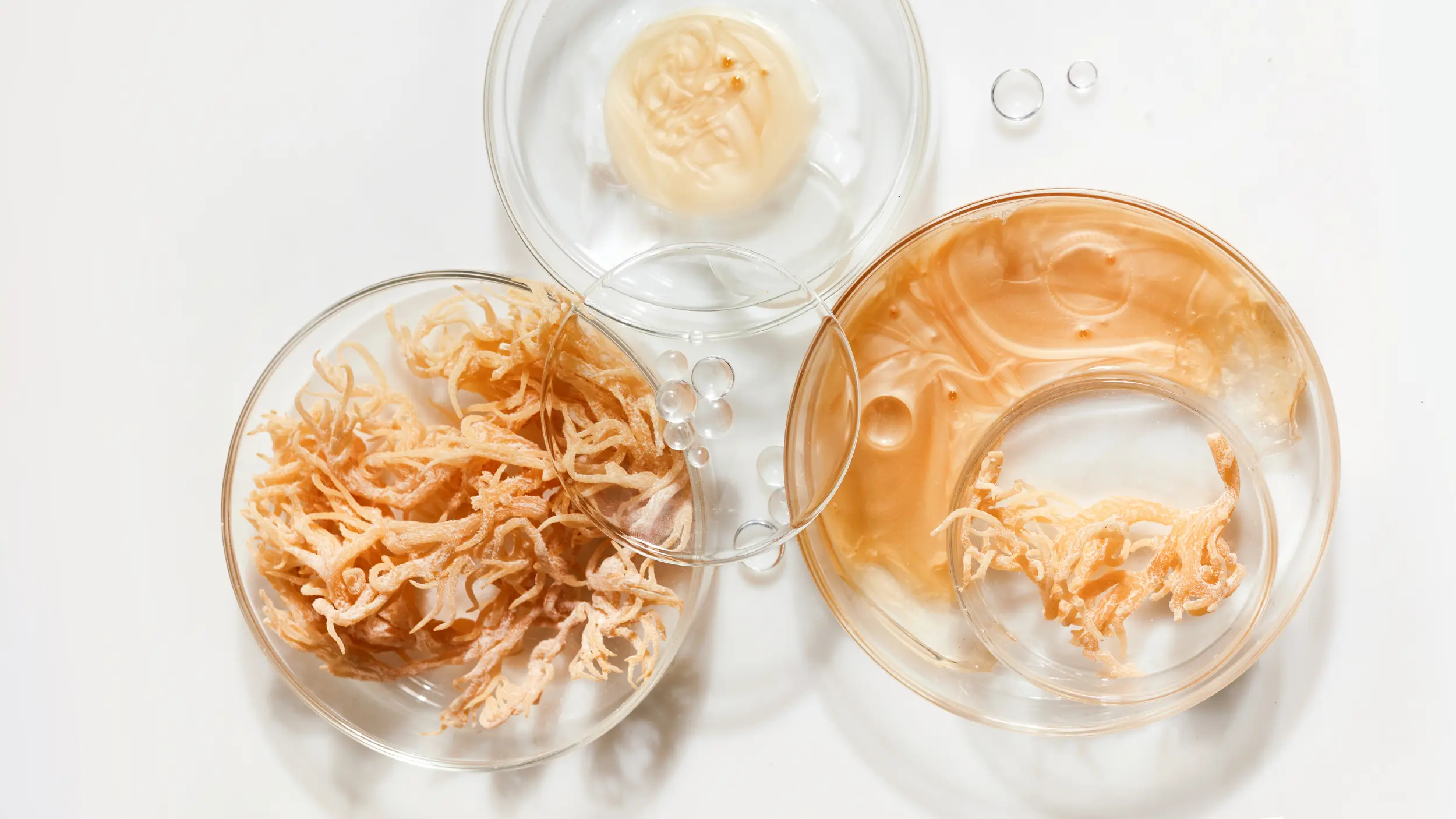
Thinking about whether certain trendy ingredients fit your healing plan? Check out this evidence-based look at sea moss benefits and risks to see if it's right for your gut.
Beyond the Plate: Meal Timing and Habits That Make a Difference
Here's what most generic advice misses: what to eat with gastritis matters enormously, but how you eat matters just as much. I've seen clients transform their symptoms purely by adjusting timing and portion sizes, even before changing a single food.
Eat Smaller, More Frequent Meals:
Large meals stretch your stomach, increase pressure, and trigger more acid secretion. Instead, aim for 4-5 smaller meals throughout the day. This keeps your digestive system working gently and consistently rather than overwhelming it.
Time Your Last Meal Strategically:
Stop eating at least 3 hours before lying down. Gravity is your friend when it comes to keeping acid where it belongs. Late-night snacking is one of the biggest saboteurs of an otherwise solid acid reflux meal plan.
Slow Down and Chew Thoroughly:
Digestion starts in your mouth. When you eat quickly, you swallow more air (hello, bloating) and send larger food particles to your stomach, which has to work harder and produce more acid. Aim to chew each bite 20-30 times.
Stay Upright After Eating:
Resist the urge to lie down or slouch immediately after meals. Remain upright—sitting or standing—for at least 2-3 hours. If you need to rest, prop yourself up at a 45-degree angle.
Manage Stress:
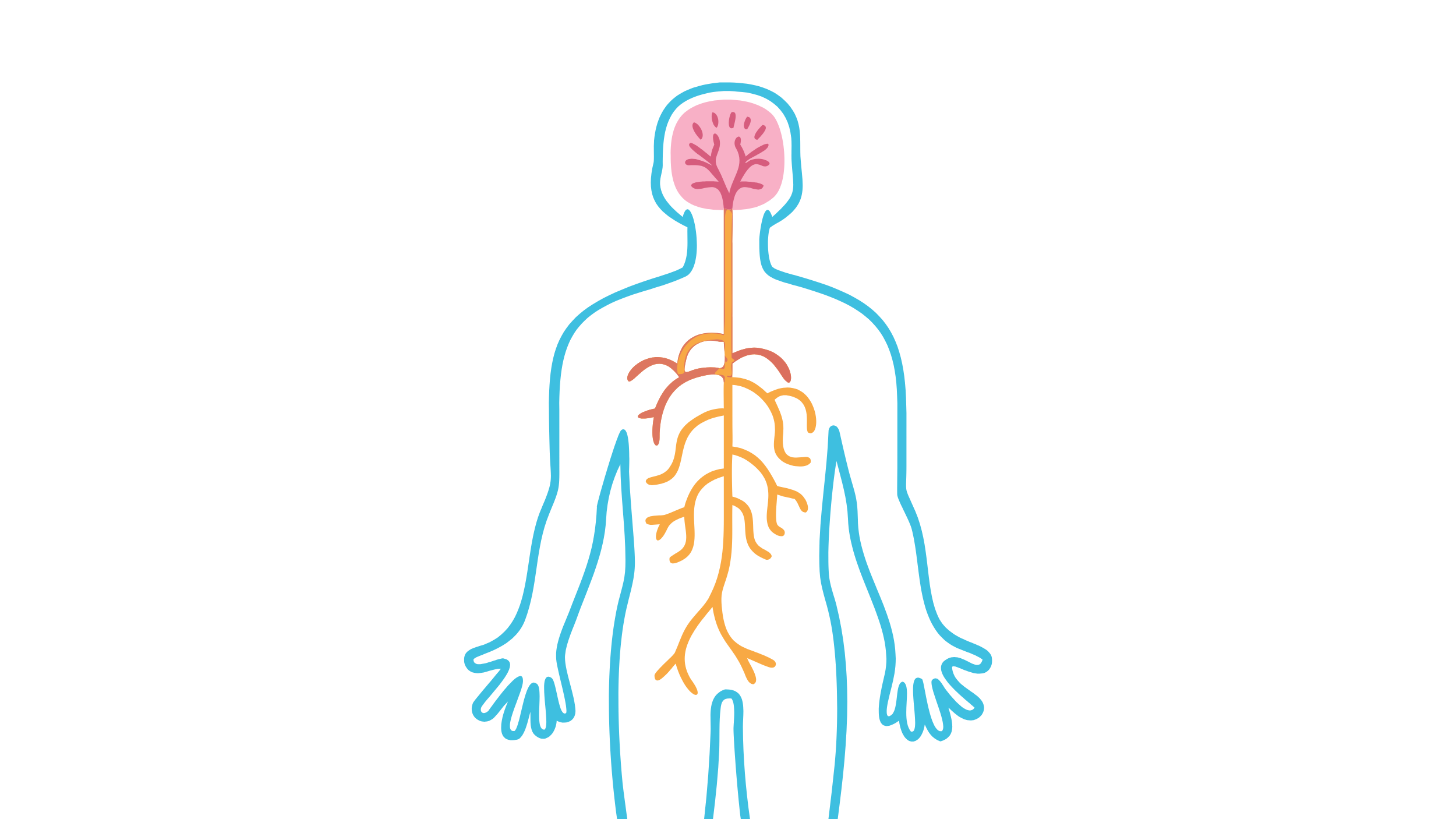
Your gut and brain are intimately connected [7]. Chronic stress increases stomach acid production and slows healing. Incorporate daily stress-reduction practices—even just 10 minutes of deep breathing or a short walk can make a measurable difference.
Wear Loose Clothing:
Tight waistbands and belts increase abdominal pressure and can push acid upward. Opt for comfortable, non-restrictive clothing, especially around your midsection.
If you're curious about how stress and other lifestyle factors influence broader health markers, this guide to inflammation and how to reduce it offers valuable context.
FAQ: Your Quick Questions Answered
How long does it take for a gastritis diet to work?
This is the question I hear most often, and I get it—you want relief yesterday. While some people notice improvement within 3-5 days, meaningful healing of the stomach lining typically takes 2-8 weeks of consistent dietary changes as part of a gastritis healing diet. Severe cases may require several months. The key is consistency and patience. Your body is repairing cellular damage, and that takes time.
Can I drink coffee with acid reflux and gastritis?
Coffee is one of the most common triggers for both conditions due to its acidity and caffeine content, which relaxes the lower esophageal sphincter. I generally recommend eliminating it completely during the initial healing phase (at least 4-6 weeks). If you're truly a coffee devotee, you might later experiment with low-acid, cold-brew varieties in very small amounts—but many of my clients find they feel so much better without it that they don't go back.
What's a simple breakfast idea for a low-acid diet?
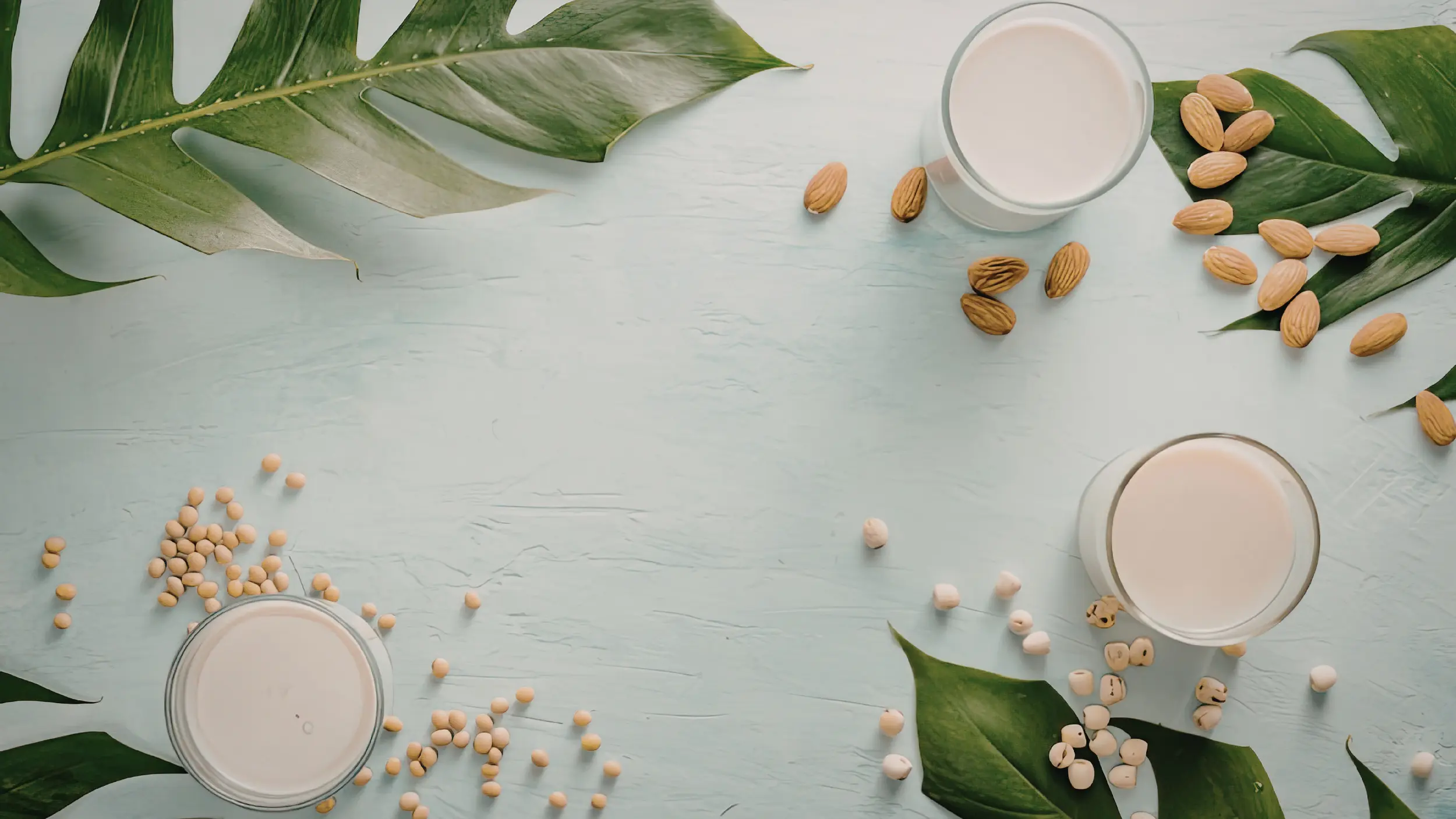
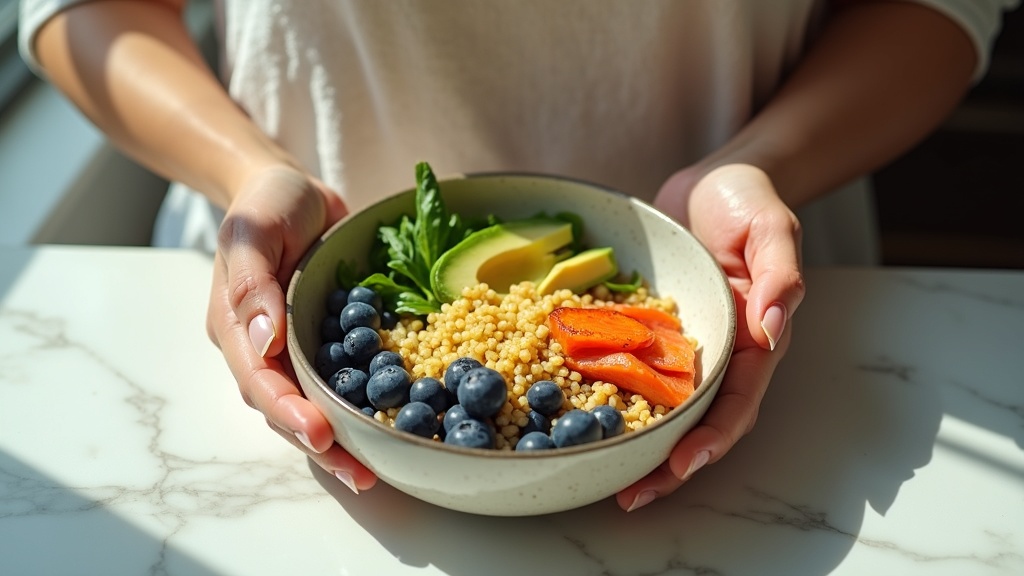
One of my favorite go-to breakfasts is steel-cut oatmeal made with water or unsweetened almond milk, topped with sliced banana, a small handful of blueberries, and a sprinkle of cinnamon. It's warm, comforting, filling, and checks all the boxes for a GERD diet plan. Other great options include scrambled eggs with steamed spinach, or whole-grain toast with a thin layer of almond butter and pear slices.
Are probiotics helpful for gastritis?
Emerging research suggests that certain probiotic strains may help reduce inflammation and support gastric mucosal healing, particularly in cases related to H. pylori infection [8]. However, not all probiotics are created equal, and some fermented foods (like kombucha or very acidic yogurts) might irritate your stomach. Talk to your dietitian about targeted strains and delivery methods that make sense for your specific situation.
Can I ever eat my favorite foods again?
Absolutely—this isn't a life sentence. Think of your current eating plan as a healing protocol, not a permanent prison. Once your symptoms are well-managed and your stomach lining has had adequate time to repair (usually 8-12 weeks), you can begin carefully reintroducing foods one at a time. You'll likely find you can tolerate small amounts of former triggers occasionally, though some foods may always require moderation.
Ready for Personalized Support?
Navigating digestive health doesn't have to feel like guesswork. While this guide gives you a solid foundation, every woman's body responds differently—and you deserve a plan that's tailored specifically to your symptoms, lifestyle, food preferences, and health history.
If you're ready to stop Googling at 2 AM and start feeling genuinely better, let's work together. Our registered dietitians specialize in creating personalized protocols that fit your real life, not some impossible ideal.
Book your one-on-one consultation today at www.usevedic.com and let's build your roadmap to lasting digestive peace.
References
[1] National Institute of Diabetes and Digestive and Kidney Diseases. Acid Reflux (GER & GERD) in Adults. NIDDK, 2020.
[2] Fashner J, Gitu AC. Diagnosis and Treatment of Peptic Ulcer Disease and H. pylori Infection. American Family Physician, 2015.
[3] Sethi S, Richter JE. Diet and Gastroesophageal Reflux Disease: Role in Pathogenesis and Management. Gastroenterology, 2017.
[4] Panda VS, Sonkamble MS, Patil S. Anti-ulcer Activity of Musa sapientum on Gastric Ulcers in Rats. Journal of Natural Remedies, 2012.
[5] Rohof WO, Bennink RJ, Boeckxstaens GE. Effect of Meal Composition on Postprandial Gastroesophageal Reflux. Neurogastroenterology & Motility, 2013.
[6] Kim J, Oh SW, Myung SK, et al. Association Between Coffee Intake and Gastroesophageal Reflux Disease: A Meta-Analysis. Diseases of the Esophagus, 2014.
[7] Konturek PC, Brzozowski T, Konturek SJ. Stress and the Gut: Pathophysiology, Clinical Consequences, Diagnostic Approach and Treatment Options. Journal of Physiology and Pharmacology, 2011.
[8] Lü M, Yu S, Deng J, et al. Efficacy of Probiotic Supplementation Therapy for Helicobacter pylori Eradication: A Meta-Analysis of Randomized Controlled Trials. PLoS One, 2016.