.webp)
.webp)
%2B(7).webp)
.png)
At a Glance
Metabolic dysfunction and fatty liver disease (MASLD/MASH) are reversible conditions when addressed with precision nutrition strategies. This guide breaks down the clinical mechanisms behind liver fat accumulation, insulin resistance, and metabolic syndrome, then walks you through the exact dietary interventions proven to restore metabolic health. You'll leave with actionable protocols to implement immediately.
Understanding Metabolic Dysfunction and Fatty Liver (MASLD/MASH)
Metabolic dysfunction isn't just about weight—it's a constellation of cellular-level disturbances affecting how your body processes glucose, stores fat, and responds to insulin. When these systems falter, your liver becomes a storage depot for excess triglycerides, leading to what we now call Metabolic Dysfunction-Associated Steatotic Liver Disease (MASLD), previously known as non-alcoholic fatty liver disease [1].
The progression goes like this: chronic insulin resistance forces your liver to convert excess glucose into fat. When hepatic fat accumulation exceeds 5% of liver weight, we're looking at steatosis [2]. Left unchecked, this can advance to MASH (Metabolic Dysfunction-Associated Steatohepatitis), where inflammation and cellular damage enter the picture. The really critical thing to understand? Your liver and metabolic health are inseparable—they're in constant biochemical conversation.
You might be experiencing:
- Persistent fatigue that doesn't resolve with sleep
- Brain fog or difficulty concentrating, especially after meals
- Stubborn weight accumulation around your midsection
- Elevated fasting glucose or hemoglobin A1c levels
- High triglycerides with low HDL cholesterol
About 30-40% of adults in the U.S. currently have MASLD, and many don't realize it until routine blood work flags elevated liver enzymes (ALT, AST) [3]. The beautiful part? These conditions respond remarkably well to dietary intervention, often showing measurable improvement within 8-12 weeks.
Your Personalized Diet for Reversal
Food as Medicine: Building a Diet Plan to Reverse Fatty Liver and Improve Metabolic Markers
Let's get tactical. Reversing fatty liver and metabolic dysfunction requires addressing the root cause: excess hepatic lipid accumulation driven by insulin resistance and systemic inflammation [4]. Your plate becomes your most powerful intervention tool.
The Mediterranean-style eating pattern consistently demonstrates superior outcomes for MASLD reversal compared to standard low-fat approaches [5]. We're talking about a 30-40% reduction in liver fat within six months when executed properly. This isn't about restriction—it's about strategic nutrient density.
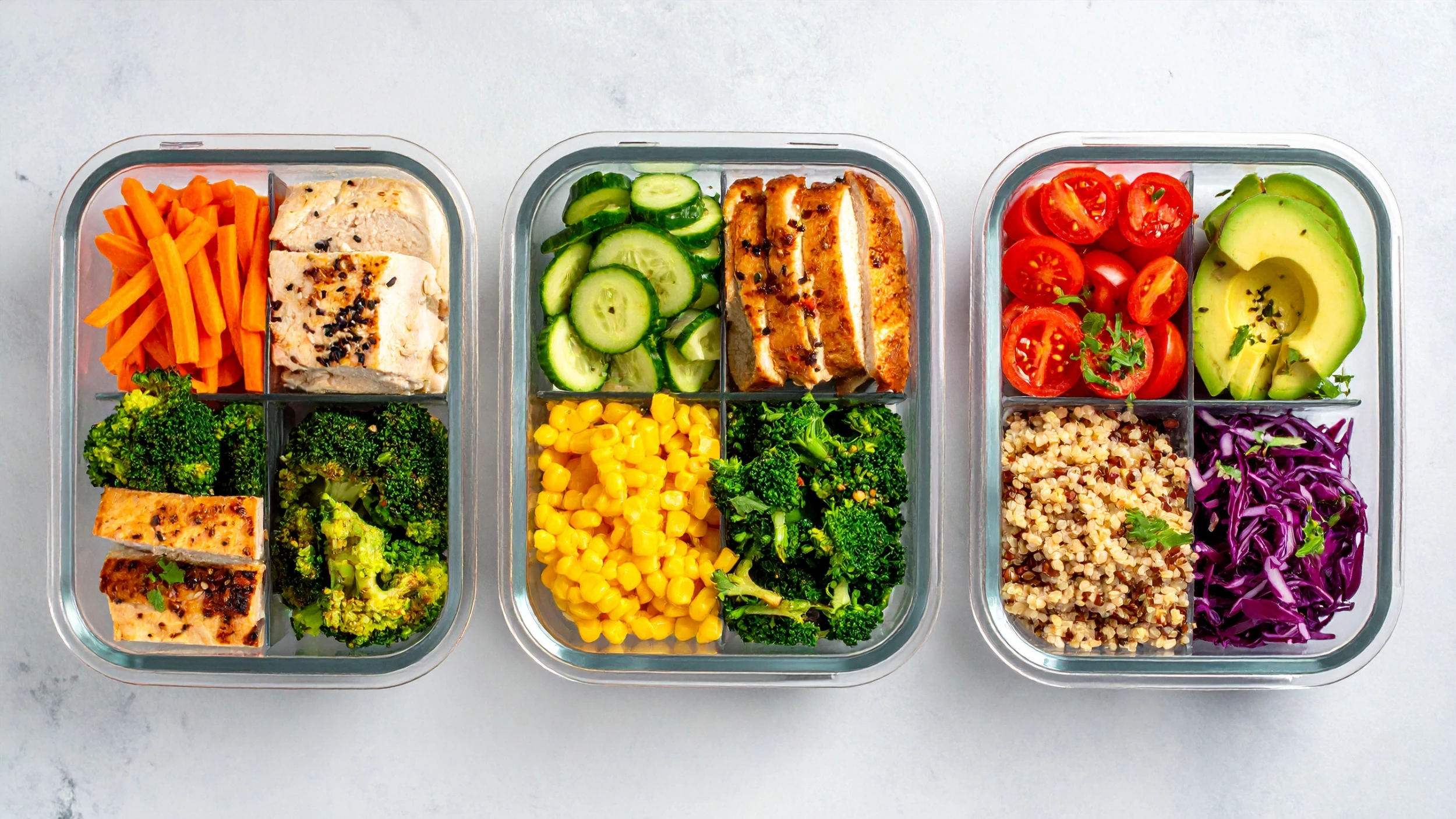
Your foundation foods:
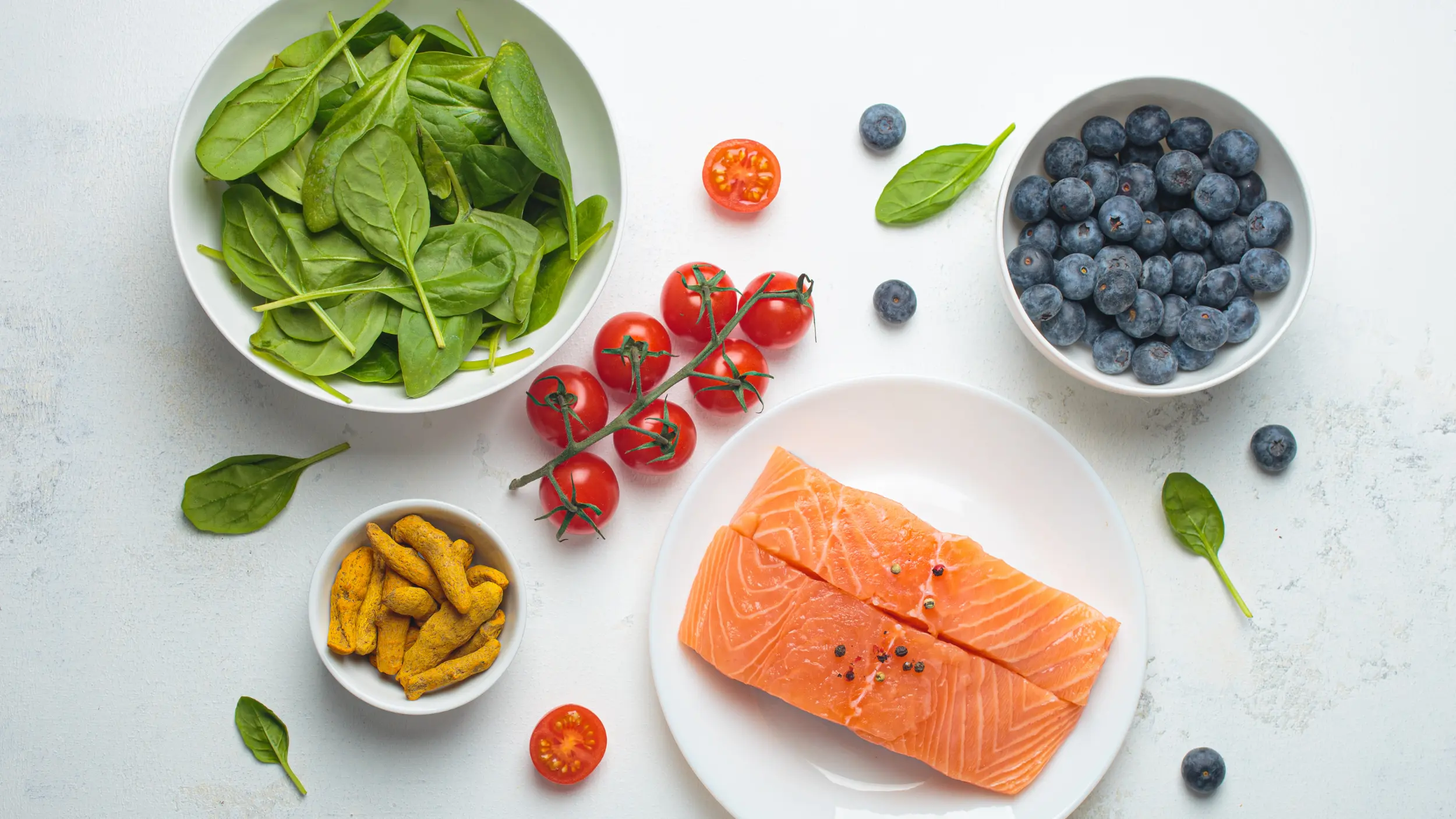
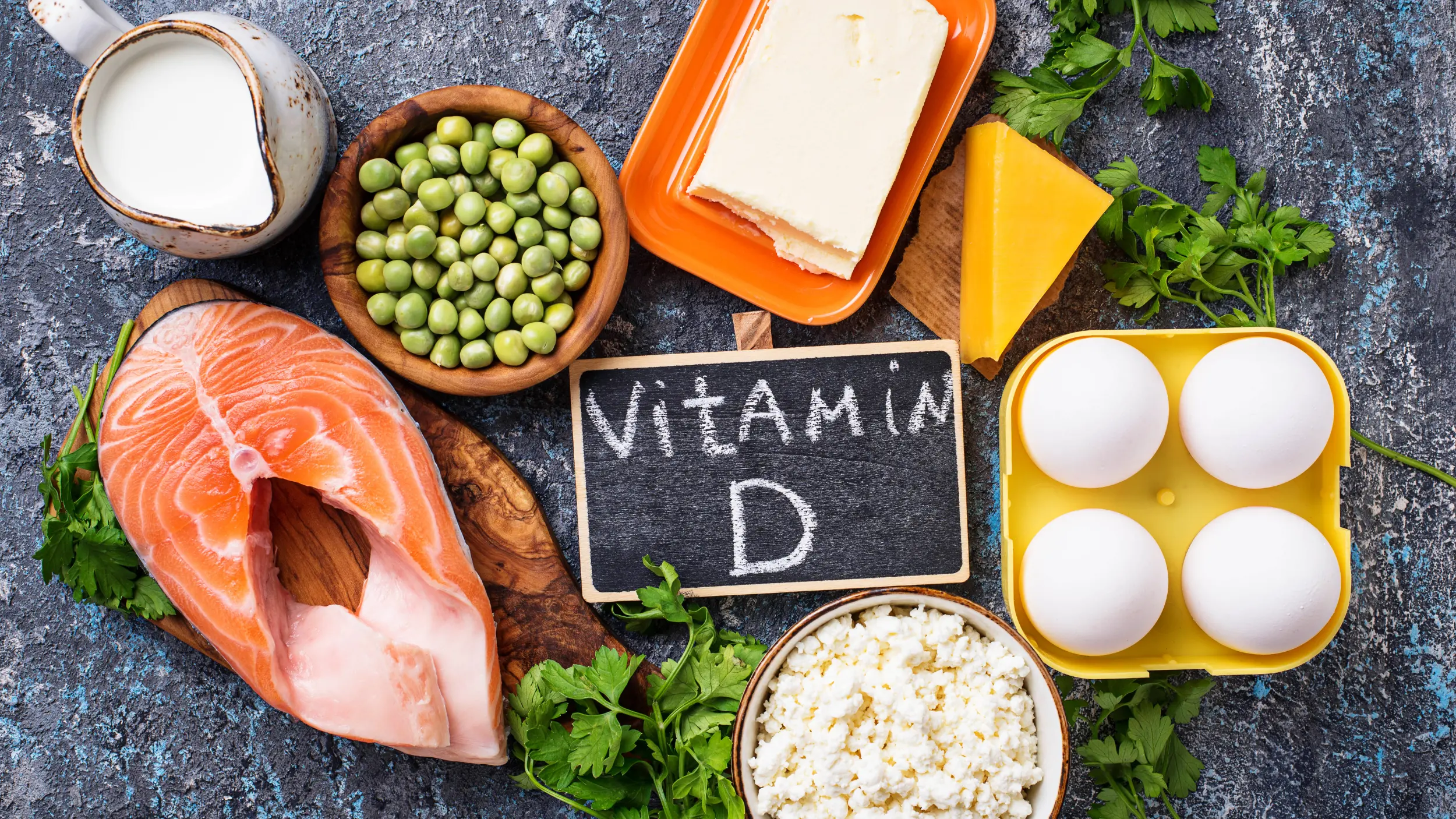
- Omega-3 rich fish (salmon, sardines, mackerel) consumed 3-4 times weekly reduces hepatic triglyceride content and improves insulin sensitivity [6].
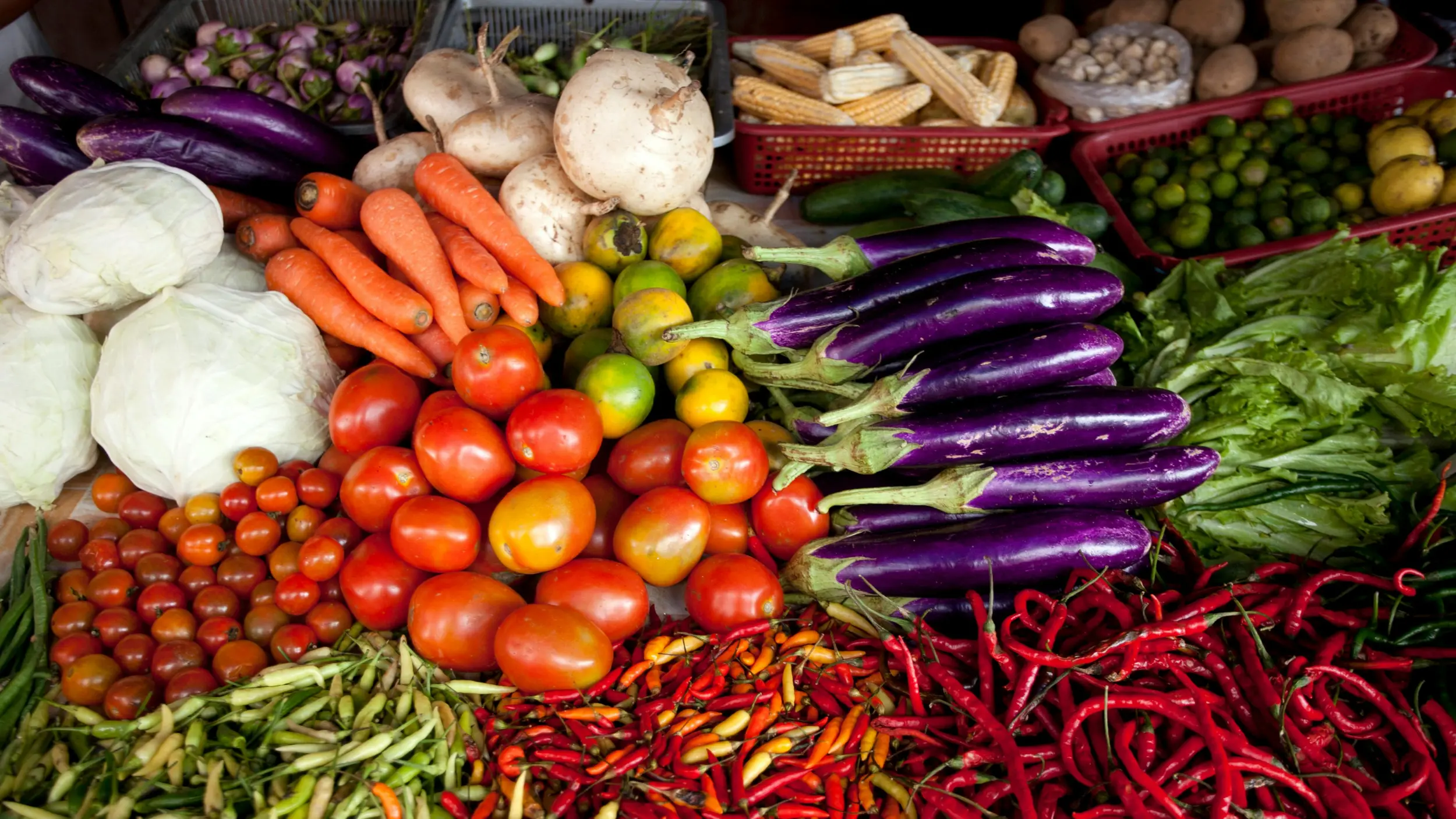
- Cruciferous vegetables (broccoli, Brussels sprouts, cauliflower) support Phase II liver detoxification pathways and provide sulforaphane, which activates antioxidant response elements.
- Extra virgin olive oil as your primary fat source—aim for 2-3 tablespoons daily. The polyphenols directly reduce liver inflammation markers [7].
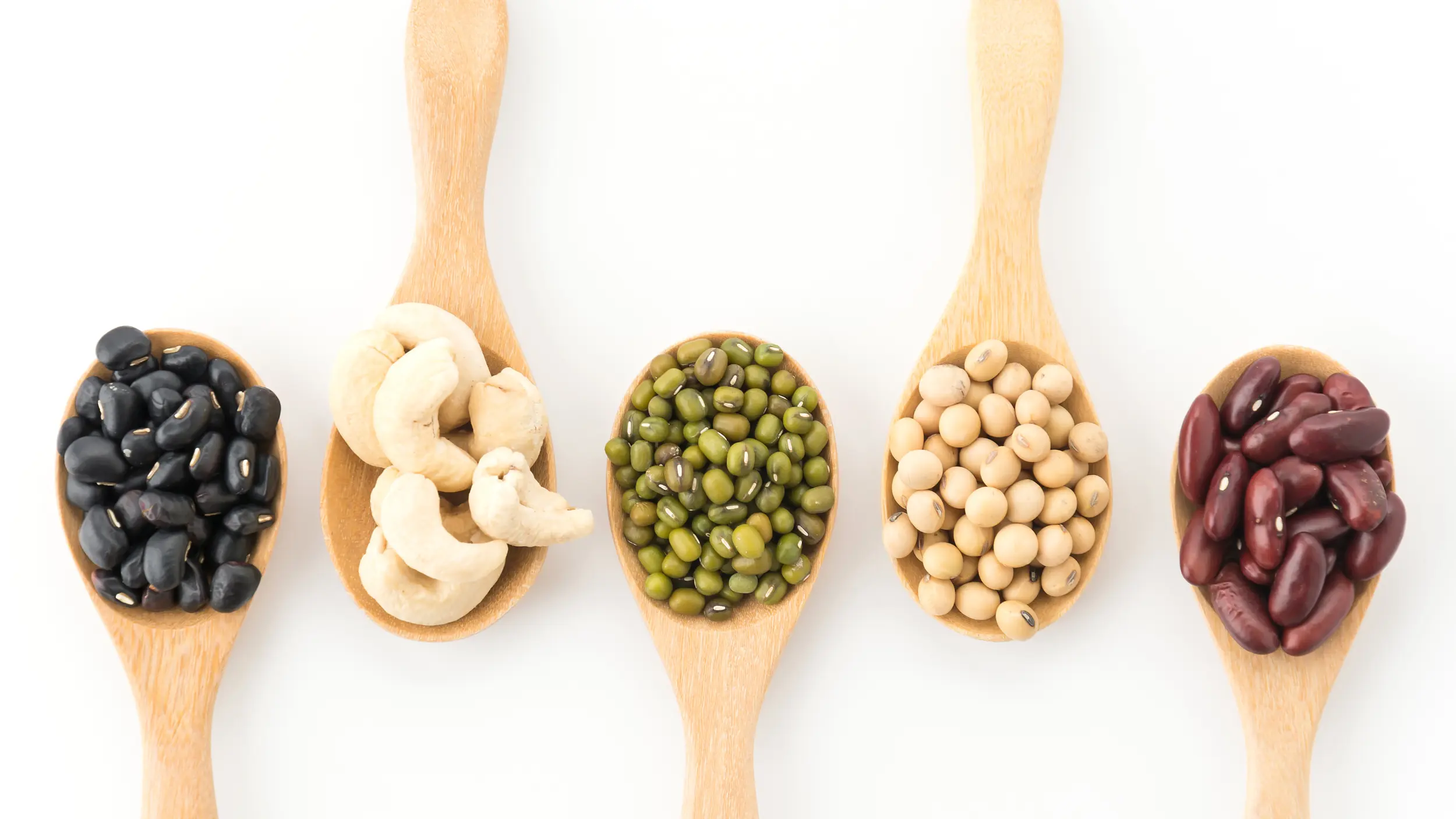
- Legumes and pulses stabilize postprandial glucose response while providing resistant starch that feeds beneficial gut bacteria. Speaking of which, your gut microbiome plays a central role in metabolic health.
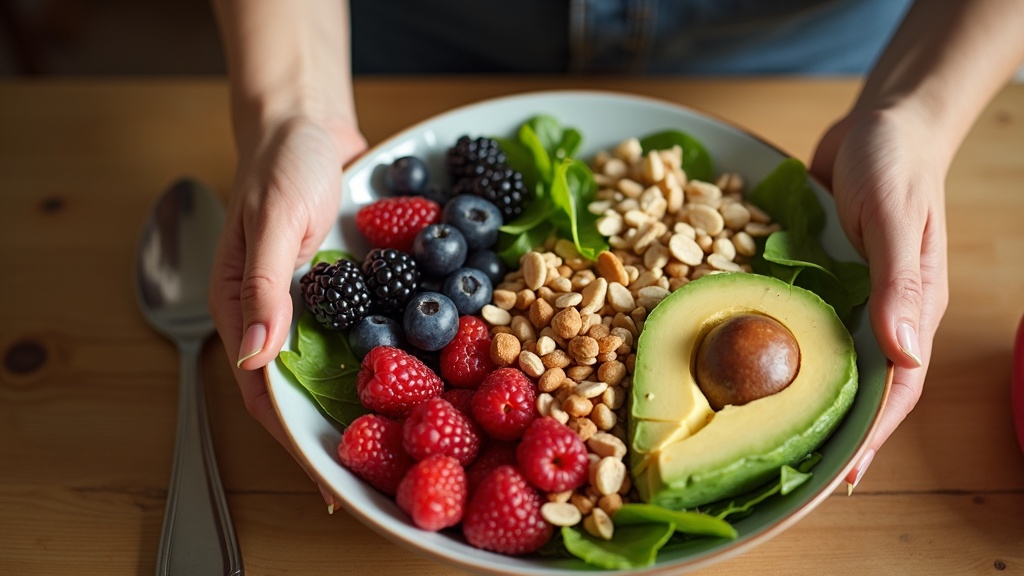
- Berries and pomegranate deliver anthocyanins and ellagic acid, both shown to reduce oxidative stress in hepatocytes.
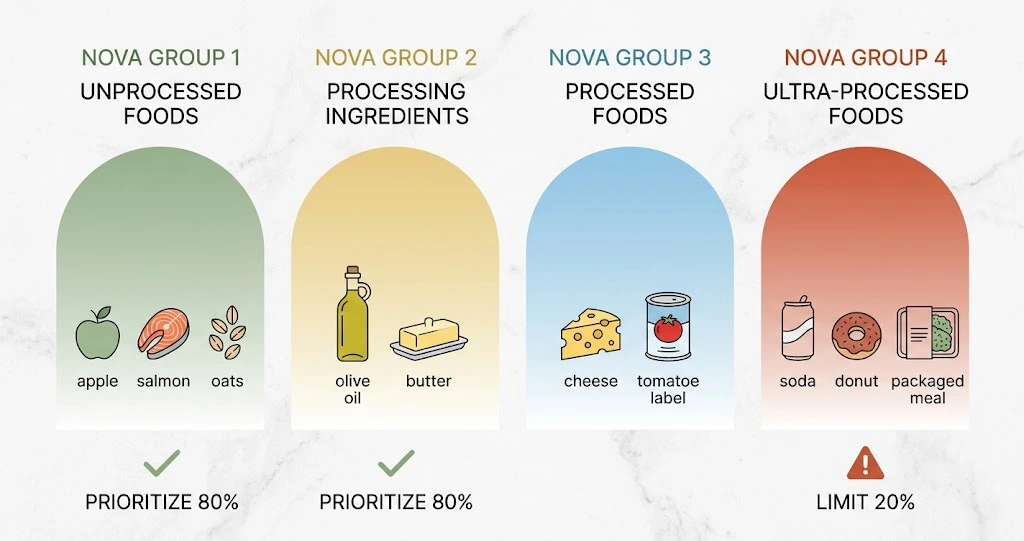
The foods sabotaging your progress need clear boundaries. Fructose-sweetened beverages and foods with added sugars directly drive de novo lipogenesis—literally telling your liver to manufacture fat [8]. Ultra-processed foods containing emulsifiers, refined seed oils, and artificial additives trigger low-grade systemic inflammation that perpetuates insulin resistance.
What to minimize or eliminate:
- Sugary beverages (soda, sweetened coffee drinks, fruit juice)
- White bread, pastries, and refined grain products
- Processed meats containing nitrates and high sodium
- Foods with high-fructose corn syrup
- Trans fats and excessive omega-6 seed oils
The Role of Carbohydrates, Proteins, and Healthy Fats in Your Recovery
Macronutrient balance matters enormously for reversing fatty liver. Here's what the clinical evidence tells us:
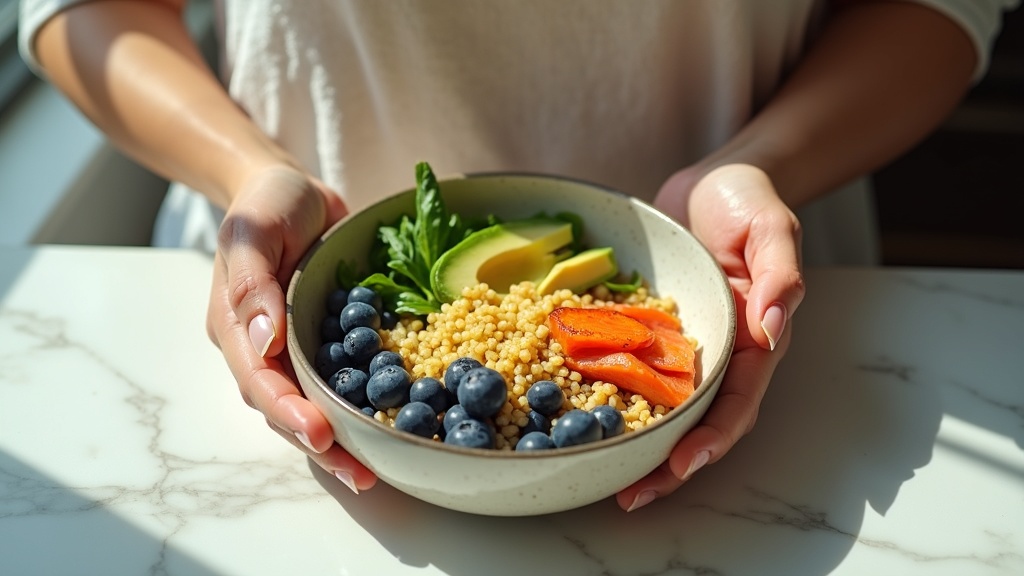
Carbohydrates: You don't need to go keto (though some women do well with lower-carb approaches). The key is quality and timing. Complex carbohydrates with intact fiber—quinoa, steel-cut oats, sweet potatoes—should comprise about 40-45% of your intake [9]. Pair them with protein and fat to blunt glucose spikes. Consider shifting most carbohydrate intake to earlier in the day when insulin sensitivity is naturally higher.
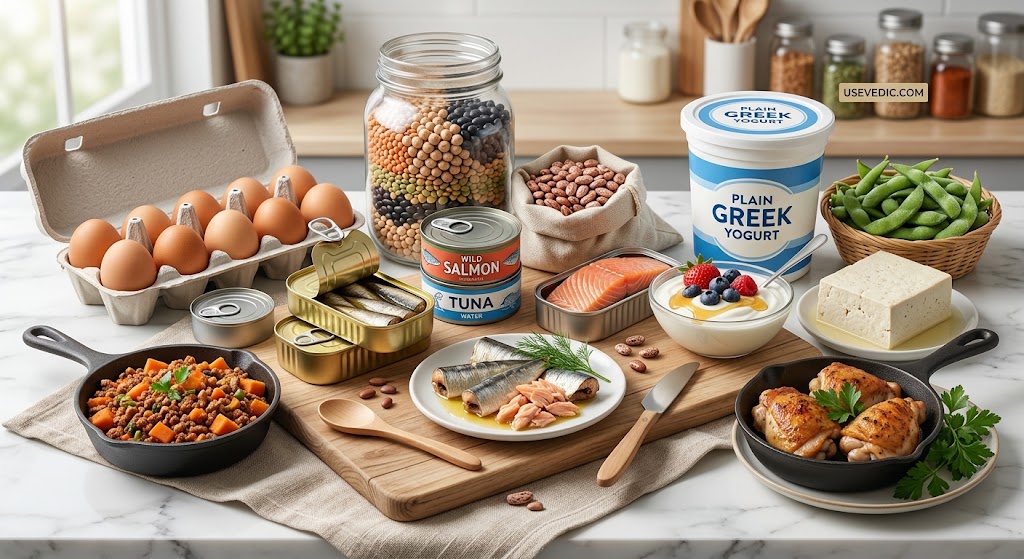
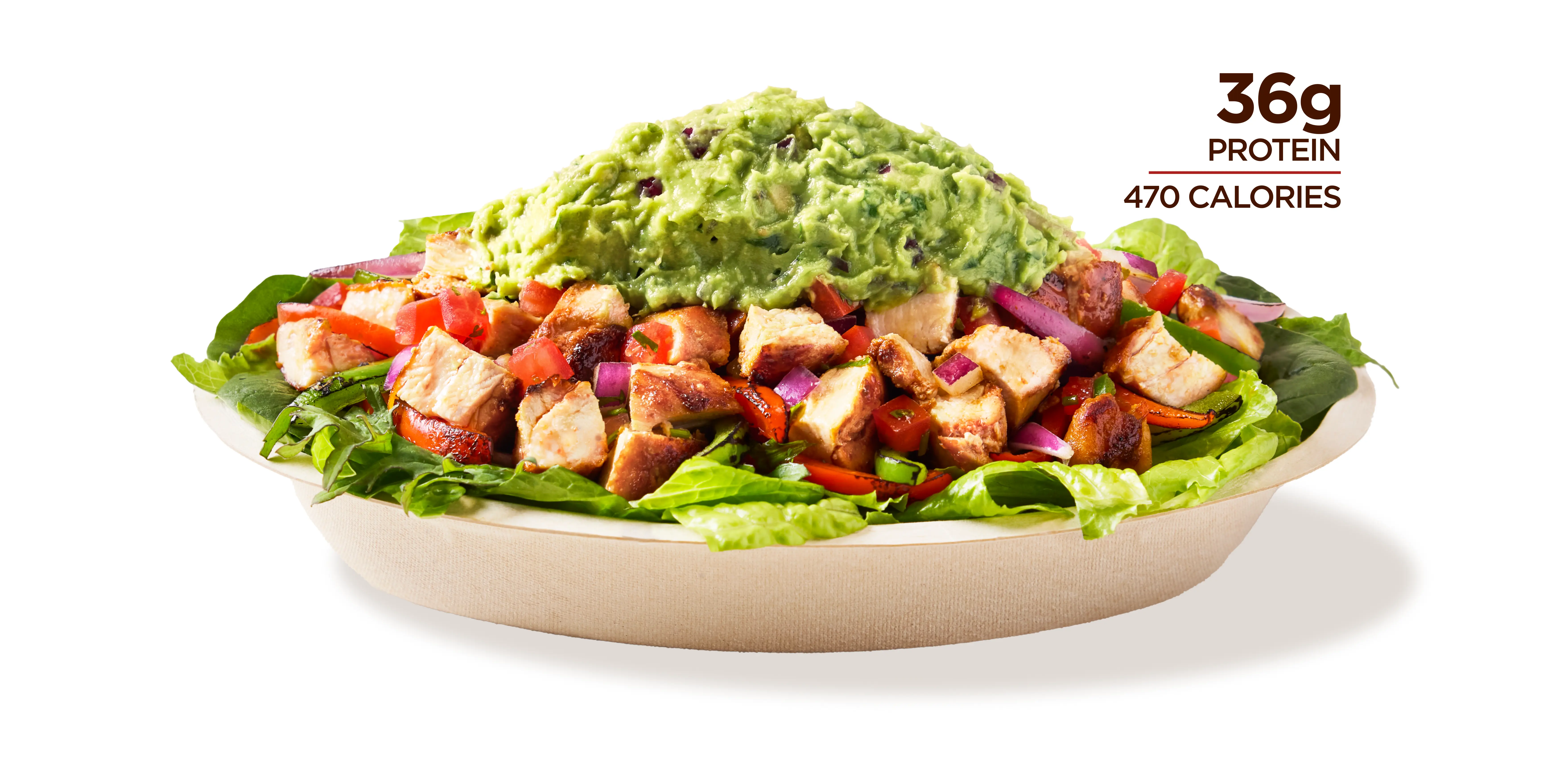
Protein: Target 1.2-1.6 grams per kilogram of body weight daily. Adequate protein intake preserves lean muscle mass during fat loss and increases satiety. Lean poultry, fish, eggs, Greek yogurt, and plant proteins like lentils should appear at every meal. This macronutrient distribution supports the metabolic flexibility your body needs to preferentially burn stored liver fat [10].
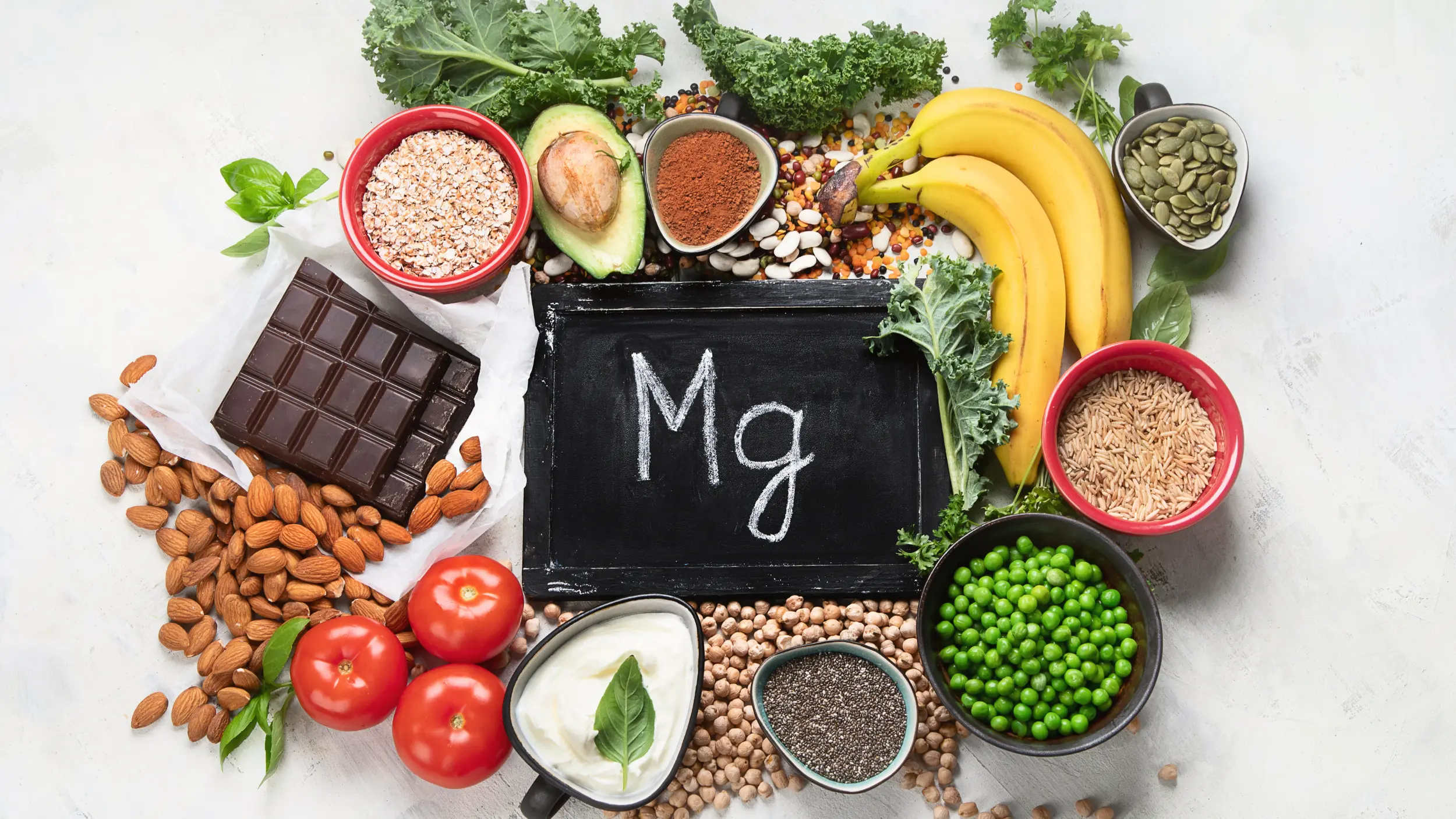
Healthy Fats: Despite decades of fat-phobia, dietary fat isn't your enemy—the type matters. Monounsaturated fats from olive oil, avocados, and nuts, plus omega-3s from fatty fish, actually improve liver fat oxidation and reduce inflammation [11]. Aim for 30-35% of calories from these sources. They're essential for hormone production—and yes, hormonal balance directly influences metabolic function.
Lifestyle Shifts for Sustainable Success
Beyond the Plate: Incorporating Mindful Eating and Stress Management
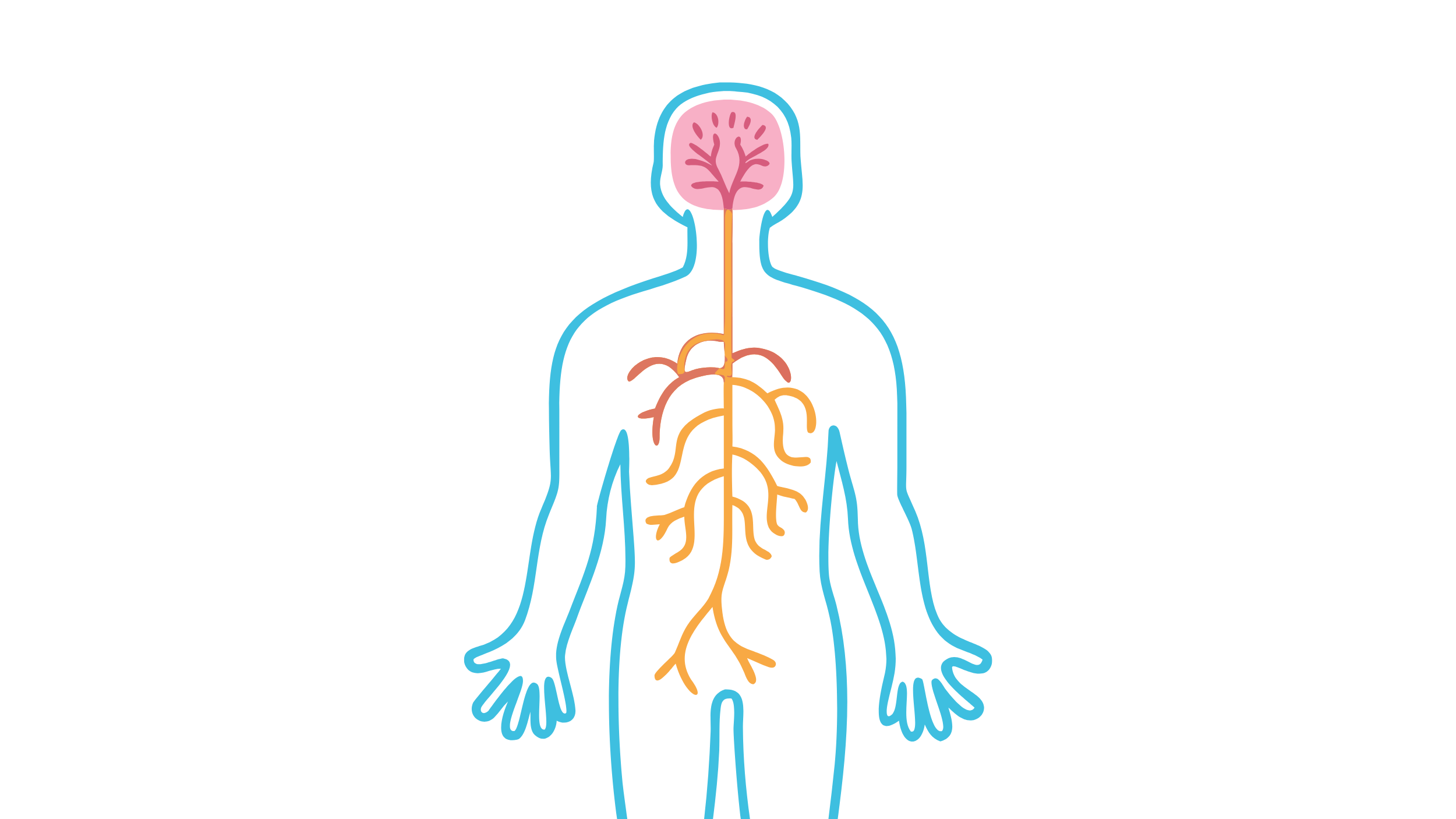
I'm going to be straight with you: chronic stress actively undermines your metabolic recovery. Elevated cortisol promotes visceral fat deposition and hepatic glucose output, creating a biochemical environment that favors fat storage [12]. Your nervous system state literally changes how your body partitions nutrients.
Mindful eating isn't wellness fluff—it's clinical intervention. Eating slowly, chewing thoroughly, and removing distractions during meals improves vagal tone and enhances the cephalic phase of digestion. This means better enzymatic output, improved nutrient absorption, and more accurate hunger-satiety signaling. Start with just one meal daily where you eat without screens, focusing on texture, flavor, and fullness cues.
Practical stress management protocols:
- 10-15 minutes of breathwork or meditation daily (shown to reduce inflammatory cytokines)
- Evening wind-down routine starting 90 minutes before bed
- Morning sunlight exposure within 30 minutes of waking to regulate cortisol rhythm
- Strategic use of adaptogenic herbs like ashwagandha when appropriate
Chronic stress also disrupts your ability to make food decisions from your prefrontal cortex rather than your limbic system. Translation? You're more likely to reach for processed comfort foods when cortisol is running high. Managing stress through functional nutrition creates the neurological foundation for dietary consistency.
The Importance of Consistent Movement for Metabolic Health
Exercise is non-negotiable for reversing fatty liver, but you don't need to become a CrossFit athlete. Both aerobic exercise and resistance training independently reduce hepatic fat content [13]. The magic happens when you combine them.
Aim for 150 minutes of moderate-intensity aerobic activity weekly—brisk walking, cycling, swimming—paired with 2-3 resistance training sessions. Resistance training is particularly powerful because it builds metabolically active muscle tissue that acts as a glucose disposal site, improving insulin sensitivity even at rest [14].
Here's something most women don't realize: exercise can reduce liver fat independent of weight loss [15]. You might see improvements in your liver enzymes and insulin markers before the scale budges. This is why we focus on metabolic health markers, not just pounds.
Strategies for Sustainable Habit Changes That Stick
Behavior change isn't about willpower—it's about systems design. After working with hundreds of women, I've identified the patterns that predict long-term success:
- Start with one meal. Perfect your breakfast routine for two weeks before tackling lunch. Stacking multiple changes simultaneously depletes decision-making capacity.
- Use implementation intentions: "When X happens, I will do Y." Example: "When I feel the 3 PM energy dip, I will eat an apple with almond butter instead of hitting the vending machine."
- Create environmental friction. Don't rely on discipline alone—remove trigger foods from your immediate environment and make healthy options the path of least resistance.
- Track process goals, not just outcome goals. "I ate vegetables with three meals today" beats "I lost two pounds this week" for building sustainable habits.
- Plan for imperfection. One off-plan meal doesn't negate a week of solid nutrition. The women who succeed are those who can course-correct without shame spiraling.
Navigating Social Situations and Cravings with Confidence
Social eating doesn't have to derail your metabolic recovery. Scan the menu ahead of time and decide what aligns with your goals before you're hungry and surrounded by temptation. At restaurants, lead with protein and vegetables, and don't be shy about modifications—any decent establishment will accommodate.
For cravings, ask yourself: Am I actually hungry, or am I responding to stress, boredom, or habit? True physiological hunger builds gradually and is satisfied by various foods. Cravings are specific, sudden, and often emotionally driven. If it's the latter, employ the 10-minute rule: wait, drink water, and reassess. Often the intensity passes.
When you do indulge deliberately (because rigid restriction backfires), practice the 80/20 principle. If 80% of your meals align with your reversal protocol, the occasional 20% won't sabotage progress. This isn't permission for daily desserts—it's strategic flexibility that prevents the restrict-binge cycle.
Frequently Asked Questions
Can I reverse fatty liver with diet alone?
Yes, but with nuance. Dietary intervention is the cornerstone of MASLD reversal and can produce significant improvements independently [16]. Studies show that a 7-10% reduction in body weight (when achieved primarily through diet) can resolve MASH in approximately 90% of cases. However, combining nutrition with exercise, sleep optimization, and stress management accelerates results and improves long-term sustainability. If you have advanced fibrosis, you'll need closer medical monitoring, but diet remains your primary lever.
How long does it typically take to see results?
You'll see biochemical changes before clinical ones. Many women notice improved energy and reduced brain fog within 2-3 weeks. Measurable reductions in liver enzymes (ALT, AST) typically appear at the 8-12 week mark [17]. Imaging studies showing reduced liver fat usually require 3-6 months of consistent intervention. Your timeline depends on baseline severity, adherence consistency, and individual metabolic variability. The women who track metrics beyond the scale—energy levels, sleep quality, mental clarity—stay motivated through the process.
What are the first dietary steps I should take?
Start here, in this order:
- Eliminate sugar-sweetened beverages completely—this single change can reduce liver fat by 20-30% in some individuals [18].
- Add a palm-sized portion of protein to breakfast within 90 minutes of waking to stabilize blood glucose for the day.
- Replace refined grains with intact whole grains or starchy vegetables at lunch and dinner.
- Include one serving of omega-3 rich fish three times weekly.
These foundational shifts create metabolic momentum without overwhelming your routine. Once these feel automatic (usually 3-4 weeks), we layer in additional interventions like meal timing optimization and advanced anti-inflammatory protocols.
Ready to take control of your metabolic health and reverse fatty liver? You don't have to figure this out alone. Book a personalized consultation at www.usevedic.com and let's create your unique action plan based on your labs, symptoms, and lifestyle. Your liver has remarkable regenerative capacity—let's activate it together.
References
[1] Rinella ME, et al. A multi-society Delphi consensus statement on new fatty liver disease nomenclature. Hepatology, 2023.
[2] Chalasani N, et al. The diagnosis and management of nonalcoholic fatty liver disease: Practice guidance from the American Association for the Study of Liver Diseases. Hepatology, 2018.
[3] Younossi ZM, et al. Global epidemiology of nonalcoholic fatty liver disease—Meta-analytic assessment of prevalence, incidence, and outcomes. Hepatology, 2016.
[4] Samuel VT, Shulman GI. Mechanisms for insulin resistance: common threads and missing links. Cell, 2012.
[5] Gepner Y, et al. The beneficial effects of Mediterranean diet over low-fat diet may be mediated by decreasing hepatic fat content. Journal of Hepatology, 2019.
[6] Parker HM, et al. Omega-3 supplementation and non-alcoholic fatty liver disease: a systematic review and meta-analysis. American Journal of Clinical Nutrition, 2019.
[7] Violi F, et al. Extra virgin olive oil use is associated with improved post-prandial blood glucose and LDL cholesterol in healthy subjects. Nutrition Research, 2015.
[8] Jensen T, et al. Fructose and sugar: A major mediator of non-alcoholic fatty liver disease. Journal of Hepatology, 2018.
[9] Properzi C, et al. Ad libitum Mediterranean and low-fat diets both significantly reduce hepatic steatosis: A randomized controlled trial. Metabolism, 2018.
[10] Koopman KE, et al. Dietary protein and exercise interventions to improve body composition in adults with metabolic dysfunction. American Journal of Clinical Nutrition, 2020.
[11] Bozzetto L, et al. Liver fat is reduced by an isoenergetic MUFA diet in a controlled randomized study in type 2 diabetic patients. Diabetologia, 2012.
[12] Chao AM, et al. Stress, cortisol, and other appetite-related hormones: Prospective prediction of 6-month changes in food cravings and weight. Obesity, 2017.
[13] Hashida R, et al. Aerobic vs. resistance exercise in non-alcoholic fatty liver disease: A systematic review. Journal of Hepatology, 2017.
[14] Pugh CJ, et al. Exercise training reverses endothelial dysfunction in nonalcoholic fatty liver disease. Journal of Physiology, 2014.
[15] Keating SE, et al. Exercise and non-alcoholic fatty liver disease: a systematic review and meta-analysis. Journal of Hepatology, 2015.
[16] Romero-Gómez M, et al. Treatment of NAFLD with diet, physical activity and exercise. Alimentary Pharmacology & Therapeutics, 2017.
[17] Vilar-Gomez E, et al. Weight loss through lifestyle modification significantly reduces features of nonalcoholic steatohepatitis. Gastroenterology, 2015.
[18] Ma J, et al. Sugar-sweetened beverage consumption and the development of non-alcoholic fatty liver disease: a prospective study. BMJ, 2019.
.svg)
.svg)



.jpg)
.jpg)










.webp)

























.webp)
.webp)
.webp)
.webp)
.webp)
.webp)
.png)
.webp)
.webp)

.webp)
.png)
.webp)
.webp)
.webp)
.webp)
.webp)
.webp)
.webp)
.webp)
.webp)


.webp)
.png)