.webp)
.webp)
%2B(7).webp)
.png)
At a Glance
Chronic stress depletes key nutrients like magnesium, B vitamins, and omega-3s, leaving your body less equipped to handle daily pressures. A stress resilience diet prioritizes anti-inflammatory whole foods, blood sugar balance, and strategic nutrient timing to support your nervous system and cortisol regulation. By focusing on specific stress relief foods and avoiding common pitfalls, you can build a sustainable eating pattern that genuinely enhances your ability to stay calm and focused.
Understanding the Stress-Nutrient Connection
Let's get real for a second—when you're stressed, your body goes into survival mode. Cortisol (your primary stress hormone) spikes, your heart rate increases, and your body starts breaking down stored nutrients at an accelerated pace [1]. This isn't just about feeling frazzled; it's a full-body biochemical response that directly impacts your nutritional status.
Here's what happens under chronic stress:
Your body rapidly depletes magnesium stores, which are essential for over 300 enzymatic reactions including neurotransmitter production and muscle relaxation [2]. Meanwhile, vitamin C gets used up quickly to support adrenal gland function, and B vitamins—especially B6, B9, and B12—become depleted as your body works overtime to produce stress-response chemicals [3].
The cortisol-blood sugar connection is huge. When cortisol remains elevated, it signals your liver to release glucose for quick energy, even when you haven't eaten. This can lead to blood sugar swings that make you feel anxious, irritable, and trigger intense cravings for sugary or high-carb foods [4]. It's a vicious cycle: stress drives poor food choices, and those choices make your stress response even more volatile.
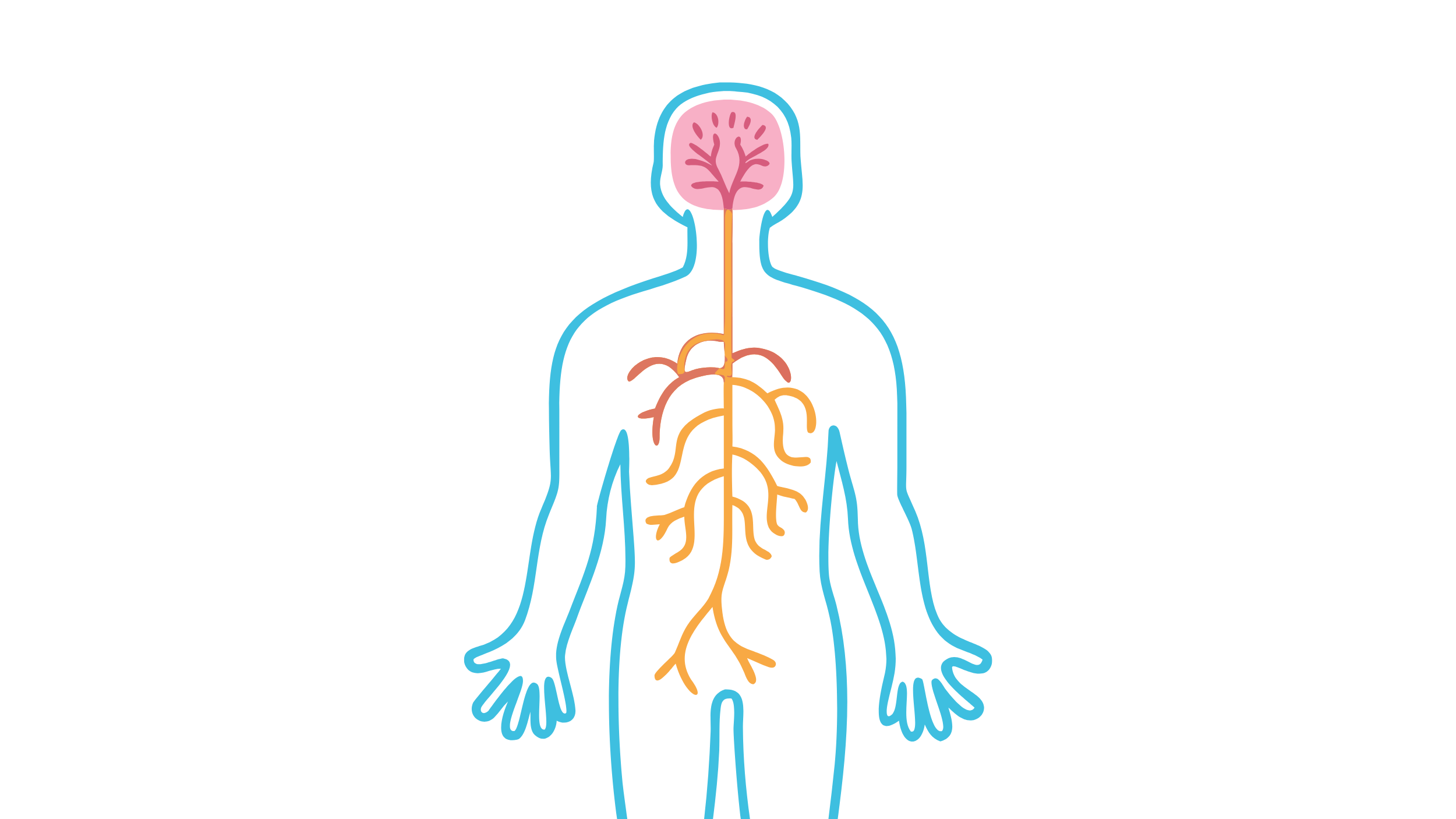
Your gut-brain axis also takes a hit. Chronic stress alters your microbiome composition, reducing beneficial bacteria that produce mood-regulating neurotransmitters like serotonin and GABA [5]. This is why stress and digestive issues so often go hand-in-hand, and why supporting your gut health through targeted nutrition becomes a critical piece of the stress resilience puzzle.
Your Stress-Fighting Food Toolkit
Okay, so now that you understand why nutrition matters for stress, let's talk about what actually works. These aren't random superfoods—they're strategically chosen based on their ability to support specific stress-related pathways in your body.
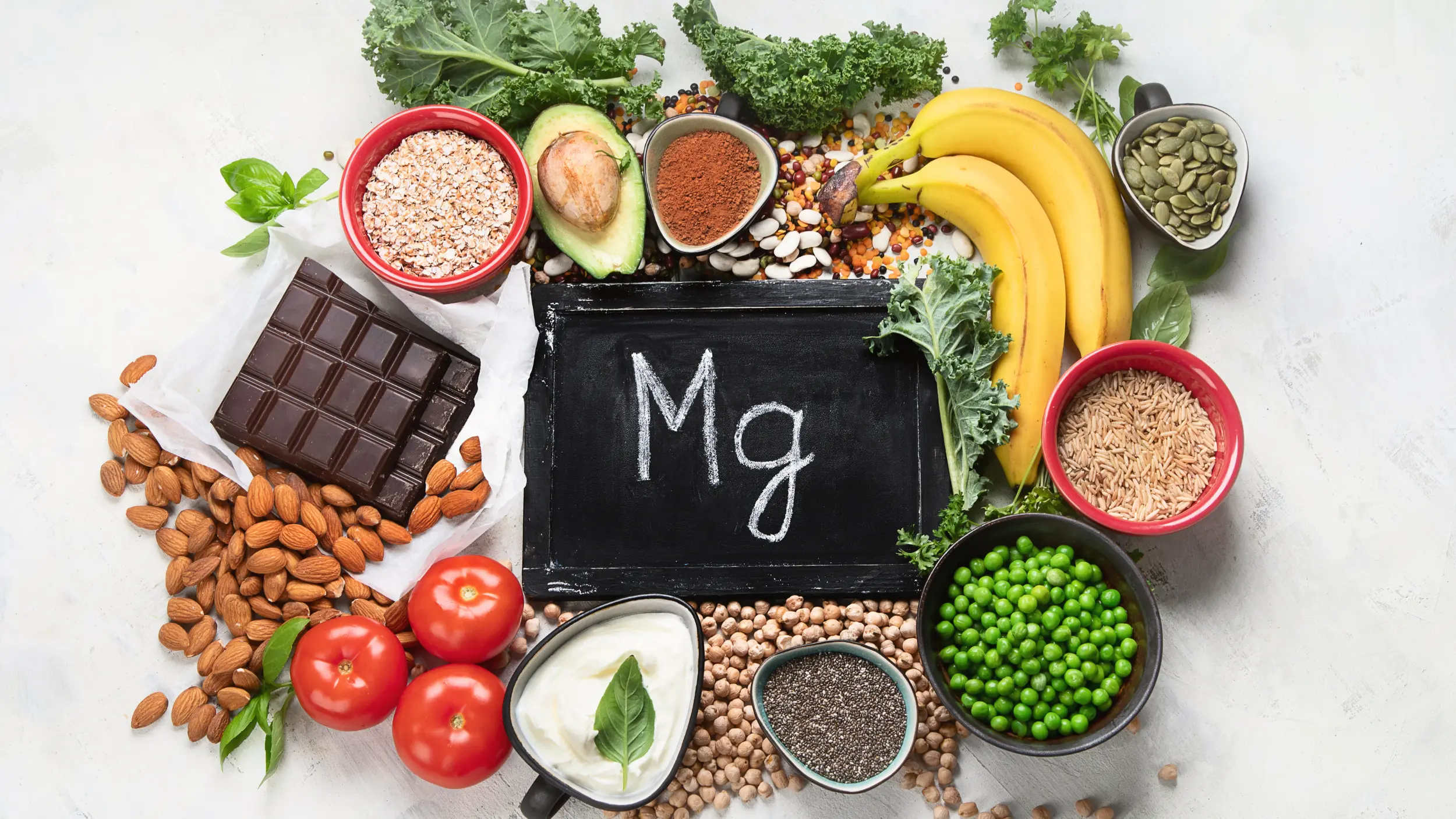
Magnesium-Rich Foundations
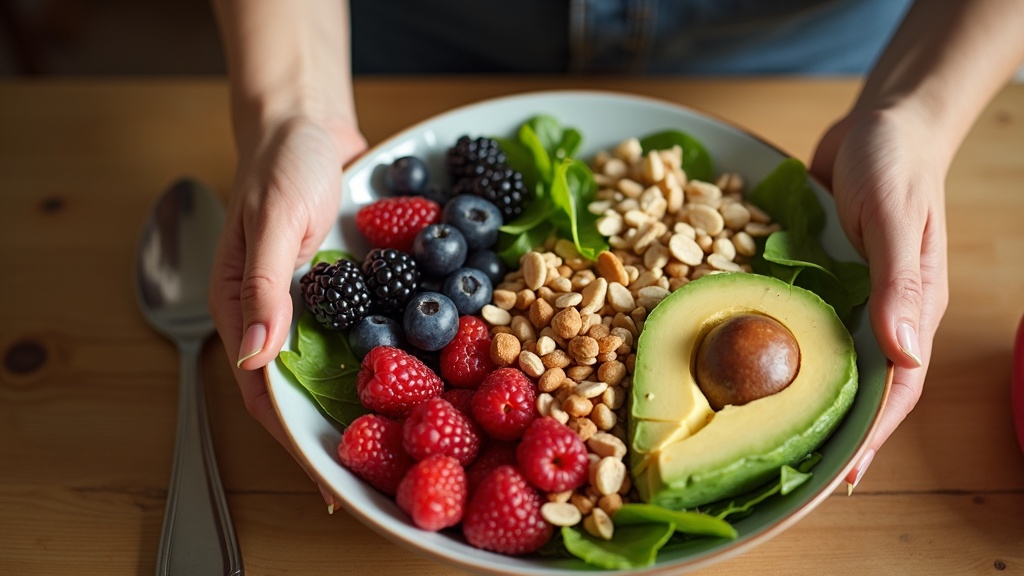
- Dark leafy greens like spinach, Swiss chard, and collards
- Pumpkin seeds and hemp hearts (my go-to salad toppers)
- Dark chocolate with at least 70% cacao
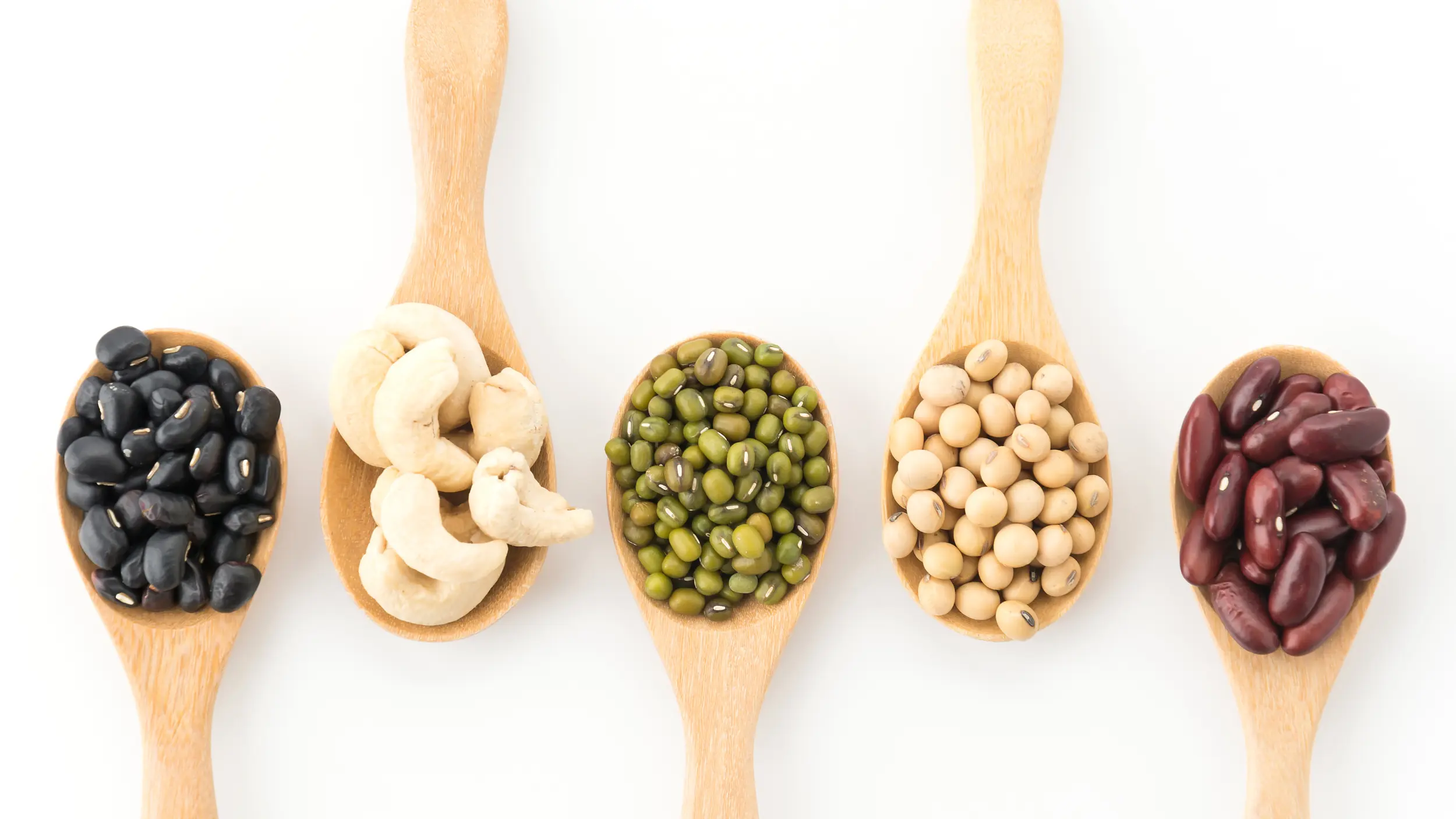
- Black beans, chickpeas, and white beans
Magnesium acts as nature's relaxation mineral, blocking the binding of glutamate (an excitatory neurotransmitter) to NMDA receptors and promoting GABA activity instead [6]. Translation? It literally helps your nervous system downshift from "fight or flight" to "rest and digest."
Omega-3 Powerhouses for Brain Resilience
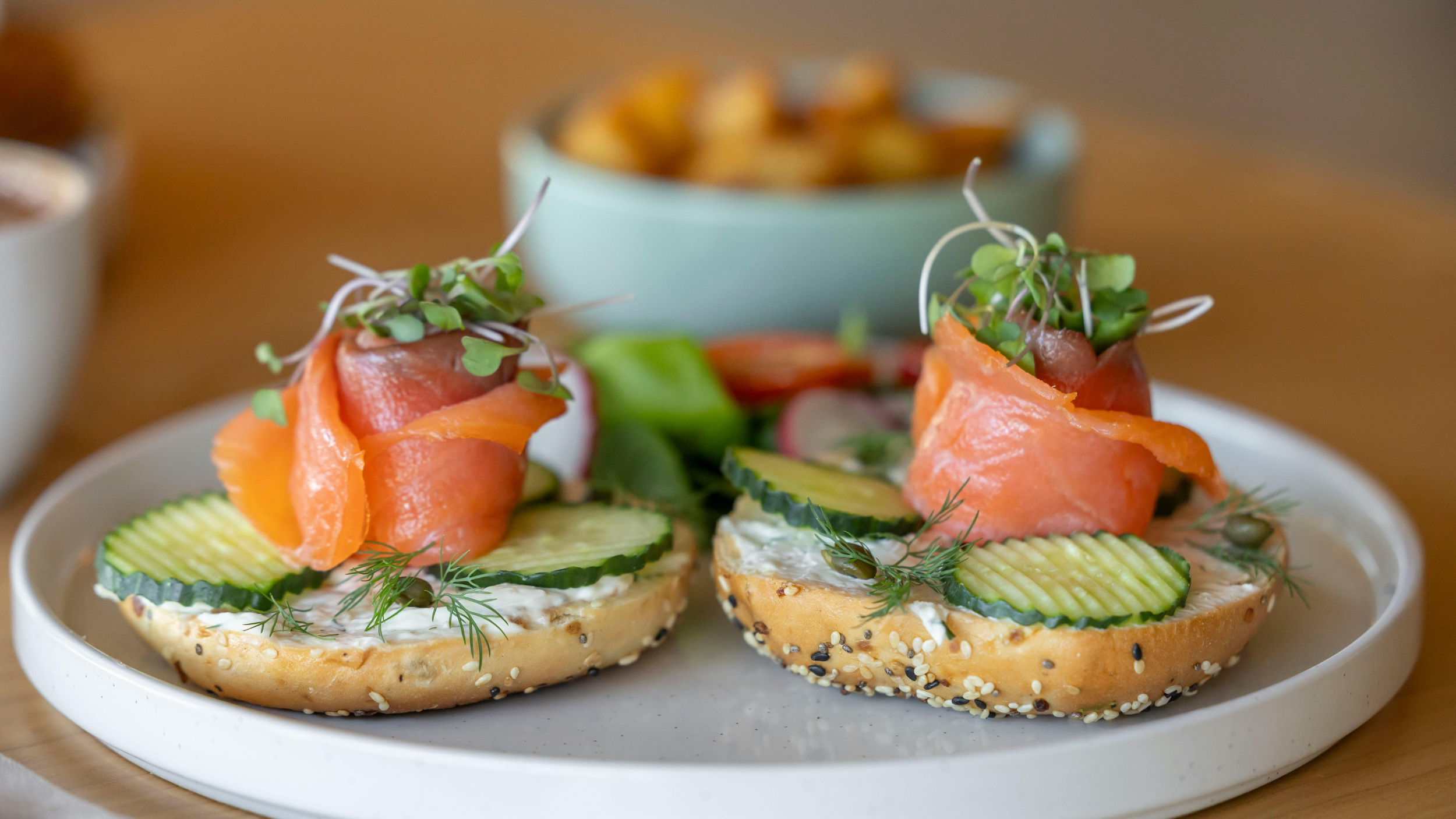
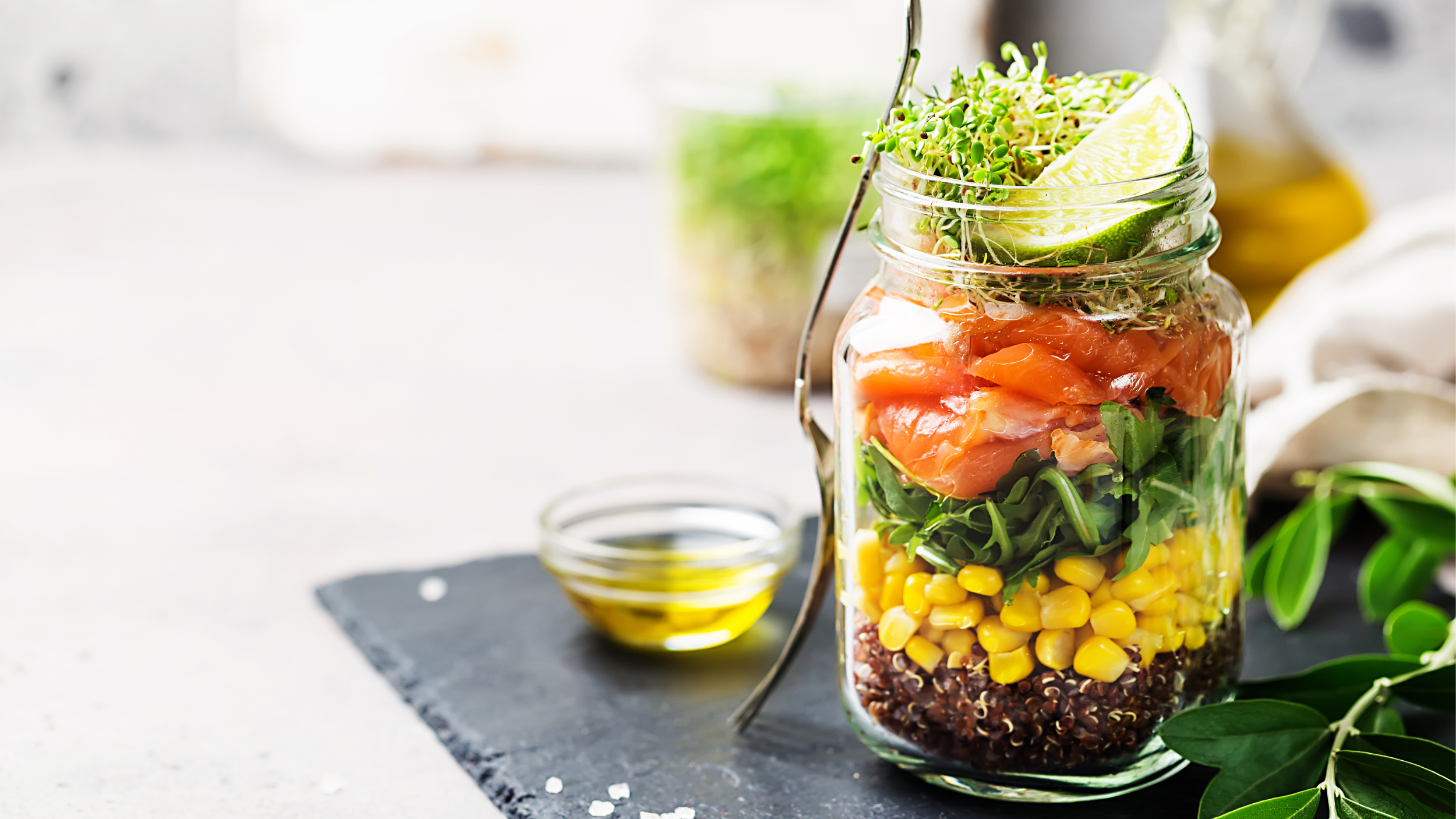
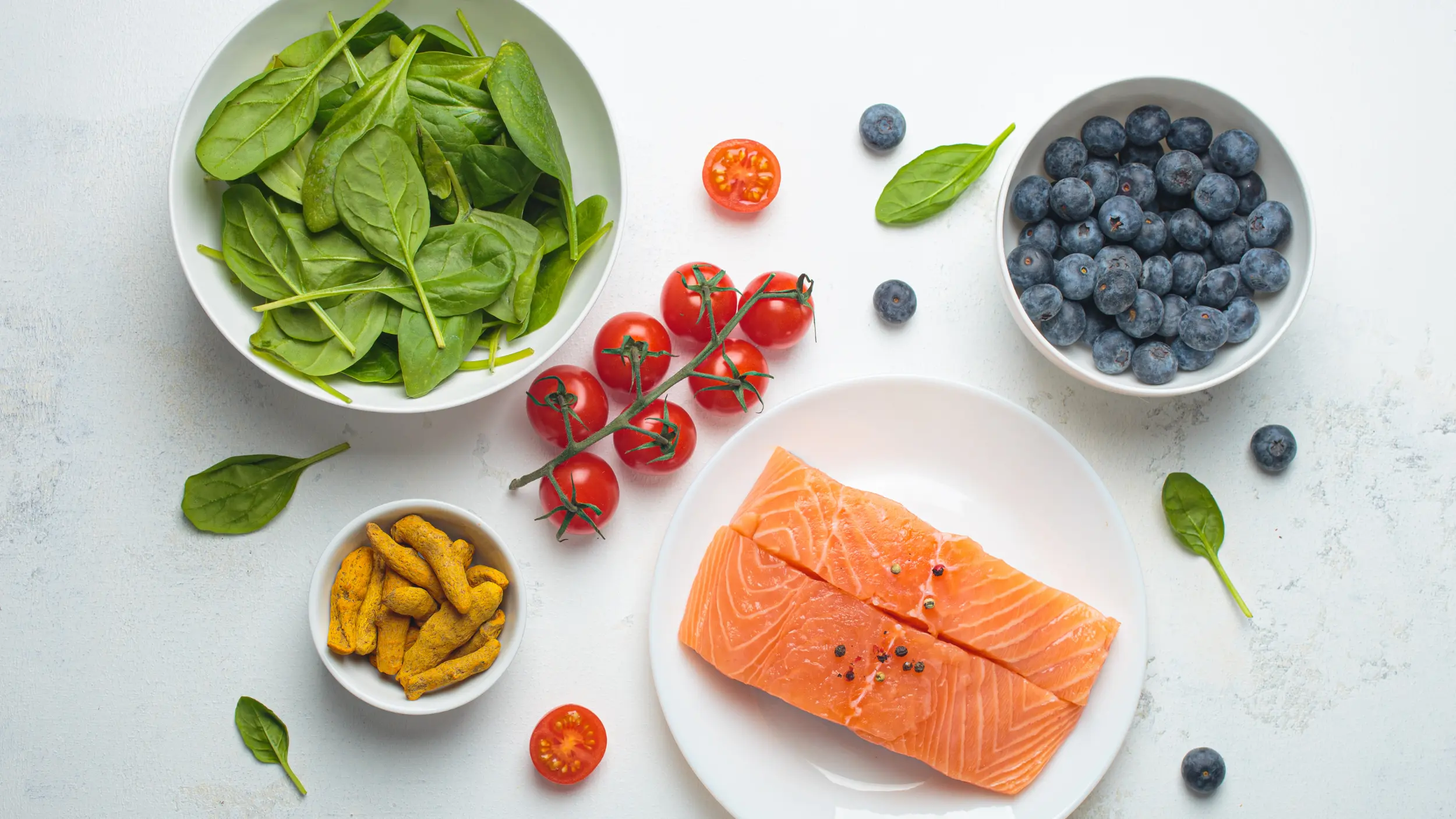
Fatty fish consumption at least twice weekly has been associated with reduced anxiety symptoms and better stress adaptation [7]. The EPA and DHA in these foods reduce inflammatory cytokines that can amplify your stress response and impair mood regulation.
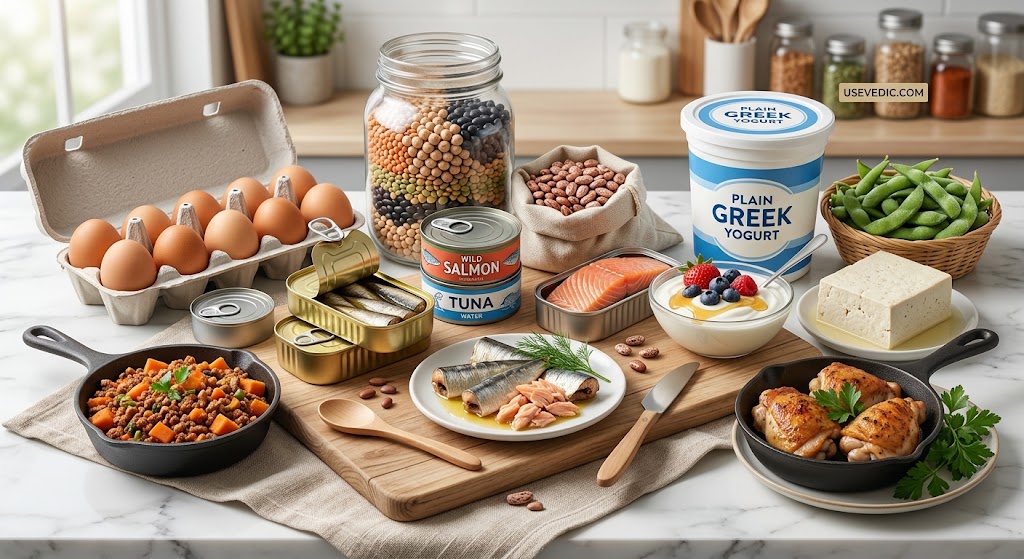
- Wild-caught salmon (fresh or canned)
- Sardines and anchovies
- Mackerel and herring
- For plant-based options: ground flaxseed, chia seeds, and walnuts
Complex Carbohydrates for Serotonin Support
Contrary to what diet culture might tell you, you need carbohydrates for optimal stress management. Complex carbs facilitate tryptophan transport across the blood-brain barrier, where it converts to serotonin—your "feel-good" neurotransmitter [8].
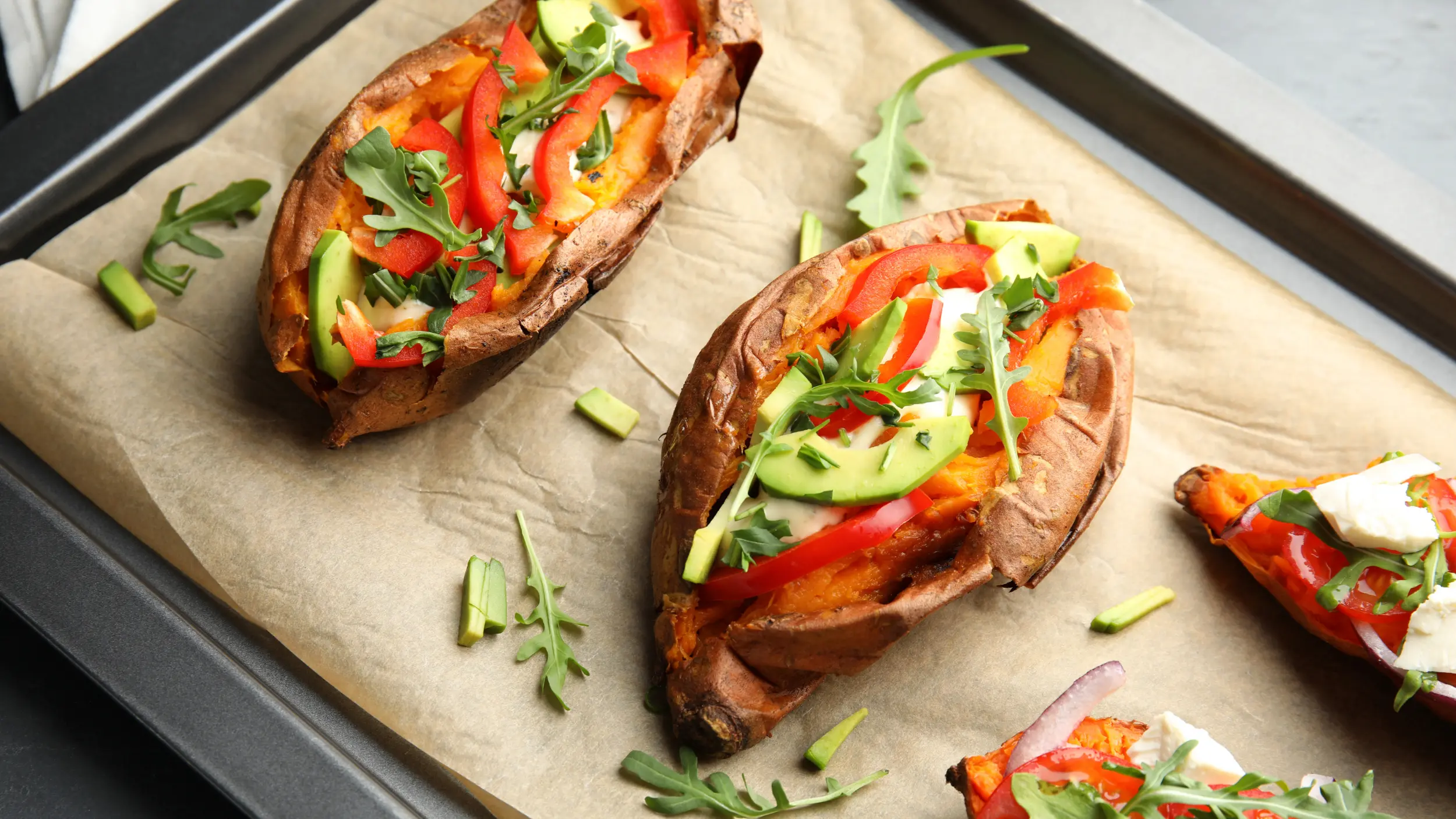
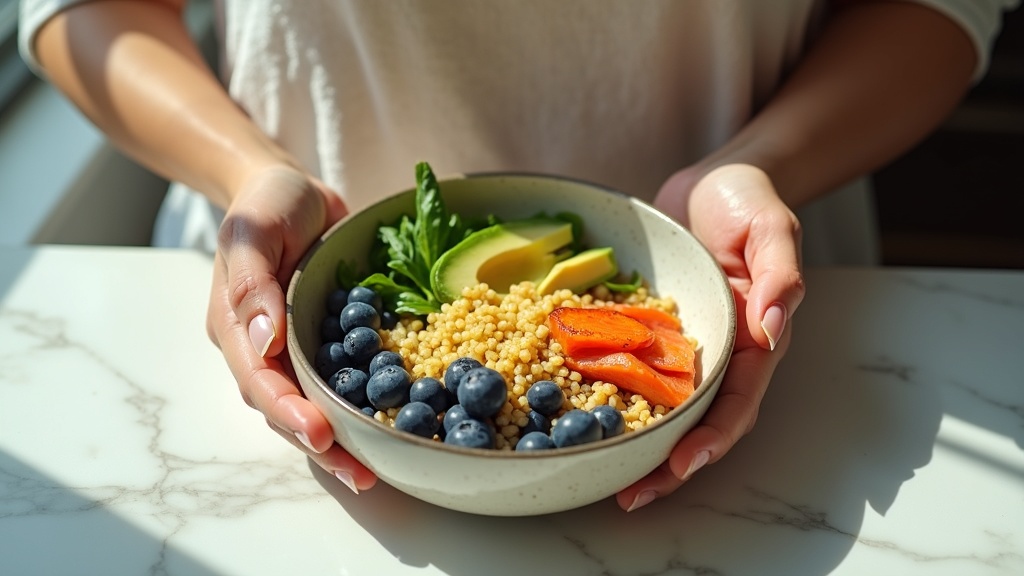
Think: steel-cut oats, quinoa, sweet potatoes, and whole-grain sourdough. These provide steady glucose release without the crash that comes from refined options.
Antioxidant-Rich Stress Buffers
Chronic stress increases oxidative damage throughout your body. These foods provide protective compounds:
- Blueberries, blackberries, and tart cherries
- Green tea (L-theanine promotes alpha brain waves associated with calm alertness) [9]
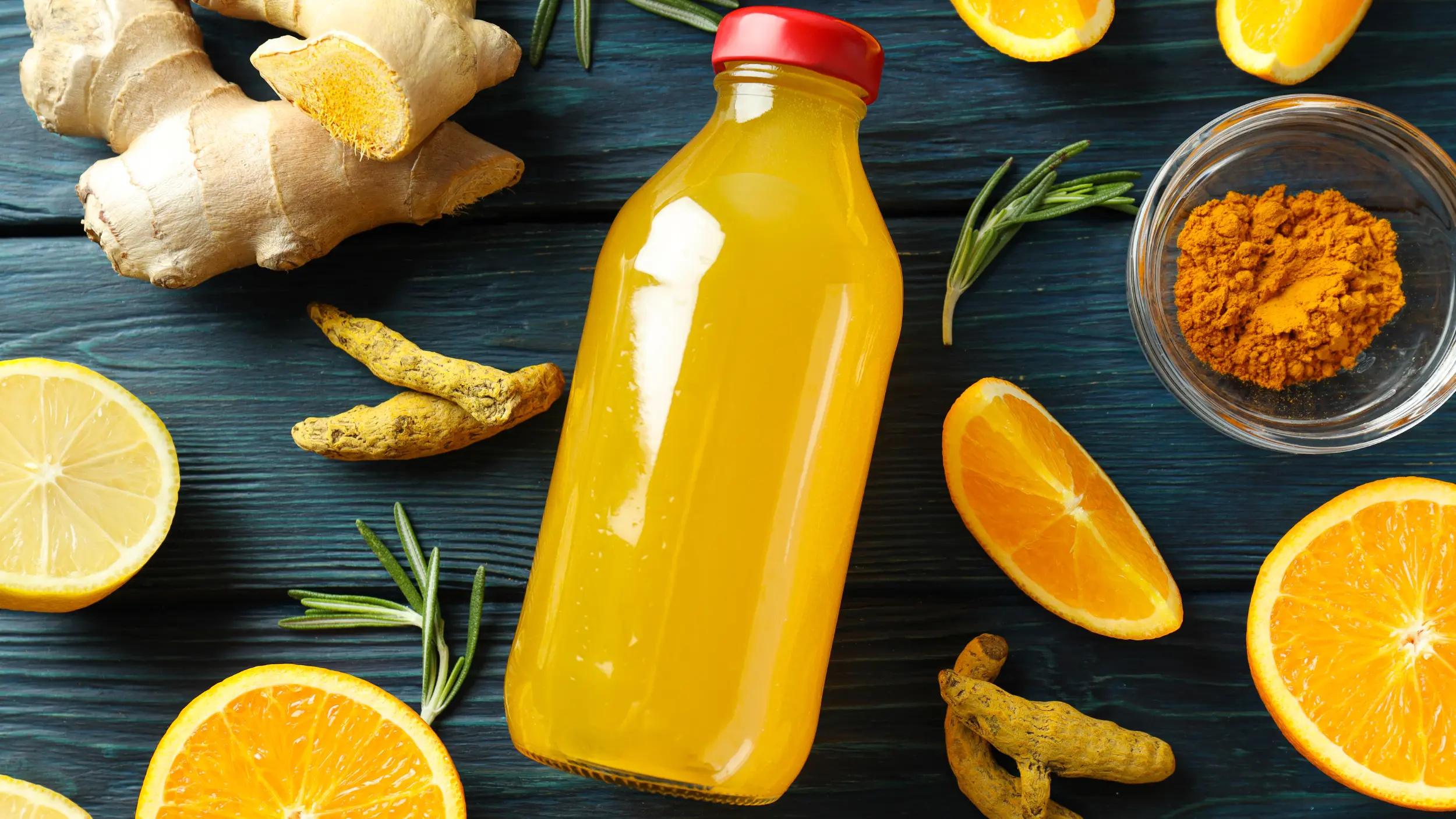
- Turmeric with black pepper (curcumin crosses the blood-brain barrier)
- Red bell peppers and citrus fruits for vitamin C replenishment
The Stress Eating Reality Check
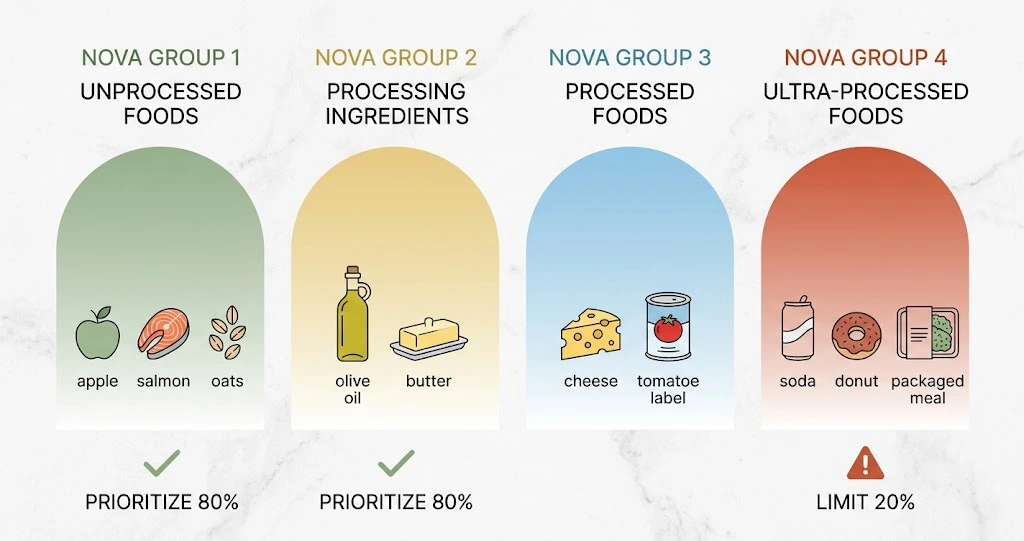
Let's address the elephant in the room: stress eating is not a moral failure. When you're overwhelmed, your brain genuinely craves quick energy and comfort [10]. The problem is that reaching for ultra-processed foods high in sugar, refined carbs, and unhealthy fats actually worsens your stress response over time by promoting inflammation and blood sugar instability.
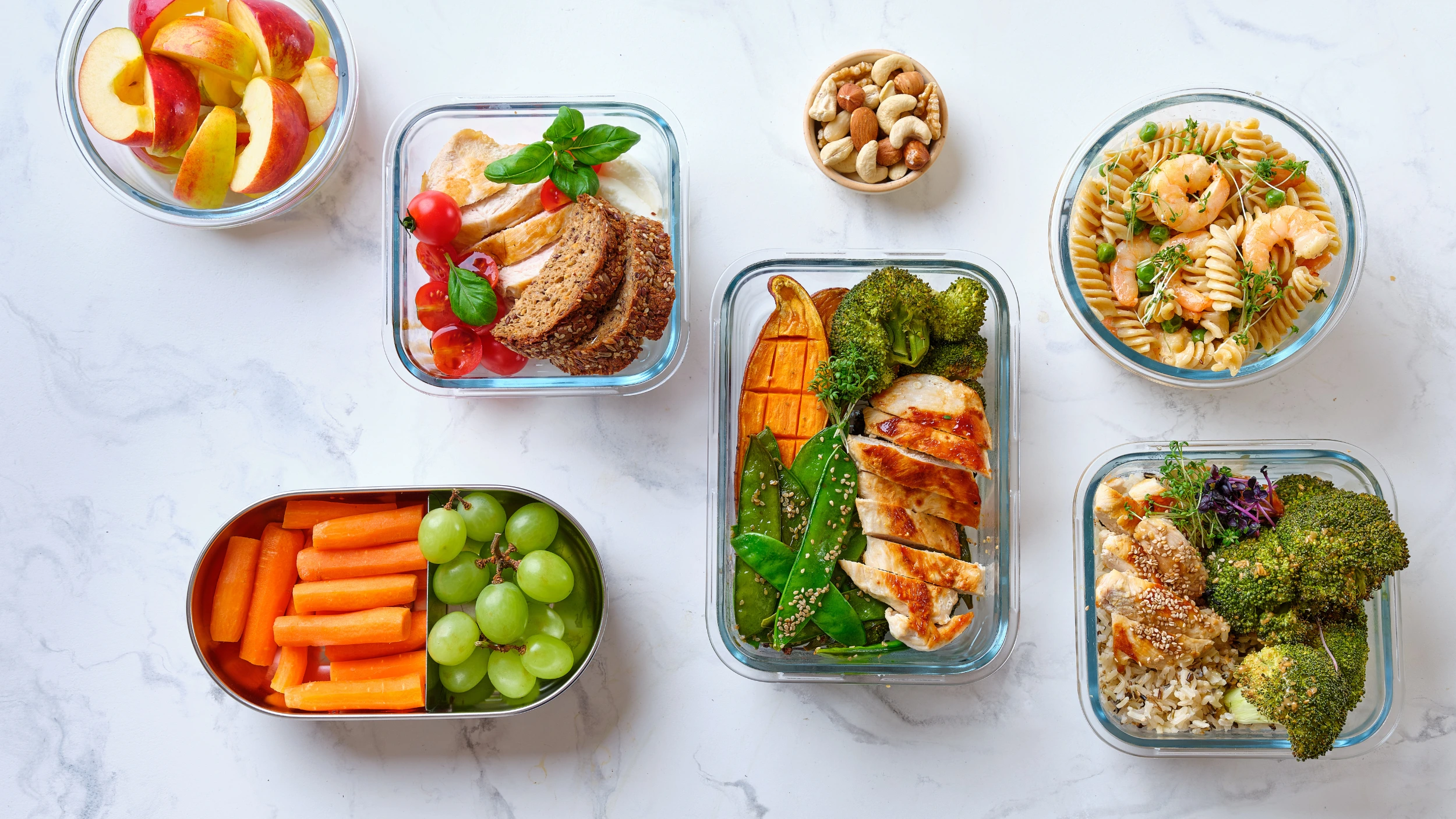
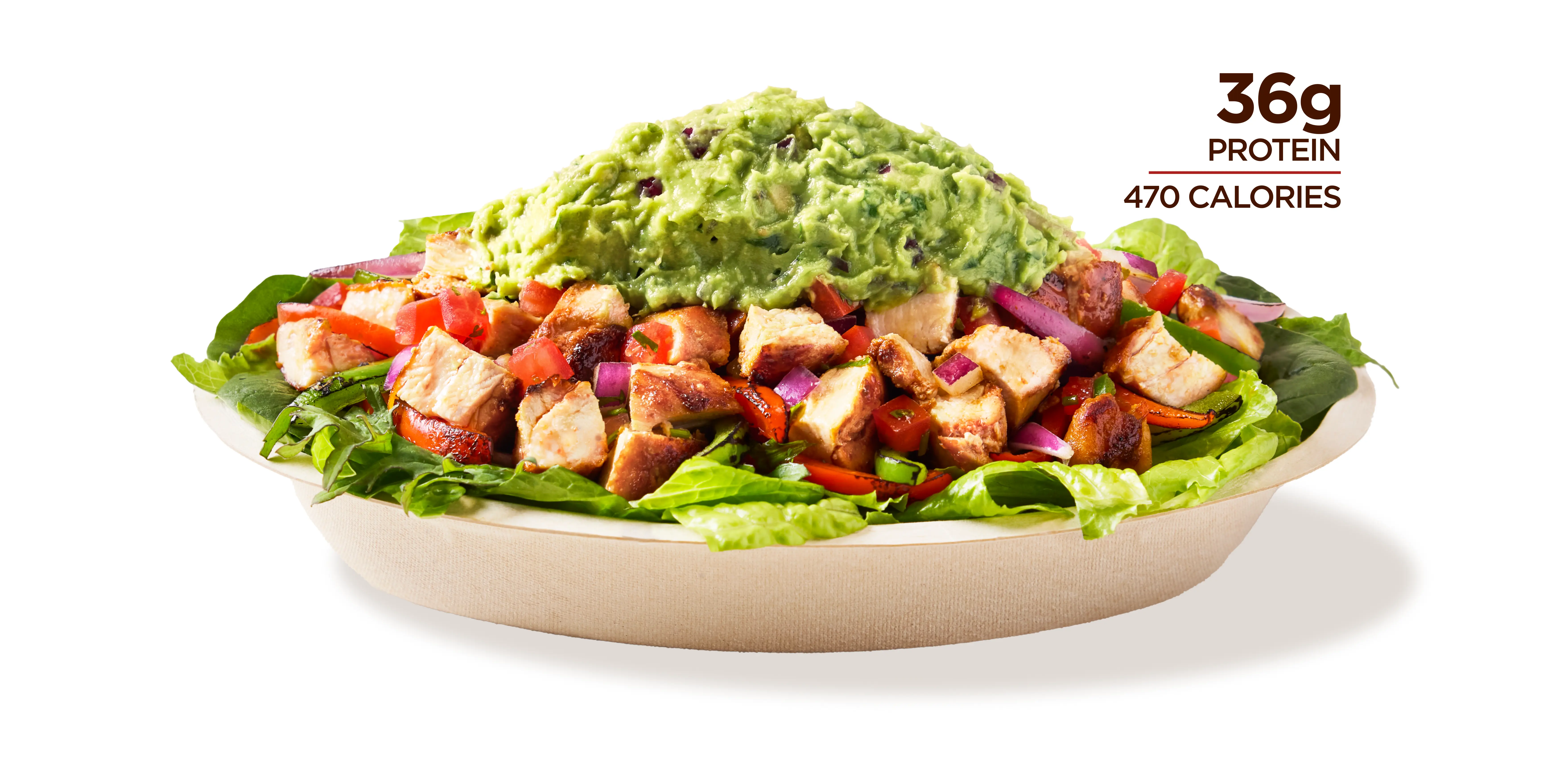
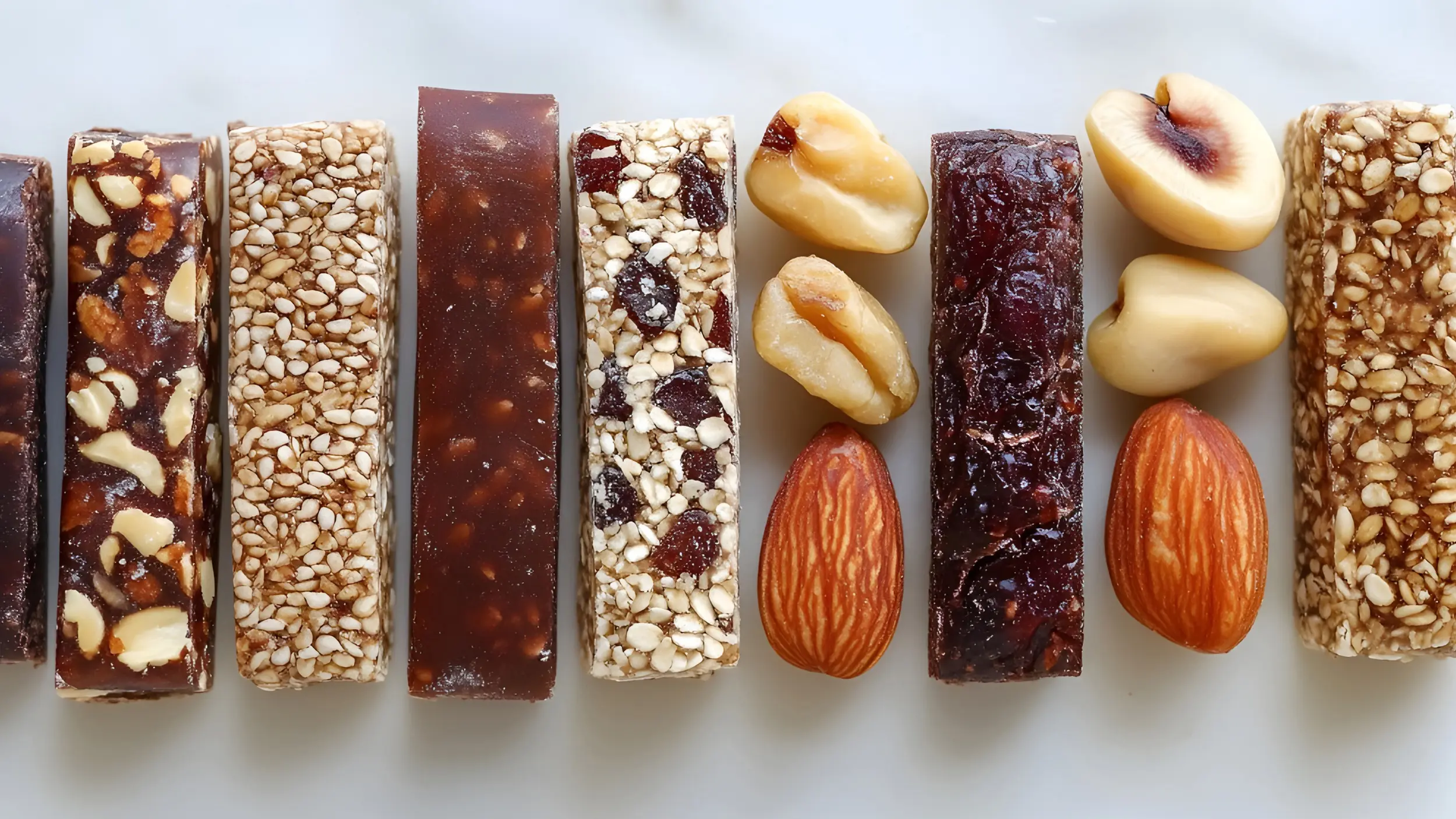
Instead of fighting cravings with willpower alone, work with your biology. Keep stress relief foods visible and accessible. Pre-portion nuts with dark chocolate. Prep veggie sticks with hummus. When the urge hits, you're not battling yourself—you're making the easier choice the healthier one.
Crafting Your Personalized Stress Resilience Plan
Knowledge is only powerful when you can actually implement it in your real, messy, busy life. Here's how to translate these principles into sustainable daily habits.
Blood Sugar Stability as Your Foundation
Every single meal and snack should include a balance of protein, healthy fat, and fiber-rich carbohydrates. This trifecta slows glucose absorption and prevents the cortisol spikes that come with blood sugar crashes [11].
Practical application: Instead of toast with jam, try whole-grain sourdough with almond butter and sliced strawberries. Instead of a solo apple, pair it with a handful of walnuts and a piece of cheese.
Strategic Meal Timing
Your cortisol naturally peaks in the morning and should taper throughout the day [12]. Support this rhythm by:
- Eating a substantial breakfast within 90 minutes of waking
- Spacing meals every 3-4 hours to prevent blood sugar dips
- Including a small protein-based snack in the afternoon (this is when most people experience energy crashes)
- Keeping dinner moderate and finishing at least 2-3 hours before bed
Mindful Eating Practices That Actually Work
I'm not asking you to meditate over every meal. But small awareness shifts make a huge difference:
Turn off screens during at least one meal daily. Put your fork down between bites. Notice the texture, temperature, and flavors of your food. This activates your parasympathetic nervous system and improves digestion—both crucial for managing stress through diet [13].
Batch Cooking for Stress Prevention
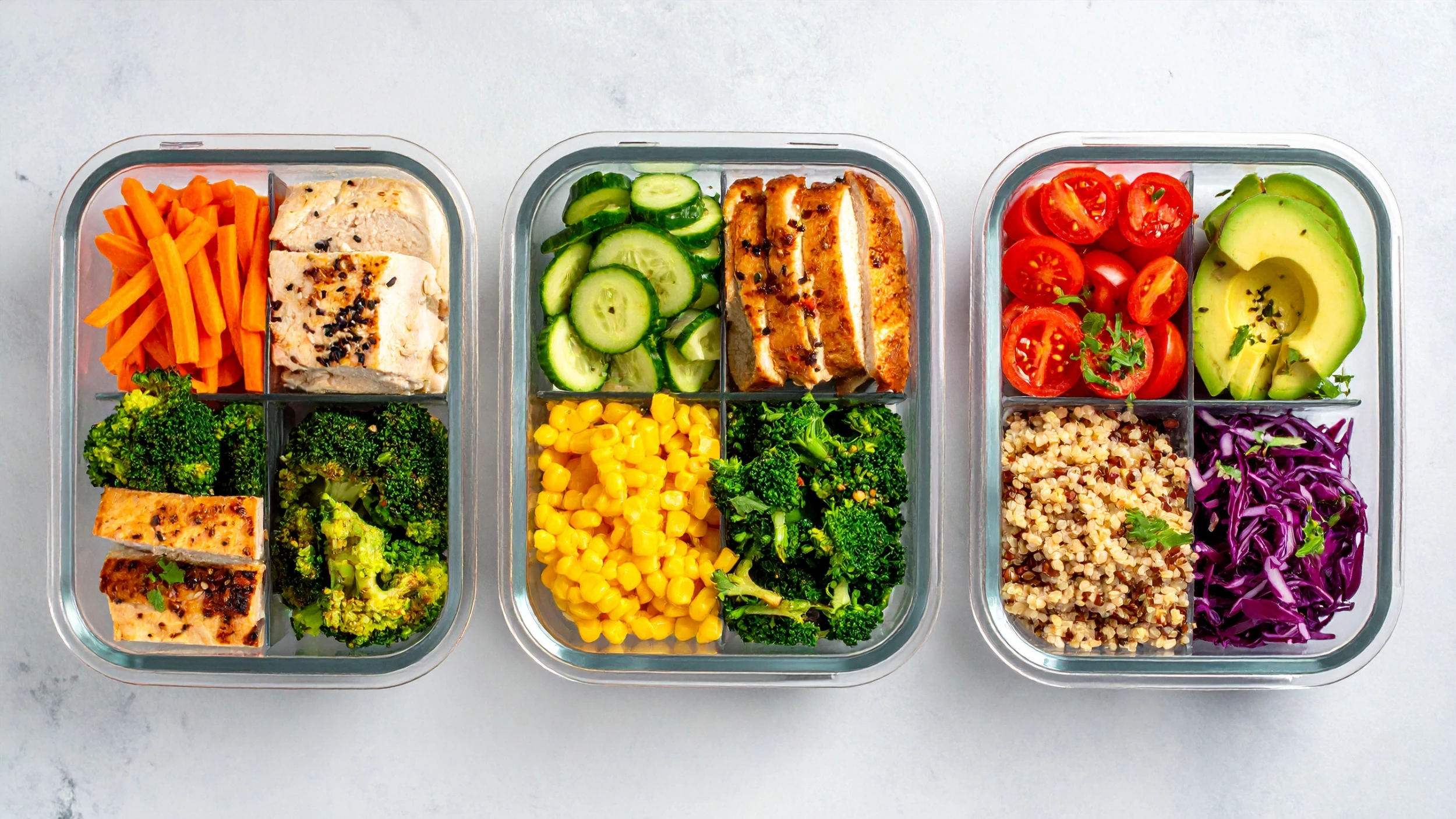
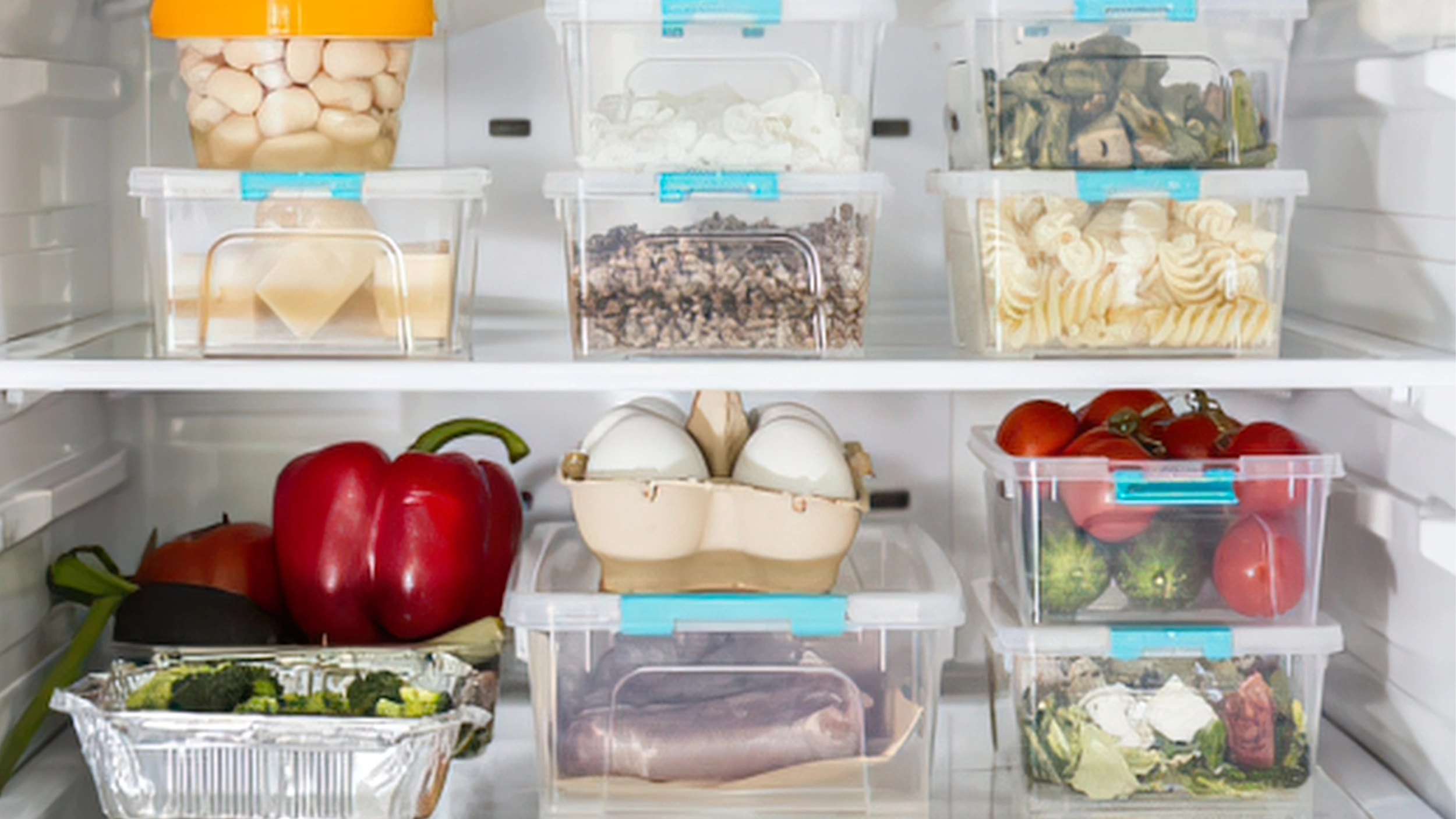
When you're already overwhelmed, decision fatigue around food becomes one more stressor. Dedicate 2 hours on a weekend to batch-cook staples:
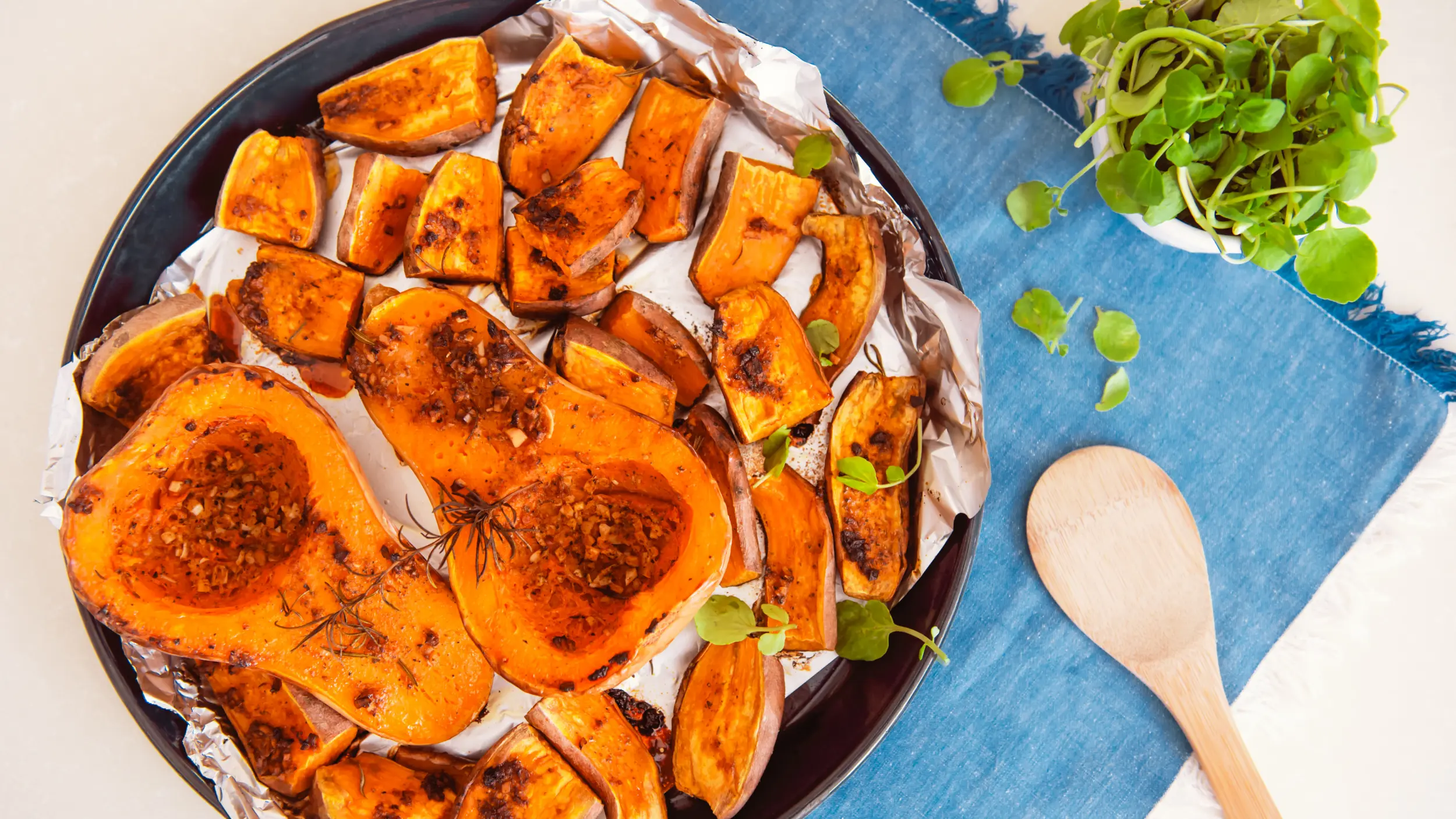
- Roast a large sheet pan of vegetables
- Cook a big pot of quinoa or brown rice
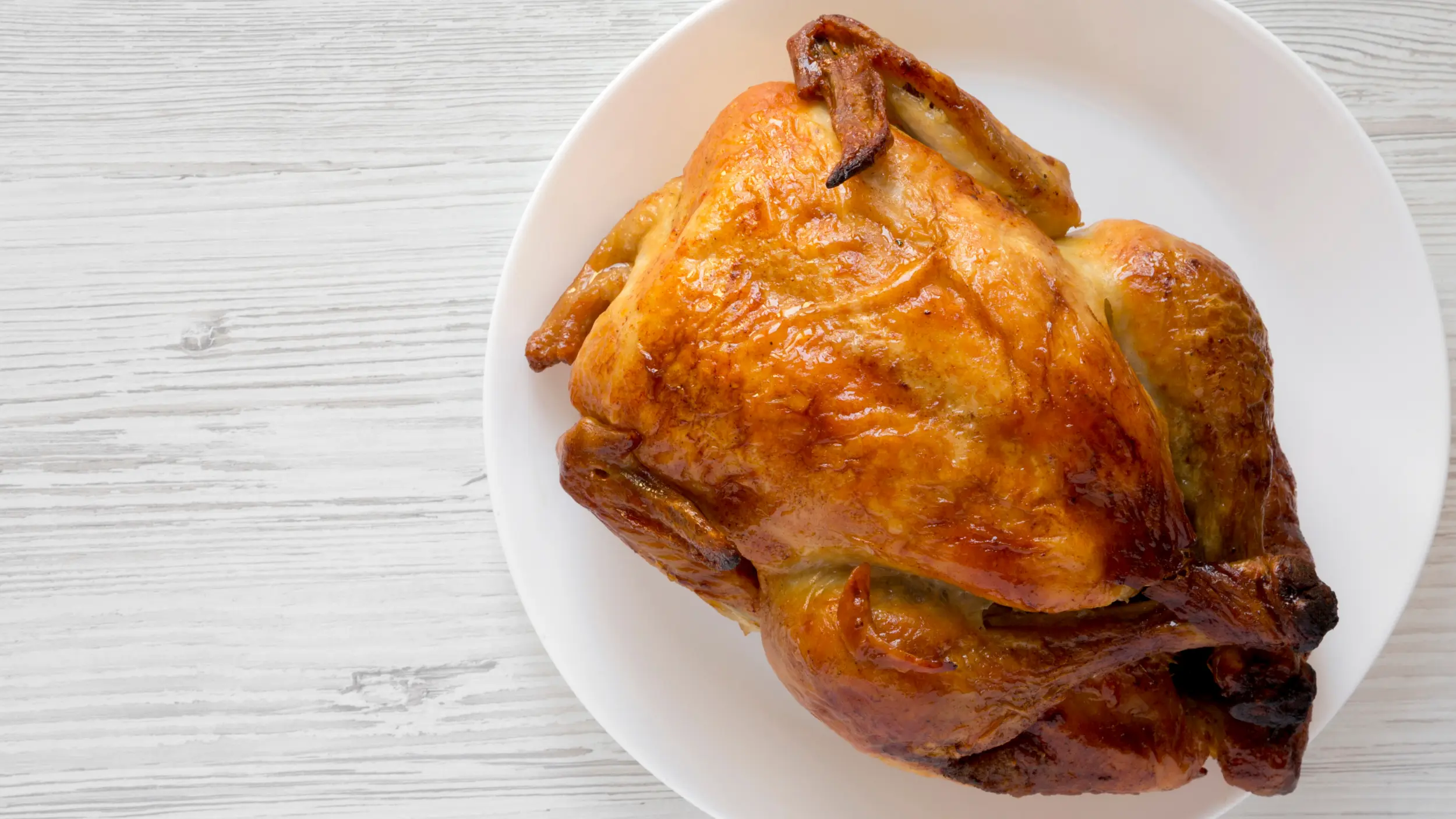
- Prepare 2-3 protein options (baked chicken thighs, hard-boiled eggs, roasted chickpeas)
- Wash and chop raw veggies for quick snacking
You're essentially creating a "stress-resilience assembly line" for the week ahead. Mix and match components for varied meals without the cognitive load of cooking from scratch daily.
When to Bring in Professional Support
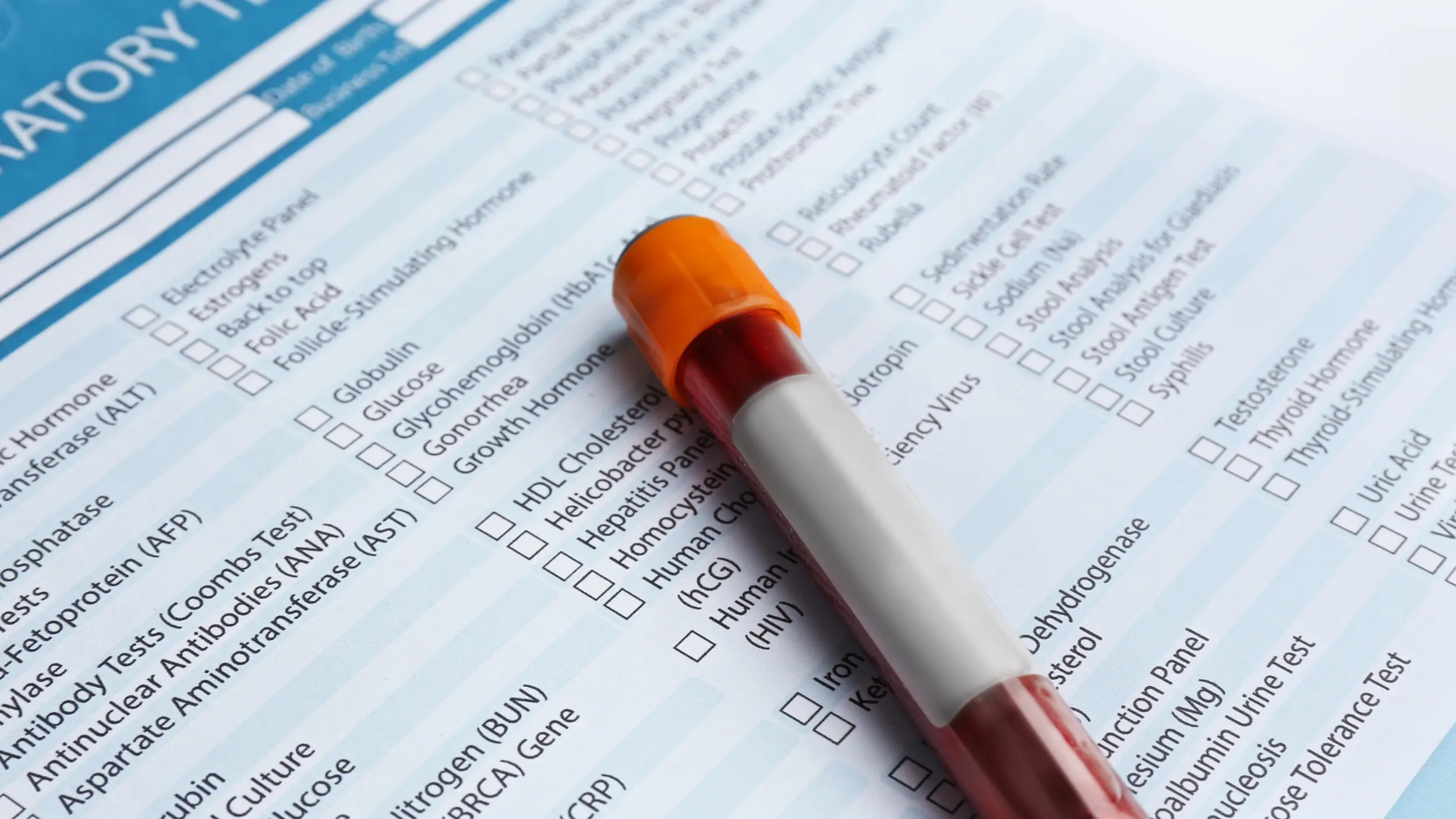
If you're experiencing persistent anxiety, fatigue despite adequate sleep, hormonal imbalances, or gut issues alongside stress, working with a specialized dietitian becomes essential. A functional nutrition approach to stress and energy looks at your unique biochemistry, runs targeted labs if needed, and creates a truly personalized protocol—not a one-size-fits-all plan.
This is especially important if you're also managing hormone balance challenges, since stress hormones and sex hormones share biochemical pathways and deeply influence each other.
Frequently Asked Questions
Q1: What are the top 3 foods that can help me feel calmer when I'm stressed?
My evidence-based trio: fatty fish like salmon (omega-3s reduce inflammatory stress markers), dark leafy greens (magnesium supports GABA activity and nervous system relaxation), and blueberries (anthocyanins cross the blood-brain barrier to reduce oxidative stress). The key is consistency—these work best when incorporated regularly, not just during acute stress episodes.
Q2: How can I stop stress eating and make healthier choices?
First, recognize that stress eating serves a biological purpose—your brain seeks quick energy and emotional comfort. Instead of restriction, focus on crowding in nutrient-dense options and stabilizing blood sugar throughout the day. Keep pre-portioned healthy snacks visible. Practice the "pause and assess" technique: when a craving hits, wait 10 minutes and drink water. If you still want food, choose something that includes protein or healthy fat alongside your carb. Address the root cause by implementing stress-management techniques (movement, breath work, connection) alongside nutrition changes.
Q3: Can a dietitian help me create a personalized stress resilience diet plan?
Absolutely—and I'd argue it's one of the most valuable investments you can make. A specialized dietitian assesses your current eating patterns, stress triggers, nutrient deficiencies, digestive function, and lifestyle factors to create a protocol tailored to your biology and circumstances. We can identify hidden stressors (like blood sugar instability or food sensitivities), recommend targeted testing if appropriate, and provide ongoing accountability as you build new habits. Generic advice only goes so far; personalized guidance addresses your specific barriers and goals.
Ready to take control of your stress through nutrition? Book a consultation today at www.usevedic.com to create your personalized stress resilience plan and start feeling calmer, more energized, and in control.
References
[1] Epel ES, et al. Stress may add bite to appetite in women: a laboratory study of stress-induced cortisol and eating behavior. Psychoneuroendocrinology. 2001;26(1):37-49.
[2] Pickering G, et al. Magnesium Status and Stress: The Vicious Circle Concept Revisited. Nutrients. 2020;12(12):3672.
[3] Stough C, et al. The effect of 90 day administration of a high dose vitamin B-complex on work stress. Hum Psychopharmacol. 2011;26(7):470-476.
[4] Adam TC, Epel ES. Stress, eating and the reward system. Physiol Behav. 2007;91(4):449-458.
[5] Foster JA, Neufeld KA. Gut-brain axis: how the microbiome influences anxiety and depression. Trends Neurosci. 2013;36(5):305-312.
[6] Kirkland AE, et al. The Role of Magnesium in Neurological Disorders. Nutrients. 2018;10(6):730.
[7] Grosso G, et al. Role of omega-3 fatty acids in the treatment of depressive disorders: a comprehensive meta-analysis of randomized clinical trials. PLoS One. 2014;9(5):e96905.
[8] Wurtman RJ, et al. Brain serotonin, carbohydrate-craving, obesity and depression. Obes Res. 1995;3 Suppl 4:477S-480S.
[9] Nobre AC, et al. L-theanine, a natural constituent in tea, and its effect on mental state. Asia Pac J Clin Nutr. 2008;17 Suppl 1:167-168.
[10] Yau YH, Potenza MN. Stress and eating behaviors. Minerva Endocrinol. 2013;38(3):255-267.
[11] Hewagalamulage SD, et al. Stress, cortisol, and obesity: a role for cortisol responsiveness in identifying individuals prone to obesity. Domest Anim Endocrinol. 2016;56 Suppl:S112-S120.
[12] Krieger DT, et al. Characterization of the normal temporal pattern of plasma corticosteroid levels. J Clin Endocrinol Metab. 1971;32(2):266-284.
[13] Seguias L, Tapper K. The effect of mindful eating on subsequent intake of a high calorie snack. Appetite. 2018;121:93-100.
.svg)
.svg)


.jpg)
.jpg)











.webp)
























.webp)
.webp)
.webp)
.webp)
.webp)
.webp)
.webp)
.png)
.webp)
.webp)

.webp)
.png)
.webp)
.webp)
.webp)
.webp)
.webp)
.webp)
.webp)
.webp)


.webp)
.png)