.webp)
%2B(7).webp)
.png)
At a Glance
Your vagus nerve acts as the primary communication channel between your brain and digestive system, directly influencing how well you digest food and absorb nutrients. When chronic stress disrupts vagal tone, it triggers a cascade of digestive symptoms including bloating, slow motility, and nutrient malabsorption. The exciting news: specific vagus nerve exercises and stress management techniques can measurably improve your digestive function within weeks.
Understanding the Gut-Brain Connection: Your Vagus Nerve's Role
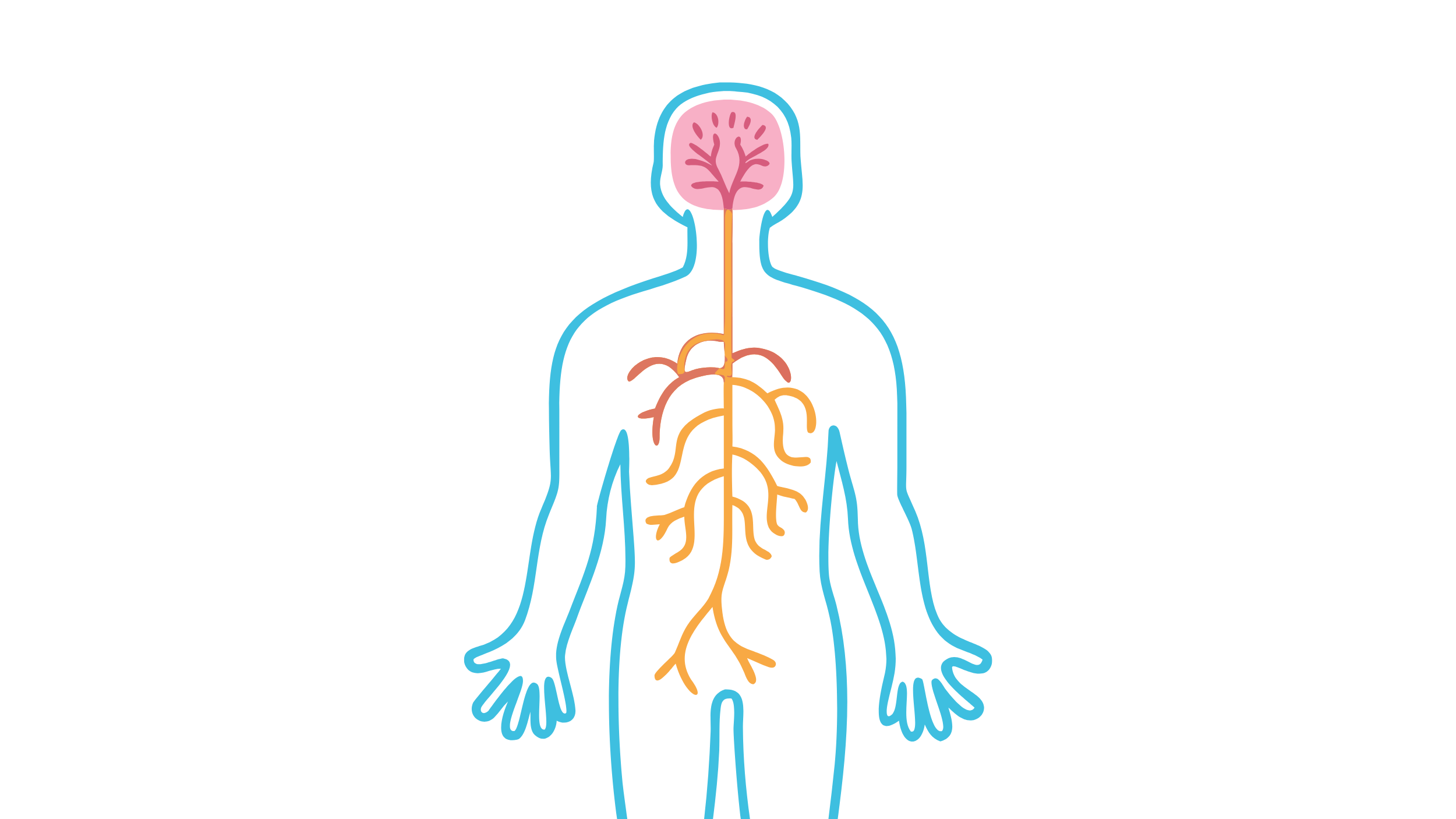
Let's talk about something that's happening in your body right now as you read this: your vagus nerve is constantly sending messages between your brain and your gut. This tenth cranial nerve is the longest nerve in your autonomic nervous system, and it's responsible for about 75% of all parasympathetic nerve fibers [1].
Think of the vagus nerve as your body's built-in relaxation and digestion coordinator. When it's functioning optimally, it tells your stomach to produce adequate digestive enzymes, signals your intestines to contract in coordinated waves (called peristalsis), and even influences the tight junctions in your gut lining [2].
The gut-brain axis and digestion work through bidirectional communication. Your gut literally sends more signals up to your brain than your brain sends down, which explains why digestive upset can affect your mood and why anxiety can trigger digestive symptoms [3].
What happens when vagal tone is healthy?
- Your stomach empties at an appropriate rate, preventing that uncomfortable "food sitting" feeling
- Digestive enzymes and gastric acid release on cue when you eat
- Your gallbladder contracts properly to release bile for fat digestion
- Intestinal motility stays consistent, reducing bloating and constipation
- Your gut microbiome receives supportive signals that promote beneficial bacterial growth
Vagal tone refers to the activity and responsiveness of your vagus nerve. Higher vagal tone correlates with better digestive function, improved heart rate variability, and enhanced stress resilience [4]. You can actually measure vagal tone through heart rate variability testing, something I often recommend for clients experiencing chronic digestive issues alongside stress.
The vagus nerve and digestion connection extends to your microbiome too. Recent 2024 research shows that vagal signaling directly influences the composition of gut bacteria, and in turn, certain bacterial metabolites can stimulate vagal afferent neurons [5]. This creates a fascinating feedback loop where supporting your vagus nerve supports your microbiome, and optimizing your gut health supports vagal function.
When Stress Hijacks Your Digestion: The Vagus Nerve Loop
Here's what's happening when you're running late for a meeting and suddenly your stomach starts churning: your sympathetic nervous system (your "fight or flight" response) takes over, and vagal activity gets suppressed [6].
How stress affects digestion goes way beyond just feeling butterflies. Chronic stress fundamentally alters the vagus nerve stress digestion relationship by:
- Reducing gastric motility. When you're stressed, your stomach literally slows down or stops moving food through efficiently. This leads to feelings of fullness, nausea, and that heavy sensation after eating.
- Decreasing digestive secretions. Your body diverts resources away from "rest and digest" functions. Stomach acid, pancreatic enzymes, and bile production all decrease when sympathetic tone dominates.
- Increasing intestinal permeability. Chronic stress triggers the release of cortisol and inflammatory cytokines that can compromise your gut barrier, potentially contributing to food sensitivities and systemic inflammation.
The digestion and anxiety connection creates a vicious cycle. Poor digestion leads to nutrient deficiencies (especially B vitamins, magnesium, and zinc) that your nervous system needs to function optimally. This nutritional depletion can worsen anxiety, which further suppresses vagal tone [10].
I see this pattern constantly in my practice: a woman starts a high-stress job or goes through a difficult life transition, and suddenly she's dealing with reflux, bloating, irregular bowel movements, or food intolerances that seemingly came out of nowhere. The common thread? Disrupted vagal signaling caused by sustained stress.
Common digestive symptoms of low vagal tone:
- Bloating within 30-60 minutes after eating
- Undigested food particles in stool
- Heartburn or acid reflux despite eating well
- Alternating constipation and diarrhea
- Loss of appetite or feeling full very quickly
- Increased food sensitivities
Stress also triggers the release of corticotropin-releasing hormone (CRH), which directly affects gut motility and visceral sensitivity. This is why you might experience cramping or urgent bowel movements before a stressful event [11]. Your nervous system and digestion are genuinely inseparable.
The good news? Understanding how functional nutrition addresses stress and energy gives you a roadmap for breaking this cycle. Your body has remarkable healing capacity when you provide the right support.
Practical Steps to Calm the Loop & Support Your Digestion
Now for the part you've been waiting for: what you can actually do about this. Vagus nerve stimulation for digestion doesn't require expensive equipment or complicated protocols. These evidence-based strategies can improve digestion with vagus nerve support starting today.
Vagus nerve exercises for digestion that actually work:
Deep diaphragmatic breathing is one of the most powerful tools for calming the vagus nerve for digestion. When you breathe deeply into your belly (not your chest), you mechanically stimulate the vagus nerve and shift your autonomic nervous system toward parasympathetic dominance [12].
Try this before meals: Sit comfortably and place one hand on your chest, one on your belly. Inhale slowly through your nose for a count of four, allowing only your belly to rise. Hold for two counts. Exhale through your mouth for a count of six. Repeat for five cycles.
Humming, singing, or gargling activates the vagus nerve through the muscles in the back of your throat. I know it sounds almost too simple, but the research is solid: vocalization increases vagal tone measurably [13].
Cold exposure provides another accessible vagus nerve stimulation method. Splashing cold water on your face or taking a 30-second cold shower at the end of your regular shower activates the diving reflex, which increases vagal activity [14].
Nutrition strategies that support vagal function:
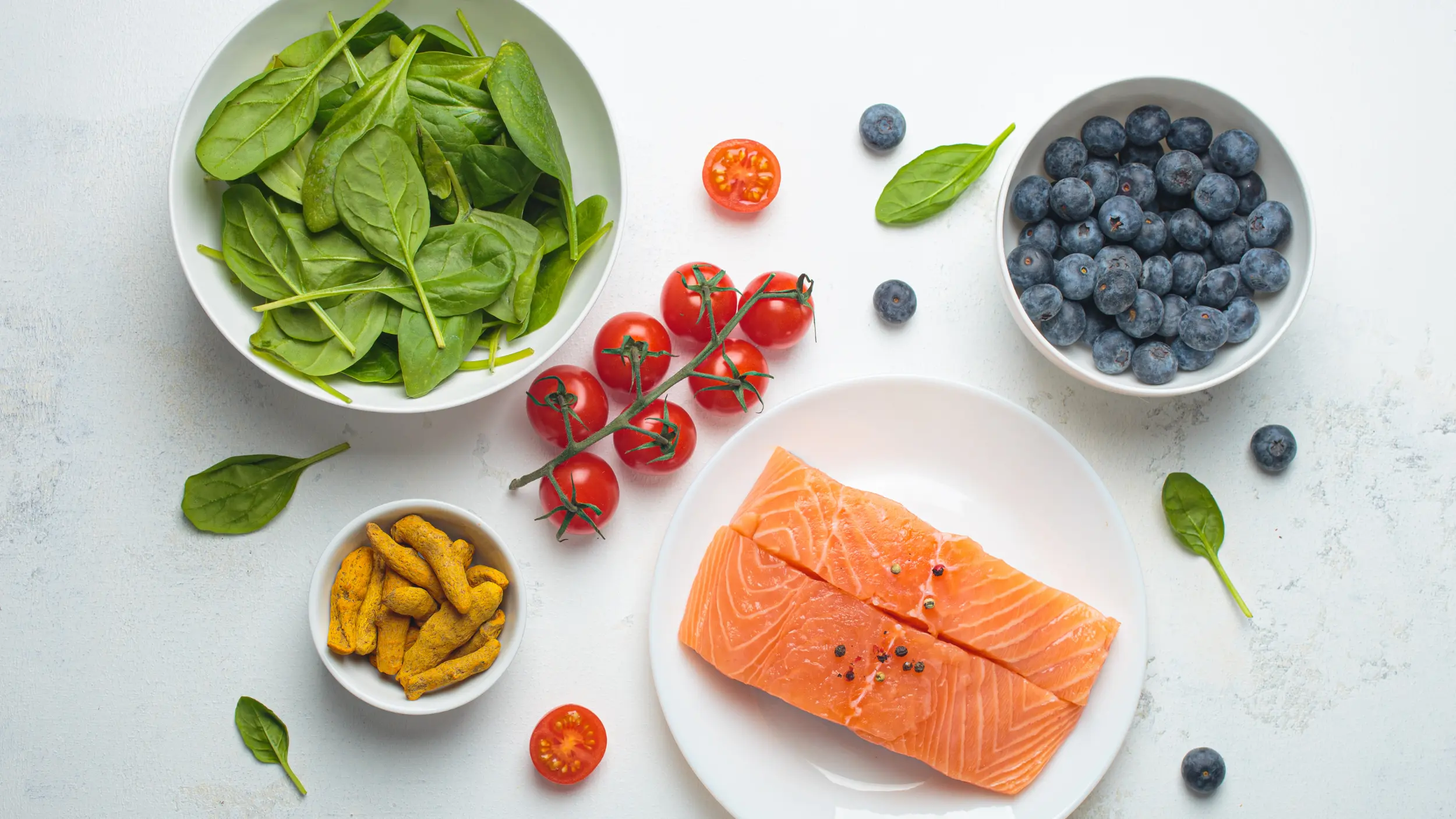
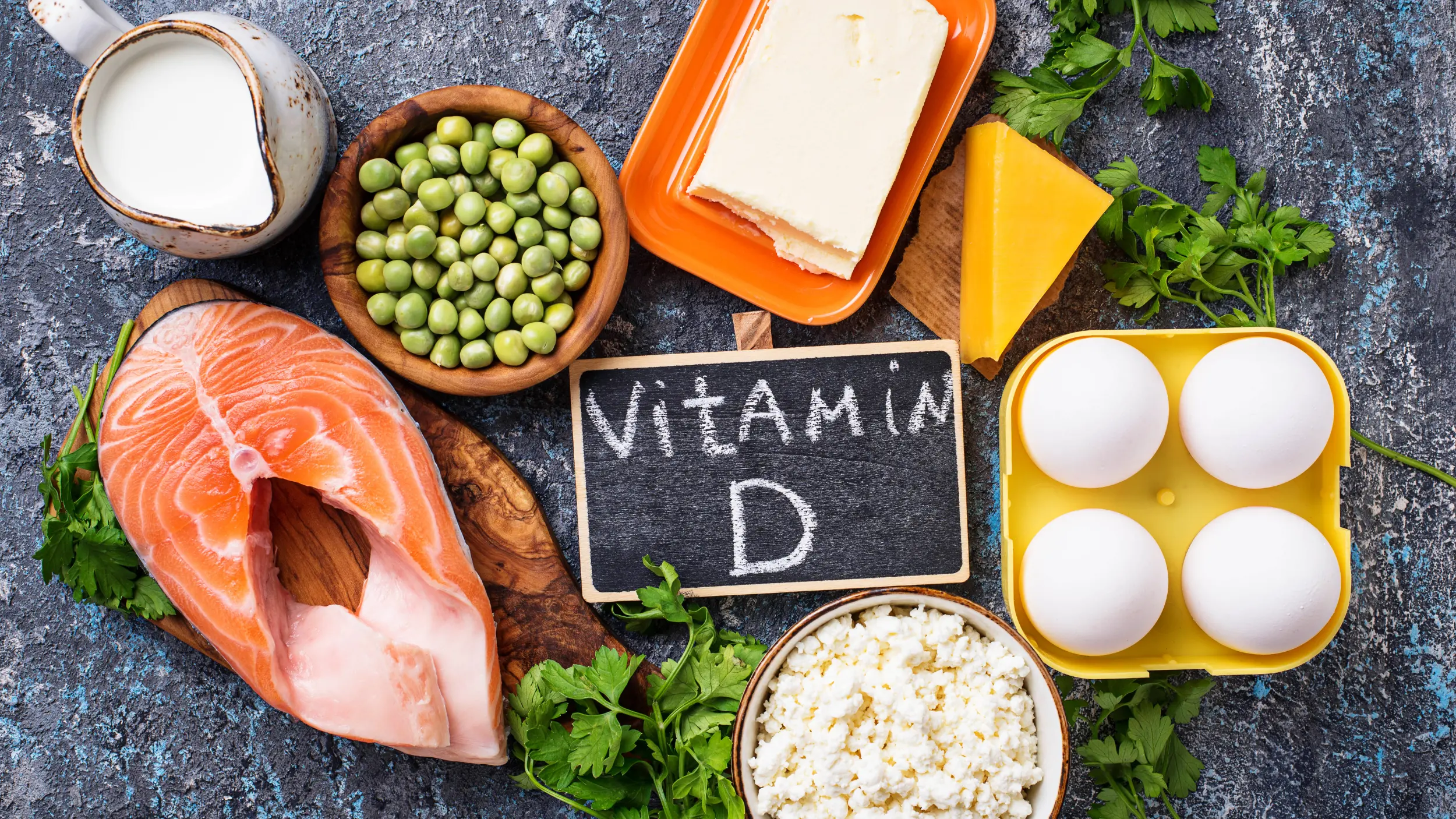
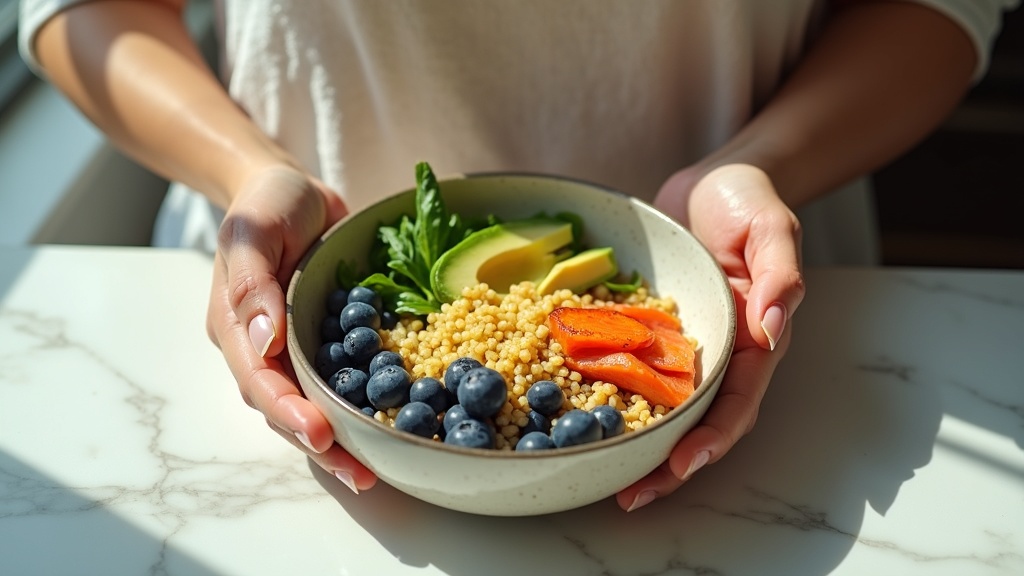
Your vagus nerve needs specific nutrients to maintain optimal signaling. Omega-3 fatty acids (especially DHA) are critical for nerve membrane integrity and anti-inflammatory signaling [15]. I recommend wild-caught fatty fish three times weekly or a high-quality algae-based omega-3 supplement.
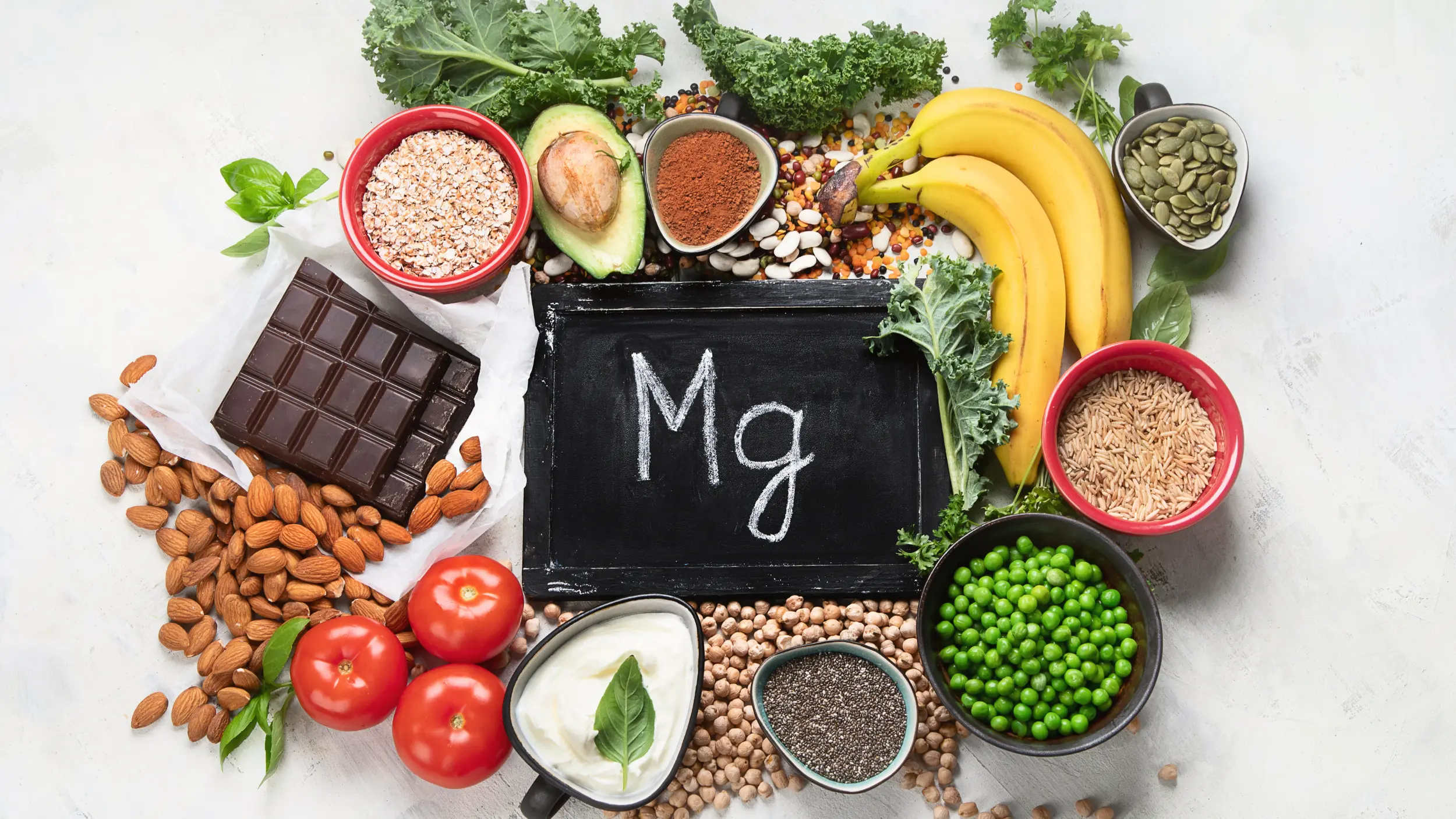
B vitamins, particularly B12 and folate, support myelin sheath health and neurotransmitter synthesis. Magnesium acts as a natural nervous system calmer and supports parasympathetic activation [16].
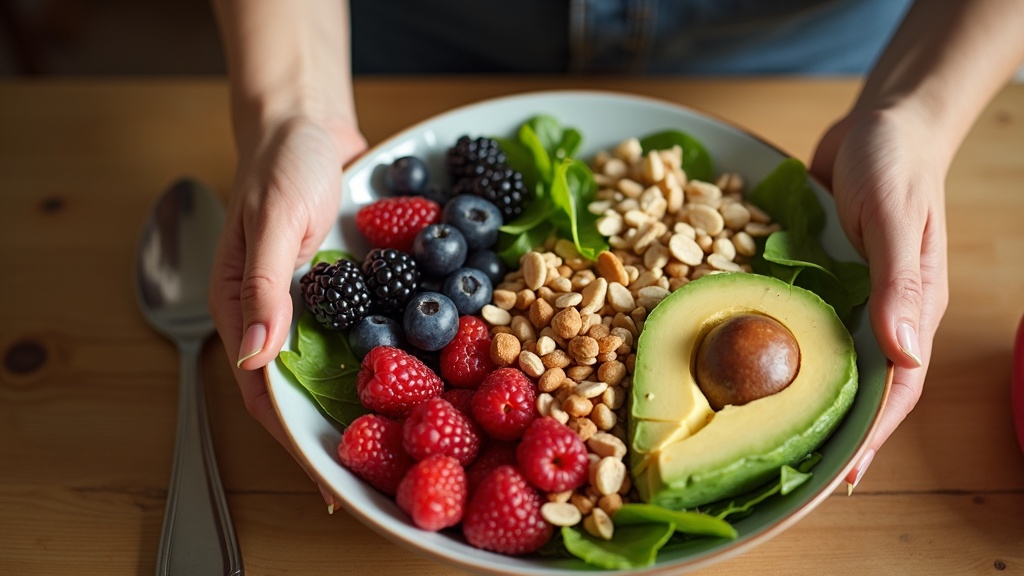
Prebiotic and probiotic foods matter tremendously here because of the microbiome-vagus connection we discussed earlier. Fermented foods like kimchi, sauerkraut, and kefir, along with prebiotic fibers from vegetables and resistant starches, support the bacterial strains that communicate with vagal receptors [17].
Lifestyle modifications that optimize vagal tone:
- Eat meals seated and undistracted. When you eat while scrolling your phone or working, you maintain sympathetic dominance and suppress vagal activity.
- Chew thoroughly. Mechanical breakdown of food in your mouth stimulates vagal signaling that prepares your stomach and intestines for incoming food.
- Maintain consistent meal timing. Your vagus nerve responds to circadian rhythms. Erratic eating schedules disrupt the anticipated digestive secretions that vagal signaling coordinates.
- Prioritize sleep quality. Vagal tone restoration happens primarily during deep sleep stages.
Movement matters too, but in a nuanced way. Gentle yoga, particularly poses that involve twisting or compression of the abdomen, can support vagal activation and digestive motility. High-intensity exercise right after eating, however, shunts blood away from digestion and suppresses vagal activity.
Addressing the stress piece requires honesty about what's actually driving your sympathetic activation. For many of the women I work with, it's not just external stressors but internal pressure, perfectionism, and the constant mental load of managing everything. Sometimes improving digestion requires setting boundaries, saying no, or examining the stories you tell yourself about productivity and worth.
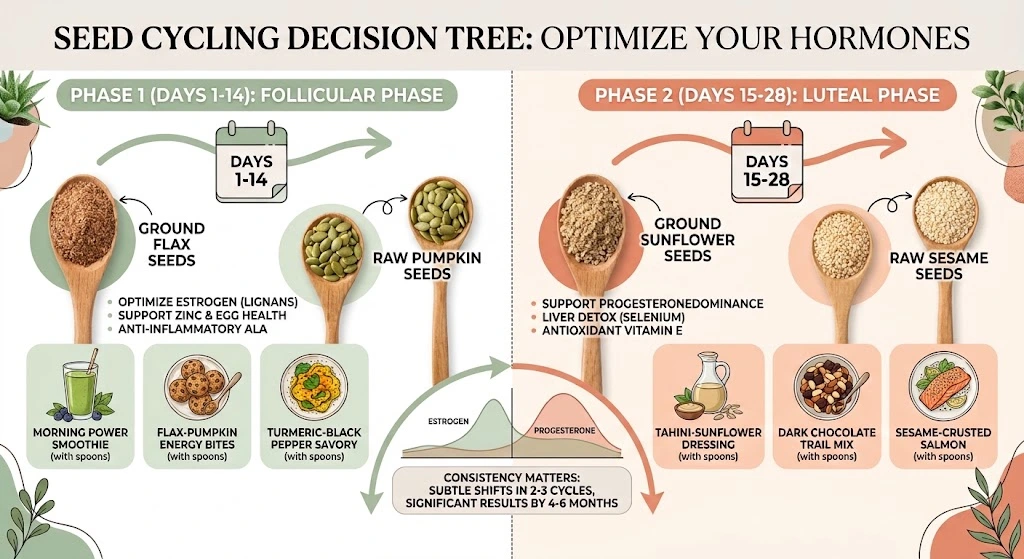
Balancing your overall hormonal health plays a significant role too. Estrogen and progesterone fluctuations across your menstrual cycle affect vagal tone and digestive transit time [20]. Many women notice their digestion is notably different in their luteal phase versus their follicular phase. Understanding how to balance hormones through diet can smooth out these cyclical digestive variations.
Frequently Asked Questions
What are the easiest ways to stimulate my vagus nerve for better digestion?
The simplest and most effective method is deep diaphragmatic breathing for five minutes before each meal. Combine this with humming or singing while you prepare food, and you've activated two separate vagal pathways without any special equipment. Cold water face splashes in the morning provide another quick intervention. Consistency matters more than complexity here.
How quickly can I expect to see improvements in digestion after managing stress?
Most of my clients notice subtle shifts within the first week, particularly reduced bloating and improved appetite regulation. More significant changes in motility, acid production, and microbiome composition typically emerge around the 3-6 week mark with consistent practice [21]. Remember that your nervous system has likely been in a stressed state for months or years, so gentle, sustained effort yields better results than aggressive short-term interventions.
Can anxiety really cause physical digestive issues?
Absolutely. Anxiety doesn't just create digestive symptoms in your head; it creates measurable physiological changes in your gut. Anxiety activates the hypothalamic-pituitary-adrenal axis and sympathetic nervous system, which directly suppresses vagal tone and alters gut motility, secretions, permeability, and microbiome composition [22]. The gut-brain axis works bidirectionally, meaning digestive dysfunction can also cause or worsen anxiety. Addressing both simultaneously through nervous system regulation and targeted nutrition creates the most powerful results.
Your digestive system is remarkably responsive when you understand how to work with your nervous system rather than against it. The vagus nerve stress digestion connection isn't something to fear; it's actually an incredible opportunity. By supporting vagal tone through simple daily practices, strategic nutrition, and genuine stress management, you can fundamentally shift how your body digests, absorbs, and utilizes the nourishing food you eat.
Ready to create a personalized plan that addresses your unique digestive challenges and stress patterns? I'd love to work with you one-on-one to identify your specific vagal tone disruptors and build sustainable strategies that fit your real life. Book your consultation at www.usevedic.com and let's get your digestion back on track.
References
[1] Breit S, Kupferberg A, Rogler G, Hasler G. Vagus Nerve as Modulator of the Brain-Gut Axis in Psychiatric and Inflammatory Disorders. Frontiers in Psychiatry, 2018.
[2] Bonaz B, Bazin T, Pellissier S. The Vagus Nerve at the Interface of the Microbiota-Gut-Brain Axis. Frontiers in Neuroscience, 2018.
[3] Carabotti M, Scirocco A, Maselli MA, Severi C. The gut-brain axis: interactions between enteric microbiota, central and enteric nervous systems. Annals of Gastroenterology, 2015.
[4] Kemp AH, Quintana DS. The relationship between mental and physical health: insights from the study of heart rate variability. International Journal of Psychophysiology, 2013.
[5] Muller PA, Matheis F, Mucida D. Gut barrier dysfunction and bacterial translocation in the pathogenesis of systemic inflammation. Trends in Immunology, 2020.
[6] Thayer JF, Sternberg EM. Neural aspects of immunomodulation: focus on the vagus nerve. Brain, Behavior, and Immunity, 2010.
[7] Konturek PC, Brzozowski T, Konturek SJ. Stress and the gut: pathophysiology, clinical consequences, diagnostic approach and treatment options. Journal of Physiology and Pharmacology, 2011.
[8] Browning KN, Travagli RA. Central nervous system control of gastrointestinal motility and secretion and modulation of gastrointestinal functions. Comprehensive Physiology, 2014.
[9] Kelly JR, Kennedy PJ, Cryan JF, Dinan TG, Clarke G, Hyland NP. Breaking down the barriers: the gut microbiome, intestinal permeability and stress-related psychiatric disorders. Frontiers in Cellular Neuroscience, 2015.
[10] Lakhan SE, Vieira KF. Nutritional therapies for mental disorders. Nutrition Journal, 2008.
[11] Taché Y, Bonaz B. Corticotropin-releasing factor receptors and stress-related alterations of gut motor function. Journal of Clinical Investigation, 2007.
[12] Gerritsen RJS, Band GPH. Breath of Life: The Respiratory Vagal Stimulation Model of Contemplative Activity. Frontiers in Human Neuroscience, 2018.
[13] Kang JH, Chung SK, Lee H. The effects of deep breathing on anxiety and heart rate variability in dental anxiety patients. Journal of Dental Anesthesia and Pain Medicine, 2018.
[14] Buijze GA, Sierevelt IN, van der Heijden BC, Dijkgraaf MG, Frings-Dresen MH. The Effect of Cold Showering on Health and Work: A Randomized Controlled Trial. PLOS ONE, 2016.
[15] Delpech JC, Madore C, Nadjar A, Joffre C, Wohleb ES, Layé S. Microglia in neuronal plasticity: Influence of stress, omega-3 fatty acids and physical activity. Brain, Behavior, and Immunity, 2015.
[16] Boyle NB, Lawton C, Dye L. The Effects of Magnesium Supplementation on Subjective Anxiety and Stress—A Systematic Review. Nutrients, 2017.
[17] Cryan JF, O'Riordan KJ, Cowan CSM, Sandhu KV, Bastiaanssen TFS, Boehme M, et al. The Microbiota-Gut-Brain Axis. Physiological Reviews, 2019.
[18] Hollis JH. The effect of mastication on food intake, satiety and body weight. Physiology & Behavior, 2018.
[19] Tobaldini E, Nobili L, Strada S, Casali KR, Braghiroli A, Montano N. Heart rate variability in normal and pathological sleep. Frontiers in Physiology, 2013.
[20] Brennan IM, Feltrin KL, Nair NS, Hausken T, Little TJ, Gentilcore D, et al. Effects of the phases of the menstrual cycle on gastric emptying, glycemia, plasma GLP-1 and insulin, and energy intake in healthy lean women. American Journal of Physiology-Gastrointestinal and Liver Physiology, 2009.
[21] Dalton A, Mermier C, Zuhl M. Exercise influence on the microbiome-gut-brain axis. Gut Microbes, 2019.
[22] Clapp M, Aurora N, Herrera L, Bhatia M, Wilen E, Wakefield S. Gut microbiota's effect on mental health: The gut-brain axis. Clinics and Practice, 2017.
.svg)
.svg)






.jpg)
.jpg)
















.webp)




























.webp)
.webp)
.webp)
.webp)
.webp)
.webp)
.webp)
.png)
.webp)
.webp)

.webp)
.png)
.webp)
.webp)
.webp)
.webp)
.webp)
.webp)
.webp)
.webp)
.webp)


.webp)
.png)