.webp)
%2B(7).webp)
.png)
At a Glance
Feeling stuck eating the same vegetables every week? These five unusual vegetables—romanesco, celeriac, kohlrabi, sunchokes, and fiddlehead ferns—offer incredible flavors and unique nutrient profiles that can diversify your gut microbiome and elevate your meals. You can find most of these rare vegetables at farmers' markets, specialty grocers, or even larger chain stores during peak season.
Why You Should Branch Out Beyond Basic Veggies
Look, I get it. You've got your routine down—spinach in your smoothie, broccoli with dinner, maybe some bell peppers if you're feeling fancy. But here's the thing: dietary diversity is one of the most underrated strategies for optimal health, especially for women in their childbearing and perimenopausal years.
Research shows that consuming a wider variety of plant foods directly correlates with greater gut microbiome diversity, which influences everything from hormone metabolism to immune function [1]. When you eat 30+ different plant foods per week (yes, herbs and spices count!), you're essentially feeding different beneficial bacteria strains that each have their own superpowers.
These exotic vegetables aren't just Instagram-worthy—they're packed with phytonutrients, fiber, and minerals that complement what you're already eating. Plus, trying new vegetables to try makes cooking feel less like a chore and more like an actual adventure. And if you're working on building sustainable healthy eating habits, introducing interesting vegetables is a fantastic way to keep your palate engaged.
1. Romanesco: The Stunning Fractal Veggie Your Gut Will Love
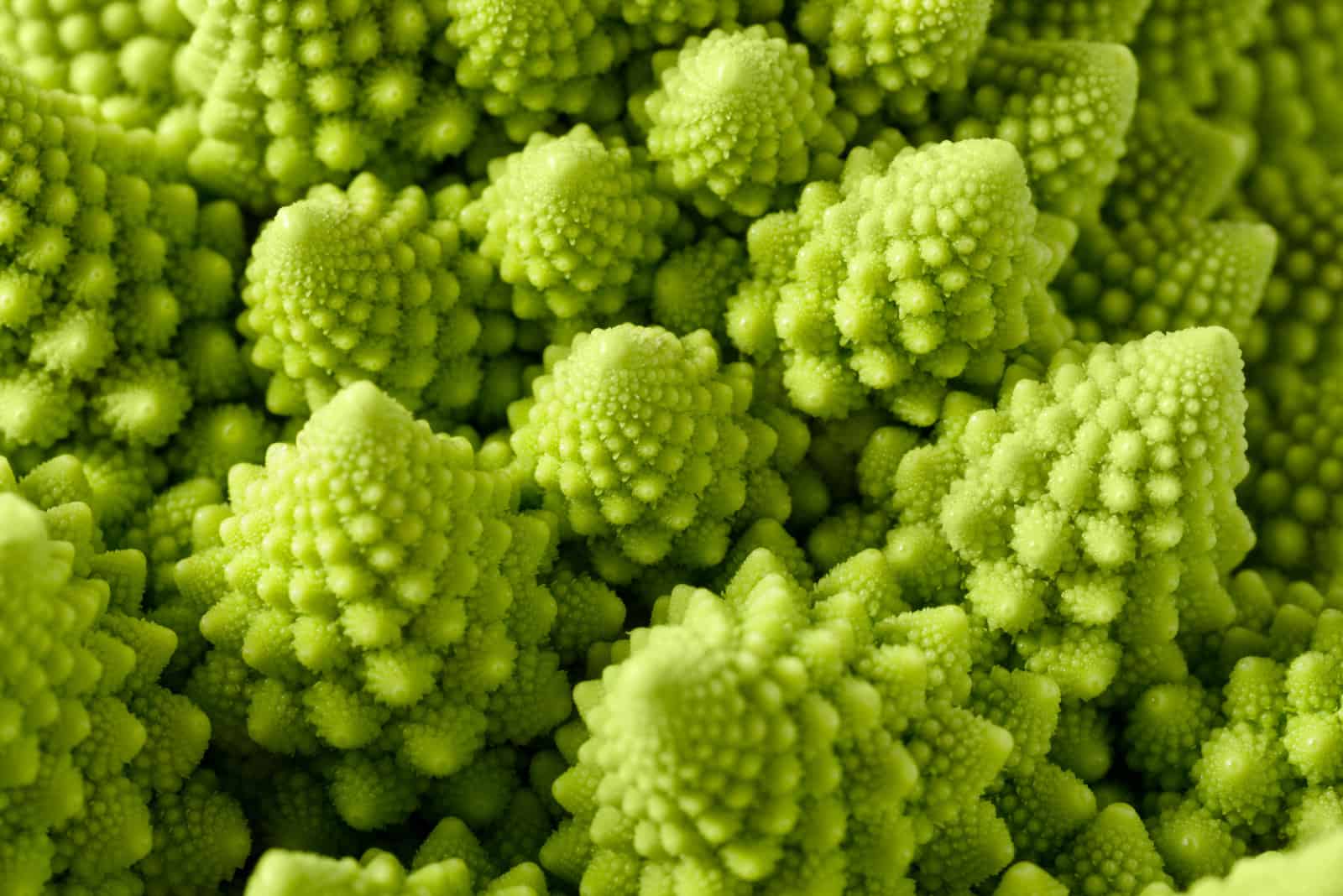
Let's start with the most visually striking unusual vegetable you'll ever encounter. Romanesco looks like it was designed by a mathematician—those perfect lime-green spirals follow a natural fractal pattern that's honestly mesmerizing. But beyond its alien appearance, this cool vegetable is a nutritional powerhouse.
Romanesco is technically a brassica, sitting somewhere between broccoli and cauliflower in the family tree. It has a delicate, nutty flavor that's less bitter than broccoli and slightly sweeter than cauliflower. The texture when roasted? Absolutely perfect—crispy on the outside, tender on the inside.
Nutritional Highlights
- Fiber content: One cup provides about 5 grams of fiber, supporting digestive health and feeding beneficial gut bacteria [2]
- Vitamin C: A single serving delivers over 75% of your daily needs, crucial for collagen synthesis and immune function
- Vitamin K: Essential for bone health and proper blood clotting
- Carotenoids: Including lutein and zeaxanthin, which support eye health
How to Prepare Romanesco
The simplest method is roasting. Break the romanesco into florets, toss with olive oil, salt, pepper, and a squeeze of lemon. Roast at 425°F for 20-25 minutes until the edges get golden and crispy. You can also steam it, but honestly, roasting brings out a subtle sweetness that makes this weird vegetable absolutely crave-worthy.
Find it at: Whole Foods, Trader Joe's (seasonally), farmers' markets from late fall through early spring.
2. Celeriac (Celery Root): The 'Ugly' Veggie with a Surprisingly Sweet Side
.jpg)
Okay, let's be real—celeriac wins zero beauty contests. This gnarly, mud-covered root vegetable looks like something that crawled out of a fantasy novel. But don't let its rough exterior fool you. Once you get past that bumpy skin, you'll discover one of the most versatile and delicious lesser-known vegetables.
Celeriac tastes like a milder, slightly sweet version of celery with earthy undertones. The texture when cooked is creamy and smooth, making it an incredible low-carb substitute for potatoes. At roughly 42 calories per cup compared to potato's 116, it's a nutrient-dense option that won't spike your blood sugar [3].
Why Women Should Love Celeriac
- Low glycemic impact: Helps maintain stable blood sugar, which is crucial for hormone balance and sustained energy
- Potassium-rich: Contains about 300mg per cup, supporting healthy blood pressure
- Vitamin B6: Important for neurotransmitter production and managing PMS symptoms
- Phosphorus: Supports bone density, especially important as we approach perimenopause
How to Work with This Unique Vegetable
I won't lie—peeling celeriac takes a bit of effort. Use a sharp knife to cut off the top and bottom, then slice away the thick skin in downward strokes. Once peeled, you can cube it for soups, slice it thin for gratins, or boil and mash it like potatoes.
My favorite hack? Celeriac "fries." Cut into sticks, toss with avocado oil and your favorite seasonings, then air fry or roast until crispy. They're phenomenal dipped in a tahini-based sauce.
Find it at: Most major grocery stores (often near the potatoes and onions), year-round with peak season in fall and winter.
3. Kohlrabi: A Crunchy, Mild Veggie Perfect for Salads and Slaws
.jpg)
If you've never met kohlrabi, prepare to be delighted. This unique vegetable looks like a small alien spacecraft—a bulbous stem with leaves shooting out in all directions. It comes in both pale green and purple varieties, and both taste virtually identical: crisp, juicy, and mildly sweet with just a hint of that characteristic brassica bite.
Kohlrabi is part of the cabbage family, but it's way more approachable than its pungent relatives. The texture is similar to a crisp apple or jicama, making it one of the easiest new vegetables to try because you can literally just peel it and eat it raw.
Nutritional Benefits
- Vitamin C powerhouse: One cup provides 140% of your daily needs
- High water content: Keeps you hydrated and supports that glowing skin we all want
- Glucosinolates: Sulfur-containing compounds that support detoxification pathways [4]
- Low calorie, high volume: Perfect for anyone working on intuitive eating and appetite regulation
Simple Kohlrabi Slaw Recipe
Peel the kohlrabi bulb and julienne it (or use a food processor with a shredding attachment). Toss with shredded carrots, thinly sliced red onion, and fresh herbs like cilantro or mint. Dress with a simple lime vinaigrette (lime juice, olive oil, a touch of honey, salt, and pepper). This slaw stays crispy for days and pairs beautifully with grilled proteins.
Find it at: Farmers' markets (especially in spring and early summer), Asian grocery stores, Whole Foods, and increasingly at conventional supermarkets.
4. Sunchokes (Jerusalem Artichokes): The Prebiotic Superstar
.jpg)
Despite the misleading name, sunchokes have nothing to do with Jerusalem or artichokes. They're actually the tuber of a native North American sunflower species. These knobby, ginger-looking roots have a nutty, slightly sweet flavor and a texture that ranges from crisp when raw to creamy when roasted.
Here's what makes sunchokes truly special: they're loaded with inulin, a type of prebiotic fiber that feeds beneficial gut bacteria [5]. This is fantastic for women dealing with digestive issues, though I need to give you a heads-up—start small. Sunchokes can cause gas and bloating if you're not used to high-inulin foods. Your gut bacteria literally throw a party when you eat these, and sometimes that party gets a little rowdy.
How to Enjoy Sunchokes
- Roasted: Scrub them clean (no need to peel), toss with oil and herbs, roast at 400°F for 30-40 minutes
- In soups: They add a wonderful creaminess without any dairy
- Sliced raw: Thin slices in salads add a crispy, slightly sweet element
- Sautéed: Slice and pan-fry until golden for a delicious side dish
Find it at: Farmers' markets in fall and winter, specialty grocers, sometimes at regular supermarkets in the produce section.
5. Fiddlehead Ferns: The Springtime Delicacy
.jpg)
Fiddlehead ferns are the tightly coiled, young shoots of certain fern species, harvested in early spring before they unfurl into full fronds. They have a brief season (usually April through early June, depending on your location), which makes them feel extra special when they appear at markets.
These exotic vegetables have a flavor that's often described as a cross between asparagus and green beans, with a slightly grassy, nutty note. The texture is tender yet slightly crisp, and they're absolutely delicious when prepared correctly.
Important Safety Note
Fiddleheads must be cooked thoroughly before eating. Raw or undercooked fiddleheads can cause foodborne illness [6]. Always boil them for at least 10-15 minutes or steam for 10-12 minutes before eating or using them in other recipes.
Nutritional Value
- Omega-3 fatty acids: Rare to find in vegetables, supporting brain health and reducing inflammation
- Antioxidants: Including vitamins A and C
- Iron: Important for women, especially those with heavy menstrual cycles
- Fiber: Supporting digestive health and blood sugar regulation
How to Prepare Fiddleheads
Rinse thoroughly to remove the brown papery coating. Boil or steam as mentioned above, then sauté in butter or olive oil with garlic, lemon zest, and a pinch of red pepper flakes. They're fantastic as a side dish or tossed with pasta.
Find it at: Farmers' markets in spring, specialty grocers, sometimes frozen at Whole Foods or other natural food stores.
FAQ: Your Questions on Unique Vegetables, Answered
Where can I buy these rare vegetables?
Most of these unusual vegetables can be found at farmers' markets when they're in season—this is honestly your best bet for freshness and variety. Specialty grocers like Whole Foods, Sprouts, and local co-ops typically carry several of these options. Even conventional chains like Kroger and Safeway are expanding their produce selections to include more interesting vegetables. Asian and international markets are also gold mines for heirloom vegetables and exotic produce.
Are exotic vegetables more nutritious than common ones?
Not necessarily more nutritious, but differently nutritious—and that distinction matters. Each vegetable offers its own unique blend of vitamins, minerals, phytonutrients, and fiber types. The real magic happens when you eat a wide variety. A diet with 30+ different plant foods per week has been linked to greater microbiome diversity than diets with 10 or fewer, regardless of overall diet quality [1]. Think of it like building a well-rounded team rather than just having one superstar player.
What's the easiest unusual vegetable to cook for a beginner?
Kohlrabi takes the crown here because it requires zero cooking skills—just peel and slice it for salads or slaws. If you want something cooked, romanesco is incredibly forgiving. It's nearly impossible to mess up roasted romanesco, and the visual wow factor makes you feel like a culinary genius even though it took minimal effort.
How do I know if these vegetables are fresh?
Look for firm texture with no soft spots or excessive blemishes. Romanesco should have tightly packed florets without yellowing. Celeriac should feel heavy for its size. Kohlrabi should be firm with fresh-looking leaves if they're still attached. Sunchokes should be firm, not spongy. Fiddleheads should be bright green and tightly coiled—if they're unfurling, they're past their prime.
Can I grow these at home?
Absolutely! Kohlrabi is particularly easy to grow and thrives in cool weather. Romanesco requires more patience (it takes about 75-100 days to mature) but grows well in many climates. Sunchokes are almost too easy to grow—they're actually quite invasive, so plant them where you don't mind them spreading. Celeriac needs a long growing season but is definitely doable. Fiddleheads are trickier since they're foraged from wild ferns, though some gardeners successfully cultivate them.
Why Dietary Diversity Matters More Than You Think
I talk about this constantly with my clients, but it bears repeating: eating the same foods every day isn't doing your health any favors. Your gut microbiome thrives on variety. When you introduce weird vegetables and heirloom vegetables into your rotation, you're literally feeding different bacterial strains that each contribute to your overall health in unique ways.
This is especially important for women dealing with hormonal fluctuations, whether that's PMS, perimenopause, or postpartum recovery. Your gut bacteria play a significant role in metabolizing and regulating hormones, particularly estrogen [7]. A diverse microbiome supports this process more effectively than a limited one.
Plus, from a purely practical standpoint, eating interesting vegetables makes healthy eating feel less restrictive and more adventurous. When you're excited about what's on your plate, you're way more likely to stick with nutritious eating patterns long-term.
Ready to Diversify Your Plate?
Here's my challenge to you: pick one unusual vegetable from this list and commit to trying it this week. Start with whichever one sounds most appealing or is easiest to find in your area. Snap a photo of your creation and share it—I love seeing my community expand their veggie horizons!
If you're feeling inspired but not quite sure how to integrate these new vegetables to try into your existing meal plan, or if you're struggling with broader nutrition goals like balancing blood sugar, managing energy levels, or eating in a way that supports your hormones—let's talk. Sometimes having a knowledgeable professional in your corner makes all the difference between trying once and giving up versus building sustainable habits that actually stick.
Book a consultation at www.usevedic.com and let's create a personalized plan that introduces exciting, nutrient-dense foods into your diet in a way that feels completely doable for your real life.
References
[1] McDonald D, Hyde E, Debelius JW, et al. American Gut: an Open Platform for Citizen Science Microbiome Research. mSystems, 2018.
[2] Slavin JL. Fiber and Prebiotics: Mechanisms and Health Benefits. Nutrients, 2013.
[3] USDA FoodData Central. Celeriac, Raw - Nutritional Profile. U.S. Department of Agriculture, 2026.
[4] Traka M, Mithen R. Glucosinolates, Isothiocyanates and Human Health. Phytochemistry Reviews, 2009.
[5] Roberfroid M, Gibson GR, Hoyles L, et al. Prebiotic Effects: Metabolic and Health Benefits. British Journal of Nutrition, 2010.
[6] Centers for Disease Control and Prevention. Fiddlehead Ferns and Foodborne Illness Prevention. CDC, 2025.
[7] Baker JM, Al-Nakkash L, Herbst-Kralovetz MM. Estrogen-Gut Microbiome Axis: Physiological and Clinical Implications. Maturitas, 2017.
.svg)
.svg)


.jpg)








.webp)




























.webp)
.webp)
.webp)
.webp)
.webp)
.webp)
.webp)
.png)
.webp)
.webp)
.webp)
.png)
.webp)
.webp)
.webp)
.webp)
.webp)
.webp)
.webp)
.webp)
.webp)


.webp)
.png)