.webp)

%2B(7).webp)
.png)
At a Glance
Feeling drained and overwhelmed by daily stress? This article explores how functional nutrition can be your secret weapon to boost energy, manage stress effectively, and feel your best from the inside out. Discover practical, personalized strategies to nourish your body and mind.
The Hook: Tired of Feeling Drained?
I get it—you're juggling a million things, and by the end of the day, you're left feeling completely depleted. The good news? You don't have to live with constant stress and low energy. As a dietitian, I've seen firsthand how the right nutrition can transform how you feel, helping you navigate life's demands with more vitality and resilience.
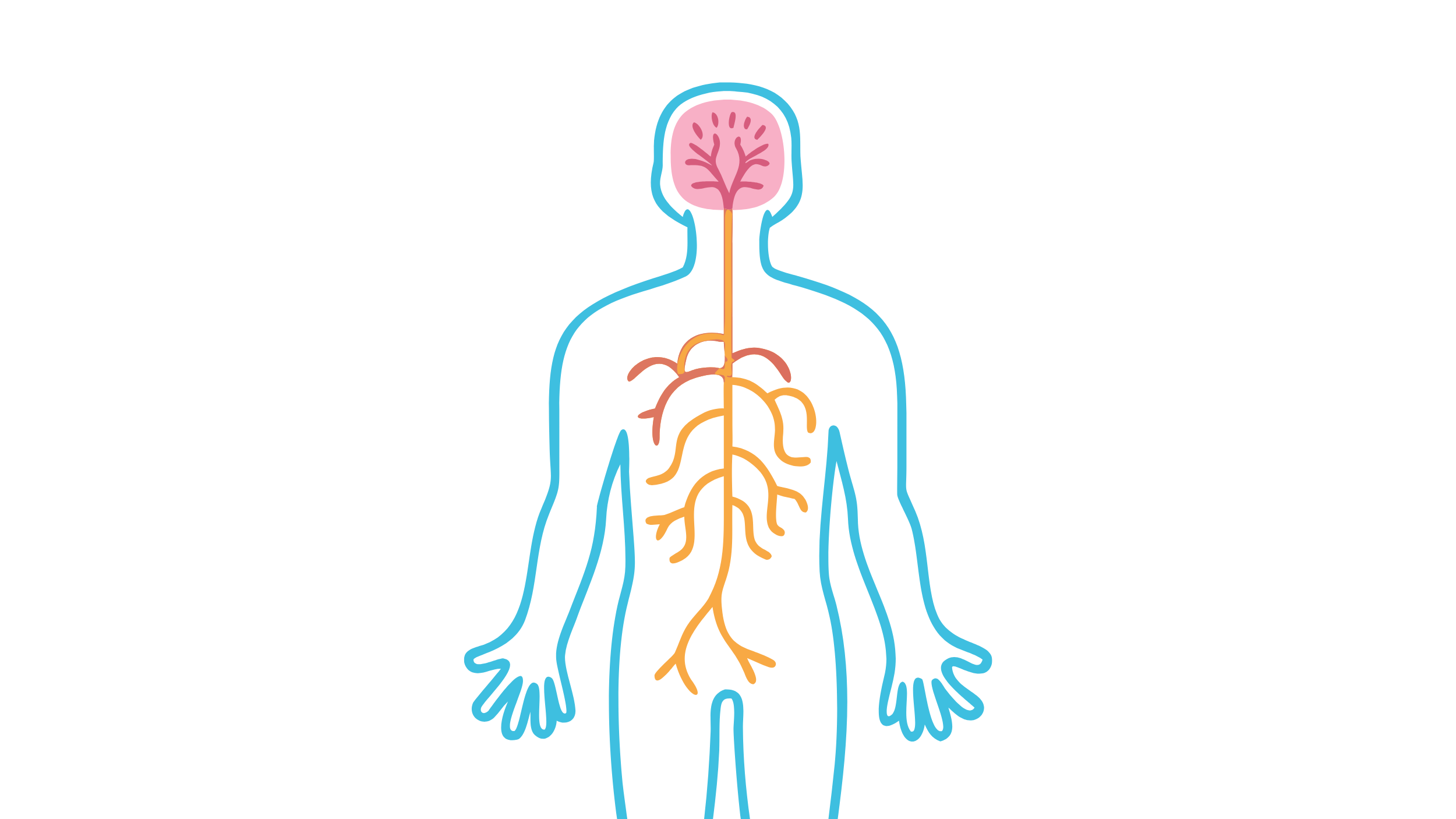
Here's what most people don't realize: the connection between what you eat and how you handle stress runs deeper than you think. Your gut produces about 90% of your body's serotonin—that feel-good neurotransmitter that helps regulate mood and stress response [1]. When your nutrition is off, everything else follows. And if you're dealing with digestive issues on top of stress and fatigue, optimizing your gut health is a critical first step in breaking this cycle.
The Problem: The Vicious Cycle of Stress and Low Energy
Let's talk about what's actually happening in your body when stress and poor nutrition team up against you.
Constant Fatigue
You're tired all the time, even after a full night's sleep. This isn't just "being busy"—it's your body signaling that something's off. Research shows that chronic stress depletes key nutrients like B vitamins, magnesium, and vitamin C, all essential for energy production at the cellular level [2]. When these stores run low, your mitochondria (your cells' energy powerhouses) can't function optimally, leaving you dragging through your days.
Irritability and Mood Swings
Stress can make you feel on edge, short-tempered, or experience unexplained emotional fluctuations. Your coworker's harmless comment suddenly feels like a personal attack, or you find yourself snapping at your partner over nothing. Sound familiar?
Brain Fog and Lack of Focus
Difficulty concentrating, remembering things, or feeling mentally sharp can be a direct result of chronic stress and inadequate nutrition. You walk into a room and forget why you're there. You read the same email three times and still don't absorb it. This cognitive decline isn't permanent—it's your brain crying out for proper fuel and stress management [3].
The Science Behind It
When you're stressed, your body releases cortisol, the primary stress hormone. While cortisol is helpful in short bursts (hello, fight-or-flight response), chronically elevated levels wreak havoc on your system. Studies show that sustained high cortisol can disrupt sleep architecture, impair cognitive function, dysregulate blood sugar, and contribute to weight gain—particularly around the midsection [4].
Poor nutrition exacerbates this entire cascade by not providing the necessary building blocks for neurotransmitter production and energy metabolism. Your body literally can't make the brain chemicals needed to feel calm, focused, and energized without the right raw materials. It's like expecting your car to run without gas—it's simply not going to happen.
The Protocol: Nourishing Your Way to Balance
Now for the good part—what you can actually do about all of this. These aren't trendy quick fixes; they're evidence-based strategies that address the root causes of stress-related fatigue.
The Foundations
Before we dive into specific nutrition protocols, let's establish the non-negotiables that create the environment for everything else to work.
Prioritize Sleep Hygiene
Aim for 7-9 hours of quality sleep per night, as this is crucial for hormone regulation and stress recovery. Research consistently shows that inadequate sleep increases cortisol levels and impairs glucose metabolism, creating a perfect storm for weight gain, mood issues, and fatigue [5]. Your nutrition plan won't work nearly as well if you're running on five hours of sleep.
Mindful Movement
Incorporate regular physical activity that you enjoy, but avoid over-exercising, which can further stress the body. Here's the thing: intense workouts seven days a week might feel productive, but they're actually adding to your stress load. Studies show that moderate exercise reduces cortisol, while excessive training elevates it [6]. Think walks, yoga, strength training 3-4 times weekly—not daily HIIT classes that leave you wiped out.
Hydration is Key
Ensure you're drinking adequate water throughout the day to support all bodily functions, including energy production and stress management. Even mild dehydration (as little as 1-2% fluid loss) can impair cognitive performance and mood while increasing perception of task difficulty [7]. Aim for half your body weight in ounces as a baseline.
The Core Action Steps
These are the game-changers—the nutrition strategies that directly impact your stress response and energy levels.
Stabilize Blood Sugar
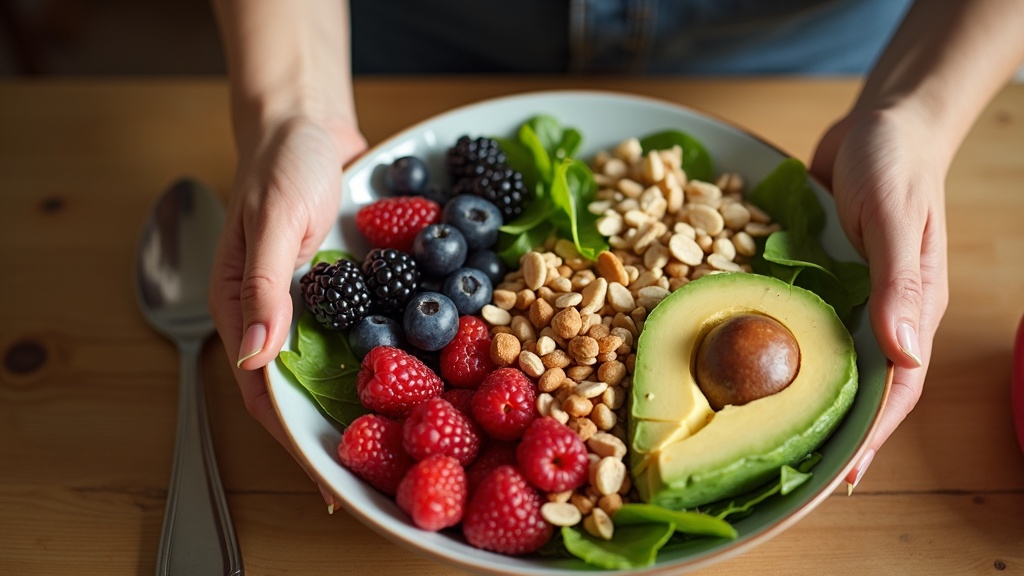
Aim for balanced meals every 3-4 hours, focusing on a combination of lean protein, healthy fats, and fiber-rich complex carbohydrates at each meal to prevent energy crashes. When your blood sugar roller coasters throughout the day, so does your cortisol. Research demonstrates that blood sugar instability triggers cortisol release as your body perceives low glucose as a stressor [8].
What this looks like in practice:
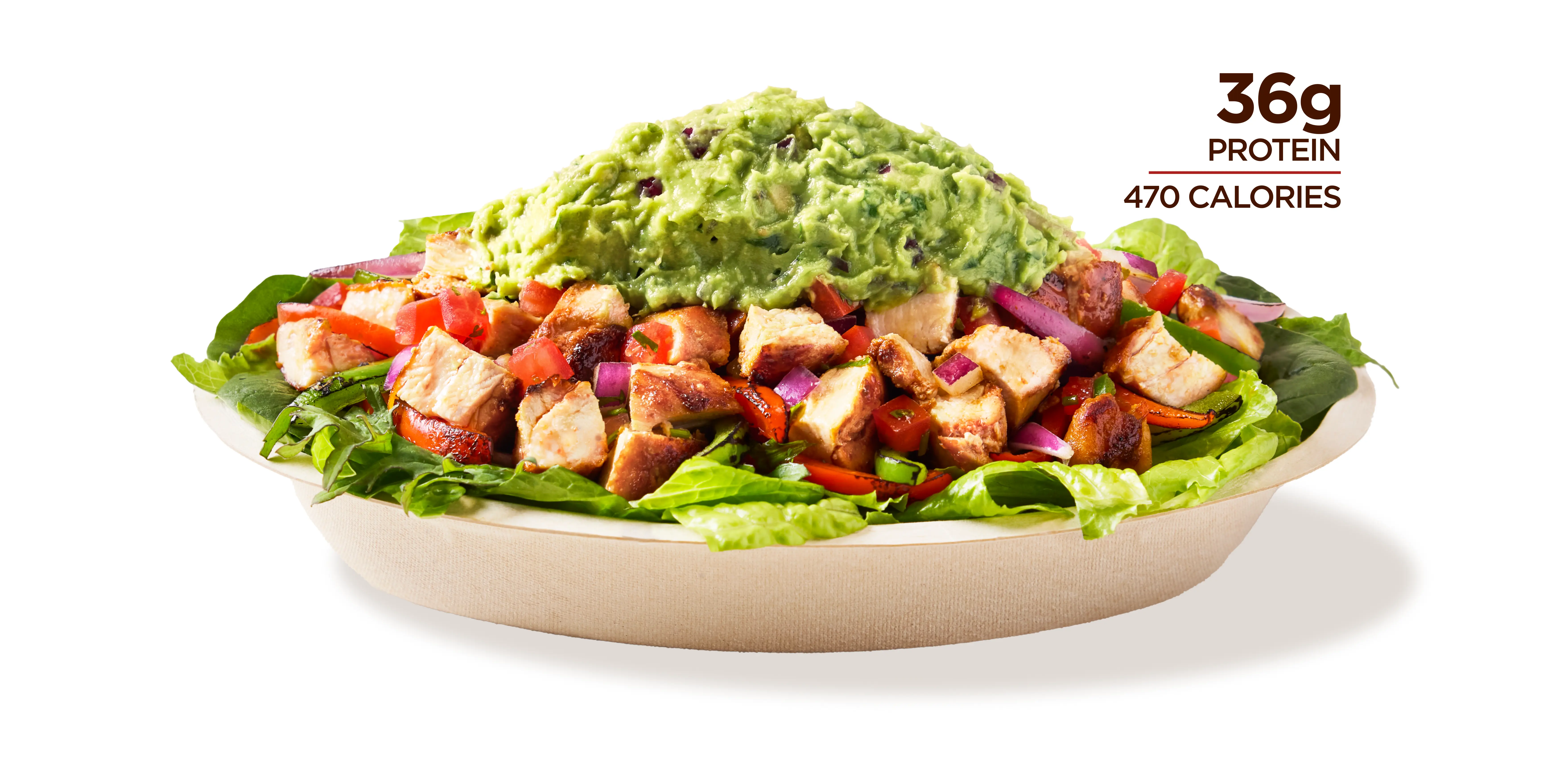
- Start your day with protein (aim for 25-30g at breakfast)
- Include healthy fats like avocado, nuts, seeds, or olive oil at each meal
- Choose complex carbs like quinoa, sweet potatoes, or oats over refined grains
- Don't skip meals or go longer than 4-5 hours without eating during the day
Notice how each eating occasion includes protein, fat, and fiber? That's the magic combination that keeps your blood sugar—and energy—steady.
Nourish Your Gut
Include probiotic-rich foods (like yogurt, kefir, kimchi, sauerkraut) and prebiotic fibers (found in garlic, onions, bananas, oats, asparagus) to support your gut-brain axis, which plays a significant role in mood and stress regulation. The research here is compelling: studies show that probiotic supplementation can reduce cortisol levels and improve mood in stressed individuals [9]. Your gut microbiome literally communicates with your brain via the vagus nerve, influencing everything from anxiety to energy levels.
Incorporate Adaptogens & Stress-Supportive Nutrients
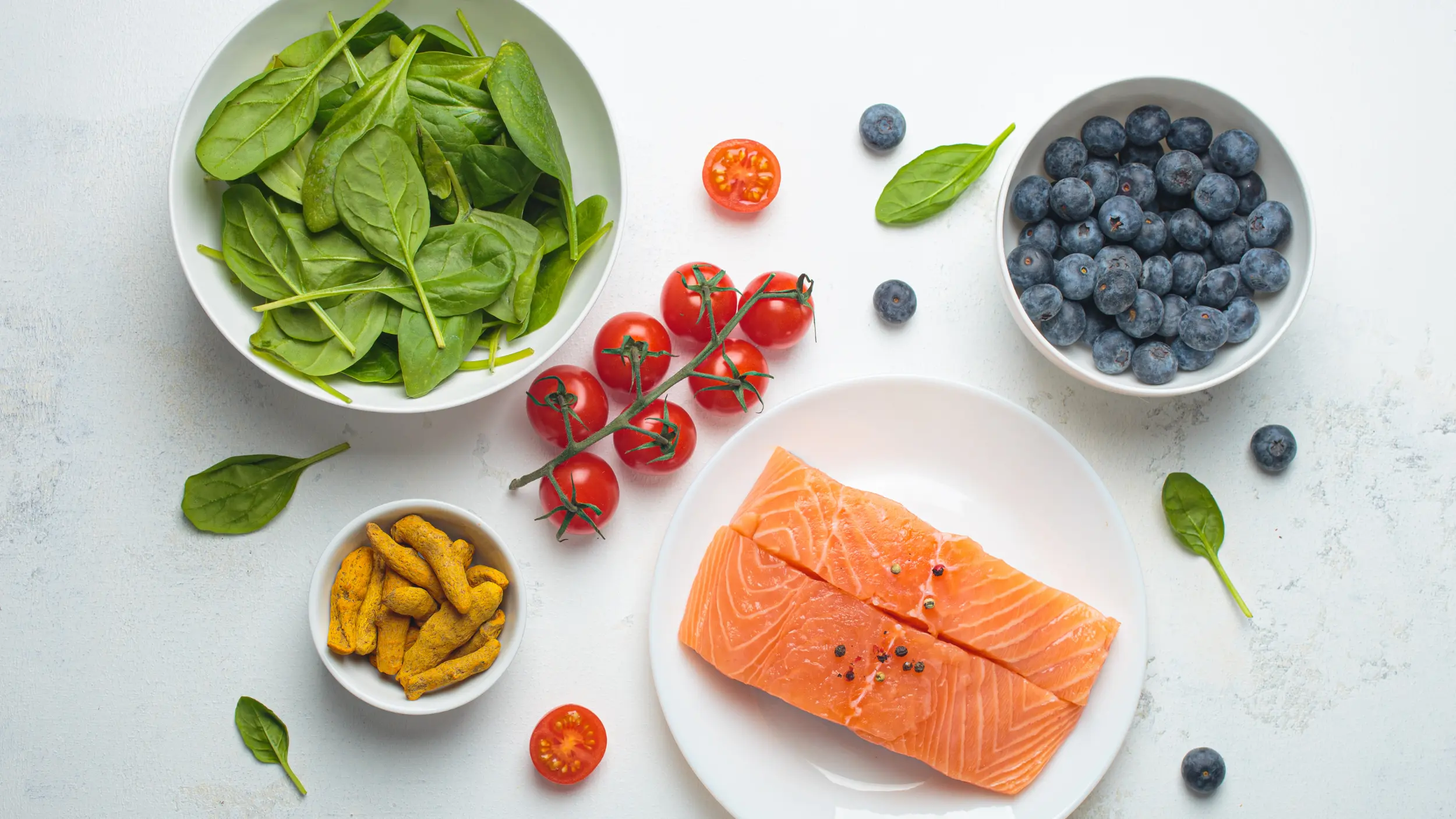
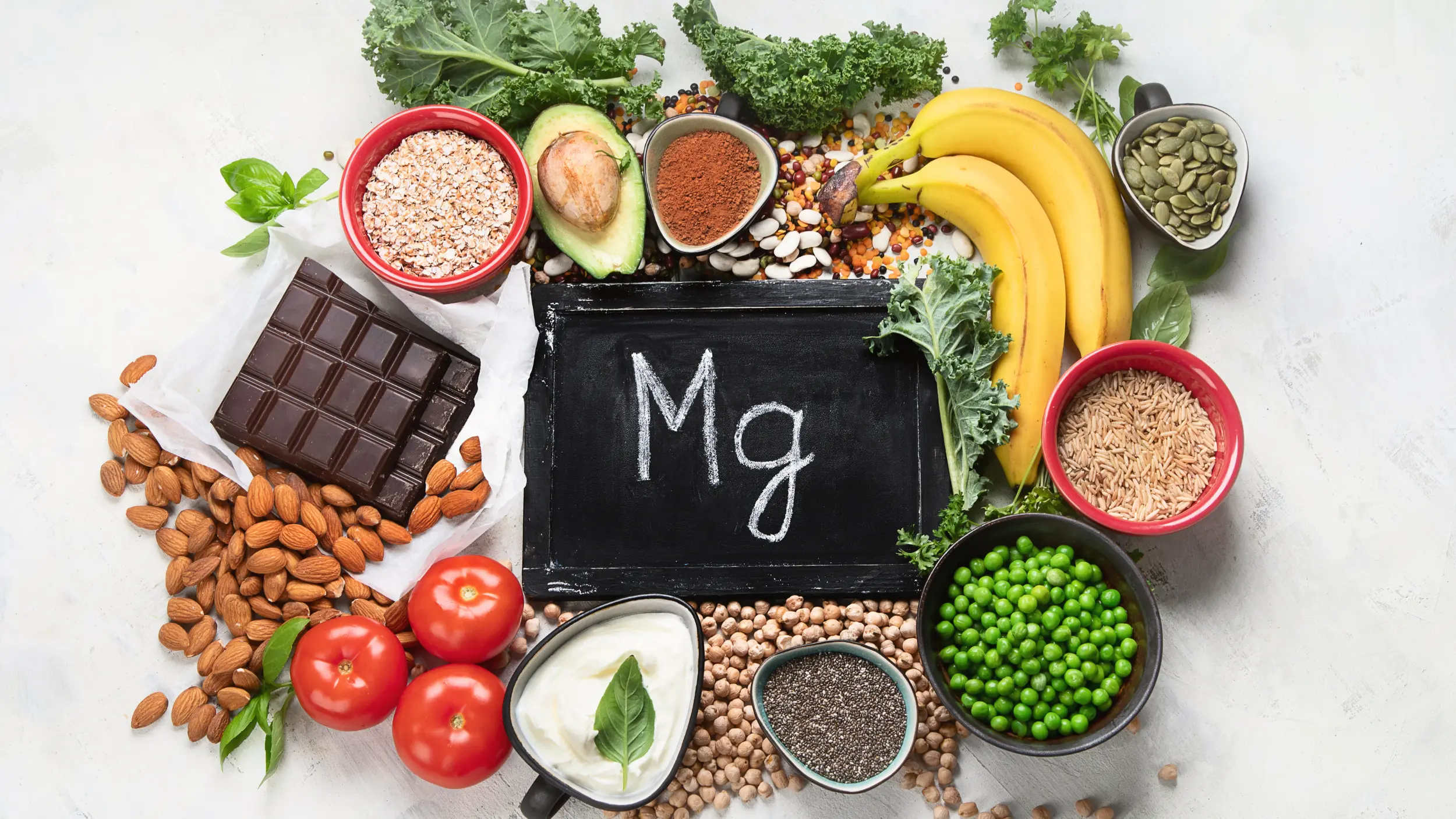
Consider incorporating adaptogenic herbs (like ashwagandha or rhodiola, after consulting with a professional) and magnesium-rich foods (leafy greens, nuts, seeds, dark chocolate) and omega-3 fatty acids (fatty fish, walnuts, flaxseeds) to help your body adapt to stress.
Adaptogens are having their moment in 2026, but they're backed by solid research. A 2023 systematic review found that ashwagandha significantly reduces cortisol levels and perceived stress scores compared to placebo [10]. Magnesium is often called "nature's tranquilizer" because it supports the parasympathetic nervous system and improves sleep quality [11]. And omega-3s? They're anti-inflammatory powerhouses that support brain health and reduce anxiety symptoms [12].
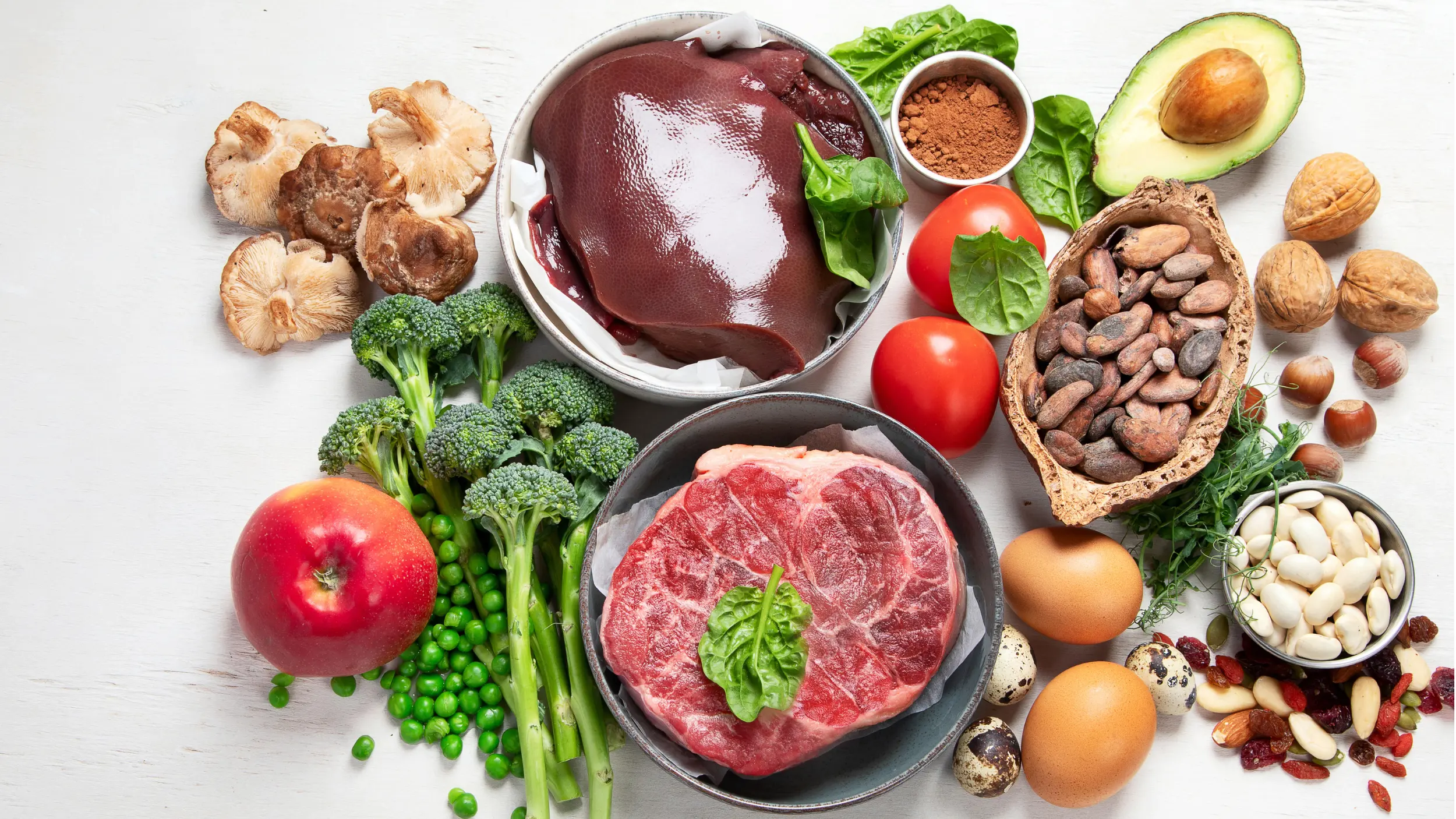
Key food sources:
For Megnesium
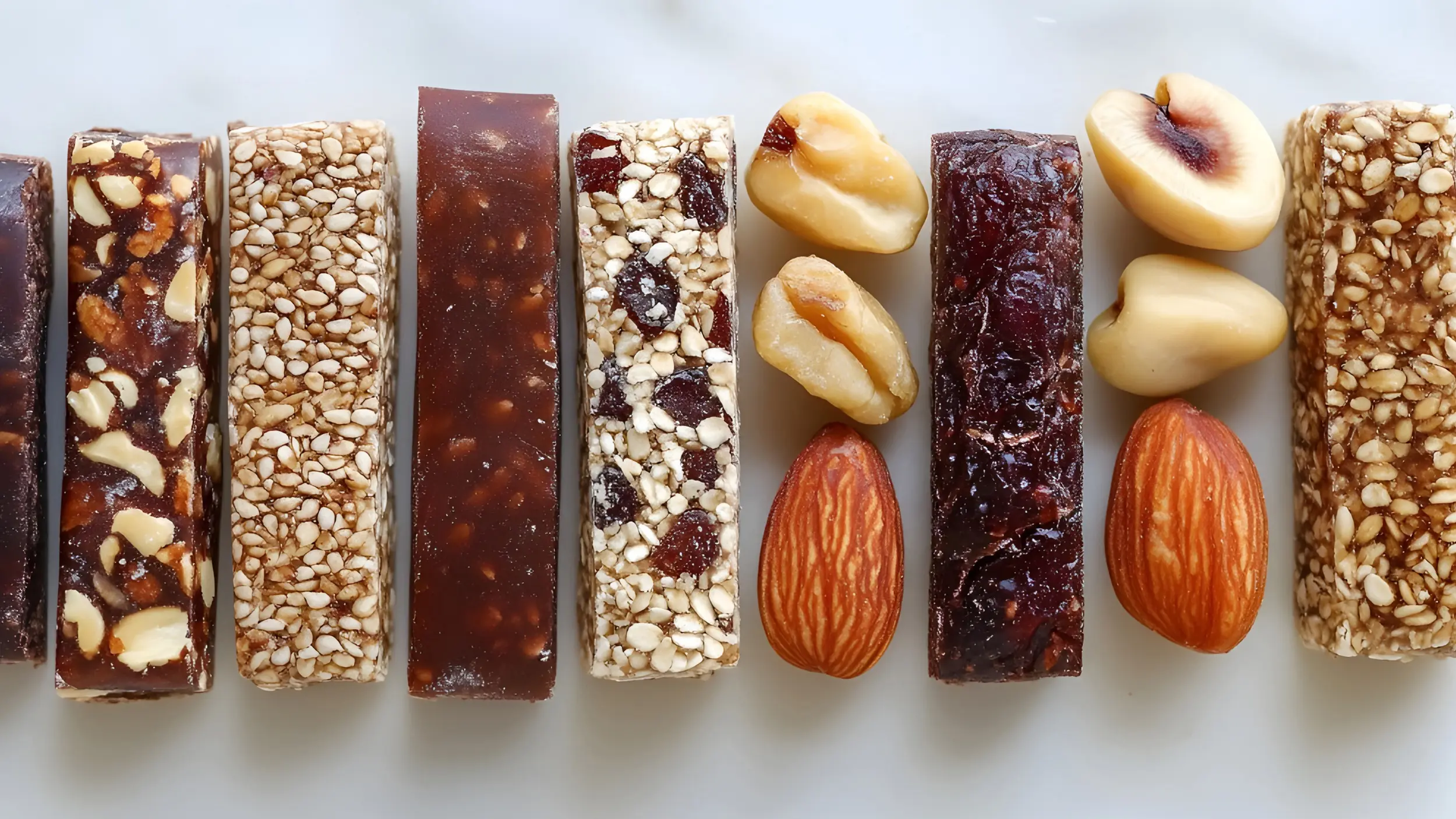
- Pumpkin Seeds and Almonds
- Leafy Greens
- Dark Chocolate
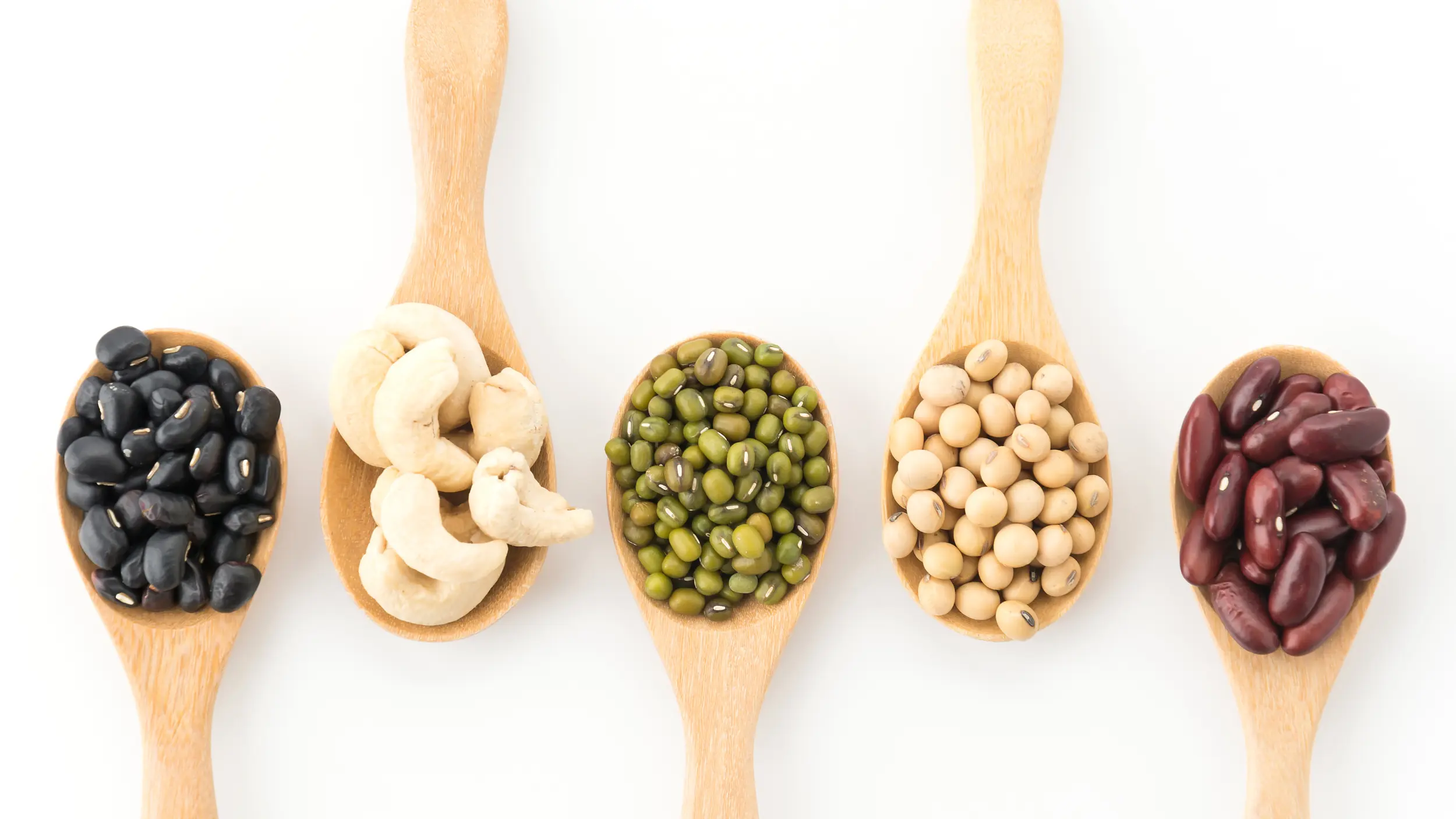
- Black Beans and Lentils
For Omega 3's
- Fatty Fish: Such as salmons or sardines
- Seeds: Chia seeds, flaxseeds, hemp hearts
- Walnuts
For Adaptogens:
- Ashwagandha
- Tulsi (Holy Basil) tea
Mindful Eating Practices
Slow down and savor your meals to improve digestion and reduce stress around food. Pay attention to your body's hunger and fullness cues. This isn't woo-woo advice—it's neuroscience. When you eat in a stressed state (think scarfing down lunch at your desk while answering emails), your body stays in sympathetic "fight or flight" mode, which impairs digestion and nutrient absorption [13].
Try this: Take five deep breaths before eating. Chew each bite 20-30 times. Put your fork down between bites. These simple practices activate your parasympathetic nervous system, literally shifting your body into "rest and digest" mode where proper nutrient absorption can occur.
The Close & FAQ
By implementing these functional nutrition strategies, you're not just treating symptoms—you're actively nourishing your body to build resilience against stress and boost your energy levels naturally. The women I work with consistently report feeling more balanced, energized, and capable of handling whatever life throws their way within just a few weeks of making these shifts.
Ready to take the next step toward feeling vibrant and in control? Book a personalized consultation with me at www.usevedic.com to create a plan tailored just for you. Because your energy, mood, and overall vitality deserve more than generic advice—they deserve a strategy built specifically for your unique body and lifestyle.
Frequently Asked Questions
Q1: How quickly can I expect to see results?
While individual results vary, many clients notice improvements in energy and stress levels within 2-4 weeks of consistent application. Some changes—like better blood sugar stability—can be felt within days, while others—like significant shifts in cortisol patterns—take a bit longer. The key word here is "consistent." Sporadic implementation won't give you the results you're looking for.
Q2: Do I need to cut out all my favorite foods?
Absolutely not. Functional nutrition is about balance and bio-individuality, not restriction. We'll focus on adding nutrient-dense foods and making sustainable swaps, not deprivation. Restriction actually increases cortisol, so extreme dieting is counterproductive when you're trying to manage stress. I'd rather you enjoy your favorite foods mindfully than create more stress by forbidding them.
Q3: Can functional nutrition help with diagnosed conditions like anxiety or burnout?
Absolutely. Functional nutrition can be a powerful complementary approach to managing diagnosed conditions by addressing underlying biochemical and lifestyle factors contributing to them. I work alongside mental health professionals regularly, and the combination of proper nutrition and therapeutic support creates results that neither approach achieves alone. Your body and mind aren't separate—they're intimately connected, and nutrition is one of the most powerful tools we have to support both.
References
[1] Carabotti M, et al. The gut-brain axis: interactions between enteric microbiota, central and enteric nervous systems. Ann Gastroenterol. 2015;28(2):203-209.
[2] Lopresti AL. The Effects of Psychological and Environmental Stress on Micronutrient Concentrations in the Body: A Review of the Evidence. Adv Nutr. 2020;11(1):103-112.
[3] Yaribeygi H, et al. The impact of stress on body function: A review. EXCLI J. 2017;16:1057-1072.
[4] Hewagalamulage SD, et al. Stress, cortisol, and obesity: a role for cortisol responsiveness in identifying individuals prone to obesity. Domest Anim Endocrinol. 2016;56 Suppl:S112-120.
[5] Hirotsu C, et al. Interactions between sleep, stress, and metabolism: From physiological to pathological conditions. Sleep Sci. 2015;8(3):143-152.
[6] Hill EE, et al. Exercise and circulating cortisol levels: the intensity threshold effect. J Endocrinol Invest. 2008;31(7):587-591.
[7] Armstrong LE, et al. Mild dehydration affects mood in healthy young women. J Nutr. 2012;142(2):382-388.
[8] Kirschbaum C, et al. Consistent sex differences in cortisol responses to psychological stress. Psychosom Med. 1992;54(6):680-687.
[9] Messaoudi M, et al. Assessment of psychotropic-like properties of a probiotic formulation (Lactobacillus helveticus R0052 and Bifidobacterium longum R0175) in rats and human subjects. Br J Nutr. 2011;105(5):755-764.
[10] Lopresti AL, et al. An investigation into the stress-relieving and pharmacological actions of an ashwagandha (Withania somnifera) extract: A randomized, double-blind, placebo-controlled study. Medicine (Baltimore). 2019;98(37):e17186.
[11] Abbasi B, et al. The effect of magnesium supplementation on primary insomnia in elderly: A double-blind placebo-controlled clinical trial. J Res Med Sci. 2012;17(12):1161-1169.
[12] Kiecolt-Glaser JK, et al. Omega-3 supplementation lowers inflammation and anxiety in medical students: a randomized controlled trial. Brain Behav Immun. 2011;25(8):1725-1734.
[13] Konturek PC, et al. Stress and the gut: pathophysiology, clinical consequences, diagnostic approach and treatment options. J Physiol Pharmacol. 2011;62(6):591-599.
.svg)
.svg)






.jpg)
.jpg)






















.webp)































.webp)
.webp)
.webp)
.webp)
.webp)
.webp)
.webp)
.png)
.webp)
.webp)

.webp)
.png)
.webp)
.webp)
.webp)
.webp)
.webp)
.webp)
.webp)
.webp)
.webp)

.webp)
.png)