.webp)
%2B(7).webp)
.png)
At a Glance
Restaurant anxiety affects countless women who've turned social dining into a source of stress rather than joy. This guide offers clinical, evidence-based strategies to help you overcome dining out anxiety, manage food guilt, and rebuild confidence around eating in public. You'll learn practical tools to reclaim the pleasure of shared meals without compromising your relationship with food.
Understanding Your Feelings Around Dining Out
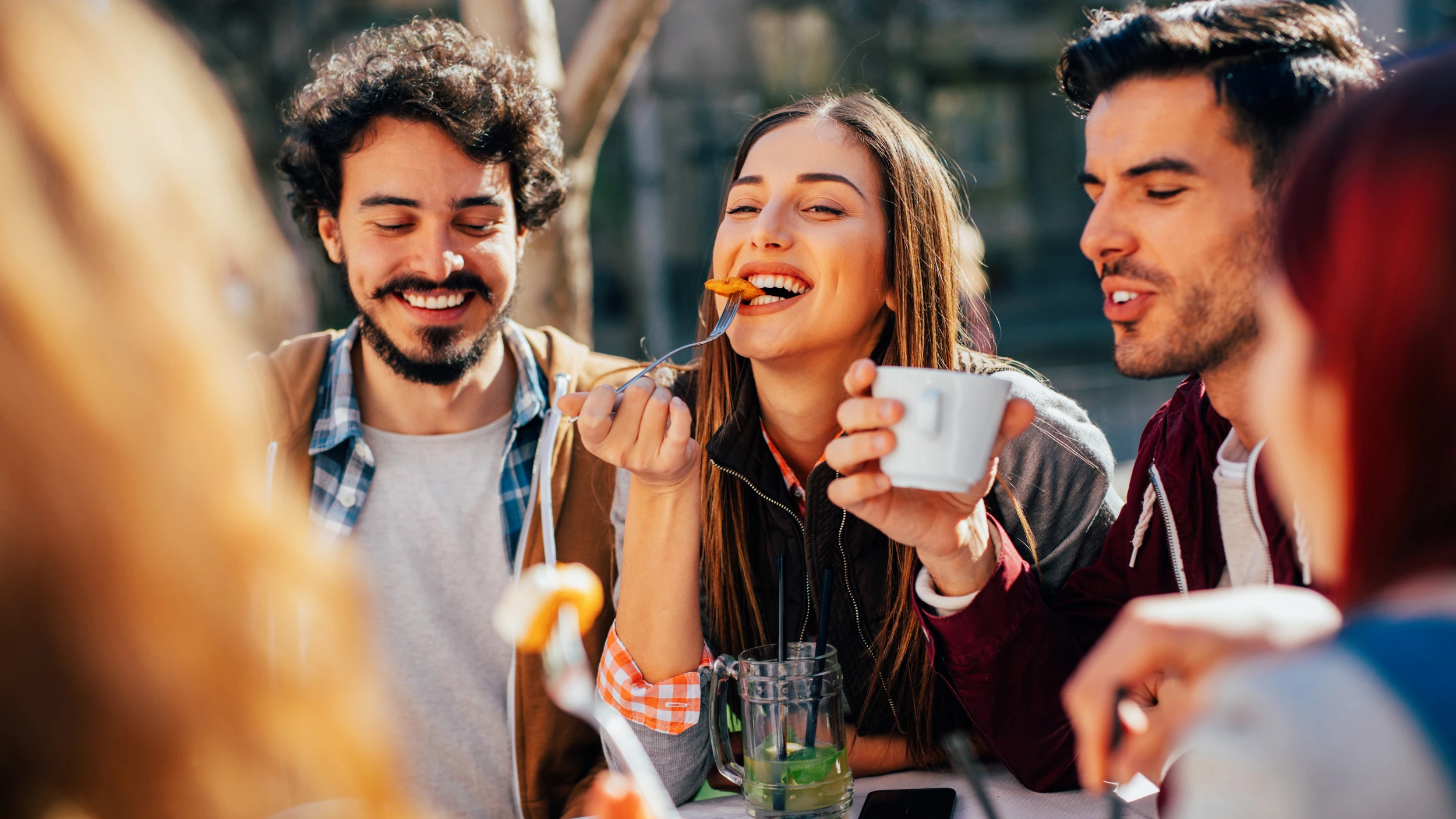
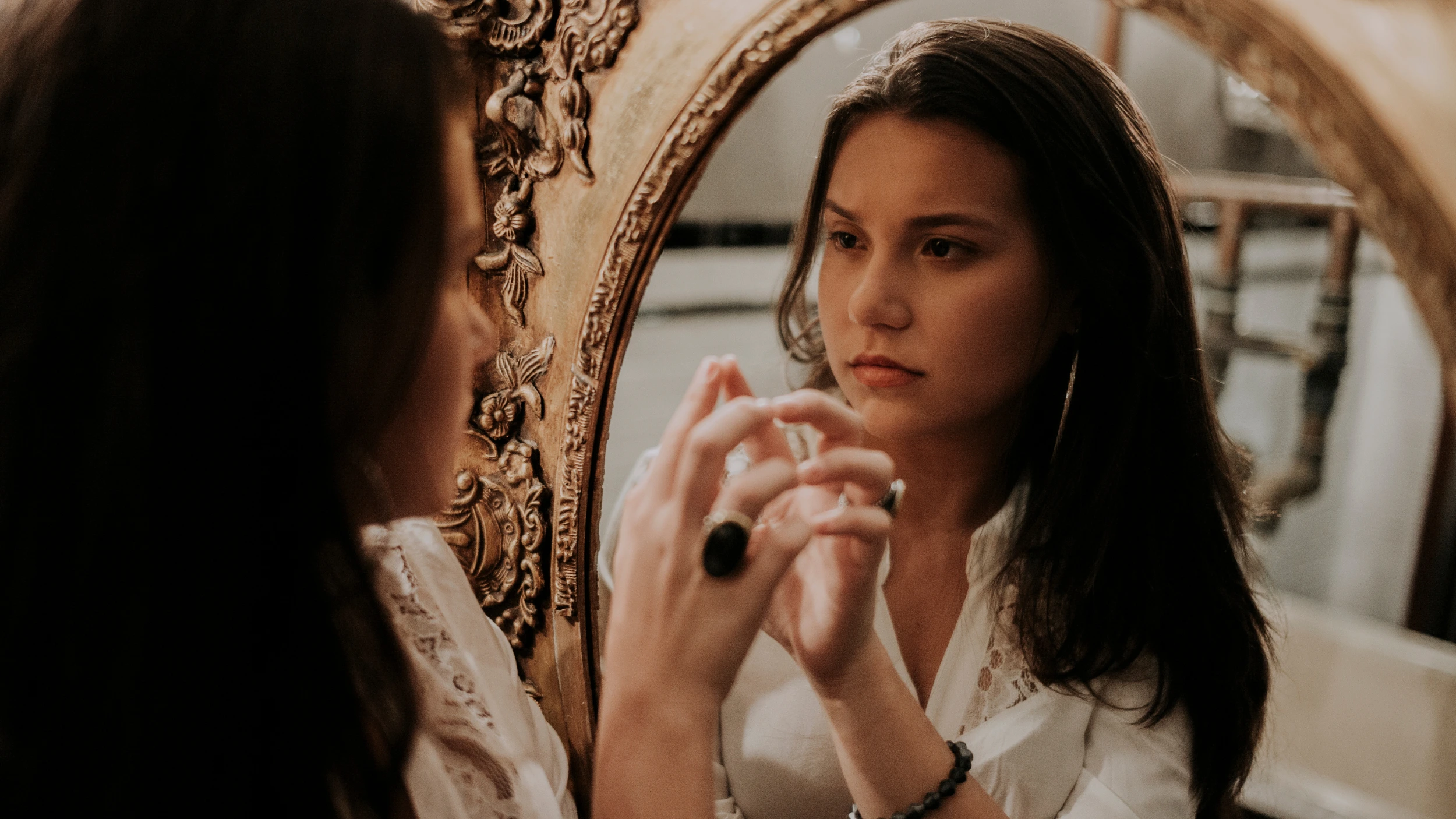
Let's be honest: if you've ever sat in a restaurant feeling your heart race, palms sweat, or mind spiral through every menu option wondering which choice will cause the least regret later, you're far from alone. Social eating anxiety is a documented psychological phenomenon that intersects with broader food-related stress patterns [1].
What's Really Happening in Your Body
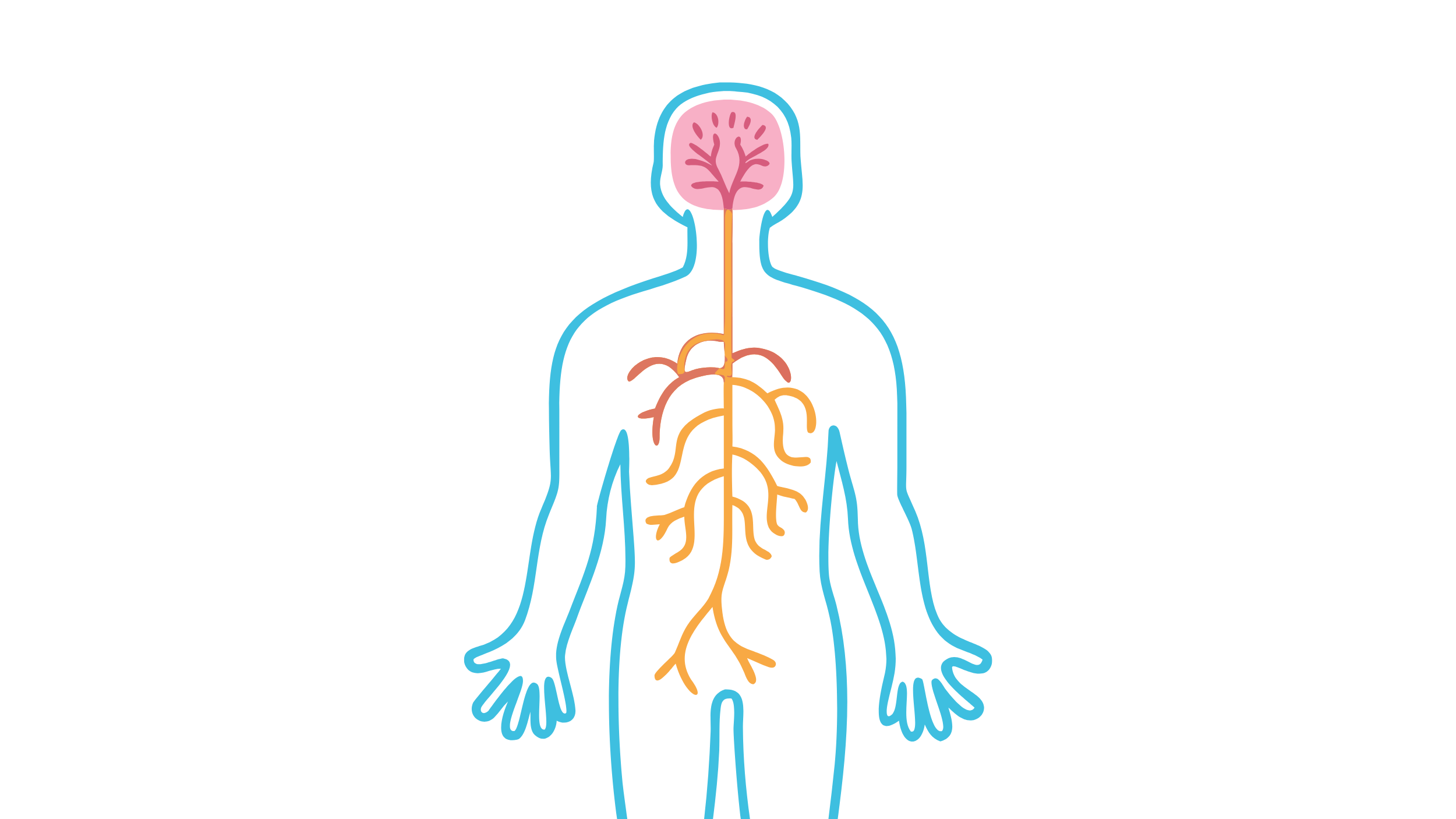
When you experience anxiety about eating in public, you're dealing with a legitimate physiological stress response. Your sympathetic nervous system activates, triggering cortisol release and potentially disrupting normal hunger and satiety cues [2]. This isn't weakness or being "dramatic"—it's your body responding to perceived threat, even when that threat is just ordering pasta in front of coworkers.
Common triggers for restaurant anxiety include:
- Feeling observed or judged while eating
- Uncertainty about ingredient lists or preparation methods
- Social pressure to eat foods that don't align with your usual choices
- Past negative experiences around food or body image
- The sheer overwhelm of too many menu options
The Guilt Cycle That Keeps You Stuck
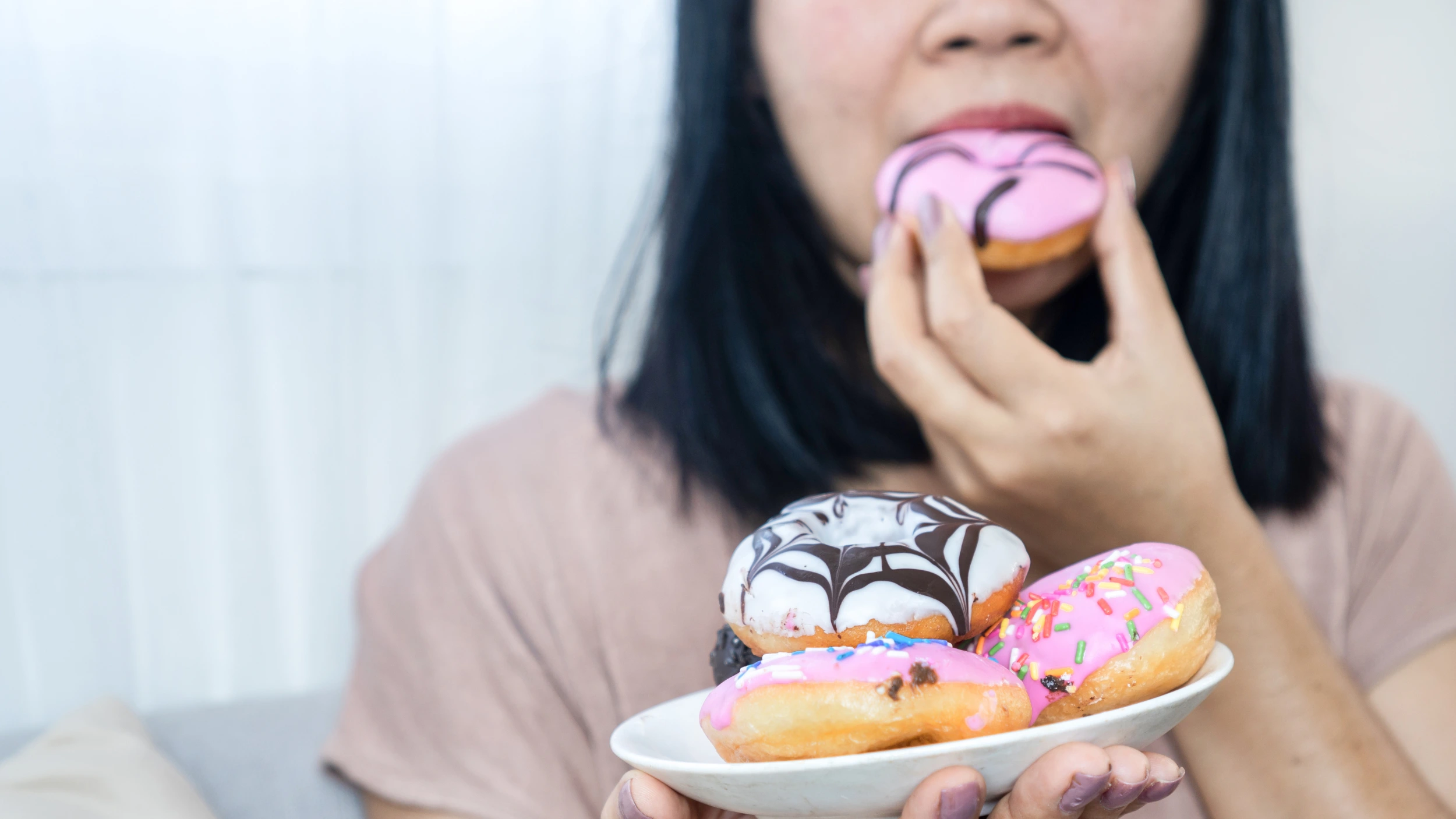
Here's what I see constantly in my practice: You finally push through the anxiety to attend a dinner. You eat something you've mentally labeled as "bad" or "too much." Then comes the crushing wave of guilt after eating out, which reinforces the anxiety for next time. This cycle becomes self-perpetuating [3].
The fear of eating in front of others often stems from internalized food rules and diet culture messaging that's been absorbed over years. When you believe certain foods are inherently "wrong," eating them publicly feels like exposing a personal failure. But here's the truth: no single meal has the power to derail your health, and being watched while eating doesn't change the nutritional value of your food.
If you're also managing stress-related eating patterns, understanding how your nervous system impacts food choices can be transformative—check out this resource on functional nutrition approaches to stress and energy.
Strategies to Overcome Restaurant Anxiety and Guilt
Now for the practical part. These aren't just feel-good suggestions—they're clinical interventions I use with clients experiencing dining out anxiety, grounded in both nutritional science and cognitive-behavioral principles.
Before You Go: Preparation Without Rigidity
- Preview the menu online. Remove the surprise element without turning it into a two-hour analysis session. Scan options, notice what sounds appealing, then close the browser. Decision fatigue intensifies anxiety [4], so reducing cognitive load before you arrive helps enormously.
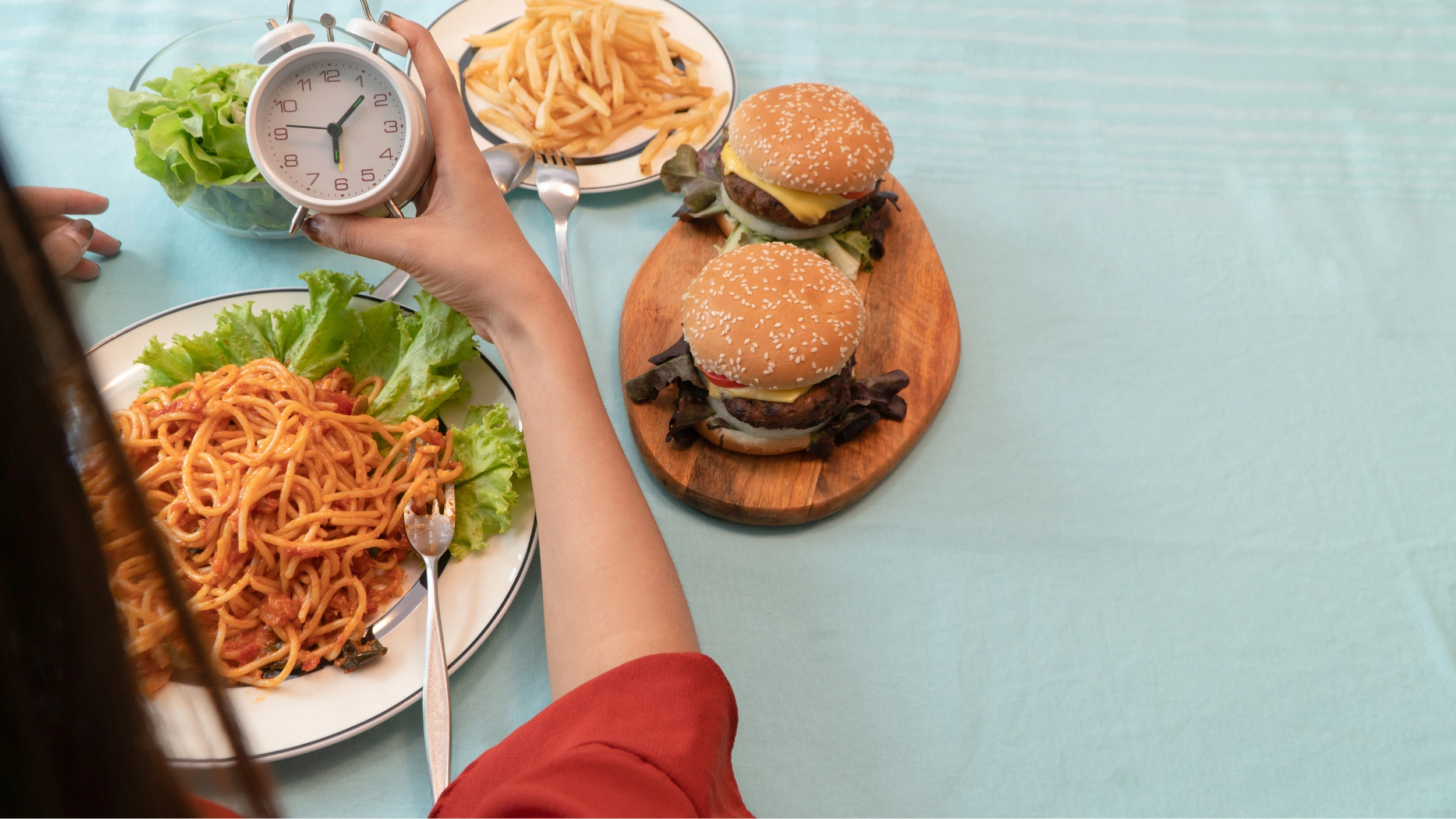
- Eat according to your normal pattern that day. Skipping meals before dining out to "save calories" backfires spectacularly. You'll arrive ravenous, which amplifies both anxiety and the likelihood of eating past comfortable fullness, then feeling guilty afterward.
- Reframe the purpose. The primary goal of this meal isn't the food—it's connection, celebration, or rest. When you mentally categorize the outing as a social event rather than a food test, the pressure decreases.
During the Meal: Grounding Techniques That Actually Work
These strategies help manage the physical manifestations of anxiety while you're actively in the restaurant:
Anchor yourself to the present. Before ordering, take three slow breaths where your exhale is longer than your inhale. This activates your parasympathetic nervous system and signals safety to your body [5].
Use the "companion match" approach. If the fear of eating in front of others is overwhelming, order something similar in portion size to what others at your table choose. This isn't about restriction—it's about reducing the feeling of standing out, which can ease social eating anxiety.
Practice mid-meal check-ins. Halfway through your plate, pause. Take a sip of water. Notice your fullness level without judgment. You can always take food home or order more. This isn't a one-shot deal.
After the Meal: Breaking the Guilt Pattern
The hours following restaurant meals are often when guilt hits hardest. Here's how to interrupt that pattern:
- Move your body gently, not punitively. A walk after eating supports digestion and blood sugar regulation [6], but it's not penance. Avoid the trap of "earning" or "burning off" your meal.
- Normalize the next meal. The biggest mistake I see? Restricting the following day to compensate. This creates chaotic eating patterns and reinforces the idea that restaurant meals are transgressive. Eat breakfast the next morning as you normally would.
- Challenge the guilt thought directly. When you notice "I shouldn't have eaten that," pause and ask: "Says who? Based on what evidence?" Usually these rules dissolve under scrutiny.
Your gut health also plays a surprising role in anxiety regulation through the gut-brain axis [7]. Supporting your microbiome health can actually influence how you experience stress around food.
Building a Healthier Relationship with Food and Social Eating
Overcoming restaurant anxiety isn't just about managing symptoms—it's about fundamentally reshaping your relationship with food in social contexts. This requires both mindset shifts and practical habit changes.
The Permission Framework
I want you to internalize this: you don't need to earn the right to eat foods you enjoy. Restaurant meals don't require justification through prior "good" eating, extra workouts, or compensatory restriction afterward. Food is both nourishment and pleasure, and you're entitled to both functions [8].
Here's a practical exercise: Start with lower-stakes dining situations. Coffee with one friend. Lunch at a familiar casual spot. Gradually increase the social complexity and formality as your confidence builds. Exposure therapy is evidence-based for anxiety disorders [9], and the same principle applies to food anxiety when dining out.
Mindful Eating Without Perfectionism
Mindfulness in eating contexts has solid research backing [10], but it's been co-opted by diet culture in ways that make it another rule to follow perfectly. Let me reframe it:
Mindful eating at restaurants means:
- Tasting your food with genuine curiosity about flavors and textures
- Noticing when you're enjoying something versus just consuming it
- Acknowledging fullness cues without rigid cutoffs
- Accepting that some bites will be distracted by conversation, and that's completely fine
It does not mean eating in complete silence, chewing each bite 30 times, or hyperanalyzing every sensation. That's just anxiety wearing a mindfulness costume.
Addressing the Nutrition Concern
Let's acknowledge the elephant in the room: maybe part of your dining out anxiety stems from legitimate nutritional goals. Perhaps you're working on blood sugar management, supporting hormone balance through nutrition, or managing a health condition.
Here's the nuance: You can honor health goals and eat flexibly at restaurants. These aren't mutually exclusive. Most chronic health conditions are influenced by patterns over time, not individual meals [11]. One restaurant meal that's higher in sodium, lower in vegetables, or includes refined carbs won't undo your overall nutritional foundation.
Practical restaurant strategies that support health without rigidity:
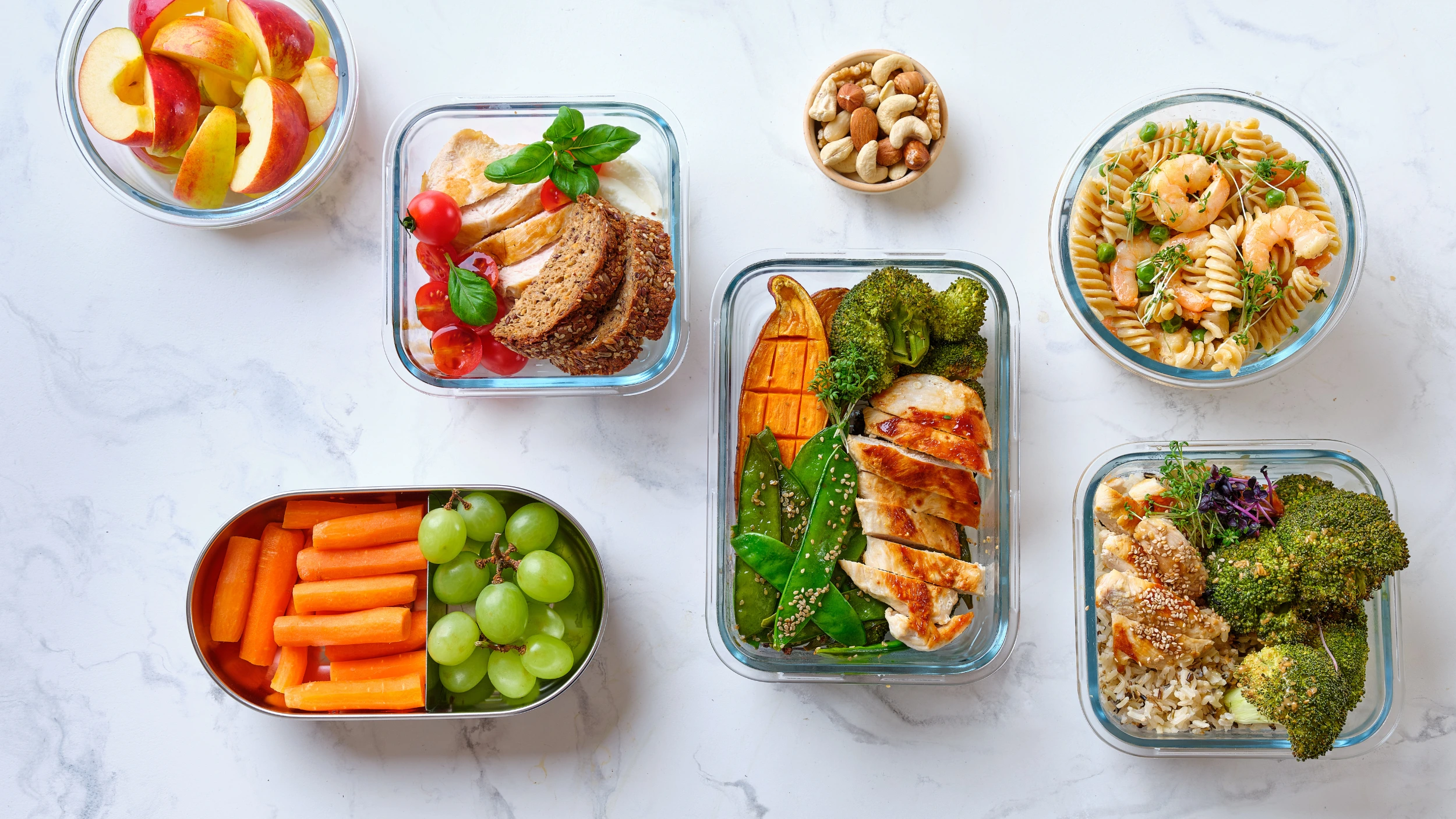
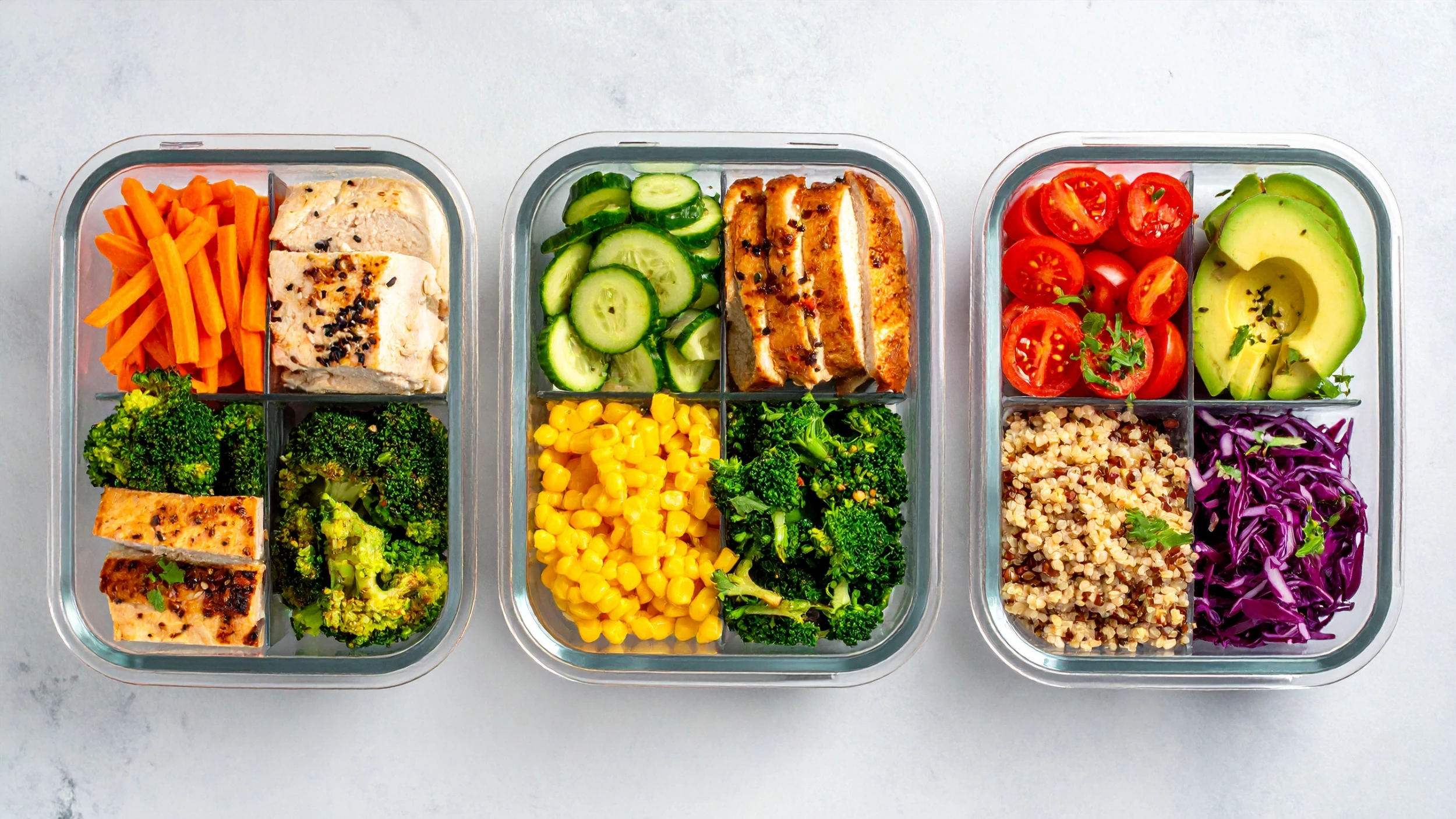
- Add rather than restrict—order a side salad or vegetables to include with your meal, not to replace foods you actually want
- Include protein and fiber to support satiety and blood sugar, but don't stress about perfect macronutrient ratios
- Stay adequately hydrated before and during the meal
- Remember that joy, connection, and stress reduction also contribute to health outcomes
When to Seek Additional Support
If your restaurant anxiety is significantly limiting your social life, causing you to avoid important events, or is accompanied by disordered eating patterns, working with both a specialized dietitian and a therapist trained in eating psychology can be transformative. You don't have to white-knuckle your way through this alone.
Frequently Asked Questions
Q1: How can I stop feeling guilty after eating out?
Guilt after eating out typically stems from internalized food rules rather than actual nutritional harm. Start by identifying the specific thought driving the guilt ("I ate too much," "I chose the wrong thing," etc.), then examine whether that rule serves your actual wellbeing or just perpetuates anxiety. Practice self-compassion scripts like "I'm allowed to enjoy food," and "one meal doesn't define my health." Consistently challenging these thoughts while continuing to dine out gradually weakens the guilt response [12]. If guilt persists despite these efforts, it may indicate deeper disordered eating patterns worth exploring with a professional.
Q2: What are the best ways to manage anxiety about eating in public?
Effective management of public eating anxiety combines preparation, grounding techniques, and gradual exposure. Before dining out, preview menus to reduce decision pressure, eat normally throughout the day to avoid arriving overly hungry, and set an intention focused on connection rather than food perfection. During the meal, use physiological calming techniques like extended exhales, and practice mid-meal check-ins with your body's signals. Start with lower-pressure dining situations and progressively work toward more challenging contexts. Cognitive-behavioral strategies that challenge anxious thoughts show strong evidence for anxiety management [13].
Q3: Can a dietitian help with my fear of eating in front of others?
Absolutely. A registered dietitian specializing in eating psychology can help you understand the nutritional and cognitive roots of your fear, develop practical coping strategies, create flexible eating frameworks that work in restaurant settings, and address any underlying disordered eating patterns. The combination of nutritional counseling and exposure-based strategies is particularly effective for food-related anxiety [14]. For complex cases involving significant social anxiety or trauma, we often work collaboratively with therapists to provide comprehensive support.
Restaurant anxiety doesn't have to control your social life or rob you of the genuine pleasure of shared meals. With evidence-based strategies, self-compassion, and often professional support, you can absolutely reclaim confidence around dining out. The goal isn't perfect comfort every single time—it's building skills to manage discomfort and gradually expanding what feels possible.
Ready to start enjoying your social meals with confidence? Book your personalized consultation today to create a plan that works for you. Book a Consultation
References
[1] Levinson CA, Brosof LC. Social anxiety and eating disorder comorbidity and underlying vulnerabilities: Using network analysis to conceptualize comorbidity. International Journal of Eating Disorders, 2019.
[2] Hewagalamulage SD, Lee TK, Clarke IJ, Henry BA. Stress, cortisol, and obesity: a role for cortisol responsiveness in identifying individuals prone to obesity. Domestic Animal Endocrinology, 2016.
[3] Prunell-Castañé A, García-García I, Sánchez-Barajas M, et al. Feeling guilty after eating: A new dimension of disordered eating behavior. Frontiers in Psychology, 2022.
[4] Vohs KD, Baumeister RF, Schmeichel BJ, et al. Making choices impairs subsequent self-control: A limited-resource account of decision making, self-regulation, and active initiative. Journal of Personality and Social Psychology, 2008.
[5] Perciavalle V, Blandini M, Fecarotta P, et al. The role of deep breathing on stress. Neurological Sciences, 2017.
[6] Reynolds AN, Venn BJ. The Timing of Activity after Eating Affects the Glycaemic Response of Healthy Adults: A Randomised Controlled Trial. Nutrients, 2018.
[7] Clapp M, Aurora N, Herrera L, et al. Gut microbiota's effect on mental health: The gut-brain axis. Clinics and Practice, 2017.
[8] Tylka TL, Calogero RM, Daníelsdóttir S. Intuitive eating is connected to self-reported weight stability in community women and men. Eating Disorders, 2015.
[9] Craske MG, Treanor M, Conway CC, et al. Maximizing exposure therapy: An inhibitory learning approach. Behaviour Research and Therapy, 2014.
[10] Warren JM, Smith N, Ashwell M. A structured literature review on the role of mindfulness, mindful eating and intuitive eating in changing eating behaviours: effectiveness and associated potential mechanisms. Nutrition Research Reviews, 2017.
[11] Mozaffarian D. Dietary and Policy Priorities for Cardiovascular Disease, Diabetes, and Obesity. Circulation, 2016.
[12] Neff KD, Germer CK. A pilot study and randomized controlled trial of the mindful self-compassion program. Journal of Clinical Psychology, 2013.
[13] Hofmann SG, Asnaani A, Vonk IJ, et al. The Efficacy of Cognitive Behavioral Therapy: A Review of Meta-analyses. Cognitive Therapy and Research, 2012.
[14] Raykos BC, McEvoy PM, Fursland A. Socializing problems and eating disorders: The role of anticipated negative evaluation of others. Journal of Affective Disorders, 2017.
.svg)
.svg)


.jpg)
.jpg)



.webp)

















.webp)
.webp)
.webp)
.webp)
.webp)
.webp)
.webp)
.png)
.webp)
.webp)
.webp)
.png)
.webp)
.webp)
.webp)
.webp)
.webp)
.webp)