.webp)
.webp)
%2B(7).webp)
.png)
At a Glance
As a Registered Dietitian specializing in women's wellness, I've analyzed dozens of protein powders to bring you five dietitian-approved options that actually deliver on their promises. This guide breaks down the best protein powders for women based on ingredient quality, bioavailability, and how well they support your specific health goals—whether that's hormone balance, gut health, or sustainable weight management. Let's cut through the marketing noise and focus on what actually works.
Understanding Protein Powder: What's Right for You?
Here's the thing about protein powder that nobody tells you: not all proteins are created equal, and what works beautifully for your workout buddy might completely wreck your digestion.
Protein is essential for maintaining lean muscle mass, supporting metabolic health, and keeping you satiated between meals [1]. For women ages 24-45, adequate protein intake becomes even more critical as we navigate hormonal shifts, potential pregnancies, and the early stages of age-related muscle loss [2].
When I'm evaluating dietitian recommended protein powder options with my clients, here's what I look for:
- Protein source quality: Whey isolate, grass-fed collagen, organic pea protein, or hemp—each has distinct amino acid profiles and absorption rates
- Minimal additives: I'm talking fewer than 5 grams of added sugar, no artificial sweeteners like sucralose or acesulfame-K, and zero sketchy fillers
- Third-party testing: NSF Certified for Sport or Informed Choice certification means the product has been tested for banned substances and label accuracy
The protein type matters more than most people realize. Whey protein isolate delivers all nine essential amino acids and has the highest biological value at 104 [3], making it incredibly efficient for muscle protein synthesis. But if you're dealing with lactose sensitivity or following a plant-based protocol, you'll want to look at pea protein isolate or a complete plant blend.
For women specifically, I also consider how the protein powder interacts with hormonal health. Some plant proteins contain phytoestrogens that can be beneficial when consumed in moderate amounts, while others may interfere with thyroid function if you're already dealing with hypothyroidism [4]. This is where personalized nutrition guidance around hormone balance becomes absolutely essential.
My Top 5 Dietitian-Recommended Protein Powders
After years of clinical practice and staying current with nutrition research, these are my go-to nutritionist recommended protein powder picks that I actually use myself and recommend to clients without hesitation.
1. Momentous Essential Grass-Fed Whey Isolate
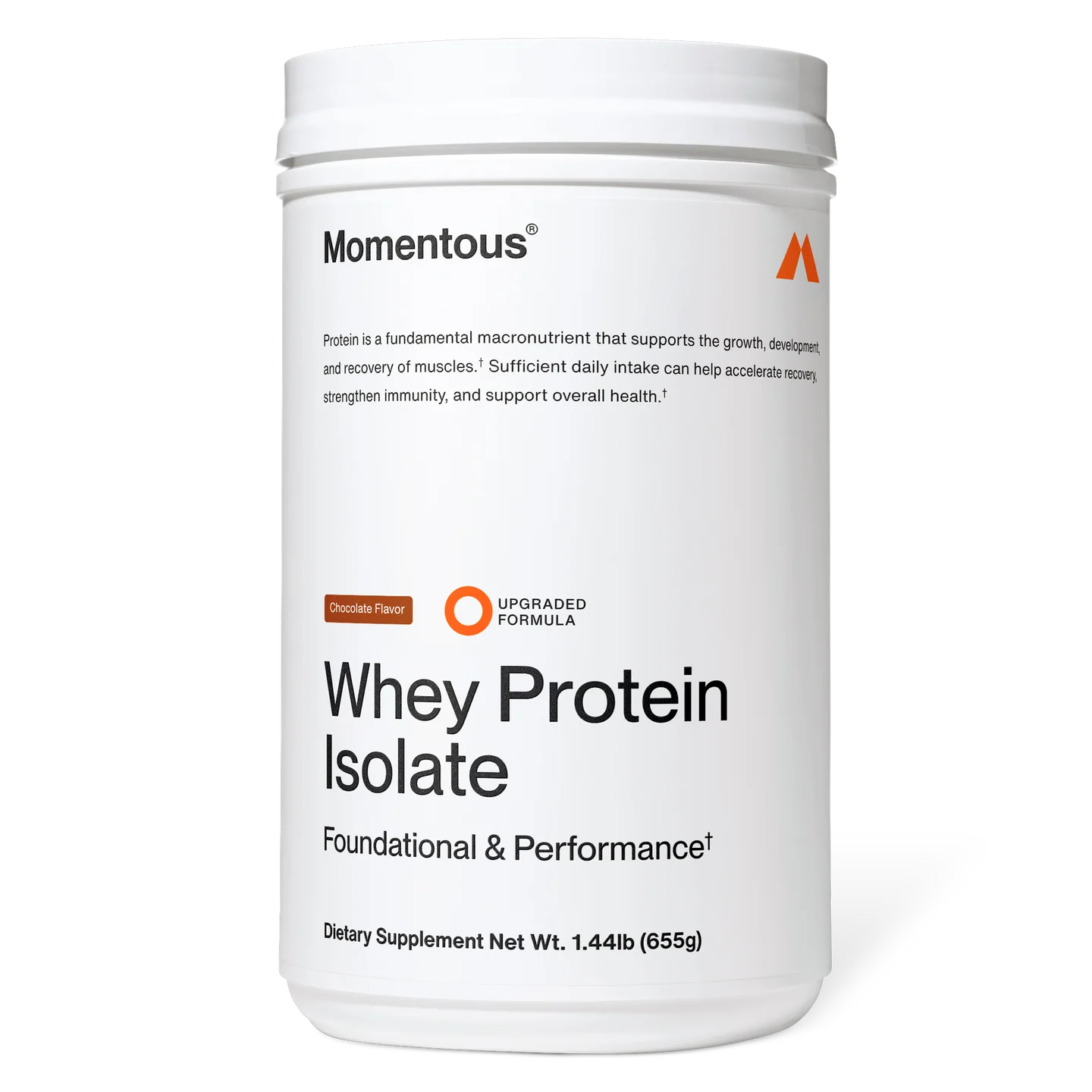
This is hands-down my top choice for women who tolerate dairy and want the gold standard in protein quality.
Why I love it: It's NSF Certified for Sport, contains 20 grams of protein per serving with zero grams of sugar, and sources from grass-fed New Zealand cows. The whey isolate form means it's been filtered to remove virtually all lactose and fat, so even clients with mild dairy sensitivity often do well with it [5].
The unflavored version is incredibly versatile—I add it to overnight oats, savory soups, and even homemade protein pancakes. The vanilla is clean-tasting without that artificial sweetener aftertaste that makes me want to dump the whole thing down the sink.
2. Vital Proteins Collagen Peptides
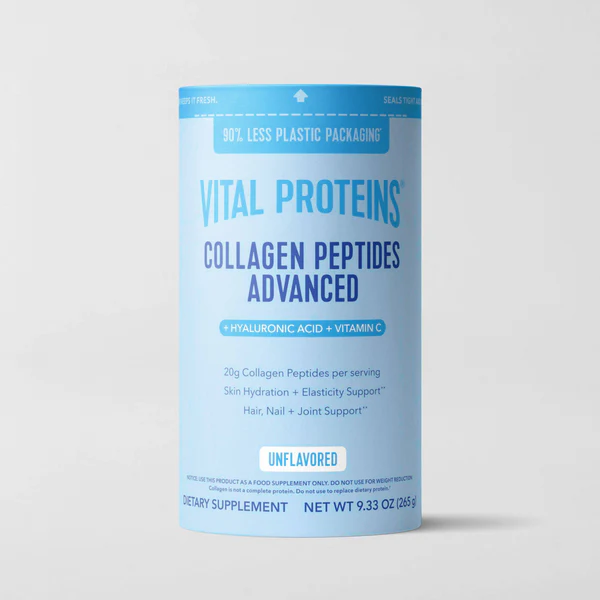
Before you say "but collagen isn't a complete protein"—you're absolutely right, and I'm including it anyway because of its unique benefits for women's health.
Collagen provides 18 grams of protein per serving and is specifically rich in glycine, proline, and hydroxyproline—amino acids that support skin elasticity, joint health, and gut lining integrity [6]. For my clients working on optimizing gut health and their microbiome, collagen peptides can be incredibly supportive alongside a comprehensive protocol.
I recommend pairing this with a complete protein source earlier in the day, then using collagen in your afternoon matcha or evening herbal tea. It dissolves completely and has zero flavor, which is a game-changer.
3. Truvani Plant-Based Protein
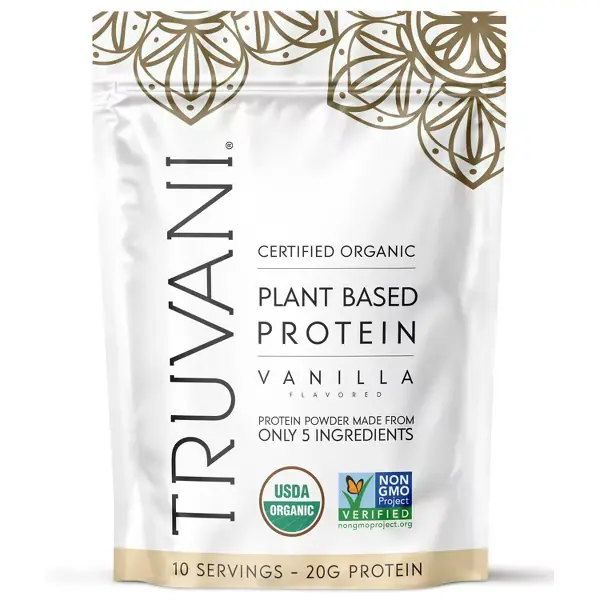
This is my top-rated protein powder dietitian choice for plant-based eaters who refuse to compromise on ingredient quality.
- Contains a complete amino acid profile from organic pea protein, organic pumpkin seed protein, and organic chia
- Sweetened only with monk fruit and organic coconut sugar (3 grams per serving)
- No gums, no natural flavors (which can be sneaky gut irritants), and certified USDA organic
The texture is creamy without being chalky, and the vanilla actually tastes like real vanilla bean. At 20 grams of plant protein per scoop, it keeps my vegan clients satisfied and supports their muscle maintenance goals effectively [7].
4. Naked Nutrition Pea Protein Isolate
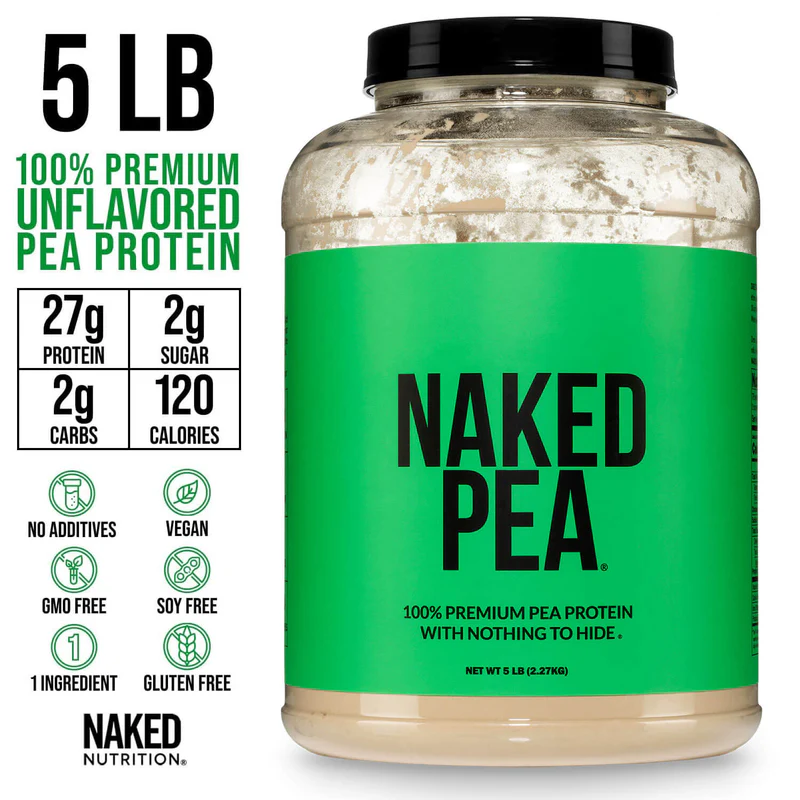
Sometimes simplicity is everything. This dietitian choice protein powder contains exactly one ingredient: yellow pea protein isolate.
For women with multiple food sensitivities, autoimmune conditions, or those following elimination protocols, this unflavored option gives you complete control. You can blend it with your own whole food ingredients—frozen berries, spinach, almond butter, cinnamon—and avoid any potential triggers.
Pea protein isolate has been shown to be just as effective as whey for supporting muscle thickness and strength gains when combined with resistance training [8]. The only downside? It has a distinct earthy flavor that some people love and others need to mask with frozen banana and cacao powder.
5. Garden of Life Raw Organic Protein
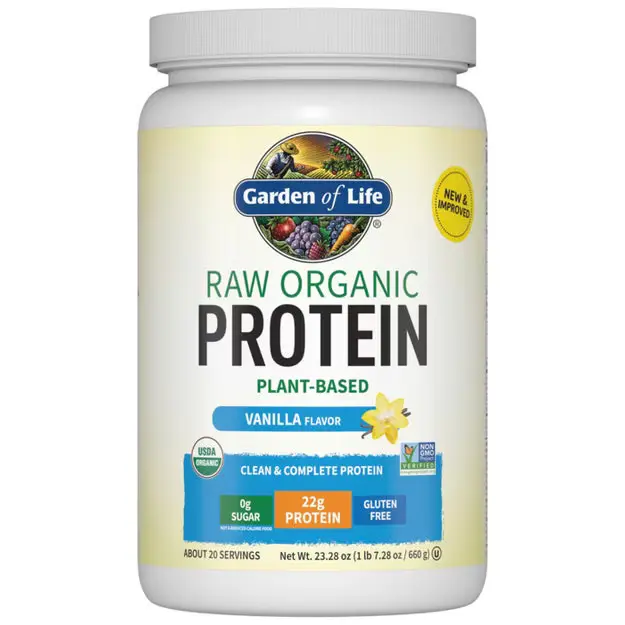
This is my go-to recommendation for women who want more than just protein—they want a comprehensive nutritional boost.
Each serving delivers 22 grams of certified organic plant protein from 13 raw sprouted ingredients, plus live probiotics and enzymes to support digestion. The sprouting process increases nutrient bioavailability and reduces antinutrients like phytic acid [9], which means your body can actually absorb and use what you're consuming.
It's particularly beneficial for clients dealing with chronic stress and depleted energy reserves, especially when paired with functional nutrition approaches to stress management. The added probiotics support gut health, which is foundational for everything from mood regulation to immune function.
Making Protein Powders Work for You
Let's be real: even the best protein powder dietitian recommends is worthless if it sits in your pantry because you hate the taste or don't know how to use it.
Here's how I actually incorporate these into my daily routine (and teach my clients to do the same):
Morning Protein Smoothie Formula
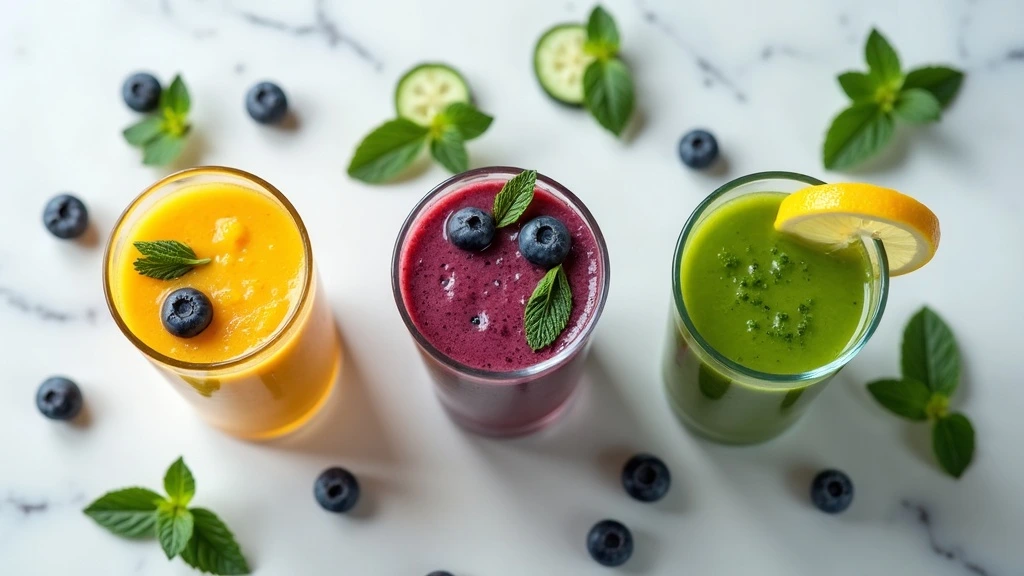
Start with 1 scoop of your chosen protein powder, add 1 cup unsweetened almond milk, ½ cup frozen berries, 1 tablespoon almond butter, a handful of spinach, and ½ teaspoon cinnamon. Blend until smooth. This gives you 25-30 grams of protein and keeps you satisfied for 4-5 hours.
Post-Workout Recovery
Within 30-60 minutes after strength training, mix one scoop of whey isolate or plant protein with 8 ounces of water or milk alternative. Add a small piece of fruit like a banana to provide quick-digesting carbs that help shuttle amino acids into muscle cells [10].
Protein-Boosted Overnight Oats
Combine ½ cup rolled oats, 1 scoop unflavored protein powder, 1 tablespoon chia seeds, ¾ cup unsweetened almond milk, and a pinch of sea salt in a mason jar. Refrigerate overnight, then top with fresh berries and a drizzle of almond butter in the morning. This is an absolute game-changer for busy mornings.
Creative beyond-the-smoothie ideas: Mix unflavored protein into Greek yogurt for an extra protein punch, stir collagen peptides into your morning coffee or bone broth, or blend plant protein into homemade energy balls with dates and cacao.
The real secret? Consistency matters more than perfection. Aim for 20-30 grams of protein at each meal to optimize muscle protein synthesis and metabolic function [11]. Protein powder is simply a tool to help you hit those targets on days when whole food sources feel impossible.
Frequently Asked Questions
Q: Which protein powder is best for weight loss?
Honestly? Any high-quality protein powder can support weight loss when used strategically. Protein increases satiety, has a higher thermic effect than carbs or fats (meaning you burn more calories digesting it), and helps preserve lean muscle during calorie restriction [12].
That said, I typically recommend whey protein isolate or unsweetened plant-based options for weight loss goals because they're lower in calories and carbs while still delivering 20+ grams of protein per serving. Avoid anything with added sugars, maltodextrin, or more than 150 calories per scoop. The protein itself isn't magic—it's about creating a sustainable calorie deficit while maintaining muscle mass and feeling satisfied.
Q: Can I use protein powder if I have a sensitive stomach?
Absolutely, but you need to choose carefully. If you experience bloating, gas, or digestive discomfort with protein powders, it's usually one of three culprits: lactose (in whey concentrate), sugar alcohols (like erythritol or xylitol), or high amounts of added fiber and gums.
For sensitive stomachs, I recommend starting with whey protein isolate (virtually lactose-free), collagen peptides (easiest to digest), or a simple pea protein isolate without added ingredients. Avoid anything with chicory root fiber, inulin, or xanthan gum if you're prone to GI issues. Also consider taking it with food rather than on an empty stomach, and start with a half serving to assess tolerance.
Q: How much protein powder should I take daily?
Protein powder should supplement your whole food intake, not replace it entirely. Most women need 0.8-1.2 grams of protein per pound of body weight daily depending on activity level and goals [13].
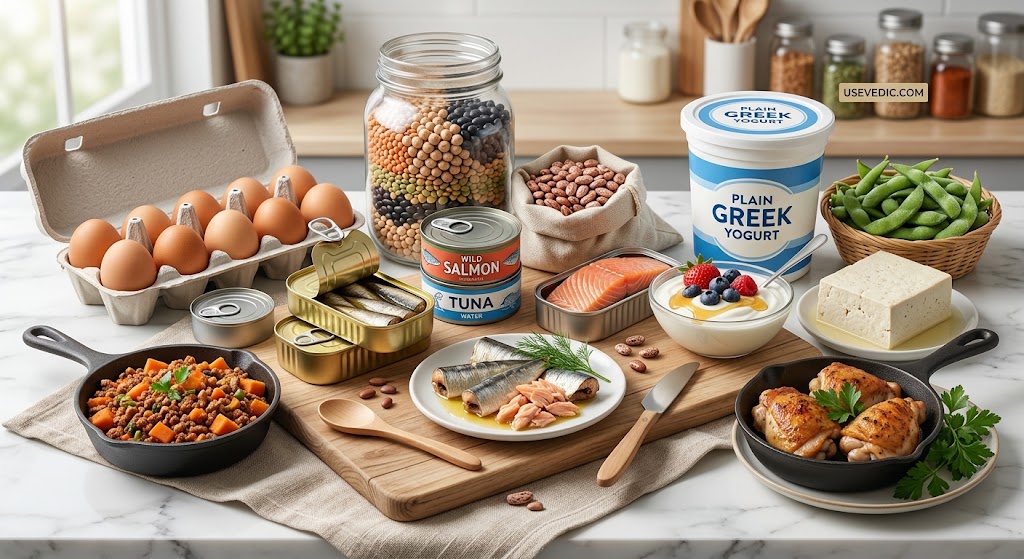
For a 140-pound woman, that's roughly 112-168 grams of protein per day. I typically recommend one serving (20-25 grams) of protein powder daily, maybe two on days when you're extra active or struggling to get enough protein from whole foods. The rest should come from sources like eggs, fish, poultry, legumes, and Greek yogurt. More isn't always better—your body can only utilize about 25-40 grams of protein per meal for muscle building [14], and excess gets converted to glucose or excreted.
Ready to find the perfect protein powder to support your unique health goals? These dietitian's top protein powders are an excellent starting point, but your individual needs—from hormone balance to gut health to metabolic optimization—deserve personalized attention. Book your personalized nutrition consultation today and let's create a protein strategy that actually works for your body and lifestyle.
References
[1] Phillips SM, Chevalier S, Leidy HJ. Protein "requirements" beyond the RDA: implications for optimizing health. Applied Physiology, Nutrition, and Metabolism, 2016.
[2] Stokes T, Hector AJ, Morton RW, McGlory C, Phillips SM. Recent Perspectives Regarding the Role of Dietary Protein for the Promotion of Muscle Hypertrophy with Resistance Exercise Training. Frontiers in Nutrition, 2018.
[3] Hoffman JR, Falvo MJ. Protein - Which is Best?. Journal of Sports Science & Medicine, 2004.
[4] Messina M, Redmond G. Effects of soy protein and soybean isoflavones on thyroid function in healthy adults and hypothyroid patients: a review of the relevant literature. Thyroid, 2006.
[5] Jäger R, Kerksick CM, Campbell BI, et al. International Society of Sports Nutrition Position Stand: protein and exercise. Journal of the International Society of Sports Nutrition, 2017.
[6] Proksch E, Segger D, Degwert J, Schunck M, Zague V, Oesser S. Oral supplementation of specific collagen peptides has beneficial effects on human skin physiology: a double-blind, placebo-controlled study. Skin Pharmacology and Physiology, 2014.
[7] Gorissen SHM, Crombag JJR, Senden JMG, et al. Protein content and amino acid composition of commercially available plant-based protein isolates. Amino Acids, 2018.
[8] Babault N, Païzis C, Deley G, et al. Pea proteins oral supplementation promotes muscle thickness gains during resistance training: a double-blind, randomized, Placebo-controlled clinical trial vs. Whey protein. Journal of the International Society of Sports Nutrition, 2015.
[9] Luo Y, Xie W, Jin X, Wang Q, He Y. Effects of germination on iron, zinc, calcium, manganese, and copper availability from cereals and legumes. CyTA - Journal of Food, 2014.
[10] Kerksick CM, Arent S, Schoenfeld BJ, et al. International society of sports nutrition position stand: nutrient timing. Journal of the International Society of Sports Nutrition, 2017.
[11] Mamerow MM, Mettler JA, English KL, et al. Dietary protein distribution positively influences 24-h muscle protein synthesis in healthy adults. Journal of Nutrition, 2014.
[12] Leidy HJ, Clifton PM, Astrup A, et al. The role of protein in weight loss and maintenance. American Journal of Clinical Nutrition, 2015.
[13] Morton RW, Murphy KT, McKellar SR, et al. A systematic review, meta-analysis and meta-regression of the effect of protein supplementation on resistance training-induced gains in muscle mass and strength in healthy adults. British Journal of Sports Medicine, 2018.
[14] Schoenfeld BJ, Aragon AA. How much protein can the body use in a single meal for muscle-building? Implications for daily protein distribution. Journal of the International Society of Sports Nutrition, 2018.
.svg)
.svg)


.jpg)
.jpg)






.webp)




















.webp)
.webp)
.webp)
.webp)
.webp)
.webp)
.png)
.webp)
.webp)
.webp)
.png)
.webp)
.webp)
.webp)
.webp)
.webp)
.webp)
.webp)
.webp)
.webp)


.webp)
.png)