.webp)

%2B(7).webp)
.png)
At a Glance
Perimenopause brain fog isn't just frustrating—it's a real neurological response to fluctuating estrogen and progesterone levels that affect neurotransmitter production and cerebral blood flow. The good news? Strategic nutrition interventions targeting omega-3 fatty acids, antioxidants, and glucose regulation can significantly improve cognitive function during this transition. This guide translates the latest research into actionable dietary strategies that support your brain health right now.
Understanding the "Why" Behind Your Perimenopause Brain Fog
Let's talk about what's actually happening in your brain when you can't remember why you walked into a room or struggle to find the right word mid-sentence.
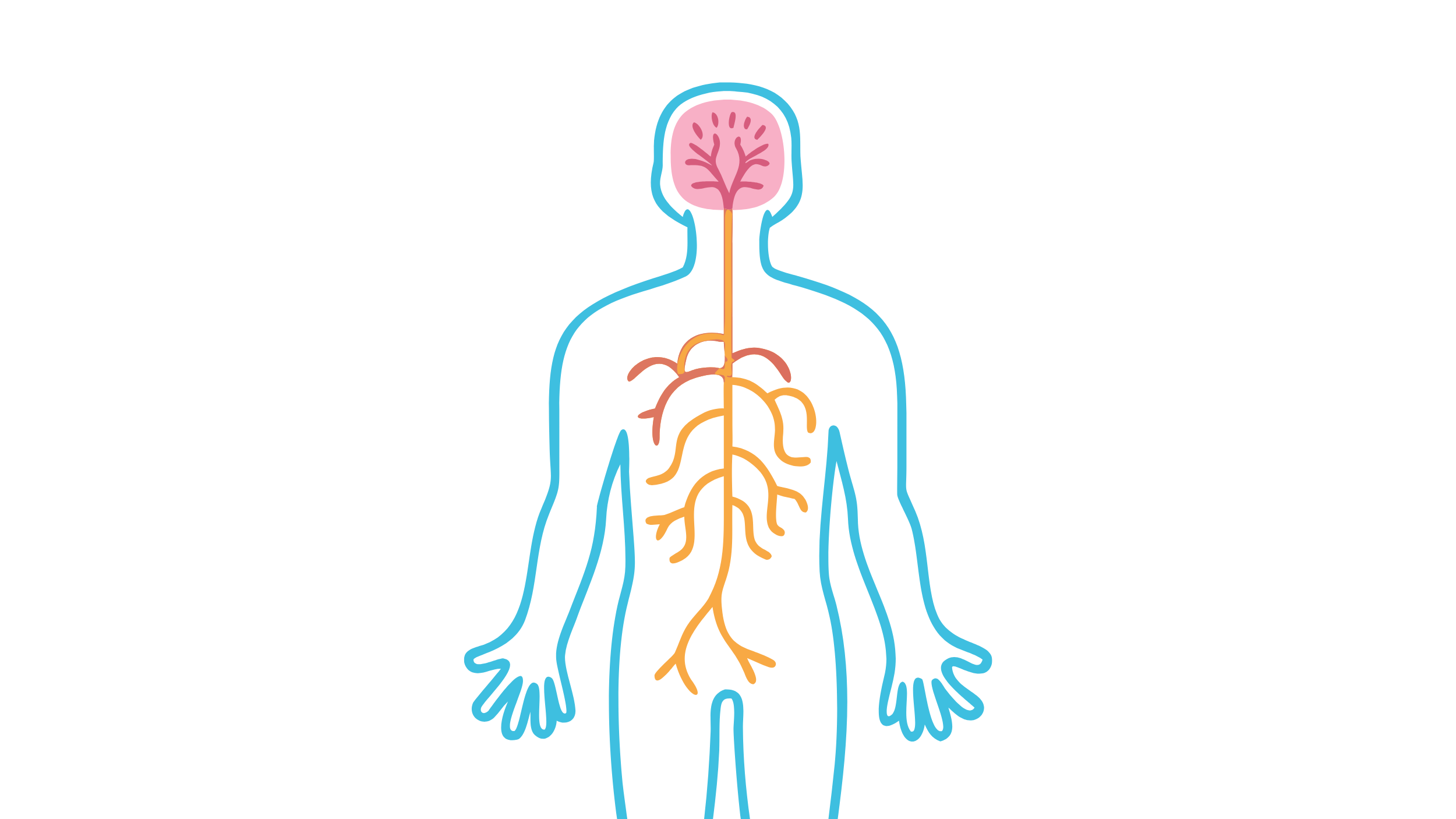
Estrogen isn't just a reproductive hormone—it's a powerful neuroprotective agent. When estrogen levels start their erratic dance during perimenopause, your brain feels it immediately [1]. Estrogen receptors are densely concentrated in the hippocampus (your memory center) and prefrontal cortex (your executive function headquarters), which explains why brain fog during perimenopause often manifests as memory lapses and difficulty concentrating.
Here's what's happening on a cellular level:
- Estrogen normally enhances acetylcholine production—a neurotransmitter critical for learning and memory. When estrogen drops, so does acetylcholine synthesis [2].
- Your brain's glucose metabolism changes. Estrogen helps brain cells efficiently use glucose for energy, and when levels fluctuate, your neurons literally struggle to fuel themselves [3].
- Mitochondrial function in brain cells becomes less efficient. These are your cellular power plants, and perimenopause symptoms like fatigue and mental cloudiness reflect this energy crisis [4].
The cognitive changes you're experiencing aren't early dementia or "just getting older." Research shows that perimenopause memory loss is typically temporary and improves post-menopause for most women [5]. Understanding this physiological reality helps remove the shame and anxiety many of my clients carry about their changing cognition.
Progesterone's decline also contributes to this mental haziness. Progesterone metabolizes into allopregnanolone, a neurosteroid that promotes calmness and cognitive clarity. When progesterone drops, you may notice not only brain fog but also increased anxiety and sleep disruption—both of which compound cognitive difficulties [6].
Nourishing Your Brain: Foods for Perimenopause Clarity
Now we get to the practical, empowering part: what you eat directly influences how your brain navigates these hormonal changes.
Omega-3 Fatty Acids: Your Brain's Best Friend
DHA (docosahexaenoic acid) comprises about 40% of the polyunsaturated fatty acids in your brain [7]. During perimenopause, when inflammation tends to increase and neuroprotection decreases, omega-3s become even more critical.
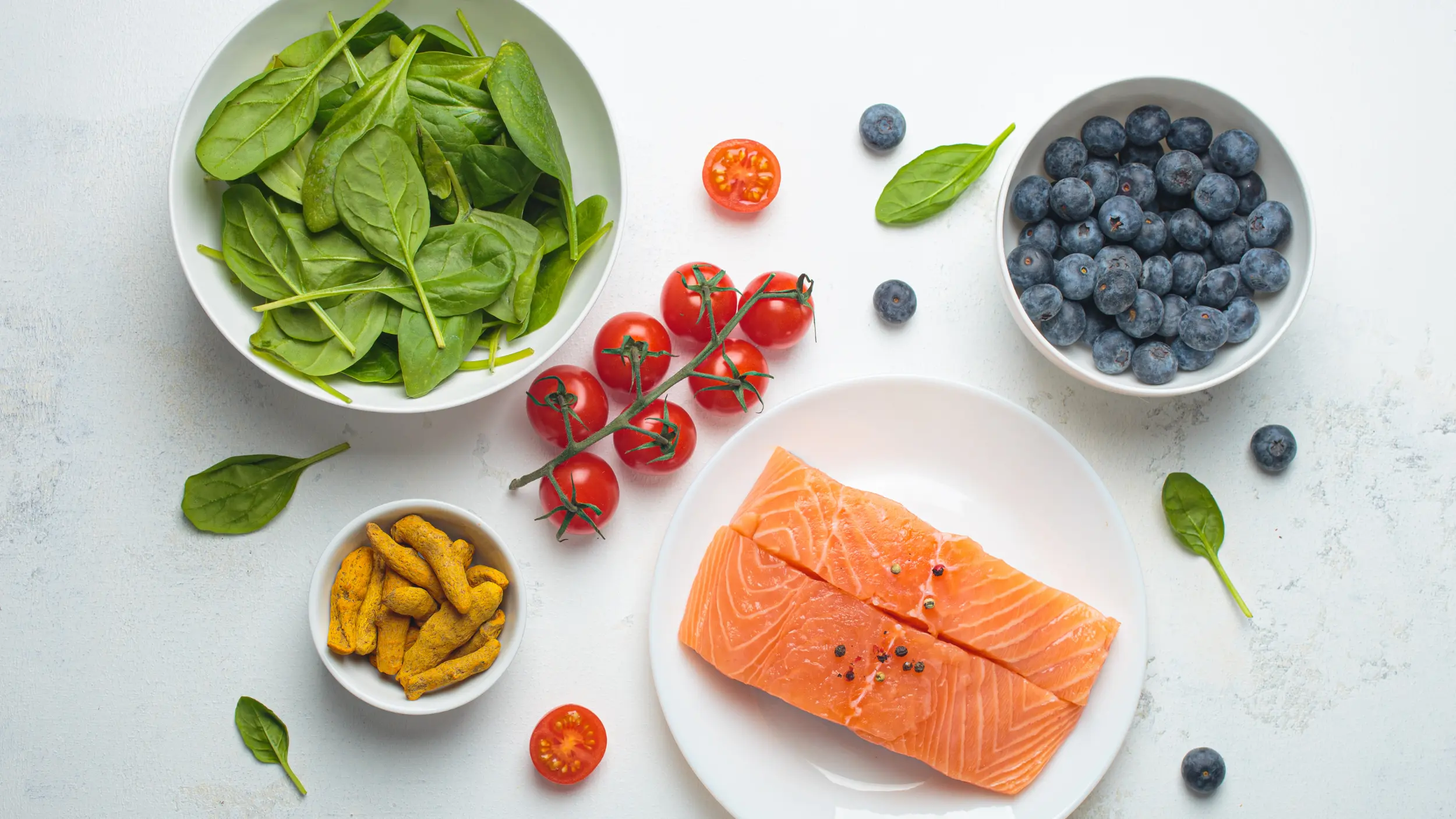
- Fatty fish (salmon, sardines, mackerel, anchovies): Aim for 3-4 servings weekly. Wild-caught options typically contain higher omega-3 concentrations.
- Algae-based supplements: If you're plant-based, these provide direct DHA without the fish. Look for 250-500mg DHA daily.
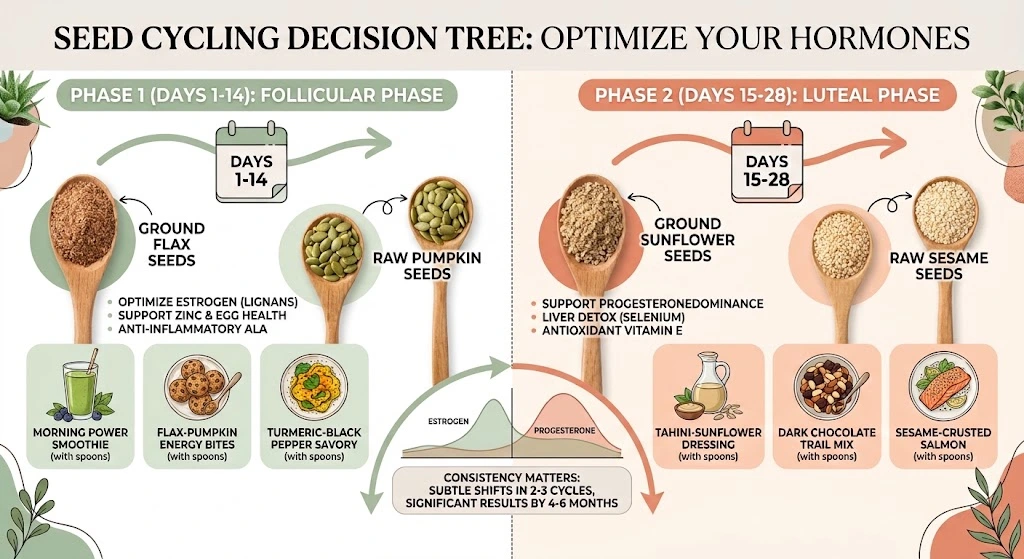
- Walnuts and flax: While they contain ALA (which converts poorly to DHA), they still offer anti-inflammatory benefits and support overall hormone balance through dietary choices.
Clinical trials show that women with higher omega-3 intake experience less severe cognitive decline during the menopausal transition [8].
Antioxidant-Rich Foods: Protecting Your Neural Pathways
Oxidative stress increases during perimenopause as estrogen's antioxidant effects diminish [9]. Your perimenopause nutrition strategy should emphasize foods that combat this cellular damage.
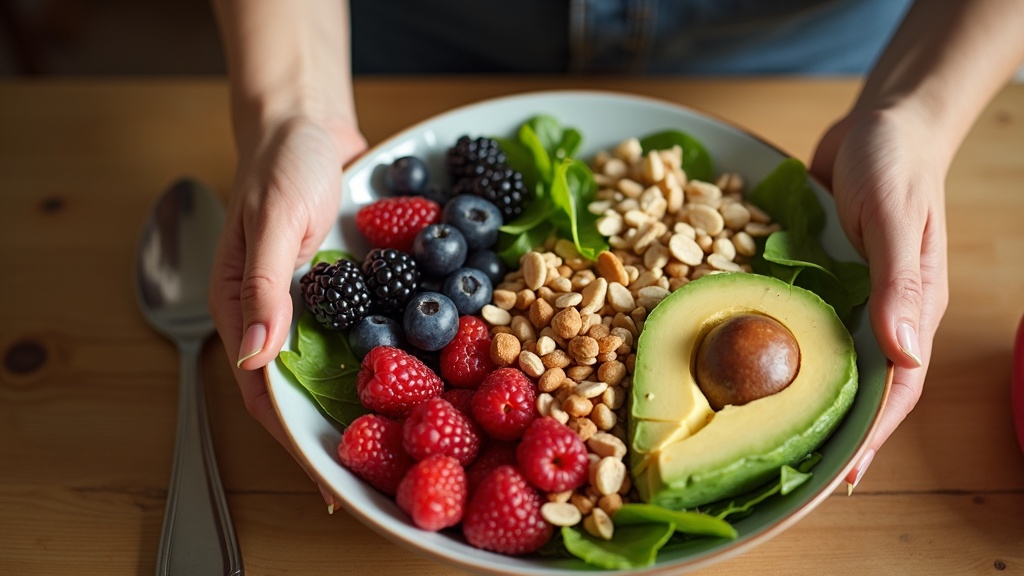
- Berries (especially blueberries and strawberries) contain anthocyanins that cross the blood-brain barrier and accumulate in memory-processing regions [10].
- Leafy greens (kale, spinach, Swiss chard) deliver lutein, folate, and vitamin K—a combination associated with slower cognitive decline [11].
- Dark chocolate (70% cacao or higher) provides flavonoids that improve cerebral blood flow. A 20-30g daily serving offers benefits without excessive sugar [12].
- Green tea contains L-theanine and EGCG, which enhance attention and working memory while reducing perimenopause fatigue [13].
B Vitamins: Methylation and Neurotransmitter Production
B vitamins—particularly B6, B12, and folate—are cofactors in neurotransmitter synthesis and homocysteine metabolism. Elevated homocysteine is linked to cognitive impairment, and B vitamins help keep it in check [14].
Incorporate these daily:
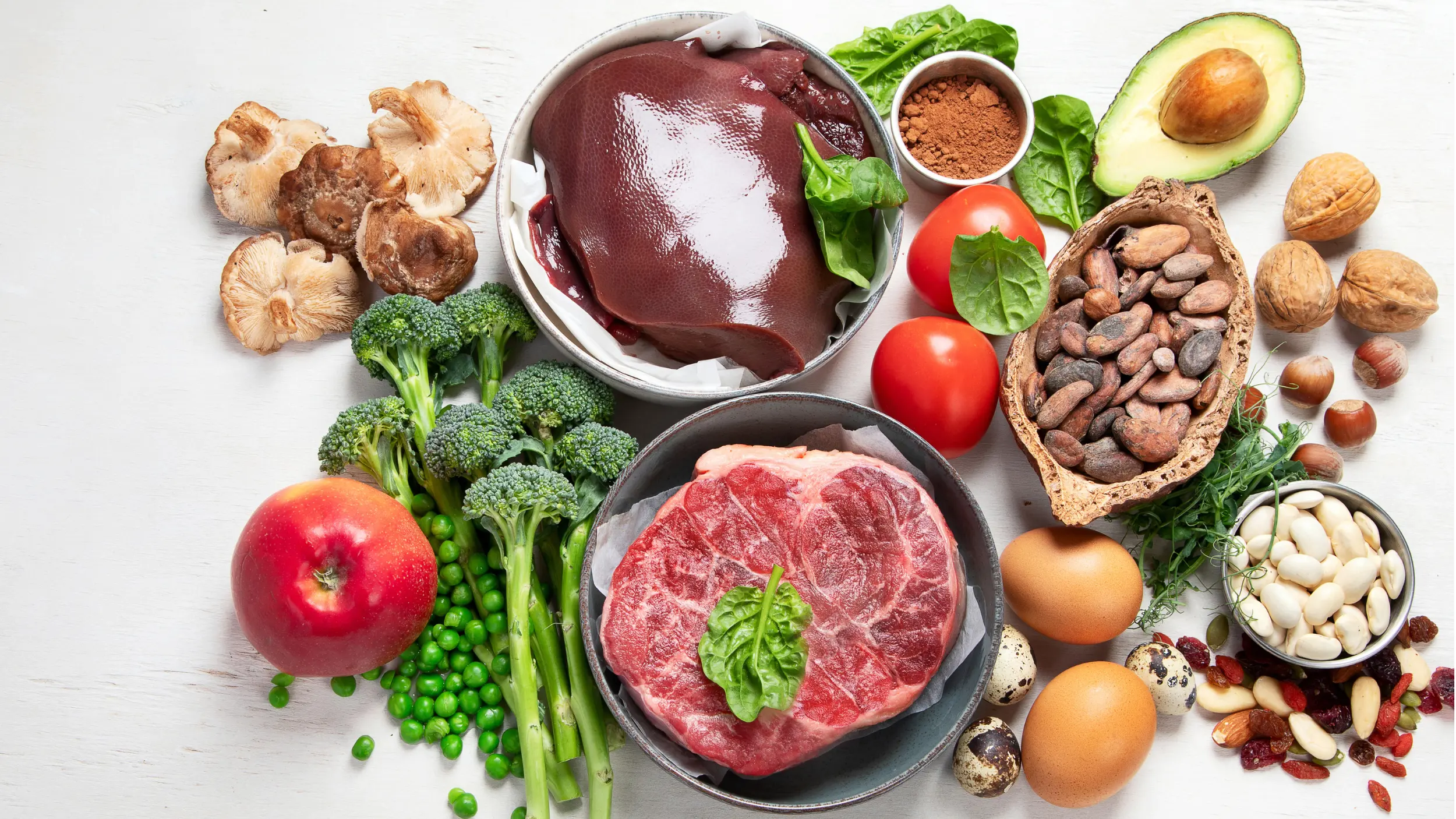
- Eggs: Contain choline (for acetylcholine production) plus B12
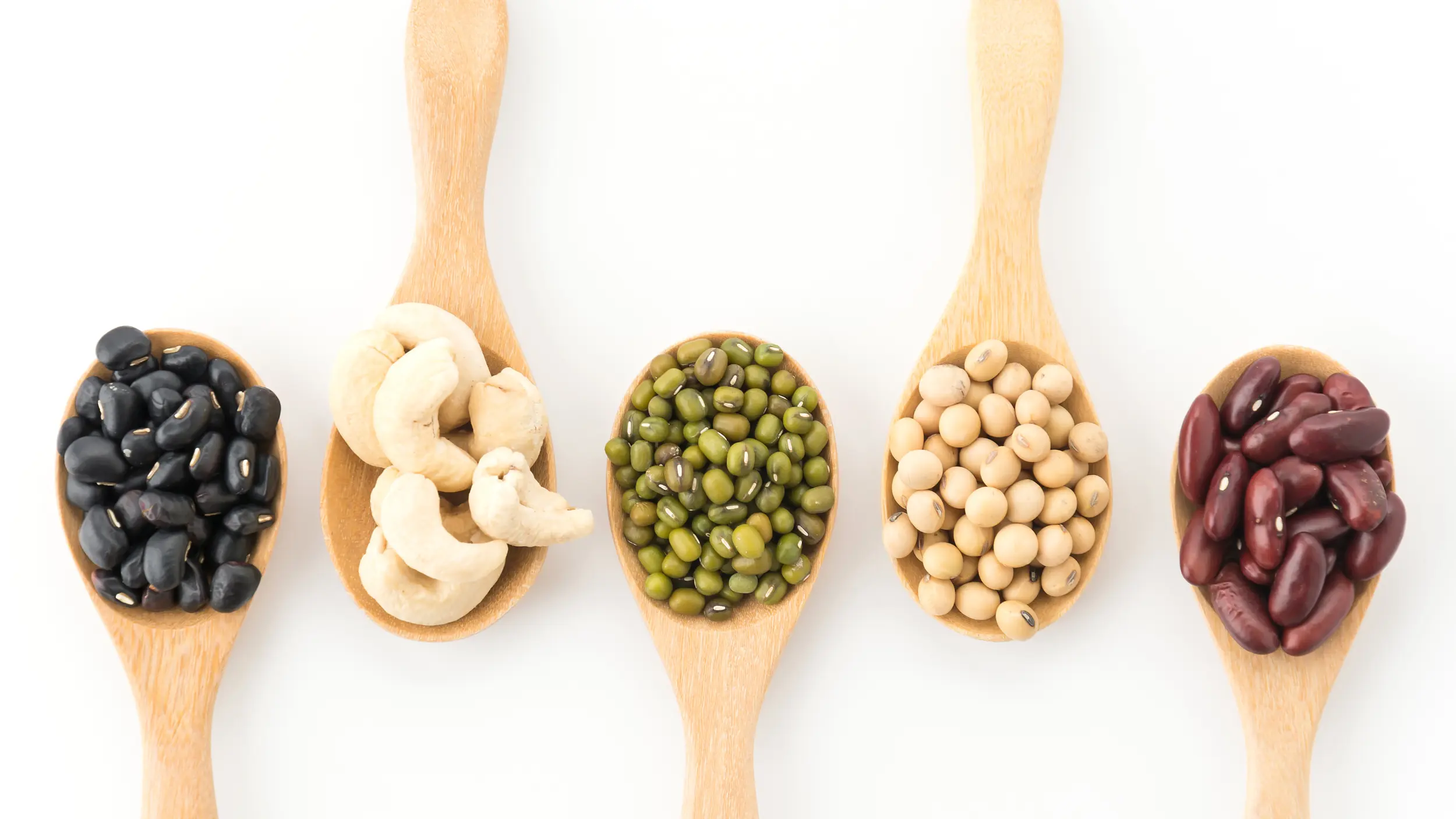
- Legumes: Rich in folate and B6
- Nutritional yeast: Fortified versions provide a complete B-complex spectrum
- Grass-fed meat and poultry: Excellent B12 sources
Blood Sugar Stability: The Foundation
This might be the most underappreciated strategy for managing perimenopause brain fog. Your brain uses about 20% of your body's glucose, and when blood sugar swings wildly, so does your mental clarity [15].
Blood sugar crashes trigger cortisol release, which further disrupts already-fluctuating hormones and intensifies perimenopause symptoms. Here's how to maintain stability:
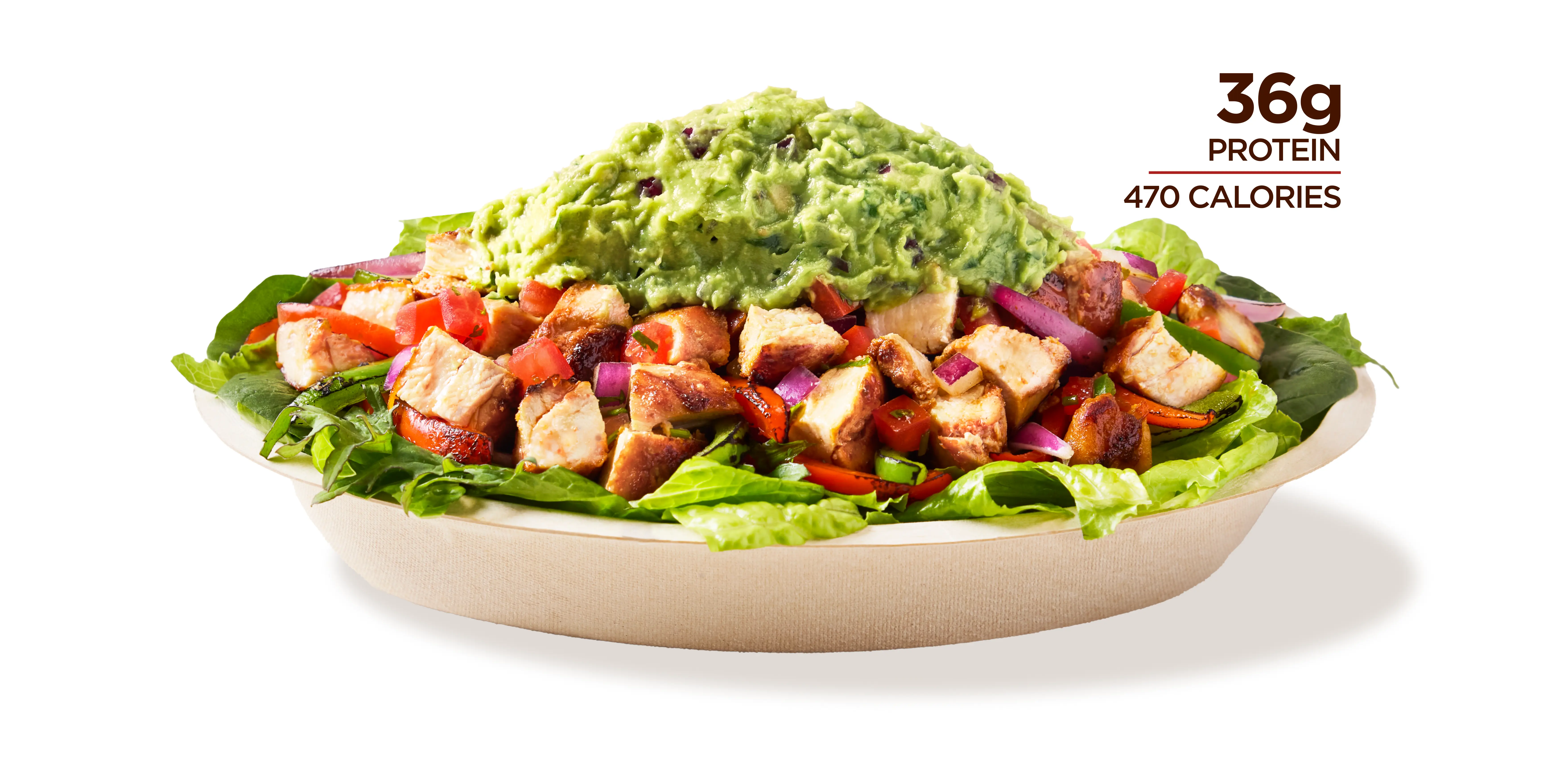
- Pair carbohydrates with protein and fat at every meal.
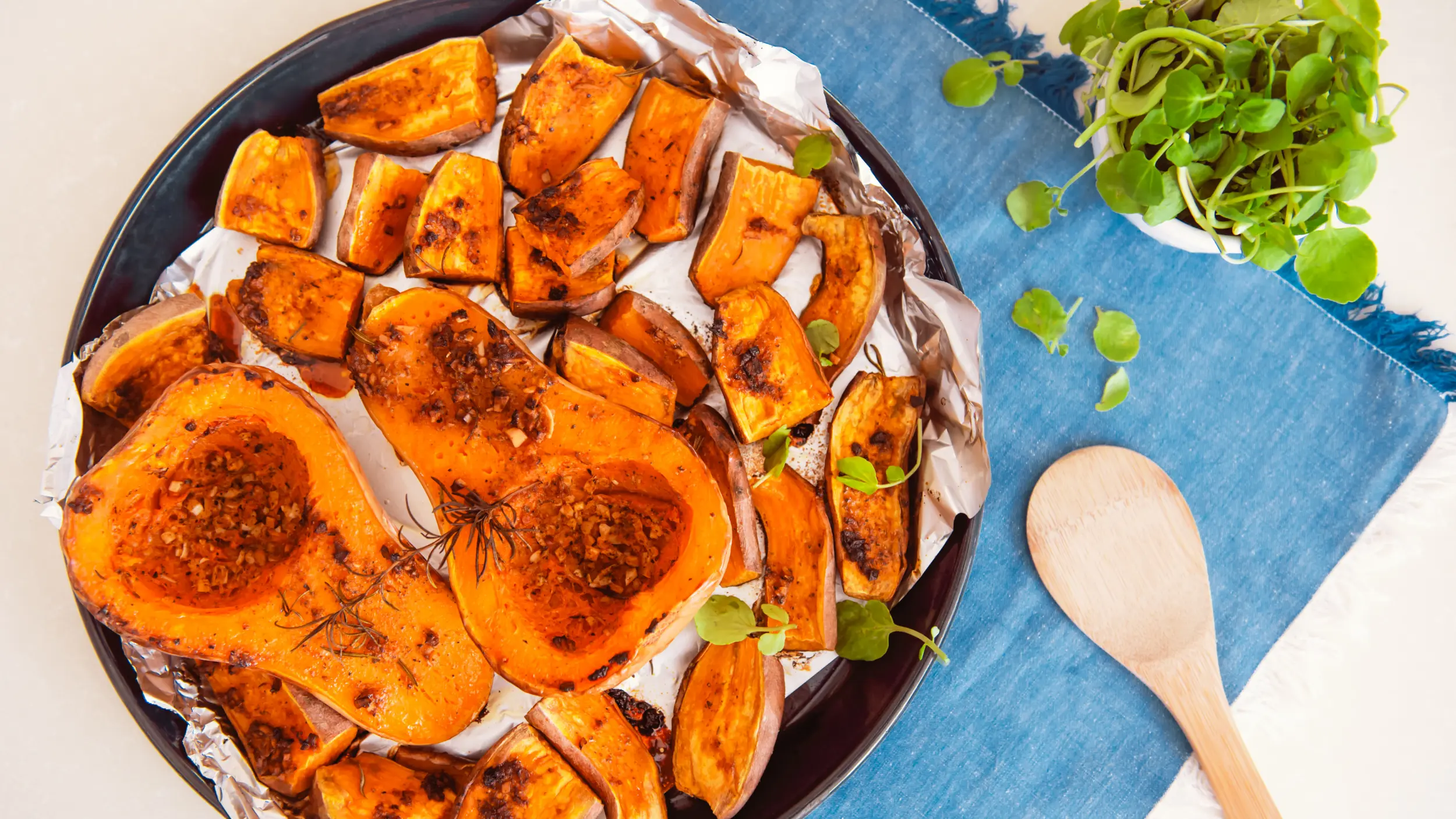
- Prioritize complex carbohydrates like quinoa and sweet potatoes.
- Front-load protein at breakfast (25-30g).
If you're experiencing significant energy crashes or persistent brain fog, exploring your gut health and microbiome balance might reveal additional factors affecting your glucose regulation and neurotransmitter production
Lifestyle Habits That Complement Your Diet for Perimenopause Relief
Nutrition creates the foundation, but these synergistic habits amplify your results exponentially.
Sleep: Your Brain's Cleaning Crew
During deep sleep, your brain's glymphatic system flushes out metabolic waste products, including beta-amyloid proteins associated with cognitive decline [18]. Perimenopause often disrupts sleep through night sweats and progesterone's decline (remember, progesterone promotes restful sleep).
Nutrition-based sleep strategies:
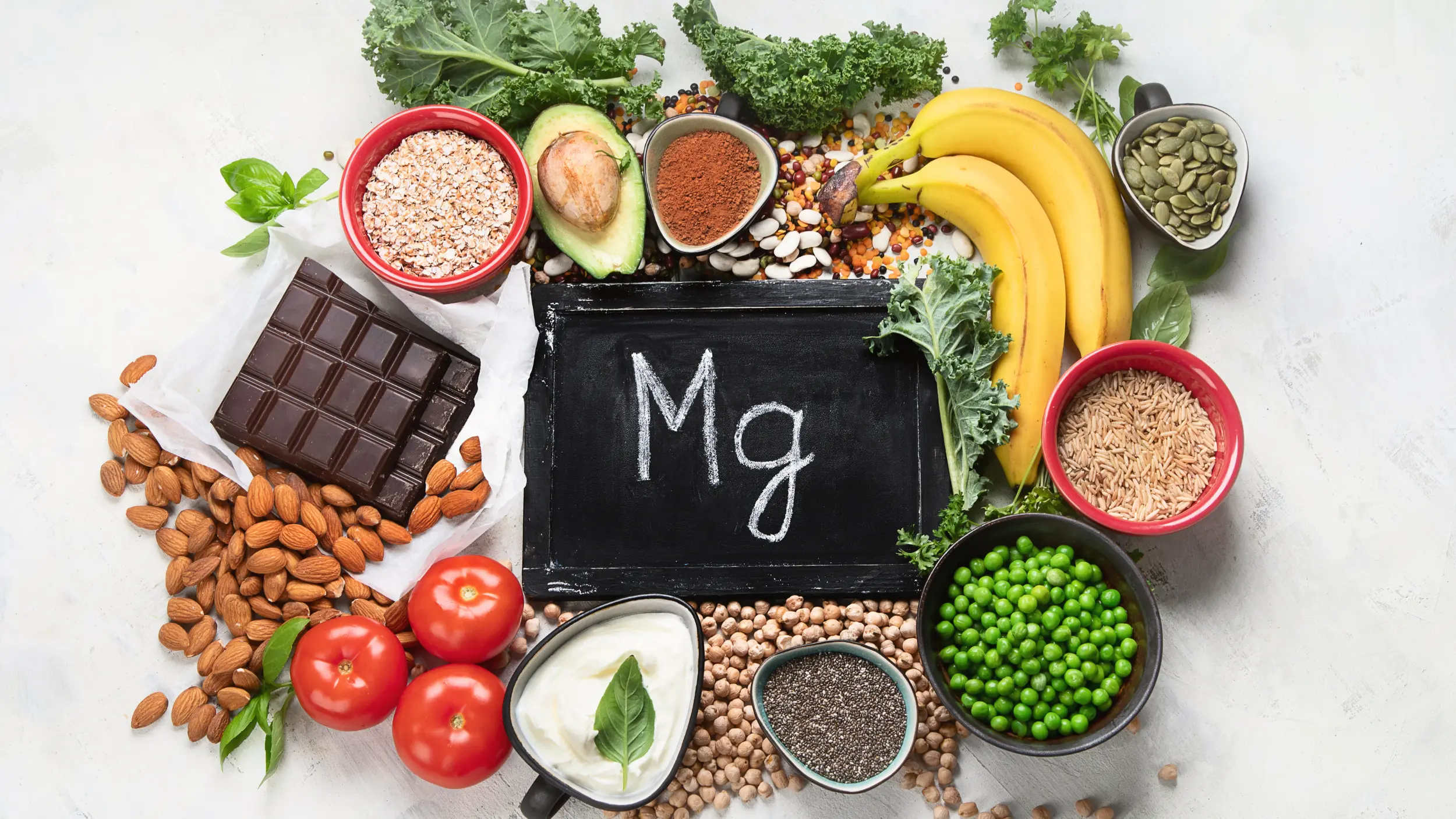
- Magnesium glycinate (300-400mg before bed) supports GABA production and muscle relaxation [19]
- Tart cherry juice provides natural melatonin and reduces inflammation
- Avoid alcohol, which fragments sleep architecture and worsens hot flashes
- Time your last meal 2-3 hours before bed to optimize melatonin production
Stress Management: Breaking the Cortisol-Cognition Cycle
Chronic stress elevates cortisol, which damages hippocampal neurons and impairs memory consolidation [20]. During perimenopause, when your stress resilience may already feel compromised, this becomes especially problematic.
The intersection of functional nutrition for stress and energy becomes crucial here. Adaptogens like ashwagandha and rhodiola can modulate cortisol response, while mindfulness practices (even 10 minutes daily) measurably improve attention and working memory [21].
Movement: Neurogenesis and BDNF Production
Exercise stimulates brain-derived neurotrophic factor (BDNF), essentially "fertilizer for your brain" that promotes new neuron growth and synaptic plasticity [22]. You don't need intense workouts—moderate aerobic activity (brisk walking, cycling, swimming) for 150 minutes weekly significantly improves executive function and memory in perimenopausal women [23].
Resistance training deserves special mention. Building and maintaining muscle mass improves insulin sensitivity and glucose disposal, which directly supports brain energy metabolism [24]. Aim for 2-3 strength sessions weekly.
Hydration: The Overlooked Essential
Even mild dehydration (1-2% fluid loss) impairs attention, working memory, and mood [25]. During perimenopause, when hot flashes increase fluid loss, maintaining hydration becomes more challenging yet more important.
Aim for half your body weight in ounces daily, plus an additional 16-20 ounces for every 30 minutes of exercise or if you experience frequent hot flashes.
Frequently Asked Questions
What are the most common perimenopause symptoms affecting my brain?
The cognitive changes most frequently reported include difficulty concentrating, "tip-of-the-tongue" word-finding problems, short-term memory lapses (forgetting why you entered a room or where you placed items), reduced processing speed, and mental fatigue that worsens as the day progresses. These symptoms typically fluctuate with your hormonal cycle during early perimenopause and may intensify during periods of particularly low estrogen.
Can specific supplements help with perimenopause brain fog?
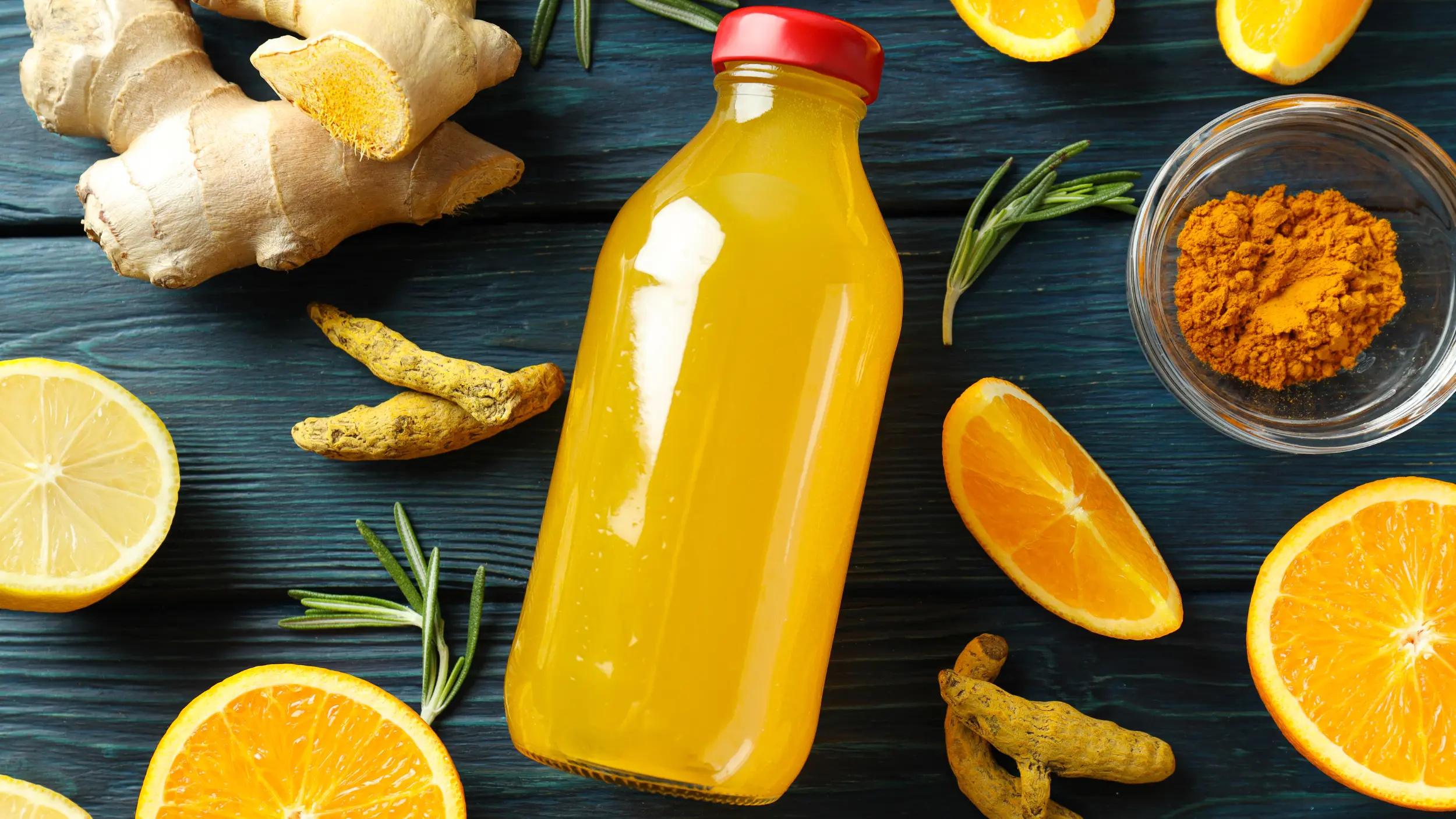
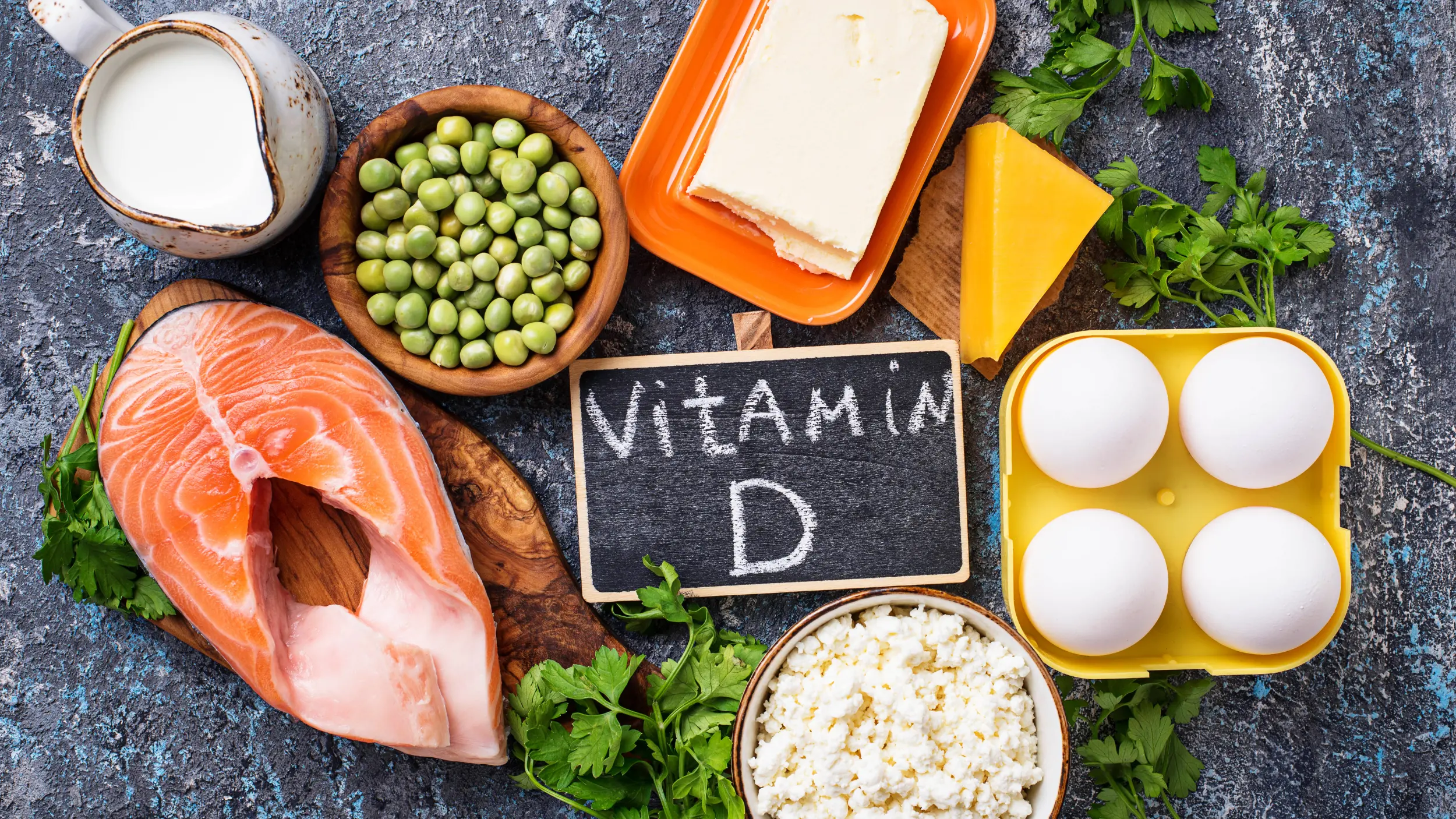
Beyond the omega-3s and magnesium already discussed, several supplements show promise in clinical research. Phosphatidylserine (100-300mg daily) supports cell membrane integrity and may improve memory and cognitive function [26]. Vitamin D deficiency is associated with cognitive impairment, and many perimenopausal women are deficient—aim for blood levels of 40-60 ng/mL [27]. Curcumin with black pepper (for absorption) reduces neuroinflammation [28]. That said, supplements work best as complements to—not replacements for—a solid dietary foundation. I always recommend working with a practitioner to identify your specific deficiencies rather than taking a scattershot approach.
How quickly can I expect to see improvements in brain fog with dietary changes?
This varies based on your starting point, but most of my clients notice initial improvements in energy and mental clarity within 2-3 weeks of implementing blood sugar stabilization strategies and increasing omega-3 intake. More substantial cognitive improvements—particularly in memory and processing speed—typically emerge around the 8-12 week mark as your brain's cellular composition begins to reflect your improved nutrition. Consistency matters more than perfection here. Small, sustainable changes maintained over months will always outperform dramatic overhauls that you can't stick with.
Managing perimenopause cognitive changes doesn't require accepting brain fog as your new normal. The strategic nutrition and lifestyle interventions we've covered give your brain the raw materials and supportive environment it needs to maintain clarity and function during this transition. Your symptoms are real, the science behind them is clear, and the solutions are within your control.
Ready to cut through the fog and reclaim your mental clarity? Let's work together to create a personalized nutrition plan tailored to your unique perimenopause needs. Book a consultation today and let's get started.
References
[1] Weber MT, Maki PM, McDermott MP. Cognition and mood in perimenopause: a systematic review and meta-analysis. The Journal of Steroid Biochemistry and Molecular Biology, 2014.
[2] Maki PM, Henderson VW. Hormone therapy, dementia, and cognition: the Women's Health Initiative 10 years on. Climacteric, 2012.
[3] Rettberg JR, Yao J, Brinton RD. Estrogen: a master regulator of bioenergetic systems in the brain and body. Frontiers in Neuroendocrinology, 2014.
[4] Brinton RD, Yao J, Yin F, Mack WJ, Cadenas E. Perimenopause: a critical window for neuroenergetic metabolism and mitochondrial bioenergetics. Endocrine Reviews, 2015.
[5] Greendale GA, Huang MH, Wight RG, Seeman T, Luetters C, Avis NE, Johnston J, Karlamangla AS. Effects of the menopause transition and hormone use on cognitive performance in midlife women. Neurology, 2009.
[6] Brinton RD, Thompson RF, Foy MR, Baudry M, Wang J, Finch CE, Morgan TE, Pike CJ, Mack WJ, Stanczyk FZ, Nilsen J. Progesterone receptors: form and function in brain. Frontiers in Neuroendocrinology, 2008.
[7] Dyall SC. Long-chain omega-3 fatty acids and the brain: a review of the independent and shared effects of EPA, DPA and DHA. Frontiers in Aging Neuroscience, 2015.
[8] Samieri C, Féart C, Letenneur L, Dartigues JF, Pérès K, Auriacombe S, Peuchant E, Delcourt C, Barberger-Gateau P. Low plasma eicosapentaenoic acid and depressive symptomatology are independent predictors of dementia risk. The American Journal of Clinical Nutrition, 2008.
[9] Cervellati C, Bergamini CM. Oxidative damage and the pathogenesis of menopause related disturbances and diseases. Clinical Chemistry and Laboratory Medicine, 2016.
[10] Krikorian R, Shidler MD, Nash TA, Kalt W, Vinqvist-Tymchuk MR, Shukitt-Hale B, Joseph JA. Blueberry supplementation improves memory in older adults. Journal of Agricultural and Food Chemistry, 2010.
[11] Morris MC, Wang Y, Barnes LL, Bennett DA, Dawson-Hughes B, Booth SL. Nutrients and bioactives in green leafy vegetables and cognitive decline. Neurology, 2018.
[12] Brickman AM, Khan UA, Provenzano FA, Yeung LK, Suzuki W, Schroeter H, Wall M, Sloan RP, Small SA. Enhancing dentate gyrus function with dietary flavanols improves cognition in older adults. Nature Neuroscience, 2014.
[13] Dietz C, Dekker M. Effect of Green Tea Phytochemicals on Mood and Cognition. Current Pharmaceutical Design, 2017.
[14] Smith AD, Refsum H. Homocysteine, B Vitamins, and Cognitive Impairment. Annual Review of Nutrition, 2016.
[15] Mergenthaler P, Lindauer U, Dienel GA, Meisel A. Sugar for the brain: the role of glucose in physiological and pathological brain function. Trends in Neurosciences, 2013.
[16] Akilen R, Tsiami A, Devendra D, Robinson N. Glycated haemoglobin and blood pressure-lowering effect of cinnamon in multi-ethnic Type 2 diabetic patients in the UK: a randomized, placebo-controlled, double-blind clinical trial. Diabetic Medicine, 2010.
[17] Valls-Pedret C, Sala-Vila A, Serra-Mir M, Corella D, de la Torre R, Martínez-González MÁ, Martínez-Lapiscina EH, Fitó M, Pérez-Heras A, Salas-Salvadó J, Estruch R, Ros E. Mediterranean Diet and Age-Related Cognitive Decline: A Randomized Clinical Trial. JAMA Internal Medicine, 2015.
[18] Xie L, Kang H, Xu Q, Chen MJ, Liao Y, Thiyagarajan M, O'Donnell J, Christensen DJ, Nicholson C, Iliff JJ, Takano T, Deane R, Nedergaard M. Sleep drives metabolite clearance from the adult brain. Science, 2013.
[19] Abbasi B, Kimiagar M, Sadeghniiat K, Shirazi MM, Hedayati M, Rashidkhani B. The effect of magnesium supplementation on primary insomnia in elderly: A double-blind placebo-controlled clinical trial. Journal of Research in Medical Sciences, 2012.
[20] Lupien SJ, McEwen BS, Gunnar MR, Heim C. Effects of stress throughout the lifespan on the brain, behaviour and cognition. Nature Reviews Neuroscience, 2009.
[21] Gotink RA, Meijboom R, Vernooij MW, Smits M, Hunink MG. 8-week Mindfulness Based Stress Reduction induces brain changes similar to traditional long-term meditation practice. Brain and Cognition, 2016.
[22] Sleiman SF, Henry J, Al-Haddad R, El Hayek L, Abou Haidar E, Stringer T, Ulja D, Karuppagounder SS, Holson EB, Ratan RR, Ninan I, Chao MV. Exercise promotes the expression of brain derived neurotrophic factor (BDNF) through the action of the ketone body β-hydroxybutyrate. eLife, 2016.
[23] Baker LD, Frank LL, Foster-Schubert K, Green PS, Wilkinson CW, McTiernan A, Plymate SR, Fishel MA, Watson GS, Cholerton BA, Duncan GE, Mehta PD, Craft S. Effects of aerobic exercise on mild cognitive impairment: a controlled trial. Archives of Neurology, 2010.
[24] Liu-Ambrose T, Nagamatsu LS, Graf P, Beattie BL, Ashe MC, Handy TC. Resistance training and executive functions: a 12-month randomized controlled trial. Archives of Internal Medicine, 2010.
[25] Adan A. Cognitive performance and dehydration. Journal of the American College of Nutrition, 2012.
[26] Kato-Kataoka A, Sakai M, Ebina R, Nonaka C, Asano T, Miyamori T. Soybean-derived phosphatidylserine improves memory function of the elderly Japanese subjects with memory complaints. Journal of Clinical Biochemistry and Nutrition, 2010.
[27] Annweiler C, Montero-Odasso M, Llewellyn DJ, Richard-Devantoy S, Duque G, Beauchet O. Meta-analysis of memory and executive dysfunctions in relation to vitamin D. Journal of Alzheimer's Disease, 2013.
[28] Small GW, Siddarth P, Li Z, Miller KJ, Ercoli L, Emerson ND, Martinez J, Wong KP, Liu J, Merrill DA, Chen ST, Henning SM, Satyamurthy N, Huang SC, Heber D, Barrio JR. Memory and Brain Amyloid and Tau Effects of a Bioavailable Form of Curcumin in Non-Demented Adults: A Double-Blind, Placebo-Controlled 18-Month Trial. The American Journal of Geriatric Psychiatry, 2018.
.svg)
.svg)






.jpg)
.jpg)


















.webp)




























.webp)
.webp)
.webp)
.webp)
.webp)
.webp)
.webp)
.png)
.webp)
.webp)

.webp)
.png)
.webp)
.webp)
.webp)
.webp)
.webp)
.webp)
.webp)
.webp)
.webp)


.webp)
.png)