.webp)

%2B(7).webp)
.png)
At a Glance
Additive nutrition flips the script on traditional dieting by prioritizing what you add to your plate rather than what you eliminate. This evidence-based approach emphasizes increasing nutrient-dense whole foods to naturally crowd out less nutritious options, creating sustainable healthy eating habits without the restriction mindset. Research shows that focusing on food additions rather than deprivation leads to better long-term adherence and improved health outcomes.
What Exactly is Additive Nutrition and Why Does It Matter?
Let's be real—how many times have you started a diet that felt like a never-ending list of "no's"? No carbs, no sugar, no fun. Additive nutrition takes a completely different approach, and honestly, it's one that actually works for the long haul.
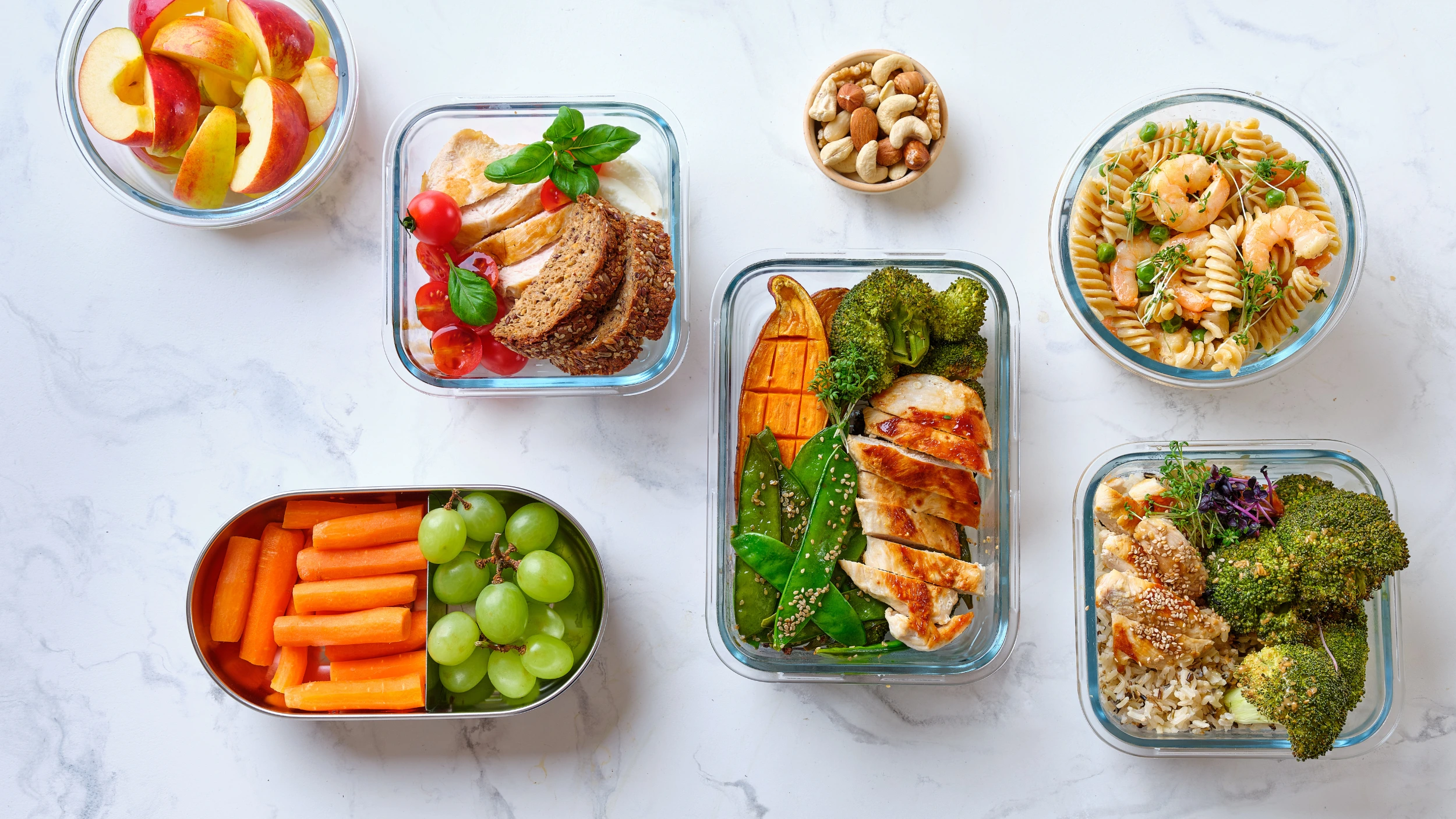
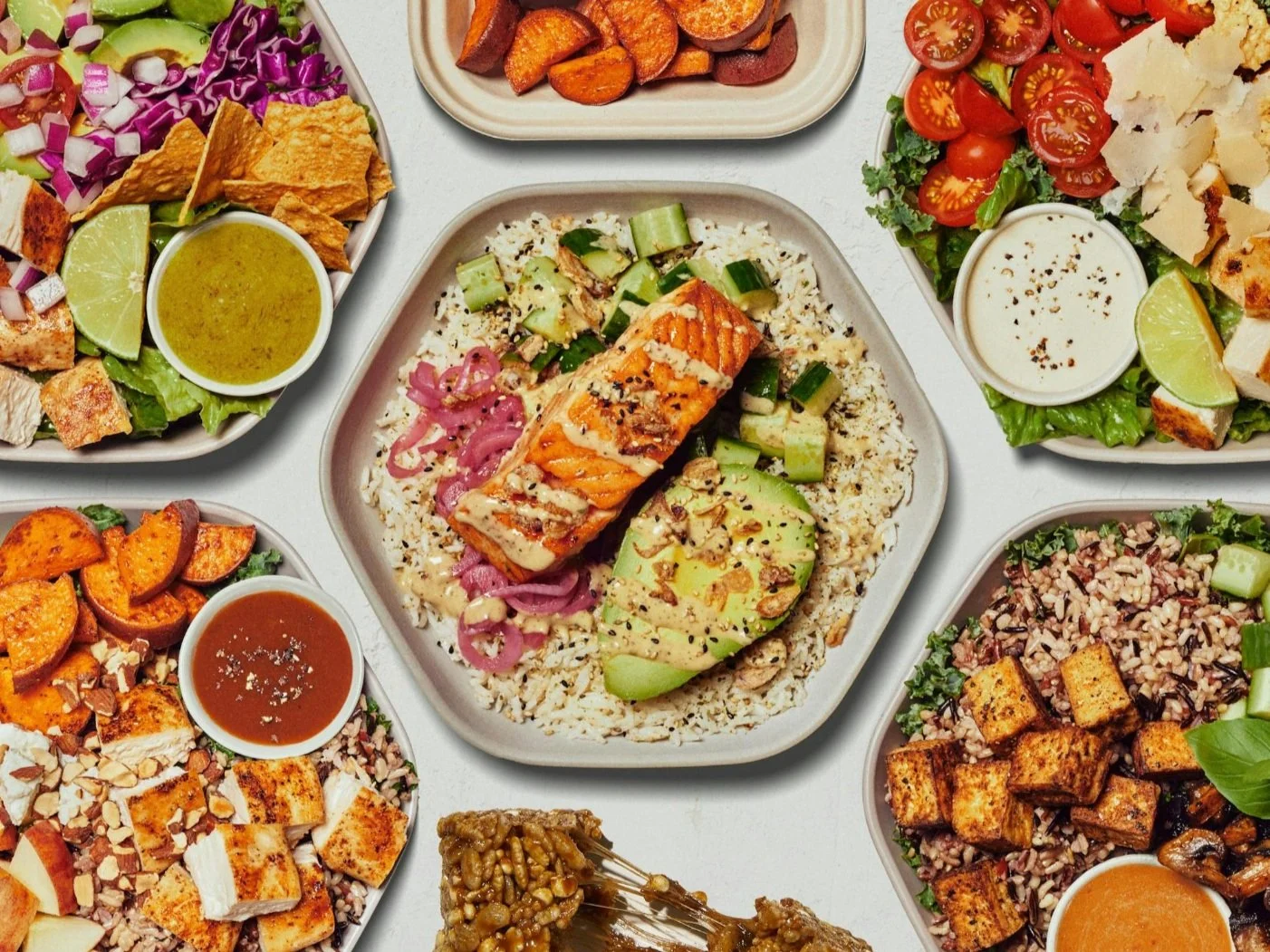
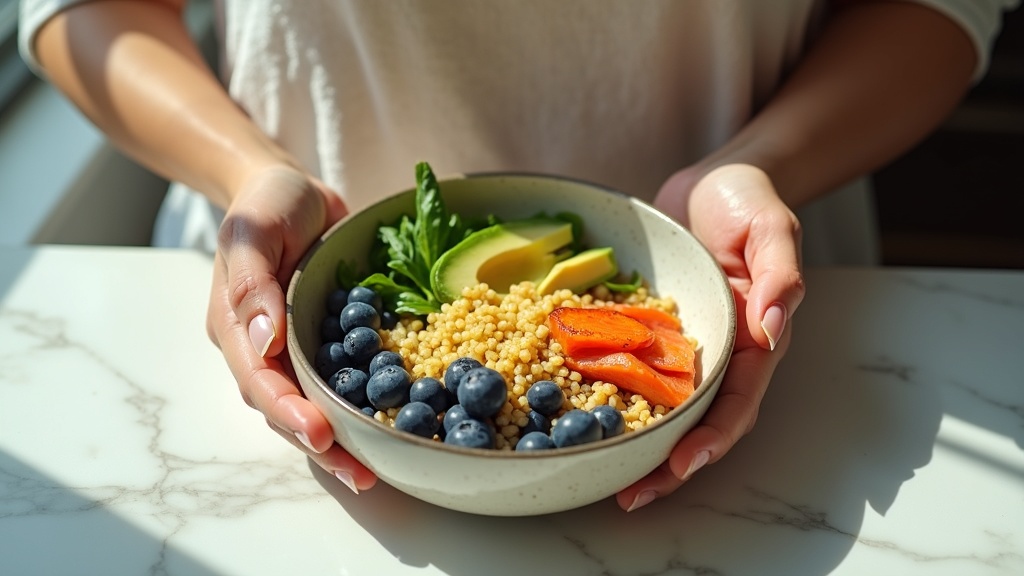
Additive nutrition is an evidence-based framework that prioritizes increasing your intake of nutrient-dense foods rather than obsessing over what to eliminate. Instead of restriction, you're focusing on addition. The beauty here is that when you consistently add high-quality, whole foods to your meals, they naturally begin to crowd out the processed foods that aren't serving your health goals [1].
This isn't just feel-good advice. The physiological mechanism behind this approach is solid: when you increase your consumption of foods rich in fiber, protein, healthy fats, and micronutrients, you're enhancing satiety signals, stabilizing blood glucose levels, and reducing cravings for hyper-palatable processed options [2]. Your body literally starts craving the good stuff because it's finally getting what it needs.
Why does this matter for you specifically? Because sustainable change doesn't come from white-knuckling your way through another restrictive protocol. It comes from building a positive relationship with food where nutritional value becomes the priority, and that balanced diet you've been chasing actually feels achievable.
The shift from a deprivation mindset to an abundance mindset fundamentally changes how you interact with food. Research demonstrates that restriction-based approaches often trigger psychological reactance and increase the desire for forbidden foods [3]. Additive nutrition sidesteps this entirely by reframing the conversation around what you can have, not what you can't.
Packing Your Plate with Power: The Benefits of What You Add
So what actually happens in your body when you prioritize what you add to your plate? Let's break down the tangible benefits you can expect when you embrace additive foods as your primary strategy.
Enhanced Nutrient Density Without Calorie Obsession
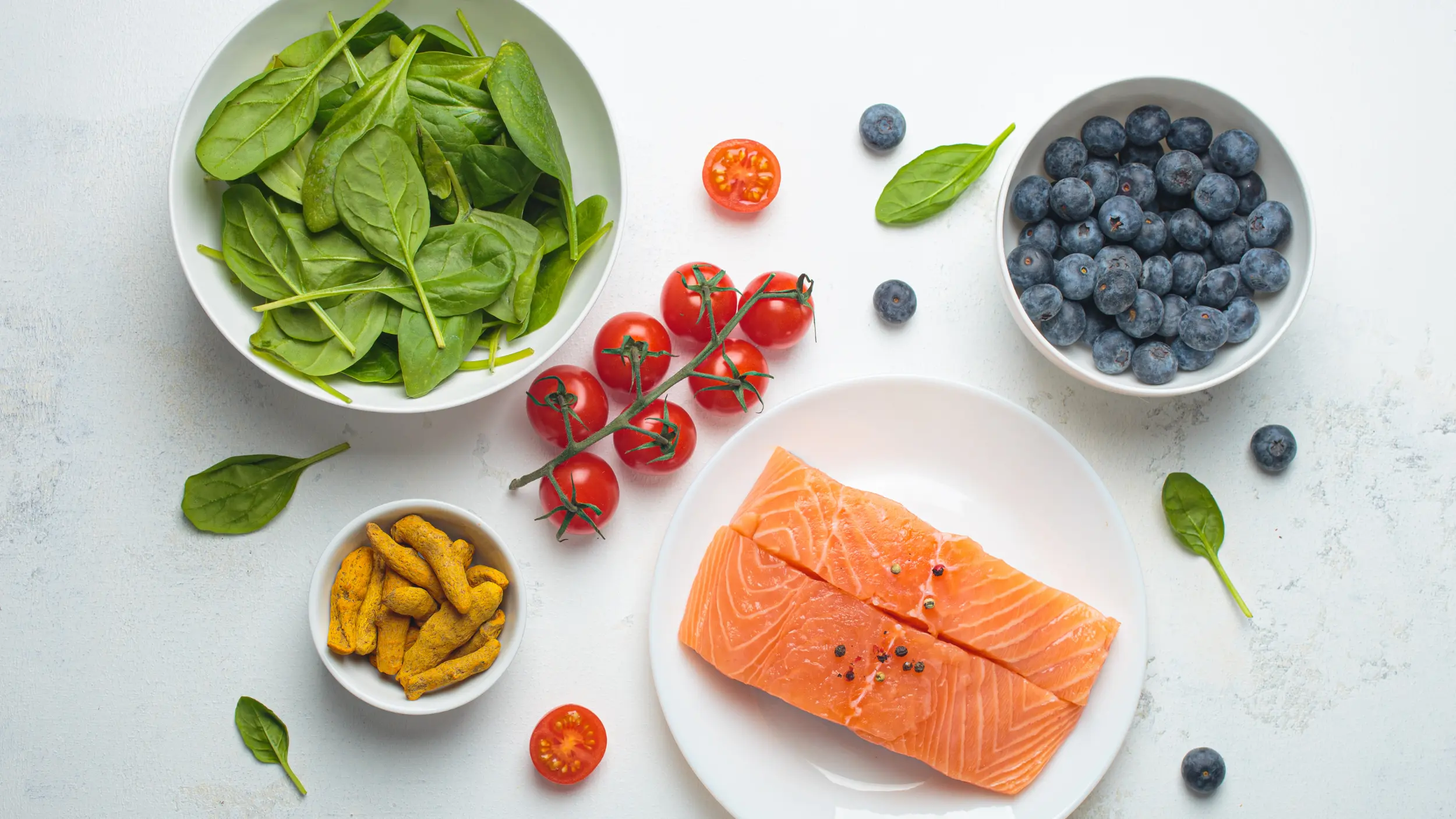
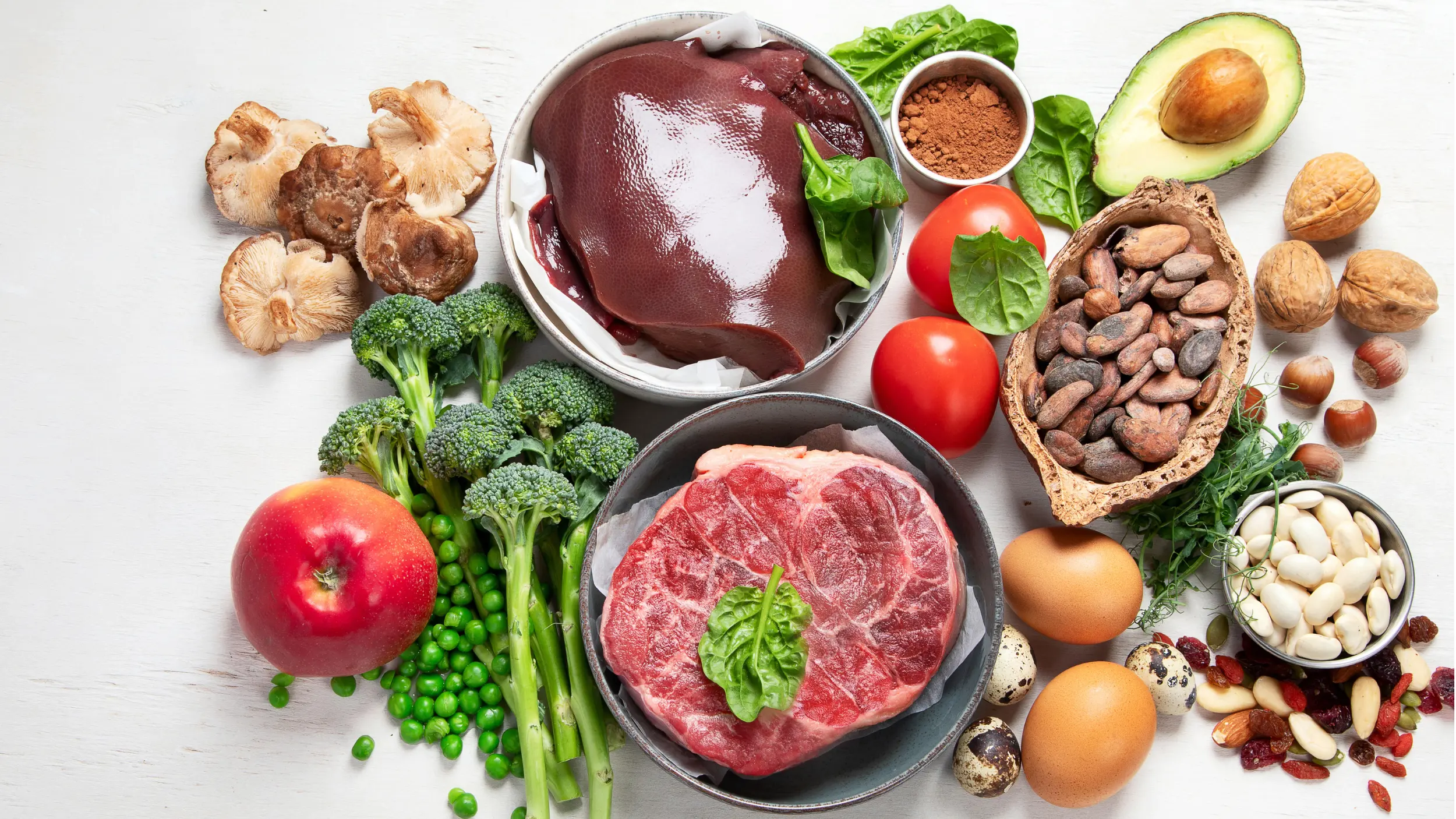
When you focus on nutrient density, you're maximizing the vitamins, minerals, antioxidants, and phytonutrients per calorie consumed. Think leafy greens, berries, wild-caught fish, legumes, and colorful vegetables. These foods deliver exponentially more nutritional value than their processed counterparts.
- Adding a serving of leafy greens to your lunch increases folate, vitamin K, magnesium, and fiber intake without significantly impacting total calorie load
- Incorporating fatty fish twice weekly boosts omega-3 fatty acids, which support cardiovascular health and reduce systemic inflammation [4]
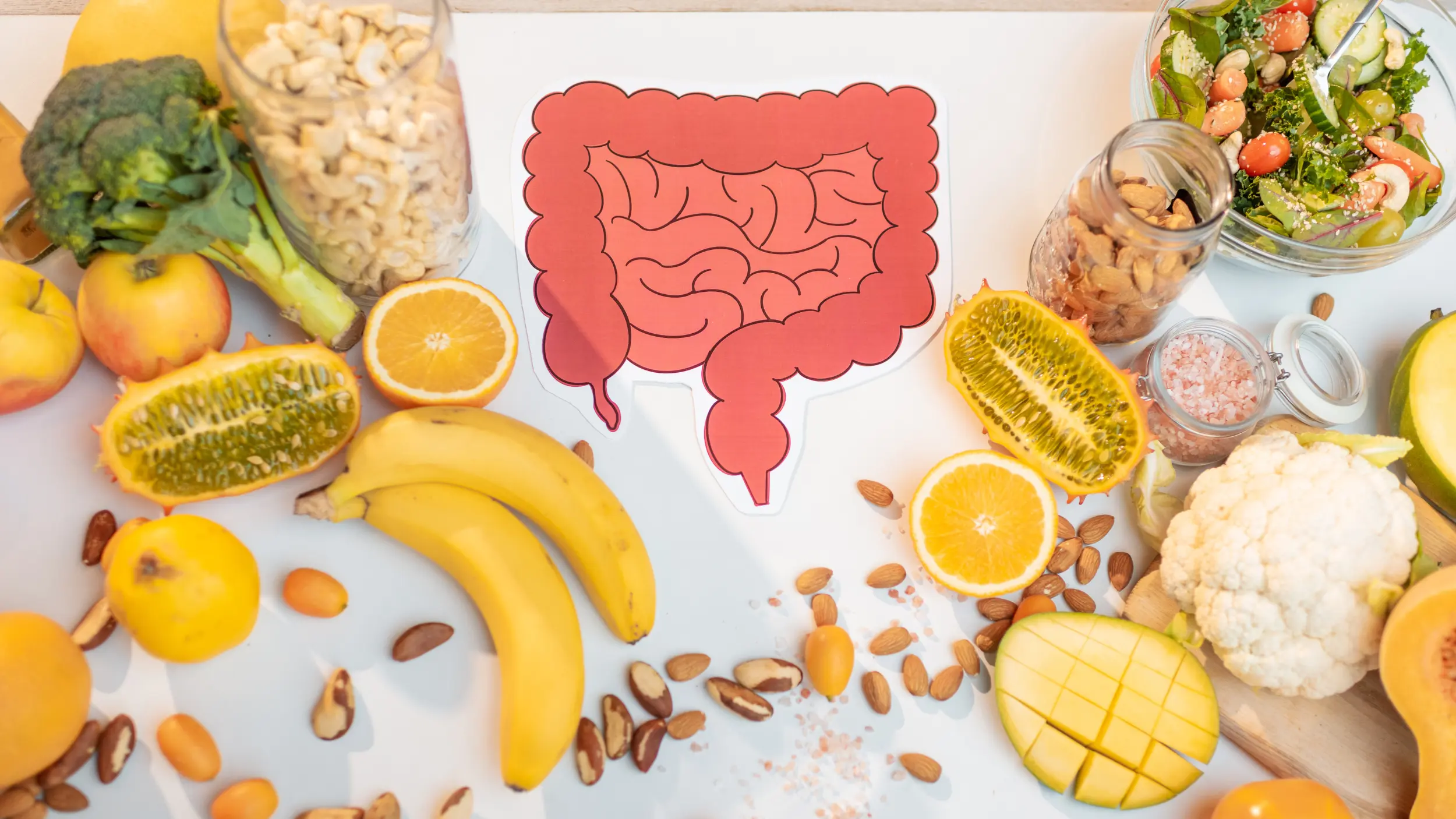
- Including fermented foods like yogurt, kimchi, or sauerkraut introduces beneficial probiotics that enhance gut health and your microbiome
Improved Satiety and Natural Appetite Regulation
Here's something you've probably experienced: when you eat a meal heavy in refined carbs and low in protein and fiber, you're hungry again in two hours. That's not a willpower problem—that's biology.
Whole foods, particularly those rich in protein and fiber, dramatically improve satiety by slowing gastric emptying and modulating hunger hormones like ghrelin and leptin [5]. When you add a palm-sized portion of protein to each meal, or include a cup of fiber-rich vegetables, you're working with your physiology, not against it.
- Protein additions: Greek yogurt at breakfast, grilled chicken in your salad, or lentils in your soup all increase satiety and preserve lean muscle mass
- Fiber-rich vegetables: Adding roasted Brussels sprouts, cauliflower rice, or sautéed spinach increases meal volume without excessive calories while supporting digestive health
- Healthy fats: A tablespoon of olive oil, a quarter avocado, or a handful of nuts slows carbohydrate absorption and keeps you fuller longer [6]
Better Blood Sugar Stability and Energy Levels
If you're battling the 3 p.m. energy crash or feeling like you're constantly riding a blood sugar rollercoaster, additive nutrition can be transformative. By adding protein, healthy fats, and fiber to meals that might otherwise be carbohydrate-heavy, you blunt the glycemic response and maintain more stable energy throughout the day [7].
This is particularly relevant for managing hormone balance and supporting women's wellness, as blood sugar volatility directly impacts cortisol, insulin, and reproductive hormones.
Psychological Benefits: Freedom from Food Fear
The mental and emotional benefits of mindful eating through an additive lens can't be overstated. When you're constantly thinking about what you can't have, food becomes the enemy. When you shift to considering what you can add, food becomes a tool for nourishment and pleasure.
Studies on eating behavior consistently show that flexible dietary approaches—those that emphasize addition rather than rigid restriction—are associated with lower rates of disordered eating patterns, reduced anxiety around food, and better long-term weight management [8].
Building a Healthier You, One Delicious Bite at a Time
Alright, let's get practical. You understand the why behind additive nutrition; now let's talk about the how. These strategies are designed to be actionable, realistic, and adaptable to your actual life—not some idealized version of it.
Start With Your Current Plate
Don't overhaul everything overnight. Look at what you're already eating and ask: What can I add here to boost the food quality? This is about enhancement, not replacement.
- Already eating oatmeal for breakfast? Add a scoop of protein powder, a tablespoon of chia seeds, and a handful of berries
- Having pasta for dinner? Stir in sautéed vegetables, top with grilled shrimp, and drizzle with extra virgin olive oil
- Snacking on crackers? Pair them with hummus, sliced turkey, or a piece of cheese for added protein and fat
This approach honors where you are while gently guiding you toward better nutritional value without the mental load of "starting over" yet again.
Prioritize Protein at Every Meal
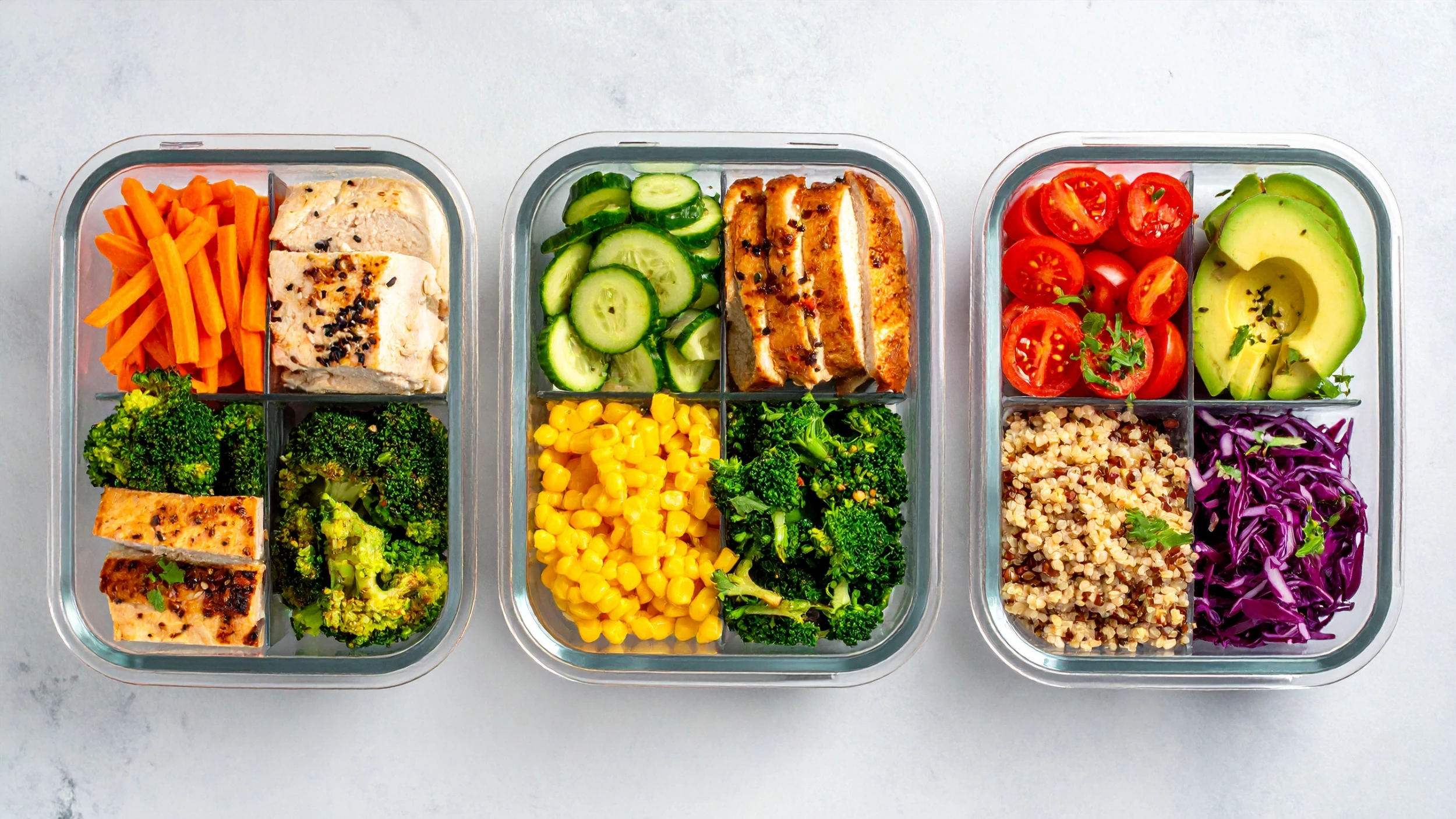
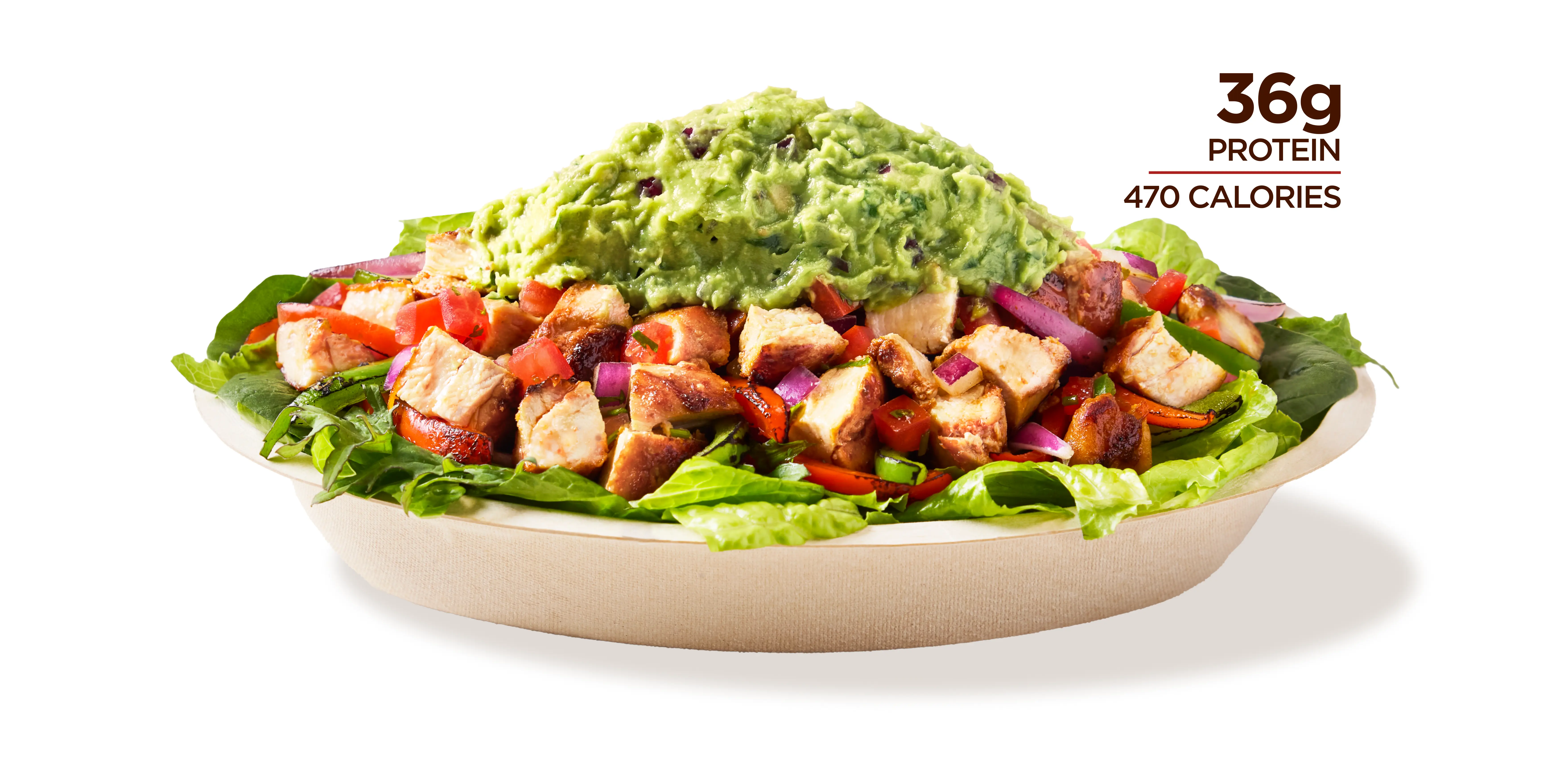
If there's one addition that creates the most metabolic and satiety benefit, it's protein. Aim for at least 20-30 grams per meal, distributed evenly throughout the day [9].
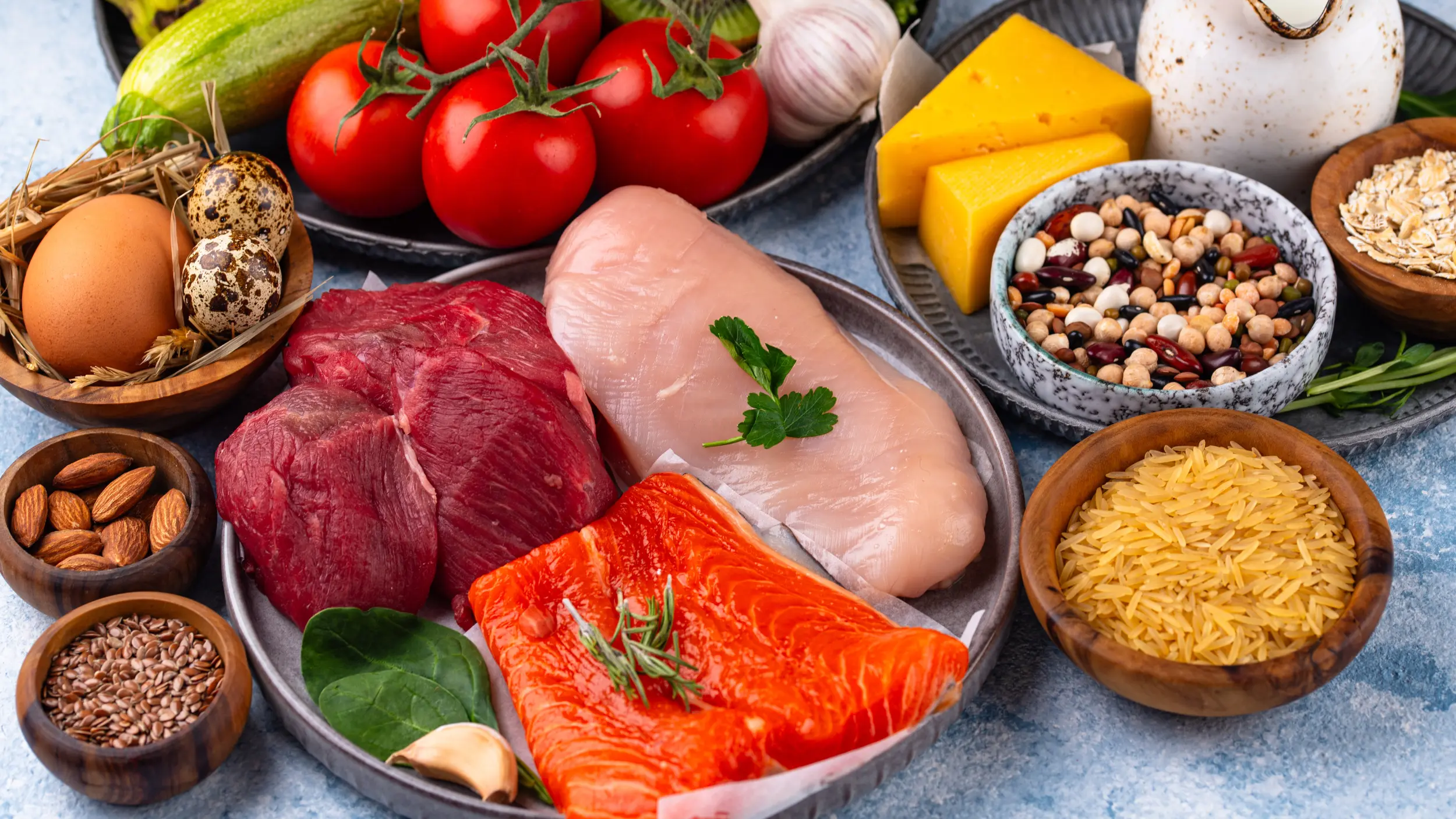
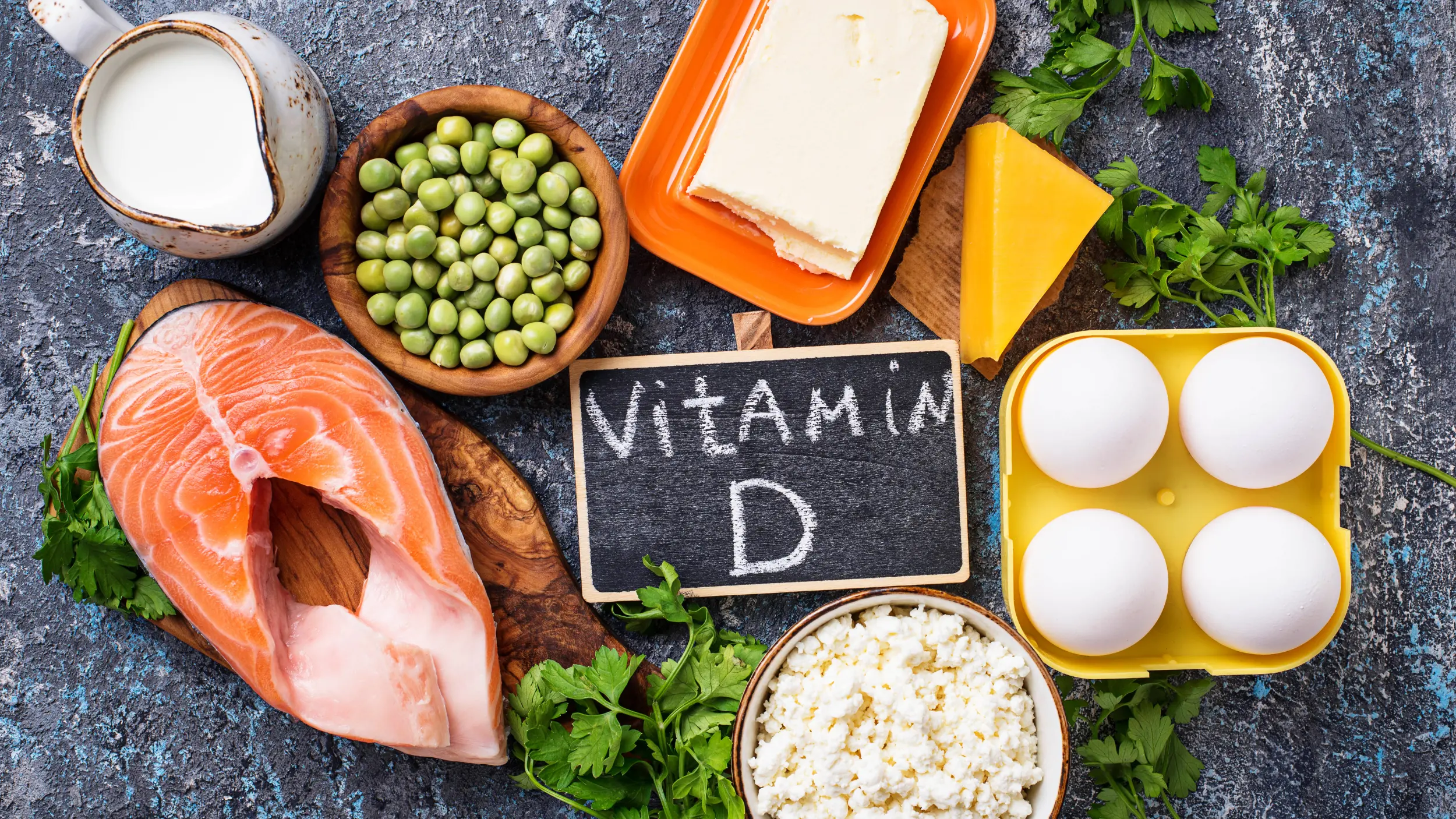
- Breakfast: Eggs, Greek yogurt, cottage cheese, or a protein smoothie
- Lunch: Chicken, salmon, tofu, or beans
- Dinner: Beef, pork, fish, tempeh, or lentils
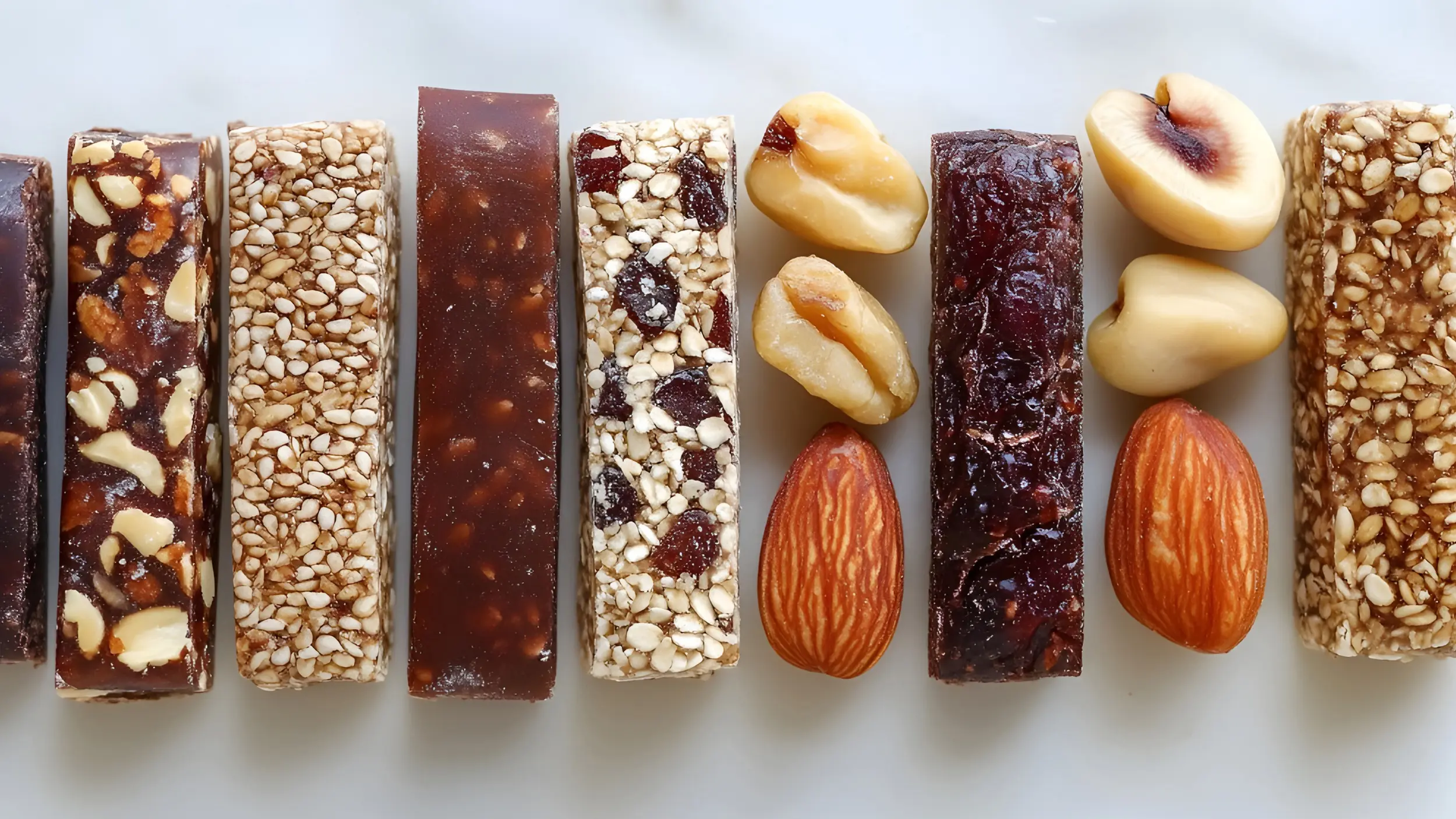
- Snacks: String cheese, turkey roll-ups, edamame, or protein bars with minimal added sugars
Protein isn't just about muscle—it's about maintaining metabolic rate, supporting immune function, and keeping you satisfied between meals. For women especially, adequate protein intake supports healthy body composition and helps manage stress-related energy depletion.
Make Vegetables the Star (or at Least Co-Star)
I'm not going to tell you to eat salads for every meal. But I am going to encourage you to find vegetable preparations you genuinely enjoy and add them liberally.
- Roasted with olive oil and sea salt until caramelized
- Blended into smoothies (yes, spinach in a berry smoothie is invisible)
- Spiralized as a pasta alternative
- Grilled with herbs and garlic
- Hidden in sauces, soups, and casseroles
Vegetables provide fiber, antioxidants, vitamins, minerals, and volume—all critical for a balanced diet that supports long-term health. The goal is two to three servings per meal when possible [10].
Include Healthy Fats Strategically
Healthy fats have been unfairly demonized for decades, but they're essential for hormone production, brain health, and nutrient absorption. Adding them to your meals improves taste, satisfaction, and metabolic function.
- Avocado or guacamole
- Extra virgin olive oil
- Nuts and seeds (almonds, walnuts, pumpkin seeds, flax)
- Fatty fish (salmon, sardines, mackerel)
- Full-fat dairy (if tolerated)
Fats don't make you fat—poor-quality, hyper-processed foods combined with chronic stress and inadequate sleep do. Don't fear the fat; embrace it as part of your healthy eating habits.
Experiment With Functional Additions
Once you've nailed the basics, you can play with functional foods that offer additional health benefits:
- Fermented foods for gut health and immune support
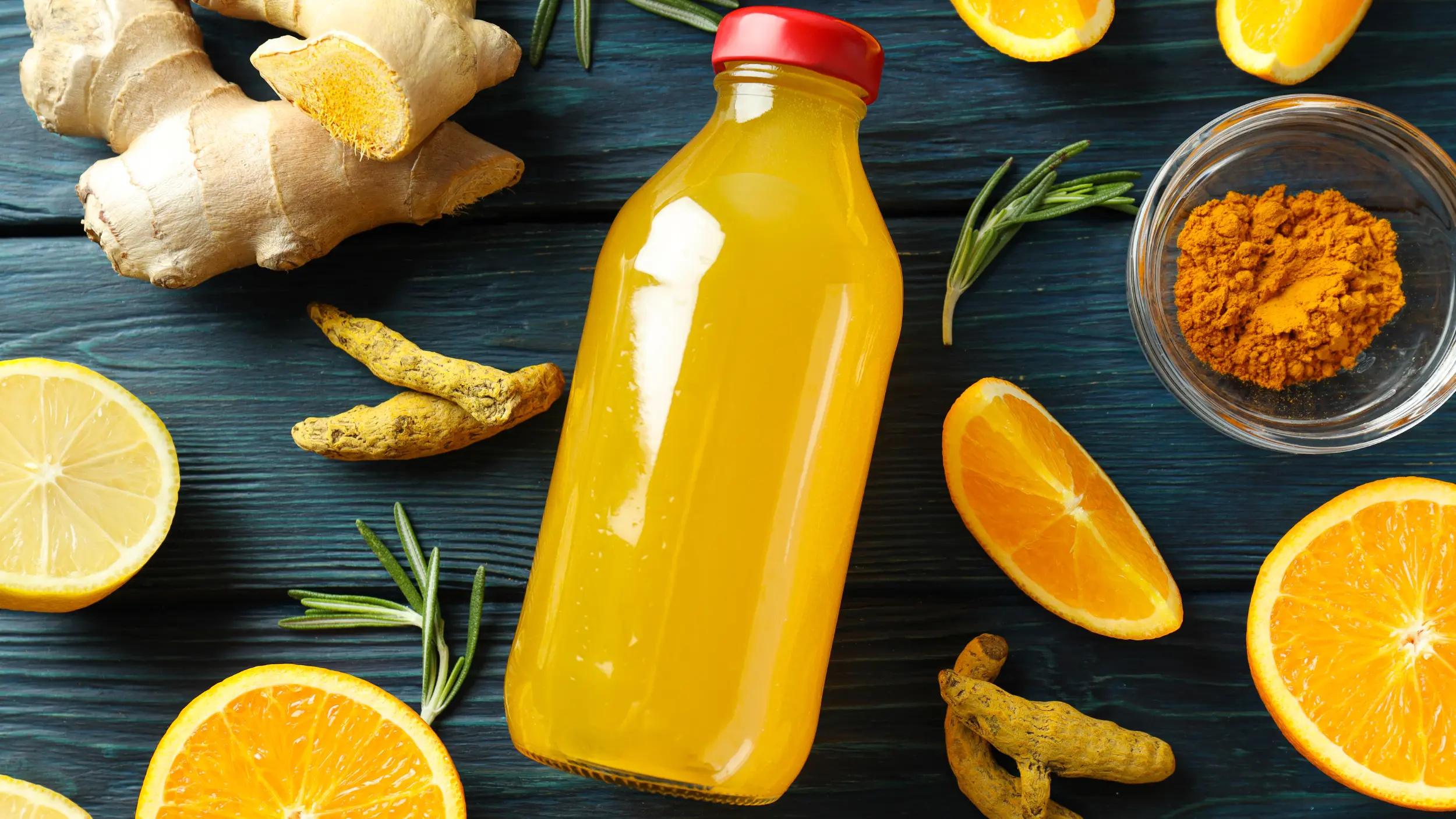
- Herbs and spices for anti-inflammatory compounds (turmeric, ginger, cinnamon, garlic)
- Prebiotic fibers to feed beneficial gut bacteria (onions, garlic, asparagus, bananas)
- Adaptogenic ingredients if appropriate for your health goals (ashwagandha, maca, reishi)
These aren't required, but they're powerful tools once your foundational nutrition is solid.
Track Additions, Not Subtractions
If you like tracking (and many people find it helpful), flip the script. Instead of counting calories or logging what you "shouldn't have eaten," track your wins:
- Did I add protein to breakfast? Check.
- Did I include two servings of vegetables at lunch? Check.
- Did I drink enough water today? Check.
- Did I add a serving of healthy fats at dinner? Check.
This reframe keeps you focused on progress and positive behaviors rather than perceived failures.
Frequently Asked Questions
What are some easy ways to start practicing additive nutrition?
Start small and specific. Choose one meal—let's say breakfast—and commit to adding one protein source and one fiber source for the next week. Maybe that's adding two eggs and a cup of berries to your morning routine. Once that feels automatic, move to lunch. Layer in habits rather than overhauling everything at once. The goal is sustainable behavior change, not perfection.
How does additive nutrition differ from traditional dieting?
Traditional dieting operates from a scarcity mindset: what you need to cut, avoid, or eliminate. It's inherently restrictive and often unsustainable. Additive nutrition operates from an abundance mindset: what you can include, enhance, and optimize. Psychologically, this reduces feelings of deprivation and makes long-term adherence significantly easier [11]. Physiologically, you're nourishing your body rather than just creating a calorie deficit, which supports metabolic health and hormonal balance.
Can additive nutrition help with weight management?
Absolutely. When you consistently add nutrient-dense, whole foods to your meals, several things happen simultaneously: you increase satiety, stabilize blood sugar, reduce cravings for hyper-palatable processed foods, and naturally create a more favorable metabolic environment [12]. Many women find that by focusing on what they're adding rather than restricting, they achieve body composition changes without the misery of traditional dieting. That said, individual results vary based on metabolic health, stress levels, sleep quality, and hormonal status. This is where personalized guidance becomes invaluable.
Ready to discover how adding the right foods can make a world of difference for you? I'd love to help you create a personalized additive nutrition plan that fits your life, your preferences, and your health goals. Let's work together to build sustainable healthy eating habits that actually feel good.
References
[1] Rolls BJ. The Relationship Between Dietary Energy Density and Energy Intake. Physiology & Behavior, 2009.
[2] Chambers L, McCrickerd K, Yeomans MR. Optimising Foods for Satiety. Trends in Food Science & Technology, 2015.
[3] Mann T, Tomiyama AJ, Ward A. Promoting Public Health in the Context of the Obesity Epidemic: False Starts and Promising New Directions. Perspectives on Psychological Science, 2007.
[4] Calder PC. Omega-3 Fatty Acids and Inflammatory Processes: From Molecules to Man. Biochemical Society Transactions, 2017.
[5] Westerterp-Plantenga MS. Protein Intake and Energy Balance. Regulatory Peptides, 2008.
[6] Dhillon J, Craig BA, Leidy HJ, et al. The Effects of Increased Protein Intake on Fullness: A Meta-Analysis and Its Limitations. Journal of the Academy of Nutrition and Dietetics, 2016.
[7] Augustin LSA, Kendall CWC, Jenkins DJA, et al. Glycemic Index, Glycemic Load and Glycemic Response: An International Scientific Consensus Summit. Nutrition, Metabolism and Cardiovascular Diseases, 2015.
[8] Smith CF, Williamson DA, Bray GA, Ryan DH. Flexible vs. Rigid Dieting Strategies: Relationship With Adverse Behavioral Outcomes. Appetite, 1999.
[9] Paddon-Jones D, Leidy H. Dietary Protein and Muscle in Older Persons. Current Opinion in Clinical Nutrition and Metabolic Care, 2014.
[10] Aune D, Giovannucci E, Boffetta P, et al. Fruit and Vegetable Intake and the Risk of Cardiovascular Disease, Total Cancer and All-Cause Mortality. International Journal of Epidemiology, 2017.
[11] Lowe MR, Doshi SD, Katterman SN, Feig EH. Dieting and Restrained Eating as Prospective Predictors of Weight Gain. Frontiers in Psychology, 2013.
[12] Mozaffarian D. Dietary and Policy Priorities for Cardiovascular Disease, Diabetes, and Obesity: A Comprehensive Review. Circulation, 2016.
.svg)
.svg)








.jpg)
.jpg)
























.webp)




































.webp)
.webp)
.webp)
.webp)
.webp)
.webp)
.webp)
.png)
.webp)