.webp)
%2B(7).webp)
.png)
At a Glance
Vitamin D is a powerhouse nutrient that influences everything from your immune defense to your mental well-being, yet nearly 40% of women in the U.S. are deficient [1]. This comprehensive guide breaks down exactly how much vitamin D you need, which foods and supplements work best, and how optimizing your levels can transform your energy, mood, and long-term health. Whether you're dealing with persistent fatigue or simply want to feel more vibrant, understanding your vitamin D status is a non-negotiable step toward unlocking your best self.
Why Vitamin D is Your Body's Best Friend (And What Happens When You Don't Get Enough)
Let's get one thing straight: vitamin D isn't just about bone health anymore. While it absolutely plays a critical role in calcium absorption and skeletal strength [2], this fat-soluble vitamin acts more like a hormone in your body, influencing nearly every major system.
The Vitamin D Benefits That Actually Matter
Your immune cells have vitamin D receptors for a reason. When your levels are optimal, vitamin D helps regulate both your innate and adaptive immune responses, which means you're better equipped to fight off respiratory infections and inflammatory conditions [3]. Research shows that women with adequate vitamin D levels experience fewer upper respiratory infections during winter months compared to those who are deficient.
But here's where it gets really interesting for those of us juggling demanding careers, relationships, and wellness goals: vitamin D significantly impacts your mood regulation. Low levels are associated with increased rates of depression and seasonal affective disorder, particularly in women [4]. The mechanism? Vitamin D influences serotonin synthesis in your brain, which directly affects how you feel day to day.
Your metabolic health is also on the line. Women with insufficient vitamin D show increased insulin resistance and higher risk for metabolic syndrome [5]. If you're working on hormone balance and overall wellness, optimizing your vitamin D status should be part of that conversation.
Recognizing Vitamin D Deficiency
The tricky part about vitamin D deficiency is that symptoms can be subtle and easily dismissed as just being "busy" or "stressed." Here's what to actually watch for:
- Persistent fatigue that doesn't improve with sleep. You're getting your eight hours but still dragging by 2 PM? Low vitamin D impairs mitochondrial function, which means your cells literally can't produce energy efficiently.
- Muscle weakness or bone pain. This isn't just about osteoporosis risk decades down the line. Deficiency causes actual musculoskeletal discomfort now, often mistaken for fibromyalgia or chronic pain conditions.
- Frequent infections or slow wound healing. If you're catching every cold that goes around your office, your immune system might be crying out for vitamin D support.
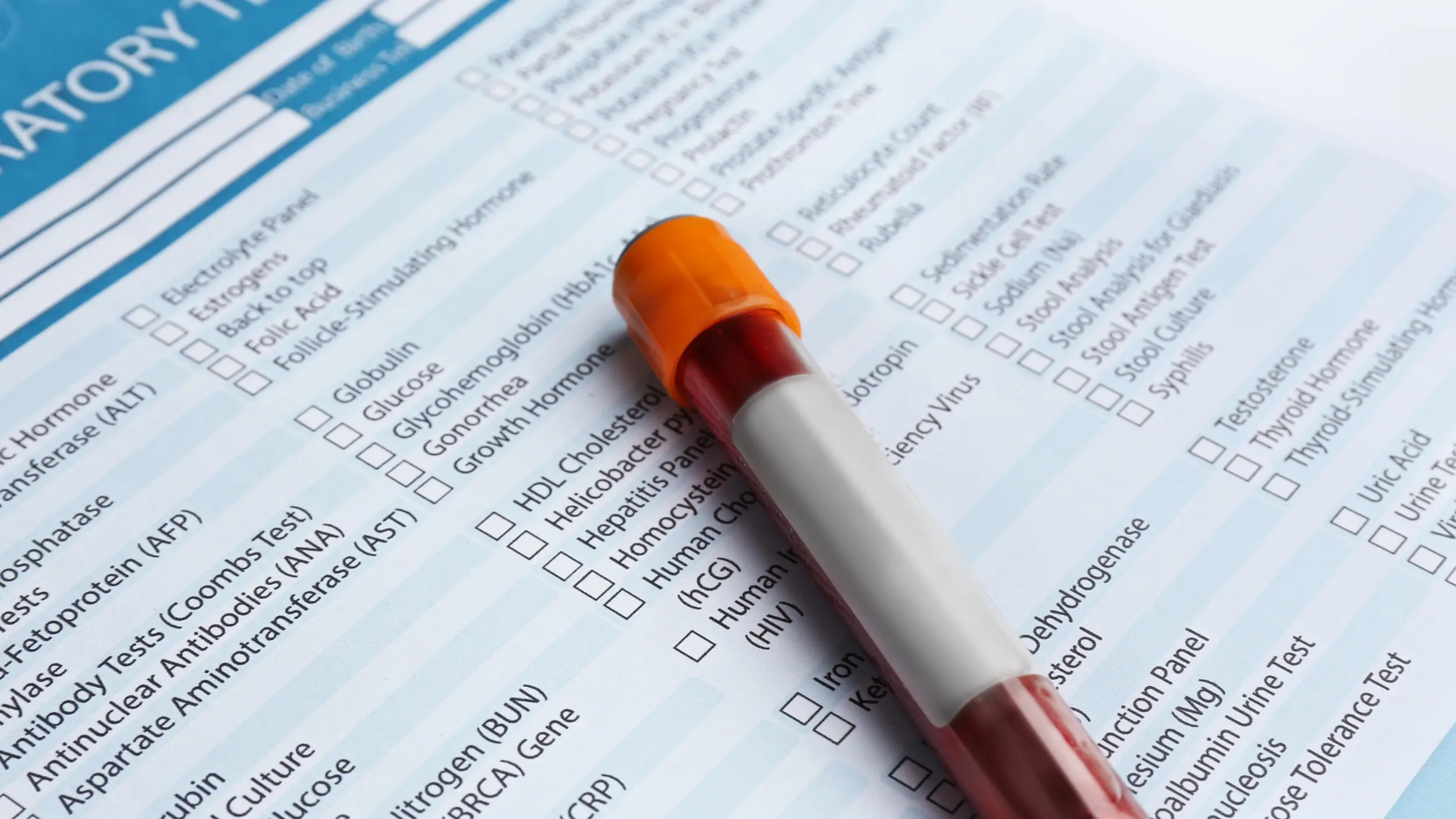
Mood changes, hair loss, and even difficulty losing weight despite your best efforts can all trace back to suboptimal vitamin D levels. The only way to know for sure? Get a vitamin D test measuring your serum 25-hydroxyvitamin D concentration.
Finding Your Sunshine: Delicious Food Sources and When to Consider Supplements
Let's talk about the practical side: how do you actually get enough vitamin D in 2026 when most of us work indoors and live in climates where winter sun exposure is basically useless for vitamin D synthesis?
Vitamin D Foods
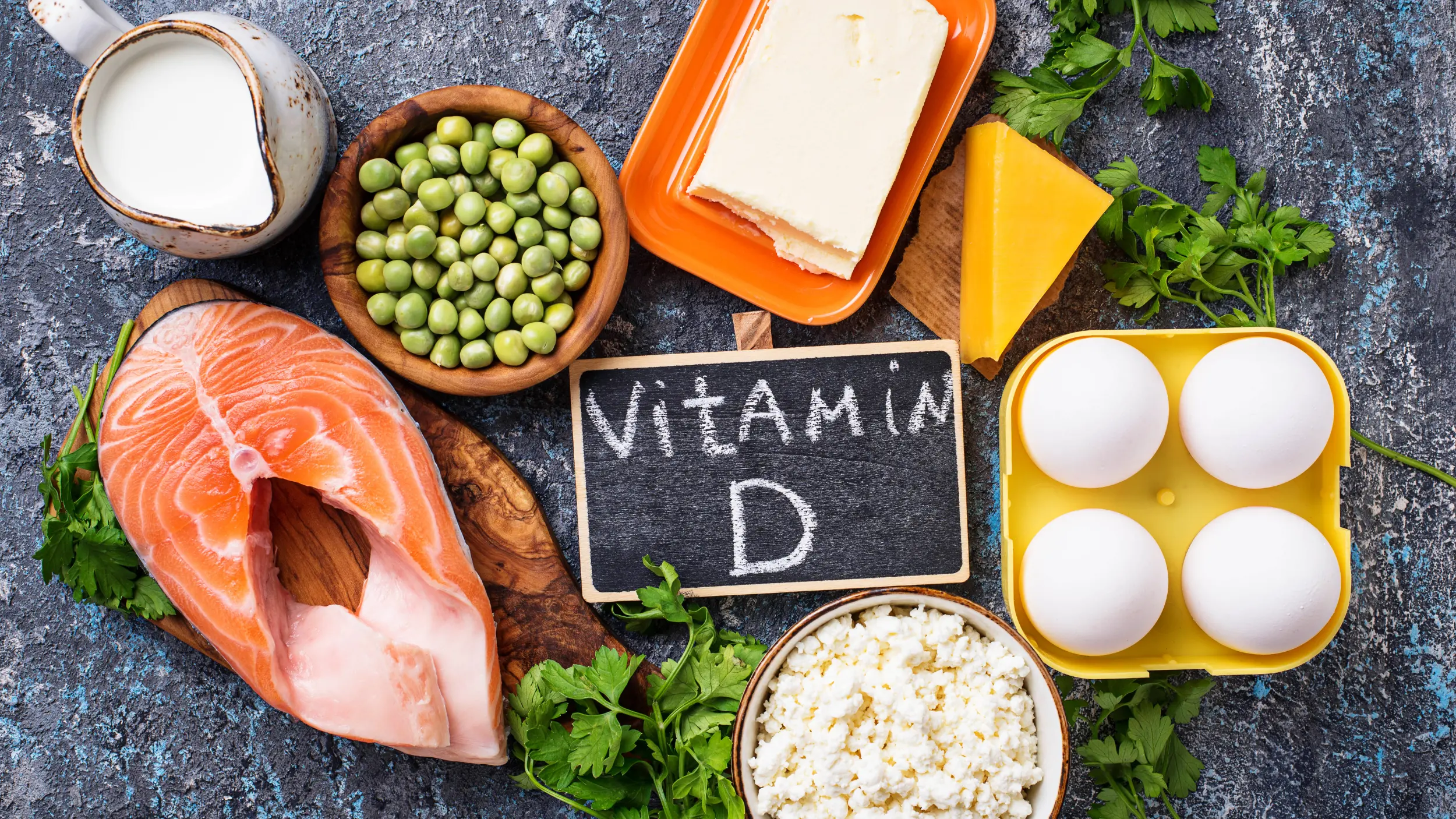
I'm going to be honest with you: getting all your vitamin D from food alone is genuinely challenging. Unlike other nutrients where you can easily hit your targets through diet, vitamin D-rich foods are somewhat limited. That said, these options are worth incorporating regularly:
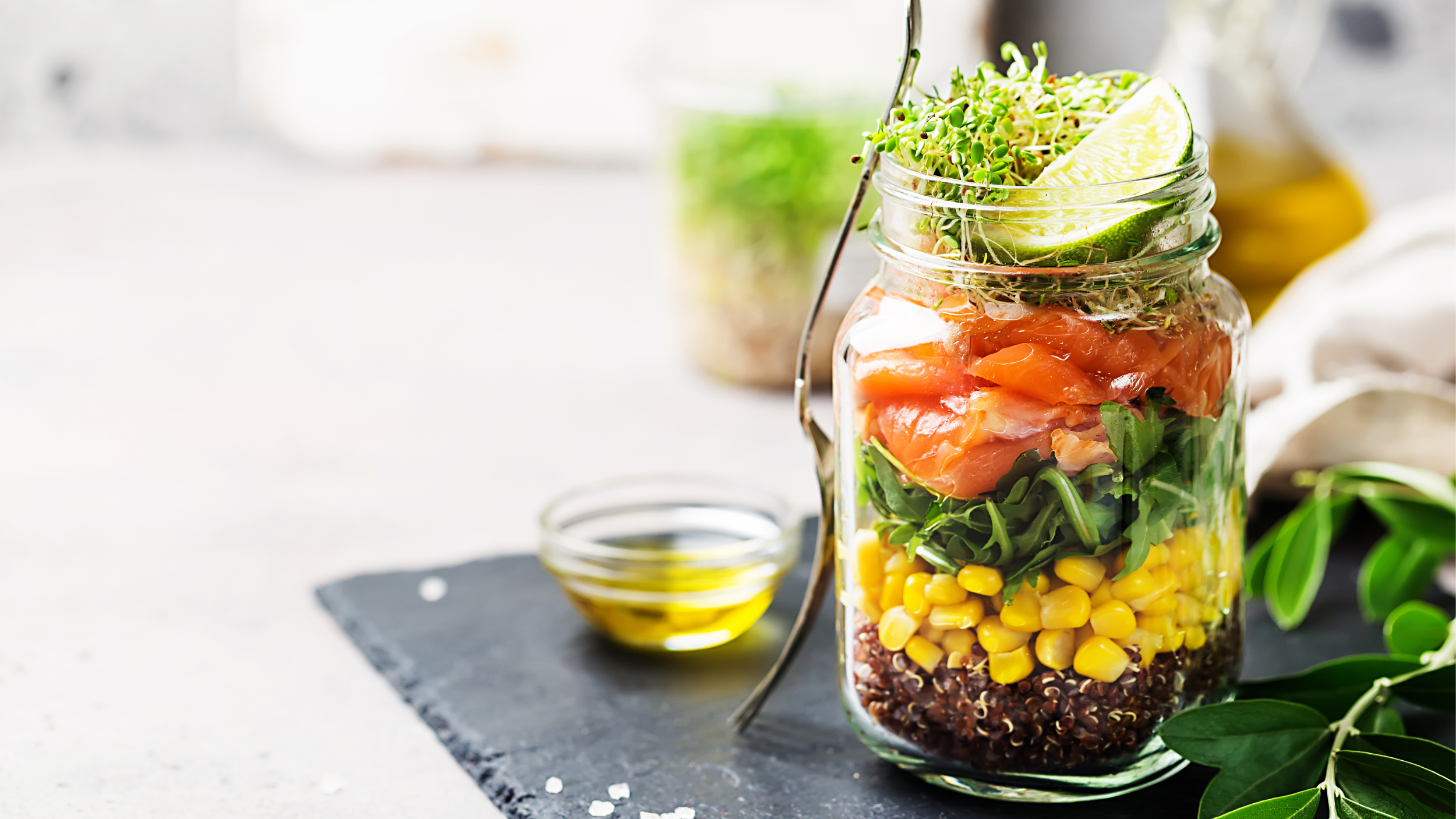
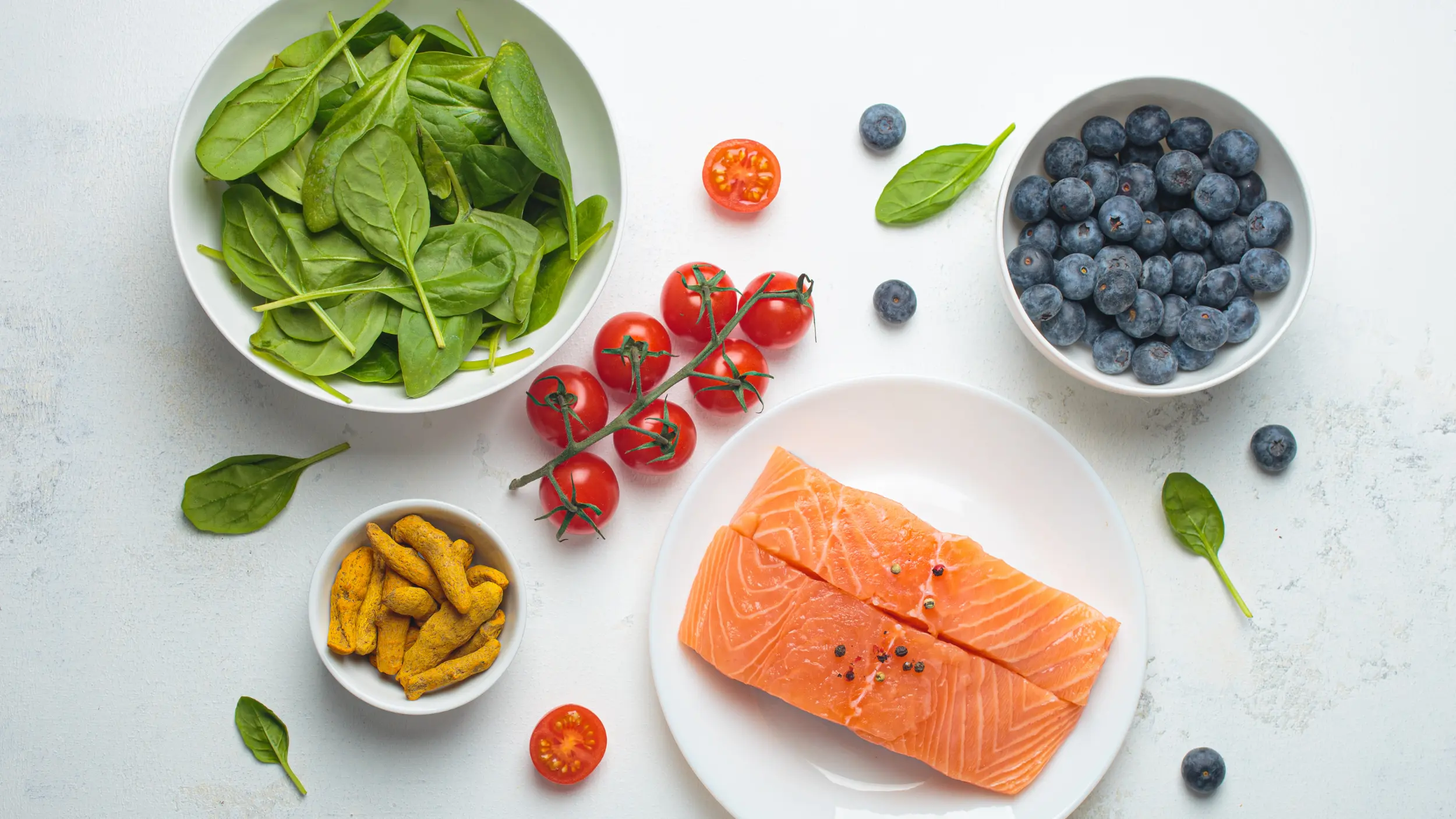
- Fatty fish like salmon, mackerel, and sardines. A 3.5-ounce serving of wild-caught salmon provides about 570 IU of vitamin D. If you're incorporating fish twice weekly, you're making a meaningful dent in your needs.
- Egg yolks. One whole egg gives you roughly 40 IU, but choosing pasture-raised eggs can increase that amount since hens with outdoor access produce eggs with higher vitamin D content.
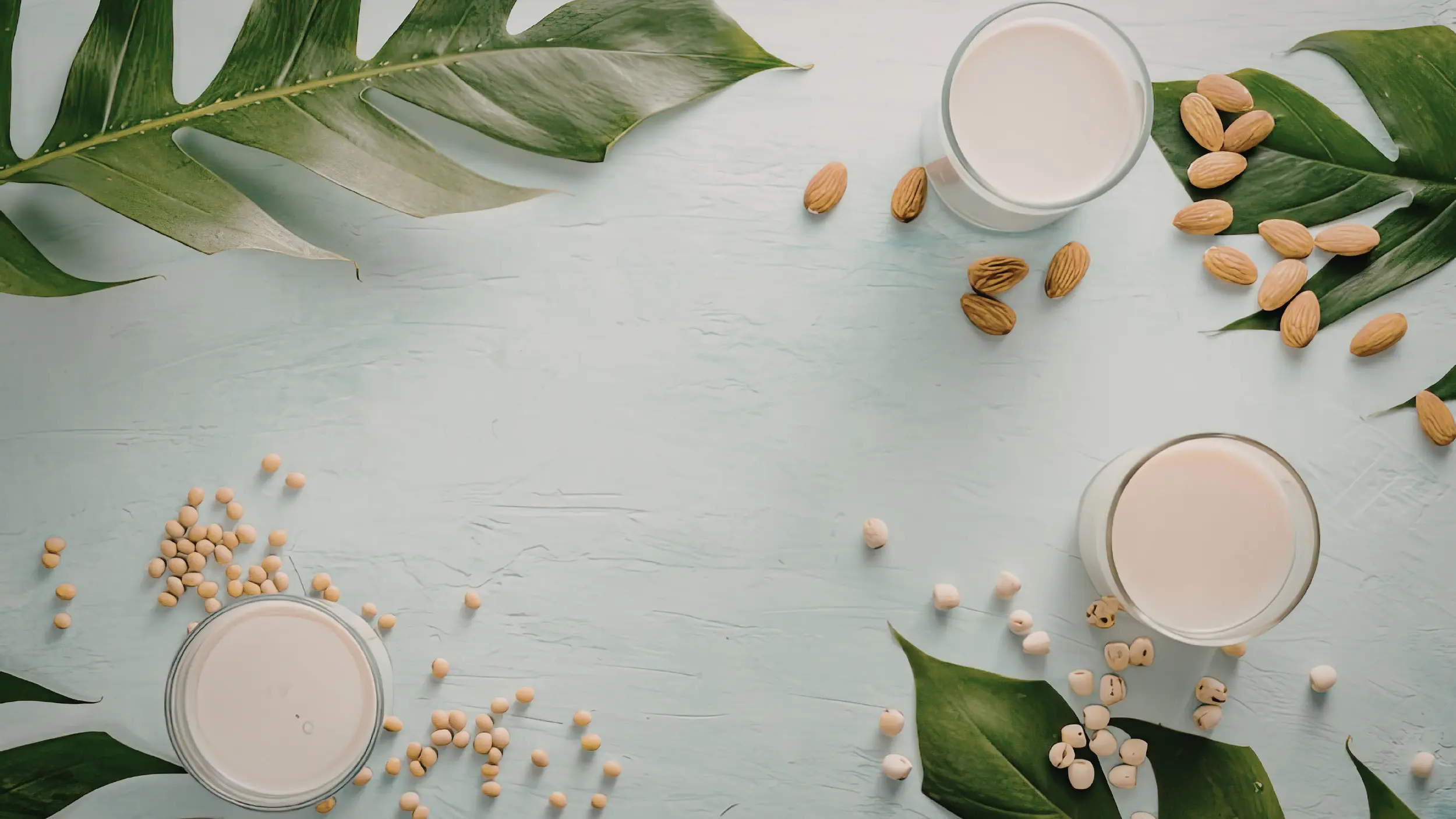
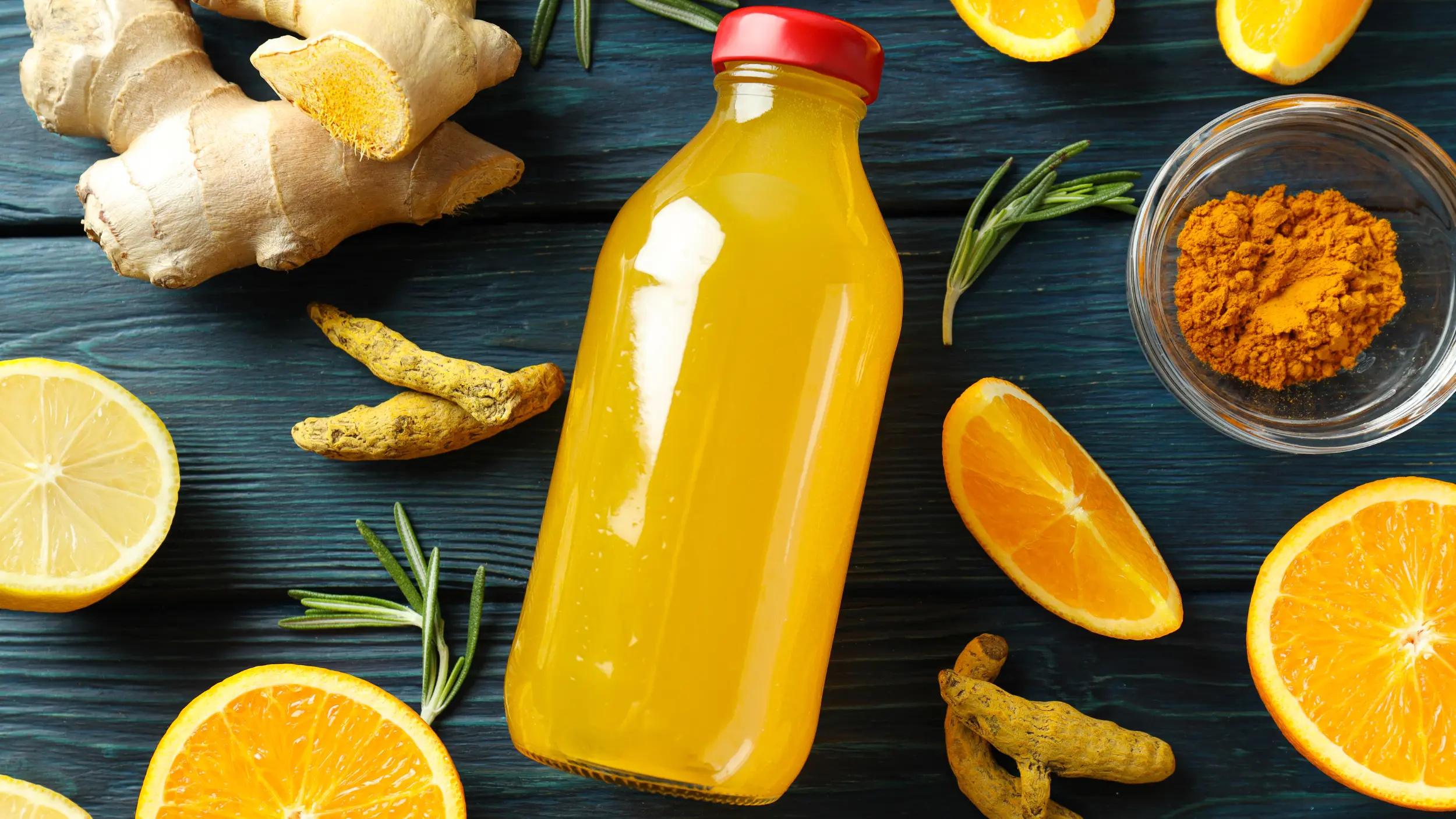
- Fortified foods. Many dairy products, plant-based milk alternatives, and orange juices are fortified with vitamin D3. Check labels—most provide 100-150 IU per serving.
- Mushrooms exposed to UV light. Some varieties treated with UV exposure can provide significant amounts, sometimes over 400 IU per serving.
Here's the reality check: even with these foods in regular rotation, you're likely only getting 200-400 IU daily from diet. The current recommended dietary allowance for women ages 19-70 is 600 IU daily, but many functional medicine practitioners and recent research suggest 1,000-2,000 IU is more appropriate for optimal health, not just deficiency prevention [11].
Choosing the Right Vitamin D Supplement
Given that sun exposure is limited (and comes with its own skin health considerations) and food sources fall short, supplementation becomes essential for most women. Here's what you need to know:
Vitamin D3 (cholecalciferol) is superior to D2 (ergocalciferol). D3 raises and maintains blood levels more effectively [12]. Look for supplements that clearly state "D3" on the label.
For vitamin D dosage, the sweet spot for most women without diagnosed deficiency is 1,000-2,000 IU daily. If your blood test reveals deficiency (levels below 30 ng/mL), your healthcare provider might recommend higher therapeutic doses of 5,000-10,000 IU daily for several weeks before transitioning to maintenance [13].
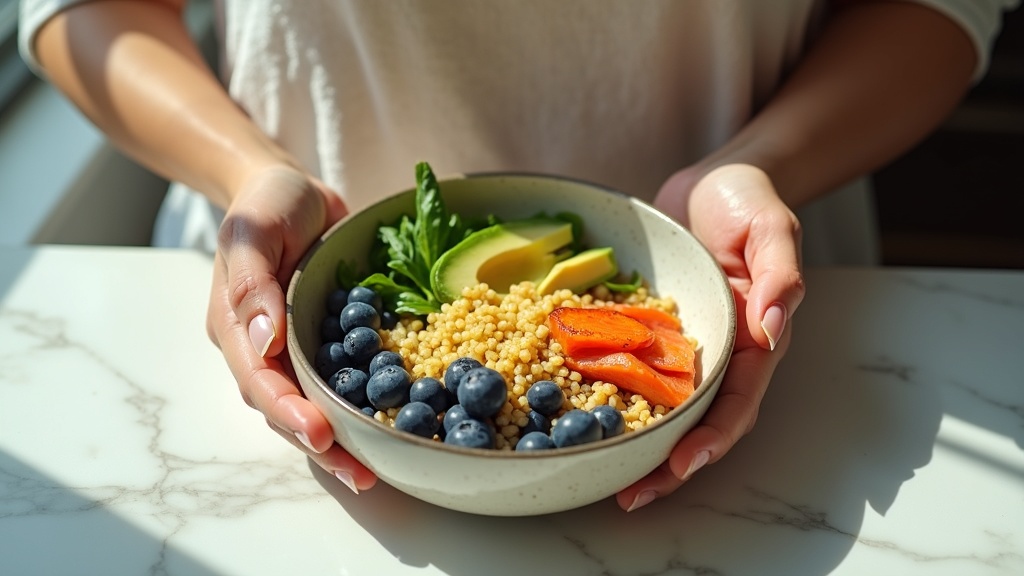
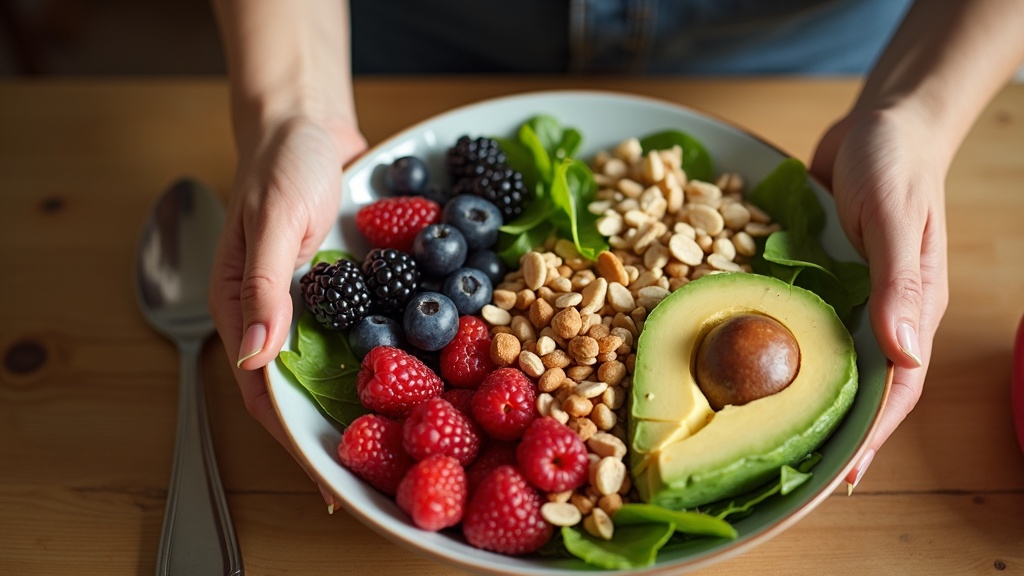
Timing matters less than consistency. Since vitamin D is fat-soluble, taking it with a meal that contains some dietary fat improves absorption. Pair it with your morning eggs and avocado, or take it with dinner if that's when you remember.
Because vitamin D works synergistically with other nutrients—particularly magnesium, vitamin K2, and calcium—consider how these fit into your overall nutrition strategy. If you're focusing on optimizing your gut health, remember that proper absorption of fat-soluble vitamins depends on healthy digestive function.
Vitamin D: Your Partner in Mood, Immunity, and Overall Vitality
Now let's connect the science to how you actually feel in your daily life. Understanding the mechanisms is one thing; experiencing the tangible benefits of optimal vitamin D is what really matters.
Vitamin D and Immunity: Your First Line of Defense
Your immune system is incredibly sophisticated, and vitamin D acts as a master regulator. When a pathogen enters your body, vitamin D helps activate T cells—your immune system's specialized soldiers [14]. Without adequate vitamin D, these cells remain dormant and can't effectively respond to threats.
The research on vitamin D and immunity has exploded in recent years. A 2017 meta-analysis of 25 randomized controlled trials found that vitamin D supplementation reduced the risk of acute respiratory infections by 12% overall, with even more pronounced effects (up to 70% reduction) in individuals who were severely deficient [15].
What does this mean for you practically? Maintaining vitamin D levels above 30 ng/mL (and ideally between 40-60 ng/mL) throughout the year, especially during fall and winter, gives your immune system the tools it needs to function optimally.
The Vitamin D and Mood Connection
If you've noticed your mood dipping during winter months, you're not imagining things. The link between vitamin D and mood is well-established through multiple pathways.
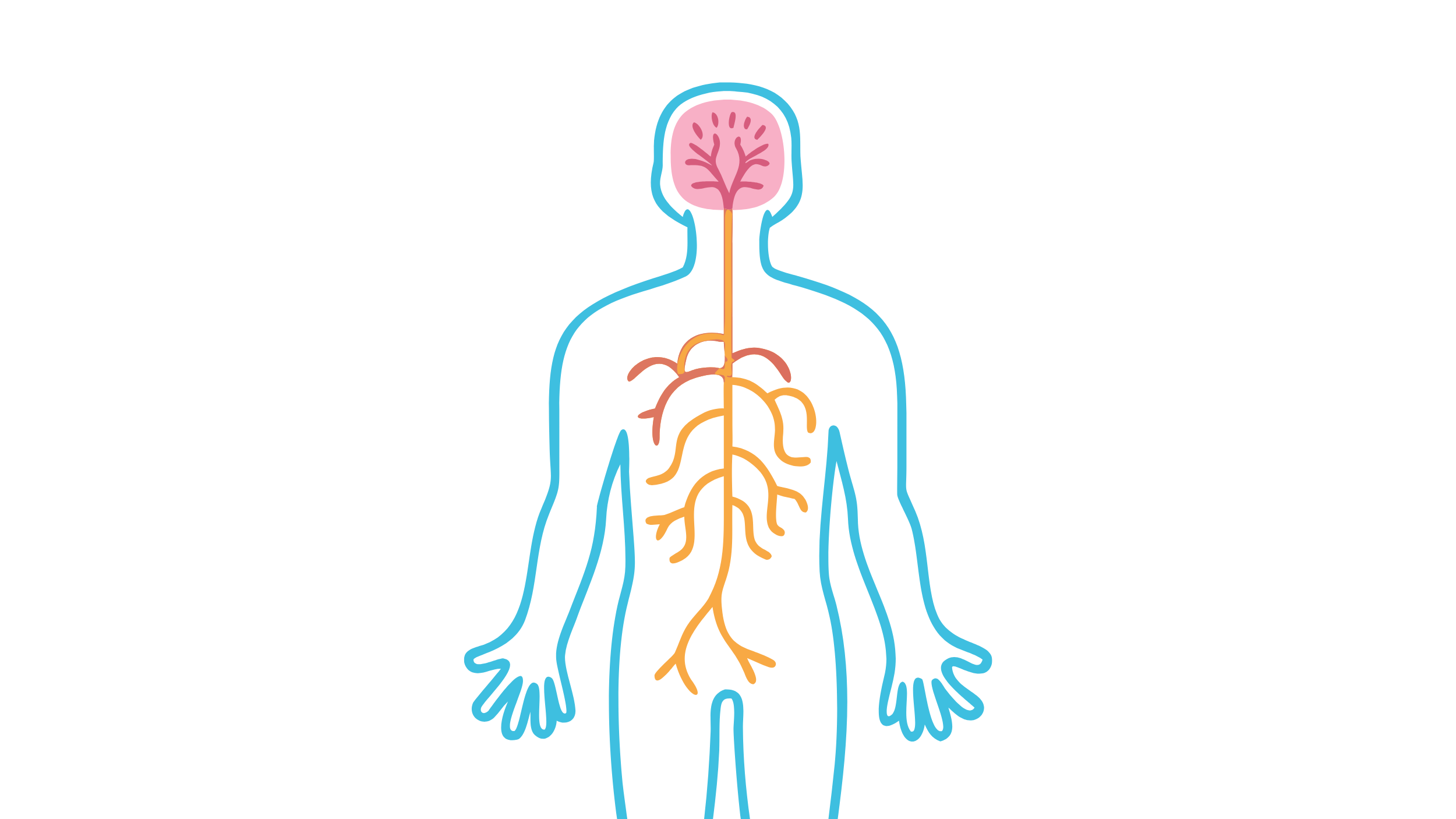
Vitamin D receptors are present throughout your brain, including areas responsible for mood regulation like the hippocampus and prefrontal cortex [16]. When vitamin D binds to these receptors, it influences the production of neurotransmitters, particularly serotonin—your brain's "feel-good" chemical.
Women are at higher risk for both vitamin D deficiency and mood disorders, making this connection especially relevant. Studies show that women with vitamin D levels below 20 ng/mL are at significantly higher risk for depression compared to those with levels above 30 ng/mL [17].
Supplementation studies reveal promising results: one randomized controlled trial found that women taking 2,000 IU of vitamin D3 daily experienced significant improvements in depression scores after eight weeks compared to placebo [18].
Beyond the Basics: Vitamin D for Whole-Body Vitality
The benefits extend into areas you might not expect. Adequate vitamin D supports:
- Reproductive health and menstrual cycle regulation
- Healthy pregnancy outcomes and fetal development
- Muscle strength and physical performance
- Cardiovascular health and blood pressure regulation
If you're managing stress and energy levels through functional nutrition, vitamin D optimization is a foundational piece that supports everything else you're doing.
Frequently Asked Questions
What are the top 3 signs of a Vitamin D deficiency?
The most common indicators are persistent fatigue despite adequate sleep, frequent infections or prolonged illness recovery, and unexplained muscle weakness or bone pain. However, many women experience no obvious symptoms until deficiency becomes severe, which is why testing is so important rather than relying on symptoms alone.
How much Vitamin D do I need daily as a woman?
The official RDA is 600 IU for women ages 19-70, but this is designed to prevent deficiency-related bone disease, not optimize overall health [20]. Most functional medicine practitioners recommend 1,000-2,000 IU daily for maintenance, with higher amounts (up to 4,000 IU) considered safe for most adults. Your individual needs depend on your baseline levels, sun exposure, body weight, and health goals. Testing every 3-6 months initially helps you dial in your ideal dosage.
Can I get enough Vitamin D from sunlight alone?
It depends on multiple factors: where you live, the season, your skin tone, and how much skin you expose. During summer months, 10-30 minutes of midday sun exposure on arms and legs several times weekly can produce adequate vitamin D for fair-skinned individuals [21]. However, if you live above 37 degrees latitude (roughly north of Los Angeles or Atlanta), your skin can't produce vitamin D from sunlight during winter months regardless of exposure time. Women with darker skin require significantly more sun exposure due to higher melanin levels. Given skin cancer concerns and practical limitations, relying solely on sun exposure isn't realistic for most women in 2026.
Ready to feel your best? Let's personalize your approach to vitamin D. Optimal levels don't happen by accident—they require testing, strategic supplementation, and ongoing monitoring tailored to your unique biochemistry. Book a consultation with our dietitian today to get comprehensive testing and a customized protocol that fits your lifestyle and health goals.
References
[1] Forrest KY, Stuhldreher WL. Prevalence and correlates of vitamin D deficiency in US adults. Nutrition Research, 2011.
[2] Holick MF. Vitamin D deficiency. New England Journal of Medicine, 2007.
[3] Aranow C. Vitamin D and the immune system. Journal of Investigative Medicine, 2011.
[4] Anglin RE, Samaan Z, Walter SD, McDonald SD. Vitamin D deficiency and depression in adults: systematic review and meta-analysis. British Journal of Psychiatry, 2013.
[5] Alvarez JA, Ashraf A. Role of vitamin D in insulin secretion and insulin sensitivity for glucose homeostasis. International Journal of Endocrinology, 2010.
[6] Sinha A, Hollingsworth KG, Ball S, Cheetham T. Improving the vitamin D status of vitamin D deficient adults is associated with improved mitochondrial oxidative function in skeletal muscle. Journal of Clinical Endocrinology & Metabolism, 2013.
[7] Plotnikoff GA, Quigley JM. Prevalence of severe hypovitaminosis D in patients with persistent, nonspecific musculoskeletal pain. Mayo Clinic Proceedings, 2003.
[8] Ginde AA, Mansbach JM, Camargo CA Jr. Association between serum 25-hydroxyvitamin D level and upper respiratory tract infection in the Third National Health and Nutrition Examination Survey. Archives of Internal Medicine, 2009.
[9] U.S. Department of Agriculture. FoodData Central. USDA Agricultural Research Service, 2024.
[10] Cardwell G, Bornman JF, James AP, Black LJ. A review of mushrooms as a potential source of dietary vitamin D. Nutrients, 2018.
[11] Institute of Medicine Committee. Dietary Reference Intakes for Calcium and Vitamin D. National Academies Press, 2011.
[12] Tripkovic L, Lambert H, Hart K, et al. Comparison of vitamin D2 and vitamin D3 supplementation in raising serum 25-hydroxyvitamin D status: a systematic review and meta-analysis. American Journal of Clinical Nutrition, 2012.
[13] Holick MF, Binkley NC, Bischoff-Ferrari HA, et al. Evaluation, treatment, and prevention of vitamin D deficiency: an Endocrine Society clinical practice guideline. Journal of Clinical Endocrinology & Metabolism, 2011.
[14] von Essen MR, Kongsbak M, Schjerling P, et al. Vitamin D controls T cell antigen receptor signaling and activation of human T cells. Nature Immunology, 2010.
[15] Martineau AR, Jolliffe DA, Hooper RL, et al. Vitamin D supplementation to prevent acute respiratory tract infections: systematic review and meta-analysis of individual participant data. BMJ, 2017.
[16] Eyles DW, Smith S, Kinobe R, et al. Distribution of the vitamin D receptor and 1 alpha-hydroxylase in human brain. Journal of Chemical Neuroanatomy, 2005.
[17] Milaneschi Y, Hoogendijk W, Lips P, et al. The association between low vitamin D and depressive disorders. Molecular Psychiatry, 2014.
[18] Jorde R, Sneve M, Figenschau Y, et al. Effects of vitamin D supplementation on symptoms of depression in overweight and obese subjects: randomized double blind trial. Journal of Internal Medicine, 2008.
[19] Scragg R, Sowers M, Bell C. Serum 25-hydroxyvitamin D, diabetes, and ethnicity in the Third National Health and Nutrition Examination Survey. Diabetes Care, 2004.
[20] National Institutes of Health Office of Dietary Supplements. Vitamin D: Fact Sheet for Health Professionals. NIH, 2024.
[21] Holick MF. Sunlight and vitamin D for bone health and prevention of autoimmune diseases, cancers, and cardiovascular disease. American Journal of Clinical Nutrition, 2004.
.svg)
.svg)





.jpg)
.jpg)
















.webp)




























.webp)
.webp)
.webp)
.webp)
.webp)
.webp)
.webp)
.png)
.webp)
.webp)

.webp)
.png)
.webp)
.webp)
.webp)
.webp)
.webp)
.webp)
.webp)
.webp)
.webp)


.webp)
.png)