

At a Glance
Your appetite isn't about willpower—it's controlled by hunger hormones like ghrelin, leptin, and cortisol. When these chemical messengers are out of balance, you experience intense cravings, constant hunger, and difficulty managing your weight. This guide explains how these hormones work and gives you four actionable strategies to regulate them naturally.
Introduction
Feeling like your appetite has a mind of its own? Some days you're satisfied with a salad, and others you could eat everything in the pantry and still feel hungry. It's not a lack of willpower; it's your body's powerful chemical messengers at work. Let's have a real conversation about the key hunger hormones—ghrelin, leptin, and cortisol—and decode what your body is trying to tell you, so you can work with it, not against it.
Here's what I see constantly in my practice: women who've been blaming themselves for years, thinking they just need more discipline. But when we run their labs and look at their lifestyle patterns, it becomes crystal clear that their hormones are sending chaotic signals. Once we address the root cause, everything shifts. You deserve that same clarity and relief.
Meet Your Core Hunger Hormones: The 'Go,' 'Stop,' and 'Stress' Signals
Think of your hormones as a team managing your body's energy budget. When they're in sync, everything runs smoothly. But if one member is off, the whole system can feel chaotic. Let's get to know the main players.
Ghrelin: Your 'Go Eat' Hormone
Ghrelin is produced primarily in your stomach and sends hunger signals to your brain [1]. When your stomach is empty, ghrelin levels rise, triggering that growling sensation and the mental focus on food. After you eat, ghrelin should drop, signaling satisfaction. But here's where it gets tricky: if you're sleep-deprived, chronically stressed, or eating meals that spike your blood sugar, ghrelin can stay elevated even after eating, leaving you feeling like you never quite hit that satisfaction point.
Leptin: Your 'I'm Full' Hormone
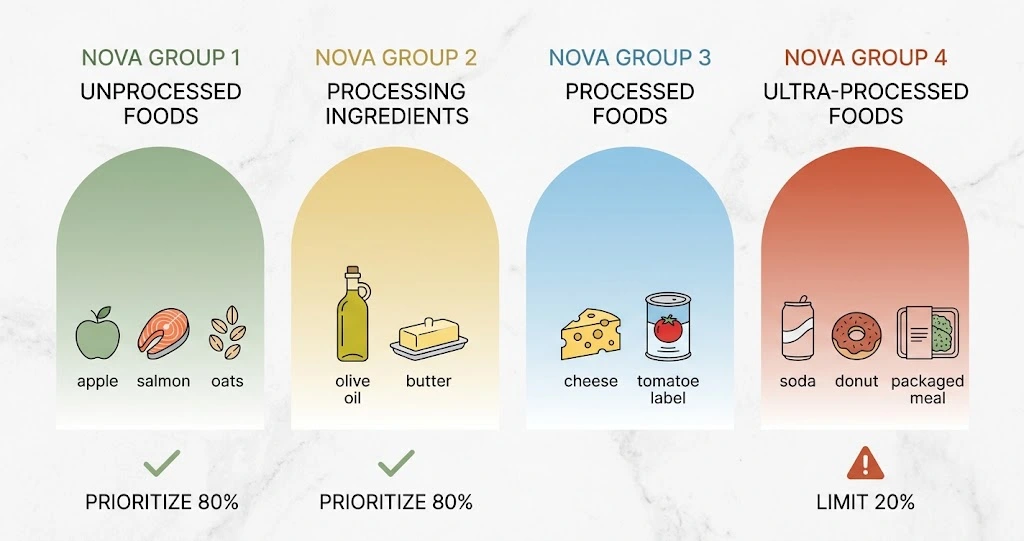
Leptin is your satiety hormone, released by your fat cells to tell your brain you've had enough food and can stop eating [2]. It's supposed to work like a thermostat, regulating your energy balance. But many women develop leptin resistance—a condition where your brain stops responding to leptin's signals, even when levels are high. This leaves you feeling constantly hungry despite having adequate fat stores. Leptin resistance is strongly linked to chronic inflammation, poor sleep quality, and diets high in processed foods [3].
Cortisol: Your 'Stress Response' Hormone
Cortisol isn't technically a hunger hormone, but it has a massive impact on your appetite and cravings. When you're stressed—whether from work deadlines, relationship tension, or even under-eating—your adrenal glands pump out cortisol. Elevated cortisol triggers cravings for high-calorie, high-sugar comfort foods because your brain interprets stress as a threat requiring quick energy [4]. Chronic stress and persistently high cortisol also promote fat storage, particularly around your midsection, and can worsen leptin resistance.
If you're dealing with symptoms that suggest broader hormonal imbalance and weight gain, understanding these three core players is your starting point.
Why Cravings Spike: The Menstrual Cycle & Stress Connection
Ever notice your cravings for carbs and sugar skyrocket the week before your period? That's not a coincidence, and you're definitely not imagining it.
The Hormonal Shifts of Your Cycle
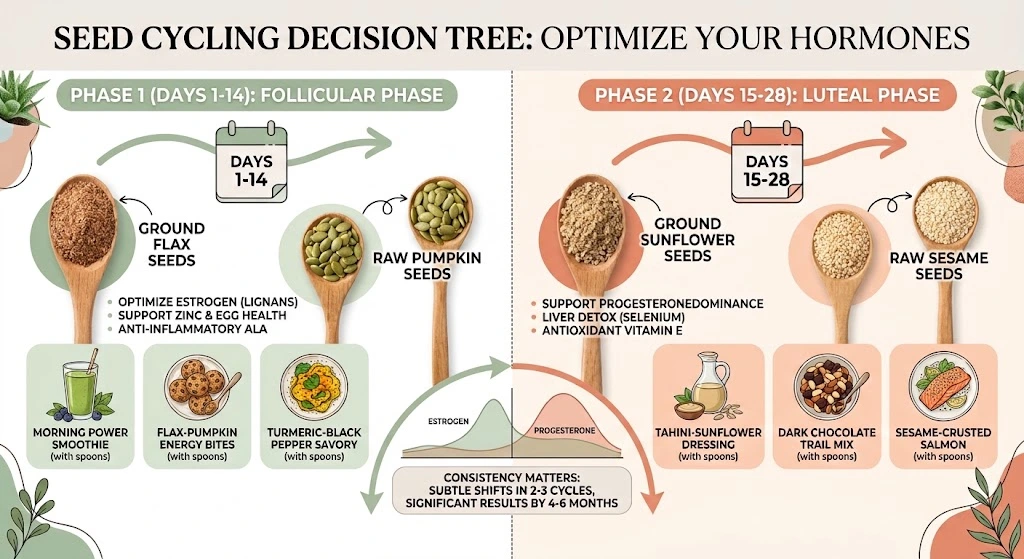
During the luteal phase—the two weeks between ovulation and your period—progesterone rises significantly while estrogen drops. This hormonal shift affects your brain's serotonin levels (your feel-good neurotransmitter), which naturally makes you crave carbohydrates [5]. Your body is literally trying to boost serotonin through food. At the same time, your metabolic rate slightly increases during this phase, meaning you actually need more calories. Those period cravings aren't weakness; they're your body responding to real physiological changes.
Additionally, the drop in estrogen can reduce insulin sensitivity, making your blood sugar more unstable and amplifying hunger signals. This is why you might feel ravenous one hour after eating during the week before your period. For a deeper understanding of how your cycle impacts your eating patterns, check out this guide on managing hormonal cravings throughout your menstrual cycle.
The Chronic Stress Factor
When you layer chronic stress on top of these natural cyclical changes, you create the perfect storm for out-of-control cravings. Chronic stress elevates cortisol, which not only triggers immediate cravings for comfort foods but also disrupts the normal function of ghrelin and leptin [6]. High cortisol can increase ghrelin production (making you hungrier) and interfere with leptin signaling (making it harder to feel full). This creates a vicious cycle: stress drives you to eat more, the foods you crave during stress often worsen hormonal balance, and poor eating patterns increase stress on your body.
Many of my clients find that addressing stress is the missing piece in their weight management puzzle. Learning to manage stress eating becomes absolutely essential for long-term success.
Your 4-Step Action Plan to Balance Hunger Hormones Naturally
Understanding the 'why' is the first step, but now it's time for action. You don't need a restrictive diet to regain control. Instead, let's focus on simple, sustainable lifestyle shifts that send the right signals to your brain and body. Here's how you can start supporting your hormones today.
1. Nourish to Signal Satiety
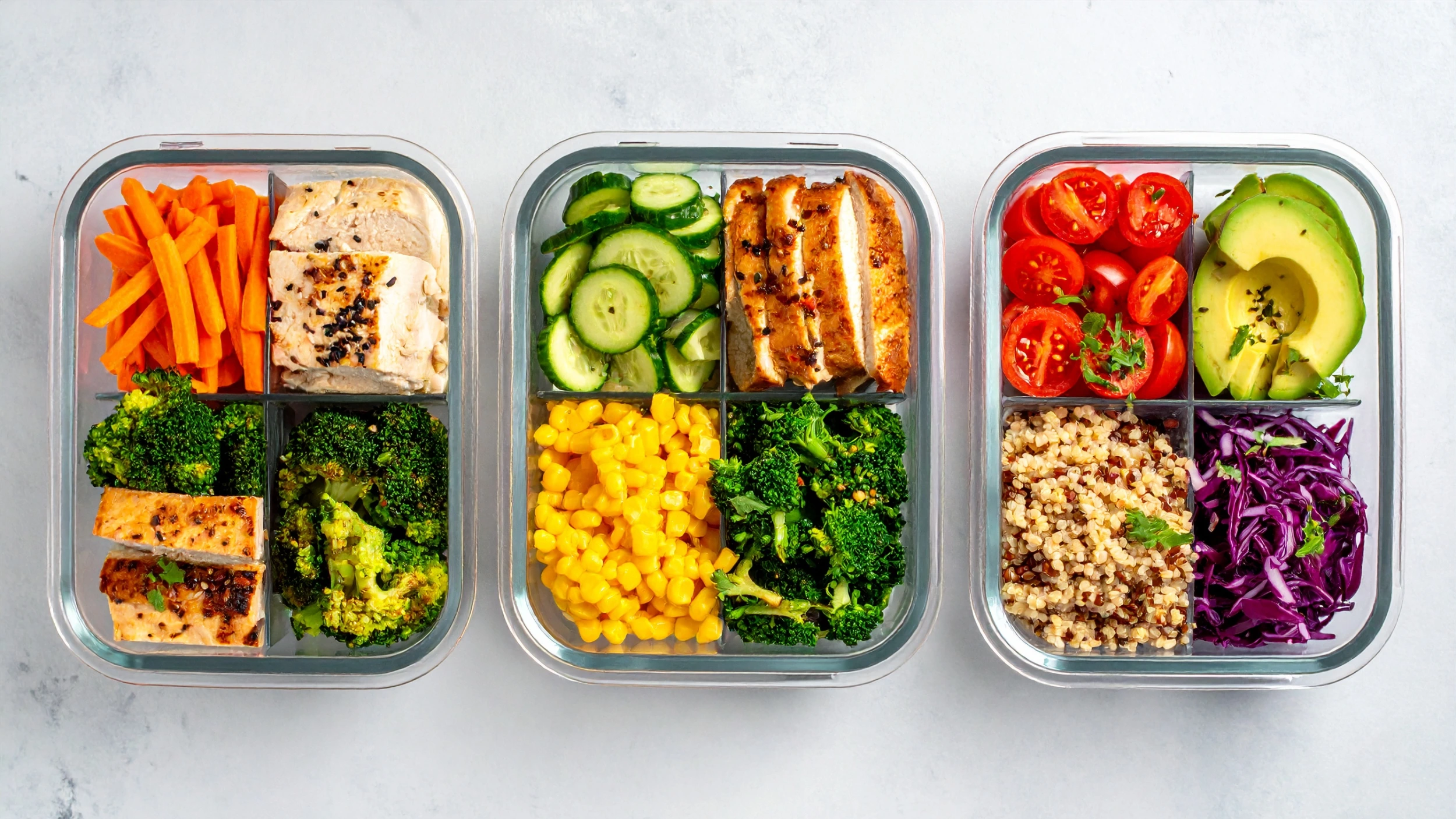
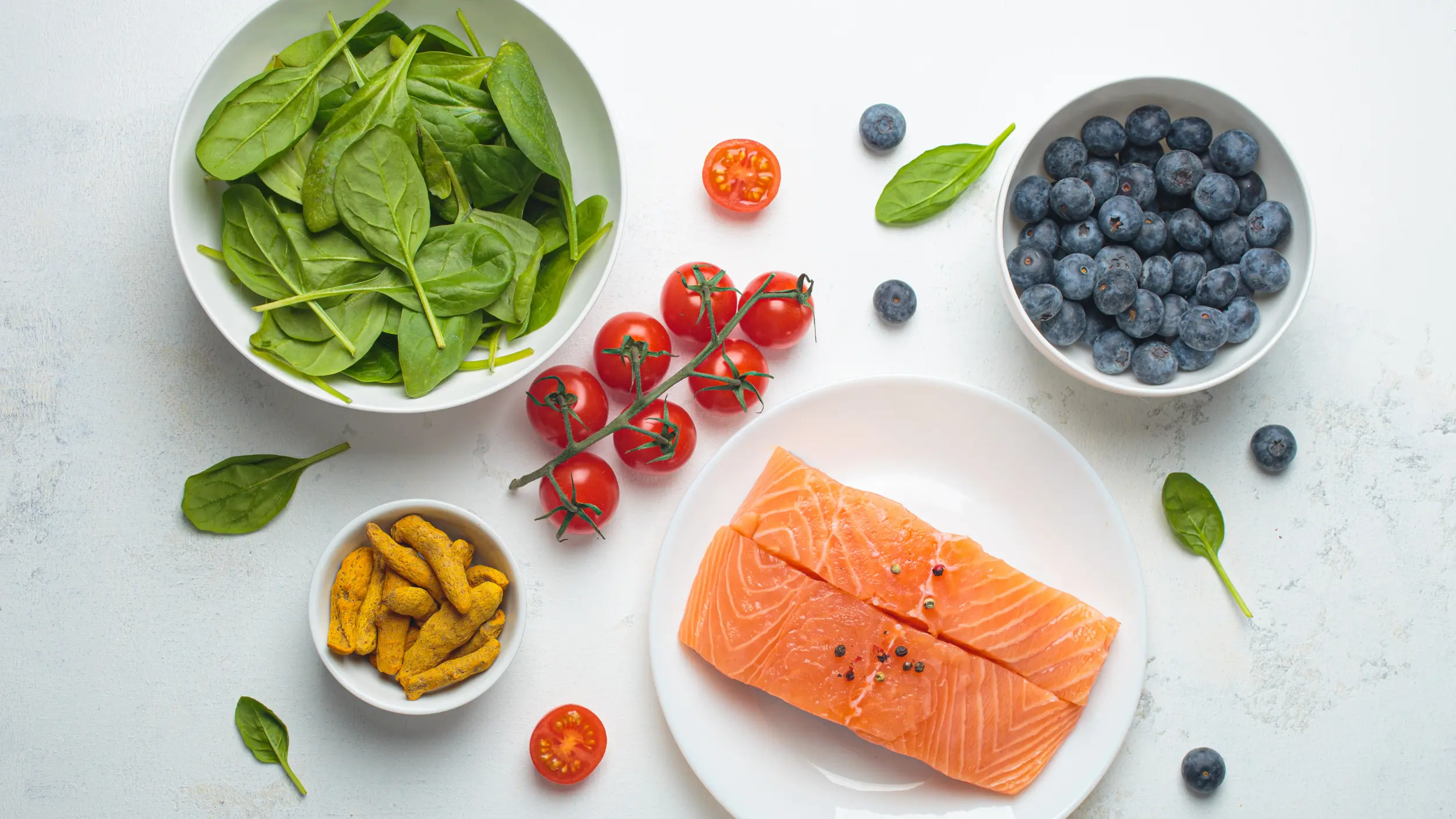
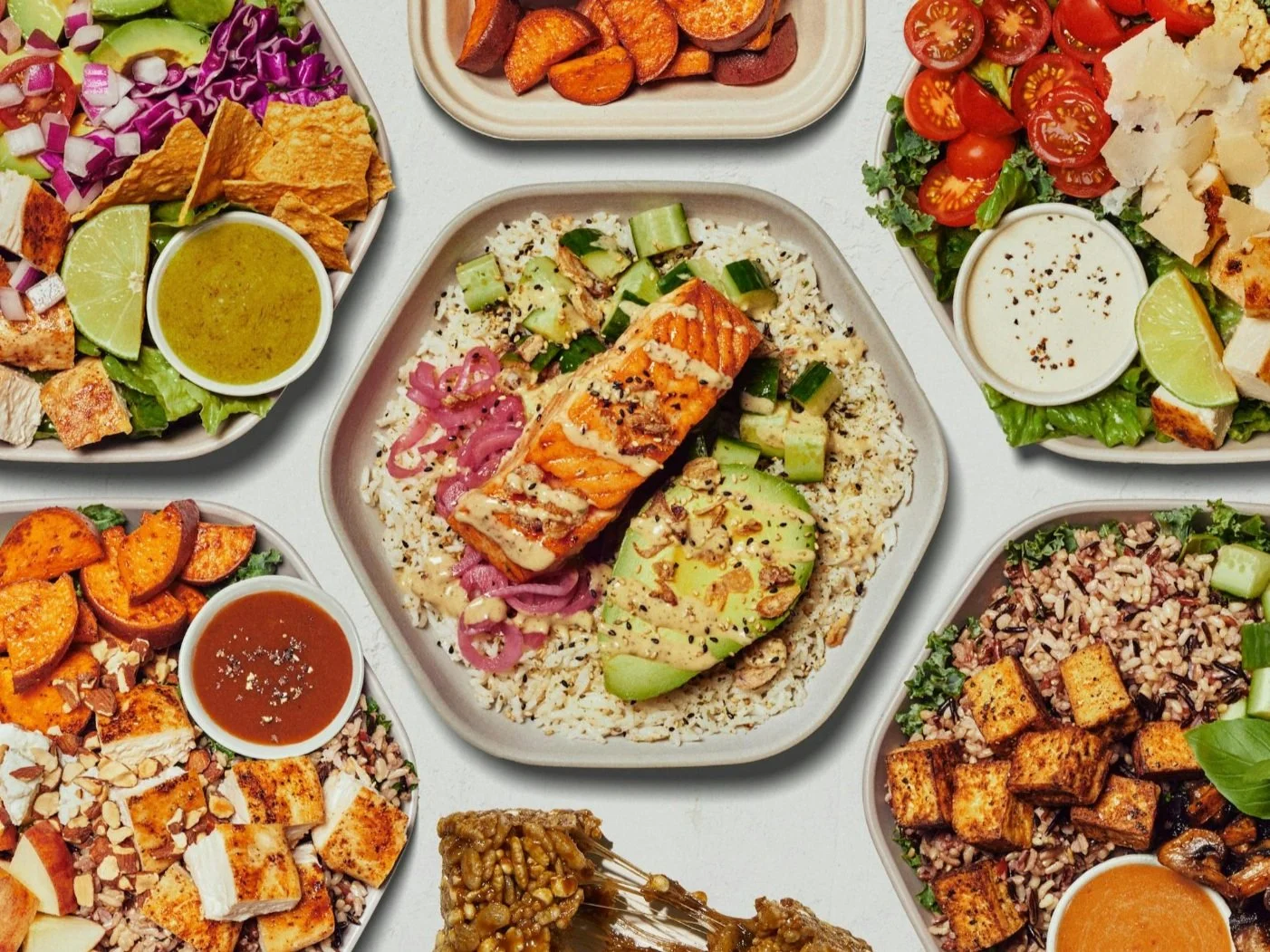
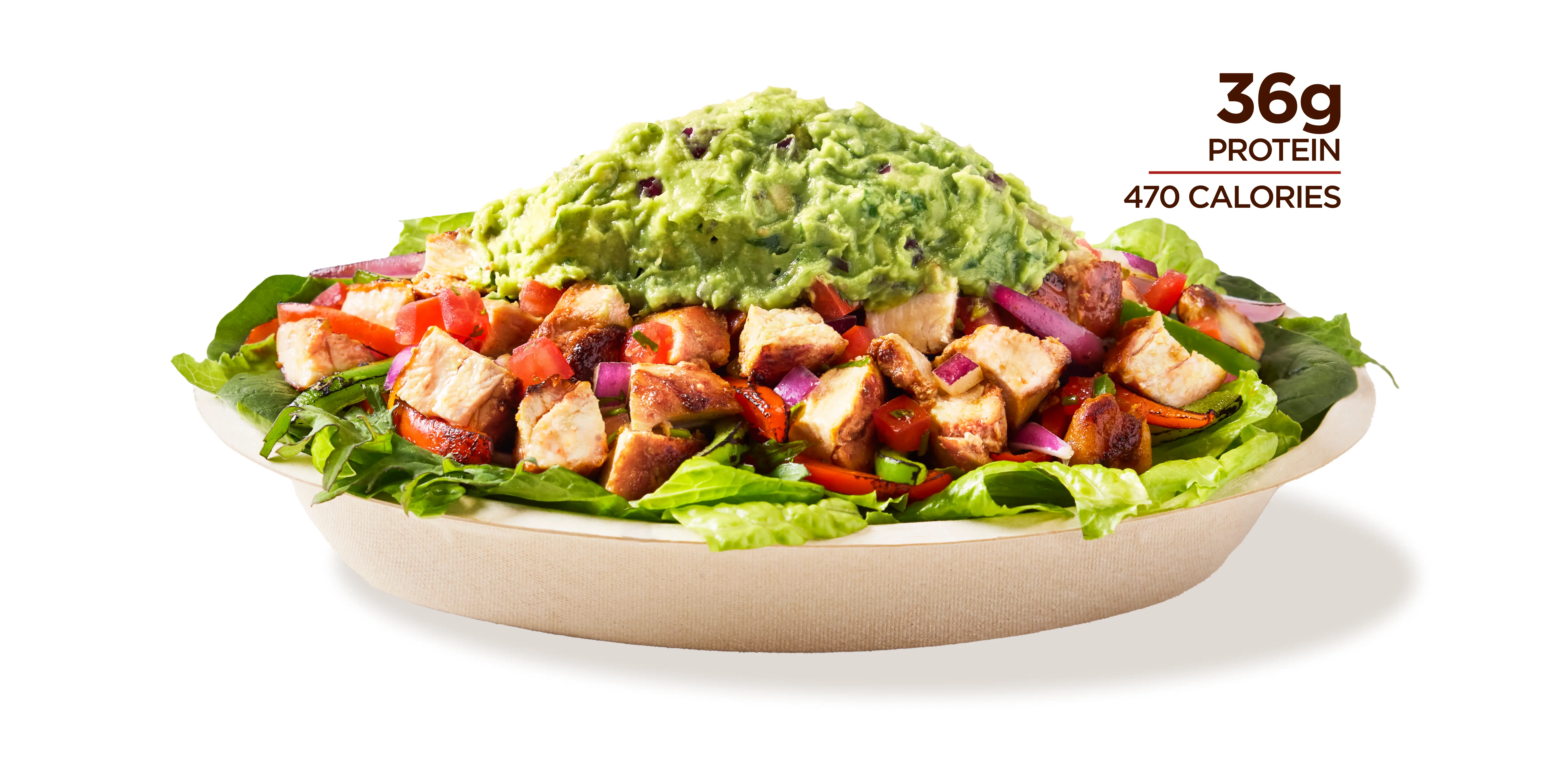
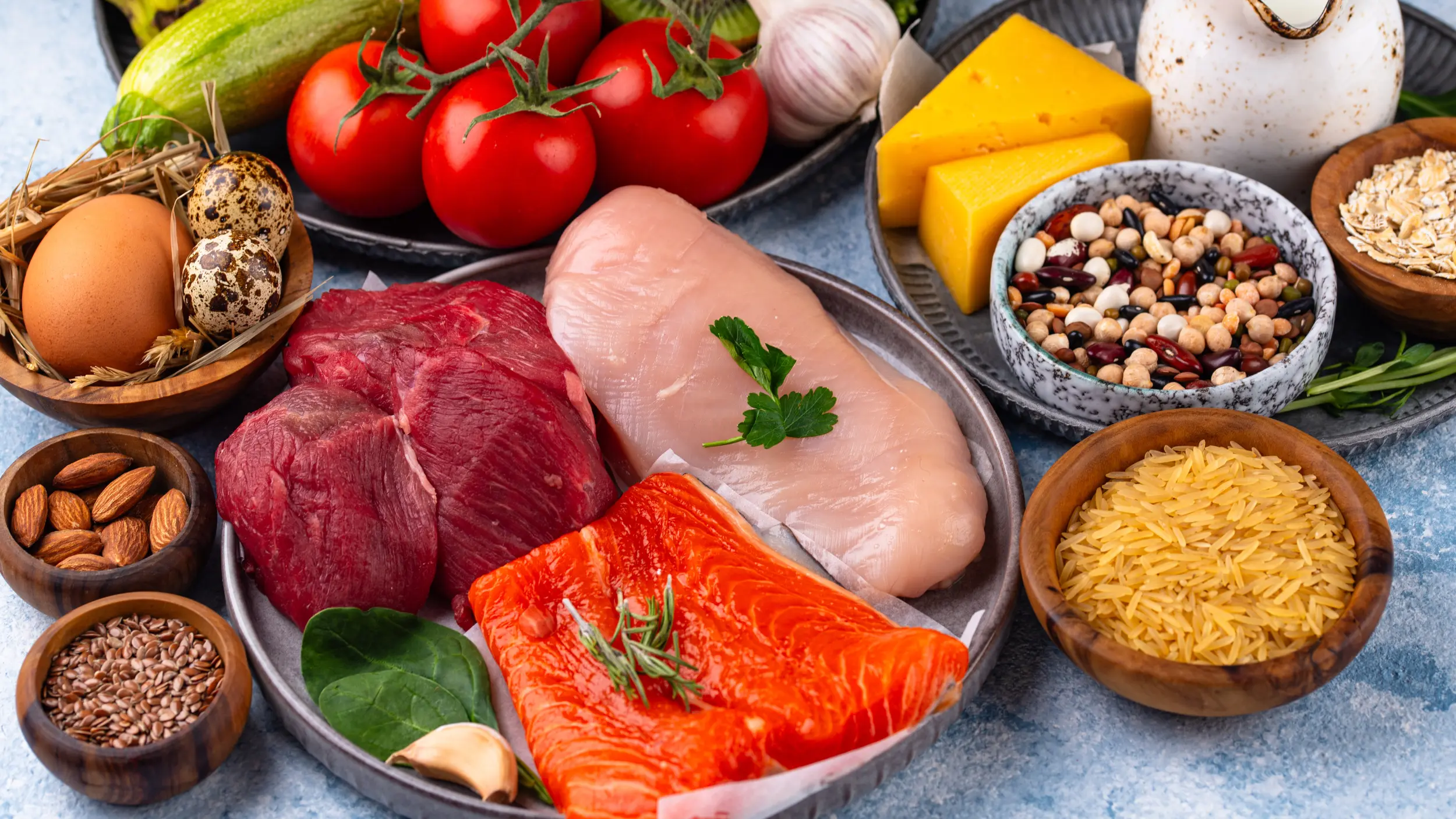
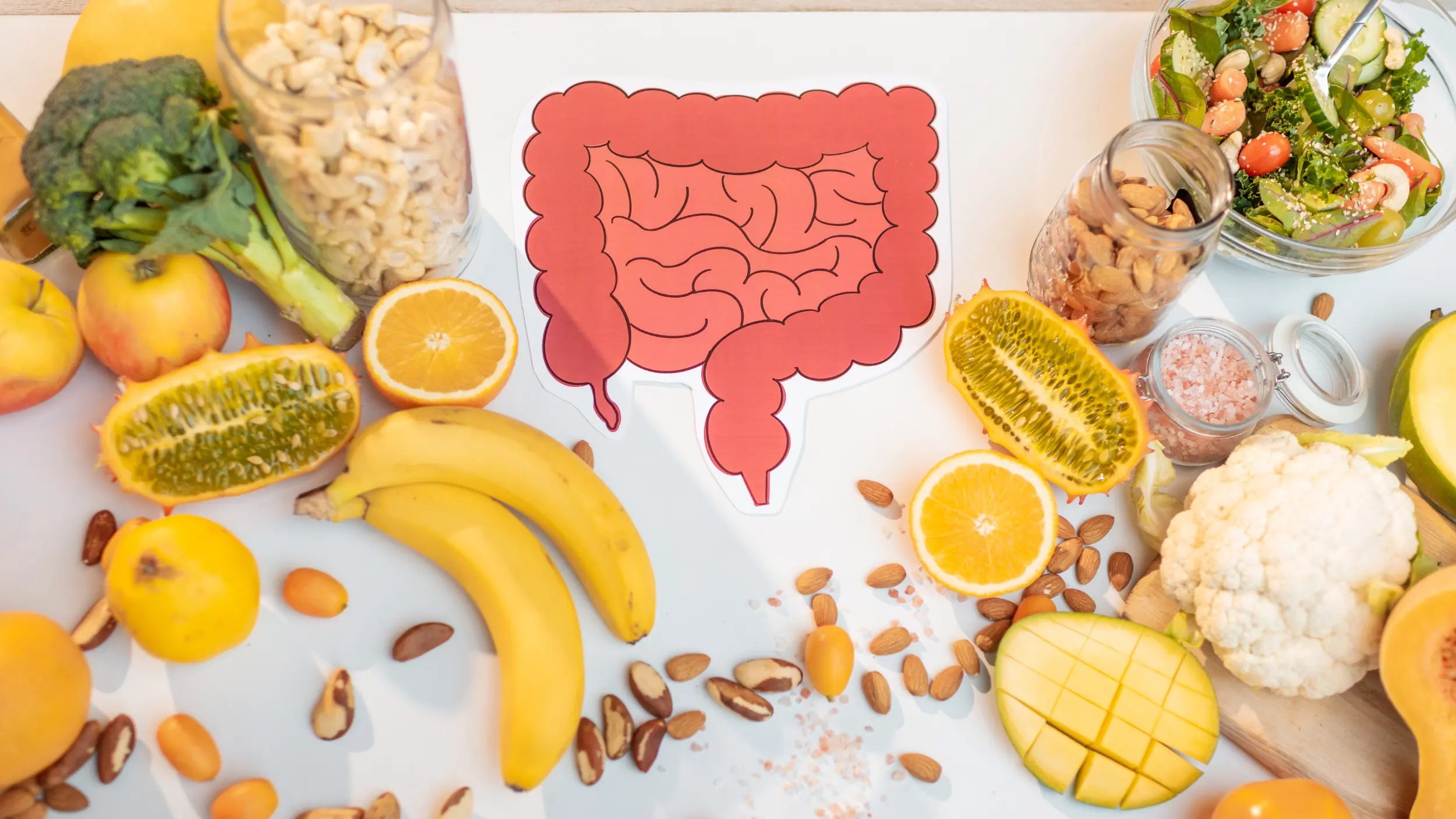
The composition of your meals has a profound impact on your hunger hormones. When you prioritize three key nutrients—protein, fiber, and healthy fats—you naturally reduce hunger and extend the feeling of fullness between meals [7].
Here's what to include at every meal:
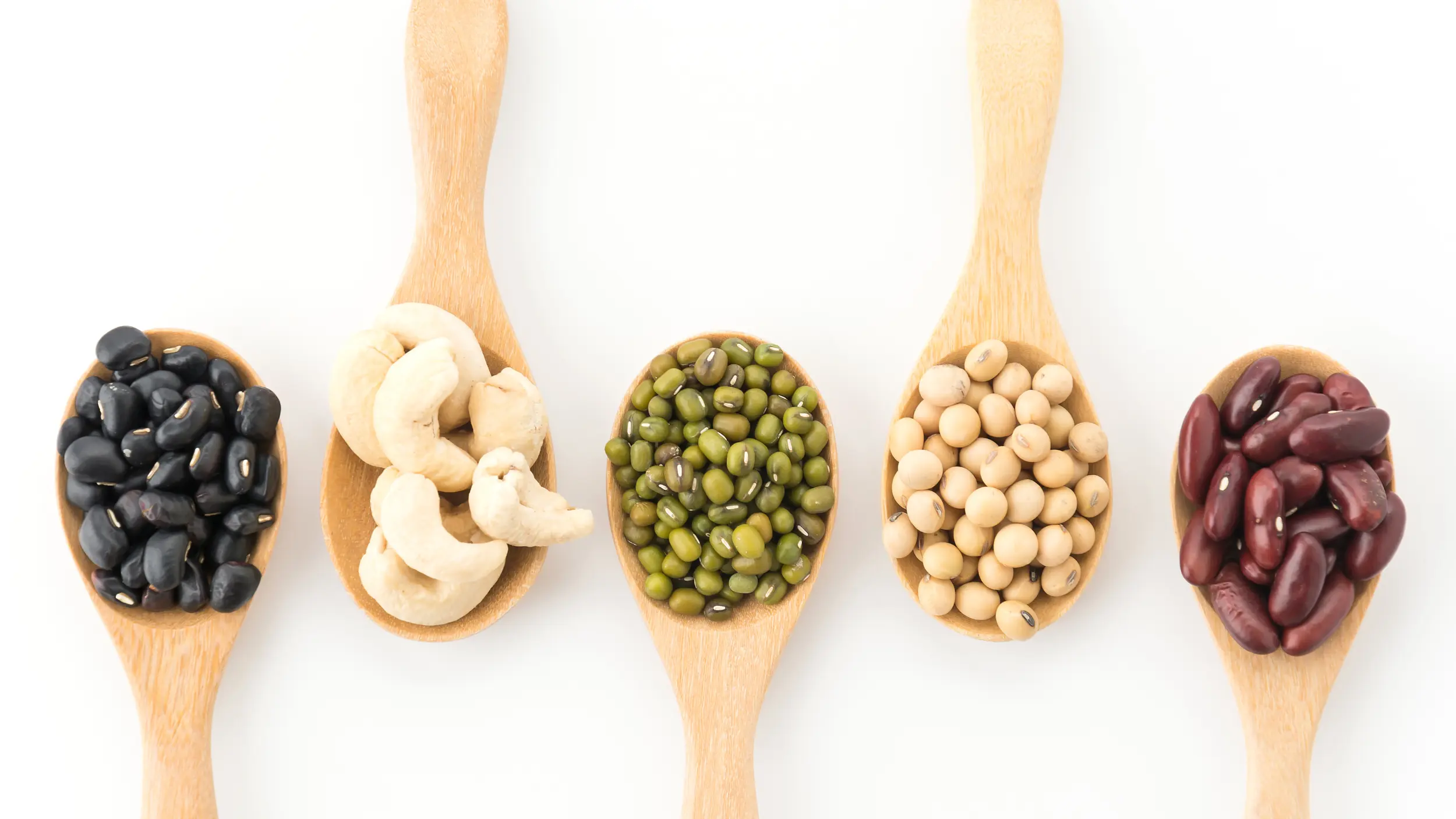
- Protein (20-30g per meal): Chicken, fish, eggs, Greek yogurt, legumes, or tofu. Protein stimulates the release of satiety hormones like GLP-1 and PYY while reducing ghrelin.
- Fiber (aim for 25-35g daily): Vegetables, fruits, whole grains, beans, and seeds. Fiber slows gastric emptying, keeping you fuller longer and stabilizing blood sugar.
- Healthy fats (1-2 tablespoons per meal): Avocado, nuts, seeds, olive oil, or fatty fish. Fats delay stomach emptying and help you absorb fat-soluble vitamins.
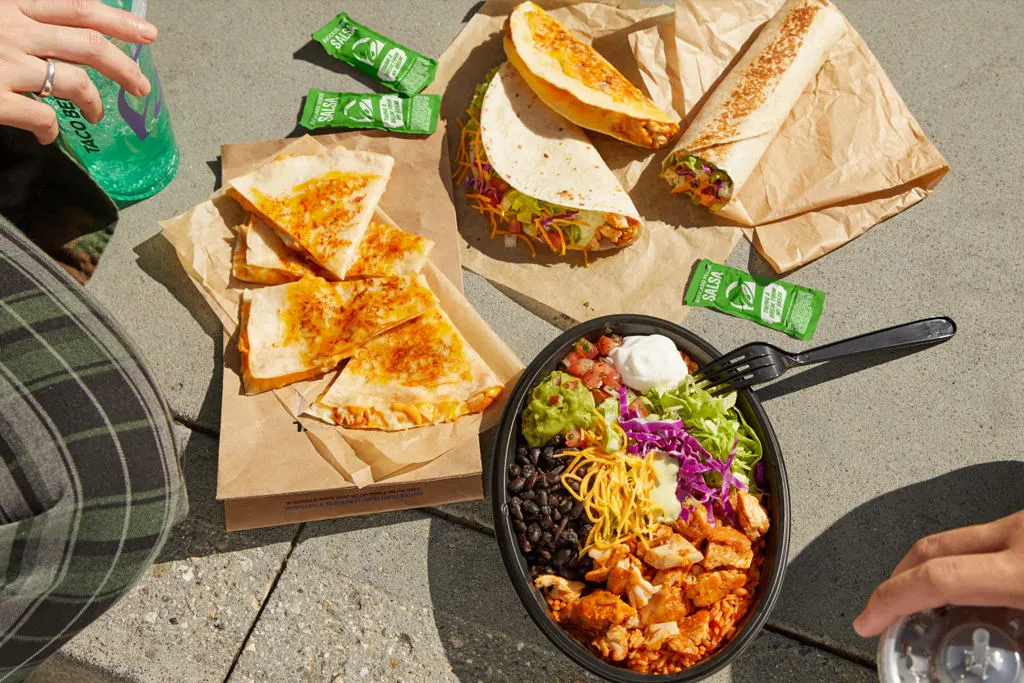
- Minimize refined carbs and added sugars: These spike blood sugar rapidly, causing a corresponding insulin surge followed by a crash that triggers intense hunger and cravings.
A practical example: instead of toast with jam for breakfast, try Greek yogurt with berries, chia seeds, and almond butter. You'll notice you stay satisfied for hours instead of hunting for a snack by 10 AM.
2. Prioritize Sleep to Regulate Ghrelin & Leptin
Just one night of poor sleep can throw your hunger hormones out of whack. Studies show that sleep deprivation increases ghrelin by up to 15% and decreases leptin by 15%, creating a hormonal environment that drives overeating [8]. When you're tired, your brain also seeks quick energy from high-calorie foods, making those donuts in the break room nearly impossible to resist.
Sleep hygiene strategies that actually work:
- Aim for 7-9 hours nightly: This is non-negotiable for hormonal balance. Set a consistent bedtime and wake time, even on weekends.
- Create a wind-down routine: Dim lights 90 minutes before bed to support melatonin production. Try reading, gentle stretching, or a warm bath.
- Limit screens before bed: Blue light from phones and laptops suppresses melatonin. Use night mode or put devices away an hour before sleep.
- Keep your bedroom cool and dark: Ideal temperature is 65-68°F. Use blackout curtains or an eye mask.
- Be strategic with caffeine: Cut off caffeine by 2 PM to prevent sleep interference.
If you're struggling with weight management, improving your sleep quality might be the most impactful change you make. For more guidance, explore strategies to reduce hunger through better sleep habits.
3. Move Your Body Mindfully
Regular, moderate exercise is fantastic for improving leptin sensitivity and managing stress. The goal isn't punishing workouts; it's about finding joyful movement that helps regulate cortisol and supports your metabolic health.
Exercise has a bidirectional relationship with hunger hormones. Moderate-intensity activity (like brisk walking, cycling, or strength training) temporarily suppresses ghrelin and improves leptin sensitivity over time [9]. However, excessive high-intensity exercise without adequate recovery can actually elevate cortisol and increase hunger, which is counterproductive.
Movement strategies that support hormonal balance:
- Aim for 150 minutes of moderate activity weekly: This could be 30 minutes, five days a week of walking, swimming, or cycling.
- Include strength training 2-3 times weekly: Building muscle improves insulin sensitivity and metabolic rate.
- Don't skip rest days: Recovery is when your body adapts and hormones rebalance.
- Match intensity to your cycle: During your luteal phase when progesterone is high, you might feel better with gentler movement like yoga or walking rather than intense HIIT.
- Find what you genuinely enjoy: Sustainability beats intensity every time. Dancing, hiking, tennis—whatever keeps you consistent.
4. Implement Stress-Reduction Rituals
Since high cortisol is a major driver of cravings and hormonal imbalance, actively managing your stress is non-negotiable. You cannot out-eat or out-exercise chronic stress. Your body will always prioritize survival signals over your weight goals.
The good news? You don't need hours of meditation. Small, consistent practices can profoundly impact your cortisol levels and reduce stress eating.
Evidence-based stress management techniques:
- Practice mindful breathing: Just 5 minutes of deep, diaphragmatic breathing can lower cortisol. Try the 4-7-8 technique: inhale for 4 counts, hold for 7, exhale for 8.
- Get outside daily: Natural light and fresh air reduce cortisol and improve mood. Even a 10-minute walk helps.
- Create boundaries with technology: Constant notifications keep your nervous system activated. Set specific times to check email and social media.
- Journal for 5 minutes: Writing down worries and gratitudes helps process emotions and reduces rumination.
- Connect with others: Social support buffers against stress. Call a friend, join a group, or work with a professional.
- Consider adaptogenic support: After ruling out contraindications with your healthcare provider, herbs like ashwagandha may help modulate cortisol response [10].
Remember, managing cortisol isn't about eliminating stress entirely—that's unrealistic. It's about building resilience and giving your nervous system regular opportunities to shift into rest-and-digest mode.
Frequently Asked Questions
Q: What is the fastest way to suppress hunger hormones?
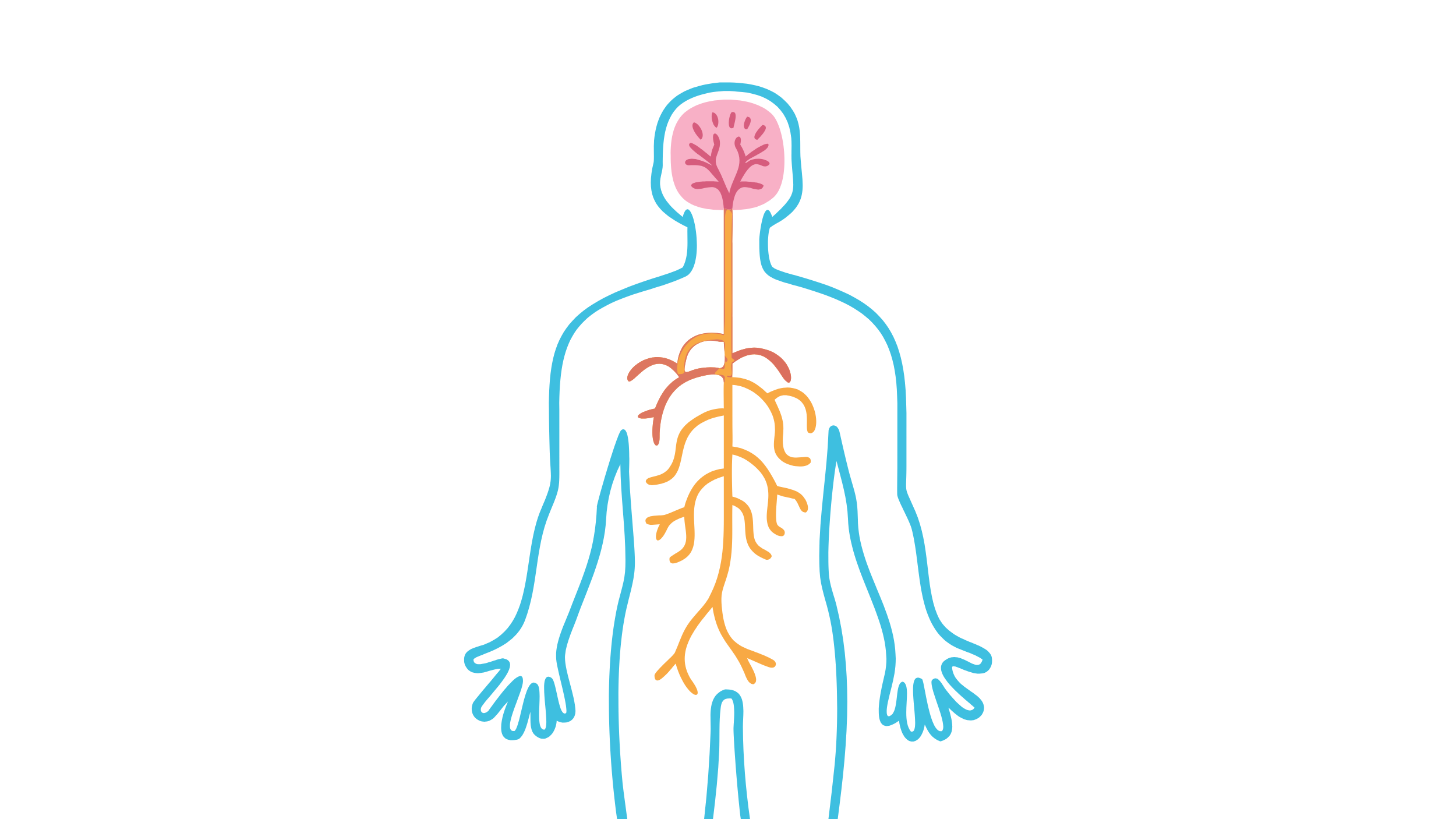
A: The quickest way to reduce hunger is to eat a meal rich in protein and fiber and drink a large glass of water. This combination physically stretches your stomach, which signals the vagus nerve to lower ghrelin production. Protein also stimulates the release of satiety hormones like GLP-1 and PYY within 15-30 minutes. However, this is a short-term solution. For lasting control over appetite, you need to address the root causes: consistent sleep, stress management, and balanced meals throughout the day.
Q: Can you 'reset' your hunger hormones?
A: You can significantly improve their function, though "reset" isn't quite the right term. Consistently prioritizing quality sleep (7-9 hours), managing stress, and eating balanced meals rich in protein and fiber for several weeks can help resensitize your body to leptin and normalize ghrelin patterns. Most of my clients notice meaningful changes in appetite regulation within 2-4 weeks of implementing these strategies. If you have significant leptin resistance or metabolic issues, it may take 8-12 weeks of consistent effort, and working with a registered dietitian can accelerate progress.
Q: Why do I still feel hungry after eating a full meal?
A: This could be a sign of leptin resistance, where your brain isn't receiving the 'full' signal properly even though your stomach is physically full. It can also happen if your meal was high in refined carbohydrates and low in protein and fiber—these foods don't trigger satiety hormones as effectively and can cause blood sugar crashes that trigger rebound hunger within an hour or two. Other factors include eating too quickly (it takes 15-20 minutes for satiety signals to reach your brain), dehydration (thirst is often mistaken for hunger), chronic stress elevating cortisol, or poor sleep disrupting your hunger hormones. If this is a persistent issue, I'd recommend tracking your meals and symptoms for a week, then discussing with a healthcare provider to rule out underlying issues.
Ready to Understand Your Body on a Deeper Level?
If you're tired of fighting against your cravings and ready to build a sustainable, hormone-supportive lifestyle, let's talk. Your body isn't broken, and you're not lacking willpower—you just need the right information and personalized support to work with your unique hormonal patterns.
I offer one-on-one consultations where we dig deep into your health history, symptoms, cycle patterns, and lifestyle to create a completely customized plan. We'll identify your specific hormonal imbalances, address the root causes, and build practical strategies that fit your real life. No meal plans you'll never follow or restrictions that make you miserable—just evidence-based nutrition that helps you feel in control again.
Book your consultation here and take the first step toward hormonal balance and food freedom.
References
[1] Müller TD, et al. Ghrelin: Molecular Metabolism and Clinical Implications. Molecular Metabolism, 2015.
[2] Friedman JM. Leptin and the Endocrine Control of Energy Balance. Nature Metabolism, 2019.
[3] Crujeiras AB, et al. Leptin Resistance in Obesity: An Epigenetic Landscape. Life Sciences, 2015.
[4] Adam TC, Epel ES. Stress, Eating and the Reward System. Physiology & Behavior, 2007.
[5] Buffenstein R, et al. Food Intake and the Menstrual Cycle: A Retrospective Analysis. Physiology & Behavior, 1995.
[6] Sominsky L, Spencer SJ. Eating Behavior and Stress: A Pathway to Obesity. Frontiers in Psychology, 2014.
[7] Blundell J, et al. Role of Protein and Fiber in Appetite Regulation and Energy Balance. Obesity Reviews, 2016.
[8] Taheri S, et al. Short Sleep Duration Is Associated with Reduced Leptin, Elevated Ghrelin, and Increased BMI. PLoS Medicine, 2004.
[9] Broom DR, et al. Exercise-Induced Suppression of Acylated Ghrelin in Humans. Journal of Applied Physiology, 2009.
[10] Chandrasekhar K, et al. A Prospective Study on the Safety and Efficacy of Ashwagandha Root Extract in Reducing Stress and Anxiety. Indian Journal of Psychological Medicine, 2012.