.webp)
%2B(7).webp)
.png)
At a Glance
Grocery pre-processing is the meal prep strategy that focuses on prepping ingredients—not full meals—the moment you get home from the store. This approach cuts weeknight cooking time dramatically, keeps produce fresher longer, and makes healthy eating the default choice. Think of it as creating your own personalized convenience food arsenal.
Introduction: The Real Secret to Stress-Free Meal Prep
Feeling overwhelmed by the idea of a full Sunday meal prep session? You're not alone. Honestly, the thought of spending three hours cooking chicken breasts, portioning out identical containers, and eating the same lunch for five days straight is enough to make anyone order takeout instead.
Here's what I've learned working with hundreds of busy women: the secret to a successful week of healthy eating doesn't start with cooking—it starts the moment you walk in the door with your groceries. Let's talk about "pre-processing," a simple strategy that transforms your fridge into a ready-to-use toolkit, making weeknight meals feel almost effortless. No more staring into the fridge at 7 PM wondering what to make. No more wilted spinach or slimy peppers going straight to the compost bin.
This isn't about becoming a professional chef or following some rigid system. It's about working smarter, not harder, so that healthy meal planning becomes something that actually fits into your real life.
What is "Pre-Processing" (And Why It's Your New Best Friend)
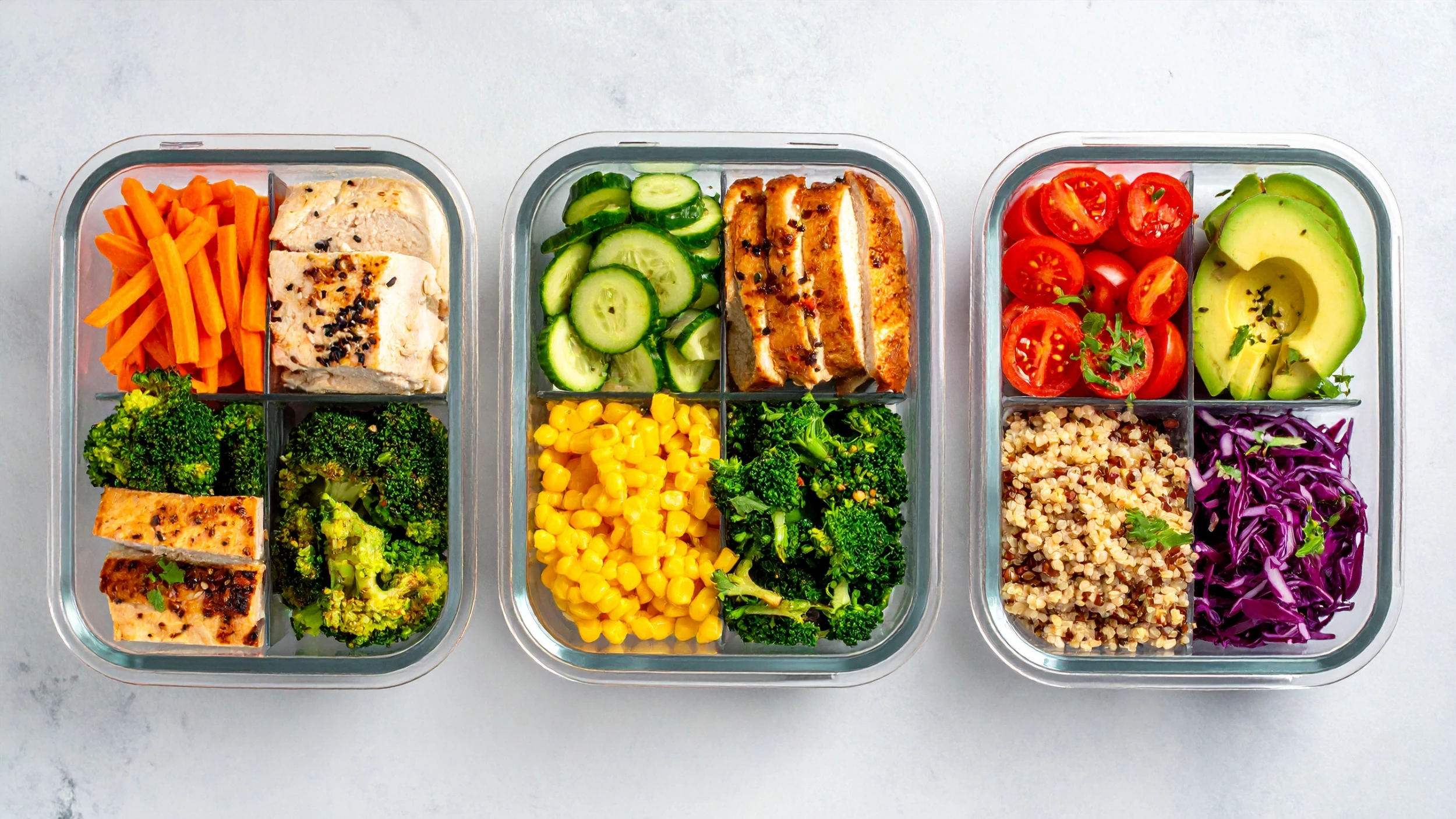
Forget cooking entire meals for now. Pre-processing is the step before the traditional meal prep. It's a simple shift in mindset—from "meal prep" to "ingredient prep"—that can drastically cut down your cooking time later in the week.
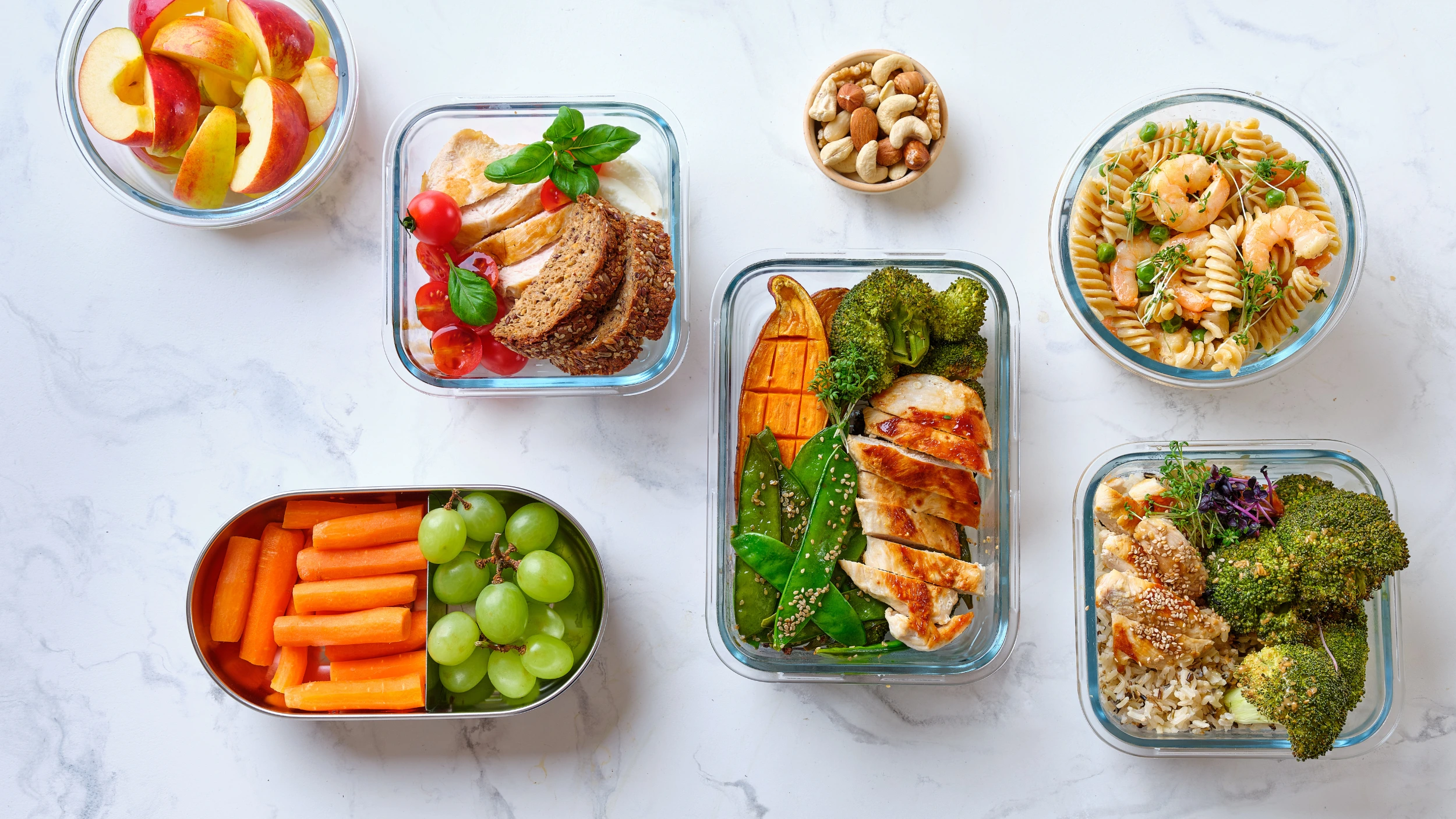
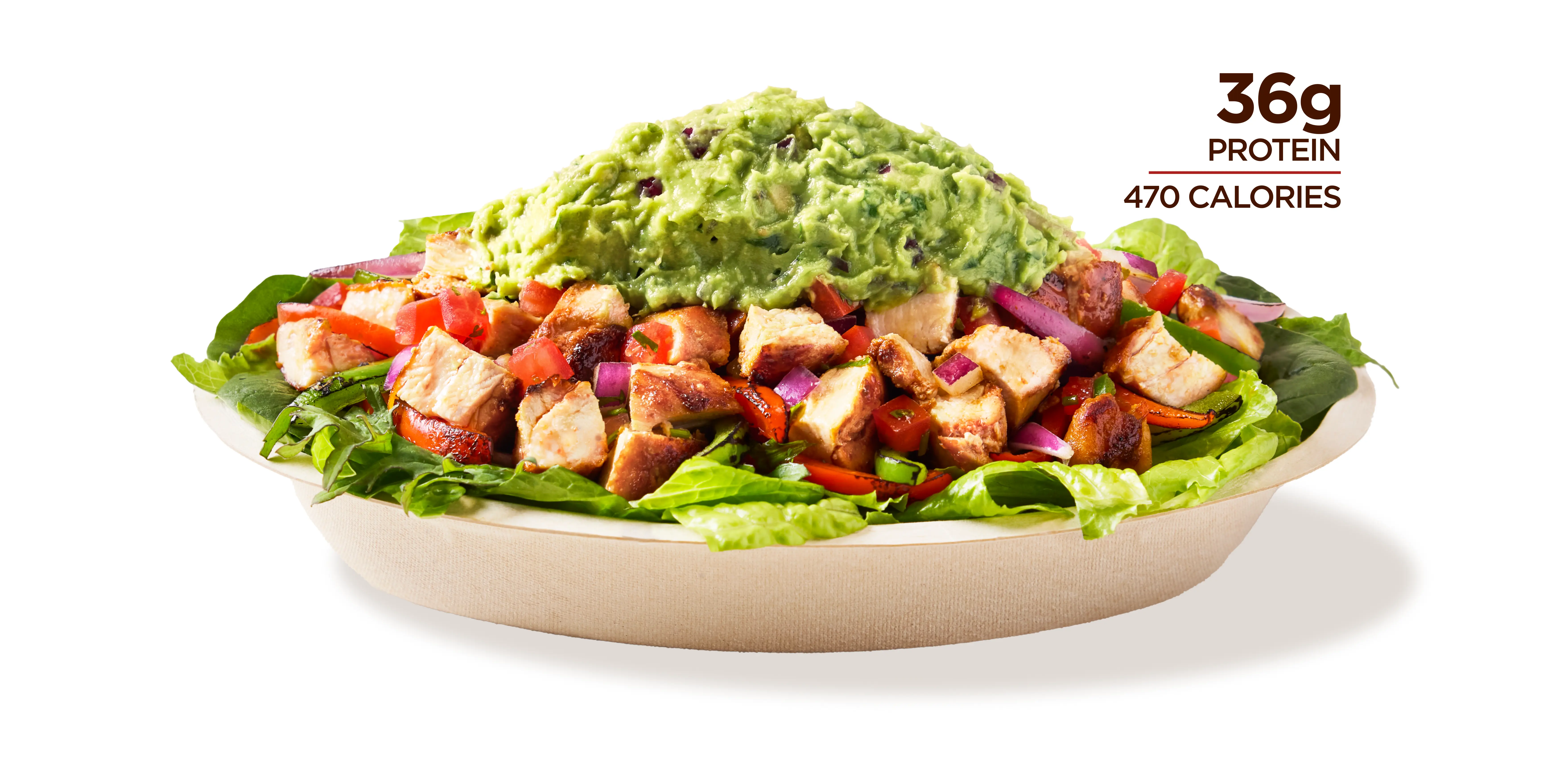
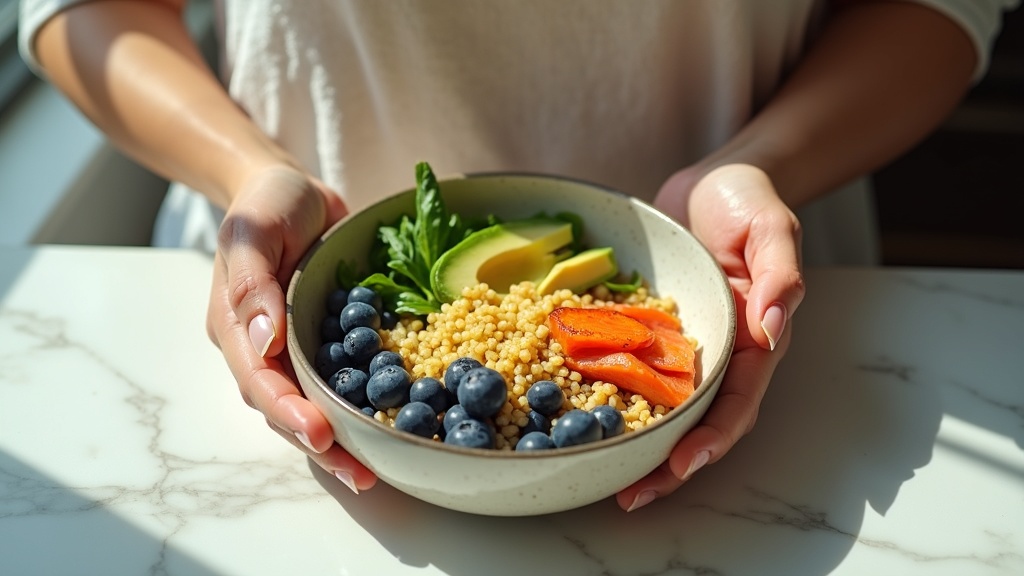
Instead of committing to specific meals, you're creating flexible building blocks. Think of it like this: rather than making five chicken burrito bowls on Sunday, you're washing lettuce, chopping peppers, cooking a batch of quinoa, and shredding some rotisserie chicken. Come Wednesday night, you can throw together that burrito bowl in under 10 minutes, or pivot to a completely different meal if you're craving something else.
Research shows that one of the biggest barriers to healthy eating isn't lack of knowledge—it's lack of time and convenience [1]. When fresh, prepped ingredients are as easy to grab as processed snacks, you naturally make better choices. This is the foundation of a truly sustainable healthy eating plan.
The beauty of grocery pre-processing is that it removes decision fatigue from your weeknights. You're not starting from scratch every single evening. Your vegetables are already washed and chopped. Your grains are cooked. Your proteins are ready to heat and eat. You've essentially created your own healthy convenience foods, customized exactly to your preferences.
Your Post-Grocery Power Hour: A Step-by-Step Guide
Ready to reclaim your weeknights? Let's walk through the exact steps to take as soon as you get home from the store. This isn't about spending hours in the kitchen; it's about a focused, high-yield power hour that pays dividends all week long.
I recommend setting a timer, putting on your favorite podcast, and treating this like the investment it is. You're literally buying yourself time and mental energy for the rest of the week.
Wash and Dry Everything
This is where food safety meets convenience. Properly washed produce not only reduces your exposure to foodborne pathogens [2], but it also extends shelf life when done correctly.
Here's how to handle different categories:
Leafy Greens (spinach, kale, lettuce, arugula):
- Fill a large bowl or clean sink with cold water
- Submerge greens and swish them around gently to release dirt and debris
- Lift greens out (don't pour out the water, which would redistribute dirt)
- Use a salad spinner to dry thoroughly—this step is non-negotiable for keeping greens crisp
- Store in containers lined with paper towels to absorb any remaining moisture
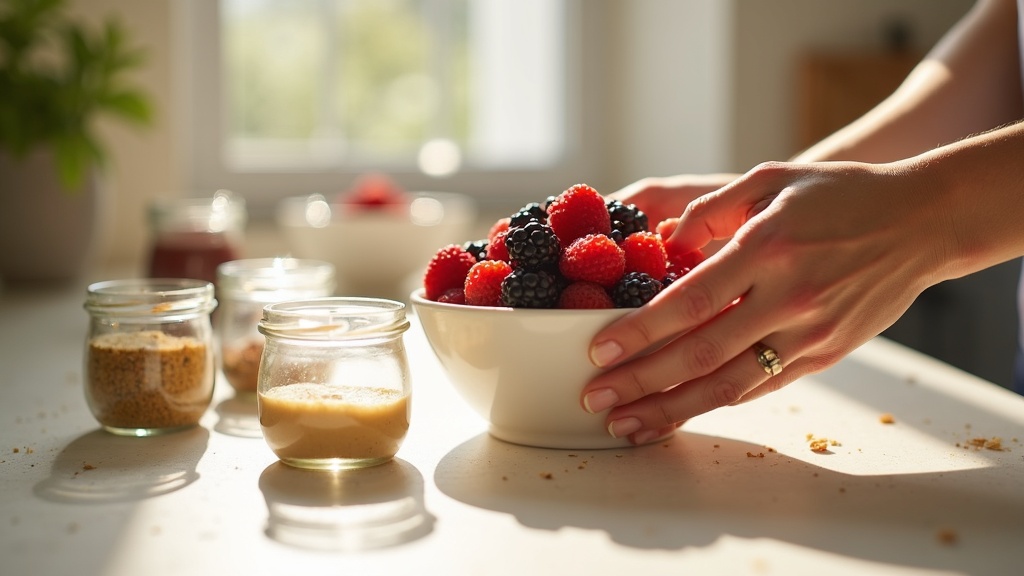
Berries (strawberries, blueberries, raspberries):
- Rinse gently in a colander under cool running water just before eating, or
- If pre-washing, use a vinegar bath (3 parts water to 1 part white vinegar) for 30 seconds, then rinse and dry completely on towels
- Store in containers with paper towels, leaving the lid slightly ajar for air circulation
Hearty Vegetables (carrots, celery, bell peppers, broccoli):
- Rinse under cool running water, scrubbing root vegetables with a brush
- Pat completely dry with clean kitchen towels
- These can be pre-chopped and stored immediately after drying
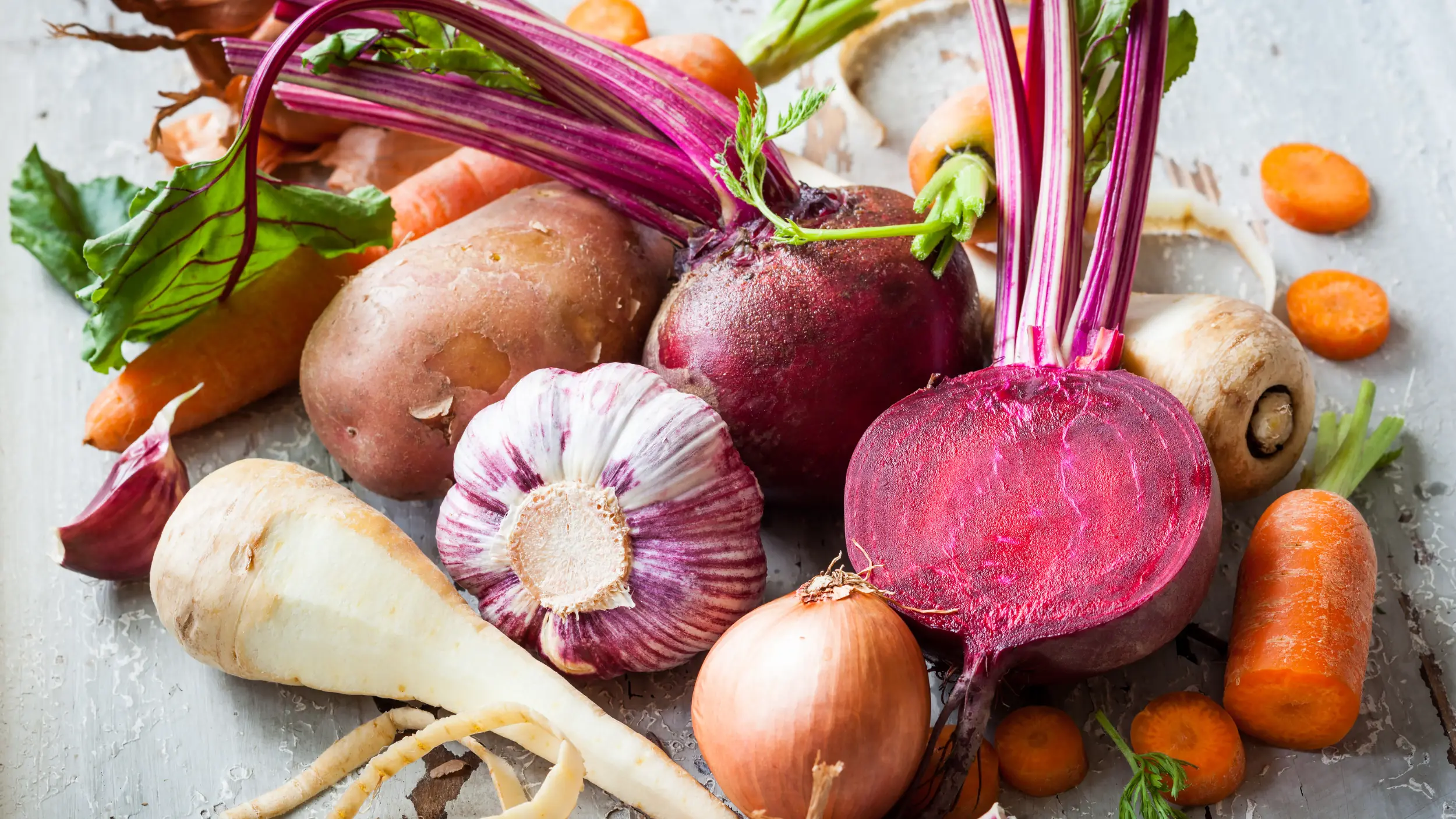
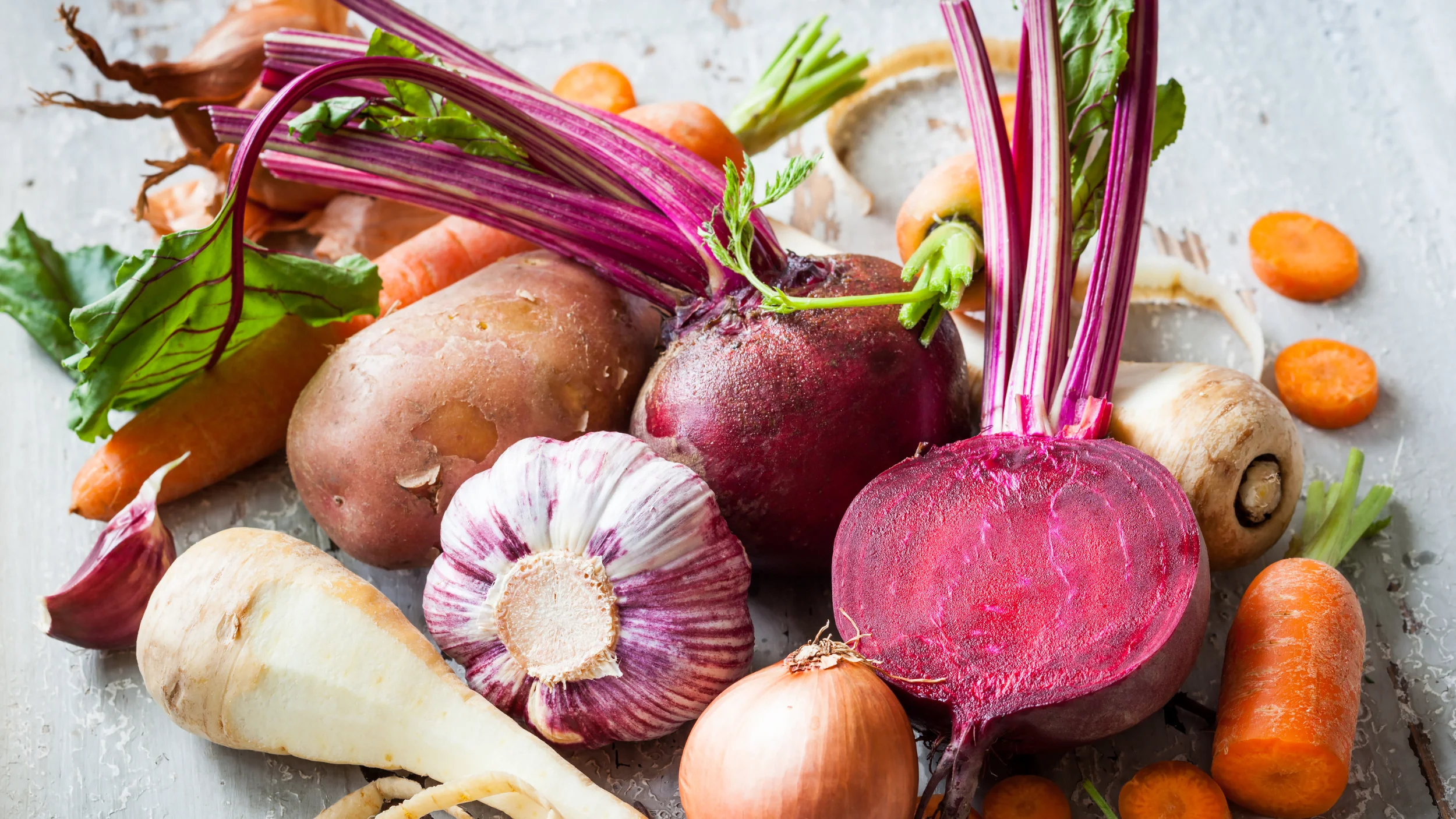
Root Vegetables (potatoes, sweet potatoes, beets):
- Actually, wait to wash these until you're ready to use them
- The natural dirt coating helps preserve them longer when stored in a cool, dark place
The key principle across all categories: moisture is the enemy of longevity. Every extra second you spend drying your produce is time you're adding to its fridge life.
Strategic Chopping & Batching
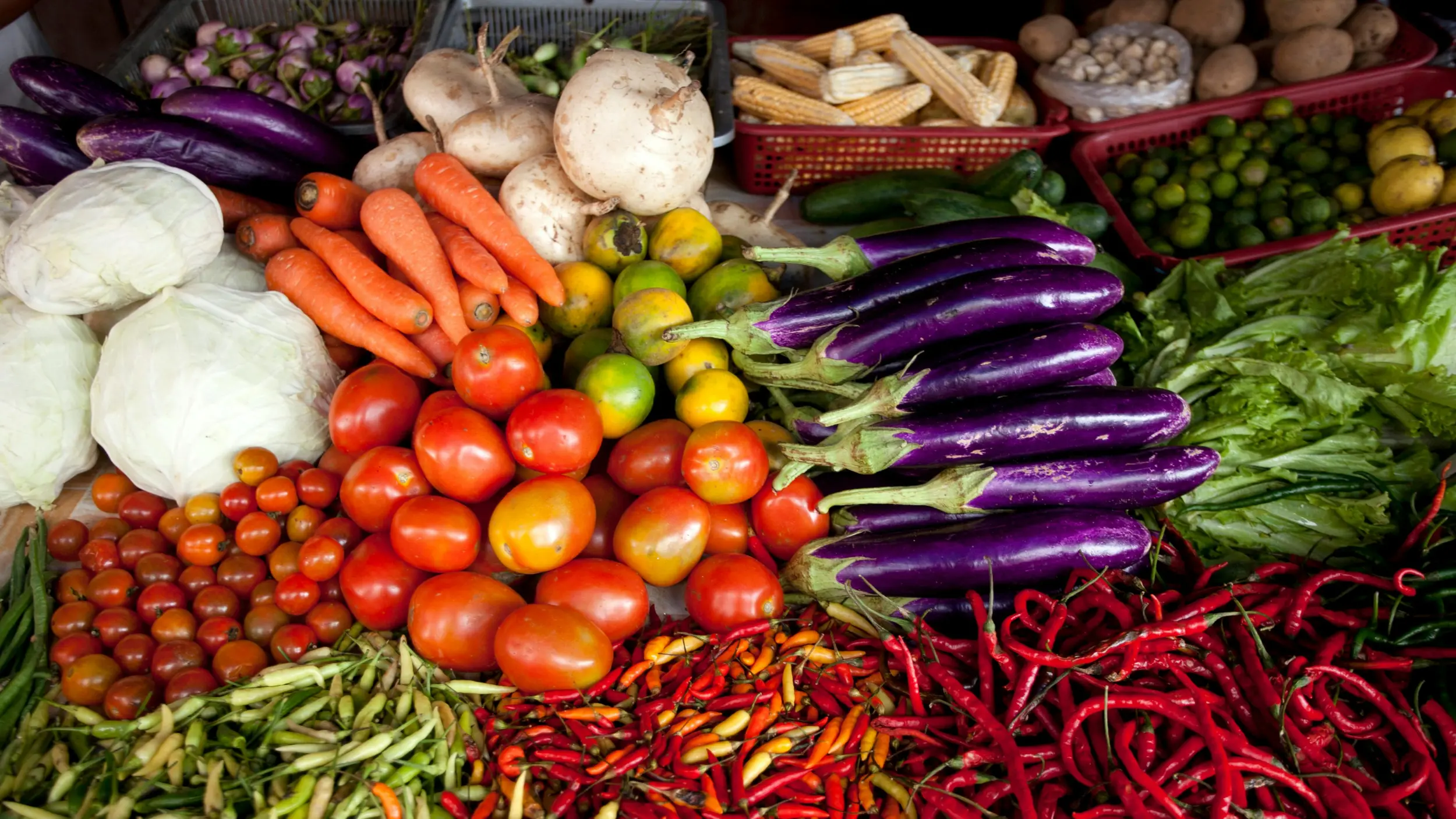
Not everything should be prepped ahead. Some vegetables lose nutrients and texture when cut too far in advance. Here's your strategic guide for what to chop now versus what to save for later.
Chop Now (stays fresh 4-5 days in airtight containers):
- Onions: Dice and store in glass containers (they can make plastic smell)
- Bell peppers: Slice into strips or dice—perfect for scrambles, stir-fries, or salads
- Carrots: Cut into sticks, coins, or matchsticks depending on your usual recipes
- Celery: Chop and store in water to maintain crispness, changing water every 2 days
- Cauliflower and broccoli: Cut into florets and store dry
- Mushrooms: Slice if using within 2-3 days (they oxidize faster than other veggies)
Chop Later (best fresh):
- Avocados: Oxidize rapidly once cut; prep these day-of
- Tomatoes: Release moisture when cut; slice fresh for best texture
- Cucumbers: Get watery and soft when pre-cut
- Herbs: Delicate herbs like basil and cilantro wilt quickly; heartier ones like rosemary hold up better
- Garlic and ginger: Pre-mince and store in small containers with a thin layer of oil if you use them constantly
Batch Cooking Components:
This is where the real time-saving magic happens. Having these building blocks ready to go means you're 70% of the way to a complete meal:
- Grains: Cook a large batch of quinoa, brown rice, farro, or whatever grain you love. They keep well for 4-5 days and reheat beautifully. Studies confirm that properly stored cooked grains maintain their nutritional value [3].
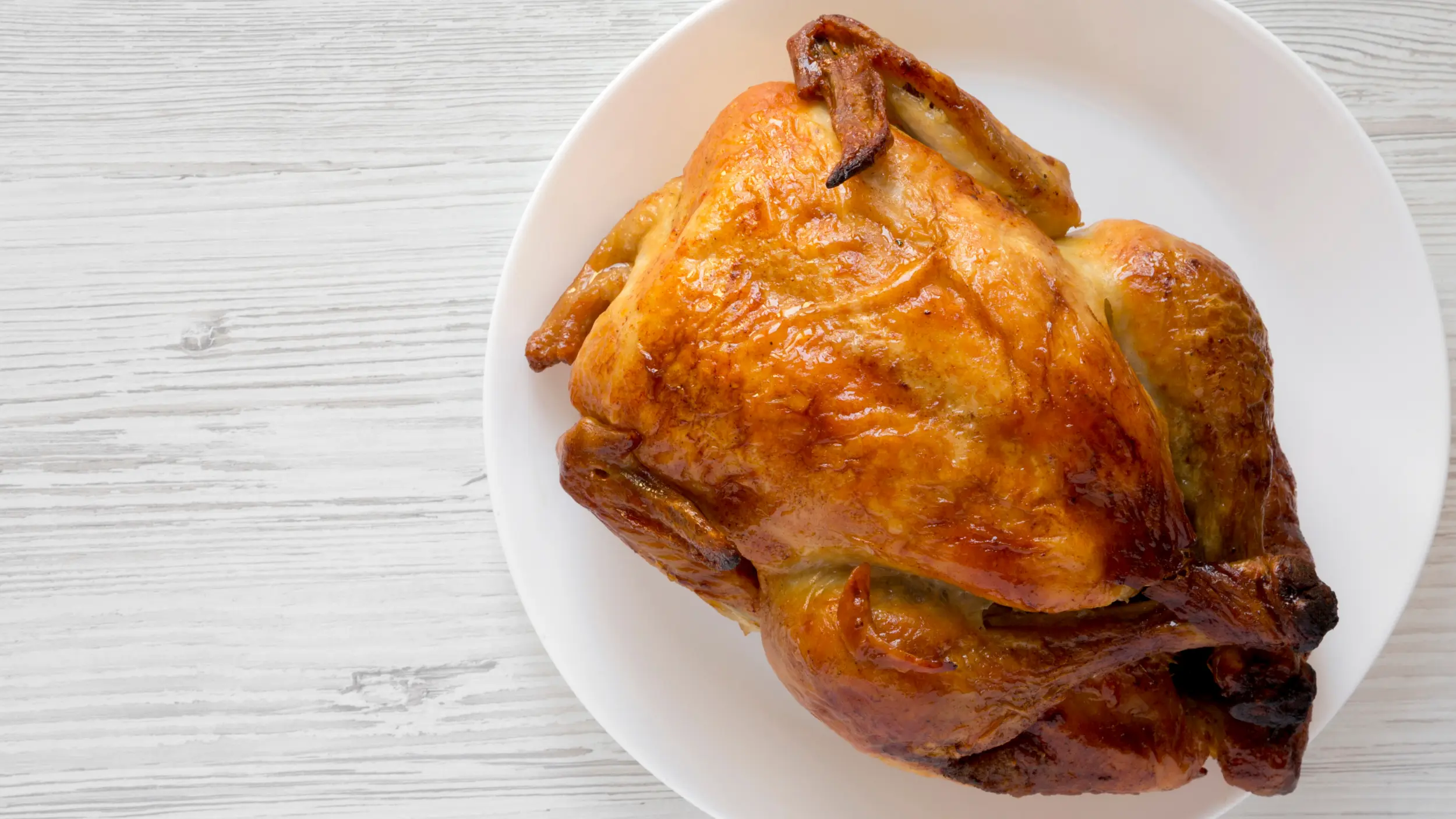
- Proteins: Shred a rotisserie chicken, cook a pound of ground turkey with basic seasonings, grill several chicken breasts, or hard-boil a dozen eggs. Cooked proteins should be used within 3-4 days.
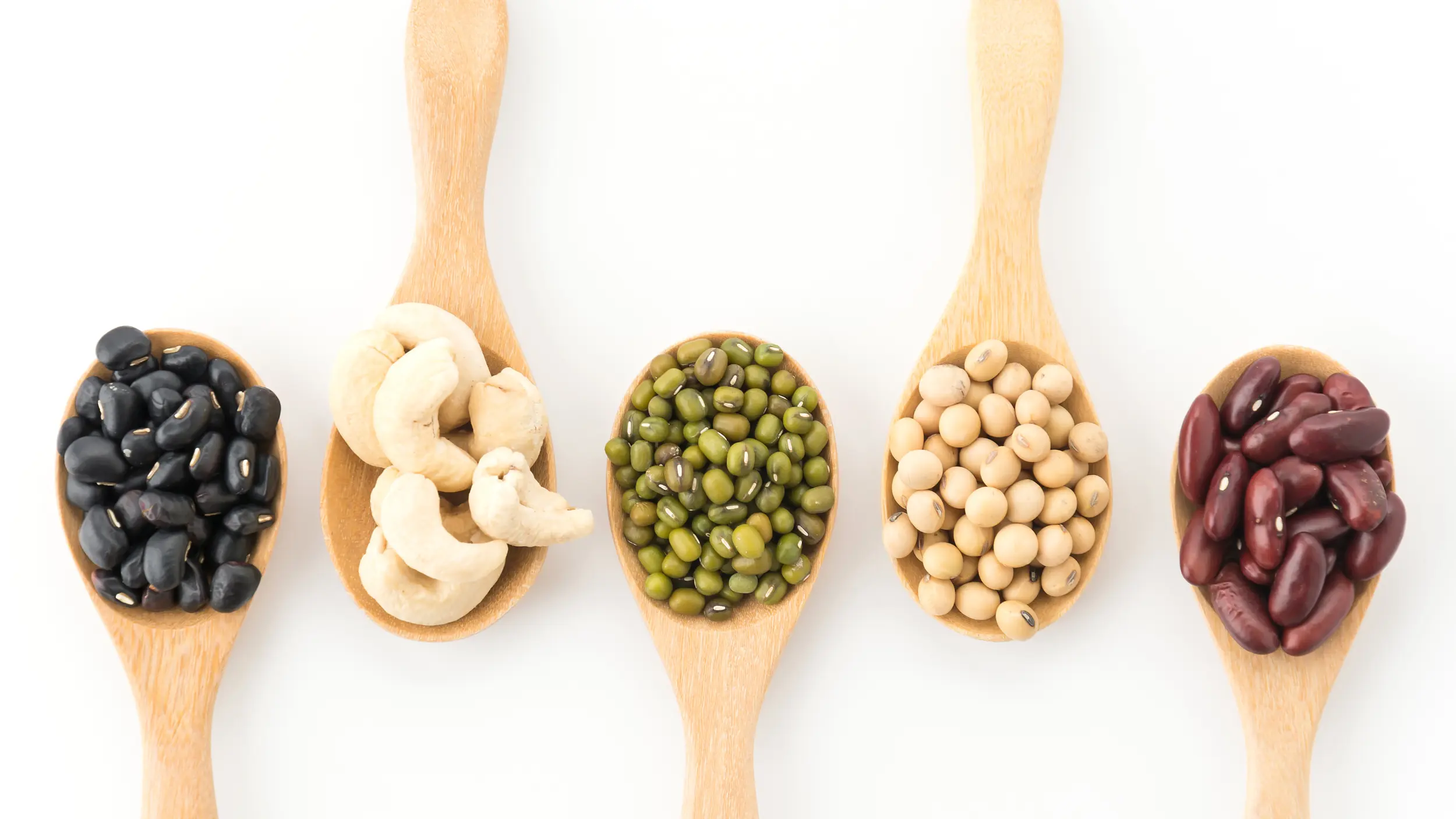
- Legumes: If you're using canned beans, drain and rinse them now. If cooking from dried, make a big batch—they freeze exceptionally well in portion-sized containers.
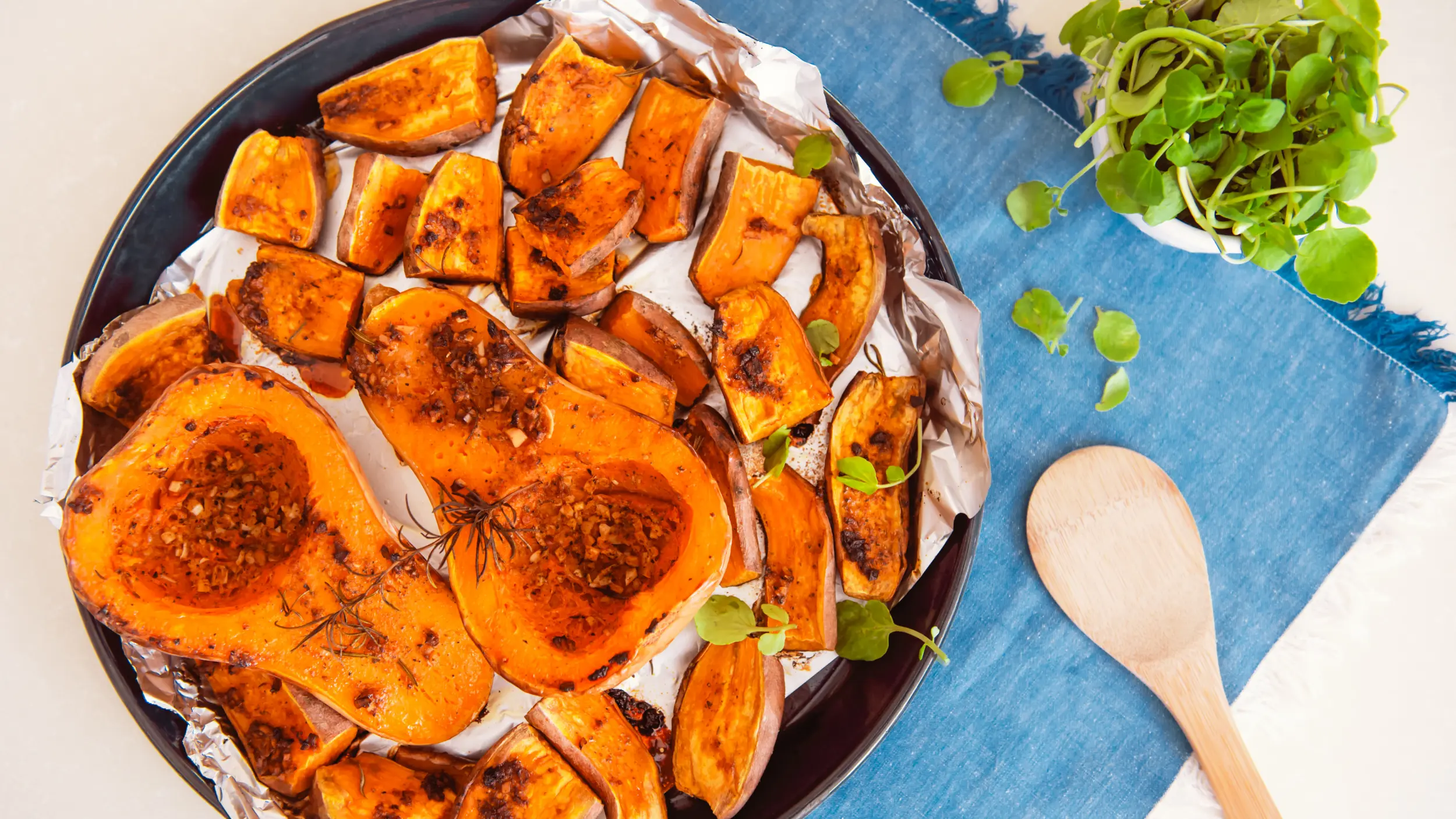
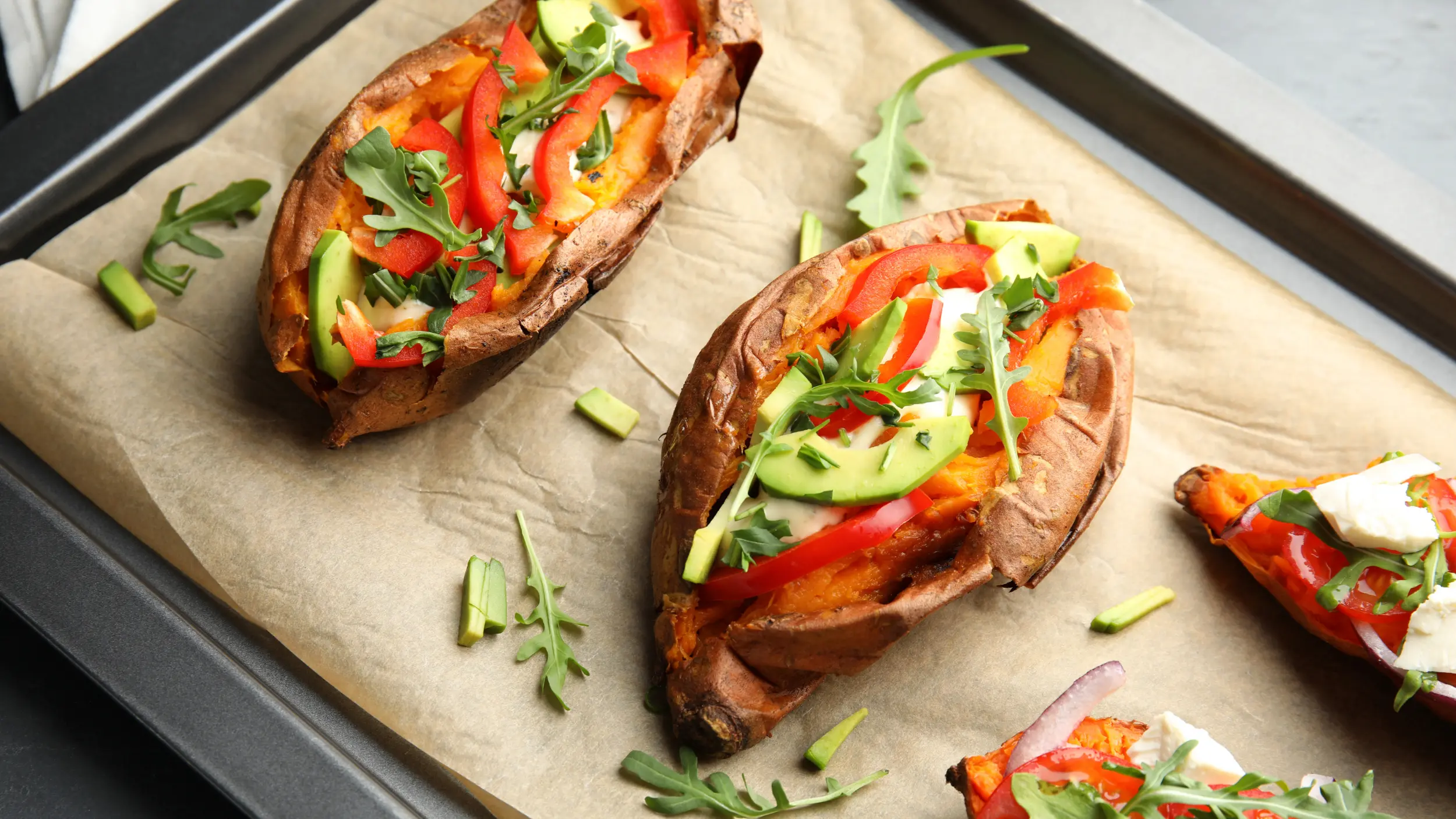
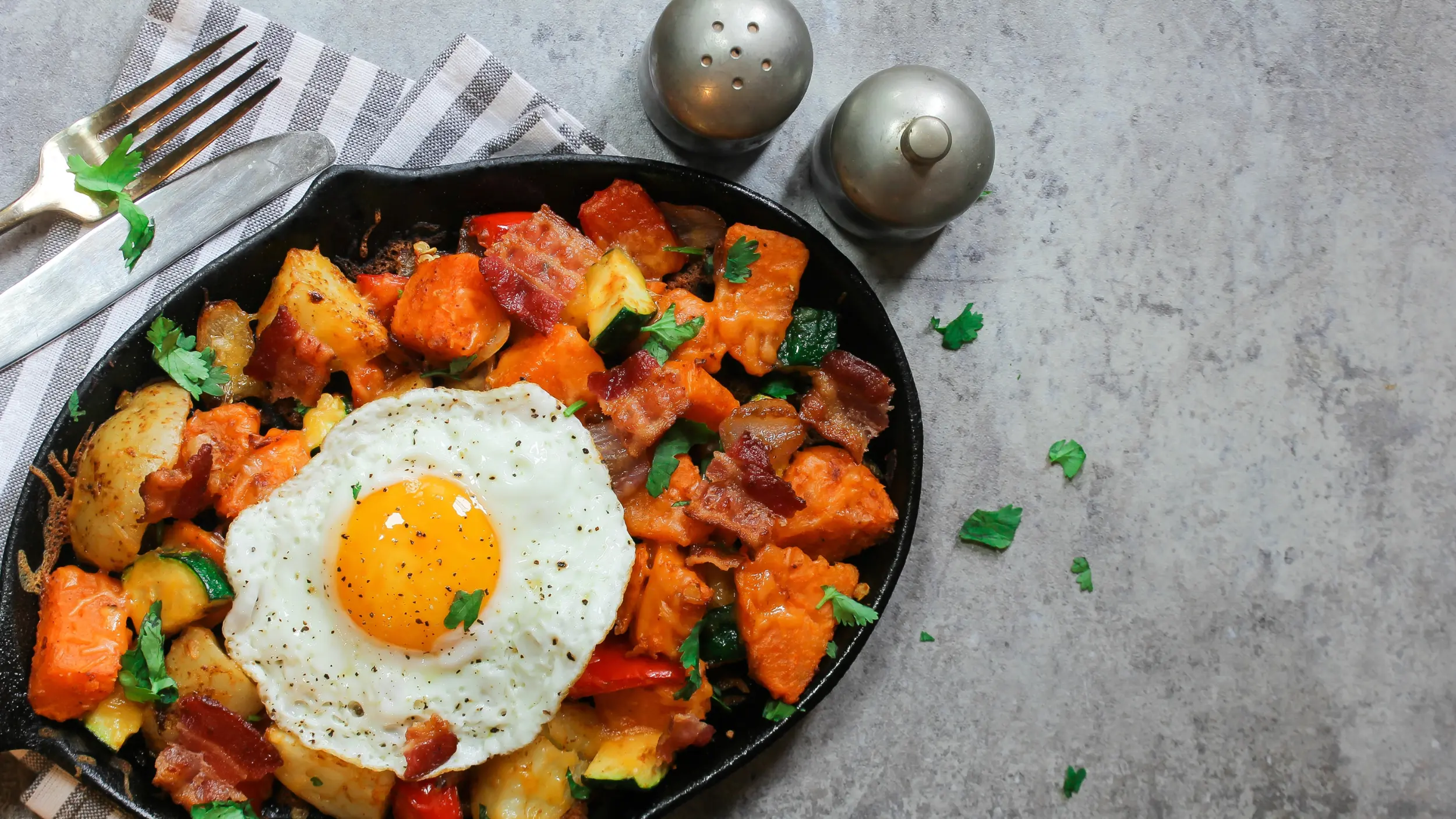
- Roasted vegetables: Sheet pan roasting is your friend. Toss Brussels sprouts, sweet potato cubes, or cauliflower with olive oil and roast at 425°F. They add substance to any meal.
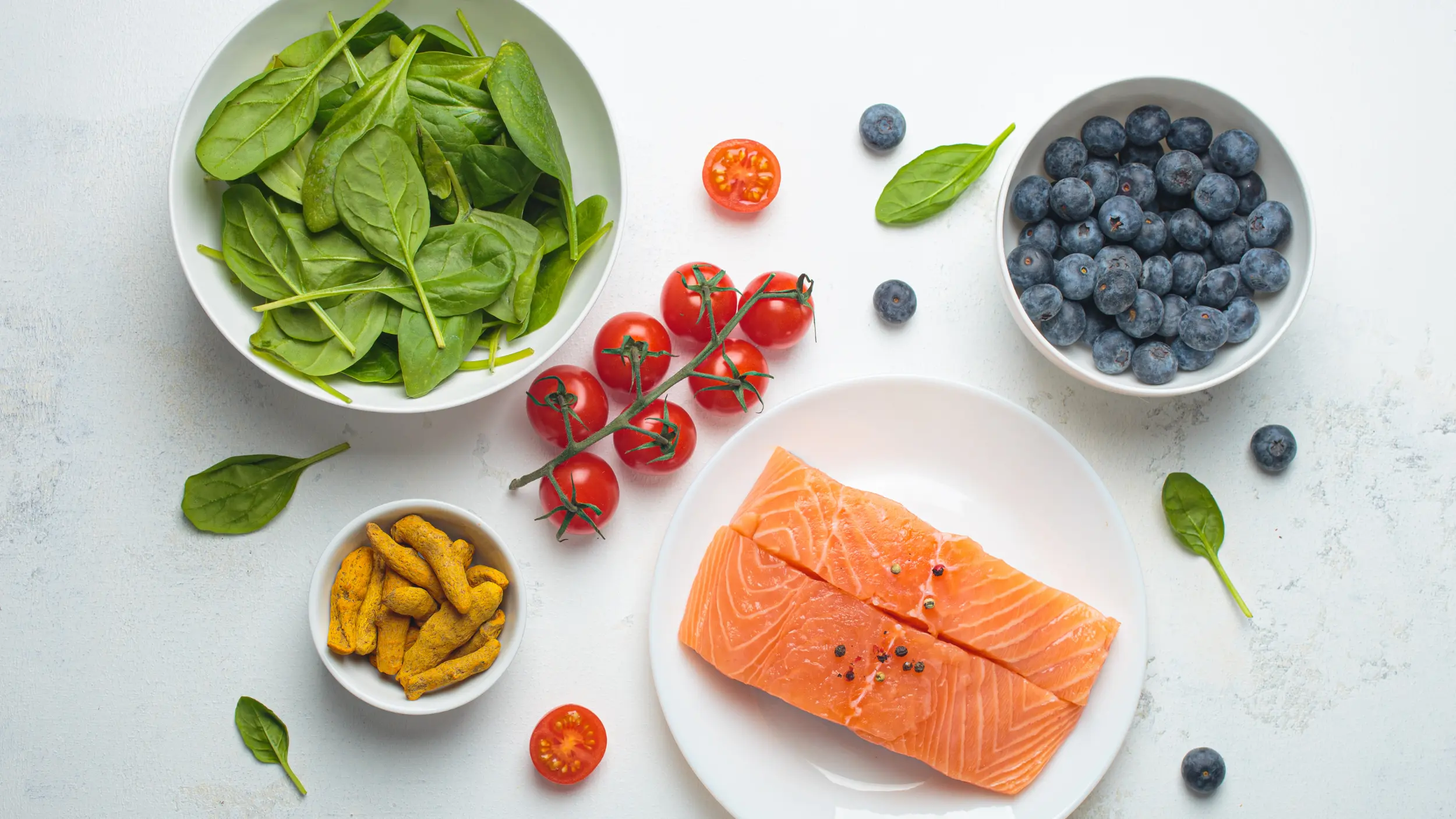
If you're looking for more ways to incorporate nutrient-dense foods into your routine, check out our guide on anti-inflammatory foods that work beautifully with batch cooking strategies.
Smart Storage: Making Your Prepped Food Last
Now that you've done the work, let's make sure it doesn't go to waste. The right storage is everything—it's the difference between fresh, crisp vegetables on Thursday night and a sad, slimy container you're afraid to open.
The Best Meal Prep Containers:
Invest in quality here. You'll use these constantly, and the right containers genuinely extend food life:
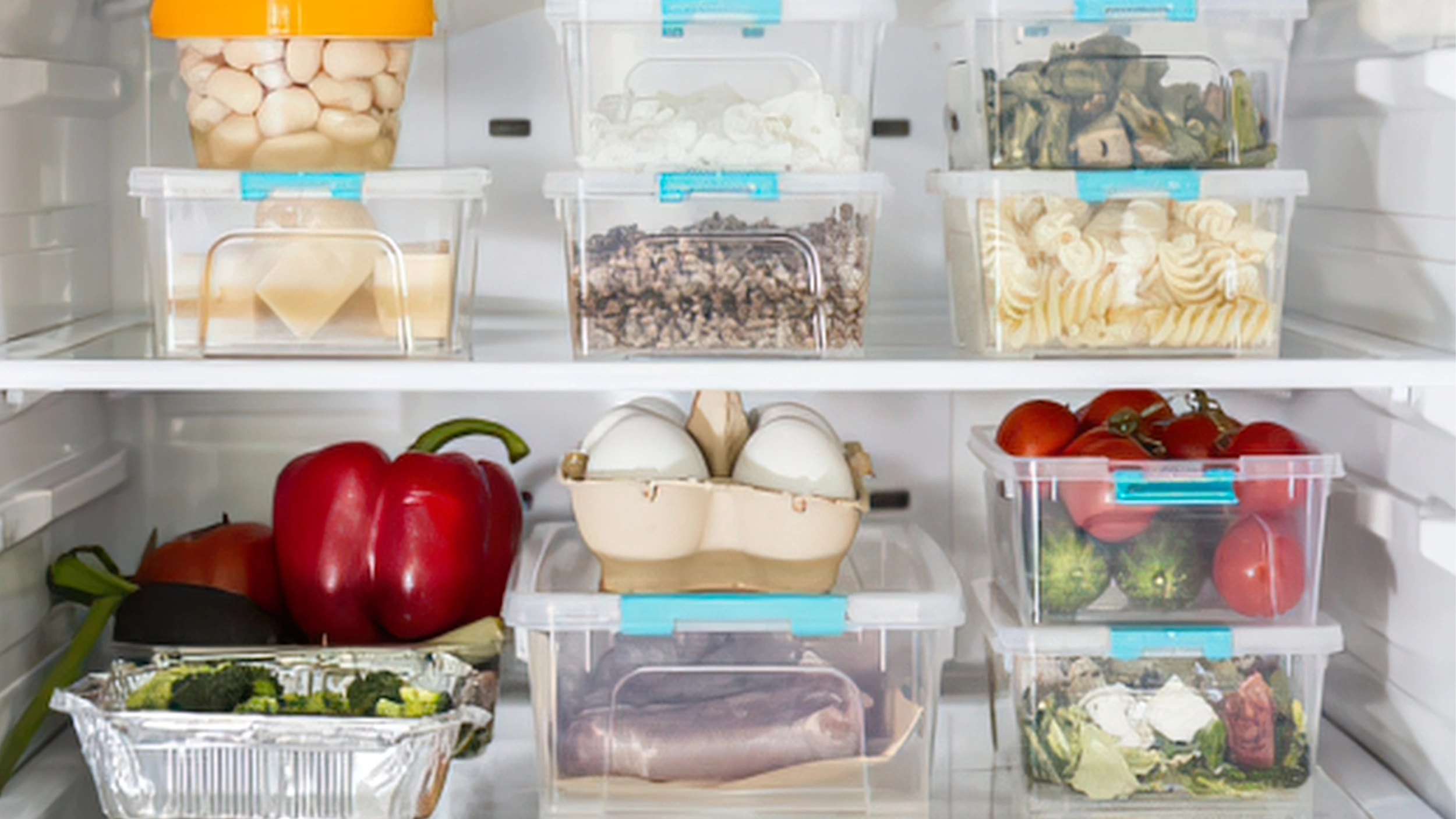
- Glass containers with airtight lids: Best for storing cooked foods, chopped onions, and anything acidic (tomato-based foods can stain plastic)
- BPA-free plastic with secure snap lids: Lighter weight for hearty chopped vegetables
- Produce storage containers with adjustable vents: Game-changers for berries and delicate greens
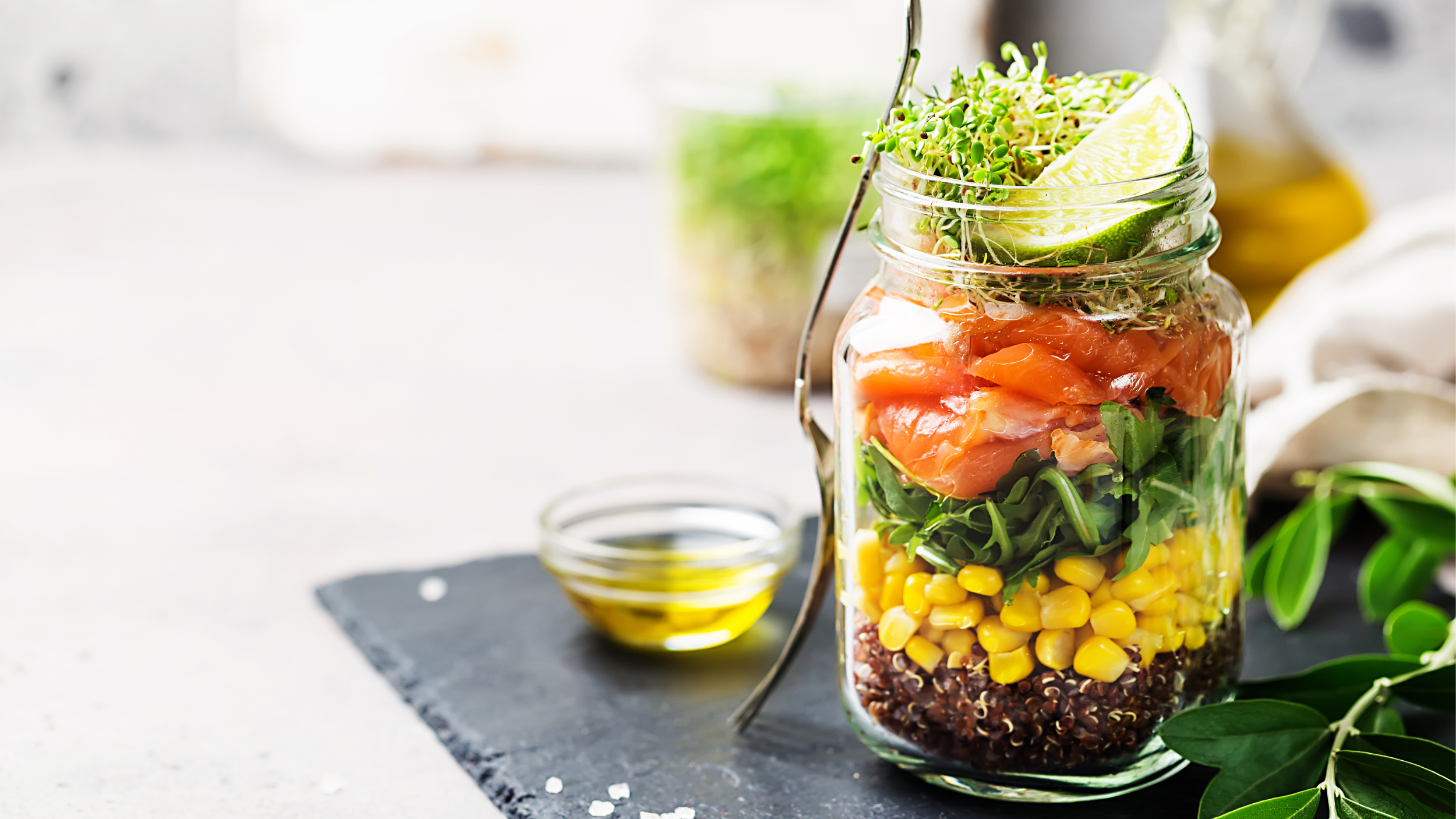
- Mason jars: Perfect for salad layering, overnight oats, and storing grains
- Silicone bags: Excellent for freezer storage and marinating proteins
Fridge Organization Strategy:
How you organize matters just as much as what containers you use:
- Eye-level = easy access: Put your prepped vegetables and proteins at eye level so you actually see and use them
- Produce drawers: Set one to high humidity (for leafy greens) and one to low humidity (for fruits and peppers)
- FIFO method: First In, First Out—move older prepped items to the front as you add new ones
- Clear containers: You're more likely to use what you can see
- Label everything: Use masking tape and a marker to note what it is and when you prepped it
Preventing Premature Wilting:
A few evidence-based tricks to extend produce life:
- Store herbs upright in a jar with water (like a bouquet), covering loosely with a plastic bag
- Keep ethylene-producing fruits (apples, bananas) away from ethylene-sensitive vegetables (leafy greens, broccoli) [4]
- Don't overcrowd containers—vegetables need air circulation
- Place a folded paper towel in containers to absorb excess moisture
- Store cut vegetables in containers with a small, damp paper towel for items like celery and carrots that benefit from slight moisture
This approach to food prep naturally supports balanced nutrition habits by making the healthiest options the most convenient ones.
The Weekly Rhythm That Actually Works
Here's what a realistic week looks like when you adopt grocery pre-processing:
Sunday: Your power hour after grocery shopping. Wash everything, chop your high-use vegetables, batch cook 2-3 components (a grain, a protein, maybe roasted vegetables).
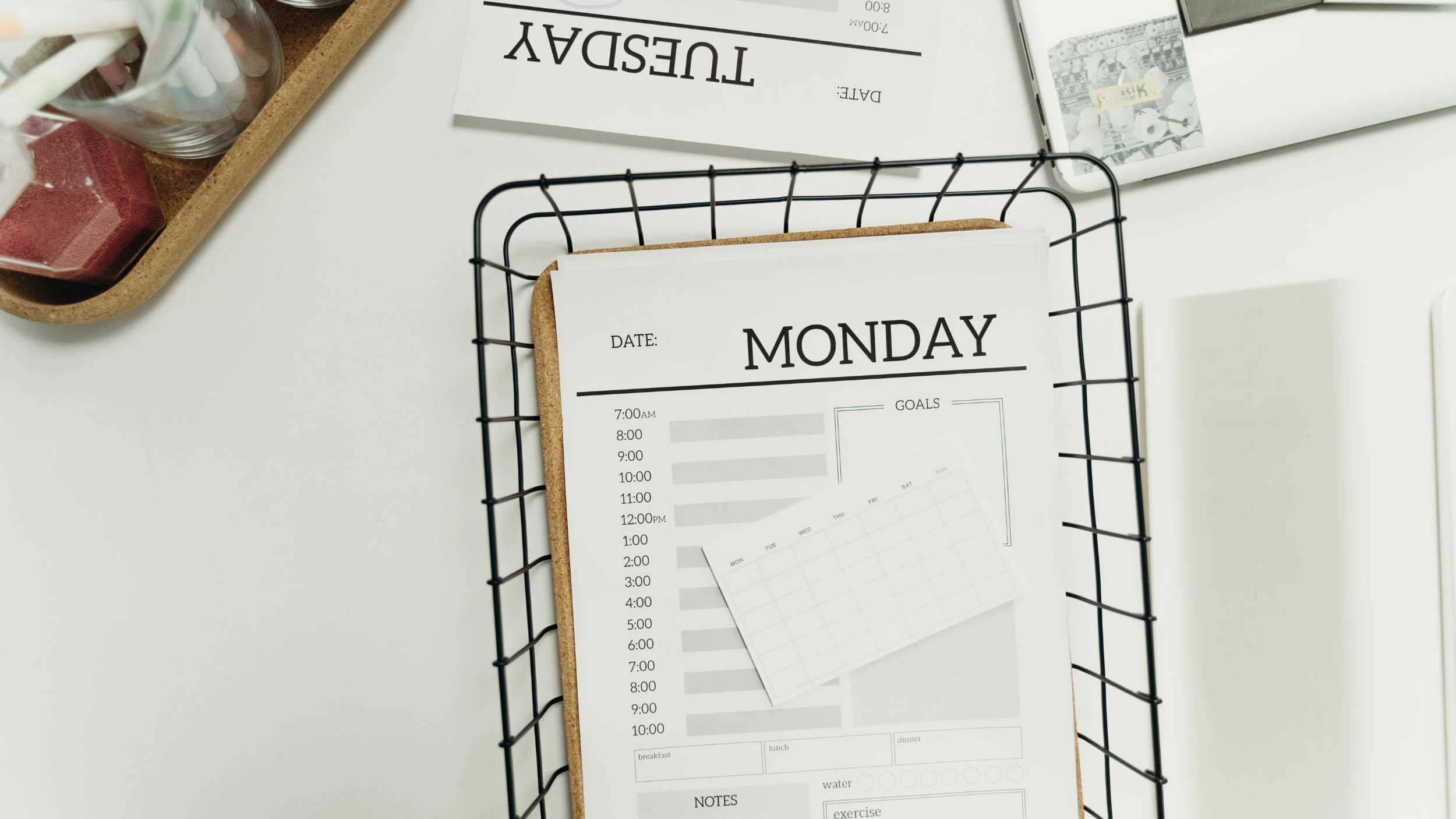
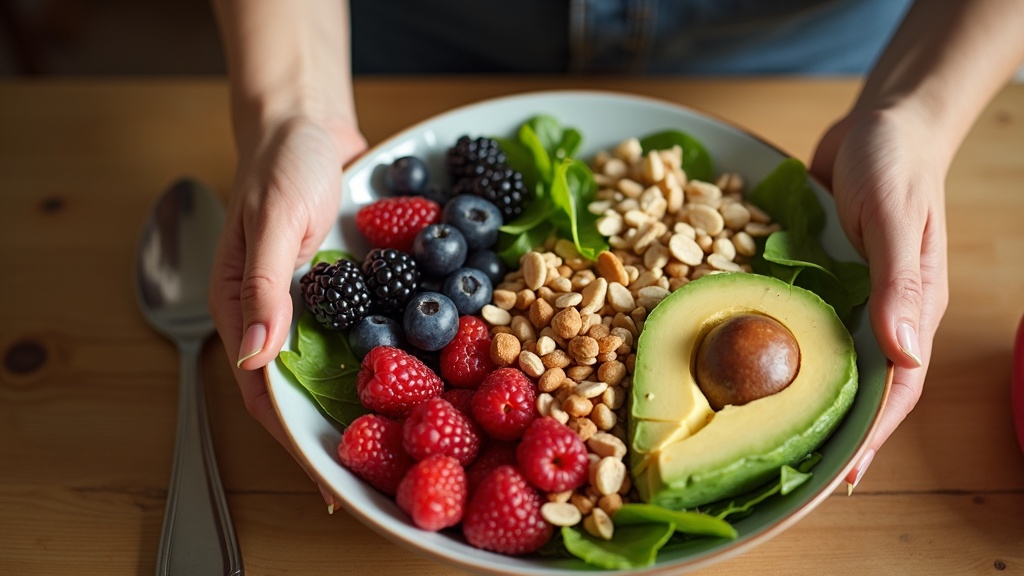
Monday-Wednesday: Easy assembly meals using your prepped components. Throw together grain bowls, quick stir-fries, hearty salads. You're cooking, but you're starting halfway done.
Wednesday evening (optional mid-week refresh): Spend 15 minutes prepping one or two fresh items or cooking another protein if needed. This isn't mandatory, but it can reinvigorate your options.
Thursday-Friday: Continue using prepped components. Some people do a small grocery run mid-week for fresh items like fish or delicate produce.
Saturday: Often a day for eating out, more involved cooking projects, or simply using up odds and ends from the fridge.
The goal isn't perfection. Some weeks you'll nail the power hour. Other weeks you'll do a abbreviated 20-minute version focusing on just the essentials. Both versions are infinitely better than starting from zero every single night.
Frequently Asked Questions
Q: How long do pre-chopped veggies actually last in the fridge?
A: Most hearty vegetables like carrots, celery, and bell peppers will last for 4-5 days when stored properly in airtight containers. Cruciferous vegetables like broccoli and cauliflower hold up for about the same timeframe. More delicate items like cucumbers and tomatoes are best chopped just before use, as they release moisture and get mushy. The key is ensuring vegetables are completely dry before storing and using containers that seal well to prevent oxidation.
Q: Is it safe to pre-wash all my fruits and vegetables right away?
A: It's fantastic for most produce, and actually recommended from a food safety perspective! The key is to dry them thoroughly afterward, as moisture is the enemy of longevity. For delicate items like berries, there's a trade-off: pre-washing is convenient but can shorten shelf life slightly, so it's often best to rinse them just before eating to prevent them from getting mushy. If you do pre-wash berries, make absolutely sure they're bone-dry before storing, and use containers with paper towels to absorb any residual moisture.
Q: What about pre-cooking meats?
A: Absolutely! Cooking chicken, ground turkey, or even plant-based proteins like lentils ahead of time is a huge time-saver and perfectly safe. The important part is food safety: let cooked proteins cool to room temperature within two hours, then refrigerate promptly [5]. They'll be good in the fridge for about 3-4 days. If you've cooked more than you'll use in that window, portion extras into freezer-safe containers immediately—most cooked proteins freeze beautifully for up to 3 months.
Q: What if I don't have a full hour after grocery shopping?
A: Start with the "minimum viable prep" version: wash and dry your greens, chop one or two high-use vegetables (like onions and peppers), and if you grabbed a rotisserie chicken, shred it. Even 15 minutes of strategic prep makes a measurable difference in how easily you'll eat well during the week. You can always add more components as time allows.
Q: Can I prep for longer than a week?
A: For some components, yes! Cooked grains and beans freeze exceptionally well—portion them into individual servings and freeze for up to 3 months. Many cooked proteins also freeze well. However, most chopped raw vegetables don't maintain quality beyond 4-5 days, and freezing raw produce changes its texture significantly (it works for smoothies and cooked dishes, but not for fresh applications like salads). The sweet spot is usually 4-5 days of fresh prepped ingredients, supplemented by frozen components you've batch-cooked previously.
Ready to Create a Plan That Works for You?
Grocery pre-processing is a framework, not a rigid system. The vegetables you chop, the proteins you cook, and the grains you batch should reflect your taste preferences, your cooking style, and your health goals.
Feeling inspired but not sure where to start with your own nutrition plan? Maybe you're managing specific health concerns, navigating hormonal changes, or just wanting to feel more energized without spending your entire life in the kitchen? Let's work together to build a personalized, stress-free approach that fits your real life—not some idealized Instagram version of it.
The women I work with aren't looking for another restrictive diet. They want practical strategies that actually stick, backed by solid science and adapted to their unique circumstances. That's exactly what we create together.
Book a 1:1 Consultation with a Registered Dietitian Today and let's build your personalized roadmap to effortless healthy eating.
References
[1] Hartmann C, Dohle S, Siegrist M. Importance of cooking skills for balanced food choices. Appetite, 2013.
[2] U.S. Food and Drug Administration. Selecting and Serving Produce Safely. FDA Consumer Updates, 2022.
[3] Tomé D, Benoit S, Azzout-Marniche D. Protein metabolism and related body function: mechanistic approaches and health consequences. Proceedings of the Nutrition Society, 2021.
[4] Saltveit ME. Effect of ethylene on quality of fresh fruits and vegetables. Postharvest Biology and Technology, 1999.
[5] U.S. Department of Agriculture. Leftovers and Food Safety. Food Safety and Inspection Service, 2023.
.svg)
.svg)


.jpg)
.jpg)




.webp)



















.webp)
.webp)
.webp)
.webp)
.webp)
.webp)
.webp)
.png)
.webp)
.webp)
.webp)
.png)
.webp)
.webp)
.webp)
.webp)
.webp)
.webp)
.webp)
.webp)
.webp)

.webp)
.png)