.webp)
%2B(7).webp)
.png)
At a Glance
Chronic inflammation affects millions of women, contributing to fatigue, hormonal imbalances, and stubborn weight gain. This comprehensive anti inflammatory diet guide provides you with a science-backed meal plan, a complete anti inflammatory diet food list, and practical strategies to reduce inflammation starting today. You'll learn exactly which anti inflammatory foods to embrace and which inflammatory triggers to limit for optimal health.
Introduction
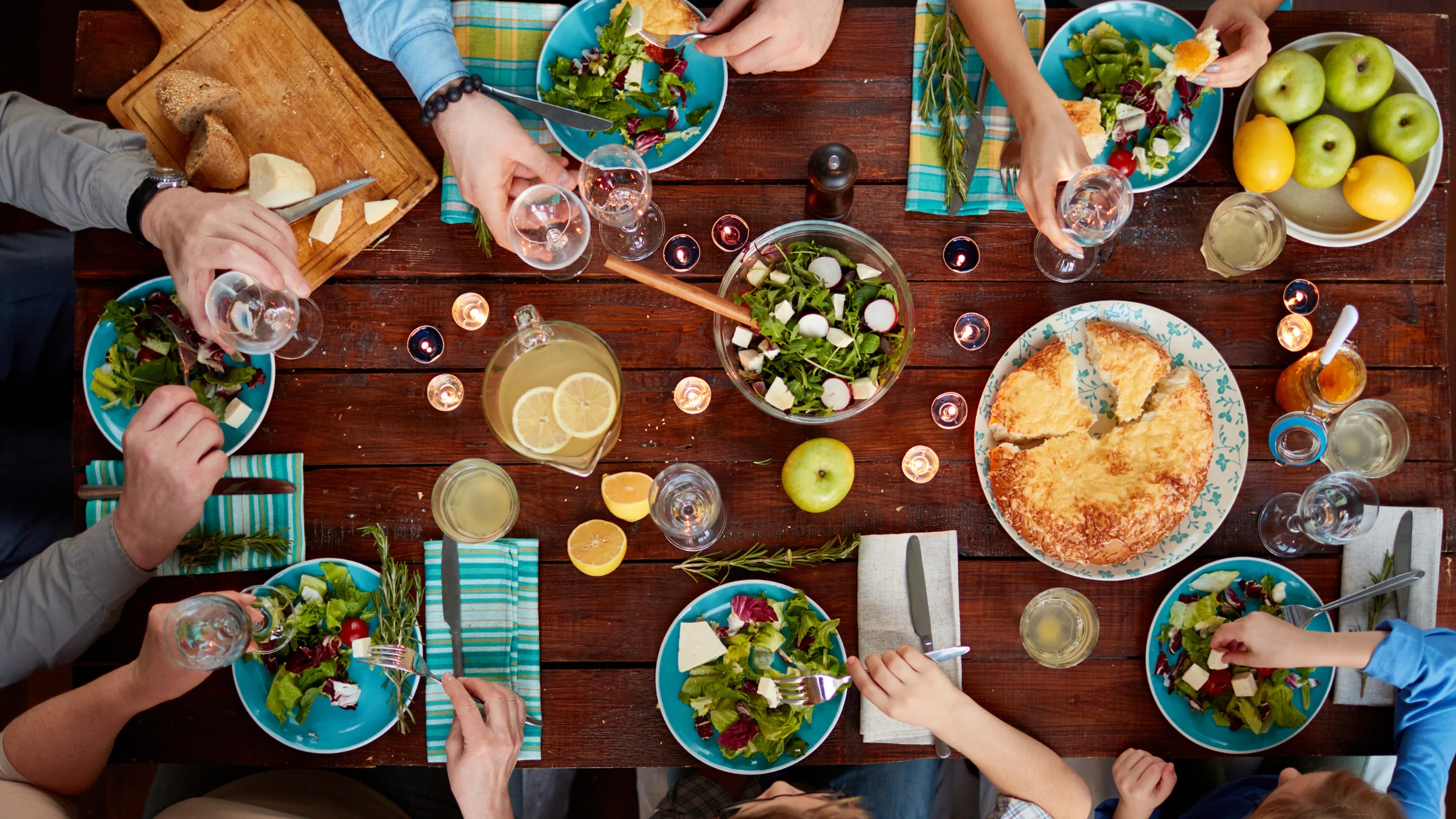
Feeling sluggish, bloated, or just not yourself lately? You're not alone. Chronic inflammation can be a quiet drain on your energy, skin health, and overall vitality. The good news is that you hold the power to fight back, starting with your very next meal. This guide isn't about restrictive rules; it's a realistic, dietitian-led approach to help you reduce inflammation, reclaim your energy, and feel vibrant from the inside out.
As a registered dietitian who's worked with hundreds of women navigating these exact symptoms, I've seen firsthand how powerful an anti inflammatory diet plan can be. Whether you're dealing with persistent bloating, hormonal acne, or that afternoon energy crash that no amount of coffee can fix, the foods on your plate matter more than you might think.
Understanding Inflammation: What It Is & Why It Matters for Your Body
Let's break down the buzzword. Inflammation isn't inherently bad—in fact, acute inflammation is your body's natural healing response to injury or infection [1]. When you cut your finger or catch a cold, your immune system sends inflammatory cells to the rescue. That's the good kind.
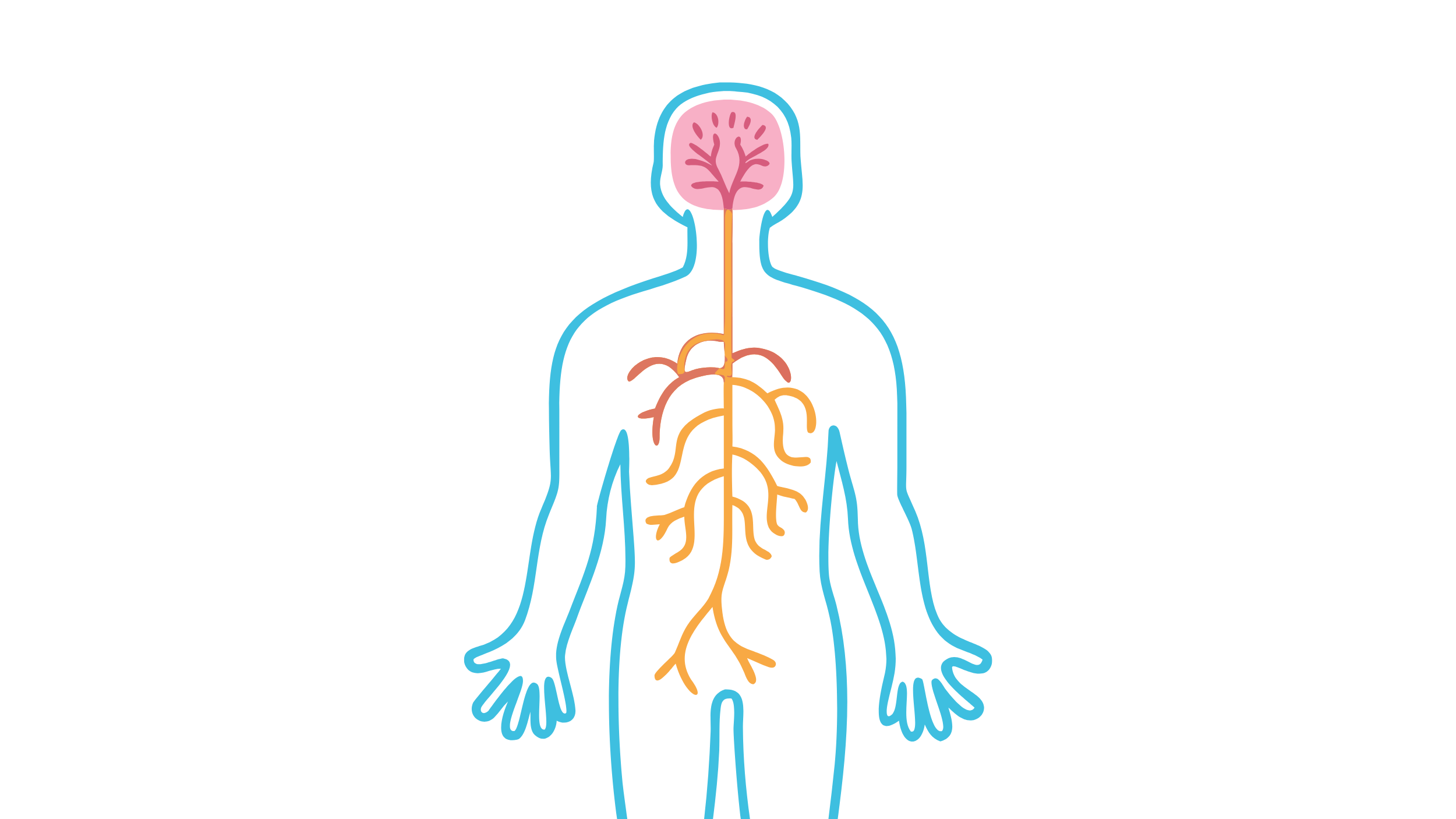
But chronic inflammation? That's a different story. This low-grade, persistent inflammation happens when your immune system stays in overdrive, constantly releasing inflammatory markers like C-reactive protein (CRP) and interleukin-6 [2]. For women specifically, chronic inflammation has been linked to:
- Hormonal imbalances: Inflammation can disrupt estrogen and progesterone levels, contributing to irregular cycles, PMS, and perimenopausal symptoms [3]
- Insulin resistance: Inflammatory cytokines interfere with insulin signaling, making it harder to maintain stable blood sugar and healthy weight [4]
- Mood disturbances: Chronic inflammation affects neurotransmitter production, with research showing strong connections between inflammation and depression, particularly in women [5]
- Skin issues: From acne to eczema, inflammatory processes often manifest visibly on your skin
- Digestive problems: Bloating, irregular bowel movements, and gut discomfort frequently stem from intestinal inflammation
The inflammation diet connection is real and measurable. What you eat directly influences your body's inflammatory response, either fanning the flames or helping to cool them down.
Building Your Anti-Inflammatory Plate: Key Foods to Embrace & Foods to Limit
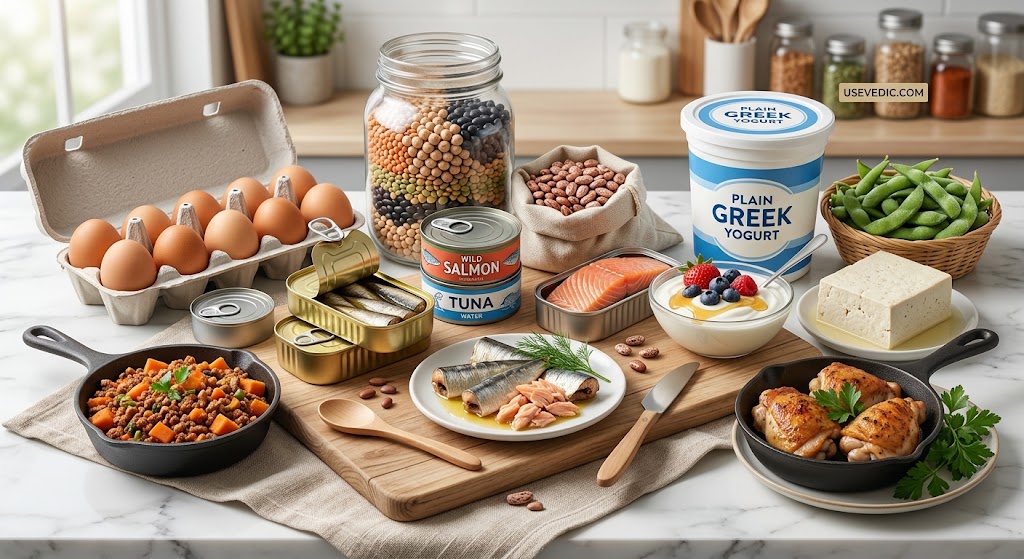
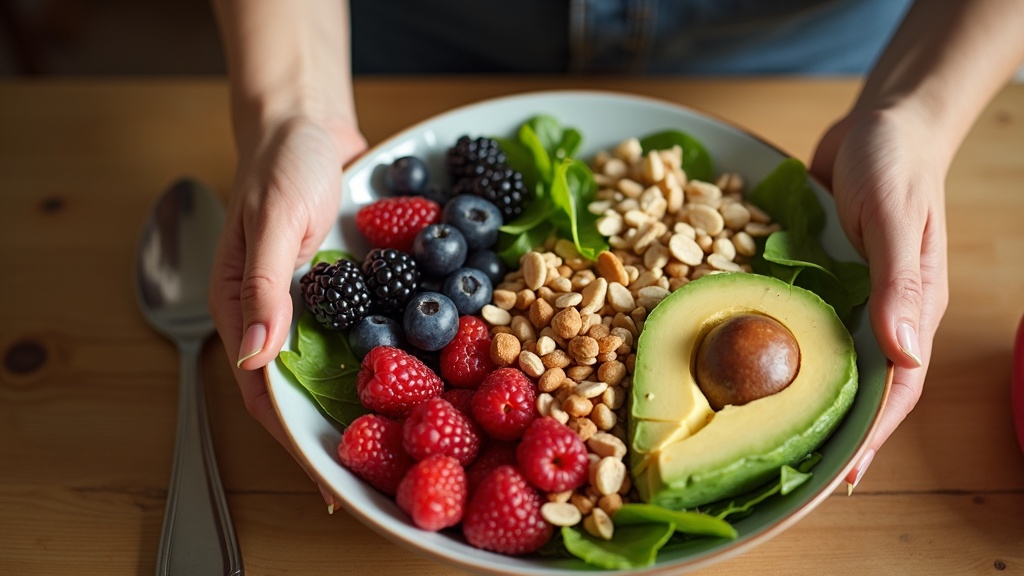
Feeling overwhelmed by food lists? Let's simplify it. This is your practical guide to grocery shopping and meal building. We'll focus on adding more powerhouse foods that calm inflammation, like omega-3-rich fish and vibrant berries, while identifying the common culprits that can trigger it. It's about crowding out, not cutting out.
Anti Inflammatory Foods to Embrace
These are your inflammation-fighting superstars. Stock your kitchen with these evidence-backed options:
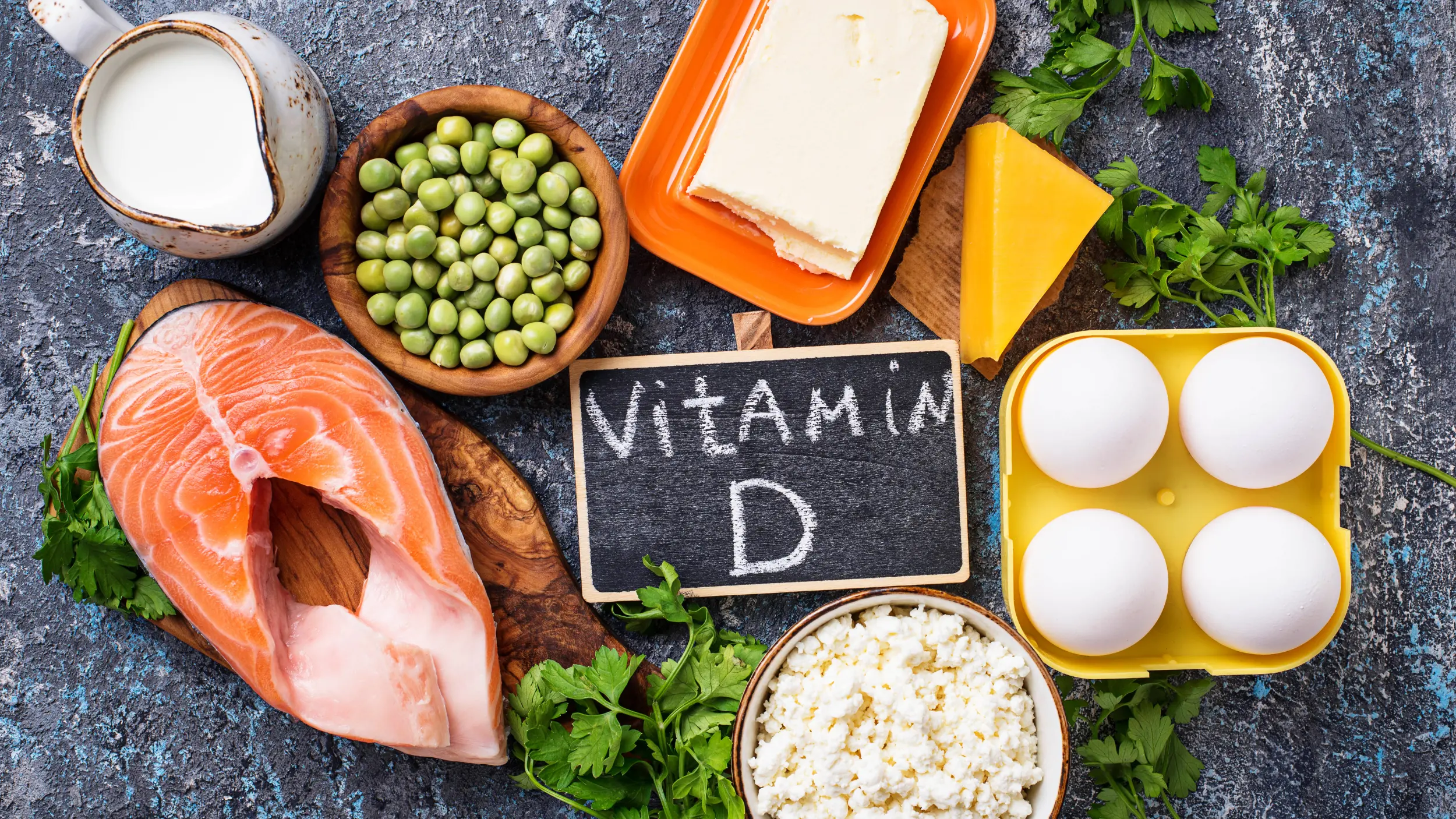
Fatty Fish & Omega-3 Sources
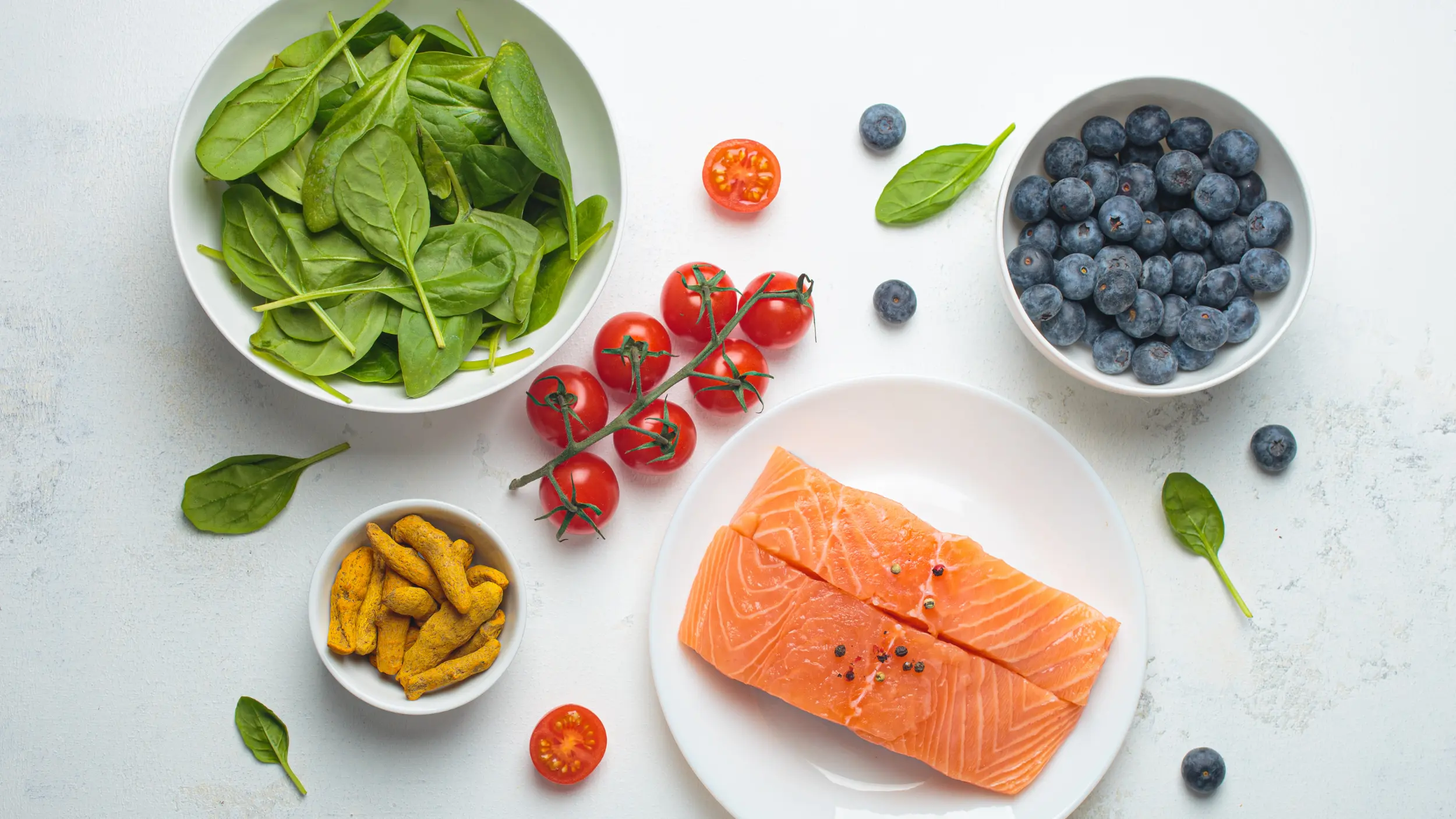
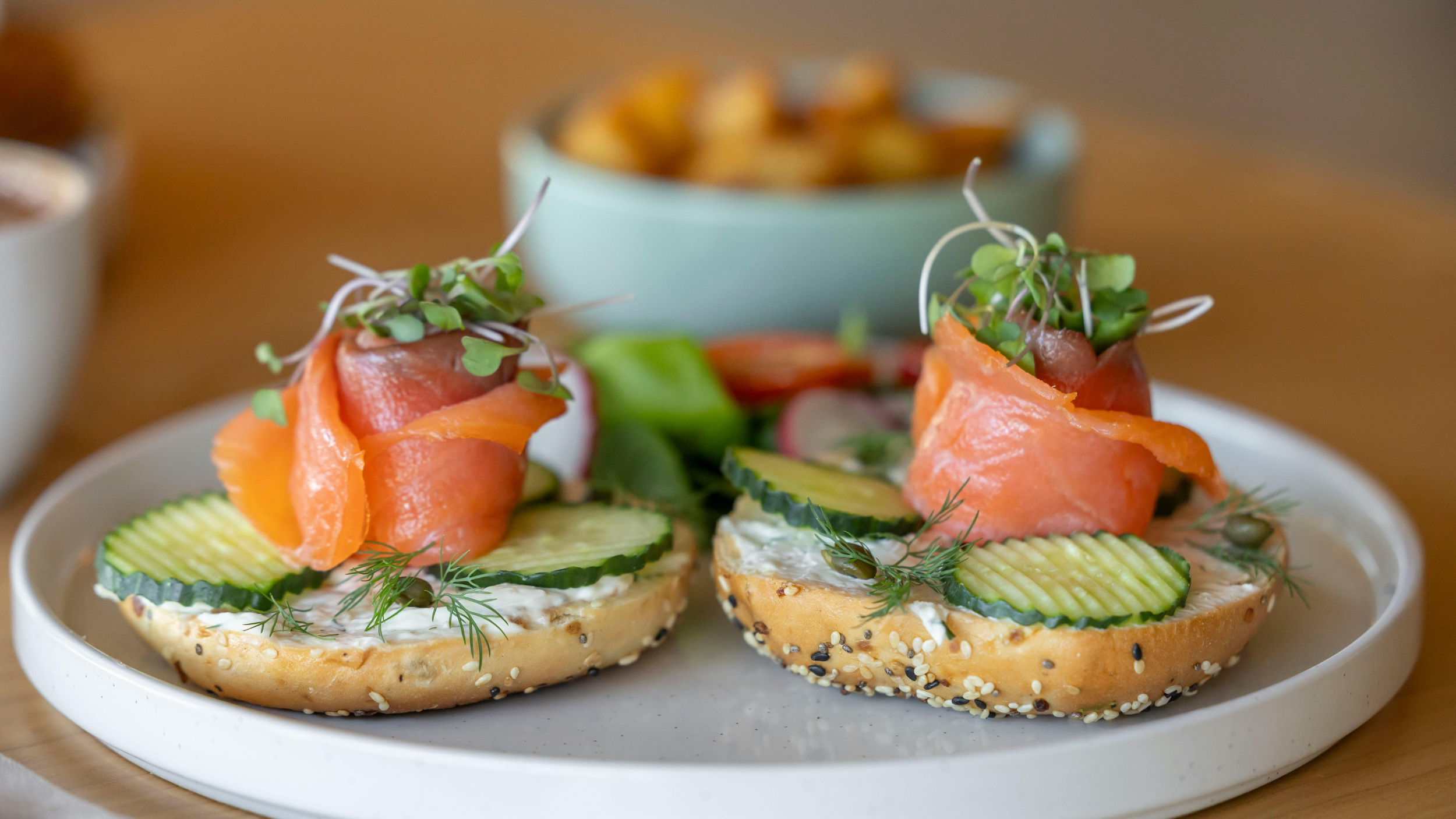
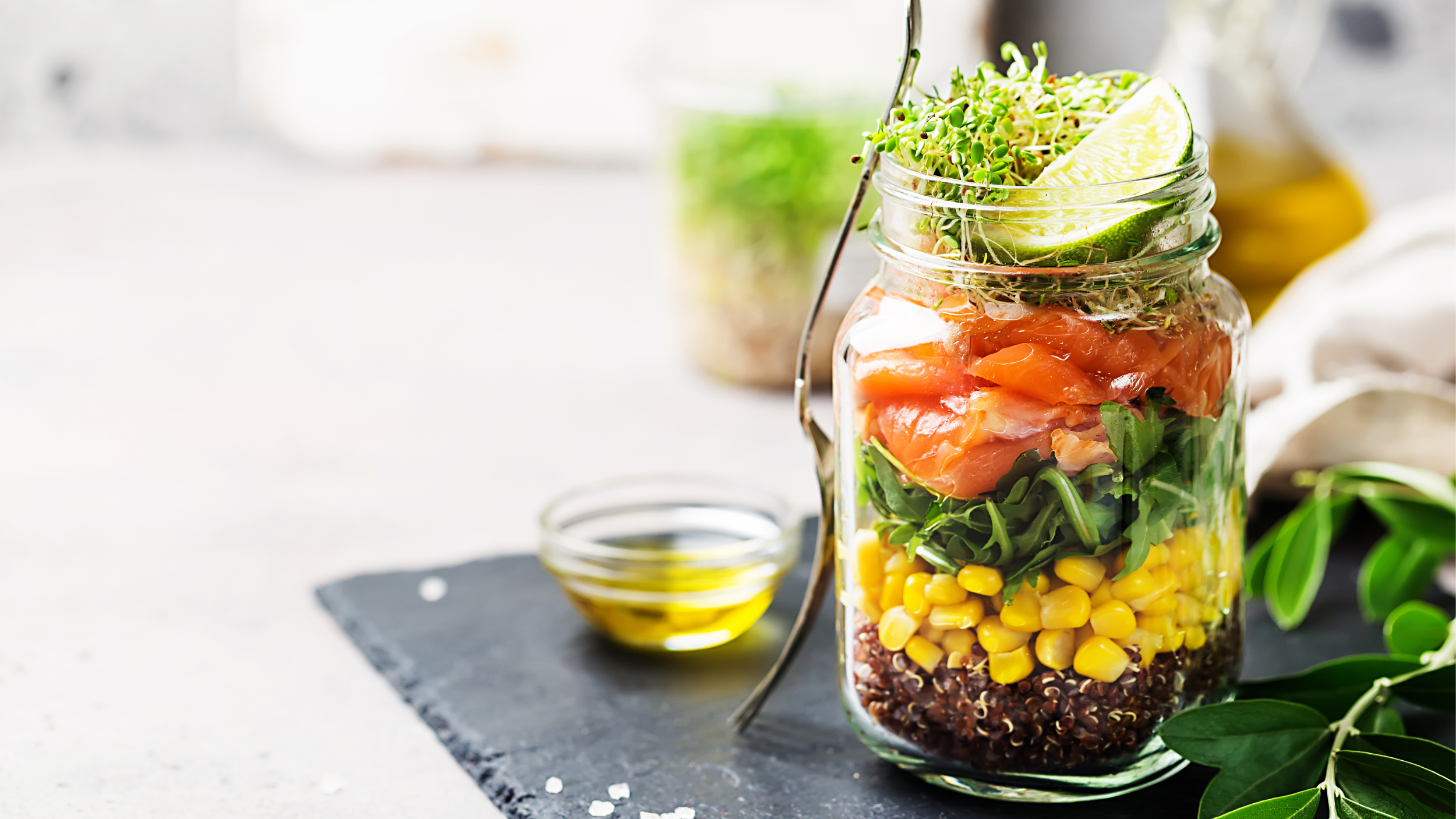
- Wild salmon: Rich in EPA and DHA omega-3 fatty acids that actively reduce inflammatory markers [6]
- Sardines: Budget-friendly and packed with omega-3s, plus bone-building calcium
- Mackerel: One of the highest omega-3 fish options available
- Chia seeds and flaxseeds: Plant-based omega-3 sources (ALA) that your body converts to EPA and DHA
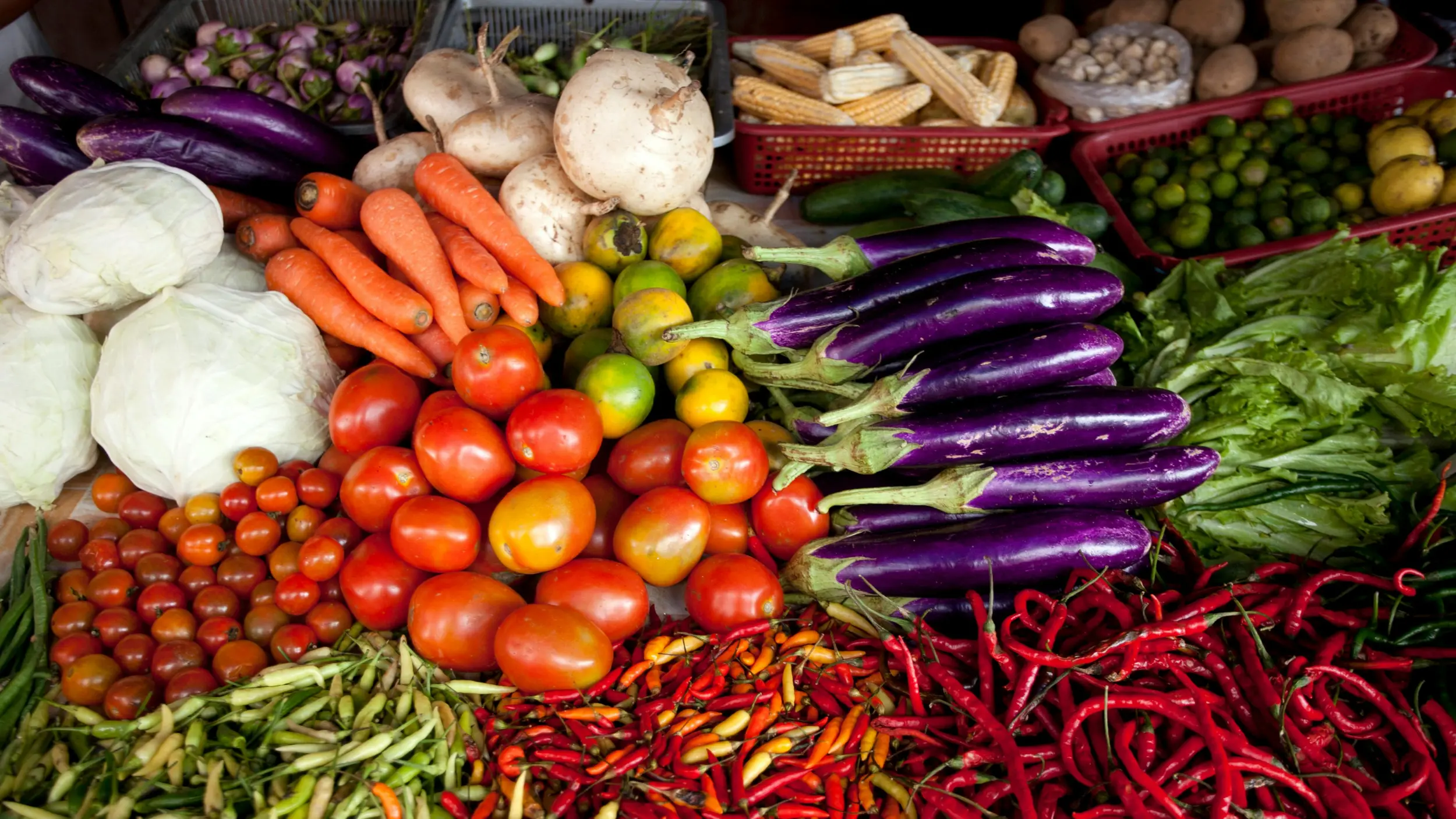
Colorful Vegetables & Fruits
- Leafy greens: Spinach, kale, and Swiss chard contain antioxidants and vitamin K that combat inflammation
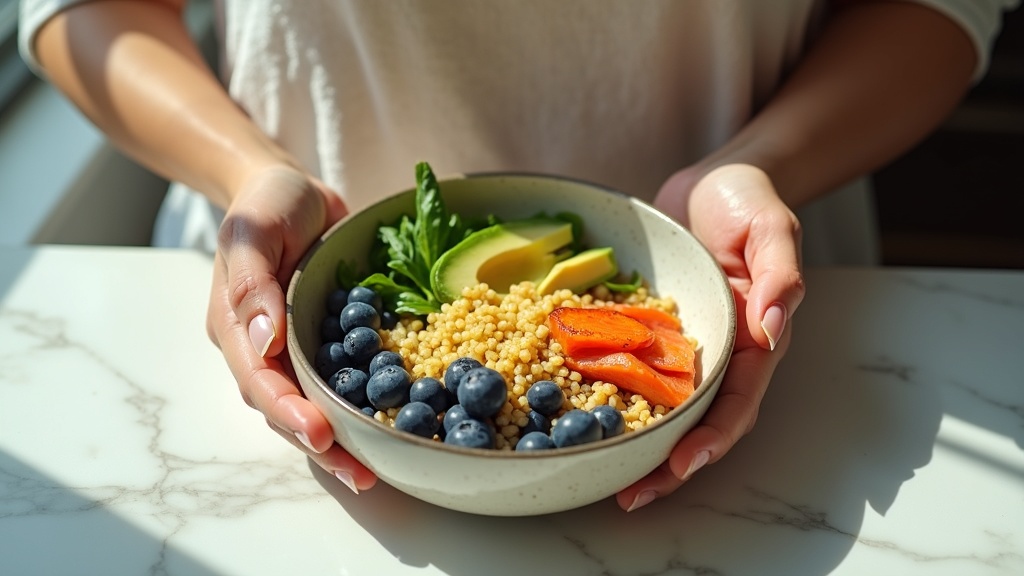
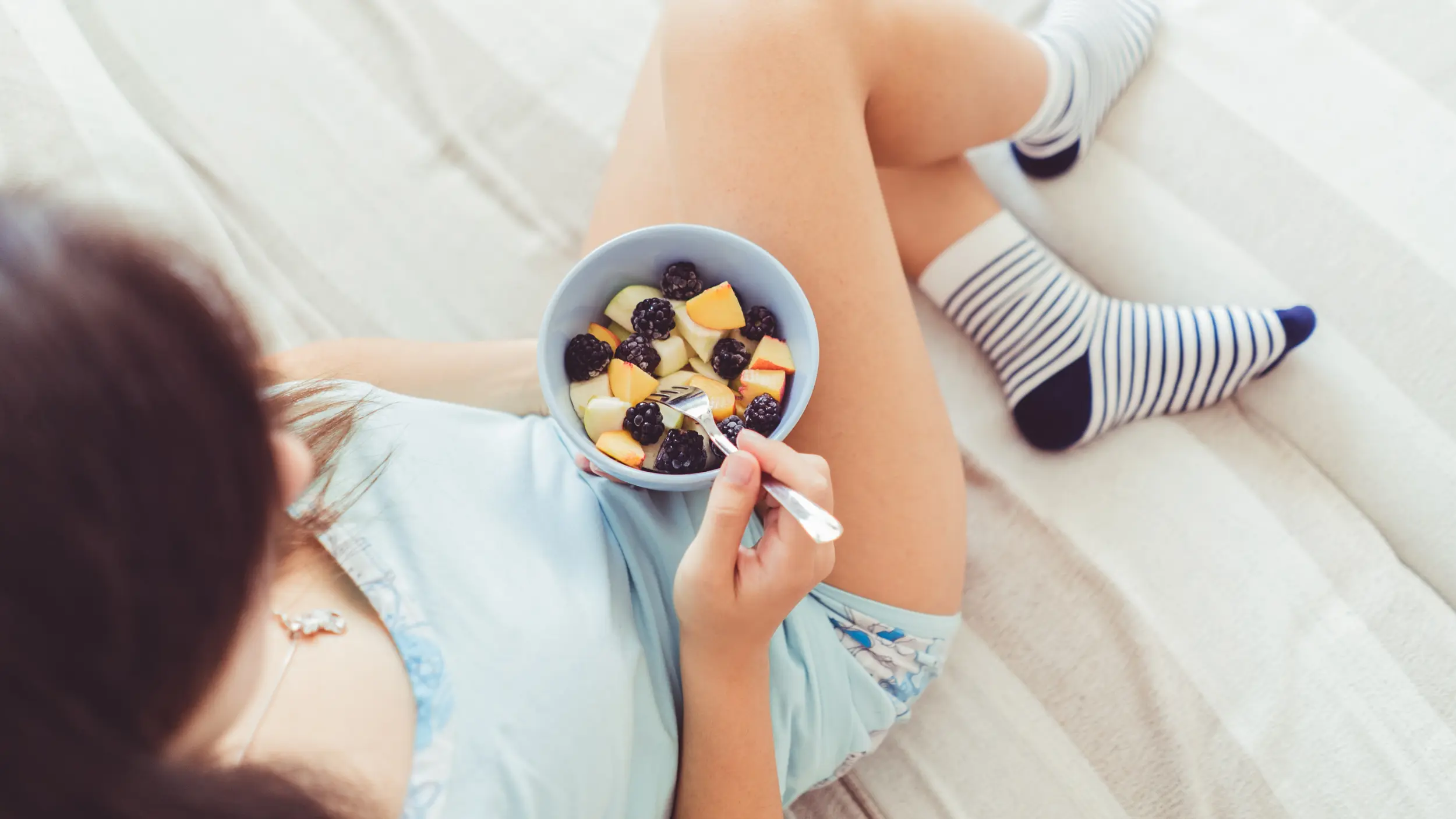
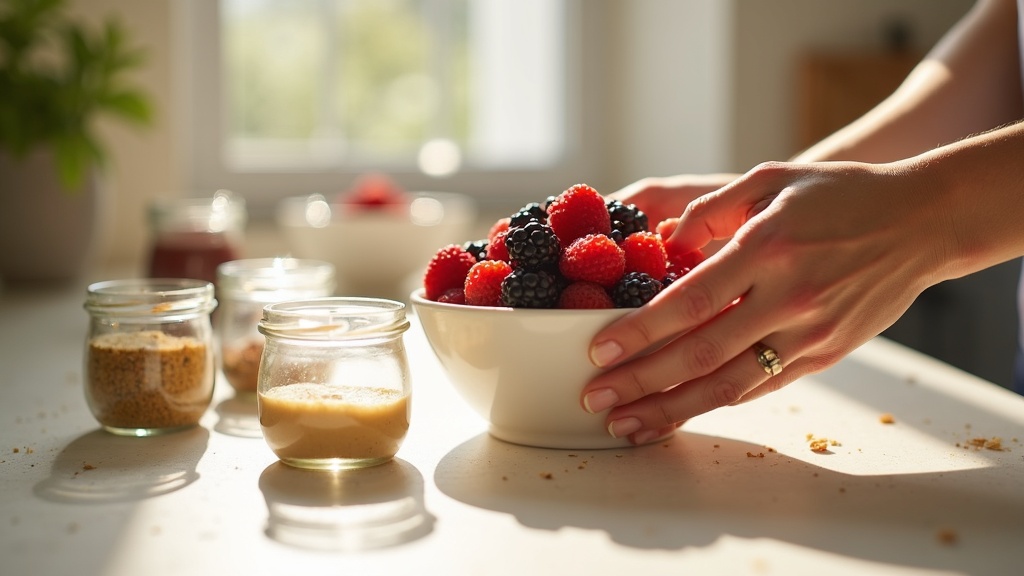
- Berries: Blueberries, strawberries, and raspberries are loaded with anthocyanins, powerful anti-inflammatory compounds [7]
- Cruciferous vegetables: Broccoli, cauliflower, and Brussels sprouts contain sulforaphane, which helps reduce inflammatory pathways
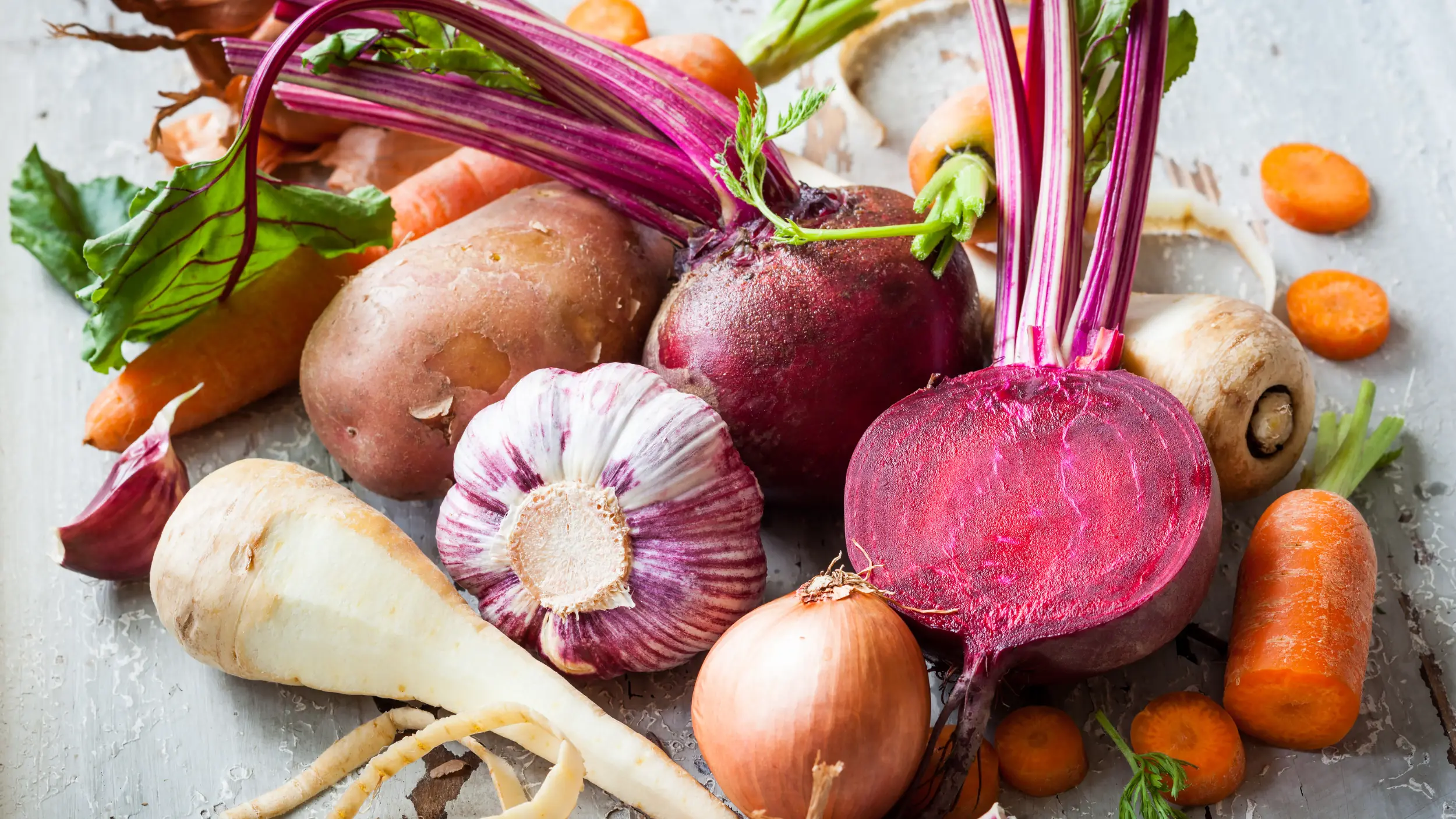
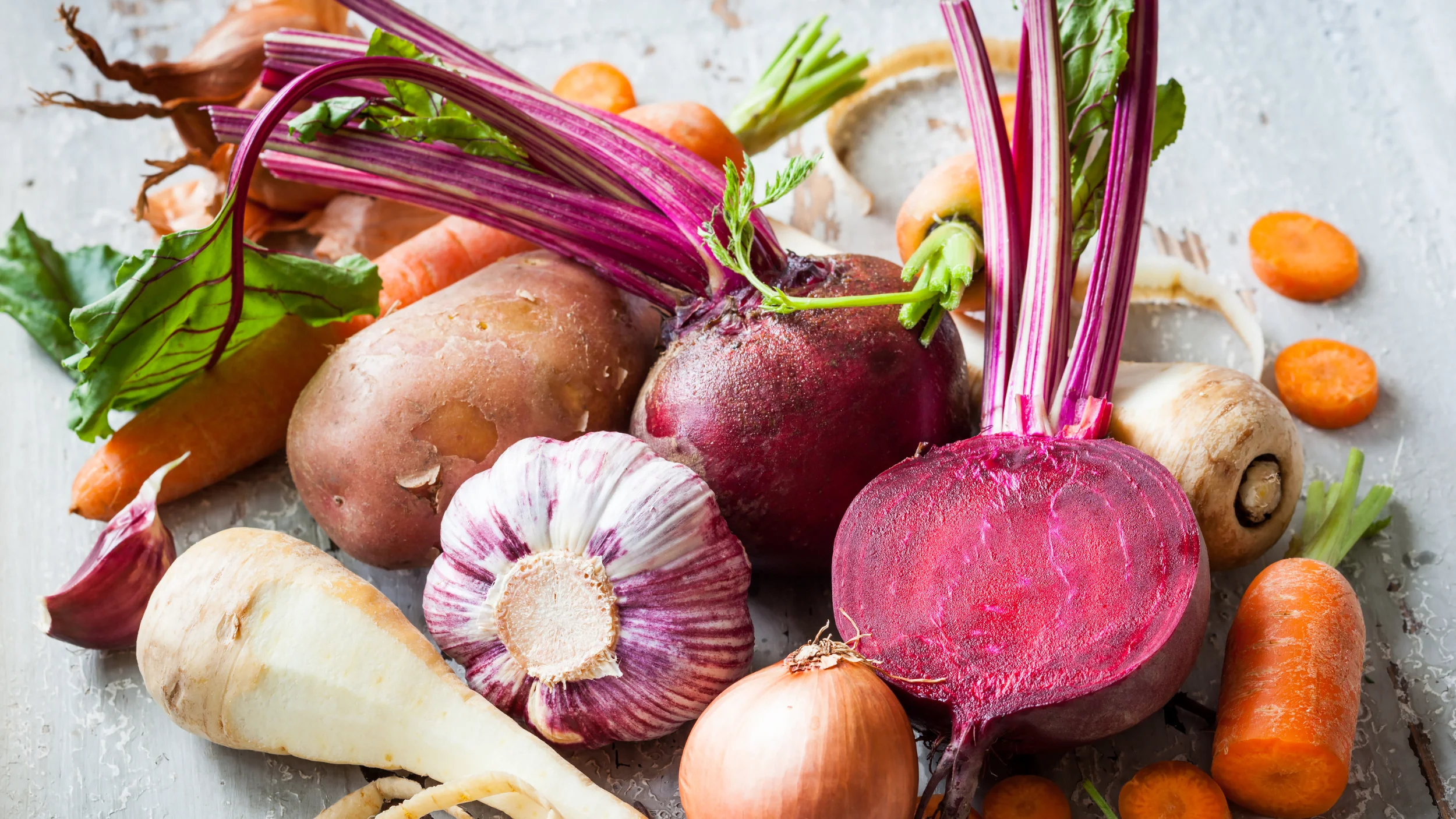
- Beets: High in betalains, natural anti-inflammatory pigments
Healthy Fats & Oils
- Extra virgin olive oil: Contains oleocanthal, a compound with anti-inflammatory effects similar to ibuprofen [8]
- Avocados: Packed with monounsaturated fats and anti-inflammatory carotenoids
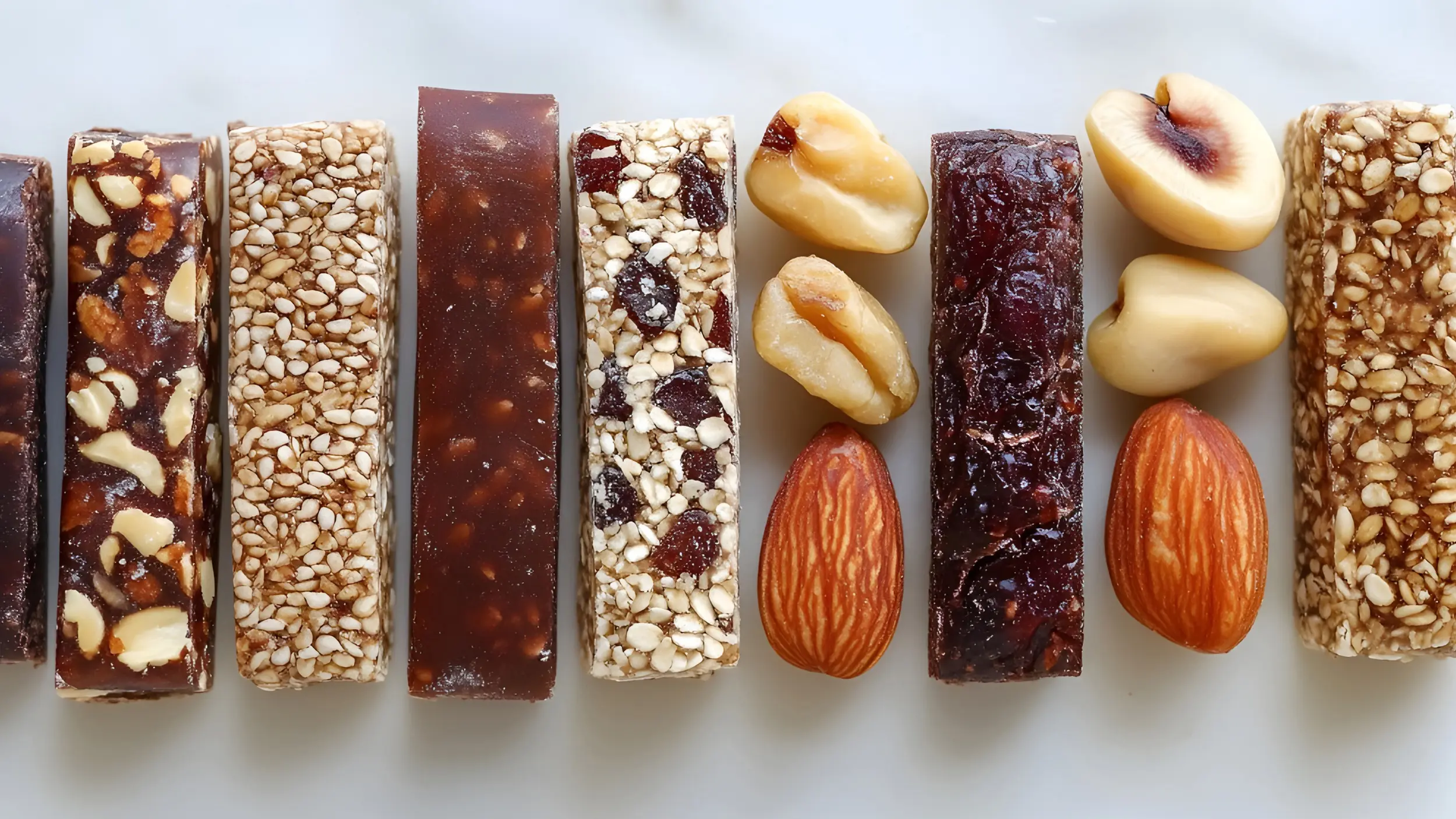
- Nuts: Especially walnuts and almonds, which provide healthy fats and vitamin E
Herbs, Spices & Beverages
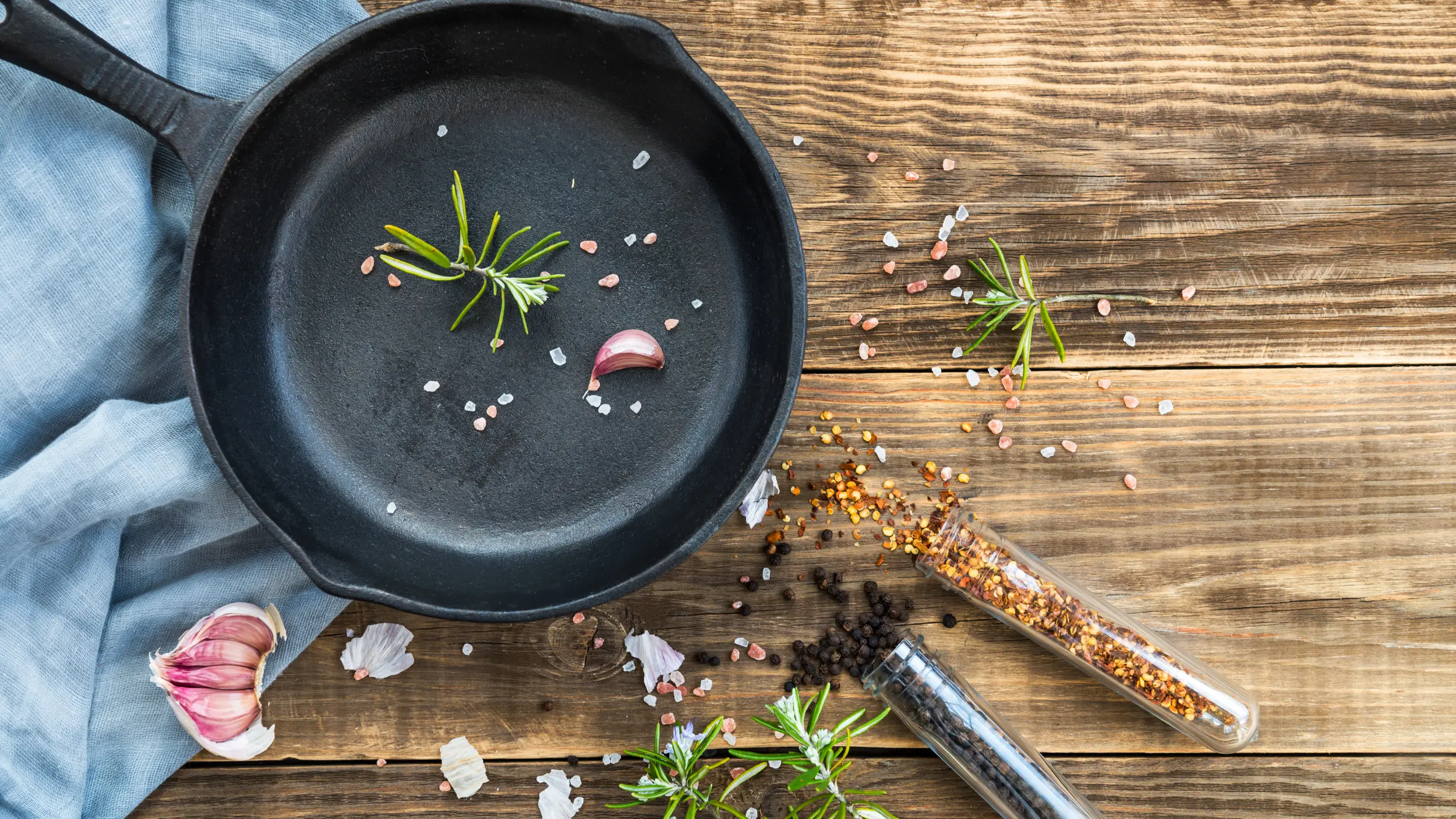
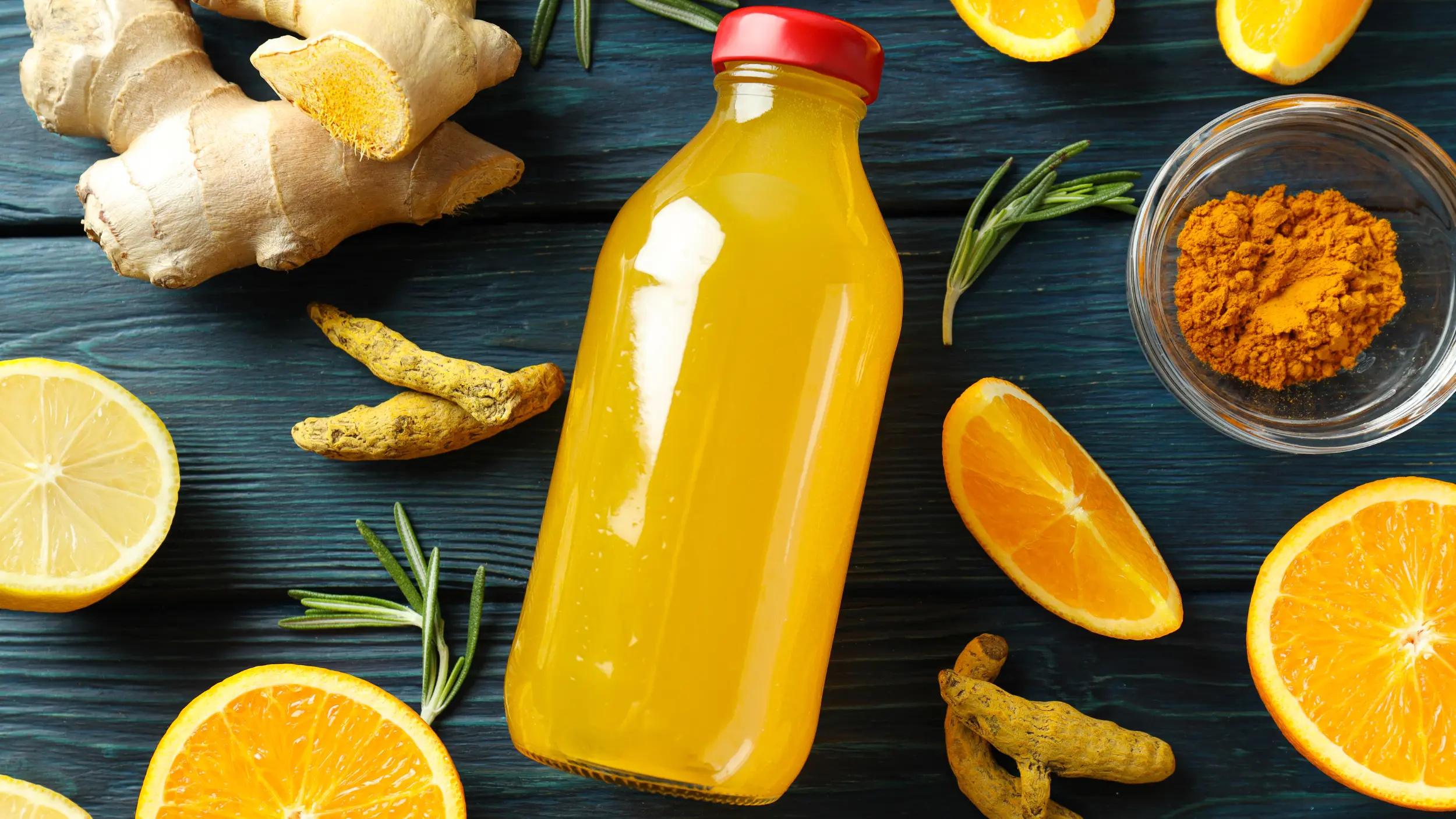
- Turmeric: Contains curcumin, one of the most studied anti-inflammatory compounds [9]
- Ginger: Reduces inflammatory markers and supports digestive health
- Green tea: Rich in EGCG, a potent anti-inflammatory antioxidant
- Dark chocolate: 70% cacao or higher contains flavonoids that reduce inflammation
If you're also focusing on gut health and hormonal balance, many of these anti inflammatory foods overlap beautifully with probiotic-rich options.
Foods That Cause Inflammation to Limit
These are the common dietary triggers that can increase inflammatory markers in your body:
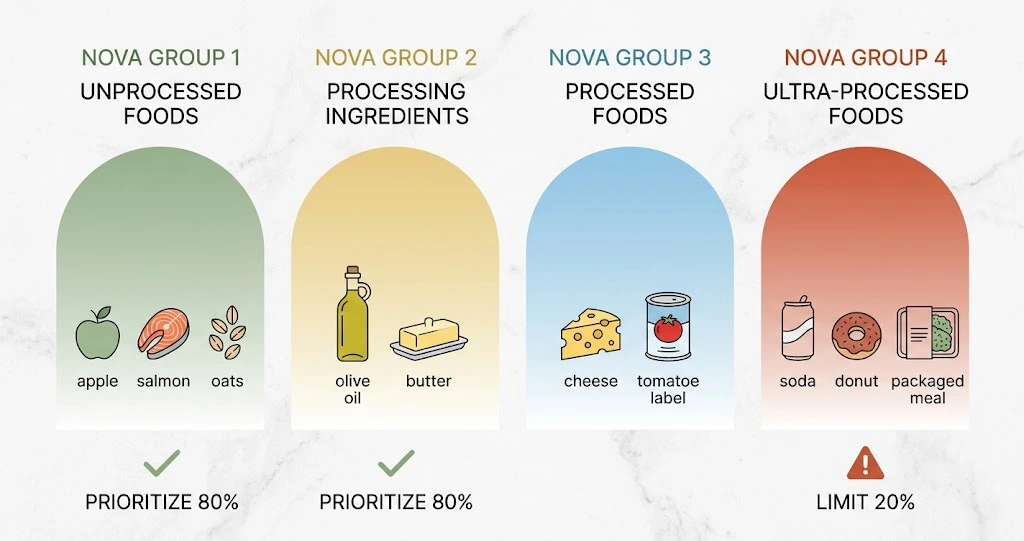
- Refined sugars and high-fructose corn syrup: Found in sodas, pastries, and processed snacks, these spike insulin and promote inflammatory pathways [10]
- Refined carbohydrates: White bread, pasta, and baked goods cause rapid blood sugar fluctuations that trigger inflammation
- Trans fats: Partially hydrogenated oils in fried foods and packaged products significantly increase inflammatory markers
- Excessive omega-6 fatty acids: While some omega-6 is essential, the typical Western diet is heavily imbalanced; limit processed vegetable oils like soybean and corn oil
- Processed meats: Bacon, hot dogs, and deli meats contain advanced glycation end products (AGEs) that promote inflammation [11]
- Excessive alcohol: More than moderate intake (one drink per day for women) can increase intestinal permeability and systemic inflammation
Notice I said "limit," not eliminate. This anti inflammatory diet for beginners is about progress, not perfection. If you're eating anti inflammatory recipes 80% of the time, you're doing amazing.
Your First 7 Days: A Sample Anti-Inflammatory Meal Plan for Beginners
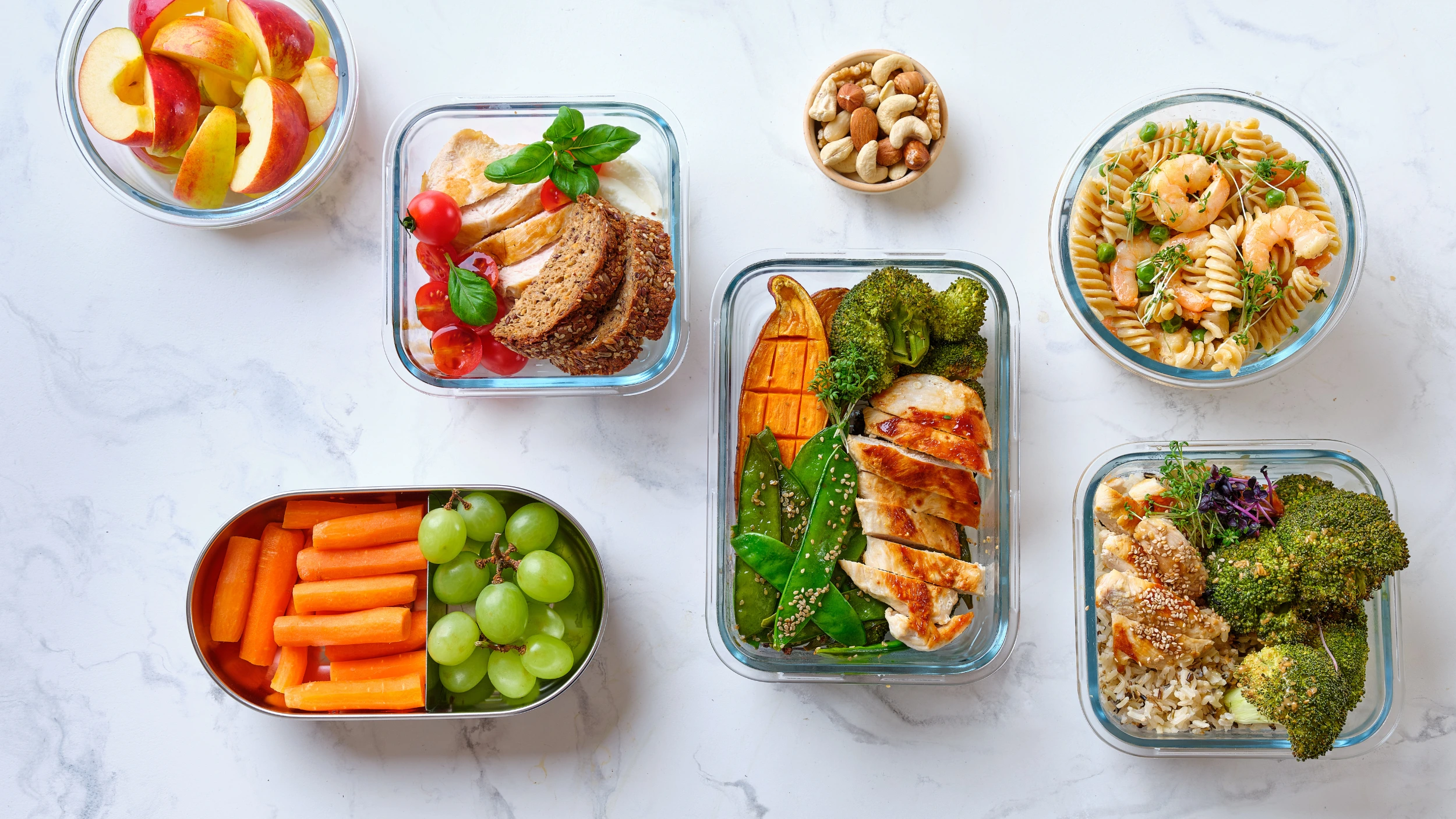
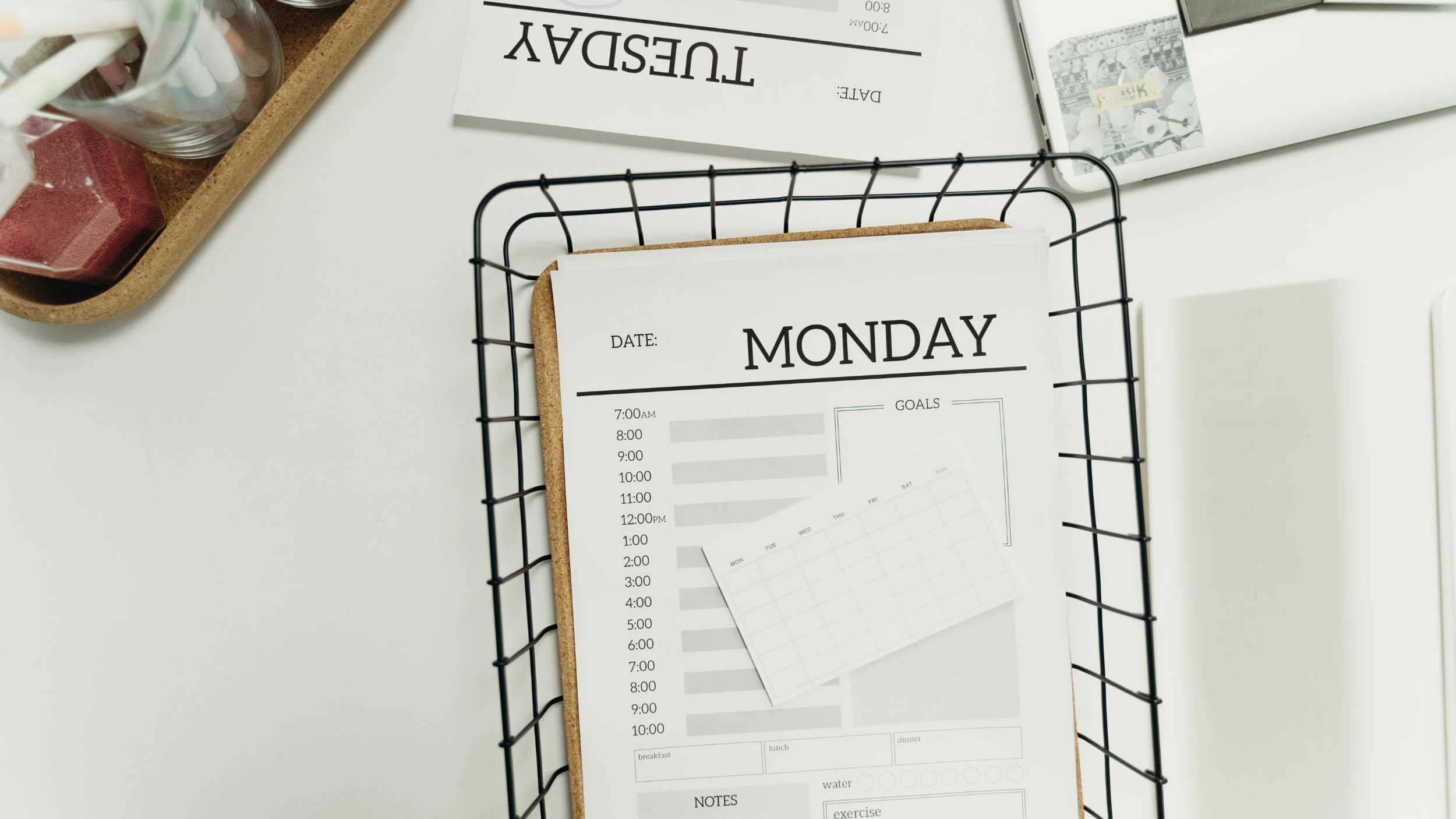
Ready to put this into practice? Here is a simple, delicious 7-day meal plan designed for your busy life. It includes easy-to-prep recipes and snack ideas that take the guesswork out of getting started. This isn't a rigid diet; it's a template to inspire you and show you how nourishing and satisfying an anti-inflammatory lifestyle can be.
Day 1
- Breakfast: Overnight oats with chia seeds, blueberries, walnuts, and cinnamon
- Lunch: Mixed greens salad with grilled salmon, avocado, cherry tomatoes, and olive oil-lemon dressing
- Dinner: Turmeric-ginger chicken stir-fry with broccoli, bell peppers, and cauliflower rice
- Snack: Apple slices with almond butter
Day 2
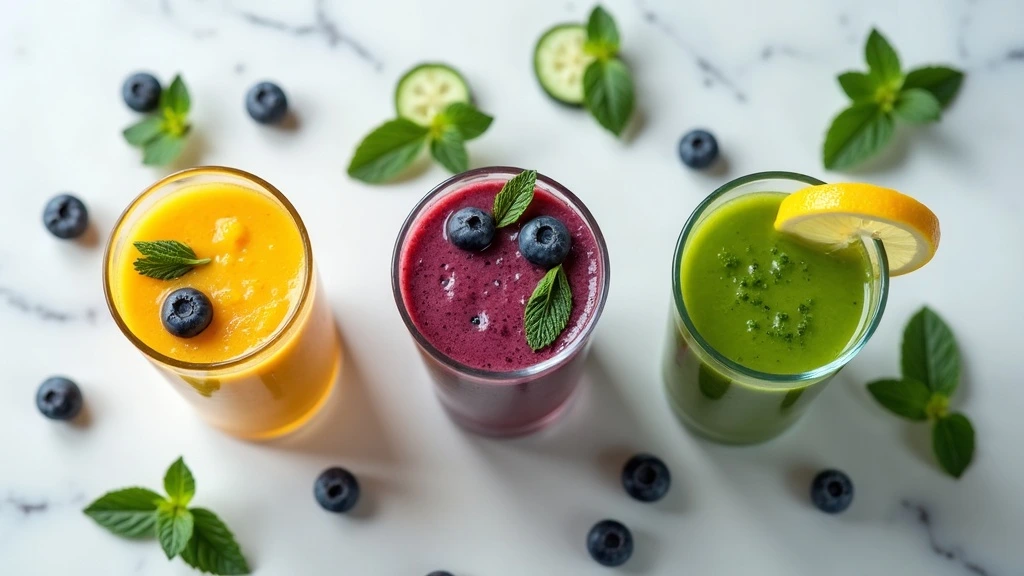
- Breakfast: Green smoothie with spinach, banana, flaxseeds, almond milk, and a scoop of plant-based protein
- Lunch: Lentil and vegetable soup with a side of mixed berries
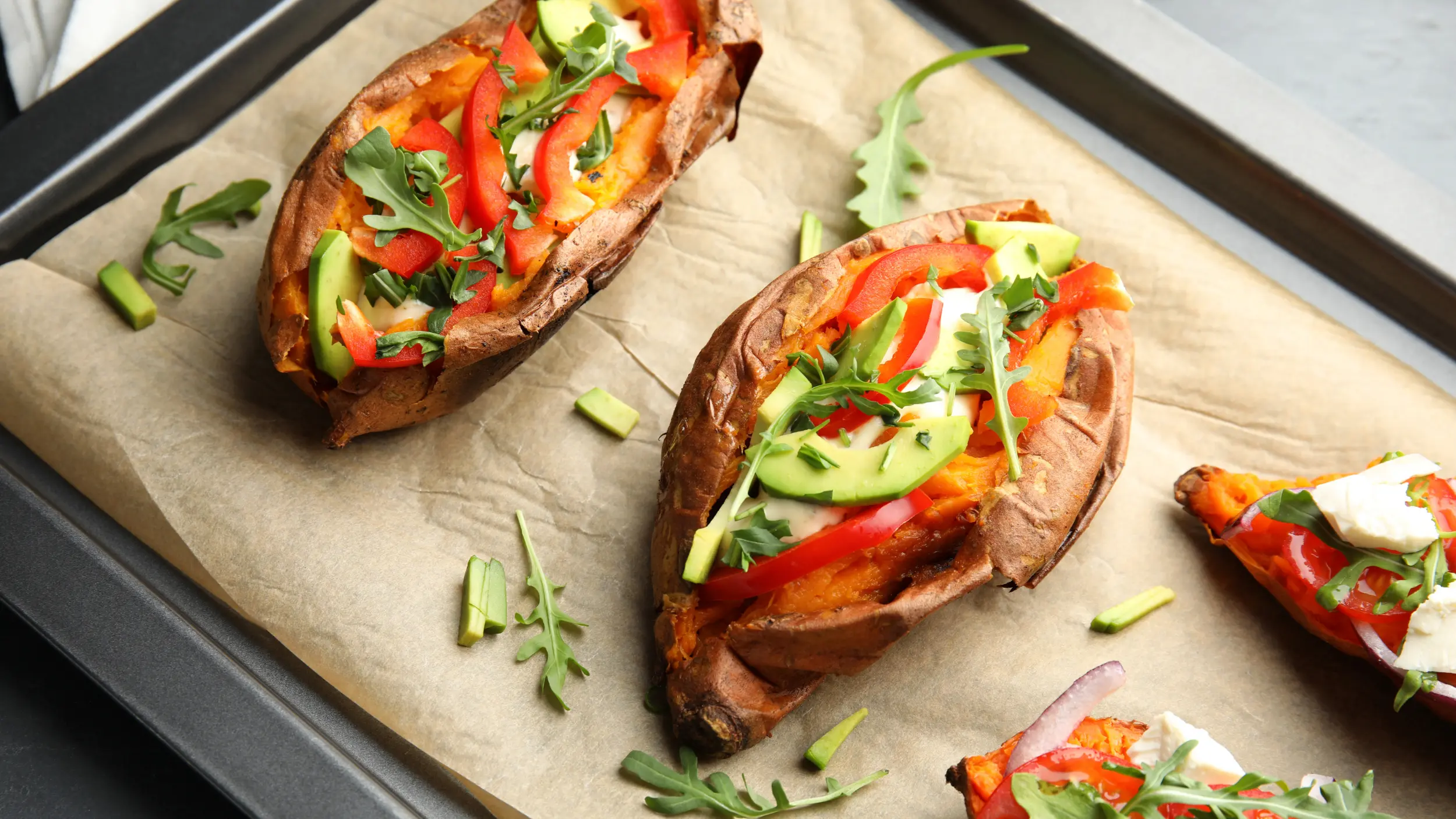
- Dinner: Baked wild cod with roasted Brussels sprouts and sweet potato
- Snack: Handful of walnuts and dark chocolate (70% cacao)
Day 3
- Breakfast: Scrambled eggs with sautéed kale, mushrooms, and cherry tomatoes
- Lunch: Quinoa bowl with chickpeas, cucumber, red onion, parsley, and tahini dressing
- Dinner: Turkey meatballs in marinara sauce over zucchini noodles
- Snack: Carrot sticks with hummus
Day 4
- Breakfast: Greek yogurt parfait with sliced strawberries, ground flaxseed, and a drizzle of raw honey
- Lunch: Grilled chicken salad with mixed greens, beets, walnuts, and balsamic vinaigrette
- Dinner: Baked salmon with roasted asparagus and wild rice
- Snack: Green tea and a small handful of almonds
Day 5
- Breakfast: Smoothie bowl with mixed berries, spinach, chia seeds, topped with coconut flakes and sliced banana
- Lunch: Mediterranean chickpea salad with tomatoes, cucumbers, olives, and feta
- Dinner: Slow-cooker turmeric chicken with sweet potatoes and green beans
- Snack: Celery with almond butter
Day 6
- Breakfast: Avocado toast on whole-grain bread with poached eggs and red pepper flakes
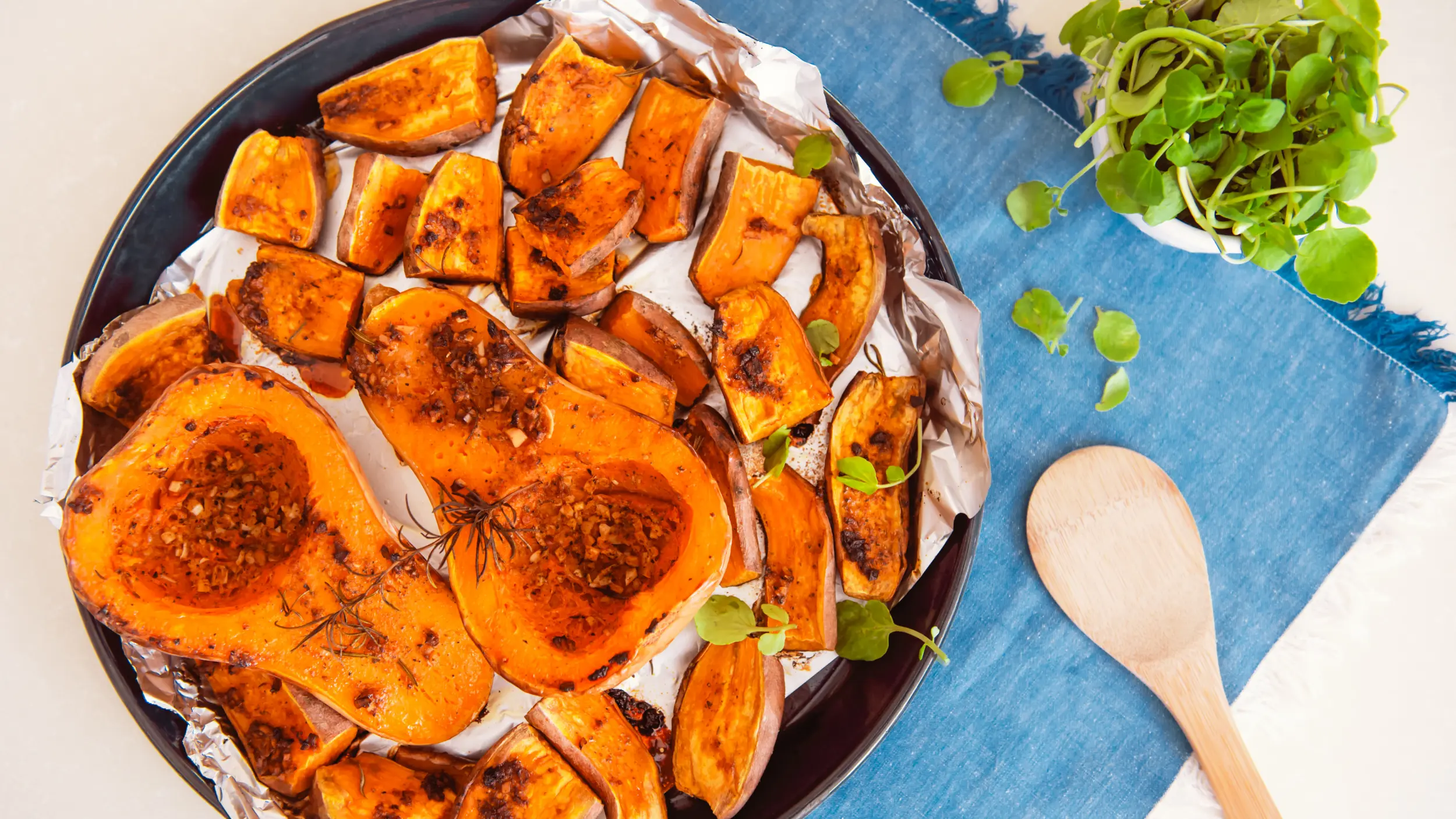
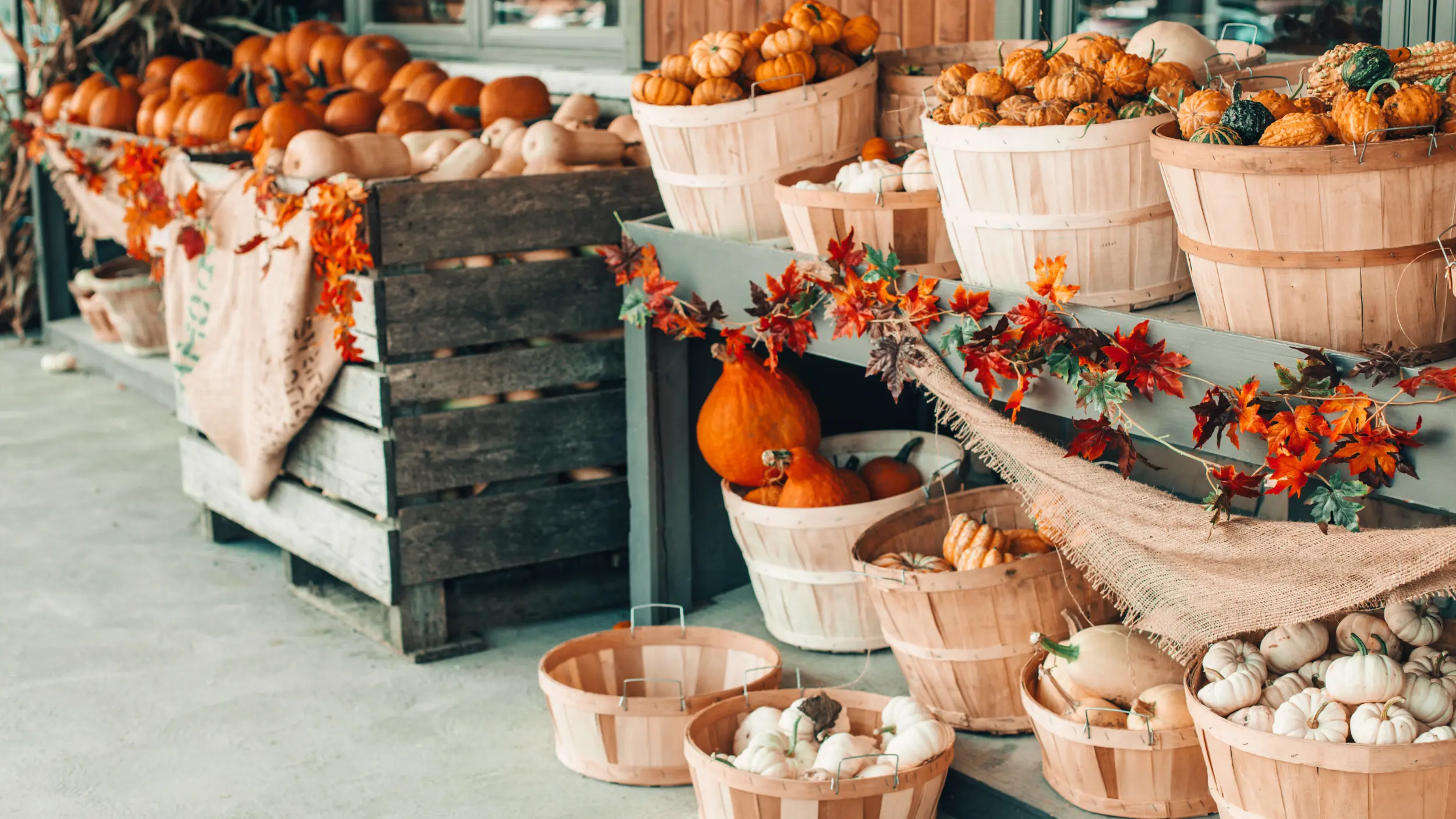
- Lunch: Butternut squash soup with a side salad
- Dinner: Grilled shrimp with cauliflower rice, sautéed spinach, and garlic
- Snack: Fresh berries with a sprinkle of cinnamon
Day 7
- Breakfast: Veggie omelet with bell peppers, onions, spinach, and a side of fresh fruit
- Lunch: Tuna salad (made with olive oil mayo) over mixed greens with cherry tomatoes
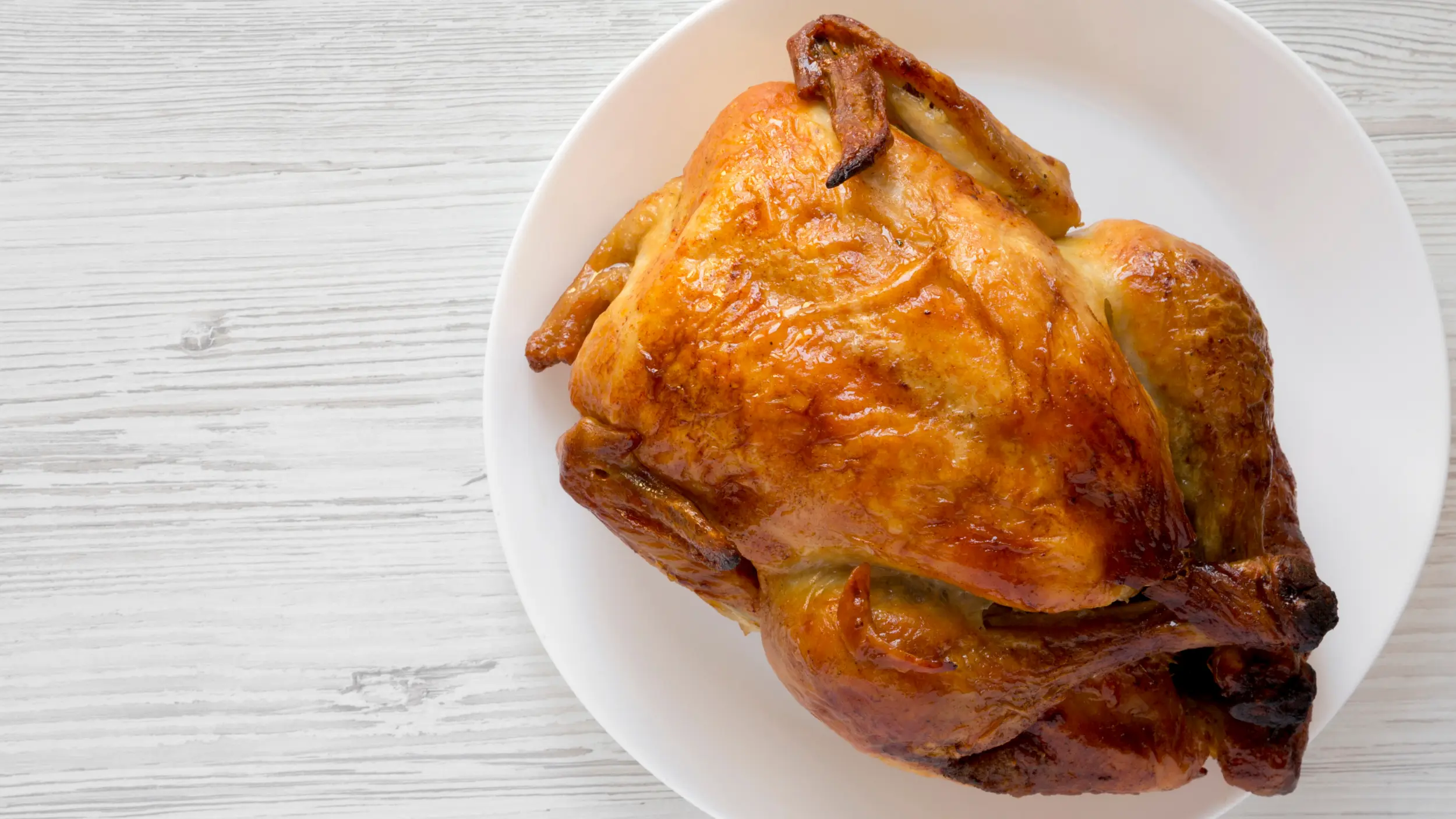
- Dinner: Herb-roasted chicken with roasted rainbow carrots and quinoa
- Snack: Dark chocolate square and herbal tea
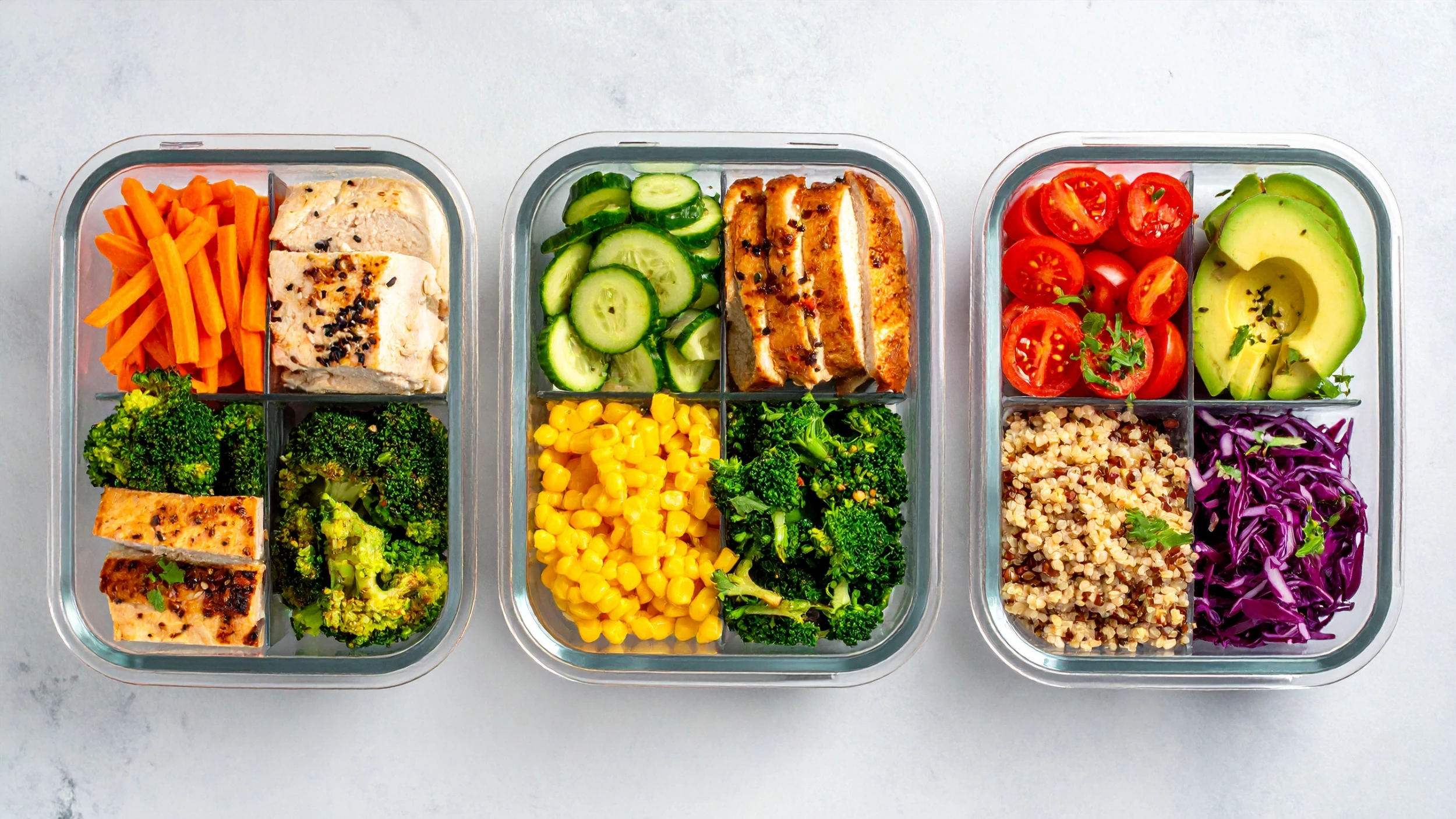
This anti inflammatory meal plan emphasizes whole, minimally processed foods while keeping prep simple. Many of these recipes can be batch-cooked on weekends to save time during busy weekdays. For more hormone-supportive meal ideas, check out our guide on balancing blood sugar throughout your cycle.
Benefits of Anti Inflammatory Diet: What to Expect
When you consistently follow an anti inflammatory diet plan, the benefits extend far beyond just feeling less bloated. Here's what the research—and my clinical experience—shows:
Improved Energy Levels: By stabilizing blood sugar and reducing inflammatory cytokines that cause fatigue, most women report more sustained energy within two weeks [12].
Better Hormonal Balance: Anti inflammatory foods support healthy estrogen metabolism and can ease PMS symptoms, as inflammation directly affects hormone receptor sensitivity.
Clearer Skin: Reducing inflammatory foods often leads to visible improvements in acne, redness, and skin texture within 3-4 weeks.
Enhanced Mood: The gut-brain axis means that reducing intestinal inflammation can positively impact neurotransmitter production, supporting better mental health [13].
Weight Management: While not a weight-loss diet per se, reducing inflammation often naturally supports a healthy weight by improving insulin sensitivity and reducing water retention.
Reduced Joint Pain: Many women notice less morning stiffness and general achiness as inflammatory markers decrease.
If you're also interested in optimizing your fertility or managing PCOS symptoms, an anti-inflammatory approach pairs beautifully with targeted nutrition for reproductive health.
FAQ: Your Quick Questions Answered
How quickly can an anti-inflammatory diet work?
While every body is different, many women start to notice improvements in energy levels, digestion, and bloating within the first one to two weeks of consistently making changes. Measurable reductions in inflammatory biomarkers like CRP typically occur within 3-6 weeks of dietary changes [14]. Remember, you're reversing patterns that may have been building for years, so give your body grace and time.
What are the first signs an anti-inflammatory diet is working?
Early signs often include reduced bloating, more stable energy throughout the day, clearer skin, and fewer aches and pains. It starts from the inside, so pay attention to how you feel, not just what the scale says. You might also notice better sleep quality, improved digestion, and a more balanced mood before you see any physical changes.
Can I still drink coffee on an anti-inflammatory diet?
Yes, in moderation! Coffee is rich in antioxidants and can be part of an anti-inflammatory lifestyle for most people [15]. The key is to be mindful of what you add to it—try to limit refined sugar and high-fat dairy creamers. Instead, try adding a splash of unsweetened almond milk or a dash of cinnamon for natural sweetness and additional anti-inflammatory benefits.
Ready to Create a Personalized Plan?
Feeling inspired but not sure how to tailor this to your unique needs and health goals? Let's work together. An anti inflammatory diet is most effective when it's customized to your specific health concerns, food preferences, lifestyle, and any underlying conditions like PCOS, endometriosis, or autoimmune issues.
Our registered dietitians specialize in creating personalized anti inflammatory diet plans for women that actually fit into your real life. We'll help you navigate everything from meal prep strategies to dining out, supplement recommendations, and tracking your progress with functional lab markers.
Book a 1:1 consultation with our dietitians today!
You deserve to feel energized, vibrant, and completely at home in your body. With the right nutrition strategy and expert support, reducing inflammation isn't just possible—it's entirely within your reach. Here's to feeling like yourself again, one nourishing meal at a time.
References
[1] Furman D, et al. Chronic inflammation in the etiology of disease across the life span. Nature Medicine, 2019.
[2] Pahwa R, et al. Chronic Inflammation. StatPearls Publishing, 2023.
[3] Malutan AM, et al. Pro-inflammatory cytokines and reproductive dysfunction in women. Gynecological Endocrinology, 2017.
[4] Rehman K, et al. Mechanism of generation of oxidative stress and pathophysiology of type 2 diabetes mellitus. Journal of Cellular Biochemistry, 2017.
[5] Kiecolt-Glaser JK, et al. Inflammation: Depression Fans the Flames and Feasts on the Heat. American Journal of Psychiatry, 2015.
[6] Calder PC. Omega-3 fatty acids and inflammatory processes: from molecules to man. Biochemical Society Transactions, 2017.
[7] Joseph SV, et al. Berries: anti-inflammatory effects in humans. Journal of Agricultural and Food Chemistry, 2014.
[8] Beauchamp GK, et al. Phytochemistry: ibuprofen-like activity in extra-virgin olive oil. Nature, 2005.
[9] Hewlings SJ, et al. Curcumin: A Review of Its Effects on Human Health. Foods, 2017.
[10] DiNicolantonio JJ, et al. Added sugars drive coronary heart disease via insulin resistance and hyperinsulinaemia. Open Heart, 2018.
[11] Zheng J, et al. Association between dietary advanced glycation end products and inflammation markers. Nutrition, 2018.
[12] Minihane AM, et al. Low-grade inflammation, diet composition and health. British Journal of Nutrition, 2015.
[13] Madison A, et al. Stress, depression, diet, and the gut microbiota. Brain, Behavior, and Immunity, 2019.
[14] Casas R, et al. Nutrients, Dietary Patterns and Inflammation in the Mediterranean Diet. Nutrients, 2014.
[15] Grosso G, et al. Coffee, caffeine, and health outcomes: an umbrella review. Annual Review of Nutrition, 2017.
.svg)
.svg)


.jpg)
.jpg)



.webp)


















.webp)
.webp)
.webp)
.webp)
.webp)
.webp)
.webp)
.png)
.webp)
.webp)
.webp)
.png)
.webp)
.webp)
.webp)
.webp)
.webp)
.webp)
.webp)
.webp)
.webp)


.webp)
.png)