.webp)
%2B(7).webp)
.png)
At a Glance
Leftovers don't have to mean boring reheated meals. This guide teaches you how to transform yesterday's dinner into creative, nutrient-packed dishes through smart batch-cooking strategies. Learn three game-changing techniques for upcycling leftovers that will save you time, money, and eliminate food waste guilt.
Why Leftovers Deserve a Rebrand
Let's be honest: that jumble of mismatched containers staring at you from the fridge can feel overwhelming. But here's what I tell my clients—leftovers aren't the problem. Our relationship with them is. When you shift your mindset from "I have to eat this again" to "What can I create with this?", everything changes.
Food waste is a massive issue. The average household throws away nearly $1,500 worth of food annually [1]. That's not just hard on your wallet—it's tough on the planet too. But the beautiful part? You already have the solution sitting in your refrigerator right now.
Think of leftovers as your secret weapon for meal planning strategies that actually work. They're pre-prepped ingredients waiting to become something delicious. Let's explore how to make that happen with three genius approaches to creative leftover ideas.
1. Master the "Everything" Bake to Use Up Veggies & Grains
This technique is my absolute favorite for zero waste kitchen tips because it's so forgiving. Got half a cup of cooked quinoa? A handful of sad-looking roasted Brussels sprouts? Some leftover grilled chicken? Perfect. You're about to make magic.
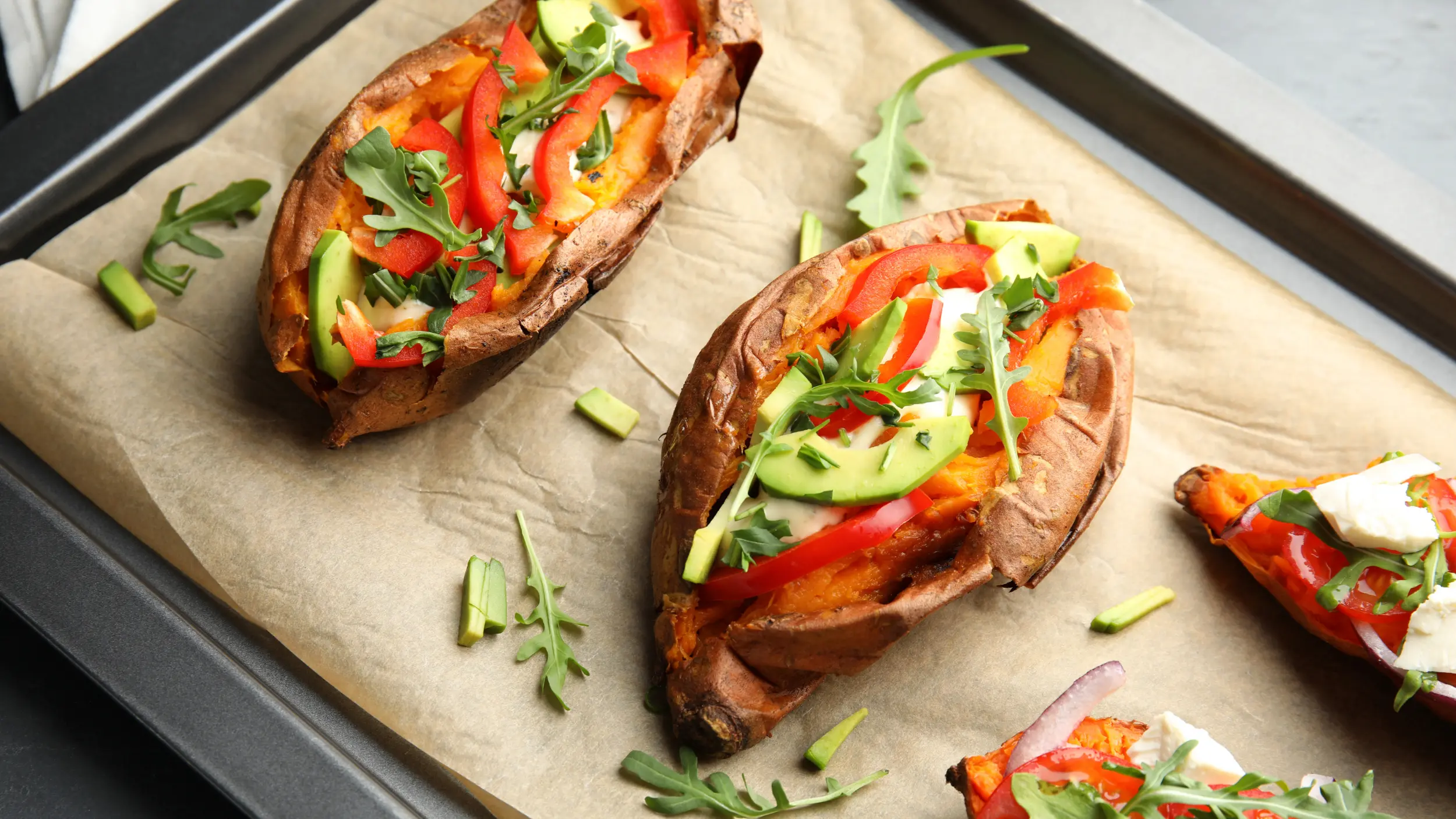
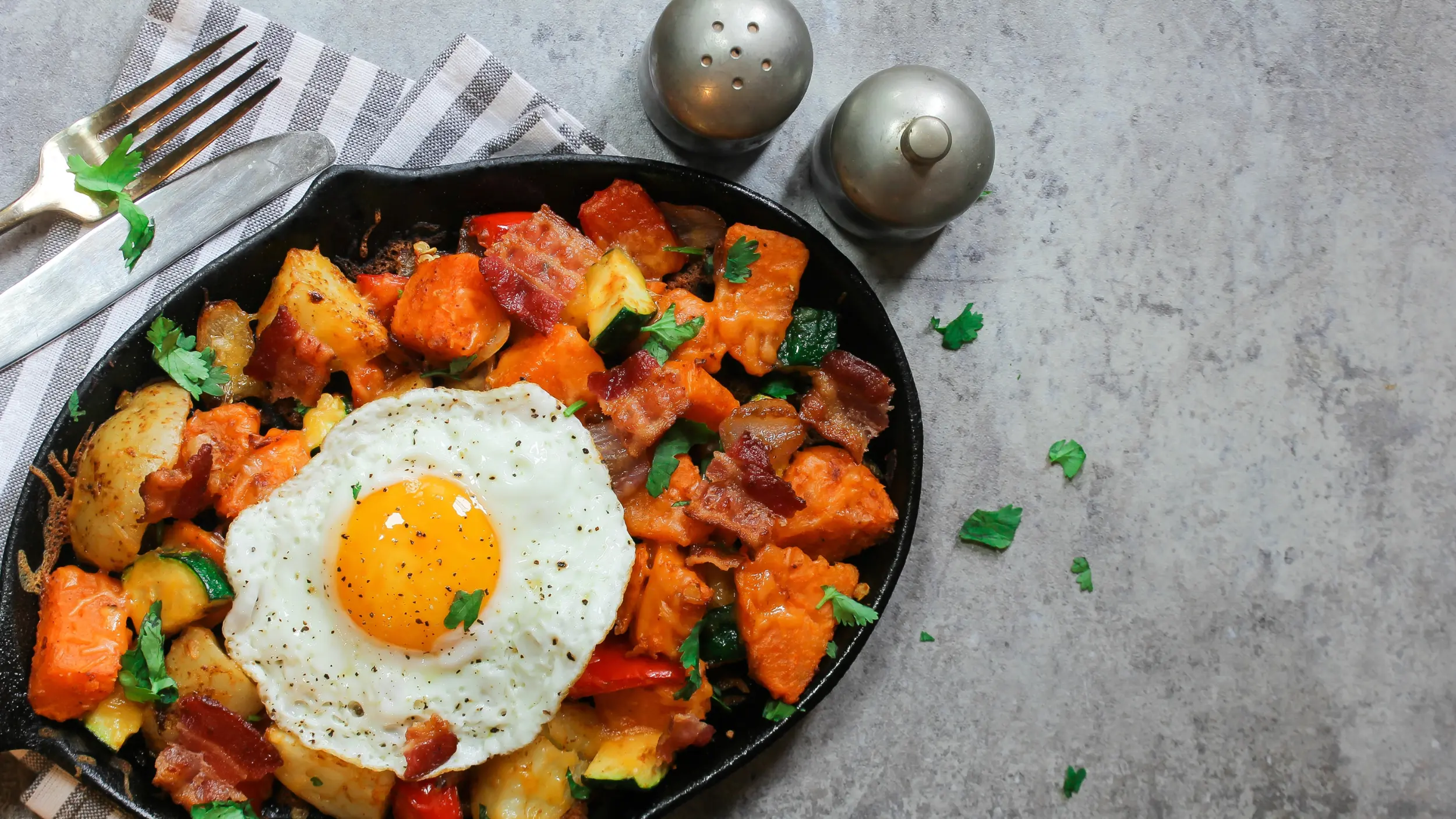
The beauty of an "everything" bake (think frittata, casserole, or savory bread pudding) is that it transforms random bits into a cohesive, deeply satisfying meal. The base formula is simple: combine cooked grains or starches + vegetables + protein + eggs or a binding sauce + cheese or nutritional yeast.
Here's how to build your masterpiece:
- Choose your base: Leftover rice, quinoa, pasta, roasted potatoes, or even stale bread cubes work beautifully
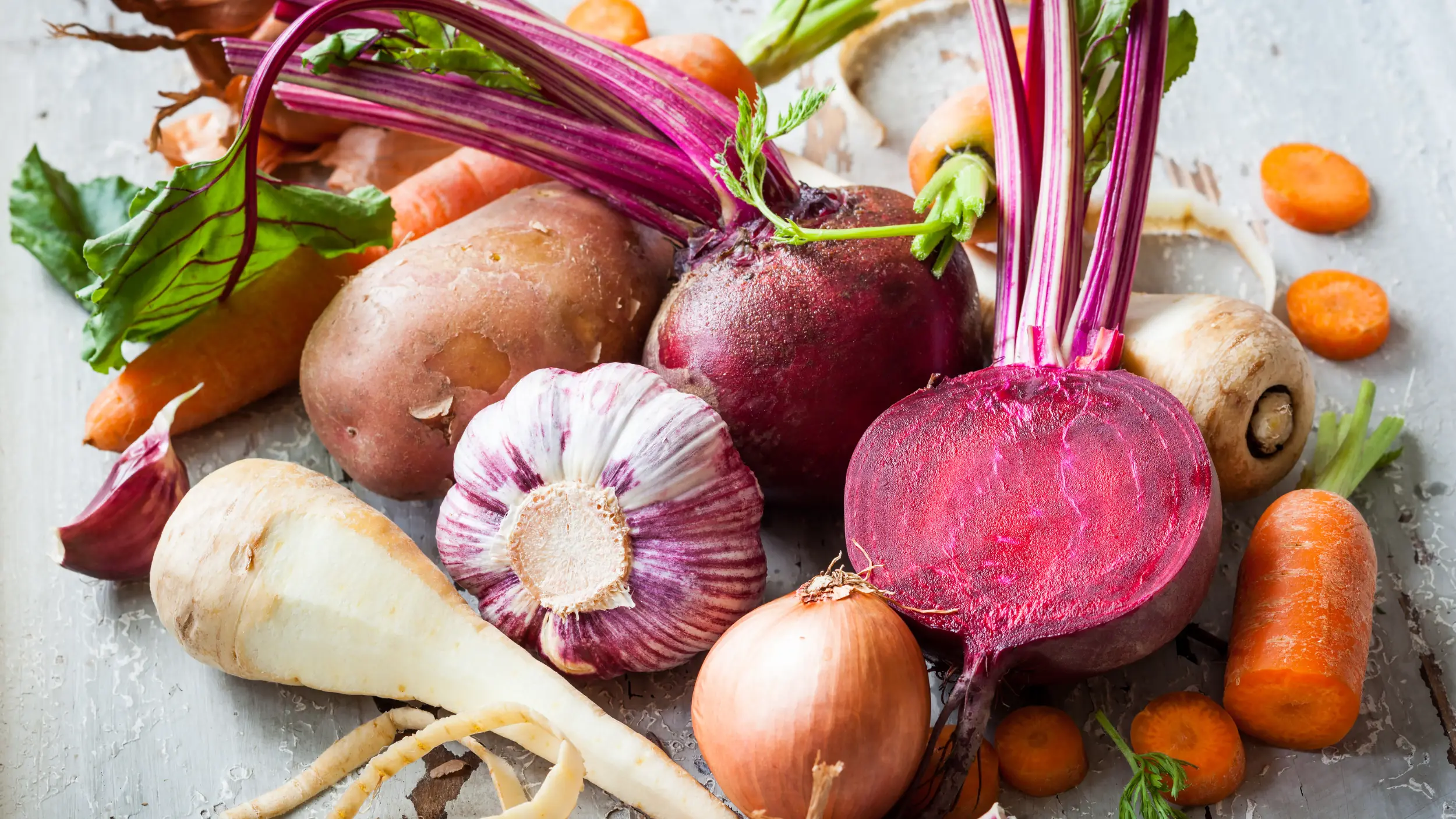
- Add your veggies: Any cooked vegetables—roasted, steamed, or sautéed—are fair game. Wilted greens, roasted broccoli, caramelized onions, bell peppers, zucchini, you name it
- Include protein: Shredded rotisserie chicken, crumbled turkey, cooked sausage, beans, lentils, or flaked fish
- Create your binder: Whisk 6-8 eggs with a splash of milk for a frittata-style bake, or use a simple béchamel sauce for a creamier casserole
- Season generously: This is where flavor happens. Fresh or dried herbs, garlic, onion powder, smoked paprika, and a good pinch of salt transform the ordinary into extraordinary
- Top it off: A sprinkle of cheese, breadcrumbs, or seeds adds that irresistible golden crust
Bake at 375°F for 25-35 minutes until set and golden. Cut into portions and you've got breakfast, lunch, or dinner sorted for days. This is batch cooking with leftovers at its finest.
The nutritional bonus? You're getting a complete meal with complex carbohydrates, fiber-rich vegetables, and quality protein in every bite [2]. It's the kind of nutrient density that keeps your energy stable and your taste buds happy.
2. Create Flavorful Soups & Broths from Simple Scraps
If you're not making your own broth from kitchen scraps, you're literally throwing away liquid gold. This is the ultimate strategy for cooking with scraps and reducing food waste cooking.
Here's what blows my mind: that chicken carcass, those carrot peels, onion ends, celery leaves, and herb stems you're about to toss? They contain minerals, collagen, and flavor compounds that would cost you $6-8 per carton at the store [3].
The Simple Scrap Broth Method:
- Collect your scraps: Keep a gallon freezer bag in your freezer. Toss in vegetable peels and ends (onion, garlic, carrot, celery, mushroom stems, herb stems), chicken or turkey bones, and any veggie odds and ends
- When your bag is full: Dump everything into a large pot or slow cooker
- Add aromatics: A few peppercorns, a bay leaf, and a splash of apple cider vinegar (this helps extract minerals from bones)
- Cover with water: Fill your pot, leaving a few inches at the top
- Simmer low and slow: 4-6 hours for vegetable broth, 12-24 hours for bone broth. The longer you go, the richer the flavor and nutrient content
- Strain and store: Pour through a fine-mesh strainer. Store in jars in the fridge for up to 5 days, or freeze in portions
Now you have the foundation for healthy leftover meals all week long. Turn that broth into quick soups by adding:
- Leftover cooked grains and chopped vegetables for a healing vegetable soup
- Shredded rotisserie chicken, noodles, and frozen peas for chicken noodle soup
- White beans, kale, and Italian seasonings for a Tuscan-style soup
- Miso paste, tofu cubes, and green onions for a restorative miso soup
This approach to leftover meal prep means you always have something nourishing ready to go, even on your most chaotic days.
3. Reinvent Cooked Proteins for Quick, Exciting Lunches
Let's talk about the biggest leftover complaint I hear: "I'm so tired of eating the same grilled chicken." I get it. But here's the thing—you're not stuck eating it the same way twice.
The secret to how to use leftovers successfully is understanding that cooked protein is just a canvas. It's already done the hard work (cooking), so now you get to have fun with flavors, textures, and presentations.
Three Transformation Strategies:
Strategy 1: The Sauce Swap
The same piece of chicken tastes completely different depending on what you pair it with:
- Asian-inspired: Toss with sesame oil, rice vinegar, soy sauce, and sriracha
- Mediterranean: Mix with lemon juice, olive oil, oregano, and crumbled feta
- Mexican: Combine with lime juice, cumin, chili powder, and salsa
- Creamy: Blend with Greek yogurt, Dijon mustard, and fresh dill
Strategy 2: The Texture Play
Add crunch and interest to transform your protein:
- Toasted nuts or seeds (almonds, pepitas, sesame seeds)
- Fresh vegetables with snap (radishes, cucumber, bell peppers)
- Pickled elements (quick-pickled onions, sauerkraut, kimchi)
- Crispy toppings (crushed tortilla chips, fried onions, croutons)
Strategy 3: The Format Flip
Change how you serve it:
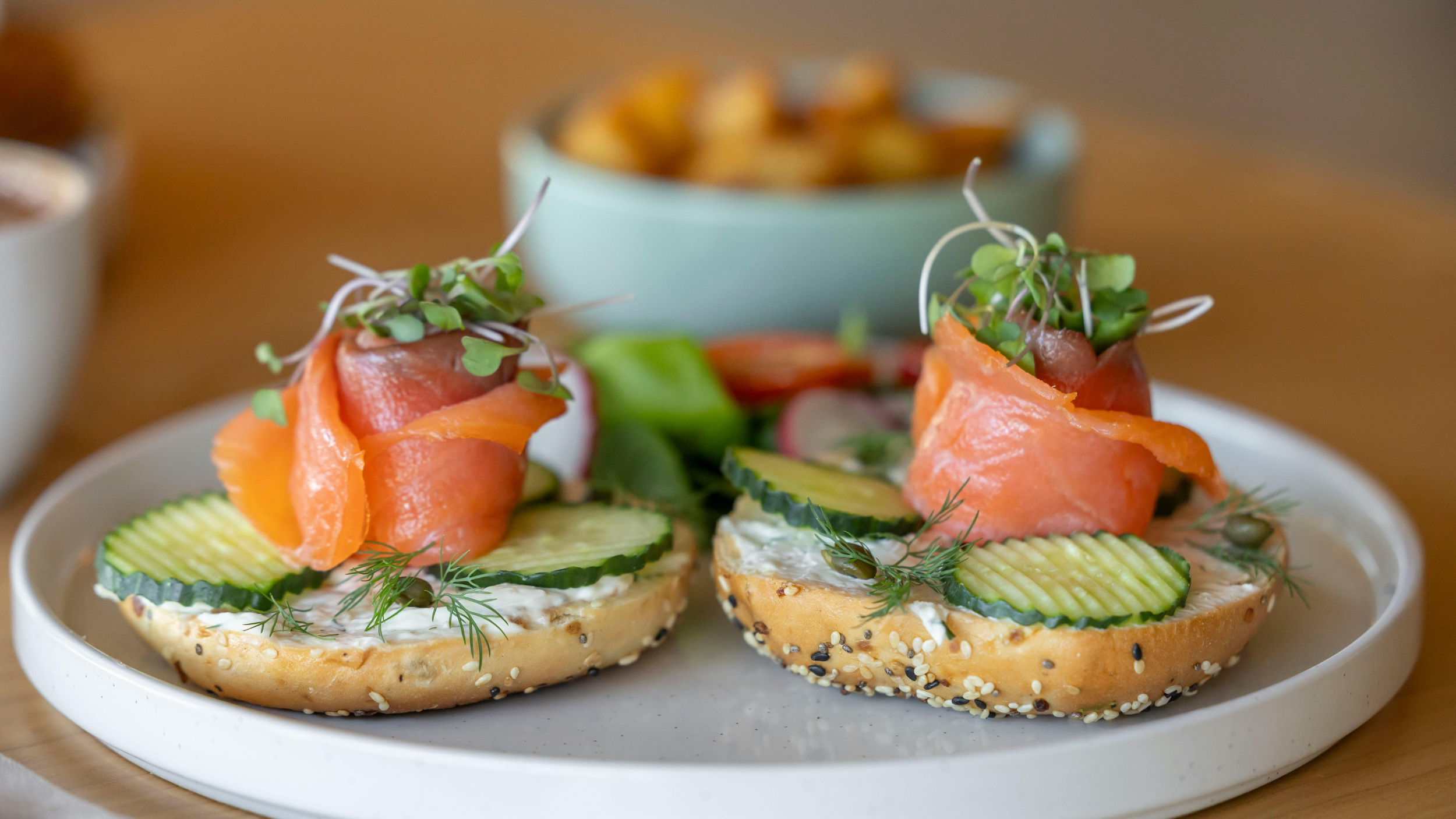
- Monday's roasted salmon becomes Tuesday's salmon salad with Greek yogurt, capers, and dill served in lettuce cups
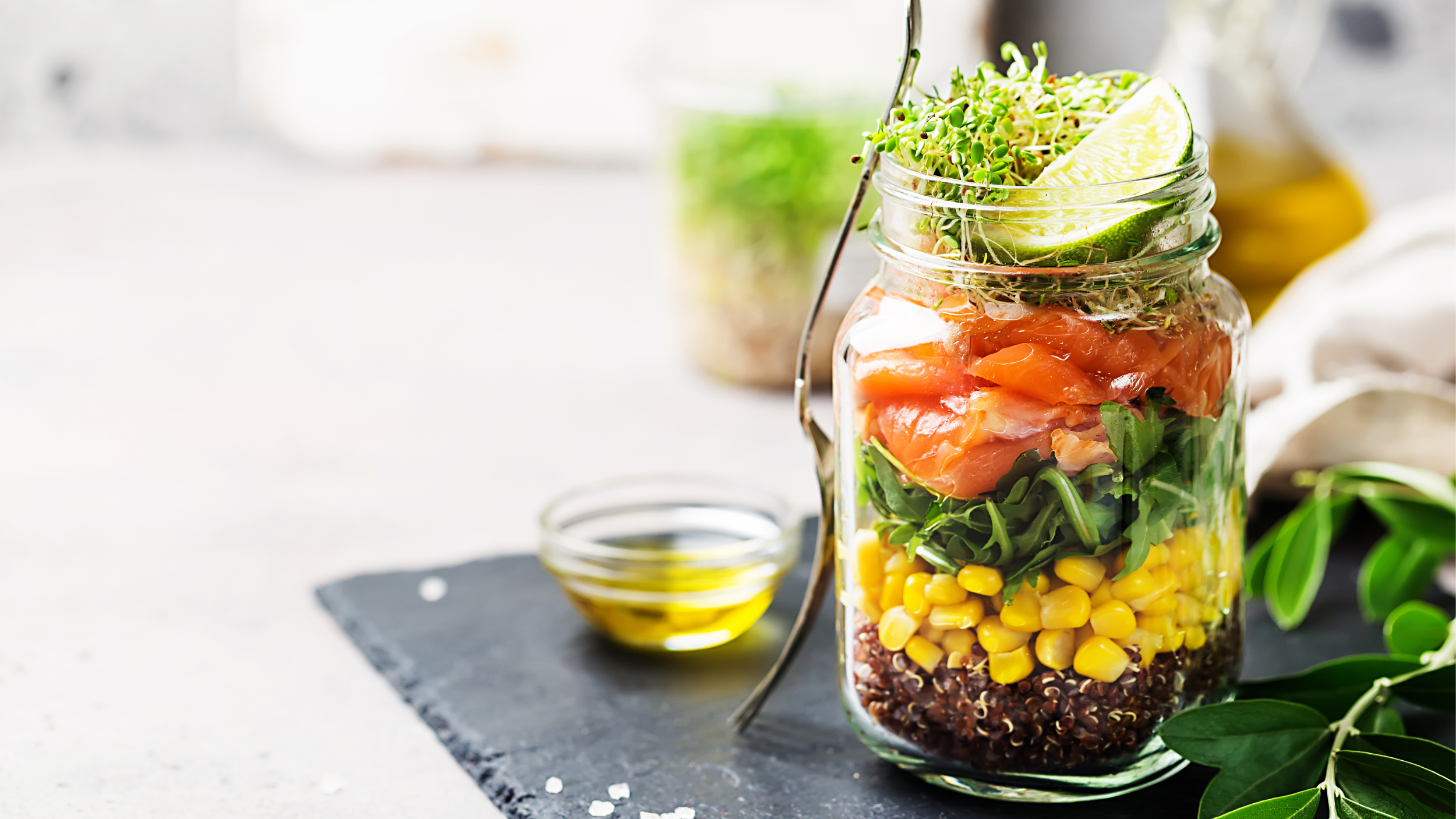
- Wednesday's grilled steak transforms into Thursday's steak and quinoa bowl with roasted veggies and chimichurri
- Friday's pork tenderloin turns into Saturday's pulled pork tacos with cabbage slaw
This is where your healthy lunch ideas for busy women truly come together. You're creating variety without extra cooking time.
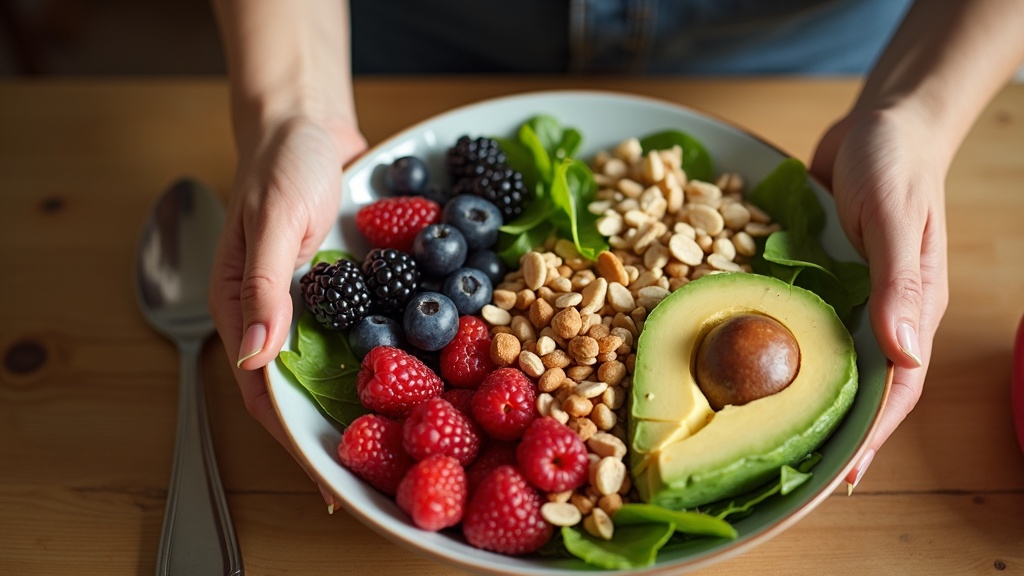
The nutritional advantage here is significant too. By adding different vegetables, herbs, and healthy fats each time, you're diversifying your nutrient intake and supporting your gut microbiome with varied plant compounds [4].
Your Leftover Game Plan: Putting It All Together
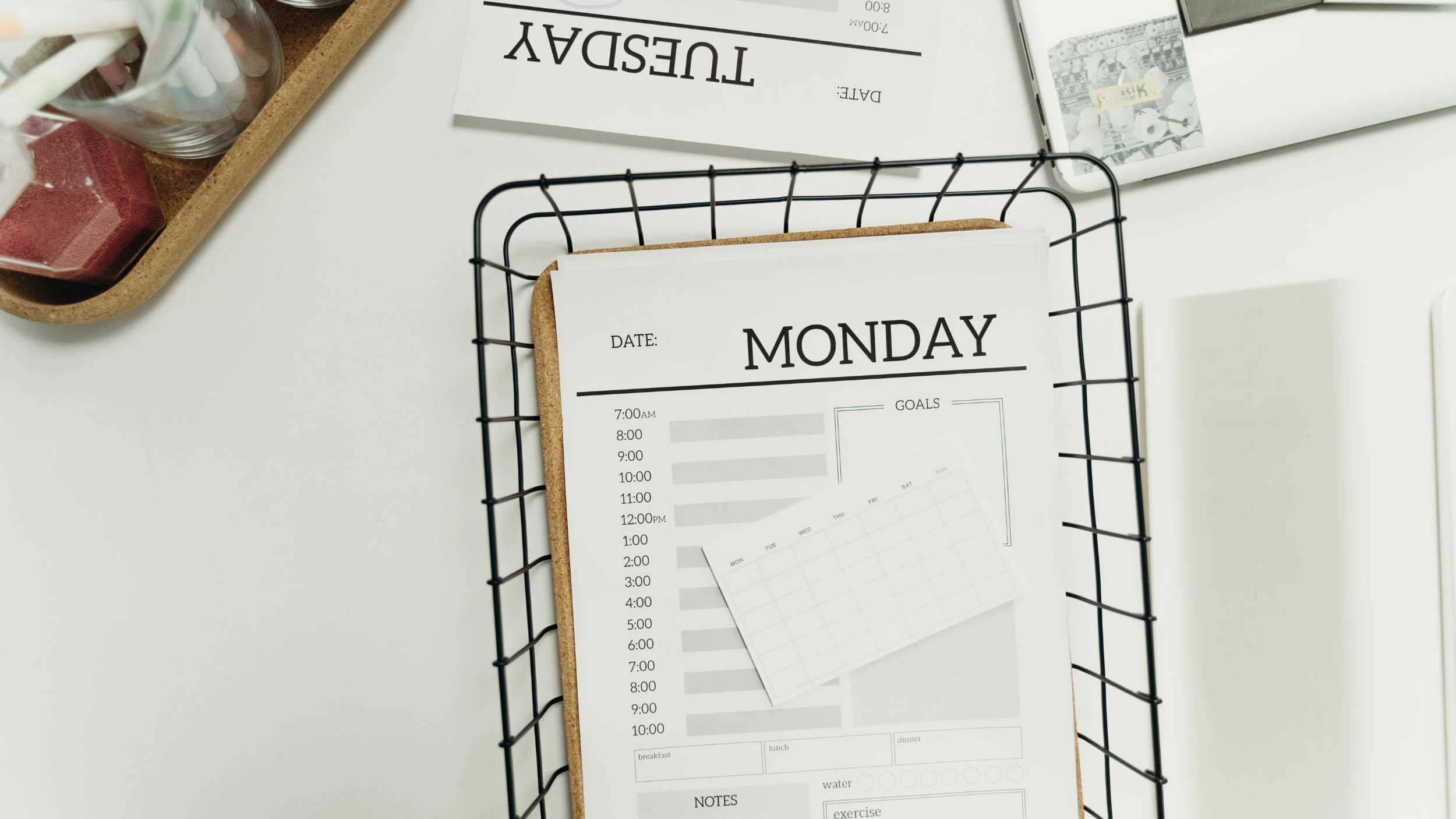
Now that you've got these three core strategies, let's talk about creating a meal plan with leftovers that actually works for your real life.
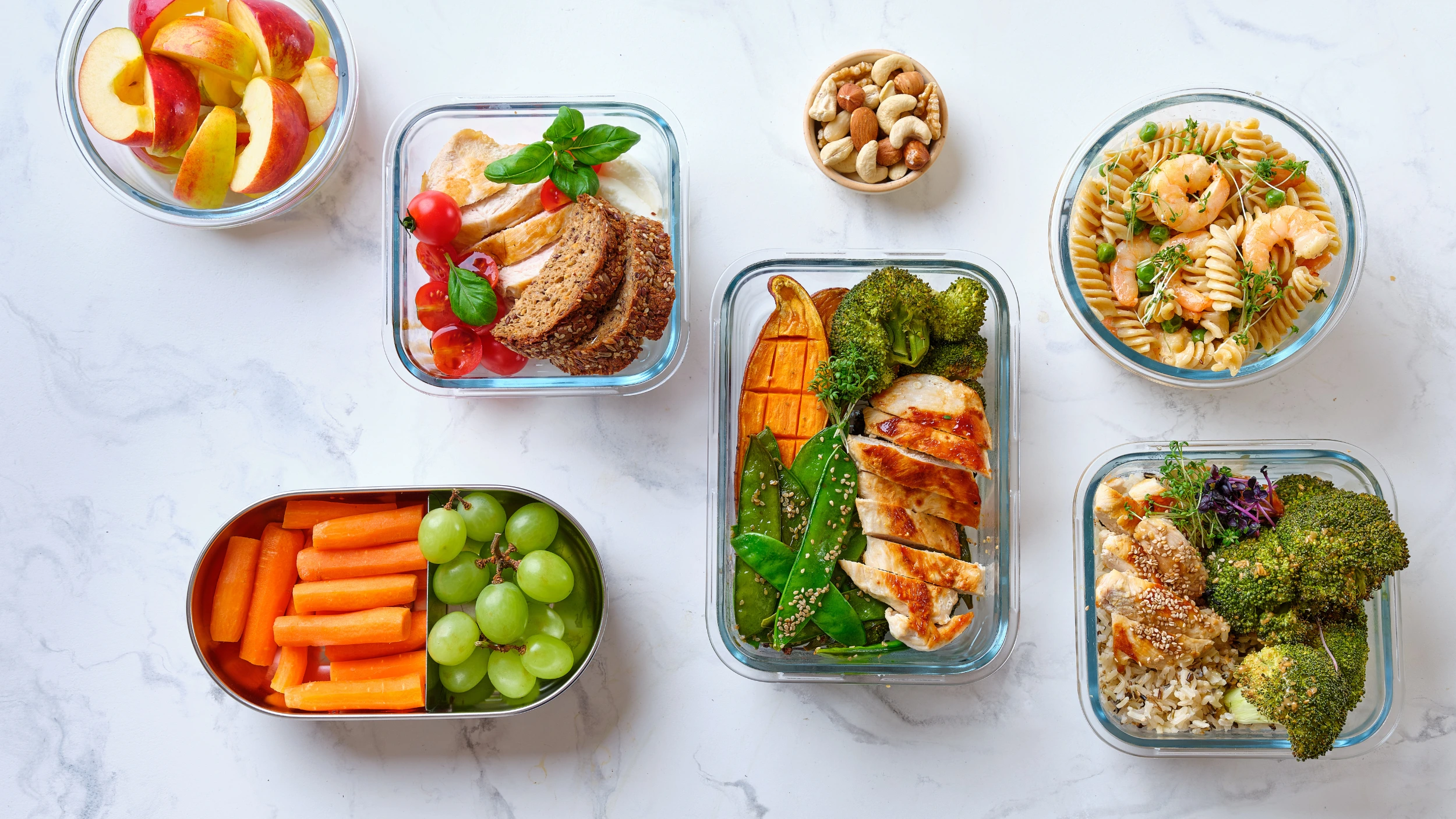
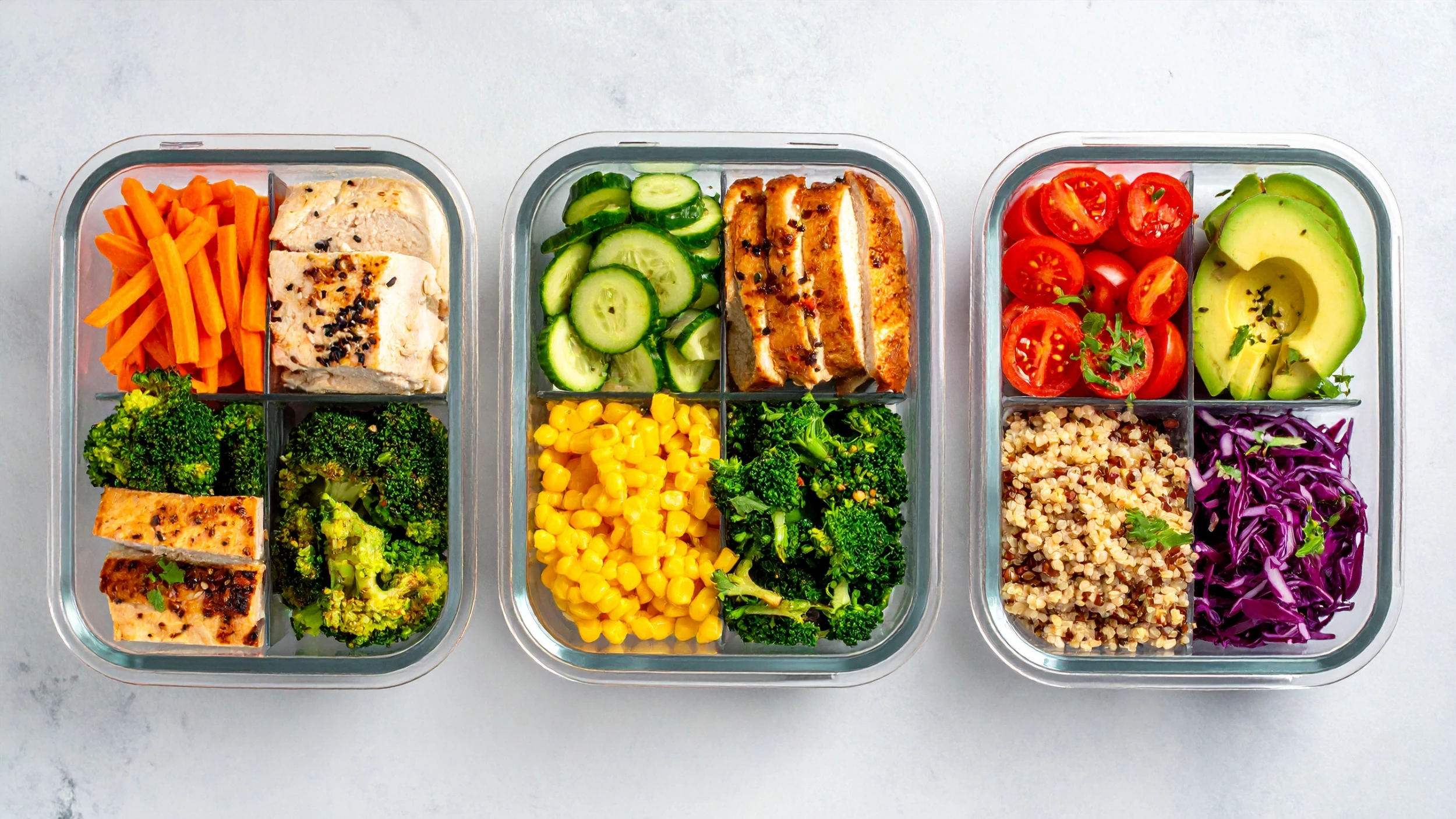
Start by cooking 2-3 base components on your prep day:
- A large batch of grains (rice, quinoa, farro)
- 2-3 pounds of roasted vegetables
- 1-2 proteins (chicken, fish, beans)
Then use the techniques above to remix them throughout the week. This approach to batch cooking cuts your active cooking time dramatically while keeping meals exciting.
Pro tips for maximum success:
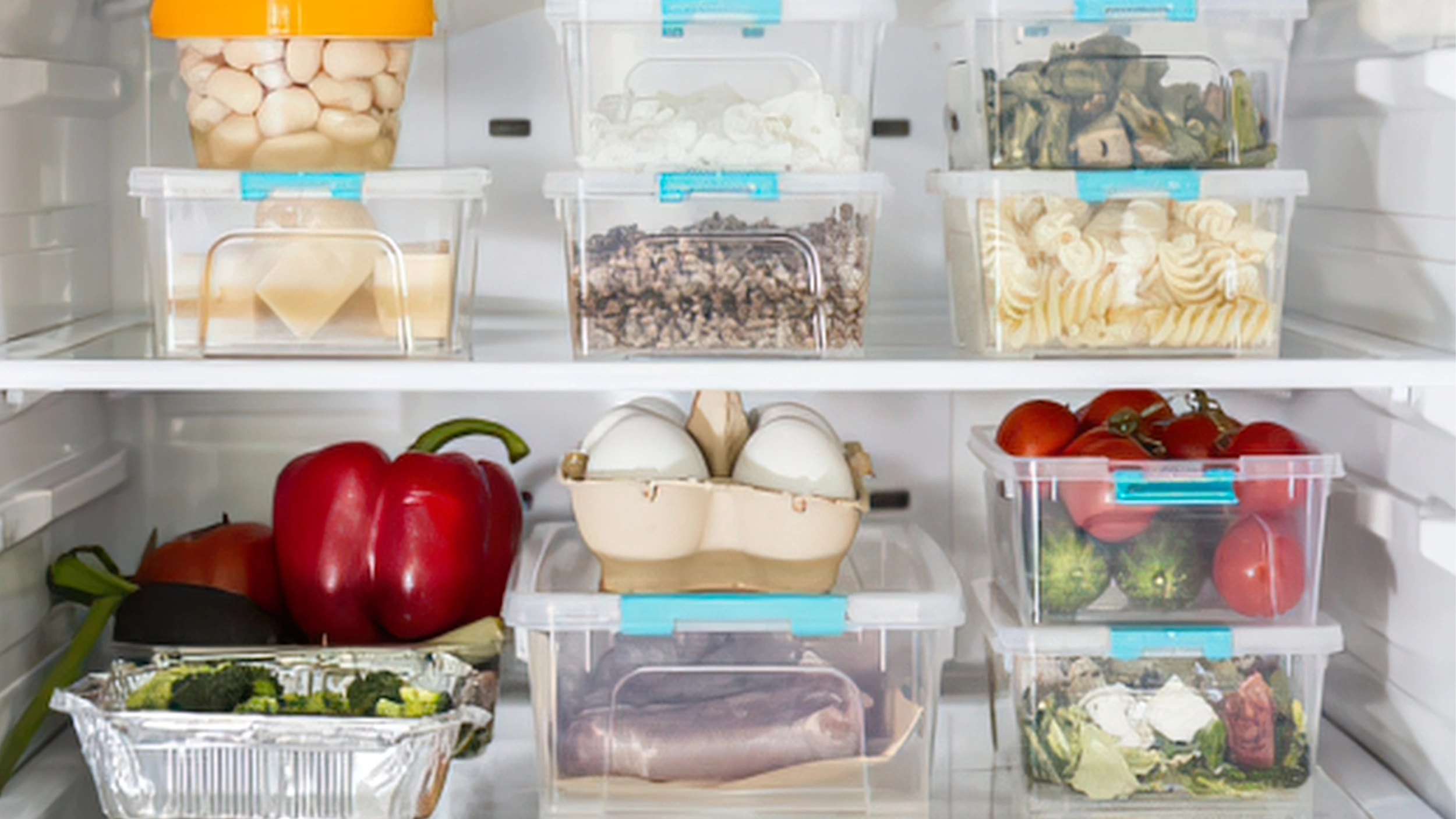
- Invest in clear, stackable containers so you can actually see what you have
- Label everything with the date using masking tape and a marker
- Keep a running "eat first" section in your fridge for items approaching day 4
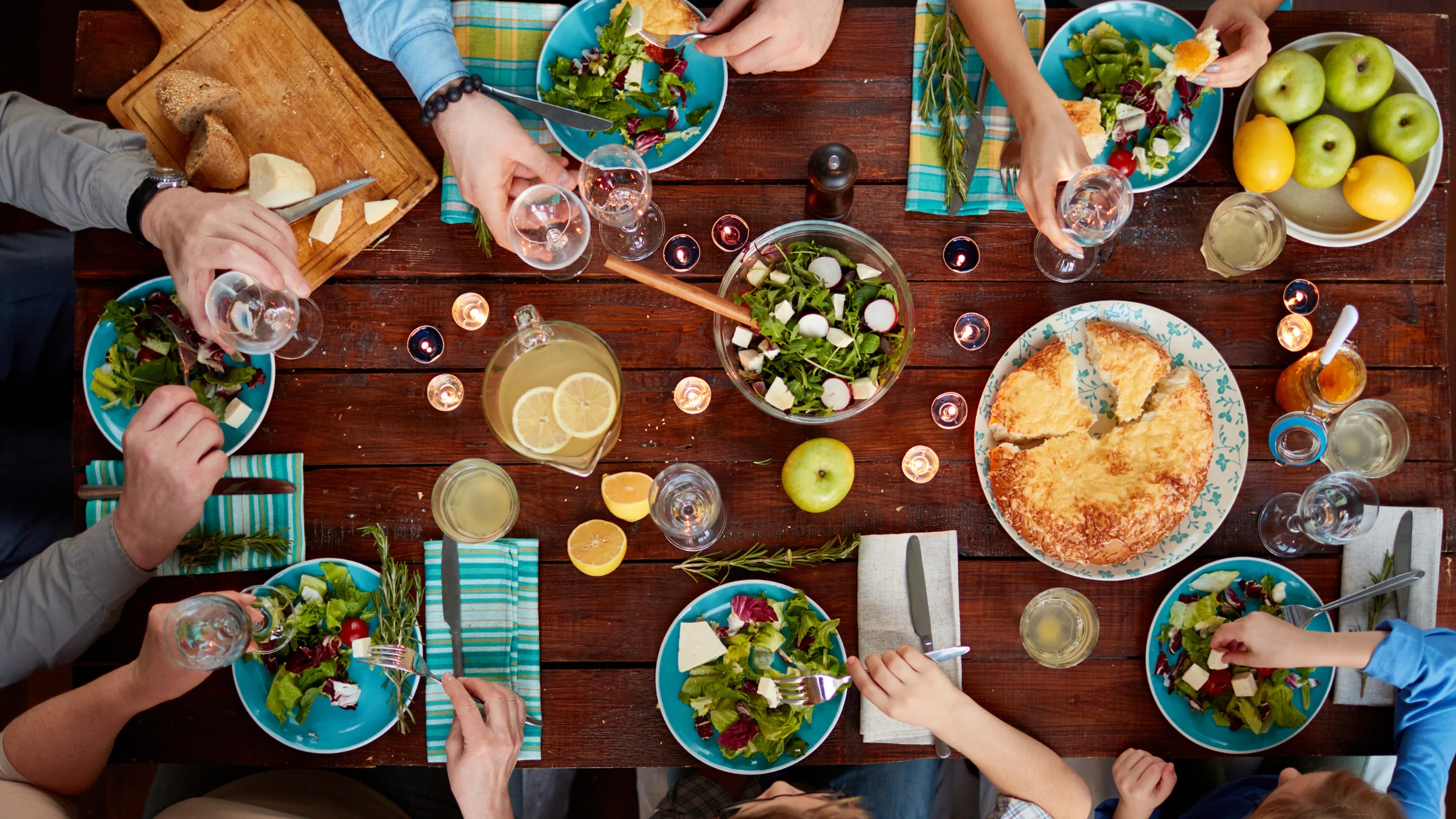
- Designate one night per week as "leftovers remix night" where everyone creates their own bowl or plate from what's available
FAQ: Your Leftover Questions, Answered
How long are most leftovers safe to eat?
Generally, leftovers can be safely stored in the refrigerator for 3-4 days when properly stored in airtight containers [5]. Always use your best judgment regarding smell and appearance. If something looks off or smells funky, trust your gut and toss it.
Can you really save money by reducing food waste?
Absolutely! Using leftovers creatively means you're buying fewer groceries and getting the maximum value out of everything you purchase. Studies show that households that actively work to reduce food waste save an average of $1,200-1,500 annually [1]. It's a huge win for your budget and the planet.
What's the best way to store leftovers for batch cooking?
Use clear, airtight containers so you can easily see what you have. Glass containers are ideal because they don't absorb odors or stains. Consider portioning meals into individual containers for easy grab-and-go lunches throughout the week. Store items at the proper temperature (below 40°F) and cool hot foods quickly before refrigerating.
Ready to Master Your Meal Plan?
Feeling inspired but not sure where to start? Let's create a personalized nutrition plan that simplifies healthy eating and puts an end to food waste for good. Book a 1:1 Consultation with a Dietitian Today!
Imagine opening your fridge and feeling excited instead of overwhelmed. That's what happens when you master these creative leftover ideas. You'll spend less time cooking, less money on groceries, and less energy stressing about what's for dinner. Plus, you'll be nourishing your body with diverse, nutrient-dense meals that support your health goals.
The real magic of upcycling leftovers isn't just about reducing waste—it's about reclaiming your time and mental energy. When you know you can turn yesterday's dinner into tomorrow's delicious lunch in under 10 minutes, meal planning stops feeling like a chore and starts feeling like a creative outlet.
Start with just one technique this week. Maybe it's the everything bake on Sunday that feeds you breakfast all week. Or perhaps you'll start that scrap bag in your freezer today. Small shifts create big impacts.
You've got this, and your future self (and your wallet) will thank you.
References
[1] ReFED. The Problem of Food Waste: Economic and Environmental Impact. ReFED Analysis, 2023.
[2] Mozaffarian D, Rosenberg I, Uauy R. History of modern nutrition science—implications for current research, dietary guidelines, and food policy. BMJ, 2018.
[3] McCance RA, Sheldon W, Widdowson EM. Bone and vegetable broth mineral content and nutritional value. Archives of Disease in Childhood, 1994.
[4] Heiman ML, Greenway FL. A healthy gastrointestinal microbiome is dependent on dietary diversity. Molecular Metabolism, 2016.
[5] United States Department of Agriculture. Leftovers and Food Safety Guidelines. USDA Food Safety and Inspection Service, 2023.
.svg)
.svg)


.jpg)
.jpg)




.webp)


















.webp)
.webp)
.webp)
.webp)
.webp)
.webp)
.webp)
.png)
.webp)
.webp)
.webp)
.png)
.webp)
.webp)
.webp)
.webp)
.webp)
.webp)
.webp)
.webp)
.webp)

.webp)
.png)