.webp)

%2B(7).webp)
.png)
At a Glance
Austin's vibrant food scene offers incredible options for women who want to eat well without sacrificing flavor or convenience. This dietitian-curated guide reveals the top 10 healthy restaurants in Austin where you can find nutrient-dense meals that support your energy, hormones, and wellness goals. Whether you're grabbing a quick lunch between meetings or planning a nourishing dinner, these spots deliver on both taste and nutrition.
Nourishing Your Body: Austin's Healthiest Eats
Finding healthy restaurants in Austin that actually understand nutrition can feel overwhelming when you're balancing work, family, and your own well-being. The good news? Austin has become a hub for health-conscious dining that goes far beyond boring salads.
When I'm evaluating the best healthy restaurants Austin has to offer, I look for three non-negotiables: quality protein sources, fiber-rich vegetables, and minimal inflammatory seed oils. Research shows that meals balanced with adequate protein (20-30g per meal) help stabilize blood sugar and reduce afternoon energy crashes [1].
1. Picnik Austin
With multiple locations across the city, Picnik has mastered the art of nutrient-dense comfort food. Their grass-fed butter coffee and collagen-boosted lattes support gut health and skin elasticity, while their breakfast tacos use pasture-raised eggs and organic tortillas.
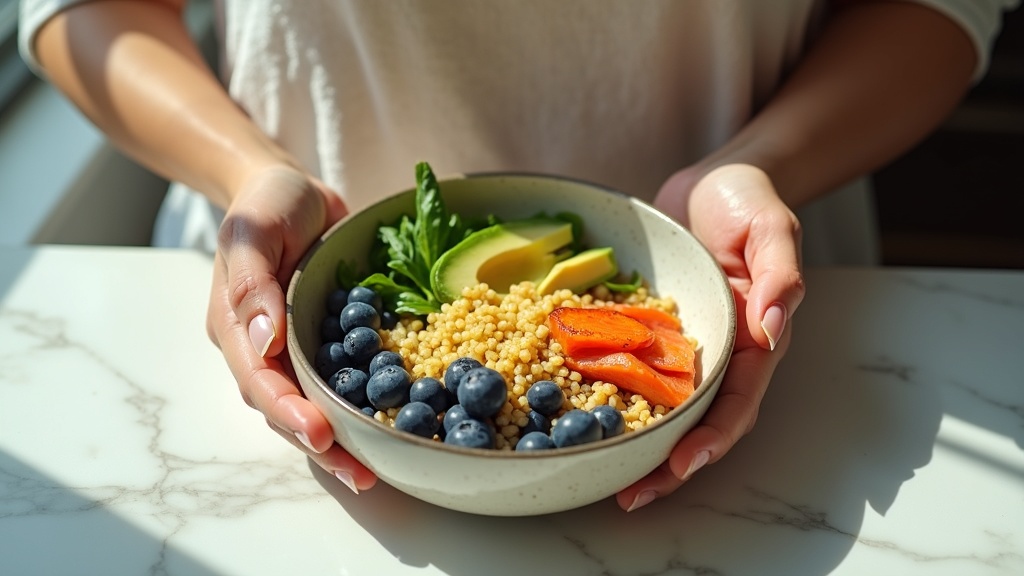
What to order: The Goodness Bowl with wild-caught salmon, avocado, and a variety of colorful vegetables provides balanced macros and anti-inflammatory omega-3 fatty acids [2].
2. Flower Child
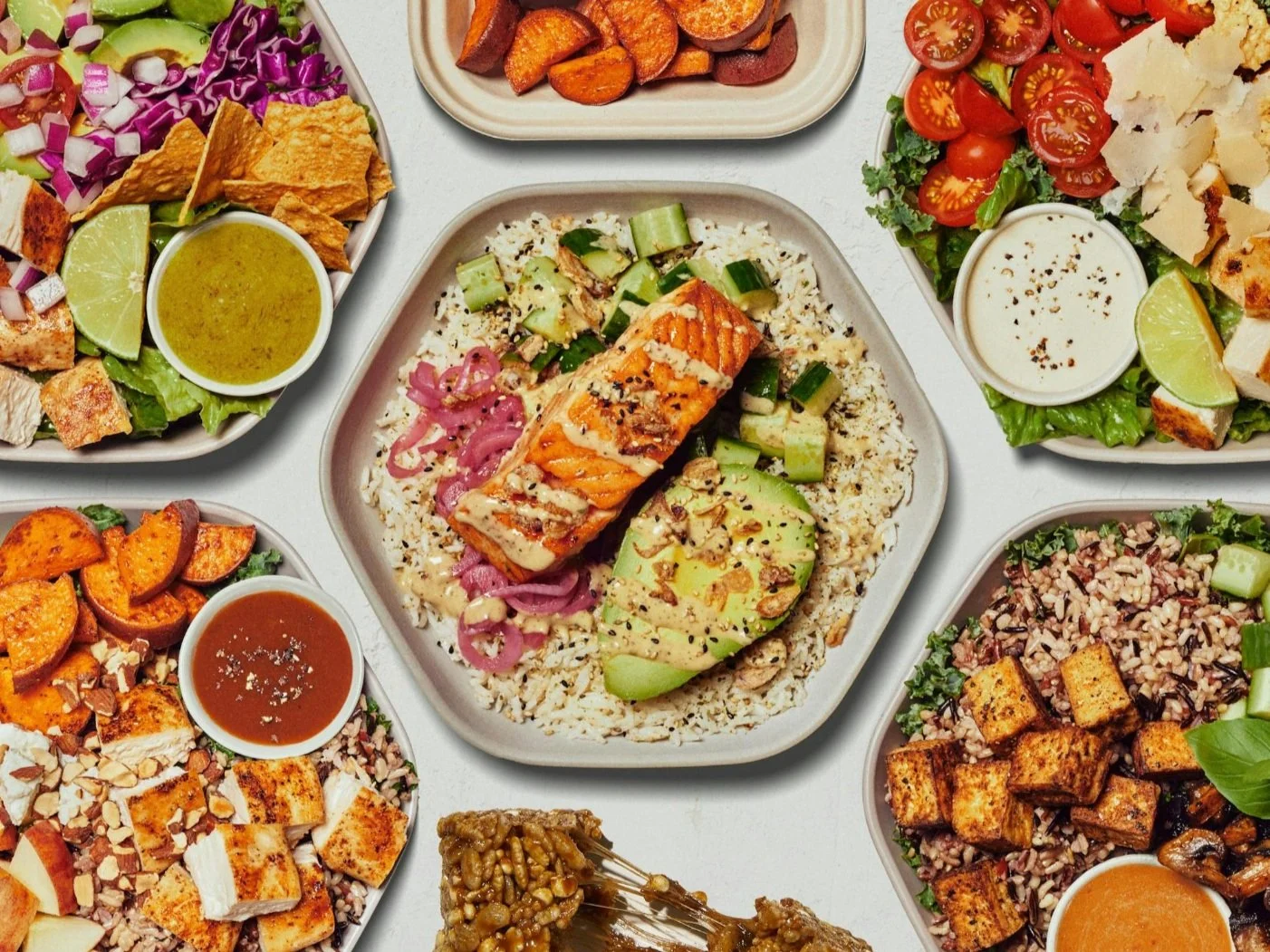
This fast-casual spot makes healthy lunch in Austin incredibly easy. Their build-your-own bowl concept lets you customize based on your specific nutritional needs, whether you're focusing on hormone balance or simply wanting clean fuel.
Dietitian tip: Choose the Mother Earth bowl with organic ancient grains, roasted sweet potato, and tahini dressing for a complete amino acid profile and sustained energy.
3. Juiceland
While smoothies alone don't make a complete meal, Juiceland's Real Meal bowls combine whole food ingredients with proper protein ratios. Their commitment to organic produce and transparent sourcing sets them apart from typical juice bars.
Their acai bowls can be modified to reduce added sugars—ask for half the granola and add hemp seeds for plant-based protein and essential fatty acids that support cellular health [3].
4. True Food Kitchen
Based on Dr. Andrew Weil's anti-inflammatory food pyramid, True Food Kitchen is among the best healthy restaurants in Austin TX for evidence-based nutrition. Their seasonal menu rotates based on nutrient density and local availability. Key items include the Ancient Grains Bowl for prebiotic fiber, rotating wild-caught fish, and a natural wine list with low-sulfite options.
5. Skull & Cakebones
Proving that healthy cafes in Austin can be indulgent, this vegan bakery creates treats using whole food ingredients, natural sweeteners, and nutrient-dense fats. While desserts shouldn't be daily staples, their approach to plant-based baking is genuinely impressive.
Professional insight: Their savory items like the tempeh bacon sandwich offer plant-based protein options that won't spike your blood sugar like traditional pastries.
6. Vinaigrette
This salad-focused restaurant sources from local farms and changes their menu based on seasonal availability. What makes them exceptional is their house-made dressings using extra virgin olive oil instead of inflammatory seed oils found in most restaurant kitchens.
Their protein portions are generous (4-6 oz), which is crucial for maintaining lean muscle mass and metabolic health, especially for women over 30 [4].
7. Blenders & Bowls
Specializing in smoothie bowls and pressed juices, this spot understands that healthy food in Austin needs to be both nutritious and Instagram-worthy. Their acai and pitaya bowls can be customized to support gut health with probiotic add-ins.
Smart swap: Request almond butter instead of nutella, and add spirulina for additional B vitamins and iron—nutrients many women are deficient in.
8. Koriente
This modern Asian restaurant offers some of the best healthy dinner in Austin with build-your-own rice and noodle bowls. Their use of fresh vegetables, quality proteins, and lighter preparation methods makes it easy to enjoy flavorful food without the heavy, sluggish feeling.
Choose brown rice or kelp noodles as your base, add grilled chicken or tofu, and load up on their vegetable options for a fiber-rich meal that supports digestive health.
9. Snap Kitchen
While technically a meal prep service with retail locations, Snap Kitchen deserves recognition as one of the best places to eat healthy in Austin when you're short on time. Their meals are designed by dietitians with clear macro breakdowns printed on every package.
Their grab-and-go model removes the guesswork from portion control and helps you maintain consistent nutrition even during your busiest weeks.
10. Citizen Eatery
This health food restaurant in Austin focuses on organic, locally-sourced ingredients with options for various dietary preferences. Their menu clearly labels gluten-free, dairy-free, and vegan items, making it easy to navigate based on your needs.
Hidden gem: Their bone broth is slow-simmered for 24 hours, providing collagen and minerals that support joint health, skin elasticity, and gut lining repair [5].
Making Smart Choices: Beyond the Menu
Even at the best healthy restaurants Austin offers, you still need to know how to navigate menus strategically. Here's what I teach my clients about making empowered choices when dining out.
Watch for hidden sugars in "healthy" dressings
Many restaurant dressings—even at health-focused spots—contain 8-12g of added sugar per serving. That's nearly half your recommended daily added sugar intake in just the dressing. Always ask for dressing on the side and use the "fork dip" method: dip your fork in dressing, then spear your salad.
Understand portion distortion
Restaurant portions have increased by 138% over the past three decades [6]. Even healthy restaurants Austin locals love often serve 2-3 proper portions on a single plate. There's no shame in eating half and saving the rest—your blood sugar will thank you.
Request a to-go container when your meal arrives, and immediately portion out half. This prevents the mindless eating that happens when we're distracted by conversation or scrolling our phones.
Prioritize protein first
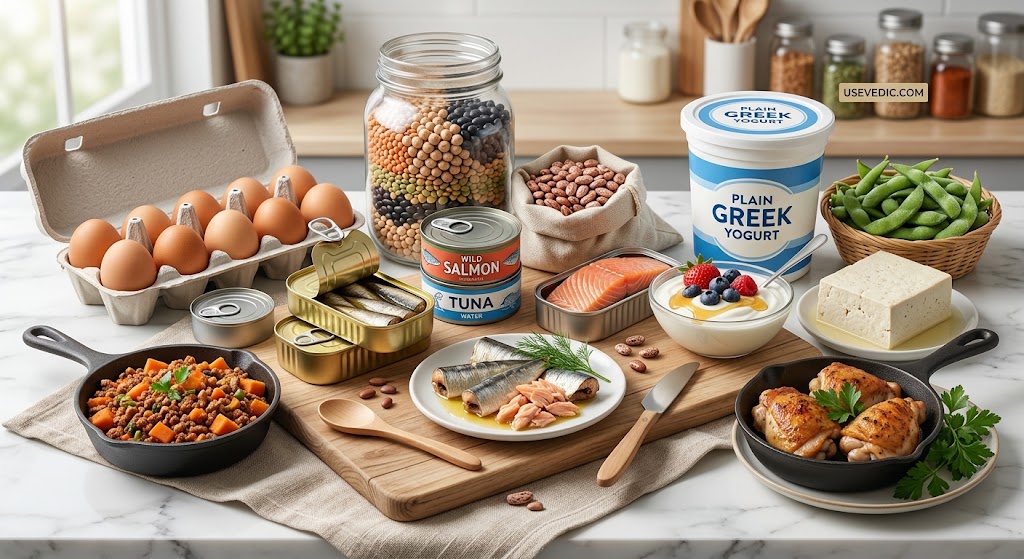
When scanning menus at Austin healthy eats spots, identify your protein source first. Aim for:
Protein supports satiety hormones like leptin and helps prevent the energy crashes that lead to afternoon sugar cravings [7]. This is especially important if you're managing stress and energy levels through nutrition.
Question cooking methods
Don't hesitate to ask how food is prepared. Even at the best healthy food Austin restaurants, some dishes are cooked in refined seed oils (canola, soybean, vegetable oil) that promote inflammation when heated to high temperatures.
Request grilled, baked, or sautéed preparations, and ask if they can use olive oil or avocado oil instead.
Balance your plate visually
A well-balanced plate should be roughly:
- Aim for half non-starchy vegetables
- A quarter high-quality protein
- A quarter complex carbohydrates
- A thumb-sized portion of healthy fats to support stable blood sugar and hormones.
This ratio supports stable blood sugar, sustained energy, and optimal hormone production throughout your cycle.
Austin's Hidden Gems for Your Wellness
Beyond the popular spots, Austin has some lesser-known restaurants that consistently deliver on both nutrition and flavor. These are the places my clients ask about most frequently.
Daily Juice
Tucked into various neighborhoods, Daily Juice offers cold-pressed juices and surprisingly substantial food options. Their breakfast burritos use organic eggs and can be customized with extra vegetables for added fiber and micronutrients.
What sets them apart is their commitment to zero added sugars in their juices—they rely solely on whole fruit, which provides beneficial fiber that slows glucose absorption.
Bouldin Creek Café
This vegetarian institution has been serving Austin since 1998, long before plant-based eating was trendy. Their menu features whole food ingredients and creative preparations that prove vegetarian food can be deeply satisfying.
Their Hippie Sandwich with hummus, avocado, and loads of fresh vegetables provides plant-based protein, healthy fats, and the kind of fiber that supports a diverse gut microbiome [8].
Local Foods
With a focus on Texas farmers and ranchers, Local Foods creates seasonal menus that change based on what's actually growing. This farm-to-table approach means you're getting produce at peak nutrient density.
Their commitment to grass-fed beef matters for your health—grass-fed meat contains higher levels of omega-3 fatty acids and conjugated linoleic acid (CLA), which may support healthy body composition [9].
Nourish + Bloom Market
This organic market and café combination offers prepared foods, smoothies, and a carefully curated selection of supplements and wellness products. It's perfect for grabbing a quick healthy lunch in Austin while also stocking up on pantry staples.
Their hot bar rotates daily with options like turmeric-roasted vegetables, wild-caught salmon, and ancient grain salads—all clearly labeled with ingredients and common allergens.
Jugo Juice Bar
Specializing in Venezuelan-inspired health food, Jugo brings a fresh perspective to Austin's wellness scene. Their cachapas (corn pancakes) made with organic corn and filled with cheese and avocado offer a gluten-free alternative to traditional wraps.
What I appreciate most is their emphasis on whole foods rather than processed meat alternatives, which often contain concerning levels of sodium and additives.
Thai Fresh
This organic Thai restaurant uses no MSG, refined sugars, or artificial ingredients. Their menu is entirely customizable for spice level and can accommodate virtually any dietary restriction.
Thai cuisine naturally incorporates anti-inflammatory ingredients like ginger, turmeric, lemongrass, and Thai basil—compounds that have been shown to reduce inflammatory markers in clinical studies [10].
Frequently Asked Questions
What are some quick and healthy lunch spots in Austin?
For the fastest healthy lunch in Austin, I recommend Snap Kitchen (grab-and-go with macro counts), Flower Child (fast-casual build-your-own bowls), or Picnik (quick counter service with balanced options). All three locations throughout the city make it easy to eat well even when you only have 20 minutes.
Where can I find vegetarian-friendly healthy restaurants in Austin?
Austin excels at vegetarian options. Bouldin Creek Café is entirely vegetarian, Skull & Cakebones is fully vegan, and Citizen Eatery clearly marks plant-based options. Flower Child and Koriente also offer extensive vegetarian customization with adequate protein from tofu, tempeh, and legumes.
Are there any gluten-free healthy restaurant options in Austin?
Absolutely. Picnik offers entirely gluten-free menus at all locations, True Food Kitchen clearly marks gluten-free items, and Vinaigrette's salads are naturally gluten-free (just verify dressings). Jugo Juice Bar's corn-based cachapas provide a delicious gluten-free alternative to wraps and sandwiches.
Ready to take your nutrition to the next level? Finding the best healthy restaurants in Austin is just one piece of your wellness puzzle. I work with busy women to create personalized nutrition strategies that fit your lifestyle, taste preferences, and health goals—whether that's balancing hormones, increasing energy, or finally feeling confident in your food choices. Book a consultation at www.usevedic.com and let's create a plan that works for your real life.
References
[1] Leidy HJ, Clifton PM, Astrup A, et al. The role of protein in weight loss and maintenance. American Journal of Clinical Nutrition, 2015.
[2] Calder PC. Omega-3 fatty acids and inflammatory processes: from molecules to man. Biochemical Society Transactions, 2017.
[3] Rodriguez-Leyva D, Pierce GN. The cardiac and haemostatic effects of dietary hempseed. Nutrition & Metabolism, 2010.
[4] Paddon-Jones D, Leidy H. Dietary protein and muscle in older persons. Current Opinion in Clinical Nutrition and Metabolic Care, 2014.
[5] Koutsos A, Tuohy KM, Lovegrove JA. Apples and cardiovascular health—is the gut microbiota a core consideration?. Nutrients, 2015.
[6] Young LR, Nestle M. The contribution of expanding portion sizes to the US obesity epidemic. American Journal of Public Health, 2002.
[7] Weigle DS, Breen PA, Matthys CC, et al. A high-protein diet induces sustained reductions in appetite, ad libitum caloric intake, and body weight. American Journal of Clinical Nutrition, 2005.
[8] Valdes AM, Walter J, Segal E, Spector TD. Role of the gut microbiota in nutrition and health. BMJ, 2018.
[9] Daley CA, Abbott A, Doyle PS, Nader GA, Larson S. A review of fatty acid profiles and antioxidant content in grass-fed and grain-fed beef. Nutrition Journal, 2010.
[10] Hewlings SJ, Kalman DS. Curcumin: A Review of Its Effects on Human Health. Foods, 2017.
.svg)
.svg)


.jpg)
.jpg)











.webp)


























.webp)
.webp)
.webp)
.webp)
.webp)
.webp)
.webp)
.png)
.webp)
.webp)
.webp)
.png)
.webp)
.webp)
.webp)
.webp)
.webp)
.webp)
.webp)
.webp)
.webp)


.webp)
.png)