

At a Glance
Food aversions in adults aren't just pickiness—they're often rooted in sensory processing differences, anxiety, or past experiences that make certain foods feel genuinely intolerable. With gentle, evidence-based strategies like food chaining and controlled exposure, you can gradually expand your diet without overwhelming your nervous system. This guide offers five compassionate steps to help you build confidence around new foods while honoring your body's unique needs.
It can feel isolating and frustrating when your diet is limited by strong food aversions, especially as an adult. Maybe you've been labeled "picky" your whole life, or perhaps you've noticed that certain textures make you gag involuntarily. You're navigating something real, and honestly? You're not alone. Research shows that approximately 20-30% of adults report significant food aversions that limit their dietary variety [1].
You're not just being difficult—there are often deep-seated sensory or psychological reasons behind these challenges. But here's the encouraging part: expanding your palate is absolutely possible with a gentle, no-pressure approach. Let's walk through a step-by-step guide to help you explore new foods with confidence and curiosity.
1. Get Curious About Your 'Why'
Before you can change what you eat, it helps to understand why you avoid certain foods. This isn't about judgment or forcing yourself to "get over it"—it's about gathering information to create a plan that truly works for you.
Is it a texture thing? A specific smell? Or maybe a bad experience from childhood that your nervous system hasn't forgotten? Recognizing whether you're dealing with sensory sensitivities or what's known as food neophobia (the fear of new foods) is a powerful first step [2].
Some adults have sensory processing differences that make certain food properties—like slimy textures, strong odors, or mixed consistencies—feel genuinely overwhelming. Others might have Avoidant/Restrictive Food Intake Disorder (ARFID), a condition characterized by limited food variety that can lead to nutritional deficiencies and social difficulties [3].
Take some time to journal about your safe foods versus your avoided foods. Look for patterns:
- Do you struggle with wet or slimy textures?
- Are crunchy foods your go-to?
- Do strong smells trigger immediate disgust?
- Are there specific colors or visual presentations that bother you?
- Did a negative experience (like choking or food poisoning) create lasting fear?
This self-awareness becomes your roadmap. If you're noticing severe restrictions that affect your health or quality of life, connecting with a dietitian who specializes in eating disorders can provide professional guidance tailored to your situation.
2. Introduce New Foods with 'Food Chaining'
Instead of jumping from a 'safe' food to something completely different (which can feel terrifying), try a technique called 'food chaining'. This method is backed by occupational therapy research and involves making very small, gradual changes to foods you already like [4].
Here's how it works: you build a "bridge" from a safe food to a new food by changing just one property at a time—maybe the brand, the shape, the cooking method, or a single ingredient.
Some practical examples of food chaining:
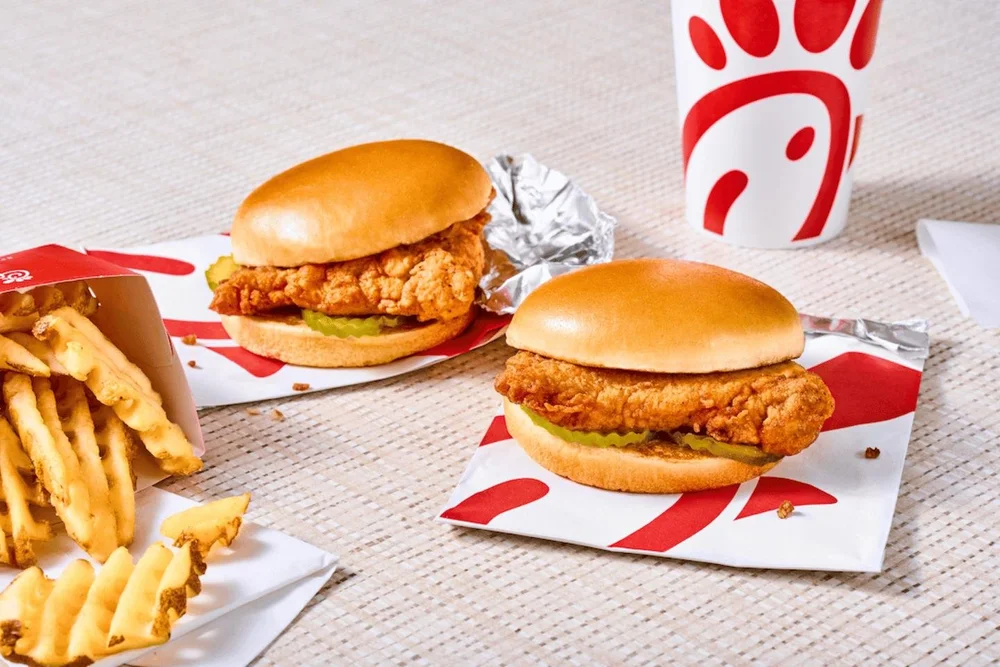
- If you like one brand of chicken nuggets, try a different brand with a similar shape and breading.
- If you enjoy fried chicken nuggets, the next step might be baked chicken nuggets, then baked chicken strips, then plain baked chicken.
- If you eat white cheddar crackers, try a different brand of white cheddar crackers, then whole grain white cheddar crackers, then mild regular cheddar crackers.
- If you like smooth peanut butter, you might try a slightly less smooth version, then one with tiny peanut pieces, gradually working toward chunky.
The key is that each step feels manageable because it builds on familiar tastes and textures. You're not asking your nervous system to accept something entirely foreign—just a small variation on something it already trusts.
This process takes time, and that's completely okay. Some people need weeks or months to move through a chain, and that's still progress worth celebrating.
3. Create a Calm, Sensory-Friendly Environment
Your environment can make a huge difference when you're trying new foods. If you feel stressed, pressured, or overstimulated, your body is less likely to accept something new. Your sympathetic nervous system (fight-or-flight mode) shuts down digestion and heightens disgust responses [5].
Try to make your tasting experiences as relaxed as possible. This might mean:
- Eating alone initially, without the pressure of others watching or commenting.
- Dimming the lights or using soft, natural lighting instead of harsh overhead fixtures.
- Playing calming music or using noise-canceling headphones to reduce overwhelming auditory input.
- Sitting in a comfortable chair rather than at a formal dining table.
- Choosing times when you're not already hungry, tired, or stressed.
- Removing other foods from the table so you're not visually overwhelmed.
Giving yourself a sense of control and safety is key to rewiring your brain's response to food. You're essentially teaching your nervous system that new foods aren't threats—they're neutral experiences you can explore at your own pace.
If you're dealing with broader anxiety around eating, addressing the emotional component alongside the sensory one can be incredibly helpful.
4. Focus on One Small Change at a Time
Overhauling your entire diet is overwhelming and, frankly, unnecessary. Instead, focus on exploring just one new food at a time, without the pressure of having to like it or finish it. The goal is just exposure—letting your brain and body become familiar with something new.
Research on food neophobia shows that it can take 10-15 exposures for your brain to accept a new food, and for some adults with sensory issues, it might take even more [6]. These exposures don't have to involve eating. They can be:
- Looking at the food from across the room
- Having it on the table while you eat your safe foods
- Smelling it
- Touching it with your fingers
- Touching it to your lips
- Licking it
- Taking a tiny bite and spitting it out
- Chewing and swallowing a small amount
You might spend several sessions on each step, and that's perfectly valid. There's no timeline, no deadline. Each interaction—even if it feels insignificant—is building neural pathways and reducing the novelty that triggers your aversion response.
Celebrate the small wins, like just having the food on your plate or trying a different brand of something familiar. Progress isn't linear, and some days will feel easier than others.
5. Work with Your Sensory Profile, Not Against It
If you've identified that sensory issues with food are a major factor in your aversions, you can actually use this knowledge strategically. Instead of fighting your sensory preferences, work with them.
For texture-sensitive individuals:
- Start with foods that match your preferred texture category (all crunchy, all smooth, etc.).
- Use tools like blenders or food processors to modify textures to your comfort level.
- Gradually introduce very slight texture variations using the food chaining method.
For smell-sensitive individuals:
- Try foods cold or at room temperature, which reduces aroma intensity.
- Start with milder-smelling versions of foods (like mild cheddar instead of sharp).
- Eat near an open window or with good ventilation.
For visually-sensitive individuals:
- Modify presentation (blend foods, use solid-colored dishes, arrange food in preferred patterns).
- Start with foods in your preferred color families.
- Use partitioned plates if you don't like foods touching.
Understanding your sensory profile also helps you identify which new foods might be easier starting points. If you love crunchy textures, expanding within the crunchy category (trying different types of crackers, chips, raw vegetables, or crispy proteins) will likely feel less intimidating than jumping to something soft or wet.
Many adults with food aversions also benefit from working with occupational therapists who specialize in sensory processing, especially if the restrictions are significantly impacting nutritional adequacy.
FAQs
What's the difference between a picky eater and an adult with food aversions?
A picky eater might have simple dislikes or preferences ("I don't really care for mushrooms"), but someone with a food aversion often has an intense, involuntary reaction like gagging, nausea, or panic to the smell, texture, or sight of a food. This can stem from sensory processing differences, anxiety, past trauma, or conditions like ARFID. The key difference is the intensity and the physical response—it's not a choice or a preference, it's a genuine physiological reaction.
Can food aversions in adults be overcome?
Yes, with patience and the right strategies, many adults can expand their diets significantly. Techniques like food chaining, gradual exposure in a low-pressure environment, and understanding the sensory triggers behind the aversion can be highly effective. That said, the goal isn't necessarily to eat everything—it's to expand your variety enough to support your health, social life, and well-being. Some aversions may always remain, and that's okay too.
How can a dietitian help with ARFID or severe food aversions?
A dietitian specializing in eating disorders like ARFID can create a personalized, structured plan to help you introduce new foods safely. They can help identify nutritional gaps in your current diet, suggest specific food chains based on your existing safe foods, provide accountability and support, and reduce the anxiety around eating. They can also coordinate with therapists or occupational therapists for comprehensive care. Many adults find that having professional support makes the process feel less lonely and more manageable.
Is food neophobia the same as being a picky eater?
Food neophobia specifically refers to the fear of trying new or unfamiliar foods, and it's more intense than general pickiness. While most children go through a neophobic phase, some adults retain this fear into adulthood, which can significantly limit dietary variety. It often involves anxiety, avoidance behaviors, and physical symptoms when confronted with new foods. It's a recognized phenomenon in eating behavior research and can be addressed with systematic desensitization techniques.
What are ARFID symptoms in adults?
ARFID (Avoidant/Restrictive Food Intake Disorder) symptoms in adults include eating a very limited variety of foods (sometimes fewer than 20 items), avoiding entire food groups, experiencing significant weight loss or nutritional deficiencies, relying on nutritional supplements to meet needs, and having eating restrictions that interfere with social functioning. Unlike other eating disorders, ARFID isn't about body image—it's about the food itself being intolerable due to sensory properties, fear of consequences (like choking), or lack of interest in eating.
Ready to Build a Better Relationship with Food?
Expanding your palate as an adult with food aversions is absolutely possible, but it doesn't have to be something you do alone. Our registered dietitians specialize in helping women navigate sensory issues, ARFID, and restrictive eating patterns with compassion and evidence-based strategies.
We'll work with you to create a personalized plan based on your current safe foods, your sensory profile, and your goals—whether that's improving nutrition, feeling more comfortable in social eating situations, or simply having more options that bring you joy.
Book a consultation today at www.usevedic.com to create a plan that works with your body, not against it.
References
[1] Kauer J, Pelchat ML, Rozin P, Zickgraf HF. Adult picky eating: Phenomenology, taste sensitivity, and psychological correlates. Appetite, 2015.
[2] Dovey TM, Staples PA, Gibson EL, Halford JC. Food neophobia and 'picky/fussy' eating in children: a review. Appetite, 2008.
[3] American Psychiatric Association. Diagnostic and Statistical Manual of Mental Disorders, Fifth Edition (DSM-5): Avoidant/Restrictive Food Intake Disorder. American Psychiatric Publishing, 2013.
[4] Toomey KA, Ross ES. SOS Approach to Feeding: Practical solutions for feeding difficulties and food aversions. Perspectives on Swallowing and Swallowing Disorders, 2011.
[5] Macht M. How emotions affect eating: A five-way model. Appetite, 2008.
[6] Birch LL, Marlin DW. I don't like it; I never tried it: effects of exposure on two-year-old children's food preferences. Appetite, 1982.