.webp)

%2B(7).webp)
.png)
At a Glance
Your urine color is one of the most reliable daily indicators of hydration status, nutritional intake, and overall wellness. While pale yellow typically signals optimal hydration, darker shades often mean you need more fluids, and certain colors can reveal what you ate or supplemented with recently. Understanding this simple body cue empowers you to make real-time adjustments to your health habits.
What Your Urine Color Is Telling You: A Dietitian's Guide to Hydration
Ever wonder what the color in the toilet bowl is really trying to tell you? Think of it as a daily wellness check-in from your body. As a dietitian, I help women understand these subtle cues. Your urine color is one of the simplest ways to gauge your hydration and nutritional status. Let's decode what's normal, what's not, and when a simple color change might warrant a conversation with a health professional.
Decoding the Rainbow: Your Daily Urine Color Chart Explained
Your daily hydration level is the biggest factor here. Let's break down the spectrum from 'perfectly hydrated' to 'time for a water bottle, ASAP.' The urine color chart is essentially a hydration roadmap that ranges from clear to deep amber, and each shade tells a specific story about your fluid balance.
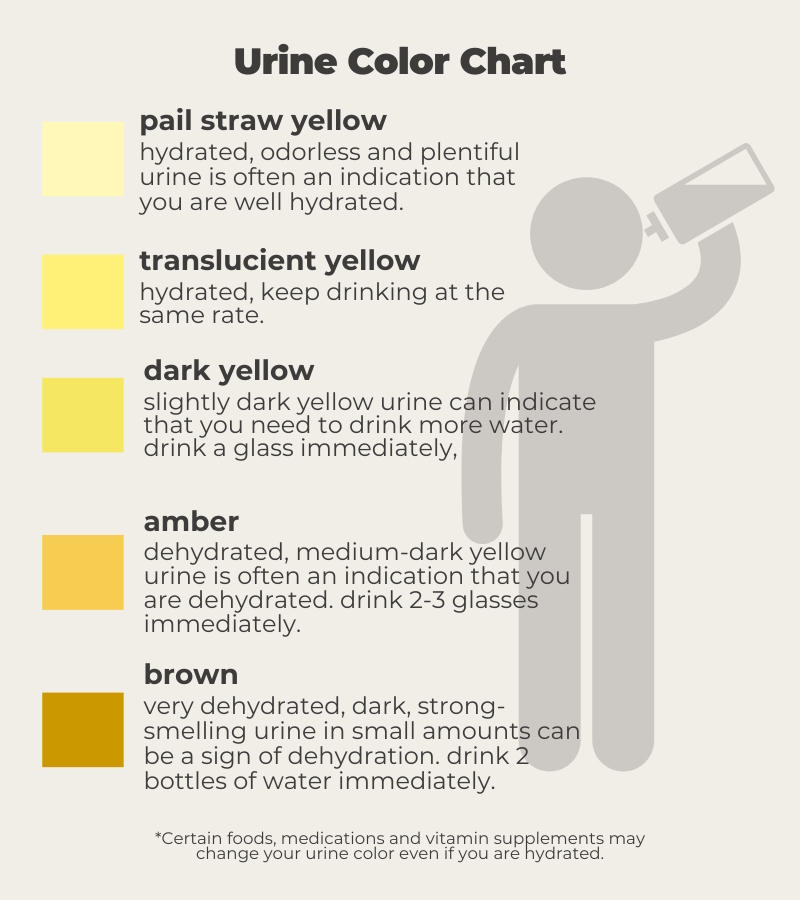
Clear to Pale Straw Yellow: This is your hydration sweet spot. Clear urine or very pale yellow indicates you're well-hydrated and your kidneys are efficiently filtering waste [1]. If your urine is consistently completely clear, you might actually be overhydrating, which can dilute essential electrolytes like sodium and potassium. For most women, aiming for a pale straw color is ideal.
Translicent Yellow: Still excellent territory. This shade suggests optimal fluid intake and healthy kidney function. Your body has enough water to flush out metabolic waste products without being overly diluted.
Dark Yellow to Amber: This is your body waving a flag that says "more water, please." Dark yellow urine typically signals mild to moderate dehydration [2]. Your kidneys are concentrating your urine to conserve water, which intensifies the color from urobilin, a pigment produced when your body breaks down hemoglobin. This is especially common first thing in the morning after hours without fluid intake, or after intense workouts when you've lost significant water through sweat.
Brown Colored: This warrants attention. While severe dehydration can cause this shade, it might also indicate liver issues or the presence of bile pigments in urine [3]. If you've been drinking adequate fluids and still see this color, contact your healthcare provider.
For women juggling work, fitness, and daily life in 2026, I typically recommend the "urine check-in" method: glance at your pee color 2-3 times daily and adjust your water intake accordingly. If you're consistently seeing darker shades despite drinking water, it might be time for a metabolic health assessment to rule out underlying issues.
Beyond Hydration: How Foods & Vitamins Can Change Your Urine
Did you know that your lunch can show up in your pee? From the B vitamins in your multi turning it bright yellow to asparagus giving it a distinct smell, what you eat plays a huge role. Understanding how vitamins change urine color can save you from unnecessary health anxiety.
Common Food-Related Color Changes:
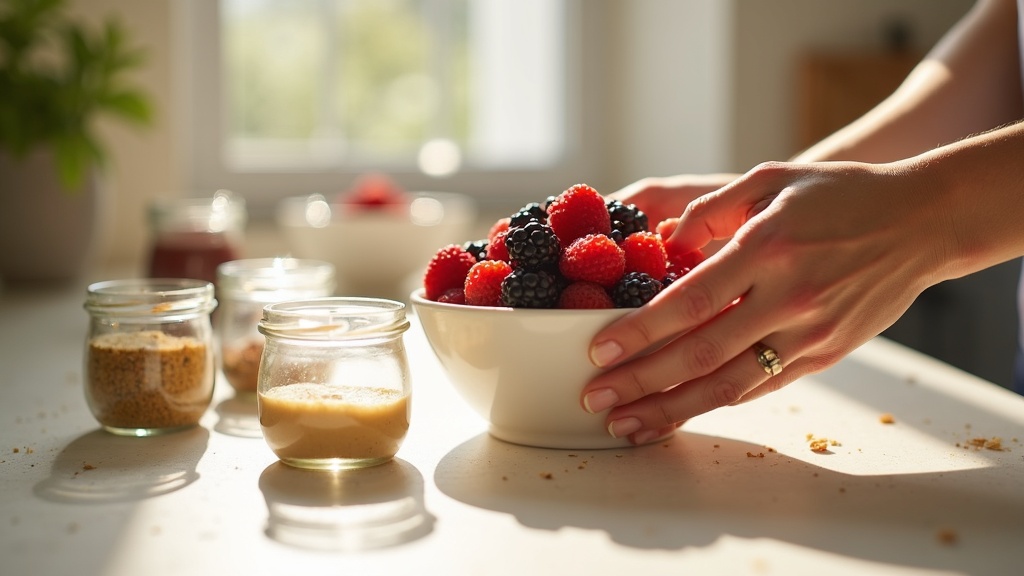
- Beets and Berries: Can turn urine pink or reddish, a harmless condition called beeturia that affects about 10-14% of people [4]. This happens when your body doesn't fully break down the pigment betacyanin.
- Asparagus: While it doesn't change color dramatically, it creates a distinctive sulfurous smell due to asparagusic acid breakdown. Only about 40% of people can actually smell this change due to genetic variations [5].
- Carrots and Vitamin C: Excessive intake can create an orange tint due to beta-carotene and other carotenoids passing through your system.
- Rhubarb and Fava Beans: Can cause brownish or dark urine in some individuals, particularly those with certain enzyme deficiencies.
Supplement-Induced Changes:
- B-Complex Vitamins: The most common culprit for neon yellow or almost fluorescent urine. Riboflavin (vitamin B2) is particularly responsible for this bright hue [6]. Your body absorbs what it needs and excretes the excess, which is completely normal and harmless.
- Vitamin C (High Doses): Can cause a slight orange tint when taken in megadoses beyond what your body can utilize.
- Iron Supplements: May darken urine or give it a slightly greenish tint, especially when taken in therapeutic doses for anemia.
- Prenatal Vitamins: Often create that signature bright yellow due to their high B-vitamin content.
Here's the thing: these dietary and supplement-related changes are temporary and typically resolve within 24-48 hours. If you're concerned about whether your multivitamin is actually working or just creating expensive pee, check out this guide on how to choose the right supplements for your body based on actual nutrient needs rather than marketing claims.
When It's More Than Color: Understanding Urinalysis & When to Be Concerned
While most color changes are benign, some can be a red flag. Let's discuss what abnormal urine color or cloudy urine might signify and why your doctor might order a urinalysis test.
A urinalysis is a comprehensive urine test that examines physical characteristics (color, clarity, concentration), chemical composition (pH, protein, glucose, ketones), and microscopic analysis (cells, crystals, bacteria) [7]. It's one of the most common diagnostic tools because urine composition reflects your metabolic state, kidney function, and potential infections.
Color Changes That Warrant Medical Attention:
- Red or Pink (Not from Food): Could indicate blood in the urine (hematuria), which might signal urinary tract infections, kidney stones, or in rare cases, bladder or kidney conditions. Always worth checking out, especially if accompanied by pain or frequent urination.
- Cloudy or Murky Urine: Often suggests a urinary tract infection (UTI), especially when paired with a strong odor, burning during urination, or pelvic discomfort [8]. Cloudiness can result from white blood cells, bacteria, or excess protein. Women are particularly susceptible to UTIs due to anatomical differences, with nearly 50-60% experiencing at least one in their lifetime.
- Foamy or Bubbly: Occasional foam is normal, especially if you're dehydrated or urinating forcefully. However, persistently foamy urine might indicate excess protein (proteinuria), which can be an early sign of kidney dysfunction [9].
- Blue or Green: Rare but possible. Can result from certain medications (like methylene blue), artificial food dyes, or very rarely, bacterial infections involving Pseudomonas.
- Orange: Beyond dehydration and beta-carotene, this could indicate bile duct or liver issues, especially if accompanied by pale stools or jaundice.
When to Request a Urinalysis Test:
Your healthcare provider might order a urinalysis test if you're experiencing persistent abnormal urine color, unexplained fatigue, swelling in extremities, changes in urination frequency, or pain during urination. It's also standard during pregnancy check-ups and routine physical exams.
The test measures several markers:
- Specific Gravity: Indicates concentration and hydration status
- pH Level: Normal range is 4.5-8.0; outside this might suggest metabolic issues
- Protein: Should be minimal; presence may indicate kidney stress
- Glucose: Shouldn't normally appear; presence may suggest diabetes
- Ketones: Present during fat metabolism, common with low-carb diets or diabetes
- Blood Cells: White cells suggest infection; red cells indicate bleeding
If you're managing conditions like PCOS, thyroid disorders, or insulin resistance—common among my clients—regular urinalysis can be part of comprehensive metabolic monitoring. Understanding what these tests reveal helps you have more informed conversations with your care team and make targeted nutrition adjustments.
For women dealing with recurrent UTIs or unexplained urinary symptoms, I often recommend looking at gut health and its connection to urinary wellness, since the microbiome plays a surprising role in preventing pathogenic bacteria from colonizing the urinary tract.
Practical Hydration Guidelines for Women
So how much water do you actually need? The old "8 glasses a day" rule is overly simplistic. Your hydration needs depend on body size, activity level, climate, dietary sodium intake, and whether you're menstruating, pregnant, or breastfeeding.
The National Academy of Medicine recommends approximately 2.7 liters (91 ounces) of total water daily for women, with about 20% coming from food [10]. That translates to roughly 9 cups of beverages, but this is highly individual.
Smart Hydration Strategies:
- Use your urine color as feedback: Aim for pale yellow throughout the day. If you're consistently seeing dark yellow by mid-afternoon, increase your intake.
- Front-load your hydration: Drink 16-20 ounces within 30 minutes of waking to offset overnight fluid loss.
- Account for exercise: Add 12-16 ounces for every 30 minutes of moderate activity, more for intense training or hot conditions.
- Consider your menstrual cycle: Progesterone in the luteal phase (post-ovulation) can increase fluid retention and alter thirst signals, so you might need slightly more water during this time.
- Balance electrolytes: Plain water isn't always enough. If you're drinking large volumes (especially if training hard), include electrolyte-rich foods or beverages to maintain sodium, potassium, and magnesium balance.
- Monitor during illness: Fever, vomiting, or diarrhea dramatically increase fluid losses. Urine color becomes even more critical during these times.
Dehydration isn't just about thirst—it impacts cognitive function, physical performance, mood regulation, and even skin health. Research shows that even mild dehydration (1-2% body water loss) can impair concentration and increase fatigue [11].
Frequently Asked Questions (FAQs)
What color is considered healthy for urine?
Typically, a pale straw to transparent yellow color indicates you are well-hydrated and healthy. This shade suggests your kidneys are functioning optimally and you're maintaining good fluid balance throughout the day.
How quickly does drinking water change your urine color?
It can be surprisingly fast! Depending on how hydrated you are, you might see a change towards a lighter color within an hour or two of drinking a large glass of water. Your kidneys process fluids continuously, so hydration status is reflected relatively quickly in urine concentration.
Can stress or anxiety affect urine color?
While stress itself doesn't directly change the color, it can lead to dehydration if you forget to drink or cause you to release certain hormones like cortisol and adrenaline that might slightly concentrate your urine, making it appear darker. Stress can also trigger more frequent urination in some people, which might affect concentration.
Why is my urine bright yellow after taking vitamins?
This is completely normal and primarily caused by riboflavin (vitamin B2) and other B-complex vitamins. Your body absorbs what it needs and excretes the excess through urine, creating that neon yellow shade. It's actually a sign that your supplement is dissolving and being processed, though it doesn't necessarily mean you needed those extra vitamins.
Is cloudy urine always a sign of infection?
Not always. While cloudy urine can indicate a UTI (especially with other symptoms like burning or frequency), it can also result from dehydration, certain foods, or normal phosphate crystals in urine. If cloudiness persists beyond a day or is accompanied by discomfort, it's worth getting checked.
Can my period affect urine color?
Yes, menstruation can occasionally cause slight pink or red tinting if menstrual blood mixes with urine, which is normal. Hormonal fluctuations during your cycle can also affect fluid retention and concentration, potentially making urine slightly darker during certain phases.
Take Control of Your Health Cues
Your body is constantly communicating with you through subtle signals like urine color, energy levels, digestion, and sleep quality. Learning to interpret these cues is foundational to sustainable wellness.
If you're feeling confused or concerned about what your body is telling you—whether it's persistent dark urine despite drinking water, unexplained color changes, or just wanting to optimize your hydration and nutrition strategy—let's chat. Understanding your unique biochemistry, lifestyle demands, and health goals makes all the difference in creating a plan that actually works.
Book a one-on-one consultation at www.usevedic.com to create a personalized nutrition and hydration plan tailored specifically to your body, your schedule, and your wellness vision for 2026 and beyond.
References
[1] Popkin BM, D'Anci KE, Rosenberg IH. Water, Hydration and Health. Nutrition Reviews, 2010.
[2] Armstrong LE, Ganio MS, Casa DJ, et al. Mild Dehydration Affects Mood in Healthy Young Women. Journal of Nutrition, 2012.
[3] Simerville JA, Maxted WC, Pahira JJ. Urinalysis: A Comprehensive Review. American Family Physician, 2005.
[4] Mitchell SC. Food Idiosyncrasies: Beetroot and Asparagus. Drug Metabolism and Disposition, 2001.
[5] Pelchat ML, Bykowski C, Duke FF, Reed DR. Excretion and Perception of a Characteristic Odor in Urine after Asparagus Ingestion. Chemical Senses, 2011.
[6] Institute of Medicine. Dietary Reference Intakes for Thiamin, Riboflavin, Niacin, Vitamin B6, Folate, Vitamin B12, Pantothenic Acid, Biotin, and Choline. National Academies Press, 1998.
[7] Fogazzi GB, Ponticelli C, Ritz E. The Urinary Sediment: An Integrated View. Oxford University Press, 1999.
[8] Hooton TM. Uncomplicated Urinary Tract Infection. New England Journal of Medicine, 2012.
[9] National Kidney Foundation. Protein in Urine (Proteinuria). NKF Patient Education, 2023.
[10] National Academies of Sciences, Engineering, and Medicine. Dietary Reference Intakes for Water, Potassium, Sodium, Chloride, and Sulfate. The National Academies Press, 2005.
[11] Ganio MS, Armstrong LE, Casa DJ, et al. Mild Dehydration Impairs Cognitive Performance and Mood of Men. British Journal of Nutrition, 2011.
.svg)
.svg)






.jpg)
.jpg)



















.webp)































.webp)
.webp)
.webp)
.webp)
.webp)
.webp)
.webp)
.png)
.webp)
.webp)

.webp)
.png)
.webp)
.webp)
.webp)
.webp)
.webp)
.webp)
.webp)
.webp)
.webp)


.webp)
.png)