

At a Glance
Protein is the most satiating macronutrient because it manipulates your hunger hormones—specifically lowering ghrelin while boosting appetite-suppressing hormones like PYY and GLP-1. It also requires more energy to digest than carbs or fats, creating a metabolic advantage that extends fullness. Strategic protein timing throughout your day, especially 30g at breakfast, can transform your relationship with hunger and make appetite control feel effortless.
The Hormone Handshake: How Protein Quiets Your Hunger Cues
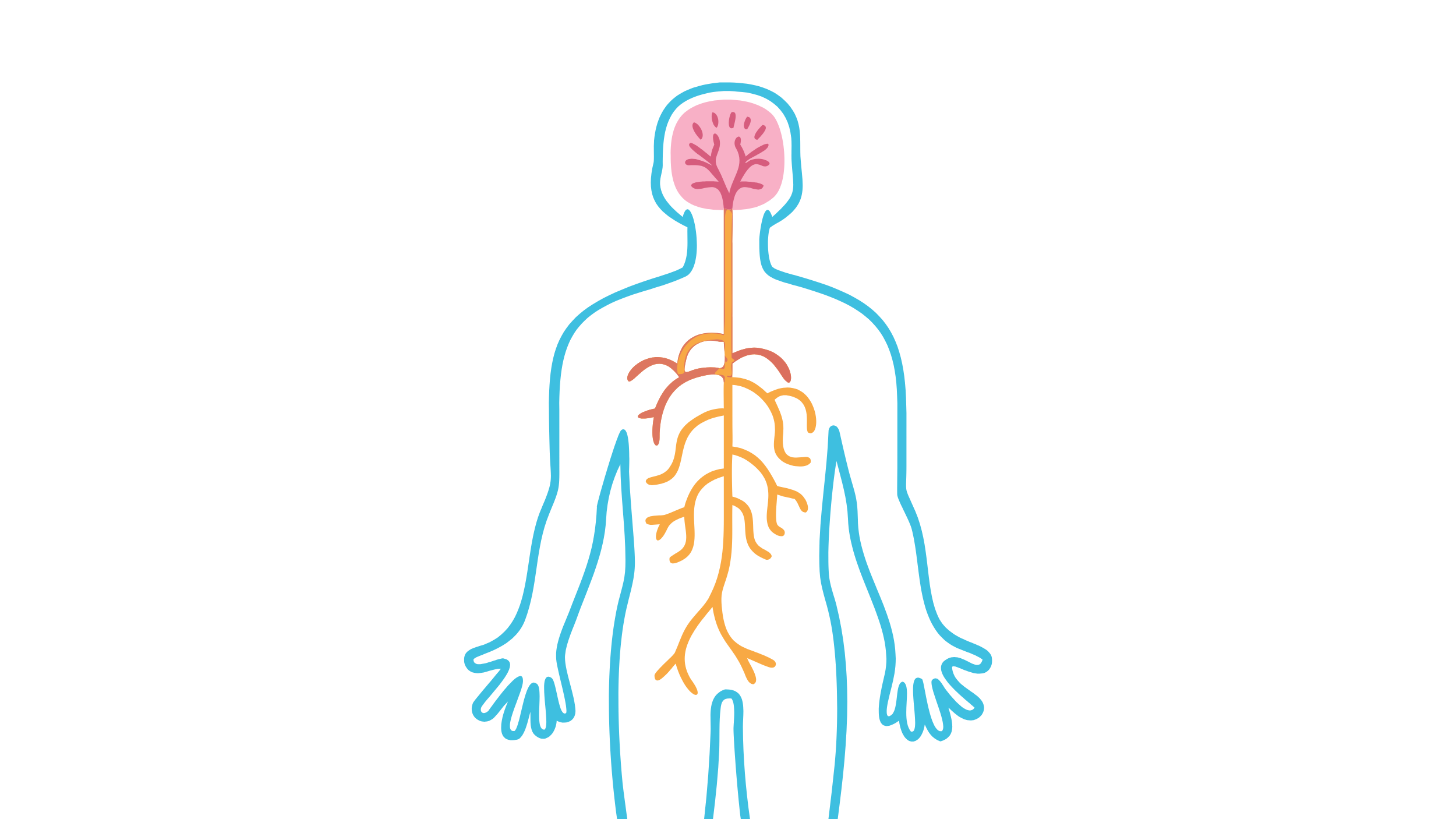
Let's talk about what's actually happening inside your body when you eat. Your hunger isn't random—it's orchestrated by a sophisticated hormonal communication system that's constantly sending signals between your gut and your brain.
When your stomach is empty, it releases ghrelin, often called the "hunger hormone." Think of ghrelin as your body's dinner bell—it travels through your bloodstream to your brain, literally screaming "feed me!" But here's where protein becomes your secret weapon.
When you eat a high-protein meal, something remarkable happens. Protein triggers a dramatic suppression of ghrelin [1], essentially turning down the volume on those hunger signals. But it doesn't stop there—protein simultaneously stimulates the release of satiety hormones, particularly peptide YY (PYY) and glucagon-like peptide-1 (GLP-1) [2].
These satiety hormones work like your body's natural appetite suppressants. PYY slows down the movement of food through your digestive tract, which physically keeps you feeling fuller for longer. Meanwhile, GLP-1 acts on your brain's appetite centers, reducing your desire to eat and helping you feel genuinely satisfied after meals [3].
This is the science of satiety in action—a hormonal handshake that carbohydrates and fats simply can't replicate with the same intensity. Research consistently shows that protein is approximately 25-30% more satiating than carbs or fats when matched calorie-for-calorie [4].
What does this mean for you practically? When you prioritize protein, you're working with your body's biochemistry, not fighting against it. You're literally changing the hormonal messages being sent to your brain, making it biologically easier to eat less without that constant mental battle with hunger.
If you're dealing with constant cravings or feeling like your appetite is out of control, understanding how to balance blood sugar can also play a significant role in supporting these hunger hormones.
More Than a Meal: The Thermic Effect of Protein
Have you ever felt noticeably warmer after eating a big chicken breast or steak? That's not your imagination—it's your metabolism ramping up to process all that protein.
This phenomenon is called the Thermic Effect of Food (TEF), and it refers to the energy your body expends just to digest, absorb, and process the nutrients you eat. Not all macronutrients are created equal here, and protein is the clear winner.
Here's the breakdown: protein requires about 20-30% of its calories to be burned during digestion, compared to just 5-10% for carbohydrates and a measly 0-3% for fats [5]. In practical terms, if you eat 100 calories of protein, your body uses 20-30 of those calories just to process it. That's a metabolic bonus you don't get from other macronutrients.
But the benefits go beyond just calorie burn. This increased metabolic activity contributes directly to how protein makes you feel full. The digestive process for protein is slower and more complex, which means your body stays busy working on it for hours after you eat. This extended digestion time translates into prolonged satiety—you literally feel fuller for longer [6].
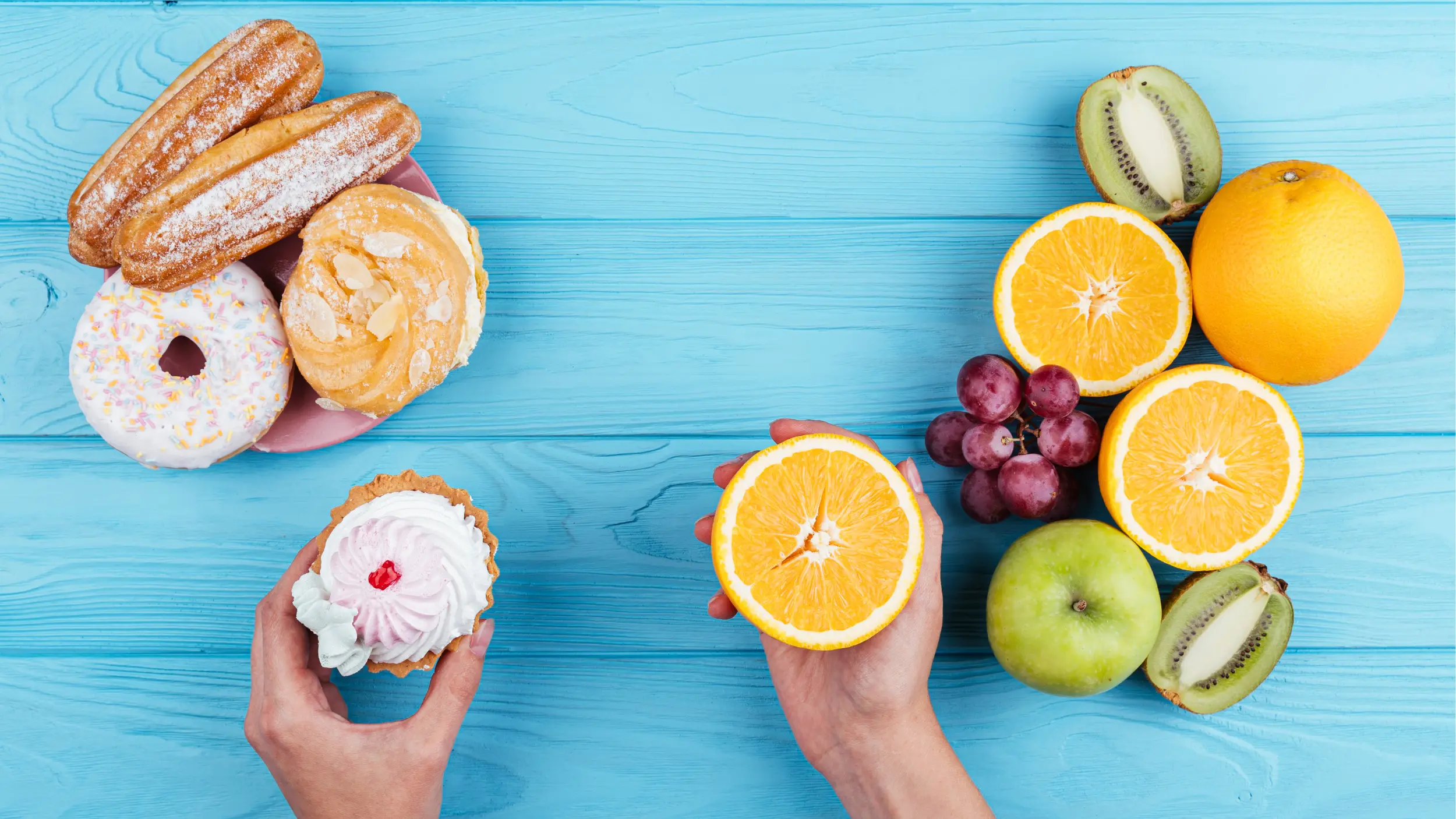
Think about it this way: when you eat a bagel (mostly carbs), your body processes it relatively quickly, and you're hungry again within a couple of hours. But when you eat Greek yogurt with nuts (high protein), you're satisfied for 4-5 hours because your digestive system is still actively working through all that protein.
This is one reason why high-protein diets are so effective for weight management. You're not just eating less because you feel fuller—you're actually burning more calories in the process of digestion itself. It's like getting a metabolic advantage built right into your food choices.
For women specifically, this matters even more. As we age and our metabolism naturally slows, particularly during perimenopause and beyond, protein becomes an increasingly important tool for maintaining muscle mass and metabolic rate. If you're navigating hormonal changes, you might find it helpful to explore strategies for managing perimenopause symptoms alongside your nutrition approach.
Putting It On Your Plate: Simple Swaps & Timing for Lasting Satiety
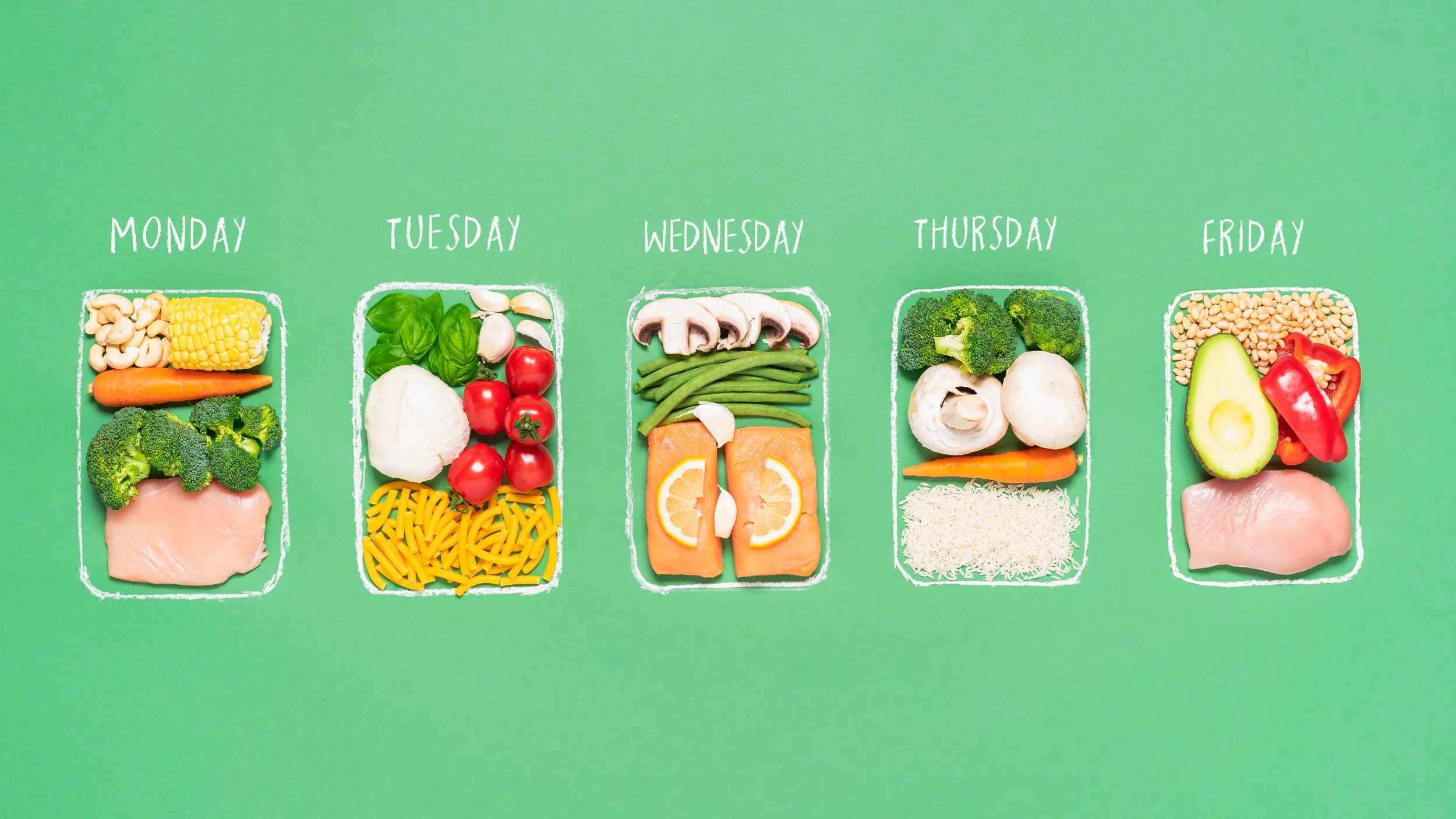
Knowing the science is empowering, but let's make this completely actionable. The secret to leveraging protein for satiety isn't just about hitting a daily target—it's about strategic distribution throughout your day.
Start Strong: The 30-Gram Breakfast Rule
Research shows that front-loading your protein intake at breakfast can set your appetite hormones up for success all day long [7]. Aim for at least 30 grams of protein within an hour or two of waking up. This isn't just about feeling full at breakfast—it actually reduces cravings and overall calorie intake throughout the entire day.
Some practical 30g protein breakfast ideas:
- 3-egg omelet with cheese and vegetables: Approximately 24g protein (add a side of Greek yogurt to hit 30g)
- Protein smoothie: 1 scoop whey or plant-based protein powder (20-25g) + 1 cup Greek yogurt (10g) + berries and spinach
- Cottage cheese bowl: 1.5 cups cottage cheese (35g) topped with nuts and fruit
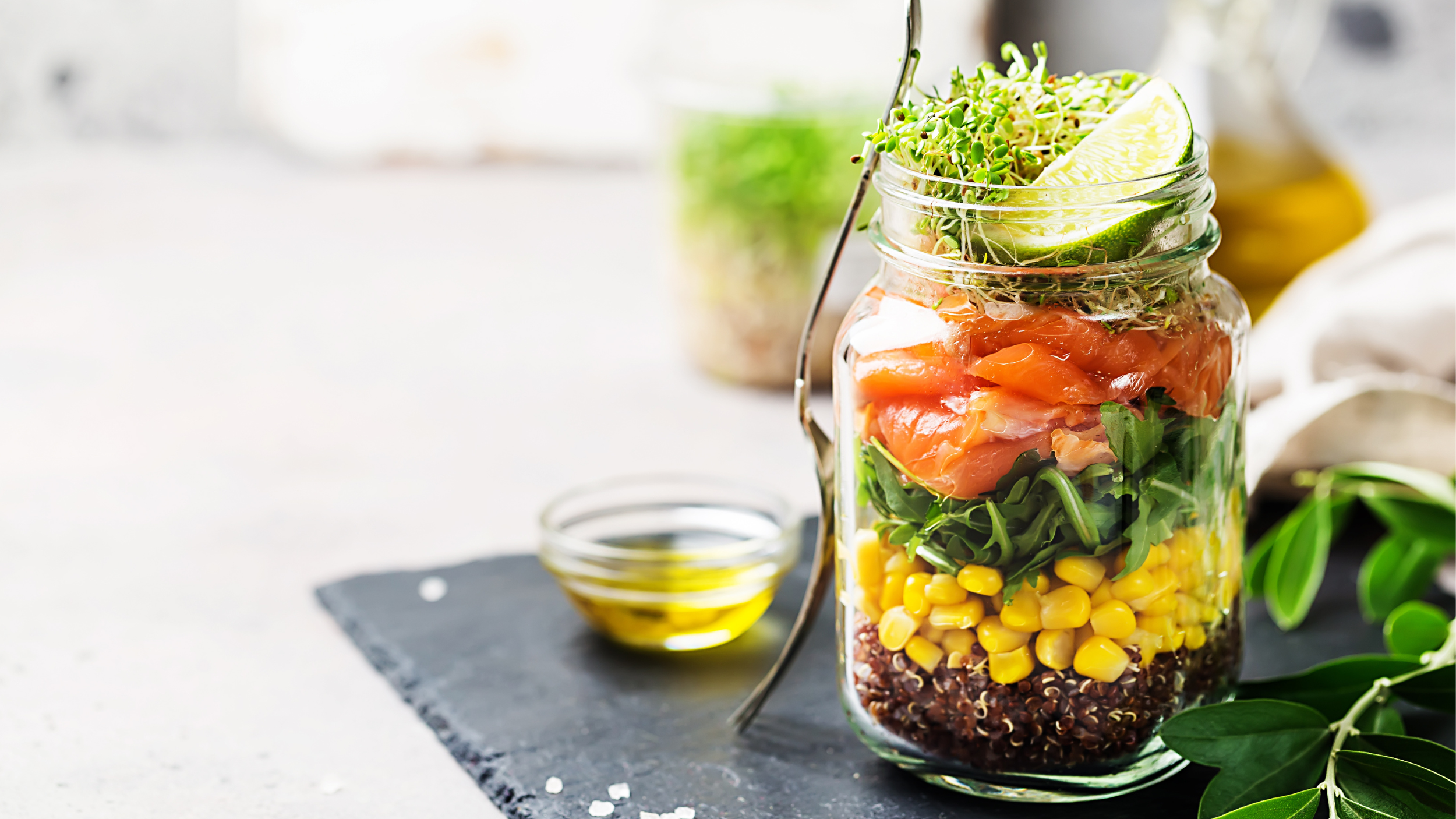
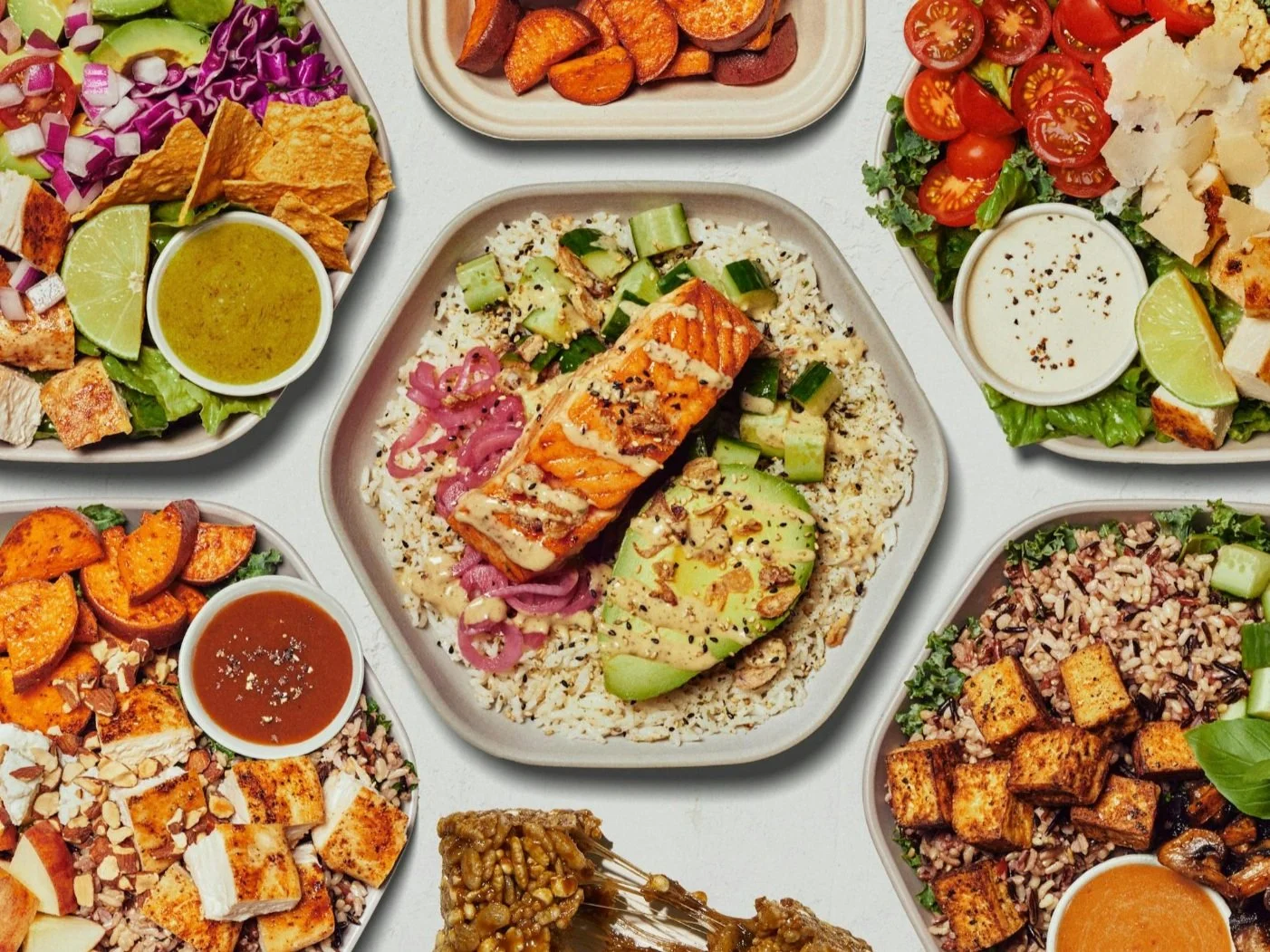
- Smoked salmon and avocado toast: 4 oz smoked salmon (25g) on whole grain toast with 1 egg (6g)
Distribute Evenly Across Meals
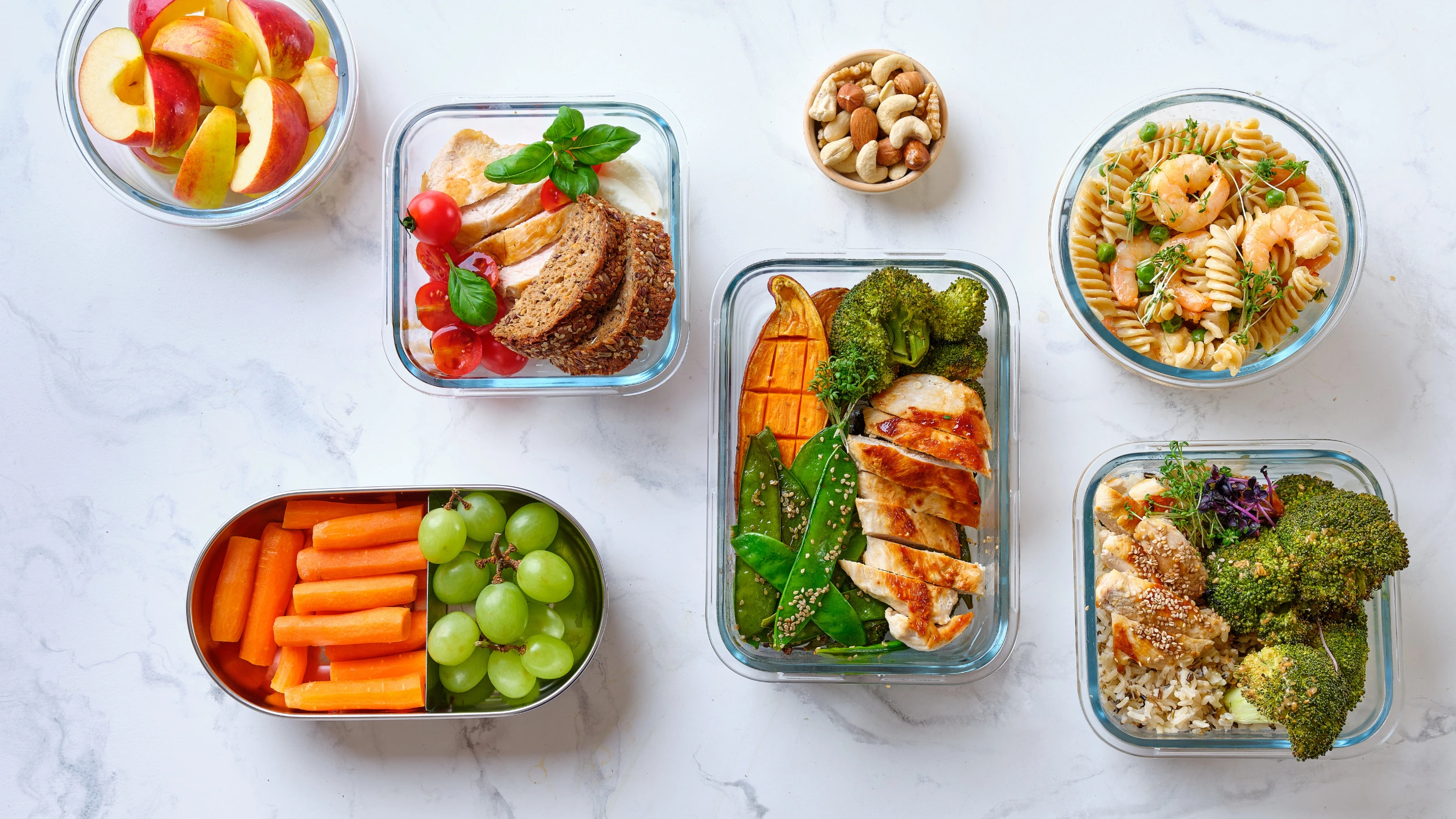
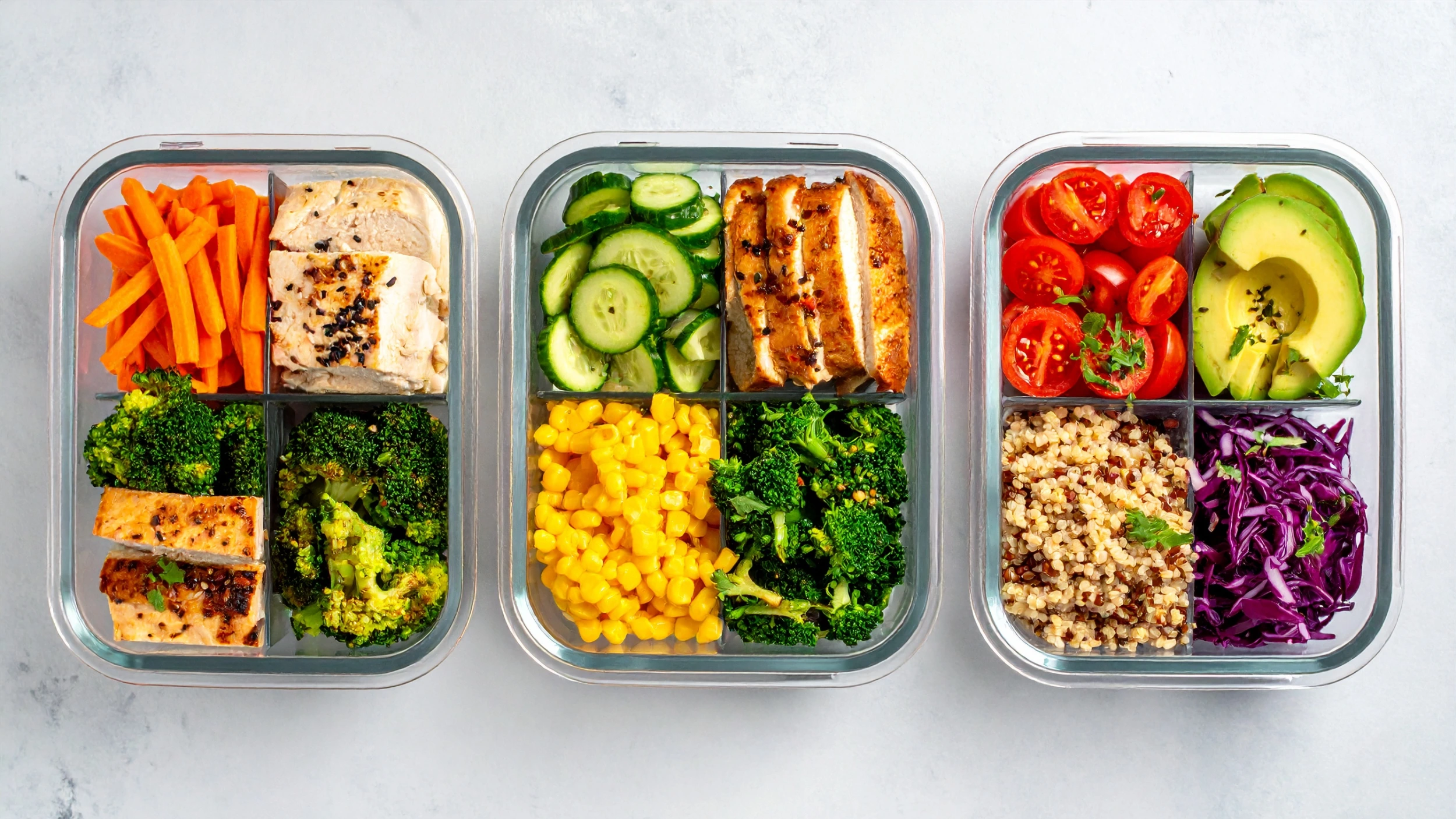
Rather than having one massive protein dinner and skimpy amounts at other meals, aim for 25-30 grams at each main meal. This consistent distribution keeps those satiety hormones active throughout the day and prevents the afternoon energy crash and evening overeating that so many women experience.
Choose the Best High-Protein Foods for Fullness
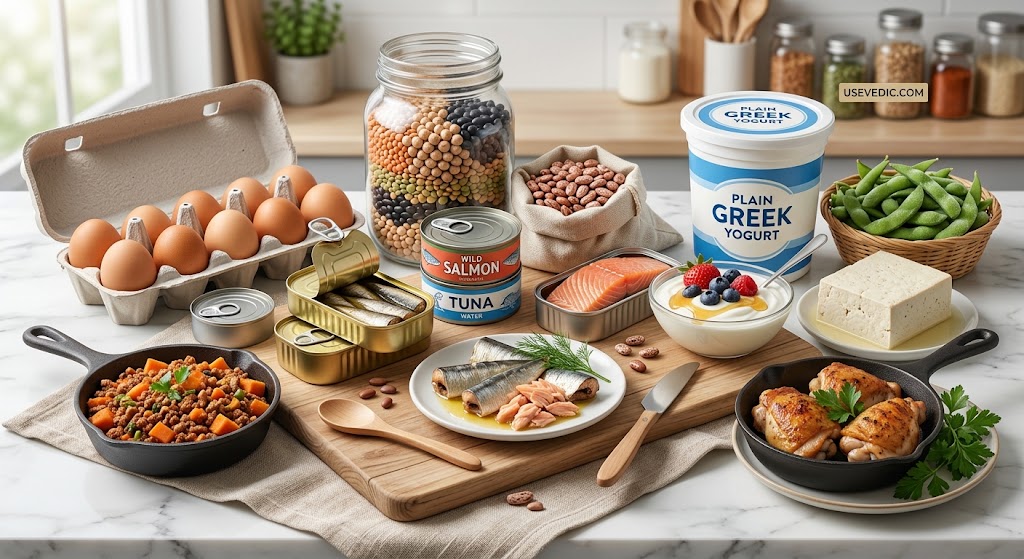
Not all protein sources are created equal when it comes to satiety. The best options offer a high protein-to-calorie ratio, meaning you get maximum satiety benefit without excessive calories.
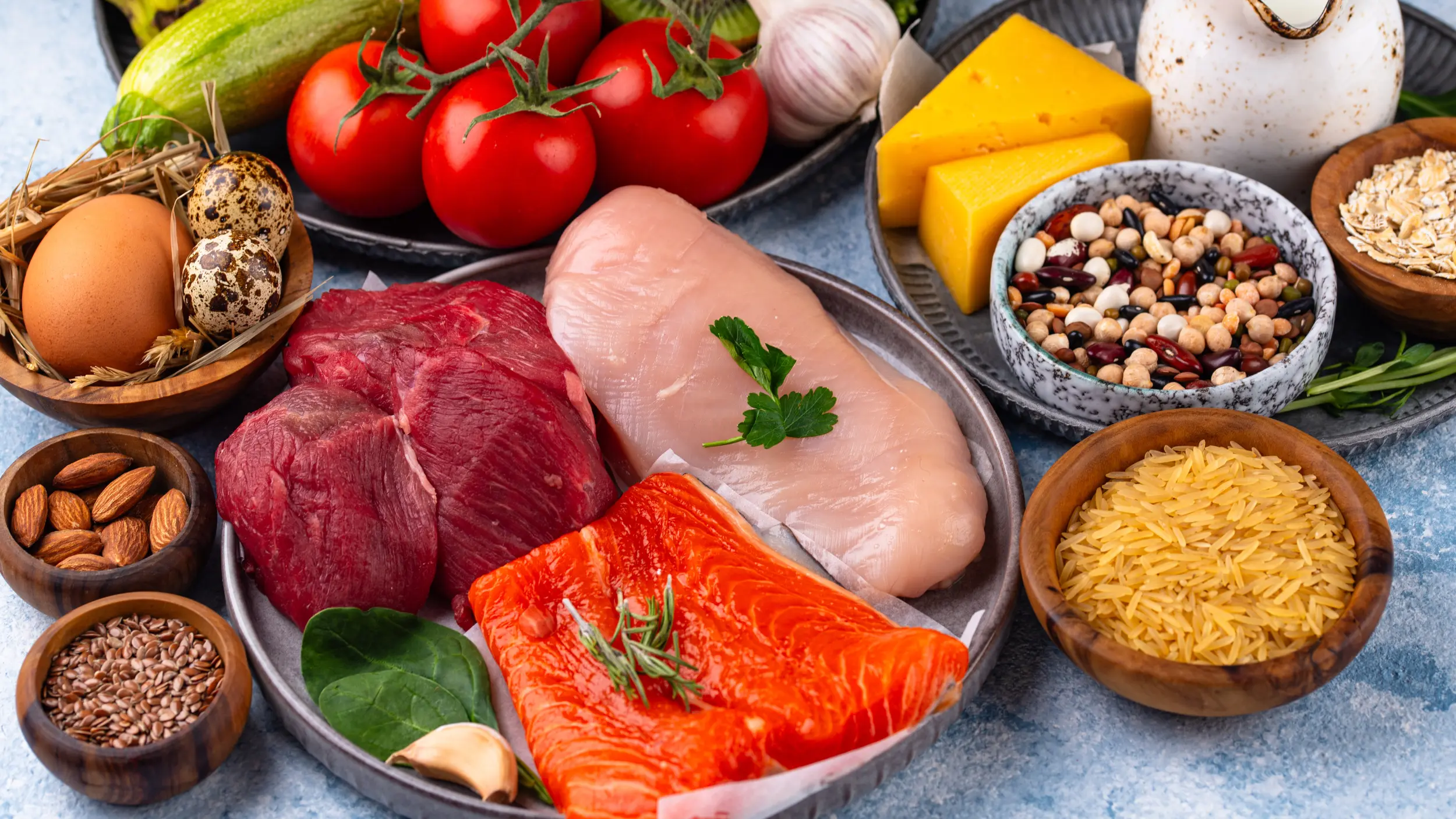
Top animal-based proteins:
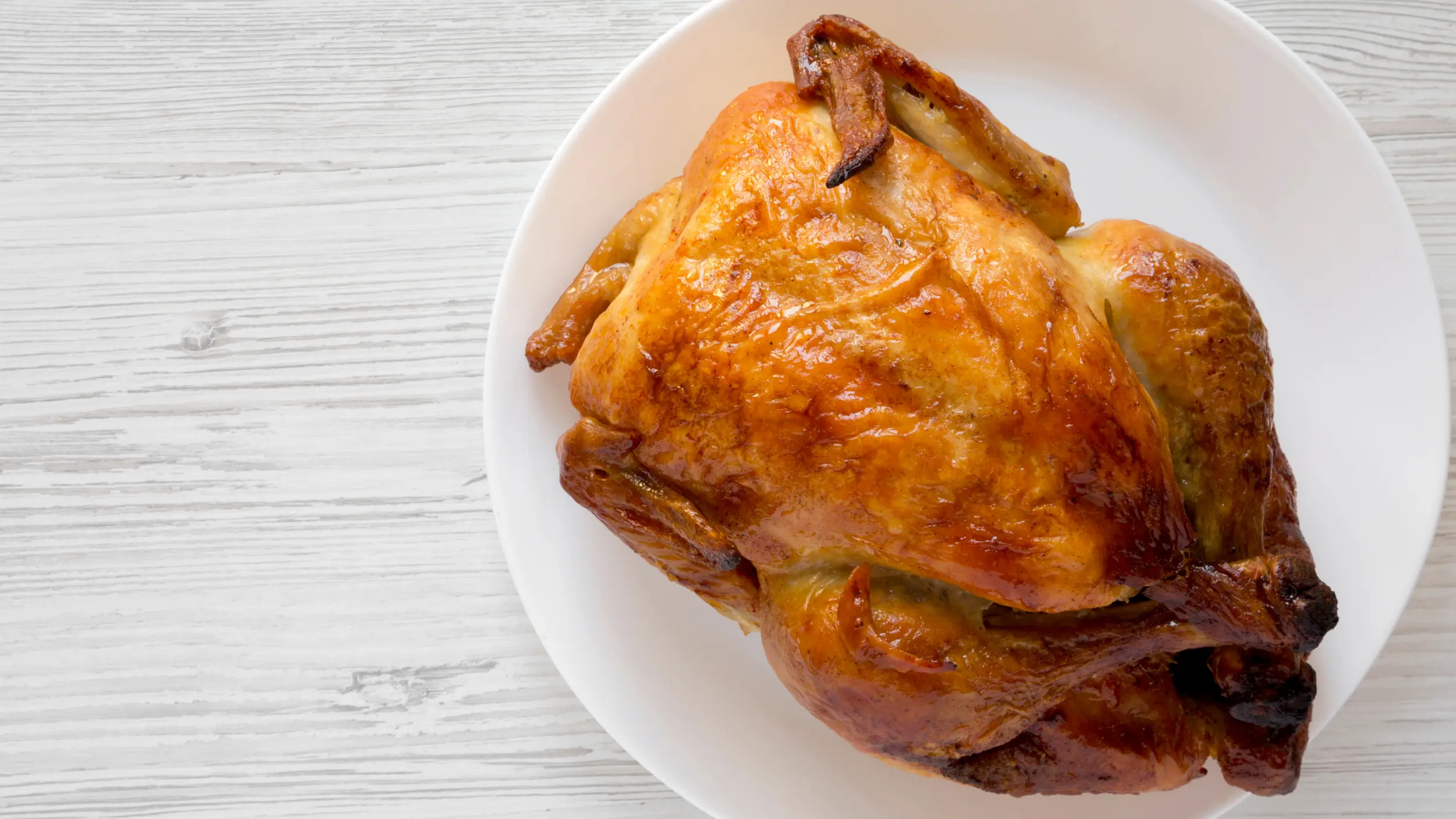
- Chicken breast: 31g protein per 4 oz, ultra-lean
- Greek yogurt (plain, nonfat): 20g protein per cup with probiotics for gut health
- Cottage cheese: 24g protein per cup, versatile for sweet or savory
- Eggs: 6g protein each, with additional satiety from healthy fats
- White fish (cod, halibut): 25-30g per 4 oz, extremely lean
- Lean beef or bison: 26g protein per 4 oz with iron and B vitamins
Top plant-based proteins:
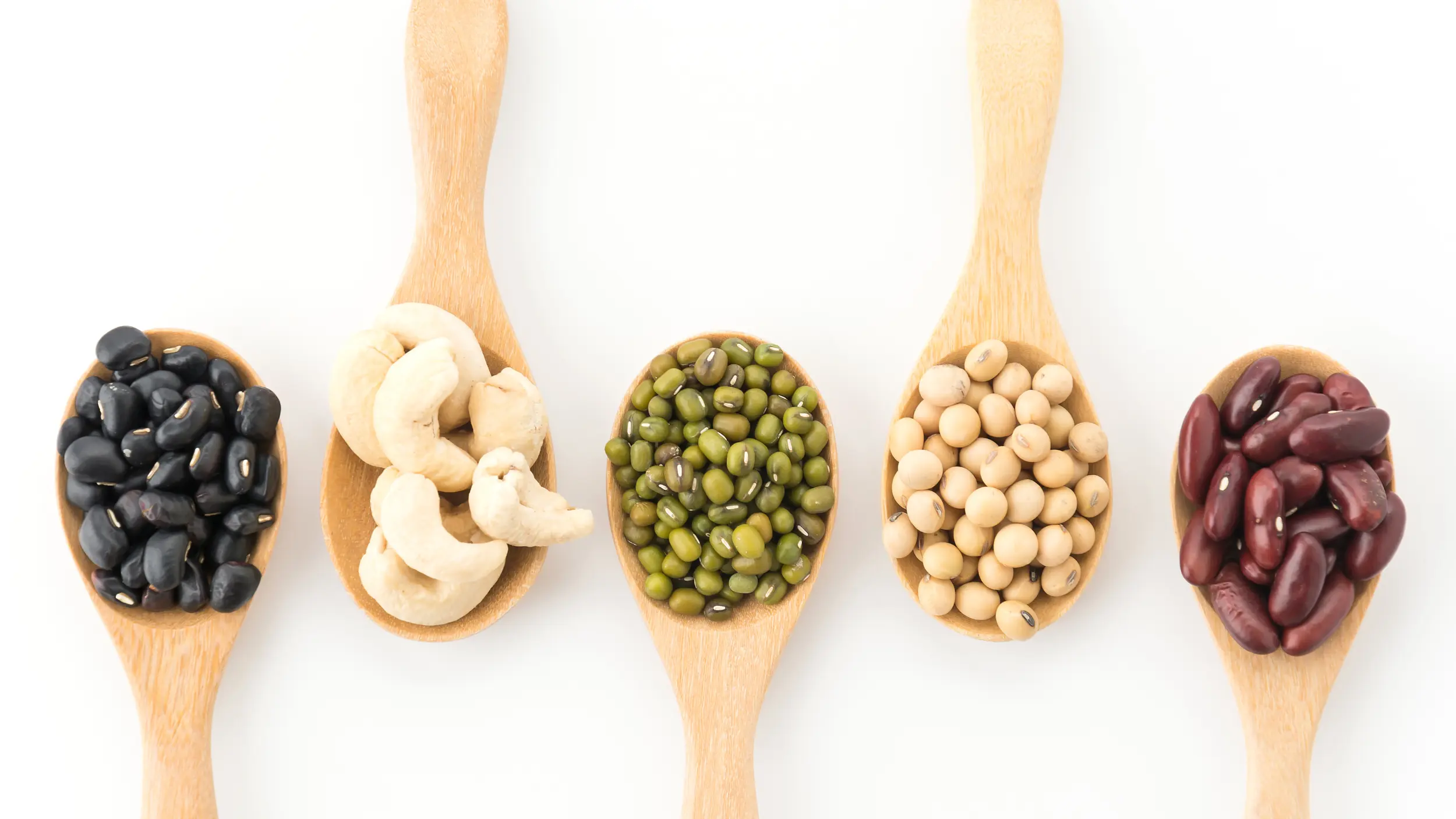
- Lentils: 18g protein per cooked cup, plus fiber for additional fullness
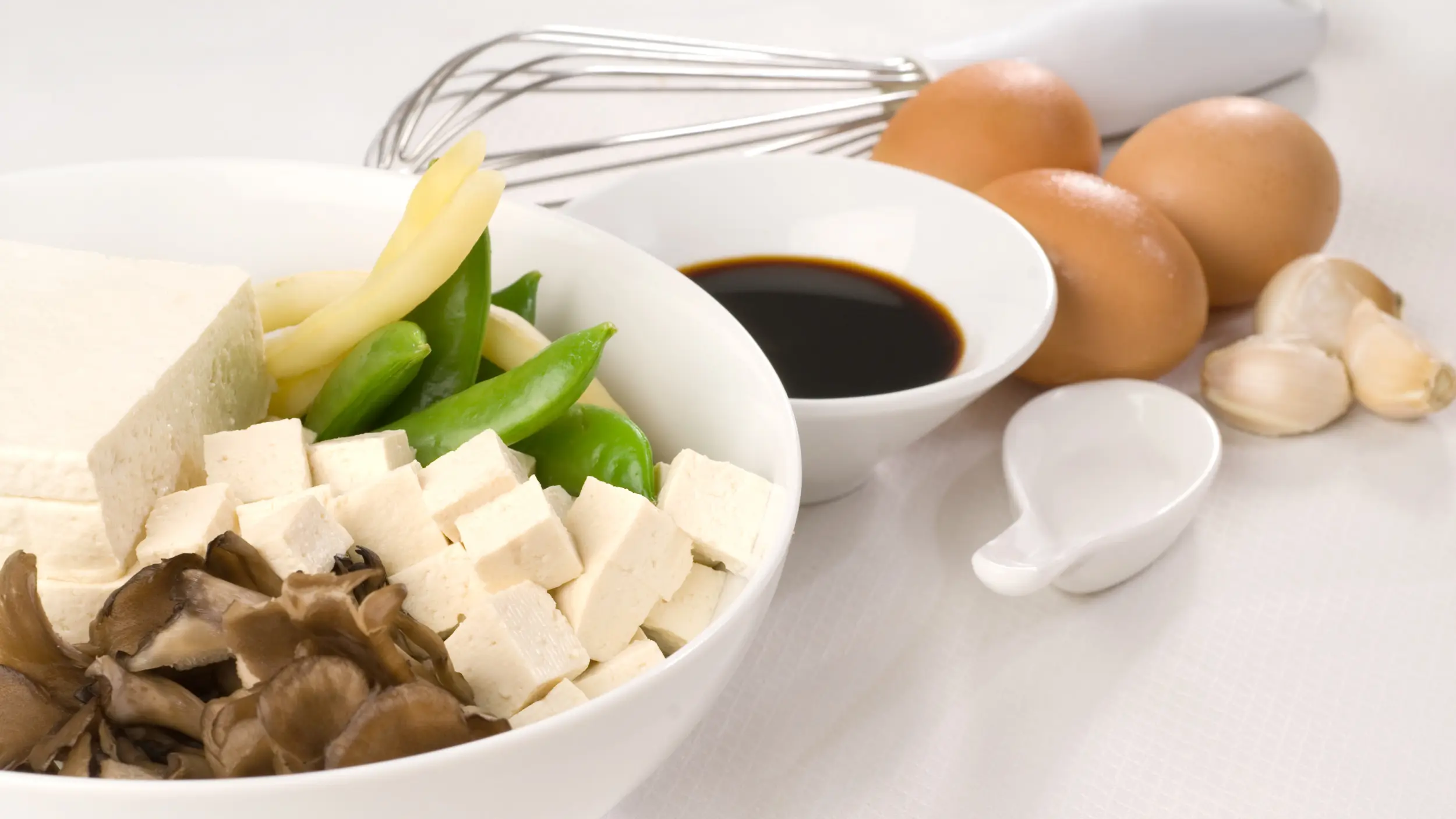
- Tofu (firm): 20g protein per cup, absorbs flavors beautifully
- Tempeh: 31g protein per cup, fermented for better digestion
- Edamame: 18g protein per cup, perfect snack option
- Hemp seeds: 10g protein per 3 tablespoons, complete amino acid profile
Strategic Protein Snacking
If you need a snack between meals, make it protein-forward. A protein-rich snack will hold you over much more effectively than crackers or fruit alone. Try pairing protein with a small amount of fiber or healthy fat for maximum staying power.
Smart protein snack combinations:
- Hard-boiled eggs with cherry tomatoes
- String cheese with apple slices
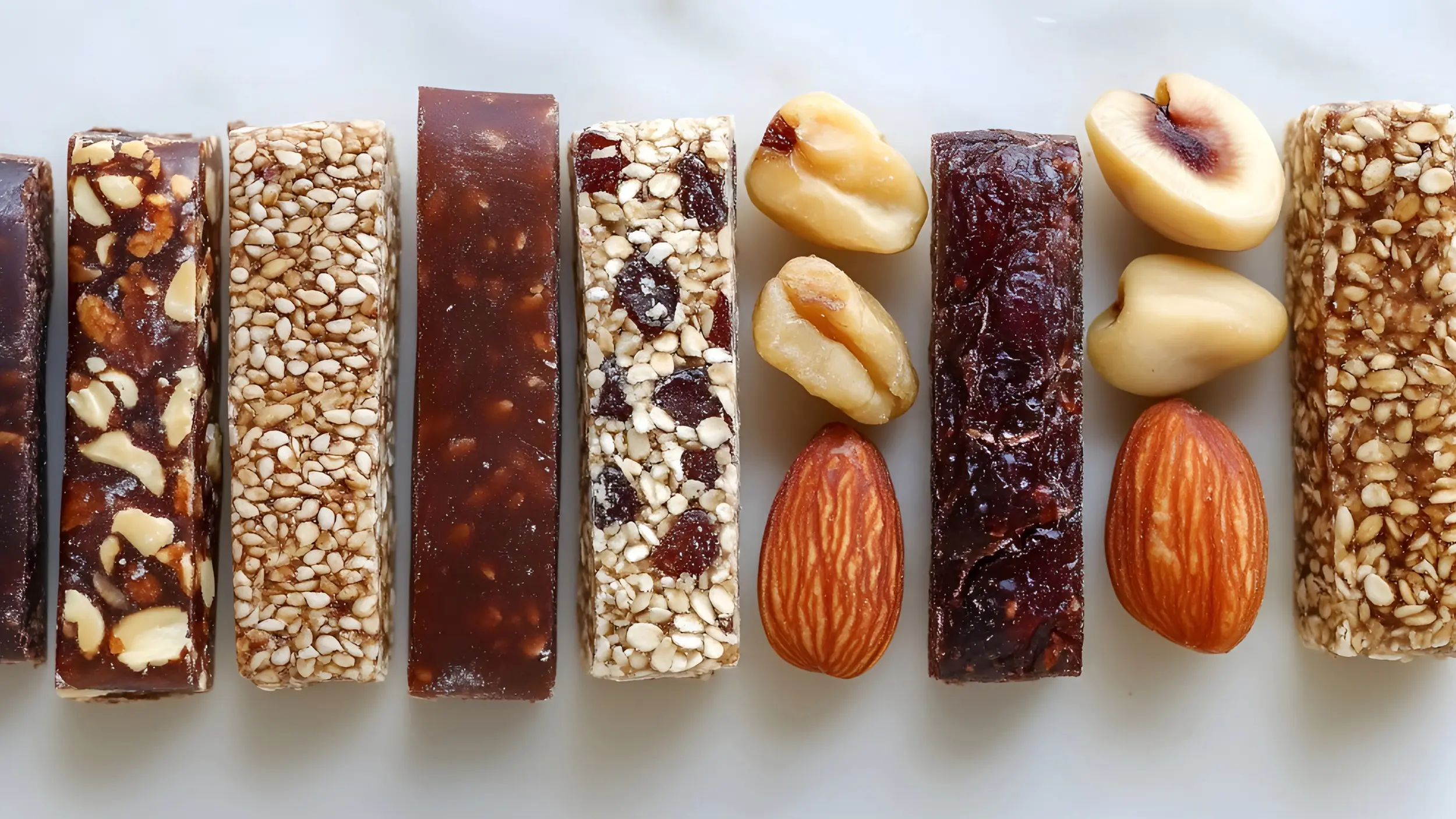
- Protein shake or bar (look for at least 15g protein)
- Turkey roll-ups with cucumber
- Greek yogurt with berries
For comprehensive guidance on building meals that support your metabolism and energy levels, check out this guide on metabolic health for women.
Your Satiety Questions, Answered
How much protein do I actually need per day to feel full?
While individual needs vary based on your body weight, activity level, and goals, a great starting point for appetite control is aiming for 25-30 grams of protein with each main meal (breakfast, lunch, and dinner). This typically totals 75-100 grams daily for most women, though active women or those focused on body composition may benefit from 100-130 grams daily. The key is distribution—spreading protein evenly across meals triggers those satiety hormones more effectively than loading it all into one meal [8].
Are all protein sources equal for satiety?
Not quite. While all protein sources will be more satiating than carbs or fats, some have advantages. Lean proteins like chicken breast, white fish, Greek yogurt, and lentils are fantastic because they offer a high protein-to-calorie ratio—you get maximum satiety benefit without excessive calories. Some research suggests that whey protein and casein (dairy proteins) may have a slight edge in promoting fullness compared to plant proteins, possibly due to their amino acid profiles and digestion rates [9]. That said, the best protein for satiety is ultimately the one you'll actually eat consistently.
Will eating more protein automatically help me lose weight?
Protein is a powerful tool for weight management, but it's not magic. Here's what actually happens: protein helps control your appetite through the hormonal mechanisms we discussed, leading you to naturally eat fewer overall calories without feeling deprived or constantly hungry. It also preserves lean muscle mass during weight loss, which keeps your metabolism higher [10]. However, overall calorie balance is still what determines weight loss. The beauty of protein is that it makes achieving that calorie deficit feel much easier and more sustainable. You're working with your biology, not white-knuckling through constant hunger.
Can I have too much protein?
For most healthy women, eating high amounts of protein (even up to 1.2-1.6g per kg of body weight) is safe and well-tolerated. However, if you have existing kidney disease, you should consult with your healthcare provider before significantly increasing protein intake. For the vast majority of women, the bigger concern is actually getting too little protein, especially as we age and muscle preservation becomes increasingly important.
Ready to Transform Your Relationship with Hunger?
Understanding why protein keeps you full is one thing—implementing a personalized strategy that fits your lifestyle, preferences, and health goals is another. If you're tired of fighting constant hunger and want to create a sustainable approach to eating that actually works with your body, let's talk.
Book your one-on-one consultation and let's build a customized nutrition plan that harnesses the power of protein timing, balances your hunger hormones, and finally ends the cycle of restriction and cravings for good.
References
[1] Leidy HJ, et al. The role of protein in weight loss and maintenance. American Journal of Clinical Nutrition, 2015.
[2] Blom WA, et al. Effect of a high-protein breakfast on the postprandial ghrelin response. American Journal of Clinical Nutrition, 2006.
[3] Chambers L, et al. Optimising foods for satiety. Trends in Food Science & Technology, 2015.
[4] Paddon-Jones D, et al. Protein, weight management, and satiety. American Journal of Clinical Nutrition, 2008.
[5] Westerterp KR. Diet induced thermogenesis. Nutrition & Metabolism, 2004.
[6] Halton TL, Hu FB. The effects of high protein diets on thermogenesis, satiety and weight loss: a critical review. Journal of the American College of Nutrition, 2004.
[7] Leidy HJ, et al. Beneficial effects of a higher-protein breakfast on the appetitive, hormonal, and neural signals controlling energy intake regulation in overweight/obese, breakfast-skipping, late-adolescent girls. American Journal of Clinical Nutrition, 2013.
[8] Mamerow MM, et al. Dietary protein distribution positively influences 24-h muscle protein synthesis in healthy adults. Journal of Nutrition, 2014.
[9] Veldhorst MA, et al. Comparison of the effects of a high- and normal-casein breakfast on satiety, 'satiety' hormones, plasma amino acids and subsequent energy intake. British Journal of Nutrition, 2009.
[10] Wycherley TP, et al. Effects of energy-restricted high-protein, low-fat compared with standard-protein, low-fat diets: a meta-analysis of randomized controlled trials. American Journal of Clinical Nutrition, 2012.