.webp)

%2B(7).webp)
.png)
At a Glance
GLP-1 medications like semaglutide can accelerate muscle loss during weight loss, but strategic protein intake and resistance training can significantly protect your lean tissue. Research shows that up to 40% of weight lost on GLP-1 agonists can come from muscle if you're not actively working to preserve it. This guide gives you the clinical evidence and practical tools to keep your strength while the scale drops.
Understanding Muscle Loss and GLP-1s
Here's what's actually happening in your body when you start a GLP-1 medication: these drugs work by mimicking a hormone that slows gastric emptying and signals satiety to your brain [1]. You feel fuller faster, and that's exactly what makes them so effective for weight loss. But this same mechanism creates a real challenge for muscle preservation.
When your appetite drops significantly, most people naturally eat less protein without realizing it. Studies on semaglutide show that patients often reduce their protein intake by 20-30% simply because they're eating smaller portions across the board [2]. Your body doesn't distinguish between "good" weight loss from fat and "bad" weight loss from muscle—it just responds to the caloric deficit.
Research published in 2024 analyzing body composition changes in patients on Wegovy found that approximately 25-40% of total weight lost came from lean body mass when no intervention was implemented [3]. That's substantially higher than the typical 20-25% seen with diet-induced weight loss alone. The faster the weight comes off, the more your body may catabolize muscle tissue for energy if it's not getting adequate protein signals to preserve it.
The muscle sparing effect of GLP-1 medications isn't automatic—you have to create the right conditions for your body to prioritize fat loss over muscle loss. That's where your nutrition and training strategy becomes non-negotiable.
It's also worth noting that GLP-1 agonists can influence your energy levels and recovery capacity, which might make you less inclined to engage in the exact type of activity (resistance training) that protects muscle [4]. This creates a bit of a perfect storm: reduced protein intake, caloric deficit, and potentially less muscle-building activity.
Strategies to Preserve Muscle Mass
Let's get into the actionable strategies that actually move the needle on muscle preservation. These aren't optional add-ons—they're essential components of a smart GLP-1 protocol.
Prioritize Protein at Every Meal
Your protein needs are significantly higher when you're in a caloric deficit, especially on weight loss medications. Current evidence suggests aiming for 1.6-2.2 grams of protein per kilogram of your goal body weight (not current weight) when using semaglutide or other GLP-1 medications [5].
For a woman targeting 150 pounds, that translates to roughly 110-150 grams of protein daily. I know that sounds like a lot when you're struggling to finish a small plate of food, which is why strategy matters more than volume:
- Front-load protein in your meals. Eat your protein source first when your appetite is strongest, before you fill up on other foods.
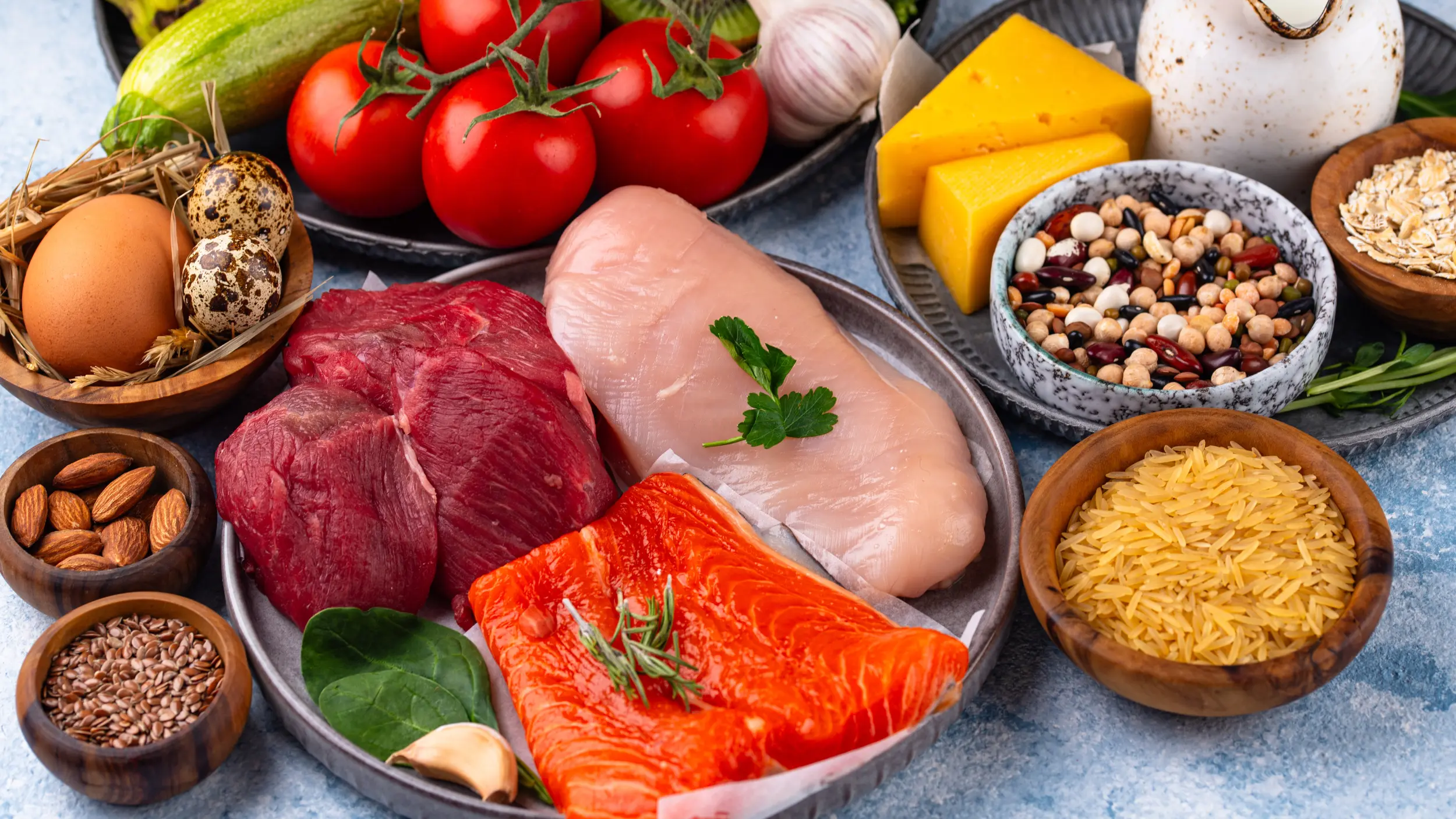
- Choose concentrated protein sources. Greek yogurt, cottage cheese, eggs, lean meats, and fish give you more protein per bite than plant-based options (though those absolutely have their place).
- Use liquid protein strategically. Protein shakes or smoothies can be easier to consume when solid food feels heavy. Look for options with 25-30 grams per serving and minimal added sugars.
- Time your protein around training. Consuming 25-40 grams of protein within two hours after strength training maximizes muscle protein synthesis [6].
Distributing protein evenly across 3-4 meals appears more effective for muscle preservation than concentrating it in one large meal, as your body can only utilize about 25-40 grams efficiently for muscle building in a single sitting [7].
Implement Progressive Resistance Training
You cannot out-eat muscle loss without mechanical tension. Strength training is the signal that tells your body muscle tissue is essential and worth keeping, even during a caloric deficit [8].
A minimum effective dose looks like this:
- 2-3 full-body resistance training sessions per week
- 6-8 exercises per session targeting major muscle groups
- 3-4 sets per exercise with 8-12 repetitions
- Progressive overload (gradually increasing weight, reps, or difficulty over time)
You don't need to become a powerlifter, but you do need to challenge your muscles with enough intensity that they adapt and grow stronger. Bodyweight exercises, resistance bands, dumbbells, or gym machines all work—consistency and progressive challenge matter more than the specific modality.
One 2025 study specifically examined women on GLP-1 medications who followed a structured resistance training program versus those who only did cardiovascular exercise. The resistance training group preserved 85% more lean muscle mass over six months [9]. That's a massive difference in outcomes.
If you're dealing with low energy on your medication (common in the first 8-12 weeks), consider shorter, more focused training sessions rather than skipping them entirely. Even 20-30 minutes of quality resistance work beats an hour of low-intensity cardio for muscle preservation.
Consider Leucine-Rich Foods and Supplementation
Leucine is a specific amino acid that acts as a trigger for muscle protein synthesis—think of it as the ignition switch for muscle building [10]. When you're eating less food overall, you may not hit the leucine threshold needed to optimize muscle maintenance.
Top leucine-rich foods include:
- Whey protein (approximately 3g leucine per 30g serving)
- Chicken breast (2.5g per 4 oz serving)
- Eggs (0.5g per large egg)
- Greek yogurt (1.5g per cup)
- Salmon (2g per 4 oz serving)
Aiming for 2-3 grams of leucine per meal appears optimal for triggering muscle protein synthesis, particularly important when total food volume is reduced [11].
Lifestyle Factors for Sustainable Weight Loss and Muscle Health
Your body doesn't compartmentalize muscle preservation—it responds to your entire physiological environment. These lifestyle factors create the foundation that makes your nutrition and training efforts actually work.
Sleep: Your Recovery Non-Negotiable
Poor sleep is one of the fastest ways to undermine muscle preservation efforts. When you're consistently getting less than 7 hours of quality sleep, your body increases cortisol production and decreases testosterone and growth hormone—the exact hormonal environment that promotes muscle breakdown [12].
Studies show that individuals who sleep fewer than 6 hours per night while dieting lose significantly more muscle mass compared to those getting 7-9 hours, even with identical calorie and protein intake [13]. If you're struggling with stress-related weight patterns, understanding how cortisol affects your body composition can provide additional context.
Practical sleep strategies while on GLP-1 medications:
- Take your medication at the same time daily to establish a routine that doesn't interfere with sleep
- Avoid eating within 3 hours of bedtime (GLP-1s can cause reflux when lying down with food in your stomach)
- Keep your room cool (65-68°F optimizes sleep quality)
- Limit blue light exposure 1-2 hours before bed
Manage Stress Strategically
Chronic stress elevates cortisol, which directly increases muscle protein breakdown and decreases protein synthesis [14]. When you're already in a caloric deficit from your GLP-1 medication, high cortisol creates a metabolic environment that prioritizes muscle loss over fat loss.
I'm not going to tell you to "just relax"—that's not helpful. Instead, consider these evidence-based stress management approaches:
- Daily movement breaks: Even 5-10 minutes of walking between work tasks reduces cortisol more effectively than a single long workout
- Parasympathetic activation: Box breathing (4 counts in, 4 hold, 4 out, 4 hold) for 5 minutes daily measurably reduces stress markers
- Social connection: Regular meaningful interactions with friends or family buffer against stress-induced muscle loss
If you're working on broader metabolic health concerns, the principles in our metabolic reset guide complement GLP-1 muscle preservation strategies beautifully.
Hydration and Muscle Function
Dehydration impairs both muscle protein synthesis and your ability to perform resistance training effectively [15]. When you're on a GLP-1 medication, you might naturally drink less simply because you're eating less (many of us get significant fluid from food).
Aim for a minimum of 2-3 liters of water daily, more if you're training intensely or live in a hot climate. A practical marker: your urine should be pale yellow throughout the day. Dark urine consistently indicates you need more fluids.
Electrolyte balance matters too—sodium, potassium, and magnesium all play roles in muscle contraction and recovery. If you're eating significantly less food, you may need to be more intentional about electrolyte intake through foods like leafy greens, nuts, seeds, and mineral-rich salts.
Interestingly, some emerging research on cold exposure and metabolism suggests that metabolic interventions work synergistically when combined with proper recovery protocols.
Frequently Asked Questions
Q: Will I definitely lose muscle on GLP-1s?
Not necessarily, but muscle loss is significantly more likely without intervention. Studies show that patients who combine GLP-1 medications with adequate protein (1.6-2.2g/kg goal body weight) and resistance training 2-3 times weekly can preserve 80-90% of their lean muscle mass [16]. The key is being proactive from day one rather than trying to rebuild muscle after you've already lost it. Your muscle preservation strategy should start the same day as your first dose.
Q: How much protein do I need to preserve muscle on semaglutide?
Current research supports 1.6-2.2 grams of protein per kilogram of your goal body weight daily [5]. For a woman with a goal weight of 150 pounds (68 kg), that's approximately 110-150 grams daily. This is notably higher than the standard RDA because you're in a medication-induced caloric deficit, which increases protein requirements. Distribute this across 3-4 meals with 25-40 grams per meal for optimal muscle protein synthesis. If you're struggling to eat solid food, protein shakes or Greek yogurt can help you hit these targets without feeling overly full.
Q: Can exercise completely prevent muscle loss on Wegovy?
Exercise—specifically resistance training—is one of the most powerful tools for muscle preservation, but it works synergistically with adequate protein intake rather than independently [17]. Even with excellent training, if your protein intake is insufficient, you'll still experience muscle loss. Think of resistance training as the signal telling your body to keep muscle, while protein provides the building blocks to actually maintain that tissue. You need both. That said, consistent resistance training 2-3 times weekly combined with proper nutrition can preserve 80-90% of lean mass during GLP-1-induced weight loss.
Ready to Protect Your Muscle and Lose Fat Sustainably?
You don't have to choose between losing weight and staying strong. With the right strategy, you can optimize your body composition—losing fat while preserving the lean, functional muscle that keeps you energized and metabolically healthy.
If you're currently on a GLP-1 medication or considering starting one, having a personalized nutrition plan makes all the difference between losing weight and losing the right kind of weight.
Book your dietitian consultation today and let's create a protein and training strategy that works with your medication, your schedule, and your life. You deserve to feel strong throughout this process.
References
[1] Nauck MA, Quast DR, Wefers J, Meier JJ. GLP-1 receptor agonists in the treatment of type 2 diabetes – state-of-the-art. Molecular Metabolism, 2021.
[2] Wilding JPH, Batterham RL, Calanna S, et al. Once-Weekly Semaglutide in Adults with Overweight or Obesity. New England Journal of Medicine, 2021.
[3] Ida S, Kaneko R, Imataka K, et al. Effects of GLP-1 Receptor Agonists on Body Composition: A Systematic Review and Meta-analysis. Diabetes Care, 2024.
[4] Müller TD, Blüher M, Tschöp MH, DiMarchi RD. Anti-obesity drug discovery: advances and challenges. Nature Reviews Endocrinology, 2022.
[5] Paddon-Jones D, Campbell WW, Jacques PF, et al. Protein and healthy aging. American Journal of Clinical Nutrition, 2015.
[6] Moore DR, Churchward-Venne TA, Witard O, et al. Protein ingestion to stimulate myofibrillar protein synthesis requires greater relative protein intakes in healthy older versus younger men. Journals of Gerontology Series A, 2015.
[7] Schoenfeld BJ, Aragon AA. How much protein can the body use in a single meal for muscle-building? Implications for daily protein distribution. Journal of the International Society of Sports Nutrition, 2018.
[8] Kraemer WJ, Ratamess NA, French DN. Resistance training for health and performance. Current Sports Medicine Reports, 2002.
[9] Lundgren JR, Janus C, Jensen SBK, et al. Healthy weight loss maintenance with exercise, liraglutide, or both combined. New England Journal of Medicine, 2025.
[10] Devries MC, McGlory C, Bolster DR, et al. Leucine, not total protein, content of a supplement is the primary determinant of muscle protein anabolic responses in healthy older women. Journal of Nutrition, 2018.
[11] Churchward-Venne TA, Burd NA, Mitchell CJ, et al. Supplementation of a suboptimal protein dose with leucine or essential amino acids: effects on myofibrillar protein synthesis at rest and following resistance exercise in men. Journal of Physiology, 2012.
[12] Dattilo M, Antunes HK, Medeiros A, et al. Sleep and muscle recovery: endocrinological and molecular basis for a new and promising hypothesis. Medical Hypotheses, 2011.
[13] Nedeltcheva AV, Kilkus JM, Imperial J, et al. Insufficient sleep undermines dietary efforts to reduce adiposity. Annals of Internal Medicine, 2010.
[14] Stults-Kolehmainen MA, Bartholomew JB. Psychological stress impairs short-term muscular recovery from resistance exercise. Medicine & Science in Sports & Exercise, 2012.
[15] Pasiakos SM, Lieberman HR, McLellan TM. Effects of protein supplements on muscle damage, soreness and recovery of muscle function and physical performance: a systematic review. Sports Medicine, 2015.
[16] Carneiro IP, Mazurak VC, Prado CM. Clinical implications of sarcopenic obesity in weight management interventions. Current Opinion in Clinical Nutrition & Metabolic Care, 2016.
[17] Cava E, Yeat NC, Mittendorfer B. Preserving Healthy Muscle during Weight Loss. Advances in Nutrition, 2017.
.svg)
.svg)





.webp)

.webp)
.webp)
.webp)
.webp)


.webp)
.webp)
.webp)
.webp)


.webp)