.webp)

%2B(7).webp)
.png)
At a Glance
Starting a GLP-1 medication like Ozempic or Wegovy can dramatically suppress your appetite, creating an 'appetite gap' where hunger cues disappear entirely. While it's tempting to skip meals when you're not hungry, your body still needs adequate protein, healthy fats, and essential nutrients to maintain muscle mass, energy levels, and overall health. This guide walks you through practical strategies for nourishing your body with small, nutrient-dense meals even when food feels unappealing.
Understanding the 'Appetite Gap': Why Your Body Still Needs Fuel
You've probably noticed it by now: that familiar rumble in your stomach just... stopped. Maybe you're three days into your Ozempic dose and realize you've barely thought about food. Welcome to the appetite gap.
GLP-1 medications work by mimicking a natural hormone that regulates blood sugar and appetite [1]. They slow gastric emptying, meaning food stays in your stomach longer, and they act directly on brain receptors that control hunger signals [2]. The result? Profound appetite suppression that can feel almost eerie if you're used to regular hunger cues.
Here's what's important to understand: no appetite doesn't mean no nutritional needs. Your body is still running its daily operations—repairing tissues, producing hormones, maintaining your immune system, and preserving muscle mass. All of these processes require fuel, especially adequate protein.
When you consistently undereat on semaglutide, you risk several unwanted side effects. Research shows that rapid weight loss without sufficient protein intake can lead to significant muscle loss alongside fat loss [3]. You might also experience fatigue, hair thinning, weakened immunity, and nutrient deficiencies that affect everything from your bones to your mood.
Think of it this way: the medication is doing its job by quieting your hunger signals, but your responsibility is to feed your body intentionally, not impulsively. You're shifting from eating when hungry to eating by strategy. And honestly? That's a skill worth developing, especially if you're managing hormonal changes that affect your metabolism.
Your Nutrient-Dense Game Plan: What to Eat When Nothing Sounds Good
Let's get tactical. When you're dealing with GLP-1 appetite loss, your Ozempic meal plan needs to prioritize nutrient density over volume. You're working with a smaller "food window," so every bite should count.
Protein: Your Non-Negotiable Priority
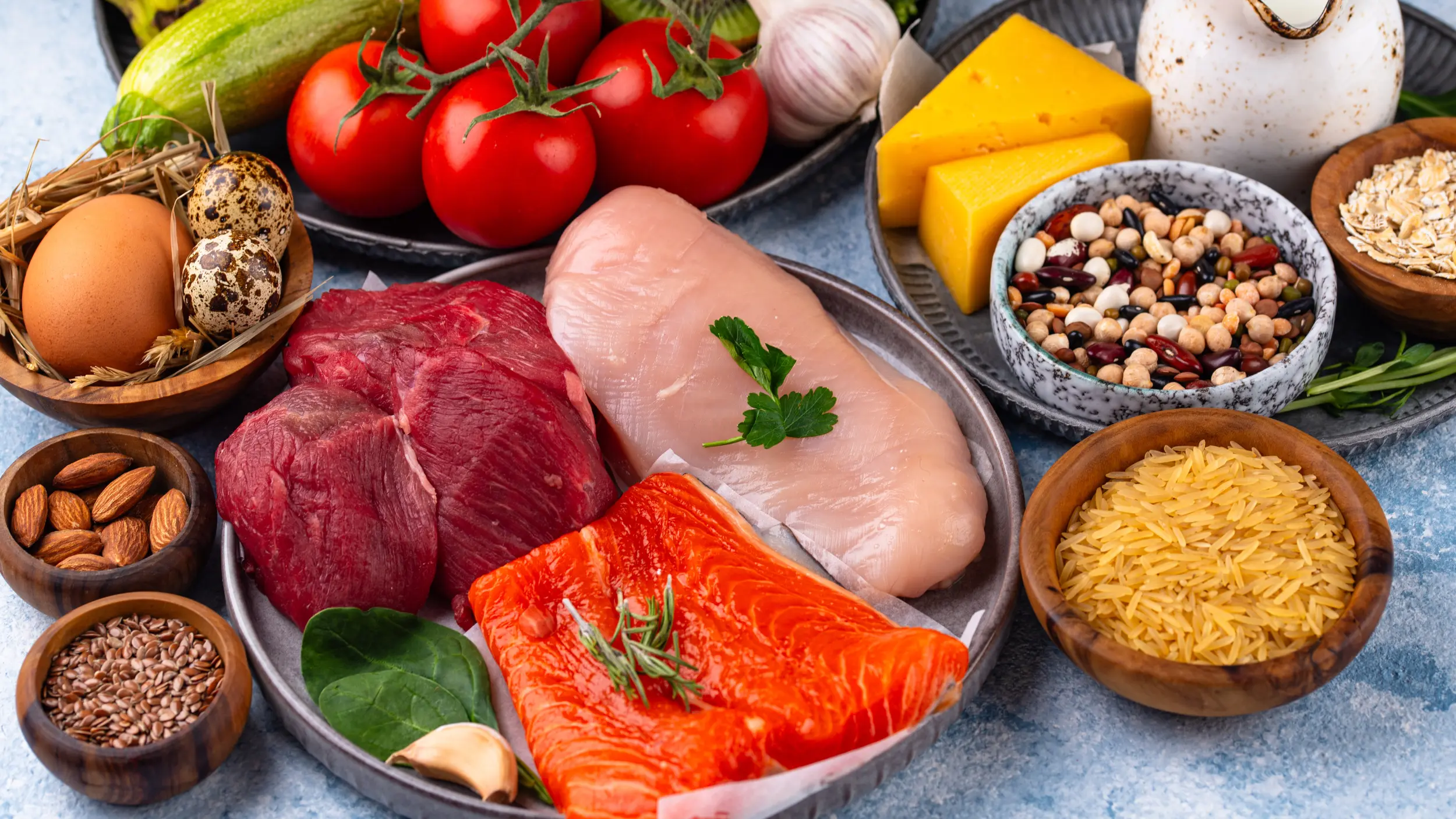
Protein intake on semaglutide is absolutely critical. You need roughly 0.7-1.0 grams of protein per pound of your goal body weight to preserve muscle mass during weight loss [4]. For a 150-pound woman, that's 105-150 grams daily—which can feel impossible when a chicken breast sounds repulsive.
Here's your protein strategy:
- Protein shakes: A high-quality whey or plant-based protein powder mixed with unsweetened almond milk can deliver 25-30 grams in a few sips. Add a tablespoon of nut butter for healthy fats and you've got a complete mini-meal.
- Greek yogurt: A single-serve container packs 15-20 grams of protein. Choose full-fat versions for better satiety and to help absorb fat-soluble vitamins.
- Cottage cheese: Often easier to tolerate than heavier proteins, with about 14 grams per half-cup serving.
- Eggs: Two eggs provide 12 grams of complete protein plus choline for brain health. Scrambled, hard-boiled, or in a small omelet—choose whatever texture appeals most.
- Deli turkey or rotisserie chicken: Pre-cooked, easy to portion, and gentle on a sensitive stomach. Two ounces delivers about 14 grams of protein.
- Bone broth: While lower in protein (6-10 grams per cup), it's warm, soothing, and incredibly easy to sip when solid food feels like too much.
If you're struggling with protein despite these options, you're not alone—many women dealing with gut health issues on GLP-1s find that texture and temperature matter more than taste.
Healthy Fats: Small Volumes, Big Impact
Fats provide concentrated energy and help you feel satisfied longer, which matters when you're eating smaller portions. They also support hormone production—critical for women in their reproductive years.
Smart fat sources include:
- Avocado: A quarter of an avocado adds creaminess to smoothies or pairs beautifully with eggs.
- Nuts and nut butters: One to two tablespoons of almond butter or a small handful of walnuts provides lasting energy.
- Olive oil: Drizzle on vegetables or use in cooking. Just one tablespoon adds 120 calories of heart-healthy fats.
- Fatty fish: Salmon, mackerel, or sardines are protein-and-fat powerhouses. A 3-ounce serving gives you omega-3s plus 20+ grams of protein.
- Full-fat dairy: The fat helps slow digestion even further (which can be good or challenging depending on your tolerance) and increases nutrient absorption.
Carbohydrates: Choose Wisely for Energy and Gut Health
Carbs often get a bad reputation, but they're essential for energy, especially if you're active or dealing with fatigue. The key on a GLP-1 is choosing fiber-rich, nutrient-dense options in small portions.
Your best choices:
- Berries: Antioxidant-rich, naturally sweet, and easy to add to yogurt or protein shakes.
- Sweet potato: A small baked sweet potato (about 4 ounces) provides fiber, potassium, and vitamin A.
- Oatmeal: A half-cup serving with protein powder stirred in makes a warm, gentle breakfast.
- Quinoa: This complete protein grain is easier to digest than many others and provides both carbs and additional protein.
- Vegetables: Technically carbs, and packed with fiber and micronutrients. Roasted, steamed, or blended into soups.
Remember, managing appetite suppression on GLP-1 isn't about forcing down large meals. It's about strategic, consistent nourishment throughout the day.
Listening to Your Body: Managing Food Aversions and Gentle Nutrition
Let's talk about what happens when your once-beloved foods suddenly seem disgusting. Wegovy food aversion is incredibly common, and it can feel disorienting when your relationship with eating shifts so dramatically.
First, give yourself permission to be flexible. If chicken suddenly repulses you, that's valid. If you can only tolerate cold foods or specific textures, honor that. Your body is adjusting to significant physiological changes, and rigidity won't serve you here.
Eating by the Clock, Not by Hunger
This is perhaps the most important mindset shift: you need to eat proactively, not reactively. When hunger cues are suppressed, waiting to feel hungry means you might go all day without adequate nutrition.
Set alarms on your phone for every 3-4 hours. Treat these as non-negotiable nutrition appointments. Even if it's just a protein shake or a few bites of yogurt, you're maintaining consistent fuel for your body.
Liquid Nutrition Is Still Nutrition
When solid food feels impossible, lean into nutrient-dense liquids. There's absolutely no shame in getting a significant portion of your nutrition from:
- Protein smoothies: Blend protein powder, frozen berries, spinach (you won't taste it), nut butter, and unsweetened almond milk.
- Bone broth: Warm, comforting, and gentle on your stomach while providing minerals and some protein.
- Drinkable yogurt or kefir: Probiotic-rich and easy to sip throughout the morning.
- Homemade soups: Blended vegetable soups with white beans or lentils add both protein and fiber.
Many of my clients find that their digestive systems are more sensitive while on semaglutide, and liquids simply feel better.
Creating Your Simple, Repeatable Ozempic Meal Plan
Complexity is your enemy right now. Decision fatigue is real, especially when nothing sounds appealing. Create a rotation of 3-5 mini-meals that you know you can tolerate, and repeat them.
A sample day might look like:
- 8:00 AM: Protein shake (25g protein) with berries and almond butter
- 11:00 AM: Greek yogurt (15g protein) with a drizzle of honey
- 2:00 PM: Two hard-boiled eggs (12g protein) with a small avocado
- 5:00 PM: 3 oz grilled salmon (20g protein) with roasted vegetables
- 8:00 PM: Cottage cheese (14g protein) with sliced cucumber
Total: ~86 grams of protein in manageable portions throughout the day.
The goal isn't perfection. It's consistency. It's making sure that even on days when your appetite is nonexistent, you're still giving your body what it needs to thrive.
FAQ: Your Questions on Navigating the Appetite Gap
How can I get enough protein on GLP-1s with no appetite?
Focus on protein-rich liquids and soft foods that don't require much chewing or digestion effort. Protein shakes with 25-30 grams per serving should become a daily staple—think of them as your nutritional insurance policy. Greek yogurt, cottage cheese, and protein-enriched smoothies are also excellent options. If you can tolerate small amounts of animal protein, prioritize easily digestible sources like eggs, deli turkey, or white fish. The key is frequency: aim for a protein source every 3-4 hours rather than trying to hit your entire goal in one or two meals. Consider keeping a food log for a week to ensure you're actually meeting your protein targets, because it's easy to significantly underestimate when your appetite is suppressed.
Is it okay to skip meals if I'm on Wegovy and not hungry?
No, consistently skipping meals creates significant risks even when you're not experiencing hunger. Without adequate nutrition, you'll likely experience muscle loss, persistent fatigue, potential hair thinning, weakened immune function, and nutrient deficiencies [5]. Your body doesn't stop needing fuel just because the medication has quieted your hunger signals. Instead of traditional meals, shift to scheduled "nutrition breaks" every 3-4 hours. These might be small—a protein shake, a handful of nuts with cheese, or a few spoonfuls of Greek yogurt—but they maintain consistent fuel for your body's essential functions. Think of it as feeding your body by strategy rather than by impulse. Setting phone alarms can help you remember these nutrition appointments until the habit becomes automatic.
What are the best snacks for low appetite on semaglutide?
The best snacks are nutrient-dense, require minimal preparation, and don't feel heavy in your stomach. Keep these on hand:
- Hard-boiled eggs: Prepare a batch weekly for grab-and-go protein (6g each)
- String cheese or cheese cubes: Convenient, shelf-stable, and about 6-8g protein per serving
- Greek yogurt cups: Choose full-fat versions for better satiety (15-20g protein)
- Protein bars: Look for options with at least 15g protein and minimal added sugar
- Nut butter packets: Pair with apple slices or eat straight from the packet (7-8g protein)
- Roasted chickpeas: Crunchy, satisfying, and provide both protein and fiber
- Turkey or chicken roll-ups: Wrap deli meat around a cheese stick for a quick protein boost
- Trail mix: Make your own with nuts, seeds, and a small amount of dark chocolate
- Protein balls: Homemade with oats, nut butter, and protein powder
The strategy is keeping these visible and accessible. When appetite is low, out of sight truly means out of mind, so stock your fridge, desk, and bag with these options.
You Don't Have to Navigate This Alone
Figuring out what to eat on Ozempic when your appetite has vanished can feel overwhelming, especially when you're also managing the medication's other effects, adjusting to new eating patterns, and trying to maintain your energy for work, family, and life.
Here's the truth: you're not supposed to have all the answers. Personalized nutrition guidance makes an enormous difference in how you feel, how much muscle you preserve, and how sustainable your results become long-term.
If you're struggling with semaglutide no appetite, feeling confused about how to get enough nutrients on GLP-1, or simply want support from someone who understands the unique nutritional challenges women face on these medications, book a 1:1 consultation with one of our specialized dietitians today. We'll create a personalized nutrition plan that works with your body, your preferences, and your real life—because you deserve to feel amazing while reaching your goals.
References
[1] Müller TD, Finan B, Bloom SR, et al. Glucagon-like peptide 1 (GLP-1). Molecular Metabolism, 2019.
[2] Nauck MA, Quast DR, Wefers J, Meier JJ. GLP-1 Receptor Agonists in the Treatment of Type 2 Diabetes – State-of-the-Art. Diabetes Care, 2021.
[3] Wilding JPH, Batterham RL, Calanna S, et al. Once-Weekly Semaglutide in Adults with Overweight or Obesity. New England Journal of Medicine, 2021.
[4] Longland TM, Oikawa SY, Mitchell CJ, et al. Higher compared with lower dietary protein during an energy deficit combined with intense exercise promotes greater lean mass gain and fat mass loss. American Journal of Clinical Nutrition, 2016.
[5] Pasiakos SM, Cao JJ, Margolis LM, et al. Effects of high-protein diets on fat-free mass and muscle protein synthesis following weight loss. FASEB Journal, 2013.
.svg)
.svg)





.webp)

.webp)
.webp)
.webp)
.webp)


.webp)
.webp)
.webp)
.webp)


.webp)