.webp)

%2B(7).webp)
.png)
At a Glance
GLP-1 supplement alternatives include specific dietary patterns, targeted nutrients, and lifestyle modifications that support your body's natural hormone production. While prescription GLP-1 medications are powerful tools, non-prescription approaches—including protein timing, fiber-rich foods, and select botanicals—can meaningfully support appetite regulation and metabolic health[1]. This guide breaks down what actually works based on current research, so you can make informed choices that align with your goals.
Understanding GLP-1 and Natural Approaches
GLP-1 (glucagon-like peptide-1) is a hormone your gut releases after eating that tells your brain you're satisfied, slows gastric emptying, and helps regulate blood sugar[2]. The prescription medications you've probably heard about—semaglutide and tirzepatide—are synthetic versions that amplify these effects. But here's what matters: your body already produces GLP-1 naturally, and specific foods and nutrients can genuinely influence how much you make.
When we talk about a GLP-1 supplement alternative, we're really looking at two categories:
- Compounds that may stimulate your body's own GLP-1 production
- Nutrients and foods that mimic some of the downstream effects (like improved satiety or glucose control)
Let's be clear: no over-the-counter supplement will replicate the pharmacological potency of prescription GLP-1 agonists. The research simply doesn't support that claim. However, certain natural GLP-1 alternatives can absolutely support your metabolic health when combined with foundational nutrition and lifestyle practices.
Berberine has emerged as one of the most studied natural compounds for metabolic support. Research shows it activates AMPK (an enzyme that regulates metabolism) and may improve insulin sensitivity comparably to metformin in some studies[3]. While it doesn't directly increase GLP-1 levels, it influences similar metabolic pathways—think of it as working a parallel route to a similar destination.
Another compound getting attention is curcumin (from turmeric). Studies indicate it may enhance GLP-1 secretion when combined with piperine for better absorption[4]. The caveat? You'd need therapeutic doses (often 500-1000mg of a bioavailable form), not just sprinkling turmeric on your eggs.
Here's what I see work consistently in clinical practice:
- Protein-forward meals: Consuming 25-30g protein at breakfast stimulates GLP-1 release more effectively than carbohydrate-heavy meals [5]
- Soluble fiber: Particularly from sources like psyllium husk, chia seeds, and legumes—these feed beneficial gut bacteria that produce short-chain fatty acids, which trigger GLP-1 secretion [6]
- Omega-3 fatty acids: EPA and DHA from fish oil have been shown to increase GLP-1 production in several clinical trials [7]
The concept of supplements that act like GLP-1 is marketing-speak for products containing these researched ingredients. When evaluating any product claiming to be a GLP-1 mimic supplement, look for transparent labeling with clinically-studied doses—not proprietary blends with pixie-dusted amounts.
Exploring Non-Prescription GLP-1 Options and Diet Strategies
If you're searching for GLP-1 without prescription, you're asking the right questions about sustainability and accessibility. The truth is, dietary patterns may be your most powerful tool—and they're completely free.
The closest thing we have to a GLP-1 diet is an eating pattern that naturally maximizes your body's hormone production. This isn't a restrictive protocol; it's strategic food selection.
Your plate blueprint for natural GLP-1 support:
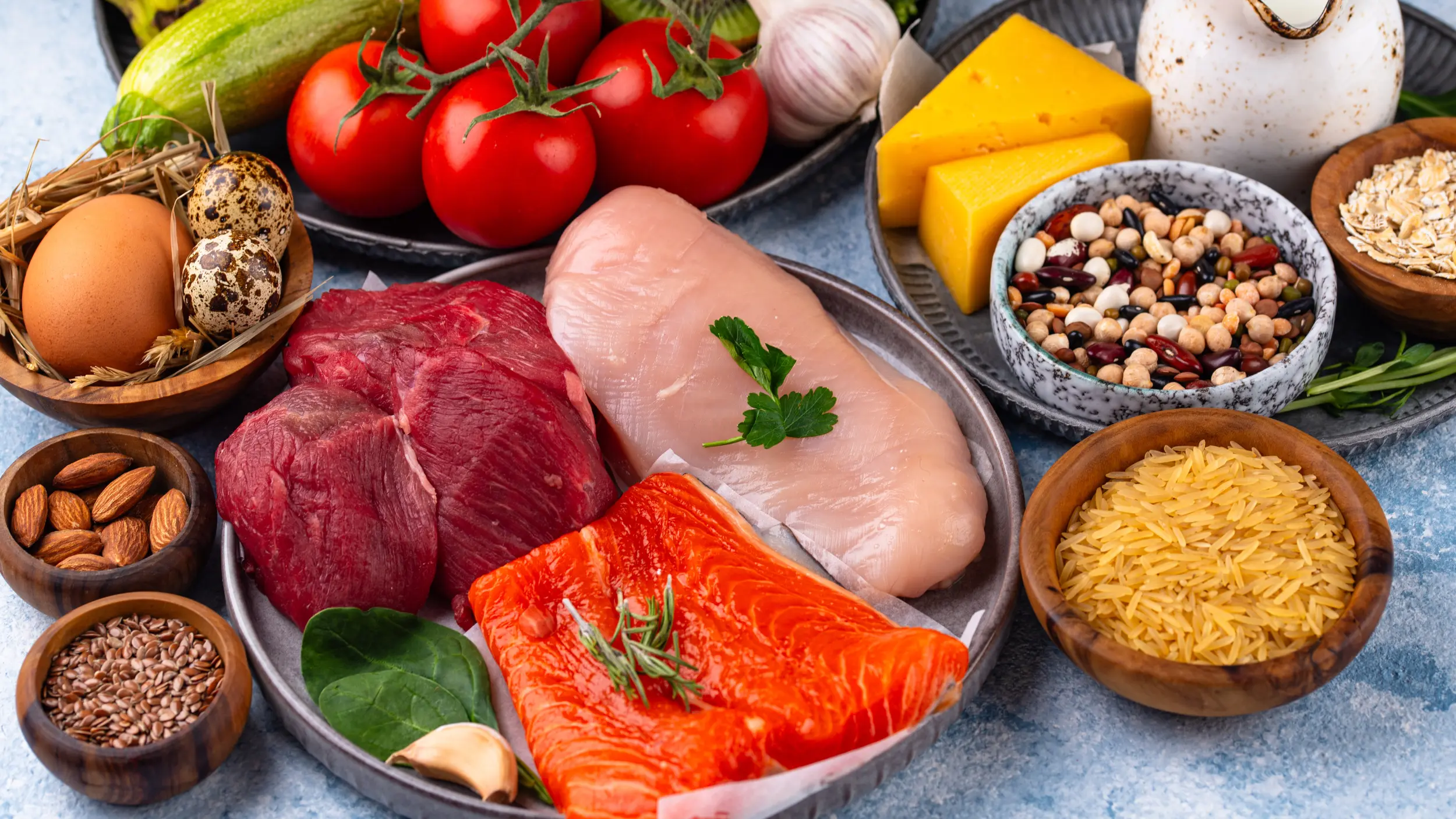
Start with protein density. Every single meal should contain a palm-sized portion of complete protein—eggs, Greek yogurt, fish, poultry, or legumes. Research consistently demonstrates that protein triggers the most robust GLP-1 response compared to fats or carbohydrates alone[8].
Next, build volume with fiber. Non-starchy vegetables, berries, and resistant starches (like cooled potatoes or green bananas) create physical stomach distension and feed your microbiome. Both mechanisms increase GLP-1 secretion[9]. I typically recommend clients aim for 30-35g fiber daily, gradually increasing to avoid digestive discomfort.
Don't fear strategic fats. While fat alone doesn't trigger much GLP-1, combining healthy fats with protein and fiber creates sustained release. Think: salmon with roasted Brussels sprouts, or avocado with scrambled eggs and sautéed spinach.
Timing matters too. Eating window compression (not necessarily strict intermittent fasting) can improve the GLP-1 response to meals. When you eat within a consistent 10-12 hour window daily, your body's hormonal signaling becomes more synchronized[10].
For women specifically dealing with stress-related weight gain, addressing cortisol is non-negotiable. Elevated cortisol can blunt GLP-1's effectiveness and drive cravings—understanding how stress impacts your metabolism becomes foundational to any weight management approach.
What about over-the-counter GLP-1 products?
The supplement market is flooded with products claiming to be the best GLP-1 supplements. Here's my honest assessment of what's actually in them:
- Saffron extract: Shows some promise for appetite reduction, though mechanisms aren't directly GLP-1 related [11]
- Green tea extract (EGCG): May modestly support metabolic rate and fat oxidation, but evidence for GLP-1 stimulation is weak [12]
- Chromium picolinate: Helps with glucose metabolism in some individuals, particularly those with insulin resistance, but isn't a GLP-1 stimulator [13]
- Gymnema sylvestre: Traditional herb that may reduce sugar cravings and support healthy blood sugar, though human studies are limited [14]
Most non-prescription GLP-1 formulas combine several of these ingredients. They're not harmful for most people, but they're also not magic. If your foundational nutrition is chaotic—skipping meals, relying on processed foods, chronic under-eating followed by binging—no supplement will compensate.
I've seen better results when clients focus on metabolic reset strategies that address root causes: adequate protein intake, blood sugar stability, stress management, and consistent movement. These create the environment for your natural hormone production to thrive.
Choosing the Best Natural Weight Loss Supplements
Let's talk about selecting alternative to GLP-1 medication options that actually complement your efforts rather than drain your wallet.
When evaluating the best natural weight loss supplements, I use a three-filter system:
Evidence strength: Does peer-reviewed research support the claimed mechanism? Single studies aren't enough—I want to see multiple trials, ideally in humans, with consistent results.
Dosage transparency: Can you identify exactly how much of each active ingredient is present? Proprietary blends are usually underdosed. For example, effective berberine dosing is typically 900-1500mg daily split into 2-3 doses[15]—if a product doesn't tell you the amount, assume it's insufficient.
Safety profile: What are the contraindications? Berberine, for instance, shouldn't be combined with certain diabetes medications without medical supervision. Natural doesn't automatically mean safe for everyone.
My top evidence-based recommendations for metabolic support:
- Omega-3 fatty acids (2-3g combined EPA/DHA daily): Supports GLP-1 production, reduces inflammation, and improves insulin sensitivity [16]. Choose a third-party tested brand to avoid oxidized oils.
- Magnesium glycinate (300-400mg daily): Over 60% of women don't meet magnesium requirements [17]. This mineral is crucial for glucose metabolism and insulin function. Glycinate form minimizes digestive upset.
- Vitamin D3 (2000-4000 IU daily, or per your lab results): Low vitamin D status correlates with impaired GLP-1 secretion and increased obesity risk [18]. Get your levels checked—optimal is 40-60 ng/mL, not just "normal."
- Prebiotic fiber supplement (like partially hydrolyzed guar gum or inulin): If you struggle to hit 30g fiber through food alone, a quality prebiotic feeds beneficial bacteria that produce GLP-1-stimulating short-chain fatty acids [19]. Start low (5g) and increase gradually.
- Berberine (500mg, 2-3 times daily with meals): The most robust research exists for this compound. It won't replace medication if you need it, but it can meaningfully support glucose metabolism [20].
Real talk: I don't recommend stacking multiple "fat burner" supplements hoping for synergy. More often than not, you're getting redundant ingredients at suboptimal doses. Better to master your foundation—protein at every meal, 7-9 hours sleep, stress management, and regular movement—then add one or two targeted supplements based on your specific gaps.
Some clients ask about combining natural approaches with emerging metabolic strategies like cold exposure for brown fat activation. While different mechanisms, they can be complementary for overall metabolic health.
What doesn't work:
- Detox teas and cleanses: These are usually laxatives causing temporary water weight loss, not fat loss
- Garcinia cambogia: Initial promising studies haven't held up in larger, well-controlled trials [21]
- Raspberry ketones: Zero credible human evidence for weight loss despite aggressive marketing
- CLA (conjugated linoleic acid): Mixed evidence at best, with some studies showing no benefit and potential liver concerns at high doses [22]
The unsexy truth? Consistency with foundational behaviors outperforms any supplement protocol. Supplements should enhance an already solid nutritional framework—they can't create results from chaos.
For personalized guidance on which approach fits your unique metabolic picture, hormonal status, and lifestyle constraints, working with a specialized dietitian makes all the difference. We can identify your specific barriers and create a realistic, sustainable plan that doesn't rely on willpower alone.
Frequently Asked Questions
What are the safest alternatives to GLP-1 medication?
The safest approaches are dietary: prioritizing protein (25-30g per meal), increasing soluble fiber to 30-35g daily, and incorporating omega-3-rich foods like fatty fish 2-3 times weekly. These strategies naturally support GLP-1 production without side effects. For targeted supplementation, magnesium, vitamin D, and omega-3s have excellent safety profiles when dosed appropriately. Berberine is generally safe but should be discussed with your healthcare provider if you're taking diabetes medications, as it can lower blood sugar.
Can I find effective GLP-1 supplements over the counter?
No over-the-counter supplement will replicate prescription GLP-1 medications—full stop. However, certain supplements can support the metabolic pathways that GLP-1 influences. Berberine has the strongest evidence for improving insulin sensitivity and glucose metabolism. Omega-3 fatty acids have been shown to increase natural GLP-1 secretion. The key is managing expectations: these are supportive tools, not pharmaceutical replacements. Look for products with transparent labeling showing clinically-studied doses, third-party testing, and avoid proprietary blends that hide ingredient amounts.
How can I naturally boost my GLP-1 levels?
Your most powerful tools are what you eat and when you eat it. Start every meal with protein—this triggers the strongest GLP-1 response. Include fiber-rich vegetables and legumes, which feed gut bacteria that produce GLP-1-stimulating compounds. Eat within a consistent daily window (like 8am-7pm) rather than grazing all day, as this improves hormonal signaling. Regular movement, especially after meals, enhances GLP-1 effectiveness. Prioritize 7-9 hours of quality sleep, as sleep deprivation impairs GLP-1 function and increases hunger hormones. Finally, manage chronic stress—elevated cortisol blunts GLP-1's appetite-regulating effects.
Are natural GLP-1 alternatives as effective as prescription medications?
Honestly? No. Prescription GLP-1 agonists produce average weight loss of 15-20% of body weight in clinical trials[23], which natural approaches alone can't match. However, natural alternatives can be meaningful for those who don't qualify for prescriptions, can't tolerate medication side effects, or prefer a non-pharmaceutical approach. They're also excellent for maintaining results after discontinuing medication. The question isn't "which is better" but rather "which is appropriate for your specific situation, goals, and health status." Sometimes the answer is a combination approach under medical supervision.
How long does it take to see results from natural GLP-1 alternatives?
Set realistic expectations: dietary approaches typically show appetite and energy improvements within 2-3 weeks, with measurable body composition changes by 8-12 weeks when combined with consistent habits. Supplements like berberine may improve fasting glucose within 4-6 weeks, but weight changes are more gradual. Unlike medications that produce rapid initial results, natural approaches require patience and consistency. The advantage? Changes tend to be more sustainable because you're building lasting habits rather than relying on a pharmaceutical intervention. Most clients see their best results at the 3-6 month mark when everything syncs up.
Can I combine natural GLP-1 alternatives with prescription medications?
Possibly, but only under medical supervision. Some combinations are beneficial—for example, prioritizing protein and fiber while taking GLP-1 medications can help prevent muscle loss and improve nutrient adequacy. However, supplements like berberine can potentiate blood-sugar-lowering effects, potentially causing hypoglycemia when combined with diabetes medications or GLP-1 agonists. Never start new supplements while on prescription medications without discussing it with your prescribing physician and pharmacist. The goal is complementary support, not dangerous interactions.
Your Next Step: Personalized Support for Sustainable Results
Navigating the world of GLP-1 supplement alternatives doesn't have to feel overwhelming or confusing. While natural options won't replicate pharmaceutical potency, they can absolutely support your metabolic health, appetite regulation, and weight management goals when applied strategically.
The real magic happens when we identify your specific barriers—whether that's insulin resistance, cortisol dysregulation, thyroid concerns, or simply needing sustainable meal strategies for your actual life—and build a personalized protocol that addresses root causes.
Ready to stop guessing and start getting real results? Book a consultation focused on weight loss and let's create a science-backed plan tailored to your body, schedule, and goals. We'll identify which natural approaches make sense for your unique situation and build the foundation for lasting metabolic health.
References
[1] Müller TD, Finan B, Bloom SR, et al. Glucagon-like peptide 1 (GLP-1). Molecular Metabolism, 2019.
[2] Holst JJ. The physiology of glucagon-like peptide 1. Physiological Reviews, 2007.
[3] Yin J, Xing H, Ye J. Efficacy of berberine in patients with type 2 diabetes mellitus. Metabolism, 2008.
[4] Srinivasan K. Curcumin, piperine and GLP-1 secretion. Critical Reviews in Food Science and Nutrition, 2017.
[5] Dhillon J, Craig BA, Leidy HJ, et al. The effects of increased protein intake on fullness: A meta-analysis and its limitations. American Journal of Clinical Nutrition, 2016.
[6] Byrne CS, Chambers ES, Morrison DJ, Frost G. The role of short chain fatty acids in appetite regulation and energy homeostasis. International Journal of Obesity, 2015.
[7] Bellenger J, Bellenger S, Bataille A, et al. High pancreatic n-3 fatty acids prevent STZ-induced diabetes in fat-1 mice: inflammatory pathway inhibition. Diabetes, 2011.
[8] Lejeune MP, Westerterp KR, Adam TC, et al. Ghrelin and glucagon-like peptide 1 concentrations, 24-h satiety, and energy and substrate metabolism during a high-protein diet. American Journal of Clinical Nutrition, 2006.
[9] Chambers ES, Preston T, Frost G, Morrison DJ. Role of gut microbiota-generated short-chain fatty acids in metabolic and cardiovascular health. Current Nutrition Reports, 2018.
[10] Sutton EF, Beyl R, Early KS, et al. Early time-restricted feeding improves insulin sensitivity, blood pressure, and oxidative stress. Cell Metabolism, 2018.
[11] Gout B, Bourges C, Paineau-Dubreuil S. Satiereal, a Crocus sativus L extract, reduces snacking and increases satiety in a randomized placebo-controlled study. Nutrition Research, 2010.
[12] Hursel R, Viechtbauer W, Westerterp-Plantenga MS. The effects of green tea on weight loss and weight maintenance: a meta-analysis. International Journal of Obesity, 2009.
[13] Anton SD, Morrison CD, Cefalu WT, et al. Effects of chromium picolinate on food intake and satiety. Diabetes Technology & Therapeutics, 2008.
[14] Pothuraju R, Sharma RK, Chagalamarri J, et al. A systematic review of Gymnema sylvestre in obesity and diabetes management. Journal of the Science of Food and Agriculture, 2014.
[15] Liang Y, Xu X, Yin M, et al. Effects of berberine on blood glucose in patients with type 2 diabetes mellitus: a systematic literature review and meta-analysis. Endocrine Journal, 2019.
[16] Albracht-Schulte K, Kalupahana NS, Ramalingam L, et al. Omega-3 fatty acids in obesity and metabolic syndrome: a mechanistic update. Journal of Nutritional Biochemistry, 2018.
[17] Rosanoff A, Weaver CM, Rude RK. Suboptimal magnesium status in the United States: are the health consequences underestimated? Nutrition Reviews, 2012.
[18] Szymczak-Pajor I, Śliwińska A. Analysis of association between vitamin D deficiency and insulin resistance. Nutrients, 2019.
[19] Rebello CJ, O'Neil CE, Greenway FL. Dietary fiber and satiety: the effects of oats on satiety. Nutrition Reviews, 2016.
[20] Zhang Y, Li X, Zou D, et al. Treatment of type 2 diabetes and dyslipidemia with the natural plant alkaloid berberine. Journal of Clinical Endocrinology & Metabolism, 2008.
[21] Onakpoya I, Hung SK, Perry R, et al. The use of Garcinia extract (hydroxycitric acid) as a weight loss supplement: a systematic review and meta-analysis. Journal of Obesity, 2011.
[22] Lehnen TE, da Silva MR, Camacho A, et al. A review on effects of conjugated linoleic fatty acid (CLA) upon body composition and energetic metabolism. Journal of the International Society of Sports Nutrition, 2015.
[23] Wilding JPH, Batterham RL, Calanna S, et al. Once-weekly semaglutide in adults with overweight or obesity. New England Journal of Medicine, 2021.
.svg)
.svg)





.webp)

.webp)
.webp)
.webp)
.webp)


.webp)
.webp)
.webp)
.webp)


.webp)