.webp)

%2B(7).webp)
.png)
At a Glance
Wegovy stomach pain and nausea are among the most common side effects of GLP-1 medications, but they don't have to derail your progress. By adjusting meal timing, choosing gentle proteins, hydrating strategically, and incorporating soluble fiber slowly, you can significantly reduce discomfort. These dietitian-approved strategies are backed by research and designed to help you feel better while staying on track with your health goals.
Why Does Wegovy Cause Stomach Pain?
Before we get into solutions, let's talk about what's actually happening in your body. Wegovy (semaglutide) works by mimicking a natural hormone called GLP-1, which slows down gastric emptying—basically, food stays in your stomach longer [1]. This mechanism is actually part of how the medication helps with weight management by keeping you fuller longer, but it's also why many people experience bloating with ozempic, nausea, and that uncomfortable "too full" feeling even after small meals.
The glp-1 gastrointestinal side effects you're experiencing aren't a sign that something's wrong with you—they're a predictable physiological response to how these medications work [2]. The good news? There are absolutely concrete, food-based strategies that can make a huge difference in how you feel day-to-day.
1. Master Your Meal Timing & Size
This is honestly the single most impactful change most of my clients make when dealing with managing semaglutide side effects. When digestion is intentionally slowed, large meals become a real problem. That food is literally sitting in your stomach longer than it used to, which creates pressure, bloating, and waves of nausea.
What to Do Instead:
- Shift to smaller, more frequent meals: Instead of three traditional meals, aim for 4-5 mini-meals spread throughout your day. Think of portions about the size of your fist or a small salad plate.
- Eat slowly and mindfully: Put your fork down between bites. It sounds simple, but giving your brain time to register fullness signals can prevent you from overeating and triggering discomfort.
- Stop before you feel "full": On GLP-1 medications, that fullness signal is delayed. If you eat until you feel satisfied, you've likely already eaten past your comfortable point. Aim to stop when you're about 80% full.
- Space meals 3-4 hours apart: This gives your stomach adequate time to empty before adding more food.
I've seen this simple timing shift reduce ozempic side effects nausea by at least 50% for many people within just a few days.
2. Prioritize Low-Fat, Easy-to-Digest Proteins
High-fat foods are the number one dietary trigger for intense nausea from tirzepatide and other GLP-1 medications [3]. Fat naturally slows digestion even further, and when you're already dealing with delayed gastric emptying, it's a recipe for serious discomfort.
Best Protein Choices:
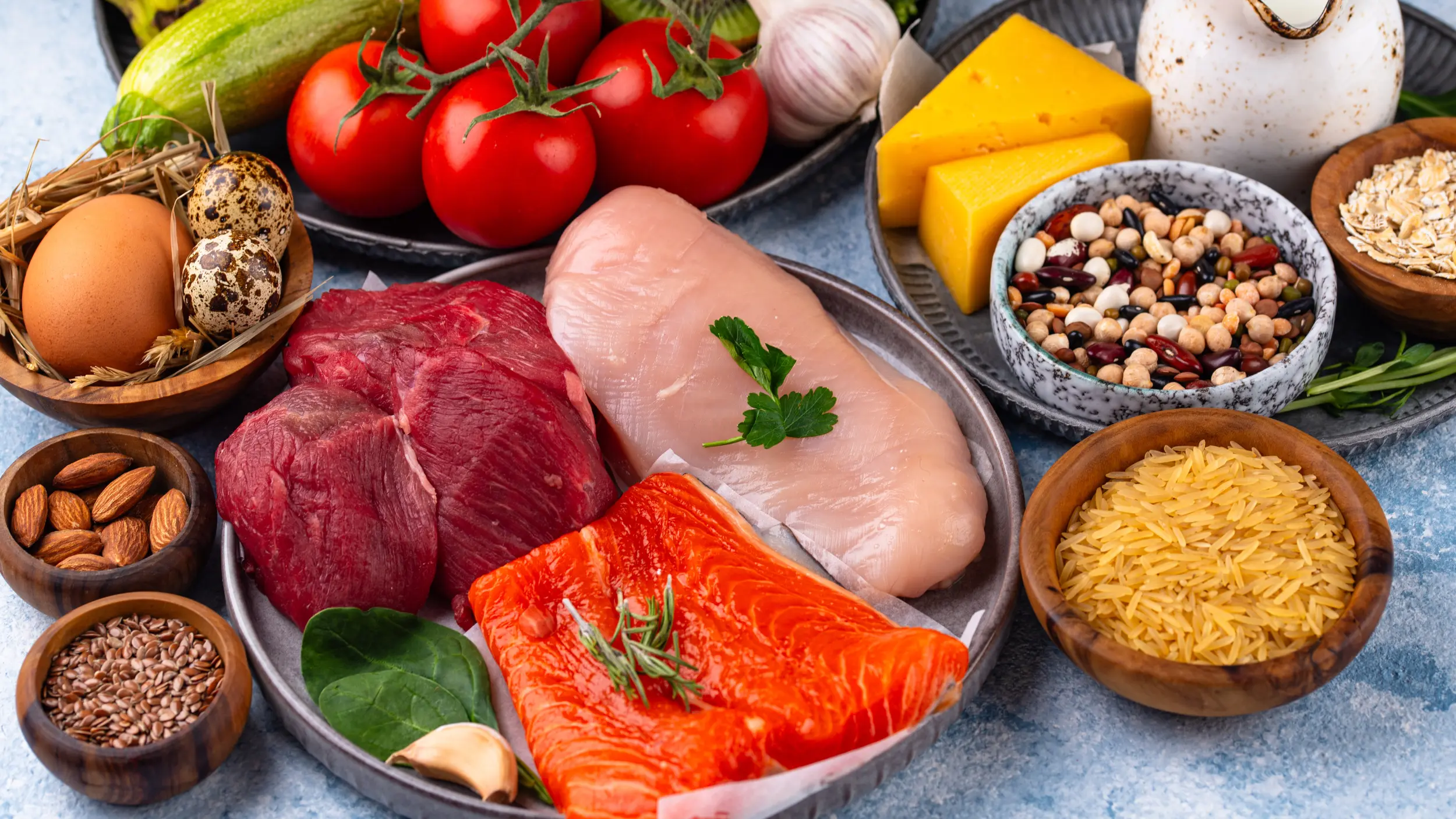
- Skinless chicken breast: Baked, grilled, or poached—skip the fried versions and heavy sauces.
- White fish: Cod, tilapia, and halibut are incredibly gentle and digest easily.
- Eggs: Scrambled or poached with minimal added fat works beautifully.
- Plain Greek yogurt: Choose low-fat or non-fat versions; the probiotics are a bonus for gut health.
- Tofu and tempeh: These plant proteins are naturally lower in fat and easy on the stomach.
- Lentils and beans: Excellent fiber and protein combo, though introduce slowly if you're prone to gas.
Foods to Avoid on Semaglutide:
- Fried foods: French fries, fried chicken, donuts, and anything deep-fried.
- Fatty cuts of meat: Ribeye steak, pork belly, bacon, and heavily marbled meats.
- Creamy sauces and dressings: Alfredo, ranch, cheese sauces.
- Full-fat dairy: Whole milk, heavy cream, regular cheese in large amounts.
- Fast food burgers and pizza: These are typically loaded with hidden fats.
If you're looking for more comprehensive guidance on protein choices during weight management, check out our guide on building balanced plates for sustainable energy.
3. Hydrate Smartly (But Not With Your Meals)
Dehydration can actually worsen constipation from weight loss drugs, but the timing of your fluid intake matters tremendously when you're managing wegovy stomach pain.
When you drink large amounts of liquid with your meals, you're adding volume to an already-full stomach that's emptying slowly. This creates additional pressure and intensifies that bloated, uncomfortable feeling.
Hydration Strategy:
- Drink between meals: Aim for most of your fluid intake 30 minutes before or 60 minutes after eating.
- Sip, don't chug: Take small sips throughout the day rather than drinking large amounts at once.
- Target 64-80 ounces daily: This supports digestion and helps prevent constipation, which is common with these medications.
- Limit carbonated beverages: The bubbles add gas and can worsen bloating significantly.
- Choose room temperature or warm liquids: Very cold beverages can sometimes trigger cramping or discomfort.
If you're also dealing with hormonal changes that affect hydration needs, this strategy becomes even more important.
4. Increase Fiber Slowly & Focus on Soluble Fiber
Constipation is one of those side effects nobody likes to talk about, but it's incredibly common with GLP-1 medications [4]. The same slowed digestion that causes nausea also means things move more slowly through your entire digestive tract.
Here's the tricky part: while fiber is absolutely the solution, adding too much too quickly—especially insoluble fiber—can actually make bloating and gas worse before it gets better.
Soluble Fiber Champions:
- Oats and oat bran: Start with ¼ cup cooked and gradually increase.
- Psyllium husk: Begin with just 1 teaspoon mixed in water and build slowly.
- Chia seeds: These absorb water and create a gel-like consistency that's gentle on the gut.
- Apples (peeled): The pectin is soothing and helps with regularity.
- Sweet potatoes: Soft, easy to digest, and packed with soluble fiber.
- Barley: Add to soups or make it a side dish.
- Flaxseed (ground): Start with 1 tablespoon and work up to 2-3 tablespoons daily.
How to Increase Safely:
Add just one new fiber source every 3-4 days and increase portion sizes gradually. Drink extra water with each fiber increase—this is non-negotiable for preventing things from getting backed up further.
If you're wondering how to stop diarrhea from metformin or dealing with alternating constipation and loose stools, focusing on soluble fiber specifically (rather than high amounts of raw vegetables or wheat bran) tends to help regulate both extremes.
5. Consider Ginger, Peppermint & Other Gentle Digestive Aids
Sometimes you need a little extra support beyond food choices alone. Certain natural remedies have solid evidence for reducing nausea and supporting comfortable digestion—and they work beautifully alongside the diet for mounjaro side effects or any GLP-1 medication.
Evidence-Based Options:
- Fresh ginger: Studies show ginger can significantly reduce nausea [5]. Try grating fresh ginger into hot water for tea, or add it to smoothies.
- Peppermint tea: The menthol naturally relaxes the digestive tract and can ease cramping and bloating. Avoid if you have acid reflux, as it can worsen that.
- Fennel seeds: Chewing on a small amount after meals or brewing fennel tea can reduce gas and bloating.
- Chamomile tea: Gentle, calming, and may help with both nausea and sleep quality.
- Small amounts of lemon: Adding fresh lemon to water between meals can aid digestion for some people.
These aren't magic bullets, but when combined with the meal timing and food choice strategies above, they can provide meaningful relief. For more on supporting your body during metabolic changes, explore our article on nutritional strategies for metabolic health.
FAQ: Quick Answers for Your Peace of Mind
What are the first signs of stomach problems with semaglutide?
The most common early signs include nausea (especially in the first few hours after taking your dose), bloating, feeling overly full after eating much less than usual, and changes in bowel habits—either constipation or occasional diarrhea. These typically appear within the first few days of starting or after a dose increase.
What foods make Wegovy side effects worse?
High-fat and greasy foods are the biggest culprits—think fried foods, fatty meats, creamy sauces, and fast food. Very sugary items, carbonated drinks, spicy foods, and alcohol can also intensify nausea, cramping, and bloating for many people.
How long does 'Ozempic stomach' usually last?
For most people, the most intense GI side effects peak during the first 4-8 weeks as your body adjusts to the medication, then gradually improve. However, some degree of digestive sensitivity can persist long-term, which is exactly why having sustainable dietary strategies in place is so important for ongoing success and comfort.
Can I take over-the-counter medications for nausea?
Always check with your prescribing physician first, but many doctors do approve anti-nausea medications or acid reducers if dietary changes alone aren't enough. Never start new medications or supplements without medical guidance, especially when you're on GLP-1 drugs.
You Don't Have to Tough This Out Alone
Look, I know this can feel like a lot to implement all at once, and everybody's body responds a little differently to these medications. What works perfectly for your friend or someone in an online support group might need tweaking for your unique situation.
The beautiful thing about working with a registered dietitian who specializes in GLP-1 medications is that we can create a truly personalized plan based on your specific symptoms, food preferences, lifestyle, and health goals. We'll troubleshoot what's not working, celebrate what is, and adjust as your body continues to adapt to the medication.
If you're feeling stuck, frustrated, or just want expert support to make this easier, I'd love to help. Book a consultation with our specialized dietitian team and let's create a plan that helps you feel significantly better within the next few weeks.
Managing these side effects doesn't mean you're doing something wrong—it means you're being proactive and taking excellent care of yourself during a significant health transition. That's something to be genuinely proud of.
References
[1] Mehta A, et al. Efficacy and Safety of Semaglutide in Patients with Type 2 Diabetes: A Systematic Review and Meta-Analysis. Diabetes, Obesity and Metabolism, 2022.
[2] Nauck MA, et al. GLP-1 Receptor Agonists in the Treatment of Type 2 Diabetes – State-of-the-Art. The Lancet Diabetes & Endocrinology, 2021.
[3] Smits MM, Van Raalte DH. Safety of Semaglutide: Gastrointestinal and Other Adverse Events. Nature Reviews Gastroenterology & Hepatology, 2021.
[4] Kushner RF, et al. Semaglutide 2.4 mg for the Treatment of Obesity: Key Elements of the STEP Trials 1 to 5. Obesity Journal, 2020.
[5] Marx W, et al. Ginger—Mechanism of Action in Nausea: A Narrative Review. British Journal of Nutrition, 2017.
.svg)
.svg)





.webp)

.webp)
.webp)
.webp)
.webp)


.webp)
.webp)
.webp)
.webp)


.webp)