.webp)
.webp)
%2B(7).webp)
.png)
Taking Ozempic (semaglutide) can feel like a major step toward your health goals, so it is incredibly frustrating when the number on the scale refuses to budge. If you find yourself thinking, “I’m not losing weight on Ozempic,” you are not alone. This common experience often stems from solvable issues like an incorrect dose, a diet that is not in a calorie deficit, or lifestyle habits that counteract the medication’s effects. While the medication is a powerful tool, it works best as part of a bigger strategy. Understanding the common roadblocks is the first step to getting back on track and achieving the results you are looking for.
How Ozempic Works for Weight Loss
Ozempic is a brand name for semaglutide, which belongs to a class of medications called GLP-1 receptor agonists. It mimics a natural hormone in your gut that signals fullness to your brain, slows down how quickly your stomach empties, and helps your body manage blood sugar.
Originally, the FDA approved Ozempic specifically for managing type 2 diabetes. However, because significant weight loss was a common result, the same medication at a different dose was studied and approved for chronic weight management under the brand name Wegovy. Both medications leverage the same mechanism to reduce appetite and caloric intake, but they are not a substitute for sustainable lifestyle changes.
What Weight Loss Results to Expect and When
It’s crucial to have realistic expectations. Weight loss with semaglutide is a marathon, not a sprint. In major clinical trials, participants using semaglutide for weight management lost an average of nearly 15% of their body weight over 68 weeks. This progress happens gradually.
Weight loss is rarely a straight downward line. A weight loss plateau is a normal and expected part of the process. You might see steady progress for weeks, then stall. This is often a sign that your body is adapting and that your nutrition or activity plan may need adjustments. Experiencing a plateau doesn’t mean you are failing or that you will continue not losing weight on Ozempic forever.
Top 10 Reasons You’re Not Losing Weight on Ozempic
Even with the medical assistance of GLP-1 agonists, weight loss is rarely a perfectly linear process and can be influenced by a wide variety of biological and lifestyle factors. This section examines the primary obstacles ranging from metabolic adaptations to dosing inconsistencies that often explain why the scale stops moving despite treatment. Understanding these ten specific hurdles will empower you to identify potential gaps in your routine and work more effectively with your healthcare provider to regain momentum.
1. Not in a caloric deficit
If the scale won’t budge, the most common culprit is simple math: more energy in than out. Ozempic can quiet “food noise,” but it doesn’t erase extra calories. Imagine the medication as your thermostat (useful for managing the climate), yet open windows from calorie dense habits keep letting heat escape.
Why this slows results
Even with smaller appetites, ultra processed, energy dense foods can outpace your burn. GLP-1s help you feel full, but a surplus still stores as fat. The deficit, not the drug, drives fat loss.
Make it work
- Log everything for 7 days to spot hidden calories and portion creep.
- Set a sustainable 500 calorie per day deficit using a TDEE estimate from a clinician or RDN.
- Prioritize lean protein (1.2 to 1.5 g/kg) and high fiber vegetables to extend fullness.
- Cut liquid calories (soda, creamy coffees, alcohol) that bypass satiety.
- If weight is flat for four to eight weeks, review dose and labs with your clinician.
- Texas residents: Book an insurance covered, bilingual RDN visit to personalize your plan.
Evidence snapshot
STEP trials show semaglutide works best paired with a reduced calorie diet and activity.
Safety + next step
Don’t change doses on your own; coordinate with your prescriber. In Texas, verify coverage and schedule telehealth with a licensed RDN for guided, insured support.
2. Not taking Ozempic as prescribed (missed/irregular doses, inconsistent timing)
Your weekly injection is like keeping a steady drumbeat; miss a beat and the appetite curbing rhythm fades. Because semaglutide has a long half life, irregular timing lowers active drug levels and lets hunger resurface.
Why this slows results
Steady state levels take time to build. Skipped or shifted doses drop you below the therapeutic threshold, increasing cravings and destabilizing blood sugar, both of which can nudge you out of a calorie deficit.
Make it work
- Lock in a fixed, nonnegotiable injection day with calendar and phone alarms.
- If you miss, take within 5 days; otherwise, wait for the next scheduled dose.
- Don’t restart at a higher dose after 2 or more missed weeks. Talk to your prescriber.
- Sync your food plan with your dose cycle; note hunger creeping in late in the week.
- Recheck A1c and trends if stalls persist for 12 or more weeks.
- Texas residents: Meet with an insurance covered, bilingual RDN to align dosing and nutrition.
Evidence snapshot
SUSTAIN data indicate semaglutide reaches steady state after several weeks; consistent dosing preserves appetite and glycemic effects.
Safety + next step
Never double up to “catch up.” Work with your clinician. If you’re in Texas, verify insurance and book an RDN telehealth session to keep adherence tight.
3. Inadequate dosage (dose too low or incomplete titration)
The early doses are like training wheels: gentle, safe, and not intended for maximum fat loss. If you’re stuck on a starter dose, the appetite signal may simply be too quiet to change intake meaningfully.
Why this slows results
Low, acclimating doses (like 0.25 mg) reduce side effects but may not silence food noise. Until you reach an effective dose, hunger can outpace your plan.
Make it work
- Follow the standard ramp: ~4 weeks each at 0.25 mg and 0.5 mg before 1.0 mg, per prescriber.
- Track when hunger returns; if it spikes by day four or five, discuss titration.
- Build plates with ~30 g protein per meal and 25 g fiber/day for added satiety.
- If you plateau at 1.0 mg, review labs, side effects, and next steps with your clinician.
- Texas resident? Schedule an insurance covered, bilingual RDN for GLP-1 companion care.
Evidence snapshot
SUSTAIN/STEP trials show greater weight reduction at higher therapeutic doses.
Safety + next step
Do not self-adjust. Coordinate titration with your prescriber. In Texas, verify coverage and book telehealth with a licensed RDN.
4. Liquid and “slider” calories creeping in
Smoothies, sodas, chips, and crackers are easy to consume, quickly digested, and sneaky on the deficit. These “slider” calories rush past fullness signals, adding energy without real satisfaction.
Why this slows results
GLP-1s slow gastric emptying, but low fiber liquids and foods that melt in your mouth don’t stretch the stomach much. Less stretch equals weaker satiety and a stealth calorie surplus.
Make it work
- Prioritize solid meals: 25–30 g protein per meal to engage mechanical fullness.
- Swap sugary drinks for water, sparkling water, or unsweetened tea/coffee.
- Hit 25–35 g fiber/day (beans, berries, veggies) to add bulk and slow digestion.
- Identify and limit “meltables” (chips, crackers) that don’t stick to your ribs.
- Texas residents: Book a bilingual, insurance covered RDN to close liquid calorie gaps.
Evidence snapshot
AJCN research shows liquid calories produce weaker satiety and higher total intake.
Safety + next step
Keep your prescriber in the loop; don’t change medication on your own. In Texas, verify insurance and schedule telehealth RDN support.
5. Not making or sustaining lifestyle changes
The medication can point you in the right direction, but habits do the driving. As your body adapts and gets lighter, old routines can quietly erase your deficit unless you level up how you eat and move.
Why this slows results
Weight loss lowers energy needs. Without protein, fiber, and strength work, your burn drops to match your intake, flattening progress.
Make it work
- Eat 60–90 g protein/day to protect lean mass and resting metabolism.
- Target 25–35 g fiber/day (lentils, berries, vegetables) for satiety and regularity.
- Lift 2x/week to preserve muscle; add 150 minutes/week of brisk walking.
- Reassess labs, side effects, and dose about every 8 weeks with your clinician.
- Texas residents: Partner with an insurance covered, bilingual RDN for a durable plan.
Evidence snapshot
STEP 4 found weight regain without ongoing lifestyle support, showing that habits extend medication benefits.
Safety + next step
Never tweak your dose solo. If you’re in Texas, verify coverage and book a telehealth RDN to lock in sustainable routines.
6. Concurrent medications interfering with weight loss
Sometimes another prescription is pressing the brake while Ozempic taps the gas. Certain meds can boost appetite, slow metabolism, or retain fluid, blunting your results.
Why this slows results
Insulin/sulfonylureas, some antidepressants/antipsychotics, steroids, and select beta blockers can promote weight gain signals that counter your GLP-1’s appetite effects.
Make it work
- Review your list (insulin, sulfonylureas, beta blockers, steroids, sedating antihistamines) with your prescriber.
- Ask about weight neutral alternatives when clinically appropriate.
- Eat ~30 g protein per meal and ~30 g fiber/day to temper hunger.
- Limit sodium to ~2,300 mg/day and drink ~90 oz water to manage fluid retention.
- Texas residents: Book an insurance covered, bilingual RDN to navigate safely.
Evidence snapshot
Obesity Reviews: several common medications can add 2 to 10% body weight, offsetting progress.
Safety + next step
Do not change or stop meds without medical guidance. In Texas, verify insurance and schedule RDN telehealth for coordinated care.
7. Individual response variability and metabolic differences
Two people, same dose, different outcomes. Genetics, gut hormones, and the gut microbiome (for example, Akkermansia) can change how loudly Ozempic’s “fullness signal” comes through, like Wi-Fi strength through thick walls.
Why this slows results
If your receptors are less responsive, standard dosing may blunt but not silence hunger, yielding slower loss despite adherence.
Make it work
- Track non-scale wins (waist, BP, energy, glucose) to see broader progress.
- Screen for PCOS, hypothyroidism, sleep apnea, or micronutrient gaps with your clinician.
- Aim for ~1.2 g protein/kg and ~30 g fiber/day to support satiety and metabolism.
- Revisit titration; you may need a higher dose if clinically appropriate.
- Texas residents: Work with bilingual, insurance covered RDNs to tailor your strategy.
Evidence snapshot
STEP 1 reports a subset of low responders (<5% loss), underscoring biological variability.
Safety + next step
Never titrate up on your own. In Texas, verify coverage and book an RDN telehealth consult to individualize your plan.
8. Managing Medication tolerance/tachyphylaxis (body adapting)
At first, GLP-1 signals can feel like a megaphone; over time, your brain may turn down the volume. That adaptation lets hunger edge back in, especially as your body weight drops.
Why this slows results
Your system is built to maintain balance. With prolonged exposure, satiety signaling can feel less intense, reopening the door to higher intake unless you counter with strategy.
Make it work
- Build “mechanical” fullness: 25–30 g protein/meal and 25–35 g fiber/day.
- Strength train 3x/week to protect lean mass and keep metabolic rate up.
- Recalculate calorie needs as you lose; smaller bodies burn fewer calories.
- If you’re stalled for four or more weeks, discuss dose strategy with your prescriber.
- Texas residents: Partner with an insurance covered, bilingual RDN to outsmart plateaus.
Evidence snapshot
STEP data show weight loss typically plateaus over time; strategic nutrition and activity help sustain momentum.
Safety + next step
Do not alter doses without guidance. In Texas, verify insurance and book telehealth RDN support to adjust your plan safely.
9. Metabolic adaptation and reduced NEAT
As pounds come off, your body quietly hits “Low Power Mode.” You burn fewer calories, and you may unconsciously move less (lower NEAT), shrinking the deficit that got you results.
Why this slows results
Adaptive thermogenesis lowers energy expenditure beyond what weight loss alone predicts, while step counts and fidgeting often decline due to fatigue.
Make it work
- Eat 1.2 to 1.5 g protein/kg goal weight to preserve muscle.
- Track steps; aim for 7,000–10,000/day to keep background movement up.
- Lift 2–3x/week to signal muscle retention and protect resting burn.
- If fatigue lasts >4 weeks, review labs (iron, B12, thyroid) with your clinician.
Evidence snapshot
Studies in Obesity show adaptive thermogenesis meaningfully reduces total energy expenditure.
Safety + next step
Don’t adjust medication without your prescriber. In Texas, schedule insured RDN telehealth for individualized, fatigue-aware coaching.
10. Dietary habits not aligned with goals
Appetite is lower, yes, but calories still count. Portion creep, frequent takeout, or “small but mighty” treats can quietly erase the deficit you need for fat loss.
Why this slows results
GLP-1s help you feel full sooner, yet calorie dense choices (pastries, fries, sweets) can overshoot daily needs fast, especially as your digestion slows.
Make it work
- Protein first: 100–120 g/day to protect muscle and curb cravings.
- Fiber up: 25–35 g/day from vegetables, fruit, beans for fullness and regularity.
- Skip liquid calories: sodas, specialty coffees, and alcohol add up fast.
- Plate strategy: smaller plates, deliberate portions, a 20 minute pause before seconds.
- Reassess labs and clinical plan at regular intervals.
- Texas residents: Book an insurance covered, bilingual RDN to align habits with goals.
Evidence snapshot
STEP trials show the strongest results when semaglutide is paired with nutrition and activity changes.
Safety + next step
Never change doses without your clinician. If you’re in Texas, verify coverage and schedule telehealth RDN support for a realistic, sustainable plan.
How to Break an Ozempic Weight Loss Plateau
If you are not losing weight on Ozempic, focusing on a few key lifestyle factors can reignite your progress. For a step by step framework, see our 2026 Metabolic Reset Guide. This is where personalized nutrition becomes critical.
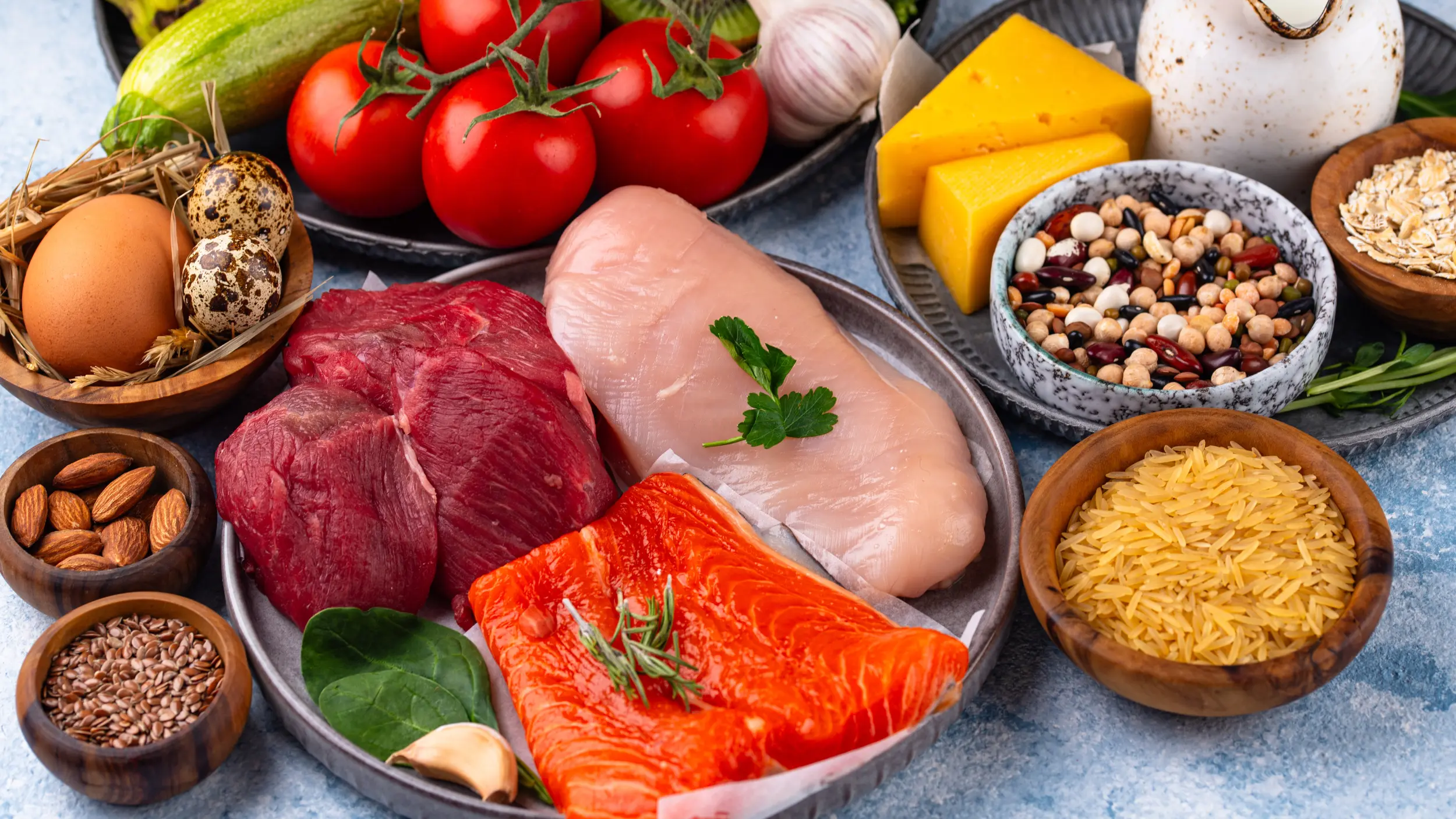
- Prioritize Protein: GLP-1 medications reduce appetite, which can lead to eating too little, especially protein. Inadequate protein can cause your body to lose valuable muscle mass instead of fat. A plan focused on protein, guided by the protein leverage hypothesis, helps preserve muscle, which keeps your metabolism running efficiently.
- Focus on Nutrient Dense Foods: While you may be eating fewer calories, the quality of those calories matters more than ever. Focus on whole foods like lean proteins, vegetables, fruits, and healthy fats. These provide essential vitamins and minerals without excess calories.
- Stay Hydrated: Thirst can often be mistaken for hunger. Drinking enough water is essential for metabolism and can help manage common side effects like constipation.
- Incorporate Resistance Training: Building or maintaining muscle through strength training is one of the most effective ways to boost your metabolism. This helps your body burn more calories even at rest.
- Get Professional Guidance: Navigating nutrition while on a new medication can be complex. Working with a registered dietitian can provide clarity and a personalized strategy. The dietitians at Vedic Nutrition specialize in creating nutrition plans for individuals on GLP-1s, ensuring you meet your protein goals and manage side effects effectively.
Work With Your Healthcare Team
Successfully using Ozempic requires a team approach. Your prescribing doctor and a registered dietitian play distinct but equally important roles.
Your doctor manages your prescription, including the dose. Your dose may need to be adjusted over time to be effective. Always discuss your progress and any side effects with your prescriber. Never change your dose on your own.
A registered dietitian nutritionist (RDN) is your expert for all things food and lifestyle. They can create a tailored eating plan that complements your medication, helps you overcome a plateau, and builds habits for long term success. If you are in Texas, you can verify your insurance benefits to find a dietitian covered by your plan and get started with a personalized strategy. Many people are surprised to find that these visits often cost $0 out of pocket.
Ozempic Helps, But a Plan Makes the Difference
Feeling stuck when you are not losing weight on Ozempic is a valid concern, but it is often a temporary situation with a clear solution. The medication is a tool to reduce appetite and improve metabolic health, not a complete fix on its own. By focusing on a high protein diet, nutrient quality, physical activity, and professional guidance, you can break through a plateau and achieve meaningful, sustainable results.
Ready to create a plan that works with your medication, not against it? The team of registered dietitians at Vedic Nutrition is here to help you navigate your journey with expert, insurance covered care. Visit Vedic Nutrition to verify your benefits and book your first appointment.
Frequently Asked Questions
Why am I not losing weight on Ozempic after a month?
Weight loss in the first month can vary. Your body is still adjusting to the medication, and you are likely on a starting dose. The most significant weight loss often occurs after several months once you reach a stable, effective dose. Focus on building consistent nutrition and exercise habits during this time.
Is it possible to gain weight on Ozempic?
While uncommon, it is possible if your calorie intake still exceeds your body’s needs. This can happen if you consume high calorie liquids, processed foods, or if portion sizes are still too large despite reduced hunger. This is another reason why a structured nutrition plan is so important.
What should I eat on Ozempic to maximize weight loss?
A diet that prioritizes lean protein, fiber from vegetables and whole grains, and healthy fats is ideal. Protein is especially critical to help you feel full and maintain muscle mass. A registered dietitian can help create a plan that fits your food preferences and health goals.
What is the average weight loss on Ozempic in 3 months?
Research shows a wide range of results, but many people can expect to lose around 5% to 6% of their starting body weight within the first three months at an effective dose. Progress depends on your starting weight, dose, and lifestyle changes.
Can a dietitian help if I am not losing weight on Ozempic?
Absolutely. A dietitian is the ideal professional to help troubleshoot a weight loss plateau. They can analyze your diet, identify areas for improvement like inadequate protein or hidden calories, and help you develop a sustainable eating pattern to support your medication and health goals.
How quickly should I lose weight on Ozempic?
A safe and sustainable rate of weight loss is typically 1 to 2 pounds per week. Faster loss can occur initially, but a steady pace is healthier long term and helps preserve muscle mass. If you are not losing weight on Ozempic at all, it’s a good idea to speak with both your doctor and a dietitian.
Will I stop losing weight if my Ozempic dose is too low?
Yes, dosage is a key factor. Ozempic treatment typically starts with a low dose that is gradually increased over weeks or months. If you remain on a starting dose, you may not see significant weight loss. Your doctor will determine the appropriate therapeutic dose for you.
Can I get a dietitian covered by my insurance in Texas?
Yes. Many health insurance plans in Texas, including Aetna, Blue Cross Blue Shield, and UnitedHealthcare, cover nutrition counseling with a registered dietitian. Companies like Vedic Nutrition specialize in providing telehealth dietitian services and can verify your benefits for you, with many clients paying nothing out of pocket.
.svg)
.svg)






.webp)

.webp)
.webp)
.webp)
.webp)


.webp)
.webp)
.webp)
.webp)