.webp)
.webp)
%2B(7).webp)
.png)
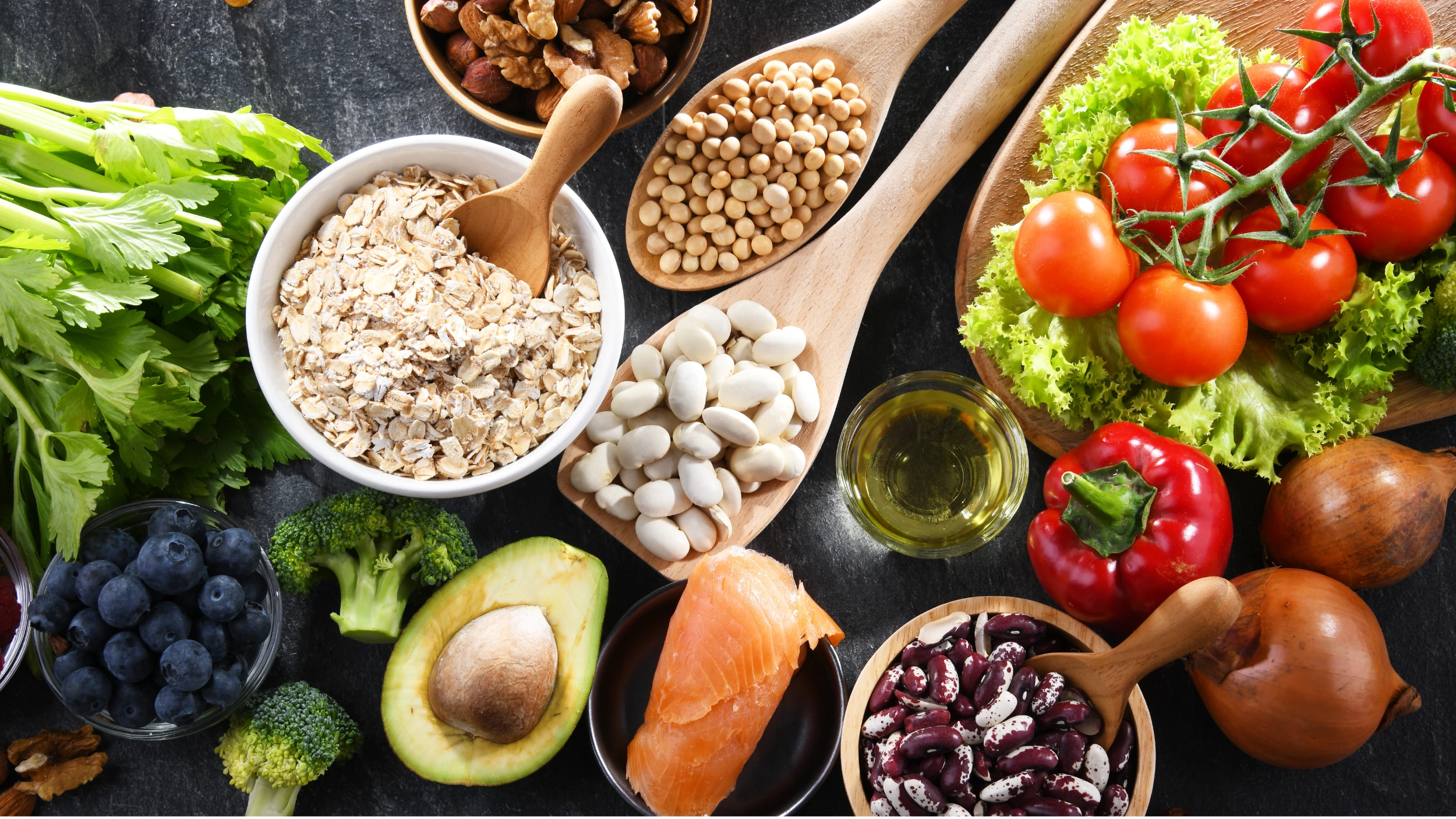
Heart healthy meal planning means building weekly menus around vegetables, fruits, whole grains, legumes, nuts, and fish while keeping sodium under 1,500 to 2,300 mg per day, saturated fat below 6% of calories, and added sugars under 25 to 36 grams. The two proven patterns, DASH and Mediterranean, overlap about 80% and can lower blood pressure within weeks. This guide gives you the exact per-meal budgets, label math, grocery lists, and batch-cook workflow to start this week.
What Heart Healthy Meal Planning Actually Means
Heart healthy meal planning is the practice of designing weekly menus that prioritize vegetables, fruits, whole grains, legumes, nuts, and fish while limiting sodium, saturated fat, and added sugars, using evidence-based patterns like DASH or Mediterranean to lower blood pressure and LDL cholesterol.
That definition matters because “eating healthy” is vague. Heart healthy meal planning is specific. It gives you numbers to hit and foods to build around, backed by decades of clinical trials showing measurable drops in blood pressure and cholesterol.
The two patterns with the strongest evidence are:
- DASH (Dietary Approaches to Stop Hypertension): Originally designed to lower blood pressure through high intake of fruits, vegetables, whole grains, and low-fat dairy while cutting sodium. The NIH provides week-long menus and serving tables for this pattern.
- Mediterranean: Emphasizes extra-virgin olive oil, legumes, nuts, whole grains, and fish. More flexible and culturally adaptable.
These two patterns agree on roughly 80% of their recommendations. Both push vegetables, whole grains, fish, nuts, and legumes to the center of the plate. Both limit processed meats, refined grains, and added sugars. The main differences are that DASH specifies low-fat dairy and exact serving counts, while Mediterranean leans harder into olive oil and moderate wine. Pick whichever fits your life. Combine them if you want.
Why It Works: The Numbers Behind the Food
This is not about vague “wellness.” Heart healthy meal planning produces measurable results, often within weeks.
Blood pressure drops fast. An NIH trial found that switching to a lower-sodium diet reduced systolic blood pressure in roughly 72 to 75% of participants, with an average drop of 6 to 7 mm Hg. That is clinically meaningful, comparable to what some medications achieve. When DASH eating and sodium reduction are combined, the effect is even larger, and it works even in people with resistant hypertension when paired with exercise.
LDL cholesterol responds to specific foods. Adding 5 to 10 grams per day of soluble (viscous) fiber lowers LDL by approximately 5 to 10%. Plant sterols at 2 grams per day drop LDL another 8 to 10%. The Portfolio diet, which combines nuts, soy protein, viscous fiber, and plant sterols, showed about a 13% LDL reduction in a six-month randomized trial.
These are not small numbers. For many people, dietary changes alone can move lab values enough to delay or avoid medication, or make medication work better.
Core Targets at a Glance
Here are the daily numbers that matter for heart healthy meal planning.
The key principle: replace, don’t just remove. Cutting saturated fat without replacing it with something is a mistake. The evidence is clear that swapping saturated fats (butter, cream, processed meats) for unsaturated fats (olive oil, nuts, avocado, fish) is what actually lowers cardiovascular events. Simply going “low-fat” misses the point.
If your doctor has flagged high cholesterol or blood pressure and you want a plan built around your specific labs, insurance-covered nutrition counseling with a registered dietitian can translate these general targets into meals that fit your numbers and your kitchen.
The 10-Minute Weekly Planning Routine
Heart healthy meal planning sounds time-intensive. It does not have to be. Here is a system that takes about 10 minutes on a Sunday.
Step 1: Budget Your Numbers Across Meals
Stop thinking about daily totals and start thinking per-meal. This makes grocery shopping and cooking decisions automatic.
Sodium budget per meal (targeting 1,500 mg/day):
- Breakfast: 400 mg
- Lunch: 400 mg
- Dinner: 500 mg
- Snacks (two): 100 mg each
Sodium budget per meal (targeting 2,300 mg/day):
- Breakfast: 600 mg
- Lunch: 600 mg
- Dinner: 700 mg
- Snacks (two): 200 mg each
Write those numbers on a sticky note and put it on your fridge. When you check a label, you immediately know whether that food fits your meal or blows the budget.
Step 2: Pick 3 to 4 Dinners, Then Let Leftovers Handle Lunch
You do not need 21 unique meals. Pick three or four dinners, cook enough for leftovers, and rotate. Breakfast can be the same most days (oatmeal with fruit, or eggs with vegetables and whole-grain toast).
Step 3: Write the Grocery List From Your Meals
Work backward from your chosen dinners. Add your batch-cook staples (see pantry section below). Done.
Step 4: Batch-Cook on One Day
The weekly prep that practitioners on Reddit consistently recommend:
- Cook 1 to 2 whole grains (brown rice, barley, farro)
- Roast a sheet pan of mixed vegetables
- Cook a pot of beans or lentils
- Prep 1 protein (baked salmon, chicken thighs, or seasoned tofu)
- Mix a salt-free spice blend
This gives you “assembly-style” meals all week. Practitioners on cooking forums report that this approach, rather than trying to cook a fresh meal every night, is what actually makes low-sodium eating sustainable. Sheet pans and pressure cookers come up constantly as the tools that make it work.
Reading Labels Like a Pro: The 5%/20% Rule
The FDA’s Percent Daily Value (%DV) system is the fastest way to evaluate packaged food for heart healthy meal planning. The rule is simple:
- 5% DV or less = low (good for sodium, saturated fat, added sugars)
- 20% DV or more = high (bad for sodium, saturated fat, added sugars; good for fiber)
Worked Example: Sodium Math
A can of soup shows 18% DV sodium per serving. The can contains two servings and you plan to eat the whole thing.
- 18% DV × 2 servings = 36% DV
- The DV for sodium is 2,300 mg
- 36% of 2,300 mg = 828 mg
That single can just used over half of a 1,500 mg daily sodium budget. This is why label math matters. Most people are shocked when they do this calculation for the first time.
Added Sugars: Watch for the Gap
The FDA’s Daily Value for added sugars is 50 grams (10% of a 2,000-calorie diet). But the AHA recommends much less: 25 grams for women and 36 grams for men. So a food showing “15% DV added sugars” equals 7.5 grams, which looks modest against the FDA’s 50-gram benchmark but represents 30% of a woman’s AHA limit. Use the AHA numbers as your real target.
Foods That Actually Move the Metrics
Not all “healthy” foods are equal when it comes to blood pressure and cholesterol. These are the ones with the strongest evidence for measurable impact.
Soluble Fiber Powerhouses (Target: 5 to 10 g/day of viscous fiber for LDL lowering)
Hitting 5 to 10 grams per day of soluble fiber lowers LDL by roughly 5 to 10%. A meta-analysis showed approximately a 5.6 mg/dL LDL drop per additional 5 grams per day. That is a meaningful shift from food alone.
Other LDL-Lowering Foods
- Plant sterols/stanols (2 g/day from fortified foods or supplements): lower LDL roughly 8 to 10%
- Unsalted nuts (a handful daily): part of the Portfolio diet that achieved 13% LDL reduction
- Soy protein: swap some animal protein for tofu, edamame, or tempeh
Omega-3 Rich Fish
Salmon, mackerel, sardines, trout, and herring. The AHA recommends 1 to 2 seafood meals per week, totaling about 8 ounces. Non-fried preparation matters. Baked salmon with lemon and herbs counts. A breaded, deep-fried fish sandwich does not.
For breakfast ideas that keep saturated fat low while hitting protein targets, check out these high-protein breakfasts without eggs for options like overnight oats with nuts and seeds.
Building Your Heart-Healthy Pantry (On a Budget)
A well-stocked pantry makes heart healthy meal planning almost automatic. You can assemble a complete dinner in minutes when the basics are ready to go.
The Budget-Friendly Pantry Staples
Grains and starches: Brown rice, rolled oats, barley, whole-wheat pasta, corn tortillas
Canned goods (no-salt-added when possible): Canned tomatoes, canned beans (black, pinto, chickpeas), canned tuna in water
Frozen: Mixed vegetables, frozen berries, frozen fish fillets (no breading)
Oils and acids: Extra-virgin olive oil, vinegar (red wine, apple cider, rice), lemons, limes
Spices (no salt added): Cumin, paprika, garlic powder, onion powder, oregano, chili powder, black pepper, turmeric
Nuts and seeds: Unsalted almonds, walnuts, pumpkin seeds, flaxseed
The Canned Bean Trick: Rinse for 40% Less Sodium
If no-salt-added canned beans are not available or cost more, buy regular canned beans and rinse them. Draining and rinsing canned beans reduces sodium by up to approximately 40%. A can of pinto beans with 400 mg sodium per serving drops to roughly 240 mg after rinsing. The fiber and protein stay intact. This is one of the most practical, evidence-backed budget hacks for low-sodium cooking.
What to Swap Out
Ditch the pantry items that silently wreck sodium budgets. Practitioners on Reddit’s low-sodium communities consistently flag these as the biggest offenders:
- Canned soups (often 800 to 1,200 mg sodium per can, even “healthy” ones)
- Deli meats and processed meats (300 to 600 mg per two slices)
- Soy sauce, even “low-sodium” (still 500+ mg per tablespoon; people on low-sodium forums warn that “reduced sodium” soy sauce gives a false sense of security)
- Jarred pasta sauce (500 to 700 mg per half cup)
- Bread (100 to 230 mg per slice, which adds up fast with sandwiches)
Replace these with homemade versions or no-salt alternatives. A batch of lentil soup made from scratch, seasoned with cumin, lemon, and garlic, can come in under 200 mg sodium per bowl versus 600+ mg from a can.
The Plate-Building Method
Harvard’s Healthy Eating Plate offers the simplest visual framework for heart healthy meal planning:
- Half the plate: Vegetables and fruits (emphasis on vegetables)
- One quarter: Whole grains (brown rice, barley, quinoa, whole-wheat bread)
- One quarter: Healthy protein (fish, poultry, beans, tofu, nuts)
- Cooking fat: Olive oil or other unsaturated oils
This plate structure works across any cuisine. Understanding how protein needs work alongside other nutritional goals helps you fill that protein quarter without defaulting to high-saturated-fat options like processed meats or cheese-heavy dishes.
Plate This Tonight: Two 10-Minute Builds
Fajita Bowl (estimated sodium: ~450 mg)
Sautee sliced bell peppers and onions in olive oil with cumin, chili powder, garlic powder, and a squeeze of lime. Serve over brown rice with rinsed canned black beans, pico de gallo, and sliced avocado. Skip the shredded cheese and sour cream. The fat comes from the avocado and olive oil (unsaturated), and the beans deliver soluble fiber.
Salmon and Barley Bowl (estimated sodium: ~380 mg)
Season a salmon fillet with lemon zest, black pepper, and dill. Bake at 400°F for 12 minutes. Serve over cooked barley with a quick slaw of shredded cabbage, carrots, rice vinegar, and a drizzle of olive oil. The salmon provides omega-3s, the barley gives viscous fiber, and the whole meal stays well under a 500 mg dinner sodium budget.
Tex-Mex and Southern Plates, Rebuilt
Heart healthy meal planning does not mean abandoning the foods you grew up with. It means rebuilding them with smarter ingredients.
Tacos: Corn tortillas instead of flour (lower sodium, no saturated fat from lard). Season meat with homemade spice blends instead of seasoning packets (those packets run 300 to 500 mg sodium per serving). Top with shredded cabbage, pico de gallo, and lime rather than cheese and sour cream.
Enchiladas: Use a homemade red chili sauce (dried chilis, garlic, cumin, blended with water) instead of canned enchilada sauce (400+ mg sodium per quarter cup). Fill with rinsed black beans and chicken. Roll in corn tortillas.
Southern greens: Cook collards or mustard greens with smoked paprika, garlic, apple cider vinegar, and a small amount of olive oil instead of ham hocks or bacon. The acid and smoke flavor do most of the heavy lifting.
Red beans and rice: Use dried beans cooked from scratch (near-zero sodium) or rinsed canned beans. Season with onion, garlic, thyme, cayenne, and bay leaves. Skip the andouille sausage or use a small amount for flavor rather than as the main protein.
Dining Out Without Wrecking Your Sodium Budget
Over 70% of the sodium in the average American diet comes from packaged and restaurant foods, not the salt shaker at home. The average U.S. adult consumes over 3,300 to 3,500 mg of sodium per day, and restaurant meals are a big reason why.
Practitioners on Reddit’s low-sodium communities share a consistent reality check: some single restaurant meals exceed an entire day’s sodium limit. A bowl of restaurant soup can hit 1,200 mg. A standard burger with fries can top 2,000 mg.
How to Order
- Ask for unseasoned proteins. Request grilled chicken or fish cooked without salt, then add your own seasoning.
- Sauces and dressings on the side. A tablespoon of soy-based sauce can add 500+ mg.
- Skip the bread basket. Restaurant bread is often 200+ mg sodium per roll, and it is easy to eat three before the meal arrives.
- Avoid soups. Almost universally high in sodium, even “house-made” ones.
- Split entrees. If you cannot control the sodium in a dish, at least halve the portion.
- Choose grilled or steamed over fried. Breading and frying adds sodium, saturated fat, and calories in one step.
Common Confusions, Cleared Up
“The AHA says less than 6% saturated fat, but the Dietary Guidelines say 10%. Which one?”
Both are legitimate targets for different populations. The Dietary Guidelines for Americans set a general population cap of 10% of calories from saturated fat. The AHA recommends a stricter target, less than 5 to 6% of calories, specifically for people who need to lower LDL cholesterol. If your LDL or blood pressure is elevated, aim for the AHA number (about 13 grams on 2,000 calories). If your labs are fine, 10% is reasonable.
“Are eggs banned?”
No. The AHA’s 2019 advisory concluded that for healthy adults, up to two eggs per day can fit within a heart-healthy eating pattern. The overall quality of the diet matters more than individual foods. One egg has about 1.5 grams of saturated fat, which fits easily into a 13-gram daily budget.
“I have to hit 1,500 mg sodium or it’s useless.”
Wrong. Cutting even 1,000 mg per day from your current intake improves blood pressure. If you are eating the U.S. average of 3,400 mg, dropping to 2,400 mg is progress. Dropping to 1,500 mg is ideal, but progress beats perfection.
“Just toss the salt shaker and I’m fine.”
The salt shaker accounts for a small fraction of sodium intake. Over 70% comes from packaged and restaurant foods. Home cooking and label reading move the needle far more than avoiding the salt shaker ever will. In fact, experienced low-sodium cooks on Reddit recommend adding a small pinch of salt at the very end of cooking, right on the surface, for maximum flavor impact with minimal sodium. It is more effective than salting during cooking, where the flavor gets diluted.
“Low-fat means heart healthy.”
This was the thinking in the 1990s, and it was wrong. “Low-fat” packaged foods often replaced fat with sugar and refined carbs, which did nothing for heart health. The evidence now is clear: fat quality matters more than fat quantity. Replace saturated fats with unsaturated fats. Do not just remove fat.
Layering Flavor Without Sodium
The biggest complaint about low-sodium cooking is that food tastes bland. It does not have to. The trick, according to both registered dietitians and home cooks in low-sodium communities online, is layering flavors from multiple sources:
- Acids: Lemon juice, lime juice, vinegar (rice, apple cider, balsamic, red wine). Acid brightens food the same way salt does.
- Aromatics: Fresh garlic, ginger, onions, shallots, scallions.
- Heat: Black pepper, cayenne, red pepper flakes, fresh chilis.
- Dried spices and herbs: Cumin, smoked paprika, oregano, thyme, rosemary, turmeric. Buy salt-free blends or make your own.
- Umami without sodium: Mushrooms, tomato paste (check sodium), nutritional yeast.
- Finish with a tiny amount of salt. If you must use salt, add it at the very end, on the surface of the food. Your tongue tastes it immediately, so a fraction of the amount gives the same perceived saltiness.
This layering approach is how heart healthy meal planning becomes sustainable rather than something you quit after two weeks.
When to Get Tailored Help
General guidelines work for most people. But certain situations call for a personalized plan built by a registered dietitian nutritionist (RDN) who can review your labs, medications, and medical history:
- Heart failure: Sodium recommendations may differ from standard guidelines, and the evidence is evolving. Individualized guidance from a clinician is important.
- Taking blood pressure or cholesterol medications: An RDN can coordinate with your prescriber to optimize diet alongside meds.
- Multiple conditions at once (diabetes plus high cholesterol, for example): Balancing carb management with heart targets requires personalized math.
- GLP-1 medications: If you are on Wegovy, Zepbound, or similar medications, preserving muscle while losing weight requires protein-forward planning that also respects your heart health targets.
- Cultural food preferences that do not fit neatly into standard DASH templates.
Many people do not realize that medical nutrition therapy with a registered dietitian is covered by insurance for conditions like high cholesterol, hypertension, and diabetes. You do not always need a referral, though it depends on your plan.
If you are in Texas and want to work with a registered dietitian online, Vedic Nutrition offers telehealth nutrition counseling statewide. Benefits are verified before your first visit, and 95% of covered clients pay $0 out of pocket. Sessions are available in English and Spanish. Browse the full team on the Vedic dietitian directory to find a clinician who matches your needs.
Helpful Resources
For deeper reading on heart healthy meal planning, these external resources are worth bookmarking:
- DASH Eating Plan overview and sample menus (NIH/NHLBI)
- How to read and use the Nutrition Facts label (FDA)
- AHA sodium recommendations
For more condition-specific nutrition articles, visit the Vedic heart health resource hub.
Frequently Asked Questions
What is the difference between DASH and Mediterranean diets for heart health?
Both patterns emphasize vegetables, fruits, whole grains, legumes, nuts, and fish. They overlap about 80%. DASH is more prescriptive, with specific serving counts and an emphasis on low-fat dairy, and was designed specifically to lower blood pressure. Mediterranean is more flexible, emphasizes olive oil as the primary fat source, and has broader evidence for overall cardiovascular disease prevention. Either works. Many dietitians recommend combining elements of both.
How much sodium should I eat per day for heart health?
The AHA’s ideal target is 1,500 mg per day for most adults, with 2,300 mg as the general upper limit. The average American eats over 3,400 mg. Even cutting 1,000 mg from your current intake produces meaningful blood pressure improvements. You do not need to hit 1,500 mg immediately to benefit.
Does rinsing canned beans really reduce sodium?
Yes. Draining and rinsing canned beans removes up to approximately 40% of the sodium. The fiber, protein, and most minerals remain intact. When no-salt-added beans are unavailable or more expensive, rinsing regular canned beans is a reliable and budget-friendly alternative.
What are the best foods for lowering LDL cholesterol through diet?
Foods rich in soluble (viscous) fiber are the most effective: oats, barley, beans, lentils, apples, and citrus fruits. Eating 5 to 10 grams of soluble fiber per day lowers LDL by about 5 to 10%. Adding plant sterols (2 g/day from fortified foods), unsalted nuts, and soy protein can push LDL reductions to approximately 13% using the Portfolio diet approach.
Why does the Nutrition Facts label show 50 g for added sugars when the AHA says 25 to 36 g?
The FDA set the Daily Value for added sugars at 50 grams, representing 10% of a 2,000-calorie diet. The AHA’s limits are stricter: 25 grams for women and 36 grams for men, based on cardiovascular risk evidence. For heart healthy meal planning, use the AHA numbers as your working target, not the label’s DV.
Can I eat eggs on a heart-healthy diet?
Yes. The AHA’s 2019 science advisory indicated that up to two eggs per day can fit within a heart-healthy diet for healthy adults. Each egg contains about 1.5 grams of saturated fat and 186 mg of dietary cholesterol. Overall dietary pattern quality matters more than any single food.
Should I work with a dietitian for heart healthy meal planning?
General guidelines are enough for many people. But if you have heart failure, take cardiovascular medications, manage multiple conditions, or simply want a plan customized to your lab results, a registered dietitian can make a significant difference. Medical nutrition therapy for conditions like hypertension and high cholesterol is covered by many insurance plans. Verify your coverage and book a session to find out whether your plan covers visits at no cost to you.
How do I keep heart-healthy meals from tasting bland?
Layer flavors from multiple non-sodium sources: acids (lemon, lime, vinegar), aromatics (garlic, ginger, onions), heat (cayenne, chili flakes), and dried spices (cumin, paprika, oregano). If using salt, add a small amount at the very end of cooking, on the surface, where your tongue detects it immediately. This approach uses far less sodium for the same perceived saltiness.
.svg)
.svg)

.webp)


.webp)