.webp)
%2B(7).webp)
.png)
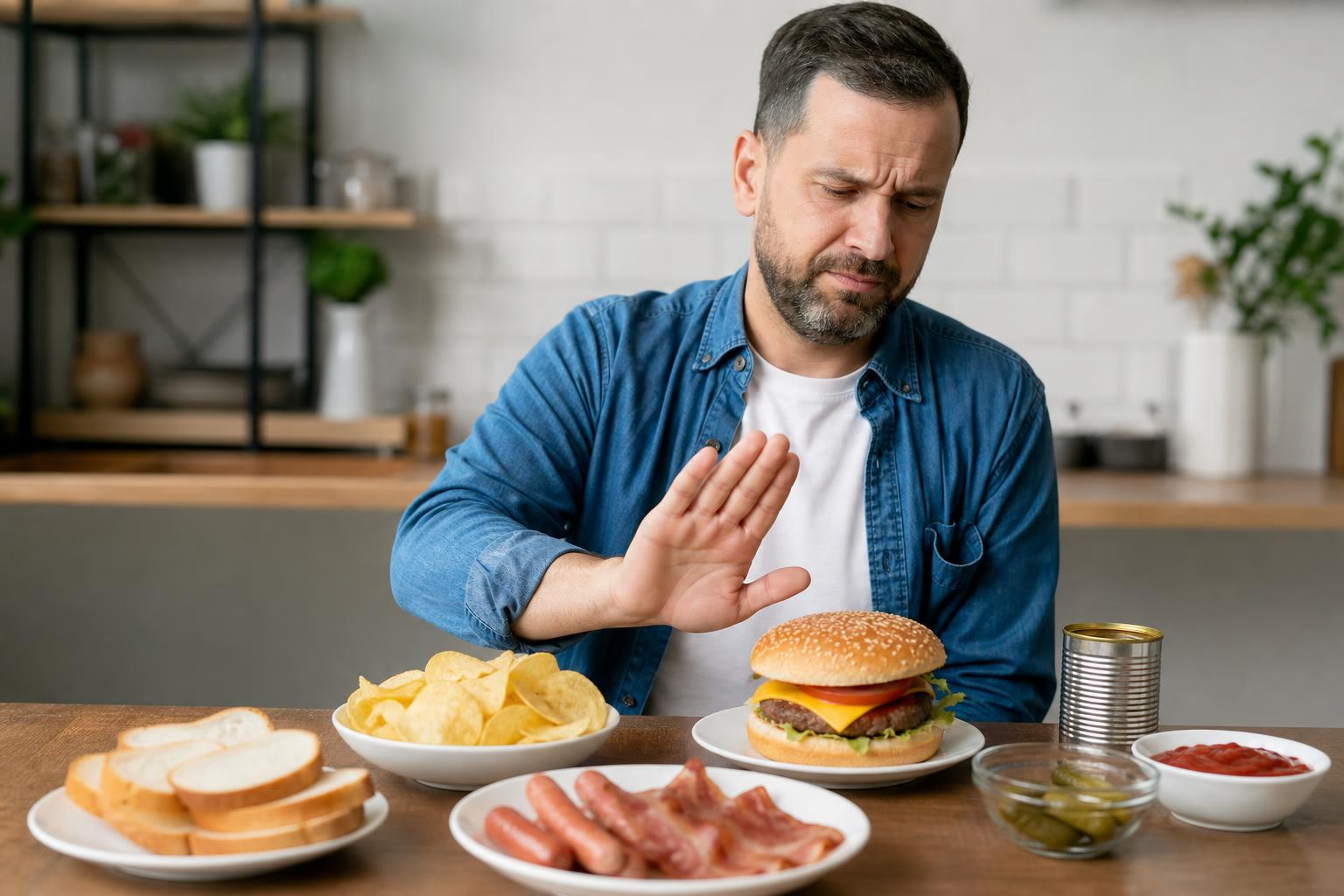
Nearly half of U.S. adults have high blood pressure, and the average American eats about 3,400 mg of sodium daily, well over the 1,500 mg limit recommended for people with hypertension. The biggest offenders aren’t what you’d expect: bread, condiments, and canned soups contribute more sodium than the salt shaker. This guide covers 15 specific high blood pressure foods to avoid, includes sodium counts per serving, and offers practical swaps rooted in the DASH diet framework. If you need personalized guidance, a registered dietitian can tailor recommendations to your labs, medications, and food preferences.
At-a-Glance: Sodium Counts for Common High Blood Pressure Foods to Avoid
| Food | Serving Size | Sodium (mg) | Healthier Swap | Swap Sodium (mg) |
|---|---|---|---|---|
| Soy sauce | 1 tbsp | 1,005 | Low-sodium soy sauce | 533 |
| Canned soup | 1 cup | ~900 | Low-sodium or homemade soup | 140–400 |
| Marinara sauce (jarred) | ½ cup (135g) | 566 | No-salt-added marinara | 40–80 |
| American cheese | 2 slices (42g) | 456 | Fresh mozzarella (2 oz) | 175 |
| Cottage cheese (regular) | ½ cup | 455 | Low-sodium cottage cheese | 60 |
| Deli turkey | 3 slices (~85g) | 620–750 | Fresh roasted turkey breast | 50–70 |
| Hot dog | 1 link | 500–570 | Grilled chicken sausage (low-sodium) | 200 |
| American Heart Association recommends no more than 2,300 mg of sodium per day for the general population. For people with high blood pressure, the ideal target drops to 1,500 mg. The average American adult eats more than 3,400 mg daily, nearly 50% over even the general limit. Here’s the part that surprises people: about 80% of the sodium Americans consume is already in food before it reaches the table. It’s added during processing, manufacturing, and restaurant preparation. You could throw away your salt shaker tomorrow and barely make a dent. One more thing worth knowing: not everyone responds to sodium the same way. Harvard Health reports that roughly a third of healthy people and about 60% of those with high blood pressure are “salt sensitive,” meaning their blood pressure rises by 5 points or more when they switch from a low-salt to a high-salt diet. If you’ve ever been told “just cut the salt” and it didn’t seem to help, individual salt sensitivity might be the reason, and it’s worth discussing with a dietitian. 15 Foods to Avoid (or Limit) With High Blood Pressure1. Processed and Deli MeatsBest known for: Hidden sodium in everyday sandwiches. Bacon, ham, deli turkey, salami, and hot dogs are preserved with sodium-laden curing salts. Three slices of deli turkey can contain 620 to 750 mg of sodium, nearly half the daily limit for someone with hypertension. A single hot dog hits 500 to 570 mg. Swap: Fresh roasted chicken or turkey breast, sliced at home. Season with herbs like rosemary, thyme, and black pepper. 2. Canned Soups and BrothsBest known for: Sodium levels that rival a fast-food meal in a single bowl. Canned soups can contain up to 900 mg of sodium per serving, and most cans hold two servings. That means eating a full can could deliver 1,800 mg, more than a day’s worth on the 1,500 mg target. Swap: Low-sodium or no-salt-added versions. Better yet, make soup at home using fresh vegetables, herbs, and homemade stock. A slow cooker makes this almost effortless. 3. Bread and RollsBest known for: Being the stealth sodium source nobody talks about. A single slice of white bread contains 115 to 170 mg of sodium. That sounds modest. But think about a typical day: toast at breakfast, a sandwich at lunch, a roll at dinner. That cumulative effect can easily account for 500 to 700 mg, roughly a third to half of the 1,500 mg daily limit, from bread alone. Bread and rolls are consistently ranked among the top sources of sodium in the American diet, not because each serving is extreme, but because people eat them at nearly every meal. Swap: Look for whole grain bread labeled “low sodium” (under 140 mg per slice). Or try lettuce wraps for sandwiches. For breakfast ideas that skip the high-sodium toast, check out these heart-healthy breakfast ideas backed by science. 4. Salty Snack FoodsBest known for: Mindless eating that adds up fast. Chips, pretzels, crackers, and microwave popcorn are obvious culprits. An ounce of potato chips delivers 150 to 200 mg of sodium, and few people stop at one ounce. Flavored varieties (barbecue, sour cream and onion) often contain even more. Swap: Unsalted nuts, fresh fruit, sliced vegetables with hummus, or air-popped popcorn seasoned with garlic powder and nutritional yeast. If you’re also managing blood sugar, see these dietitian-approved snack ideas for options that address both concerns. 5. Frozen Dinners and Packaged MealsBest known for: Convenience that comes at a cardiovascular cost. Frozen meals are engineered for long shelf life and maximum flavor on a budget, both of which require sodium. A single frozen entrée can contain 700 to 1,800 mg of sodium. Even the ones marketed as “healthy” or “lean” often exceed 600 mg per serving. Swap: Batch-cook on weekends. A grain bowl with brown rice, roasted vegetables, and grilled chicken (seasoned with cumin, paprika, and lime) takes about 45 minutes and produces four to five meals. 6. Condiments and SaucesBest known for: The “five colors of salt.” A Baystate Health cardiologist described it perfectly: condiments are the five colors of salt. White for table salt, red for ketchup, yellow for mustard, green for pickles, and black for soy sauce. One tablespoon of regular soy sauce contains 1,005 mg of sodium. A half-cup of jarred marinara sauce has 566 mg. Two tablespoons of BBQ sauce adds 300 to 400 mg. Swap: Low-sodium soy sauce (roughly half the sodium), homemade salsa, fresh lemon or lime juice, and vinegar-based dressings. For BBQ, try a dry rub made with smoked paprika, garlic powder, onion powder, and a pinch of cayenne. 7. Pickled and Fermented FoodsBest known for: Sodium concentrations that rival processed meats. Pickles, sauerkraut, kimchi, and olives are all preserved in brine, which is essentially salt water. A single dill pickle spear can contain 300 to 350 mg of sodium. This doesn’t mean fermented foods are off-limits entirely. They offer gut health benefits. But portions matter, and people with high blood pressure should treat them as a garnish, not a side dish. Swap: Fresh cucumbers with a splash of rice vinegar and dill. Or small portions of lower-sodium fermented options, reading labels carefully. 8. Fast Food and Restaurant MealsBest known for: Sodium bombs hiding in plain sight. A single fast-food sub or sandwich can contain over 2,000 mg of sodium. Even sit-down restaurant meals often exceed 1,500 mg per entrée because restaurants use salt, butter, and sauces liberally. Practitioners on Reddit frequently point out that the most frustrating part of managing blood pressure through diet is eating out. The sodium content of restaurant food is rarely disclosed accurately, and even “healthy” menu options can be loaded with hidden salt. Swap: When eating out, ask for sauces on the side, choose grilled over fried, and request no added salt. At fast-casual spots, build your own bowl with plain rice, grilled protein, and fresh vegetables. 9. Cheese (Especially Processed Varieties)Best known for: Surprising sodium density in small portions. Two thin slices of regular American cheese contain 456 mg of sodium. Processed cheese, cheese spreads, and cheese sauces are the worst offenders because they use sodium-based emulsifiers and preservatives. Swap: Fresh mozzarella (about 175 mg per 2 oz), Swiss cheese (lower sodium than most), or small amounts of goat cheese. Nutritional yeast adds a cheesy flavor with zero sodium. 10. Red MeatBest known for: Saturated fat that raises blood pressure through a different pathway. Red meat isn’t just a sodium issue. Its high saturated fat content triggers inflammatory compounds during digestion that can stiffen blood vessels and raise blood pressure. Studies consistently link high red meat consumption with increased cardiovascular risk. Swap: Poultry, fish (especially fatty fish like salmon, which provides omega-3s that support vascular health), beans, and lentils. If you’re looking to restructure your protein intake, this guide to starting a high-protein diet covers the fundamentals. 11. Sugary BeveragesBest known for: Driving weight gain that worsens hypertension. Soda, energy drinks, sweetened iced tea, and even fruit juice contribute to weight gain, insulin resistance, and inflammation, all of which raise blood pressure. A 2023 meta-analysis found that sugar-sweetened beverage consumption was independently associated with increased hypertension risk even after controlling for body weight. Sweet tea deserves special mention for Texas readers. A 16 oz glass of restaurant sweet tea can contain 30 to 50 grams of added sugar. Swap: Water, unsweetened sparkling water with citrus, or unsweetened herbal tea. If you’re also on a GLP-1 medication and managing both weight and blood pressure, this nutrition guide for GLP-1 users addresses beverage choices in detail. 12. Baked Goods and SweetsBest known for: Hidden sodium from leavening agents. Muffins, pancakes, biscuits, and cakes get their rise from baking soda and baking powder, both sodium compounds. A single biscuit can contain 350 mg of sodium. Add in the sugar content driving weight gain, and baked goods hit blood pressure from two directions. Swap: Homemade oatmeal with fresh berries, or fruit-based desserts seasoned with cinnamon and vanilla. 13. AlcoholBest known for: Dose-dependent blood pressure elevation. Moderate to heavy drinking directly raises blood pressure. Research shows that people who drink daily and then cut back can see a reduction of roughly 5 mmHg in systolic blood pressure. Even “moderate” drinking (one to two drinks daily) has measurable effects. Alcohol also interferes with the effectiveness of some blood pressure medications and contributes empty calories that promote weight gain. Swap: Sparkling water with lime, non-alcoholic beer (check sodium on the label), or kombucha in small amounts. 14. Excess CaffeineBest known for: Temporary but significant blood pressure spikes. Caffeine can cause a short-term spike of 5 to 10 mmHg in blood pressure. For most people, this is transient. But for those who are caffeine-sensitive or already have poorly controlled hypertension, it compounds the problem. Energy drinks are particularly concerning because they combine caffeine with sugar and sometimes high sodium. Swap: If you drink coffee, keep it to one to two cups daily and avoid adding sugary creamers. Switch from energy drinks to green tea, which contains less caffeine and provides L-theanine, a compound that may actually support healthy blood pressure. 15. GrapefruitBest known for: Dangerous interactions with blood pressure medications. This one isn’t about sodium. Grapefruit contains compounds called furanocoumarins that interfere with how your body metabolizes certain medications, including calcium channel blockers like amlodipine and felodipine. The interaction can cause the drug to accumulate in your bloodstream, leading to dangerously low blood pressure, dizziness, or other side effects. Black licorice (real licorice, not the candy flavored with anise) is another food that interacts with blood pressure medications. It contains glycyrrhizin, which can reduce the effectiveness of ACE inhibitors. Swap: Oranges, berries, and kiwi provide similar vitamin C without the drug interaction risk. Always check with your pharmacist about food-drug interactions. Hidden Sodium: The “Salty Six” You Might Not ExpectThe American Heart Association identifies six food categories as the top sources of sodium in the American diet. They call them the “Salty Six,” and most of them aren’t foods you’d think of as salty:
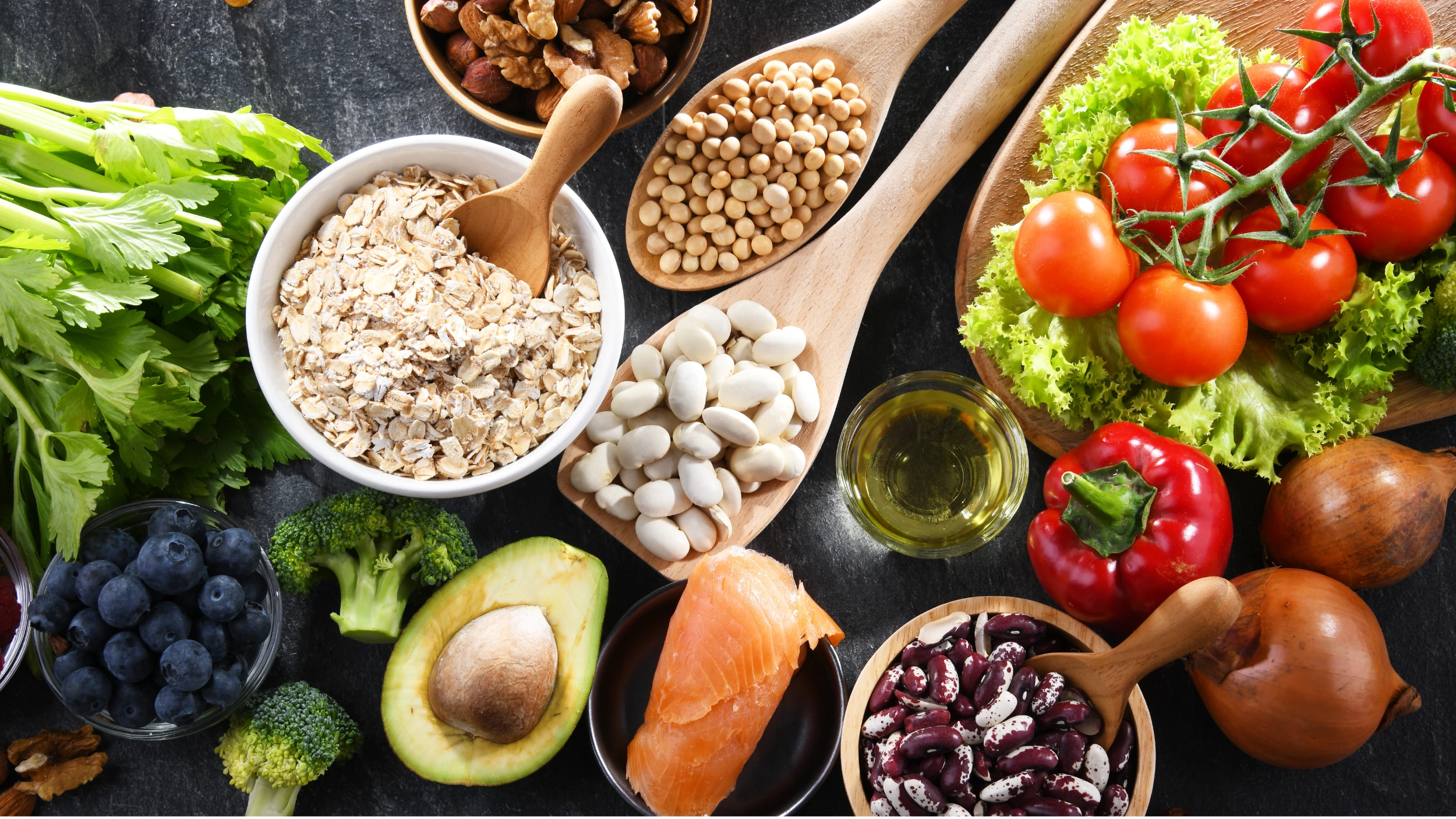
The takeaway: you can avoid the salt shaker entirely and still blow past 3,000 mg. A health content creator on YouTube demonstrated this by tracking a “clean eating” day, whole wheat toast with peanut butter for breakfast, a turkey sandwich for lunch, grilled chicken cooked in store-bought broth for dinner, with a protein bar and yogurt as snacks. The total: 3,350 mg of sodium with no restaurant meals and no salt added at the table. That’s the trap. What to Eat Instead: A Quick DASH Diet OverviewThe DASH (Dietary Approaches to Stop Hypertension) eating plan is the most evidence-backed dietary framework for lowering blood pressure. The original DASH study established that the diet reduces systolic blood pressure by an average of 5.5 mmHg and diastolic by 3 mmHg. The Mayo Clinic reports that combining DASH with sodium reduction can lower blood pressure by up to 11 mmHg. A 2025 review in Clinical Hypertension confirmed that following the DASH plan consistently lowered both systolic and diastolic blood pressure across multiple studies. DASH diet framework at a glance:
The nutrients doing the heavy lifting here are potassium, magnesium, calcium, and fiber. They counterbalance sodium’s effects on blood vessels. One of the most encouraging findings: blood pressure improvements can begin within days. A cardiologist at UChicago Medicine AdventHealth noted that “early changes may be seen within a few days, especially with sodium reduction and improved food choices.” One recent study found that cutting just a teaspoon of salt per day for a week lowered blood pressure by about 6 mmHg, roughly the same reduction many people see from a common blood pressure medication. For a broader approach to resetting your eating patterns, the 2026 metabolic reset guide covers how to build sustainable dietary habits from the ground up. Label Reading Tips
Cooking StrategiesSalt is a flavor shortcut. The real path to flavorful low-sodium cooking is building layers of taste through other means:
When to Work With a Registered DietitianA general food list is a good starting point. But it has limits. Your sodium target depends on your blood pressure readings, medications, kidney function, other conditions (diabetes, PCOS, pregnancy), and even your individual salt sensitivity. A registered dietitian nutritionist (RDN) can review your labs, assess your current eating patterns, and build a plan that fits your life, your food preferences, and your cultural traditions. This matters because hypertension rarely exists in isolation. Many people managing high blood pressure are also dealing with weight concerns, insulin resistance, or GLP-1 medication side effects. A generic “avoid these foods” list can’t account for all of those variables at once. Vedic Nutrition’s registered dietitians specialize in heart health, hypertension, and the conditions that often accompany it. Visits are delivered via telehealth throughout Texas, covered by most major insurance plans (Aetna, BCBS, UnitedHealthcare, Anthem, Cigna, and 1,200+ plans total), with 95% of clients paying $0 out of pocket. You can meet the dietitian team to find the right fit, or check your coverage and get started with a benefits verification before your first appointment. Frequently Asked QuestionsWhat foods should you absolutely avoid with high blood pressure?The highest-impact foods to eliminate are processed meats (bacon, deli meat, hot dogs), canned soups, and high-sodium condiments like soy sauce. These are among the densest sources of sodium in the American diet and contribute the most to exceeding the 1,500 mg daily limit recommended for people with hypertension. Can you eat cheese with high blood pressure?In moderation, yes, but choose carefully. Processed American cheese has 456 mg of sodium per two slices. Fresh mozzarella, Swiss, and goat cheese are lower-sodium options. Low-fat dairy is actually part of the DASH diet, so cheese isn’t off-limits. The type and quantity matter. Does coffee raise blood pressure?Caffeine can cause a temporary spike of 5 to 10 mmHg. For most people, this isn’t dangerous if limited to one to two cups per day. However, if your blood pressure is poorly controlled or you notice symptoms after drinking coffee (headaches, pounding heartbeat), it’s worth discussing with your healthcare provider. What is the DASH diet?DASH stands for Dietary Approaches to Stop Hypertension. It’s an eating plan emphasizing fruits, vegetables, whole grains, lean protein, and low-fat dairy while limiting sodium, saturated fat, and added sugar. Clinical trials show it can lower systolic blood pressure by up to 11 mmHg when combined with sodium reduction. How quickly can diet changes lower blood pressure?Faster than most people expect. Studies show measurable reductions within days of cutting sodium. One study found that reducing salt by just one teaspoon per day for a week lowered blood pressure by approximately 6 mmHg, comparable to what some blood pressure medications achieve. Is grapefruit bad for high blood pressure?Grapefruit itself doesn’t raise blood pressure. The problem is that it interferes with the metabolism of certain blood pressure medications, particularly calcium channel blockers. This can cause the drug to build up in your system and lead to side effects. If you take blood pressure medication, ask your pharmacist whether grapefruit is safe for you. Why is bread bad for blood pressure?A single slice isn’t alarming on its own (115 to 170 mg of sodium). The issue is cumulative. Most Americans eat bread at every meal, and the total sodium from bread alone can account for a third or more of the daily recommended limit. Choosing low-sodium whole grain options makes a meaningful difference. Should I see a dietitian for high blood pressure?If you’ve been diagnosed with hypertension, are on blood pressure medication, or have other conditions like diabetes or kidney concerns alongside high blood pressure, working with an RDN is one of the most effective steps you can take. A dietitian personalizes your sodium target, helps you navigate food-drug interactions, and builds a plan you’ll actually follow. Explore our heart health resources for more dietitian-created guidance on managing blood pressure through nutrition. This article is for informational purposes only and does not constitute medical advice. Always consult your healthcare provider or a registered dietitian before making significant changes to your diet, especially if you take blood pressure medication or have other health conditions. .svg) Meet Your DietitianBrowse our directory of experts to find a dietitian who specializes in your unique goals. View ProvidersFrom our dietitians |
.svg)

.webp)

.webp)
.webp)