.webp)
%2B(7).webp)
.png)
At a Glance
Packing nutritious lunches your kids will actually eat doesn't require elaborate recipes or culinary expertise. These four simple lunchbox themes combine balanced nutrition with kid-friendly presentation, making them perfect for picky eaters, toddlers, and kindergarteners alike. Each approach offers flexibility for dietary restrictions including nut-free requirements while keeping prep time minimal.
Why Theme-Based Lunchbox Planning Works
Let's be real—lunch packing can feel like a never-ending chore that drains your morning energy. Research shows that children are more likely to consume meals when they recognize familiar components and have some autonomy in their eating experience [1]. Theme-based packing simplifies your planning while giving kids the variety they need for optimal nutrition.
Instead of stressing over creating entirely new meals each day, you're working within a flexible framework. This approach reduces decision fatigue (yours!) while ensuring each lunch hits the nutritional marks: protein for sustained energy, whole grains for fiber, and colorful produce for vitamins and minerals [2].
The beauty of these healthy school lunch ideas is their adaptability. Got a nut-free classroom? No problem. Child refuses anything green? We've got strategies. Let's break down each theme so you can rotate through them without the daily panic.
1. The 'Build-Your-Own' Bento Box
This is hands-down my favorite strategy for picky eaters because it removes the pressure of a "complete" meal while still delivering balanced nutrition. When kids can assemble their own combinations, they feel empowered rather than controlled—a huge win for reducing mealtime battles [3].
Think of this as a sophisticated take on those processed lunch kits, but with whole foods you actually feel good about serving. These bento box ideas for kids work particularly well for toddler lunchbox ideas and kindergarten lunch ideas because younger children are still developing their food preferences and textures.
What to Include:
- Protein options: Rolled-up turkey or ham slices, cubed cheddar or mozzarella cheese, hard-boiled egg halves, or mini meatballs (send them cold—kids often don't mind!)
- Whole grain base: Whole-wheat crackers, mini pitas cut into triangles, pretzel sticks, or whole-grain tortilla chips
- Vegetables: Cucumber rounds, cherry tomatoes, baby carrots, bell pepper strips, or snap peas
- Fruits: Grapes (halved for younger kids), apple slices with lemon juice to prevent browning, berries, or mandarin orange segments
- Optional fun addition: A small container of hummus or ranch for dipping, or a few dark chocolate chips as a sweet surprise
Pro tip: Use a compartmentalized container to keep everything separate. Visual organization helps kids see all their options and makes the lunch feel more appealing. If you're dealing with ongoing challenges around selective eating behaviors, this deconstructed approach reduces overwhelm.
2. The 'Protein Power-Up' Pack
For active kids who need sustained energy through afternoon activities, prioritizing protein is essential. Protein helps stabilize blood sugar levels, preventing the mid-afternoon crash that leads to irritability and poor concentration [4].
This theme works beautifully as one of your go-to nut free school lunch ideas since you can easily swap traditional nut butters for seed-based alternatives. It's also one of the most versatile easy lunch ideas for kids because you can adapt it based on what you already have in your fridge.
Power-Up Components:
- Main protein source: Grilled chicken strips (leftover from dinner works perfectly), a container of Greek yogurt with granola, chickpea salad made with olive oil and lemon, turkey and cheese roll-ups, or edamame pods
- Healthy fats: Avocado slices or cubes, a small handful of olives, sunflower seed butter with apple slices, or a mini container of guacamole with veggie sticks
- Fiber-rich additions: Roasted chickpeas for crunch, a handful of berries, whole-grain crackers, or air-popped popcorn
- Hydrating produce: Watermelon cubes, cucumber slices, or celery sticks
Keep-it-fresh strategy: Pack an ice pack in the lunchbox to maintain food safety, especially for dairy and meat items. Greek yogurt tubes can actually double as an ice pack if you freeze them overnight—they'll thaw by lunchtime and stay cold enough to keep other items fresh.
3. The 'Fun Shapes & Skewers' Lunch
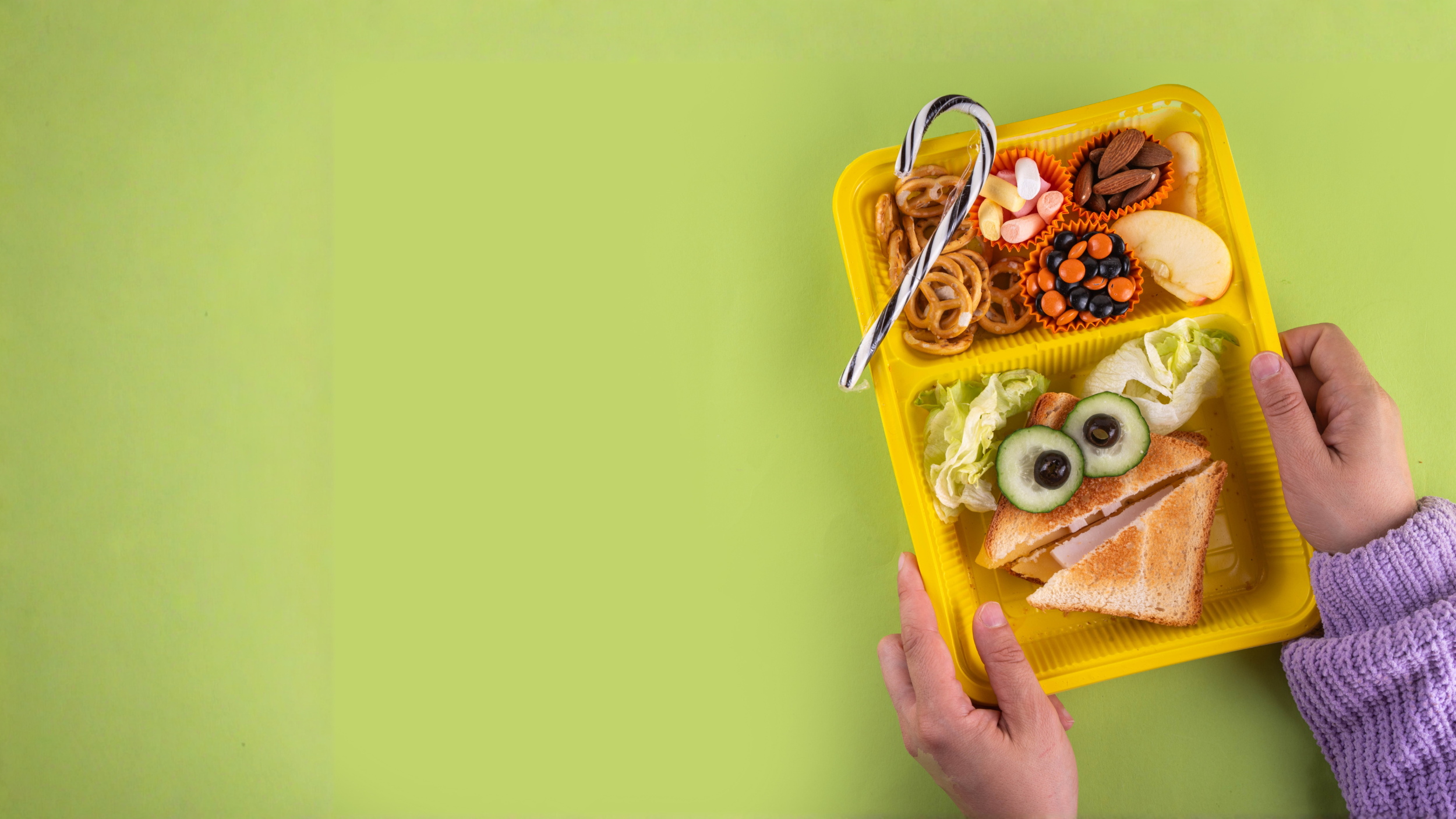
Never underestimate the power of presentation when it comes to fun lunch ideas for kids. Visual appeal genuinely matters, especially for hesitant eaters who make eating decisions based on how food looks before they even taste it. Studies confirm that children consume more vegetables when they're presented in engaging, playful formats [5].
This approach transforms ordinary ingredients into an eating adventure. Cookie cutters, small skewers, and colorful arrangements make lunch feel special rather than routine. It's one of the best lunch ideas for picky eaters because it shifts the focus from "trying new foods" to "having fun at lunch."
Creative Assembly Ideas:
- Skewer combinations: Alternate grape tomatoes, mozzarella balls (or cubed cheese), cooked chicken pieces, and bell pepper chunks on child-safe skewers or long pretzel sticks
- Shape-cut sandwiches: Use cookie cutters to transform whole-wheat sandwiches into stars, hearts, or dinosaurs—kids are more likely to eat the crusts when the overall shape is exciting
- Rainbow arrangement: Organize foods by color in a bento box—red strawberries, orange cheese cubes, yellow bell peppers, green cucumbers, and purple grapes
- Dipping stations: Pack snap peas, carrot sticks, and whole-grain crackers with a small container of hummus, ranch, or sunflower seed butter for interactive eating
Time-saving hack: Prep your cookie cutter sandwiches and skewer components on Sunday for the whole week. Store skewer ingredients separately and assemble the morning of, or let older kids build their own before school for an extra engagement boost. For more strategies on encouraging balanced eating habits in children, consider working with a pediatric nutrition specialist.
4. The 'Warm & Cozy' Thermos
Cold lunch ideas for kids dominate school lunchboxes, but don't overlook the magic of a warm meal, especially during cooler months. A quality insulated thermos expands your options significantly and lets you repurpose dinner leftovers, saving precious morning minutes.
Warm foods provide comfort and familiarity, which can be particularly helpful for anxious eaters or kids adjusting to new school environments. Plus, the novelty of a thermos lunch can reignite interest in foods they've been refusing lately.
Thermos-Friendly Options:
- Comfort classics: Mac and cheese (try adding pureed butternut squash or cauliflower for hidden veggies), chicken noodle soup, mini turkey meatballs in marinara sauce, or cheese quesadilla pieces
- International flavors: Mild chicken curry with rice, vegetable fried rice, bean and cheese burrito filling, or teriyaki chicken with broccoli
- Breakfast-for-lunch: Scrambled eggs with cheese, oatmeal with fruit and cinnamon, or French toast sticks with syrup in a separate container
- Accompaniments: Whole-grain crackers for dipping into soup, a side of fruit like mandarin oranges or berries, and raw veggies with ranch
Thermos success tips: Preheat your thermos by filling it with boiling water for 5 minutes while you heat the food. Dump out the water, immediately add the hot food, and seal tightly. This keeps food safely warm (above 140°F) until lunchtime. Test your thermos at home first to ensure it maintains temperature for your child's specific lunch schedule.
Addressing Common Lunchbox Challenges
"My child comes home with a full lunchbox every day."
This is frustrating, I know. First, check portion sizes—sometimes we pack adult-sized portions when kids need much less. A preschooler's stomach is roughly the size of their fist [6]. Also consider timing: if lunch period is too early or too late, hunger cues might be off. Send a note asking when lunch actually happens.
"Everything needs to be nut-free but my kid won't eat sandwiches."
You have so many options beyond PB&J! The protein power-up pack with sunflower seed butter, the bento box approach, and the thermos theme all work perfectly for nut-free requirements. Focus on cheese, yogurt, beans, eggs, and seed-based spreads as your protein foundations.
"Mornings are too chaotic for elaborate packing."
These themes are designed for simplicity, not perfection. Prep components on the weekend—wash and cut produce, portion crackers into bags, cook proteins in bulk. In the morning, you're just assembling, not cooking from scratch. Even keeping a rotating two-theme schedule is better than daily decision paralysis.
Frequently Asked Questions
What is a balanced lunch for a child?
A balanced lunch should include a source of protein (like meat, cheese, eggs, or beans), a whole grain (like whole-wheat bread, crackers, or brown rice), a fruit, and a vegetable. Including these components ensures they get the sustained energy and essential nutrients needed for their afternoon activities and learning. Aim for variety throughout the week rather than perfection in every single meal.
How can I keep my kid's lunch fresh until they eat it?
Use an insulated lunch bag with at least one ice pack for cold items like yogurt, deli meats, cheese, and cut fruits. For warm foods, preheat a quality thermos by filling it with boiling water for 5 minutes before adding the hot food. Foods should stay out of the "danger zone" (between 40°F and 140°F) to prevent bacterial growth. When in doubt, colder is safer.
What do you pack for a very picky eater?
For very picky eaters, start with foods you know they'll eat and serve them in new presentations, like the 'Build-Your-Own' Bento Box approach. Include one "learning food" (something new or previously refused) in a very small quantity alongside their safe foods, with absolutely no pressure to eat it. Repeated exposure without pressure is what builds acceptance over time. Consistency and patience are your best tools—some kids need 15-20 exposures before trying something new.
Making Lunchbox Success Sustainable
The goal isn't perfection—it's progress. Some days you'll send an elaborate bento box, and other days it'll be a cheese stick, crackers, and an apple. Both are completely valid. What matters is that you're offering balanced options most of the time and removing the stress from the equation.
Rotate through these four themes based on what works for your family's schedule and your child's preferences. Pay attention to what comes home uneaten (that's valuable feedback!) and adjust accordingly. If you're navigating complex feeding challenges or nutritional concerns, remember that personalized guidance can make all the difference.
Get Personalized Support for Your Family
Packing a nutritious lunch is just one piece of the childhood nutrition puzzle. If you're struggling with persistent picky eating, mealtime battles, growth concerns, or just want confirmation that your child is getting the right balance of nutrients for their development, you don't have to figure it out alone.
Our pediatric dietitians specialize in creating practical, family-specific strategies that actually work in real life—not just in theory. We'll help you understand your child's unique nutritional needs, decode their eating behaviors, and build a sustainable approach that reduces stress for everyone.
Book a one-on-one consultation today and get personalized lunchbox strategies tailored to your child's needs and your family's lifestyle.
References
[1] Galloway AT, Fiorito LM, Francis LA, Birch LL. 'Finish your soup': counterproductive effects of pressuring children to eat on intake and affect. Appetite, 2006.
[2] U.S. Department of Agriculture. MyPlate Nutritional Guidelines for Children. USDA, 2020.
[3] Roset-Salla M, Ramon-Krauel M, Lerin C. Autonomy support in the feeding relationship and healthy eating behaviors in children. Pediatric Obesity, 2021.
[4] Leidy HJ, Clifton PM, Astrup A, et al. The role of protein in weight loss and maintenance. American Journal of Clinical Nutrition, 2015.
[5] Olsen A, Møller P, Hausner H. Early origins of overeating: tracking between eating behavior in early childhood and adolescence. Current Obesity Reports, 2017.
[6] American Academy of Pediatrics. Serving Sizes for Toddlers and Young Children. AAP, 2022.
.svg)
.svg)