.webp)

%2B(7).webp)
.png)
At a Glance
Packing healthy school lunches doesn't have to feel like a daily battle. These five practical strategies combine nutrition science with real-world convenience, helping you assemble balanced meals your kids will actually finish. From customizable bento boxes to batch-prepped components, you'll discover systems that save time while supporting your child's growth and energy.
It feels like a daily puzzle, doesn't it? Trying to pack a lunch that's nutritious, quick to assemble, and—most importantly—won't come back home untouched. As a dietitian, I talk to busy moms every day who feel this pressure. The good news? You don't need Pinterest-perfect meals or culinary skills to send your kids to school with food that fuels their bodies and brains.
Let's take the stress out of the school week with some simple, budget-friendly ideas that will keep your kids energized and happy.
1. The "Build-Your-Own" Bento Box
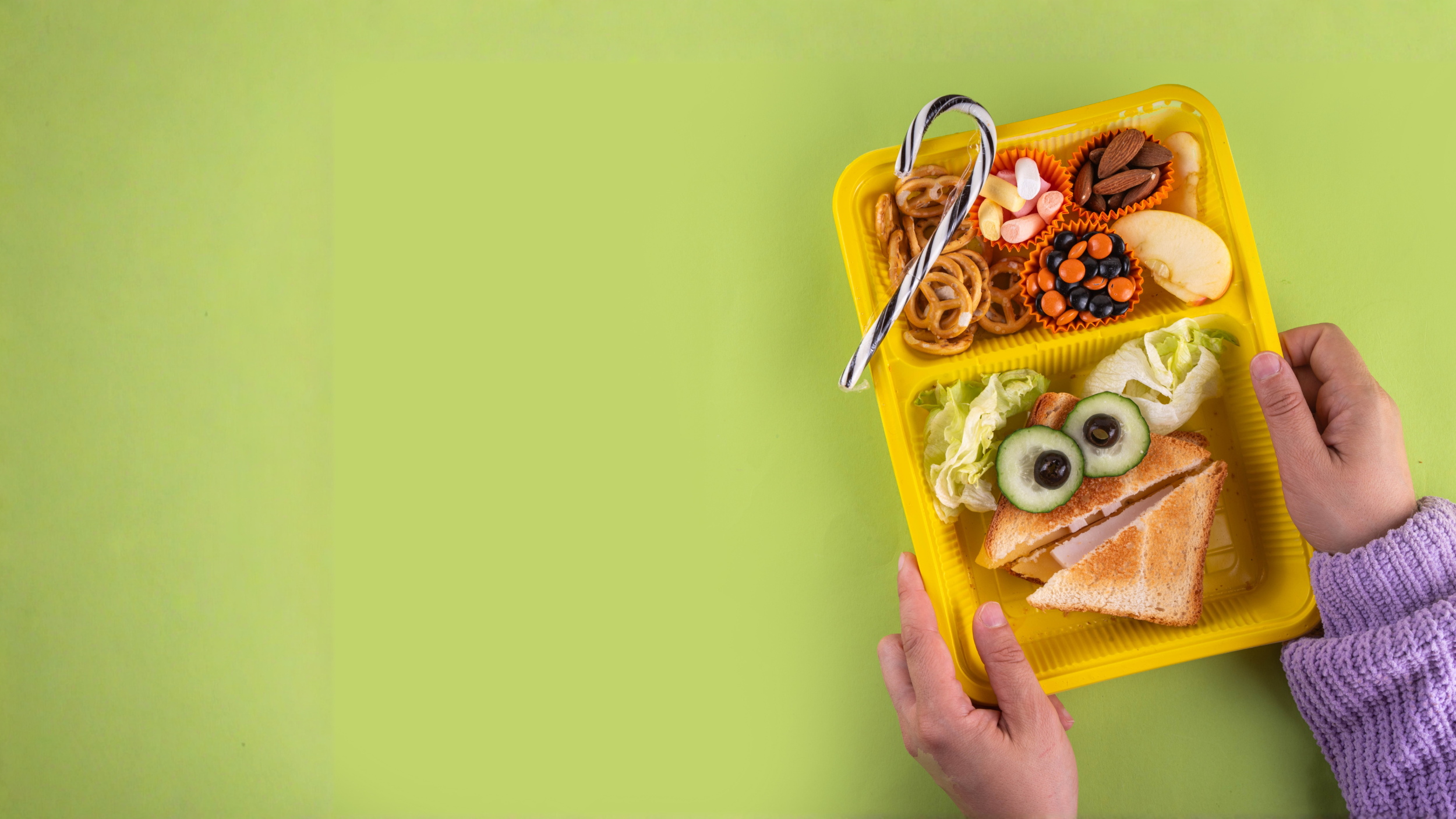
This is the ultimate solution for picky eaters and busy mornings. The small compartments encourage variety and make food feel more like fun and less like a formal meal. Research shows that offering foods in separated sections can increase vegetable consumption in children by reducing perceived portion pressure [1]. This approach is perfect for using up leftovers and requires zero cooking.
The magic formula? Focus on four key components:
- Protein: Rolled deli turkey, hard-boiled eggs, edamame, cheese cubes, or grilled chicken strips
- Fruit: Apple slices with lemon juice (prevents browning), grapes, berries, or mandarin oranges
- Veggie: Cherry tomatoes, cucumber coins, baby carrots, bell pepper strips, or snap peas
- Healthy Fat: Avocado slices, a small container of ranch dip, hummus, or a handful of sunflower seeds
The beauty of bento box lunch ideas is that you're not creating a "meal"—you're just filling compartments. My clients tell me this mental shift makes mornings so much easier. Plus, kids love the autonomy of choosing what to eat first.
If you're looking for more strategies to balance your family's nutrition while managing your own health, check out these evidence-based tips for eating well during busy seasons.
2. Deconstructed Lunchtime Favorites
Think about what they already love and simply separate the components. This makes it easier for little hands to manage and can feel less overwhelming than a fully assembled meal. It's a simple mental shift that makes packing so much faster.
Here are some winning combinations:
- Deconstructed Pizza: Whole grain crackers, mozzarella string cheese, and a small container of marinara sauce for dipping
- DIY Tacos: Tortilla chips, seasoned ground turkey or black beans (warm in a thermos), shredded cheese, and mild salsa
- Build-Your-Own Sandwich: Whole grain bread, deli meat, cheese slices, lettuce, and tomato in separate compartments
- Breakfast-for-Lunch: Mini whole grain waffles, almond butter for spreading, and a side of fresh berries
These easy school lunches work because they tap into familiar flavors while giving kids a sense of control. Studies indicate that children who have autonomy in food choices are more likely to consume adequate nutrients [2]. The interactive element also makes lunchtime more engaging, which means less food waste.
3. Batch-Prepped & Ready to Go
Dedicate one hour on Sunday to prep key components for the week. This is the single best time-saving hack for making healthy eating a reality during a chaotic week. Store items in airtight containers so you can just grab and assemble in the morning.
Your Sunday prep session should include:
- Hard-boiled eggs: Make a dozen. They last 5-7 days refrigerated and provide 6 grams of complete protein each [3]
- Pasta salad: Whole grain pasta with cherry tomatoes, cucumber, mozzarella, and Italian dressing stores beautifully for 4 days
- Grilled chicken strips: Season with simple salt, pepper, and garlic powder. Slice and portion into small containers
- Washed and chopped veggies: Carrots, celery, bell peppers, and cucumbers ready to grab
- Portioned fruit: Wash grapes, slice melon, or divide berries into small containers
- Energy balls or homemade muffins: Batch-bake on Sunday for the week
This system transforms your mornings from stressful to systematic. You're not making decisions or chopping vegetables at 7 a.m.—you're simply assembling from your prep work. These quick school lunches practically pack themselves.
For more strategies on meal planning that actually fits into real life, explore these practical approaches to weekly meal prep.
4. The Thermos Game-Changer
Don't underestimate the power of a good quality thermos for expanding your packed lunch ideas beyond cold foods. Warm meals can be incredibly comforting, especially during colder months, and many kids eat better when food is served at an appealing temperature.
Thermos-friendly options that kids love:
- Pasta with butter and parmesan: Simple, familiar, and always a winner
- Chicken noodle soup: Provides hydration along with balanced nutrition
- Mac and cheese: Use whole grain pasta and add steamed broccoli florets
- Quesadilla pieces: Cut into strips for easy eating, stays warm for hours
- Fried rice: Packed with veggies, egg, and leftover protein from dinner
- Chili or bean soup: Fiber-rich and filling, keeps them satisfied through afternoon classes
Pro tip: Preheat your thermos by filling it with boiling water for 5 minutes, then dump it out before adding the hot food. This keeps meals warmer for longer and ensures food safety.
5. The "Snack Plate" Approach
Sometimes the best lunch isn't a "meal" at all—it's a collection of nutrient-dense snacks. This works especially well for toddler lunch ideas and younger elementary students who graze rather than eat large portions at once.
Assemble a balanced snack plate with:
- Whole grain component: Whole wheat crackers, pretzels, or pita chips
- Protein source: Cheese cubes, hummus, Greek yogurt, or turkey roll-ups
- Produce: Any fruit and vegetable your child reliably eats
- Small treat: A few chocolate chips, animal crackers, or a homemade cookie
This approach reduces pressure and waste. You're meeting them where they are developmentally while still providing balanced nutrition. The variety also helps ensure they're getting different vitamins and minerals throughout the day [4].
If you're struggling with your own nutrition while caring for your family's needs, you might find helpful strategies in this post about balancing self-care with family responsibilities.
Frequently Asked Questions
How can I keep cold foods safe until lunchtime?
An insulated lunch bag with a slim ice pack is the best way to ensure foods like yogurt, cheese, and deli meats stay at a safe temperature until your child is ready to eat. The USDA recommends keeping perishable foods below 40°F to prevent bacterial growth [5]. If your child's lunch period is more than 4 hours after leaving home, consider using two ice packs or freezing a juice box to serve double duty as both a cooling element and a drink.
What are some good nut-free school lunch ideas?
Sunflower seed butter is a fantastic alternative to peanut butter and provides similar healthy fats and protein. Other great nut-free options include:
- Hummus with veggie sticks and pita bread
- Cheese and whole grain crackers
- Greek yogurt parfaits with granola (check labels for nut-free certification)
- Turkey and cheese roll-ups
- A thermos of lentil soup or chicken noodle soup
- Hard-boiled eggs with fruit and veggies
Always check your school's specific allergy policies, as some facilities are also sesame-free or seed-free.
How do I get my child to eat more vegetables in their lunch?
Start small and pair them with a familiar dip they love, like ranch or hummus. Cutting veggies into fun shapes with small cookie cutters or serving "mini" versions like baby carrots and cherry tomatoes can also make them more appealing. Research shows that repeated exposure—offering the same vegetable 8-10 times without pressure—significantly increases acceptance [6]. Don't give up after one or two rejections. Keep including small portions alongside foods you know they'll eat.
Let's Make Mealtime Easier
Feeling overwhelmed by the daily demands of feeding your family? You're not alone. Balancing nutrition, convenience, and your child's preferences is genuinely challenging, especially when you're also managing your own health and wellness goals.
If you'd like personalized strategies and meal plans that fit your real life—not some idealized version of it—let's chat. I work with busy moms just like you to create sustainable systems that reduce stress and support your whole family's health.
Book a 1-on-1 consultation today at www.usevedic.com
Remember: the "perfect" lunch is the one your child actually eats. Give yourself permission to keep it simple, use convenience items when needed, and celebrate the small wins. You're doing an amazing job.
References
[1] Schwartz MB, et al. Effect of Portion Size on Vegetable Consumption in Children. Journal of Nutrition Education and Behavior, 2007.
[2] Fisher JO, Dwyer JT. Autonomy Support and Self-Regulation in Childhood Feeding. Annual Review of Nutrition, 2016.
[3] USDA FoodData Central. Egg, Whole, Cooked, Hard-Boiled Nutritional Profile. United States Department of Agriculture, 2024.
[4] Hetherington MM, et al. Variety and Portion Size in Children's Diets: Effects on Energy Intake. Appetite, 2015.
[5] USDA Food Safety and Inspection Service. Danger Zone: 40°F to 140°F Food Safety Guidelines. United States Department of Agriculture, 2025.
[6] Cooke L. The Importance of Exposure for Healthy Eating in Childhood. Journal of Human Nutrition and Dietetics, 2007.
.svg)
.svg)