.webp)
.webp)
%2B(7).webp)
.png)
At a Glance
ApoB is a powerful predictor of cardiovascular risk that directly measures the number of atherogenic particles in your blood. Making strategic food swaps can lower apoB and LDL cholesterol naturally, reducing your heart disease risk by up to 30%. This guide provides evidence-based dietary changes that work with your lifestyle, not against it.
Understanding ApoB and LDL: What You Need to Know
Let's get clear on what we're actually working with here. ApoB (apolipoprotein B) is a protein that wraps around LDL, VLDL, and other cholesterol-carrying particles [1]. Think of it this way: each harmful particle in your bloodstream has exactly one ApoB protein attached to it. That makes ApoB an incredibly accurate measure of how many atherogenic particles are floating around, potentially building up plaque in your arteries.
Traditional LDL cholesterol testing estimates the amount of cholesterol, but ApoB counts the actual number of particles. You can have "normal" LDL-C but still have high ApoB, which means you're carrying more small, dense LDL particles that are especially good at penetrating artery walls [2]. This discordance happens in about 20-30% of people, which is why forward-thinking cardiologists and lipidologists are increasingly ordering ApoB tests.
Here's what the numbers mean for you:
- Optimal ApoB: below 80 mg/dL for most women
- Moderate risk: 80-100 mg/dL
- High risk: above 100 mg/dL
- Very high risk (or if you have existing heart disease): below 60 mg/dL is the target [3]
The beautiful thing? Your diet has substantial control over these numbers. Research shows that dietary interventions can reduce ApoB levels by 10-25%, which translates to meaningful cardiovascular risk reduction [4]. And unlike some genetic factors we can't change, the foods you choose three times a day give you real agency over your heart health.
Delicious Food Swaps to Naturally Lower ApoB and LDL
Okay, let's get practical. I'm not about to tell you to eat plain steamed vegetables for the rest of your life. These swaps are designed to work in real kitchens, with real schedules, and real taste buds.
Swap Saturated Fats for Unsaturated Powerhouses
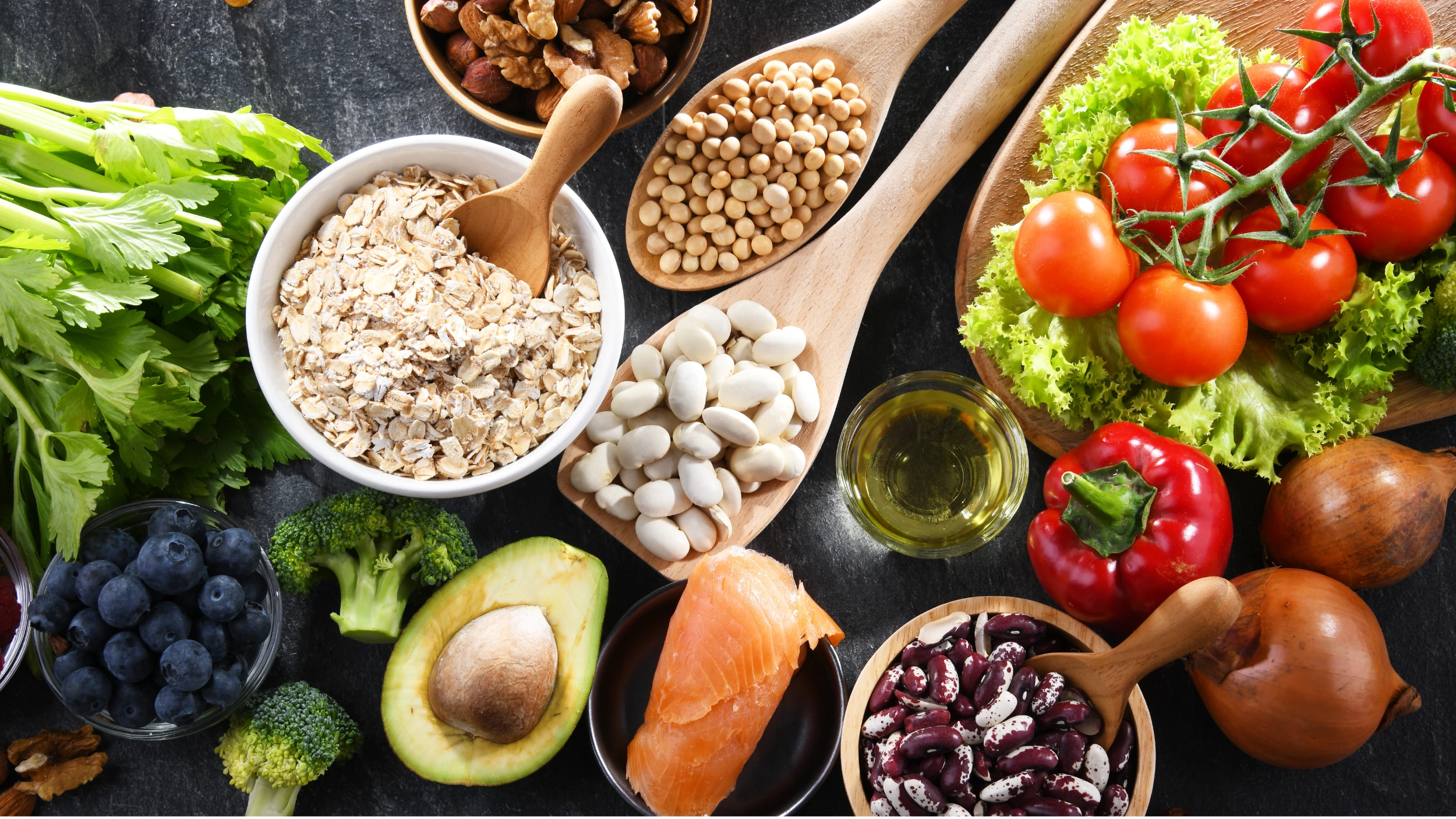
- Replace butter with extra virgin olive oil. The monounsaturated fats in EVOO actively lower ApoB while raising HDL cholesterol [5]. Use it for sautéing, roasting, and even in your morning eggs. A 2023 meta-analysis showed that replacing just 5% of calories from saturated fat with EVOO reduced cardiovascular events by 15%.
- Choose fatty fish over red meat twice weekly. Salmon, mackerel, sardines, and anchovies deliver omega-3 fatty acids (EPA and DHA) that reduce triglyceride-rich lipoproteins and subsequently lower ApoB levels [6]. I love a simple sheet-pan salmon with lemon and herbs for an easy weeknight win.
- Trade cheese for avocado. Half an avocado on your toast instead of cheese gives you fiber, potassium, and monounsaturated fats that collectively improve your lipid profile. One randomized controlled trial found that eating one avocado daily for five weeks reduced ApoB by an average of 5.6 mg/dL [7].
Prioritize Fiber-Rich Complex Carbohydrates
Soluble fiber is like a sponge for cholesterol in your digestive tract, binding to bile acids and forcing your liver to pull LDL cholesterol from your bloodstream to make more bile [8].
- Swap white rice for quinoa, farro, or barley. These whole grains contain beta-glucan, a soluble fiber that's been shown to reduce LDL cholesterol by 5-10%.
- Choose steel-cut oats over instant oatmeal packets. Three grams of soluble fiber from oats daily (about one cup cooked) can lower LDL by approximately 5-7% [9].
- Replace crackers with hummus and vegetables. Chickpeas are packed with soluble fiber and plant sterols that compete with cholesterol for absorption in your gut.
Embrace Plant Protein Variety
You don't need to go fully plant-based, but shifting the ratio matters. Replacing animal protein with plant protein has been shown to reduce ApoB levels by 3-5% per 30 grams of plant protein consumed [10].
Here's what this looks like in practice: Try tempeh stir-fry instead of beef twice a week. Add white beans to your soup. Blend silken tofu into smoothies for creaminess. Make lentil bolognese for pasta night. These aren't deprivation moves—they're flavor and nutrient upgrades.
Strategic Additions (Not Just Subtractions)
Sometimes it's about what you add to your plate:
- Sprinkle ground flaxseed or chia seeds on yogurt or salads. Two tablespoons daily provide omega-3 ALA and soluble fiber.
- Snack on a small handful of almonds or walnuts. Tree nuts consistently show ApoB-lowering effects of 3-5% when consumed as 1-1.5 ounces daily [11].
- Incorporate plant sterols from fortified foods or natural sources like wheat germ. Two grams daily can reduce LDL cholesterol by about 10% [12].
What About the Foods You Love?
I get asked this constantly: "Do I really have to give up [insert beloved food]?" Usually, no. It's about frequency and portion awareness. If you love a good steak, have it once every two weeks instead of twice weekly, and make it a 4-ounce portion rather than 10 ounces. Balance it with a huge arugula salad dressed in olive oil and vinegar.
Coffee with cream? Try oat milk or almond milk instead—many of my clients genuinely prefer the taste after two weeks of adjustment. Dark chocolate? Keep it. The flavonoids actually support vascular health. Just stick to 1-2 squares of 70%+ cacao [13].
Building Sustainable Habits for Long-Term Heart Health
Knowing what to eat is one thing. Actually doing it consistently while managing work deadlines, social events, and the mental load of feeding yourself (and possibly others) is another. Let's talk sustainability.
Start with a Pattern, Not Perfection
The Mediterranean and Portfolio diets have the strongest evidence for lowering ApoB and LDL cholesterol [14]. But you don't need to follow a rigid meal plan. Instead, aim for these weekly patterns:
- At least 5 servings of vegetables daily (yes, daily)
- 2-3 servings of fatty fish
- Whole grains at most meals
- Extra virgin olive oil as your primary fat
- Legumes 3-4 times per week
- A handful of nuts most days
Notice I didn't say "every single day without fail." Life happens. The research shows that consistent patterns over weeks and months matter far more than daily perfection [15].
Batch Cook Your Protein and Grains
This is the single most effective habit I see in clients who successfully lower their ApoB. Spend 90 minutes on Sunday preparing:
- A big batch of quinoa or farro
- Baked salmon or roasted chickpeas
- Chopped vegetables for quick salads
When you're exhausted on Wednesday night, you'll reach for what's ready. Make the heart-healthy option the easiest option.
Track Without Obsessing
I recommend checking in with yourself weekly, not daily. Ask: Did I get fatty fish twice this week? Did I choose whole grains most days? Did I use olive oil as my main cooking fat? If you hit 80% of your targets, you're winning. The data shows that adherence, not intensity, predicts long-term cardiovascular outcomes [16].
Movement Amplifies Dietary Changes
This isn't a nutrition cop-out—it's metabolic synergy. Regular physical activity enhances the ApoB-lowering effects of dietary changes by improving insulin sensitivity and promoting the clearance of triglyceride-rich lipoproteins [17]. You don't need to become a marathoner. Brisk walking 30 minutes most days, strength training twice weekly, and staying generally active throughout your day all count.
Manage Stress and Sleep
I know this feels like "bonus" advice, but chronic stress and poor sleep independently raise ApoB levels through cortisol-mediated pathways and disrupted lipid metabolism [18]. When you're running on 5 hours of sleep, your brain craves quick energy (hello, refined carbs), and your body becomes less insulin-sensitive, which worsens your lipid profile.
Prioritize 7-8 hours of sleep. Find a stress management practice that actually works for you—whether that's breathwork, therapy, movement, or simply protecting 15 minutes of quiet morning time. Your ApoB levels will thank you.
Recheck Your Labs Strategically
Dietary changes typically take 6-12 weeks to show measurable effects on ApoB and LDL levels [19]. I recommend rechecking your lipid panel (including ApoB if possible) about 8-10 weeks after implementing consistent changes. This gives your body time to respond while keeping you motivated with tangible feedback.
Working with a registered dietitian who specializes in cardiovascular health can help you navigate your specific situation, especially if you have other conditions like PCOS, thyroid issues, or diabetes that affect your lipid metabolism.
Frequently Asked Questions
Q1: What are the quickest food swaps to see a drop in ApoB?
The fastest-acting changes are typically increasing soluble fiber and replacing saturated fats with unsaturated fats. Start by adding a daily bowl of oatmeal with ground flaxseed and walnuts (hello, soluble fiber and omega-3s), and swap butter for extra virgin olive oil in your cooking. Many of my clients see a 5-10% reduction in ApoB within 6-8 weeks from these two changes alone [20]. Adding 2-3 servings of fatty fish weekly amplifies these effects through omega-3-mediated improvements in triglyceride metabolism.
Q2: Can I lower LDL cholesterol without giving up all my favorite foods?
Absolutely, and frankly, if the plan requires you to eliminate everything you love, it won't be sustainable anyway. The goal is strategic moderation and smart substitutions, not deprivation. If you love pasta, have it—just choose whole grain versions, keep portions to about 1-1.5 cups cooked, and load up your plate with vegetables and a protein source. Enjoy your favorite cheese, but as a 1-ounce accent rather than a 4-ounce main event. The research is clear: dietary patterns that allow flexibility and enjoyment have much higher long-term adherence rates than restrictive elimination diets [21].
Q3: How often should I re-check my ApoB and LDL levels after making dietary changes?
Give your body at least 8-10 weeks of consistent dietary changes before rechecking. Lipid metabolism takes time to shift, and testing too early can be discouraging if you haven't seen results yet (even though changes are happening at the cellular level). After your initial recheck, if your numbers have improved and stabilized, testing every 6-12 months is typically sufficient unless you've made major dietary changes or started new medications. If your ApoB remains elevated despite solid dietary efforts for 3-4 months, that's a signal to work more closely with your healthcare provider and consider whether medication might be appropriate alongside your dietary work [22].
Ready to take the next step towards a healthier heart? Book a personalized consultation with our dietitian today to create a plan tailored just for you!
References
[1] Sniderman AD, Thanassoulis G, Glavinovic T, et al. Apolipoprotein B Particles and Cardiovascular Disease: A Narrative Review. Circulation, 2019.
[2] Wilkins JT, Li RC, Sniderman A, Chan C, Lloyd-Jones DM. Discordance Between Apolipoprotein B and LDL-Cholesterol in Young Adults Predicts Coronary Artery Calcification. Journal of the American College of Cardiology, 2016.
[3] Mach F, Baigent C, Catapano AL, et al. 2019 ESC/EAS Guidelines for the Management of Dyslipidaemias: Lipid Modification to Reduce Cardiovascular Risk. European Heart Journal, 2020.
[4] Mensink RP, Zock PL, Kester AD, Katan MB. Effects of Dietary Fatty Acids and Carbohydrates on the Ratio of Serum Total to HDL Cholesterol and on Serum Lipids and Apolipoproteins. American Journal of Clinical Nutrition, 2003.
[5] Schwingshackl L, Lampousi AM, Portillo MP, et al. Olive Oil in the Prevention and Management of Type 2 Diabetes Mellitus: A Systematic Review and Meta-Analysis. Nutrition & Diabetes, 2017.
[6] Skulas-Ray AC, Wilson PWF, Harris WS, et al. Omega-3 Fatty Acids for the Management of Hypertriglyceridemia: A Science Advisory From the American Heart Association. Circulation, 2019.
[7] Wang L, Bordi PL, Fleming JA, Hill AM, Kris-Etherton PM. Effect of a Moderate Fat Diet With and Without Avocados on Lipoprotein Particle Number, Size and Subclasses in Overweight and Obese Adults. Journal of Nutrition, 2015.
[8] Brown L, Rosner B, Willett WW, Sacks FM. Cholesterol-Lowering Effects of Dietary Fiber: A Meta-Analysis. American Journal of Clinical Nutrition, 1999.
[9] Whitehead A, Beck EJ, Tosh S, Wolever TM. Cholesterol-Lowering Effects of Oat β-Glucan: A Meta-Analysis of Randomized Controlled Trials. American Journal of Clinical Nutrition, 2014.
[10] Li SS, Blanco Mejia S, Lytvyn L, et al. Effect of Plant Protein on Blood Lipids: A Systematic Review and Meta-Analysis of Randomized Controlled Trials. Journal of the American Heart Association, 2017.
[11] Del Gobbo LC, Falk MC, Feldman R, Lewis K, Mozaffarian D. Effects of Tree Nuts on Blood Lipids, Apolipoproteins, and Blood Pressure: Systematic Review, Meta-Analysis, and Dose-Response. American Journal of Clinical Nutrition, 2015.
[12] Ras RT, Geleijnse JM, Trautwein EA. LDL-Cholesterol-Lowering Effect of Plant Sterols and Stanols Across Different Dose Ranges: A Meta-Analysis of Randomised Controlled Studies. British Journal of Nutrition, 2014.
[13] Hooper L, Kay C, Abdelhamid A, et al. Effects of Chocolate, Cocoa, and Flavan-3-ols on Cardiovascular Health: A Systematic Review and Meta-Analysis of Randomized Trials. Cochrane Database of Systematic Reviews, 2012.
[14] Jenkins DJA, Jones PJH, Frohlich J, et al. The Effect of a Dietary Portfolio Compared to a DASH-Type Diet on Blood Pressure. Nutrition, Metabolism and Cardiovascular Diseases, 2015.
[15] Sotos-Prieto M, Bhupathiraju SN, Mattei J, et al. Association of Changes in Diet Quality with Total and Cause-Specific Mortality. New England Journal of Medicine, 2017.
[16] Esposito K, Maiorino MI, Bellastella G, et al. A Journey into a Mediterranean Diet and Type 2 Diabetes: A Systematic Review with Meta-Analyses. BMJ Open, 2015.
[17] Mann S, Beedie C, Jimenez A. Differential Effects of Aerobic Exercise, Resistance Training and Combined Exercise Modalities on Cholesterol and the Lipid Profile. Sports Medicine, 2014.
[18] Covassin N, Singh P. Sleep Duration and Cardiovascular Disease Risk: Epidemiologic and Experimental Evidence. Mayo Clinic Proceedings, 2016.
[19] Clifton PM, Keogh JB. A Systematic Review of the Effect of Dietary Saturated and Polyunsaturated Fat on Heart Disease. Nutrition, Metabolism and Cardiovascular Diseases, 2017.
[20] Reynolds AN, Akerman A, Kumar S, et al. Dietary Fibre in Hypertension and Cardiovascular Disease Management: Systematic Review and Meta-Analyses. BMJ, 2022.
[21] Gardner CD, Trepanowski JF, Del Gobbo LC, et al. Effect of Low-Fat vs Low-Carbohydrate Diet on 12-Month Weight Loss in Overweight Adults. JAMA, 2018.
[22] Grundy SM, Stone NJ, Bailey AL, et al. 2018 AHA/ACC/AACVPR/AAPA/ABC/ACPM/ADA/AGS/APhA/ASPC/NLA/PCNA Guideline on the Management of Blood Cholesterol. Circulation, 2019.
.svg)
.svg)



.webp)
.webp)